
Entering 2026, the push to reduce vehicle weight for fuel efficiency while meeting stricter fire codes is forcing RV and marine manufacturers away from traditional wood and foam cores. The shift isn’t just cosmetic. Strict new carbon mandates are making material selection a compliance issue rather than a simple engineering preference. Aluminum honeycomb panels are rapidly becoming the standard solution that balances structural rigidity with the necessary weight reduction.
Market data supports this transition. The global aluminum honeycomb panel market size reached approximately RMB 18.83 billion in 2025 and is projected to exceed RMB 22.27 billion by 2032. This growth signals a permanent industry shift toward engineered composites rather than a temporary trend.
This article breaks down the 2026 regulatory environment and the specific manufacturing innovations—like continuous bonding lines and automated core expansion—that solve the delamination issues common in older composite designs. Our experience in high-precision composite manufacturing proves a key point. Specifying these updated production techniques is the only way to guarantee consistent quality and keep your assembly lines moving.

What’s Ahead for the Aluminum Honeycomb Market in 2026?
2026 Regulatory Drivers for Lightweight Composites
In 2026, the regulatory environment for aluminum honeycomb panels is reshaped by stricter fuel economy mandates and decarbonization targets across the transportation sector. European Union regulations such as EU MDR/MDA continue to push OEMs toward mass reduction, where every kilogram saved on a trailer or RV directly translates into compliance credits. This has made high-strength-to-weight sandwich structures non-negotiable rather than optional. Engineers can no longer rely on steel or basic foam cores if they wish to meet upcoming emissions thresholds without compromising payload capacity.
The shift extends beyond just weight; fire safety certifications are becoming equally rigid. Class A2 fire ratings, which we standardize across our production lines, are increasingly required for mobile living spaces and marine interiors in densely populated regions. As inspections become more stringent regarding flame spread and smoke density, manufacturers who cut corners on core adhesion or skin thickness face immediate supply chain disqualification. We have observed that clients rushing to adapt often overlook the interface between the honeycomb core and the facing sheets—a weak bond here can cause delamination under thermal stress even if the individual materials pass testing.
New Energy Sector Demand Growth Projections
The expansion of new energy infrastructure is creating unexpected pockets of demand for lightweight structural solutions. While electric vehicle (EV) chassis development gets most of the attention, auxiliary systems like battery enclosures and charging station components are driving consumption of precision-engineered aluminum honeycomb panels. These applications require not only low weight but also electromagnetic interference (EMI) shielding properties that certain conductive skins can provide when laminated correctly onto the core structure.
Looking specifically at logistics automation within renewable energy projects—from wind turbine transport trucks to solar farm maintenance vehicles—there is growing pressure to maximize cargo volume while minimizing tare weight. Aluminum honeycomb offers a direct path to solving this equation because its closed-cell geometry resists compression better than open-cell alternatives yet remains significantly lighter than solid aluminum plate. In our experience designing for these sectors, specifying a cell size optimized for flooring loads around 6mm allows designers to reduce overall panel thickness by up to 15% compared to traditional corrugated substrates without sacrificing rigidity.
Sustainability Standards Impacting Material Selection
Environmental compliance frameworks like REACH and the EU Green Deal are forcing procurement teams to audit not just final product performance but also upstream sourcing practices. For instance, using PMI foam cores instead of PVC-based ones eliminates concerns about chlorine content during disposal phases—a subtle distinction that matters greatly when bidding on government-backed green construction contracts globally. Additionally, as carbon footprint labeling becomes mandatory in major markets, companies with transparent supply chains demonstrating consistent daily output exceeding 1,700 square meters gain competitive advantage through traceable quality control records.
From our perspective working with international distributors, there’s rising interest in hybrid configurations combining recycled aluminum facers with virgin polymer cores to balance cost against sustainability KPIs. However, mixing material grades requires careful validation of thermal expansion coefficients mismatch risks during temperature cycling tests—we’ve seen failures occur simply because someone swapped skins mid-production run without recalibrating adhesive cure cycles accordingly. Rigorous in-process monitoring prevents these costly oversights before shipment leaves the factory floor.
| Feature | Specification | Advantage |
|---|---|---|
| Market Projection | $5.74B by 2032 (6.6% CAGR) | Mainstream engineering solution for transportation, industrial, and construction sectors |
| Core Density Range | 30–130 kg/m³ | Exceptional strength-to-weight ratios for structural bulkheads and energy absorbers |
| Peel Strength | >2.5 N/mm | Ensures robust bonding integrity under demanding operational conditions |
| Flatness Tolerance | ±0.5 mm | Precision alignment critical for high-performance vehicle manufacturing and assembly |
| Fire Rating | Class A2 | Compliance with rigorous industrial and marine transportation safety standards |
| Cell Size Optimization | 6mm for flooring | Balances load-bearing capacity with weight reduction in mobile home and RV solutions |
| Deflection Limit | ≤10mm across large spans | Maintains structural rigidity without excessive material usage or added weight |
| Material Compatibility | Aluminum, Carbon Fiber, PMI, XPS, PET, PP | Versatile core and skin options enable customization for diverse environmental needs |
| Manufacturing Integration | Daily output >1,700 m² | Scalable capacity to meet global OEM demands with consistent quality control |
| Sustainability Focus | REACH & EU Green Deal Compliant | Supports global environmental standards while reducing carbon footprint |
How Manufacturers Are Going Green and Recycling More
Industry shift toward thermoplastic cores enables closed-loop recycling, reducing landfill dependency while maintaining structural integrity for transportation and construction sectors.
The Recycling Imperative in Composite Manufacturing
Manufacturers are increasingly pressured to adopt sustainable practices due to stringent environmental regulations and growing demand from clients prioritizing carbon footprint reduction. The most significant advancement involves replacing traditional thermoset resins with recyclable thermoplastic alternatives that enable true circular lifecycle management without compromising mechanical performance.
Thermoplastic honeycomb cores represent a critical innovation in this transition. Unlike wood fiber or thermoset foam cores which require chemical breakdown during recycling, polypropylene (PP) based structures can be melted down and reformed multiple times without degradation of material properties. This allows end-of-life panels to be processed back into new core materials rather than ending up in landfills.
Closed-Loop Systems and Material Recovery
Aluminum honeycomb panels benefit from established infrastructure where recovered aluminum retains nearly all its original value after processing. Recycling aluminum requires approximately 5% of the energy needed for primary production while eliminating greenhouse gas emissions associated with ore extraction. For sandwich panel manufacturers, implementing collection systems for scrap aluminum from production offcuts creates immediate cost savings alongside environmental benefits.
When integrating these materials into complete assemblies, compatibility between core and facing becomes crucial. Thermoplastic cores allow direct welding techniques that eliminate adhesive layers containing volatile organic compounds (VOCs). This simplifies disassembly at product end-of-life since components separate cleanly without chemical contamination that would otherwise complicate recycling streams.
Specification Alignment for Sustainable Procurement
- Core Material Options: PMI Foam, XPS Foam, PET Foam, PU Foam, PVC Foam, PP Honeycomb, Aramid Honeycomb, and PC Honeycomb available in standard density ranges suitable for weight-sensitive applications requiring enhanced sustainability profiles.
- Facing Combinations: GRP/FRP, CFRT, Aluminum, Steel, ACP, PVC, Plywood, Stainless Steel, and Aluzinc facings selected for durability paired with recyclable core technologies to maximize overall panel lifecycle value.
- Processing Advantages: Thermoplastic cores permit ultrasonic or vibration welding methods that create stronger bonds than adhesives while facilitating easier separation during recycling processes compared to permanently bonded assemblies.
Practical Implementation Considerations
Addressing Common Sustainability Barriers
New Uses for Aluminum Honeycomb in Buildings and EVs
Aluminum honeycomb structures are shifting from architectural cladding to critical structural roles in EV chassis and high-modulus building facades, driven by the demand for extreme strength-to-weight ratios.
The primary pain point addressed by this material evolution is the physical limitation of traditional materials. In construction, stone veneer on standard aluminum composite panels (ACP) often leads to excessive dead load, requiring heavier steel support structures that increase costs. In Electric Vehicles (EV), the “weight penalty” directly impacts battery efficiency and range. Modern engineering solutions now utilize aluminum honeycomb cores as a high-modulus substrate to solve these specific bottlenecks without compromising safety or performance.
Structural Integration and Range Optimization in EVs
In the automotive sector, specifically within Electric Vehicle development, replacing heavy steel components with aluminum honeycomb composites offers immediate weight savings. The hexagonal cellular structure provides superior rigidity while minimizing mass. When applied to vehicle chassis or floor designs, this substitution allows manufacturers to reduce net component weight significantly compared to solid metal alternatives. This reduction directly correlates to lower energy consumption per kilometer and extended operational range.
Beyond simple weight reduction, aluminum honeycomb plays a crucial role in lowering the center of gravity for vehicles. By integrating these panels into skateboard-style chassis platforms, manufacturers can achieve enhanced stability and handling characteristics. Industry projections suggest that Tier 1 suppliers will increasingly adopt honeycomb-based structural elements to meet strict safety and efficiency benchmarks by 2026.
Versatility in High-Modulus Architectural Facades
In the building industry, the application of aluminum honeycomb has expanded beyond simple insulation to serving as a structural backing for high-value finish materials. Two prominent use cases illustrate this versatility: large-format stone cladding and Building Integrated Photovoltaics (BIPV). For stone facades, the honeycomb core supports significant loads while remaining lightweight, eliminating the need for heavy structural steel frameworks behind the curtain wall.
Similarly, BIPV systems require panels that are both durable enough to withstand weather and light enough to minimize roof loading. Aluminum honeycomb cores offer the necessary compressive strength to support glass or photovoltaic cells while maintaining a slim profile. This allows architects to integrate renewable energy generation capabilities directly into the building envelope without overburdening the underlying structure.
Bonding Technology That’s Faster and More Precise
Efficiency in composite manufacturing relies on transitioning from slow batch processing to continuous, servo-controlled lamination lines that ensure cell consistency and superior adhesive strength.
Transitioning from Batch Pressing to Continuous Lamination
In the production of advanced composite panels, the shift from traditional batch pressing to continuous lamination represents a critical leap in manufacturing speed and precision. Traditional methods, which rely on batch pressing, often struggle to maintain uniform pressure and temperature across large surface areas, leading to variability in bond line thickness. Continuous lamination eliminates these bottlenecks. This process feeds face sheets and core materials through a calibrated press on a conveyor system, allowing for consistent application of heat and pressure. For B2B buyers, this technology directly correlates to higher volume output and fewer rejected units due to delamination or surface defects.
Servo-Controlled Core Expansion
Precision in bonding is heavily dependent on the uniformity of the core material. Modern production lines now utilize servo-controlled expansion systems to manage core materials like aluminum honeycomb or thermoplastic foams. Unlike manual or mechanical expansion methods, servo systems provide micron-level control over the expansion rate and cell geometry. This automated core expansion significantly improves cell consistency, ensuring that the adhesive wets out evenly across every node of the honeycomb structure. The result is a panel with flatness tolerances that meet the stringent requirements of industries such as aerospace and high-speed transportation, where even minor deviations can compromise structural integrity.
Advanced Adhesive Processes
While structural adhesives are common, the thermoplastic film continuous lamination process is increasingly recognized for superior performance in strength, durability, and production efficiency. This method integrates a thermoplastic film layer that melts under controlled heat to bond the facings to the core. It eliminates the inconsistencies of liquid glue application and reduces curing times. Rigorous adhesion tests are conducted to ensure the bonding points between aluminum honeycomb cores and facings exceed industry standards, guaranteeing that the finished sandwich panel can withstand high shear and peel forces during its operational life.
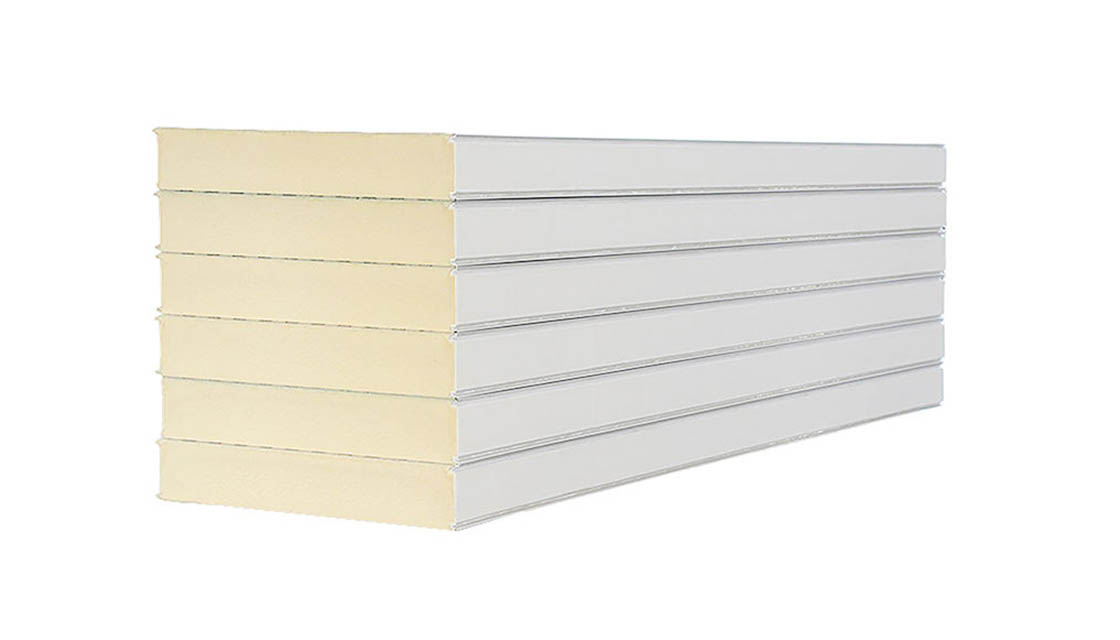
Why Aluminum Honeycomb Saves Money Over Time
Aluminum honeycomb panels reduce lifecycle costs through weight savings, faster installation, and lower maintenance, despite higher initial material prices.
Purchasing vs. Total Lifecycle Cost
When evaluating composite materials for construction or transportation, buyers often focus on the initial price per square meter. However, a strict analysis of the total cost of ownership (TCO) reveals that aluminum honeycomb sandwich structures offer superior long-term value compared to traditional plywood or solid metal alternatives. While the upfront material cost of an aluminum honeycomb panel may be 15-20% higher than a standard wood-based alternative, this difference is frequently offset within the first year of operation by reductions in transportation, structural support, and labor expenses. The high strength-to-weight ratio allows designers to use thinner gauges without sacrificing rigidity, directly reducing material tonnage and freight volume.
Structural Efficiency and Weight Reduction
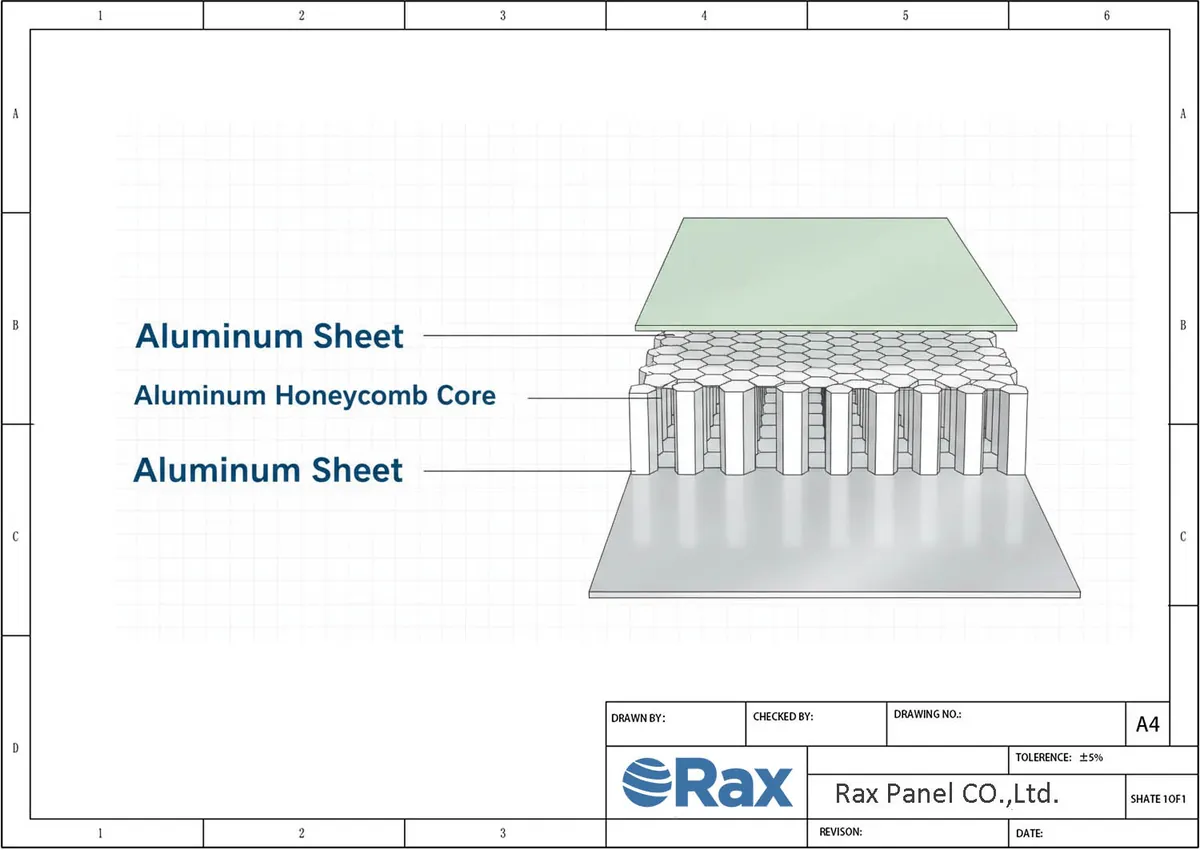
The core economic advantage of aluminum honeycomb lies in its geometric efficiency. By utilizing a hexagonal core structure between two thin aluminum skins, the panel achieves exceptional bending stiffness with minimal mass. In applications such as RV walls, truck bodies, or mobile home flooring, every kilogram saved translates directly into payload capacity increases or fuel consumption reductions. For instance, replacing a 18mm plywood floor with an equivalent stiffness aluminum honeycomb panel can reduce weight by approximately 40-60%. This weight reduction not only lowers fuel costs over the vehicle’s lifespan but also permits the use of lighter chassis components, further amplifying the cost savings across the entire system.
Installation Speed and Labor Savings
- Large Format Panels: Aluminum honeycomb sheets are manufactured in large standard sizes (typically up to 1220x2440mm or larger), which minimizes the number of seams required during installation. Fewer joints mean less time spent on cutting, fitting, and sealing.
- Reduced Structural Support: Because the panels carry their own load effectively, there is less need for heavy underlying framing structures like I-beams or thick timber joists. This simplifies the substrate preparation process and reduces the amount of fastening hardware needed.
- Easier Handling: The lightweight nature allows a single worker to handle and position large sections that would traditionally require a team of three or four when using heavier materials like steel plate or dense timber.
Maintenance Durability and Longevity
One of the most significant hidden costs in composite panel projects is ongoing maintenance. Traditional organic cores like plywood or MDF are susceptible to moisture absorption, leading to swelling, delamination, and mold growth—particularly in marine environments or refrigerated trucks where humidity fluctuates. Aluminum honeycomb cores, being metallic, are inherently immune to rot, corrosion (when properly treated), and insect infestation. When paired with weather-resistant skin treatments such as PVDF coating or anodization, these panels can withstand harsh environmental conditions for decades with virtually no degradation. This eliminates recurring replacement cycles and repair downtime, ensuring consistent performance throughout the asset’s service life.
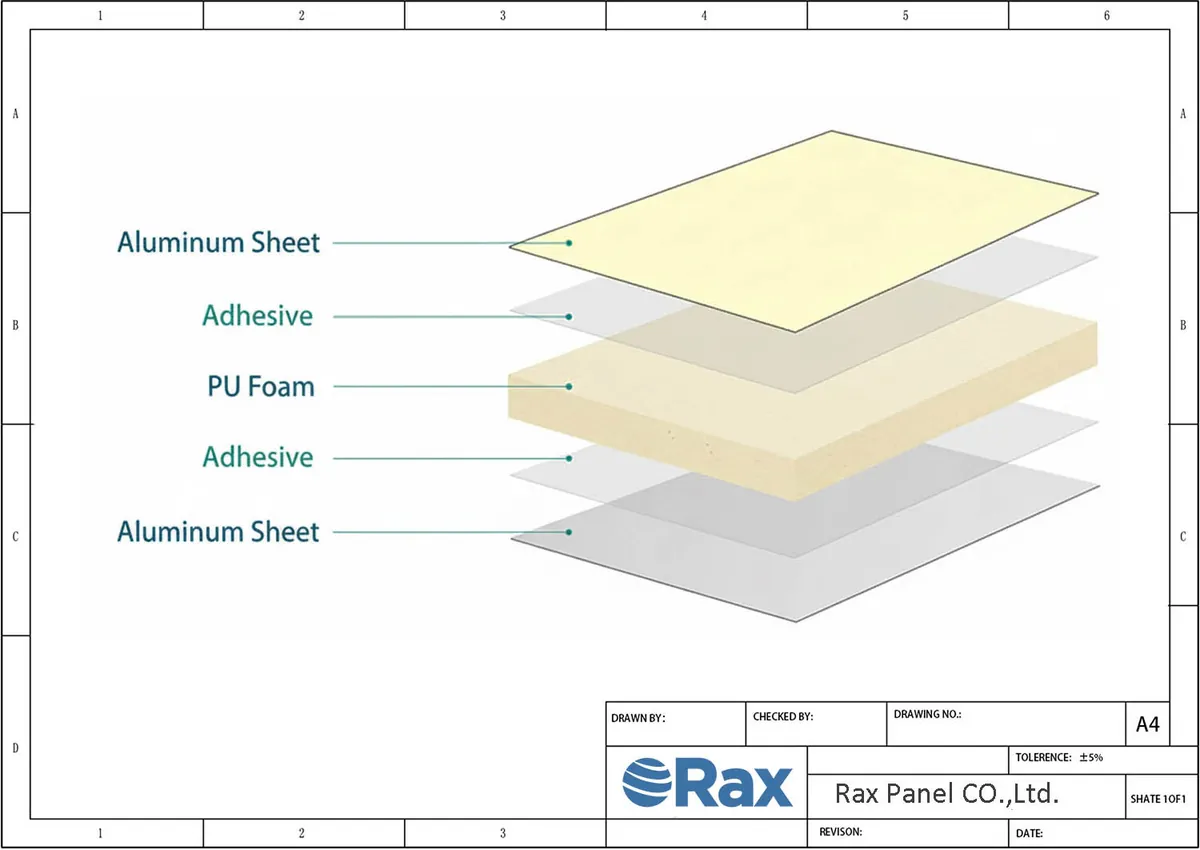
Lighter Materials for Safer Planes and Buildings
For B2B buyers in the transport and construction sectors, the primary pain point regarding lightweight materials is achieving a structural rigidity that ensures safety without compromising on weight savings. Specifically, there is a demand for panels that maintain high bending stiffness to prevent localized core collapse under load, which is critical for both fuel efficiency in aircraft and trucks and seismic resilience in buildings. The industry standard solution involves utilizing sandwich structures where two thin face sheets are separated by a lightweight core material. This design maximizes the moment of inertia, allowing the panel to resist deflection while remaining significantly lighter than solid metal alternatives of equivalent thickness.
The Engineering Balance Between Weight and Stiffness
The fundamental physics behind safer, lighter planes and buildings relies on optimizing the strength-to-weight ratio. By increasing the distance between face sheets within a sandwich configuration, manufacturers can achieve superior bending stiffness compared to solid sheets of the same mass. This principle is particularly vital for large-scale architectural cladding and vehicle manufacturing, where excessive weight directly impacts operational costs and structural stress. thus, selecting the appropriate core material becomes a decisive factor in meeting performance thresholds without adding unnecessary bulk to the final assembly.
Core Material Selection Criteria
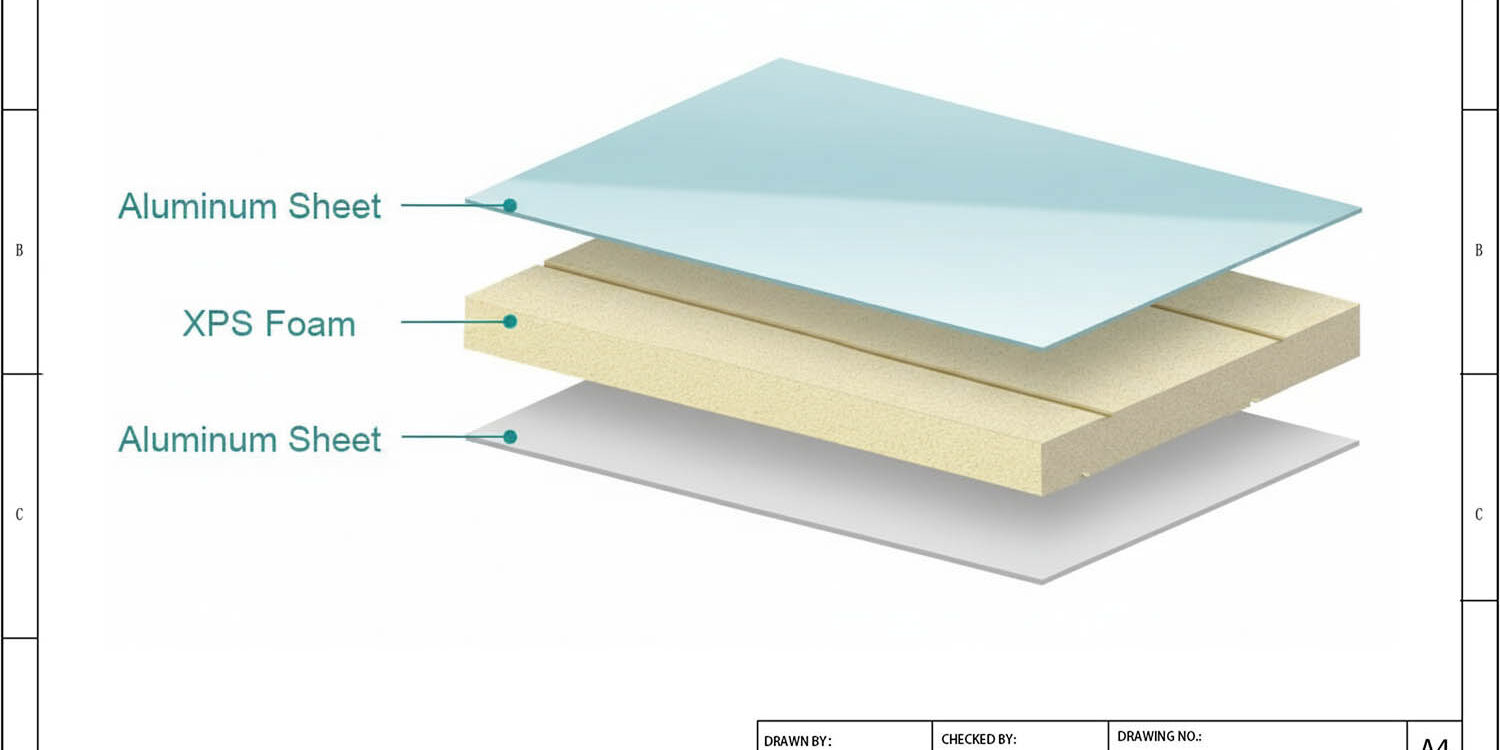
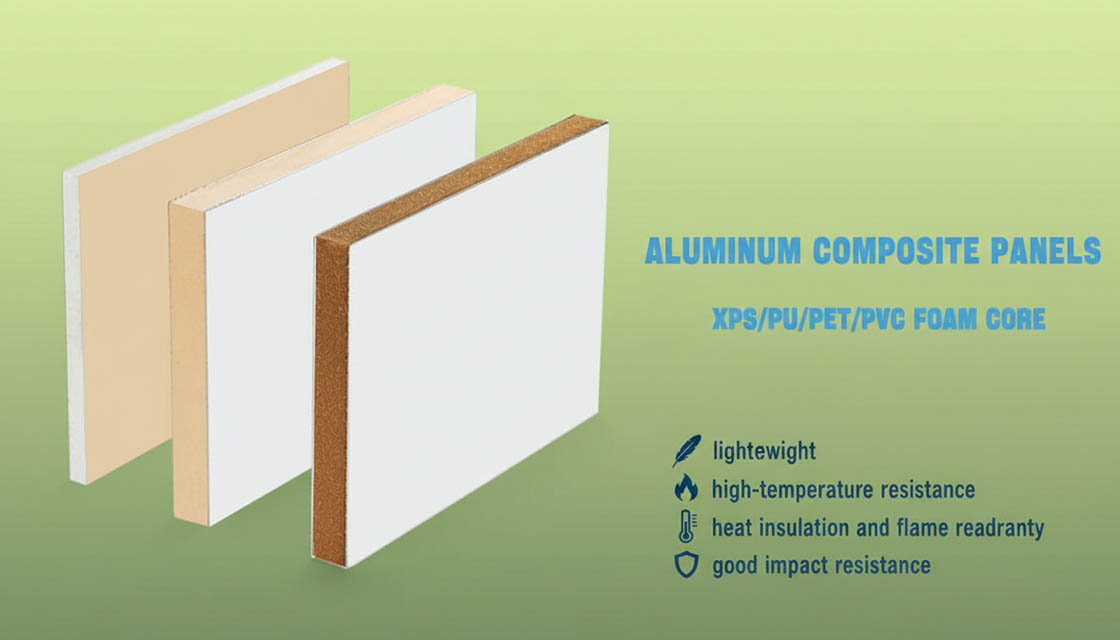
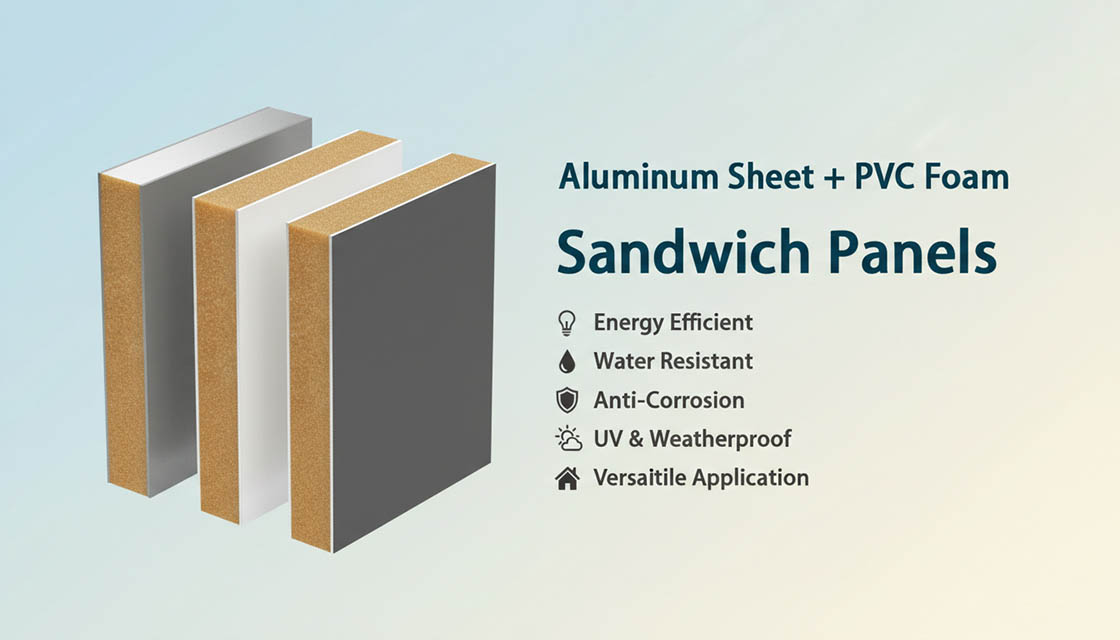
Different core technologies offer distinct advantages depending on whether the application prioritizes compressive resistance or thermal insulation. For scenarios requiring exceptional strength-to-weight ratios and resistance to compressive forces, honeycomb cores—such as aluminum, carbon fiber, or aramid—are often preferred due to their ability to distribute loads efficiently. Alternatively, foam-based cores like XPS, PET, PU, PMI, EPP, and MPP provide excellent thermal insulation and waterproof properties while maintaining a lightweight profile. The choice between these options dictates the panel’s suitability for specific environmental conditions, ranging from marine exposure to extreme temperature fluctuations found in aviation and refrigerated transport.
Performance Comparison: Honeycomb vs. Foam Cores
- Honeycomb Structures: Ideal for large dimensions requiring high flatness and reduced structural load, offering over 70% weight reduction compared to solid aluminum panels while providing enhanced wind load resistance.
- Foam Core Panels: Best suited for applications demanding thermal insulation, waterproofing, and versatility across different facing materials including GRP/FRP, CFRT, aluminum, steel, and plywood.
- Specialized Variants: Non-slip or anti-skid honeycomb panels serve niche requirements in transportation and industrial flooring, combining lightweight properties with enhanced surface traction.
Application-Specific Considerations
In the aviation and automotive industries, minimizing weight translates directly to improved fuel efficiency and extended range, making the use of advanced composite panels essential. Similarly, in construction, lighter facades reduce the overall dead load on buildings, potentially lowering foundation costs and improving seismic performance during earthquakes. The ability to customize core and skin combinations allows engineers to tailor solutions precisely to project needs, whether it involves creating fire-resistant exterior wall cladding or developing durable interiors for RVs, mobile homes, and commercial vessels.
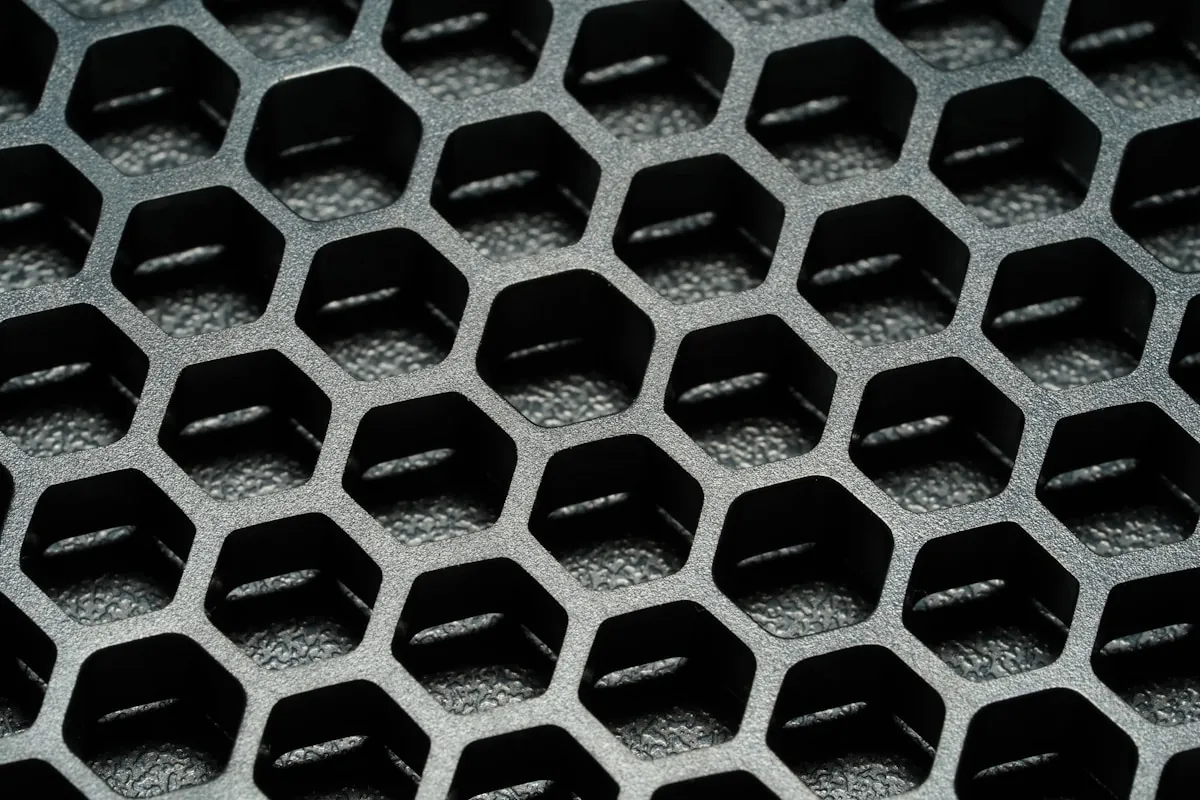
Fire Safety Rules Are Pushing Material Innovations
Fire Resistance Grade Requirements by Region
In the global supply chain, fire safety regulations act as the primary gatekeeper for material selection across different markets. Regional standards dictate specific combustion and toxicity thresholds that manufacturers must adhere to when designing composite structures for transportation and construction.
For marine environments, compliance with SOLAS (Safety of Life at Sea) and IMO regulations is non-negotiable. These maritime codes demand a high level of structural integrity during fire events, specifically focusing on preventing skin delamination and avoiding the collapse of sandwich structures under extreme heat. In contrast, European building markets prioritize EN 13501-1 Class A2 certification, which measures combustibility through rigorous flame spread testing.
North American applications typically reference ASTM E84 for interior finish evaluations, requiring a Flame Spread Index strictly below 25. Engineers often note the significant difference between these regional benchmarks: while some standards focus purely on surface ignition resistance, others like the B-15 rating mandate maintaining structural integrity for specific durations—ranging from 15 to 60 minutes—under standard fire curves to ensure safe evacuation times.
Core Material Thermal Performance Metrics
When selecting core materials for fire-critical applications, thermal insulation properties are just as important as mechanical strength. The density and composition of the core directly influence how much temperature rises on the unexposed side of a panel during a fire event. High-performance cores generally aim for a density above 30 kg/m³ to provide an effective thermal buffer that delays heat transfer through the structure.
We have observed in our engineering assessments that traditional polyethylene or paper cores present a fundamental fuel source risk that compromises overall safety. Consequently, industry leaders are shifting toward mineral wool or aluminum honeycomb alternatives specifically designed to eliminate this fuel source. This substitution drastically reduces smoke generation and toxic fumes, which are critical factors in protecting occupants during emergency scenarios.
The thickness of the core also plays a pivotal role in meeting insulation ‘I’ values. Thicker panels, ranging from 25mm to 50mm, offer superior performance in limiting temperature rise, making them essential for high-rise barriers and bulkheads where extended protection is required. Our team emphasizes that optimizing core thickness involves balancing weight constraints with the necessary thermal lag time needed to comply with local fire resistance duration mandates.
Interior Finish Compliance Testing Protocols
Verifying that an interior finish meets regulatory requirements involves more than just theoretical calculations; it demands standardized testing protocols that simulate real-world fire conditions. Surface treatments such as powder coating or anodized aluminum facings are commonly specified to reduce the Smoke Developed Index to levels at or below 450 according to ASTM E84 standards. These treatments help resist surface ignition and minimize smoke obscuration, which is vital for maintaining visibility during evacuations.
Testing protocols often evaluate not only the initial reaction to flame but also the long-term behavior of the adhesive bonds used in sandwich panels. Specialized fire-retardant bonding agents are tested to ensure they maintain integrity at temperatures exceeding 100°C. Failure points usually occur at the interface between the face sheet and the core, where standard polyurethane adhesives might degrade, leading to delamination and creating pathways for fire to breach the structure.
It is crucial for procurement teams to understand that compliance is dynamic. As seen in recent updates to building codes, the threshold for acceptable toxicity and combustibility continues to tighten. Manufacturers must stay ahead of these shifts by validating their materials against the latest versions of international standards before finalizing any large-scale production runs for mobile homes, RVs, or commercial vessels.
| Regulatory Driver | Technical Innovation | Material Specification | Performance Benchmark | Engineering Impact |
|---|---|---|---|---|
| Combustibility & Toxicity Limits | Non-Combustible Core Substitution | Mineral Wool / Aluminum Honeycomb vs. Polyethylene/Paper Core | EN 13501-1 Class A2 / ASTM E84 Class A (Flame Spread ≤25) | Eliminates fuel source, drastically reduces smoke generation and toxic fumes. |
| Structural Integrity in Fire (SOLAS/IMO) | High-Temperature Resistant Adhesives | Specialized Fire-Retardant Bonding Agents vs. Standard Polyurethane Adhesives | Maintains bond integrity >100°C; prevents skin delamination | Prevents sandwich structure collapse and fire breach pathways. |
| Fire Resistance Duration (B-15 / 1-Hour) | High-Melting-Point Face Sheets | High-Performance Aluminum Alloys (e.g., 5052) vs. Pure Aluminum | Integrity for 15-60 minutes under standard fire curve | Enables compliance for marine bulkheads and high-rise barriers. |
| Thermal Insulation Criteria | Optimized Core Thickness & Density | Panel Thickness 25-50mm with Core Density >30kg/m³ | Limits temperature rise on unexposed side (Insulation ‘I’ value) | Provides thermal buffer critical for evacuation safety. |
| Smoke Suppression Standards | Advanced Surface Treatments | Powder-Coated or Anodized Aluminum Facings | Smoke Developed Index ≤450 (ASTM E84) | Resists surface ignition and minimizes smoke obscuration. |
Conclusion
Fire safety regulations and lightweight performance are driving demand for aluminum honeycomb panels in marine, EV, and construction sectors this year. Compliance with regional fire resistance grades and thermal core metrics is no longer optional — it dictates material selection and bonding technology. Our engineering team has seen how precise adhesive application and edge sealing prevent delamination under high stress, especially in sandwich panels used for truck bodies or aircraft interiors.
- Verify surface compatibility between core and skin before finalizing designs
- Request technical data sheets on thermal conductivity per ISO standards
Frequently Asked Questions
What is a honeycomb panel?
It is a lightweight composite structure consisting of two thin, stiff face sheets bonded to a honeycomb core. This geometry provides an exceptional strength-to-weight ratio and high rigidity. It is widely utilized in aerospace, transportation, and architectural applications.
Why honeycomb excels under wind load?
The sandwich structure provides high flexural rigidity, allowing the panel to resist bending and deformation under high pressure. The core stabilizes the face sheets, preventing buckling even during significant wind events. This makes them ideal for exterior cladding and high-rise building facades.
How much weight can honeycomb hold?
The load-bearing capacity depends on the core cell size, density, and the thickness of the face sheets used. These panels exhibit high shear and compressive strength relative to their minimal weight. Engineers calculate specific load limits based on the span and application requirements.
What materials are used?
The core is typically made from aluminum alloys such as 3003 or 5052, chosen for corrosion resistance and strength. Face sheets can include aluminum, steel, fiberglass, or composite materials depending on the application. Adhesives must be compatible with both core and skins to ensure durability.
What is the panel lifespan?
With proper surface treatment and installation, these panels can last over 30 years in standard environments. The aluminum core is inherently corrosion-resistant, and face skins can be finished with durable coatings. Their longevity makes them a cost-effective solution for infrastructure projects.