
Nature solved the structural efficiency equation millions of years ago with the hexagon, a shape that maximizes strength while minimizing material. Commercial construction has finally caught on, adopting the honeycomb panel to solve the conflict between rigidity and massive dead loads.
You get a strength-to-weight ratio that solid cores can’t touch, with aluminum honeycomb variants weighing just 11% of an equivalent steel section or 23% of solid aluminum while maintaining superior stiffness. We break down the engineering behind the three-layer sandwich construction, compare core materials like aluminum and polypropylene, and outline how to assess adhesive bond integrity to prevent costly delamination failures.
What Is these specs lets you drastically cut logistics costs and improve whole-wall ?R-values without ever sacrificing structural integrity.
Summary: Optimize logistics and thermal performance by mastering honeycomb panel engineering specifications.
What Are Honeycomb Panels?
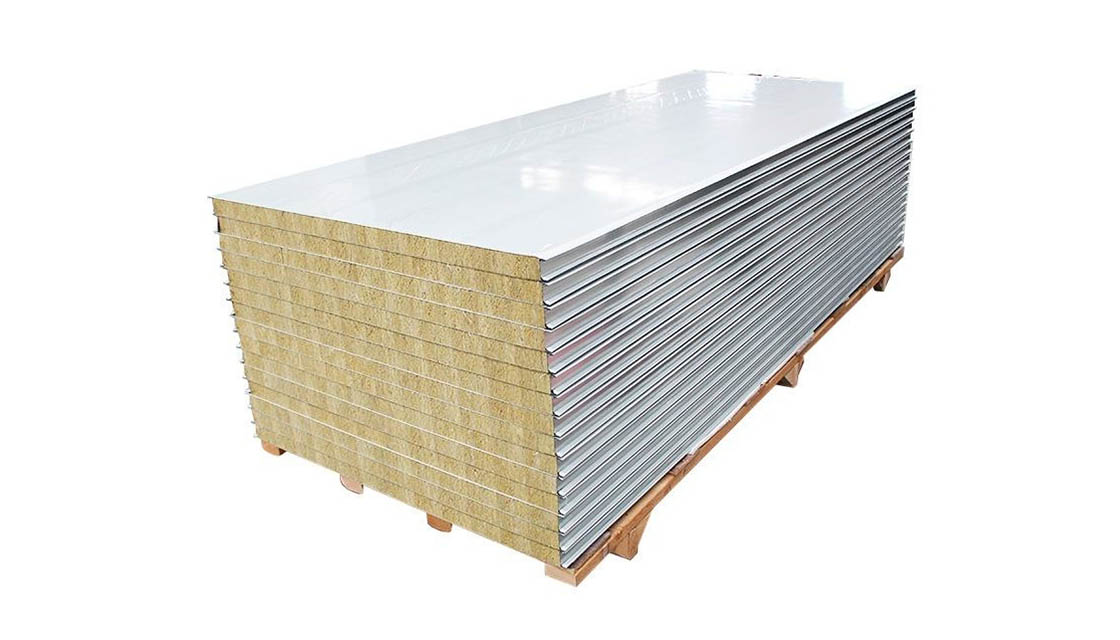
Material selection at this point sets the thermal efficiency, fire rating, and weight of the finished assembly. Balance R-value requirements against span capability and code-mandated fire performance.
The Three-Layer Sandwich Construction Principle
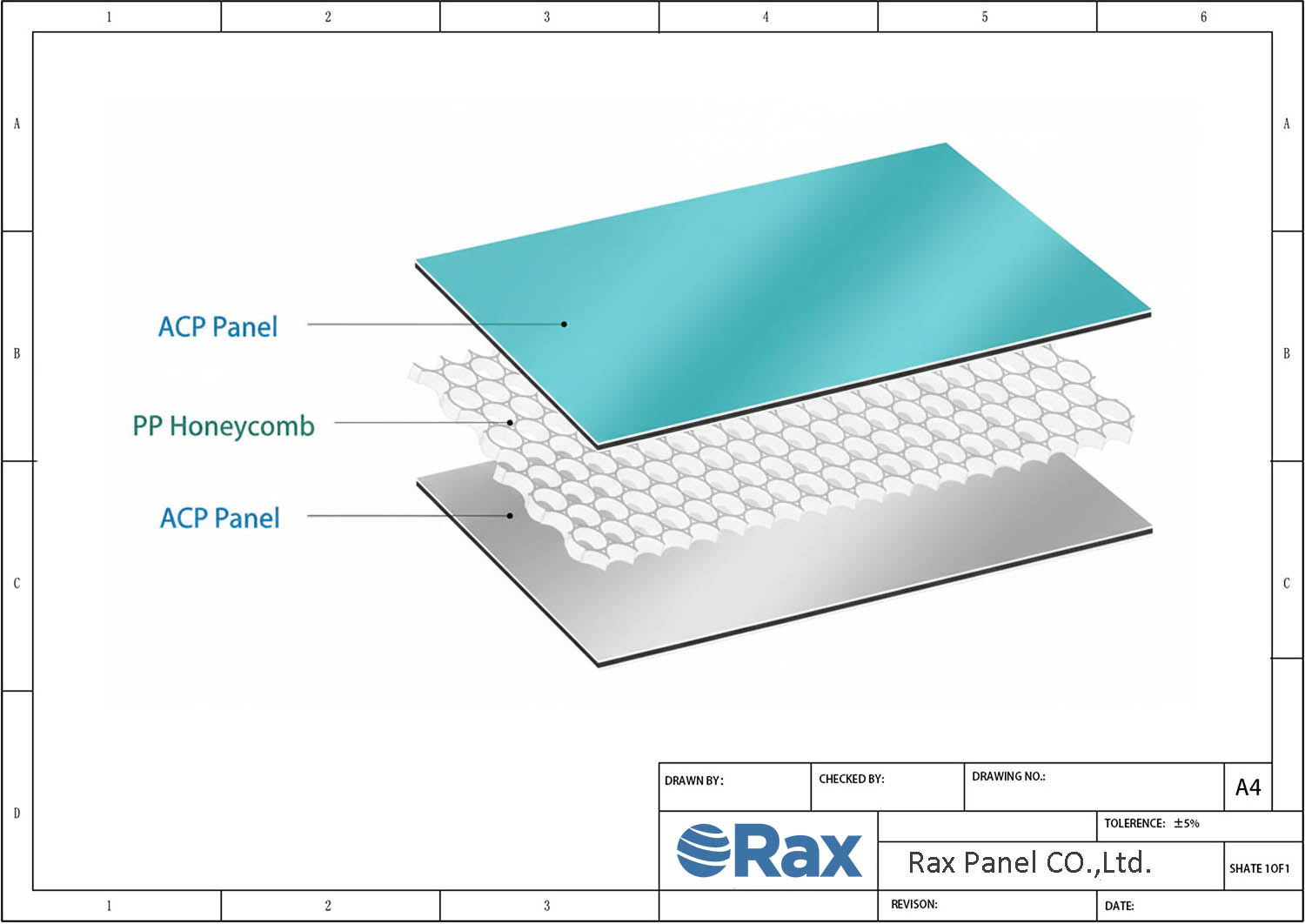
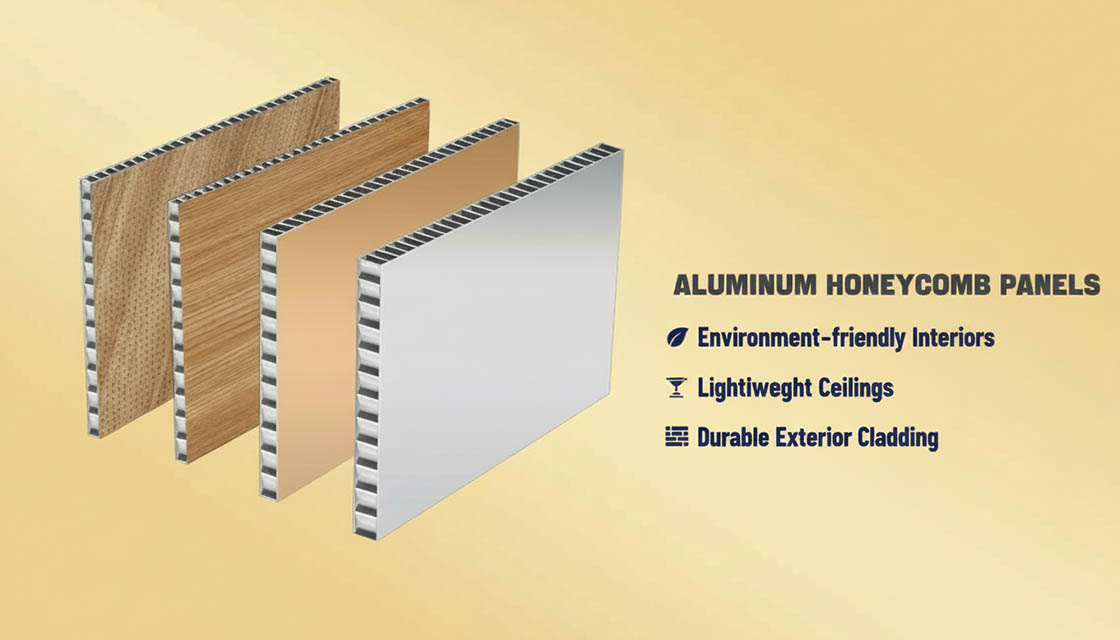
Honeycomb panels are engineered as composite sandwich structures, relying on a precise three-layer architecture to maximize structural rigidity while minimizing weight. The fundamental principle involves bonding two thin, highly rigid outer skins to a thick, lightweight core material separated by an air gap. This specific configuration creates a high moment of inertia, allowing the panel to resist bending and shear forces far more effectively than solid materials of equivalent weight.
In this construction, the skins function primarily to carry tension and compression loads, similar to the flanges of an I-beam in structural engineering. The core layer’s sole responsibility is to maintain the distance between these two skins, preventing them from buckling under stress.
Because the honeycomb core consists mostly of trapped air within hexagonal cells, it adds significant depth to the structure without adding proportional mass. This geometric efficiency ensures that the panel remains extremely lightweight while providing exceptional load-bearing capacity for demanding applications like marine vessels or commercial transit.
The honeycomb sandwich effect turns minimal material volume into maximum structural stiffness by using geometric depth rather than mass.
Function of the Lightweight Honeycomb Core
The core is the defining component that differentiates honeycomb panels from standard foam or solid boards. Composed of interconnected hollow cells—typically arranged in a hexagonal pattern—this structure provides a uniform support network across the entire surface area of the panel. The primary mechanical function of the core is to distribute localized point loads evenly across both outer skins, which drastically improves impact resistance and prevents indentation.
From a manufacturing standpoint, we prioritize cores like polypropylene (PP), fiberglass (FRP/GRP), and aramid. Our engineers conduct experimental testing to ensure that the chosen core offers optimal shear strength relative to its density.
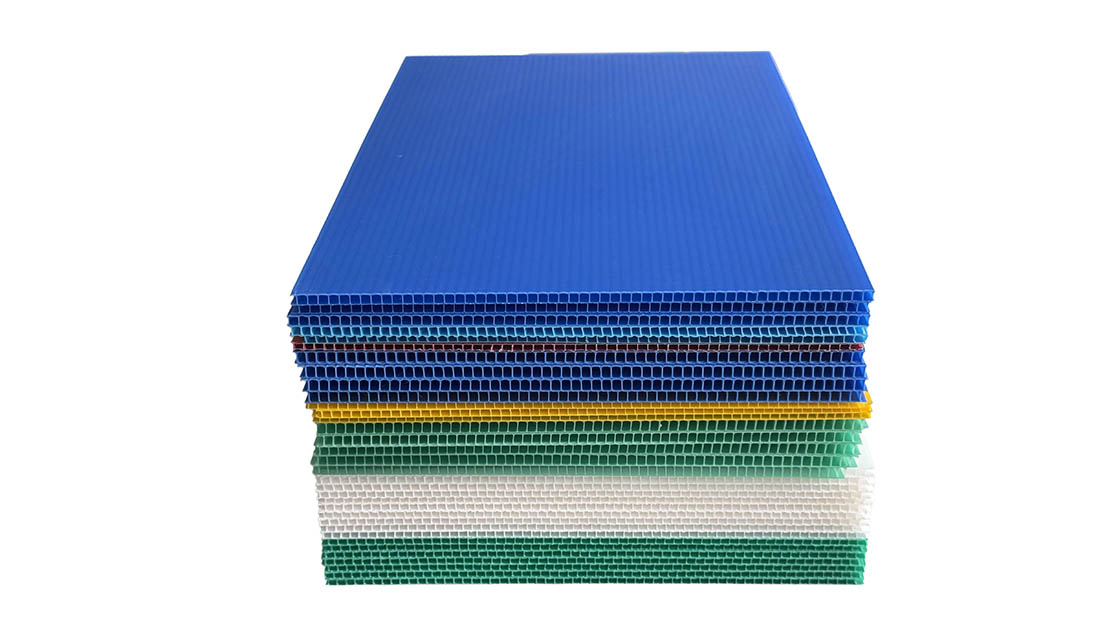
For example, when producing PP honeycomb panels, we monitor the extrusion and cell expansion processes carefully to prevent cell wall collapse, ensuring the core maintains its designed hexagonal integrity. This internal lattice acts as a stabilizer, keeping the outer facings parallel and rigid even when the panel is subjected to heavy dynamic stresses or extreme temperature fluctuations.
- Load Distribution: The honeycomb lattice transfers stress laterally across the panel width, eliminating weak points.
- Stiffness Enhancement: The core maintains skin spacing, significantly increasing the panel’s bending stiffness without adding dead weight.
- Thermal & Acoustic Buffering: The trapped air within the hexagonal cells acts as a natural insulator, dampening sound transmission and reducing thermal conductivity.
Types of Rigid Outer Facings
The performance profile of the final sandwich panel is heavily dictated by the material selected for the outer facings. These skins provide the panel with its necessary physical durability, environmental resistance, and aesthetic finish. In our production facility, we bond these skins directly to the core using advanced adhesive technologies to create a monolithic unit that resists delamination. The selection of the facing material depends entirely on the specific operational environment and mechanical requirements of the end-use application.
Common facings include Glass Reinforced Plastic (GRP/FRP) for its excellent corrosion resistance and high strength-to-weight ratio, making it ideal for marine and chemical environments. Aluminum facings are frequently specified for architectural cladding and transport applications where fire ratings and sleek finishes are required.
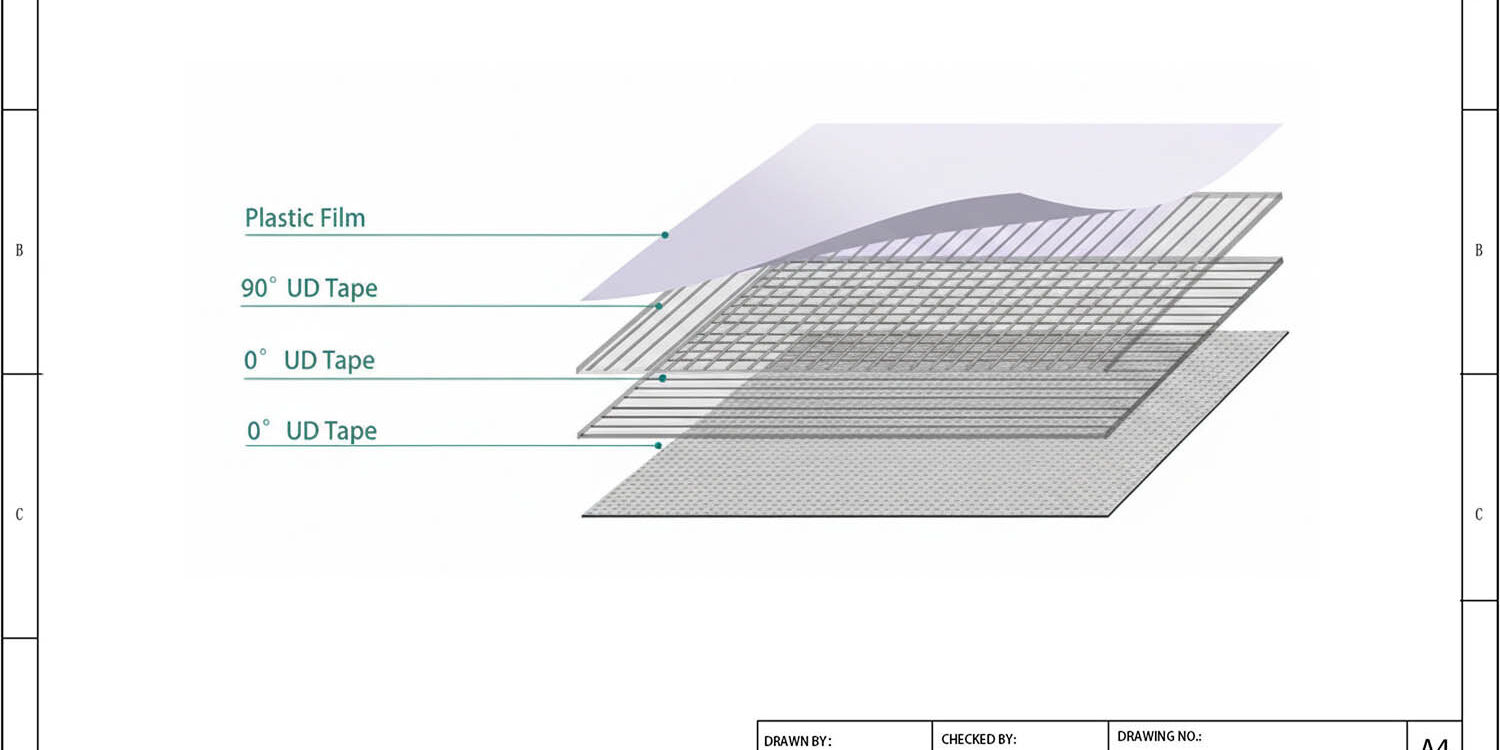
We also use CFRT (Continuous Fiber Reinforced Thermoplastics) and carbon fiber for specialized industries demanding ultra-high tensile strength and precise engineering tolerances. By matching the correct facing to the specific core—such as bonding a fiberglass sheet to a PP honeycomb core—we ensure the final product meets rigorous industry data standards.
- Fiberglass (GRP/FRP): Highly resistant to moisture and chemicals; used extensively in truck bodies and vessel manufacturing.
- Aluminum: Offers superior flame retardancy and a premium surface finish; standard for building facades and aircraft interiors.
- CFRT & Carbon Fiber: Delivers maximum mechanical durability and impact resistance for high-performance industrial equipment.
Core Materials and Facing Options
Each option differs in material composition, thermal resistance, and load-bearing capacity. The right choice depends on your climate zone, building use, and whether the priority is energy efficiency or structural span.
Matching Core Mechanics to Facing Constraints
Proper core-to-facing selection prevents structural failure by aligning mechanical properties with environmental demands. The success of a composite sandwich panel depends entirely on the chemical and physical compatibility between the core matrix and the outer facings. A common engineering pitfall occurs when buyers pair high-density metal skins with open-cell cores, leading to moisture ingress or delamination.
For instance, while aluminum facings provide exceptional tensile strength, they are often paired with aluminum honeycomb or PP/aramid cores in marine applications. In these configurations, the aluminum skin and edge sealing provide the primary moisture barrier, making open-cell cores viable when properly sealed. Conversely, closed-cell foams like PVC or XPS are typically chosen for specific thermal insulation or impact resistance requirements rather than as a basic necessity for waterproofing.
Similarly, continuous fiberglass reinforced thermoplastic (CFRT) skins demand specific adhesive primers when paired with heavy-duty honeycomb structures like aramid or glass fiber. If the facing is a standard GRP laminate, it must be chemically bonded to cores that offer optimal shear strength without inducing stress fractures during thermal expansion.
How to Choose the Optimal Core for Your Facing
Engineers typically categorize core selection based on the primary failure mode of the application. When using lightweight polymer facings like polypropylene (PP) honeycomb, the focus is often on minimizing dead weight for transport applications. However, when using steel or stainless steel facings, the core must provide high fire ratings (such as PIR or mineral wool variants) to meet stringent building safety codes.
- High-Stress Structural Cores: For applications like truck flooring or aircraft components where point loads are high, PMI foam or balsa wood cores are selected because they resist crushing under localized pressure.
- Thermal Barrier Cores: When pairing with insulated metal panels, rigid foam cores like Polyurethane (PU) are utilized because they interrupt thermal bridging, ensuring the exterior cladding maintains the interior temperature efficiently.
- Corrosion-Resistant Cores: In chemical processing plants, cores made from Phenolic Resin impregnated paper or specific PVC foams are preferred alongside Aluminum facings to prevent galvanic corrosion.
Facing Treatments and Surface Preparation
The surface finish of the facing dictates the adhesive selection. Fiberglass Reinforced Plastic (FRP) facings often feature a gel coat layer that provides a smooth, waterproof barrier but requires aggressive sanding or chemical etching to ensure the glue bonds permanently to the core. Conversely, thermoplastic facings like CFRT can sometimes be thermo-welded directly to compatible plastic cores, eliminating the need for liquid adhesives altogether.
| Core Material | Compatible Facings | Key Properties | Primary Benefit |
|---|---|---|---|
| PP Honeycomb | GRP, Aluminum, Carbon Fiber | Lightweight, high strength-to-weight, moisture resistant | Optimal rigidity for marine and transport applications |
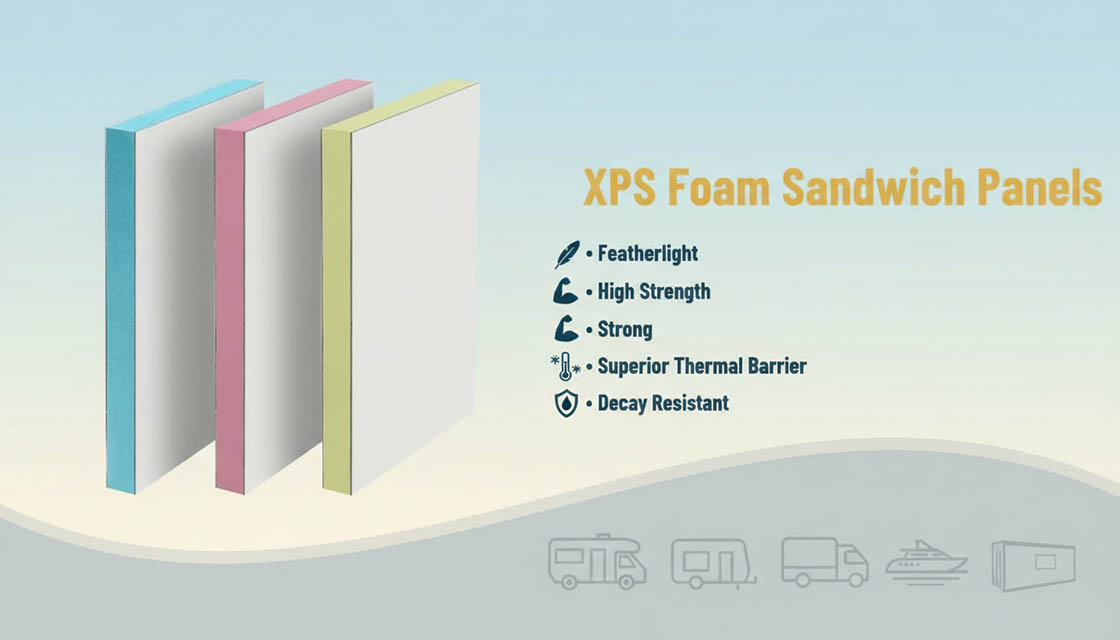
| XPS Foam | GRP, Aluminum, Carbon Fiber | Waterproof, closed-cell, high thermal insulation | Cost-effective insulation for construction and refrigeration |
| PET Foam | GRP, Aluminum, Carbon Fiber | High mechanical strength, recyclable, fatigue resistant | Eco-friendly structural solution for wind and energy |
| PU Foam | GRP, Aluminum, Carbon Fiber | Versatile density range, excellent adhesion, thermal stability | Customizable performance for diverse industrial uses |
| PVC Foam | GRP, Aluminum, Carbon Fiber | Flame retardant, low moisture absorption, consistent density | Fire-safe core for marine and transportation sectors |
| PMI Foam | GRP, Carbon Fiber | High temperature resistance, superior stiffness, low dielectric loss | Lightweight structural integrity for aerospace and defense |
Strength-to-Weight Benefits
The practical payoff shows up in operating costs over time. Lower energy consumption, minimal maintenance, and a service life measured in decades typically recover the initial investment within a few years.
The Engineering Advantage of Geometric Rigidity
The core advantage of a honeycomb panel lies in its ability to achieve structural rigidity through geometry rather than sheer mass. Unlike solid materials such as steel, aluminum plate, or plywood—which require significant thickness and weight to resist bending forces—a honeycomb structure distributes mechanical loads efficiently across its hexagonal core lattice. This creates a high-stiffness barrier with minimal material usage.
When a load is applied to the surface, the rigid outer facings (skins) handle the tension and compression, while the lightweight core—whether it is polypropylene (PP), fiberglass, or carbon fiber—prevents the skins from buckling. The resulting composite material offers a strength-to-weight ratio that solid materials simply cannot match at equivalent weights.
Impact on Transportation and Logistics Efficiency
In industries where payload capacity directly dictates profit margins, reducing dead weight is critical. Switching from traditional solid wall panels or heavy timber structures to honeycomb sandwich panels allows for substantial weight reduction without compromising the structural integrity of the vehicle or building enclosure.
- Fleet Fuel Economy: Every kilogram saved in the bodywork of a truck, RV, or ship reduces fuel consumption. High-strength lightweight panels allow manufacturers to carry more commercial cargo rather than transporting unnecessary structural weight.
- Handling and Installation Speed: Because honeycomb panels are significantly lighter than their solid counterparts, they require less heavy machinery to transport and install on-site. This translates to lower labor costs and faster project completion times.
- Payload Optimization: For refrigerated trucks and mobile applications, the weight savings from using advanced lightweight composites can be reallocated to increasing revenue-generating payload volume.
Material Synergy and Failure Mitigation
A common pitfall in lightweight engineering is assuming that light weight inherently means low durability. The reality is that the combination of thin, high-tensile outer skins bonded to a dense honeycomb core creates a highly resilient system. The hexagonal cells act like millions of tiny vertical columns; when subjected to impact or point loads, these columns absorb energy and distribute stress evenly.
This structural efficiency is why honeycomb technology has moved beyond aerospace into mainstream transportation (truck bodies, marine vessels) and construction. By using the geometry of the hexagon, engineers can design components that are virtually indestructible under normal operational conditions while remaining incredibly easy to handle.

Thermal and Sound Insulation
Honeycomb panels provide superior thermal and acoustic isolation through trapped air pockets within the hexagonal core, effectively dampening noise and reducing heat transfer for lightweight structural applications.
How Honeycomb Cores Manage Thermal Transfer
In composite panel manufacturing, a common misconception is that the core material itself must be inherently insulating. While materials like Aluminum are excellent conductors of heat, honeycomb structures function differently due to their geometry. The hollow cells within the panel trap air or other gases, creating stagnant layers that significantly impede the flow of heat energy. This physical barrier prevents rapid temperature transfer between the interior and exterior environments.
This mechanism is critical for industries prioritizing energy efficiency, such as refrigerated transport and modular housing. By using honeycomb cores instead of solid metals, manufacturers can achieve high thermal resistance without adding excessive weight to the vehicle or structure. This allows for thinner walls that maintain strict internal temperatures, reducing the load on mechanical cooling systems and improving overall fuel economy in logistics operations.
The Mechanics of Acoustic Dampening
Sound insulation in honeycomb panels is achieved through two primary mechanisms: mass blocking and sound absorption. The outer skins act as a dense barrier that blocks airborne sound waves from passing directly through the panel. Simultaneously, the unique architecture of the core absorbs acoustic energy.
- Cellular Absorption: As sound waves enter the open-ended hexagonal cells, they reflect off multiple internal surfaces. This friction converts sound energy into minute amounts of heat, effectively dissipating the noise rather than letting it echo or transmit through the wall.
- Vibration Dampening: The composite bond between the facings (such as GRP or Aluminum) and the core limits resonance. When noise hits the surface, the core structure restricts the vibration amplitude of the facing sheets, preventing the panel from acting like a drum skin that amplifies external sounds.
For buyers requiring maximum noise reduction in transit vehicles, specifying a core with closed-cell characteristics (like certain foams used alongside honeycombs) or opting for a fully sealed honeycomb array can further enhance acoustic isolation by preventing air currents from carrying sound through the cell gaps.
Applying Insulation Standards in Design
When sourcing these materials, engineers must account for the specific environment. Standard aluminum honeycomb provides strong acoustic decoupling but relies heavily on the facing material for thermal stability. For applications involving extreme cold or high humidity, manufacturers often integrate thermal break technologies or pair the honeycomb with thermally efficient facing skins, such as Continuous Fiberglass Reinforced Thermoplastics (CFRT).
CFRT facings not only offer high impact resistance and corrosion immunity but also contribute to the overall thermal envelope by minimizing conductive bridging across the insulated core. This combination ensures that the final composite solution meets stringent industry standards for both weight reduction and environmental control.
Where to Use Honeycomb Panels
Honeycomb panels are primarily deployed in high-value sectors demanding extreme strength-to-weight ratios, including aerospace, marine transport, and mobile architecture.
The decision to specify a honeycomb panel over a solid core material is driven by strict engineering requirements for payload optimization and structural rigidity. These composite materials are fundamentally utilized where adding weight is a direct liability or where large surface areas must be prevented from “oil-canning” (buckling under minimal load).
While standard foam cores handle basic insulation, the open-cell geometry of a honeycomb core provides superior shear strength, making it the industry standard for applications requiring massive spans with minimal deadweight.
Aerospace and Aviation Structures
In aviation, every kilogram saved translates directly into fuel efficiency and increased passenger capacity. Honeycomb panels are the critical substrate for non-structural interior components. Manufacturers utilize carbon fiber reinforced polymer (CFRP) facings bonded to aramid or aluminum honeycomb cores to construct cabin walls, overhead bins, and lavatory partitions. The primary requirement here is not only mass reduction but also specific fire, smoke, and toxicity (FST) compliance, which dictates the choice of specific core adhesives and facing treatments.
Rail, Truck, and Trailer Fabrication
The transportation sector aggressively adopts honeycomb panels to maximize legal cargo payloads. In the manufacturing of dry freight trucks, refrigerated trailers, and intermodal containers, engineers select PP (polypropylene) or aluminum honeycomb cores paired with fiberglass or smooth metal skins. This specific combination creates an exceptionally flat surface that resists dents and impact damage during transit. By replacing heavy steel box frames with lightweight sandwich panels, fleet operators can carry more goods per trip while reducing overall vehicle curb weight.
Marine Vessels and Offshore Installations
Saltwater environments demand materials that offer structural integrity without succumbing to galvanic corrosion. GRP (glass-reinforced plastic) honeycomb panels serve as the go-to solution for ship superstructures, interior bulkheads, and deck flooring on yachts and commercial ferries. The sealed cellular structure of the core prevents water absorption, ensuring the panel does not degrade or add weight over time when exposed to harsh, wet conditions. For offshore platforms, these panels provide lightweight yet durable living quarters and control room partitions.
Mobile Architecture and RV Construction
Recreational vehicles (RVs), motorhomes, and modular tiny houses rely heavily on honeycomb technology to solve space constraints. Builders use them to fabricate curved roof sections, fold-out kitchen cabinets, and bathroom pods. Because the panels are rigid, they can support heavy fixtures like sinks or appliances without requiring additional internal framing studs. This simplifies the manufacturing process and allows designers to create aerodynamic, continuous exterior skins that improve fuel economy for the moving vehicle.
Cleanrooms and Specialized Industrial Facilities
In highly regulated environments such as pharmaceutical manufacturing plants, semiconductor fabrication labs (fabs), and food processing facilities, hygiene is critical. Honeycomb panels are used to construct smooth cleanroom walls and ceilings. The flat, non-porous outer skins—often stainless steel or specialized PVC-coated composites—are easily sanitized and resist bacterial growth. Additionally, because the panels are factory-finished, they eliminate the dust and debris associated with on-site drywall construction, allowing for rapid deployment in sterile environments.
| Industry | Application | Material Type | Key Benefit |
|---|---|---|---|
| Transportation & Logistics | RV Walls/Roofing, Truck Bodies, Packaging Pallets | PP Honeycomb, GRP Honeycomb | Lightweight strength reduces fuel consumption and increases payload capacity |
| Construction & Architecture | Building Facades, Roofing, Flooring, Prefabricated Modules | Aluminum Honeycomb, GRP Honeycomb | High wind-load resistance and flatness prevent deformation in large spans |
| Marine & Vessels | Ship Decks, Bulkheads, Interior Panels | GRP Honeycomb, Aluminum Honeycomb | Corrosion resistance and structural integrity in harsh wet environments |
| Aerospace & Defense | Aircraft Fuselages, Satellite Panels, Crash Protection | Carbon Fiber Honeycomb, Aluminum Honeycomb | Maximum strength-to-weight ratio and energy absorption for safety |
| Industrial Manufacturing | Machine Guards, Cleanroom Partitions, Workbenches | PP Honeycomb, PET Honeycomb | Chemical resistance, impact durability, and ease of fabrication |
Choosing Quality Honeycomb Panels
Executive Summary: High-quality honeycomb panels are defined not just by the core, but by the integrity of the skin-to-core bond and the resilience of the surface finish against environmental stressors.
Evaluating Surface Treatment and Finishes
The outer skin of a honeycomb panel is the first line of defense against physical impact and environmental corrosion. When inspecting quality, do not settle for a smooth aesthetic alone; you must verify that the surface treatment enhances structural longevity.
For Glass Reinforced Plastic (GRP) or Fiberglass facings, the presence of a high-quality gel coat is critical. This layer does not merely provide a color finish; it acts as a waterproofing barrier that protects the underlying fiberglass fibers from moisture ingress, which can lead to blistering or delamination over time.
In our factory, we apply gel coat specifically to ensure the FRP sheets remain flat, smooth, and insulating. If you are evaluating aluminum facings, check for rigorous surface treatment such as anodizing or powder coating. These treatments oxidize the surface layer to prevent oxidation and white rust, a common failure point in humid or marine environments. A quality panel will have a consistent finish free of orange peel texture or pinholes, which indicates poor curing during the manufacturing process.
For high-traffic flooring or industrial applications, request a non-slip or anti-skid finish. This is not just an additive texture but often a specialized composite layer integrated during the lamination phase to ensure durability under heavy abrasion.
Assessing Adhesive Bond Integrity
The greatest structural risk in sandwich panels is delamination—the separation of the skin from the core. This is purely a function of adhesive quality and application precision. To assess this, you must look beyond the surface and demand data on peel strength. A superior panel utilizes structural adhesives, such as polyurethane or epoxy systems, that are applied evenly to fully encapsulate the honeycomb cells.
We have found that inconsistent application is the primary cause of voids and weak spots. Our engineers conduct experimental testing to verify that the adhesive creates a cohesive bond; in a quality failure test, the tear should occur within the core material or the adhesive itself, never at the interface where the skin meets the glue.
If a supplier cannot provide peel strength values (typically measured in N/mm) or dismisses the need for specific testing, you are likely looking at a product prone to failure under vibration or thermal expansion.
Avoid panels where the adhesive has been “painted” on rather than laminated under pressure. Without proper pressure during the curing process, the glue cannot penetrate the micro-texture of the core, resulting in a bond that will snap under load.
Durability Requirements for Specific Environments
How to Choose a honeycomb panel requires matching the material physics to the operating environment. A panel designed for a dry freight van will catastrophically fail if used in a marine vessel hull. You must evaluate the water absorption rates of the core and the corrosion resistance of the skins.
- Marine & High-Humidity Environments: Prioritize PP (Polypropylene) honeycomb cores or PET foam cores which resist water absorption. Pair these with GRP or Stainless Steel skins to prevent saltwater corrosion.
- Refrigerated Transport: The thermal bridge effect must be minimized. Ensure the panel utilizes closed-cell cores and that the edge seals are perfectly intact to maintain thermal efficiency and prevent condensation.
- Industrial & RV Flooring: Impact resistance is critical. Look for composite panels with high-density skins or specialized overlays that withstand point loads and heavy traffic without denting.
When we design solutions for vessel or RV applications, we strictly adhere to material configurations that offer high fatigue resistance. Do not accept a generic “one-size-fits-all” specification. The environment dictates the composite, and a trustworthy manufacturer will explicitly validate the panel’s performance metrics—such as shear modulus and thermal conductivity—against your specific project’s data standards.
Key Takeaways
Honeycomb panels dominate when you need high stiffness without the excess mass. That sandwich construction principle handles heavy structural loads while drastically reducing your shipping weight. You gain the rigidity of solid timber or metal but at a fraction of the total material cost. Do not compromise on core density; the aluminum or polypropylene core determines how well the panel absorbs impact over time. A weak core fails under point loads.
- Verify internal adhesive bond integrity under extreme thermal stress conditions.
- Confirm specific surface treatments meet local fire safety standards.
- Ask our engineering team to review your specific load calculations.
Frequently Asked Questions
This factor has a direct bearing on project performance and long-term cost. Addressing it with specific data rather than general assumptions leads to better outcomes.
Why choose PP honeycomb over aluminum?
Polypropylene (PP) honeycomb offers superior corrosion resistance and is significantly lighter than aluminum alternatives. It also provides excellent thermal insulation and electrical non-conductivity. These properties make it ideal for applications where weight reduction and chemical resistance are critical.
How does thickness affect performance?
Panel thickness directly influences bending stiffness and load-bearing capacity. Thicker panels generally offer higher shear strength and better impact resistance. However, increased thickness also adds weight, so engineers must balance structural needs with weight constraints.
Are they waterproof?
Honeycomb panels themselves are not inherently waterproof unless sealed properly. The core material dictates moisture resistance; for example, PVC and aramid cores are more water-resistant than paper or some plastics. Proper edge sealing and face sheet selection are essential for wet environments.
Can honeycomb panels be recycled?
Yes, many honeycomb panels, particularly those with thermoplastic cores like PP, are recyclable. The face sheets can often be separated and processed independently. Recycling helps reduce waste and supports sustainable manufacturing practices in various industries.
How are they cut accurately?
Accurate cutting requires specialized tools such as oscillating knives or CNC routers to prevent core damage. Standard saws may crush the hexagonal cells, compromising structural integrity. Precision machining ensures clean edges and maintains the panel’s mechanical properties.