
Every distributor knows the pain of receiving a shipment that fails on-site inspection due to core delamination or coating defects. ACP sheets often get praised for their lightweight design and ease of handling, but the real story lies in the critical balance between fire rating, durability, and transport resilience—especially when container freight damage causes stock rejection or shifting regulations on fire-rated materials complicate compliance.
A single technical fact can change procurement decisions: mineral-filled cores offer significantly better fire resistance compared to standard polyethylene (PE) cores, which are highly flammable and restricted in many high-rise applications. Choosing the wrong core type doesn’t just risk passing inspections—it can trigger project delays, rejections, and reputational damage with architects and specifiers who demand certified performance data.
This article cuts through the marketing noise and dives into what actually matters for international buyers: how PE, FR B1, and mineral wool cores differ in real-world performance, where ACP sheets excel versus where they fall short under extreme conditions, and what to verify before ordering to ensure defect rates stay below 0.5% and lead times remain consistent across seasons.
Real-World Benefits of ACP Sheets
The primary economic advantage of ACP sheets lies in their ability to simultaneously accelerate construction timelines and reduce long-term operational expenditures through superior weight-to-performance ratios.
Lightweight structural advantages for faster installation
The density differential between aluminum composite panels and traditional cladding materials directly impacts labor logistics on job sites. Panels manufactured with mineral or fire-retardant cores typically weigh approximately one-third of equivalent solid aluminum or stone veneer systems. This reduction in dead load simplifies handling requirements, often allowing two workers rather than a crane to manage large-format sheets during the initial stages of curtain wall assembly. Furthermore, the high tensile strength inherent in modern bonded sandwich designs permits wider panel spacing and reduced support grid frequency, which can decrease the total number of mechanical fasteners required by up to 15% in standard commercial facades. For contractors operating under strict schedule pressures, these factors translate into measurable reductions in erection time and associated labor costs.
Thermal insulation properties reducing HVAC load costs
While the thin aluminum skins provide minimal thermal resistance themselves, the core composition plays a decisive role in the overall heat transfer coefficient (U-value) of the facade system. Core materials such as polyethylene or specialized mineral formulations interrupt the conductive path significantly more effectively than continuous metal substrates found in monolithic cladding. In practical application, an ACP facade with an appropriate core reduces the thermal bridging effect common in steel or aluminum framing systems. This performance characteristic contributes to maintaining stable interior temperatures, thereby lowering the energy consumption rate associated with heating and ventilation over the building’s lifecycle. The integration of ACPs into insulated building envelopes is frequently validated through third-party energy modeling protocols aimed at meeting sustainability certifications like LEED or BREEAM.
Design flexibility enabling complex architectural forms
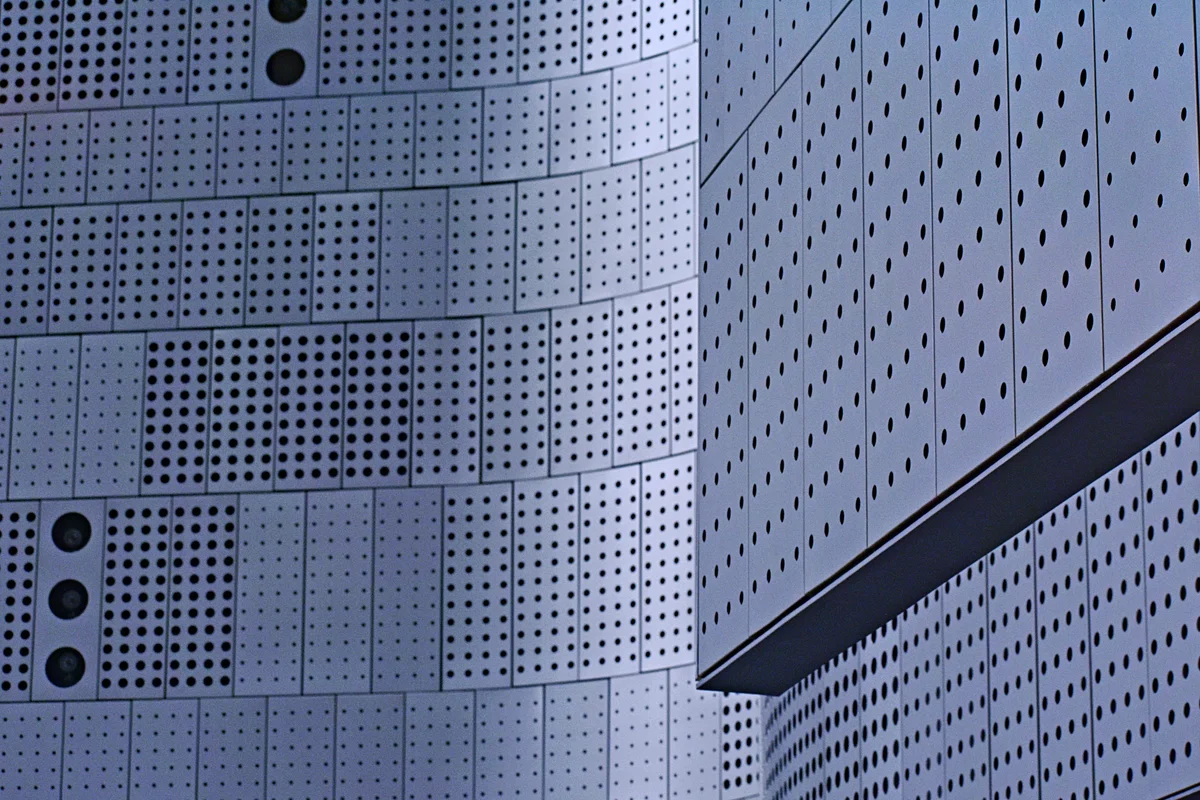
The structural integrity of an aluminum composite panel allows it to withstand significant deformation without fracturing or delaminating the outer skin, provided the bending radius adheres to manufacturer specifications. This physical property supports the creation of curved and sculpted exterior surfaces that would be prohibitively expensive or technically unfeasible using rigid stone or ceramic alternatives. Architects utilize this capability to introduce dynamic geometry—such as wave-like undulations or cylindrical transitions—without compromising the aesthetic finish. Because the material remains dimensionally stable after forming, the risk of warping or surface cracking diminishes compared to thermoplastic alternatives, ensuring that intricate design visions are realized with consistent visual quality upon completion.
Fire Safety Standards Explained
The primary fire safety anxiety for B2B buyers centers on the core material composition, specifically the distinction between standard Polyethylene (PE) cores and fire-retardant mineral-filled cores when subjected to NFPA 285 testing. Industry data indicates that ACP panels with plain polyethylene cores act as fuel sources in high-rise scenarios, failing vertical flame propagation tests and effectively being prohibited on multi-storey buildings exceeding specific height thresholds.
Core Material Comparison: PE vs. Fire-Retardant
Standard Aluminum Composite Panels typically utilize a polyethylene core due to its low cost and workability, but this hydrocarbon-based material melts and drips during combustion, accelerating fire spread vertically up the building facade. In contrast, fire-retardant (FR) or A2 grade cores incorporate mineral fillers that significantly increase ignition resistance and limit heat release, allowing the assembly to pass rigorous large-scale fire tests required for commercial high-rises.
NFPA 285 and Height Restrictions
NFPA 285 is the critical large-scale fire test mandated for exterior wall assemblies on buildings over a certain height (typically 40 feet or more depending on jurisdiction). While small-scale lab tests like UL 723 may indicate a material has some self-extinguishing properties, only passing NFPA 285 guarantees that the specific combination of core, facing, insulation, and air barrier will not contribute to rapid vertical flame travel. Many projects face costly delays or rejection because contractors assumed a generic “fire-rated” label was sufficient without verifying full-system certification for the specific elevation.
Selecting the Right Specification
- Low-Rise Applications (< 40 ft): Standard B1 FR cores may be acceptable in many regions where NFPA 285 is not strictly mandated, provided local authority having jurisdiction (AHJ) approval is obtained.
- High-Rise Applications (> 40 ft): Only A2 non-comminable cores or specific FR cores certified through a complete NFPA 285 assembly test should be specified to ensure building code compliance and insurance viability.
- Variance Verification: Always request the latest test report from the manufacturer confirming the exact thickness, facing type, and core density used in the certified assembly, as changes in any component can invalidate the fire rating.
Executive Insight: The difference between a successful project inspection and a construction stop-work order often lies in the core specification. Never rely on general fire resistance claims; demand documented proof of full-system compliance for the intended building height.
What to Watch Out For
When sourcing ACP sheets, the critical trade-offs are rarely visible on the surface. Specifiers must look beyond the initial price per square meter to evaluate long-term structural integrity, thermal compliance, and fire safety liabilities.
Vulnerability to Physical Damage and Impact Denting
Despite the rigid perception of metal cladding, Aluminum Composite Panels (ACP) possess a distinct vulnerability to localized impact. The strength of the panel relies heavily on the thickness of the aluminum skins, which typically range from 0.5mm to 0.8mm in commercial applications. While sufficient for standard façade loads, this gauge can deform under sudden impact, such as construction equipment collision or severe hailstorms. Once the core is compressed or the skin is dented, the panel loses its structural flatness, creating aesthetic defects that are often irreversible without full replacement.
For high-traffic zones or ground-level installations, specifiers should be wary of standard 3mm or 4mm PE (Polyethylene) core panels. These configurations offer less resistance to buckling compared to thicker variants or those utilizing honeycomb cores. In environments where physical abuse is probable—such as public waiting areas or logistical hubs—impact resistance must be a primary selection criterion, often necessitating a transition from standard ACP to solid aluminum or specialized reinforced composites to avoid costly maintenance cycles.
Insufficient Thermal Insulation and Energy Compliance
A prevalent misconception in the industry is treating ACP sheets as a standalone thermal barrier. While the non-metallic core material—whether Polyethylene (PE) or mineral-filled—provides better insulation than solid steel or aluminum, it does not possess the thermal resistance (R-value) required for modern energy-efficient building envelopes. Aluminum is a highly conductive metal; without a thermal break or supplementary insulation, ACP cladding can contribute significantly to thermal bridging, compromising the building’s HVAC efficiency.
Strict energy codes in many regions now demand continuous insulation layers that standard ACP sheets cannot provide alone. Relying solely on ACP for thermal performance often leads to project failure during compliance inspections. Consequently, a composite rainscreen system is usually required, integrating the ACP as the outer weather barrier while separate insulation boards (such as XPS, PUR, or mineral wool) are installed behind the sub-frame. This adds complexity and cost to the project, a factor frequently underestimated during the initial budgeting phase.
The Critical Cost vs. Safety Trade-off in Core Selection
The most significant risk in ACP procurement lies in the core material selection, where a direct financial conflict exists between safety and budget. The market is primarily divided into two categories: standard PE cores and Fire-Retardant (FR) mineral cores. PE cores are cheaper, easier to fabricate, and offer superior flexibility, but they are essentially combustible thermoplastics. In the event of a fire, PE cores can act as fuel, accelerating the spread of flames. Conversely, mineral-filled FR cores are non-combustible and meet stringent safety standards like NFPA 285 and ASTM E84, but they command a premium price and are more brittle during the routing and folding process.
Choosing a standard PE core to save 15-20% on material costs can lead to total project rejection by fire marshals or, worse, catastrophic liability in the event of a fire. Never substitute FR cores with PE cores in high-rise applications or egress routes without explicit engineering approval and code variance.
Buyers must rigorously verify the fire rating certifications provided by the manufacturer. Counterfeit or mislabeled panels remain a persistent issue in the global supply chain. To mitigate this, procurement teams should demand third-party test reports specific to the batch being purchased, ensuring that the core composition aligns with the project’s legal safety requirements.
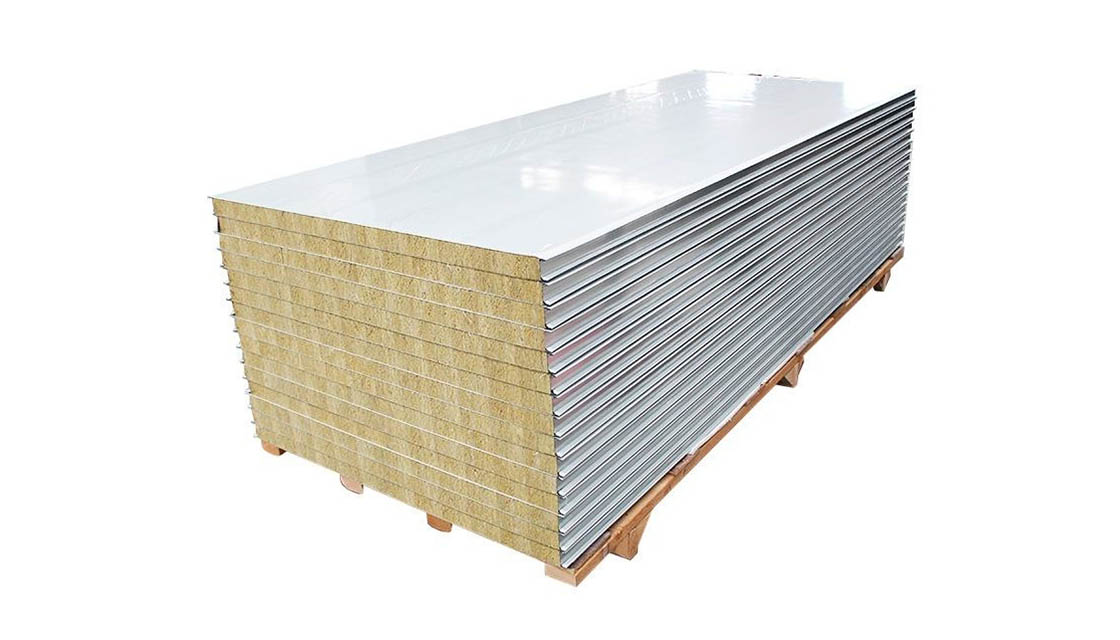
Where ACP Sheets Shine or Fall Short
Aluminum Composite Panels (ACP) offer exceptional rigidity and lightweight properties for façades and signage, but their performance is heavily dependent on core material selection—specifically distinguishing between combustible PE cores for cost-sensitive applications versus fire-retardant (FR) or mineral cores mandated by high-rise building codes.
Achieving Fire Safety Compliance Through Core Selection
The most critical differentiator for ACP sheets in external cladding is the core material, which dictates the panel’s behavior under extreme heat. Standard Aluminum Composite Panels often utilize a Polyethylene (PE) core to maximize impact resistance and reduce costs, but this composition is strictly limited to low-rise structures or interior use due to its flammability. For projects requiring compliance with strict safety standards, such as AS1530.1 for external wall cladding, specifiers must transition to Fire-Retardant (FR) treated cores or non-combustible Mineral Core variants. While the thin aluminum skins provide surface protection, it is the internal core that determines whether the system contributes to flame spread or meets mandatory fire-rating requirements for commercial high-rises.
Mitigating Physical Vulnerability in High-Impact Zones
Despite their Sturdy construction, ACP sheets possess inherent vulnerabilities regarding denting when subjected to concentrated force. The sandwich structure provides excellent bending stiffness for wind loads against large flat surfaces, yet the relatively soft aluminum skins can deform under sharp impacts common in pedestrian-heavy areas or harsh environments. To address this, heavy-duty specifications often require thicker aluminum gauges or specialized coatings. In scenarios where durability is paramount, engineers frequently evaluate alternative materials like GRP/FRP Sandwich Panels or CFRT options which offer higher modulus of elasticity and better resistance to localized deformation than standard metal-clad composites.
Thermal Performance and Systemic Limitations
A frequent misconception among buyers is treating ACP sheets as standalone thermal insulation units. While these panels are described as thermally insulated compared to solid steel or glass, their R-value is inherently limited by the thin profile of the aluminum skins. therefore, relying solely on ACP sheet insulation will rarely satisfy stringent energy efficiency codes for modern buildings without supplementary backing materials. Proper design requires integrating the cladding layer with a continuous insulation system behind the sub-framing to effectively reduce HVAC load and prevent thermal bridging at the fastener points.
Ideal Application Scenarios vs. Failure Points
ACP sheets excel in specific market segments where their unique advantages outweigh their limitations. They are the industry standard for indoor signage and architectural features because they hold fine details during machining and remain lightweight. Additionally, they perform well on low-rise residential buildings where fire codes permit standard PE cores. However, falling short occurs when attempting to use standard ACP for vertical transportation hubs, high-rise exterior envelopes, or coastal marine environments without specific corrosion-resistant treatments. In these demanding contexts, the combination of strict fire regulations, high salt exposure, and rigorous maintenance expectations makes alternative systems like Rockwool Sandwich Panels or HDPE Sandwich Panels more reliable choices for long-term asset protection.
Choosing ACP Sheets: What Matters Most
Core Material Selection: The Hidden Compliance Risk
The single most critical factor in ACP sheet specification is the core composition, as it directly dictates fire safety compliance and project viability. Industry data indicates two primary categories: standard polyethylene (PE) cores offering flexibility and lower cost, and mineral-filled or non-combustible cores required for high-risk applications. While PE cores are suitable for interior decoration where fire load is minimal, exterior facades on buildings exceeding certain heights typically mandate fire-retardant mineral cores to meet strict regulatory thresholds such as NFPA 285.
This trade-off creates a genuine dilemma for procurement managers: balancing upfront budget constraints against long-term liability risks. A thorough risk assessment must align the core selection with the specific project’s occupancy type, height, and local jurisdictional codes rather than defaulting to the lowest unit price.
Surface Coating Durability and Weather Resistance
Beyond the core, the aluminum facing’s coating determines the panel’s lifespan and aesthetic retention in exposed environments. Polyvinylidene fluoride (PVDF) coatings remain the industry benchmark for architectural applications requiring 20+ year service life, offering superior resistance to UV degradation and chemical exposure compared to polyester alternatives. Exterior specifications should explicitly state the coating thickness and resin type, as thinner coatings or lower-grade polymers may chalk or fade significantly within five years, necessitating premature replacement.
Installation System Compatibility
Selecting ACP sheets requires evaluating their physical interaction with sub-framing systems, including thermal expansion coefficients and structural load distribution. Panels must be engineered to accommodate temperature-induced movement without warping or stressing the attachment hardware. Furthermore, the chosen joint width and sealant compatibility must prevent water infiltration while maintaining the system’s fire integrity, ensuring that the installation method does not compromise the material’s tested performance ratings.
Conclusion
Achieving an optimal balance between structural efficiency and fire compliance requires a technical assessment of the core material. While mineral wool cores entail higher upfront costs than polyethylene (PE) alternatives, their non-combustible density of 120-150 kg/m³ is critical for life safety in high-rise applications. The integrity of the cladding system is technically dependent on the sub-framing and sealants supporting it. Specifications must align with regional building codes, requiring verification of certification rather than prioritizing low-cost options.
Peripheral hardware compatibility is paramount, as sub-framing must independently support the cladding’s thermal and structural loads. Since panels are engineered to specific load requirements, the peripheral hardware must match this performance level to ensure overall system integrity. Furthermore, selecting the appropriate PVDF coating thickness for coastal projects is essential to ensuring a service life exceeding 20 years.
Frequently Asked Questions
What core materials are available?
Common core materials include standard Polyethylene (PE) for general use, Fire-Retardant (FR) PE for enhanced safety, and Mineral cores for non-combustible requirements. Each material offers distinct advantages in terms of weight, cost, and fire performance. The choice of core significantly impacts the panel’s overall application suitability.
Are ACP sheets weather resistant?
Yes, ACP sheets are engineered to withstand extreme weather conditions, including UV radiation, rain, and temperature fluctuations. High-quality coatings like PVDF protect the surface from chalking, fading, and corrosion over decades of exposure. This makes them an ideal choice for exterior facade applications in diverse climates.
How durable are ACP sheets?
ACP sheets are highly durable and resistant to weathering, corrosion, and impact under normal conditions. However, the surface can dent if subjected to heavy point loads, requiring careful handling during installation. Proper surface treatment and core selection can enhance impact resistance for demanding environments.
Can ACP sheets be bent?
ACP sheets possess excellent flexibility, allowing them to be bent, curved, or folded to create complex architectural shapes. This formability is achieved using specialized routing and folding techniques without compromising the panel’s surface finish. However, the minimum bending radius depends on the total thickness of the panel.
Do ACP sheets offer insulation?
ACP sheets offer modest thermal insulation but are generally not sufficient as a standalone thermal barrier for extreme climates. To achieve high energy efficiency, they are often used as a rainscreen alongside separate insulation layers. At Raxpanel, we recommend assessing specific project requirements to determine if supplementary insulation is needed.