

How to Choose the wrong modular home manufacturer turns a potentially efficient build into a budget disaster defined by code disputes and shipping delays. While a conventional build might take 9 to 12 months, a modular home can often be completed in 3 to 5 months, but that speed evaporates the moment you misalign factory production cycles with site readiness or underestimate the complexity of transport logistics.
We have seen too many procurement managers assume that factory construction guarantees quality, only to find themselves stuck with panels that fail fire safety inspections or insulation cores that cannot meet local R-value requirements. This article breaks down the specific errors in selecting sandwich panel materials, verifying contractor credentials, and calculating the total landed cost, including heavy transport and crane fees. By running our final vendor checklist before you sign, you secure the warranty coverage and technical compliance you need to keep the project on schedule.
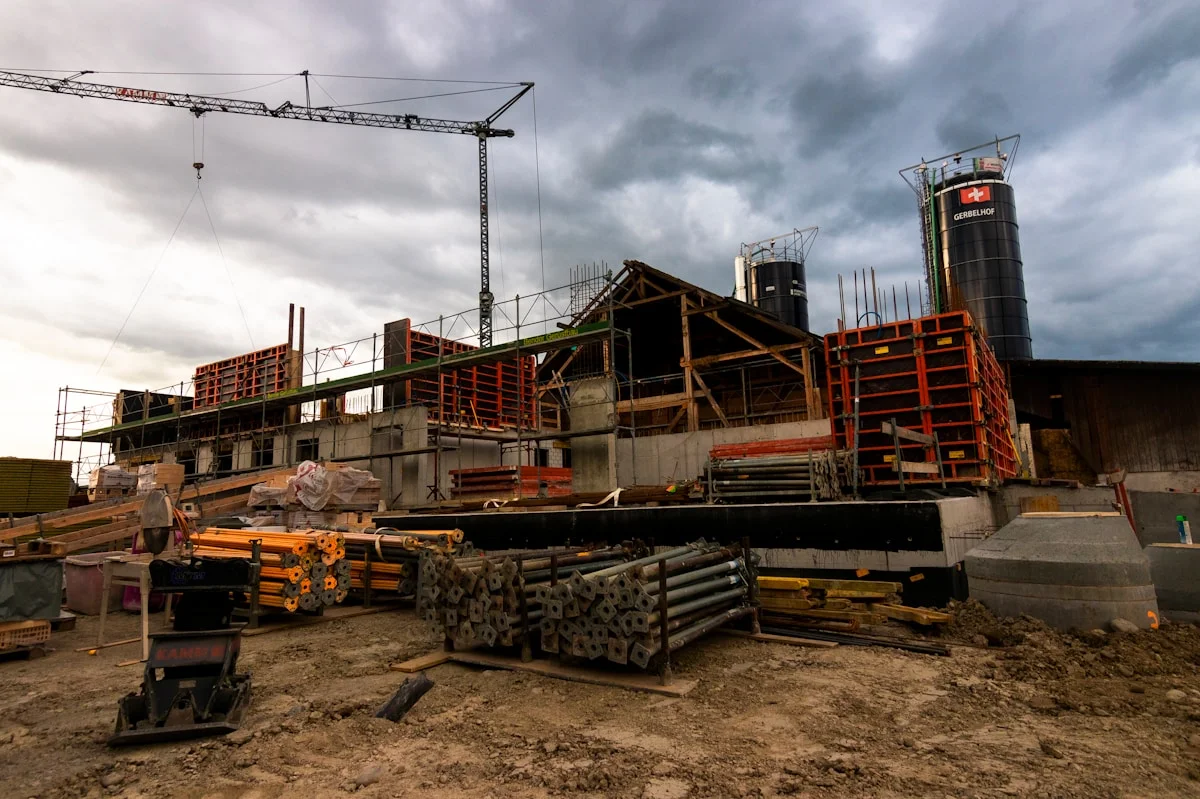
Map Out Your Modular Home Purchase Early
Procurement friction stems from three failures: factory output outpacing site readiness, specification changes during fabrication, and underfunded logistics for heavy prefabricated volumes.
Align Factory Production Cycles With Site Readiness
Modular construction operates on a parallel-track schedule. While the foundation cures and site utilities are connected, the wall panels, floor decks, and roof cassettes are being fabricated off-site. The primary risk is a synchronization failure.
If composite panel production finishes weeks ahead of the delivery window, you face on-site storage risks, weather exposure during staging, or demurrage charges if containers are held at port. Conversely, if the site is delayed, dedicated production lines may sit idle while you wait for ground-level clearance.
Your purchase agreement must define a hard delivery window tied to site completion milestones. Do not accept vague “ready for shipment” language. In our operations, we allocate advanced composite panel production slots based on the buyer’s confirmed delivery schedule. Our facility runs a daily output exceeding 1,700 square meters, which provides significant throughput flexibility, but custom-sized insulated wall panels still require a fixed lead time once specifications are locked.
If you order standard thickness panels without confirming your site’s crane access points, you may receive deliverables that cannot be set into place. Coordinate logistics access before the factory cuts the first sheet.
Specify Sandwich Panel Cores And Facings Early
Specification finalization is a manufacturing trigger, not a formality. Every insulation core—whether XPS, PET, PU, PVC, or PMI—requires distinct thermal curing parameters and adhesion profiles. Switching a facing from GRP to aluminum, or adjusting panel thickness mid-order, forces a line changeover. This stops concurrent batches, generates scrap, and pushes the delivery date back by days or weeks.
We have seen procurement teams defer fire rating decisions until the last week before signing, only to discover the selected core does not meet local municipal requirements. Once a purchase order is issued, the core density, facing material, and overall panel thickness must remain static to prevent rework. Unlike traditional wood-based SIPs, composite sandwich panels rely on precise lamination chemistry between the skin and the core; altering the material system after the order is placed compromises the warranty and the structural integrity of the assembly.
- Lock the Core Type: Confirm whether XPS, PET, PU, or PMI foam is required based on the project’s thermal and fire codes before production starts.
- Confirm Facing Material: Decide between GRP/FRP, CFRT, aluminum, or steel facings early, as each affects the panel’s weight, moisture resistance, and finishing requirements.
- Verify Thickness Tolerances: Ensure custom cuts are specified within ±1mm accuracy to avoid gaps during field assembly and installation.
Allocate Budget For Heavy Transport And Crane Fees
Lightweight composite materials reduce structural dead load, but they do not eliminate the physics of moving massive prefabricated volumes. A single modular home section can exceed legal road weights without escort vehicles. Buyers frequently underestimate the cost of route surveys, temporary utility disconnections, and heavy-lift crane rentals required to set panels into position. These expenses are rarely included in the unit price of the panels and can severely distort the total project budget if overlooked.
Because we ship to over 50 countries, our logistics team builds container loading plans and reinforced wooden crate protocols specifically to prevent transit damage. When planning your budget, include line items for oversized load permits, flatbed trucking surcharges, and crane rigging.
For overseas imports, freight insurance and customs handling must be added to the transport line, not buried in the panel unit cost. We recommend requesting a detailed logistics quotation from your supplier alongside the panel pricing to avoid surprise invoices at the port of entry.
📋 Logistics Budget Checklist
- Step 1: Request a container loading plan and crate protocol from the manufacturer to verify dimensional constraints.
- Step 2: Obtain quotes for heavy-haul trucking and crane rental based on the heaviest single panel or module segment.
- Step 3: Budget for route surveys and temporary utility disconnections if the delivery path requires oversized loads.
- Step 4: Secure freight insurance covering transit damage, especially for sensitive foam cores that require climate-controlled shipping.

1. Common Errors in Site and Zoning Checks
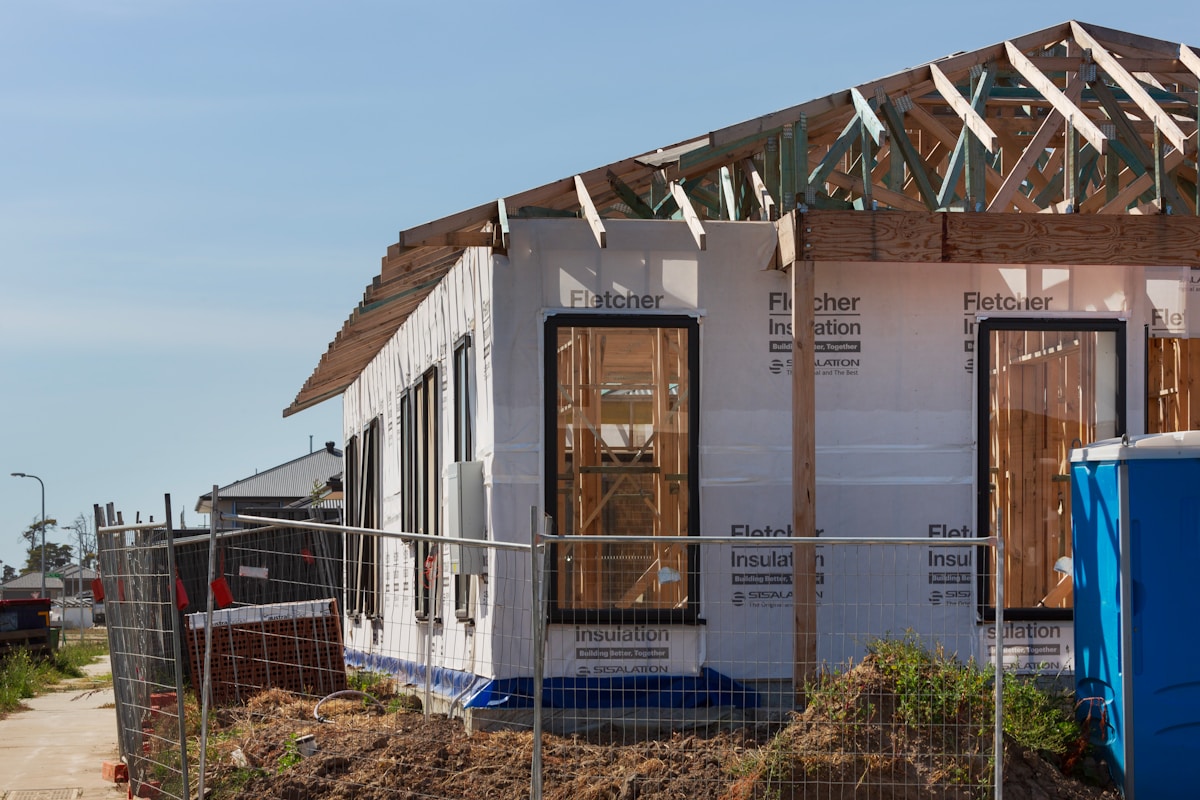
Common Errors in Site and Zoning Checks
Site preparation failures generate more project delays than production issues; verify access, soil stability, and fire codes before signing procurement contracts.
Delivery Access and Ground Conditions
Procuring modules before validating site logistics creates immediate standstill risks. Heavy transport trucks and cranes require confirmed road width, overhead clearance, and ground bearing capacity. Unstable soil prevents proper module settlement and can damage structural connections during placement. Buyers frequently overlook utility tie-in mapping, assuming connections are available when they are not. Securing crane pads and verifying water, sewer, and electrical access routes must happen prior to factory release.
Regulatory and Fire Safety Compliance
Assuming national building standards apply uniformly to modular construction leads to inspection failures. Jurisdictions enforce specific fire separation requirements between modules, particularly concerning smoke spread within wall void spaces. Sandwich panel assemblies must often demonstrate compliance with local fire rating certifications before installation is permitted. Misaligned zoning approvals can force costly retrofits or halt deployment entirely.
- Soil Stability: Conduct geotechnical assessments to support module weight and foundation load.
- Fire Rating: Verify wall assemblies meet jurisdiction-specific fire separation and smoke control standards.
- Utility Mapping: Confirm precise locations for electrical, water, and drainage tie-ins.

2. Don’t Skip These Contractor and Manufacturer Checks
How to Choose a manufacturing partner based strictly on the lowest bid often introduces severe operational risks that outweigh initial savings. In the competitive composite panel sector, contractors who underprice frequently bypass critical quality assurance phases to protect margins. Buyers must rigorously verify ISO certifications and demand proof of continuous production capacity before signing. A vendor with advanced, high-output production lines is essential for maintaining strict project timelines and ensuring material uniformity across bulk orders.
assessing warranty terms regarding core materials and facings is non-negotiable for risk management. Manufacturers who avoid providing detailed guarantees on tensile performance or fire compliance typically lack confidence in their engineering processes. Prioritizing vendors with transparent documentation and a verifiable history of supplying complex international markets is the only way to mitigate the danger of receiving substandard components that could compromise the entire modular structure.
| Verification Item | Required Documentation | Risk of Skipping | Ideal Manufacturer Benchmark |
|---|---|---|---|
| Thermal Conductivity & Whole-Wall R-Value | Third-party lab reports citing lambda values for XPS, PET, PU, PVC, and PMI cores; DOE/ORNL whole-assembly testing data. | Misleading component R-values leading to oversized HVAC systems and higher operational energy costs. | Supplier providing continuous insulation design analysis proving reduced thermal bridging at panel joints. |
| Fire Resistance Certification | Validated fire rating certificates for PIR, rockwool, and mineral wool cores; compliance with local building code requirements. | Project rejection during building code inspections; liability exposure from smoke spread in module void spaces. | Factory-certified sandwich panels with documented fire performance exceeding minimum residential prefab standards. |
| Facing Material Tensile Strength | Tensile strength test reports for GRP/FRP facings, CFRT sheets, and thermoplastic UD tapes. | Delamination under transport vibration or structural load; compromised waterproof durability. | High-performance fiberglass or CFRT skins with gelcoat waterproofing and verified mechanical load ratings. |
| Production Capacity & Lead Time | Proof of advanced composite panel production lines and daily output metrics. | Delayed delivery halting construction schedules; penalties for missed installation windows. | Established manufacturer with 15+ years experience and daily production area exceeding 1,700 square meters. |
| Shipping Damage Prevention | Container loading plans, reinforced wooden crate specifications, and climate-controlled shipping documentation. | Panel surface damage or core degradation during international transit; increased landed cost. | Engineered logistics solutions including custom crating and 24-hour international sales support. |
| Dimensional Tolerance & Customization | Engineering drawings confirming custom cut precision and thickness tolerances. | Fitment gaps on-site requiring costly field modifications or sealing. | Precision manufacturing capable of custom sizes within ±1mm tolerance. |

3. Overlooked Expenses That Sneak Into Your Budget
Modular projects frequently exceed financial forecasts due to financing misalignment and complex logistics for oversized composite materials.
Financing Gaps and Payment Terms
Construction loans typically require higher down payments than traditional mortgages, creating immediate cash flow strain. High-performance materials like CFRT or specialized PMI foam cores often carry higher upfront manufacturing costs. Consequently, manufacturers may necessitate staggered payment structures that align with production milestones rather than site completion, requiring buyers to maintain liquidity throughout the fabrication cycle.
Logistics and Handling Oversized Panels
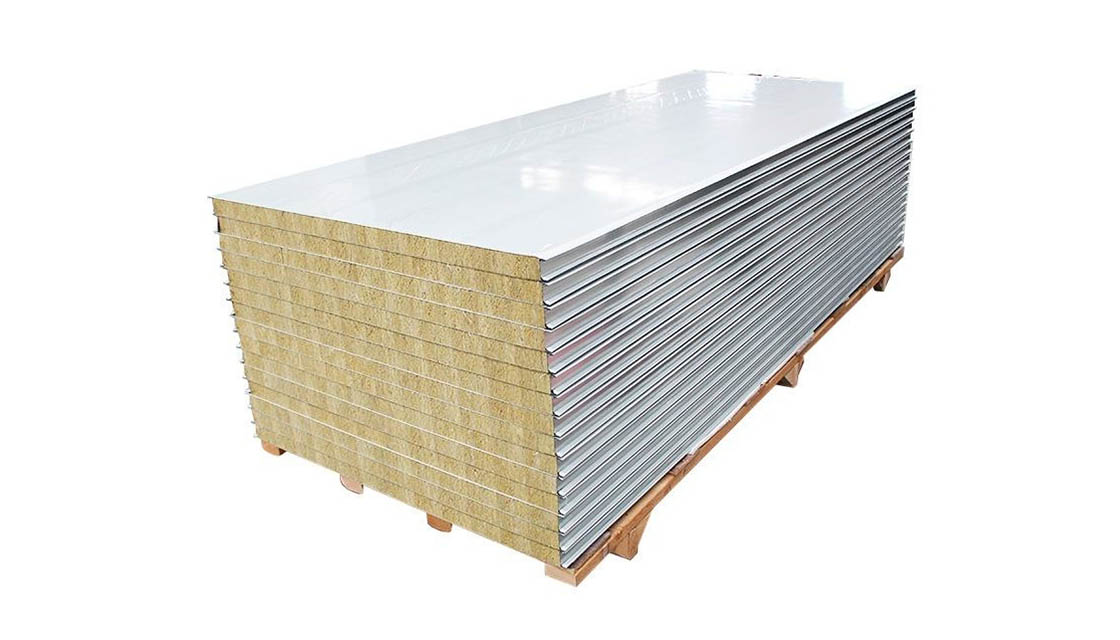
While sandwich panels using XPS or PET cores are lightweight, their bulk dimensions significantly increase shipping complexity. Transporting panels designed for high-volume production lines requires specialized freight solutions to prevent damage to facings like aluminum or fiberglass. Buyers often underestimate the cost of specialized trucks and the extended crane rental time needed for precise positioning of these large-format units, particularly on sites with restricted access.
Utility Connection and Site Access
Although materials like GRP facilitate faster assembly, connecting modular units to existing grid infrastructure requires trenching and specialized labor. Site access restrictions can prolong crane usage for lifting large-panel sections, turning a planned one-day installation into a multi-day equipment rental cost. Ignoring the logistical constraints of maneuvering wide composite panels through narrow gates can lead to expensive last-minute rerouting or heavy machinery upgrades.
<!– wp:html –>
<!– /wp:html –>
4. Avoid These Mistakes When Choosing Panels
Most failures here trace back to two root causes: specifying the wrong material for the environment, or skipping surface preparation. Identifying which risk applies to your project prevents expensive rework.
Avoid These Mistakes When Choosing Panels
Specifying panels by R-value alone misses whole-wall performance, fire compliance, and transport constraints that dictate project viability.
Modular home buyers frequently select sandwich panels based on nominal insulation ratings without evaluating how the full wall assembly performs under real conditions. A high core R-value does not compensate for thermal bridging at panel joints, where conductive materials bypass insulation and create condensation risks.
Thermal Performance Verification
Engineers must validate continuous insulation design through whole-wall U-factor testing rather than relying solely on core material specifications. Composite sandwich panels with closed-cell foam cores and non-conductive facings eliminate wood-frame thermal bridges that compromise energy efficiency.
Fire Safety Compliance
Residential prefab assemblies require third-party fire resistance certifications, including smoke density and flame spread data. Standard EPS or wood-based SIPs often fail building code inspections, causing occupancy delays and insurance complications.
Dimensional Accuracy
Ordering off-the-shelf panel sizes without confirming field joint layouts forces on-site cutting, which compromises airtightness and increases labor costs. Manufacturers capable of custom lengths matched to project drawings deliver tighter tolerances and professional installation guidance.
| Selection Mistake | Performance Risk | Engineering Verification | Composite Panel Solution |
|---|---|---|---|
| Prioritizing component R-value over whole-wall thermal performance | Thermal bridging at panel joints increases energy loss and risks interstitial condensation | Confirm continuous insulation design and whole-wall U-factor rather than core k-value alone | PET, XPS, or PIR foam core sandwich panels with GRP or CFRT facings eliminate wood-frame thermal bridges |
| Overlooking fire rating certification for residential prefab assemblies | Panel system fails building code inspection, causing occupancy delays and insurance complications | Require third-party fire resistance class, smoke density, and flame spread test reports per local code | PIR sandwich panels and rockwool core options deliver higher fire resistance compared to standard EPS or wood-based SIPs |
| Using heavy wood-based SIPs for modular transport without weight analysis | Excessive module dead load increases crane costs and triggers road transport restrictions | Evaluate density and tensile strength-to-weight ratio of facing and core combination | Lightweight honeycomb and foam core panels with fiberglass, aluminum, or CFRT facings reduce structural weight while maintaining stiffness |
| Assuming all foam cores have equivalent moisture resistance | Water absorption degrades insulation value and causes delamination in humid or marine climates | Verify closed-cell structure and require water absorption test reports for critical applications | Closed-cell PET, XPS, PVC, and PMI foams paired with gelcoat-sealed GRP facings provide waterproof durability |
| Ignoring shipping damage protocols for overseas panel delivery | Cracked facings or crushed cores arrive on site, halting construction schedules and inflating replacement costs | Require reinforced wooden crate packaging, container loading plans, and climate-controlled shipping documentation | Factory-certified panels produced to custom dimensions within ±1mm tolerance with engineered export packaging |
| Ordering non-custom standard sizes without verifying field joint layouts | On-site cutting and modifications compromise airtightness and increase labor costs | Confirm manufacturer capability for custom lengths, widths, and thicknesses matched to project drawings | Engineered composite sandwich panels manufactured to precise project specifications with professional installation guides |
5. Weigh Durability, Efficiency, and Fit Before Deciding
Verify core thermal resistance, joint detailing, and structural tolerances before committing to a modular panel system. Generic “insulated” claims rarely guarantee long-term performance.
Thermal Performance and Core Selection
The insulation core dictates energy efficiency, but specifications vary widely across foam densities and face sheet combinations. For modular wall assemblies, closed-cell foams such as XPS, PET, or PVC offer consistent thermal resistance, while PMI and aramid honeycomb structures prioritize extreme stiffness-to-weight ratios for high-load applications. Buyers must confirm the exact R-value per inch and validate thermal bridging prevention at panel joints, since standard SIP overlaps often leak heat unless gasketed or sealed with continuous insulation layers.
Structural Fit and Modification Limits
Composite sandwich panels integrate facing sheets—such as GRP, CFRT, aluminum, or plywood—with the core through engineered lamination processes. Altering standard module dimensions post-fabrication risks delamination or reduced load-bearing capacity. Manufacturers typically supply custom sizing during the design phase using experimental testing to match project data standards. Always audit contract milestones and warranty terms for foam degradation, honeycomb compression, and gelcoat weathering before signing.
Run This Final Vendor Checklist Before You Sign
Lock down independent thermal and structural test reports, explicit core warranties, and hard delivery penalty clauses before authorizing production.
Before authorizing manufacturing for modular wall systems, technical documentation and contractual safeguards must be verified against actual project requirements. Composite sandwich panels used in prefabricated homes require documented performance for thermal resistance and structural load capacity. Vendors may provide internal lab results, but third-party certifications carry enforceable value during handover and insurance audits.
Verify Thermal Insulation And Load Bearing Certifications
Thermal insulation ratings directly affect energy compliance and long-term operating costs for modular structures. Load bearing data determines whether panels can support roofing, cladding, and interior finishes without additional framing reinforcement. Buyers should request certified R-value or U-value test reports from accredited laboratories, not supplier-generated claim sheets.
- Thermal Performance: Require test certificates showing R-value or U-value under standard conditions such as ASTM C518 or ISO 8990.
- Structural Capacity: Request compression and flexural strength data validated by independent testing bodies before approving panel specifications.
- Fire Rating Documentation: Confirm that insulation cores and facings meet required fire classification standards for the target jurisdiction.
Gaps in certification often appear when vendors substitute foam densities or core materials during production. Cross-checking batch test reports against contract specifications prevents undocumented material changes that compromise energy efficiency or structural safety.
Confirm Warranty Terms For Foam And Honeycomb Cores
Core materials such as XPS, PET, PU, PVC, PMI foams, and PP or fiberglass honeycombs degrade differently depending on moisture exposure, temperature cycling, and mechanical stress. Warranty coverage must explicitly address these failure modes rather than offering blanket lifetime claims.
- Moisture Resistance: Ensure warranties cover core water absorption, delamination, and mold risk over a defined service period.
- Compression Set Coverage: Verify that long-term load deformation is included, especially for flooring, roofing, and high-traffic wall applications.
- Fiberglass Honeycomb Integrity: Confirm that resin breakdown, cell collapse, and adhesive failure are covered separately from general panel damage.
Some suppliers exclude core degradation caused by improper handling or transportation. Contracts should specify storage requirements, packaging standards, and installation guidelines that must be followed for warranty validity to remain enforceable.
Audit Contract Milestones For Production Delays And Penalties
Modular construction schedules depend on synchronized factory output, transport logistics, and on-site assembly windows. Delays in panel production disrupt crane bookings, foundation work, and trade sequencing. Contracts must define clear production milestones with measurable delivery dates and financial penalties for missed deadlines.
- Raw Material Procurement: Specify lead times for core foam, resin, facing sheets, and protective packaging before production begins.
- Manufacturing Progress Reports: Require weekly or bi-weekly updates with photos or third-party inspection sign-offs at key stages.
- Delivery Schedule Penalties: Include liquidated damages tied to calendar days of delay, capped at a reasonable percentage of contract value.
Payment terms should align with milestone completion rather than upfront deposits. Retainage clauses protect buyers when panels arrive incomplete, damaged, or non-compliant with approved test reports.
Key Takeaways
Pick composite sandwich panels over standard SIPs for your dealer inventory. SIPs work fine for stationary site builds, but modular units get stacked, craned, and shipped across highways. The sealed foam core inside a composite panel absorbs that structural shock without cracking at the seams. You will see fewer warranty callbacks when your buyers move from cold-climate designs into coastal or seismic zones.
- Verify thermal insulation and load-bearing certifications before committing to a production run.
- Confirm warranty terms specifically cover foam compression and honeycomb shear under transport vibration.
- Map your contract milestones against production schedules so delay penalties stay on the manufacturer, not your balance sheet.
- Keep our engineering team on speed dial for early-stage panel thickness or fire-rating questions. We answer technical fit without pushing a quote.
Frequently Asked Questions
This factor has a direct bearing on project performance and long-term cost. Addressing it with specific data rather than general assumptions leads to better outcomes.
What fire rating requirements should modular wall panels meet?
Modular home construction panel fire rating requirements vary by jurisdiction but generally mandate defined surface burning characteristics and structural integrity during standardized fire exposure tests. PIR sandwich panels and mineral wool cores typically satisfy stricter fire resistance ratings than standard PU or XPS foams. Procurement teams must verify that supplied products carry third-party fire testing certifications, such as UL or EN classifications, before awarding contracts. Third-party validation remains essential for ensuring materials meet stringent safety regulations across different building authorities.
How can thermal bridging be prevented in modular panels?
Effective modular home panel thermal bridging prevention requires identifying conductive facing materials that create heat escape paths through the wall assembly. Designers mitigate this risk by specifying continuous insulation layers and selecting facings that minimize conductive pathways across the full panel depth. Composite sandwich panels using low-conductivity foam cores and engineered skin materials maintain more uniform thermal resistance than assemblies with discontinuous barriers. Evaluate whole-wall R-value metrics alongside component data to confirm that your insulation strategy delivers genuine energy savings.
Are custom-sized insulated wall panels available?
Suppliers can fabricate custom-sized insulated wall panels for prefab homes to match exact module dimensions, minimizing on-site cutting waste and accelerating assembly sequences. High-precision production lines maintain tight thickness tolerances, often within ±1mm, ensuring accurate fitment during rapid construction phases. Custom dimensions also allow optimized container loading plans, which directly reduces total landed costs for overseas procurement. Always request design solutions and installation guides alongside manufacturing quotes to validate technical support capabilities.
How should panels be protected during international shipping?
Strong modular home panel shipping damage prevention depends on reinforced wooden crates, engineered container loading plans, and climate-controlled handling for moisture-sensitive core materials. Experienced exporters implement protective packaging protocols designed to withstand vibration, humidity fluctuations, and multi-modal transport stresses without compromising panel integrity. Buyers should request documented shipping procedures and verify the supplier’s track record across diverse international routes. Logistics competence is as critical as product quality when securing large-volume panel orders.
What should buyers verify when sourcing wholesale structural composite panels?
Sourcing wholesale structural composite panels for modular construction requires verifying manufacturer capacity, customization flexibility, and supply chain consistency. Direct engagement with producers eliminates intermediary margins and enables tailored design solutions for complex project specifications. Evaluate vendors based on their ability to provide technical support, sample validation, and reliable production scheduling. Establishing long-term cooperation agreements can secure favorable pricing and priority allocation during peak demand cycles.