
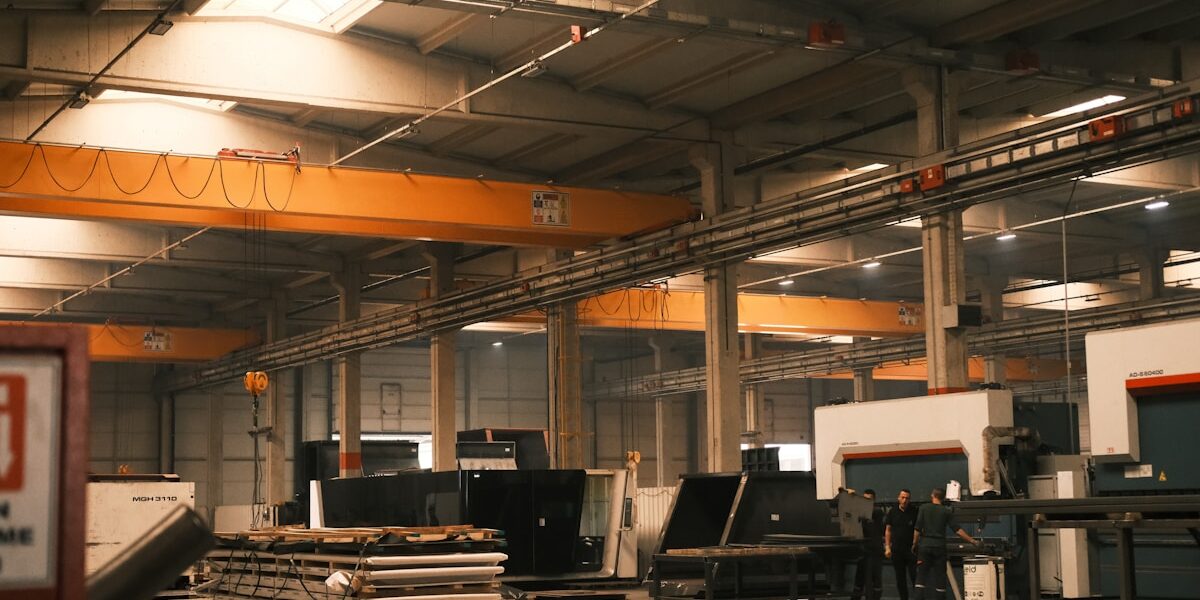
Most project owners treat structural insulated panels as a commodity, but on the production floor, the adhesive bond line is where projects fail or succeed. At Rax Panel, our engineering team manages complex composite solutions and honeycomb structures, applying the same rigorous bonding protocols to high-performance foam cores to prevent delamination. Manufacturing a panel with a polystyrene core requires both heat and pressure to ensure the bonding glue penetrates and sets completely; missing this variable compromises the entire structural envelope.
This guide walks you through the production workflow, from raw material preparation and core expansion to CNC fabrication and final inspection. We focus on the specific manufacturing tolerances that dictate total landed cost and energy code compliance, giving you the framework to audit a factory’s output capabilities before you ever place an order.
Defining Structural Insulated Panels
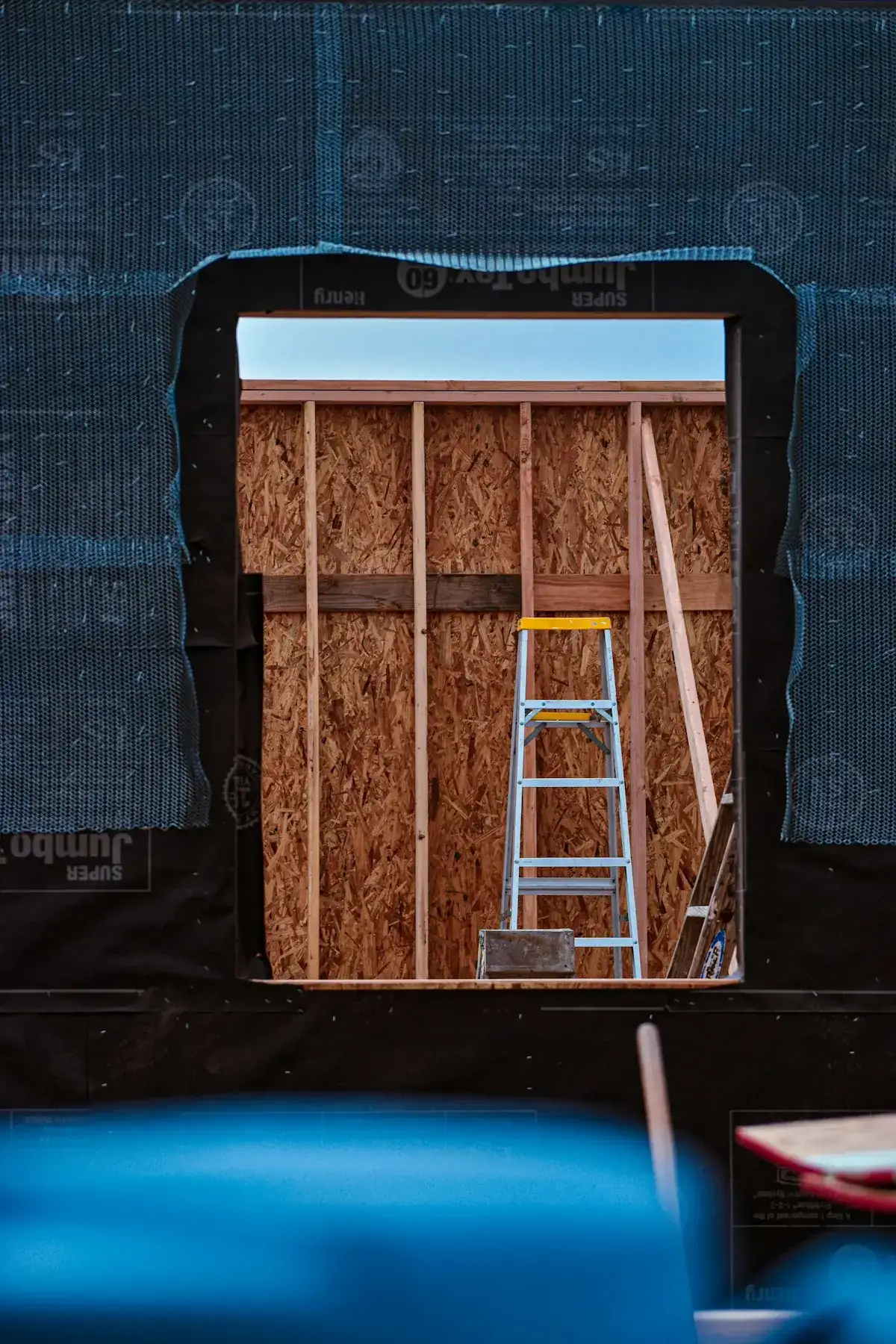
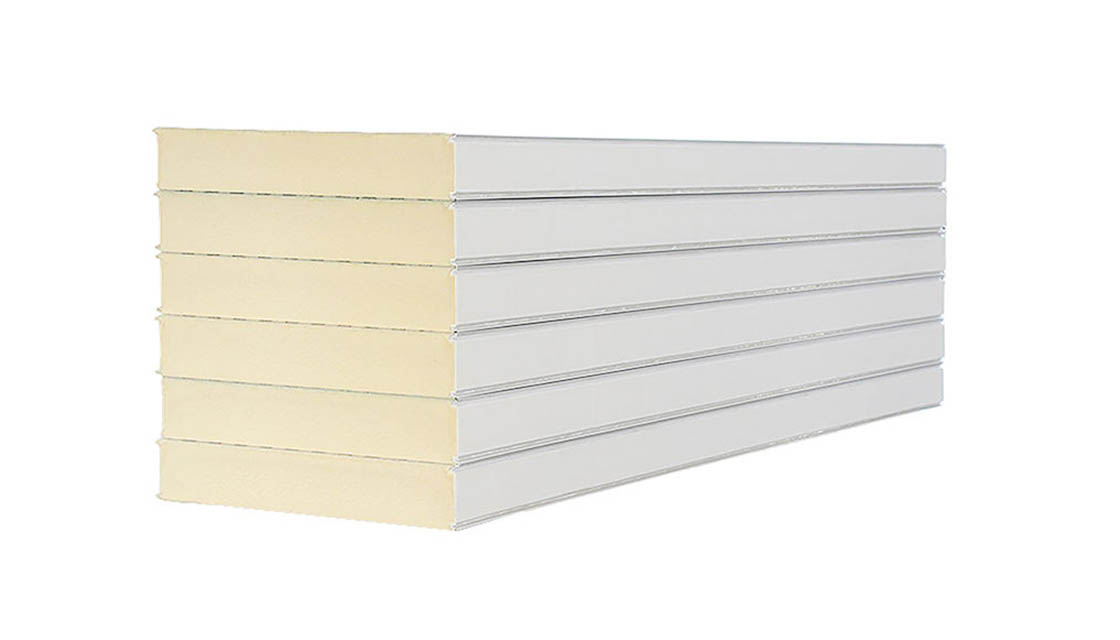
Structural Insulated Panels (SIPs) are engineered building systems that integrate structural support, insulation, and sheathing into a single, high-performance unit.
To understand SIPs, you must look past them as simple materials and view them as a unified building envelope system. Unlike traditional construction methods that layer separate components—studs for structure, batts for insulation, and plywood for sheathing—SIPs combine these three critical functions into one solid, monolithic element. This integration removes the complexity of coordinating multiple trades on-site and shifts the quality control to the factory floor.
In our experience, this consolidation is the key to achieving consistent performance in the field. By bonding the structural facings directly to the insulating core under controlled factory conditions, we eliminate the voids and gaps often found in stick-built structures. The result is a building component that is ready to install, offering predictable structural integrity and thermal performance right out of the box.
Superior Airtightness Performance
The defining performance advantage of SIPs is their ability to create an exceptionally airtight building envelope. Traditional framing methods are inherently porous; every intersection between a stud and a top or bottom plate creates a gap, and every insulation bay presents an opportunity for air movement. These leaks force HVAC systems to work harder to maintain temperature, driving up operational costs.
SIPs solve this by forming a continuous barrier. The insulating core acts as a constant web across the entire surface of the wall or roof, interrupted only by windows and doors. This continuity drastically reduces air infiltration, ensuring that the conditioned air stays inside and the weather stays out. We have observed that projects using high-performance composite panels like SIPs consistently achieve higher energy efficiency ratings compared to those using conventional cavity insulation.
While the panels themselves provide airtight surfaces, the system’s overall performance depends entirely on the connections. We focus heavily on the engineering details of panel joints and splines to ensure the envelope remains sealed. Always verify that your manufacturer provides detailed connection specifications to maintain the integrity of the air barrier.
Essential Panel Components
A composite panel relies on the ‘sandwich principle’: two rigid, high-strength facings carry the structural load, while a lightweight core maintains their separation to resist bending and shear.
Layer 1 & 3: The Structural Facings
The outer and inner layers are the workhorses of the panel, responsible for handling tensile and compressive stress. While traditional construction often uses OSB (Oriented Strand Board) or plywood for cost-effective residential sheathing, industrial and commercial applications require higher durability.
In these sectors, metal facings—such as Aluminum, Steel, or Aluzinc—and advanced composites like GRP (Glass Reinforced Plastic) or CFRT (Continuous Fiber Reinforced Thermoplastic) are the standard. These materials provide superior impact resistance, weatherability, and a much higher strength-to-weight ratio compared to wood-based products.
We frequently advise clients against using OSB for high-humidity or mobile applications like RVs and truck bodies. Unlike wood, our GRP and aluminum facings do not swell, rot, or delaminate when exposed to moisture, ensuring a longer lifecycle with zero maintenance.
Layer 2: The Insulating Core
Sandwiched between the facings, the core material serves two critical functions: thermal insulation and shear stiffness. By bonding the two facings together, the core prevents them from sliding past one another, dramatically increasing the panel’s overall rigidity without adding significant weight.
Depending on the project’s fire safety and thermal requirements, this core can be formed from different closed-cell foams or cellular structures. Common industrial options include XPS, PET, PU, PVC, PIR, and specialized honeycomb structures like PP or Aramid, each selected to balance R-value with specific density and fire-rating needs.
| Component Category | Material Options | Technical Specifications | Functional Benefits |
|---|---|---|---|
| Outer Skin Facings | Aluminum coils (PPGI/PECC), PVDF/HPL coatings | Chromate/conversion pre-treatment layers, uniform coating thickness, color consistency control | Superior weather resistance, impact protection, aesthetic versatility, and long-term structural durability |
| Thermal Core Materials | XPS, PET, PVC, PIR, Mineral Wool | Closed-cell foam matrix, fire-retardant additive integration, density optimized for R-value | Exceptional thermal insulation, waterproof barrier, elimination of thermal bridging, and fire safety compliance |
| Honeycomb Structures | Aluminum foil, Paper/Nomex | Hexagonal cellular geometry, standardized cell size, high shear modulus design | Maximum strength-to-weight ratio, superior load-bearing capacity, and enhanced acoustic dampening |
| Adhesive & Interface Systems | Thermoset EVA, PUR, Acrylic-based laminating adhesives | High peeling strength thresholds, uniform cross-sectional adhesion, heat-activated continuous lamination | Prevents delamination under extreme stress, ensures long-term layer cohesion, and maintains panel integrity across temperature fluctuations |
| Edge & Joint Sealing Components | Silicone sealants, EPDM gaskets, Vapor-barrier tapes | UV-resistant formulation, standardized joint geometries, integrated moisture-channel design | Streamlines assembly workflows, reduces onsite cutting waste, guarantees airtight sealing, and accelerates construction timelines |

Preparing Raw Materials
High-performance composite panels start long before the lamination press; rigorous raw material grading prevents costly delamination and ensures fire compliance.
The foundation of any durable Aluminum Composite Panel (ACP) or sandwich panel lies in the pre-production qualification of its constituent layers. Manufacturers frequently underestimate how raw material inconsistencies directly translate into on-site failures like peeling, moisture entrapment, or non-compliance with local fire codes. Before a single sheet enters our advanced production infrastructure, we enforce strict intake protocols for both structural facings and insulating cores. This phase acts as the primary bottleneck that separates compliant commercial panels from substandard substitutes.
📋 Actionable Steps
- Step 1: Inspect and grade aluminum or fiberglass facings for surface smoothness and mill finish consistency to ensure uniform coating adhesion.
- Step 2: Verify core material density and fire-retardant ratings against ASTM or EN standards using certified batch testing.
- Step 3: Condition raw metal coils and polymer sheets in climate-controlled storage to eliminate thermal expansion variances before processing.
For facings, coating selection dictates the panel’s lifespan. Exterior architectural cladding demands Polyvinylidene Fluoride (PVDF) systems for superior UV and chemical resistance, whereas interior applications may utilize standard polyester finishes to optimize budget constraints. Our engineering team routinely cross-references coating thickness with substrate gauge to prevent premature corrosion in coastal or high-humidity deployments.
Core material selection requires even more scrutiny. While traditional foams remain cost-effective for light-duty insulation, modern building codes increasingly mandate fire-resistant alternatives. We stock and rigorously test core variants including polyisocyanurate (PIR), polyvinyl chloride (PVC), extruded polystyrene (XPS), and non-combustible mineral wool. Each batch undergoes compressive strength and moisture absorption testing to guarantee structural stability under thermal cycling.
Always request third-party certification reports for raw material batches rather than relying solely on supplier certificates. For projects in seismic zones, verify that your chosen core density provides sufficient shear strength to maintain panel integrity during structural flexing.
Never mix incompatible facing and core materials without proper surface treatment. Applying moisture-sensitive cores like certain polyurethane foams against untreated metallic facings can trigger rapid galvanic corrosion or adhesive hydrolysis, leading to catastrophic delamination within months of installation.
Expanding the Insulation Core
How to Choose the right insulation core is not just about maximizing R-values; it requires a precise balance of thermal performance, structural weight limits, and strict fire safety compliance.
The Thermal Efficiency vs. Shipping Weight Dilemma
When buyers look to expand the insulation core in Aluminum Composite Panels (ACP) or Structural Insulated Panels (SIPs), they immediately run into a physical limitation: density. Adding thicker foam improves thermal resistance, which measures how well a material stops heat transfer, but it also increases the total panel weight.
For international distributors, every extra kilogram adds significant ocean freight costs. Additionally, overly thick cores can weaken the structural bond between the facing sheets and the middle layer, leading to delamination over time.
A common industry workaround is to simply add more standard Polyethylene (PE) plastic core. However, PE is highly flammable and often fails modern commercial building codes. This creates a major bottleneck for developers who need both high energy efficiency and strict fire ratings.
Engineered Core Alternatives for Compliance and Performance
To solve this, modern composite manufacturing relies on advanced thermoplastic and thermoset materials. Instead of generic PE, specialists use Flame Retardant (FR) minerals and specialized foams like Polyisocyanurate (PIR), Extruded Polystyrene (XPS), and Polyvinyl Chloride (PVC).
These materials offer superior fire resistance, often meeting stringent ACM safety ratings, while maintaining a much lower volume than solid rock or traditional plaster. Honeycomb structures, such as PP honeycomb or aramid honeycomb, are also expanded as they provide exceptional load-bearing strength without the thermal mass of solid foam.
Always verify the peel strength of the core-to-skin bond. A high R-value means nothing if the core shrinks or expands at a different rate than the aluminum facing, causing the panel to buckle during temperature swings.
At our facility, which has of production experience and produces over 1,700 square meters of advanced composite panels daily, we frequently encounter projects demanding custom thermal profiles. Our engineering team conducts rigorous experimental testing to match the exact core material to the facade’s environmental exposure. By using high-performance coating systems alongside optimized core densities, we successfully eliminate thermal bridging—the process where heat escapes through gaps or weak bonds in the panel structure. This ensures load-bearing compliance without sacrificing interior comfort.
Expanding the core thickness requires strict attention to edge sealing. If the facing sheets are not perfectly pre-treated or if the lamination process leaves micro-gaps, moisture can become trapped inside the foam. Over time, this hidden condensation degrades the adhesive bond and compromises the entire panel’s structural integrity.
Securing these specialized materials globally presents its own logistical challenges. We secure supply chains through consolidated container loading strategies specifically designed to prevent edge damage during ocean freight to our partners across 50+ countries. By combining tailored core engineering with cost-optimized shipping, manufacturers can achieve specification-driven solutions that meet total landed cost objectives while passing rigorous safety inspections.
Applying Structural Facings
Structural facings act as the armor and backbone of the panel, determining both its aesthetic finish and its ability to withstand environmental stress.
Facings are the outer skins bonded to the insulation core, transforming a simple foam block into a rigid structural element. Common materials include aluminum for modern exteriors, Glass Reinforced Plastic (GRP) for corrosion resistance, and Plywood for cost-effective structural strength. The choice of facing dictates the panel’s weight, fire rating, and durability against weather or impact.
Surface Preparation: The Invisible Anchor
Before any bonding occurs, the facing material must undergo rigorous preparation to ensure it sticks permanently. For Aluminum Composite Panels (ACP), the aluminum coils are treated with a chromate conversion coating. This process chemically etches the surface, creating a microscopic roughness that allows the adhesive to grip the metal effectively. Without this step, the smooth metal surface would eventually separate from the core under thermal expansion or load.
Never skip the pre-treatment inspection. A smooth, shiny aluminum surface might look clean, but without the proper chromate layer, it is a failure waiting to happen. We treat every square meter of our facing material before it enters the lamination line to prevent peeling years down the road.
Lamination and Chemical Bonding
The application process involves feeding the prepared facings and the core material into a continuous lamination press. Here, high-performance polymeric adhesives are applied under heat and pressure. This is not just gluing; it is a chemical fusion where the adhesive layer penetrates the pores of the core and bonds permanently to the treated facing.
Many low-cost manufacturers use low-grade adhesives or insufficient pressure to save on energy costs. This results in panels that may look perfect when delivered but will delaminate (peel apart) within a year of installation.
With of manufacturing experience, we have standardized our lamination pressure and temperature profiles for every material combination—whether bonding CFRT sheets to XPS foam or Aluminum to Honeycomb cores. We rigorously test the peel strength of every batch to ensure the bond is stronger than the core material itself, guaranteeing a structural lifespan that meets international standards.
Lamination and Bonding
Lamination and bonding dictate the lifespan of composite panels. Without precise adhesive control and thermal management, even premium materials will fail under environmental stress.
The Delamination Risk: Why Standard Lamination Fails
The biggest headache for buyers isn’t the material itself, it is the bond failing years after installation. Aluminum skins expand and contract at a different rate than foam or honeycomb cores. When temperature swings hit the exterior cladding, standard lamination processes often crack, leading to delamination and compromised structural integrity.
Manufacturers who cut corners on adhesive viscosity or curing pressure create weak interfaces. These weak bonds allow moisture to seep into the core, causing irreversible swelling and eventual panel warping. This is especially critical for ACP used in high-humidity coastal regions or extreme climate zones.
Precision Lamination: Engineering a Permanent Bond
To solve this, we utilize a continuous high-pressure lamination line that guarantees uniform adhesive distribution across the entire panel surface. Our engineering team conducts rigorous peel-strength testing on every batch to ensure the bond survives thermal cycling without compromising the panel’s flatness.
We strictly match the adhesive chemistry to the core material. Whether you are specifying PET, PVC, XPS, PIR, or mineral wool cores, the bonding temperature and pressure are calibrated precisely to that material’s thermal tolerance. This prevents core degradation while maximizing shear strength.
Improperly bonded edges allow condensation to form inside the core. Always specify panels that undergo full-edge sealing and post-lamination heat treatment. This eliminates thermal bridging and ensures load-bearing compliance for exterior wall cladding applications.
📋 Actionable Steps
- Step 1: Surface Pre-treatment: Chemical conversion coating is applied to the aluminum skins to create a microscopic anchor layer for the adhesive.
- Step 2: Adhesive Application: High-performance coating systems are evenly dispensed onto the core using precision roller coaters.
- Step 3: Controlled Curing: The assembly passes through a heated press where exact temperature and pressure parameters permanently fuse the layers.
- Step 4: Quality Verification: Final panels undergo standardized peel tests to verify that bond strength exceeds minimum industry safety ratings.
Do not confuse lamination quality with raw material thickness. A thicker aluminum skin cannot compensate for a poorly cured core bond. Always request third-party peel strength certificates for your specific core type before finalizing bulk orders.
Curing and CNC Cutting
Curing and CNC cutting are where theoretical specs meet real-world durability. Rushing the bake cycle or relying on rough on-site sawing guarantees delamination and costly site delays.
The Curing Phase: Locking in Structural Integrity
Before any panel reaches a jobsite, the bond between the facings and the core must undergo a controlled thermal cure. This process locks the adhesive chemistry across materials like PET, PVC, XPS, or mineral wool. If the oven temperature or dwell time fluctuates, the composite loses tensile strength, leading to rapid delamination under wind load or thermal expansion.
In our 15-year production run, we treat the curing phase as non-negotiable. Maintaining strict thermal profiles across our facility’s 1,700-square-meter daily output guarantees that our fire-retardant cores and high-performance coating systems perform exactly as engineered, regardless of external humidity or ambient temperature.
CNC Cutting: Precision That Saves Days on Site
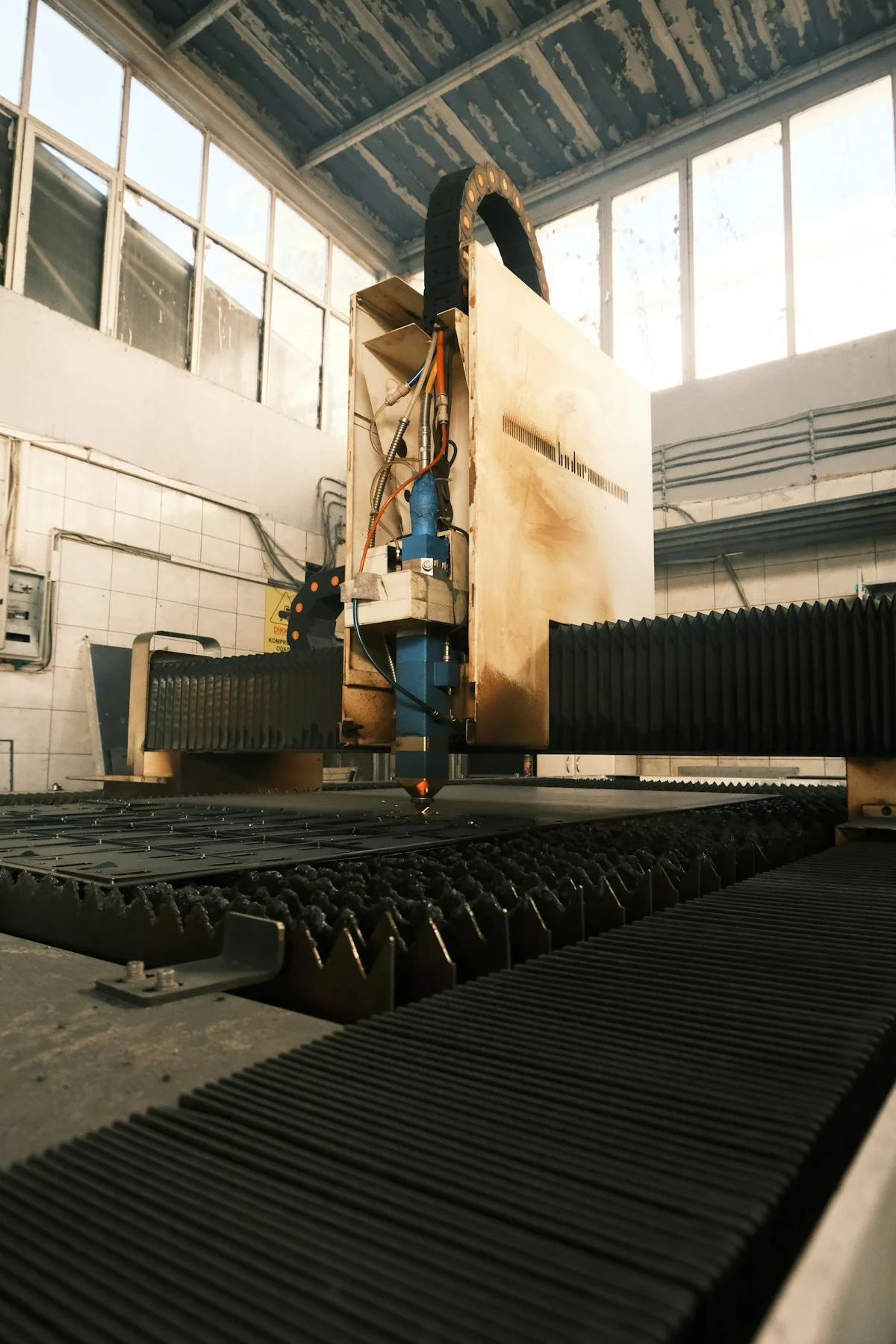
Modern buyers don’t want raw sheets they have to measure, mark, and hack apart. By using advanced CNC routing, we pre-cut precise openings for windows, doors, and structural joints directly from the factory floor. This eliminates on-site measuring errors, drastically reduces material waste, and accelerates the overall assembly timeline.
Using standard handheld saws or abrasive discs on composite panels often crushes the foam core or shaves off the protective gelcoat. These jagged edges create weak points that invite moisture ingress, compromise fire ratings, and void manufacturer warranties.
📋 Actionable Steps
- Step 1: Vector-based drilling for HVAC and electrical conduit penetration
- Step 2: Beveled edge routing for smooth panel interlocking
- Step 3: Pre-punched fastener holes to eliminate field drilling vibrations
Protecting Cut Edges Through Global Logistics
A perfectly cured and CNC-cut panel is useless if its edges are sheared off during transit. Ocean freight vibration, improper stacking, and container shifting are the silent killers of composite cladding and SIPs. Freshly machined edges require specialized protection to maintain their structural continuity until they hit the installation frame.
Always specify reinforced edge padding and moisture-resistant wraps for long-haul shipments. At Rax Panel, our engineering team validates these packings against rigorous vibration data standards, using consolidated container loading strategies that prevent edge damage and ensure specification-driven delivery across 50+ countries.
Quality Control Inspection
Rigorous quality control in composite panel manufacturing isn’t just about ticking boxes; it’s the only guarantee against costly field failures like core delamination, uneven thermal performance, and fire code violations.
Buyers consistently report installation nightmares over panels that look flawless off the truck but buckle or separate once mounted. The root cause is almost always inconsistent core density or weak adhesive bonding between the structural facings and the insulation layer.
When these interfaces fail under thermal expansion or wind load, you get immediate water intrusion and compromised fire ratings. We treat every roll-out on our production line as a critical verification point, because catching a bond weakness in the factory is infinitely cheaper than replacing a failed facade.
Engineering Significance of Core Material Verification
The core material dictates the entire panel’s lifecycle and safety profile. Standard polyethylene cores melt rapidly when exposed to extreme heat, releasing toxic fumes and collapsing structurally. Our engineering team strictly validates fire-retardant alternatives like PET, PVC, XPS, PIR, and mineral wool.
We run batch-level combustion simulations to ensure that a B1 or Class A rating is a verified physical property, not just marketing copy. Additionally, we inspect for uniform closed-cell structures; if the foam contains microscopic voids, vapor diffusion pathways open up, leading to internal condensation and silent core degradation over time.
Manufacturing Scale and Consistency Protocols
Maintaining tight tolerances is manageable when you are producing small batches. It becomes a serious engineering challenge when you are pushing over 1,700 square meters daily across a continuous advanced production line. At Rax Panel, we have spent over fifteen years refining automated inspection routines that catch microscopic inconsistencies before the panel ever leaves our facility.
Our technicians perform randomized peel tests and thickness verifications throughout the lamination cycle, adjusting curing temperatures and pressure rollers in real-time. This proactive calibration prevents the cumulative manufacturing drift that typically plagues high-volume suppliers.
Even perfectly manufactured panels can be ruined by poor logistics. We utilize consolidated container loading strategies specifically engineered for composite sheets. This method locks panels securely against lateral shifting, preventing edge chipping and facing scratches during ocean freight. Always specify interleave protection and rigid corner posts in your shipping manifest to maintain factory-grade integrity through transit.
Coating Systems and Long-Term Weather Resistance
The cosmetic finish of a composite panel degrades long before the structural core fails, but the underlying coating chemistry determines how quickly that happens. High-performance PVDF (polyvinylidene fluoride) coatings offer superior UV stability and chemical resistance compared to standard polyester paints, which tend to chalk and fade within a few years of direct sunlight exposure.
Our lab applies accelerated weathering tests to verify adhesion strength and gloss retention. We also cross-check paint batch consistency to ensure that large-scale commercial facades maintain a uniform color profile without visible seams or tonal shifts.
Q: How do you verify fire safety compliance without relying on generic certificates?
A: We move beyond static documentation by testing actual production samples against targeted regional building codes. Our engineers correlate lab results with real-world thermal cycling data to ensure that fire-retardant additives remain stable throughout the panel’s lifespan. This means you receive specification-driven materials that meet total landed cost objectives while passing strict local inspections.
Q: What steps are taken if a batch shows dimensional deviation?
A: We enforce immediate quarantine protocols. If digital caliper measurements or straightedge gap checks fall outside acceptable tolerances, the affected rolls are diverted back to the CNC cutting stage for trimming or recycled. We never ship out-of-spec material to protect our clients’ installation schedules, leveraging our 24-hour technical support team to coordinate replacements or localized adjustments smoothly.
| Inspection_Parameter | Testing_Method | Acceptance_Criteria | Performance_Impact |
|---|---|---|---|
| Core Density & Uniformity | Gravimetric weighing & cross-section analysis | ±3% density variance across panel surface | Maintains uniform thermal conductivity and prevents core compression failure under static loads. |
| Facings-to-Core Bond Strength | ASTM D905 peel test after controlled curing cycles | Minimum 0.8 MPa tensile bond strength | Sustains interfacial shear resistance to prevent face-core delamination during thermal cycling. |
| Combustion Behavior & Flame Spread | ISO 11925-2 & ASTM E84 cone calorimeter testing | Class A / A2 non-combustible or B1 self-extinguishing rating | Limits flame spread velocity and heat release rate to meet global building code compliance. |
| Coating Adhesion & UV Stability | Cross-hatch tape pull & QUV accelerated weathering | 0–1 grade adhesion; <10% gloss loss after 2000 hours | Preserves polymer matrix integrity and prevents chalking or fading under extreme environmental stress. |
| Panel Thickness & Surface Flatness | Digital caliper measurement & straightedge gap check | ±0.2 mm thickness tolerance; flatness within 2 mm per meter | Enforces dimensional precision to eliminate assembly gaps and minimize thermal bridging. |
| In-Plane Shear & Flexural Strength | Cyclic lateral load testing per SIPA/FPL standards | Unit shear capacity ≥1,400 lb/ft; deflection limits per design load | Ensures ductile deformation capability and reliable load distribution in seismic or high-wind zones. |
| Core Water Absorption & Vapor Transmission | Immersion soak test & ASTM E96 vapor permeability measurement | <1% water absorption by volume; closed-cell structure verification | Blocks vapor diffusion pathways to prevent internal condensation and core degradation over service life. |
Key Takeaways
Mastering the SIP production line requires precise control over foam expansion ratios and adhesive cure times. Our teams consistently specify mineral wool or PIR cores instead of standard polyethylene. That shift saves money when local fire codes dictate strict compliance. We run those exact stress tests across our facility, which exceeds 1,700 square meters of daily output, to guarantee load-bearing stability.
- Avoid generic PE cores for commercial facades. Code violations halt projects faster than supply shortages.
- Require independent peel strength reports before accepting bulk deliveries. Surface checks rarely catch hidden delamination.
- Use our technical desk for early-stage framing calculations. Contact our engineering group anytime you need unbiased clarifications on thermal bridging or CNC tolerances during your initial design phase.
Frequently Asked Questions
This factor has a direct bearing on project performance and long-term cost. Addressing it with specific data rather than general assumptions leads to better outcomes.
Which core materials optimize thermal resistance?
Polyisocyanurate, expanded polystyrene, extruded polystyrene, and polyurethane foams deliver the highest R-values per inch. Manufacturers select cores based on required fire ratings, moisture resistance, and structural load expectations. Proper core density directly influences long-term energy efficiency and acoustic dampening capabilities. Regulatory standards also dictate minimum thickness requirements for different climate zones.
What facings provide optimal structural strength?
Oriented strand board, plywood, and fiber-reinforced polymer sheets serve as primary structural skins. The facing material must resist shear forces and distribute point loads evenly across the panel surface. Manufacturers often treat facings with moisture barriers to prevent degradation during transport and installation.
What bonding methods ensure panel durability?
Structural adhesives like polyurethane or phenolic resins create permanent bonds between facings and foam cores. Cold press and hot press techniques both achieve full cure when temperature and pressure parameters are strictly controlled. Adhesive selection must account for substrate compatibility and environmental exposure conditions.
How are SIPs manufactured efficiently?
Structural insulated panels are produced by bonding an insulating foam core between two structural facings using high-pressure lamination. Advanced automated lines ensure consistent adhesive distribution and precise panel dimensions. Continuous quality monitoring during curing prevents delamination and guarantees uniform thermal performance across large batches.
What testing validates SIP performance standards?
ASTM and EN certifications verify compressive strength, fire resistance, and thermal conductivity ratings. Laboratory samples undergo cyclic loading and moisture exposure to simulate decades of service life. Independent third-party verification ensures compliance with international building codes and sustainability requirements.