

Two aluminum honeycomb panels can weigh the same, cost the same and carry the same brochure, then sit several times apart in a deflection test. The gap lives in three numbers – thickness, cell size and the alloy behind them – and none of the three appears in a photograph. Buyers who write those numbers into the order never argue about stiffness after delivery.
That is the whole discipline of aluminum honeycomb panel selection. The span fixes the thickness, the load map fixes the cell size, and the acceptance test fixes the alloy and bond. RaxPanel laminates honeycomb panels up to 1,500 by 4,000 mm on its own line, and the same three questions open every quotation we write. This guide turns them into a five-step checklist you can run before the sample order.
Selection Starts With the Span, Not the Sheet
Most selection errors start at the catalog instead of the building. A buyer scans weight per square metre, picks a price, and discovers on site that the panel flexes between fasteners. The correct order runs the other way: measure the span, map the loads, then let those two answers point at a datasheet. Nothing in that sequence needs a laboratory, and none of it waits for a supplier. It is the part of the aluminum honeycomb panel conversation the buyer owns outright.
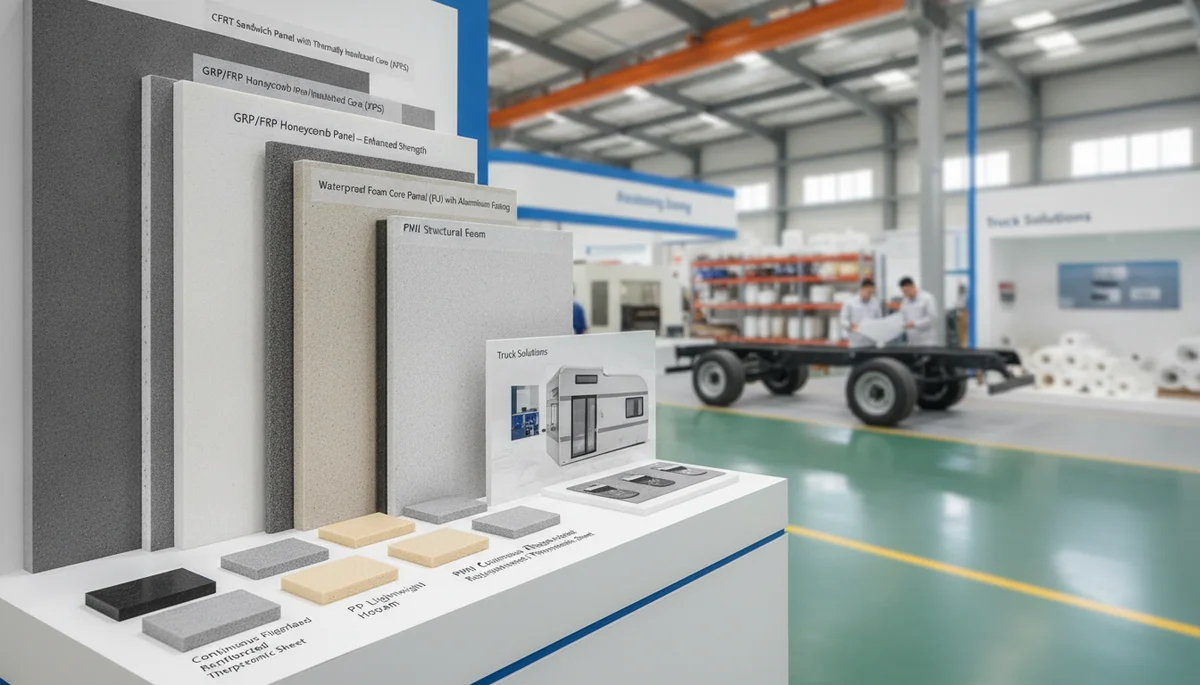
Three parameters do almost all the work, and they arrive at the desk in this order. A change to any one of them re-opens the other two, which is why real quotations iterate rather than guess. The map below keeps the iteration honest.
- Panel thickness – resists deflection across the span, and stiffness climbs steeply with every millimetre of core depth.
- Cell size – decides how concentrated loads spread and how fasteners pull out.
- Alloy, temper and bond – set the stress limits and hold the sandwich together for decades.
Everything else on the datasheet – coating, color, edge detail – matters to the architect and the schedule. It changes almost nothing about whether the panel carries its load. Keep the three structural parameters in one column of your comparison sheet, and the rest in another.
Match Panel Thickness to the Span
Deflection grows roughly with the cube of unsupported span, which is why thickness is the first lever and the loudest. Trade-typical bands below map common jobs to common builds; they are starting points for the calculation, not substitutes for it.
| Panel thickness | Typical duty | Why it fits | Watch for |
|---|---|---|---|
| 6-10 mm | Interior walls, ceilings, furniture | Short spans, finish matters most | Point loads dent thin builds |
| 10-20 mm | Facade cladding, spandrels, canopies | Wind suction across storey spans | Corner zones need tighter fixings |
| 20-50 mm | Floors, decks, truck and rail platforms | Foot traffic and concentrated wheels | Edge closure and attachment design |
A warning belongs next to the table: thickness chosen by weight alone is the classic procurement trap. The heavier panel that resists deflection often adds grams while saving the project, because fasteners, subframes and rework cost more than the metal. Price the span, then price the sheet. Buyers who run a deflection calculation at the real span usually land one band above their instinct on long elevations, and one band below it on short interior runs.
Warning: on high-rise corner zones, wind suction drives attachment practice, not panel brand. Published facade practice tightens clip spacing from 600 mm toward 300 mm under ASCE 7 corner-zone provisions. A thickness that passes mid-field can still sing or flex at the corner.
Cell Size Decides How Load Spreads
Thickness fights bending; cell size fights indentation. A small cell, roughly 3 to 6 mm in trade-typical ranges, spreads a concentrated load across more cell walls. That is exactly what fastener bearing and foot traffic need. Pull-out resistance tracks the same geometry, so small cells hold fixings that large cells strip.
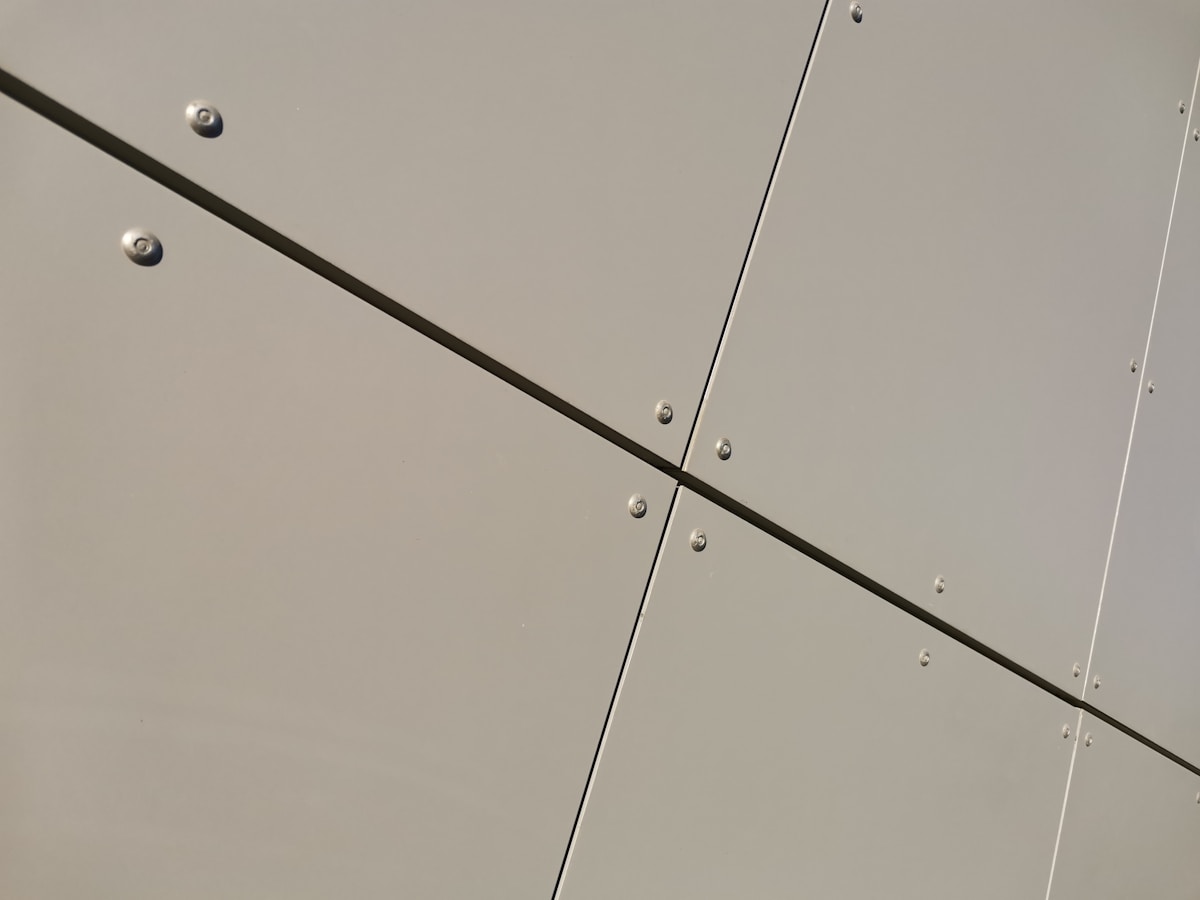
Large cells earn their place differently. On big, flat, distributed-load panels, a trade-typical 12 mm cell saves weight while the skins carry the bending, and the sheet stays flat across the rack. The general architectural middle ground, around 6-10 mm, exists precisely because most facades mix both load types.
The trade-off is local: concentrated loads and edge screws punish big cells. Map your loads before you choose, because the same panel cannot optimize both. Cleaning rigs, sign brackets and rail platforms all count as concentrated loads, and they turn up on panels that were bought for wind alone.
Cell size never acts alone. In-plane stiffness scales with the cube of the foil thickness-to-cell ratio, the relationship behind the honeycomb structure mechanics, so a thick-foil, large-cell core can outperform a thin-foil, small-cell one. Read the ratio, not one number. Two panels at identical weight can land on different ratios and different deflections, which is the whole argument for written specifications. Our performance factors guide works the scaling law in full.
Alloy and Temper Set the Limits
Alloy numbers look like catalog trivia until a panel meets wind or a trolley wheel. The combination RaxPanel publishes for its honeycomb panels – 3003-H18 foil in the hexagonal core with 3003-H14 or 5005-H34 face sheets – shows why the letters matter. The H18 temper leaves the core wall at its full work-hardened strength. The 3003 skin temper trades formability against surface quality, and 5005-H34 serves finishes where the skin itself must resist weathering. Two alloy families, three jobs.
A quotation that says only “aluminum” has not answered the question, and the temper letters belong on the order form beside the alloy numbers. Each letter moves a strength value the deflection calc depends on. None of this costs the buyer a minute on site; it costs one extra line in the RFQ.
The bond line belongs in the same conversation, because a perfect core inside a failed bond is a liability with good manners. Acceptance has real numbers. Chinese curtain-wall practice accepts composite-faced sheet against GB/T 17748-2016, the composite-panel standard that honeycomb-skinned cladding is commonly tested alongside. The written bar is an average roller peel of at least 180 N.mm/mm, with no single value below 150. The climbing drum procedure of ASTM D1781 is the method behind those values, and it can verify a panel regardless of which standard names the acceptance.
The standard text sits on the official national standard record. Ask which values your project certificate actually carries.
Direction and Density Close the Datasheet

Selection has one more axis that catalogs hide: direction. A honeycomb core is orthotropic, strongest along its expansion ribbon and most compliant across it, so two identical sheets can frame two different spans. When the order is written, direction belongs next to thickness, because the difference shows up at the deflection check, not at the warehouse door. Site crews rarely get this from a packing list, so the marking belongs on the sheet edge or the release note.
Density then selects how failure arrives. Elastic buckling stress scales with the cube of relative density, so a light core reaches its buckling limit earlier than its yield numbers suggest. Compression and crushing follow their own curves. Match the expected failure mode to the real load, and the datasheet starts predicting behavior instead of decorating it.
Four Lines That Belong in Writing
Everything above compresses into four datasheet lines: panel thickness, cell size with foil gauge, alloy and temper for both skins, and L/W direction marking. Weight per square metre is an output of those four, not a substitute for them, and a datasheet missing any line is describing a wish. Write the four into the RFQ and every reply becomes comparable on sight. An aluminum honeycomb panel quoted against those lines can be audited; one quoted against a photograph cannot.
RaxPanel laminates aluminum honeycomb panels up to 1,500 by 4,000 mm with 3003-H18 hexagonal cores, shear modulus verified against the agreed data standard and peel acceptance to named standards. Send the span, load and wind zone, and an engineer returns the thickness, cell and alloy in writing within 24 hours.
The Purchaser Self Checklist in Five Steps
Run the five steps below before any sample order. Each one ends in a written line, and the five lines together are the specification. The steps take an afternoon the first time and an hour on every project after that. Buyers who adopt them stop re-litigating panel quality at handover, because the argument was settled in writing months earlier.
Start From the Span and the Wind
Measure the unsupported span in each direction and note the wind zone for exterior work. Corners and parapets get their own note, because suction concentrates there. This step decides everything downstream, and it takes ten minutes with a tape and the elevation drawing.
Fix Thickness by Deflection, Not Habit
Take the band table above as a starting point and ask the supplier for a deflection calc at your actual span. Accept a number with an assumed load, not a vague “suitable for facades”. If two thicknesses both pass, the heavier one usually buys fastener savings elsewhere.
Choose Cell Size by the Load Map
Walk the panel’s life: screws, foot traffic, suction points, cleaning rigs. Concentrated loads push cell size down; distributed loads on big flat panels let it rise. Write the cell size and the foil gauge together, because the ratio is what the physics reads. If the supplier cannot state both numbers, the stiffness claim is a rumor.
Pin the Alloy and the Bond
Name the core foil temper, the skin alloys and the peel acceptance in the order. For curtain-wall duty, GB/T 17748-2016 values of 180 N.mm/mm average and 150 minimum are the numbers to write. A supplier who fills these lines quickly has a real quality system behind the quote.
Close With Tests, Not Promises
Ask for peel and shear results tied to the production batch, not a certificate from last year. The core selection checklist pairs with this step for buyers who spec the core separately. Batch records cost less than any rework the bond could ever cause.
Five steps, five written lines, one order. The discipline costs an afternoon and repays itself the first time a shipment matches the specification exactly. That match, not the brochure, is what a honeycomb panel purchase is supposed to feel like.
What Correct Selection Buys You
Correct selection is invisible on delivery day and visible for the life of the facade. Panels hold plane without intermediate stiffeners, fasteners stay tight, and the facade reads flat at sunset, which is when ripples show. The pattern behind the five steps is one sentence: selection is specified, not recommended. Every panel that fails early failed in one of the four written lines, or in the fifth line that nobody asked for.
- The written line is the contract: four datasheet entries outrank four pages of brochure.
- Physics reads ratios, so demand cell and foil gauge together, never one number alone.
- A supplier’s speed at filling written lines is the cheapest supplier audit there is.
Where the project needs curves, perforation or oversized cassettes, the same three parameters run the conversation; RaxPanel fabricates curved and perforated formats on the same logic. Curving changes the numbers, though, because a curved panel carries load differently from its flat twin, so the checklist reruns with the radius in hand. See the aluminum honeycomb panel range for the formats these decisions produce. If a datasheet refuses to answer the five steps, that refusal is your answer.
Frequently Asked Questions About Honeycomb Selection
What thickness does a facade honeycomb panel need?
Trade-typical facade builds run 10-20 mm, with the span and wind zone deciding inside that band. Ask for a deflection calculation at your actual span before fixing the number.
Which cell size resists fastener pull-out best?
Small cells, roughly 3-6 mm in trade-typical ranges, spread fastener bearing across more cell walls. Large cells save weight on distributed loads but lose pull-out resistance.
Which alloy should the order name?
Ask for 3003-H18 core foil with 3003-H14 or 5005-H34 skins, the common architectural combination. The temper letters matter as much as the alloy numbers.
Does core direction really matter?
Yes. The L direction is the strongest and W the most compliant, so a span laid across W runs on the weaker axis. State core direction on the drawing.
What proves the bond will last?
Peel values against a named standard – 180 N.mm/mm average under GB/T 17748-2016 for curtain-wall duty – tied to the shipping batch by number.