
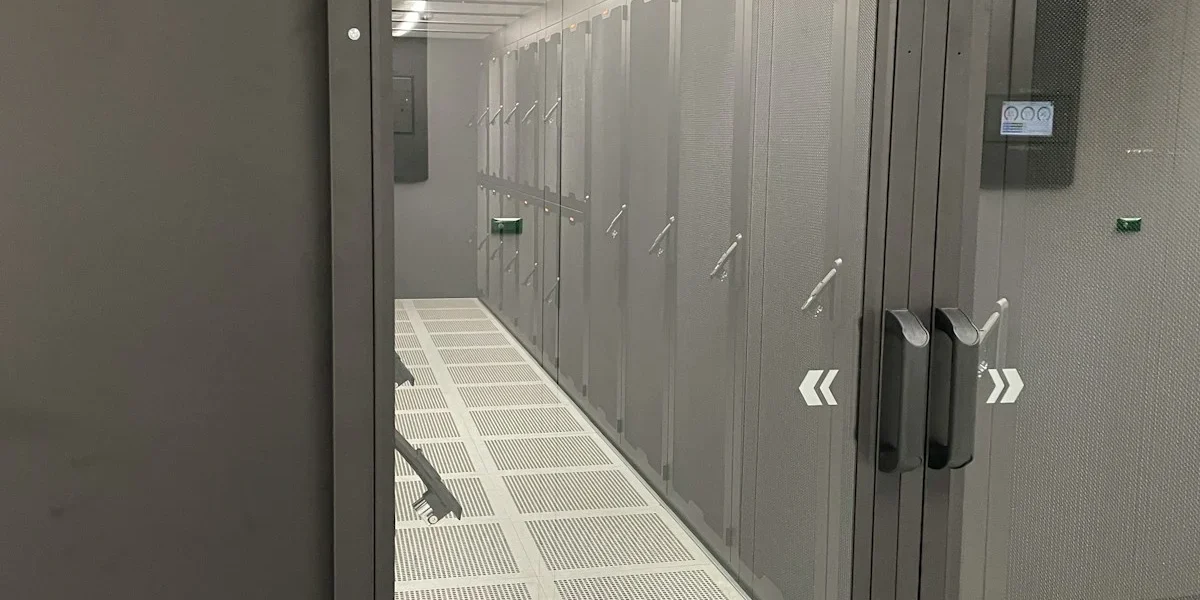
Particle control defines a cleanroom on paper, but humidity control defines it in operation. If you let relative humidity drop below 40%, static charges accumulate on insulating surfaces and destroy sensitive electronics components instantly. Most ISO 8 environments maintain a strict band between 45% and 65% RH to create a conductive moisture film that bleeds off these charges safely, yet hygroscopic drugs often narrow that window even further to prevent product degradation.
The penalty for getting this wrong isn’t just scrapped product; it is failed audits and massive energy bills from oversized HVAC units fighting a losing battle against moisture infiltration. At RaxPanel, we know that core foam density and panel thermal conductivity are the hidden variables in dew point control. We compare desiccant dehumidification against mechanical cooling so you can balance strict ISO 14644 compliance with lifecycle costs, ensuring your facility stays dry without bankrupting your operations budget.
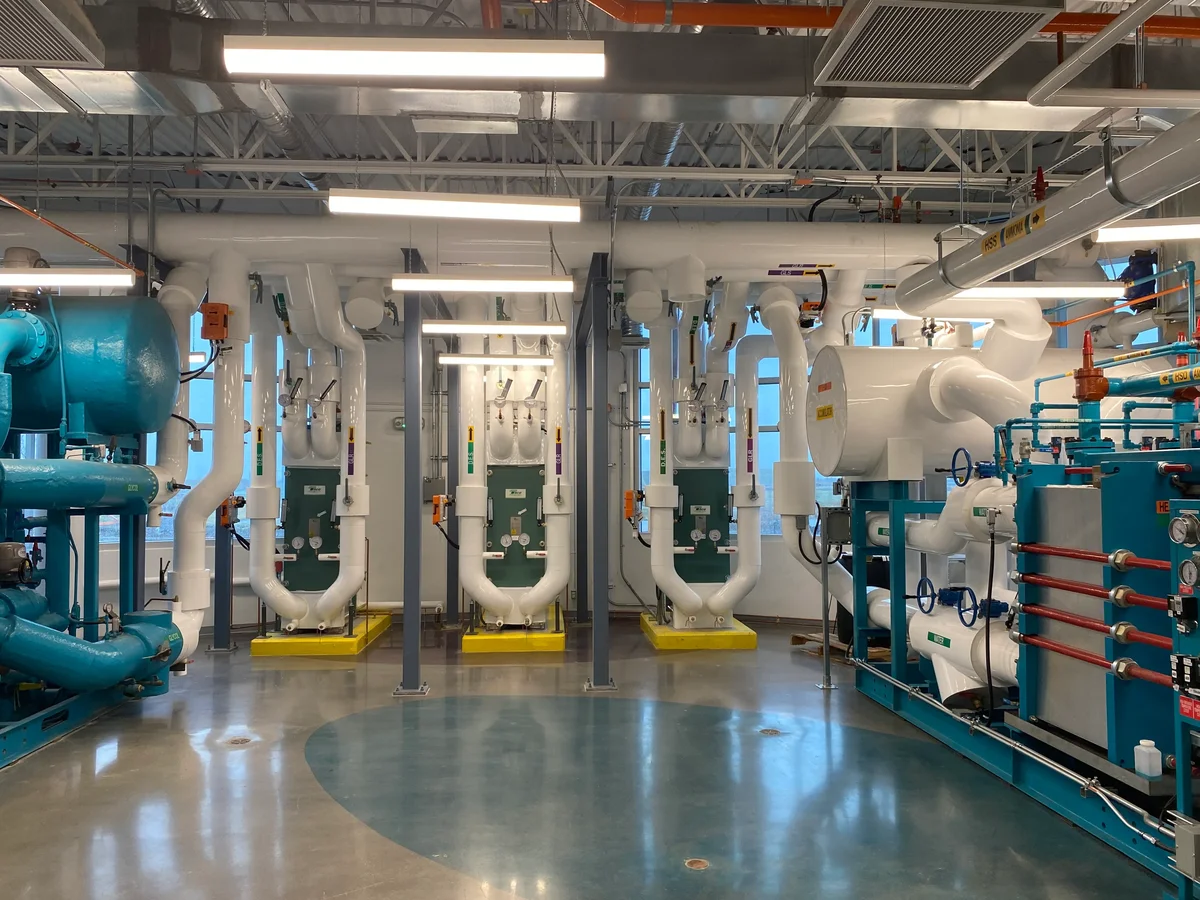
Compliance Standards and Risk Limits
Achieving compliance is not merely about hitting a target number on a sensor; it requires an envelope system that physically prevents moisture migration at the molecular level. If the wall assembly “breathes,” your certification is at risk.
In the context of ISO 14644 and GMP Annex 1, humidity control is rarely about maintaining a single fixed point; it is about managing a rigorous tolerance window that balances conflicting physical risks. In pharmaceutical environments, the primary driver is microbial suppression—excessive moisture creates a breeding ground for contamination, necessitating tighter RH controls. Conversely, in semiconductor manufacturing, the threshold is often driven by electrostatic discharge (ESD) prevention, where moisture levels that are too low allow static charges to accumulate on insulating surfaces, potentially destroying sensitive components.
The challenge for facility designers lies in the interpretation of “stability.” Regulations such as ISO 14644-2 emphasize that conditions must be maintained over long monitoring cycles (typically 6 to 12 months). This means the compliance risk is not just about the instantaneous reading, but the facility’s ability to resist external humidity swings that occur during seasonal changes. A system that relies solely on active HVAC correction without a passive thermal barrier will struggle to meet the stringent consistency required for certification.
Material Moisture Absorption and Dimensional Stability
A critical, yet frequently overlooked, failure vector in cleanroom construction is the dimensional instability of the panel materials themselves. When composite materials absorb moisture, they undergo physical expansion. In a modular panel system, even microscopic expansion can compromise the integrity of sealed joints. Once the seal breaks, the “airtight” envelope is punctured, allowing unfiltered, humid air to infiltrate the controlled space. This is particularly acute in organic materials like plywood or certain laminates that act as hygroscopic sponges.
Material selection must prioritize hydrophobic properties across our full panel lineup. While our product portfolio includes Aluminum, Steel, ACP, PVC, Plywood, Stainless Steel, and Aluzinc for various use cases, we recommend GRP (Glass Reinforced Plastic) and CFRT facings with sealed gelcoat finishes for high-humidity environments because they possess near-zero moisture absorption rates. In our experience, the most common point of failure is the joint connection where thermal bridging occurs. If the joint detail allows for condensation, the panel material may degrade regardless of the core quality. Our designs focus on eliminating these thermal bridges to ensure the physical dimensions of the wall remain constant regardless of the external ambient conditions.
Core Foam Density and Vapor Permeability
The density of the foam core is a direct indicator of its resistance to humidity penetration. Low-density foams often have larger, open-cell structures or thinner cell walls, which can permit vapor transmission through the panel thickness over time. When humid air penetrates the core and reaches the dew point within the wall cavity, it condenses into liquid water. This liquid accumulation not only destroys the insulation value (R-value) of the panel but adds significant weight and can lead to internal corrosion or mold growth that is invisible from the surface.
High-performance applications demand cores with high closed-cell content. We engineer our PIR and PU solutions with specific density profiles that act as a vapor barrier in their own right. While the facing provides the primary defense, the core must serve as a secondary fortress. A higher density core ensures that even if microscopic pinholes exist in the outer skin, the diffusion of moisture into the heart of the panel is negligible. This structural redundancy is essential for maintaining the strict humidity setpoints required in ISO Class 5 environments where localized cold spots can trigger immediate alarm excursions.
Long-Term Degradation Risks
Sustained exposure to high humidity acts as a slow-acting corrosive agent on cleanroom infrastructure. The most insidious risk is delamination—the separation of the outer skin from the inner core. This occurs when moisture compromises the adhesive bond line. Once delamination starts, it creates pockets of air that drastically reduce thermal efficiency. therefore, the HVAC system must work harder to maintain the environment, increasing operational costs and creating a feedback loop of higher energy loads and potential equipment strain.
additionally, sustained humidity cycling can degrade the fire-retardant properties of certain foam materials over time. Our laboratory testing indicates that cores exposed to repeated humidity cycling show a faster degradation in structural integrity than those kept in stable, dry environments. By specifying waterproof GRP envelope systems and high-density PIR cores, we effectively mitigate these long-term risks. This approach ensures that the capital investment made at installation continues to pay dividends in compliance stability and energy efficiency for the lifecycle of the facility, rather than requiring expensive retrofitting due to moisture-induced failure.
| Standard / Risk | Critical Parameter | Rax Panel Solution | Benefit |
|---|---|---|---|
| ISO 14644-1 Classification | Airborne particle limits (0.1µm – 5µm) per cubic meter | Non-shedding GRP gelcoat facings with sealed joint systems | Ensures surface purity and prevents contamination for ISO Class 5-8 environments |
| Condensation & Microbial Growth | Absolute humidity control and thermal bridging prevention | Engineered thermal bridging elimination at panel joints | Reduces latent cooling loads by 15-30% and eliminates mold risk |
| Fire Safety (EU GMP Annex 1) | Flame spread and smoke production regulations | Euroclass B-s1,d0 fire-rated PIR cores | Delivers superior fire resistance for strict pharmaceutical and lab codes |
| ISO 14644-2 Monitoring Stability | Long-term environmental consistency (6-12 month cycles) | High R-value PIR and waterproof GRP envelope systems | Maintains stable ambient conditions to minimize re-certification risks |
| Energy & Static Control | HVAC load balancing and precise RH setpoints | Customizable thickness (25mm-200mm) with advanced PU/PET cores | Allows HVAC downsizing while maintaining strict static and humidity control |
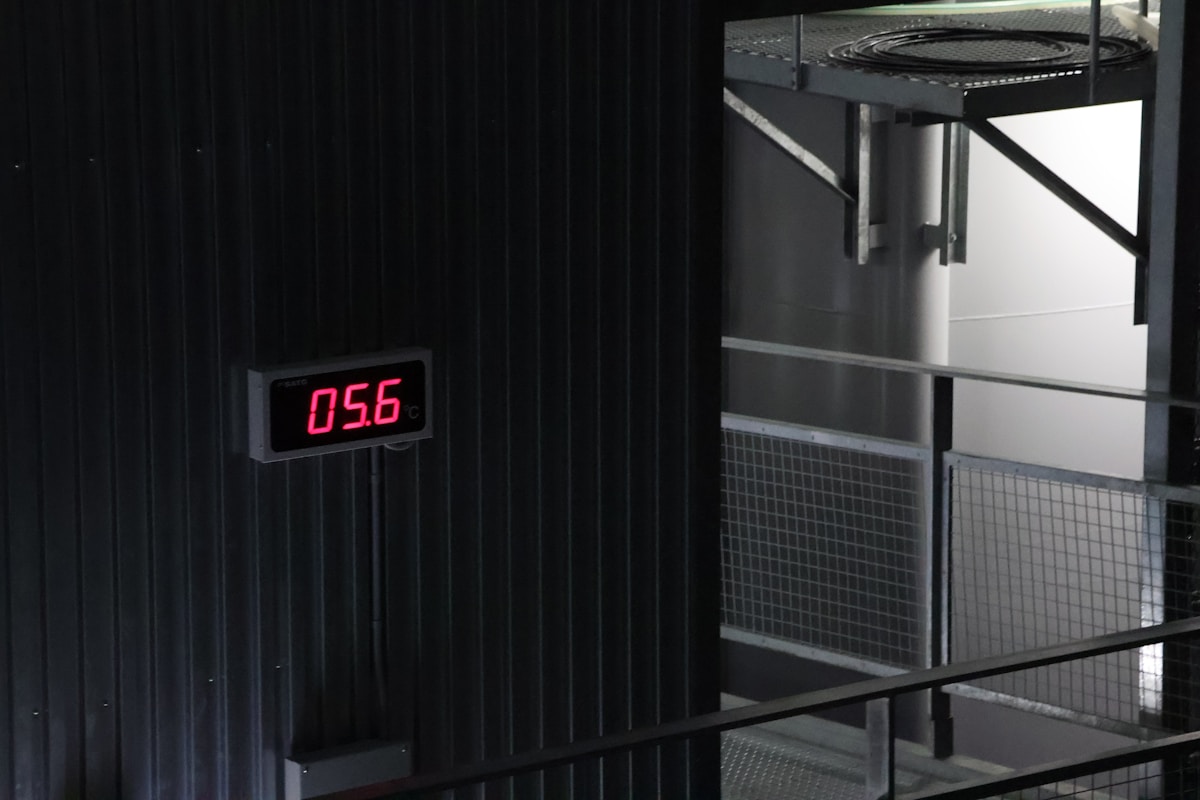
Humidity Control Technologies Compared
Mechanical Refrigeration Dehumidification
Mechanical refrigeration is the baseline solution for general humidity control, utilizing cooling coils to condense moisture, but it faces physical limitations in low-temperature or deep-drying applications.
Mechanical refrigeration dehumidification operates on the principle of cooling air below its dew point to condense water vapor. This method is highly effective for removing large latent loads in standard cleanroom environments where the target dew point is above 4°C (40°F). The system passes process air over a cold evaporator coil; as the air temperature drops, its capacity to hold moisture diminishes, causing water to condense on the coil surface where it is collected and drained.
However, this technology has a hard physical limit: the freezing point of water. As the coil temperature approaches 0°C, frost formation significantly reduces efficiency and requires defrost cycles. therefore, mechanical refrigeration struggles to maintain the low humidity levels required in stringent pharmaceutical or lithium battery production environments. In scenarios where the dew point must be maintained below 0°C, relying solely on mechanical cooling increases energy consumption drastically due to the need for sub-cooling and frequent defrosting.
- Efficacy Range: Optimal for dew points above 4°C (40°F).
- Energy Profile: Efficient for high latent loads at higher temperatures; efficiency drops significantly in low-temp conditions.
- Limitation: Frost accumulation on coils necessitates defrost cycles, introducing fluctuations in temperature and humidity control.
Desiccant Dehumidification Systems
For environments requiring deep drying—such as pharmaceutical manufacturing where microbial growth must be suppressed—desiccant dehumidification is the industry standard. Unlike mechanical systems that rely on temperature changes, desiccant units use hygroscopic materials, typically silica gel or activated alumina, to adsorb moisture directly from the air stream. This chemical process allows the system to achieve extremely low dew points, often reaching -40°C or lower, regardless of the ambient air temperature.
The core component is the desiccant wheel, which rotates slowly between the process air stream and a reactivation air stream. As the process air passes through the wheel, moisture is adsorbed. The saturated section of the wheel then rotates into the reactivation sector, where heated air drives the moisture out and regenerates the desiccant. This cyclical process ensures continuous operation and precise humidity control, which is critical for preventing static discharge in electronics manufacturing or ensuring product stability in pharma.
A common misconception is that desiccant dehumidifiers can replace the cooling load of standard HVAC. These units add significant sensible heat to the space during the reactivation process. Without a properly sized mechanical cooling system to handle this thermal load, the cleanroom temperature will rise uncontrollably.
- Low-Temp Performance: Operates effectively in low-temperature environments where refrigerant-based systems fail.
- Precision: Capable of maintaining consistent humidity levels (±1% RH) even with fluctuating inlet conditions.
- Maintenance: Desiccant wheels have a long lifespan (often 5–10 years) and require less frequent maintenance than complex refrigeration circuits, though pre-filters must be changed regularly to prevent clogging.
Hybrid Systems
Hybrid systems integrate both mechanical cooling and desiccant technologies to optimize energy efficiency and performance. In a typical configuration, the mechanical cooling unit pre-cools the incoming air to remove the bulk of the moisture. The air then passes through the desiccant wheel to remove the remaining moisture down to the specific dew point required. This approach minimizes the load on the desiccant wheel, reducing the regeneration heat energy required.
From a B2B purchasing perspective, hybrid systems offer the lowest life-cycle cost for facilities operating in variable climates or with stringent humidity control requirements. They balance the high latent removal capability of mechanical cooling with the deep-drying potential of desiccants. However, the control logic for these systems is complex; they must synchronize the cooling coil valve, wheel rotation speed, and reactivation heater to maintain the room setpoints without energy waste.
Integration with the Cleanroom Envelope
The efficacy of any humidity control technology is contingent upon the performance of the cleanroom envelope. Even the most advanced hybrid dehumidifier cannot maintain low relative humidity if the room structure permits significant moisture ingress or thermal bridging. The thermal conductivity of the wall and ceiling panels dictates the surface temperature; if the panel surface falls below the room dew point, condensation will form, creating a reservoir for microbial contamination.
Composite sandwich panels with high-density foam cores, such as PU (Polyurethane), PIR (Polyisocyanurate), or PET (Polyethylene Terephthalate), provide superior thermal insulation compared to traditional materials. These panels create a vapor barrier that is critical for pharmaceutical applications. additionally, advanced composite skins like GRP (Glass Reinforced Plastic) or CFRT (Continuous Fiber Reinforced Thermoplastic) offer non-porous surfaces that resist moisture absorption, preventing the panel core from becoming a breeding ground for mold. Specifying panels with a high R-value and thermally broken connections is essential to ensure the dehumidification system handles the air load, not the structural losses.
- Vapor Barrier Integrity: Facings such as stainless steel or GRP must be continuous to prevent vapor drive into the wall cavity.
- Thermal Bridging: Use panel connection systems that minimize metal-to-metal contact to maintain consistent surface temperatures.
- Core Selection: Closed-cell foam cores (PU, PET) are preferred for humidity-controlled environments over open-cell structures due to lower moisture permeability.
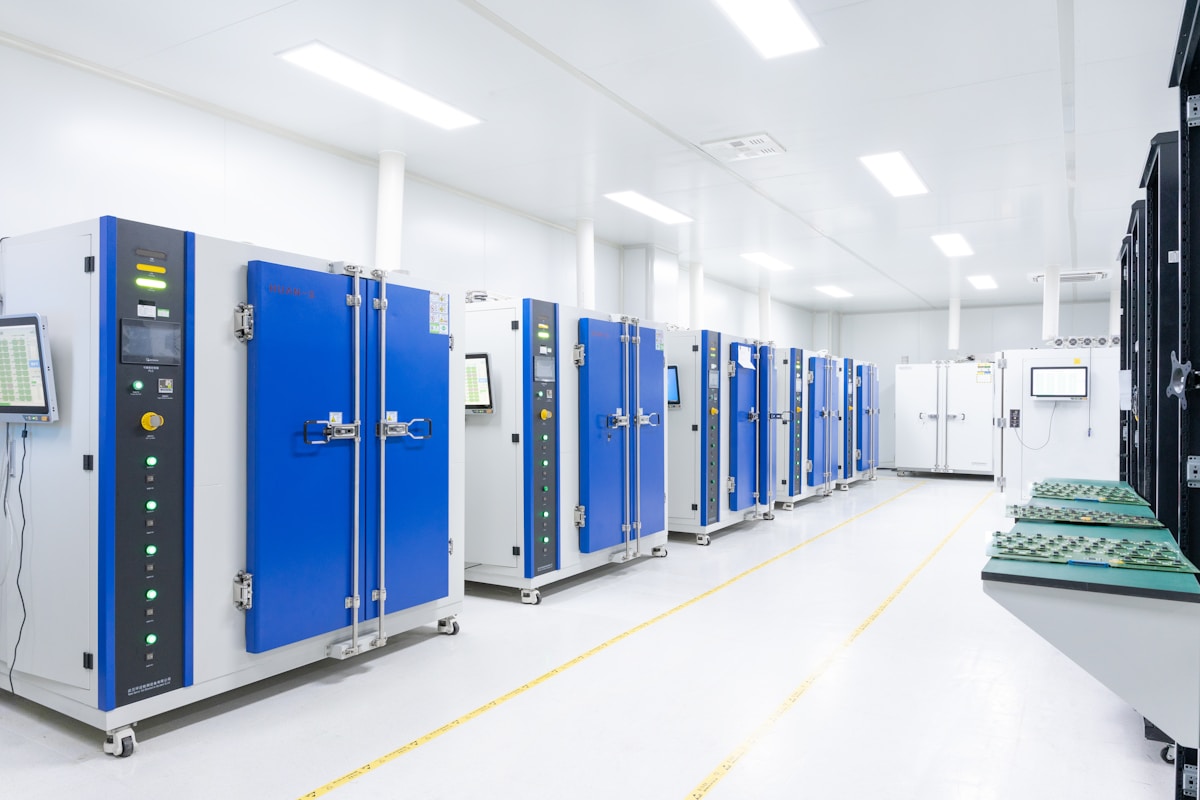
Choosing the Right Humidity Solution
Defining the Target RH Band for Your Process
Selecting a humidity control solution begins with identifying the exact relative humidity band your process requires, not the other way around. Most ISO 8 cleanrooms maintain temperatures between 20°C and 24°C with relative humidity between 45% and 65%. This range serves three purposes: worker comfort, product stability, and static control.
The critical tension operators face is balancing two competing risks. Humidity below about 40% allows static charges to accumulate on plastic, synthetic fabrics, and other insulating surfaces. In electronics assembly, an electrostatic discharge can destroy components worth thousands of dollars. Keeping humidity in the 40–60% range creates a thin conductive film of moisture on surfaces that bleeds off static charges gradually instead of letting them build to a damaging spike.
Pharmaceutical operations sometimes narrow the humidity window further depending on the product. Hygroscopic drugs may need 45–50% relative humidity, while liquid formulations tolerate a wider band up to 65%. The widest acceptable band comes from processes that are not sensitive to either static or microbial growth, but those are rare in regulated environments.
- For electronics manufacturing, maintaining 40–60% RH directly addresses two distinct failure modes. The primary driver is preventing electrostatic discharge (ESD) damage, which increases in dry environments, while avoiding excessive moisture absorption that leads to corrosion and soldering defects.
- Hygroscopic pharmaceuticals demand a narrower humidity window to preserve product integrity. Target 45–50% RH to prevent moisture uptake that compromises drug stability.
- Liquid formulations and biotech: Liquid formulations and biotech operations tolerate a broader RH band where microbial risk dominates. Target 45–65% RH to maintain product integrity and prevent contamination throughout manufacturing and storage.
- Sterile filling and aseptic processing: Target the lower end of 45–55% RH to suppress microbial proliferation without compromising operator comfort.
Dew Point and Condensation Risk on Panel Surfaces
Relative humidity alone does not tell the full story. The absolute moisture content, expressed as dew point, determines whether condensation will form on cold surfaces inside the cleanroom envelope. This is especially critical for cold storage areas, freeze-drying rooms, and any space where panel surfaces run significantly below ambient air temperature.
Condensation on sandwich panel interiors or thermal bridges creates a direct pathway for microbial growth and compromises the structural integrity of the panel core over time. A foam core with inadequate moisture resistance will degrade faster when exposed to sustained condensation, reducing the effective R-value and increasing long-term energy costs.
The design rule is straightforward: the panel surface temperature must stay above the dew point of the controlled air at all times, including during startup transients and defrost cycles. This means the HVAC and dehumidification strategy must be sized to handle the worst-case combination of high indoor humidity and low surface temperature, not just the steady-state condition.
- Cold room applications: Dew points can drop below 0°C, requiring panels with high thermal resistance and sealed edges to prevent interstitial condensation.
- Freeze-drying rooms: Extremely low dew points demand desiccant dehumidification capable of reaching dew points around -40°C, well below what standard HVAC can achieve.
- Standard ISO 7 and ISO 8 spaces: Dew point is typically maintained between 6°C and 12°C, which standard chilled-water HVAC can handle without dedicated dehumidification.
Matching Dehumidification Technology to Application Demand
The choice between desiccant dehumidification, HVAC-integrated dehumidification, and hybrid approaches depends on the target dew point, the moisture load, and the energy budget. Each technology has a distinct operating envelope, and selecting the wrong one is a common source of both compliance risk and unnecessary capital expense.
Standard chilled-water HVAC systems remove moisture by cooling air below its dew point and then reheat it to the target temperature. This reheat step is energy-intensive but effective for maintaining RH in the 45–65% range. When the process requires RH below 40% or dew points below 6°C, chilled-water HVAC alone becomes inefficient and may struggle to maintain stability during part-load conditions.
Desiccant dehumidifiers adsorb moisture directly from the air without requiring a cooling-reheat cycle. They can achieve dew points as low as -40°C, making them the only viable option for freeze-drying, certain semiconductor processes, and highly hygroscopic drug manufacturing. The trade-off is higher capital cost and ongoing desiccant replacement or regeneration energy.
Hybrid systems combine a desiccant unit for bulk moisture removal with a chilled-water system for fine-tuning temperature and residual humidity. This approach reduces the desiccant load, cuts energy consumption, and maintains tighter control than either system alone. For facilities that must satisfy both static control and strict microbial limits, hybrid systems often deliver the best total cost of ownership over a 10-year horizon.
- Desiccant-only systems: Best for dew points below -10°C, freeze-drying, and processes where RH must stay below 35% continuously.
- Chilled-water HVAC only: Adequate for standard cleanrooms targeting 45–65% RH with no extreme dew point requirements.
- Hybrid desiccant + HVAC: Optimal for pharmaceutical facilities needing 45–50% RH with tight stability, combining energy efficiency with precision control.
- Corona discharge ionization: Used as a supplementary measure when humidity must drop below 40% for static control, introducing charged ions to bleed off static without raising RH to microbial-risk levels.
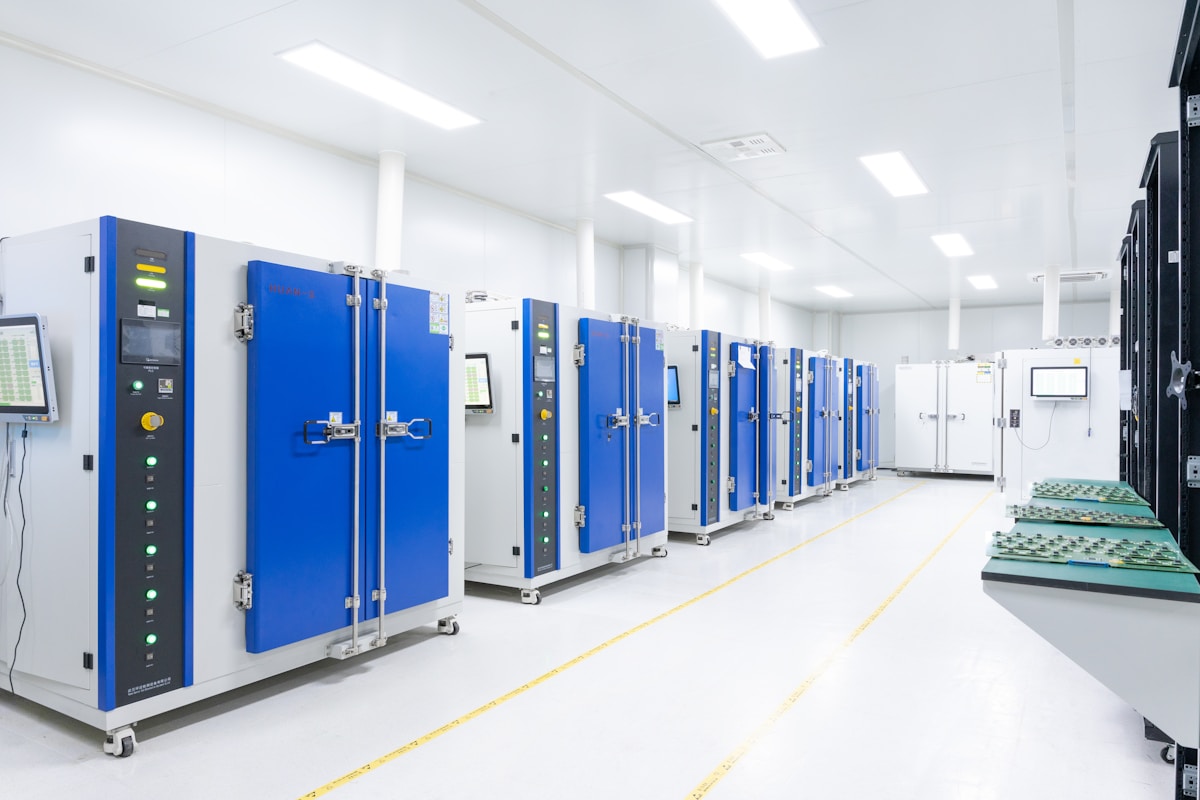
Accuracy, Energy Use, and Maintenance Trade-Offs
The Inherent Conflict Between Precision and Power
In the cleanroom sector, the pursuit of environmental accuracy is often the single largest driver of operational expenditure. Facility managers are caught in a relentless tension: maintaining ultra-strict humidity and temperature setpoints to ensure product yield versus the escalating cost of energy required to do so. Traditional static HVAC systems, designed around worst-case scenarios, operate continuously at maximum capacity regardless of actual real-time occupancy or load. While this approach ensures compliance certainty, it results in significant energy waste, as the system expends immense energy treating air volumes that do not require conditioning. The challenge lies in shifting from a brute-force methodology to a responsive strategy that maintains the critical envelope of sterility without the penalty of parasitic energy loss.
Passive Mitigation via High-Performance Envelopes
One of the most effective yet frequently overlooked methods for resolving the energy-accuracy trade-off is optimizing the building envelope itself. Relying solely on mechanical systems to correct environmental instability is inefficient; a superior approach prevents instability at the boundary. High-performance composite panel systems, specifically those utilizing Polyisocyanurate (PIR) cores with Glass Reinforced Plastic (GRP) facings, offer a distinct advantage here. Unlike traditional metal-clad panels, GRP-faced systems provide superior humidity stability by minimizing thermal bridging—the physical phenomenon where heat conducts through structural elements, creating localized cold spots.
These cold spots are the primary nexus for condensation formation, a critical risk factor in cleanrooms that can compromise sterility and trigger expensive mold remediation. By utilizing a closed-cell PIR core structure and a seamless GRP gelcoat, engineers can effectively decouple the interior environment from external fluctuations. This passive reduction in thermal load means the HVAC system does not need to fight against heat gain or loss through the walls. Therefore, this allows for the “right-sizing” of mechanical equipment. Rather than installing oversized dehumidifiers and chillers to compensate for a leaky envelope, facilities can deploy smaller, less energy-intensive units, thereby lowering both upfront capital expenditure and long-term operational costs.
Maintenance Overheads and Reliability Risks
The complexity of the control strategy directly dictates the maintenance burden. While AI-driven adaptive HVAC and desiccant dehumidification systems offer high precision, they introduce a “high-tech” dependency that requires rigorous upkeep. Desiccant wheels, for instance, are consumable components that degrade over time and require periodic replacement to maintain moisture adsorption capacity. Similarly, sensor networks that feed real-time data to adaptive algorithms must be calibrated frequently; a single drifting sensor can cause the entire HVAC plant to hunt or over-condition, wasting energy while failing to improve accuracy.
In contrast, the maintenance profile of a high-quality composite envelope is inherently low. Once installed, panels featuring GRP gelcoats are resistant to the chemical corrosion and moisture ingress that often plague porous materials like concrete or bare metal. The durability of these materials ensures that the thermal performance of the room does not degrade over time, unlike mechanical filters or coils which lose efficiency as they foul. From a facility management perspective, investing in a sturdy, passive barrier reduces the long-term dependency on active mechanical maintenance, freeing up skilled technicians to focus on process-critical equipment rather than infrastructure repair.
Evaluating Total Cost of Ownership (TCO)
When evaluating trade-offs, B2B buyers must look beyond the initial price tag of the panels or the HVAC unit. The financial viability of a cleanroom project is determined by the Total Cost of Ownership (TCO), which aggregates capital costs with 10-20 years of utility and maintenance data. A strategy that utilizes cheaper, lower insulation panels may lower the initial build cost but inevitably leads to higher utility bills and increased HVAC wear due to thermal bridging and moisture infiltration. Conversely, investing in premium, high R-value PIR/GRP panels shifts the cost burden to the front end. This upfront investment pays dividends through reduced HVAC tonnage requirements, lower peak energy demand, and a significantly reduced risk of costly shutdowns due to contamination or condensation failure. The most cost-effective solution is rarely the cheapest component, but rather the integration that offers the highest stability with the lowest active energy input.
When specifying the envelope, demand independent certification of thermal conductivity (lambda value) for the specific core thickness. Ensure the joint detailing utilizes a double-sealing gasket system compatible with the GRP facing to eliminate the “weeping” often found at panel junctions in high-humidity applications.
| Strategy | Accuracy | Energy Impact | Maintenance Demand | Key Trade-Off |
|---|---|---|---|---|
| Static HVAC Control | Fixed setpoints based on worst-case design conditions; no response to real-time occupancy or load changes | High — continuous maximum ventilation and conditioning; accounts for 40–60% of total facility energy consumption | Low to moderate; fewer sensor-dependent failures but accelerated wear on oversized HVAC equipment | Maximum compliance certainty at the cost of significant energy waste and inflated utility expenses |
| Real-Time Adaptive HVAC (AI-Driven) | High — dynamically adjusts to live temperature, RH, and differential pressure data from occupied spaces | Reduced — airflow and conditioning scale proportionally to actual occupancy and real-time thermal load | Moderate to high; requires calibrated sensor networks and ongoing algorithm tuning and validation | Lower energy bills and tighter environmental control, but demands reliable instrumentation and skilled oversight |
| Heat Recovery Integration | Unchanged — maintains the same setpoints and control logic as the baseline HVAC system | Significant reduction — recaptures waste thermal energy from exhaust airstreams for preconditioning supply air | Moderate; heat exchangers require periodic cleaning, inspection, and fouling monitoring | Substantial energy savings with no accuracy penalty, but higher upfront capital cost and additional space requirements |
| Rax Panel High R-Value PIR / GRP Envelope | Superior humidity stability — minimizes thermal bridging and condensation at panel joints, a primary hidden failure mode | 15–30% latent cooling load reduction; enables right-sizing and downsizing of HVAC equipment | Low — waterproof GRP gelcoat and sealed joints reduce moisture-related degradation and condensation failures | Higher initial panel cost offset by long-term energy savings, reduced HVAC capital expenditure, and fewer condensation-related failures |
| Desiccant Dehumidifier + Standard HVAC | High RH precision — decouples latent and sensible load control for independent setpoint management | Variable — desiccant systems can be energy-intensive; best paired with heat recovery to mitigate operating cost | Moderate to high; desiccant wheels require periodic replacement and regeneration system monitoring | Excellent humidity control for static-sensitive or microbial-critical processes, but adds operational complexity and cost versus integrated solutions |
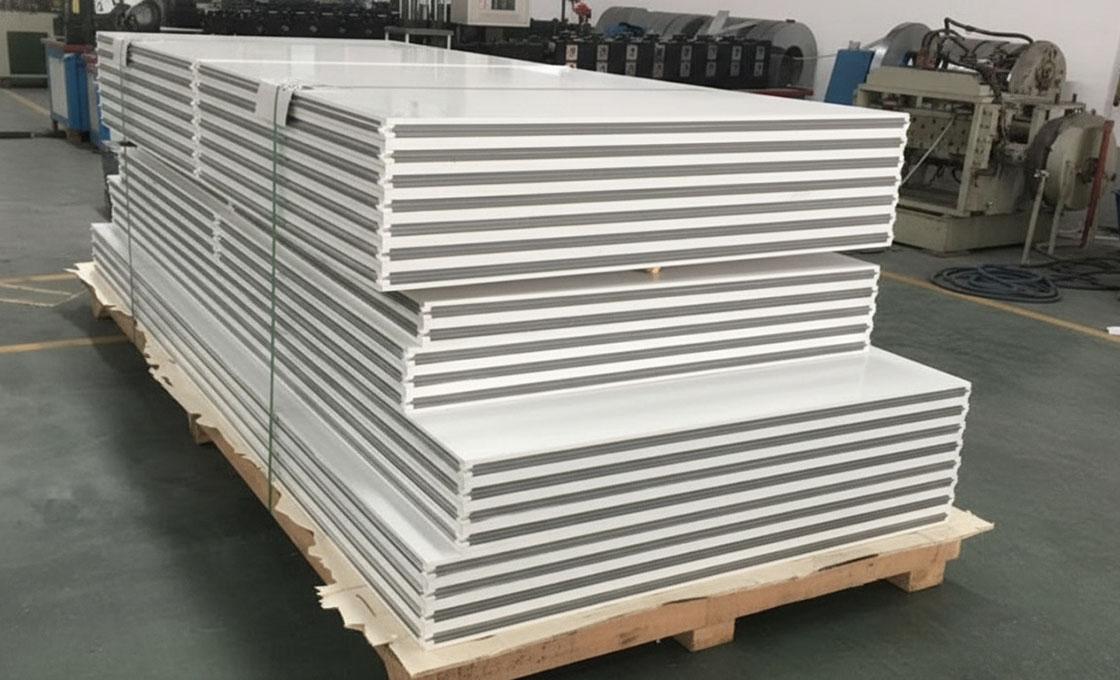
Weighing Capital Costs Against Energy Savings
While strict humidity control increases HVAC and dehumidification capital costs, selecting composite panels with high R-value and low thermal conductivity can significantly reduce long-term energy expenses. The key is balancing upfront insulation investment against ongoing utility bills to achieve compliance without financial strain.
Cleanroom operators face a constant tension between maintaining precise environmental parameters and controlling energy expenditure. Humidity control alone can account for a substantial portion of a facility’s total energy consumption, particularly when targeting narrow relative humidity windows such as 45–50% for hygroscopic pharmaceutical products or sub-40% conditions to prevent electrostatic discharge in electronics manufacturing. Over‑specifying these ranges leads to oversized equipment and higher operating costs, making it essential to define alarm limits based on actual product stability and static‑control needs rather than blanket standards.
The Role of Panel Insulation in Operational Savings
The thermal performance of cleanroom wall and ceiling panels directly influences the latent and sensible loads that HVAC systems must handle. Composite panels with closed‑cell foam cores—such as polyurethane (PU), polyisocyanurate (PIR), extruded polystyrene (XPS), or polyethylene terephthalate (PET)—provide varying levels of thermal resistance. For example, PU foam typically offers a thermal conductivity (k‑value) of approximately 0.022 W/m·K, while XPS ranges around 0.030 W/m·K. Higher R‑value insulation reduces heat transfer through the envelope, which in turn lowers the cooling and dehumidification demand.
Beyond reducing energy load, proper panel insulation prevents surface condensation. When the interior panel temperature falls below the dew point of the controlled air, moisture condenses on the surface, creating a breeding ground for mold and increasing latent dehumidification requirements. Selecting panels with sufficient thickness and core density ensures that the thermal bridge risk is minimized, keeping the panel surface temperature above the dew point under normal operating conditions.
- Thermal conductivity values provide a direct comparison of insulating efficiency between core materials. Thermal Conductivity (k‑value): PU foam (~0.022 W/m·K) outperforms XPS (~0.030 W/m·K).
- R‑Value: A higher R‑value (thermal resistance) reduces heat flow, directly lowering HVAC runtime and energy consumption.
- Core Density: Denser foam cores (e.g., 40–50 kg/m³ for PU) generally provide improved dimensional stability and moisture resistance, which is critical in high‑humidity environments.
Capital Expenditure Scenarios for Dehumidification Technologies
Two primary dehumidification technologies are commonly deployed in cleanrooms: refrigerative (condensing) units and desiccant‑wheel systems. Refrigerative dehumidifiers cool the air below its dew point to condense and remove moisture. They have a lower capital cost but are less efficient when targeting very low dew points (e.g., below 10°C dew point), because the coil temperature must be even lower, increasing compressor energy use.
Desiccant dehumidifiers use a hygroscopic material (such as silica gel or molecular sieve) to adsorb moisture, capable of achieving dew points as low as –40°C. Although the upfront investment for desiccant systems is typically 20–30% higher than for refrigerative units, they can reduce overall energy consumption by 15–25% in applications requiring extreme dryness, because they avoid the reheat penalty associated with refrigerative dehumidification. The choice depends on the target humidity range and the volume of air that must be conditioned.
- Refrigerative Dehumidifiers: Lower capital cost; suitable for moderate humidity control (dew points above 10°C); higher energy use when deep drying is required.
- Desiccant Dehumidifiers: Higher capital cost; capable of dew points down to –40°C; lower energy consumption in low‑humidity applications due to elimination of reheat losses.
- Hybrid Systems: Combine both technologies to optimize efficiency—refrigerative units handle the bulk latent load, while desiccant wheels polish the air to very low dew points.
Lifecycle Cost Analysis: Upfront Investment vs. Long‑Term Savings
A lifecycle cost analysis (LCCA) is essential for making an informed decision between higher upfront insulation costs and long‑term energy savings. By estimating the total cost of ownership over a 10‑ to 15‑year period, facility managers can quantify the payback period for investing in premium composite panels and efficient dehumidification equipment. Key variables include local electricity rates, operating hours, and the severity of the humidity control requirements.
In many cases, upgrading from standard foam cores to high‑performance insulation (e.g., switching from XPS to PU) or selecting a desiccant‑based dehumidification system can yield payback periods of 3–5 years through reduced utility bills. Additionally, better‑insulated panels lower the risk of condensation‑related damage, which can lead to costly repairs and downtime. It is important to factor in maintenance costs as well; desiccant wheels require periodic replacement or regeneration, while refrigerative systems may need coil cleaning and refrigerant recharge.
When evaluating cleanroom panels, request the manufacturer’s thermal conductivity data and R‑value certification for the specific core material and thickness. Verify that the panel’s facing material (e.g., aluminum, steel, or GRP) does not create a thermal bridge that could compromise the overall insulation performance.
Avoiding Common Pitfalls in Energy‑Cost Calculations
A frequent error in energy‑cost projections is neglecting the impact of air infiltration and thermal bridging. Even with high‑performance panels, gaps at joints, penetrations, and door frames can allow moist outside air to enter, forcing the HVAC system to work harder. Additionally, metal framing or support structures that penetrate the insulation layer can create thermal bridges, leading to localized condensation and increased latent loads.
Another pitfall is underestimating the part‑load efficiency of dehumidification equipment. Many systems are rated at full‑load conditions, but cleanrooms often operate at variable loads due to changes in occupancy or process heat gains. Selecting equipment with good part‑load performance (e.g., variable‑speed compressors or modulating desiccant wheels) can further reduce energy consumption during partial‑load operation.
Assuming that a higher‑rated insulation material alone will guarantee energy savings without addressing air sealing and thermal bridging can lead to disappointing results. Always conduct a blower‑door test and infrared thermography survey after installation to identify and remediate any leakage paths or cold spots.
Integrating Insulation and Dehumidification Strategy
The most effective approach to balancing capital costs against energy savings is to treat the cleanroom envelope and the humidity‑control system as an integrated design. Start by defining the required humidity range based on product and process needs, then select panel insulation that minimizes the thermal load while preventing condensation. Pair this with a dehumidification strategy that matches the target dew point, considering both capital and operational expenses.
For example, a pharmaceutical cleanroom requiring 45–50% relative humidity might achieve compliance with a refrigerative dehumidifier and standard PU‑foam panels, whereas an electronics assembly facility needing dew points below –40°C would benefit from a desiccant system and higher‑performance PIR or PET foam cores. In both cases, a detailed lifecycle cost analysis should be performed to validate the investment and ensure that the chosen solution remains cost‑effective over the facility’s lifetime.
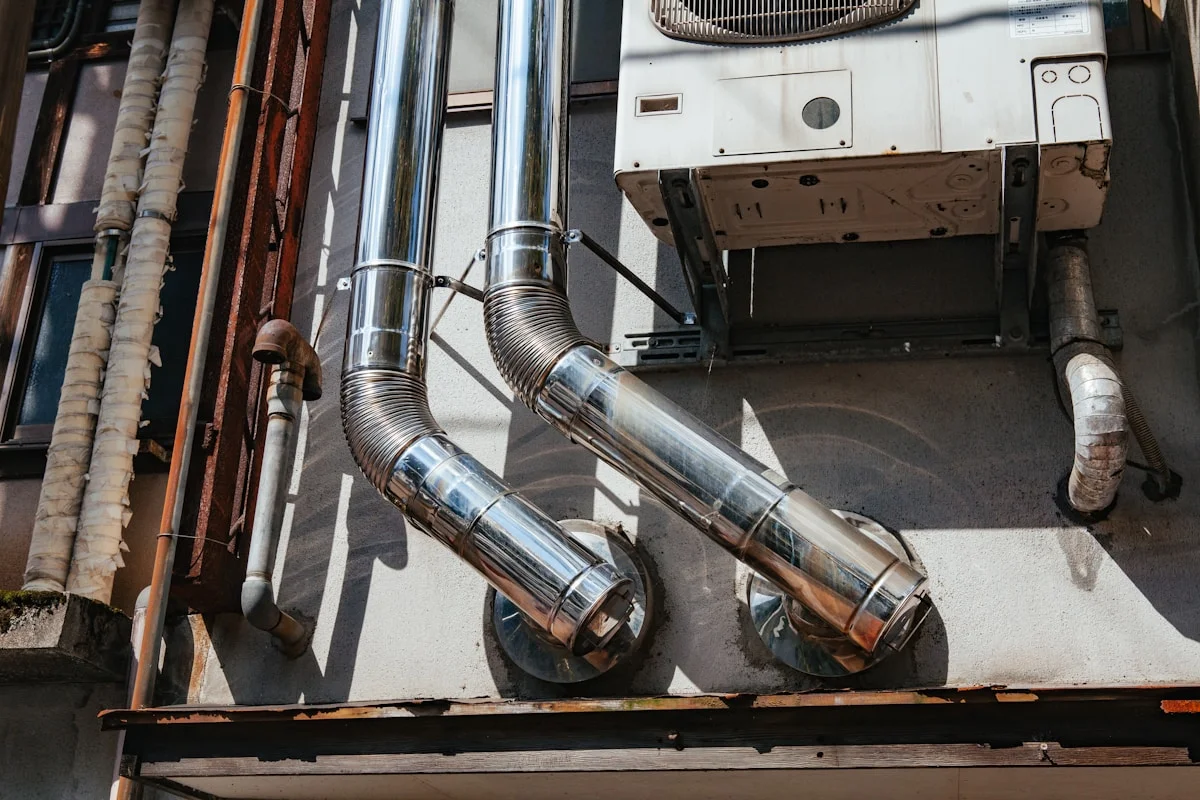
HVAC Compatibility and Building Design
Cleanroom panel selection directly dictates HVAC load calculations, thermal bridge risk, and condensation potential. Proper integration between the building envelope and mechanical systems is non-negotiable for maintaining ISO-class humidity thresholds.
Thermal Performance and HVAC Load Implications
The thermal conductivity of cleanroom sandwich panels is a primary driver of HVAC sizing. Panels with lower thermal conductivity values reduce heat transfer through the building envelope, directly lowering the cooling load that the HVAC system must manage. For pharmaceutical and biotech cleanrooms operating at ISO 7 or ISO 8 classifications, panel thermal performance typically ranges from 0.022 W/(m·K) for polyurethane (PU) cores to 0.028 W/(m·K) for polyisocyanurate (PIR) cores, with extruded polystyrene (XPS) cores falling in the 0.030–0.035 W/(m·K) range.
When calculating total cooling capacity, engineers must account for conductive heat gain through walls and ceilings in addition to internal loads from personnel, lighting, and process equipment. A panel with a U-value of 0.25 W/(m²·K) versus 0.45 W/(m²·K) can represent a 40% difference in envelope heat gain, which directly scales HVAC capital and operational costs over the facility lifetime.
- PU foam core: Thermal conductivity approximately 0.022 W/(m·K); U-value range 0.18–0.28 W/(m²·K) depending on panel thickness (50–200 mm).
- PIR foam core: Thermal conductivity approximately 0.025–0.028 W/(m·K); slightly higher fire classification than PU with comparable insulating performance.
- XPS foam core: Thermal conductivity approximately 0.030–0.035 W/(m·K); commonly used in cold room and lower-class cleanroom applications.
- PVC foam core: Thermal conductivity approximately 0.035–0.045 W/(m·K); offers good dimensional stability under humid conditions.
Condensation Prevention and Thermal Bridge Design
Condensation on interior panel surfaces occurs when the surface temperature drops below the dew point of the controlled air. In pharmaceutical cleanrooms targeting dew points of –40°C for desiccant-controlled environments, this risk is minimized by high-performance insulation. However, in standard temperature-controlled cleanrooms at 20–24°C with 45–60% RH, the dew point ranges from approximately 9°C to 15°C, making thermal bridge management critical.
Thermal bridges form at panel joints, structural connections, and penetrations where conductive materials bypass the insulation layer. Steel framing elements, metal fasteners, and unbroken structural paths from interior to exterior create localized cold spots where condensation can initiate. Proper design addresses these through thermal break details, continuous insulation strategies, and sealed joint systems that maintain both the thermal envelope and the airtightness required for pressure control.
Specifying panels based solely on R-value without evaluating thermal bridging at joints and penetrations can result in localized condensation, microbial growth, and failure to maintain required pressure differentials. Always request U-value calculations that account for the complete assembly, not just the core material.
Desiccant Dehumidifier and HVAC System Integration
One of the most common sources of confusion in cleanroom design involves the interaction between dedicated desiccant dehumidification systems and conventional air conditioning equipment. These two technologies operate on fundamentally different principles, and understanding their interaction is essential for proper system sizing and control strategy.
Desiccant dehumidifiers remove moisture through adsorption onto a hygroscopic material, typically silica gel or molecular sieve, rather than through cooling air below its dew point. This means they can achieve dew points as low as –40°C without overcooling the space. Conventional HVAC systems, by contrast, dehumidify as a byproduct of sensible cooling—passing air over chilled coils below the dew point. When both systems serve the same space, the desiccant unit handles the latent load while the conventional system manages sensible cooling, creating a complementary arrangement rather than a conflict.
The key integration consideration is that desiccant systems regenerate using heat, which adds sensible heat back into the process air stream. This reheat effect must be accounted for in the overall cooling load calculation. If the conventional HVAC system is not sized to handle this additional sensible load, the cleanroom temperature may drift above setpoint even though humidity remains controlled. Proper control sequencing ensures the desiccant unit and cooling coils operate in coordination, with the desiccant unit managing relative humidity and the cooling coil managing dry-bulb temperature.
When specifying a hybrid HVAC-dehumidifier system, request a combined load calculation that separates sensible and latent components. The desiccant unit should be sized for the peak latent load, while the conventional cooling coil should be sized for the remaining sensible load after desiccant reheat is factored in. This prevents oversizing of either component and minimizes energy waste.
Building Envelope and Airflow Interaction
Cleanroom panel systems must accommodate the airflow patterns generated by HVAC supply and return arrangements. The placement of HEPA filter units, diffusers, and return air grilles creates pressure gradients that the panel joints and seals must maintain. Any leakage path through the envelope disrupts both pressure control and particulate containment, making airtightness as important as thermal performance.
Modular panel systems with gasketed joints and sealed penetrations provide the primary air barrier. When integrating with existing building HVAC infrastructure, engineers must verify that the cleanroom enclosure can maintain its specified pressure differential against the surrounding spaces. This requires evaluating the infiltration rate through the panel system and ensuring the HVAC supply and exhaust volumes are balanced to achieve the target pressure sequence without excessive fan energy.
For facilities connecting cleanrooms to existing central HVAC systems, the available capacity must be validated against the cleanroom’s air change requirements. A typical ISO 7 cleanroom requires 20–40 air changes per hour, while ISO 5 conditions may demand 300–600 air changes per hour. The existing system must have sufficient static pressure capability to overcome the resistance of high-efficiency filtration and the tight envelope of the panel system.
Panel Selection Impact on Mechanical System Design
The choice of cleanroom panel configuration influences HVAC design decisions beyond simple thermal performance. Panel thickness affects available cavity space for utilities, which can determine whether electrical conduits and instrument tubing are routed through the wall assembly or require external tray systems. Thicker panels with higher insulation values may allow for smaller HVAC equipment, but they also reduce usable interior dimensions and may limit utility routing options.
Fire-rated panel assemblies, such as those using PIR or rockwool cores, may have different thermal expansion characteristics than standard PU panels. These differences affect joint design, sealant selection, and the compatibility of panel systems with mechanical penetrations. Panel surfaces also influence cleaning and disinfection protocols, which can affect the choice of HVAC terminal units and their accessibility for maintenance.
- Panel thickness and utility routing: Standard panel thicknesses range from 50 mm to 200 mm. Thicker panels provide greater insulation but may require careful planning for embedded conduits and penetrations.
- Fire-rated assemblies: PIR and rockwool core panels offer improved fire performance but may have different thermal expansion coefficients that affect joint detailing and sealant compatibility.
- Surface compatibility: Gel-coated GRP and powder-coated steel facings respond differently to cleaning agents, which can influence the selection and placement of HVAC terminal units in the cleanroom boundary.
- Structural considerations: Heavy HVAC equipment mounted on or adjacent to panel walls requires reinforced mounting points and may necessitate structural framing that penetrates the insulation layer, creating potential thermal bridges if not properly detailed.
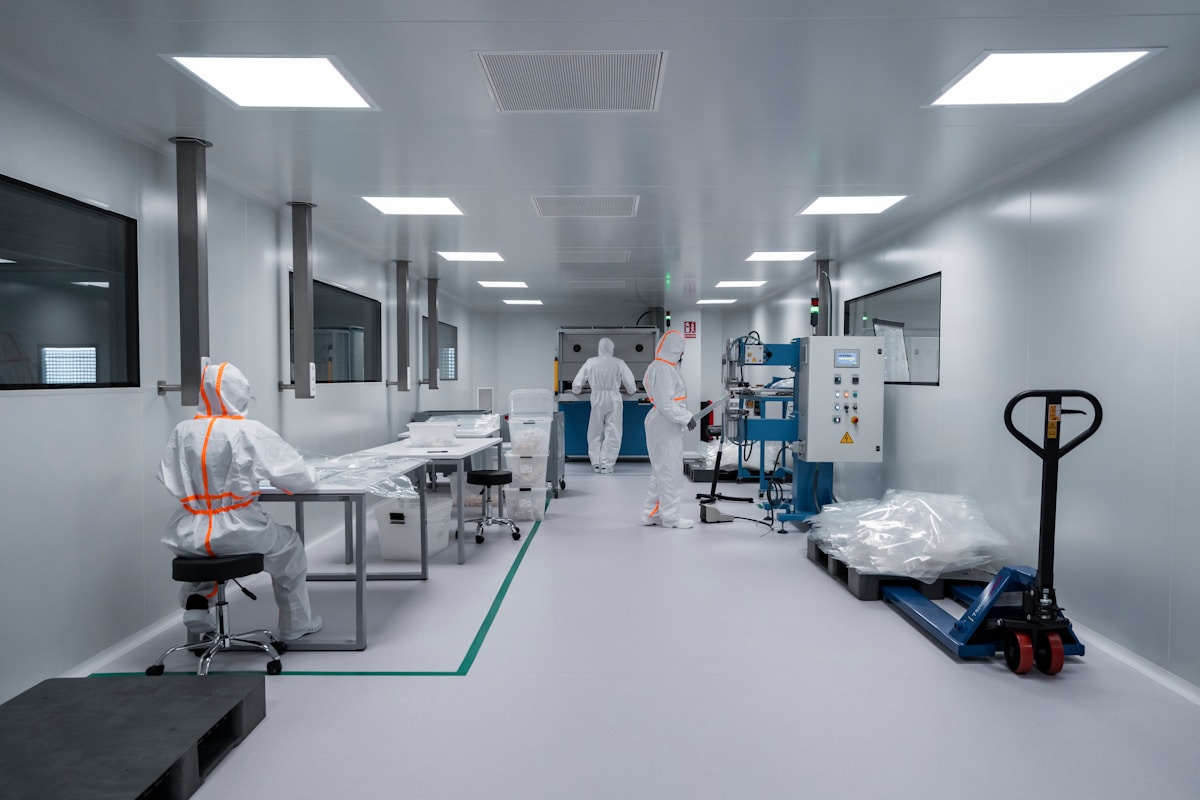
Final Steps: Purchasing and Validation
Purchasing decisions for cleanroom envelopes must prioritize verification over specification. The highest humidity risk is not material failure, but installation defects and inconsistent manufacturing quality control.
Factory Acceptance Testing (FAT) for Humidity Performance
Do not assume that a standard Material Data Sheet (TDS) guarantees performance for your specific humidity class. Before mass production begins, require the manufacturer to conduct specific Factory Acceptance Tests (FAT) that validate the envelope’s ability to resist moisture ingress and thermal bridging. This is particularly critical when utilizing foam cores like PIR, PET, or PU, where inconsistent cell structure can lead to hidden thermal pathways.
You should demand third-party validated mill certificates for every batch of raw materials, specifically focusing on the closed-cell content of the foam core. High closed-cell content is the primary barrier against water vapor absorption. If the supplier cannot provide verifiable density data (typically aiming for densities >40kg/m³ for high-humidity environments) and corresponding thermal conductivity (Lambda) values, the risk of long-term condensation increases significantly.
- Dimensional Stability Verification: Request test data showing the panel’s expansion/contraction rate under high humidity (e.g., 90% RH at 40°C). Panels that warp under humidity stress will break seals later.
- Water Absorption Rate: Verify the long-term water absorption per ASTM C272 or ISO 2896 standards. Lower absorption rates in PIR and GRP facings correlate directly with lower latent cooling loads.
- Adhesion Testing: We perform peel tests on both GRP and metal facings to ensure the bond strength exceeds the core’s shear strength, preventing delamination in humid conditions.
Supplier Qualification and Compliance Documentation
Evaluating a supplier goes beyond checking price lists; it requires a forensic audit of their compliance ecosystem. For cleanroom projects governed by GMP or FDA regulations, the traceability of the wall and ceiling materials is as critical as the air handling units. You must verify that the manufacturer holds valid certifications for both the raw materials and the final assembly process, specifically focusing on fire safety and hygiene standards.
Review the supplier’s ISO 9001 quality management protocols specifically regarding humidity control during their own storage and manufacturing. If the factory stores raw foam cores in a humid environment without climate control, the material may have pre-absorbed moisture before it even reaches your site. A qualified supplier will have documented environmental controls within their facility.
📋 Documentation Checklist
- Fire Safety Certification: Demand Euroclass B-s1,d0 (or equivalent ASTM E84) certificates for the specific core thickness you are purchasing. Thinner panels often achieve different ratings than thicker ones.
- Raw Material Traceability: Ensure the supplier can trace the resin and foam batch numbers in every panel delivered.
- Production Capacity Proof: With a daily production capacity exceeding 1,700 square meters, verified suppliers can demonstrate consistent lead times, preventing project delays that often lead to rushed, poor-quality installations.
On-Site Humidity Validation and Commissioning
The commissioning phase is where the theoretical humidity control meets physical reality. Even perfect panels will fail if the installation introduces thermal bridges. Before initiating the operational qualification (PQ), perform a strict visual and technical inspection of all panel junctions, window frames, and door penetrations. These interface points are the primary locations for condensation formation.
Utilize Infrared (IR) thermography during the “dry-out” phase to identify cold spots. If the HVAC system is running and the panel surface temperature varies by more than 1-2°C across a surface, you likely have a thermal bridge or an insulation gap. We specifically design our connection profiles to minimize these bridges, but on-site sealing with gaskets and sealants must be inspected for gaps larger than 1mm.
- Smoke Testing: Conduct a smoke test at panel joints to verify airtightness. Air leakage carrying moisture into the wall cavity is a major cause of hidden mold growth.
- Dew Point Verification: Monitor surface temperatures against the room dew point. The surface temperature must always remain above the dew point to prevent condensation.
- Cleanliness Check: Ensure the gelcoat or facing material is free of micro-abrasions that could trap moisture or microbial spores.
Warranty Terms and After-Sales Support Evaluation
A standard warranty is often insufficient for the critical nature of humidity-controlled environments. When evaluating the contract, differentiate between “material defects” and “system performance.” You need a supplier who stands behind the envelope’s contribution to the room’s stability. Assess the supplier’s technical support availability—can they provide engineering consultation if a humidity anomaly is detected?
For international projects, the ability to resolve technical issues rapidly is paramount. Delays in troubleshooting can cost thousands in operational downtime. Ensure the warranty explicitly covers delamination or loss of insulation properties caused by humidity ingress due to manufacturing defects. Our team maintains a 24-hour multilingual support line specifically to mitigate these risks, ensuring that technical guidance is available regardless of time zone differences.
- Response Time SLA: Negotiate a guaranteed response time for critical humidity failures (e.g., 24 hours for technical assessment).
- Spare Parts Availability: Confirm that the specific panel profiles and gasketing materials are stocked and can be shipped immediately to prevent prolonged exposure of the cleanroom core.
Conclusion
Stop viewing humidity control as just another HVAC line item. It demands a synchronized system where panel insulation kills thermal bridges while the dehumidifier manages the load. If you cheap out on the panel specs, the unit runs overtime and you still risk failing ISO 14644 validation. Prioritize foam density and dew point requirements now to avoid expensive retrofits later. Precision always beats price in pharma environments.
- Verify factory acceptance testing data matches your specific dew point.
- Confirm supplier documentation meets strict GMP standards.
- Evaluate warranty terms on drive components before signing.
- Rely on our engineering team to review your layout calculations with zero obligation.
Frequently Asked Questions
How does humidity impact static electricity?
Low humidity significantly increases the risk of electrostatic discharge (ESD), which can damage sensitive semiconductor components. Conversely, maintaining humidity above 40% helps dissipate static charges but requires a balance against microbial growth risks. Facilities must carefully manage this equilibrium to protect both equipment and product integrity.
What causes condensation in cleanroom panels?
Condensation typically forms due to thermal bridging at panel joints where the insulation continuity is broken. When the interior surface temperature drops below the dew point, moisture accumulates and creates contamination risks. Utilizing high-performance panels with thermal breaks is essential to prevent these localized failures.
Are PIR cores better than PU foam?
PIR (Polyisocyanurate) cores generally offer superior fire resistance and higher thermal stability compared to standard PU (Polyurethane) foam. While both materials provide excellent insulation, PIR is often preferred for strict environments requiring Euroclass fire ratings. The choice ultimately depends on specific regulatory safety requirements and long-term performance goals.
How do honeycomb cores handle moisture?
Honeycomb cores provide exceptional strength-to-weight ratios but can be susceptible to moisture ingress if the facing skins are compromised. Sealed honeycomb structures are critical to prevent water absorption, which maintains structural integrity and thermal performance. In humid environments, selecting composites with water-resistant facings is vital.
Do GRP surfaces inhibit microbial growth?
GRP surfaces with a gelcoat finish are non-porous and highly resistant to mold and bacterial colonization. This seamless characteristic prevents moisture accumulation in crevices, supporting rigorous hygiene standards in sterile environments. Such materials are particularly ideal for pharmaceutical and biotech applications requiring high levels of cleanliness.
Can panels be installed over existing walls?
Yes, retrofitting sandwich panels over existing structures is a viable solution for upgrading standard rooms to cleanroom standards. This method requires assessing the substrate’s structural integrity and ensuring a vapor barrier is present. Proper installation guarantees the new envelope maintains the necessary air-tightness and humidity control.