

A single thermal bridge in a panel joint can condense moisture, ruin a batch of pharmaceuticals, and fail a health inspection. Cold storage is not just about keeping things cold; it is about maintaining a perfectly stable environment under strict regulatory scrutiny. When the temperature logs spike, the cost isn’t just energy—it is product loss and legal exposure.
At RaxPanel, we see projects stall because buyers confuse Polyurethane (PUR) with Polyisocyanurate (PIR), unaware that PIR cores offer significantly improved fire resistance with a reaction to fire classification of up to Euroclass B-s1,d0 in standard configurations. This technical breakdown clarifies the performance gaps between insulation materials and the exact thickness requirements for high-ambient sites. You will learn to read a spec sheet for durability and compliance, not just price.
What Cold Storage Technical Specifications Actually Mean
Technical specifications are not arbitrary numbers — they are the difference between a cold storage facility that passes inspection and one that fails. Every value on a spec sheet maps to a real-world performance outcome, from energy cost to structural safety.
When a facility planner or procurement engineer reviews cold storage panel specifications, the goal is validation. These numbers determine whether the building envelope will maintain its thermal integrity for decades, survive regulatory audits, and support the mechanical and sanitary loads your operation demands. Understanding what each specification category actually controls is the first step in preventing costly design errors before procurement begins.
Key Thermal Performance Metrics Explained
Thermal performance is the primary reason cold storage panels exist. But the metrics that describe this performance are often misunderstood or misinterpreted on spec sheets. The two most critical values are thermal conductivity and the resulting R-value (thermal resistance), and they measure fundamentally different things.
Thermal conductivity, expressed as a Lambda (λ) value in W/(m·K), measures how readily heat passes through a material. A lower Lambda means the material resists heat flow more effectively. However, Lambda alone does not tell the full story — it is a property of the foam material itself, not the complete panel assembly. The R-value, measured in m²·K/W, accounts for both the material’s conductivity and its thickness. This is the metric that directly determines your cooling load and long-term energy consumption.
The distinction matters because two panels with identical thickness can perform very differently if their core materials differ. PU foam, PIR foam, and XPS each carry distinct Lambda values, and those values shift under sustained low-temperature conditions. Over time, some foam cores experience thermal drift — a gradual change in insulating performance as the blowing agents equilibrate with ambient conditions. This is why long-term R-value retention data, not just initial lab values, should drive your selection.
In our engineering reviews, we consistently find that buyers who focus solely on initial R-value charts without considering long-term stability end up with facilities that underperform their design assumptions. Our team evaluates R-value retention across the full operating temperature range of the intended facility, because a panel that performs well at 0°C may degrade significantly at -30°C. This is particularly relevant for deep-freeze applications where thermal drift compounds across years of continuous operation.
Structural and Load-Bearing Specifications
Cold storage panels are not just thermal barriers — they are structural components of the building envelope. They must resist wind loads, support internal fittings, and maintain rigidity under the repeated thermal cycling that occurs during defrost cycles and operational shifts. The specifications that govern this behavior are compressive strength, flexural strength, and screw retention capacity.
Compressive strength, measured in kilopascals (kPa), indicates how much vertical load a panel can withstand before permanent deformation occurs. This is critical for floor panels and any application where heavy racking, pallet jacks, or rolling equipment will bear directly on the panel surface. A panel that lacks sufficient compressive strength will develop dimples or depressions over time, particularly at fastener points, which compromises both structural integrity and the thermal seal at joints.
Screw retention strength is arguably the most overlooked specification in cold storage panel procurement. When sanitary equipment — railings, shelving brackets, evaporator mounts, or cleaning systems — is installed into a panel, the holding power depends entirely on the core density and the facing material’s ability to grip the fastener. Low-density cores may appear adequate on paper but fail under real mounting loads, leading to loose fixtures, compromised seals, and potential safety hazards.
We see this failure mode frequently in retrofit projects. The original panels were specified with adequate compressive strength for the building envelope but insufficient screw retention for the actual equipment loads. Our engineers address this by customizing core density through experimental testing tailored to each project’s mounting requirements, rather than relying on generic density assumptions. This approach ensures that every fastener point in your facility meets the required holding capacity from day one.
Material Composition and Core Options
The core material of a cold storage panel determines not only its insulating performance but also its behavior under fire, moisture, and mechanical stress. While foam cores dominate the market, the specific type of foam and the facing material chosen create vastly different performance profiles that should align with your facility’s operational requirements.
PU (polyurethane) foam remains the most common core for general refrigeration applications due to its favorable balance of thermal performance and cost. PIR (polyisocyanurate) foam offers superior fire resistance and marginally better thermal stability, making it the preferred choice for facilities with stringent fire safety requirements or higher temperature classes. XPS (extruded polystyrene) provides excellent moisture resistance and consistent performance in high-humidity environments, which is why it is frequently specified for cold storage facilities that experience frequent defrost cycles or condensation exposure.
Mineral wool (rockwool) cores serve a different purpose entirely. They are non-combustible and rated to the highest fire classification, making them essential for applications where fire safety codes demand A1-rated assemblies. The trade-off is lower thermal efficiency compared to foam cores, which means thicker panels are required to achieve equivalent insulation performance. For facilities where floor space is at a premium, this thickness penalty must be factored into the overall design.
The facing material is equally consequential. GRP (glass-reinforced plastic) facings with gelcoat finishes provide excellent corrosion resistance and a smooth, hygienic surface that meets FDA requirements for food contact environments. Stainless steel facings offer the highest level of durability and sanitation compliance, particularly in wet processing areas or facilities requiring frequent high-pressure washdowns. CFRT (continuous fiber reinforced thermoplastic) facings represent a newer generation of facing material that combines lighter weight with improved impact resistance compared to traditional GRP.
Our engineering team works closely with clients to match core and facing combinations to specific operational demands. A pharmaceutical cold storage facility in a coastal environment, for example, requires different material specifications than a dry goods warehouse in a temperate climate. The right combination depends on temperature class, humidity exposure, sanitation requirements, and fire rating obligations — not on a one-size-fits-all catalog selection.
Regulatory Compliance and Certification Standards
Cold storage facilities operate under a layered regulatory framework that varies by jurisdiction, end-use, and product type. The specifications on your panel data sheet must align with the certifications required for your facility to pass inspection and maintain compliance throughout its operational life. Understanding these requirements before procurement prevents costly rework and delays.
Fire safety certification is the most universally mandated requirement. In Europe, the Construction Products Regulation (CE marking) requires panels to be classified according to Euroclasses, with B-s1,d0 or higher typically required for indoor cold storage installations. PIR sandwich panel fire rating specs are particularly important here, as PIR cores generally achieve better fire classification than standard PU cores. In the United States, FM Global listing provides third-party verification of fire performance and is often required by insurance providers for commercial and industrial facilities. Mineral wool cold storage panel density specifications directly influence the fire rating achievable, as higher density rockwool provides both structural stability and superior flame resistance.
Food safety compliance governs the facing materials and surface finishes in contact with stored products. FDA-compliant gelcoat finishes on GRP panels and stainless steel facings meet the requirements for direct or indirect food contact in cold chain environments. For cleanroom-grade cold storage applications, thickness tolerance specifications become critical — panels that deviate from nominal dimensions create gaps at joints that compromise both hygiene and thermal performance. Cleanroom sandwich panel thickness tolerance is typically held to tighter tolerances than standard industrial panels, and this precision directly affects the quality of the installed thermal envelope.
Low temperature cold storage panel specifications extend beyond the panel itself to include the performance of the complete jointing system. A panel may meet all material and fire certifications, but if the joint design allows thermal bridging or air leakage, the facility will fail to maintain its target temperature class. This is why we emphasize that jointing system integrity is as important as core material selection — field data consistently shows that the majority of thermal failures in cold storage facilities originate at panel connections, not within the panel bodies themselves. Our cam-lock jointing systems are engineered to minimize this failure mode, and we provide detailed installation guides to ensure that the as-built performance matches the designed specifications.
Our international sales team supports procurement teams across Europe, North America, Southeast Asia, and the Middle East with documentation packages that include test reports, certification copies, and technical data sheets formatted to meet local regulatory requirements. Whether you are sourcing for a pharmaceutical facility in the EU, a food processing warehouse in North America, or a logistics hub in Southeast Asia, the specification documentation should be ready for submission alongside your procurement paperwork.
| Specification Parameter | Technical Meaning | Rax Panel Solution | Operational Benefit |
|---|---|---|---|
| Core Material & Fire Rating | Determines flame spread and smoke emission levels (ISO B1/A1), critical for safety compliance and insurance. | PIR and Mineral Wool (Rockwool) sandwich panels with factory-controlled fire retardant distribution. | Meets strict fire safety codes and provides superior fire resistance compared to standard PU foam. |
| Thermal Conductivity (Lambda) | The rate at which heat passes through the panel; dictates cooling load and long-term energy efficiency. | PU, PIR, and XPS foam cores integrated with GRP/FRP facings for sustained R-value retention. | Minimizes thermal loss and maintains stable low-temperature environments to reduce kWh costs. |
| Facing Material Composition | Durability against corrosion, moisture ingress, and hygiene standards (FDA) required for food storage. | Stainless Steel facing options and GRP/FRP sheets with waterproof, smooth gelcoat finishes. | Ensures high corrosion resistance, easy sanitization, and compliance with food safety regulations. |
| Jointing System Integrity | The ability of panel connections to prevent thermal bridging and air leakage, a common failure point. | Precision-engineered cam-lock systems and custom design solutions ensuring tight seals. | Eliminates thermal bridges, prevents condensation, and reduces installation errors compared to site-built methods. |
| Core Density (kg/m³) | Structural firmness and load-bearing capacity; affects resistance to ‘dimpling’ during equipment mounting. | High-density foam cores (XPS, PET, PU, PVC) customized via engineering experimental testing. | Provides high screw retention strength for heavy sanitary equipment and prevents structural deformation. |
Temperature Ranges and Why Stability Matters
Effective cold storage is defined not just by the ability to reach a low temperature, but by the capacity to maintain a consistent, stable thermal environment across the entire storage volume.
Standard Operating Temperature Zones
In the cold storage industry, precision is paramount. A “one-size-fits-all” approach does not exist; different products demand strictly controlled environments to preserve safety and quality. Industry-standard temperature ranges typically span from -30°C to +15°C, catering to diverse logistical needs. Understanding these specific zones is the first step in designing an effective storage solution.
- Frozen Storage (-30°C to -18°C): This range is critical for long-term preservation of meat, seafood, and ice cream. At these temperatures, bacterial growth is halted, and enzymatic reactions slow significantly. Ice cream, for example, often requires storage below -25°C to maintain texture and prevent ice crystal formation.
- Chill Storage (-2°C to +8°C): This is the danger zone for fresh produce, dairy, and beverages. The range is narrow because temperatures below freezing can damage cell structures in fruits and vegetables (causing mushiness), while temperatures above 8°C accelerate spoilage.
- Ambient/Cool Storage (+10°C to +15°C): Used for products that do not require freezing but need protection from extreme heat or humidity, such as wine, chocolate, or certain pharmaceuticals.
Why Temperature Fluctuation Is the Enemy
Achieving the target temperature is only half the battle; maintaining it—or stability—is where the real technical challenge lies. Temperature stability refers to the ability of a storage environment to keep the temperature constant without significant swings up or down.
Imagine buying milk from a store only to find it spoiled the next morning. In many cases, the milk wasn’t warm when you bought it; it may have experienced “temperature abuse” during transport or storage where it fluctuated into the danger zone (above 4°C) for too long. These fluctuations are more damaging than a constant, slightly higher temperature because they cause moisture migration.
For B2B buyers, instability directly impacts the bottom line. Frequent cycling leads to higher energy consumption and increased maintenance costs for refrigeration units. Furthermore, for sensitive goods like pharmaceuticals or high-value meats, a single breach in stability can render an entire shipment unsellable.
Uniformity: Ensuring Consistent Conditions
A common misconception is that if the thermostat reads -20°C, the entire room is at -20°C. In reality, uniformity—the consistency of temperature from the ceiling to the floor and from the door to the back corner—is often compromised by poor design. Warm air naturally rises, and cold air sinks. If a room lacks proper air circulation or has thermal bridges (areas where heat leaks in), you can have a temperature variance of 5°C or more within the same space.
To ensure uniformity, the physical enclosure (the walls, ceiling, and floor) must perform perfectly to prevent external heat from creating “hot spots.” If the insulation value is inconsistent or the seals are weak, the refrigeration system must work overtime to compensate for these uneven heat loads, inevitably leading to instability in the overall environment.

Insulation Materials and How Well They Insulate
Selecting the right insulation material is the single most critical factor in determining a cold storage facility’s energy efficiency and fire safety. While polyurethane (PU) offers excellent general thermal performance, polyisocyanurate (PIR) is required for superior fire resistance, and mineral wool is the only choice where non-combustibility is mandatory.
Understanding Thermal Conductivity (The K-Value)
At its core, insulation is about fighting heat transfer. In the cold storage industry, we measure this using Thermal Conductivity, expressed as K-value (W/m·K). Think of it as the speed limit for heat passing through a wall; the lower the number, the slower the heat moves. If you choose a material with a high K-value, your refrigeration system has to work overtime to pump that excess heat out, spiking your electricity bills and causing temperature fluctuations that can spoil inventory.
However, don’t fall into the trap of thinking “thicker is always better.” Modern insulation engineering focuses on the R-value (thermal resistance) per inch of thickness. Advanced foam cores achieve higher R-values in thinner profiles, which increases your internal storage volume without expanding the facility’s footprint.
The Foam Battle: PU vs. PIR
Polyurethane (PU) and Polyisocyanurate (PIR) represent the two dominant foam core materials in cold storage panel manufacturing, yet their fire performance diverges significantly despite identical external appearances.
- Polyurethane (PU): This is the industry workhorse for general refrigeration and logistics. It offers excellent adhesion to metal facings and provides a high R-value per inch. It is cost-effective for standard cold rooms where fire codes are less stringent.
- Polyisocyanurate (PIR): This is an evolution of PU with superior fire resistance. When exposed to flame, PIR forms a protective char layer that significantly slows down the spread of fire. For ultra-low temperature freezers or facilities requiring strict Class B1 or A1 fire ratings, PIR is the non-negotiable standard despite the higher material cost.
The Non-Combustible Option: Mineral Wool
Fire corridors, escape routes, and high-risk industrial zones often mandate non-combustible insulation, making Mineral Wool (Rockwool) the compliant alternative when foam cores are prohibited. It carries a Euroclass A1 rating, meaning it does not contribute to a fire at all, which is why it remains the go-to specification for these restricted applications.
Selecting Mineral Wool requires engineers to balance fire safety compliance against reduced thermal efficiency, increased panel weight, and long-term density retention to prevent thermal bridging. Mineral wool generally has a higher thermal conductivity than foam, meaning thicker panels are required to achieve the same insulation rating. It is also significantly heavier, so engineers must account for this increased load when designing the structural steel of the building. Furthermore, ensure the panel supplier offers high-density options to prevent the material from settling or compressing over time, which would create thermal bridges.
Structural Insulation: XPS and High-Density Cores
Not all insulation is just for keeping the cold in; some must support heavy weight. Extruded Polystyrene (XPS) is often used in flooring and foundations due to its high compressive strength and minimal water absorption. If water seeps into a floor panel, standard foam can lose its insulative properties, but XPS resists moisture saturation, preventing condensation and structural rot from the ground up.
For walls that need to support heavy shelving or hanging equipment, standard foam cores can “dimple” under screw loads, compromising the panel’s integrity and creating a pathway for moisture. In these cases, high-density foam cores (40kg/m³ or higher) are utilized. These specialized cores resist surface deformation, ensuring that heavy equipment remains mounted securely without puncturing the thermal envelope.
Even the highest quality insulation will fail if moisture penetrates it. In cold storage, the internal environment is cold and dry, while the outside is warm and humid. This pressure difference drives water vapor inward. Without a high-quality vapor barrier on the “warm side” of the panel, that vapor condenses inside the insulation layer. This creates ice buildup that drastically reduces thermal efficiency and eventually destroys the panel from the inside out. Always verify that your facing materials (like GRP or stainless steel) come equipped with integrated, factory-sealed vapor barriers.
| Material | Thermal Conductivity | Primary Application | Engineering Advantages | RaxPanel Solution |
|---|---|---|---|---|
| PIR (Polyisocyanurate) | 0.021 – 0.023 W/m·K | Ultra-low temperature freezers & fire-rated partitions | Enhanced fire resistance (Class B1/A1), superior thermal stability at cryogenic temperatures | Factory-controlled PIR sandwich panels with uniform fire retardant distribution |
| PU (Polyurethane) | 0.022 – 0.028 W/m·K | Standard cold rooms & refrigerated logistics | High R-value per inch, excellent adhesive bonding to facings, energy efficient | PU foam-core panels with GRP/FRP facings for sustained R-value & moisture resistance |
| XPS (Extruded Polystyrene) | 0.030 – 0.036 W/m·K | Flooring, foundations, high-humidity zones | High compressive strength, minimal water absorption, prevents condensation | XPS core sandwich panels engineered for high-load floor and foundation applications |
| Mineral Wool | ~0.040 W/m·K | Fire safety corridors & acoustic dampening zones | Non-combustible (Euroclass A1), superior sound absorption, dimensional stability | Rockwool core sandwich panels designed for strict fire safety compliance |
| High-Density Foam Cores | Variable (Based on PU/PIR type) | Walls requiring heavy equipment mounting | Resists surface ‘dimpling’ under high screw loads, ensures sanitary compliance | Customized density core options (e.g., 40kg/m³+) for heavy equipment mounting points |
Controlling Humidity: What Relative Humidity Really Means
Relative Humidity (RH) is not a fixed measure of moisture; it is a dynamic relationship between temperature and water capacity. To prevent condensation and product spoilage, operators must control the Dew Point, ensuring it remains 2-3°C below the facility’s coldest surface temperature.
In the cold storage industry, there is a common misconception that setting a hygrometer to a specific percentage—say 85% RH—guarantees safety. This is dangerous thinking. Relative Humidity is exactly what the name implies: it is relative to the air temperature. If you do not control the temperature precisely, your RH reading is effectively meaningless.
The Physics: Why RH Fluctuates
Think of air like a sponge. Warm air is a large sponge capable of holding a lot of water; cold air is a small sponge that holds very little. Relative Humidity is simply a measure of how full that sponge is. If you have a small sponge (cold air) that is 90% full, and you cool it down slightly (shrink the sponge), it becomes 100% full instantly. At 100% capacity, the air can no longer hold the moisture, and it releases it as condensation or ice.
This physics reality creates a critical vulnerability in cold storage. When warm, moist air infiltrates a room—perhaps through a frequently opened door or a faulty seal—it hits the cold environment. The “sponge” shrinks rapidly, forcing the moisture to dump onto the nearest surface: your inventory, your floors, or your evaporator coils.
The Dew Point: The True Metric of Control
Sophisticated facility management does not rely solely on RH; it relies on the Dew Point. The Dew Point is the temperature at which the air becomes saturated (100% RH) and water begins to condense. It is an absolute measure of the actual water vapor in the air, independent of the current air temperature.
To stop ice formation and “sweating” on walls, the industry standard is not just about aiming for a specific RH percentage. It is about maintaining a gap between the Dew Point and your surface temperatures. If the Dew Point of the air rises to meet the temperature of your wall or ceiling, condensation forms immediately.
- The 2-3°C Rule: To guarantee a dry environment, the air dew point should always be maintained at least 2-3°C below the temperature of the coldest surface in the room (whether that is a panel, a pipe, or a metal door frame).
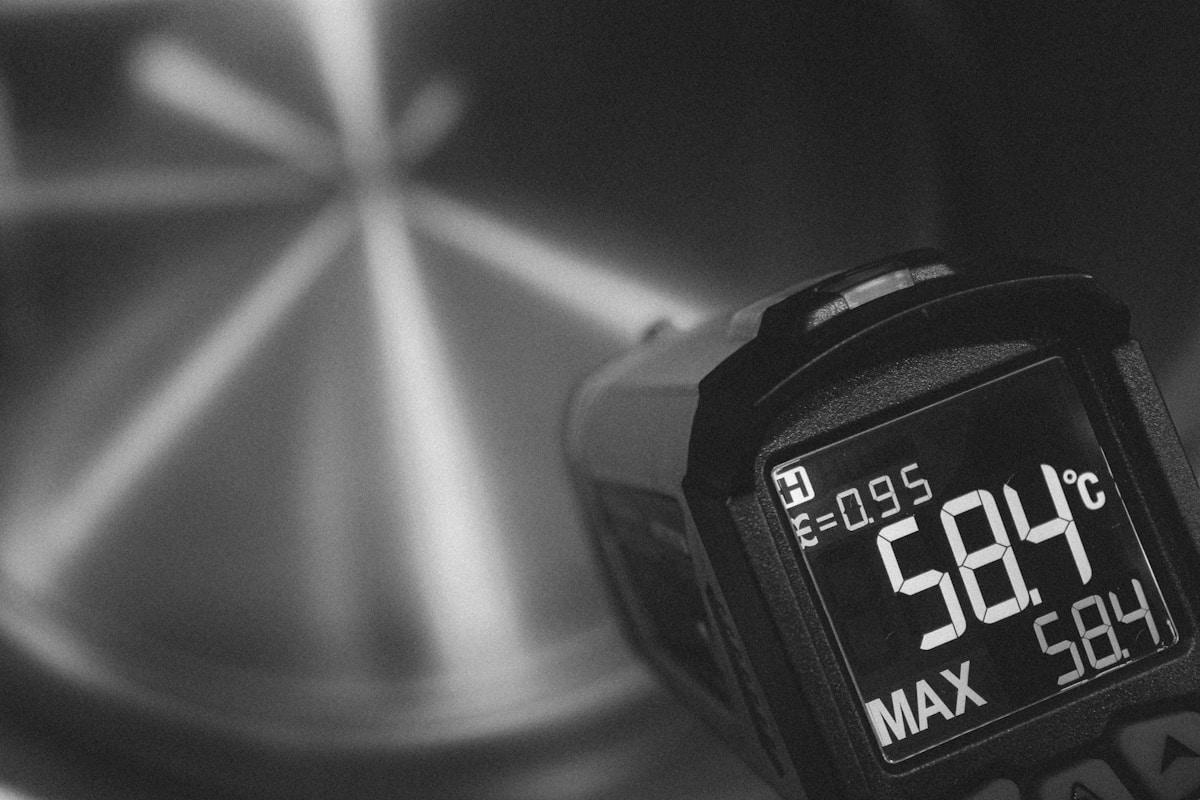
- Surface Measurement: Do not trust ambient air readings alone. Use infrared thermometers to measure the surface temperature of doors and metal fixtures. These are often the coldest points and the first to sweat.
The Cost of Getting it Wrong
Humidity control is not just about comfort; it is about inventory economics. If the environment is too dry (low RH), the air pulls moisture out of the product to reach equilibrium.
- Product Shrinkage: In fresh produce storage, inadequate humidity leads directly to weight loss. Fruits and vegetables lose turgidity, leading to shriveled appearance and texture degradation. For distributors selling by weight, this is a direct loss of revenue.
- Ice Buildup: Conversely, if humidity is too high, frost accumulates on evaporator coils and floors. This forces refrigeration systems to work harder (defrost cycles consume energy and create heat spikes) and creates dangerous slip hazards for personnel.
For high-value inventory like pharmaceuticals or sensitive bio-products, strict environmental control is non-negotiable. While standard cold rooms might fluctuate, specialized storage often requires maintaining RH within a very narrow range (e.g., 30-40%) to prevent static electricity or degradation, independent of the ambient temperature setpoint.
Storage Capacity: Internal Volume vs. Usable Space
A cold room’s rated internal volume rarely equals its usable storage capacity. Understanding the gap between the two is critical for accurate inventory planning and avoiding costly underutilization.
Internal Volume Is a Geometric Measurement; Usable Space Is a Operational Reality
Internal volume is calculated by multiplying the clear interior dimensions—length, width, and height—of a cold storage room. It represents the total cubic capacity of the enclosed space. Usable storage space, however, is the portion of that volume that can actually hold product on pallets or racking without obstruction. In practice, usable space typically falls 15% to 35% below the theoretical internal volume, depending on room layout, refrigeration equipment placement, and material handling requirements.
Key Factors That Reduce Usable Storage Density
Several physical and operational elements consume floor space and vertical clearance inside a cold room. Buyers who overlook these factors often specify panels based on floor area alone and end up with insufficient storage capacity for their inventory targets.
- Evaporator and Air Handler Footprint: Ceiling-mounted or floor-standing evaporators occupy vertical clearance and create dead zones beneath them where pallets cannot be stacked. A typical evaporator unit can reduce usable height by 300–600mm in its immediate radius.
- Aisle Width for Material Handling: Forklift aisles, reach-truck lanes, and pedestrian walkways must be factored into the floor plan. Standard forklift aisles require 3.0–3.5m of clearance; narrow-aisle configurations can reduce this to 1.8–2.2m but require specialized equipment.
- Door Swing and Threshold Clearance: Cold storage doors—especially insulated swing doors or high-speed roll-up doors—require floor space in front of the opening for safe operation. This area cannot be used for storage and typically consumes 0.8–1.5m of depth along the wall.
- Pallet Overhang and Spacing: Standard EUR or industrial pallets measure 1200mm × 1000mm. Pallets must have a 50–100mm gap between units for airflow and safe forklift entry, which reduces the number of pallet positions per row by approximately 5–8%.
- Beam and Racking Obstructions: Structural beams, panel joint lines, and fire suppression sprinkler heads create horizontal obstructions that limit stack height. Safe stacking height is typically 100–200mm below the lowest obstruction.
- Wall-to-Pallet Clearance: Building codes and good practice require a minimum 100–150mm gap between pallet loads and interior wall surfaces to maintain airflow and prevent condensation damage to panel joints.
Calculating Real-World Pallet Capacity
To convert internal dimensions into actual pallet positions, apply a usable-space factor to your raw volume calculation. A well-designed cold room with standard pallet racking and moderate aisle requirements typically achieves a usable-space factor of 65% to 75% of gross internal volume.
For example, a cold room with internal dimensions of 10m × 8m × 4m has a gross internal volume of 320 cubic meters. Applying a 70% usable-space factor yields approximately 224 cubic meters of effective storage volume. At standard pallet height of 1.4m with two levels of stacking, this translates to roughly 160–180 pallet positions, depending on layout efficiency.
Impact of Panel Thickness on Usable Volume
Panel thickness directly influences the internal-to-external dimension ratio. Thicker panels provide superior thermal performance but reduce interior volume for a given external footprint. A 100mm PIR panel cold room will have approximately 4–6% less internal volume than a 50mm panel version of the same external dimensions. For large-scale operations, this volume difference compounds significantly across the total storage capacity.
The trade-off is between thermal efficiency and storage density. Thinner panels lower capital cost per square meter but increase energy consumption and may require more refrigeration capacity. Thicker panels improve energy efficiency and temperature stability while consuming slightly more internal volume—making them the preferred choice for high-value, temperature-sensitive products where energy costs dominate total operating expense.
Optimizing Usable Storage Density
Achieving maximum usable space requires coordinated design decisions across panel specification, refrigeration layout, and material handling planning. The following approaches can recover 5–15% additional usable capacity compared to a standard layout:
- Ceiling-Mounted Evaporators: Positioning evaporators along perimeter walls rather than in the center of the room preserves central floor space for racking and maximizes usable pallet positions.
- Modular Panel Joint Design: Tongue-and-groove or cam-lock panel systems with minimal internal protrusion preserve clear wall surfaces and allow racking to be positioned closer to walls.
- Optimized Door Placement: Locating doors at the end of aisles rather than in the middle of storage walls reduces the storage area sacrificed for door swing clearance.
- High-Density Racking Systems: Double-deep racking or mobile racking systems can increase pallet positions per square meter by 20–40% compared to single-deep selective racking, though they require different forklift equipment and operational procedures.
Energy Efficiency: What the Numbers Actually Tell You
Energy efficiency in cold storage is driven primarily by insulation performance and system design. Understanding the difference between R-value, U-value, and k-factor prevents costly specification mistakes that inflate operational expenses.
Cold storage facilities represent one of the most energy-intensive types of commercial buildings. The refrigeration system alone can account for 60 to 80 percent of total energy consumption in a typical cold room. This makes the insulation envelope the single most impactful decision for operational cost management. Buyers who understand what these efficiency numbers actually measure are positioned to avoid overpaying for underperforming panels or specifying materials that create hidden energy costs over the facility’s lifetime.
Key Metrics That Define Panel Efficiency
Three technical metrics dominate energy efficiency discussions in cold storage panels. Each serves a distinct purpose, and confusing them leads to specification errors that surface only after installation. The first is thermal resistance, measured as R-value. The second is thermal transmittance, measured as U-value. The third is thermal conductivity, measured as k-factor or lambda value.
- R-value (thermal resistance): Measures a material’s resistance to heat flow. Higher R-values indicate better insulation performance. For cold storage panels, R-values typically range from 4 to over 20 depending on core thickness and material type. An R-value of 10 means the panel resists heat transfer ten times more effectively than a material with an R-value of 1.
- U-value (thermal transmittance): Measures the rate of heat transfer through a material. It is the inverse of R-value. Lower U-values indicate better insulation. A panel with a U-value of 0.25 W/(m²·K) allows significantly less heat flow than a panel rated at 0.50 W/(m²·K). Building codes and energy standards often specify maximum U-value requirements for cold storage enclosures.
- K-factor or lambda value (thermal conductivity): Measures the inherent ability of a core material to conduct heat. This value is independent of thickness. Lower k-factor values indicate better insulating materials. Polyurethane (PU) foam typically has a k-factor between 0.022 and 0.028 W/(m·K), while expanded polystyrene (EPS) ranges from 0.033 to 0.038 W/(m·K).
How Insulation Directly Reduces Cooling Loads
The relationship between insulation performance and cooling load is linear and substantial. Heat gain through the panel envelope drives compressor runtime, which directly determines electricity consumption. A cold storage facility operating at minus 25 degrees Celsius in a climate with ambient temperatures reaching 35 degrees Celsius experiences a temperature differential of 60 degrees. This differential creates constant thermal pressure against the insulation envelope.
Consider two facilities of identical size and temperature requirements. Facility A uses panels with a U-value of 0.35 W/(m²·K). Facility B uses panels with a U-value of 0.20 W/(m²·K). The difference in heat gain through the envelope is approximately 43 percent. Over a full year of continuous operation, this translates to a proportional reduction in compressor energy consumption. The higher-efficiency facility will operate its refrigeration system significantly fewer hours to maintain the same internal temperature, and the energy cost difference compounds every single day.
Insulation performance also affects temperature stability, which is a separate but related concern. Panels with consistent thermal properties prevent localized heat bridges and thermal bypasses. These defects create weak points where heat enters the enclosure more rapidly than surrounding areas. The refrigeration system must then work harder to compensate for these hot spots, creating uneven cooling and additional energy waste that is invisible during initial commissioning.
Real-World Energy Consumption Scenarios
Industry data from cold storage operators reveals consistent patterns in energy consumption relative to panel specifications. Facilities using panels with inadequate thermal performance for their climate zone typically report refrigeration energy costs that are 25 to 40 percent higher than comparable facilities with properly specified insulation. The difference is not marginal. It represents a fundamental mismatch between the insulation envelope and the thermal load it must resist.
- Deep freeze applications (minus 25 to minus 40 degrees Celsius): Require panels with U-values at or below 0.20 W/(m²·K). This typically means 200mm or thicker polyurethane or polyisocyanurate (PIR) core panels. Panels below this threshold result in compressor runtime increases of 30 percent or more in extreme cold applications.
- Cool storage applications (0 to 4 degrees Celsius): Generally perform adequately with U-values between 0.25 and 0.35 W/(m²·K), corresponding to 100mm to 150mm PU or PIR core panels. The lower temperature differential reduces absolute heat gain, but efficiency still matters because these facilities operate continuously.
- Multi-temperature distribution centers: Benefit most from standardized high-performance panels across all zones. Using the same panel specification for both freezing and cooling sections eliminates thermal bridging at shared walls and simplifies refrigeration system design, reducing both capital and operational costs.
What the Numbers Miss: Long-Term Performance Degradation
Initial R-value and U-value measurements represent laboratory conditions at the time of manufacture. They do not account for thermal drift, which is the gradual change in insulating performance over the panel’s service life. Blowing agents used in polyurethane and PIR foam cores slowly diffuse out of the panel over time, replaced by air from the surrounding environment. This process causes the k-factor of the core material to increase, which reduces the panel’s R-value and increases its U-value.
The rate of thermal drift varies significantly between materials. High-quality PIR foam panels typically retain 90 to 95 percent of their initial insulating performance after 20 years of service. Lower-quality PU panels with inferior blowing agent retention may experience a 10 to 15 percent degradation in R-value over the same period. This long-term drift means that panels specified with minimal thermal margin at installation may fall below adequate performance thresholds within a decade, forcing operators to accept higher energy costs or undertake costly retrofits.
Panel density and core uniformity are strong indicators of long-term thermal stability. Denser, more uniformly foamed panels exhibit slower blowing agent diffusion rates. Buyers should request published thermal drift data from suppliers rather than relying solely on initial R-value specifications. Panels that maintain their insulating performance over time deliver a measurably lower total cost of ownership, even if their upfront price is marginally higher than alternatives with faster degradation rates.
Calculating True Energy Cost from Panel Specifications
The most practical approach to evaluating cold storage panel efficiency is to calculate the annual energy cost impact of different U-value options. This calculation requires three inputs: the total surface area of the enclosure, the design temperature differential, and the local cost of electricity. The basic formula multiplies these factors by the U-value to determine hourly heat gain in watts, then converts that figure to annual energy consumption in kilowatt-hours.
For a hypothetical 500-square-meter cold storage facility operating at minus 18 degrees Celsius in a climate with a design ambient temperature of 30 degrees Celsius, the temperature differential is 48 degrees. Using a U-value of 0.30 W/(m²·K), the baseline heat gain through the envelope is approximately 7,200 watts or 7.2 kilowatts. Over a year of continuous operation, this represents roughly 63,000 kilowatt-hours of cooling energy attributed solely to envelope heat transfer. Upgrading to a panel with a U-value of 0.20 W/(m²·K) reduces that figure to approximately 42,000 kilowatt-hours, a savings of 21,000 kilowatt-hours annually.
At an electricity cost of 0.10 USD per kilowatt-hour, this upgrade generates annual savings of approximately 2,100 USD per facility. Over a 20-year service life, the cumulative savings reach 42,000 USD, far exceeding the typical price premium for higher-performance panels. This calculation demonstrates why energy efficiency specifications should be evaluated on a total cost of ownership basis rather than through initial purchase price alone. The numbers consistently favor proper insulation investment, particularly for facilities operating in extreme climate conditions or running refrigeration systems 24 hours a day.
System-Level Efficiency: Beyond the Panel Itself
Panel insulation performance is only one component of cold storage energy efficiency. The refrigeration system design, door usage patterns, air curtain effectiveness, and building airtightness all interact with the thermal envelope to determine actual energy consumption. A high-performance panel installed with poor seam sealing or inadequate gasketing will underperform its rated U-value due to air infiltration, which bypasses insulation entirely and introduces warm, moist air directly into the cold space.
Proper installation is therefore a critical factor in realizing the energy efficiency that panel specifications promise. Panel joints, corner connections, and penetrations for utilities must be sealed according to manufacturer specifications using compatible gaskets, sealants, and tape systems. Thermal bridges at structural connections, floor interfaces, and roof penetrations should be addressed with continuous insulation strategies that maintain the integrity of the thermal envelope without gaps or compression defects.
Energy efficiency audits of existing cold storage facilities frequently reveal that installation-related thermal bridging and air leakage account for 15 to 25 percent of total heat gain, even when the panels themselves meet specification. This gap between rated performance and actual performance underscores the importance of treating insulation specifications, panel quality, and installation execution as a single integrated system rather than separate procurement decisions.
Defrost Cycles: How Often and Why It Matters
Key Takeaway: While a standard defrost interval of 4 to 8 hours is common, rigid fixed schedules can inflate energy costs by 18–22%. The optimal frequency balances coil efficiency with minimizing temperature spikes that threaten inventory integrity.
The Defrost Paradox: Efficiency vs. Stability
Defrosting is a necessary evil in cold storage operations. As the evaporator coils absorb heat, moisture in the air condenses and freezes onto the coil surface. If left unchecked, this frost builds up like a thermal blanket, blocking airflow and insulating the coil. This forces the refrigeration system to work harder to maintain temperature, drastically reducing efficiency. However, the defrost process itself involves stopping the cooling cycle and often introducing heat to melt the ice, causing a temporary spike in the room’s ambient temperature.
For a B2B buyer, the pain point is not the energy cost alone, but the risk to product quality. Every time the room temperature rises during defrost, sensitive goods—particularly frozen foods—can undergo surface thawing. Repeated fluctuations lead to temperature abuse, degrading product quality and shortening shelf life. The goal is to defrost only as often as necessary to maintain coil performance without causing dangerous thermal variance in the storage space.
How Often Should Defrost Occur?
Industry experience generally suggests initiating defrost cycles every 4 to 8 hours. However, treating this as a universal rule is a mistake that wastes capital. The actual frequency required depends heavily on specific operational variables:
- Door Openings: High-traffic facilities with frequent forklift movement introduce significantly more moisture (humidity) into the space, accelerating frost buildup and requiring more frequent defrosts.
- Setpoint Temperature: Lower temperature applications (e.g., -25°C blast freezers) accumulate frost faster than chillers (e.g., 0°C to 4°C) due to the greater temperature differential between the coil and the air.
- Relative Humidity: Storage facilities with poor humidity control or high moisture products will experience rapid icing, necessitating tighter defrost intervals.
Relying on a fixed timer assumes the facility’s load never changes. In reality, facilities often run defrost cycles that are too long for the current conditions. This results in a “hidden tax”—wasted energy and unnecessary heat injection into the space.
Operating with a fixed defrost schedule that hasn’t been adjusted since commissioning can lead to energy consumption that is 18–22% above industry benchmarks. If your frost has melted but the heater is still running, you are paying to heat your freezer.
Types of Defrost and Temperature Variance
Understanding the method of defrost is crucial because each method impacts the room’s temperature profile differently:
- Electric Defrost: The most common method. Electric resistance heaters are embedded in the coil. While effective, they add significant heat to the space. If the facility envelope (insulation panels) lacks sufficient thermal mass, the room temperature can spike rapidly during this cycle.
- Hot Gas Defrost: Utilizes hot refrigerant from the compressor discharge line to warm the coils. It is generally faster and more energy-efficient than electric defrost but requires complex piping and valve controls.
- Air / Off-Cycle Defrost: Simply turning off the compressor and running fans to circulate ambient air. Only viable for coolers (above 0°C) where the ambient air is warm enough to melt frost but not warm enough to damage the product. It is not an option for freezers.
The Role of the Building Envelope
While the defrost mechanism is part of the refrigeration system, the building envelope plays a critical role in mitigating temperature variance. During a defrost cycle, the system stops removing heat and may actually add heat to the room. The insulation panels—specifically their thermal mass and R-value—act as a buffer.
High-quality composite panels (such as those utilizing PIR or PU cores) with high thermal inertia resist temperature changes more effectively than lower-quality materials. When the evaporator heaters kick in, a robust insulated enclosure ensures that the air temperature at the center of the room rises slowly, protecting inventory stored away from the immediate vicinity of the coils. Conversely, poor insulation allows the heat from the defrost cycle to penetrate the storage volume faster, increasing the risk of partial thawing.
Move beyond simple time-based defrost clocks. Implement demand-based defrost controls that use sensors to detect actual frost buildup or pressure drops across the coil. This ensures the cycle only runs when necessary, optimizing energy use and minimizing the frequency of temperature excursions.
Key Terms Explained
Lambda Value (Thermal Conductivity)
In the B2B procurement of cold storage panels, the Lambda value (denoted as λ and measured in W/m·K) is the definitive measure of a material’s intrinsic ability to conduct heat. It represents the rate at which heat passes through a one-meter thickness of a material when there is a temperature difference of one degree Kelvin between its sides. A lower Lambda value indicates better insulation performance; for context, high-performance PIR foam cores typically range between 0.019 and 0.023 W/m·K, whereas less efficient materials might rate significantly higher. This value is distinct from R-value; while R-value measures total resistance to heat flow (which depends on thickness), Lambda is the raw efficiency of the material itself regardless of thickness.
Expert Insight: Think of Lambda value as the size of a hole in a bucket; a smaller hole (lower Lambda) leaks water (heat) slower regardless of how deep the bucket is (panel thickness).
For professional buyers, focusing on Lambda ensures you are comparing core material quality on a level playing field. Two panels may have the same thickness and identical R-value claims on paper, but if one utilizes a core with a superior Lambda value, it is physically more efficient and will save significantly on operational energy costs over the facility’s lifespan.
Thermal Bridging
Thermal bridging occurs when a conductive material creates a “short circuit” for heat to bypass the insulation layer. In cold storage construction, this typically happens at structural joints, steel framing components, or panel connections where the insulation is interrupted or penetrated by materials with higher thermal conductivity, such as metal fasteners or concrete. These bridges become local “hot spots” where heat enters the cold space, leading to a significant drop in the overall thermal efficiency of the enclosure.
Mitigating thermal bridging is a critical engineering concern. High-quality panel systems utilize design features like thermally broken cam-locks or tongue-and-groove joints with integrated insulation gaskets to minimize direct metal-to-metal contact, ensuring the thermal envelope remains continuous.
Cam-Locking
The cam-locking system is the primary mechanical fastening method used to join insulated sandwich panels together. It consists of a pair of eccentric locking mechanisms—essentially a “cam” and a “keeper”—embedded or injected into the panel edges during the manufacturing process. When a hex key is inserted into the cam shaft and rotated, the eccentric motion pulls the two panels tightly together, creating a compressive force that seals the joint.
For B2B buyers and installers, the quality of the cam-lock system is a direct determinant of project speed and final airtightness. A robust cam-lock system allows for rapid assembly without the need for exposed fasteners or messy sealants in the joint field, which can be a major source of contamination or thermal leakage.
- Installation Speed: High-quality cam-locks engage smoothly and reduce installation time by up to 30% compared to traditional screw-fix or tongue-and-groove-only systems.
- Structural Integrity: The system must withstand positive and negative wind loads, ensuring the wall remains airtight and structurally sound under pressure changes during door opening/closing.
- Tolerance Control: Precision-engineered cam-locks ensure that gaps between panels are minimized to a fraction of a millimeter, which is critical for maintaining the thermal break and preventing air infiltration.
Conclusion
Stop obsessing over panel thickness alone. You need verified density and real fire ratings to protect the inventory inside. PIR core panels handle higher thermal loads better than standard PUR, yet mineral wool is the only choice for strict fire codes. If you ignore the density specs, the insulation settles in five years and your energy costs triple. Focus on the joint sealant quality too; cheap tape fails in high-humidity environments.
- Verify the R-value includes aging factors, not just initial laboratory tests.
- Confirm the stainless steel facing thickness matches your specific hygiene standards.
- Have our engineers review your load calculations before you finalize the layout.
Frequently Asked Questions
Cam-lock vs tongue-and-groove: Which is better?
Cam-lock systems generally offer superior airtightness and faster assembly compared to traditional tongue-and-groove methods. They reduce the risk of gap formation during thermal expansion and contraction, maintaining the insulation envelope’s integrity. While tongue-and-groove is cost-effective for less critical zones, cam-locks are preferred for strict hygiene and temperature control environments.
Which panel facings ensure maximum hygiene?
Stainless steel or Fiber Reinforced Polymer (FRP) facings with gel-coat finishes are the industry standard for hygiene-critical environments. These materials are non-porous, resistant to corrosive cleaning agents, and prevent bacterial growth on surfaces. Smooth, seamless finishes facilitate rigorous sanitation protocols required in food and pharmaceutical cold storage.
Why is vapor permeability critical?
Vapor permeability determines the rate at which moisture passes through the panel assembly, which is vital for preventing condensation within the insulation. Low permeability facings and cores are required in cold storage to block warm, humid external air from penetrating the thermal envelope. Failure to control permeability leads to wet insulation, reduced R-value, and potential structural degradation.
Does foam core density affect strength?
Yes, higher core density correlates directly with increased compressive strength and screw-holding capacity of the panel. Panels with lower density cores are prone to ‘dimpling’ or pull-through failure when heavy equipment is anchored to them. Selecting the correct density is essential for ensuring the wall system supports operational loads like shelving and heavy machinery.
How does floor insulation differ from walls?
Floor panels must withstand significantly higher compressive loads from racking systems and heavy forklift traffic. Specifications typically require higher density cores and reinforced facings to prevent crushing or structural deformation over time. Unlike walls, floor insulation must also integrate seamlessly with heavy-duty vapor barriers and underfloor heating systems.
What specs are unique to blast freezers?
Blast freezer specifications require panels with high thermal shock resistance to withstand rapid temperature drops often reaching -40°C. The insulation core must maintain structural integrity and adhesion without cracking under extreme contraction. Additionally, vapor barrier performance is critical to prevent ice formation within the panel structure during frequent freezing cycles.
Why choose prefab over spray foam?
Prefabricated panels offer consistent density and factory-controlled fire retardant distribution that on-site spraying cannot reliably match. They eliminate the variance caused by weather and human error during application, ensuring the thermal envelope meets precise engineering calculations. Prefab solutions significantly reduce construction time and offer superior dimensional tolerance for modular builds.