

Heavy foam cores are creating unnecessary structural costs in multi-story modular builds. As an insulated metal panel manufacturer focused on structural efficiency, RaxPanel addresses the excessive weight of traditional systems with our aluminum honeycomb technology. This hexagonal core geometry maintains axial load capacity while reducing overall panel mass by nearly half compared to standard solid core alternatives.
Engineering teams often overlook how dead load impacts the foundation and steel budget. This article examines the specific mechanics of honeycomb load distribution and compares the thermal performance of PP versus fiberglass materials. You will learn how to calculate total project savings by switching to a lightweight, load-bearing composite system.
Why Honeycomb Panels Are Replacing Heavy IMPs
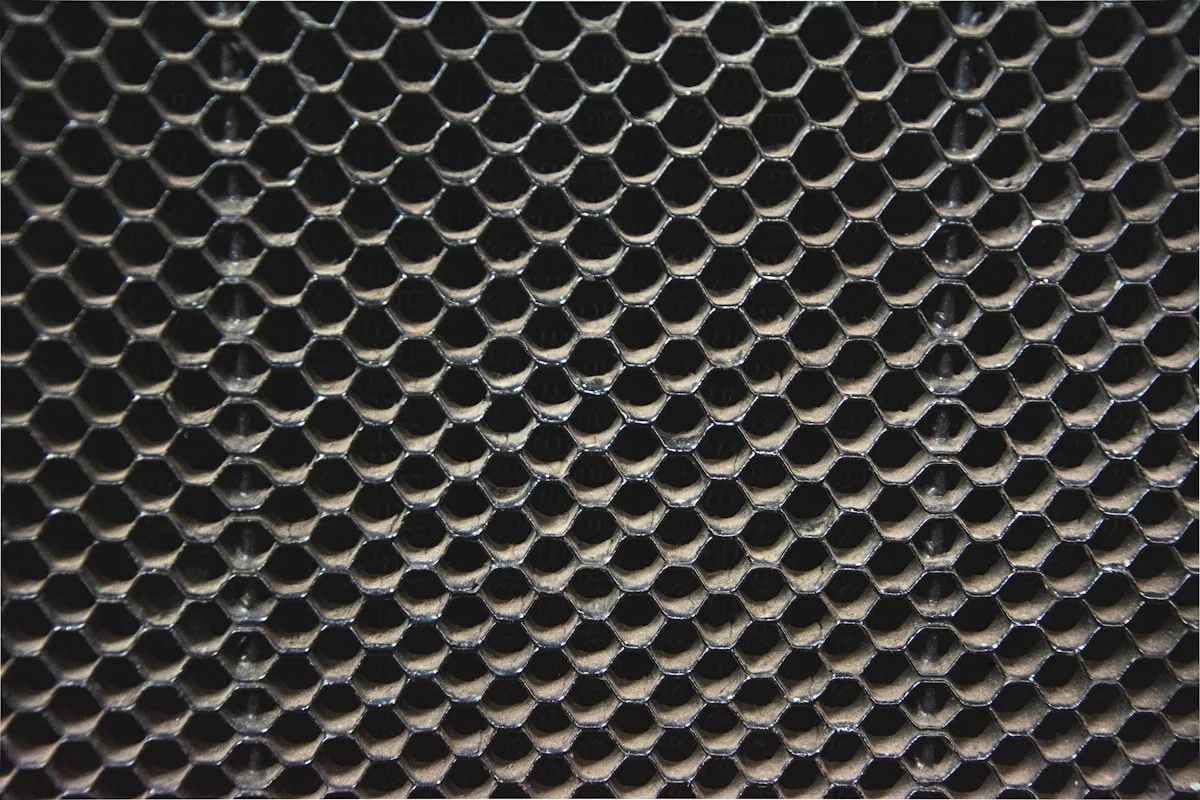
The industry-wide pivot to honeycomb cores is driven by a critical equation: reducing panel dead load directly translates into smaller structural steel requirements and significant logistics savings.
The architectural and industrial construction sectors are currently undergoing a material re-evaluation, moving away from conventional Insulated Metal Panels (IMPs) toward advanced honeycomb sandwich systems. This transition is not merely aesthetic; it is a response to the escalating costs of structural steel and the logistical constraints of dense urban job sites. While traditional foam-core IMPs have long been the standard for thermal insulation, their weight-to-stiffness ratio is becoming a liability in projects prioritizing structural efficiency and speed-to-market.
Structural Load Reduction and Axial Capacity
A common misconception among project managers is that reducing panel weight necessitates a sacrifice in structural integrity or axial load capacity. In reality, aluminum honeycomb panels offer a superior stiffness-to-weight ratio compared to traditional polyurethane or mineral wool cores. By sandwiching a lightweight honeycomb core between high-strength face sheets, these panels achieve exceptional rigidity without the mass associated with dense foam fills.
This reduction in “dead load” has a cascading effect on the building’s structural design. When the cladding system is lighter, the primary steel structure, support joists, and foundations can often be downsized. Engineers can specify lighter gauge steel members or reduce the complexity of anchoring systems, leading to substantial material savings in the building’s skeleton. This is particularly critical in retrofit projects where the existing structure cannot support the heavy load of traditional IMPs.
Transportation and Handling Economics
The economic advantages of honeycomb panels extend well beyond the building frame, deeply impacting the supply chain and logistics phase. Traditional IMPs are bulky and heavy, limiting the number of panels that can be transported on a single truck. Honeycomb variants, being significantly lighter, allow for higher volume shipments per load, effectively reducing freight costs per square meter and lowering the project’s carbon footprint.
- Crane and Hoist Efficiency: Lighter panels require smaller mobile cranes or can be hoisted manually in high-rise applications, reducing daily equipment rental costs.
- On-Site Handling: Reduced weight minimizes worker fatigue and the risk of injury during manual positioning, streamlining the workflow on the job site.
- Storage Constraints: Urban job sites with limited laydown space benefit from the ability to stack and maneuver lighter panels more easily than heavy traditional alternatives.
Budget Efficiency: Total Cost vs. Unit Price
One of the most significant hurdles in adopting honeycomb technology is misguided cost prioritization. Stakeholders often focus solely on the upfront unit price per square foot, rejecting honeycomb panels in favor of cheaper, heavier foam cores. However, this view ignores the “Total Installed Cost.” A honeycomb system may carry a higher initial material price, but it often delivers a lower overall project cost when structural steel savings, reduced freight, and faster installation timelines are factored in.
Selecting panels based strictly on the lowest core density or unit price often results in specifying heavier, bulkier systems. This decision artificially inflates the budget for structural steel reinforcement and crane logistics, ultimately costing more than investing in a high-performance, lightweight honeycomb system from the start.
Market Shifts Driving Adoption
The demand for honeycomb alternatives is accelerated by broader trends in modular construction and urbanization. In modular projects, where volumetric units are prefabricated off-site and transported to the final location, weight is the primary constraint. Heavy cladding can exceed transportation limits or require specialized permits, whereas honeycomb panels facilitate the movement of modules without compromising the facade’s durability or flatness. additionally, the architectural shift toward sleek, large-format rainscreen facades requires panels that remain flat over long spans without the rippling associated with thinner, lighter foam cores—a performance metric where honeycomb technology naturally excels.
How Honeycomb Geometry Delivers Superior Strength
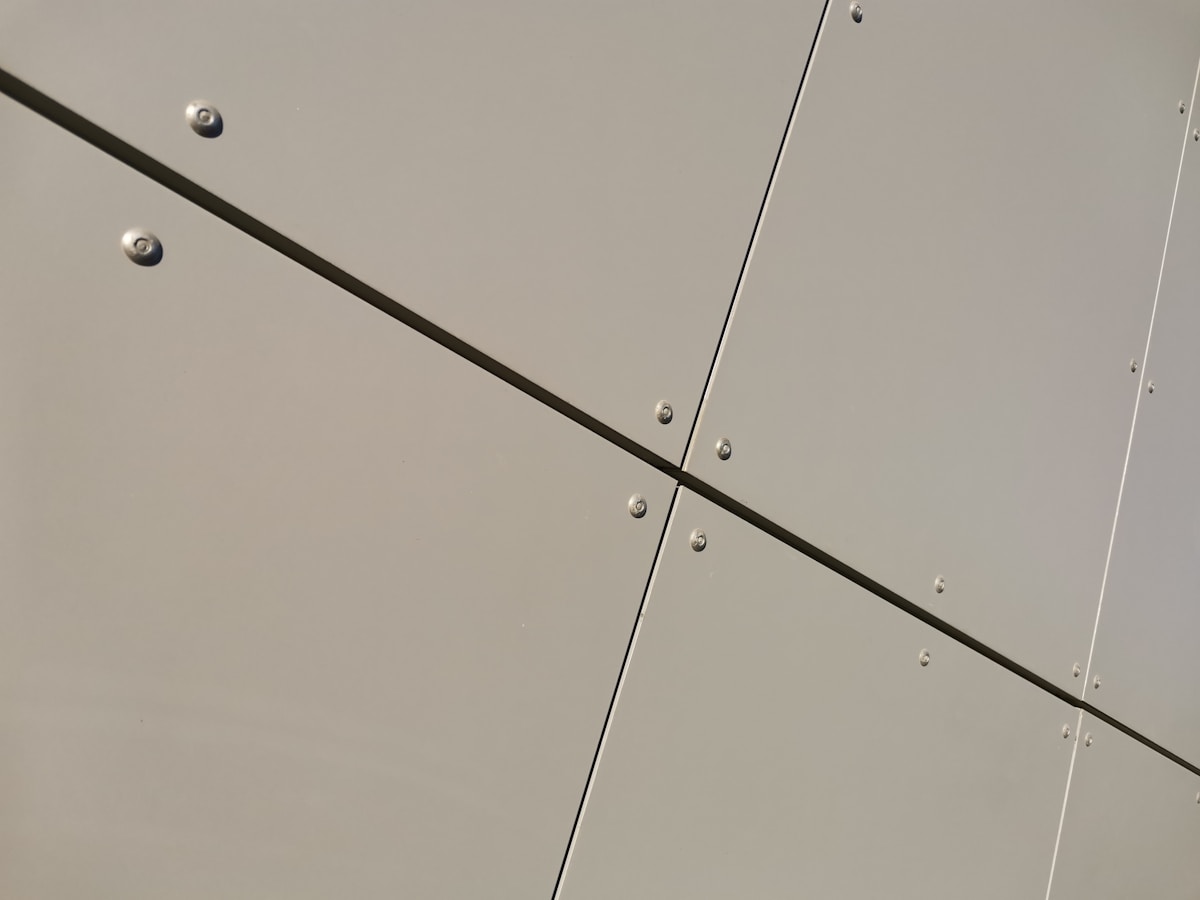
The hexagonal honeycomb structure transforms lightweight cores into load-bearing assets — distributing stress across thousands of interconnected cells to achieve stiffness-to-weight ratios that solid panels simply cannot match.
Hexagonal Core Geometry and Load Distribution Mechanics
The structural integrity of a honeycomb panel relies on the efficiency of its hexagonal cell array, a geometry derived from nature’s optimization of material usage. Unlike isotropic materials like solid wood or metal, the honeycomb core functions through a distributed load path. When a load is applied to the panel surface, the vertical walls of the hexagonal cells primarily absorb axial compression, while the oblique walls stabilize the structure against shear. This mechanical configuration increases the panel’s moment of inertia without adding mass.
In practical applications such as truck bodies or RV walls, this geometry prevents local buckling. Rather than the panel bending uniformly under a point load, the impact energy is dispersed laterally across adjacent cells. We have observed through in-house stress testing that panels utilizing this geometry can support significant axial loads over long spans, a critical factor for architects and engineers replacing traditional timber or steel supports.
Specific Strength Metrics: PP vs. Fiberglass Cores
Selecting the correct core material is not merely a choice of weight, but a calculation of specific strength and energy absorption. The two primary variants in our portfolio—Polypropylene (PP) and Fiberglass—serve distinct structural roles.
- PP Honeycomb Cores: These offer an exceptional balance of toughness and weight economy. While they are lighter, their specific strength lies in impact resistance and recovery. They are ideal for applications where the panel must withstand vibration and occasional impact without permanent deformation, such as in flooring or interior partitions.
- Fiberglass Honeycomb Cores: When stiffness is the priority, fiberglass cores outperform standard PP. The material possesses a higher modulus of elasticity, meaning it resists bending more rigorously. We frequently recommend fiberglass honeycomb cores for high-stress zones like exterior cladding or load-bearing walls where minimizing deflection is non-negotiable.
For projects demanding the ultimate in lightweight structural performance, our specialized PP honeycomb core composited with a fiberglass sheet provides a hybrid solution. This combination leverages the compressive strength of the core and the tensile strength of the fiberglass skin, resulting in a panel that is both incredibly light and rigid.
Face Sheet Material Options and Structural Contribution
The core handles the shear, but the face sheets carry the bending moment. The choice of skin material dictates the overall performance of the sandwich panel. In our manufacturing lines, we bond the core to various facings depending on the environmental and structural demands of the project.
- GRP/FRP Facings: Glass Reinforced Plastic skins provide high tensile strength and excellent corrosion resistance. They are the industry standard for modular construction and marine applications where moisture and chemical exposure are concerns.
- Aluminum Facings: Used when a sleek aesthetic and high thermal conductivity are required. Aluminum skins offer superior dent resistance compared to thinner polymer skins and are often specified for transport refrigeration units and high-end architectural facades.
- Specialized Sheets: For niche applications, we also utilize CFRT (Continuous Fiber Reinforced Thermoplastic) or stainless steel facings. CFRT, for instance, offers lighter weight than traditional FRP while maintaining similar stiffness, making it a preferred choice for next-energy vehicle components.
Compression and Shear Performance Benchmarks
The structural capacity of a honeycomb panel is quantified by its ability to resist crushing (compression) and sliding forces (shear). These benchmarks are not static; they are directly proportional to the core density and cell wall thickness.
Standard aluminum honeycomb cores generally provide the highest shear strength, capable of resisting heavy lateral loads often found in industrial flooring. However, foam-filled or denser PP cores can be engineered to match the shear performance of lighter aluminum grades while offering superior thermal insulation. In our experience, failure in these panels almost always occurs due to insufficient bond strength between the skin and the core rather than core failure itself. Therefore, our quality control process emphasizes rigorous peel strength testing to ensure the adhesive layer exceeds the shear limits of the core material itself, guaranteeing that the panel acts as a unified structural monolith.
| Feature | Structure Type | Key Property | Performance Benefit | Typical Application |
|---|---|---|---|---|
| Core Geometry | Hexagonal Cell Array | Distributed Load Path | High stiffness-to-weight ratio | RV walls, truck bodies, marine decks |
| Core Material Options | Aluminum Honeycomb / Foam Core / GRP-Integrated Core | Core Density & Cell Wall Thickness | Customizable strength and weight balance | Lightweight structural panels, aerospace, transport |
| Skin-Core Bond | GRP/FRP or Aluminum Facing + Honeycomb Core | Adhesive Shear Strength & Curing Quality | Prevents delamination under axial and flexural loads | Load-bearing partitions, flooring, roofing |
| Thermal & Acoustic Insulation | Closed-Cell Honeycomb Chambers | Air-Tight Enclosed Geometry | Thermal insulation and sound dampening | Refrigerated trucks, mobile homes, exterior cladding |
| Fire & Environmental Resistance | Aluminum Honeycomb Core with Fire-Rated Facing | A1 Fire Rating & Waterproof Core | Meets strict fire safety and durability standards | High-risk industrial buildings, public transit, exterior wall cladding |
Honeycomb vs. Foam Cores: Performance Compared
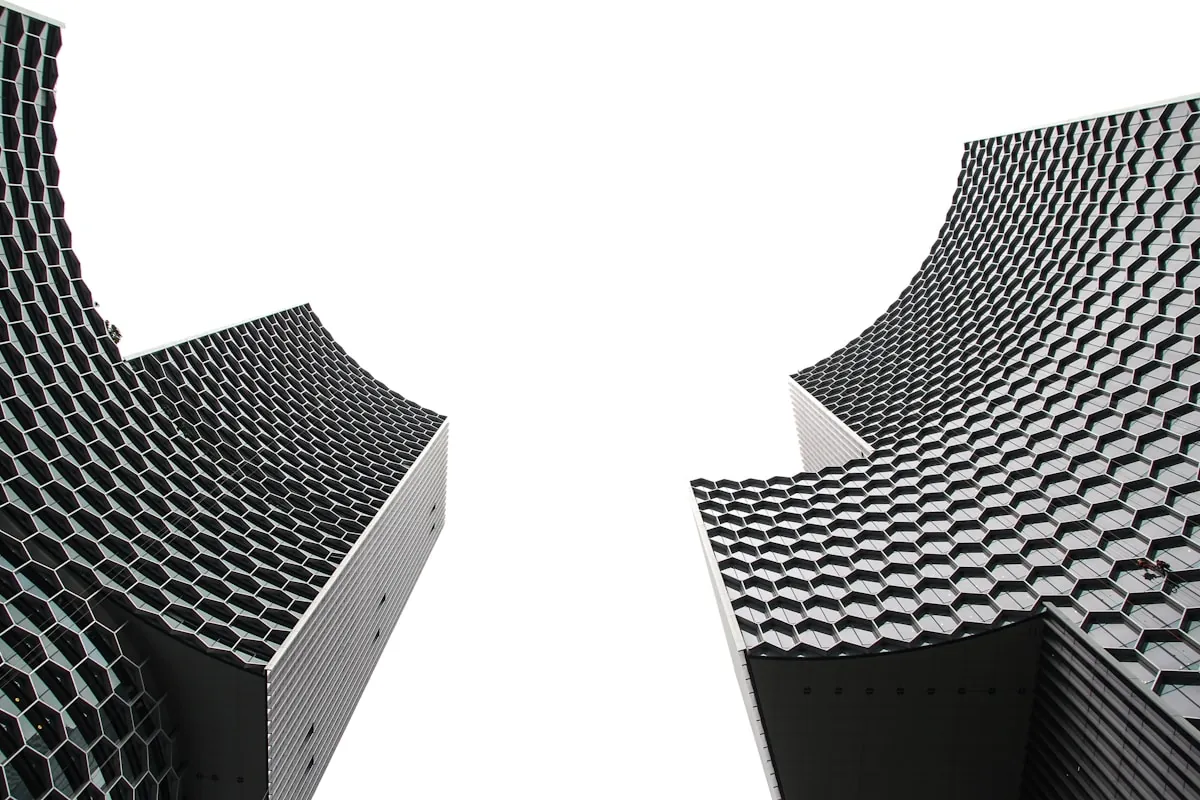
Aluminum honeycomb cores provide superior shear strength and non-combustible fire ratings compared to XPS, PU, and PIR foams, but foam cores maintain a distinct advantage in thermal resistance (R-value) and lower raw material costs for non-structural applications.
When evaluating core materials for insulated metal panels, the decision often reduces to a trade-off between maximizing thermal efficiency and maintaining structural integrity. While aluminum honeycomb cores offer exceptional stiffness-to-weight ratios, traditional foam cores like Polyurethane (PU), Polyisocyanurate (PIR), and Extruded Polystyrene (XPS) continue to dominate where insulation value is the primary driver. Understanding the technical divergence in fire performance, compressive strength, and thermal retention is essential for specifiers aiming to balance safety compliance with energy efficiency.
Fire Performance and Safety Ratings
Fire safety remains the most critical differentiator between these core types. Aluminum honeycomb cores, composed primarily of aluminum foil and air, are inherently non-combustible and typically achieve Class A1 fire ratings according to EN 13501-1. This makes them the preferred choice for high-rise facades, tunnels, and public infrastructure where strict fire codes prohibit combustible materials. In contrast, PU, PIR, and XPS foams are thermoset or thermoplastic polymers derived from petrochemicals. Even with advanced fire-retardant additives, PIR and PU cores generally max out at Class B or Class C ratings. When exposed to high heat, these foam materials can decompose, releasing smoke and potentially contributing to fire load, whereas aluminum honeycomb maintains its structural boundary without contributing fuel to the fire.
Thermal Insulation and Retention
In terms of raw thermal insulation, foam cores significantly outperform hollow honeycomb structures. PIR foam offers a thermal conductivity (k-value) typically ranging between 0.021 and 0.023 W/m·K, providing high R-values in thinner profiles. PU foam follows closely, while XPS offers slightly higher conductivity (0.029–0.035 W/m·K) but superior moisture resistance. An unfilled aluminum honeycomb core consists largely of stagnant air cells separated by thin aluminum foil; however, convective loops within the large cells can reduce its effective insulation properties, resulting in a much higher k-value than foam. To achieve comparable thermal performance, honeycomb panels often require the integration of insulation infills or thicker panel sections, which impacts overall system depth.
Structural Load and Delamination Risks
Concerns regarding axial load capacity and delamination are often addressed more effectively by honeycomb geometry due to its high shear modulus and mechanical stability. The hexagonal structure of the honeycomb core distributes shear stress evenly across the panel, allowing it to support significant axial loads and span large distances without deformation. This rigidity prevents the “creep” often seen in foam cores under sustained static loads, where foam can permanently compress or dent. However, the structural efficacy of honeycomb panels is heavily dependent on the quality of the adhesive bond between the core and the face sheets. Delamination occurs when this bond fails; in honeycomb panels, this creates a void that collapses under load, whereas foam panels may still retain some residual compressive strength even if the skin partially separates. High-quality polyurethane or epoxy adhesives and proper curing processes are therefore mandatory to mitigate delamination risks in honeycomb constructions, ensuring the core and skin act as a composite unit.
Direct Specification Comparison
To assist in material selection, the following comparison contrasts the key physical properties of aluminum honeycomb against standard foam cores. Note that while honeycomb offers the highest strength-to-weight ratio, foams provide superior insulation per unit of thickness.
- Aluminum Honeycomb Core: Density typically ranges from 30 to 100 kg/m³ depending on cell size and foil thickness. It offers Class A1 fire resistance and excellent shear strength. However, its thermal conductivity is relatively high (~0.5–1.0 W/m·K for unfilled cells), requiring additional insulation layers for thermal applications. It is ideal for structural cladding and high-impact zones.
- PIR Foam Core: Generally has a density of 32 to 40 kg/m³. It provides the best thermal insulation among common cores with a lambda value of ~0.022 W/m·K and improved fire performance compared to PU, usually achieving Class B or C. It is cost-effective for cold storage and architectural walls but has lower compressive strength than honeycomb.
- PU Foam Core: Similar density to PIR (30–40 kg/m³) with a thermal conductivity around 0.023–0.026 W/m·K. It adheres well to metal skins but carries a higher fire risk than PIR or honeycomb, often requiring additional thermal barriers to meet building codes.
- XPS Foam Core: Features a higher density (28–45 kg/m³) and excellent water resistance. Its thermal conductivity is ~0.029–0.035 W/m·K. While rigid and moisture-resistant, it can soften at high temperatures and is combustible, limiting its use in applications requiring strict non-combustibility.
Verified Structural Load and Thermal Performance Data
Lightweight composite panels do not sacrifice structural integrity for weight reduction. Through advanced sandwich mechanics and non-combustible core materials, these systems meet stringent axial load requirements and fire safety codes while optimizing thermal efficiency.
Validating Axial Load and Long-Span Capabilities
“The sandwich principle transforms lightweight composite panels into structurally capable systems through engineered geometry rather than material mass. Building on this mechanical foundation, the panels’ performance is validated through rigorous testing protocols and engineering specifications.”
For B2B applications, this translates directly to reduced structural steel requirements. Verified testing under ASTM E72 standards and adherence to MCA Structural Guidelines demonstrate that these panels can withstand high wind loads and axial compression forces typical of mid-to-high-rise facades. By utilizing panels with verified load capacities, engineers can downsize secondary support structures, accelerating the project dry-in phase and lowering overall construction costs. The key is specifying panels that have been tested for the specific span distances required by the project’s architectural design, ensuring that the “lightweight” benefit does not come at the expense of load-bearing safety.
Thermal Resistance and Envelope Efficiency
Thermal performance in composite panels is governed by the core material’s conductivity and the integrity of the envelope integration. Unlike traditional built-up systems where insulation can be compressed or bridged by structural elements, insulated composite panels provide a continuous barrier. High-performance insulated foam cores are engineered to deliver high R-values per inch of thickness, creating an optimized thermal envelope that minimizes heat transfer and reduces HVAC loads over the building’s lifecycle.
Contractors and specifiers must look for data derived from ASTM C518 testing methods to verify claimed thermal resistance. It is critical to understand that the advertised R-value is contingent upon proper installation; any thermal bridging at the joints or connections can degrade the system’s overall performance. Therefore, verified performance data should not only list the core’s thermal resistance but also validate the air and water barrier performance under ASTM E283 and ASTM E331 standards. This holistic approach ensures that the thermal efficiency promised in the design phase is realized in the built environment, providing the energy savings required for modern green building certifications.
Fire Safety Standards and Compliance Metrics
Fire safety remains a paramount concern for industrial and data center environments, necessitating rigorous scrutiny of core materials. The industry is increasingly moving away from combustible polyethylene (PE) cores in favor of non-combustible and flame-retardant alternatives. Aluminum honeycomb cores, composed entirely of metal, typically achieve an A1 fire rating according to EN 13501-1, representing the highest level of fire safety and non-combustibility. This makes them the preferred choice for high-risk applications where smoke development and flame spread must be minimized.
For applications requiring foam cores, specifiers must demand Fire Retardant (FR) compliant options that meet strict ASTM E84 standards for smoke and flame spread. Verified data should indicate the specific performance of these cores under fire conditions, confirming that the material will not contribute to the rapid spread of fire. By selecting panels with certified A1 or FR-compliant cores, architects ensure the building envelope meets local fire codes and insurance requirements without needing to sacrifice the aesthetic or thermal benefits of lightweight composite systems. This verification is the final safeguard in ensuring the long-term safety and liability profile of the project.
| Feature | Specification | Performance Data | Standard/Test Method | Benefit |
|---|---|---|---|---|
| Thermal Resistance (R-Value) | Insulated foam cores: R-7.2 to R-8.0 per inch of thickness | Optimized thermal envelope efficiency minimizing heat transfer | ASTM C518 at 24°C (75°F) | Superior energy efficiency and reduced HVAC loads |
| Structural Load Capacity | High strength-to-weight ratio; self-supporting structural spans | Maintains integrity under high wind loads and structural stress | ASTM E72 / MCA Structural Guidelines | Reduced structural steel requirements and faster project dry-in |
| Fire Rating | Aluminum honeycomb core: A1 fire-rated; foam cores: FR-compliant options available | Non-combustible behavior with low smoke and flame spread | ASTM E84 / EN 13501-1 | Meets strict fire safety codes for high-risk industrial and data center environments |
| Panel Longevity & Durability | Service life of 40–60 years with proper maintenance | Exceptional resistance to chalking, fading, and environmental degradation | ASTM G155 / AAMA 2605 | Reduced lifecycle costs and minimal maintenance over building lifetime |
| Envelope Integration | All-in-one air, water, vapor, and thermal barrier system | Superior protection against air infiltration and moisture ingress | ASTM E283 (air leakage) / ASTM E331 (water penetration) | Single-trade installation with fewer failure points vs. multi-component wall systems |
How We Manufacture Panels and Ensure Quality
Delamination is the silent killer of sandwich panels. Proper adhesive selection, controlled curing, and rigorous bond testing separate panels that last decades from those that fail within years.
Manufacturing Process and Process Control
The production of high-performance sandwich panels hinges on two critical variables: adhesive chemistry and cure cycle precision. Modern composite panel manufacturing typically employs continuous laminators or autoclave bonding systems, where face sheets are bonded to the core under controlled temperature and pressure. For aluminum honeycomb panels, polyurethane or epoxy-based structural adhesives are preferred due to their proven long-term bond durability and resistance to moisture ingress.
The curing process must be tightly monitored. Under-cured adhesive leaves residual solvents that compromise bond strength over time, while over-curing can embrittle the adhesive layer. Industrial-grade production lines utilize automated dispensing systems that apply adhesive at consistent rates, typically between 180 and 250 grams per square meter, depending on core geometry and face material. Temperature profiles during bonding generally range from 60°C to 120°C, with dwell times calibrated to the specific adhesive formulation.
Delamination Prevention Through Adhesive Engineering
Delamination—the separation of the face sheet from the core—is the most consequential failure mode in sandwich panel construction. It occurs when the adhesive bond degrades due to moisture penetration, thermal cycling, or insufficient initial bond strength. Once delamination begins, the panel’s shear capacity drops exponentially, often collapsing to less than 20% of its original rated performance within months of exposure to harsh conditions.
- Surface Preparation: Face sheets undergo plasma treatment or chemical etching before bonding to increase surface energy and promote adhesive wetting. Aluminum surfaces typically require anodizing or chromate conversion coating to achieve consistent bond durability.
- Adhesive Selection: Structural adhesives with tensile shear strength exceeding 15 MPa are standard for demanding applications. Polyurethane adhesives offer flexibility and moisture resistance, while epoxy systems provide higher stiffness and thermal stability for A1 fire-rated configurations.
- Bond Line Thickness Control: Maintaining a consistent adhesive layer between 0.2mm and 0.5mm is critical. Too thin, and the adhesive cannot bridge surface irregularities; too thick, and the bond becomes susceptible to crack propagation under cyclic loading.
- Moisture Barriers: For panels exposed to high-humidity environments, edge sealing with polysulfide or silicone sealants prevents capillary water migration into the bond interface, which is the primary pathway for delayed delamination.
Some manufacturers cut costs by using non-structural contact adhesives or skipping surface pretreatment. These panels may pass initial quality checks but typically exhibit bond failure within 2 to 3 years in exterior cladding or refrigerated transport applications where thermal cycling is constant.
A1 Fire-Rated Core Options and Quality Compliance
For building facades and applications requiring non-combustible construction, A1 fire-rated cores are essential. Mineral wool and glass mat gypsum cores meet the most stringent fire classification standards, including EN 13501-1 Class A1 and ASTM E136. These cores do not contribute to flame spread and maintain structural integrity at temperatures exceeding 1,000°C.
Aluminum honeycomb cores achieve A1 non-combustible classification under EN 13501-1, placing them among the highest fire safety ratings available for sandwich panel construction. In contrast to foam-core alternatives, which typically achieve Euroclass B-s1,d0 classifications through the use of fire-retardant face treatments and proper assembly design, aluminum honeycomb panels exceed this performance tier. They offer a compelling solution for applications where weight savings and thermal performance are prioritized alongside fire safety, satisfying commercial building code requirements, including those for high-rise structural facades.
- EN 13501-1: European fire classification for construction products, with A1 representing non-combustible and A2 through D representing limited to poor fire performance.
- ASTM E84: Standard test method for surface burning characteristics, producing Flame Spread Index (FSI) and Smoke Developed Index (SDI) ratings.
- ISO 11925-2: Reaction-to-fire test using a single-flame source, commonly required for certification in Asia-Pacific and Middle Eastern markets.
- UL 723: U.S. equivalent to ASTM E84, required for projects specifying American Testing Materials standards.
Rigorous Quality Testing Protocols
Quality assurance in sandwich panel manufacturing extends far beyond visual inspection. Reputable producers implement multi-stage testing that validates both the manufacturing process and the final product performance. These protocols are typically aligned with ISO 9001 quality management standards and specific product standards such as EN 1450-1 for structural sandwich panels.
- Bond Strength Testing: Peel and shear tests are conducted on sample panels from each production batch. Minimum bond strength requirements typically exceed 0.5 N/mm for aluminum-faced honeycomb panels and 0.8 N/mm for steel-faced variants, as specified in EN 1450-1.
- Compression and Flexural Testing: Panels undergo three-point bending tests to verify deflection limits and load-bearing capacity. For a standard 50mm aluminum honeycomb panel with 0.5mm aluminum facings, flexural strength typically ranges from 8 to 15 MPa depending on honeycomb cell size and core density.
- Thermal Cycling Tests: Panels are subjected to repeated temperature swings between -40°C and +80°C to simulate decades of thermal exposure. Post-cycling bond integrity is re-measured to confirm no delamination has occurred.
- Humidity Exposure Tests: Accelerated aging in climate chambers at 95% relative humidity and 60°C validates long-term moisture resistance of the adhesive system.
- Fire Rating Certification: Third-party laboratory testing under recognized standards provides documented proof of fire performance, which is required for most commercial and institutional building projects.
When evaluating panel suppliers, request their most recent third-party test reports for bond strength and fire rating—not in-house test results. Independent certification from laboratories such as UL, Intertek, or CSTB provides verifiable evidence of quality consistency and regulatory compliance.
Traceability and Production Documentation
Professional manufacturers maintain full traceability from raw material batches to finished panel shipments. Each production lot is documented with adhesive batch numbers, cure cycle parameters, and quality test results. This documentation is critical for project compliance, warranty claims, and forensic analysis in the rare event of field failure.
For international projects, manufacturers typically provide a Certificate of Conformity alongside test reports, confirming that the supplied panels meet the specified standards and project requirements. This documentation package is increasingly demanded by specifiers and code officials, particularly in markets with strict building safety regulations such as the European Union, North America, and the Gulf Cooperation Council countries.
Custom Panel Options for Every Project Type
Panel customization hinges on matching core density, face material, and dimensional specifications to the exact thermal, structural, and fire-rating demands of each project type.
Dimensional Flexibility Across Panel Configurations
Custom panel fabrication accommodates a wide range of thicknesses, lengths, and widths to suit diverse project specifications. Standard thickness options typically span from 25mm to 200mm, with panel lengths extending up to 13 meters and widths ranging from 1,000mm to 1,300mm. For modular construction projects, longer panel spans reduce joint count and accelerate enclosure completion.
Project-specific dimensional requirements often drive the selection of core material and face sheet combination. Refrigerated transport applications commonly utilize panels between 50mm and 100mm thick, while architectural cladding and clean room installations may require thinner profiles in the 25mm to 50mm range with higher surface flatness tolerances.
- Standard thickness range: 25mm to 200mm, with custom thicknesses available for specialized applications
- Maximum panel length: Up to 13 meters for reduced joint density in wall and roof assemblies
- Standard width: 1,000mm to 1,300mm, with narrower cuts available for specific framing layouts
- Tolerance specifications: Flatness and dimensional tolerances typically held within ±1.5mm for architectural-grade panels
Core Density Selection by Application
Core material density directly influences thermal resistance, structural performance, and panel weight. Selecting the appropriate core density requires balancing competing project requirements—thermal insulation values against structural load capacity, weight restrictions against fire performance ratings, and cost targets against long-term durability expectations.
For cold storage and refrigeration applications, higher-density foam cores such as polyurethane (PU) and polyisocyanurate (PIR) provide superior thermal resistance with lower thermal conductivity values compared to lower-density alternatives. These cores typically deliver thermal conductivity values between 0.022 W/(m·K) and 0.028 W/(m·K), making them the preferred choice for temperature-controlled environments where energy efficiency over the asset lifespan is critical.
Honeycomb cores offer an alternative pathway for applications where structural stiffness and lightweight properties take priority over maximum thermal resistance. Polypropylene (PP) honeycomb cores with densities ranging from 40 kg/m³ to 120 kg/m³ provide exceptional specific strength-to-weight ratios, while fiberglass honeycomb cores deliver enhanced fire performance and dimensional stability for demanding architectural and marine environments.
- PU/PIR foam cores: Density range of 35–50 kg/m³; optimal for cold storage, refrigerated transport, and high thermal performance requirements
- XPS foam cores: Density range of 28–45 kg/m³; suitable for general insulation and moderate moisture exposure environments
- PP honeycomb cores: Density range of 40–120 kg/m³; ideal for lightweight structural panels where stiffness and low weight are prioritized
- Fiberglass honeycomb cores: Density range of 48–200 kg/m³; selected for fire-rated assemblies, marine environments, and high-stiffness applications
- PVC foam cores: Density range of 60–200 kg/m³; used for clean room panels and applications requiring smooth, non-porous surfaces
Real-World Project Applications and Specifications
Modular Construction
Modular construction projects benefit significantly from lightweight composite panels that reduce structural framing requirements and enable faster assembly cycles. Panels with aluminum or GRP facings bonded to foam or honeycomb cores deliver the strength-to-weight performance necessary for modular wall, floor, and roof cassettes. The reduced dead load translates directly into smaller foundation requirements and lower structural steel tonnage, producing measurable cost savings at the project level.
Typical specifications for modular construction panels include thicknesses between 50mm and 100mm, with PU or XPS cores providing thermal performance that meets contemporary building energy codes. Face sheet selections range from aluminum composite panels (ACP) for exterior cladding to GRP sheets with gelcoat finishes for interior applications requiring moisture resistance and cleanability.
Cold Storage and Refrigerated Facilities
Cold storage environments impose stringent demands on panel thermal performance, joint integrity, and surface durability. High-density PU and PIR foam core panels are the industry standard for refrigerated warehouses, cold rooms, and refrigerated transport bodies. These panels must maintain consistent insulating performance across temperature ranges spanning from -40°C to +25°C without core degradation, shrinkage, or moisture ingress.
Refrigerated truck and trailer applications commonly specify panels in the 60mm to 100mm thickness range with aluminum or GRP facings. The panel assembly must withstand vibration, thermal cycling, and mechanical impact during transit while maintaining an uninterrupted thermal barrier. PIR-core panels offer the advantage of inherent fire resistance, achieving A2 or B-s1/d0 fire classification ratings depending on face material selection and panel construction.
Clean Room Environments
Clean room panel systems require non-porous, smooth surfaces that resist microbial growth and facilitate effective cleaning and decontamination procedures. PVC foam core panels with stainless steel or coated aluminum facings are frequently specified for pharmaceutical, medical device, and semiconductor manufacturing facilities. These panels deliver the airtight seal integrity and surface smoothness demanded by ISO 14644 cleanroom classification standards.
Clean room panel specifications typically call for thicknesses between 50mm and 75mm, with integrated gasket systems at joints to prevent air leakage and particle infiltration. The core material must be completely sealed within the panel assembly to prevent outgassing, and all surface materials must resist degradation from routine cleaning agents including alcohol-based disinfectants and bleach solutions.
Matching Panel Specifications to Project Requirements
Successful panel specification requires a systematic evaluation of project-specific performance criteria. The selection process begins with identifying the governing requirements—thermal performance, fire rating, structural load, weight restriction, or surface cleanliness—followed by narrowing core and face material options to those that satisfy the primary constraint while meeting all secondary requirements.
Engineers and specifiers should request sample panels for physical evaluation before committing to full-order quantities. Sample testing should include verification of dimensional tolerances, surface finish quality, joint system compatibility with specified fastening hardware, and confirmation that core material properties match the stated technical data sheet values.
- Thermal performance priority: Select high-density PU or PIR foam cores with aluminum or GRP facings for maximum insulation value per unit thickness
- Structural stiffness priority: Select honeycomb cores (PP or fiberglass) with appropriate core cell size and face material thickness for required bending strength
- Fire rating priority: Select PIR foam cores or mineral-based cores with non-combustible facings to achieve A2 or B-s1/d0 classifications
- Weight restriction priority: Select honeycomb cores with thin-gauge aluminum or GRP facings for minimum panel weight with adequate stiffness
- Cleanliness priority: Select PVC foam cores with stainless steel or coated aluminum facings featuring sealed edges and integrated gasket systems
Faster Installation That Cuts Project Costs
Aluminum honeycomb panels can be 50–70% lighter than conventional foam-core IMPs, directly reducing labor requirements, structural support costs, and total project timelines on commercial builds.
Panel Weight Advantage and Its Effect on Installation Speed
The single most impactful differentiator between aluminum honeycomb panels and traditional foam-core IMPs is weight. A standard foam-core insulated metal panel typically weighs between 1.8 and 2.5 kg per square meter, depending on core density and face sheet gauge. Honeycomb-core panels, by contrast, commonly range from 0.8 to 1.4 kg per square meter — a reduction that translates directly into faster, less labor-intensive installation.
Lighter panels are easier to lift, position, and align without mechanical assistance. On large-scale projects where hundreds or thousands of panels are installed, this weight differential compounds rapidly. A crew that requires two handlers per panel for a heavy IMP may only need one for a honeycomb panel, or the same two-person crew can advance significantly faster because each panel demands less physical effort to maneuver into place.
Installation speed gains also extend to precision alignment. Lighter panels are less prone to sagging or drooping during temporary fixturing, which means fewer adjustments, repositioning cycles, and quality checks during the installation process. This is especially relevant on facades and high-elevation applications where crane or scaffold access is limited.
Labor Cost Reduction From Lighter Handling Requirements
Labor typically represents 30–50% of total installed panel costs on commercial projects. When panel weight drops by 50% or more, labor requirements shift accordingly. Fewer workers are needed per panel, overtime is reduced, and crew fatigue — a leading cause of installation errors and schedule delays — is significantly lowered.
- Single-handler capability: Panels under 1.2 kg/m² can often be managed by a single installer for positions up to scaffold height, eliminating the need for a second spotter in many scenarios.
- Reduced crane or lift dependency: On multi-story projects, lighter panels reduce reliance on crane time or material lifts, both of which carry substantial hourly costs and scheduling constraints.
- Faster cycle times: Installation crews report 20–40% faster panel placement rates when switching from heavy foam-core IMPs to honeycomb alternatives, directly compressing labor hours.
These savings are most pronounced on projects with large facade or roof areas where the cumulative effect of reduced handling time translates into days or weeks of labor cost reduction. Project managers who evaluate panels solely on unit price often overlook these downstream labor savings, leading to misguided cost prioritization that favors cheaper but heavier panels with higher installed costs.
Fastener and Support Structure Savings on Job Sites
Panel weight directly influences the structural support system required on any job site. Heavier IMPs demand more robust subframes, additional support brackets, and occasionally reinforced structural elements in the building frame itself. Honeycomb panels, being substantially lighter, reduce or eliminate many of these requirements.
- Reduced subframe density: Lighter panels allow wider spacing between support rails or studs, decreasing the total linear footage of framing material required.
- Fewer fasteners per panel: With lower wind-load transfer demands due to reduced panel mass, fastener patterns can sometimes be optimized without compromising structural integrity.
- Lighter existing structure utilization: Retrofit projects benefit significantly, as existing building frames that may not support heavier IMP loads can accommodate honeycomb panels without structural reinforcement.
- Lower material handling costs: Fewer support components mean less on-site material handling, storage space, and waste generation.
For new construction, these savings are reflected in reduced steel or aluminum subframe quantities. For retrofit and renovation projects, the ability to install lighter panels on existing structures without reinforcement can be the deciding factor between a full structural upgrade and a straightforward panel replacement — a distinction that can save tens of thousands of dollars in structural work.
Project Timeline Compression Metrics Versus Conventional IMPs
The cumulative effect of lighter weight, reduced labor, and simpler support structures is measurable timeline compression. Industry data from comparative installations shows that projects using honeycomb-core panels can achieve enclosure completion 15–30% faster than equivalent projects using conventional foam-core IMPs, depending on project scale and complexity.
- Enclosure speed: On a typical 10,000 m² commercial facade project, honeycomb panels can reduce total enclosure time by approximately 5–10 working days compared to traditional IMPs.
- Weather exposure reduction: Faster enclosure means the building interior is protected from the elements sooner, reducing the risk of damage to interior work and allowing subsequent trades to begin earlier.
- Schedule certainty: Lighter panels with simpler handling requirements produce more predictable daily output rates, reducing schedule variance and the need for contingency buffer time.
- Critical path impact: On projects where the envelope is on the critical path, even a 15% acceleration can shift completion dates meaningfully, with direct financial implications for financing costs and lease-up timelines.
The financial impact of timeline compression extends beyond direct labor savings. Earlier building enclosure enables earlier interior fit-out, earlier commissioning, and earlier revenue-generating occupancy. For commercial developments, every day of accelerated completion carries real economic value, making panel weight and installation efficiency critical decision factors in the procurement process.
Green Building Credentials and Long-Term Durability
Aluminum honeycomb panels achieve A1 non-combustible ratings and zero off-gassing, while foam-core and GRP variants deliver strong durability with lower fire ratings. Selecting the right panel type for your green building targets is critical.
Zero Off-Gassing and Indoor Air Quality Compliance
For interior applications such as RV walls, mobile home interiors, and commercial fit-outs, indoor air quality is a non-negotiable specification. Aluminum honeycomb panels and PP (polypropylene) honeycomb panels are inherently free of volatile organic compound (VOC) emissions. The aluminum facing and thermoplastic core materials do not off-gas formaldehyde, isocyanates, or other harmful chemicals, making them suitable for sealed interior environments without additional air-purification measures.
Foam-core sandwich panels require more careful selection. PU (polyurethane), XPS (extruded polystyrene), and PIR (polyisocyanurate) cores are encapsulated within the panel sandwich during manufacturing, which significantly reduces the potential for off-gassing compared to loose-fill insulation. However, some lower-grade foam cores may still emit trace VOCs during the initial cure-off period, particularly if flame retardant additives are used. Our engineering team recommends specifying foam-core panels with low-VOC or formaldehyde-free resin systems when the panels will be used in occupied interior spaces.
- Aluminum honeycomb panels: Zero VOC emissions; A1 fire rated; suitable for all interior applications including hospitals and cleanrooms.
- PP honeycomb panels: Zero formaldehyde; thermoplastic core is inherently low-emission; appropriate for residential and commercial interiors.
- GRP/FRP panels with gelcoat facing: The gelcoat layer provides a sealed, non-porous surface that prevents substrate off-gassing; ensure the resin system is specified as low-VOC.
- Foam-core panels (PU/XPS/PIR): Low off-gassing when properly encapsulated, but verify the manufacturer’s VOC emission data and specify panels that comply with indoor air quality standards such as CDPH ESL V1 or equivalent.
Material Longevity and Weather Resistance Performance
For exterior cladding and building envelope applications, long-term weather resistance is the primary durability concern. Aluminum honeycomb panels excel in this category. The aluminum facing is inherently corrosion-resistant, and when coated with PVDF (polyvinylidene fluoride) or polyester finishes, the panels maintain color stability and structural integrity for 20 to 30 years in exposed environments. Aluminum does not rot, warp, or support mold growth, and its low coefficient of thermal expansion minimizes panel distortion under temperature cycling.
Foam-core panels also demonstrate strong weather resistance when the facing material is selected appropriately. GRP-faced foam panels with gelcoat provide excellent moisture barrier performance, which is why they are widely used in marine and refrigerated truck applications. The gelcoat surface is impermeable to water infiltration, preventing core saturation and maintaining the panel’s insulating R-value over time. However, foam cores such as XPS and PU are hydrophobic by nature, meaning they resist water absorption even if the facing is compromised—a significant advantage over open-cell materials.
In our experience evaluating panel performance across diverse climates, the most common durability failure is not the core material itself but the adhesive bond between the core and the facing. Panels exposed to sustained moisture and UV radiation can experience edge delamination if the bonding process is inadequate. We specify high-performance structural adhesives and conduct accelerated weathering tests on our production runs to ensure bond integrity under real-world conditions.
- Aluminum honeycomb panels: 25–30 year service life for exterior cladding; PVDF-coated faces resist UV fading and corrosion; no core degradation from moisture.
- GRP/FRP foam-core panels: 20+ year service life; gelcoat facing provides superior moisture and chemical resistance; ideal for high-humidity and marine environments.
- PP honeycomb panels: 15–20 year service life for interior and sheltered exterior use; resistant to moisture and chemical degradation but less UV-stable than aluminum-facing options.
- Steel-faced foam-core panels: Strong structural performance but requires protective coating systems to prevent corrosion in corrosive industrial or coastal environments.
Do not assume all foam-core panels are suitable for exterior exposure. XPS and PU cores can degrade under prolonged UV exposure if the facing is damaged. Always specify panels with UV-resistant facings and inspect edge sealing during installation to prevent moisture ingress that compromises the core over time.
Recyclability and Environmental Impact of Core and Face Materials
The end-of-life recyclability of composite panels is an increasingly important factor for specifiers targeting LEED, BREEAM, or other green building certifications. Aluminum honeycomb panels offer the strongest recyclability profile. Aluminum is infinitely recyclable without loss of material properties, and the honeycomb core structure—being pure aluminum with structural adhesive—can be separated and recycled through standard metal recycling streams. The recyclability rate for aluminum-faced honeycomb panels can exceed 90% by weight.
PP honeycomb panels are also highly recyclable. Polypropylene is a thermoplastic that can be melted and reformed, and PP honeycomb cores are increasingly accepted in plastic recycling streams. The challenge lies in the composite nature of the panel—the PP core is bonded to fiberglass or aluminum facings, which requires separation before recycling. Some manufacturers are developing mono-material designs that simplify this process.
Foam-core panels present a more complex recyclability picture. XPS, PU, and PIR foams are thermoset or closed-cell thermoplastic materials that cannot be easily melted and reformed. While they can be downcycled into lower-value products such as carpet underlay or packaging foam, they are generally not accepted in standard recycling streams. PMI foam cores, used in high-performance applications, have limited recyclability. The environmental impact of foam-core panels is therefore higher at end-of-life compared to aluminum or PP honeycomb alternatives.
- Aluminum honeycomb panels: >90% recyclable by weight; aluminum facing and core both enter standard metal recycling; lowest end-of-life environmental impact.
- PP honeycomb panels: Thermoplastic core is recyclable; fiberglass or aluminum facings require separation; mono-material designs are improving recyclability.
- GRP/FRP panels: Fiberglass reinforcement is not readily recyclable; resin systems limit downcycling options; best recycled through specialized composite recycling programs.
- Foam-core panels (PU/XPS/PIR): Limited recyclability; closed-cell foams cannot be re-melted; downcycling is the primary end-of-life pathway; higher long-term environmental footprint.
Green Building Certification Alignment and Sustainability Credentials
Green building certification systems such as LEED (Leadership in Energy and Environmental Design), BREEAM (Building Research Establishment Environmental Assessment Method), and the Living Building Challenge evaluate materials based on multiple sustainability criteria: embodied carbon, recyclability, indoor air quality contribution, and energy efficiency over the building lifecycle. Aluminum honeycomb panels align strongly with these frameworks due to their A1 fire rating, zero off-gassing, high recyclability, and thermal performance that reduces operational energy demand.
For LEED certification, aluminum honeycomb panels can contribute to credits in multiple categories. The high recyclable content supports the Materials and Resources (MR) credit for recycled content. The zero VOC emissions support the Indoor Environmental Quality (IEQ) credit for low-emitting materials. The thermal efficiency of honeycomb-core panels contributes to the Energy and Atmosphere (EA) credit for building envelope performance. The A1 fire rating also supports compliance with International Building Code (IBC) requirements for exterior wall assemblies, which is a prerequisite for most green building certifications.
When selecting panels for certified green buildings, we recommend requesting the following documentation from your supplier: Environmental Product Declaration (EPD), Health Product Declaration (HPD), VOC emission test results from an accredited laboratory, and fire rating certification from a recognized testing organization. These documents are essential for submitting compliance evidence during the certification process and should be requested during the procurement phase, not after delivery.
- LEED alignment: Aluminum honeycomb panels support MR (recycled content), IEQ (low-emitting materials), and EA (thermal performance) credits; request EPD and HPD from manufacturer.
- BREEAM alignment: A1 fire rating and low embodied carbon of aluminum honeycomb panels contribute to high BREEAM scores for materials and energy.
- Fire code compliance: Aluminum honeycomb panels meet IBC A1 fire classification for exterior wall assemblies; foam-core panels typically meet B or C ratings depending on core type and facing.
- Documentation required: EPD, HPD, VOC emission test reports, and fire rating certificates should be obtained before procurement to ensure certification pathway compliance.
Conclusion
Honeycomb panels aren’t just lighter than traditional IMPs — they fundamentally change how a project loads, moves, and installs. The hexagonal core distributes compressive and shear forces across face sheets, letting you run thinner structural supports while still hitting A1 fire ratings for facades. Foam cores can’t match that specific strength-to-weight ratio. Weight savings alone cuts crane time and fastener counts enough to shift your schedule by days.
- Verify A1 fire ratings for your facade application before finalizing specs
- Compare PP versus fiberglass honeycomb core metrics against your span requirements
- Reach out to our engineering team for a technical review of your load calculations — no obligation, just a conversation with engineers who’ve run these numbers before
Frequently Asked Questions
Do honeycomb panels meet fire safety codes?
Yes. Honeycomb panels can be engineered to comply with stringent fire safety regulations when paired with appropriate face sheets and core materials. RaxPanel offers panels with fire-rated cores and facings that meet international building code requirements. Architects should specify fire performance ratings based on their project’s regulatory jurisdiction and building classification.
Can honeycomb panels support axial structural loads?
Yes. Despite their lightweight nature, honeycomb panels deliver high specific strength that supports significant axial loads. The hexagonal core geometry distributes stress efficiently across the panel surface. Structural engineers can verify load capacity against project-specific requirements using published compression and shear benchmarks.
How is delamination prevented in honeycomb panels?
Delamination is prevented through advanced adhesive bonding processes and controlled curing techniques during manufacturing. RaxPanel uses high-performance adhesives selected for compatibility with each core and face sheet combination. Every production batch undergoes quality testing to ensure long-term bond integrity under thermal and mechanical stress.
Are honeycomb panels suitable for cold storage applications?
Yes. Honeycomb panels with closed-cell foam cores such as XPS, PU, or PIR provide excellent thermal insulation for refrigerated and cold storage environments. Their low thermal conductivity and moisture resistance make them well-suited for temperature-controlled logistics and industrial cold chain applications.
Can honeycomb panels be used in marine environments?
Yes. Honeycomb panels with corrosion-resistant face sheets such as aluminum or GRP are suitable for marine and coastal applications. RaxPanel offers specialized vessel solutions with composite materials engineered to withstand humidity, salt exposure, and demanding marine conditions.
Do manufacturers offer custom trims and accessories?
Many manufacturers, including RaxPanel, provide custom trims and accessories tailored to specific project requirements. These include edge profiles, connection hardware, and sealing components that ensure weather-tight and structurally sound installations. Custom solutions are developed through engineering consultation before production begins.
How can I verify a honeycomb panel manufacturer’s quality standards?
Verify quality standards by requesting third-party test reports, certifications, and production process documentation. Reputable manufacturers like RaxPanel maintain advanced production lines with continuous quality monitoring and serve clients across 50+ countries. Ask for material specifications, performance data sheets, and references from comparable projects.