
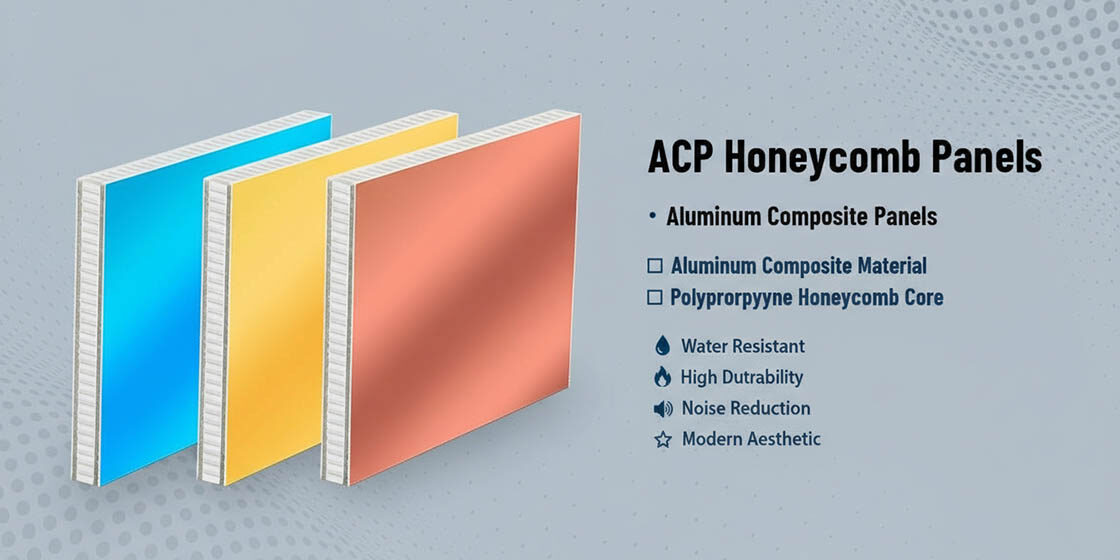
Two quotes lie on the desk. One offers an aluminum plastic panel; the other, an aluminum composite panel. The names differ, the prices differ further, and both suppliers insist their sheet is the real one. Every importer who has bought cladding from two continents has met this table.
Here is the short answer: they are the same product. An aluminum plastic panel is the aluminum composite panel under an older, literal trade name, and neither name tells you anything about quality. RaxPanel laminates the sheet and its honeycomb-core and foam-core variants. Every quote leaves the desk priced by core, skin, coating and standard, because that is where panels actually differ.
Two Names for One Product
Both labels describe one construction: two coil-coated aluminum sheets bonded to a core of polyethylene or a fire-rated mineral blend, the definition used across the industry’s reference literature. International trade calls it an aluminum composite panel, abbreviated ACP, while fabricators often say ACM, aluminum composite material, for the same goods. Under either name, the sheet routes, folds and clads identically, carries the same coatings and passes through the same presses. The confusion costs nothing at the factory and everything at the negotiation table.
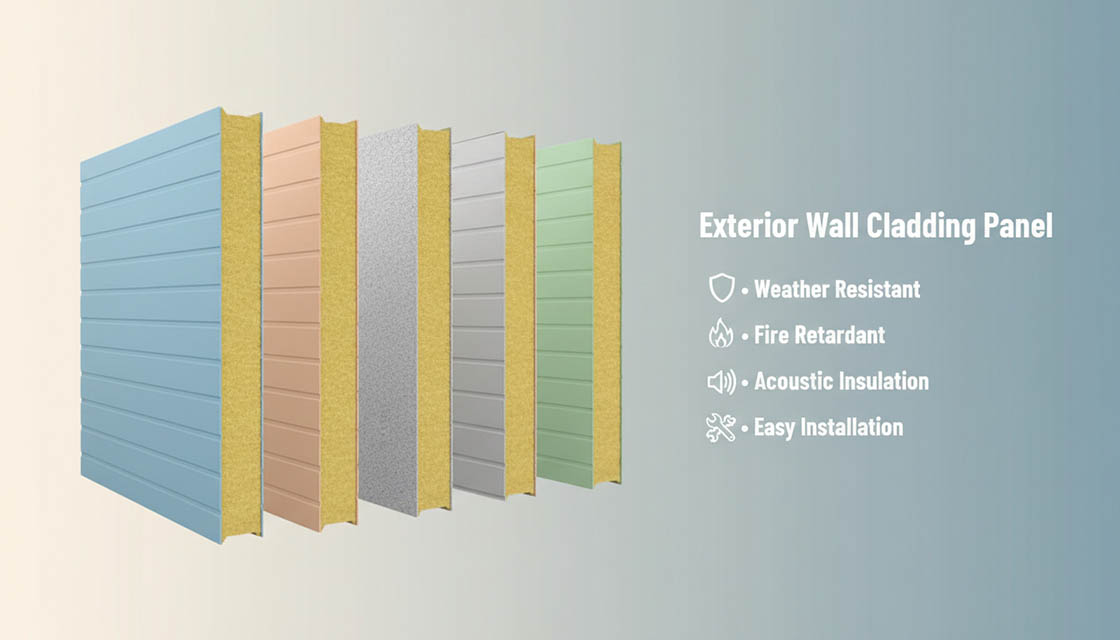
The name map below settles the vocabulary before the money conversation starts.
- ACP – the international name for the product.
- ACM – the same sheet, common phrasing in fabrication shops.
- Aluminum plastic panel – a literal translation still common on Chinese trade listings.
- ACCP – a different product with a corrugated aluminum core, not a budget ACP.
- A2CP – the A2 mineral-core, fire-rated variant of the sheet.
One warning belongs in the map: ACCP is not the cheap cousin of ACP. The corrugated aluminum core changes stiffness and span behavior, so treating the two as interchangeable is a specification error, not a spelling one. Engineers who spec ACCP expect the profile to carry load the way a beam would, and a flat sheet will disappoint them. The ACP versus ACM question has its own deep dive if you need the terminology history.
Where the Plastic Panel Name Came From
“Aluminum plastic panel” is a word-for-word rendering of the Chinese trade name for the sheet, and it stuck to export listings the way shipping marks stick to crates. Buyers in one hemisphere write it and buyers in the other read it, and nobody is wrong. The phrase survived because it describes the sandwich honestly: aluminum plus a plastic core. For a buyer comparing catalogs across markets, the useful move is to translate names into structures and then stop caring about the vocabulary.

The alias becomes a red flag only when it floats alone. A listing that sells an aluminum plastic panel without naming the core, the skin gauge or the coating is hiding the three lines that set the price. Habit uses the old name; concealment relies on it. The test is simple: a supplier who happily fills the five rows gets to keep the old vocabulary, and one who will not has answered your real question.
Why One Name Still Sells Different Panels
The name carries no spec. Under it, five levers move the sheet from kiosk grade to facade grade: the core, the skin gauge, the coating system, the named test standard and the bond line. Change any one and the price moves; change the first and the fire strategy moves with it. Two bidders can honestly ship products of different classes under the same label, which is why the label deserves skepticism from both directions.
The core is the lever with legal weight. Industry guidance caps PE-core cladding near ten metres, admits fire-retardant cores – at most 30% polyethylene – to roughly thirty metres, and reserves A2 mineral cores for taller buildings. Ask for the core by class and by fraction, because both belong on the order. Our flame-retardant panel guide walks the core families in detail.
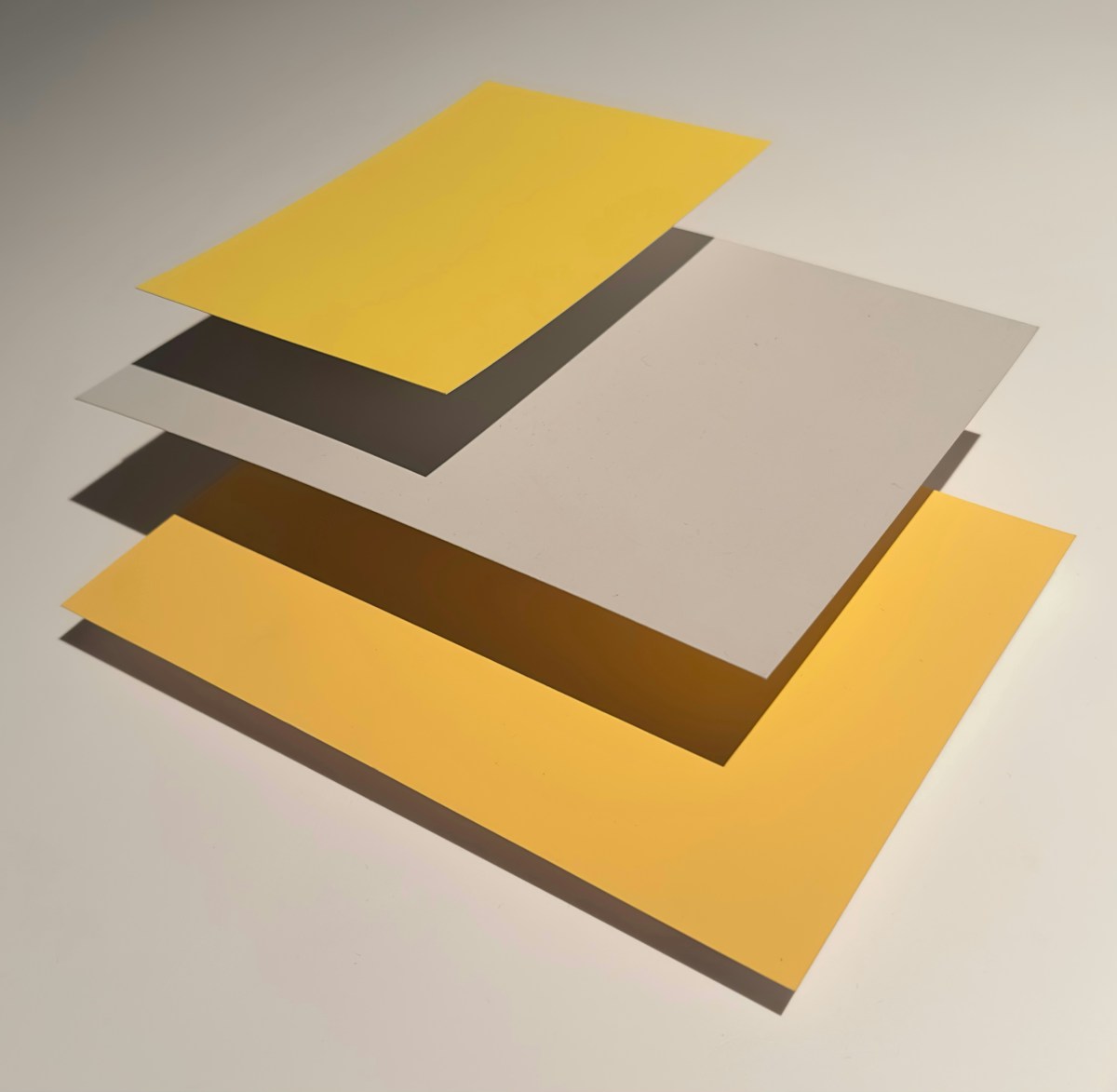
Skin gauge is the lever customers never see. Trade-typical architectural skins run near 0.5 mm, while graphic and signage panels drop toward 0.2 mm, and a micrometer reads the difference in seconds. A quotation that omits skin gauge is quoting the coating, not the panel. This is also the line where imported quotes most often go quiet, because the answer changes the tonnage of the order.
Coating, standard and bond complete the set. Polyester paint serves interiors and short-cycle signs; PVDF serves years of outdoor ultraviolet exposure, which is why permanent facades rarely accept polyester.
A named standard turns a promise into a number. Curtain-wall sheet should reach an average roller peel of at least 180 N.mm/mm under GB/T 17748-2016, with no single value below 150. The bond decides whether the first two survive the decade, and the layer-by-layer structure guide shows where each lever sits. Bond quality is also the least visible lever on a finished panel, which is exactly why it belongs in writing.
Two Quotes Side by Side
Put the levers on a table and the mystery price gap becomes arithmetic. Below, two bidders sell the same nominal sheet, and neither quote is dishonest. Each bidder priced a different product and wrote the same family name on it, which is the entire problem the table exists to solve.
| Spec line | Quote A, low bid | Quote B, engineering line | What it changes | Deal-breaker? |
|---|---|---|---|---|
| Core | PE, unnamed | FR or A2 by height | Fire compliance | Yes above ten metres |
| Skin gauge | Unnamed | 0.5 mm, stated | Stiffness and flatness | Yes for facades |
| Coating | Polyester, unnamed | PVDF, named | Outdoor service life | Outdoors, yes |
| Standard | None cited | GB/T 17748-2016 | Verifiable peel value | Yes for curtain wall |
| Peel records | Promised | Batch numbers | Traceability | Yes on tall jobs |
Quote A is not a scam; it is a signage sheet priced for facade duty. The rows decide which job each sheet can hold, and when a column lands on a deal-breaker, no coating sample rescues it. Note how the conversation changes once the table is on the screen: bidders stop selling names and start filling rows. Use the aluminum composite panel range page to see the levers expressed as orderable formats, then ask every bidder to fill the same five rows.
RaxPanel laminates aluminum composite panels and their honeycomb-core and foam-core variants, and quotes by core, skin, coating and standard rather than by label. Send the application and the storey height, and get a line-item spec within 24 hours, one to one.
Checking Any Quote in Five Points
The checklist below takes one page and five minutes per supplier. Run it before the sample order, not after it, because every point works better as a question than as a post-mortem. The five points follow the five levers in the same order, so nothing hides between them. Copy them into the RFQ and the replies sort themselves.
Name the Core on Paper
Ask which core the price assumes: PE, FR or A2. Get the mineral percentage for FR sheets in writing, because a fire rating without a fraction is marketing. The answer also selects the height band the sheet may serve. A bidder who answers in one sentence is easier to trust than one who answers in a brochure.
Measure the Skin, Not the Label
Coating thickness hides base metal, so a micrometer must subtract paint the way inspectors do. Ask for the base gauge in the quote, then verify it on the sample. A few tenths of a millimetre separate a facade skin from a graphic skin. The stiffness difference shows up on the folding line long before it shows up on the wall.
Name the Coating System in Writing
Polyester and PVDF look identical in a swatch book and age differently outdoors. Ask for the resin type by name and the intended service life. A supplier who cannot name the resin is reselling someone else’s sheet. Chalky color after two summers is the typical autopsy finding when this line was skipped.
Name the Test Standard Behind Values
A peel number without a standard is a mood, not a measurement. Curtain-wall sheet should quote GB/T 17748-2016 values, averaging at least 180 N.mm/mm with no single value under 150. Ask which laboratory ran the test and when.

Demand Peel Records by Batch
Certificates describe the product; batch records describe your order. Ask for peel results tied to the production batch that will ship. A certificate on the wall and a pallet at the port are different claims until the batch number matches. The panel inspection guide lists the field tests that back these records up.
Which Name Belongs in the Spec File
Write ACP or ACM on international specifications, because inspectors, insurers and code officials recognize both. Read past either name when you buy, because the aluminum composite panel label was never the spec. The five rows above are the spec, and they fit in an email. Suppliers who fill them honestly are worth a second order; suppliers who dodge them have told you something more useful than a price.
- Treat “aluminum plastic panel” as a dialect word, not a different product.
- Let the five levers – core, skin, coating, standard, bond – carry the comparison.
- Reject any quote that leaves a lever unnamed.
If two quotes still refuse to resolve, send both to RaxPanel’s engineers. A line-by-line read usually finds the hidden lever in minutes, and sometimes it finds that the two sheets were never candidates for the same job at all. That discovery, made before the deposit, is the cheapest engineering money you will spend on the project.
Frequently Asked Questions About Panel Names
Is an aluminum plastic panel the same as an aluminum composite panel?
Yes. Both describe two coil-coated aluminum sheets bonded to a polyethylene or mineral core; aluminum plastic panel is a literal trade-listing translation that survives in export catalogs.
Why do prices differ under the same product name?
Five spec lines set the price: core type, skin gauge, coating system, named standard and bond quality. A signage-grade sheet and a facade-grade sheet can share one name.
Which version is fire rated?
FR cores, capped at 30% polyethylene, suit heights near thirty metres, and A2 mineral cores go higher. Industry guidance caps PE-core sheet near ten metres.
Is the plastic-panel name a sign of low quality?
No. The name reflects translation habit, not grade. Quality hides in unnamed spec lines, so demand the core, skin, coating and standard in writing.
What should I demand in writing before ordering?
Core type with mineral content, base skin gauge, coating resin, the test standard behind any peel value, and peel records tied to the shipping batch.