
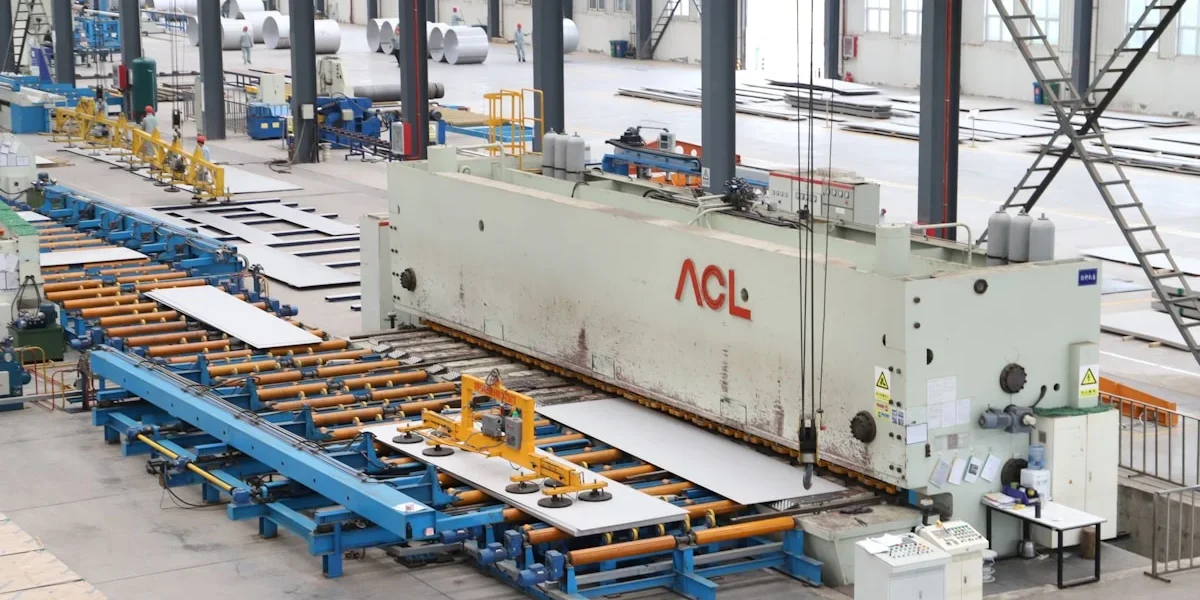
The modern supply chain is standardizing on Aluminum Composite Material because it solves the weight-to-stiffness ratio problem in facade design. At RaxPanel, we watch procurement officers shift specs from solid plate to composites primarily to reduce structural steel loads. An ACM panel essentially fuses two thin aluminum skins to a thermoplastic core, giving you the rigidity of much thicker metal without the massive weight penalty.
Standard ACM panels weigh approximately half as much as traditional aluminum sheet of the same gauge. That weight drop cuts freight costs. It allows for lighter sub-structures, yet the material still holds its form. We view this as the most cost-effective way to achieve a high-end metallic finish without over-engineering the support system.
You must distinguish between the mineral core and PE core options. That choice dictates fire compliance and NFPA 285 approval. This analysis explains how the core composition impacts safety and clarifies the confusing terminology between ACP and ACM. Get this wrong, and you risk failing inspection.
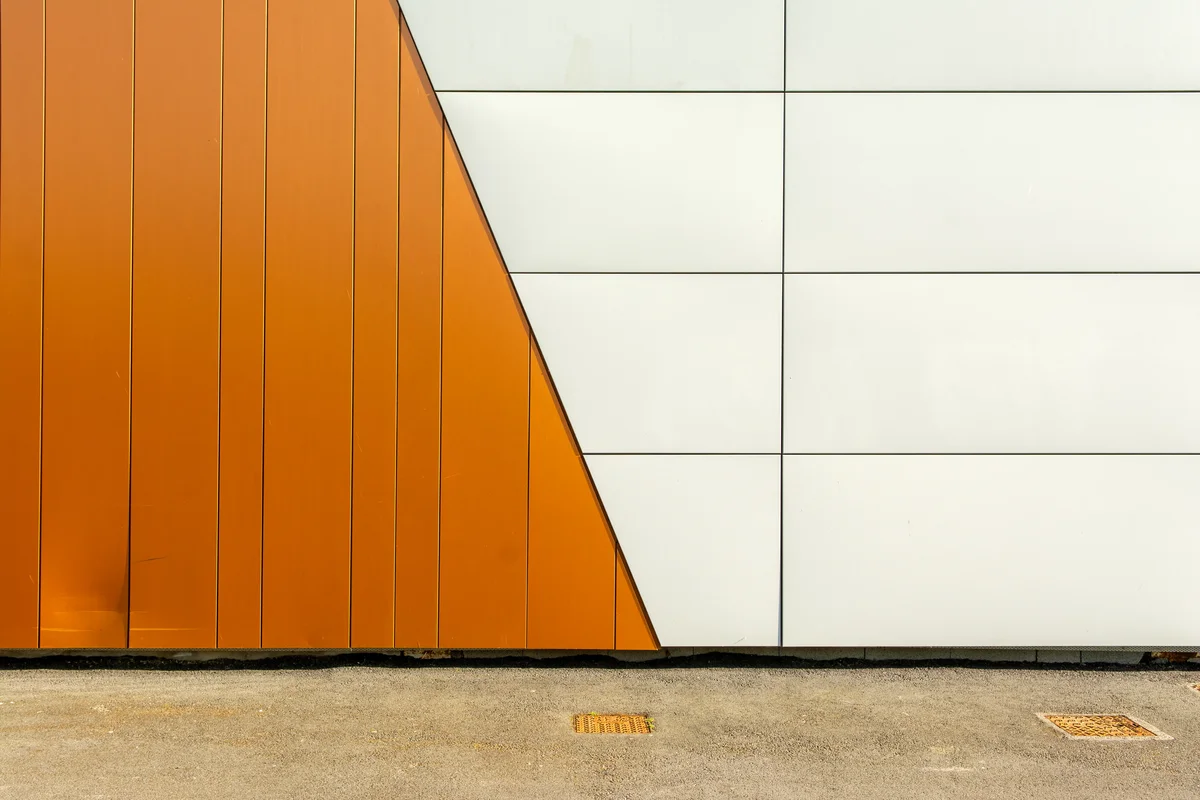
What Are ACM Panels?
ACM panels are rigid composite sheets made of two thin aluminum skins bonded to a core material, combining lightweight properties with exceptional flatness and structural stability for architectural cladding.
Defining the Sandwich Composite Structure
At its most fundamental level, an ACM panel operates on the same engineering principle as an I-beam: the outer layers carry the tension and compression forces, while the inner core maintains separation between those layers to maximize rigidity. This sandwich configuration is what gives ACM panels their remarkable performance-to-weight ratio, allowing architects and contractors to achieve large, flat visual spans without the bulk and cost of solid metal sheets.
Think of it like a sheet of corrugated cardboard. The flat outer faces provide the surface quality and strength, while the fluted core in the middle prevents bending and buckling. In ACM panels, the core serves a similar stabilizing function, but at a much finer scale and with materials engineered for outdoor durability. The result is a panel that resists warping, maintains its shape across temperature fluctuations, and can be formed into 3D geometries without delaminating.
Composition of Aluminum Skins and Core
The aluminum skins on each face of the panel are typically alloy grades chosen for a balance of formability, corrosion resistance, and paint adhesion. These skins are usually between 0.2mm and 0.5mm thick per side, depending on the panel’s intended application and thickness specification. The surface is commonly finished with PVDF (polyvinylidene fluoride) coatings for exterior facades, which provide superior UV resistance and color retention compared to standard polyester finishes.
The core material sits between these skins and is the primary differentiator across product categories. The most common core is a thermoplastic polymer, which offers excellent formability and cost efficiency for standard facade applications. For projects with stricter fire safety requirements, mineral-filled or fire-retardant cores are used, providing enhanced combustion resistance at the trade-off of slightly reduced formability. The bonding process between the skins and core is typically achieved through continuous high-pressure lamination, ensuring a uniform bond across the entire panel surface without voids or weak spots.
Standard Thickness and Dimensional Specs
ACM panels are manufactured in a range of total thicknesses, with 3mm, 4mm, and 6mm being the most widely specified for exterior cladding and signage applications. Thinner variants in the 2mm to 3mm range are typically reserved for interior use, signage faces, and display fixtures where structural load is minimal. Panels up to 10mm are commonly used for larger facade spans requiring additional rigidity, while specialty thicknesses extending beyond 10mm serve niche architectural or industrial applications.
Standard sheet dimensions vary by manufacturer and regional market conventions, but common commercial sizes include 1220mm by 2440mm and 1500mm by 3000mm. The choice of thickness directly influences the panel’s bending radius capability, fastener spacing requirements, and wind load performance, making it one of the first specifications contractors evaluate during the design phase. When selecting thickness, it is important to align the panel gauge with the sub-structure spacing and the specific wind pressure ratings required for the building’s location and height.
| Technical Feature | Material Composition | Key Parameters | Primary Benefits |
|---|---|---|---|
| Composite Structure | Two aluminum sheets bonded to a central core | 3mm – 25mm total thickness range | High rigidity, flatness, and dimensional stability |
| Core Material Variants | Polyethylene (PE), Mineral Wool, or Fire-Retardant cores | Combustible to non-combustible options available | Tailored thermal and fire safety performance |
| Weight-to-Strength Ratio | Low-density core material between thin alloy skins | Up to 70% lighter than solid aluminum | Reduces structural load and simplifies logistics |
| Fire Safety Compliance | Mineral-filled or fire-retardant core materials | EN13501 A2-s1-d0 and ASTM E84 Class A ratings | Meets strict building codes for high-rise projects |
| Fabrication Capabilities | Formable aluminum skins with structural bonding | CNC routable and bendable with tight radii | Allows for complex 3D geometries without delamination |
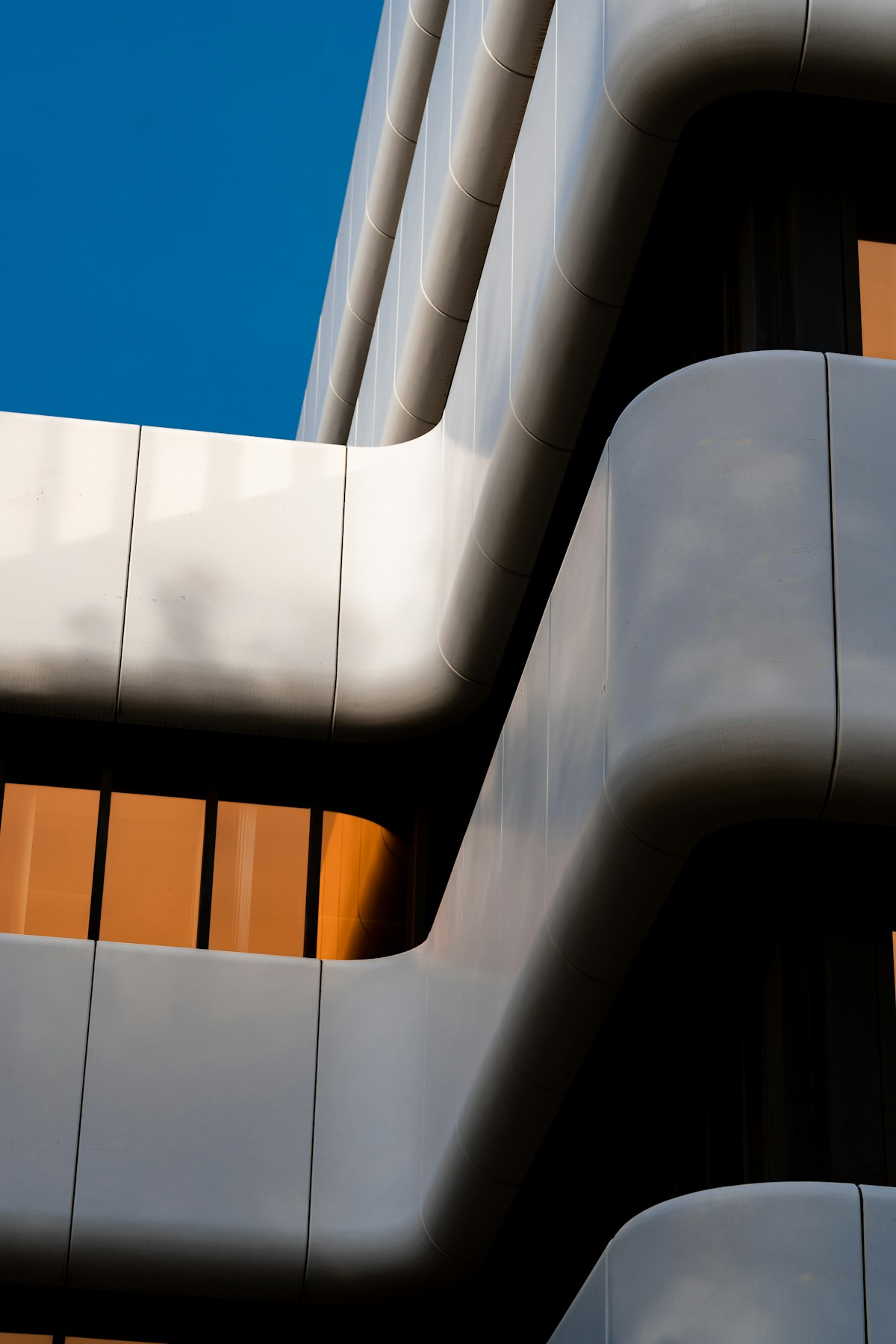
ACP vs. ACM: What’s the Difference?
Understanding the Synonymous Terminology
Let’s cut through the noise: ACP and ACM effectively refer to the same product category. ACP (Aluminum Composite Panel) is the commercial product name describing the finished unit—a flat panel consisting of two aluminum sheets bonded to a core. ACM (Aluminum Composite Material) is the broader technical classification referring to the material itself. In the supply chain, these terms are used interchangeably. There is no chemical or physical difference between a panel labeled “ACP” and one labeled “ACM”; the distinction is purely semantic. One emphasizes the “Panel” format, while the other emphasizes the “Material” composition.
A common misconception in the market is that “ACM” implies a superior fire rating or a specific mineral core, while “ACP” implies a standard Polyethylene (PE) core. This is false. Both terms describe the sandwich structure. The fire performance, durability, and weight are determined by the core composition and the thickness of the aluminum skins, not the acronym used on the purchase order. Whether the spec sheet says ACP or ACM, you must drill down into the technical data sheet to verify the core material.
Interchangeable Use in Design Specifications
In architectural specifications and BIM models, you will frequently see these acronyms swapped without a second thought. For specifiers and architects, the terms are fluid. A design calling for “ACM cladding” is satisfied by “ACP panels” and vice versa. However, relying solely on these acronyms during the bidding process is a significant risk. The label “ACM” does not guarantee compliance with stringent building codes like NFPA 285.
We often review project specifications where the terms are used loosely, leading to potential ambiguity in procurement. To avoid costly mistakes, a specification must define the build-up explicitly—detailing the skin thickness (e.g., 0.5mm), the core type (e.g., Mineral Wool or FR core), and the coating standard (e.g., PVDF). If you accept a bid for “ACM” without verifying the core density and fire rating (such as EN13501 A2-s1-d0 or ASTM E84 Class A), you are leaving the project performance to chance. The name is the container; the technical spec sheet is the content.
Regional Differences in Industry Naming
While the physical product is identical, regional preferences in terminology do exist, largely driven by marketing and regulatory history. In North America, the term ACM dominates architectural discourse. This is partly due to the industry’s shift toward emphasizing the “material” aspect during post-Grenfell fire safety reviews. North American architects and glaziers tend to use “ACM” when discussing high-performance rainscreen systems.
Conversely, in Europe, Asia, and the Middle East, ACP remains the prevailing commercial term. Distributors and fabricators in these regions are more likely to catalog products under “ACP” or “Aluminum Composite Panels.” In our global operations, we have observed that European engineers often default to ACP, while US-based clients specifically request ACM data packets, even though the manufacturing line producing them is the same.
How ACM Panels Are Made
TL;DR: ACM panels are manufactured using a continuous thermo-fusion process that bonds two thin aluminum sheets to a polyethylene core under high tension—without using liquid glues or adhesives.
The manufacturing of Aluminum Composite Material (ACM) is a precision engineering process that relies on physics rather than simple adhesion. To understand why these panels are rigid yet lightweight, you must look at the “sandwich” structure. This design mimics an I-beam: the two aluminum skins act as the flanges, handling tension and compression, while the core acts as the web, resisting shear and keeping the skins separated. This geometry provides exceptional stiffness with minimal weight.
The Three-Layer Composition
Before the lamination process begins, the raw materials are prepared to strict tolerances. The quality of the final panel depends entirely on the purity and preparation of these three distinct layers:
- The Skin (Top and Bottom): Two coils of aluminum alloy, typically 0.15mm to 0.5mm thick, are used. These are often pre-treated and coil-coated with PVDF (Polyvinylidene Fluoride) or PE (Polyester) finishes before the composite process begins to ensure color consistency and weather resistance.
- The Core: The central layer is a thermoplastic core, commonly composed of Polyethylene (PE). This core is low-density, contributing to the panel’s lightweight nature, while providing the necessary bonding surface for the skins.
- The Bonding Film: While not a separate “layer” in the final product, a polymer adhesive film is sometimes introduced to facilitate the bond between the metal and plastic. However, premium manufacturing often uses a direct chemical bond via the core material itself.
The Continuous Lamination Process
Unlike traditional fabrication where parts are cut and glued, ACM panels are born in a continuous production line. This method ensures uniformity and eliminates the weak spots often found in glued assemblies. The process unfolds in several distinct stages:
- Uncoiling and Surface Treatment: Large aluminum coils are unrolled and passed through cleaning stations. Any oils or contaminants are removed to ensure a pristine surface for bonding.
- Stacking Under Tension: The bottom aluminum skin, the core material, and the top aluminum skin are layered together. Crucially, the aluminum skins are maintained under high tension during this phase to prevent waviness and ensure absolute flatness in the final sheet.
- Thermo-Fusion: The stacked materials pass through a series of heated rollers. The heat activates the thermoplastic properties of the core (or the bonding film), causing it to melt slightly and flow into the microscopic pores of the aluminum surface.
- High-Pressure Bonding: Immediately after heating, the materials are subjected to extreme pressure by heavy rollers. This pressure squeezes out any air pockets and forces the molten core material to integrate molecularly with the aluminum.
- Cooling and Cutting: The newly formed solid sheet is cooled to set the bond permanently. Finally, the continuous length of composite panel is cut to standard stock sizes, typically 3mm, 4mm, or 6mm in thickness, depending on the application requirements.
Quality Control and Precision
Because ACM is used for exterior cladding, the manufacturing process must account for thermal expansion. The continuous lamination process aligns the grain of the aluminum and the core so that they expand and contract at similar rates when heated by the sun. If this alignment is off, the panel will warp or delaminate within months. By extruding the material in a continuous line, manufacturers guarantee that the internal stresses are consistent across every square meter of the panel.
How Core Material Affects Fire Safety
Fire safety in Aluminum Composite Material (ACM) is not determined by the aluminum skins, but entirely by the chemical composition of the core material sandwiched between them.
The “Hidden Fuel” in Facade Systems
A common misconception among novice specifiers is that metal cladding is inherently fireproof. While the outer aluminum sheets are non-combustible, the core material acts as the “engine” of fire propagation. Think of an ACM panel like a sandwich: the bread (aluminum) won’t burn, but the filling (the core) determines whether the meal is safe. If the core is made of organic polymers, it essentially serves as a stored fuel source lining the building. In a fire event, this core can ignite, causing flames to spread vertically along the facade at alarming speeds, bypassing windows and floors, and potentially circumventing internal fire suppression systems.
Combustible Polyethylene (PE) Cores
The most economically viable core option is standard Polyethylene (PE), a thermoplastic polymer derived from petroleum. From a physics standpoint, PE cores behave similarly to solid gasoline when exposed to heat. They have a low ignition temperature and will melt rather than retain their shape. This melting behavior creates a critical hazard: as the material liquefies, it can drip flaming droplets to lower floors, igniting secondary fires below the original blaze. Due to these characteristics, PE cores are strictly limited to low-rise structures or signage where fire codes permit combustible materials, and they are generally prohibited in high-rise applications.
The Physics of Mineral (A2) Cores
To mitigate the risks associated with organic cores, the industry utilizes mineral-filled cores classified as non-combustible. Instead of petroleum-based plastics, these cores are composed primarily of inorganic mineral fillers (such as magnesium hydroxide) bound with a minimal percentage of polymer—often less than 10%. When exposed to high heat, these materials do not melt or drip. Instead, they may calcine or crack, but they maintain their physical integrity for a significantly longer duration. This structural stability denies the fire the fuel it needs to climb the building, effectively slowing or stopping vertical flame spread. This makes mineral cores the mandatory standard for hospitals, high-rise residential towers, and public transport infrastructure where evacuation times are longer.
System-Level Performance and NFPA 285
Selecting the right core is only the first step in fire safety. Even non-combustible panels must be installed within a wall assembly that has been rigorously tested. Industry experts rely on the NFPA 285 standard, which is a full-scale fire test for exterior non-load-bearing wall assemblies containing combustible components. This test evaluates how the entire system—panels, insulation, and air gaps—reacts to fire together. A mineral core panel might pass the test on its own, but if installed incorrectly with improper joint seals or combustible insulation, the “chimney effect” can still draw flames up the cavity. Therefore, fire safety is not just a material property; it is a system engineering challenge that requires strict adherence to tested assembly designs.
| Core Material | Composition | Fire Rating | Fire Behavior | Application Scope |
|---|---|---|---|---|
| Polyethylene (PE) | 100% Thermoplastic Polymer | Combustible (Class B3) | Ignites easily at low temperatures; melts and drips, promoting rapid vertical flame spread and releasing toxic smoke. | Low-rise structures, signage, and interior decoration. |
| Fire-Retardant (FR) | Polyethylene with Heavy Mineral Fillers (e.g., Mg/Al Hydroxide) | Limited Combustibility (Class B1) | Self-extinguishing characteristics that significantly slow flame spread and reduce heat release. | Commercial interiors and mid-rise facades (subject to local code compliance). |
| Non-Combustible Mineral (A2) | Inorganic Mineral Wool or High Mineral Content Core | EN13501 A2-s1-d0 / ASTM E84 Class A | Negligible contribution to fire; produces no flaming droplets and maintains structural integrity longer. | High-rise buildings, hospitals, and public transport infrastructure. |
Why Choose ACM Panels?
ACM panels deliver a rare combination of structural rigidity and dramatic weight reduction, enabling faster installation and lower overall project costs compared to solid metal alternatives.
The Weight-to-Strength Advantage
One of the most compelling reasons to specify ACM panels is their extraordinary strength-to-weight ratio. A standard 4mm ACM panel weighs approximately 4.5 to 5 kg per square meter, compared to roughly 10 kg per square meter for solid aluminum sheet of the same thickness. This translates to nearly half the dead load on any building facade or structural framework.
The practical implication is significant: lighter panels mean smaller sub-structures, reduced fastener counts, and lower transportation costs. For a mid-rise commercial project with 2,000 square meters of cladding, switching from solid aluminum to ACM can eliminate over 1,000 kilograms of material weight. This also opens the door to retrofitting older buildings that were never engineered to support heavy facade systems.
Dimensional Stability That Stays Flat
ACM panels are engineered to resist warping, sagging, and thermal buckling far better than monolithic metal sheets. The composite sandwich structure—two thin aluminum facings bonded to a core material—creates a rigid panel that maintains flatness even across large spans. A 6mm ACM panel can span distances that would require much thicker solid aluminum to achieve the same rigidity.
This dimensional stability matters because it directly affects the visual quality of a finished facade. Warped panels create visible rippling and misaligned joints. ACM panels, when properly fabricated and installed, remain planar and consistent across entire building elevations, even in environments with wide temperature fluctuations.
Cost Efficiency Across the Project Lifecycle
The total cost advantage of ACM panels extends well beyond the per-square-meter material price. Because ACM panels are lighter and easier to handle, labor costs during installation drop noticeably. Fewer workers are needed to lift and position large panels, and the attachment systems require less structural support.
When evaluating total installed cost, the math typically favors ACM over solid aluminum for facade applications. The panel material itself costs less, the supporting framework is lighter and cheaper, and the installation speed is faster. For large-scale commercial projects, these savings compound quickly. Industry estimates suggest ACM cladding systems can reduce total facade costs by 20 to 40 percent compared to equivalent solid aluminum solutions, depending on project scale and regional labor rates.
Design Versatility Without Compromise
ACM panels accept a remarkable range of post-fabrication operations—cutting, routing, bending, folding, and drilling—without delamination or structural degradation. This makes them suitable for complex architectural geometries including curved facades, angular reveals, and custom signage integrations. The pre-finished aluminum surface remains intact through these operations, preserving both aesthetics and weather resistance.
The color and finish palette is equally extensive. Powder-coated, fluoropolymer (PVDF), and anodized finishes are available in virtually any RAL or custom color. Matte, metallic, wood-grain, and stone-textured options allow designers to achieve diverse aesthetic effects without changing the underlying panel performance characteristics.
Long-Term Durability and Low Maintenance
ACM panels are built to withstand decades of UV exposure, rain, and temperature cycling without significant degradation. High-quality PVDF-coated ACM panels typically carry warranties of 20 to 30 years against color fade and chalkiness. The aluminum facings provide inherent corrosion resistance, and the sealed core prevents moisture ingress that could compromise the panel structure.
Compared to materials like steel or untreated aluminum, ACM panels require minimal maintenance. Occasional washing with mild detergent is usually sufficient to maintain appearance. There is no painting, no rust treatment, and no periodic sealing required—factors that reduce long-term ownership costs substantially.
When ACM Panels Make the Most Sense
ACM panels are the clear choice for projects prioritizing lightweight cladding, design flexibility, and cost efficiency. They are particularly well-suited for commercial facades, retail storefronts, renovation overlays, and interior feature walls where appearance and installation speed matter.
- Large commercial facades: The weight savings and flatness performance make ACM ideal for multi-story building envelopes where structural load is a primary concern.
- Renovation and retrofit projects: Existing buildings with limited load capacity benefit from ACM’s lightweight nature, avoiding costly structural reinforcement.
- Complex geometries: Curved walls, custom signage, and sculptural facades are straightforward to fabricate from ACM due to its formability.
- Fast-track construction: The ease of cutting, routing, and installing ACM panels accelerates project timelines compared to heavier solid metal alternatives.
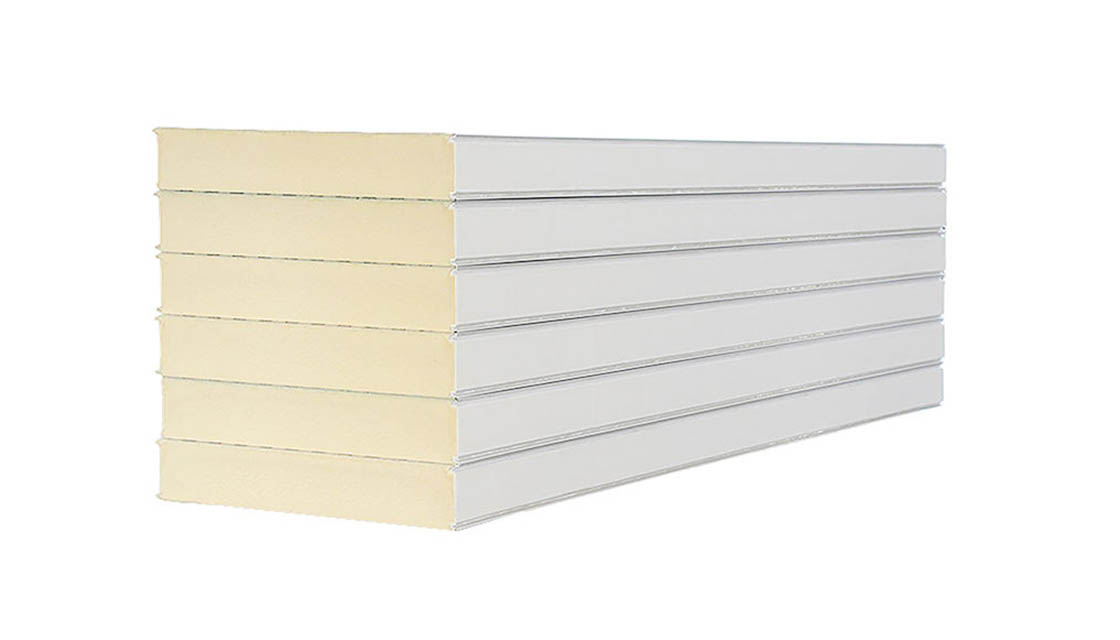
Common Uses for ACM Panels
ACM panels are used across building facades, signage, interiors, vehicles, and marine structures — chosen for their flatness, light weight, and design flexibility.
Aluminum composite material (ACM) panels appear on modern buildings, commercial signage, and transport vehicles worldwide. The reason is practical: a 3 mm or 4 mm panel delivers a flat, clean surface at a fraction of the weight of solid aluminum sheet. That weight advantage alone changes how projects are engineered and installed.
Building Facades and Curtain Walls
The largest application for ACM panels is exterior cladding. A typical architectural ACM panel uses 3 mm or 4 mm total thickness with aluminum skins bonded to a core material. The panel is rigid yet light — roughly one-third the weight of solid aluminum at the same thickness — which reduces the load on the building structure and simplifies the sub-frame design.
- Standard thickness for facades: 3 mm and 4 mm are the most common. 4 mm panels are preferred for taller buildings or areas with higher wind loads because the extra core depth increases panel stiffness.
- Structural applications: 6 mm ACM panels are available when additional rigidity is required, such as large-format cladding spans or high-wind zones.
- Core selection matters: For fire-rated facade systems, mineral-core ACM panels (often designated A2 or B1 fire class depending on the standard) are specified. Polyethylene (PE) core panels are lighter and more affordable but carry a higher fire risk, limiting their use in many jurisdictions for mid- to high-rise buildings.
When evaluating facade ACM panels, the cost per square meter is a key decision factor. Entry-level PE-core panels typically range from $15 to $30 per square meter for standard colors and finishes, while mineral-core fire-rated panels and premium PVDF-coated finishes can run from $35 to $65+ per square meter depending on specification, coating system, and order volume. These figures are material-only costs and do not include sub-structure, labor, or installation hardware.
Signage and Branding
ACM panels are a standard material for both interior and exterior signage. The smooth, flat aluminum surface accepts printing, routing, and finishing cleanly. A 3 mm ACM panel is stiff enough to stand up on its own for channel letters and flat signs, while 4 mm panels handle larger format signs without sagging.
- Outdoor signs: PVDF-coated ACM panels resist UV fading and corrosion, maintaining color consistency for 10 to 20 years depending on the coating quality and exposure conditions.
- Indoor signage: PE-core panels are commonly used for indoor displays and point-of-sale graphics where fire rating is less restrictive and cost efficiency is prioritized.
- Fabrication flexibility: ACM panels can be routed, bent, folded, and drilled using standard aluminum-working tools. This makes them suitable for 3D lettering, formed edges, and custom shapes that solid metal sheets cannot achieve as easily.
Interior Partitions and Decorative Walls
Inside commercial and residential buildings, ACM panels serve as wall cladding, partition panels, and ceiling surfaces. The panels are lightweight, which makes them easy to handle and install on metal or wood stud frameworks. They are also non-combustible when mineral-core variants are selected, adding a safety layer to interior spaces.
- Wall cladding: 3 mm panels are standard for interior wall finishes in offices, retail spaces, and hotels. The panels are available in a wide range of colors, metallic finishes, and wood-grain prints.
- Partition walls: 4 mm ACM panels provide sufficient rigidity for freestanding interior partitions while keeping the overall wall weight low.
- Ceiling applications: Thin ACM panels (2 mm to 3 mm) are used for suspended ceiling systems where a smooth, reflective surface is desired.
Transportation: RVs, Trucks, and Mobile Homes
The transportation sector is one of the fastest-growing application areas for composite panels, and ACM panels play a role alongside other sandwich panel types. In RVs, trucks, and mobile homes, every kilogram saved translates directly into fuel efficiency, payload capacity, and regulatory compliance.
- RV walls, roofing, and flooring: Lightweight sandwich panels with foam or honeycomb cores are used for RV construction. ACM panels are used for interior and exterior trim, cabinet faces, and decorative panels where a clean, paintable surface is needed.
- Refrigerated and dry freight truck bodies: Sandwich panels with XPS, PU, or PET foam cores provide the thermal insulation and structural rigidity required for refrigerated truck bodies. ACM panels are used as the outer skin in some truck body applications, particularly where a smooth, weather-resistant exterior finish is required.
- Mobile home construction: ACM and related composite panels are used for wall and roof panels in modular and mobile home construction. The low weight reduces foundation requirements, and the panels provide good thermal and acoustic insulation.
In transportation applications, the trade-off between weight, strength, and cost is more acute than in building construction. A panel that is 1 kg lighter per square meter can save hundreds of kilograms on a full vehicle build. This is why composite sandwich panels — including ACM and fiberglass-reinforced variants — are preferred over solid metal sheets in modern vehicle manufacturing.
Marine and Specialty Applications
Marine environments demand materials that resist corrosion, moisture, and salt exposure. ACM panels with aluminum skins and appropriate core materials are used in marine applications such as boat interiors, cabin partitions, and deck surfacing. The aluminum skins provide natural corrosion resistance, and the core materials — particularly closed-cell foams like XPS and PVC — prevent water absorption.
- Boat interiors: ACM and GRP (fiberglass-reinforced plastic) sandwich panels are used for bulkheads, cabin walls, and overhead liners in recreational and commercial vessels.
- Deck and floor panels: Honeycomb-core sandwich panels, including fiberglass and PP honeycomb variants, are used for marine deck and floor applications where high strength-to-weight ratio is critical.
- Specialty equipment: ACM panels are used in industrial equipment enclosures, agricultural machinery, and sports equipment where a lightweight, durable, and aesthetically clean surface is required.
Fabrication Limitations and Design Considerations
While ACM panels are versatile, they have physical and mechanical limitations that designers and fabricators must account for. Understanding these constraints prevents field failures and costly rework.
- Bending radius: ACM panels can be bent, but the minimum bend radius depends on panel thickness and core material. A 3 mm PE-core panel can typically be bent to a minimum radius of about 20 times the panel thickness (approximately 60 mm). Bending beyond these limits can cause core compression, skin wrinkling, or delamination.
- Span and deflection: Thinner panels (3 mm) require closer sub-frame support spacing than thicker panels (4 mm or 6 mm). Using 3 mm panels on wide-span frames can result in visible oil-canning — a wavy surface appearance caused by panel deflection under wind load.
- Thermal expansion: Aluminum skins expand and contract with temperature changes. Installation systems must accommodate this movement through slotted fastener holes or expansion joints. Failure to do so can cause panel buckling or fastener pull-out over time.
- Cutting and edge exposure: When ACM panels are cut, the exposed core material (especially PE core) is vulnerable to moisture ingress at the cut edge. Edge sealing with appropriate sealants is recommended, particularly in exterior or high-humidity applications.
Lifespan and Warranty Expectations
The service life of ACM panels depends on the coating system, core material, and environmental exposure. A clear understanding of these factors helps buyers set realistic expectations and compare warranty terms across suppliers.
- PVDF-coated panels: High-quality PVDF (polyvinylidene fluoride) coatings typically carry warranties of 20 to 30 years against color fading and chalking. These panels maintain their appearance and protective properties in most exterior environments.
- Polyester-coated panels: Standard polyester coatings are more affordable but have a shorter lifespan, typically 10 to 15 years in exterior applications. They are suitable for low-rise buildings, interior use, and signage where long-term color retention is less critical.
- Mineral-core vs. PE-core longevity: Mineral-core panels generally offer longer service life in fire-exposed environments because the core does not burn or degrade under high heat. PE-core panels can deteriorate faster if exposed to fire or extreme temperatures.
When comparing ACM panels across suppliers, the warranty terms — particularly coating warranty and core warranty — are a reliable indicator of product quality. Reputable manufacturers stand behind their products with written warranties that specify the conditions and exclusions. Always read the warranty documentation carefully before making a purchase decision.
Why ACM Panels Are Gaining Popularity
ACM panels are dominating the modern construction market because they solve the industry’s “trilemma”: offering high-end aesthetics at a lower total installed cost while meeting strict environmental and safety codes.
The Cost-Performance Advantage
The primary driver for ACM adoption is the superior strength-to-weight ratio compared to traditional cladding materials like solid aluminum plate or stone. For project managers and developers, this translates directly into material and labor savings. Because ACM panels are lightweight—typically available in standard thicknesses of 3mm, 4mm, and 6mm—they place significantly less load on a building’s structural sub-frame. This allows engineers to design lighter, less expensive support structures, reducing the overall steel and concrete tonnage required for the project.
Furthermore, the fabrication process is highly efficient. The composite structure allows the panels to be cut, routed, and perforated with standard woodworking tools, unlike heavier gauge metals which require specialized machining. This reduces fabrication time on-site and minimizes waste, keeping projects on schedule and under budget.
Architectural Versatility and Design Freedom
Architects are driving the demand for ACM because it removes the limitations imposed by heavier materials. The flexibility of the core material allows for deep routing and folding, enabling the creation of complex shapes, crisp edges, and seamless curves that would be cost-prohibitive with solid metal. This design flexibility opens up possibilities for distinctive facades, corporate branding features, and unique interior elements.
In addition to shape, the surface finish options are extensive. Beyond standard color coatings, manufacturers can simulate textures like wood, stone, and brushed titanium. This capability allows a building to achieve the high-end look of natural materials without the associated maintenance issues or weight penalties. The rise of the ventilated rainscreen facade system—a design where panels are mounted with a gap behind them to promote airflow—has further accelerated ACM usage, as these panels are perfectly suited for such high-performance building envelopes.
Meeting Sustainability and Fire Safety Standards
As building codes become increasingly stringent regarding energy efficiency and fire safety, ACM technology has evolved to meet these demands. Modern ACM panels contribute to green building initiatives (such as LEED) due to the recyclability of aluminum and the thermal efficiency of the composite core. By integrating insulated cores, these panels can improve a building’s thermal performance, reducing the energy load for heating and cooling systems.
Crucially, the industry has addressed fire safety concerns through the development of advanced core materials. While standard Polyethylene (PE) cores offer excellent economy, the market is shifting towards Fire-Retardant (FR) and Mineral cores. These specialized cores are formulated to resist ignition and prevent flame spread, allowing ACM panels to comply with rigorous architectural fire codes in high-rise and densely populated structures. This evolution from a purely aesthetic material to a code-compliant, safety-rated solution has been a major factor in its sustained global popularity.
What Building Codes Say About ACM
Buying a “Fire Rated” panel does not guarantee a code-compliant building. The strictest building codes evaluate the entire wall assembly, not just the individual material.
The Critical Distinction: Component vs. Assembly
The single greatest source of confusion in the industry—and the biggest risk for architects—is the misunderstanding between “component” testing and “assembly” testing. Many specifiers mistakenly believe that if they purchase a panel labeled as “Class A” or “Fire Retardant,” their project is automatically compliant. This is a dangerous assumption. Building codes, such as the International Building Code (IBC), generally do not regulate individual panels in isolation; they regulate the total wall system.
The gold standard for this evaluation is the NFPA 285 test. This is a full-scale, intermediate-scale, multi-story fire test that measures the flammability characteristics of exterior, non-load-bearing wall assemblies. It is not a pass/fail test for a piece of aluminum; it is a stress test for how the panel interacts with the insulation, the air gap, and the substrate.
Think of it like an engine vs. a car. You might have a high-performance engine (the ACM panel), but if you put it in a chassis with poor ventilation and cheap fuel lines (the rest of the wall assembly), the car will still fail. Never specify an ACM panel without verifying that a specific NFPA 285 test report exists for the exact wall configuration you intend to build.
Building codes have become significantly more stringent following high-profile fire incidents globally. The core material of the ACM panel is now heavily regulated based on the building’s height and use. Specifiers must clearly distinguish between Polyethylene (PE) cores and Mineral-Filled/Non-Combustible cores.
- Low-Rise and Limited Height Applications: For buildings typically under 40 feet (depending on local jurisdictions), codes may permit standard PE cores. However, these materials are combustible and act as a fuel source in a fire.
- High-Rise and Occupancy Critical Structures: For skyscrapers, hospitals, schools, and multi-family residential towers exceeding certain height thresholds, codes strictly mandate non-combustible materials. These panels use cores composed of fire-resistant mineral materials, often exceeding 70% to 90% mineral content, to prevent the panel from contributing to the spread of flames.
Do not rely on generic marketing terms like “Fire Retardant.” To ensure compliance and avoid costly retrofits, demand third-party documentation that specifies the Fire Resistance Rating and confirms that the specific panel model has passed the NFPA 285 assembly test in a configuration identical to your project specifications.
The Liability of Specification
The ultimate responsibility for code compliance falls on the architect, engineer, and building owner, not the distributor. If a non-compliant core is used on a high-rise project, the legal liability extends far beyond the cost of materials. It involves potential fines, demolition of non-compliant cladding, and severe safety hazards. Consequently, the industry has seen a massive shift toward specifying only certified non-combustible cores for any project where the code is ambiguous, purely to mitigate risk.
Conclusion
ACM panels are a smart cladding choice when you understand what’s inside the sandwich. The mineral core version gives you a real fire-rating advantage over PE-core panels, and that distinction matters when you’re specifying for multi-story or code-sensitive projects. Standard thicknesses like 3mm, 4mm, and 6mm each serve different applications — thinner panels work for flat walls, while thicker gauges handle more demanding facades. Our engineering team has spent years helping specifiers navigate these choices without guessing.
- Request fire-rating documentation from your supplier before committing to a core material
- Confirm bending radii and fabrication limits with your fabricator early in the design phase
- Verify warranty terms match your project’s expected lifespan — ACM panels typically last 20 to 30 years when properly specified
- Ask our engineering team any technical questions about core performance or code compliance; we’re happy to help you get the specs right the first time
Frequently Asked Questions
Why are ACM panels so lightweight?
The lightweight nature of ACM panels stems from their composite structure, which pairs thin aluminum skins with a low-density core. This design reduces overall weight by up to 70% compared to solid aluminum while maintaining high rigidity. Rax Panel utilizes this efficient composition to ensure materials are easy to transport and install without sacrificing strength.
Can graphics be printed on ACM?
Yes, ACM provides an excellent flat surface for high-quality digital printing, making it popular for signage and architectural branding. The panels accept UV and screen printing inks effectively, allowing for vibrant, long-lasting images. Rax Panel offers smooth finishes specifically optimized for crisp print reproduction and ink adhesion.
What surface finishes are available?
ACM panels come in a wide variety of finishes, including solid colors, metallics, stone patterns, and wood grains. High-performance coatings like PVDF are standard for exterior applications to ensure superior weather resistance and color retention. These finishes are applied during lamination to provide long-term aesthetics and protection against UV exposure.
How are ACM panels fabricated on-site?
ACM panels are highly workable and can be cut, routed, and drilled using standard woodworking or aluminum fabrication tools. They are easily bent into curves without cracking, allowing for creative architectural designs. Rax Panel ensures consistent flatness and bonding quality so these fabrication processes yield clean edges and structural integrity.
Do ACM panels withstand harsh weather?
Yes, ACM panels are engineered for exceptional durability and weather resistance in diverse climates. The aluminum skins act as a robust moisture barrier, while protective coatings resist fading, chalking, and corrosion from acid rain or salt spray. This makes them an ideal choice for exterior facades that must maintain appearance for decades.
What maintenance do ACM panels require?
ACM panels are virtually maintenance-free due to their non-porous surface that resists dirt and pollutant accumulation. Cleaning typically involves only washing with water and mild detergent to remove grime and restore luster. This low-maintenance requirement significantly reduces the lifecycle cost of building exteriors compared to materials that need regular painting.