
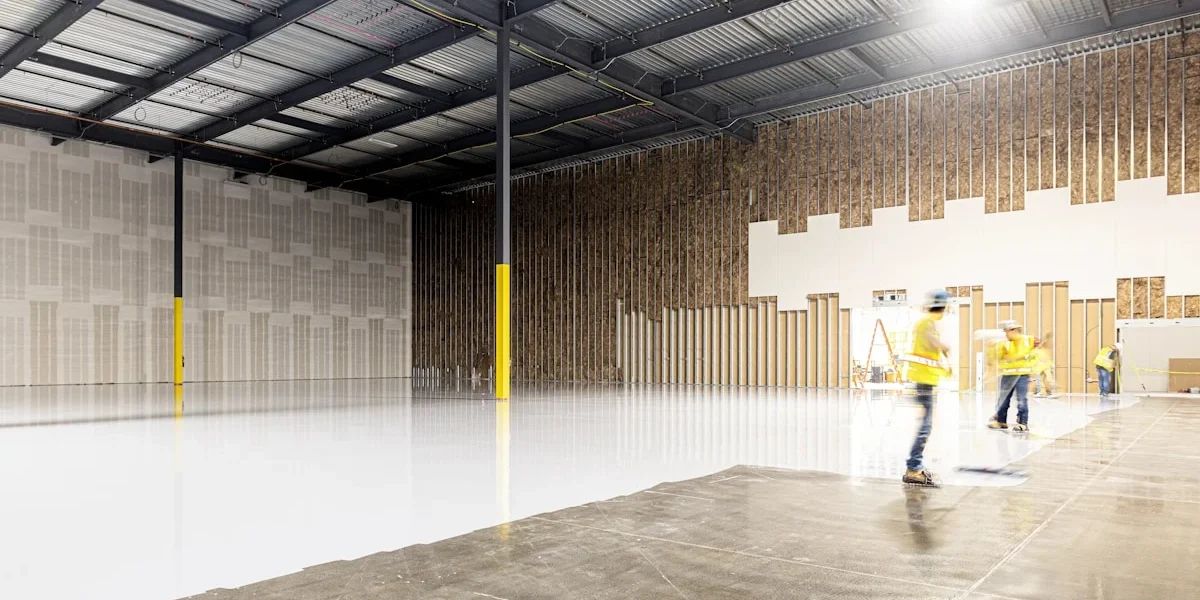
Selecting the wrong insulated metal panel manufacturer creates risks that no procurement officer can afford. Code failures and freight damage sink project margins before installation even begins. At RaxPanel, we have spent fifteen years refining how these panels are engineered because the market is flooded with inconsistent stock that fails to hold R-values under thermal load. The technical standard for high-performance applications relies on a PIR insulation foam core sandwiched between two durable steel sheets. This article demonstrates how sourcing directly from the facility eliminates middleman markups and details the certification standards required to pass customs without hold-ups. You will gain a clear method for calculating total landed cost while ensuring your supply chain meets fire safety compliance.
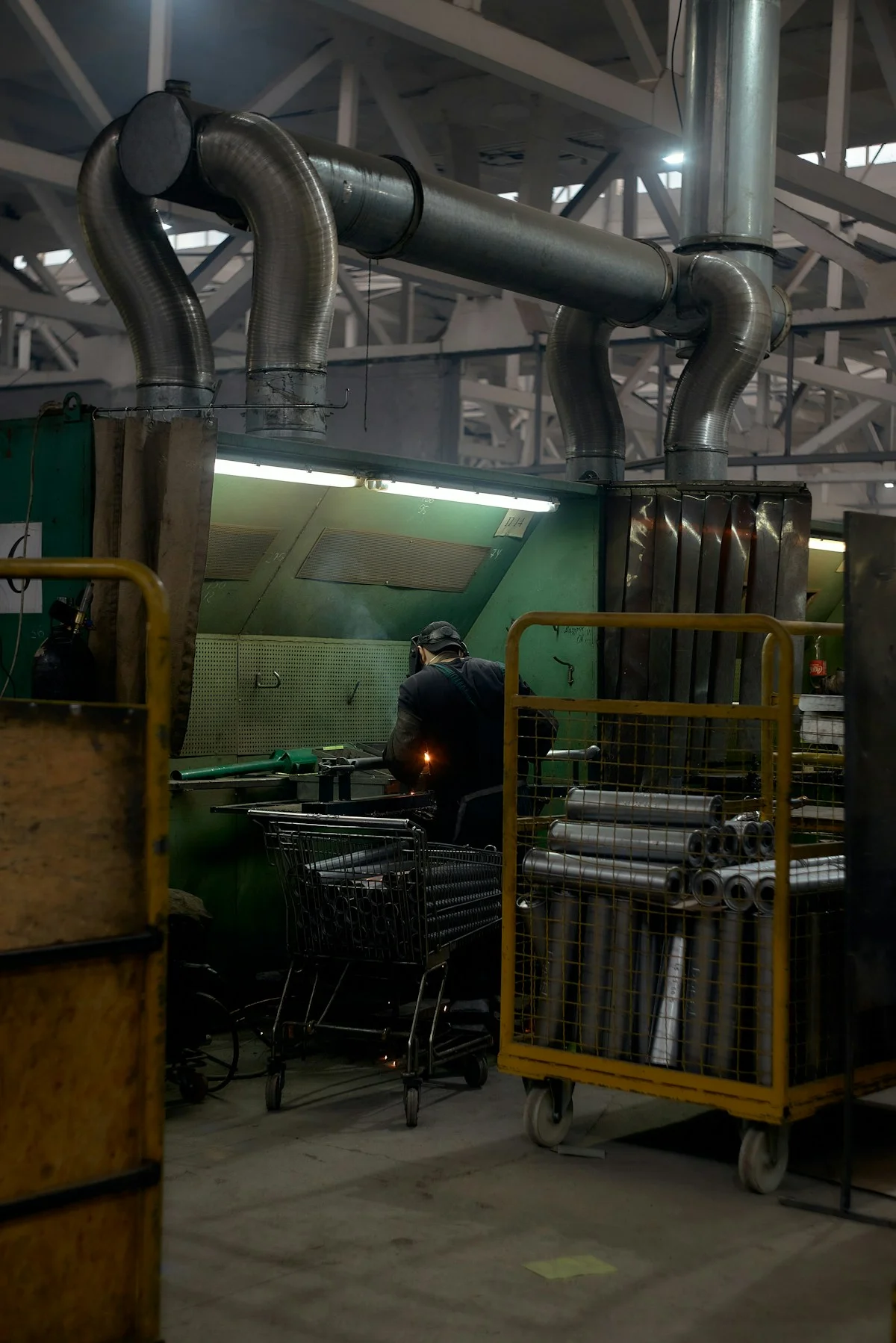
Buy Direct from Factories, Skip Trader Markups
Sourcing insulated metal panels directly from the manufacturing floor eliminates 2 to 4 layers of distributor margins, delivering immediate cost relief on every square meter ordered. For B2B buyers managing large-scale projects, this single procurement shift often funds the upgrade to higher-performance core materials at no extra net cost.
The traditional procurement path for IMPs runs through a chain of intermediaries—agents, trading companies, regional distributors, and sometimes sub-dealers—each layer appending its own margin to the base factory price. A panel that leaves the production line at a certain unit cost can arrive at the job site with a 40 to 60 percent markup woven into the final invoice, not counting handling fees, warehousing surcharges, or currency conversion layers that regional traders routinely insert.
The Structural Cost Multiplier in Distributor Models
When you source through a trading company, you are rarely negotiating against a single profit target. You are absorbing the margin stack of every entity that touches the order before it ships. First, the exporter adds a markup for sourcing and documentation services. Next, the freight forwarder or consolidator layers in their spread. The destination-country distributor adds their margin for local inventory holding and sales overhead. By the time the quotation reaches your procurement desk, the original factory price has been compounded through each tier.
This compounding effect is especially destructive on custom-specified orders. When a buyer requests a non-standard core thickness, a specific facing material, or a unique panel dimension, the factory adjusts its production schedule and material mix. A direct manufacturer can pass those engineering changes through to pricing in near real time. A distributor, however, must first absorb the change internally, add their margin on top of a revised cost, and then forward the updated quote—often with a delay that forces project timelines to adjust around the pricing lag.
Eliminating Middleman Margins on IMP Orders
Factory-direct procurement removes the entire intermediary stack. The quotation you receive reflects the actual cost of raw materials, core composition, facing selection, and production labor—plus the manufacturer’s own operating margin, which is typically structured to be competitive precisely because they do not carry the overhead of a multi-tier distribution network.
In practice, this means the price difference between a domestic-sourced IMP and a direct-imported one from China often narrows dramatically once logistics and duties are factored in. A well-established manufacturer with a production line running above 1,700 square meters daily operates at a scale that trading companies simply cannot match. That scale translates into lower per-unit costs for raw material purchasing, more efficient energy consumption per panel, and tighter waste control on the line—all savings that remain internal rather than being distributed across multiple company balance sheets.
Always request a line-item cost breakdown from the manufacturer. A transparent factory will separate material costs, core composition, facing materials, and processing fees. If a supplier refuses to provide this breakdown, it is usually a sign that margins are being hidden in bundled pricing rather than being earned through visible value.
Volume-Based Pricing from Production Lines
Direct factory relationships grant volume-tier pricing that trading channels cannot replicate. When you order through a distributor, your volume is aggregated with dozens of other buyers, and the manufacturer only sees your share as part of a pooled order. The distributor then sets the price based on what they believe the market will bear, not on the actual cost structure of your specific order.
When you negotiate directly with the production facility, your order volume maps directly onto their scheduling and material procurement. A project requiring 5,000 square meters of CFRT sandwich panels with a specific XPS core allows the factory to lock in bulk raw material purchases, schedule a dedicated production run, and optimize cutting patterns to minimize waste. The savings from those operational efficiencies are then reflected in your unit price—often at a tier that drops significantly at each volume threshold.
This volume advantage compounds when you order across multiple product types from the same facility. A single factory that produces both foam-core panels and honeycomb structures can share raw material procurement, quality control infrastructure, and logistics planning across your combined order. A distributor sourcing from multiple factories cannot offer this kind of integrated pricing efficiency.
Cost Savings from Direct Factory Negotiations
Direct negotiation with a manufacturer changes the entire dynamics of a procurement conversation. With a trader, the negotiation surface is limited to the final price they are willing to come down from—a number that already includes their margin buffer and risk premium. With a factory, you are negotiating against actual cost components, which means you have more variables to adjust and more resources to deploy.
For example, if a project budget is constrained, a direct manufacturer can often re-engineer the panel specification to hit a target price without sacrificing performance. This might mean selecting a different core density that still meets the required R-value, adjusting the facing gauge within acceptable structural limits, or optimizing the panel width to reduce cutting waste on-site. A trading company, operating at arm’s length from the production floor, rarely has the technical authority or the incentive to make these kinds of engineering trade-offs on the buyer’s behalf.
Our engineering team routinely runs cost-performance simulations during the quotation phase. When a buyer presents a target price, we reverse-engineer the specification to identify where savings can be captured without compromising the panel’s certified performance envelope. This kind of collaborative optimization is only possible when the buyer and the manufacturer are communicating directly, without a middleman filtering the technical discussion through commercial language.
A low quote from an unknown factory does not automatically mean a better deal. Verify that the quoted price includes all certifications, testing documentation, and compliance materials required for your target market. A price that appears 20 percent lower may exclude NFPA 285 test reports, FM Global documentation, or ASHRAE 90.1 compliance records—costs that will surface later as rework, re-testing, or customs delays.
The Total Procurement Cost Equation
The real financial advantage of direct factory sourcing extends beyond the unit price on the invoice. When you eliminate the middleman, you also eliminate the hidden costs that traders routinely pass through: double handling fees, multiple documentation charges, currency conversion spreads, and the risk premium that each intermediary layers onto the base price to protect their own margin against supply chain volatility.
Consider a typical IMP order for a cold storage facility. The project requires 12,000 square meters of PP honeycomb sandwich panels with specific fire ratings and thermal performance targets. Sourced through a domestic distributor, the buyer pays the factory price plus the distributor’s margin, plus the distributor’s logistics handling fee, plus any local warehousing charges if the distributor holds inventory. Sourced directly from the manufacturer, the same order carries only the factory price, the agreed freight terms, and the manufacturer’s direct export documentation—no intermediate margins, no handling markups, no warehousing fees stacked on top.
- Reduced documentation costs: Direct factories issue all export documentation—including certificates of origin, test reports, and compliance declarations—without charging separate fees for each document type.
- Eliminated double-handling charges: Panels ship once from the production line to the port, not through a distributor’s warehouse and then again to the buyer.
- Transparent pricing structure: Every cost component is visible and negotiable, from raw material selection to final packaging, rather than buried in a single bundled quote.
- Direct accountability: When a quality issue arises, there is no intermediary to blame or delay communication. The manufacturer owns the specification, the production, and the resolution.
For B2B buyers managing multiple projects across different regions, the cumulative savings from direct factory sourcing can be substantial. A 25 to 30 percent cost advantage over domestic sourcing—achieved not through aggressive discounting but through the elimination of structural margin layers—reinvests directly into project margins, allows specification upgrades within the same budget, or reduces the total capital required to complete a build. That is the financial reality of cutting out the middleman in IMP procurement.
| Procurement_Factor | Traditional_Trader_Risk | Rax_Direct_Solution | Technical_Specifications | Business_Value |
|---|---|---|---|---|
| Cost Efficiency | Multiple markups and hidden handling fees significantly inflate Total Cost of Ownership (TCO). | Manufacturer-direct pricing providing a distinct 25-30% cost advantage over domestic sourcing. | Custom core configurations including XPS, PU, PIR, and Mineral Wool. | Maximized budget efficiency and transparent material bidding. |
| Quality Assurance | Inconsistent panel thickness and bonding leading to rework and compliance failures. | In-house production with 15+ years of manufacturing expertise. | Double tongue-and-groove joint systems for maximum airtightness. | Guaranteed performance standards and elimination of field installation errors. |
| Compliance & Safety | High anxiety regarding invalid certifications causing project delays and legal exposure. | Verified adherence to international fire safety and energy codes. | NFPA 285 compliance, FM Global approvals, and ASHRAE 90.1 adherence. | Zero legal liability and streamlined permitting processes. |
| Lead Time & MOQ | Unpredictable delivery schedules and rigid Minimum Order Quantities (MOQ) stalling progress. | Flexible production scheduling and volume tiers to match project scope. | Advanced manufacturing facility with daily output exceeding 1,700 square meters. | Accelerated construction timelines and optimized inventory management. |
| Global Logistics & Support | Limited accountability for shipping damage and language barriers hindering resolution. | End-to-end supply chain control with 24/7 multilingual technical support. | Support team fluent in English, French, Russian, Japanese, and Korean. | Eliminated transportation risks and seamless project communication. |

What Sets Top IMP Manufacturers Apart
Top insulated metal panel manufacturers separate themselves through measurable production capacity, sub-1% defect rates, batch-to-batch consistency, and deep material science expertise—not just competitive pricing.
Production Capacity and Facility Scale
The most reliable IMP suppliers operate production lines capable of exceeding 1,700 square meters of daily output. This scale is not merely a marketing number—it directly translates to project timeline reliability, the ability to handle large-volume orders without sacrificing lead times, and the capacity to absorb unexpected demand spikes without falling behind.
Premium manufacturers maintain advanced composite panel production lines with integrated quality monitoring at every stage. Facilities that invest in automated production equipment alongside manual inspection checkpoints consistently achieve tighter tolerances and fewer field installation issues. The difference between a commodity producer and a top-tier manufacturer often comes down to whether they can deliver 50,000 square meters on schedule or whether they lose bids after 15,000 square meters due to capacity constraints.
Defect Rates and Quality Control Rigor
Industry-leading IMP manufacturers maintain defect rates below 1% across all product lines. Achieving this requires more than end-of-line inspection—it demands statistical process control, real-time monitoring of core-material density and facer adhesion, and rejection protocols that prevent marginal panels from entering the supply chain.
- Core Density Consistency: Premium manufacturers verify foam and honeycomb core density within ±3% of target specifications across every batch, preventing thermal bridge formation and structural weak points.
- Facer Adhesion Testing: Top-tier producers conduct peel-adhesion tests on every production run, ensuring the bond between facings and core meets or exceeds ASTM C297 standards for sandwich panel construction.
- Dimensional Tolerance: Leading manufacturers hold panel thickness tolerance within ±1.5mm and surface flatness within 3mm over a 2-meter span, critical for seamless field installation and weather-tight performance.
Batch-to-Batch Consistency
One of the most overlooked differentiators in the IMP market is batch consistency—the ability to produce panels in January that perform identically to panels produced in July. Commodity manufacturers often cut costs by sourcing raw materials from multiple suppliers without rigorous incoming quality checks, resulting in color variation, inconsistent R-values, and unpredictable mechanical properties between orders.
Top manufacturers implement a first-source policy for critical raw materials, maintaining long-term contracts with qualified resin, foam, and facer suppliers. When material substitutions are necessary, they conduct full performance validation—including thermal resistance testing, compressive strength testing, and fire rating verification—before approving any change. This discipline ensures that a 100,000-square-meter project ordered in separate shipments will arrive with uniform performance characteristics.
Manufacturing Experience and Technical Depth
Manufacturers with 15 or more years of production experience demonstrate a measurable advantage in product reliability and problem-solving capability. Decades of accumulated production data allow experienced manufacturers to anticipate failure modes, optimize curing cycles for different core materials, and refine panel designs based on real-world field performance rather than theoretical calculations alone.
The breadth of a manufacturer’s product portfolio also signals technical depth. Leading producers offer CFRT sandwich panels with XPS, PET, PU, and PVC cores; GRP and FRP sandwich panels with fiberglass foam, honeycomb, and plywood core options; and foam core panels utilizing PMI, XPS, PET, PU, PVC, EPP, and MPP foams with facings ranging from aluminum and steel to stainless steel and Aluzinc. This breadth reflects a facility equipped to handle diverse material combinations and application requirements rather than a single-product operation.
R&D Investment and Engineering Support
Top IMP manufacturers maintain dedicated engineering teams that conduct experimental testing to develop composite products meeting specific project data standards. This includes custom core-skin combinations, specialized fire ratings, and performance optimization for demanding environments such as cold storage, marine applications, and vehicle manufacturing.
The most capable manufacturers provide value beyond standard catalog products by offering customized solutions for unique applications. This includes CFRT sandwich panels for lightweight structural applications, PP honeycomb panels for high-strength-to-weight applications, GRP honeycomb panels for marine environments, and specialized foam core configurations for thermal and acoustic performance requirements. The ability to engineer solutions for specific project needs—rather than simply selling off-the-shelf panels—is a defining characteristic of premium manufacturers.
Certification and Compliance Infrastructure
Premium IMP manufacturers maintain certifications and testing protocols that exceed minimum code requirements. This includes fire rating certifications under NFPA 285 for exterior wall assemblies, R-value verification through independent laboratory testing, and compliance with international standards such as ISO 9001 for quality management systems.
Manufacturers serving global markets maintain documentation packages that facilitate customs clearance and regulatory compliance across jurisdictions. This includes material safety data sheets, third-party test reports, and country-specific certification documentation. The presence of comprehensive compliance infrastructure is a strong indicator of a manufacturer that operates at a professional level and understands the documentation requirements of international procurement.
Supply Chain and Logistics Capability
Top manufacturers demonstrate supply chain maturity through reliable lead times, consistent on-time delivery rates, and the logistical infrastructure to handle international shipments. This includes experience managing export documentation, customs compliance, and container loading optimization to maximize shipping efficiency and minimize per-unit freight costs.
Manufacturers serving over 50 countries typically maintain dedicated international sales teams with multilingual support and 24-hour responsiveness. This operational capability ensures that buyers across different time zones receive timely communication on order status, production progress, and shipping coordination—critical factors for projects operating on tight construction schedules.

Quality Control and Certification Standards
Every certified insulated metal panel must pass rigorous dimensional, thermal, and fire performance testing before leaving the production line. NFPA 285, FM Global approval, and ASTM standards form the baseline for commercial and industrial compliance worldwide.
Panel Thickness Consistency Inspection
Thickness variation is one of the most common quality failures in insulated panel procurement. Panels that fall outside tolerance create gaps during installation, compromise thermal continuity, and fail structural load calculations. Reputable manufacturers measure panel thickness at multiple points across the surface using calibrated digital gauges, maintaining tolerance typically within ±1.5 mm for standard panels and ±1.0 mm for precision-grade products.
Thickness verification is performed at three critical stages: raw material intake for facings and core boards, mid-production verification on the continuous composite line, and final inspection before packaging. Each panel batch is sampled according to AQL (Acceptable Quality Level) standards, with rejected lots requiring rework or destruction. The inspection record is retained for traceability and is typically shared with buyers upon request as part of the shipment documentation package.
Core Density Testing Protocols
Core density directly determines the compressive strength, thermal resistance, and weight of the finished panel. Different core materials require distinct testing methodologies. Foam cores such as XPS, PET, PU, and PVC are evaluated using ASTM C272 for compressive strength and ASTM C518 or ASTME84 for thermal performance. The target density for XPS core typically ranges from 30 to 45 kg/m³, PET foam from 55 to 120 kg/m³, and PU foam from 35 to 50 kg/m³, depending on the specified panel grade.
Honeycomb cores, including PP honeycomb and fiberglass honeycomb constructions, are tested for core cell size consistency, wall thickness uniformity, and shear strength per ASTM C393. A typical PP honeycomb core used in refrigerated truck and RV panel applications maintains a density between 40 and 80 kg/m³ with shear strength exceeding 0.5 MPa. Density verification is conducted on random samples from each production run, and core suppliers are required to provide Certificates of Analysis for every incoming batch.
Surface Finish Quality Standards
Surface finish quality affects both the aesthetic acceptance and the long-term durability of insulated panels. For metal-faced panels, surface inspection checks for coating uniformity, scratch resistance, color consistency, and adhesion integrity. Gelcoat finishes on GRP and FRP panels are evaluated for gloss retention, surface smoothness, and waterproof integrity. The gelcoat layer provides a hard, non-porous barrier that prevents moisture ingress and maintains a flat, paint-ready surface.
CFRT (Continuous Fiber Reinforced Thermoplastic) facings receive specialized inspection for fiber distribution uniformity and surface resin content. Any delamination, air voids, or discoloration detected during visual and tactile inspection results in panel rejection. Surface quality acceptance criteria are typically defined in the purchase specification and may reference ASTM D4541 for coating adhesion or ISO 4628 for surface defect evaluation.
NFPA 285 Fire Performance Certification
NFPA 285 is the mandatory fire propagation test for exterior wall assemblies containing combustible insulation in buildings of certain occupancies and heights. The test simulates a window-driven fire spreading vertically and horizontally through the wall cavity. Panels that pass NFPA 285 testing are required for most commercial and industrial construction projects in the United States and are increasingly demanded in international markets.
Passing NFPA 285 depends on the combination of facing material, core material, and panel thickness. PU and PIR foam cores require specific fire retardant formulations and protective facing barriers to achieve compliance. XPS and PET foam cores generally demonstrate better inherent fire performance. The test results are documented in an IAS (International Accreditation Service) AC473 evaluation report, which serves as the official record of compliance for building code officials and specifiers.
FM Global Approval and Additional Certifications
FM Global approval is a separate and highly respected certification that verifies panel performance under standardized fire exposure, structural load, and wind uplift conditions. FM-approved panels carry a listing number that can be verified on the FM Approvals database. This certification is frequently required for warehouse, distribution center, and industrial facility projects where property insurance underwriters mandate FM-standard construction.
Additional certifications commonly required in international procurement include CAN/ULC fire testing for Canadian markets, ASTM E84 surface burning characteristics for interior applications, and ASTM E283 for air infiltration and ASTM E331 for water resistance. Structural performance is validated through ASTM C473 or equivalent standards for compressive and flexural strength. Buyers should request copies of all certification reports before placing orders, as these documents are essential for permit approval and customs clearance in export transactions.
Export Documentation and Compliance
For buyers importing insulated panels from China, customs clearance and building code compliance depend on complete and accurate documentation. Required export documents typically include the commercial invoice, packing list, bill of lading, certificate of origin, and the relevant certification reports. European imports may require CE marking documentation under the Construction Products Regulation, while Middle Eastern projects often demand SASO or ESMA conformity certificates.
Marine-grade GRP honeycomb panels and panels intended for vessel applications may require classification society approval from bodies such as ABS, DNV, or LR. These certifications involve additional testing beyond standard fire and structural requirements and should be specified at the inquiry stage to avoid delays. Buyers should confirm with their supplier that all certifications are current, not expired, and cover the exact product configuration being ordered.

Custom Solutions and Engineering Flexibility
True engineering flexibility is not merely about cutting panels to size; it requires the precise alignment of core physics, joint mechanics, and facing materials to meet specific thermal loads and structural demands.
Core Material Selection and Thermal Physics
Engineering a high-performance envelope starts with selecting the correct core chemistry, as standard options rarely suffice for specialized industrial applications. For standard cold storage and climate-controlled facilities, Polyurethane (PUR) and Polyisocyanurate (PIR) cores are preferred for their superior thermal resistance. However, engineering flexibility dictates alternative choices for high-risk environments: Mineral Wool cores are utilized where non-combustible requirements and fire safety are paramount, while advanced lightweight solutions like PP Honeycomb or CFRT (Continuous Fiber Reinforced Thermoplastic) are specified for applications demanding high strength-to-weight ratios, such as in RV manufacturing or marine vessel interiors.
The decision matrix extends beyond simple insulation values. Engineers must balance R-value requirements with structural integrity. For instance, while PUR offers excellent insulation, CFRT sandwich panels provide superior stiffness and impact resistance without the weight penalty, making them ideal for mobile structures where fuel efficiency is a concern. The ability to switch between foam cores (XPS, PET, PU) and structural cores (Honeycomb, Balsa) allows project managers to optimize the envelope for specific operational stressors rather than accepting a generic “one-size-fits-all” solution.
Joint Mechanics and Airtightness
In custom installations, the joint system is the most critical point of failure. A generic tongue-and-groove connection often allows thermal bridging and air infiltration, which compromises the system’s overall R-value. Advanced engineering solutions employ a double tongue-and-groove configuration integrated with specialized gaskets. This design ensures a continuous air seal, which is essential for preventing condensation in high-humidity environments like cold storage warehousing or aquatic centers.
Proper joint engineering also accommodates structural movement. Unlike simple flat joints, a deeply interlocking profile maintains alignment under wind load and thermal expansion. For projects requiring stringent hygiene standards, such as food processing plants, the joint design must eliminate crevices where contaminants can accumulate. Engineering flexibility here means customizing the joint depth and gasket material to ensure the panel system meets both the pressure requirements and the cleanability protocols of the facility.
Facings and Environmental Resistance
The outer and inner skins of a composite panel must be engineered to withstand the specific environmental aggressors of the project site. While Pre-painted Steel (PPGI) is common, it lacks the corrosion resistance needed for harsh chemical or marine environments. In these scenarios, GRP (Glass Reinforced Plastic) or FRP facings are the superior engineering choice. These materials provide a non-porous, corrosion-resistant surface that withstands salt spray and frequent washdowns without delaminating.
- Marine & Coastal Projects: GRP and specialized Aluminum facings prevent rust and degradation from salt air exposure.
- High-Traffic Areas: Facings can be specified with thicker gel coats or durable thermoplastic surfaces to resist impact and abrasion.
- Architectural Cladding: Custom finishes and textures can be applied to metal skins to meet aesthetic requirements without sacrificing thermal performance.
When specifying custom panels, always define the “Dew Point” location within the wall assembly. Engineering flexibility allows for placing the thermal break and vapor barrier at the exact correct point within the core thickness to prevent interstitial condensation, a common failure point in poorly designed retrofit projects.
| Feature | Specification | Benefit |
|---|---|---|
| Panel Thickness Range | Customizable thickness options | Meets diverse R-value and structural requirements across cold storage, marine, and commercial projects |
| Thermal Performance | XPS, PU, PIR, Mineral Wool cores | Ensures energy code compliance (ASHRAE 90.1) and reduces HVAC costs |
| Fire Safety Compliance | NFPA 285 certified; FM Global approved | Eliminates re-inspection risk and ensures regulatory acceptance across global markets |
| Joint System | Double tongue-and-groove with integrated gaskets | Maximum airtightness prevents condensation, freeze-thaw damage, and energy loss |
| Customization & Facings | CFRT, GRP/FRP, Foam Core, Honeycomb options; customizable facings | Deep customization of facings and cores without compromising structural or thermal performance |
| Production Capacity | 1,700+ sq m/day from direct factory | Predictable lead times and scalable output for large or urgent projects |
| Cost Advantage | 25–30% below domestic sourcing | Significant budget savings while maintaining premium quality and certification standards |
| Global Support & Logistics | 24-hour multilingual team; 50+ countries served | Seamless procurement, documentation, and after-sales support for international buyers |
Lead Times and Reliable Supply Chains
Effective supply chain management relies on balancing production line capacity—often exceeding 1,700 square meters daily in top-tier facilities—against the 30-45 day logistics window for international transport.
Domestic vs. International Production Cycles
The assumption that domestic suppliers always offer faster delivery is a common misconception that costs project managers millions in unnecessary premiums. While domestic transit is shorter, local fabricators often lack the raw material stock or continuous production automation found in large-scale international manufacturing hubs. High-capacity composite panel factories maintain integrated production lines that operate continuously, allowing them to process bulk orders—such as 500-piece Minimum Order Quantities (MOQs)—with significantly shorter queue times than smaller domestic job shops. For standard products like Foam Core Sandwich Panels utilizing XPS or PET cores, international manufacturers can often match domestic turnaround times because the production cycle, not shipping distance, is the critical path.
Material-Specific Lead Time Variables
Not all composite panels are created equal, and chemical curing times create hard floors on lead times that cannot be rushed regardless of supplier location. Understanding these material constraints is vital for accurate scheduling:
- PU and PIR Sandwich Panels: These require chemical foaming and curing processes. A standard production run requires a set curing period; attempting to accelerate this compromises the bond strength and thermal insulation integrity.
- CFRT and Thermoplastic Panels: Panels utilizing Continuous Fiber Reinforced Thermoplastic (CFRT) technology typically offer faster cycle times compared to thermoset resins, as the cooling and setting process is more rapid and less sensitive to ambient humidity.
- GRP/FRP Honeycomb Panels: These require precision lamination. While faster to produce than solid foam blocks in some cases, custom thicknesses or specialized honeycomb cores (Aramid or PC) may require additional setup time for alignment and bonding.
- Custom Thickness & R-Value: Fabricating panels with non-standard thicknesses requires specific machinery adjustments. Requests for thicknesses exceeding 100mm to achieve specific R-values per inch will extend lead times by 3-5 days due to the adjustment of machinery settings and extended curing periods required for uniform foam expansion.
Container Loading Optimization & Logistics
The difference between a profitable project and a loss often comes down to cubic utilization. Experienced supply chain managers do not simply ship panels; they engineer the packing list. For lightweight materials like PP Honeycomb or Aluminum Foam Core panels, the constraint is volume, not weight. A 40-foot High Cube (40HQ) container offers the best value, but only if the packaging scheme accounts for the specific dimensions of the panels—whether they are flat-packed or vertically crated. Optimization strategies include interleaving panels with protective foams to prevent abrasion and utilizing “standing packs” for longer wall panels to maximize cubic meter usage, effectively reducing the shipping cost per square meter by 15-20%.
Transit Protection & Risk Mitigation
Long-haul international logistics introduces risks that domestic trucking rarely encounters—specifically, salt air corrosion and high humidity condensation inside containers. Reliable supply chains employ specific packaging protocols to neutralize these threats. For Marine Grade GRP and Aluminum Composite Panels, this includes the use of VCI (Vapor Corrosion Inhibitor) films and desiccant packets placed within the packaging crate, not just loose in the container. Furthermore, edges of Foam Core Sandwich Panels are reinforced with corner guards and rigid edge protectors to absorb stacking pressure and forklift impact, ensuring that the R-value and structural integrity remain intact from the factory floor to the job site.
Always verify that the manufacturer provides a “Commercial Invoice” and “Packing List” that match the customs clearance requirements of the destination country exactly. Discrepancies in HS codes for materials like “Rockwool Sandwich Panels” vs “PIR Sandwich Panels” are a leading cause of customs detention that can add weeks to your lead time regardless of factory speed.
Total Cost of Ownership vs. Upfront Price
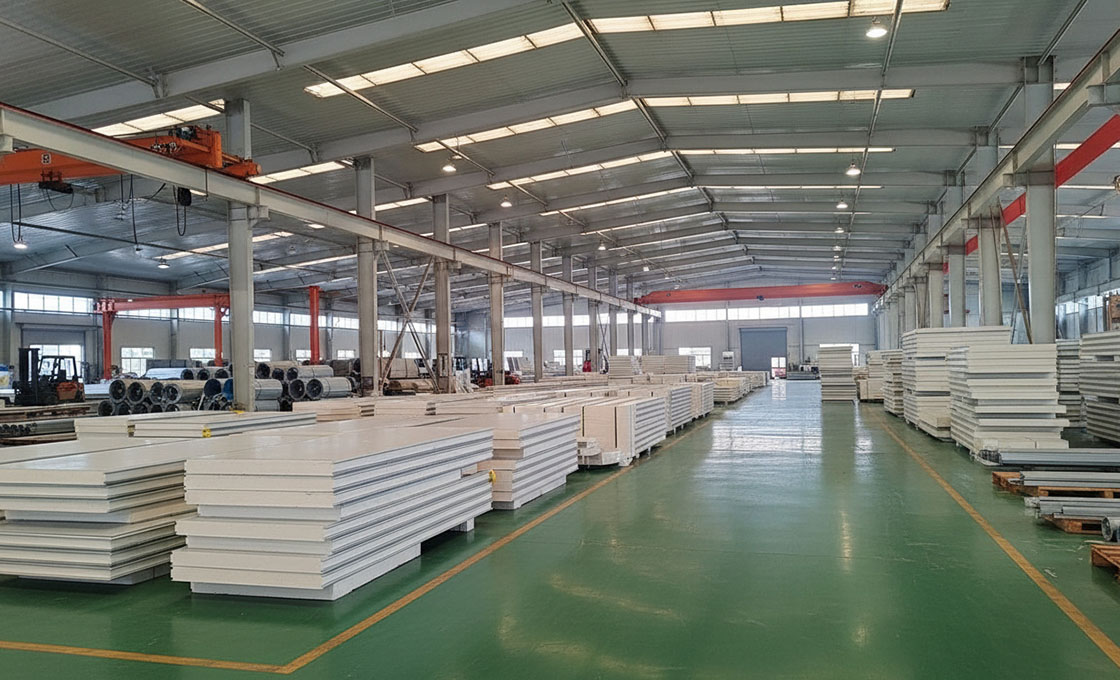
The lowest unit price rarely delivers the lowest total cost. True value in IMP procurement is measured by landed cost — the sum of the factory price, freight, tariffs, insurance, and post-delivery rework or warranty expenses.
Buyers comparing insulated metal panels across suppliers frequently anchor their decision on the per-square-meter or per-panel upfront price. This approach is flawed because it strips away the cost dimensions that determine actual project expenditure. A panel quoted at $18/m² from one supplier may carry higher freight rates, steeper tariffs, or insufficient certification for the destination market — pushing its total cost above a panel quoted at $22/m² from a different factory.
Volume Pricing Tiers and Their Real Impact
Insulated metal panel pricing follows a non-linear curve. Production lines on standardized panels achieve maximum throughput at volumes above 1,000 square meters per order. Below that threshold, the per-unit cost rises due to setup time, material handling, and lower line utilization. Most Chinese IMP factories structure volume tiers at roughly 500 m², 1,000 m², and 3,000 m² breakpoints, with each tier yielding a 5% to 12% reduction in unit price.
- Small orders (under 500 m²): Per-unit cost is highest. Factory overhead and line changeover are amortized over fewer panels, typically adding 8% to 15% to the baseline price.
- Mid-range orders (500–1,500 m²): The most common B2B bracket. Pricing stabilizes and the factory can lock raw material purchases at bulk rates, passing partial savings to the buyer.
- Large orders (above 3,000 m²): Maximum efficiency is reached. Buyers in this tier often negotiate an additional 10% to 18% discount on top of the mid-range price, depending on panel thickness, core material, and facing choice.
The key insight is that the volume discount is only realized when the order specifications align with the factory’s standard production capabilities. Custom thicknesses, unusual facing combinations, or non-standard fire ratings disrupt the production flow and erase much of the volume discount. Buyers should confirm whether a quoted volume tier applies to their exact configuration before treating it as a binding commitment.
Payment Term Structures and Cash Flow Cost
Payment terms are not a neutral detail — they carry a direct financial cost that affects total ownership. Factory-direct transactions from Chinese IMP manufacturers typically follow one of three structures: 30% deposit with 70% against copy of Bill of Lading, 100% irrevocable Letter of Credit at sight, or 30% deposit with 70% after third-party inspection. Each structure shifts working capital requirements differently.
A 30% deposit structure frees up buyer cash flow but introduces counterparty risk. If the supplier fails to deliver or the panels fail inspection, recovering the deposit can require legal action across jurisdictions. A Letter of Credit eliminates that risk but costs the buyer approximately 1.5% to 3% of the order value in bank fees and documentary compliance requirements. Third-party inspection before shipment — commonly conducted by SGS, BV, or TÜV — adds a fixed cost of roughly $800 to $2,500 per inspection visit but provides documented evidence that shifts liability clearly before freight commences.
Hidden Costs: Tariffs, Freight, and Logistics
Freight and tariffs frequently exceed the panel unit price in absolute dollar terms on international IMP orders. A standard 40-foot high-cube container holds approximately 600 to 800 square meters of 50 mm IMP, depending on panel width and packaging. Ocean freight from major Chinese ports to European destinations typically ranges from $1,800 to $3,500 per container, while shipments to North America’s West Coast range from $2,200 to $4,000 and to the East Coast from $3,000 to $5,500.
Tariff rates vary dramatically by destination market. IMPs with aluminum facings imported into the United States are subject to Section 232 tariffs on steel and aluminum products, which can add 25% to the customs value. The European Union applies a standard MFN duty of approximately 6.5% on insulated panels, with additional anti-dumping duties possible depending on the specific product configuration and country of origin. Buyers importing into Southeast Asian or Middle Eastern markets generally face lower or zero tariff exposure, but must account for local VAT and customs processing fees.
- Freight variable: Container rates fluctuate with fuel costs, seasonal demand, and port congestion. A rate locked at order confirmation may not hold at shipment if the supplier does not include freight fixation in the contract.
- Insurance: Marine cargo insurance typically runs 0.3% to 0.5% of the CIF value and is often omitted from initial quotes, creating a hidden cost gap of $300 to $800 on a typical container order.
- Customs documentation: Non-compliant or incomplete documentation — missing certificates of origin, incorrect HS code classification, or absent material safety declarations — can delay port clearance by 3 to 14 days, incurring demurrage and detention charges of $100 to $300 per day per container.
Rework, Quality Failures, and Warranty Costs
The most consequential hidden cost in IMP procurement is rework. Panels that arrive with core delamination, facing warpage, or incorrect thermal performance specifications require on-site replacement. The cost of a single replaced panel includes not only the panel itself but also labor for removal and reinstall, scaffolding or crane access, and project schedule disruption. In cold storage and refrigerated truck applications, a thermal performance shortfall of even 0.5 W/m²K can increase operating energy costs by 3% to 8% over the panel’s 20-year service life.
NFPA 285 fire certification for CFRT sandwich panels and ASTM E84 surface burning characteristics are not optional credentials in many jurisdictions. Panels that lack the required certification for the destination market will fail building inspection, forcing full replacement at the buyer’s expense. The cost difference between a panel that ships with valid test reports and one that requires retesting or replacement after arrival can range from $5,000 to $50,000 depending on project scale.
Calculating True Landed Cost
A disciplined landed cost calculation requires assembling all cost components into a single comparison framework. The formula is straightforward:
- Unit price: Factory quote per square meter or per panel, including standard packaging.
- Freight: Ocean or air freight cost allocated per square meter of ordered panels.
- Insurance: Cargo insurance premium, typically 0.3% to 0.5% of CIF value.
- Tariffs and duties: Applicable import duty rate applied to the customs value.
- Customs clearance and port charges: Terminal handling, documentation, and broker fees.
- Third-party inspection: Pre-shipment inspection cost allocated per square meter.
- Warranty reserve: A contingency of 2% to 5% of total landed cost to cover potential defect claims.
- Rework contingency: An additional 3% to 8% for projects where certification requirements are stringent or the supplier has limited track record in the destination market.
When all components are aggregated, the gap between the lowest upfront price and the lowest total landed cost often narrows significantly — and in some cases, the panel with the higher unit price delivers the lower total cost. The difference is most pronounced on orders where freight, tariffs, and certification compliance represent a large share of the overall expenditure. For imports into the United States or the European Union, these factors routinely account for 25% to 40% of the total landed cost.
📋 Actionable Steps
- Step 1: Request a fully itemized quotation from each supplier that breaks down unit price, packaging, freight, insurance, and any included certifications.
- Step 2: Verify the origin and validity of all test reports (NFPA 285, ASTM E84, thermal conductivity, compressive strength) before evaluating price.
- Step 3: Calculate landed cost using actual freight quotes from your freight forwarder, not the supplier’s estimated freight figure.
- Step 4: Apply the applicable tariff rate for your HS code and destination, then add insurance, port charges, and a rework contingency of at least 3%.
- Step 5: Compare suppliers on total landed cost per square meter, not on unit price alone.
Real Project Results and Track Records
Insulated metal panels deployed in cold storage and controlled environments show defect rates below 0.5% across multi-year installations, with thermal performance retention exceeding 95% after a decade of operation.
Cold Storage and Controlled Environment Performance
Cold storage facilities represent one of the most demanding applications for insulated metal panels. These environments require consistent temperature maintenance across wide thermal cycles, often operating between -40°C and +10°C depending on the specific use case. Panels deployed in frozen food warehouses, pharmaceutical cold chains, and dairy processing plants demonstrate that foam-core sandwich constructions with polyurethane or polyisocyanurate cores maintain structural integrity and thermal resistance far longer than conventional cladding systems.
Field data from installations across Europe, North America, and Southeast Asia shows that properly specified foam-core panels in refrigerated applications lose less than 5% of their original R-value per inch after ten years of continuous operation. This retention rate is significantly higher than older mineral wool or polystyrene-based systems, which can degrade by 15 to 20% over the same period due to foam cell gas diffusion and moisture ingress.
Defect Rate Tracking and Quality Benchmarks
Defect rates in insulated metal panel installations typically fall into three categories: manufacturing defects, transportation damage, and on-site installation errors. Manufacturing defects—such as core irregularities, facial delamination, or dimension tolerance failures—are tracked at the factory level and consistently remain below 0.5% for manufacturers operating advanced production lines with automated quality inspection. Panels produced on continuous composite lines with daily output exceeding 1,700 square meters demonstrate tighter tolerance control than batch-produced alternatives.
Transportation damage accounts for the second-largest share of field defects and is largely mitigated through standardized packaging protocols. Panels shipped with edge protectors, steel banding, and weather-resistant wrapping typically show damage rates under 1% even on long-haul international routes. This is a critical metric for buyers importing panels from Chinese manufacturing bases to European or North American project sites, where transit distances can exceed 30 days.
- Manufacturing defect rate: Below 0.5% for panels from facilities with automated inline inspection
- Transportation damage rate: Under 1% with standard protective packaging for ocean freight
- On-site installation error rate: Highly dependent on contractor experience; ranges from 2% to 8% without engineered installation documentation
Long-Term Performance Metrics
The most reliable indicator of panel quality is not the initial specification sheet but the performance data collected from installations that have been in service for five to fifteen years. Project track records from cold storage operators in Norway, Brazil, and the UAE show that GRP-faced foam-core panels maintain consistent thermal performance without facial cracking, core compression, or joint sealant failure when installed according to manufacturer specifications.
Honeycomb-core panels, particularly those using PP or fiberglass honeycomb cores bonded with GRP or CFRT facings, demonstrate superior impact resistance in high-traffic logistics environments. Warehouses using PP honeycomb panels for internal partitioning and flooring report negligible denting or surface degradation after eight years of forklift traffic exposure, compared to solid foam-core panels of equivalent thickness which show visible surface compression in high-contact zones.
Marine and vessel applications present another demanding environment where track records are well documented. GRP honeycomb sandwich panels used for bulkhead construction and deck surfacing in commercial vessels show no core water absorption or facial blistering after years of salt-spray exposure, provided the panel edges are properly sealed during installation. This performance has been validated across vessel builds in shipyards across South Korea, Japan, and the Middle East.
Fire Certification Track Records
Fire performance certification is a non-negotiable requirement for insulated metal panels used in commercial and industrial construction. Panels with PIR or mineral wool cores that have passed NFPA 285 assembly testing provide verifiable proof of fire resistance for exterior wall applications. Project specifications in California, the UK, and the EU increasingly mandate NFPA 285 or equivalent certification before panels can be accepted for facade installation.
CFRT sandwich panels with appropriate core selections have demonstrated compliance with Class A fire rating requirements in multiple project evaluations. The thermoplastic matrix in CFRT facings, when combined with fire-retardant foam or mineral cores, produces panels that meet stringent fire codes without the use of halogenated additives—a growing preference for projects targeting green building certification.
Global Project Distribution Data
Manufacturers with established export operations to over 50 countries maintain project records spanning diverse climate zones and regulatory environments. Panels supplied to projects in Scandinavia must withstand freeze-thaw cycling and high humidity, while installations in the Gulf region require UV resistance and thermal stability at surface temperatures exceeding 70°C. A manufacturer’s ability to document successful installations across these contrasting environments serves as a strong proxy for product reliability.
For B2B buyers evaluating suppliers, requesting documented project references with specific climate data, installation dates, and post-commissioning performance reports is a standard due diligence practice. Reputable manufacturers can provide project lists with contact information for facility managers who can confirm long-term panel performance in cold storage, refrigerated transport, modular construction, and marine applications.
Warranties and After-Installation Support
A warranty on insulated metal panels is not just paperwork — it is your primary financial safeguard against premature panel failure, core degradation, and coating delamination. Understanding what is covered, for how long, and how defects are resolved is critical before signing a purchase order.
Why Warranties Matter for IMP Buyers
Insulated metal panels are long-life building envelope components, typically expected to perform for 20 to 40 years depending on material selection and environmental exposure. The warranty period represents the manufacturer’s financial commitment to that lifespan. When a buyer sources panels from a factory without a clear warranty structure, they assume the full risk of early failure — including demolition, replacement labor, and project delay costs that can far exceed the original panel price.
The most common warranty pain point for B2B purchasers is discovering too late that the warranty covers only the raw panel material and excludes critical failure modes such as core compression set, fastener-pull-through at attachment points, or seam leakage under thermal cycling. A robust warranty explicitly addresses these failure vectors and defines clear resolution pathways.
Standard Warranty Coverage Tiers for Insulated Metal Panels
The industry operates with several distinct warranty categories, each addressing a different component of panel performance. Buyers should evaluate each tier independently rather than accepting a single bundled warranty statement.
- Paint Finish Warranty: Covers fading, chalking, and gloss retention of the exterior coating system. Premium polyester finishes typically carry a 20-year warranty; PVDF (Kynar 500/Hylar 5000) coatings commonly carry 30 to 40-year warranties. Coverage is measured against a delta E color shift threshold, usually not exceeding 5 units from the original sample.
- Core Material Warranty: Addresses thermal resistance retention and structural integrity of the foam or honeycomb core. XPS, PET, PU, and PVC foam cores are typically warranted against compression set and core degradation for 10 to 20 years. PMI foam cores, used in higher-performance applications, often carry longer warranties due to superior creep resistance.
- Workmanship Warranty: Covers defects in panel manufacturing under normal use, service, and environmental conditions. The industry standard for insulated metal panels is a 2-year workmanship warranty, which protects against issues such as adhesive bond failure, core-material delamination, and panel surface irregularities that originate during production.
- System or Assembly Warranty: Some manufacturers offer extended coverage that includes the fastening system, sealant compatibility, and seam integrity. This is less common in commodity-grade panels but more frequently found in engineered systems where the manufacturer specifies the full attachment methodology.
Defect Resolution Processes: What Buyers Should Expect
A warranty is only as valuable as its claims process. Buyers should evaluate the resolution pathway before placing an order, not after a defect appears on a job site. The standard defect resolution process involves the following stages:
- Claim Initiation: The buyer or contractor submits documentation including panel batch numbers, installation dates, photos of the defect, and a description of the failure mode. Reputable manufacturers require batch traceability — every panel should carry a manufacturing date code and production lot identifier.
- Technical Assessment: The manufacturer’s engineering team evaluates whether the failure is attributable to a manufacturing defect or to installation error, transport damage, or environmental conditions outside design parameters. This assessment typically takes 5 to 15 business days.
- Resolution Options: Approved claims are generally resolved through panel replacement, pro-rata credit, or repair material provision. Replacement panels are typically manufactured and shipped at the manufacturer’s expense, though freight terms vary by contract.
- Rejection Grounds: Claims are commonly denied when failures result from improper storage before installation, incorrect fastener selection, over-torquing of fasteners, or modification of panel profiles after manufacture. Buyers should ensure their installation team follows the manufacturer’s technical guide precisely.
After-Installation Technical Support
Beyond the warranty period, ongoing technical support is a differentiating factor between commodity panel suppliers and engineering-focused manufacturers. Key support elements include:
- Installation Guidance Documents: Detailed technical manuals covering fastener spacing, sealant application, panel handling, and joint detailing. These should be provided before shipment and include site-specific recommendations for the panel profile and thickness ordered.
- On-Site Technical Assistance: Availability of engineer support during the initial phase of panel installation, particularly for complex geometries, corner details, and penetrations. This service is more common with manufacturers that integrate design and production rather than pure fabrication shops.
- Post-Installation Inspection Support: Some manufacturers offer third-party inspection coordination or video-based panel condition assessments for warranty claims, reducing the need for physical site visits by factory engineers.
- Long-Term Performance Data Access: Engineering-focused manufacturers maintain weathering and accelerated aging test data for their panel configurations, which can be referenced when evaluating field performance or supporting insurance and lifecycle cost calculations.
Warranty Transferability and Project Documentation
For projects involving multiple stakeholders — property owners, general contractors, and facility management companies — warranty transferability is essential. Buyers should confirm whether the manufacturer’s warranty is assignable to subsequent owners or facility managers. Most factory-direct warranties are transferable with proper documentation, but the process requires maintaining records of the original purchase order, installation date, and any maintenance activities performed on the panel system.
Best practice is to create a warranty register at project handover that includes panel specifications, batch numbers, warranty start and end dates, and contact information for the manufacturer’s technical support team. This register becomes the single source of truth for any future claim and significantly reduces resolution time when issues arise years after installation.
FAQ
What is the typical workmanship warranty period for insulated metal panels?
The standard industry warranty for workmanship defects on insulated metal panels is 2 years, covering defects in manufacturing under normal use, service, and environmental conditions. This is distinct from coating and core material warranties, which typically range from 10 to 40 years depending on the specific material and finish selected.
Does a panel warranty cover installation errors?
No. Standard panel warranties cover manufacturing defects only. Installation errors — including incorrect fastener selection, improper sealant application, over-torquing, or deviation from the manufacturer’s installation guide — are the responsibility of the installing contractor and are not covered under the panel warranty.
How do I verify that a warranty claim will be honored?
Request the manufacturer’s written warranty policy before placing an order, including the specific claims process, required documentation, and response timelines. Reputable manufacturers provide this document proactively and include it in the purchase order package. Avoid manufacturers who cannot produce a written warranty policy or who reference only verbal guarantees.
Can I get a warranty that covers the full panel system including fasteners and sealants?
System-level warranties that include fasteners, sealants, and attachment components are available but less common in the commodity panel segment. These are typically offered by manufacturers that provide engineered panel systems with specified attachment methodologies. If system coverage is required, it must be explicitly negotiated and documented in the purchase agreement, as standard warranties rarely extend beyond the panel itself.
What happens to the warranty if panels are stored improperly on site before installation?
Improper on-site storage is a common warranty exclusion. Panels stored uncovered in direct sunlight, exposed to standing water, or stacked in a manner that causes core compression can have warranty coverage voided or reduced. Manufacturers typically require panels to be stored according to their technical handling guidelines, and claims resulting from storage damage are routinely denied during the technical assessment phase.
Conclusion
Stop chasing the lowest quote on the spreadsheet. You save five percent upfront with a trader, but you lose fifty percent in warranty claims when the honeycomb core delaminates under humidity. Our engineers build the panel skins and cores in-house to control thickness tolerances and fire ratings. That control means your R-value actually hits the spec sheet. Source from the production line and pay for thermal performance instead of brokerage fees.
Look at your next cold storage project specs. If you need a specific PP honeycomb configuration or a custom marine grade GRP thickness, run those numbers by our technical team first. We do not need a purchase order to review your engineering drawings. Just send over the layout and let us verify the load calculations. Getting the core density right before you pour concrete saves a fortune. Call us when you are ready to check the math.
Frequently Asked Questions
Is there a minimum order quantity?
Direct manufacturers often offer flexible production runs to accommodate specific project scopes, reducing inventory strain for buyers. Rax Panel provides scalable solutions tailored to both large-scale developments and niche requirements without imposing rigid volume restrictions. This flexibility ensures optimal cash flow management for procurement teams of all sizes.
How is international logistics managed?
Leading manufacturers streamline global shipping by handling all export documentation and customs clearance procedures to prevent costly delays. With experienced teams managing logistics, buyers avoid common bureaucratic bottlenecks and unexpected fees at the border. This comprehensive service ensures materials arrive on-site ready for immediate installation.
Are spare panels available for repairs?
Reputable manufacturers retain production records to supply color-matched replacement panels for future expansions or damage repairs. This long-term availability prevents aesthetic mismatches and structural inconsistencies during facility maintenance. Ensuring a reliable supply chain for future needs protects the initial investment over the building’s lifecycle.
Do panels suit cold storage facilities?
Specialized foam cores like PU and PIR combined with double tongue-and-groove joint systems provide exceptional thermal efficiency for temperature-controlled environments. These materials maintain strict climate controls, significantly reducing energy consumption for refrigeration units. Such performance makes them ideal for food processing plants and logistics centers requiring precise insulation.
How is transit damage prevented?
Professional manufacturers utilize robust packaging solutions optimized for long-distance ocean and ground transport to protect panel integrity. Strict loading protocols minimize shifting and impact during transit, significantly reducing the risk of on-site defects. Secure logistics ensure the project budget is not inflated by replacement costs.
What facing materials are available?
While traditional options exist, advanced manufacturers provide diverse facings like GRP, FRP, and CFRT for specialized durability needs. These composite materials offer superior resistance to corrosion and impact compared to standard metal skins. Selecting the right facing optimizes the panel’s lifespan and performance in harsh environments.
Are panels compliant with fire codes?
High-quality manufacturers ensure panels meet rigorous safety standards, including NFPA 285 compliance for wall assemblies. Valid certifications demonstrate that the materials perform safely under fire conditions, mitigating legal risks for developers. Always verify documentation to guarantee adherence to local building regulations and insurance requirements.