
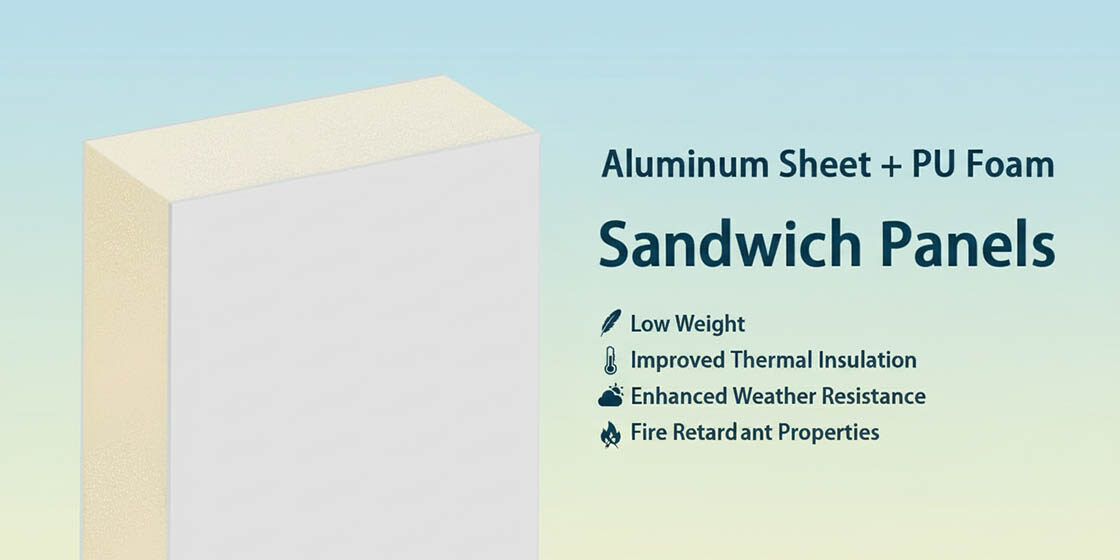
Modern high-rise facades face a critical selection challenge: balancing structural performance with fire safety compliance. Aluminum Composite Panels have become the preferred cladding solution for architects and project managers seeking lightweight, durable materials that resist environmental degradation while meeting stringent building codes. This guide cuts through marketing noise to deliver actionable insights on core material selection, coating durability under extreme UV exposure, and real-world lifecycle expectations based on verified industry data.
A single technical fact defines the material’s practical application: standard ACP construction uses two 0.5mm aluminum alloy skins bonded to a 3mm HDPE core, achieving exceptional flatness and rigidity at half the weight of solid aluminum sheets without compromising installation efficiency. This lightweight composite structure reduces transportation costs and labor hours while maintaining integrity against heavy rainstorms, intense sun rays, and prolonged cold winters—critical factors for commercial procurement officers managing multi-year project timelines.
We examine how PE core versus FR core configurations impact fire-rated certification requirements across different building heights, clarify which coating options withstand harsh Canadian climate conditions most effectively, and outline the specific thickness parameters necessary for load-bearing exterior applications in urban centers. You will gain precise knowledge about when mineral wool cores become mandatory versus acceptable alternatives, ensuring your specification selections prevent costly rework during inspections or post-construction audits.
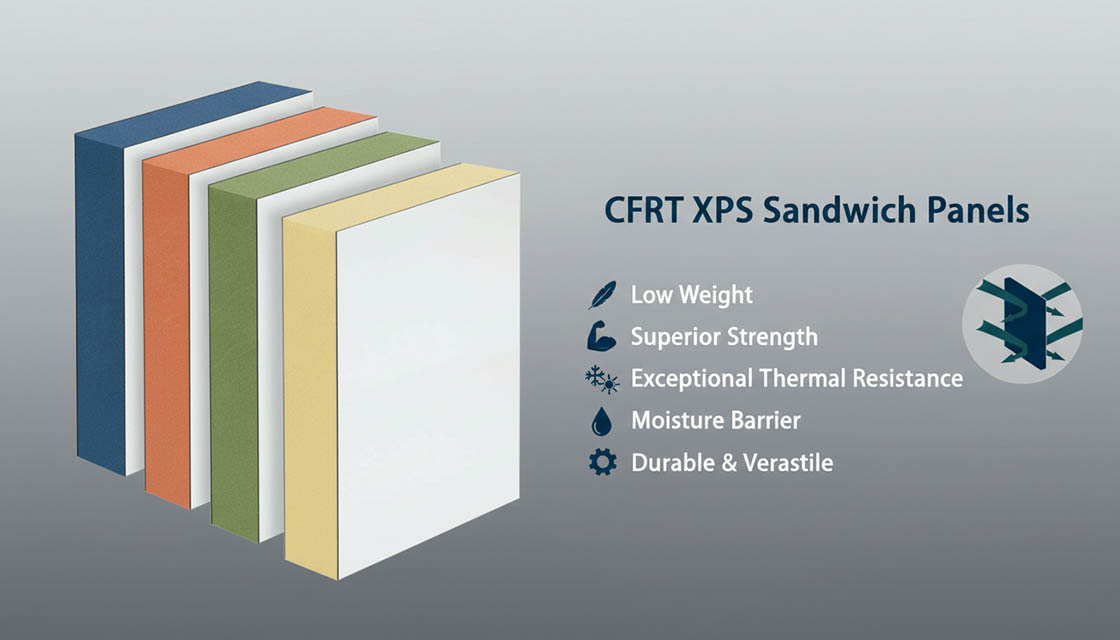
What Are Aluminum Composite Panels?
Aluminum Composite Panels (ACP) are multi-layered cladding materials bonded to create a lightweight yet rigid sheet used extensively in exterior building facades and interior partitions.
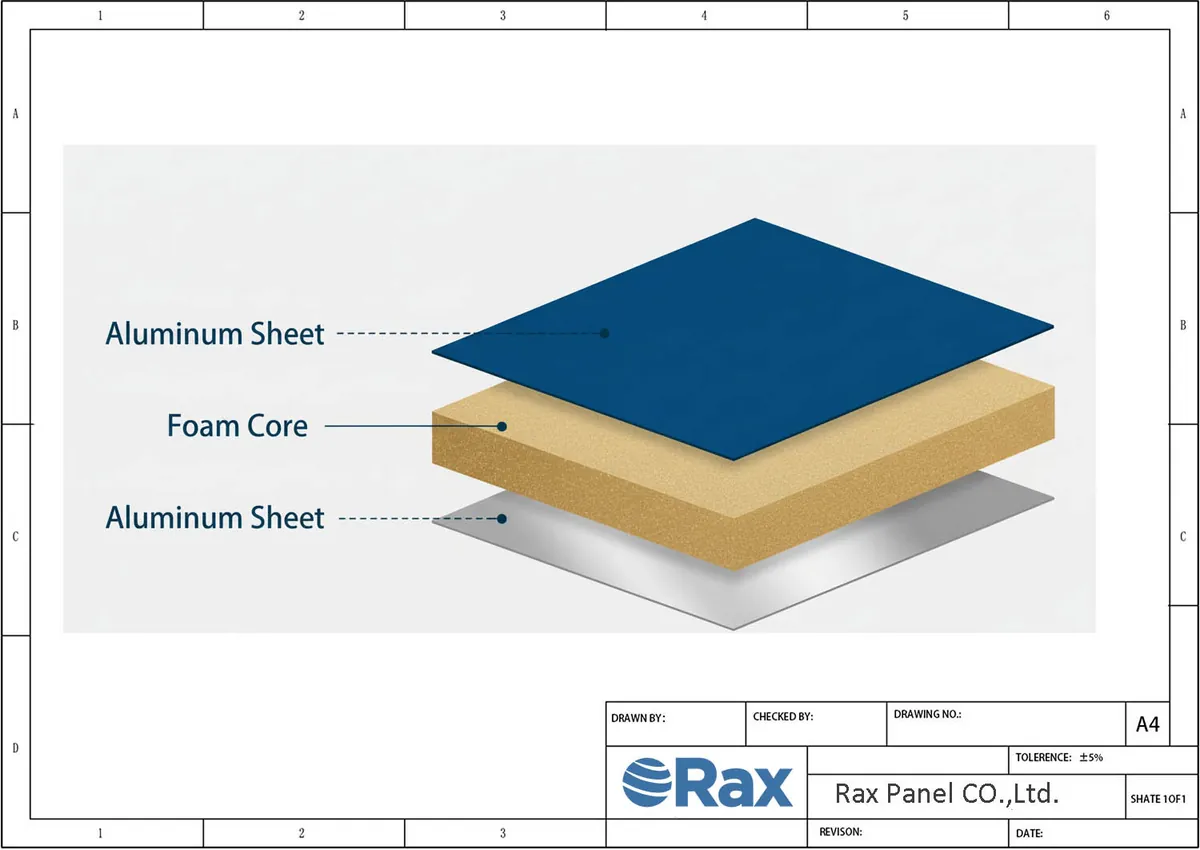
The Three-Layer Sandwich Structure
The fundamental architecture of an aluminum composite panel relies on a “sandwich” design, where two thin metal sheets act as protective skins surrounding a central core material. This structural approach mimics the engineering principles seen in I-beams or cardboard, allowing the combination to achieve high stiffness while remaining significantly lighter than a solid piece of equivalent thickness. In our manufacturing experience, this layered configuration is what allows the panels to resist bending under wind loads without adding excessive weight to the building’s frame. This overview pairs naturally with our layer-by-layer breakdown of the ACP panel structure, which attaches skin gauge, core chemistry and coating specs to each layer.
Core Material and Aluminum Skin Layers
The performance profile of the final product is dictated by the specific materials selected for each layer. The outer skins provide the aesthetic finish and weather resistance, while the core determines critical properties such as fire behavior, thermal insulation, and acoustic damping. We strictly adhere to precise bonding protocols to ensure these layers remain permanently united, preventing delamination that could compromise the panel’s integrity over time. When selecting components, we prioritize durability against environmental stressors like UV exposure and corrosive elements to maintain long-term visual appeal.
Lightweight Composite Panel Design
A primary advantage of this composite construction is its exceptional strength-to-weight ratio. By utilizing a solid metal face only on the exterior surfaces rather than throughout the entire volume, manufacturers reduce the overall dead load on supporting structures. This design philosophy enables easier handling during installation and reduces transportation logistics costs. Furthermore, the hollow core structure effectively decouples the temperature fluctuations between the outside and inside surfaces, contributing to passive thermal efficiency in modern building envelopes.
| Panel Feature | Material Description | Technical Specifications | Engineering Benefit |
|---|---|---|---|
| Structural Composition | Sandwich panel comprising two thin aluminum alloy sheets bonded to a central core. | Dual-skin bonded construction with aluminum skins and core material | Provides the rigidity of solid metal while being approximately 50% lighter, reducing structural dead load. |
| Core Materials | The central layer that determines fire performance, weight, and insulation properties. | PE (Polyethylene), FR (Mineral-filled), Mineral Wool (Non-combustible) | Allows for tailored safety compliance, achieving Class A and B fire ratings for projects ranging from signage to high-rise facades. |
| Dimensions & Gauges | Standard thicknesses for architectural grade panels ensuring flatness and strength. | Skin Thickness: ~0.5mm; Total Thickness: 3mm, 4mm, 6mm | Ensures strict thickness consistency and wind load resistance; 4mm is the industry standard for commercial exterior cladding. |
| Surface Coatings | High-performance resin finishes applied to exterior aluminum skins. | PVDF (Polyvinylidene Fluoride), FEVE, Polyester | Offers exceptional resistance to UV radiation, color fading, and corrosive elements like de-icing salts, ensuring long-term durability. |
| Physical Properties | Key performance metrics defining the material’s utility and efficiency. | Waterproof, Thermally Insulated, High Strength-to-Weight Ratio | Ideal for demanding conditions including freeze-thaw cycles; facilitates easy fabrication, installation, and cost-effective logistics. |
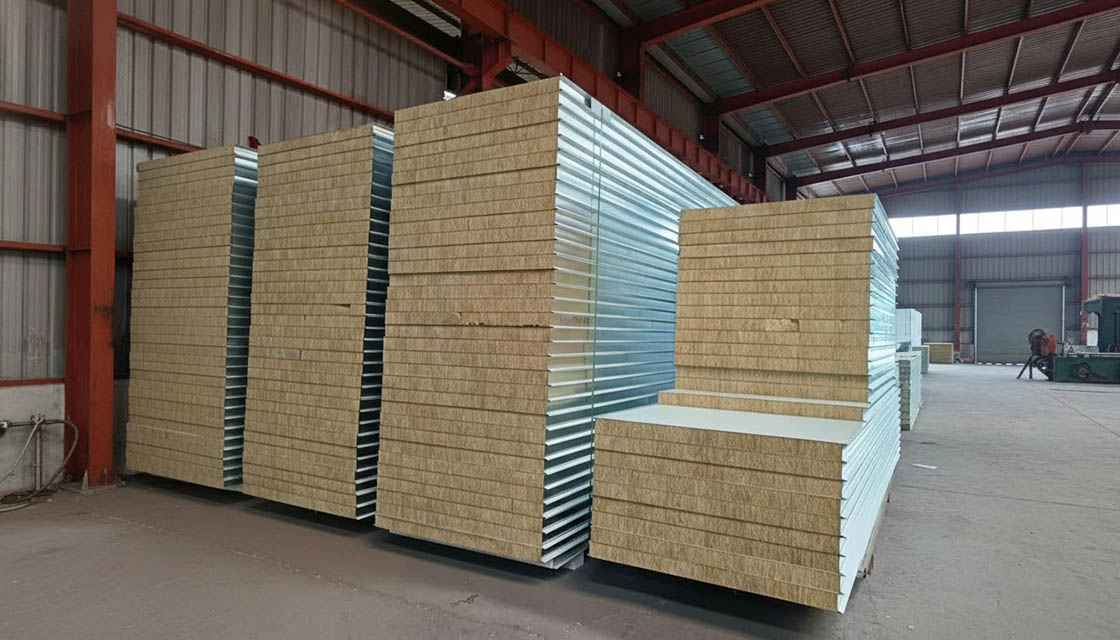
Materials Used to Build ACPs
Aluminum Skin Composition and Durability
The outer layers of an Aluminum Composite Panel (ACP) are typically manufactured using aluminum alloys from the 3000 series or 5000 series, offering a balance between corrosion resistance and formability. Industry standards generally specify skin thicknesses ranging from 0.2 mm to 0.5 mm for commercial applications, though specialized structural requirements may necessitate thicker gauges up to 0.7 mm. These skins undergo surface treatments such as PVDF (polyvinylidene fluoride) or polyester coatings to enhance weather resistance and aesthetic durability.
In exterior cladding projects exposed to harsh environments, such as coastal regions with high salt content in the air or areas with heavy industrial pollution, selecting a higher gauge skin paired with a premium coating is essential to prevent premature degradation. For interior signage or decorative panels where environmental stressors are minimal, thinner skins combined with standard polyester coatings provide sufficient performance at a lower cost point.
Core Material Classifications and Fire Safety Ratings
The core material sits between the two aluminum skins and acts as the structural backbone that defines the panel’s weight, rigidity, and most critically, its fire performance classification under standards like EN 13501-1. The three primary categories available on the market include Polyethylene (PE), Fire-Retardant (FR), and Mineral-Filled cores. PE cores consist entirely of plastic, making them lightweight and economical but highly combustible, which restricts their use to low-risk interior partitions or signage in many jurisdictions.
Fire-retardant cores introduce mineral fillers into the polyethylene matrix to slow combustion rates, often achieving a B-s1,d0 rating suitable for certain low-rise constructions. However, for high-rise buildings, hospitals, and public assembly spaces, regulations increasingly mandate non-combustible materials containing a high percentage of inorganic minerals—often referred to as A2 or Grade A cores—which release water vapor when heated to suppress flame spread without contributing fuel to the fire.
Adhesive Systems and Bonding Integrity
The bond between the aluminum skins and the core is maintained through specialized adhesives applied during the continuous lamination process. High-performance ACPs utilize thermosetting resins that cure under heat and pressure to create a permanent molecular link capable of withstanding thermal expansion cycles and mechanical shear forces. Failure of this adhesive layer can lead to delamination, particularly in panels subjected to rapid temperature fluctuations or improper handling during installation.
Quality control measures in manufacturing involve rigorous peel strength testing to ensure the adhesive maintains integrity over the product’s lifecycle. Panels intended for curved applications require additional flexibility in both the alloy temper of the skins and the elasticity of the bonding agent to prevent cracking or debonding after bending operations.
Common Applications for ACPs
Exterior Facade Cladding and Curtain Walls
The most frequent application for Aluminum Composite Panels (ACPs) in commercial construction is exterior wall cladding. Architects specify ACPs for high-rise curtain walls primarily because they reduce structural load significantly compared to traditional materials such as stone or solid aluminum, while maintaining necessary rigidity. For instance, a standard 4mm ACP typically weighs approximately 2.5 kg/m², which is substantially lighter than granite veneer that can exceed 25 kg/m². This weight reduction allows for smaller support structures and faster installation timelines.
Interior Wall Cladding and Decorative Features
Indoors, ACPs are widely used for lobby cladding, column wraps, and feature walls where a seamless metal aesthetic is desired. For interior environments, PE-coated aluminum composite panels or low-VOC variants are commonly selected to meet indoor air quality and safety requirements. The material’s smooth surface provides excellent paintability and durability, making it suitable for high-traffic areas like shopping malls, airports, and corporate headquarters. It is also frequently used for decorative ceiling systems and partition walls due to its easy-to-clean properties and design flexibility.
Retail Signage and Canopies
Retail signage represents another major use case, with ACPs serving as the primary substrate for channel letters, fascia boards, and display backdrops. Their flat surface and resistance to weathering make them ideal for both indoor and outdoor advertising structures. Additionally, ACPs are often employed in canopy designs over building entrances, where their lightweight nature simplifies structural requirements while offering a sleek, modern appearance that complements contemporary storefront architecture.
Transportation and Mobile Structures
In the transportation sector, ACPs find extensive use in vehicle manufacturing, including refrigerated truck bodies, dry freight trucks, and mobile homes. The panels’ combination of strength, light weight, and insulation properties enhances fuel efficiency and payload capacity. They are also applied in public transit vehicles and RVs for interior paneling, flooring, and roofing components. In marine applications, specialized ACP variants offer corrosion resistance and structural integrity suitable for vessel interiors and external fittings.
Why Choose ACPs Over Other Materials?
Choosing Aluminum Composite Panels (ACP) is fundamentally a decision to optimize structural efficiency without compromising aesthetic impact, leveraging high-strength sandwich physics to reduce dead load.
Structural Efficiency and Installation Economics
The primary driver for selecting ACPs over traditional cladding materials like stone or solid aluminum is the drastic reduction in “dead load”—the static weight of the building structure itself. Because ACPs utilize a sandwich structure where two thin aluminum skins bond to a lightweight core, the material achieves a level of stiffness that far outweighs its physical mass. This reduction in weight allows structural engineers to design lighter steel frameworks or concrete substructures, which can lower material costs and simplify foundation requirements. In high-rise construction or seismic zones, reducing the weight of the façade is not just an economic choice; it is a critical safety calculation.
- Logistical Advantages: The lighter weight translates directly to lower transportation costs and faster installation cycles. Installation crews can handle larger panels manually or with lighter lifting equipment, accelerating the project timeline compared to heavy stone or brick cladding.
- Rigidity vs. Weight: Advanced composite cores, such as Mineral Wool or specialized Honeycomb structures, provide superior deflection resistance. This means the panels remain flat and stable over large spans, avoiding the “oil canning” effect often seen in solid metal sheets.
Coating Durability and Environmental Resistance
A critical concern for specifiers—especially in harsh climates involving intense UV radiation or corrosive de-icing salts—is the longevity of the finish. While raw metals oxidize and organic materials like wood warp or rot, ACPs are protected by factory-applied resin coatings. It is essential to distinguish between standard polyester coatings, suitable for interiors, and high-performance Polyvinylidene Fluoride (PVDF) resins.
PVDF coatings contain approximately 70% fluorine resin, providing a molecular bond that is chemically inert to UV rays and atmospheric pollutants. This ensures that the color does not fade significantly over decades and that the surface resists chalking or degradation. For projects in coastal or industrial environments, specifying PVDF or FEVE (Fluoropolymer) resins is a non-negotiable standard to ensure the lifecycle costs remain low by eliminating the need for frequent repainting or panel replacement.
Do not assume all “aluminum” panels offer the same protection. Using a standard PE (Polyester) coated panel in a high-UV exterior application will lead to rapid color fading and film degradation within a few years. Always verify the resin type (70% PVDF minimum) for exterior applications.
Design Flexibility and Fabrication Precision
Compared to rigid traditional materials, ACPs offer an unparalleled level of design freedom. The material can be fabricated using standard woodworking or metalworking tools, allowing for complex geometries that would be cost-prohibitive with stone or solid metal. Through processes such as routing, folding, and bending, fabricators can create intricate 3D shapes, crisp corners, and seamless curves.
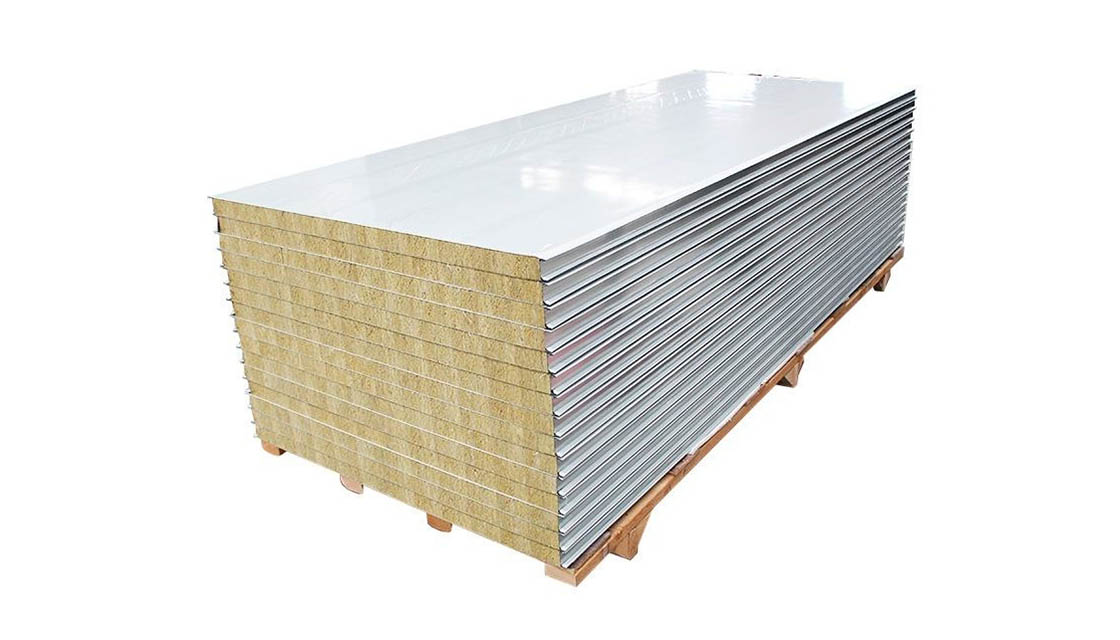
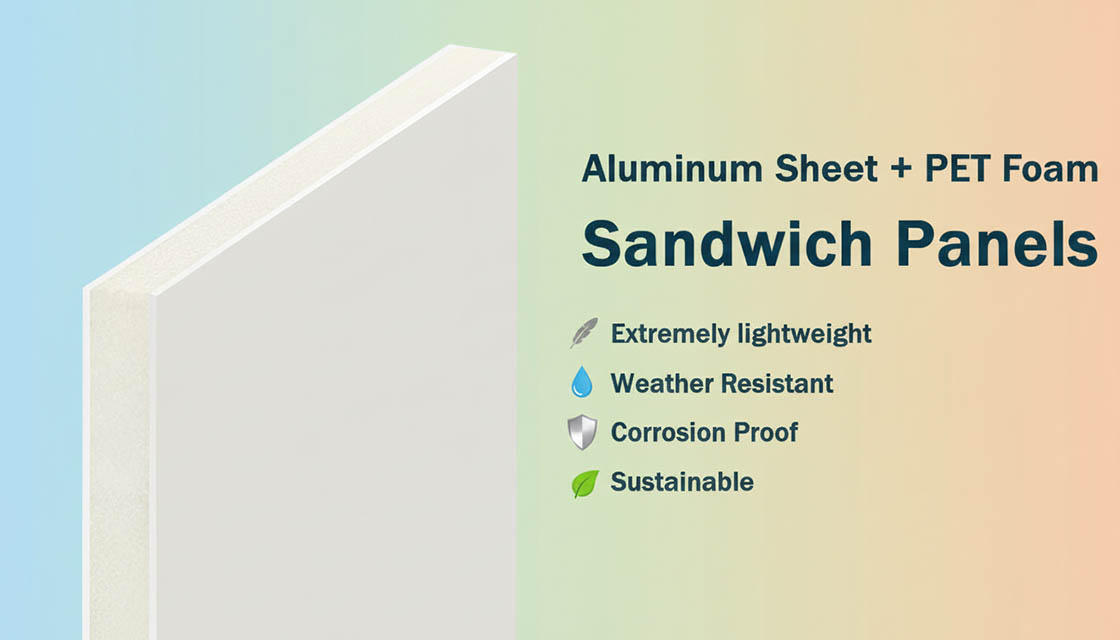
This flexibility extends to the core technology itself. Modern manufacturing allows for the integration of diverse core materials—such as XPS, PET, PU, or Mineral Wool—depending on the specific performance requirements of the zone. For instance, a designer might specify a Polyethylene (PE) core for signage or interior features where weight is the primary concern, but switch to a Fire-Retardant (FR) or Mineral Wool core for exterior cladding to meet strict fire safety codes. This adaptability allows the aesthetic to remain consistent across the building envelope while tuning the engineering performance to the specific safety and insulation needs of each area.
Thermal Performance and Sustainability
The composite nature of ACPs contributes to the building’s thermal efficiency. The non-aluminum core acts as a thermal break, interrupting the conductive path that heat or cold would typically follow through solid metal. While the aluminum skins are conductive, the core material—whether it be a modified polymer or a mineral-based insulator—improves the overall envelope performance compared to a single-skin metal façade.
Furthermore, the shift toward lighter, stronger materials aligns with sustainable construction goals. By reducing the dead load, the carbon footprint associated with transporting and installing the material is lowered. Advanced composites also offer the potential for recycling, with the aluminum skins and separate core materials being processed at the end of their service life, unlike many treated timber or masonry products which often end up in landfills.
| Comparative Feature | ACP / ACM Performance | Traditional Materials (Stone/Solid Al) | Engineering Advantage |
|---|---|---|---|
| Weight-to-Strength Ratio | Approximately 50% lighter than solid aluminum; maintains high stiffness via sandwich structure. | Heavy dead load increases structural requirements; solid aluminum prone to ‘oil canning’. | Reduces building dead load for safer seismic design and faster installation. |
| Design Flexibility | Easily fabricated into complex 3D shapes via routing, bending, and folding. | Rigid and difficult to curve; stone/brick require complex support systems. | Enables modern, creative architectural aesthetics and complex façade geometries. |
| Surface Durability | Factory-coated with PVDF or PE resins for superior UV and corrosion resistance. | Timber warps/rots; steel rusts; stone requires frequent maintenance. | Provides long-term color stability and reduces lifecycle maintenance costs. |
| Thermal Performance | Composite core (PE/FR/Mineral) acts as a thermal insulator. | Metals conduct heat rapidly; stone provides limited thermal break. | Contributes to improved building energy efficiency and envelope insulation. |
| Fire Safety Compliance | Available with Fire-Retardant (FR) or Mineral Wool cores for Class A/B fire ratings. | Combustible wood poses risk; solid metal is non-combustible but heavy. | Meets stringent safety regulations (EN 13501-1) without compromising other properties. |
Fire Safety Ratings for ACPs
Core material selection directly dictates fire performance and regulatory compliance for high-rise exterior façades. Selecting the correct core material is a compliance requirement, not optional, as global regulations now mandate Euroclass A2 or non-combustible ratings for high-rise exterior façades.
The fire safety rating of Aluminum Composite Panels (ACPs) is determined almost entirely by the core material sandwiched between the aluminum skins. This central component dictates how the panel behaves during a fire and ultimately determines whether it meets specific building code requirements. Understanding these classifications is critical for architects and developers aiming to avoid project halts or safety liabilities.
PE, FR, and A2 Core Classifications Explained
Three primary grades define the fire resistance landscape: PE (Polyethylene), FR (Fire Retardant), and A2 (Euroclass A2). These categories represent distinct steps in mineral content and combustibility levels.
- PE Core: Standard polyethylene cores are highly combustible. While cost-effective, they are generally restricted to low-rise buildings or interior applications where external fire exposure risk is minimal.
- FR Core: Fire-retardant cores contain additives that reduce flame spread but do not eliminate combustion risks entirely. They often fall under B1 or similar national standards but may not satisfy strict European high-rise mandates requiring non-combustible materials.
- A2 Core: Under EN 13501-1, this classification indicates “limited combustibility.” Mineral-filled cores, such as those utilizing rockwool or similar inorganic fillers, produce significantly less heat and prevent vertical flame propagation on building exteriors.
Impact of Global Regulations and Testing Standards
Following major façade-related fire incidents, regulatory bodies in the UK, EU, Australia, and the Middle East have tightened enforcement dramatically. For instance, many jurisdictions now explicitly require A2-rated panels for high-rise construction to prevent rapid fire spread up the building envelope.
To verify these claims, manufacturers typically subject samples to rigorous testing protocols. The EN 13501-1 standard assesses reaction to fire, ensuring that materials labeled A2 meet strict thresholds regarding ignition, smoke production, and droplet formation. Relying solely on marketing terms without requesting certified test reports is a common pitfall that can lead to costly rework or denial of occupancy permits.
Conclusion
Choosing the right ACP isn’t just about saving on material cost per square meter. It is fundamentally about safety compliance. The mineral wool core versus PE core decision dictates if your project passes strict EN 13501-1 fire testing protocols. You cannot risk non-compliant materials on exterior claddings where load-bearing capacity is critical. The three-layer sandwich structure offers versatility, but the core material ultimately determines the safety and lifespan of the installation.
Structural integrity and load calculations must align with standard aluminum skin thicknesses of 0.5mm and common panel thicknesses of 3mm, 4mm, or 6mm. These standardized dimensions are critical for withstanding wind loads and ensuring the durability of the installation. Accurate specification of these gauges during the design phase is necessary to maintain structural performance and mitigate the risk of non-compliance.
Frequently Asked Questions
What is the difference between ACP and ACM?
The terms ACP and ACM are frequently used interchangeably in the industry to describe aluminum composite materials. Technically, ACP stands for Aluminum Composite Panel, referring to the finished product, while ACM stands for Aluminum Composite Material, referring to the substance itself. Both terms denote the same three-layered sandwich structure of aluminum skins and a core.
What do PE and FR grades mean?
PE grade refers to a standard polyethylene core that is cost-effective but combustible, suited mainly for interior applications or low-rise signage. FR grade involves a mineral-filled core that offers enhanced fire resistance by inhibiting the spread of flames. Understanding the distinction between these grades is vital for ensuring compliance with specific fire safety standards.
How durable are ACP exterior coatings?
High-quality ACPs feature surface coatings, such as PVDF, that provide excellent resistance to UV radiation, extreme weather, and pollution. These coatings are chemically engineered to prevent fading, chalking, and color degradation even in harsh climates. Properly coated panels maintain their aesthetic appearance and protective properties for decades without frequent maintenance.
What determines the fire rating of ACP?
The fire rating is primarily determined by the chemical composition and combustibility of the panel’s core material. Cores made of mineral wool or high-density mineral fillers achieve the highest fire ratings by resisting ignition and flame propagation. Independent testing according to international standards is required to certify the specific fire performance class of the panel.
How to choose the right ACP application?
Choosing the right ACP requires assessing the environmental conditions and fire safety regulations of the project site. Buyers must determine the necessary core material for insulation and fire performance, along with the coating type for UV protection. Reviewing technical data sheets ensures the selected panel meets the specific engineering demands of the application.