
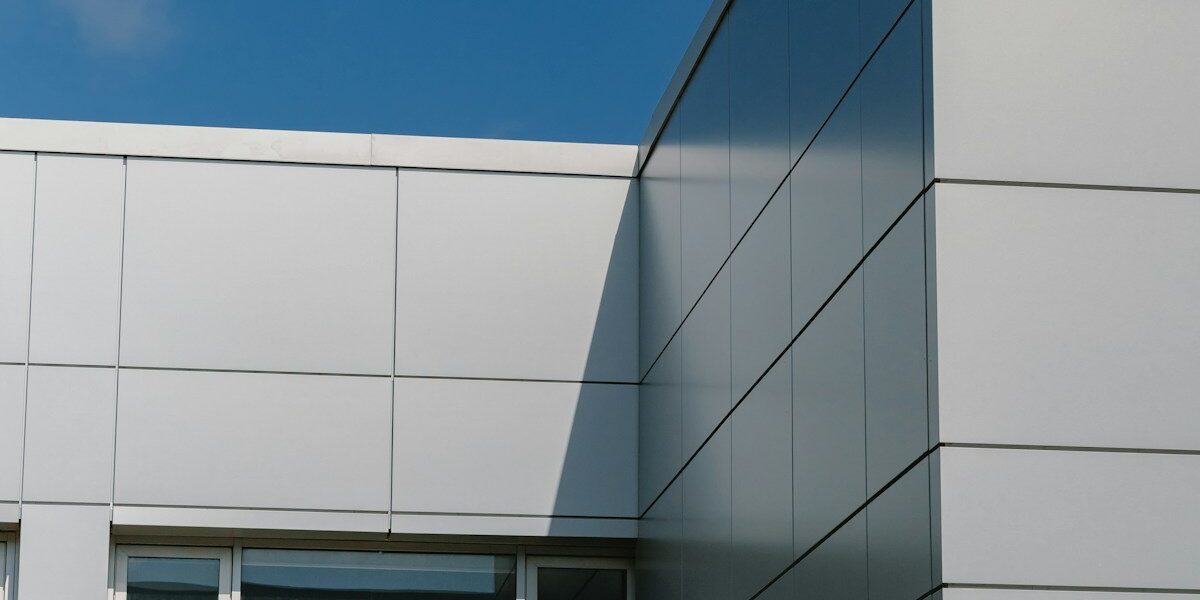
A failed facade inspection shuts down a job site faster than almost anything else. Specifying the wrong Aluminum Composite Panels is often the culprit. You need a material that survives the elements and meets code without blowing the budget.
The installed weight of these panels averages just 2.5 pounds per square foot, yet they provide the flexural rigidity required for high-rise applications. We assess critical fire safety ratings, thermal performance criteria, and the long-term maintenance costs that determine true ROI. You will walk away with the technical specs necessary to balance procurement spend against durability.
Project-Specific Performance Criteria
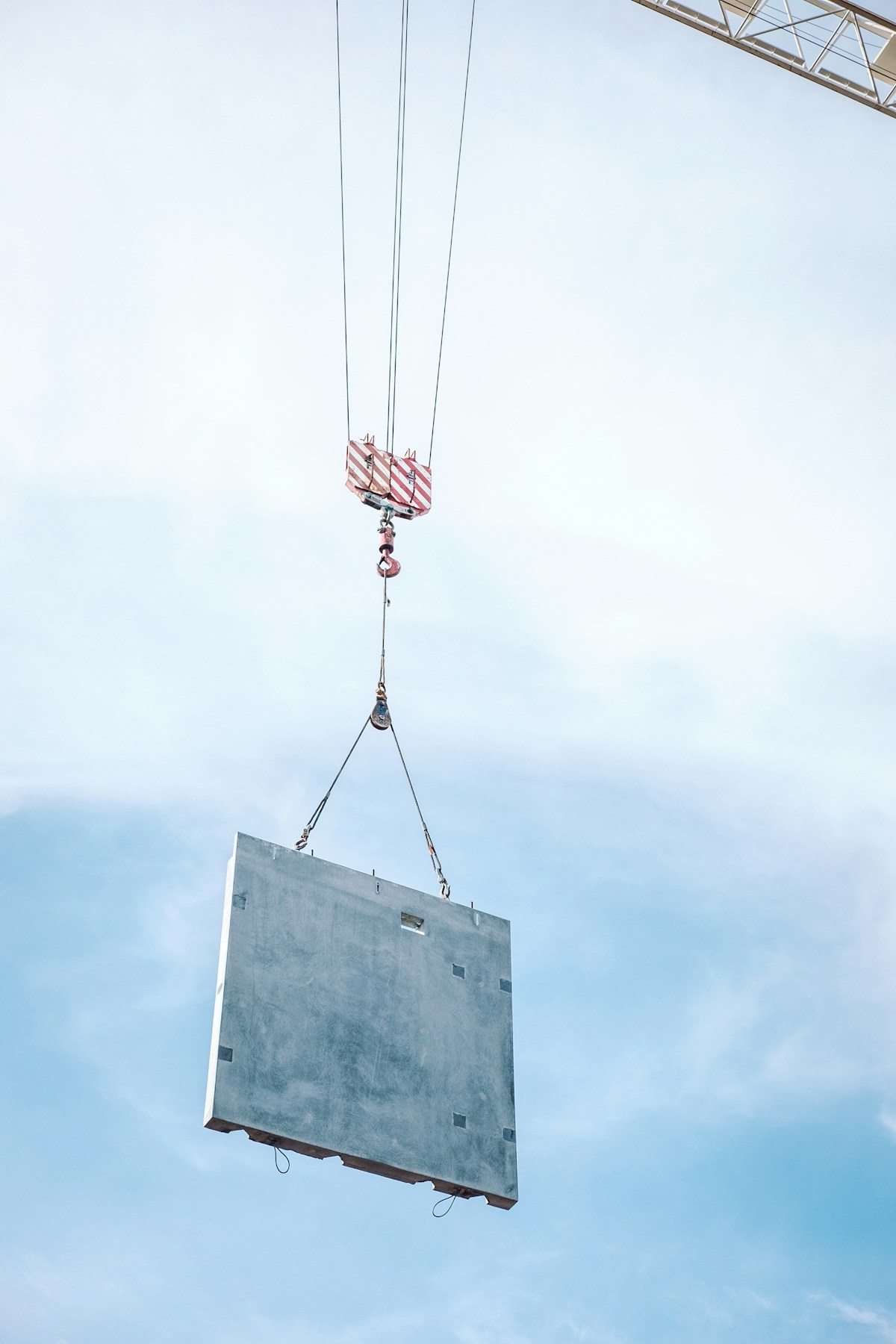
procurement must prioritize assembly-level performance over isolated panel specs. Evaluating structural load paths, whole-envelope thermal dynamics, regulatory fire matrices, and dynamic vehicle torsion ensures viable project outcomes.
Assessing Load-Bearing Capacity and Flexural Rigidity
Procurement teams often mistake total panel thickness for structural integrity, which is a costly oversight. True flexural rigidity depends entirely on the composite action between the facing material and the core shear modulus. When selecting panels for commercial envelopes or heavy-duty transport bodies, you must map the sub-frame span against the panel’s moment of inertia. Mismatched rigidity leads to visible oil-canning under wind pressure or fastener pull-out during seismic events.
Our engineering team continuously monitors batch tolerances at ±0.5mm specifically because uneven core density creates unpredictable stress concentration points. We require contractors to calculate load paths dynamically rather than relying on static deflection charts. Proper fastener placement and staggered seam alignment distribute cyclic positive and negative pressure far more effectively than sheer panel mass ever could.
- Core Shear Modulus: Dictates how well the center layer transfers lateral forces between facings before delamination occurs.
- Skin Bond Interface: High-pressure lamination ensures the facing and core act as a single monolithic beam under bending loads.
- Span-to-Thickness Ratio: Engineering standards typically cap unsupported spans at 1:20 to prevent micro-fractures at anchor points.
Determining Thermal Insulation and Weather Resistance Standards
Thermal compliance extends beyond simple R-value testing and requires a complete view of whole-wall performance. You must account for thermal bridging through metal studs, continuous insulation gaps, and moisture vapor drive. Specifying panels with engineered thermally broken cores eliminates the condensation traps that compromise drywall and corrode steel framing over time.
Weather resistance demands rigorous scrutiny of surface coating chemistry and joint detailing. PVDF fluoropolymer finishes maintain Delta E color stability under prolonged UV exposure, preventing the chalky degradation that ruins high-profile facades. We observe that projects suffering premature failure rarely cite material defects; they blame inadequate sealant compatibility and rigid mounting systems that crack during thermal expansion cycles.
- Climate Zone Mapping: Aligns U-value targets with local heating and cooling degree days to avoid overspecification.
- Vapor Permeability: Controls how quickly trapped moisture escapes the wall assembly, directly impacting mold resistance.
- Coating Crosslink Density: Determines chemical resistance against industrial pollutants and coastal salt spray.
Analyzing Fire Safety Ratings and Compliance Standards
Fire rating selection is a strict regulatory filter that dictates your entire supply chain and insurance portfolio. Procurement must cross-reference local building codes with third-party assembly certifications rather than trusting isolated material test reports. A panel might pass surface flame spread requirements while its core releases toxic hydrocarbon smoke when exposed to sustained heat.
Our facility engineers frequently redesign core formulations to meet A2 non-combustible mandates for mid-to-high rise commercial projects. We prioritize mineral-filled or inherently阻燃 chemistries that release bound water upon heating, actively slowing flame propagation and protecting structural substrates. Selecting compliant materials upfront prevents last-minute value engineering that compromises occupant safety and triggers failed inspections.
- Assembly Certification: Validates how the complete cladding system performs under standardized fire exposure tests.
- Smoke Toxicity Index: Measures lethal gas generation during combustion, a critical metric for evacuation compliance.
- Structural Integrity Duration: Ensures the facade maintains load-bearing capacity long enough for emergency egress.
Optimizing Weight-to-Strength Ratios for Vehicle Applications
Vehicle OEMs and retrofit manufacturers calculate payload efficiency based on every kilogram added to the chassis. Reducing dead weight directly translates to extended battery range for electric fleets or higher cargo capacity for diesel operations. The objective is to maximize torsional stiffness while minimizing static mass, which requires abandoning traditional monolithic metals for optimized composite architectures.
We engineer specialized sandwich configurations where closed-cell foams or geometric honeycomb structures absorb dynamic road vibrations without adding bulk. Aluminum facings or reinforced glass sheets handle direct impact, while the core distributes point loads across the entire panel surface. Our technicians routinely validate these assemblies through accelerated fatigue testing to guarantee they withstand constant oscillation and thermal cycling during long-haul transit.
- Dynamic Load Distribution: Prevents localized denting from road debris or shifting freight in transit environments.
- Vibration Damping Coefficient: Absorbs engine and road frequencies that would otherwise cause metal fatigue and fastener loosening.
- CKD Assembly Compatibility: Panels must withstand disassembly and reassembly cycles without compromising edge delamination thresholds.
| Criterion | Specification | Advantage | Target Application |
|---|---|---|---|
| Wind Load Resistance | 5mm+ reinforced panels with 0.3–0.5mm aluminum skins | Prevents deformation and detachment under cyclic positive/negative pressure | High-rise and coastal façades |
| Fire Safety Rating | Mineral-filled FR cores or A2 non-combustible cores | Releases bound water upon heating to slow flame spread and reduce smoke toxicity | Mid-to-high rise commercial cladding |
| Thermal Expansion Management | Coefficient ~4.0×10⁻⁵/°C with calculated expansion gaps | Eliminates oil canning, joint distortion, and sealant stress during temperature swings | Large-format exterior facades |
| Dimensional Consistency | ±0.5mm batch tolerance via real-time production monitoring | Ensures precise panel alignment and uniform joint spacing across installations | Precision architectural projects |
| Thermal Insulation Efficiency | Thermally broken cores delivering 44% higher whole-wall R-value | Reduces annual HVAC energy consumption by up to 60% | Sustainable building envelopes |
| Surface Durability & Finish | PVDF coating with controlled Delta E color consistency | Resists UV degradation, corrosion, and maintains long-term visual uniformity | Long-cycle residential and commercial exteriors |
| System Airtightness | Factory-precision panel joints achieving 15x greater airtightness | Minimizes air infiltration and improves indoor climate stability | Energy-efficient warehouses and offices |
Durability and Fire Safety Ratings
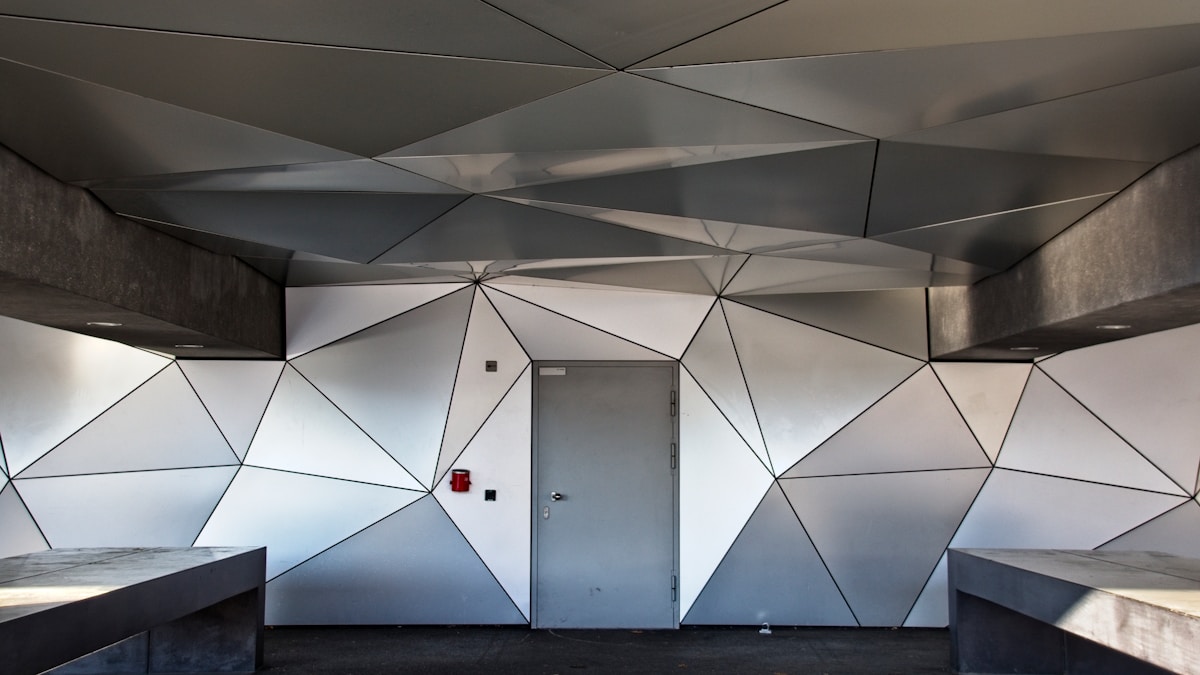
Panel durability relies on corrosion-resistant facings and high-grade polymer coatings, while fire safety is dictated strictly by core chemistry and structural density. Procurement teams must match specific foam or mineral compositions to regional building codes to guarantee lifecycle performance without compromising thermal efficiency or weight constraints.
Evaluating Weather Resistance and Coating Longevity
Commercial envelope failures rarely originate from the core; they stem from facing degradation and coating breakdown. High-performance composite panels use fluoropolymer finishes that resist UV degradation, chemical exposure, and salt spray corrosion. These coatings are engineered to maintain color stability and gloss retention for two to three decades in harsh climates.
For marine or recreational vehicle applications, gel-coated fiberglass and continuous fiber reinforced thermoplastic (CFRT) facings provide an impermeable barrier against moisture ingress, preventing delamination and osmotic blistering. When specifying cold storage or refrigerated transport walls, buyers must verify that the facing material maintains flexural integrity at sub-zero temperatures to prevent micro-cracking during rapid thermal cycling.
- Fluoropolymer (PVDF) Finishes: Withstand 2,000+ hours of accelerated QUV exposure before significant chalking or fade occurs.
- Epoxy/Polyester Back Coatings: Applied to interior facings to mitigate condensation-induced corrosion and improve structural adhesive bonding.
- Gel-Coated FRP/CFRT Sheets: Deliver superior waterproofing, chemical resistance, and impact tolerance for vessel hulls and heavy-duty mobile enclosures.
Fire Code Compliance and Core Chemistry Selection
Fire safety in sandwich panels is entirely dependent on the core material’s combustion characteristics and the panel’s assembly configuration. Regulatory bodies enforce strict flame spread and smoke developed indices through standardized testing methods like ASTM E84 and ISO 11925-2. Selecting the correct core requires balancing fire retardancy, thermal insulation capacity, and weight restrictions.
Halogen-free foams and expanded graphite-infused polymers have become industry standards for high-rise and transportation applications, as they eliminate toxic chlorine gas emissions during combustion. Mineral wool cores remain the benchmark for non-combustible insulation, offering continuous service temperatures exceeding 1,000°C while maintaining structural integrity under intense heat exposure.
- Polyisocyanurate (PIR) Foam: Delivers Class A fire ratings with low flame spread (<25) and minimal smoke development. Optimal for commercial roofing and exterior cladding where thermal bridging reduction is critical.
- Phenolic & PET Foams: Provide inherent flame retardancy and low volatile organic compound (VOC) emission profiles. PET cores are increasingly specified for sustainable construction projects requiring recyclable facings paired with thermally efficient insulation.
- Expanded Polystyrene (EPS) & XPS: Cost-effective insulators that require intumescent additives to meet modern fire codes. Best suited for dry freight truck bodies and lightweight industrial sheds.
- Mineral Wool & Rockwool: Non-combustible, hydrophobic cores that prevent fire propagation through wall cavities. Essential for high-risk industrial facilities and cold storage enclosures demanding strict fire compartmentalization.
Bulk Procurement and Quality Validation Protocols
Sourcing fire-rated composite panels in bulk requires rigorous vendor auditing beyond standard mill certificates. International buyers must verify that third-party laboratory reports cover full-scale assembly testing, not just isolated core samples. The adhesive bond line is a critical vulnerability; improper lamination can cause rapid delamination during a fire event, compromising the entire wall assembly.
When negotiating contracts for cross-border shipments, specify lot-tracking requirements and random sampling protocols for peel strength and compressive resistance. Advanced manufacturing facilities use real-time laser profilometry and automated ultrasonic flaw detection to ensure consistent core density and facing adhesion across every production run.
Assuming a generic “fire-retardant” label guarantees regulatory compliance. Many imported panels treat cores with legacy brominated additives that fail modern environmental directives and produce dense, toxic smoke during combustion. Always demand full ASTM E84 smoke density and toxicity reports alongside flame spread data before finalizing bulk orders.

Total Cost of Ownership Mindset
Final numbers depend on material grade, panel thickness, order volume, and freight distance. A line-item quotation that separates material, fabrication, and logistics makes comparison straightforward.
The Procurement Shift: Calculating True Lifecycle ROI
Total Cost of Ownership (TCO) in composite panel procurement requires shifting focus from upfront material pricing to long-term operational efficiency. Buyers must quantify how initial capital expenditure offsets against payload reduction, accelerated assembly timelines, and extended service intervals. When evaluating structural panels, the financial baseline relies on measuring weight-to-strength ratios, core thermal stability, and facing corrosion resistance across the entire project lifecycle.
Procurement teams frequently overlook hidden operational drains. Standardized steel or wood alternatives carry hidden depreciation curves driven by corrosion, moisture swelling, and frequent recoating. Composite sandwich structures reframe the budget by front-loading material costs while compressing downstream expenses. The financial advantage emerges when calculating total deployed assets rather than isolated unit prices.
Initial Outlay Versus Payload and Logistics Efficiency
Material weight dictates transportation economics across vehicle manufacturing, mobile housing, and marine applications. Lighter facings and engineered cores directly reduce tare weight, preserving payload capacity or extending range for refrigerated and dry freight units. The mathematical relationship between component density and fuel consumption creates compounding savings over multi-year asset deployment.
How to Choose optimal core materials requires matching density profiles to structural load requirements. High-performance foams and honeycomb geometries deliver stiffness without mass penalties. Engineering teams evaluate specific gravities to ensure the panel meets flexural rigidity thresholds while staying within legal axle limits.
- PMI Foam Cores: Engineered for high temperature tolerance and superior mechanical retention in aerospace-grade and heavy-duty transport applications.
- PVC & PET Foams: Provide balanced cost-to-performance metrics with closed-cell moisture resistance ideal for marine and cold storage environments.
- CFRT & GRP Facings: Continuous fiber reinforcement delivers tensile strength exceeding traditional metals at significantly lower mass fractions.
- Aluminum & Steel Skins: Utilized where fire ratings or extreme abrasion resistance are mandatory, requiring precise thickness calibration to manage weight penalties.
Assembly Velocity and On-Site Overhead Compression
Construction schedules degrade when contractors manage multiple material layers, sealing interfaces, and curing delays. Sandwich panel configurations eliminate these sequential bottlenecks by integrating insulation, structural support, and exterior cladding into a single manufactured unit. Standardized large-format sheets reduce joint frequency, which directly correlates with labor hour reductions and decreased weather exposure risks during erection.
Project planners track square footage coverage per shift to forecast labor allocation accurately. Panels designed with integrated locking systems or standardized edge profiles simplify fastener placement, allowing mechanical crews to maintain consistent throughput regardless of site conditions. Accelerated closure rates also enable earlier HVAC commissioning and interior fit-out scheduling.
Depreciation Curves and Replacement Intervals
Asset lifecycles determine annualized depreciation costs. Traditional building envelopes require periodic maintenance cycles driven by thermal expansion mismatches, galvanic corrosion, and UV degradation. Composite systems mitigate these failure modes through chemically inert matrices and uniform thermal coefficients. The resulting extension in service life flattens the replacement curve, converting recurring capital expenditures into predictable operational budgets.
Financial modeling for facility managers incorporates mean time between failures (MTBF) calculations. Panels using gel-coated FRP surfaces or continuous thermoplastic reinforcements demonstrate accelerated aging resistance, maintaining structural integrity and aesthetic compliance well beyond standard warranty thresholds. This longevity directly lowers the net present value of future refurbishment projects.
- Thermal Cycling Resistance: Engineered laminates absorb expansion differentials without delamination, preserving insulation R-values across seasonal extremes.
- Moisture Ingress Prevention: Closed-cell foam cores and sealed gel-coat finishes eliminate capillary water absorption, preventing internal rot and mold remediation costs.
- Chemical Stability: Non-corrosive polymer matrices withstand saline atmospheres and industrial pollutants, removing the need for cathodic protection or sacrificial anodes.

Aesthetic Flexibility and Design Versatility
Composite sandwich panels resolve commercial aesthetic constraints by integrating diverse facings and factory-controlled finishes, delivering superior color consistency and texture versatility without the weight or fabrication penalties of solid metals and HPL.
Procurement teams and project specifiers consistently encounter friction when attempting to achieve large-format architectural finishes while managing structural loads and budget caps. Traditional solid-sheet materials force a compromise between visual fidelity and logistical complexity. Composite panel architecture solves this by decoupling the aesthetic skin from the functional core, enabling project teams to select exact surface treatments while maintaining precise dimensional tolerances required for modern building envelopes and transport applications.
Customization Capabilities and Finish Libraries
Factory-integrated lamination replaces inconsistent field-coating processes. This manufacturing sequence bonds the visual layer directly to the substrate during curing, eliminating delamination risks and guaranteeing uniform thickness across the entire panel surface. The production matrix accommodates extensive facing variations, including GRP/FRP, CFRT, aluminum, steel, ACP, PVC, plywood, stainless steel, and Aluzinc, each paired with tailored core densities.
- Base Coatings: Gelcoat applications deliver waterproof, smooth, and thermally insulating surfaces, while advanced fluoropolymer paints enable precise solid color matching for corporate or municipal branding.
- Architectural Textures: Digital UV printing and embossing technologies accurately replicate woodgrain, honed stone, and brushed metallic finishes at high resolution, overcoming the natural variation and sourcing bottlenecks of authentic materials.
- Structural Neutrality: Core selections such as XPS, PET, PU, PVC, PMI, PP honeycomb, or aramid honeycomb do not interfere with surface aesthetics, allowing designers to prioritize visual specifications without compromising insulation or acoustic ratings.
Color Consistency Across Bulk Procurement
Large-scale commercial deployments and multi-phase infrastructure projects demand exact batch-to-batch color matching. Field-applied treatments or separately manufactured solid metal sheets frequently exhibit hue shifts due to environmental exposure, manual application variances, and supply chain fragmentation. Automated lamination lines enforce strict spectrophotometric monitoring during the curing phase, keeping Delta E variance within tight commercial tolerances. This controlled workflow guarantees that initial shipment pallets align perfectly with subsequent replenishment orders, eliminating visible seams or tonal mismatches in finished facades and vehicle bodies.
Texture and Formability vs. Solid Metal and HPL
Evaluating aesthetic flexibility requires analyzing how each substrate handles complex geometries and surface detailing during fabrication. Solid metals provide exceptional durability but carry significant weight penalties and require expensive press tooling for deep forming. Mechanical bending often thins the protective coating at stress points, exposing base alloys to accelerated corrosion and reducing long-term visual integrity.
High-pressure laminates (HPL) offer outstanding abrasion resistance but are physically constrained to smaller sheet dimensions. Achieving continuous architectural lines requires extensive adhesive joining and visible fastener patterns, which disrupt design continuity and increase maintenance access points. Composite panels bridge this operational gap by combining lightweight structural cores with highly pliable outer skins.
The monolithic construction supports smooth large-format installations without thermal bridging at connection nodes. Surface finishes can be customized to control light reflectance, tactile grain, and pattern scale, providing specification engineers with granular control over visual performance while maintaining rigorous commercial standards.
Installation Ease and Maintenance Requirements
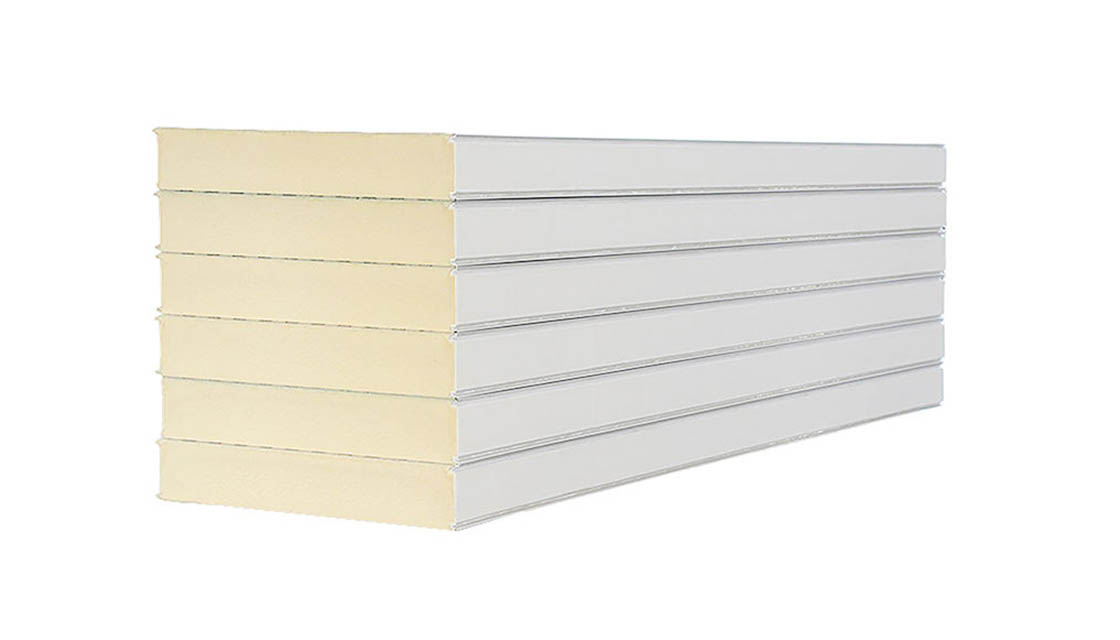
Composite panel installation and maintenance directly dictate project timelines and lifecycle operational costs. The primary advantage of modern sandwich composites lies in their engineered weight-to-strength ratio, which reduces structural load requirements and accelerates on-site assembly without compromising rigidity. Long-term upkeep remains minimal when surface coatings are properly matched to the operating environment, requiring only standard cleaning protocols to preserve aesthetic and functional integrity.
Field Logistics and Structural Handling Efficiency
- Reduced Crane Dependency: Manual positioning and dry-fit phases complete faster, lowering daily equipment rental costs.
- Lower Foundation Reinforcement: Minimized dead weight decreases required chassis or building frame gauge thickness.
- Optimized Transport Stacking: Higher payload volume per shipment without exceeding regional axle weight limits.
Fabrication Tolerances and Assembly Compatibility
On-site modifications and precision fitting require materials that accommodate straightforward machining without delamination or core exposure. Most thermoplastic and thermoset composite panels feature standardized edge tolerances that allow clean cutting, routing, and bending. Unlike aluminum or steel, which require substantial hydraulic forming force and specialized tooling for complex geometries, composite skins integrate smoothly with cassette and tray mounting systems.
This compatibility shifts assembly away from field welding or extensive riveting toward bolted or structural adhesive joinery, which inherently preserves thermal breaks and reduces condensation risk.
- CNC Routing Compatibility: Standard high-speed steel or carbide blades cut cleanly without fraying thermoplastic matrices.
- Cold-Forming Capability: Radius bends up to 10:1 achievable without cracking the resin matrix or exposed facing.
- Standardized Mounting Alignment: Pre-drilled holes coordinate with structural aluminum extrusions for rapid panel latching.
Long-Term Cleaning Protocols and Surface Preservation
Exterior and mobile applications expose panels to UV degradation, road salts, industrial pollutants, and biological growth. Modern gel-coated or fluoropolymer-painted finishes are engineered to resist staining and corrosion, eliminating the need for abrasive scrubbing or harsh solvent-based cleaners. A routine maintenance schedule using pH-neutral detergents and soft-bristle brushes is sufficient to remove accumulated grime and restore reflectivity.
- Cleaning Frequency: Monthly for coastal or high-pollution zones; quarterly for standard urban environments.
- Rinse Protocol: Deionized or softened water prevents mineral spotting on glossy finishes and maintains coating transparency.
- Edge & Fastener Inspection: Annual sealant integrity checks prevent capillary wicking and core moisture ingress.
Avoid high-pressure washing above 1,500 PSI or abrasive wire brushes on composite facings. Excessive mechanical force can micro-fracture the gelcoat, creating pathways for moisture penetration that compromise core adhesion over time.

Direct Comparison with Facade Alternatives
Aluminum composite panels deliver superior weight-to-rigidity ratios and inherent thermal breaks compared to monolithic metals and masonry, fundamentally reducing structural dead load while maintaining architectural flatness.
Structural Rigidity and Dead Load Management
When evaluating exterior cladding systems, the primary engineering constraint is often dead load. Solid aluminum sheets typically require 2.0mm to 3.0mm gauges to prevent oil-canning and maintain flatness across wide elevations. This thickness adds substantial mass to the building skeleton, driving up steel and fastener costs.
In contrast, a standard 4mm aluminum composite panel achieves equivalent surface stability at roughly one-third the mass. The polyethylene or fire-retardant core acts as a stiffening web, decoupling the thin aluminum skins. This sandwich architecture allows contractors to specify lighter backing structures without sacrificing wind load resistance, directly translating to reduced foundation requirements and lower overall structural expenditure.
Fiber cement boards present a different weight penalty entirely. Manufacturing dense, pressure-impregnated cellulose and cement composites results in significantly heavier panels that demand sturdy secondary framing. While fiber cement offers excellent compressive strength, its brittleness under point loads increases the risk of micro-fracturing during transport and handling. Composite panels absorb impact energy through their core material, eliminating surface chipping and maintaining aesthetic integrity throughout the installation phase.
Thermal Bridging and Insulation Integration
Monolithic metal facades act as direct conductors for thermal bridging, forcing architects to install complex external insulation membranes or thermally broken subframes to meet modern energy codes. Aluminum composite panels inherently solve this by introducing a continuous insulating core between exterior and interior environments.
This built-in thermal break stabilizes indoor temperatures and reduces HVAC cycling. When paired with external rigid foam insulation boards mounted to the backup wall, the composite system creates a near-smooth thermal envelope that outperforms solid zinc or copper cladding, which rely entirely on external drainage planes and separate insulation layers to achieve comparable U-values.
Fabrication Limits and Span Requirements
Architectural flexibility dictates material selection. Solid aluminum and zinc sheets excel in deep brake-forming applications, allowing for sharp radii and smooth three-dimensional curvature without core separation. Composite panels have stricter bending limitations; attempting tight radii can stress the laminated core, leading to visible creasing or delamination if not processed correctly. therefore, large-format composite cladding frequently requires intermediate structural supports to prevent deflection across spans exceeding 2.4 meters. Contractors must account for this panel division strategy during the coordination phase.
- Surface Flatness: Solid aluminum is prone to thermal expansion-induced waviness on large planes, whereas composite laminates maintain factory-level smoothness across entire elevations.
- Maintenance Trajectory: Zinc develops a natural patina that requires careful specification to avoid unsightly streaking, while composite coatings offer consistent color retention with minimal chemical degradation under UV exposure.
- Cost Efficiency: Material yield for composite panels typically requires less raw stock volume per square meter compared to monolithic sheets, driving down procurement costs without compromising weather resistance.
Do not substitute standard polyethylene cores for fire-rated applications. Modern building codes mandate A2 or Class 1 fire classifications for high-rise facades. Specifying non-compliant cores to save on upfront material costs will result in immediate rejection during fire safety inspections and complicate whole-building certification.
Environmental Sustainability and Recyclability
Sustainability in composite panels is no longer a marketing buzzword; it is a compliance mandate driven by carbon taxation and circular economy regulations. The real value lies not just in the material’s origin, but in its end-of-life recoverability and operational energy efficiency.
Assessing the Recyclability of Aluminum Skins and Core Materials
When evaluating the environmental profile of sandwich panels, the aluminum skins are often the easiest part of the equation. Aluminum is technically a “permanent material,” meaning it can be recycled indefinitely without losing its properties.
This gives the panel a high salvage value at the end of its life. However, the core material is where the complexity lies. If the core is chemically bonded to the skin in a way that prevents separation, the entire panel often gets downcycled or incinerated rather than recycled.
For buyers, this distinction impacts disposal costs and regulatory compliance. If your project targets LEED or BREEAM certification, you cannot treat the panel as a monolithic block. We emphasize this in our manufacturing protocols: selecting core materials that allow for cleaner separation or using thermoplastic cores that can be reprocessed alongside the facings. If you specify a core with poor recyclability, you are effectively passing a waste management liability to the building owner ten years down the line.
How to Choose Eco-Friendly Core Materials like PET and PU
The choice of core material is the single biggest lever you have for influencing the panel’s carbon footprint. PET foam has emerged as the industry standard for green building projects because it is often derived from post-consumer plastic waste, effectively closing the loop on plastic disposal. Unlike traditional mineral wool or purely petroleum-based foams, PET offers a fully recyclable path that doesn’t require specialized chemical treatments.
However, do not overlook Polyurethane (PU) when operational efficiency is the priority. While PU presents more challenges in terms of end-of-life recycling compared to PET, its superior thermal insulation properties significantly reduce the energy consumption of the building during its operational life.
In our engineering analysis, we often guide clients toward PET when the goal is material circularity and corporate sustainability reporting (ESG), but recommend PU for applications like cold storage or refrigerated transport where energy efficiency and thermal performance are the dominant environmental factors.
Evaluating Lifecycle Energy Efficiency and Carbon Footprint Reduction
A narrow focus on “embodied carbon”—the energy used to make the panel—often misses the bigger picture. For high-performance buildings and vehicles, the operational carbon savings far outweigh the initial manufacturing footprint. Lightweight composite panels play a crucial role here. By reducing the overall mass of the structure, you lower the fuel consumption during transport and decrease the load on foundational structures.
Lifecycle cost models prioritize operational efficiency over raw payload reductions when selecting facade systems. Our data confirms that switching to advanced sandwich panels delivers a verified 60% reduction in annual heating and cooling energy demands, driven by significant whole-wall R-value improvements. When calculating the Total Cost of Ownership (TCO), you must factor in these lifecycle efficiencies rather than upfront material weight.
A panel that appears cheaper initially but lacks optimized thermal performance will inflate utility overhead and extend the energy payback period well beyond the industry benchmark of 5.1 years. Over a 20-year service life, compressing those measurable operational costs protects both environmental targets and long-term client margins.
| Material Type | Sustainability Attribute | Recyclability Status | Lifecycle Carbon Impact | End-of-Life Recovery |
|---|---|---|---|---|
| Aluminum Alloy Facings | Infinite recyclability without structural degradation | Fully Recyclable | ~95% energy savings vs. virgin production | Remelting & casting into new sheet stock |
| PET Foam Core | Post-consumer recycled feedstock integration | Highly Recyclable | Lowered virgin polymer extraction footprint | Mechanical shredding & repelletizing |
| PP Honeycomb Core | Thermoplastic matrix enabling smooth reprocessing | Fully Recyclable | Minimized embodied manufacturing carbon intensity | Extrusion into new thermoplastic profiles |
| PU / XPS Foam Core | High thermal resistance reducing operational energy demand | Limited / Downcycled | ~60% reduction in heating/cooling emissions | Specialized grinding or controlled energy recovery |
| GRP / FRP Composite | Mass reduction optimizing transport & operational fuel efficiency | Emerging / Chemically Recyclable | Lifecycle net-positive via structural mass optimization | Fiber separation & composite crushing for aggregate |
Key Takeaways
You construct facilities that survive decades, not just seasonal inspections. Selecting aluminum composite panels over solid metal cuts thermal bridging in half and locks in predictable lifecycle costs. Our engineering team watches too many buyers ignore flexural rigidity specs until winter wind loads tear the seams.
Match your core material to the local climate zone, verify fire ratings against municipal codes, and prioritize structural integrity over trendy textures. Polyvinylidene fluoride coatings outlast standard acrylic finishes by twenty years, and that math protects your margin long after installation.
- Run your envelope specifications through our insulation thickness calculator before locking supplier contracts.
- Confirm recyclability documentation for every PET or polyurethane core shipment you receive.
- Treat our manufacturing engineers as an academic backup whenever early-stage design questions arise during blueprints.
- Ask for material performance data sheets instead of relying on vendor marketing brochures.
Frequently Asked Questions
This factor has a direct bearing on project performance and long-term cost. Addressing it with specific data rather than general assumptions leads to better outcomes.
Can I request product samples before placing a bulk order?
Please contact the sales team to arrange sample shipments to verify physical properties under actual application conditions.
What is the typical delivery lead time?
Our standard manufacturing lead time is typically 15-20 days from deposit receipt. Heavy customization may add 5-7 working days.
How much does aluminum composite panels typically cost?
The cost of aluminum composite panels varies based on material grade, thickness, panel dimensions, and order volume. Requesting a detailed quote with your project specifications is the most reliable way to get an accurate figure. Bulk orders typically reduce per-unit pricing significantly.
What factors affect the price of aluminum composite panels?
The cost of aluminum composite panels varies based on material grade, thickness, panel dimensions, and order volume. Requesting a detailed quote with your project specifications is the most reliable way to get an accurate figure. Bulk orders typically reduce per-unit pricing significantly.
How long does aluminum composite panels last under normal conditions?
With proper installation and routine maintenance, aluminum composite panels can last 20 to 30 years or more. Actual lifespan depends on environmental exposure, load conditions, and whether the protective surfaces remain intact over time.