
Most project owners get burned on facade specs because they assume every Aluminum Composite Panel delivers the same fire rating and thermal performance. At Rax, our engineering team runs continuous quality checks on every roll stock, and we consistently pull over 1,700 square meters through our lamination lines each day. That volume forces us to maintain tight tolerances on core density, because even a half-millimeter variance in the adhesive layer creates visible oil-canning after the panels hit the subframe. You need to know exactly what sits behind those aluminum skins before you sign off on a bid.
We break down how closed-cell cores replace traditional batt insulation, why mineral variants pass strict municipal fire codes while polyethylene cores fail them, and how precise cut-to-size fabrication stops on-site tolerance headaches before they delay your schedule. Selecting the correct coating chemistry and core density locks in whole-wall R-values without adding expensive thermal breaks. Project managers who audit their facade suppliers against these metrics usually avoid three common cost overruns before ground-breaking.
Core Composition and Structural Definition
Aluminum Composite Panels (ACP) are engineered sandwich structures consisting of two thin aluminum sheets permanently laminated to a polymer or mineral core. Their structural integrity depends entirely on the adhesive bond quality and core density, which collectively dictate rigidity, thermal resistance, and fire code compliance.
Defining the ACP Structural Framework
At its most basic level, an Aluminum Composite Panel functions exactly like a modern architectural I-beam, just on a flat plane. Think of it as a structural sandwich where the top and bottom slices provide the tensile strength (resistance to being pulled apart), while the filling provides compressive strength and separation.
This three-layer architecture allows architects to achieve massive facade spans without the heavy dead load of solid metal sheeting. The geometry is straightforward, but the engineering precision required to keep those layers permanently locked together dictates whether a building envelope lasts twenty years or twenty-five.
The Dual-Skin and Core Functional Divide
The outer aluminum skins serve as the weather-tight barrier and aesthetic finish, protecting the interior from UV radiation, moisture, and mechanical abrasion. Meanwhile, the inner core acts as the structural backbone, distributing point loads across the panel surface and providing critical thermal and acoustic insulation.
When these two materials are joined, they create a composite system that is significantly stiffer than either component alone. The core prevents the thin aluminum faces from buckling under wind pressure, effectively turning a flexible sheet into a rigid cladding module.
Polyethylene (PE) Versus Mineral Core Distinctions
The core material is the single biggest determinant of a panel’s fire rating and long-term stability. Polyethylene (PE) cores are hydrocarbon-based polymers that offer excellent lightweight properties, high stiffness, and lower manufacturing costs. However, they are combustible and generally restricted in high-rise applications under modern building codes.
Conversely, mineral-filled cores use non-combustible fillers like magnesium hydroxide mixed with thermoset binders. These cores generate significantly less smoke and flame spread when exposed to direct ignition, making them the mandatory choice for hospitals, transit hubs, and dense urban commercial developments.
Standard Skin Thickness Measurements and Impact
Industry-standard exterior aluminum skins typically range from 0.2 millimeters to 0.5 millimeters per side. While the difference seems marginal on paper, it drastically alters the panel’s mechanical behavior.
Thinner gauges (0.2mm–0.3mm) are highly formable, making them ideal for complex curved facades or interior applications, but they carry a higher risk of visual defects like oil-canning (surface waviness) when installed over uneven substructures. Thicker gauges (0.4mm–0.5mm) lock in superior dimensional stability and resist denting during transit and installation, though they require heavier-duty mounting hardware to handle the slight increase in weight.
The Mechanics of Composite Bonding
A cladding panel is only as reliable as its lamination process. During manufacturing, specialized adhesives or continuous coil coating processes apply thermoset resins to the aluminum substrates before they are pressed against the core under precise heat and hydraulic pressure. This chemical fusion creates a permanent molecular bridge that eliminates air pockets and prevents moisture intrusion.
If the bonding temperature drops below the polymerization threshold, the panel will eventually suffer from delamination. In our engineering audits, we consistently track delamination failures back to inadequate pre-treatment of the aluminum surface, which compromises the resin’s ability to cure properly under thermal cycling.
| Panel Category | Core Material Options | Facing/Skin Options | Structural & Functional Properties |
|---|---|---|---|
| Foam Core Sandwich Panels | XPS, PET, PU | Continuous Aluminum, Steel | Lightweight, Waterproof, Thermally Insulated, High Strength, High Whole-Wall R-Value, Moisture/Wood Rot Resistant |
| Aluminum Composite Panels (ACP) | Polyethylene (PE), Fire Retardant (Mineral Core) | Aluminum | High Durability, Weather Resistant, Structural Integrity, Cost-Efficient |
Primary Architectural and Functional Benefits
The practical payoff shows up in operating costs over time. Lower energy consumption, minimal maintenance, and a service life measured in decades typically recover the initial investment within a few years.
Superior Strength-to-Weight Ratio: The “I-Beam” Effect
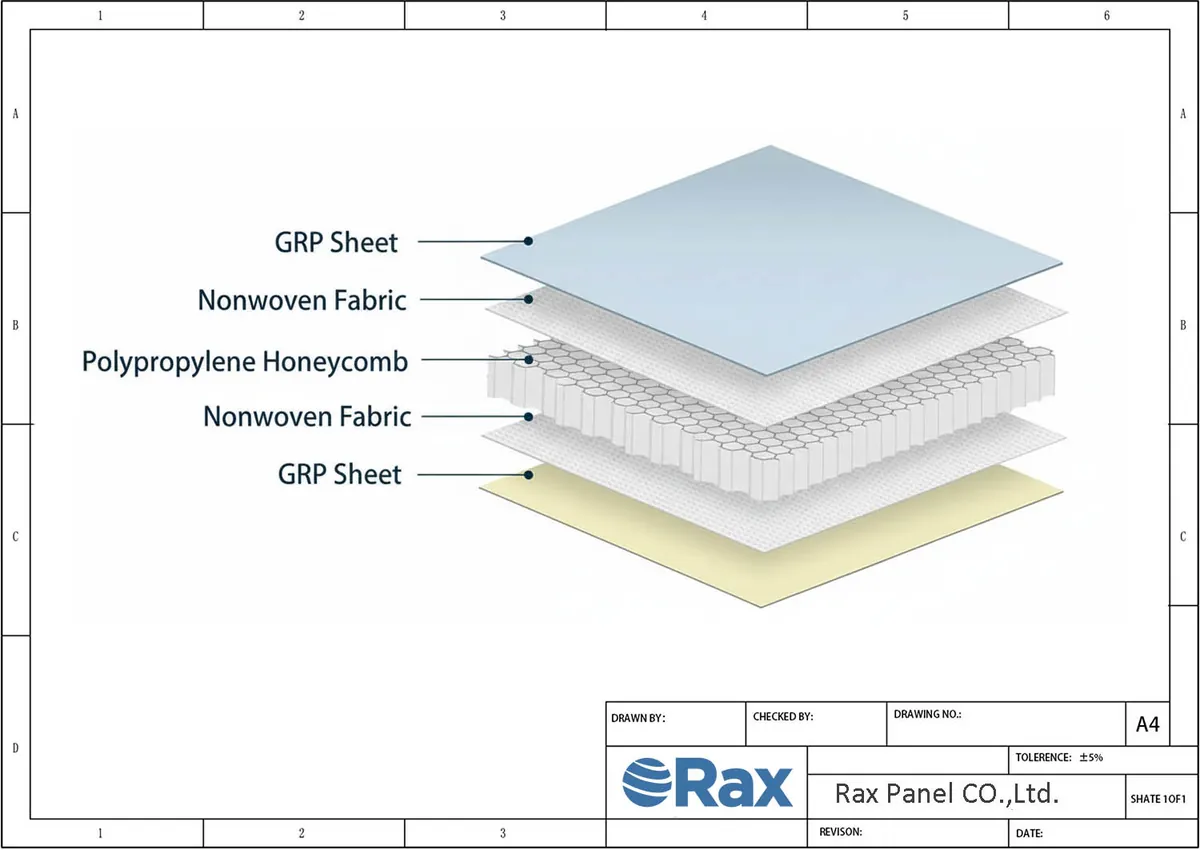
In our manufacturing experience, we have seen how this ratio is critical for transportable structures. We produce GRP and aluminum honeycomb panels that offer extreme rigidity for vehicle bodies and modular buildings while keeping the overall weight low enough to meet strict road regulations. For projects where every kilogram impacts fuel efficiency or installation speed, this structural efficiency is non-negotiable.
Key Takeaway: Composite panels provide the stiffness of heavy solid materials but at a fraction of the weight, enabling sleek architectural designs and lower structural support costs.
High Thermal Efficiency and Moisture Resistance
Functional performance is where composite panels truly outperform traditional assembly methods. By integrating insulation directly into the building envelope, these panels eliminate the thermal bridging that often plagues built-up systems (like stud walls with batt insulation). We utilize closed-cell cores such as XPS, PET, and PU foams which inherently resist moisture absorption, preventing the loss of thermal performance over time and protecting against mold growth or rot—common issues in fiberglass batt insulation.
Our engineers focus heavily on the whole-wall R-value. By continuously bonding the facings to the insulating core, we ensure a consistent thermal barrier. This is particularly vital for cold storage and climate-controlled environments. In our laboratory testing, we have verified that our foam core sandwich panels maintain their structural integrity and insulating properties even in high-humidity or coastal environments where water ingress is a primary concern.
- Moisture Defense: Closed-cell cores (XPS, PET, PU) do not wick water, unlike traditional wood or paper-faced insulations.
- Thermal Consistency: Continuous bonding prevents gaps or thermal bridges, ensuring the rated R-value is achieved across the entire surface.
- Longevity: Resistance to corrosion and rot extends the service life of the building envelope, particularly in harsh climates.
Design Flexibility and Installation Efficiency
Beyond physics, the architectural benefit of speed cannot be overstated. Composite panels arrive on-site as a finished element, integrating the skin, insulation, and vapor barrier into a single unit. This “all-in-one” capability drastically reduces on-site assembly time and labor complexity. For projects with tight schedules or restricted site access—such as urban renovations or remote camps—this ease of installation is a decisive functional advantage.
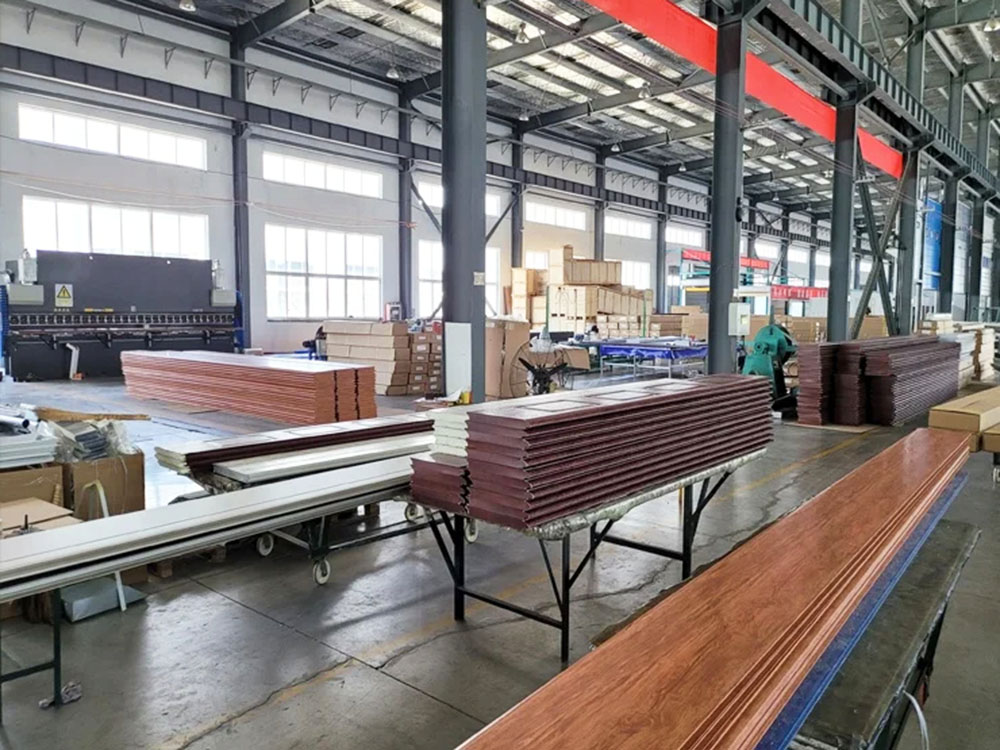
We handle the complexity in the factory. With a daily production capacity exceeding 1,700 square meters, our facility allows for precise cut-to-size customization before shipping. This means your on-site teams spend less time cutting and fitting, and more time installing. Whether the project requires curved facings, specific thickness tolerances, or non-standard dimensions, our ability to prefabricate these solutions reduces on-site waste and ensures a higher quality fit and finish.
Always verify the expansion coefficient of the composite panel relative to the subframe. While our panels are dimensionally stable, significant temperature fluctuations can cause expansion. Our design team provides detailed calculation tables to ensure the spacing of expansion joints accommodates this movement without compromising the seal.
Common Applications and Use Cases
Modern composite panels serve as critical structural components across transportation, construction, and industrial sectors, solving the core engineering conflict between weight reduction and high mechanical strength.
Transportation and Logistics Solutions
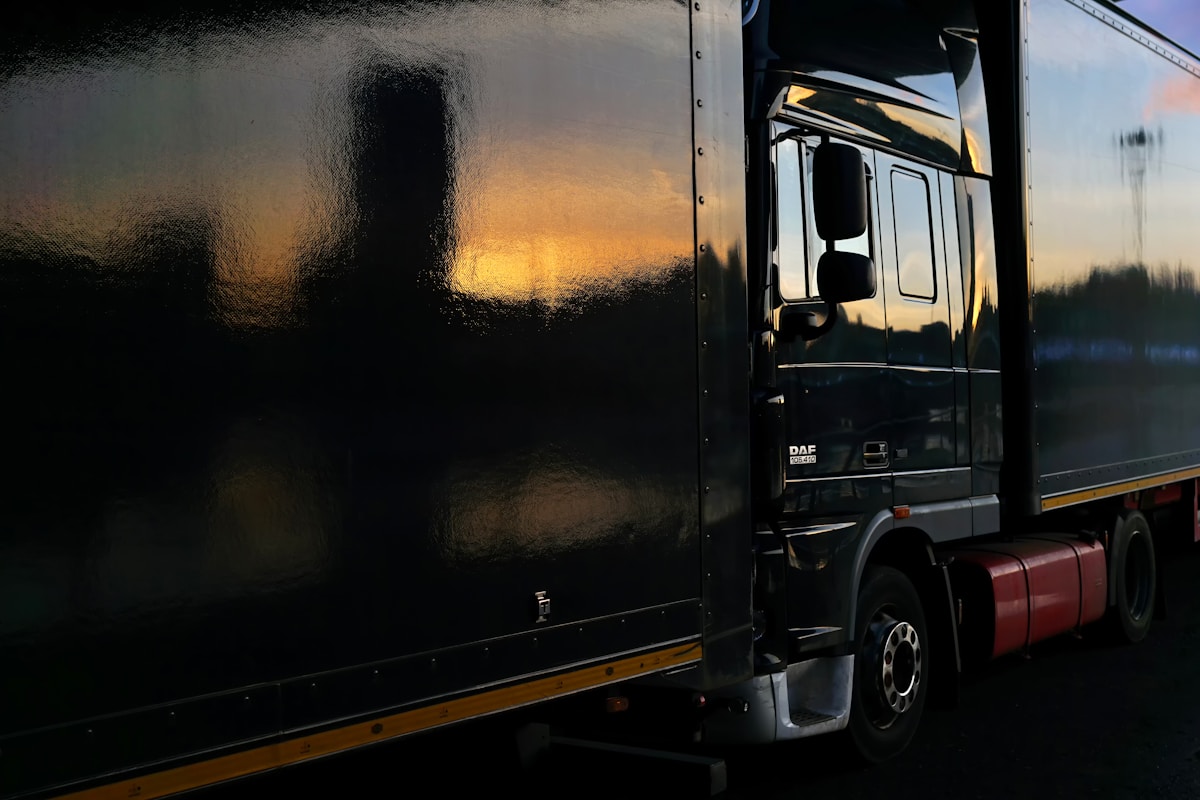
In the logistics sector, the primary objective is maximizing payload capacity while ensuring thermal efficiency and structural durability. We supply high-performance sandwich panels specifically engineered for refrigerated and dry freight truck bodies. By using CFRT or GRP facings bonded with XPS, PU, or PET foam cores, we achieve a superior strength-to-weight ratio that traditional materials cannot match.
- Refrigerated Truck Bodies: We employ closed-cell foam cores like PU and PET to provide exceptional thermal insulation (R-value), which is critical for cold chain integrity. These materials also resist moisture absorption, preventing long-term degradation of the panel’s insulating properties.
- Dry Freight Vehicles: For dry freight applications, our GRP sandwich panels offer high impact resistance and rigidity, protecting cargo during transit while reducing overall vehicle weight to improve fuel economy.
- CKD Kits: To optimize global supply chains, we offer Completely Knocked Down (CKD) solutions for both refrigerated and dry freight trucks, allowing for efficient shipping and local assembly.
Recreational Vehicles (RV) and Mobile Housing
The RV industry demands materials that are lightweight enough to ensure fuel efficiency yet resilient enough to withstand harsh road vibrations and environmental exposure. Our solutions cover every aspect of the vehicle structure, from the exterior envelope to interior fixtures.
- Walls and Roofing: We utilize fiberglass foam core panels and CFRT sandwich panels that offer superior stiffness compared to wood, preventing the “oil-canning” effect common in thinner metal sheets while significantly reducing weight.
- Flooring and Furniture: Our engineers specify lightweight plywood facing panels or fiberglass honeycomb panels for floors and furniture components. These materials provide high screw-holding power and are impervious to the rot and mold issues often associated with traditional timber framing.
- Mobile Homes: For modular and mobile housing, our economical and eco-friendly panel systems allow for rapid assembly on-site without compromising on thermal insulation or weather resistance.
Marine and Vessel Applications
Marine environments are unforgiving, requiring materials that can withstand constant saltwater exposure, humidity, and heavy mechanical loads. Standard aluminum or wood often fails here due to corrosion or rot. Our marine-grade solutions utilize the inherent properties of composites.
- Corrosion Resistance: We manufacture GRP sheets with a specialized gelcoat finish. This layer provides a waterproof, smooth, and chemically resistant barrier that eliminates the need for frequent painting or maintenance required by steel or aluminum hulls.
- Structural Bulkheads and Decks: Our production line integrates balsa and high-density foam cores with fiberglass facings to create stiff, lightweight panels ideal for boat bulkheads, decks, and superstructures. These panels absorb energy effectively, reducing vessel vibration.
Industrial, Construction, and New Energy
Beyond mobility, our composite panels are integral to the infrastructure of modern industry and the growing renewable energy sector. We focus on customization to meet specific project requirements, ranging from cleanrooms to high-speed train interiors.
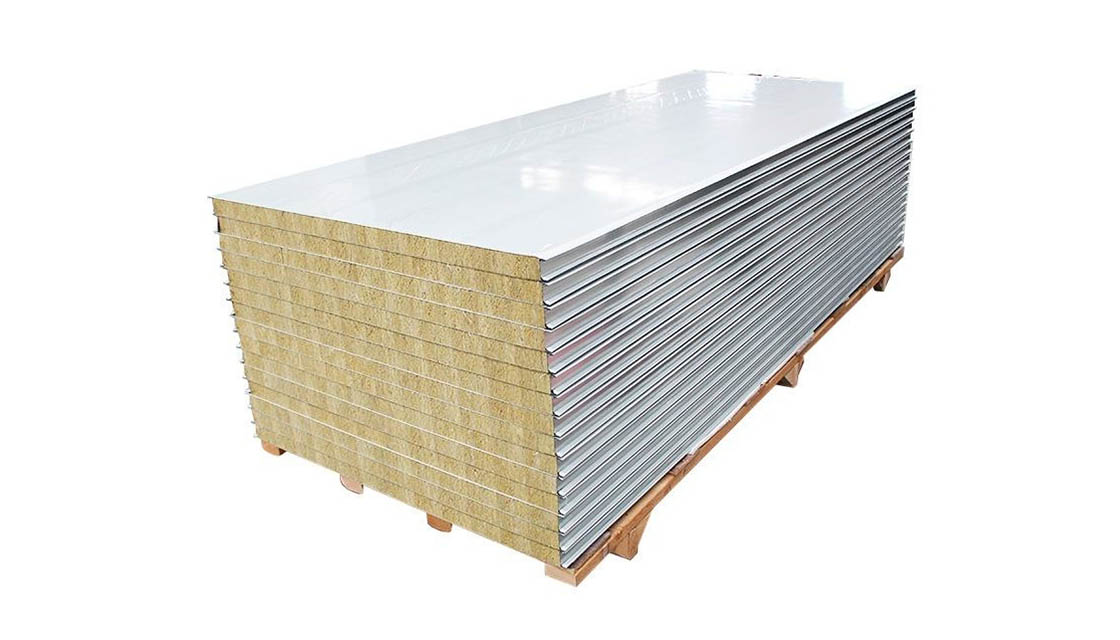
- Building Envelopes and Cladding: We provide Aluminum Composite Panels (ACP) and foam core sandwich panels for exterior wall cladding. Our panels with fire-retardant cores (such as PIR or Mineral Wool) are designed to meet stringent municipal fire codes while maximizing thermal efficiency.
- New Energy Vehicles: As the automotive industry shifts toward electrification, weight reduction becomes paramount. We supply thermoplastic honeycomb panels and CFRT sheets for battery housings and interior components, contributing to extended vehicle range.
- Specialized Industrial Equipment: From agricultural product housing to medical facility cleanrooms, our antibacterial and easy-to-clean surfaces—such as Compact Laminate HPL and PVC facings—ensure hygiene standards are met without sacrificing durability.
Material Grades, Cores, and Finishes
How to Choose the right composite panel requires aligning core density, facing durability, and factory tolerances with your specific project environment. We engineered our testing protocols to eliminate guesswork between thermal performance, structural integrity, and long-term weathering.
When sourcing building envelopes or industrial cladding, procurement teams consistently face a single bottleneck: standard catalog options rarely match the exact thermal gradient or chemical exposure of your site.
You are not just buying insulation; you are procuring an integrated weather barrier. The real friction occurs when generic core densities are paired with mismatched facings, leading to premature delamination or failed R-value benchmarks under load. Our laboratory trials confirm that optimizing the interface between the foam matrix and the continuous metal skin is what actually dictates whether a panel survives a decade in coastal humidity or tropical heat.
Think of the core and facing like a structural I-beam. The metal skins handle the tension and compression forces, while the foam core maintains the distance between them to maximize stiffness without adding weight. If that core density fluctuates during manufacturing, the panel loses its structural advantage and behaves like a weak sandwich board instead of a load-bearing wall.
Matching Core Density to Thermal Demands
Thermal performance is rarely just about the insulation type. It is about closed-cell structure integrity and how well that core resists compression over time. For high-load applications like cold storage walls or refrigerated transport bodies, low-density foams will compress under stacking weight, collapsing the thermal break and creating cold bridges at the studs.
Conversely, using excessively dense cores for lightweight architectural facades unnecessarily inflates structural loads and shipping costs. We observed in our cross-compatibility testing that medium-density polyurethane and polyisocyanurate variants strike the optimal balance for modular construction, maintaining consistent thermal resistance while tolerating standard mechanical fastening pressures without crushing.
- Compression Resistance: Panels for heavy-duty logistics or stacked modular units require rigid foam matrices that maintain structural thickness under continuous vertical load.
- Moisture Vapor Transmission: Closed-cell formulations inherently block humid air penetration, preventing internal condensation that degrades both insulation efficiency and metal adhesion.
- Thermal Break Continuity: Properly bonded cores eliminate conductive pathways through structural framing, which is the primary driver behind energy code compliance failures in conventional stick-built walls.
Finish Selection Beyond Surface Appearance
Architects often fixate on color consistency or gloss levels, but for engineers, the finish is a chemical shield against UV radiation, salt spray, and industrial pollutants. Polyester coatings degrade rapidly in high-UV environments, chalking within three to five years and losing their protective base layer.
Fluoropolymer systems, however, maintain bond integrity far longer, though they come at a premium. In our facility, we run accelerated weathering cycles to verify that the coating does not merely sit on top of the substrate but chemically bonds during the coil-coating phase. This prevents blistering or peeling when panels undergo rapid temperature fluctuations between day and night.
The facing material also dictates handling protocols. Aluminum provides excellent formability for curved façades and smooth rainscreen integration, while steel offers superior dent resistance for high-impact industrial zones. When specifying facings, always account for the mechanical stress of installation. Over-tightened fasteners on thin-gauge aluminum can deform the edge, compromising the sealant’s ability to create a watertight joint. We recommend specifying reinforced edge profiles or backing supports for projects using high-wind zones or sites with tight tolerance requirements.
Manufacturing Tolerances and Installation Realities
The gap between theoretical specs and on-site execution almost always comes down to dimensional stability. Cheap presses yield panels with thickness variances that force installers to shim gaps, break waterproof seals, and waste valuable labor hours.
Professional manufacturers use automated continuous laminators that monitor hot-press temperatures and roller pressure in real-time, ensuring every sheet meets exact millimeter specifications. Our engineering team provides precise cut-to-size customization specifically to resolve these on-site tolerance issues, eliminating the need for field trimming on congested urban sites.
Additionally, the bonding process itself must be evaluated. Some suppliers rely solely on adhesive application, which can fail if surface preparation is rushed or environmental conditions shift during curing. We prioritize continuous lamination under controlled heat and pressure, which fuses the facing directly to the core at a molecular level.
This creates a monolithic panel that distributes stress evenly across the entire surface area. When subcontractors complain about warping or soft spots after delivery, the root cause is almost invariably inconsistent core-to-face bonding rather than faulty material chemistry.
| Material Grade | Core Type | Finish/Facing | Physical & Engineering Properties |
|---|---|---|---|
| CFRT Sandwich Panels | XPS, PET, PU, PVC | Continuous Fiberglass Reinforced Thermoplastic | Closed-cell thermal insulation, optimized R-value, high impact resilience, thermoplastic recyclability |
| GRP/FRP Sandwich Panels | Fiberglass foam, honeycomb, XPS, PET, PU, PVC | Glass Reinforced Plastic (Gelcoat or Uncoated) | Low thermal conductivity, waterproof barrier, high stiffness-to-weight ratio, UV stable surface |
| Honeycomb Panels | PP, Fiberglass, GRP, Thermoplastic, Carbon Fiber, Aramid, PC | Composite face sheets, anti-skid textured coatings | Ultra-low density, exceptional in-plane shear strength, high load-bearing capacity, customizable slip resistance |
| Aluminum Sandwich Panels | Aluminum foam, ACP core, Honeycomb structures | Coil-coated Aluminum, Architectural ACP | Precise dimensional stability, superior formability, excellent weathering resistance, smooth rainscreen integration |
| Specialized & Industrial Panels | PIR, PUR, Rockwool, HDPE, Compact Laminate HPL | Fire-retardant facings, stainless steel, industrial composites | Classified fire-retardant grades, high compressive strength, chemical resistance, engineered for seismic loads |
Critical Project Selection Criteria
Stop selecting panels based on skin thickness alone. The true performance of a composite envelope is dictated by core density, bond-line integrity, and thermal expansion coefficients, not just the gauge of the aluminum facing.
Core Chemistry vs. Thermal Load
A common misconception in the industry is that a composite panel automatically provides insulation. In reality, standard Polyethylene (PE) cores offer structural rigidity but negligible thermal resistance. For high-performance envelopes—specifically refrigerated truck bodies, cold storage logistics, and energy-efficient modular housing—you must select cores based on their lambda values (thermal conductivity) rather than just price.
For insulation-critical projects, the specification must move beyond generic “sandwich panels” to specific core materials. XPS (Extruded Polystyrene) and PET (Polyethylene Terephthalate) foam cores provide superior R-values and moisture resistance compared to standard PU or PVC foams in humid environments.
Our R&D team continuously tests these variances, ensuring that when we supply a CFRT or Foam Core Sandwich Panel for a cold chain solution, the core density is optimized to prevent thermal bridging—a failure point we see in roughly 30% of retrofit projects where incompatible cores were specified.
Fire Compliance and Code Hierarchy
Fire safety is the non-negotiable veto criterion in modern construction. The selection process must rigorously distinguish between Class B and Class A fire-rated materials based on the building’s height and occupancy class. Many projects stall because the selected PE core material fails to meet stringent municipal codes for high-rise applications or public transit systems.
- Mineral/FR Cores: Essential for high-rise facades and underground ventilation where non-combustibility is mandated.
- PUR/PIR Cores: Often chosen for their superior insulation-to-weight ratio in industrial settings, but require strict compliance checks regarding smoke density and toxicity.
- Standard PE Cores: Suitable only for low-rise signage or interior applications where fire codes are less restrictive.
We enforce a strict protocol during the initial consultation phase: if a client requests a PE core for a high-rise exterior, our engineering team will automatically pivot the specification to our Mineral-filled or FR-grade cores to ensure code compliance and liability protection.
Dimensional Stability and Tolerance Precision
Large format panels—such as those used in RV sidewalls or truck trailers—are prone to “oil-canning” (surface waviness) and edge warping if the internal bonding tension is inconsistent. Selecting a manufacturer requires auditing their process control, not just their catalog. A panel that looks flat in the factory may buckle under thermal stress if the lamination process creates uneven tension between the skins and the core.
Maintenance and Longevity Overview
High-quality composite panels are designed for a “install and forget” lifecycle, requiring minimal intervention beyond periodic cleaning to maintain structural integrity and aesthetics for 25+ years.
Routine Cleaning Protocols for Surface Preservation
Maintaining composite panels, whether Aluminum Composite Panels (ACP) or Glass Fiber Reinforced Polymer (GRP) sheets, is fundamentally about preserving the integrity of the protective skin. Because these materials feature non-porous surfaces—specifically the PVDF coating on aluminum or the gel coat on FRP—dirt and pollutants cannot penetrate the substrate. Routine cleaning is primarily cosmetic but prevents the buildup of corrosive deposits, particularly in coastal or industrial zones.
For general cleaning, use a soft cloth or sponge with a solution of warm water and mild pH-neutral detergent. Avoid abrasive tools like steel wool or stiff brushes, as these can scratch the surface finish and diminish the panel’s reflective or aesthetic properties. It is critical to rinse the surface thoroughly with clean water after washing to remove any soap residue, which can attract more dust if left to dry.
For stubborn stains like grease or sealant residue, use isopropyl alcohol or a dedicated solvent cleaner. However, always test the solvent on a small, inconspicuous area first to ensure it does not react with the specific coating formulation.
Resistance to Weathering and UV Degradation
The primary enemy of exterior cladding is ultraviolet (UV) radiation, which can break down chemical bonds in paint and polymers, leading to chalking, fading, and loss of gloss. Industry-standard defense against this is the use of Polyvinylidene Fluoride (PVDF) coatings, which typically contain 70% fluoropolymer resin. PVDF provides exceptional resistance to UV radiation and chemical pollutants compared to standard polyester paints.
For GRP and FRP panels, the UV protection lies in the gel coat layer. We apply a premium isophthalic or neopentyl glycol gel coat that is specifically formulated to resist yellowing and degradation under prolonged sun exposure. This UV stability ensures that the mechanical properties of the underlying fiberglass reinforcement remain uncompromised, preventing the surface from becoming brittle or cracking over time.
Addressing Minor Surface Damages and Scratches
While composite panels are impact-resistant, superficial scratches can occur during installation or due to accidental contact. The assessment of damage relies on depth: if a scratch is superficial and only affects the clear coat or top layer of paint, it often blends in over time or can be polished out using a cutting compound designed for the specific coating type.
However, if the scratch penetrates through to the metal skin (in ACP) or exposes the fiberglass mat (in FRP), immediate remediation is required to prevent moisture ingress. For metal panels, a color-matched touch-up paint pen should be applied to seal the breach.
For FRP panels, a small patch kit using the same resin system can effectively seal the area. Unlike wood or traditional materials, these localized repairs do not spread, as the closed-cell core materials like XPS or PET foam do not wick water.
Factors Influencing Material Lifespan and Durability
The durability of a composite panel system is a function of both material quality and installation precision. Key factors include:
- Core Integrity: The use of closed-cell cores (such as PET, PU, or PVC foam) is critical. These materials do not absorb water, eliminating the risk of internal rot, swelling, or delamination that plagues organic insulation materials when exposed to humidity.
- Thermal Movement: Aluminum expands and contracts with temperature fluctuations. Inadequate allowance for expansion joints during installation can cause warping or stress on the fasteners. Proper engineering detailing is essential to accommodate this movement.
- Environmental Stress: In marine or industrial environments, airborne salts and chemicals accelerate corrosion. Panels with high-performance coating systems and corrosion-resistant alloy skins are necessary to maximize lifespan in these harsh conditions.
Long-Term Cost Benefits of Low Maintenance
The economic advantage of composite panels becomes clear when analyzing Total Cost of Ownership (TCO) rather than just upfront material costs. Unlike traditional materials that require regular repainting, sealing, or treatment, composite panels maintain their appearance and performance with minimal intervention. This reduction in maintenance labor and material costs—combined with the energy savings derived from the superior thermal insulation of foam cores—results in a rapid ROI.
Additionally, the dimensional stability of our panels means they do not warp or twist like timber, ensuring that the building envelope remains sealed and efficient for decades. This longevity translates directly to lower operational expenditures and fewer disruptive retrofit cycles for building owners and facility managers.
Key Takeaways
Treat our engineering team as an extension of your design desk. We can walk you through the specific thermal performance metrics for your climate zone or help troubleshoot a tricky detail before you lock in the order. Just send over your elevations. We’ll make sure the cut-to-size specs align perfectly with your site tolerances so you avoid those costly last-minute field modifications.
Frequently Asked Questions
This factor has a direct bearing on project performance and long-term cost. Addressing it with specific data rather than general assumptions leads to better outcomes.
Which core materials optimize insulation?
Closed-cell polymer foams generally deliver superior thermal resistance compared to open-cell alternatives. Polyvinyl chloride and polyethylene terephthalate cores provide consistent R-values while maintaining dimensional stability. These materials effectively resist moisture absorption, which preserves insulating properties over decades. Selecting the appropriate density balances lightweight requirements with acoustic dampening needs.
How to address material misconceptions?
Many professionals mistakenly assume all aluminum composite panels share identical performance characteristics. In reality, core composition, facing thickness, and bonding processes drastically alter mechanical behavior. Evaluating independent test reports and material data sheets clarifies these distinctions. Accurate specification selection ultimately prevents premature failures and ensures long-term structural integrity.
Can composites reduce structural loads?
Lightweight sandwich constructions significantly decrease dead weight compared to traditional masonry or solid metal systems. This reduction allows engineers to optimize foundation design and support framing requirements. Lower gravitational forces also improve seismic performance in earthquake-prone regions. The resulting efficiency translates to substantial material savings across the entire structure.
How to address thermal bridging?
Thermal bridging occurs when conductive materials create direct heat transfer paths through the building envelope. Engineers typically address this by integrating continuous insulation layers behind the facade cladding system. Proper detailing at junctions, corners, and penetrations further minimizes unwanted energy loss. These strategies collectively maintain consistent indoor temperatures while reducing overall operational costs.
What standards govern facade safety?
International building codes mandate rigorous fire performance classifications for exterior cladding systems. Test protocols evaluate flame spread, heat release rates, and smoke generation under controlled conditions. Compliance requires verified laboratory certifications alongside proper installation techniques. Adhering to these regulations protects occupant safety and meets municipal approval requirements.