
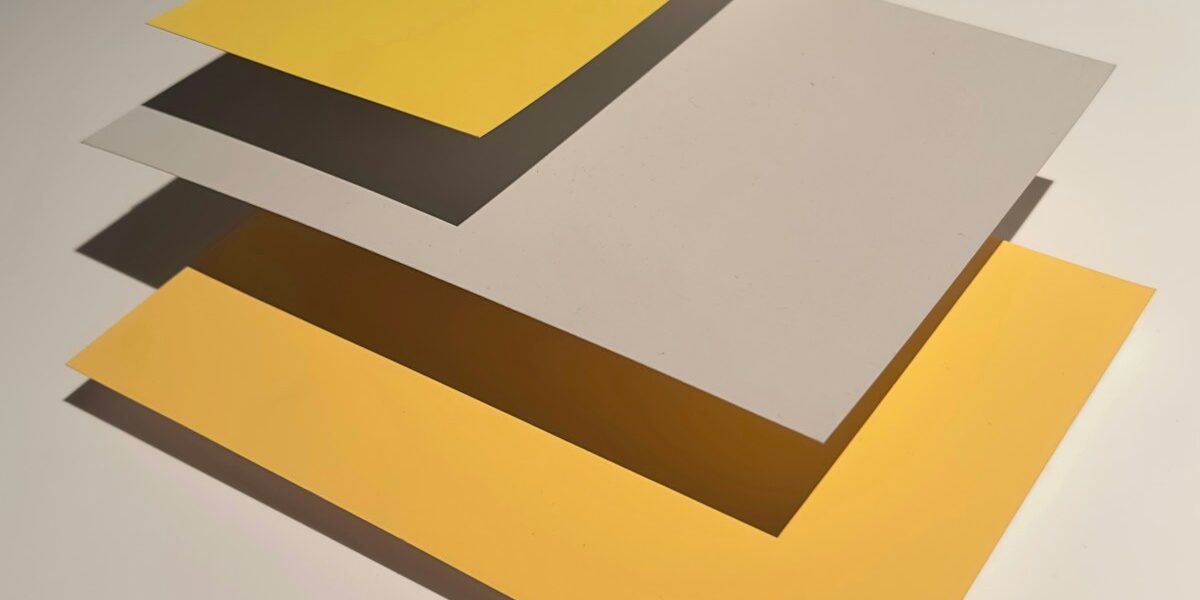
ACCP (Aluminum Core Composite Panel) is an advanced, 100% all-aluminum cladding panel engineered with a corrugated or profiled aluminum core in place of combustible polyethylene plastic. Certified to EN 13501-1 Class A2-s1, d0 and ASTM E84 Class A with an areal weight of just 4.2 kg/m² (4 mm thickness), ACCP delivers total fire safety, superior flexural rigidity, and 100% closed-loop recyclability for modern high-rise facades and critical enclosures.
Across 15+ years of architectural composite panel manufacturing at RaxPanel, our engineering team has observed a massive structural shift away from traditional plastic-filled ACPs. Following global updates to building fire codes, specifiers require non-combustible materials that do not add dead load or compromise visual flatness. In our testing and field installations, ACCP resolves the historical tension between fire compliance, weight constraints, and long-term facade oil-canning.
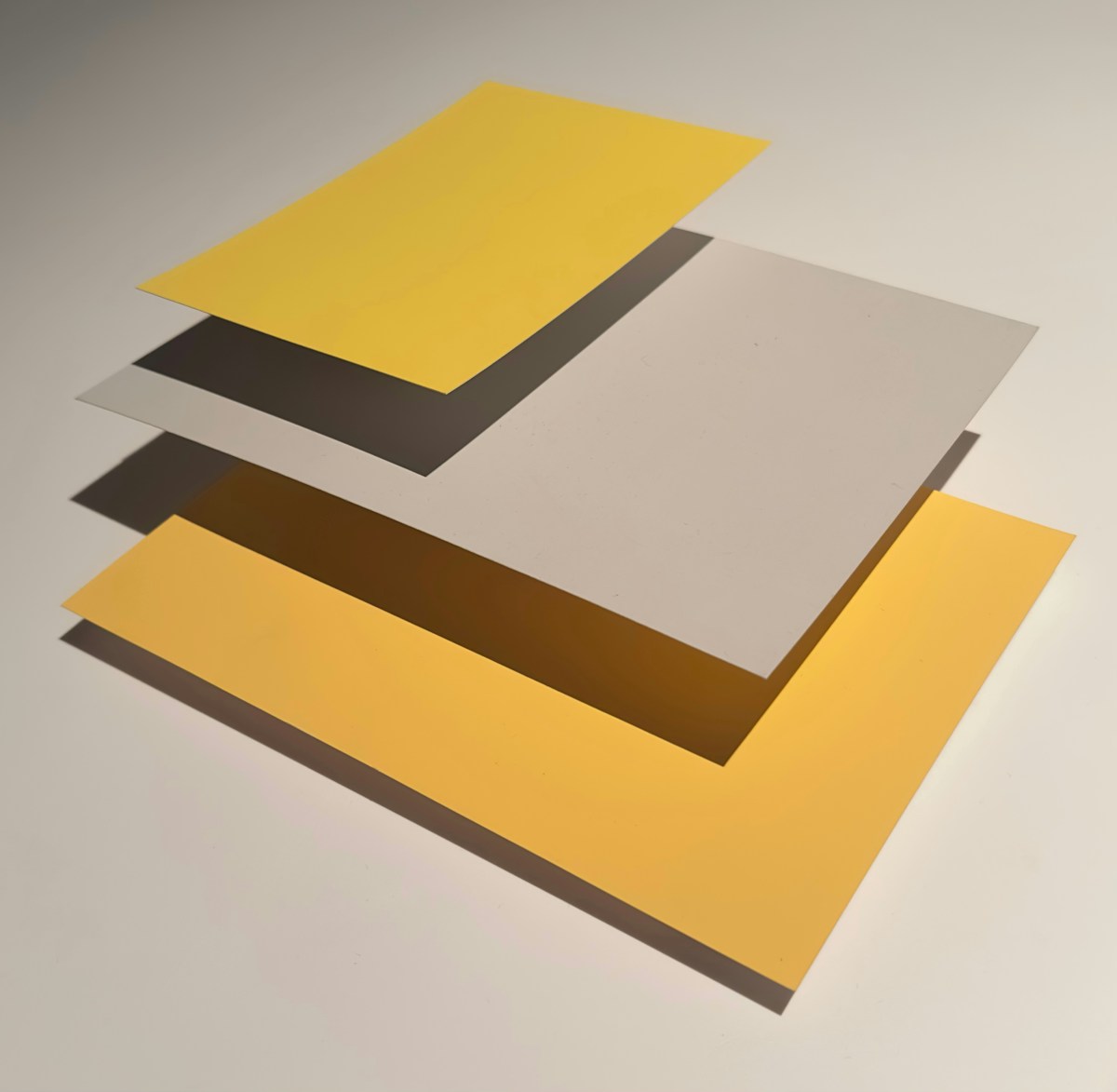
Figure 1: High-performance ACCP (Aluminum Core Composite Panel) engineered with an all-metal corrugated core for non-combustible architectural facades.
What Is an Aluminum Core Composite Panel?
ACCP stands for Aluminum Core Composite Panel (also referred to across European and Asian engineering specifications as an Aluminum Corrugated Composite Panel). Unlike conventional Aluminum Composite Material (ACM) that relies on low-density polyethylene (LDPE) or mineral-filled polymer matrices, ACCP is an all-aluminum monolithic composite.
By replacing organic polymer cores with an engineered 0.2 mm to 0.3 mm thick corrugated aluminum wave structure, the panel eliminates combustible materials while retaining the lightweight and easy-to-fabricate nature of composite sheets. For building envelopes requiring compliance with EN 13501-1:2018 standards, ACCP provides an essential pathway to achieving Class A2 non-combustible ratings without the excessive weight of solid aluminum plates.
Zero Polyethylene Content
Composed entirely of aluminum alloy components bonded with high-grade thermosetting films, eliminating fuel sources during building facade fires.
Certified A2-s1, d0 Classification
Produces zero flaming droplets (d0) and exceptionally low smoke toxicity (s1), preventing vertical flame propagation on high-rise towers.
High Section Modulus
The internal corrugated truss geometry provides equivalent flexural rigidity to a 3.0 mm solid aluminum plate while reducing weight by over 45%.
100% Closed-Loop Recyclability
Because the panel contains no cross-linked plastics, production off-cuts and end-of-life panels melt down directly without costly chemical separation.
In modern facade engineering, structural dead load is directly proportional to substructure cost. Standard 3.0 mm solid aluminum plates exert a continuous dead load of 8.1 kg/m², which increases secondary steel frame sizing. By replacing the solid plate with 4.0 mm ACCP, our engineering clients routinely achieve a 45% reduction in substructure steel requirements while maintaining identical wind suction resistance.
Anatomy and Structure of ACCP Panels
At RaxPanel, we manufacture ACCP through a continuous high-temperature thermomechanical lamination line. The engineering cross-section comprises five distinct functional zones:
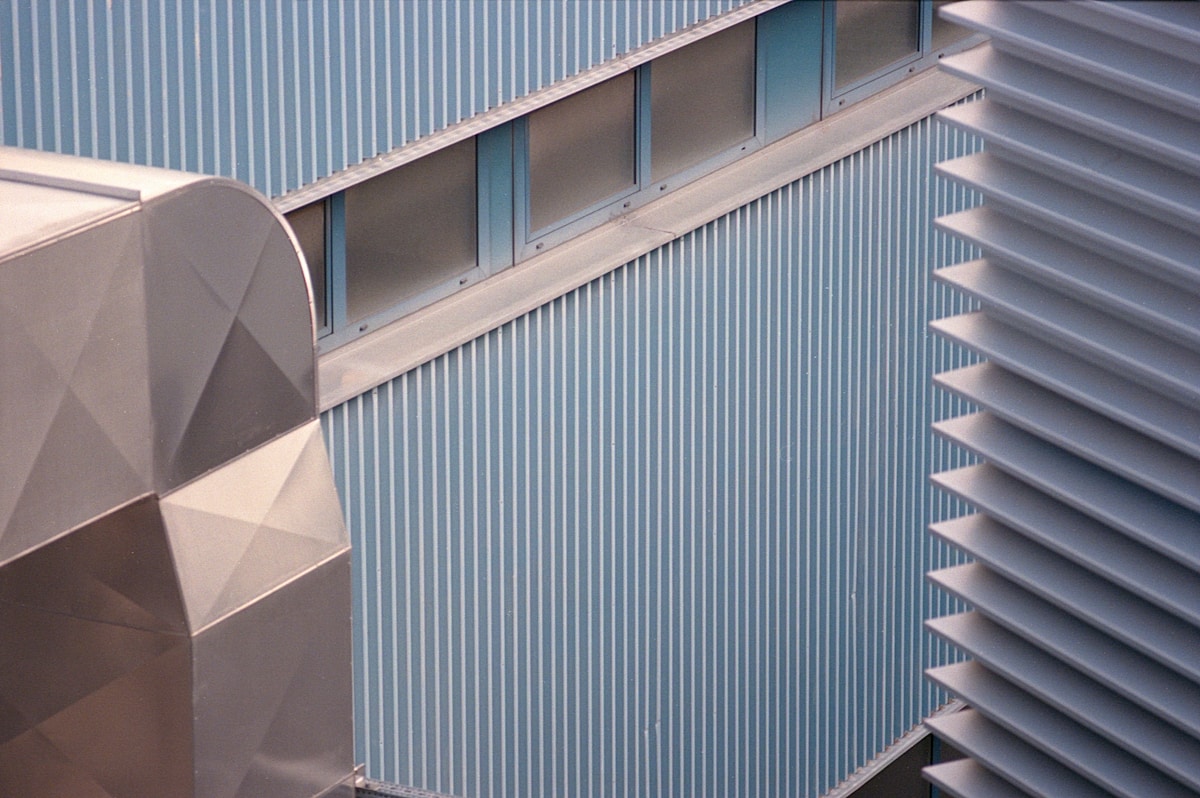
Figure 2: Multi-layer cross section illustrating the continuous corrugated aluminum core and protective PVDF architectural coatings.
1. Exterior Architectural Skin (AA3003-H24 / AA5005-H34)
The top skin uses high-tensile 0.5 mm or 0.7 mm aluminum coil pre-treated with a multi-stage chemical conversion layer and coated with a 2-coat or 3-coat Kynar 500 / Hylar 5000 PVDF fluoropolymer finish (≥ 70% resin content, total dry film thickness ≥ 28 μm). This protects against UV degradation, acid rain, and chalking for over 20 years.
2. Structural Bonding Polymer Interlayer
Specially formulated high-molecular adhesive film applied at 180°C to 220°C under high-pressure calendar rollers. It provides a roller peel strength exceeding 130 N·mm/mm under ASTM D1781 testing, preventing delamination under extreme wind suction cycles.
3. Corrugated Aluminum Core (AA1100 / AA3003)
The heart of ACCP is a 0.2 mm to 0.3 mm thick aluminum foil roll-formed into continuous sine-wave or trapezoidal corrugations (height: 2.8 mm to 3.2 mm). This sinusoidal architecture functions as a miniature structural truss, distributing mechanical shear loads across the entire panel face.
4. Interior Backer Skin (AA3003 / AA1100)
A 0.5 mm bottom aluminum sheet coated with a protective polyester (PE) service wash coat (5–7 μm) to prevent galvanic corrosion when contacting substructure steel framing.
Our automated continuous roll-forming line applies precise tension control across all five layers simultaneously. This continuous thermo-fusion process prevents air pocket entrapment and guarantees uniform bonding across the entire sheet width up to 1500 mm.
Fire Performance and Class A2 Compliance
The global facade industry has seen catastrophic fires caused by combustible cladding containing polyethylene or low-grade modified mineral cores. When exposed to flame, organic cores melt, drip, and ignite, creating a chimney effect behind rainscreen cavities.
Under EN 13501-1:2018 reaction-to-fire testing, ACCP achieves a certified Class A2-s1, d0 rating. The gross heat of combustion (calorific potential PCS) remains strictly below 3.0 MJ/kg. When exposed to direct flame, the aluminum core does not produce molten flaming droplets (d0) and generates virtually zero toxic smoke (s1).
Under North American ASTM E84 surface burning testing, ACCP yields a Flame Spread Index (FSI) of 0 and a Smoke Developed Index (SDI) of 0, placing it in Class A. This makes ACCP fully compliant with IBC (International Building Code) Chapter 14 and NFPA 285 multi-story fire propagation standards without requiring secondary internal fire barriers.
Furthermore, in British Standard BS 8414 full-scale facade fire tests, ACCP assemblies demonstrate zero internal cavity combustion. Because aluminum has a melting point of approximately 660°C without igniting, it does not release volatile hydrocarbon vapors that accelerate vertical flame spread.
Key Engineering Advantages Over Standard Panels
Beyond fire resistance, ACCP delivers mechanical and physical benefits that solve real-world facade fabrication challenges:
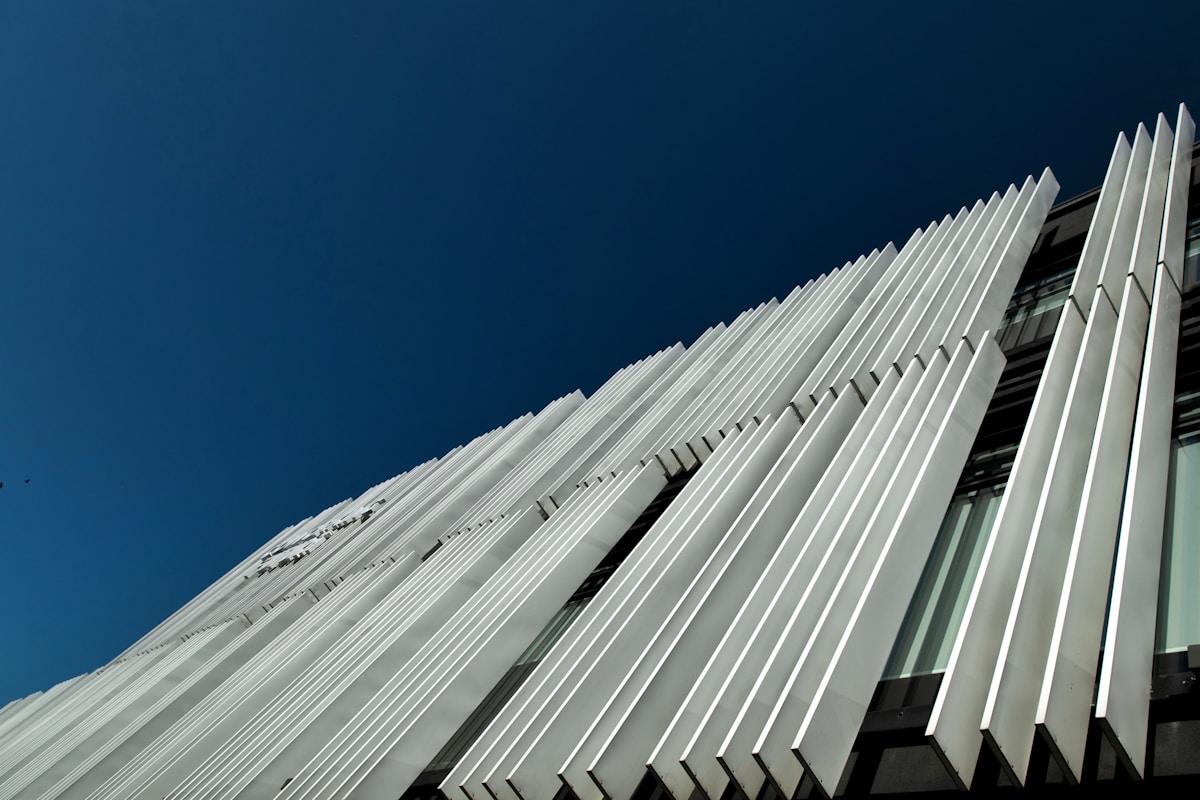
Figure 3: High strength-to-weight ratio: ACCP panels maintain extreme surface planarity under high dynamic wind loads.
1. Exceptional Strength-to-Weight Ratio (4.2 kg/m²)
A standard 4.0 mm ACCP panel weighs approximately 4.2 kg/m², compared to 8.1 kg/m² for a 3.0 mm solid aluminum plate and 5.5–7.0 kg/m² for fire-rated mineral-core ACP. This 45% weight reduction significantly lowers structural dead loads on building foundations, minimizes anchor bracket sizing, and allows for rapid, two-worker handling on job sites.
2. Elimination of Bimetallic Thermal Warping (“Oil-Canning”)
Traditional ACP panels laminate aluminum skins onto a polyethylene core. Because aluminum has a coefficient of thermal expansion (CTE) of $23.6 imes 10^{-6} ext{ /K}$ while polyethylene expands at over $150 imes 10^{-6} ext{ /K}$, intense solar exposure creates differential thermal expansion. This differential causes visible surface waviness, known as “oil-canning.” Because ACCP features an all-aluminum homogeneous construction, all components expand at the exact same rate ($23.6 imes 10^{-6} ext{ /K}$), ensuring mirror-flat planarity across extreme temperature swings (-40°C to +80°C).
3. High Dynamic Wind Load Deflection Resistance
Under cyclic negative wind pressure testing (ASTM E330), a 4.0 mm ACCP cassette spanning 1200 mm × 2400 mm demonstrates a flexural rigidity (EI) of 0.20 kN·m²/m. At peak wind loads of 2.5 kPa, mid-span deflection remains well within the architectural limit ($f \le L/180$), preventing permanent plastic deformation.
To dive deeper into composite core mechanics, read our technical breakdown on understanding aluminum core composite panel technology.
ACCP vs. Traditional Composite Panels
Specifiers must weigh fire safety, weight, structural fabrication costs, and total cost of ownership (TCO). The following engineering comparison outlines the trade-offs:
| Engineering Metric | ACCP (4.0 mm) | Standard PE-Core ACP (4.0 mm) | Solid Aluminum Sheet (3.0 mm) |
|---|---|---|---|
| Core Material | 100% Corrugated Aluminum Foil | 100% Low-Density Polyethylene | None (Single Monolithic Alloy) |
| Fire Rating (EN 13501-1) | Class A2-s1, d0 (Non-combustible) | Class E / D (Combustible) | Class A1 (Non-combustible) |
| Areal Weight (kg/m²) | 4.2 kg/m² (Lightweight) | 5.0–5.5 kg/m² | 8.1 kg/m² (Heavy) |
| Flexural Rigidity (EI, kN·m²/m) | 0.18–0.22 (High) | 0.12–0.15 | 0.20 |
| Thermal Expansion Match | 100% Homogeneous (0 Warping) | Mismatched (Prone to Oil-canning) | 100% Homogeneous |
| Recyclability | 100% Direct Smelting | Complex / Non-economic Separation | 100% Direct Smelting |
| Field Routing & Folding | Yes (Standard CNC Router) | Yes (Standard CNC Router) | No (Requires Heavy Press Brake) |
| Installed Cost (TCO) | Moderate (Cost-effective) | Low (High fire risk) | High (Material + heavy subframe) |
Common Architectural Applications for ACCP
Due to its combination of non-combustibility and lightweight structural strength, ACCP is specified across several high-demand building sectors:
- High-Rise Commercial Facades & Residential Towers: International fire codes prohibit combustible cladding on buildings exceeding 18 meters. ACCP provides architects with large-format panels (up to 1500 mm × 6000 mm) that remain flat under extreme dynamic wind loads without violating fire safety regulations.
- Sterile Cleanroom Wall & Ceiling Envelopes: ACCP is widely utilized in pharmaceutical facilities, hospital isolation wards, and semiconductor fabrication cleanrooms. Its non-outgassing, moisture-impervious aluminum core ensures zero volatile organic compound (VOC) emissions. For door selections in these facilities, consult our cleanroom door selection guide.
- Transportation Hubs & Airports: High-traffic public infrastructure projects demand impact resistance, acoustic dampening, and Class A fire performance for interior column covers, bulkheads, and soffits.
- Facade Modernization & Re-Cladding: Replacing combustible ACP on existing towers requires a material that matches the original cladding weight so existing substructures and masonry anchors do not require expensive replacement. ACCP serves as the premier direct replacement panel.
Fabrication, Routing, and Installation Protocols
One of the major advantages of ACCP over solid aluminum plate is that it can be processed using standard composite panel CNC routing and roll-bending machinery:
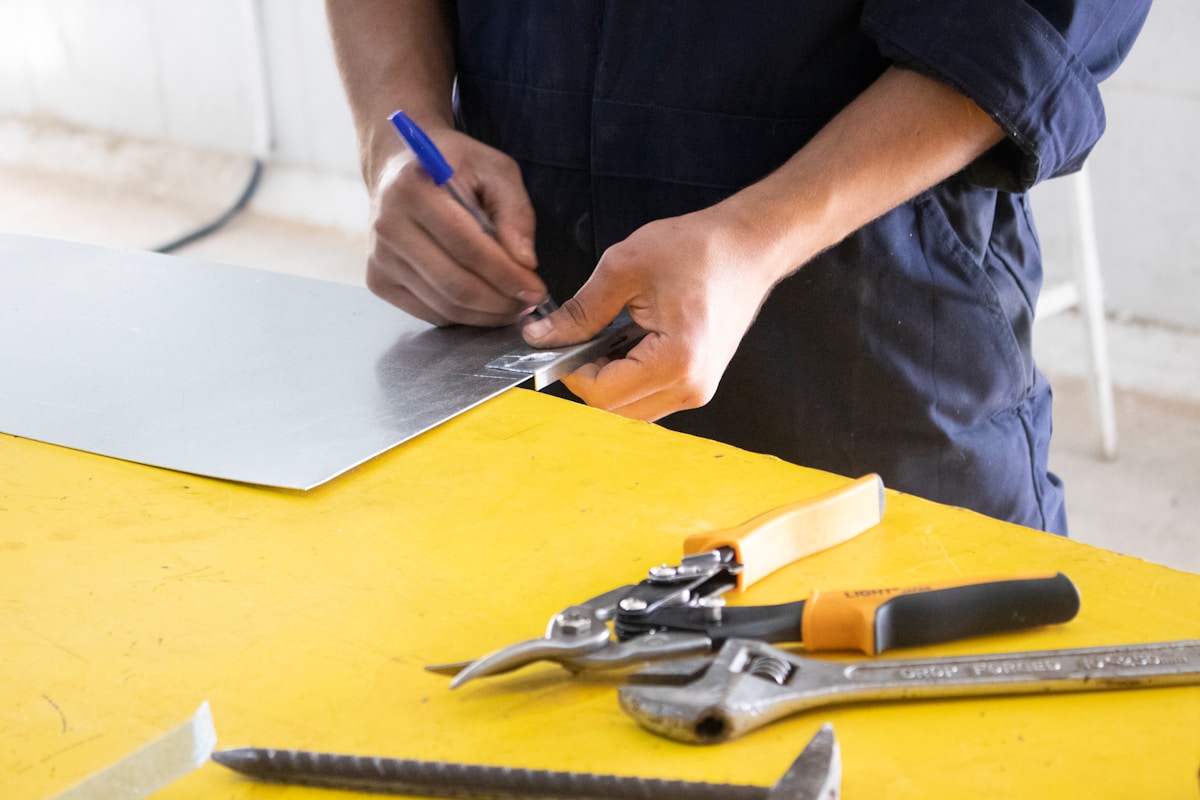
Figure 4: Accurate V-groove routing allows ACCP sheets to be folded into rigid 3D architectural cassettes with crisp 90-degree corners.
-
Step 1: Precision CNC V-Groove Routing
Use a 90° or 135° V-shaped carbide routing bit operating at a spindle speed of 18,000 to 24,000 RPM and a feed rate of 10 to 15 m/min to cut through the back skin and corrugated core. Crucially, calibrate router z-axis depth to leave exactly 0.3 mm to 0.5 mm of residual material (the front aluminum skin and bottom core apex) to serve as a high-tensile folding hinge without structural stress cracking.
-
Step 2: Cassette Folding and Corner Sealing
Fold the routed edges manually or with a folding bar to create 20 mm to 30 mm cassette returns. Secure corners with aluminum corner brackets and blind rivets, applying structural silicone sealant along internal corner joints.
-
Step 3: Extruded Subframe Hanging
Attach continuous aluminum hook-on or tongue-and-groove extrusions to the cassette returns. Mount the panel cassettes onto horizontal facade subframe rails (minimum 2.5 mm wall thickness aluminum brackets).
-
Step 4: Weatherproofing Joint Execution
Install closed-cell PE backer rods into 10 mm to 15 mm panel expansion joints, followed by a non-staining, neutral-curing architectural silicone sealant with ±50% joint movement capability. At RaxPanel, we mandate continuous perimeter edge caulking along un-folded panel perimeters to prevent direct atmospheric moisture intrusion into open corrugated core channels during severe storm cycles.
1. Over-Routing the V-Groove: Cutting completely through the corrugated core into the front skin causes micro-cracking along the exterior fold line when bent. Always maintain 0.3–0.5 mm residual material.
2. Specifying Incorrect Alloy for Marine Environments: In coastal projects exposed to high salt spray, avoid generic AA1100 exterior skins. Mandate AA5005 or AA5754 marine-grade aluminum alloys with 3-coat PVDF or anodized finishes (≥ 20 μm).
3. Using Rigid Fastening Without Thermal Expansion Allowance: Even though all-aluminum expands uniformly, fastening panel cassettes tightly to steel building frames without slotted holes causes panel bowing during thermal cycling.
4. Confusing ACCP with Standard Mineral-Filled FR Panels: Mineral-filled FR panels still contain 10–30% combustible polyethylene binder. Ensure architectural submittals specify 100% metal core ACCP meeting EN 13501-1 Class A2-s1, d0.
5. Omitting Protective Film Removal Deadlines: Leaving exterior surface protective film on installed panels for more than 45 days under intense UV sunlight bakes adhesive residues onto the PVDF coating. Remove protective films immediately after panel installation.
For complete building envelope solutions, explore RaxPanel’s high-precision architectural panel and clean room panel systems designed to meet rigorous international fire and cleanliness standards.
Common Specification Mistakes to Avoid
Frequently Asked Questions About ACCP
Is ACCP 100% non-combustible?
Yes. ACCP is composed of aluminum top and bottom sheets laminated over an all-aluminum corrugated core using high-performance, ultra-thin polymer bonding film. It achieves EN 13501-1 Class A2-s1, d0 and ASTM E84 Class A fire classifications with calorific values below 3.0 MJ/kg, producing zero flaming droplets and virtually zero smoke.
How does ACCP compare to solid aluminum plate in terms of cost and weight?
A 4.0 mm ACCP panel weighs approximately 4.2 kg/m², which is roughly 48% lighter than a 3.0 mm solid aluminum plate (8.1 kg/m²) while providing comparable flexural rigidity. In terms of overall installed cost, ACCP is significantly more economical due to reduced raw material weight, lighter subframing requirements, and standard CNC routing capability without heavy press braking.
Can ACCP panels be curved or roll-bent for architectural columns?
Yes. ACCP can be roll-curved using standard 3-roller bending machines. The minimum bending radius for a 4.0 mm panel is approximately 300 mm. The corrugated core maintains structural spacing during bending without internal cell collapse or surface buckling.
What surface coating options are available for ACCP?
ACCP panels are predominantly coated with Kynar 500 / Hylar 5000 PVDF (fluorocarbon) finishes with a minimum 70% resin content for exterior weatherability. Specialized finishes include FEVE coatings for high-gloss durability, nano-easy-cleaning coats for self-washing facades, and realistic anodized, stone, and wood-grain patterns.
Why does ACCP prevent oil-canning better than traditional PE-core ACP?
Traditional ACP combines aluminum skins with a plastic polyethylene core. Because aluminum and plastic expand at dramatically different rates under solar heat, thermal stress induces surface waviness (oil-canning). In ACCP, the skins and the corrugated core are 100% aluminum, sharing the exact same thermal expansion coefficient (23.6 × 10^-6 /K) and eliminating internal bimetallic stress.