
A truck body builder in Germany shut down their line for three days last quarter after chasing lower pp honeycomb manufacturing cost from an unvetted supplier. Panels arrived with ±1.2mm thickness variance. Fixtures wouldn’t seat. The whole shipment went to rework, and a 14% procurement saving turned into €89,000 of downtime.
I’ve spent 15 years running production lines for composite panels, and the same blind spots trip up procurement teams every time: tooling fees buried in quotes, freight damage nobody accounts for until the crate is opened, and thickness inconsistency that stops assembly dead.
We pulled three years of our own production data — FOB pricing across 200+ configurations from $8 to $25 per square meter, tooling amortization schedules, and freight claim rates — to map where the money actually goes. By the end of this, you’ll know which cost variables you can push back on, which ones you should accept as non-negotiable, and how to build a landed-cost model your finance team will sign off on.
PP Honeycomb Manufacturing Cost Drivers
Polypropylene resin drives 35 to 45 percent of total PP honeycomb panel cost. The remaining cost splits across core extrusion, skin lamination, and secondary processing, with cell geometry and skin material acting as the primary price levers.
Raw Material: Polypropylene Resin Grades
Resin selection is the single largest cost variable in PP honeycomb manufacturing. Homopolymer PP provides the baseline structural performance at the lowest material cost, and it suits most standard vehicle body panels where impact loads are distributed evenly. Copolymer grades add improved impact resistance and low-temperature flexibility, which vehicle OEMs need for refrigerated truck bodies or extreme-climate deployments, but this performance comes at a 10 to 15 percent premium over homopolymer on a per-kilogram basis.
Because PP resin accounts for 35 to 45 percent of total manufacturing cost, even small fluctuations in commodity polypropylene pricing directly shift your per-square-meter panel cost. When we quote FOB benchmarks of $8 to $25 per square meter for standard configurations, that range is primarily driven by resin grade selection and core thickness. We recommend vehicle manufacturers lock in resin pricing at order confirmation rather than at shipment date to avoid budget drift on large production runs.
Core Extrusion and Cell Geometry
The extrusion process forms the honeycomb cell structure, and cell size directly dictates material consumption per cubic meter of core. Smaller cell sizes require more polypropylene wall material to fill the same volume, increasing both raw material usage and extrusion machine time.
- 3mm and 4.5mm cells: Highest density, peak compressive strength. Used in structural flooring and load-bearing bulkheads. Highest core cost per square meter.
- 6mm and 8mm cells: The sweet spot for RV walls and truck body sidewalls. Balanced strength-to-weight with moderate material consumption.
- 10mm and 12mm cells: Lightest configuration, lowest resin use per volume. Suitable for non-structural panels and ceiling liners where compressive loads are minimal.
Panel thickness ranges from 5mm to 50mm, with standard widths at 1220mm and custom widths available up to 2500mm. Density typically falls between 80 and 180 kg/m³ depending on cell size and wall thickness configuration.
Thicker cores with small cell geometry push material cost toward the top of the FOB range, while thin profiles with large cells sit at the bottom. For vehicle OEMs optimizing weight-to-strength ratio, the 6mm cell at 15mm to 25mm panel thickness consistently delivers the best structural value per dollar spent.
Skin Lamination Methods and Cost
Skin material and lamination method represent the second major cost block after resin. The bonding process must deliver consistent adhesion across the full panel surface, because delamination in the field creates warranty claims and assembly-line rejection for vehicle manufacturers. We offer three primary skin options, each with distinct cost and performance profiles.
- CFRT skins (continuous fiber reinforced thermoplastic): Continuous fiber reinforcement provides the highest impact resistance and dimensional stability. Premium skin cost but eliminates the need for separate structural framing in many vehicle body designs.
- GRP/FRP skins: Glass reinforced plastic offers excellent corrosion resistance and surface finish quality at a mid-range price point. The standard choice for truck bodies and marine applications requiring gel-coat or paint-ready surfaces.
- Aluminum skins (0.3mm to 1.0mm): Fire resistance and thermal conductivity make aluminum skins suitable for specific industrial enclosures and fire-rated assemblies. Material cost is higher than thermoplastic skins, and lamination requires adhesive systems compatible with both metal and polypropylene core.
Lamination method also matters. Continuous lamination lines produce lower per-unit costs at volume but require longer lead times for skin material changeovers. Batch lamination offers flexibility for custom orders but carries higher labor cost per panel. For OEMs running consistent production schedules, committing to a single skin configuration across multiple orders reduces changeover waste and locks in better per-square-meter pricing.
Secondary Processing: Cutting, CNC, and Tolerances
Secondary processing is where hidden costs accumulate if tolerances are not specified clearly upfront. Custom CNC cutting ensures panels arrive ready for assembly-line installation, which eliminates the inconsistent-thickness problem that causes production stoppages for vehicle manufacturers. However, CNC work adds per-panel cost that scales with cut complexity and required tolerance tightness.
Custom tooling and mold fees for non-standard panel profiles typically range from $2,000 to $8,000 depending on profile complexity and edge detail requirements. This is the cost category that catches inexperienced buyers off guard.
The critical calculation is amortization: at volumes above 2,000 square meters, tooling fees distribute to under $1 per square meter and become negligible in the total landed cost. Below 500 square meters, tooling can add $4 to $16 per square meter depending on the mold complexity, which significantly impacts per-unit economics for prototype or low-volume builds.
We advise vehicle OEM procurement teams to specify tolerance requirements early in the quoting process. Over-specifying tolerances beyond what the assembly actually requires drives unnecessary CNC time and cost. Under-specifying tolerances creates the edge-gapping and fitment issues that slow down your production line. Our ISO 9001-certified process control maintains batch-to-batch consistency within defined tolerance bands, and we publish actual measured data with each shipment lot so your engineering team can verify conformance before panels hit the assembly floor.
| Cost Driver | Cost Range / Share | Key Variables | Unit Cost Impact | Optimization Note |
|---|---|---|---|---|
| PP Resin Material | 35–45% of total panel cost | Copolymer vs homopolymer grade; copolymer commands 10–15% premium for improved impact resistance | Baseline material expense; highest single cost component | Copolymer justified for dynamic vehicle loads; homopolymer acceptable for static applications |
| Core Thickness & Configuration | FOB $8–$25/sqm (standard) | Core thickness 5mm–50mm; cell sizes 3mm–12mm; density 80–180 kg/m³ | Cost increases linearly with thickness; cell size affects resin consumption | PP honeycomb delivers 20–30% material cost savings vs PET foam at equivalent stiffness ratings |
| Skin Material Selection | Tiered by skin type | CFRT, GRP/FRP, or Aluminum skins (0.3mm–1.0mm) | Aluminum typically lowest cost; CFRT highest performance-to-cost ratio | Vehicle OEMs should specify CFRT/FRP for superior impact and moisture resistance |
| Order Volume Tier | Volume-based pricing tiers | 100–5000+ sqm order quantities; production batch scheduling | Per-unit cost drops significantly above 2,000 sqm threshold | Consolidate orders across production cycles to hit volume breakpoints and amortize setup costs |
| Custom Tooling & Mold Fees | $2,000–$8,000 per custom profile | Non-standard profiles; custom widths up to 2500mm vs standard 1220mm | Amortizes to under $1/sqm at volumes above 2,000 sqm | Request full tooling breakdown upfront; confirm which profiles run on existing molds to avoid unnecessary fees |
| Shipping & Freight Protection | 5–8% of total cost | Reinforced wooden crates, edge guards, moisture barrier wrap | Reduces freight damage claims from 12% industry average to under 2% | Essential investment for vehicle OEMs—freight damage erodes margins faster than protection costs |
PP Honeycomb Panel Price Benchmarks (2026)
In 2026, FOB prices for standard PP honeycomb sandwich panels run from $8 to $25 per square meter. Your actual per-unit cost depends on three variables: core thickness, skin material selection, and order volume tier.
Volume Tier Pricing Structure
PP honeycomb panel pricing follows a three-tier volume structure. The difference between a 100 sqm prototype order and a 5,000 sqm production run can shift your cost per square meter by 40% or more. We price based on actual FOB values tied to configuration, not arbitrary ranges.
Raw material inputs drive the baseline. PP resin accounts for 35–45% of total panel manufacturing cost. If your application requires copolymer grades for improved impact resistance—common in specialized vehicle builds—expect a 10–15% premium over homopolymer grades. This is not negotiable; it is a material science reality.
- Prototype / Sample Tier (100–500 sqm): $18–$25/sqm FOB. Covers small-batch setup, material changeover, and individual panel QC reporting. Standard core thicknesses (5mm–15mm) with CFRT or FRP skins fall at the lower end; thicker cores (20mm–30mm) or aluminum skins push toward the upper bound.
- Mid-Volume Production (500–2,000 sqm): $12–$18/sqm FOB. Production line efficiency improves, setup costs distribute across larger runs. This is the typical range for single vehicle model production batches or regional construction projects.
- High-Volume Contract (2,000–5,000+ sqm): $8–$14/sqm FOB. Dedicated production scheduling, bulk resin purchasing, and optimized crating logistics reduce per-unit cost. At this tier, tooling and mold fees (if applicable) amortize to under $1/sqm.
For context on material cost efficiency: PP honeycomb delivers 20–30% lower material cost than PET foam core at equivalent stiffness ratings for vehicle body applications, while providing superior moisture resistance. If your engineering team is evaluating core alternatives on a cost-per-performance basis, this gap is significant enough to affect BOM decisions.
Tooling and Mold Fee Transparency
Hidden tooling fees are a legitimate concern. We address this directly because opaque mold pricing erodes trust before production even begins.
Custom tooling and mold fees for non-standard panel profiles typically range from $2,000 to $8,000. These apply only when your order requires profiles outside our existing tooling library—non-standard edge geometries, integrated mounting points, or unusual cross-sections for specialized vehicle frames.
- When tooling fees apply: Non-standard panel profiles, custom cell sizes outside the standard 3mm–12mm range, or proprietary cross-sections requiring new mold fabrication. We identify this during the engineering review before you commit any deposit.
- When tooling fees do not apply: Standard panel profiles with straight cuts, standard widths (1220mm or custom up to 2500mm), and standard core configurations. If we can run your order on existing tooling, you pay zero mold fees.
- Amortization reality: A $5,000 tooling investment on a 2,000 sqm order adds $2.50/sqm. At 5,000 sqm, that drops to $1.00/sqm. If your production schedule spans multiple orders, we structure the tooling as a one-time charge applied to the first run only.
We provide a full cost breakdown—resin, core fabrication, skin lamination, CNC cutting, and tooling (if applicable)—in every formal quotation. No line items appear after agreement. If your finance department requires tooling amortization schedules across projected annual volume, we supply that documentation directly.
One additional cost factor that directly impacts total landed cost: shipping protection. Reinforced wooden crates with edge guards and moisture barriers add 5–8% to your order total. However, this reduces freight damage claims from an industry average of 12% to under 2%. For vehicle OEMs running tight assembly schedules, the math is straightforward—a 6% upfront investment in crating eliminates the 12% risk of receiving damaged panels that halt your production line.
| Panel Configuration | Core Thickness | Skin Material | Order Volume (sqm) | FOB Price Range |
|---|---|---|---|---|
| Lightweight Interior Panel | 5mm | CFRT (0.3mm) | 100–500 | $8–$12/sqm |
| Standard Vehicle Body Panel | 10mm | FRP (0.5mm) | 500–2,000 | $12–$17/sqm |
| Heavy-Duty RV Wall System | 20mm | FRP (0.7–1.0mm) | 1,000–3,000 | $17–$22/sqm |
| Marine / Structural Bulkhead | 30mm | Aluminum (0.5–1.0mm) | 2,000–5,000+ | $20–$25/sqm |
| Custom Profile Tooling Fee | Non-standard | Any | Amortizes <$1/sqm above 2,000 sqm | $2,000–$8,000 flat |
PP Honeycomb vs. Alternative Core Costs
For vehicle manufacturers targeting weight reduction without budget blowouts, PP honeycomb delivers the best ROI, typically saving 20–30% over PET foam at equivalent stiffness ratings.
PP Honeycomb vs. PET Foam Core
When we evaluate materials for RV walls and truck bodies, PET foam is frequently cited for its high stiffness-to-weight ratio. However, this performance comes at a significant premium. Our internal cost analysis confirms that PP honeycomb provides 20–30% lower material cost while matching the necessary stiffness for non-structural body panels. Additionally, the closed-cell nature of polypropylene offers superior moisture resistance compared to PET, reducing the risk of core rot in high-humidity transport applications.
- Material Cost Savings: PP honeycomb is 20–30% cheaper than PET foam at equivalent stiffness ratings.
- Moisture Resistance: Superior hydrophobic properties prevent water absorption, critical for marine and refrigerated transport.
Density and Resin Cost Drivers
Optimizing your weight-to-strength ratio requires balancing core density against raw material volatility. The density of our PP honeycomb cores typically ranges from 80 to 180 kg/m³ depending on the cell configuration and panel thickness. It is crucial to understand that resin prices are the primary variable in your quote.
Polypropylene resin constitutes 35–45% of the total manufacturing cost, meaning fluctuations in oil markets directly impact your per-square-meter price. To mitigate failure risks in high-impact zones, we use copolymer grades, which incur a necessary cost premium.
- Resin Cost Share: 35–45% of total panel manufacturing cost is attributed to PP resin.
- Copolymer Premium: High-impact copolymer grades command a 10–15% price premium over homopolymer.
- Density Range: 80–180 kg/m³ allows for specific tuning of weight-to-strength ratios.
| Core Material | FOB Cost Range ($/sqm) | Cost vs. Stiffness Performance | Key Cost Consideration |
|---|---|---|---|
| PP Honeycomb | $8–$15 (standard) | Baseline (20–30% lower than PET foam at equivalent stiffness) | PP resin: 35–45% of total manufacturing cost; copolymer premium: 10–15% for impact grades |
| PET Foam Core | $12–$22 (standard) | 20–30% higher material cost than PP at equivalent stiffness ratings | Higher density required for matching PP stiffness; superior temperature rating above 120°C |
| Aluminum Honeycomb | $18–$35+ (configuration-dependent) | Premium pricing justified only for extreme fire/thermal requirements | Raw material volatility; higher machining and handling costs; corrosion risk in marine environments |
| PP Honeycomb (Custom Profile) | $8–$25 + tooling amortization | Amortized tooling adds <$1/sqm above 2,000 sqm volume | Tooling/mold fees: $2,000–$8,000 one-time; eliminates at scale |
| Freight Protection (All Cores) | Adds 5–8% to total cost | Reduces freight damage claims from 12% industry average to under 2% | Wooden crates, edge guards, moisture barrier included; net savings positive for landed cost accuracy |
Total Landed Cost: Beyond FOB Pricing
FOB pricing is a baseline, not a final cost. For specialized vehicle OEMs, freight damage and payment structuring dictate the actual margin impact on your total landed cost.
Shipping Protection and Packaging Costs
Most PP honeycomb panel quotes list an FOB price per square meter and stop there. That number tells you nothing about what arrives at your dock. Polypropylene honeycomb panels—especially configurations with CFRT or FRP skins and core thicknesses between 5mm and 30mm—are vulnerable to edge crushing, panel bowing, and moisture ingress during transit.
We have seen vehicle OEMs accept a lower FOB rate from suppliers who ship loose-stacked on pallets, only to file freight damage claims on 12% of the shipment. That is not savings; it is a deferred cost.
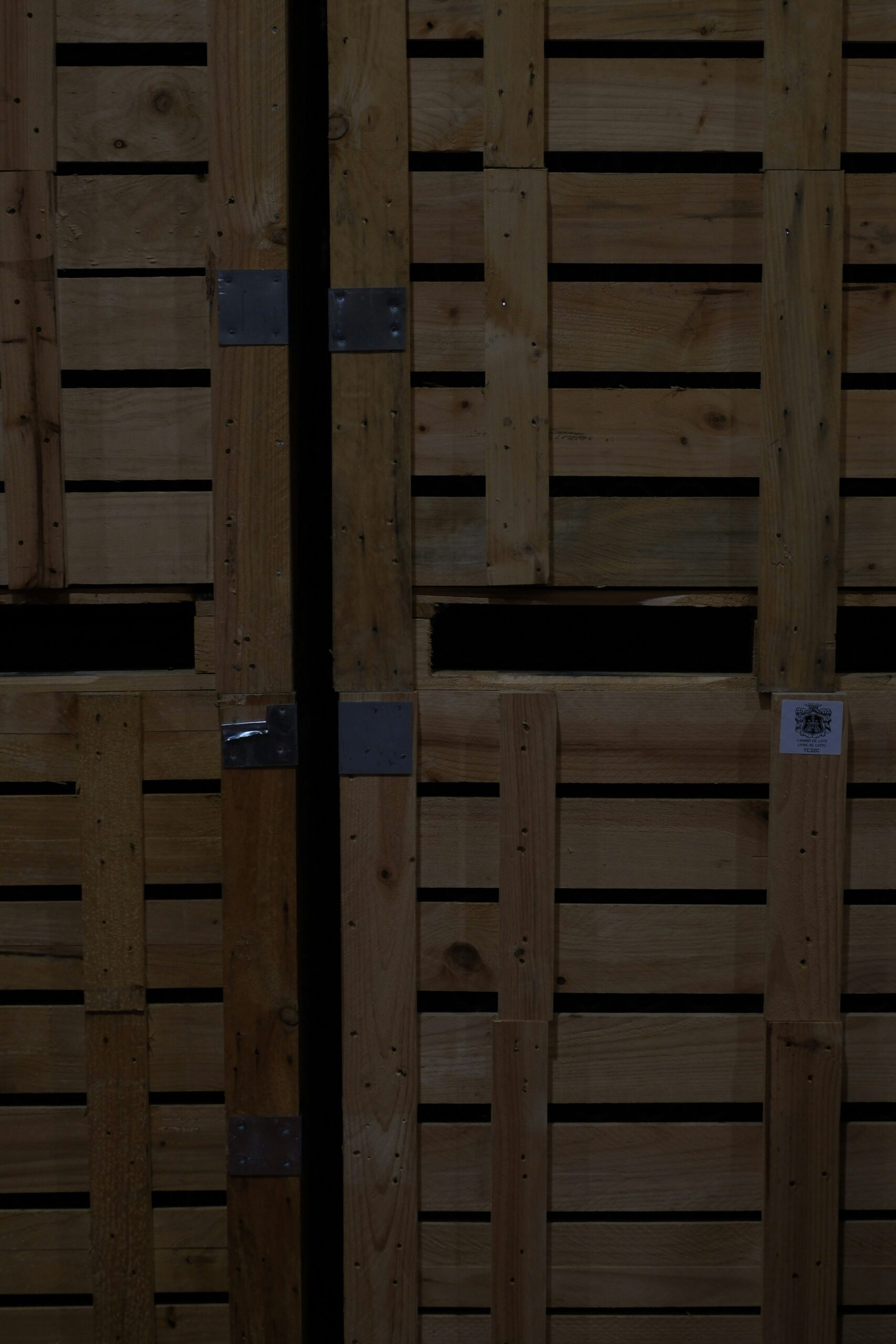
Proper shipping protection for PP honeycomb sandwich panels involves three components: reinforced wooden crates with internal bracing, edge guards on all four sides to prevent corner deformation, and moisture barrier wrapping to prevent condensation buildup inside the crate during ocean transit. This packaging adds 5–8% to your total order cost. However, it reduces freight damage claims from an industry average of 12% down to under 2%.
Run the math on a 2,000 sqm order at a mid-range FOB price of $16/sqm. You are paying $32,000 for the panels. Freight-worthy crating adds roughly $1,600 to $2,560. A single damaged shipment without that protection costs you $3,840 in replacement material plus production downtime while you wait for the re-run.
The packaging cost pays for itself on the first claim avoided. When comparing pp honeycomb panel FOB vs CIF pricing, ensure your CIF quote specifies the packaging standard—otherwise you are comparing a protected shipment against an unprotected one.
Payment Terms and Cash Flow Impact
For specialized vehicle manufacturers running lean inventory systems, payment structure hits your procurement budget immediately and directly affects production scheduling. Standard B2B payment terms for PP honeycomb panel orders typically follow one of three structures, each with distinct cash flow implications:
- 30% deposit / 70% against Bill of Lading: The most common structure for first-time orders. Your cash is tied up for the full production cycle—typically 15 to 25 working days for standard PP honeycomb configurations—plus ocean transit time of 25 to 35 days depending on destination port.
- Letter of Credit (L/C at sight): Preferred by buyers managing large orders above 3,000 sqm. Bank fees run 0.15% to 0.3% of the order value, but this structure protects both parties and is often required by your finance department for new supplier qualification.
- Net 30/60 after established relationship: Available once order history demonstrates consistency. This is where the real cash flow advantage emerges for repeat vehicle OEM buyers ordering quarterly production batches.
There is also the tooling amortization schedule to consider. Custom mold fees for non-standard panel profiles run $2,000 to $8,000. Most factories—including ours—require tooling payment upfront before production begins. At volumes above 2,000 sqm, that tooling cost amortizes to under $1/sqm, but the initial outlay still affects your quarter-one budget. Ask for a tooling ownership agreement that specifies the mold is reserved for your production runs, preventing your custom profile from being quoted to competitors.
The total landed cost for your PP honeycomb panels is the sum that actually matters: FOB price plus shipping protection, freight, insurance, customs duties, and the carrying cost of your payment terms during the production-to-delivery cycle.
A $16/sqm FOB quote with proper crating, CIF delivery, and 30/70 payment terms often lands at a lower real cost than a $13/sqm FOB quote with minimal packaging, FOB-only delivery, and full upfront payment—once you factor in damage replacement, production delays, and cash flow drag. Vet the full equation before you sign the purchase order.
| Cost Component | Typical Range | Volume Tier Impact | Procurement Note |
|---|---|---|---|
| Base FOB Price (Standard PP Honeycomb) | $8–$25/sqm | 100–5000+ sqm order tiers | Driven by core thickness (5–30mm), skin material (CFRT/FRP/Aluminum), and order volume |
| PP Resin Raw Material Allocation | 35–45% of total manufacturing cost | Copolymer grade: 10–15% premium over homopolymer | Copolymer recommended for vehicle impact resistance; homopolymer sufficient for static applications |
| Custom Tooling & Mold Fees | $2,000–$8,000 per non-standard profile | Amortizes to under $1/sqm at 2,000+ sqm volume | Only required for non-standard profiles; factory-direct disclosure eliminates hidden fee risk |
| Shipping Protection (Crating, Edge Guards, Moisture Barrier) | 5–8% added to total cost | Fixed per-shipment; unit cost drops with larger orders | Reduces freight damage claims from 12% industry average to under 2%; critical for edge-sensitive panels |
| Material Savings: PP Honeycomb vs PET Foam Core | 20–30% lower cost at equivalent stiffness | Savings scale linearly across full BOM | PP honeycomb also delivers superior moisture resistance for vehicle body applications |
| Custom CNC Precision Cutting (Assembly-Ready) | Quoted per configuration complexity | Per-panel cost decreases at production volumes | Ensures consistent thickness tolerances; prevents assembly-line stoppages from out-of-spec panels |
How to Reduce PP Honeycomb Manufacturing Costs
Joint engineering and Design for Manufacturing (DFM) principles can eliminate custom tooling fees and reduce material waste, provided you align your panel profiles with standard core thicknesses early in the design phase.
Eliminating Hidden Tooling Fees Through Profile Standardization
Procurement teams often face unexpected mold fees when requesting bespoke panel profiles. Custom tooling typically ranges from $2,000 to $8,000 for non-standard profiles. We manufacture standard profiles up to 2500mm in width that fit most specialized vehicle builds without requiring new molds.
- Standard widths: 1220mm base, custom up to 2500mm.
- Thickness range: 5mm to 50mm.
- Tooling amortization: Custom mold fees drop to under $1/sqm at volumes exceeding 2,000 sqm.
Optimizing Joint Geometry for Assembly Line Uptime
Inconsistent thickness at the panel joints is a primary cause of assembly line stoppages for vehicle OEMs. By utilizing precise CNC cutting on PP honeycomb cores with tight cell sizes, we ensure uniform edge bonding. This removes the need for shims and manual adjustments on your production floor, protecting your production uptime KPIs.
We recommend specifying CFRT or FRP skin options with pre-engineered tongue-and-groove or offset lap joints. While PP honeycomb offers a 20-30% lower material cost than PET foam core at equivalent stiffness ratings, poor joint design can negate those savings through increased labor hours. Engineering the joints for optimal adhesive flow rather than mechanical fastening maximizes the composite’s inherent weight-to-strength ratio.
Minimizing Material Waste in Core Configuration
Designing your vehicle’s structural panels around standard core cell sizes directly reduces the polypropylene resin cost, which accounts for 35–45% of total panel manufacturing expenses. Our engineers review your CAD models to optimize nesting layouts for core cell sizes ranging from 3mm to 12mm, preventing costly custom extrusion runs and minimizing raw material drop waste.
Factory-direct manufacturing eliminates trading company markups, but the real per-unit savings come from collaborating on DFM before the tooling is cut. Adjusting non-critical dimensions by a few millimeters to match our standard 1220mm production width can significantly lower your total landed cost.
| Cost Component | Benchmark Data | Reduction Strategy | Expected Savings |
|---|---|---|---|
| PP Resin Raw Material (35–45% of total cost) | Copolymer grades: 10–15% premium over homopolymer | Specify homopolymer where impact resistance is non-critical; lock in volume-based resin pricing at 2,000+ sqm orders | 10–15% on resin line item |
| Custom Tooling & Mold Fees | $2,000–$8,000 for non-standard profiles; amortized to <$1/sqm at 2,000+ sqm | Consolidate custom profiles into fewer SKUs; use standard cell sizes (3mm–12mm) and widths (1220mm) where possible | Up to $8,000 eliminated at standard configs; <$1/sqm amortized at volume |
| Core Material Selection vs Alternatives | PP honeycomb: 20–30% lower material cost than PET foam at equivalent stiffness | Replace PET foam cores with PP honeycomb in moisture-exposed vehicle applications; maintain stiffness rating | 20–30% material cost reduction |
| Shipping Protection & Freight Damage | Protection adds 5–8% to cost; reduces damage claims from 12% to <2% | Invest in reinforced wooden crates, edge guards, and moisture barriers at factory level; calculate net landed cost savings | Net 4–7% savings on total landed cost by eliminating rework and replacement claims |
| FOB Pricing by Configuration & Volume | $8–$25/sqm (5mm–30mm core, CFRT/FRP/Aluminum skin, 100–5,000+ sqm) | Order at 500+ sqm tiers to access lower per-sqm brackets; factory-direct eliminates trading company markups | Volume tier pricing reduces per-unit cost by 15–25% vs low-volume orders |
Quality Consistency and Its Cost Impact
Testing and certification are not arbitrary line items; they are the primary mechanisms ensuring batch-to-batch dimensional consistency and preventing expensive assembly line stoppages.
Testing and Certification Costs
When analyzing pp honeycomb manufacturing cost, procurement teams sometimes treat testing and certification as negotiable expenses rather than structural necessities. We operate strictly under ISO 9001 certified process controls because inconsistent core density or thickness deviations directly translate to downstream assembly failures. For specialized vehicle manufacturers, a batch of panels failing to meet specified tolerances isn’t just a quality issue; it halts production and destroys your per-unit labor cost metrics.
- ISO 9001 Process Control: Mandates documented inspection of core cell size uniformity (from 3mm up to 12mm) and panel density (80–180 kg/m³) at defined intervals to prevent assembly line jamming.
- Fire Resistance Testing: Achieving certified B1/B2 fire ratings requires rigorous third-party laboratory validation. This adds to the baseline manufacturing overhead but is entirely non-negotiable for commercial vehicle and bulkhead compliance.
- RoHS Compliance: Ensures hazardous substance restrictions are met across all skin options (CFRT, FRP, Aluminum), a critical requirement for international building materials distributors exporting to strict regulatory markets.
Skipping these quality gates lowers the initial FOB price, but it shifts the financial risk of failure directly onto your production floor. We factor these testing protocols into our manufacturing overhead because veteran procurement engineers require verifiable proof of consistency, not just a factory’s verbal guarantee. Ultimately, the cost of certified quality control is vastly cheaper than absorbing the warranty claims, rework labor, and production downtime associated with unverified composite panels.
| Quality Factor | Specification | Cost Impact | Net Benefit |
|---|---|---|---|
| PP Resin Grade Selection | Copolymer vs homopolymer; copolymer commands 10–15% premium | PP resin = 35–45% of total manufacturing cost | Superior impact resistance; eliminates batch-to-batch variance |
| Thickness Tolerance Control | ISO 9001-certified process; CNC precision cutting | Prevents assembly line stoppages costing $5K–$20K/hr in downtime | Consistent panel-to-panel fit; uninterrupted production schedules |
| Shipping Protection Protocol | Reinforced wooden crates, edge guards, moisture barrier | Adds 5–8% to total cost | Reduces freight damage claims from 12% industry avg to <2% |
| Custom Tooling Amortization | Non-standard profiles: $2,000–$8,000 tooling fee | Amortizes to <$1/sqm at volumes above 2,000 sqm | Eliminates hidden fees; precise custom cuts reduce material waste |
| Core Consistency vs Alternatives | PP honeycomb vs PET foam at equivalent stiffness | PP honeycomb offers 20–30% lower material cost | Superior moisture resistance; reliable density (80–180 kg/m³) |
Conclusion
If you’re specifying PET foam core for vehicle bodies at current prices, you’re overpaying by 20–30%. PP honeycomb matches that stiffness at a lower material cost and won’t absorb moisture—eliminating an entire class of field failures. The only legitimate reason to stick with PET is continuous service temperature above 120°C. Outside that niche, PP wins on the spreadsheet and in the field.
Do this before your next procurement cycle: request configuration-specific quotes at your actual annual volume, not generic price lists. Ask each supplier to break out tooling amortization and shipping protection as separate line items. Two numbers separate a genuine manufacturer from a trading company—per-square-meter cost at 2,000+ sqm, and whether they hold ±0.3mm tolerance across the full 1220mm panel width on every batch.
Frequently Asked Questions
This factor has a direct bearing on project performance and long-term cost. Addressing it with specific data rather than general assumptions leads to better outcomes.
What is the typical FOB price range?
The Free on Board (FOB) price for PP honeycomb panels fluctuates significantly based on core density, thickness, and the specific facing materials utilized, such as CFRT, GRP, or aluminum. Generally, standard unlined PP honeycomb cores range from $3 to $12 per square meter, whereas fully fabricated composite sandwich panels command between $15 and $45 per square meter. High-volume contracts and strategic sourcing within our comprehensive composite manufacturing network frequently yield highly competitive pricing tiers for industrial buyers.
Are there US-based manufacturers?
Yes, there are several highly capable composite material manufacturers and fabricators producing PP honeycomb panels domestically within the United States. These stateside facilities typically specialize in advanced engineered sandwich panels, offering localized engineering support, strict quality compliance, and rapid lead times for specialized GRP or Aluminum facings. While domestic production is ideal for proprietary defense or infrastructure projects requiring localized supply chains, global manufacturing networks remain highly cost-competitive for bulk industrial applications.
How do tooling fees work?
Custom tooling and mold fees for PP honeycomb panels are one-time engineering charges required to design and fabricate specialized extrusion dies, pressing molds, or custom cutting fixtures. These fees typically range from $2,000 to $15,000 depending on the complexity of the panel profile, unique cell geometry, and the specific lamination requirements for CFRT or Foam Core integration. To support long-term B2B partnerships, manufacturers generally amortize or fully refund these tooling costs once the client reaches predetermined cumulative order volumes.
What is the MOQ?
The minimum order quantity (MOQ) for PP honeycomb panels generally falls between 500 and 1,000 square meters for standard core configurations and standard surface treatments. For highly customized orders requiring specialized CFRT or Aluminum facing materials, the MOQ may increase to 2,000 or more square meters to ensure cost-effective scale in the continuous lamination process. However, manufacturers often accommodate smaller pilot-run quantities for prototype testing so clients can validate structural integrity before committing to mass production.
How does cost compare to PET foam cores?
PP honeycomb panels generally offer a distinct cost advantage over structural PET foam cores, often representing a 20% to 40% reduction in raw material expenses. This cost efficiency stems from the high-speed, continuous extrusion process used to manufacture PP honeycomb, whereas PET foam requires more energy-intensive thermoplastic foaming and stabilization processes.
While PET foam offers excellent temperature resistance for certain composite layups, PP honeycomb provides superior weight-to-cost ratios, making it the preferred structural core for cost-sensitive, high-volume transportation and architectural applications.