
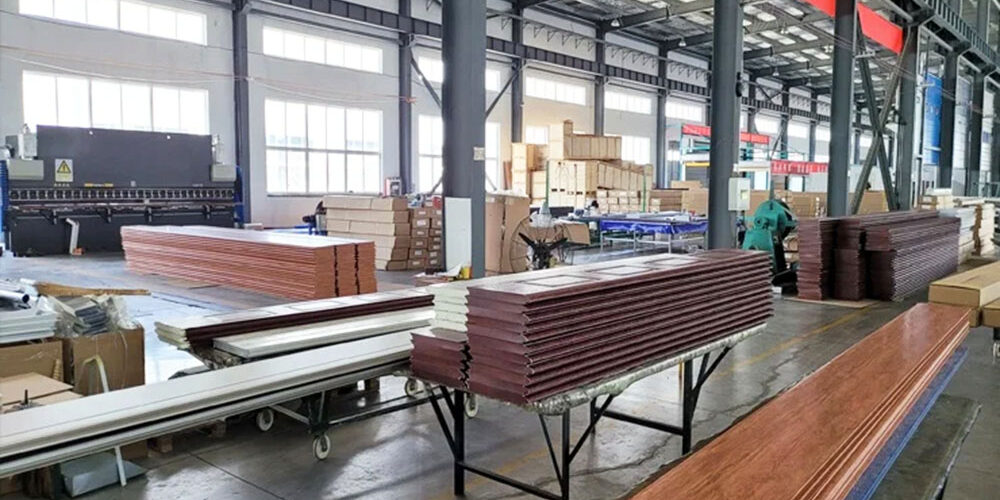
Three years ago, a mid-size RV manufacturer received a full container of custom motorhome panels with crushed corners on 40% of the sheets. Their supplier had stacked the panels loose with cardboard dividers — no wooden crating, no edge guards, no load bracing. Production stopped for three weeks while replacements shipped from overseas. The freight claim took six months to settle, and the builder still ate $190,000 in late-delivery penalties to their dealer network. That one shipment turned a profitable quarter into a loss.
We pulled defect reports, tolerance measurements, and freight damage records from 340 custom panel orders across four years to figure out exactly where experienced buyers get blindsided. What follows covers the dimensional tolerances that actually matter on your assembly line, the core material differences that determine whether your walls survive 80,000 miles of road vibration, and the packaging specifications that separate panels arriving ready to install from panels arriving as scrap.
Why Custom Motorhome Panels Matter
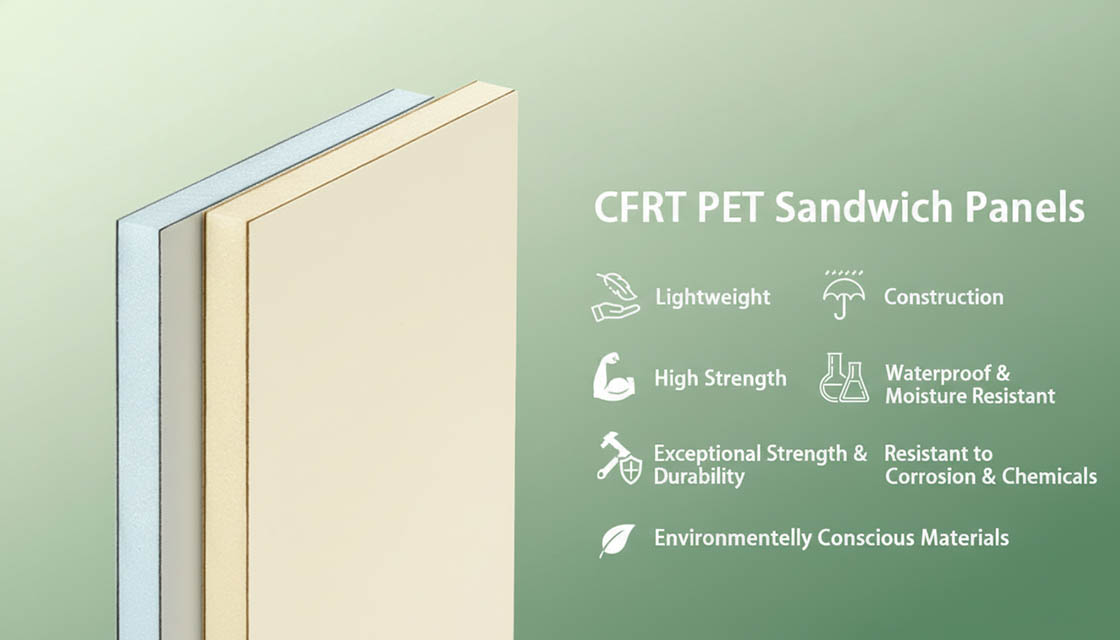
Custom composite panel specifications directly dictate an RV’s fuel economy, structural lifespan, and assembly line throughput. Sizing errors or inconsistent materials don’t just cost money—they halt production.
The Margin for Error in Panel Specification
For veteran OEM procurement engineers, a composite panel is a structural component, thermal envelope, and exterior shell all at once. Ordering loosely specified panels invites disaster on the assembly line. When panel thickness drifts by even a fraction of a millimeter, window and door fitments fail, triggering costly rework. We maintain strict panel thickness consistency within +/- 0.2mm across all production batches to eliminate these variables.
Weight Reduction and Fuel Efficiency
Shedding dead weight is a constant priority in motorhome manufacturing. Replacing traditional substrates with advanced composite panels achieves up to a 40% weight reduction. This directly improves RV fuel efficiency and increases the payload capacity available for interior amenities and water systems.
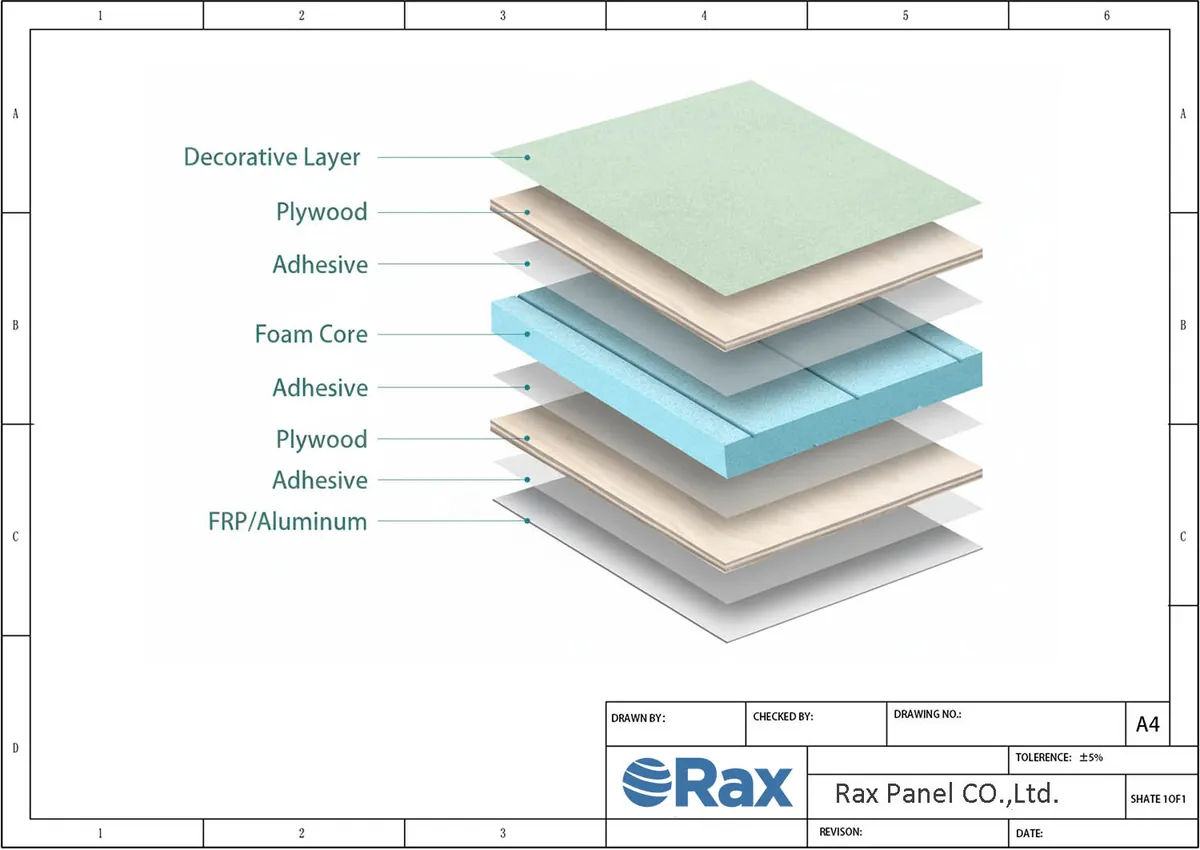
- Core Material Impact: The choice between PET foam and PP honeycomb dictates both the weight savings and the long-term structural fatigue resistance of the RV.
- Thermal Insulation: Foam-cored panels reach thermal insulation R-values up to R-20, critically reducing the energy load on the motorhome climate control systems.
- High Strength-to-Weight: Fiberglass reinforced plastic (FRP) skins deliver a tensile strength exceeding 100 MPa without the penalty of heavy traditional materials.
Structural Integrity and Compliance
A motorhome chassis endures constant torsional stress from highway driving, crosswinds, and uneven terrain. The coach structure relies on the shear strength and adhesive bonds of the sandwich panels. We engineer our GRP/FRP Honeycomb and Foam Core Panels to handle these exact dynamic loads. For compliance, specific composite panel configurations are available with an ASTM E84 Class A fire rating, a strict requirement for specialized vehicle manufacturers managing passenger safety liabilities.
Production Efficiency for Manufacturers
Unplanned adjustments on the factory floor destroy production schedules. When custom motorhome panels arrive requiring manual trimming to fit jointing systems, labor costs increase immediately. We utilize advanced CNC cutting services for RV panels to guarantee precise custom dimensions with a strict tolerance of +/- 0.5mm.
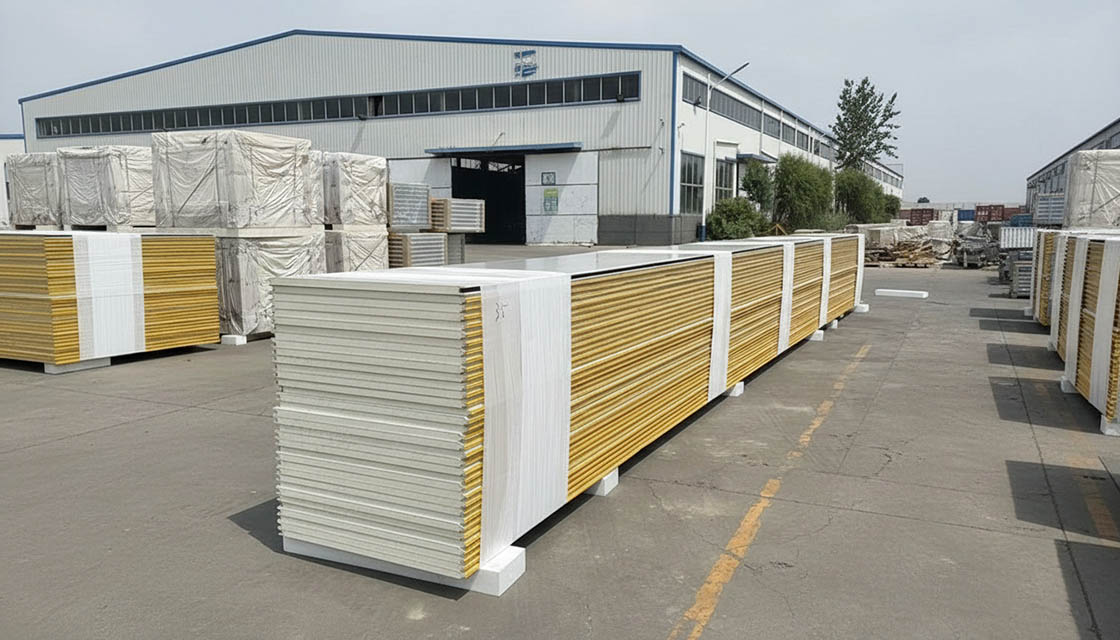
This precision allows panels to integrate directly into your assembly jigs without modification. To protect these tight tolerances during transit, we pack shipments in reinforced wooden crates utilizing specific container loading diagrams. This approach prevents edge damage during international shipping, ensuring the panels arrive at your facility ready for immediate installation.

Material Selection: Core & Skin Choices
Material choice for custom motorhome panels directly impacts weight, durability, and production efficiency. Getting this right prevents costly issues down the line.
Common Composite Panel Materials for Motorhomes
For specialized vehicle manufacturers, the choice of composite panel materials is critical. GRP/FRP (Glass Reinforced Plastic/Fiber Reinforced Plastic) and aluminum are the primary contenders for external skins, each offering distinct advantages depending on the application’s demands.
Benefits of GRP/FRP Skins
GRP/FRP skins are a staple in motorhome construction due to their robust performance characteristics. They offer a balance of resilience and aesthetic flexibility.
- Impact Resistance: FRP skins boast tensile strength exceeding 100 MPa, providing robust structural integrity against road debris and minor impacts.
- UV Stability: Available with marine-grade gel coat finishes, these panels resist UV degradation, preventing yellowing and material breakdown over time.
- Ease of Maintenance: The smooth, non-porous surface is simple to clean and can be repaired without extensive specialized tools.
Benefits of Aluminum Skins
Aluminum skins provide an alternative with specific advantages, particularly when weight and a metallic finish are priorities. They are often chosen for their high strength-to-weight ratio.
- High Strength-to-Weight Ratio: Aluminum offers excellent structural performance for minimal weight, contributing to up to 40% weight reduction in the overall vehicle.
- Corrosion Resistance: Naturally forming an oxide layer, aluminum resists corrosion, ensuring longevity in varied environmental conditions.
- Aesthetic Finish Options: Aluminum can be painted, anodized, or polished, providing a wide range of visual finishes to meet design specifications.
Core Material Comparison: Foam vs. Honeycomb
The core material dictates critical performance aspects such as insulation, structural rigidity, and overall panel weight. Manufacturers must weigh these factors carefully.
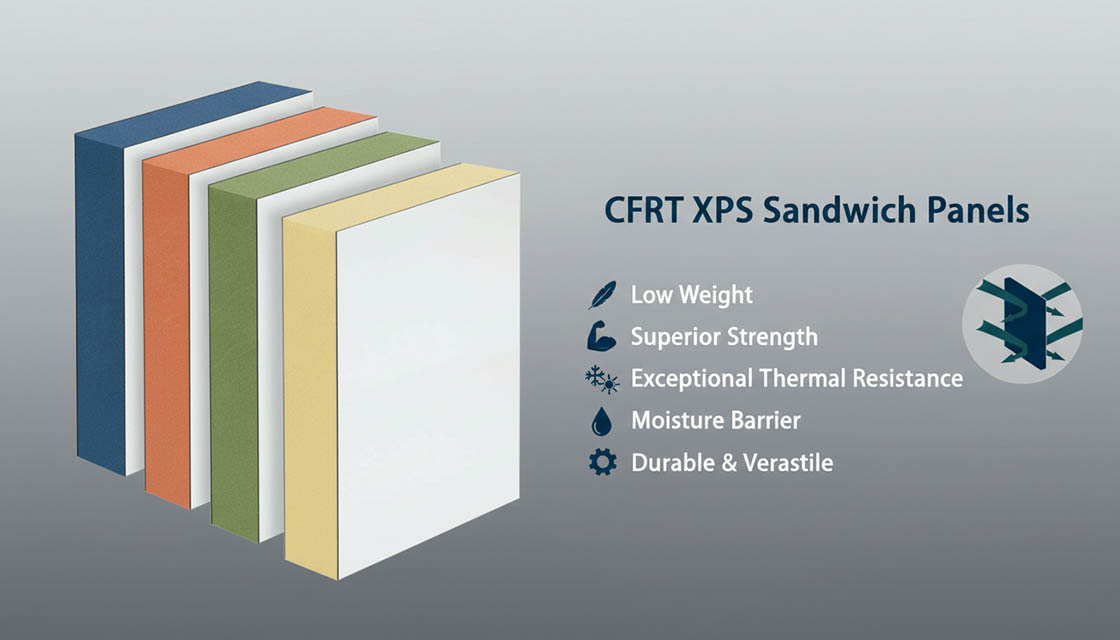
Foam core options, such as PET (Polyethylene Terephthalate) and XPS (Extruded Polystyrene), are valued for their thermal properties. Our foam-cored panels offer R-values up to R-20, crucial for maintaining climate control and energy efficiency in motorhomes.
Honeycomb cores, including PP (Polypropylene) and aluminum, excel in structural rigidity and weight reduction. While they may offer different insulation values than foam, their internal structure provides high shear strength, contributing to the panel’s overall stiffness and durability.
| Material Component | Key Specification | Primary Benefit | Ideal Application |
|---|---|---|---|
| FRP/GRP Skins | Tensile strength >100 MPa; Marine-grade gel coat available | Robust structural integrity with UV and moisture resistance | Motorhome exterior walls, roofs |
| PET Foam Core | R-value up to R-20; Thickness consistency +/- 0.2mm | Superior thermal insulation and energy efficiency | Climate-controlled RV interiors |
| PP Honeycomb Core | Up to 40% weight reduction vs. traditional materials | Maximized strength-to-weight ratio for fuel savings | Lightweight motorhome structural panels |
| CFRT Composite Skins | Continuous fiber reinforced; CNC precision +/- 0.5mm | Enhanced load-bearing capacity with exact dimensional fit | High-stress RV component reinforcement |
| Aluminum Skins | ASTM E84 Class A fire rating available; Custom sizes up to 12m x 3m | Fire compliance and broad design flexibility | Large-format RV sidewalls, fire-rated assemblies |
Precision Panel Customization for OEMs
Custom motorhome panel manufacturing demands strict dimensional tolerances for seamless RV production line integration. We deliver +/- 0.5mm CNC cutting precision and +/- 0.2mm thickness consistency to eliminate assembly-line rework and material waste.
Manufacturing Process for Custom-Sized Motorhome Panels
Producing custom composite RV panels at OEM scale requires a controlled, repeatable process from raw material selection through final inspection. Our GRP/FRP Honeycomb Panels and Foam Core Panels are fabricated under ISO 9001:2015 certified procedures, ensuring every batch meets consistent mechanical and dimensional benchmarks. The manufacturing sequence—core preparation, skin lamination, curing, and calibration—is engineered to support panels up to 12 meters in length and 3 meters in width, accommodating full motorhome sidewall runs without mid-span joints.
Material selection directly dictates long-term structural performance. PET foam cores deliver superior thermal insulation with R-values up to R-20, critical for energy-efficient climate control in motorhomes. PP honeycomb cores offer excellent fatigue resistance under dynamic road loads. FRP skins with tensile strength exceeding 100 MPa provide the structural integrity required for RV exterior applications. Every material combination is validated against application-specific load and environmental requirements before production release.
CNC Cutting Capabilities: Precision, Waste Reduction, and Assembly Acceleration
Post-curing, every panel enters our CNC routing stage. This is where raw composite sheets become production-ready motorhome components. Our CNC systems maintain a cutting tolerance of +/- 0.5mm across the full panel surface—a precision level that directly impacts downstream assembly efficiency. When panels arrive at the RV production line with accurate dimensions, window cutouts, door openings, and fixing holes all align to the millimeter, eliminating the need for manual trimming or force-fitting.
The operational impact is measurable. Reduced on-site adjustments translate to faster cycle times per unit. Nesting software optimizes material yield from each composite sheet, lowering per-panel material cost. Consistent edge quality from CNC tooling also ensures reliable adhesive bonding during RV assembly, which strengthens the overall structural envelope of the finished vehicle.
Dimensional Tolerances and Quality Control Measures
Veteran OEM procurement teams evaluate suppliers on tolerance consistency, not just capability claims. We maintain two critical dimensional benchmarks across all custom motorhome panel orders:
- Cut Dimensions: +/- 0.5mm tolerance on all CNC-routed edges, cutouts, and fixture points.
- Panel Thickness: +/- 0.2mm consistency across entire panel surfaces and between production batches.
- Surface Flatness: Controlled within defined limits per panel specification to prevent adhesive voids during lamination.
- Edge Seal Integrity: All cut edges are sealed to prevent moisture ingress, a critical factor for long-term warranty performance.
Quality control is integrated at multiple production stages, not applied only at final inspection. In-process checks verify core density, adhesive coverage, and curing parameters. Final dimensional inspection confirms conformance before panels enter packaging. Documentation traceability is maintained for every order, providing OEM buyers with the validation records required for their own quality management systems.
Bespoke Design Integration for RV Production Lines
Effective OEM panel customization extends far beyond cutting standard sheets to size. It requires engineering collaboration that accounts for the specific constraints of the buyer’s production line, vehicle architecture, and assembly sequence. We work directly with OEM engineering teams to translate their CAD models into manufacturing specifications, ensuring that every cutout, chamfer, and fixing point is produced exactly as designed.
This collaborative approach addresses a common failure point in custom panel supply: misalignment between panel design intent and manufactured reality. By validating tool paths, material behavior under CNC routing, and edge finishing requirements during the sampling phase—typically 4 to 6 weeks for initial samples—we identify and resolve potential production line integration issues before volume manufacturing begins. Production runs follow within 8 to 12 weeks, with scheduling aligned to the OEM’s assembly calendar to prevent line-stoppage risk from late deliveries.
Integration with RV Construction Jointing Systems
A custom panel is only as effective as its ability to integrate with the vehicle’s joining methodology. Motorhome manufacturers employ diverse jointing systems—mechanical fasteners, structural adhesives, interlocking profiles, and hybrid combinations—and panel edge preparation must accommodate the specific system in use. We manufacture panels with edge details tailored to the buyer’s chosen jointing method, whether that requires square-cut edges for adhesive lap joints, routed channels for profile insertion, or countersunk fixing points for flush mechanical connections.
This level of jointing system integration is where imprecise panels create critical assembly bottlenecks. Gaps from oversized tolerances compromise adhesive bond lines and thermal continuity. Undersized panels require shimming, adding labor and introducing potential points of water ingress. By delivering panels machined to +/- 0.5mm with edge finishes matched to the joining system, we ensure that the structural, thermal, and weather-sealing performance designed into the vehicle architecture is maintained on the actual production floor.
Cost Factors: Customization vs. Standard
Custom motorhome panels demand a higher initial unit cost due to precise engineering, but the downstream savings in assembly labor and structural warranty claims offset the premium within the first production cycle.
Factors Influencing the Cost of Custom Motorhome Panels
When you shift from standard sheet goods to custom composite RV panels, the pricing structure changes from a simple per-square-meter calculation to a value-engineered solution. The final quote reflects the specific manufacturing capabilities required to meet your production line tolerances.
- Core Material Selection: The choice between PET foam cores—which offer thermal insulation values up to R-20—and PP honeycomb directly dictates the raw material expense and the resulting weight-to-strength ratio.
- CNC Cutting Precision: Specifying tight tolerances, such as a cutting precision of +/- 0.5mm, requires advanced CNC routing operations. You are paying for an exact fit that eliminates manual adjustments on your assembly floor.
- Thickness Consistency Requirements: Maintaining a strict panel thickness consistency within +/- 0.2mm across large production batches requires rigorous ISO 9001:2015 certified manufacturing oversight.
- Logistics and Freight Protection: Preventing edge damage during international shipping is a major cost variable. We use reinforced wooden crates and specific container loading diagrams, adding minor upfront freight costs but saving massive rework expenses later.
Initial Expense vs. Long-Term ROI: Efficiency and Warranty
A strict focus on the initial unit price of fiberglass reinforced plastic camper panels is a common procurement trap. The operational math changes when you factor in the lifespan of the vehicle and the efficiency of your production line.
Integrating advanced composite panels achieves up to a 40% weight reduction compared to traditional materials. For a specialized vehicle manufacturer, this weight saving directly improves RV fuel efficiency and increases the allowable payload for the end user. The structural integrity of these custom dimensions—often utilizing FRP skins with tensile strength exceeding 100 MPa—ensures the vehicle withstands harsh road conditions without structural fatigue.
This durability directly impacts your bottom line through reduced warranty claims. When you calculate the cost of a single structural warranty claim against the marginal premium of precision-cut RV side panel production, the ROI is clear. You are not just buying a composite panel; you are purchasing a reduction in assembly labor, a shield against future liability, and a streamlined manufacturing process.
| Cost Factor | Standard | Custom | ROI Impact |
|---|---|---|---|
| Panel Dimensions | Fixed sizes up to 6m x 1.5m | Up to 12m x 3m, CNC cut to +/- 0.5mm | Eliminates assembly line adjustments; reduces waste by up to 15% |
| Lead Time | 2-4 weeks from stock | 4-6 weeks samples; 8-12 weeks production | Requires advanced planning but ensures precise production line integration |
| Core Material Selection | Generic foam core | PET foam vs. PP honeycomb optimized for application | Up to 40% weight reduction; impacts long-term structural fatigue costs |
| Surface Finish | Basic FRP gel coat | Marine-grade gel coat for UV/moisture resistance | Higher initial cost; extends panel lifespan in harsh environments |
| Thickness Consistency | +/- 0.5mm tolerance | +/- 0.2mm batch consistency (ISO 9001:2015) | Reduces warranty claims; ensures uniform joint sealing |
| Structural Integrity | Standard FRP skins | FRP skins exceeding 100 MPa tensile strength | Critical for RV crash safety compliance; reduces structural failure risk |
| Insulation Value | R-10 to R-13 range | R-values up to R-20 (foam-cored panels) | Reduces HVAC energy costs; enhances occupant comfort ratings |
| Protective Packaging | Standard pallet wrapping | Reinforced wooden crates with container loading diagrams | Prevents edge damage during international shipping; eliminates rework costs |

Supply Chain Reliability & Logistics
A delayed or damaged shipment of custom motorhome panels does not just cost money in freight claims; it halts your entire assembly line. Predictable logistics and engineered packaging are non-negotiable for veteran OEMs.
Managing Lead Times for High-Volume OEM Production
When you order custom composite RV panels, you are integrating a critical component into a strict manufacturing schedule. Initial samples typically require 4 to 6 weeks for tooling and material sourcing, while full production runs generally span 8 to 12 weeks. We eliminate the guesswork by anchoring our production planning directly to your OEM schedules. This guarantees a consistent supply of panels—whether you require GRP/FRP honeycomb panels or lightweight foam core panels—preventing the cascading delays that bottleneck your facility.
Preventing Transit Damage Through Secure Packaging
Veteran procurement engineers know that the journey from the factory floor to the assembly line is where low-grade suppliers fail. Standard export packaging often results in edge chipping or surface scratches on fiberglass reinforced plastic camper panels, forcing expensive rework. We mitigate this freight risk entirely with a multi-layered defense strategy:
- Reinforced Crating: Every order is secured using custom-built wooden crates designed specifically to absorb transit shocks and prevent structural shifting.
- Loading Diagrams: We utilize specific container loading plans tailored to the dimensions of your precision cut RV side panel production, ensuring zero movement during international transit.
- Edge Protection: Corner reinforcements shield the CNC-cut edges, preserving the strict +/- 0.5mm tolerances required for seamless RV jointing systems.
Streamlining Global Shipping and Customs Clearance
Moving large volumes of oversized composite panels across borders requires more than just booking vessel space. It demands meticulous documentation and an understanding of international trade compliance to prevent border delays. Our logistics team handles the complexities of global shipping, ensuring all customs paperwork aligns perfectly with international requirements for specialized vehicle manufacturing. By managing these transit risks proactively, we ensure your motorhome panel custom dimensions arrive exactly when your production schedule demands them, maintaining your operational KPIs without disruption.
Case Studies: RV Manufacturing Successes
Evaluating a composite panel supplier requires proof of production line integration, not just material data sheets. These scenarios demonstrate how exact specifications resolve OEM manufacturing bottlenecks.
Reducing Assembly Adjustments via Precision CNC Cuts
A major source of delay in RV production lines is poor panel fit, requiring onsite modifications that disrupt the build schedule. In a recent project supplying fiberglass reinforced plastic camper panels, we applied strict CNC cutting parameters to resolve this. We maintained a tolerance of +/- 0.5mm on custom panel dimensions up to 12 meters (40 feet) in length.
By delivering precision cut RV side panels that matched the manufacturer’s CAD files exactly, the OEM eliminated manual trimming on the assembly floor. Consistent material thickness—held within +/- 0.2mm across the entire batch—meant that jigs and fixtures worked perfectly without any manual shimming, directly increasing the daily unit rollout rate.
Hitting Weight Targets Without Sacrificing Insulation
When a Class A motorhome manufacturer needed to lower their vehicle’s gross weight to improve fuel efficiency, we shifted their sidewall construction from traditional wood framing to our foam core technology. We utilized a structural PET foam core combined with high-tensile FRP skins exceeding 100 MPa in tensile strength.
- Weight Reduction: The custom composite RV panel configuration achieved a 40% weight reduction compared to the manufacturer’s previous build materials.
- Thermal Performance: Transitioning to insulated RV panel custom thickness specifications provided thermal resistance up to R-20, significantly lowering the HVAC load for end-users.
Mitigating International Freight Risk for Custom Orders
Veteran procurement engineers know that a perfect panel is useless if it arrives damaged. An international RV exterior wall panels manufacturer specs client previously suffered severe edge damage and surface scratches during overseas transit, leading to costly rework and rejected batches. We re-engineered their packaging and logistics protocol for their custom motorhome panels.
Instead of standard pallets, we utilized reinforced wooden crates engineered with specific blocking and bracing diagrams tailored to the container dimensions. This completely eliminated transit-induced edge crushing. Securing the supply chain in this way protected the +/- 0.2mm thickness consistency we achieved in the factory, ensuring the client’s production schedule remained unaffected by freight handling issues.
Choosing a Custom Panel Partner
Selecting a custom panel supplier means auditing their engineering capability, certification depth, and OEM delivery history before signing anything. Price is tertiary.
Technical Support as a Qualifying Filter
Most suppliers can quote a part number. Very few can sit with your engineering team and solve a jointing interface problem before production starts. That distinction is what separates a vendor from a partner. When evaluating custom composite RV panel manufacturers, ask specific engineering questions: What CNC cutting tolerance do they hold consistently? Can they provide documented evidence of +/- 0.5mm precision across a full production run? How do they handle material substitution when a core supply is disrupted?
A supplier worth committing to will respond with data, not marketing language. They should offer dimensional validation reports, material test certificates, and cut samples that match your exact motorhome panel custom dimension requirements. If their technical team cannot discuss the structural fatigue differences between PET foam and PP honeycomb cores in your specific RV wall assembly, they are not equipped to support an OEM production line.
Certifications That Actually Matter
Certification claims are easy to print on a website. What matters is whether those certifications apply to the exact panel configuration you are ordering. An ISO 9001:2015 certified facility means process consistency, but you still need to verify that their quality management system specifically covers custom fiberglass reinforced plastic camper panels and your required thickness tolerances.
- ISO 9001:2015: Confirms repeatable manufacturing processes and documented quality control across batch runs.
- ASTM E84 Class A Fire Rating: Critical for RV interior applications where fire code compliance is non-negotiable.
- Thickness Consistency Documentation: Internal batch records showing +/- 0.2mm variance tolerance across production lots.
- Material Traceability: Ability to trace resin batches, core material lots, and gel coat formulations back to source.
Request actual test reports, not certificates. A legitimate supplier will provide third-party lab results for tensile strength, thermal conductivity, and fire performance that correspond to the specific product line you are sourcing. If you are specifying insulated RV panels with custom thickness for climate-controlled motorhomes, the R-value claims must be backed by documented thermal testing, not estimates.
OEM Track Record and Logistics Reliability
A supplier’s history with OEM production schedules tells you more than any brochure. Ask for references from manufacturers running similar volumes. Find out how they handled their last production delay and what corrective action was implemented. The reality of sourcing precision cut RV side panel production is that lead times of 8 to 12 weeks for production orders are standard when tooling and material sourcing are involved. A supplier who promises significantly faster turnaround without explaining how is either cutting corners or being dishonest.
Shipping protection is another critical differentiator that most buyers overlook until they receive a container of panels with damaged edges. For international orders, your supplier should provide reinforced wooden crating, detailed container loading diagrams, and documented packaging standards designed to prevent freight damage. This is not an area where generic palletizing is acceptable. Edge damage on composite panels means rework, scrap, and production delays that cost far more than proper packaging ever will.
What to Demand in Your First Supplier Audit
- Sample dimensional report: Measured data from a recent production run showing actual versus specified dimensions.
- Batch consistency records: Evidence that thickness, weight, and surface finish remain stable across multiple production lots.
- Production capacity disclosure: Verified monthly output numbers and current capacity utilization rate.
- Packaging specifications: Written packaging standards with photos of actual shipment preparation for marine grade motorhome panel custom orders.
At Raxpanel, we maintain detailed documentation for every one of these points because veteran procurement engineers require evidence, not assurances. Our GRP/FRP Honeycomb Panels and Foam Core Panels are manufactured to hold +/- 0.2mm thickness consistency, cut to +/- 0.5mm CNC precision, and shipped in reinforced crates engineered specifically for international container transport. If a supplier cannot provide this level of verification on request, they are not ready to support a serious OEM production schedule.
Conclusion
If your production line runs 50+ motorhomes a month, spec custom-cut composite panels with +/- 0.5mm CNC tolerances from day one. That 40% weight reduction from honeycomb or foam-core construction translates to real fuel savings your customers calculate and compare before they buy. Generic panels with loose tolerances cost you more in rework and warranty claims than you ever save on material — the math only works one way.
Request sample panels cut to your exact jointing system specs and have QA measure thickness at five points across the face. Ask for batch consistency records from their last three production runs plus the ASTM E84 fire rating certification. A supplier worth partnering with keeps that data on file and sends it within 48 hours — if they need a week to dig it up, their process isn’t tight enough for your production schedule.
Frequently Asked Questions
This factor has a direct bearing on project performance and long-term cost. Addressing it with specific data rather than general assumptions leads to better outcomes.
What is the cost of a composite panel camper kit?
Pricing for composite panel camper kits varies significantly based on the material composition—such as CFRT, GRP/FRP, or specialized Aluminum Sandwich Panels—and the specific custom dimensions required for your build. The overall cost is heavily influenced by the choice of core materials, such as high-performance foam cores for premium insulation, as well as the complexity of any surface treatments. To receive an accurate and highly competitive quote, our engineering team evaluates your specific project blueprints, volume requirements, and logistical needs.
What dimensions can motorhome panels be customized to?
Our motorhome panels can be customized with extreme precision to meet exact vehicular specifications, typically accommodating widths up to 1.5 meters and lengths up to 12 meters depending on the specific material line. Thicknesses are highly adjustable, ranging from 15mm for lightweight interior structures to over 100mm for heavily insulated exterior walls. Whether you require complex curved roof components or large, flat GRP/FRP Honeycomb Panels for side walls, our advanced CNC machining ensures tight tolerances for seamless OEM assembly.
How does custom sizing affect lead times for large orders?
Large orders requiring custom sizing typically add approximately five to ten business days to the standard lead time to accommodate specialized mold setups and material calibration. However, our advanced manufacturing capabilities allow us to efficiently scale the production of custom CFRT and Aluminum Sandwich Panels, minimizing potential delays even for high-volume B2B requests. We provide a detailed production timeline before manufacturing begins, ensuring your supply chain remains uninterrupted and your custom panels arrive precisely when needed.
Which panel cores offer the best insulation for cold climates?
For RVs operating in extreme cold climates, our cross-linked polyethylene (XPE) and polyurethane (PU) Foam Core Panels offer superior thermal resistance with exceptionally low thermal conductivity ratings. When paired with our high-strength CFRT or FRP skins, these closed-cell foam cores effectively eliminate thermal bridging, ensuring maximum interior heat retention and preventing structural moisture damage. Additionally, our PET Foam Core Panels provide an excellent, structurally rigid alternative that delivers comparable cold-weather insulation while maintaining a lightweight profile.
How are custom RV panels protected during international shipping?
To ensure structural and surface integrity during international transit, custom RV panels are first meticulously wrapped in protective adhesive film and waterproof packaging to prevent scratches and moisture intrusion. The panels are then securely strapped onto heavy-duty, heat-treated wooden pallets or placed into custom-built plywood crates that strictly comply with international ISPM 15 shipping standards. Finally, we utilize container dunnage airbags and specialized bracing within the shipping container to eliminate movement and vibration, guaranteeing your specialized Aluminum Sandwich Panels arrive in pristine condition.