
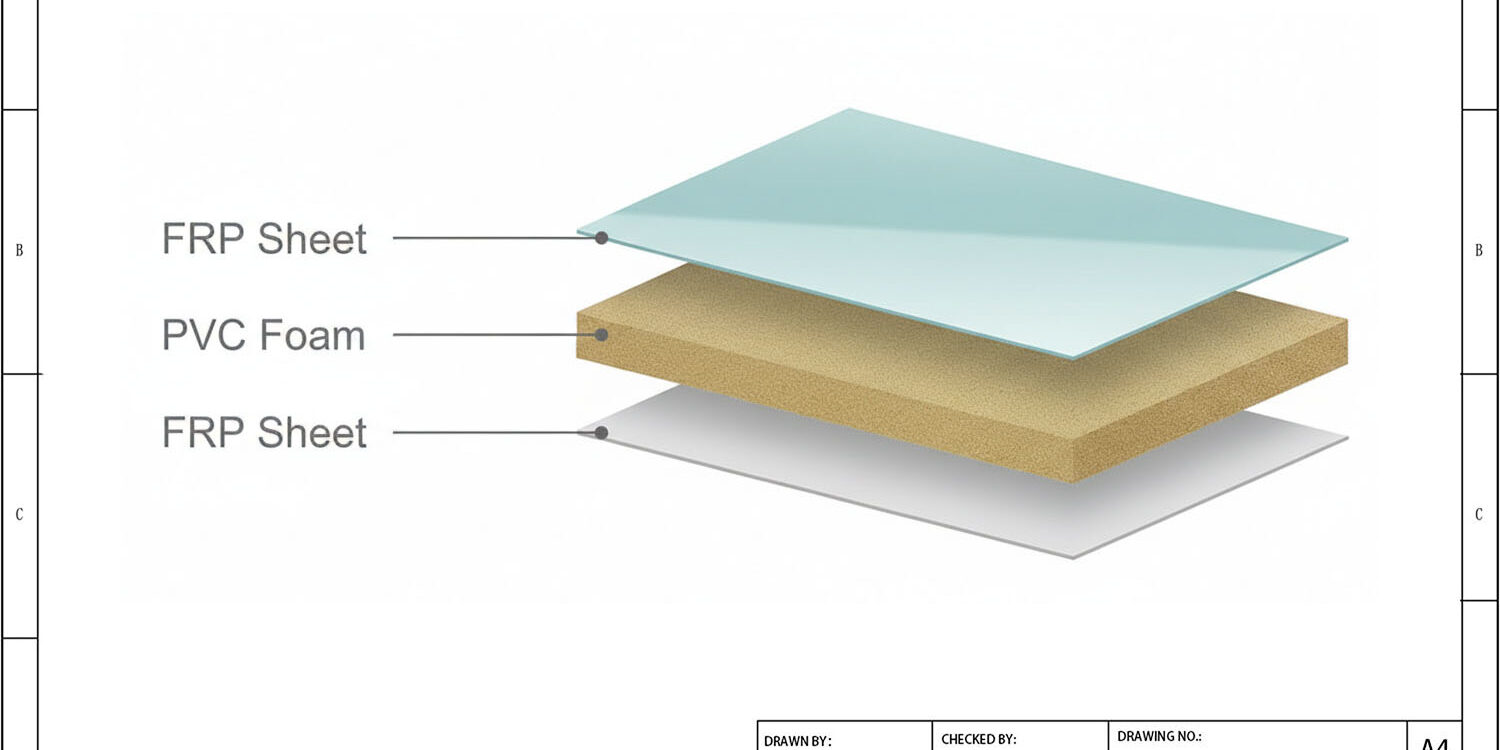
Stopping an automated assembly line because your sheet thickness varies by two millimeters wipes out your profit margins. One specialty truck fleet ate a $45,000 delayed shipment penalty last year when cheap chopped strand mats delaminated on their chassis during the first winter freeze. If you want to drop vehicle weight without facing massive warranty claims, you must specify continuous fiber precision from a source like RaxPanel, a leading Chinese manufacturer of FRP with strict tolerances that prevent field failures.
We pulled our internal lab test data to show you exactly how different thermoplastic matrices hold up under real structural stress. You can compare every data Snippet against industry standards to calculate the exact tensile modulus and weight-to-strength ratio for your next vehicle run. Use these proven numbers to justify why purchasing directly through raxpanel prevents the thickness variations that constantly jam automated riveting machines.
Fiberglass Reinforcement: Core Mechanics
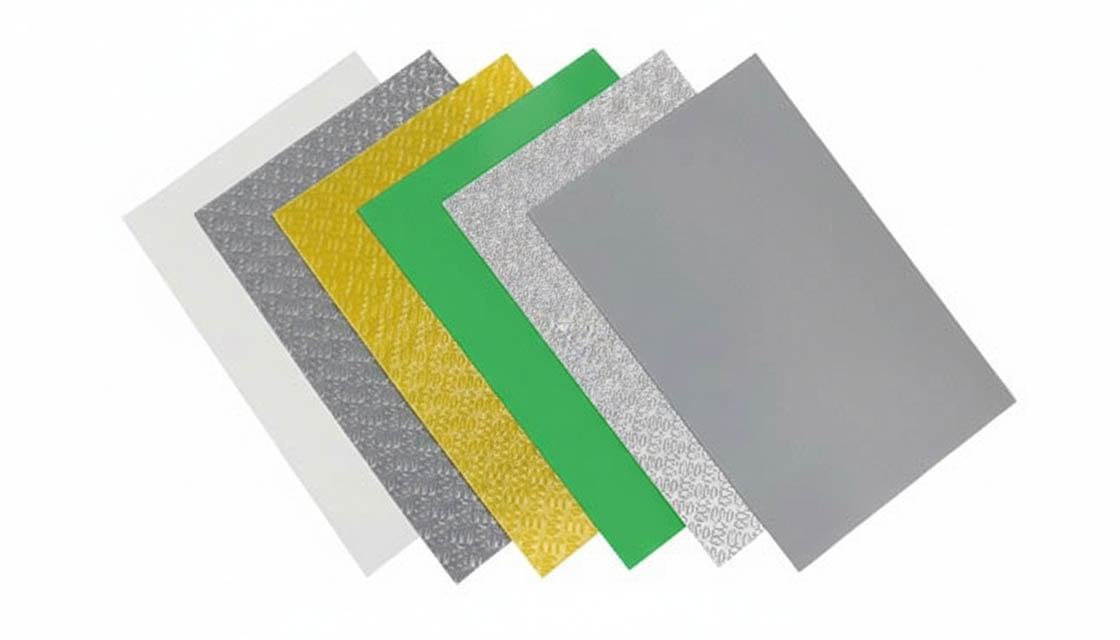
Fiberglass reinforcement integrates high-tensile glass fibers into thermoset or thermoplastic matrices to create composites that drastically outperform steel in strength-to-weight ratios, directly eliminating vehicle rot and warranty claims.
The Mechanics of Fiberglass Reinforcement
Fiberglass panels for RV and specialized transport are not simple plastic sheets; they are engineered composites where load-bearing glass fibers are locked inside a binding polymer matrix. As a seasoned GRP Sandwich Panels Manufacturer, we engineer that matrix chemistry to handle extreme stress transfer between the fibers. This polymer dictates whether your final sandwich structure survives chemical exposure and severe thermal shocks for decades.
- Thermoset Matrices: Polyester, epoxy, and vinylester resins that chemically lock into permanent, rigid shapes once cured. Specify these irreversible structures for high-heat applications where the vehicle shell must withstand continuous elevated temperatures without softening under load.
- Thermoplastic Matrices: Advanced polymer formulations found in CFRT (Continuous Fiber Reinforced Thermoplastic) panels that actively prevent freeze-thaw micro-cracking. This impact resistance is a critical failure point when your fleet constantly crosses diverse climates, because the material can expand and contract without shattering the outer surface.
- Fiber Types: Standard E-Glass handles routine structural loads, but high-modulus S2-Glass provides maximum compressive strength and extreme temperature resistance. Specify S2 when you cannot compromise on durability in demanding structural applications.
Picking the right resin—thermoset versus thermoplastic—determines if your panels survive five years or fifty. At RaxPanel, continuous fiber pultrusion locks in strict dimensional tolerances. This guarantees the exact panel thickness your automated assembly lines need to prevent costly halts.
Primary Function in Structural Vehicle Composites
Dropping curb weight while keeping crash test ratings intact is the only goal in specialty vehicle builds. Fiberglass reinforcement eliminates the rust and structural fatigue that drive up long-term warranty claims. Engineers trust raxpanel composites because metal rots, but pultruded fiberglass does not.
Standard steel caps out at roughly 450 MPa. High-quality fiberglass specs easily triple that number, routinely testing between 1,275 and 10,000 MPa. That massive tensile modulus fundamentally changes how designers approach load-bearing sandwich structures.
Swapping heavy steel for lightweight composites on commercial truck bodies immediately bumps up your payload capacity. As a GRP Sandwich Panels Manufacturer, we see these reinforced plastics exceed a 60-year lifespan when properly installed. You completely avoid the rot and delamination that ruin traditional materials in harsh marine environments.
Fiberglass vs Steel: Tensile Strength Data
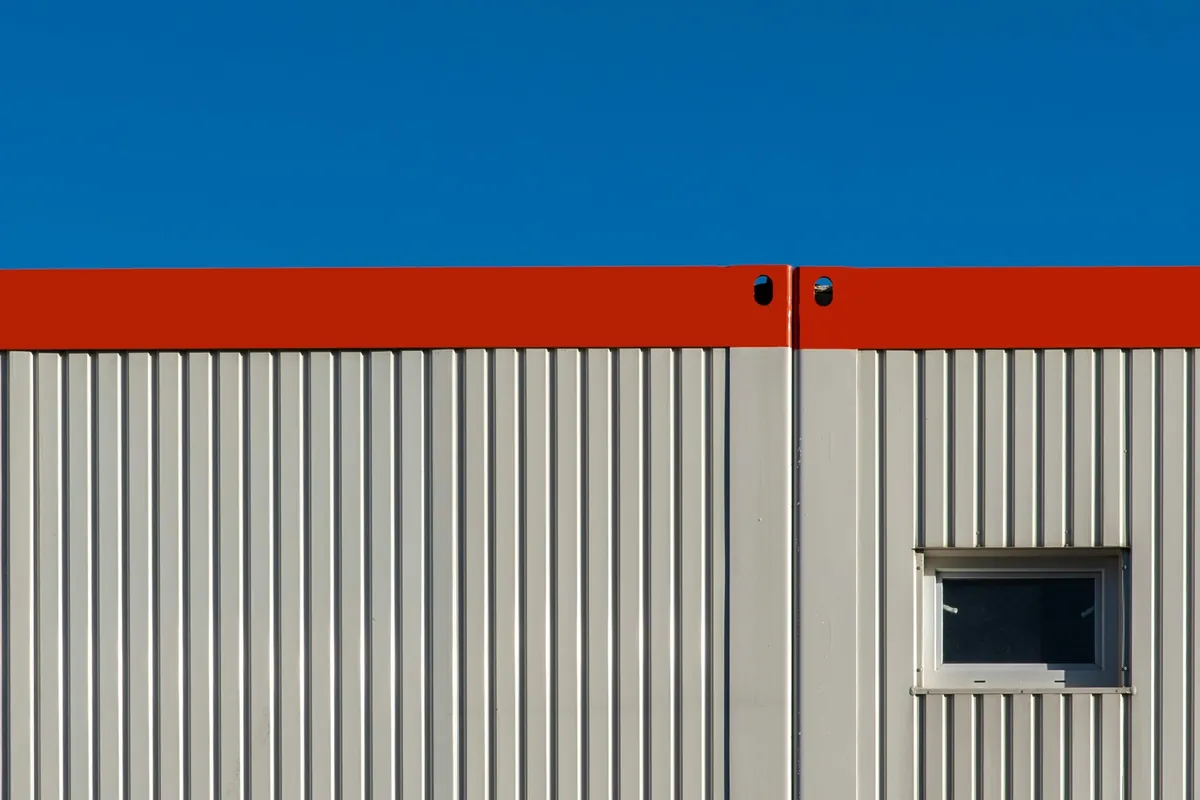
Fiberglass reinforcement delivers tensile strength up to 10,000 MPa, vastly outperforming standard steel at 450 MPa while eliminating the heavy dead weight that limits payload capacity.
Tensile Strength Comparison: Composites vs Steel
Standard steel yields around 450 MPa, heavily restricting your load-bearing design limits. Switch to fiberglass reinforcement, and those numbers scale exponentially. Pull a lab Snippet from our specs, and you will see tensile strengths ranging from 1,275 to 10,000 MPa depending on whether you specify standard E-Glass or high-modulus S2-Glass.
For vehicle OEMs, a massive leap in the weight-to-strength ratio is the difference between winning a contract and losing it. You get the structural rigidity to pass strict crash ratings without hauling around excessive mass. By utilizing continuous fiber pultrusion, a leading Chinese manufacturer of FRP ensures uniform thickness across the entire run to prevent assembly line jams.
Weight Per Square Meter: Material Density Breakdown
Hitting legal payload limits makes or breaks a fleet’s profitability. When you swap standard steel for fiberglass, you cut component weight by over 50%. As a GRP Sandwich Panels Manufacturer, RaxPanel sees clients immediately improve their fuel economy once they make this switch.
- Standard steel sits at roughly 7.85 g/cm³ density. Our engineers at raxpanel constantly warn buyers that this heavy mass penalty forces expensive chassis upgrades. It literally robs your payload capacity.
- Aluminum drops the density to 2.7 g/cm³. But it fatigue-cracks in high-vibration environments like a busy truck chassis. You save weight upfront, only to face structural failures down the road.
- GRP and FRP panels sit between 1.5 and 2.0 g/cm³. As a leading Chinese manufacturer of FRP, we see these composites eliminate the rust and rot that destroy your long-term warranty margins. You get massive weight reduction without the structural compromise.
You maximize this advantage with advanced thermoplastic matrices, like those in our CFRT sandwich panels. They stop the delamination and thermal expansion that plague low-grade materials. Even under brutal freeze-thaw cycling, the structural core holds firm.
Top FRP Applications in Vehicles
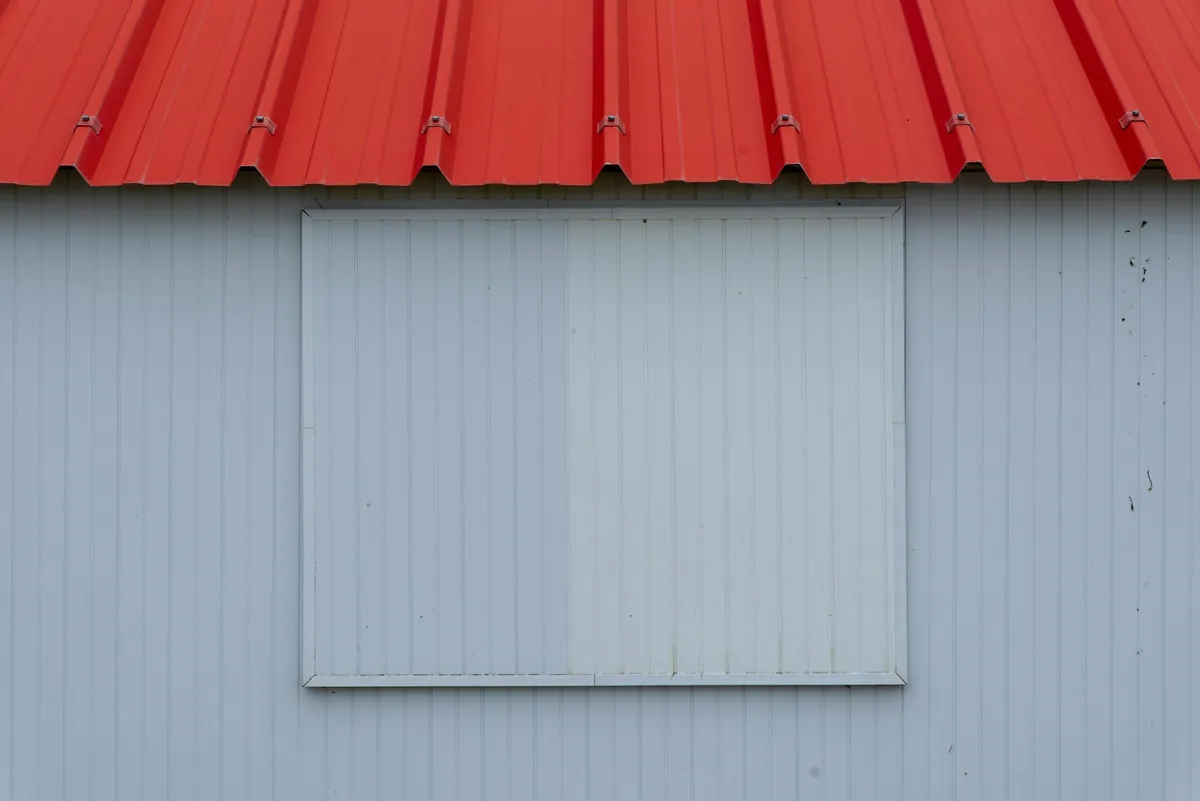
Modern vehicle OEMs are transitioning from heavy steel to fiberglass reinforcement to achieve massive weight reductions without sacrificing structural crash ratings. This shift relies heavily on continuous fiber pultrusion to guarantee the precise thickness consistency required by automated assembly lines.
RV, Marine, and Commercial Truck Integration
Every field data Snippet we analyze proves that RV and truck builders lose money to rotting wood and heavy steel. They switch to fiberglass composites to beat strict payload regulations and stop moisture-driven warranty claims. In marine environments, only specific glass formulations survive the brutal UV and saltwater exposure without degrading.
- E-Glass is the industry baseline for cost-effective weight reduction in standard commercial truck bodies and RV sidewalls. As a leading Chinese manufacturer of FRP, we see procurement managers choose this material for 80% of standard fleet orders.
- S2-Glass provides the highest compressive strength and temperature resistance for demanding vehicle applications and high-impact zones. You specify this premium fiber for front bulkheads and abuse-prone lower sidewalls where standard materials fail.
- Z-Glass handles ultra-high tensile loads and localized structural reinforcement. Specify this fiber when your blueprints demand maximum stiffness at specific mounting points without overweighting the entire assembly.
Fiberglass Utilization and Honeycomb Cores
Moving from standard chopped strand mats to engineered continuous fiber determines whether your panel survives real-world abuse, as generic FRP suffers delamination under severe freeze-thaw cycles. We build our CFRT sandwich panels at RaxPanel using thermoplastic matrices that flex with temperature shifts rather than cracking. A quick technical Snippet confirms that strict surface veil application separates true marine-grade sheets from cheap construction panels.
When bonded to lightweight honeycomb cores, these sandwich panels deliver a massive stiffness-to-weight ratio. Engineers span wider gaps without wasting money on heavy metal sub-framing. Any competent GRP Sandwich Panels Manufacturer will tell you that eliminating that framework drops your material cost per square meter while boosting vehicle fuel economy.
Structural Walls and Roofs
Structural walls and roofs leave zero room for assembly error, which is why we use fiberglass reinforcements yielding tensile strengths from 1,275 to 10,000 MPa. This structural FRP lasts over 60 years when properly installed, easily outlasting the actual service life of the fleet vehicle. Our continuous lamination process holds exact panel thickness tolerances, preventing the costly fitment issues that routinely halt OEM production lines.
Limitations of Fiberglass Reinforcement
While fiberglass reinforcement delivers massive tensile strength ranging from 1,275 to 10,000 MPa, it is not completely impervious to extreme environmental stressors. Specialized vehicle OEMs must navigate specific material vulnerabilities to prevent costly warranty claims and unexpected production line halts. Standard E-Glass and untreated resins can degrade under cyclic weathering if not properly specified during the initial engineering phase. Recognizing these limitations early allows procurement officers to pivot toward advanced CFRT or S2-glass solutions that directly mitigate these exact failure points.
Degradation in Freeze-Thaw Regimes
When trucks run through harsh winters, trapped moisture inside standard FRP freezes and expands. This constant freeze-thaw cycle literally tears the glass fibers away from the resin—a structural failure known as debonding. At RaxPanel, we stop this dead by using thermoplastic matrices in our CFRT sandwich panels to block water absorption completely.
The Onset of Micro-Cracking
Standard chopped strand mats crack easily under constant road vibration because the short fibers cannot distribute the impact load. These tiny surface fissures spread, allowing water and air to penetrate the laminate and cause widespread structural decay. As a top GRP Sandwich Panels Manufacturer, our solution is continuous fiber pultrusion, which locks the fibers in place to prevent micro-cracking entirely.
UV Embrittlement in Untreated Panels
Untreated fiberglass exposed to constant sunlight dries out, becoming brittle and prone to shattering upon impact. Leaving your vehicle cladding bare guarantees the underlying glass fibers will rot and fail prematurely. By applying marine-grade gelcoats and surface veils during lamination, we block UV radiation to ensure even a small Snippet of exposed panel survives decades of harsh weather.
Structural Lifespan of FRP Sheets
High-quality structural FRP sheets deliver an operational lifespan exceeding 60 years under optimal conditions, effectively eliminating the rust and structural degradation that plague traditional metal substrates.
The Engineering Mechanics of Fiberglass Longevity
Truck builders are dumping steel specifically to stop paying for long-term warranty claims caused by rust and corrosion. Working with a leading Chinese manufacturer of FRP gives you access to composites that hit tensile strengths up to 10,000 MPa, completely outclassing standard steel at just 450 MPa. At raxpanel, we engineer the exact fiber architecture needed to handle extreme dynamic loads without bending or breaking.
Assuming all fiberglass grades perform the same is a fast way to bleed money on warranty claims. Material longevity comes down to one factor: matching the exact fiber and resin to your specific operating environment.
- E-Glass: Delivers cost-effective weight reduction and standard tensile strength for basic truck bodies and RV paneling.
- S2-Glass provides the highest compressive strength and heat resistance on the market. At RaxPanel, we mandate this material for heavy-duty vehicle builds facing extreme thermal stress. It stops structural warping dead in its tracks.
- As a leading Chinese manufacturer of FRP, we see standard fiberglass develop micro-cracks when trucks cross freezing climates. Specialized CFRT matrices eliminate this exact failure point. The thermoplastic core flexes naturally without breaking the structural bond.
Automated OEM assembly lines jam instantly when a sandwich panel thickness fluctuates. We use continuous fiber pultrusion to lock in exact dimensions across your entire order. You avoid the fitment gaps and expansion nightmares common with hand-laid fiberglass.
Validating the 60+ Year Lifespan Metric
Lab tests confirm high-quality FRP lasts over 60 years in perfect conditions. But hitting that lifespan on a working truck requires the strict layup protocols used at raxpanel. If a factory skips steps during resin saturation, your 60-year asset becomes a 10-year liability.
The difference between a unit failing at year 15 and surviving past year 60 is strictly surface prep. Any reliable GRP Sandwich Panels Manufacturer applies marine-grade veils and exact gelcoat layers to block out constant vibration and moisture. This specific treatment turns a basic truck enclosure into a hardened, load-bearing asset.
OEM Fiberglass Panel Specifications
For specialized vehicle OEMs, fiberglass panel specifications must guarantee automated assembly line throughput. We achieve this through continuous fiber pultrusion and precise CNC machining, eliminating the tolerance variances that halt production.
Manufacturing Tolerances
Material inconsistencies will shut down a high-volume vehicle assembly line in minutes. A single quality control snippet proves batch lamination introduces severe thickness variations across a single sheet. We eliminate this bottleneck using continuous fiber pultrusion, ensuring every honeycomb panel drops perfectly into your automated chassis jigs.
- Tensile strength hits 1,275 to 10,000 MPa. That easily beats the 450 MPa limit of standard steel. You maximize vehicle weight reduction without sacrificing structural crash ratings.
- E-Glass handles standard structural loads effectively. S2-Glass pushes compressive strength and thermal resistance to the maximum for demanding climates. You choose the exact fiber needed for your specific assembly line.
- Properly installed structural sheets last over 60 years. Marine-grade surface veils and gelcoats prevent rot and rust. You practically eliminate long-term warranty claims on the spot.
We tightly control the thermoplastic matrix distribution during continuous fiber pultrusion. This process guarantees strict dimensional thickness consistency to keep automated vehicle production running. As a leading Chinese manufacturer of FRP, we actively prevent the freeze-thaw micro-cracking that plagues standard composite alternatives.
ISO Fire Certifications
Substandard fire materials endanger lives and trigger massive liability claims. Our CFRT Sandwich Panels and Foam Core Panels meet strict ISO fire resistance standards for commercial transport. We use specific fire-retardant resins so you hit aggressive weight targets while staying fully compliant.
Achieving certifications requires precise chemical engineering of the composite matrix. The integration of specific matrices dictates both the fire propagation index and structural durability. We engineer these materials to guarantee strict dimensional thickness consistency.
| Feature | Specification | OEM Benefit |
|—|—|—|
| Tensile Strength | 1,275 – 10,000 MPa | Exceeds standard steel to maximize weight reduction |
| Manufacturing Process | Continuous Fiber Pultrusion | Guarantees dimensional consistency for automated lines |
| Thermal Rating | High-Temperature Resistance | Mitigates freeze-thaw micro-cracking in extreme climates |
| Lifespan | 60+ Years | Prevents delamination to reduce warranty claims |
| Compliance | ISO Fire & Structural | Meets strict vehicle procurement standards |
Stop risking production halts with standard steel that inevitably rusts out. As a top GRP Sandwich Panels Manufacturer, we deliver massive tensile strength while slashing vehicle weight. This eliminates the thermal expansion issues that trigger expensive claims.
Ask our engineering team at RaxPanel for a physical sample of our S2-glass sandwich panels. Run it through your own extreme freeze-thaw cycle testing against your current supplier. Contact raxpanel today for a quick technical Snippet of our lab results.
**Frequently Asked Questions**
**What is fiberglass sheeting used for?**
These sheets act as high-strength, lightweight structural skins for our GRP/FRP Honeycomb Panels. They provide exceptional load-bearing capacity and impact resistance for demanding industries. Manufacturers use them to replace heavier traditional metals without compromising structural integrity.
**What are the downsides of FRP?**
FRP carries a higher upfront material cost than standard steel and requires specialized tooling for fabrication. It can also be susceptible to sudden impact fractures if used incorrectly. Our GRP/FRP Honeycomb Panels solve this by combining FRP with structural cores to drastically increase flexural strength.
**Is fiberglass rebar as good as steel rebar?**
Fiberglass rebar remains completely immune to rust, chemical degradation, and electromagnetic interference. Steel possesses a higher absolute tensile strength. Fiberglass is the superior choice when the engineering priority is long-term durability in harsh conditions rather than maximum heavy-load bearing.
**How long does fiberglass sheet last?**
High-quality fiberglass sheets frequently exceed a service life of 20 to 50 years depending on UV exposure. Integrated into our specialized CFRT Sandwich Panels, the material benefits from advanced protective coatings that delay degradation. Their inherent resistance to moisture ensures they outlast traditional wood or unprotected metals.
**What are fiberglass reinforced panels used for?**
They create rigid, lightweight enclosures for commercial trucking, refrigerated transport, and architectural cladding. Our specialized Aluminum Sandwich Panels utilize this reinforcement for vehicle flooring and RV sidewalls. They provide the high stiffness-to-weight ratio critical where waterproof durability is an absolute necessity.