
Warped sheets jam assembly lines and cost thousands in downtime penalties. If a supplier skips wood conditioning, mismatched geometries ruin your CAD nesting software. We track our kiln-drying process batch by batch, guaranteeing you never scrap a balsa core FRP panel for truck bodies because of hidden moisture.truck bodiesCAD nesting software
Factory floor yield lives or dies by strict material metrics. We lock balsa moisture below 8% before hot-melt bonding so your RV floors survive brutal impact testing. To ensure High Efficiency, we hold ±1mm edge precision on 12-meter sheets to stop automated assembly-line rejections.RV floorsimpact testinghot-melt bonding
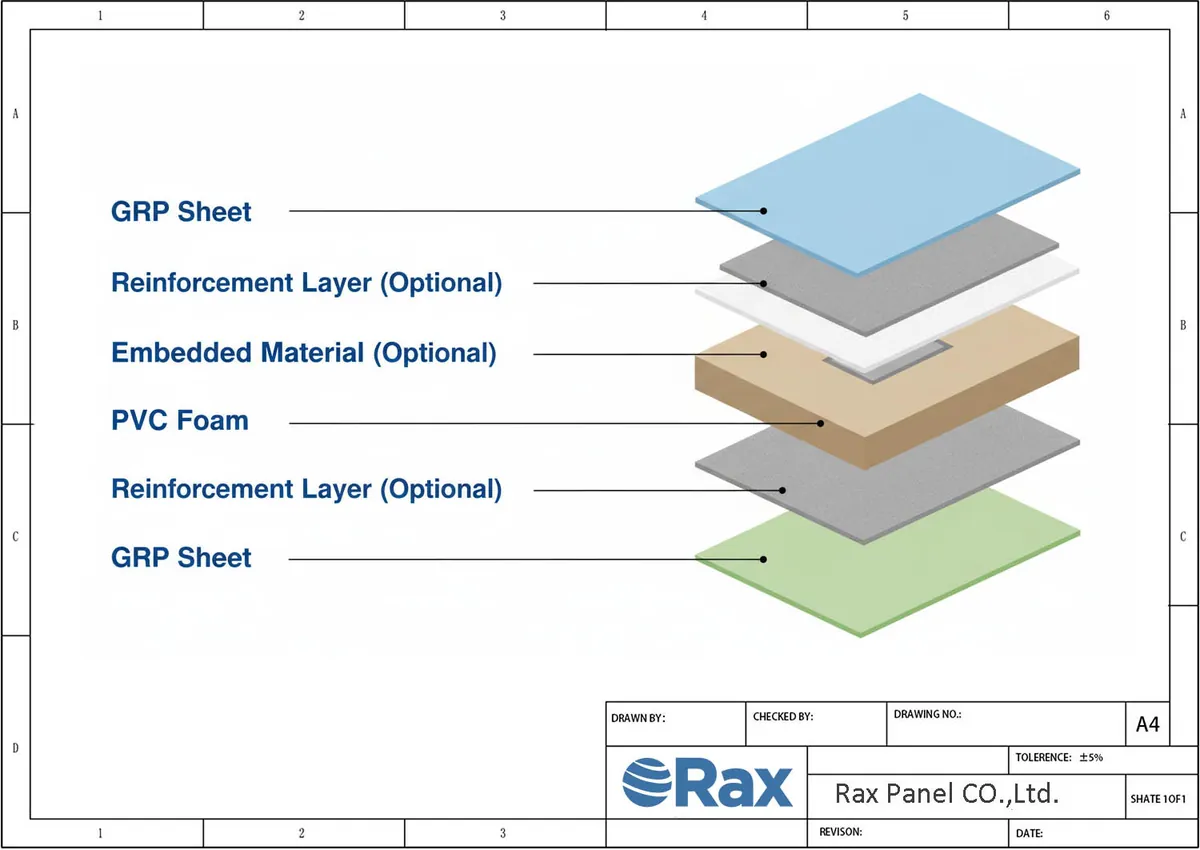
What Is GRP Balsa Sandwich Panel?
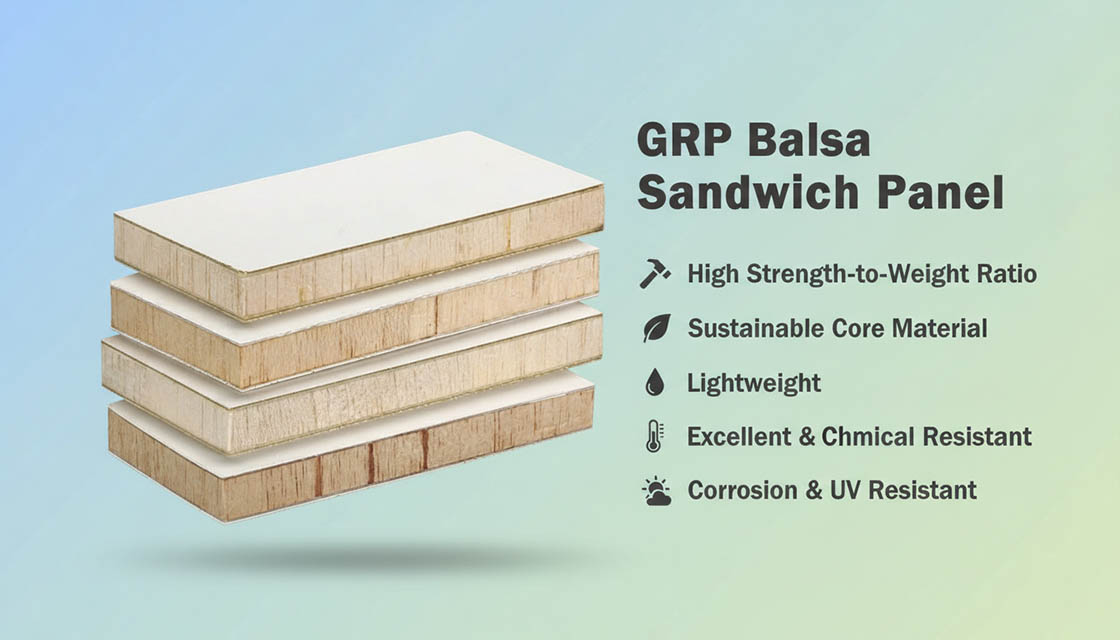
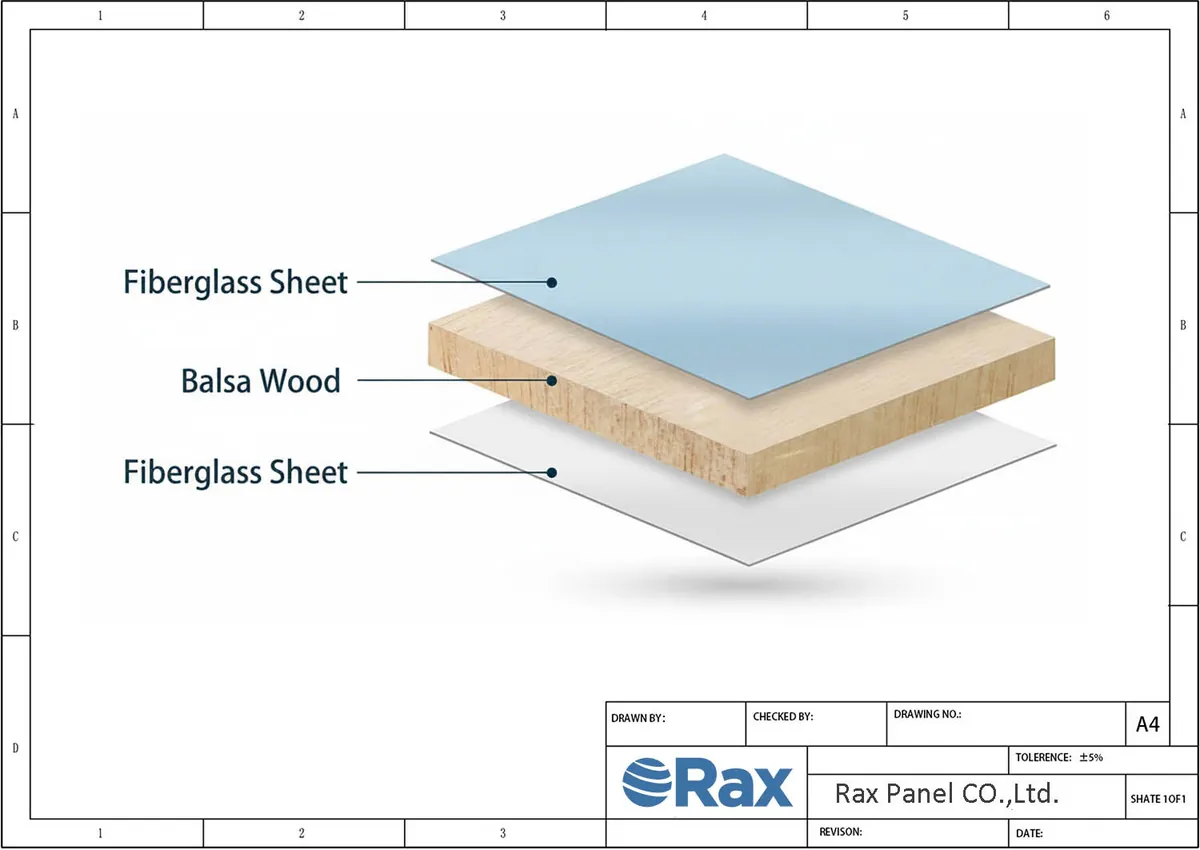
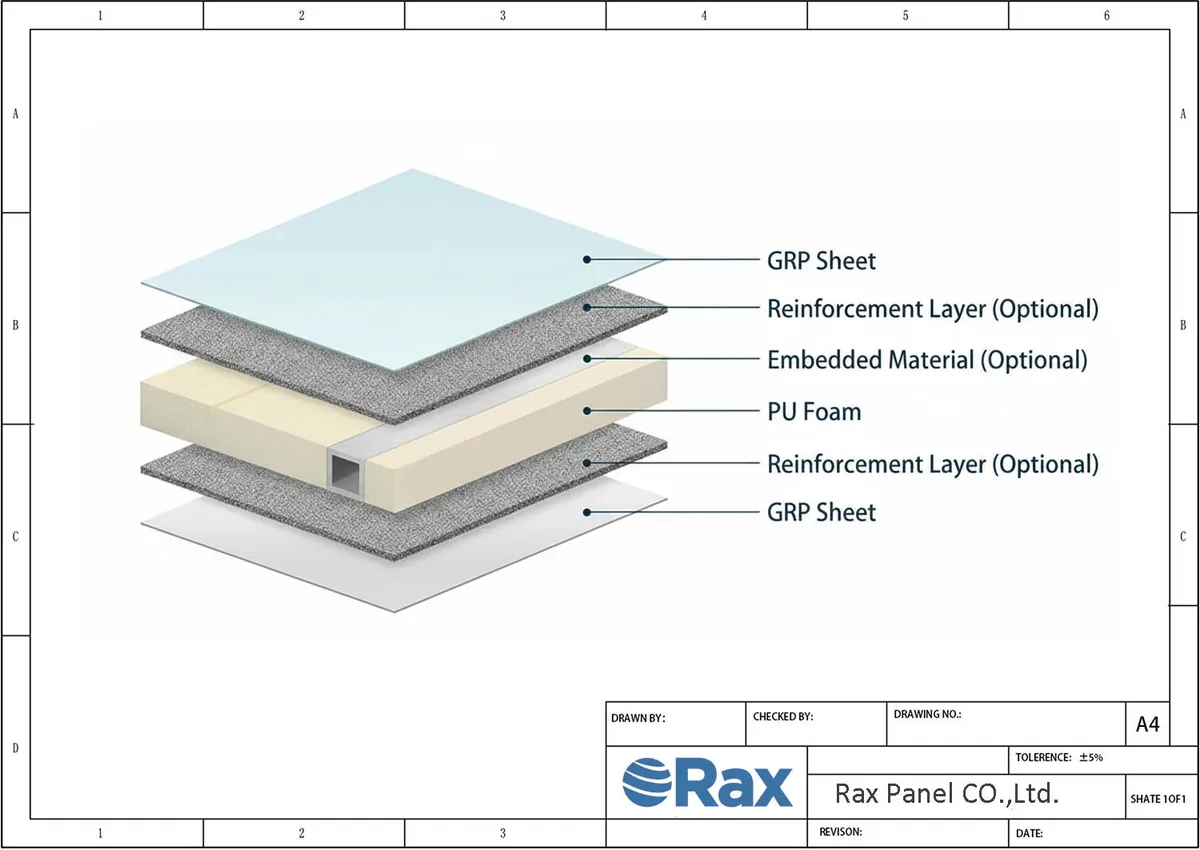
A GRP balsa sandwich panel is a lightweight, high-stiffness composite made of glass-reinforced plastic (GRP) skins bonded to an end-grain balsa wood core—engineered for structural integrity in transport and industrial applications.
Composite structure with GRP facings and end-grain balsa core
We press 30–40% fiberglass thermosetting skins over end-grain balsa cores rated at 130–180 kg/m³. Unlike cheap XPS foam you see failing in crush tests on YouTube, our core handles massive point loads without adding dead weight to the vehicle chassis. Whether you order standard sheets or a heavy-duty RV floor panel, the vertical grain orientation disperses weight to prevent sudden shear failures.XPS foamvehicle chassisshear failuresthermosettingkiln-driedXPS foamcompressive strengthend-grain balsa core
Monolithic load-bearing unit via strong resin adhesion
Proper resin wet-out requires locking core moisture under 8% during lamination to avoid balsa core sandwich panel manufacturing quality defects. We bond these layers under calibrated hot-melt pressure to build a monolithic structure that survives humid ocean transit without delaminating. Every batch tests to the strict EN 13501-1 Class B-s1, d0 fire rating while holding a ±0.5mm thickness tolerance on 12-meter sheets.delaminationmoisture content to under 8%EN 13501-1 Class B-s1,d0 fire rating
- We strictly use kiln-dried end-grain balsa at 130–180 kg/m³ to guarantee structural Stability. That specific density hits the sweet spot for absorbing heavy loads without adding useless dead weight to the chassis. Cheaper uncured cores expand and literally rip your fiberglass skins apart in high humidity, completely ruining the panel.
- We supply 5–50 mm thicknesses for demanding truck and marine builds. A 1mm variance on a 12-meter sheet snaps automated fasteners and halts production entirely. When reviewing your Sandwich Panel Production Line Process Overview, you will see we eliminate dimensional risk upfront so your assembly line never stops.
- An unreliable supplier chokes your assembly line with costly delays. We ship over 1,500 square meters of GRP balsa panels daily to keep your production running without interruption. You can verify our High Efficiency directly by requesting a Sandwich Panel Production Line Process Overview.
- We bake every balsa core to a strict sub-8% moisture level before lamination begins. Skipping this crucial step causes cores to swell and warp, creating massive balsa core sandwich panel manufacturing quality defects on your shop floor. This strict moisture control is the only way to maintain precise thickness tolerances so your parts stay perfectly flat out of the mold.
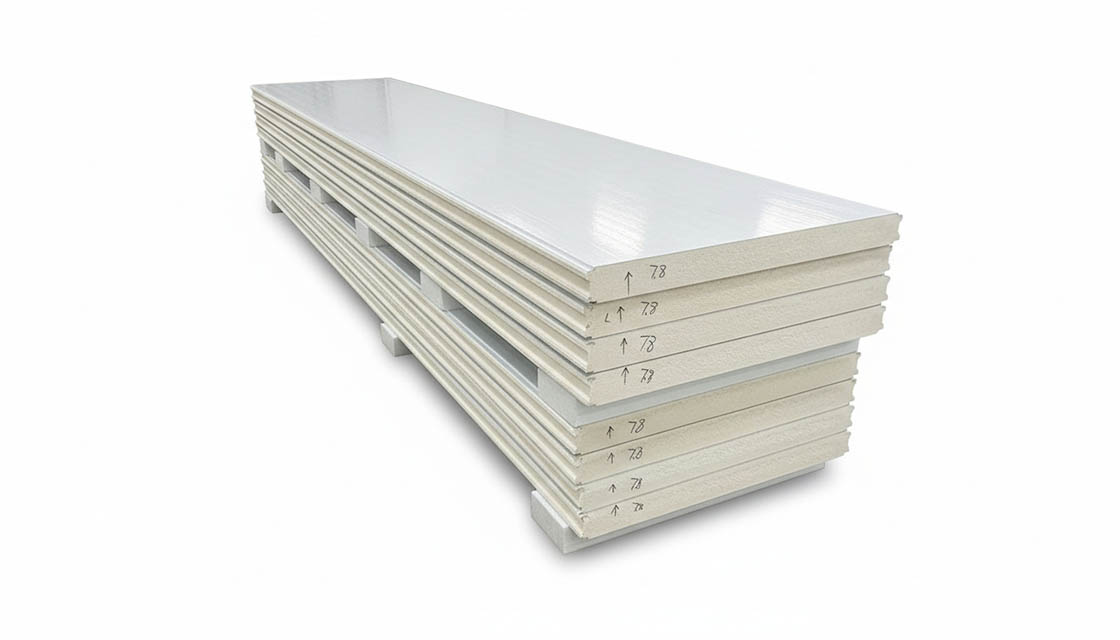
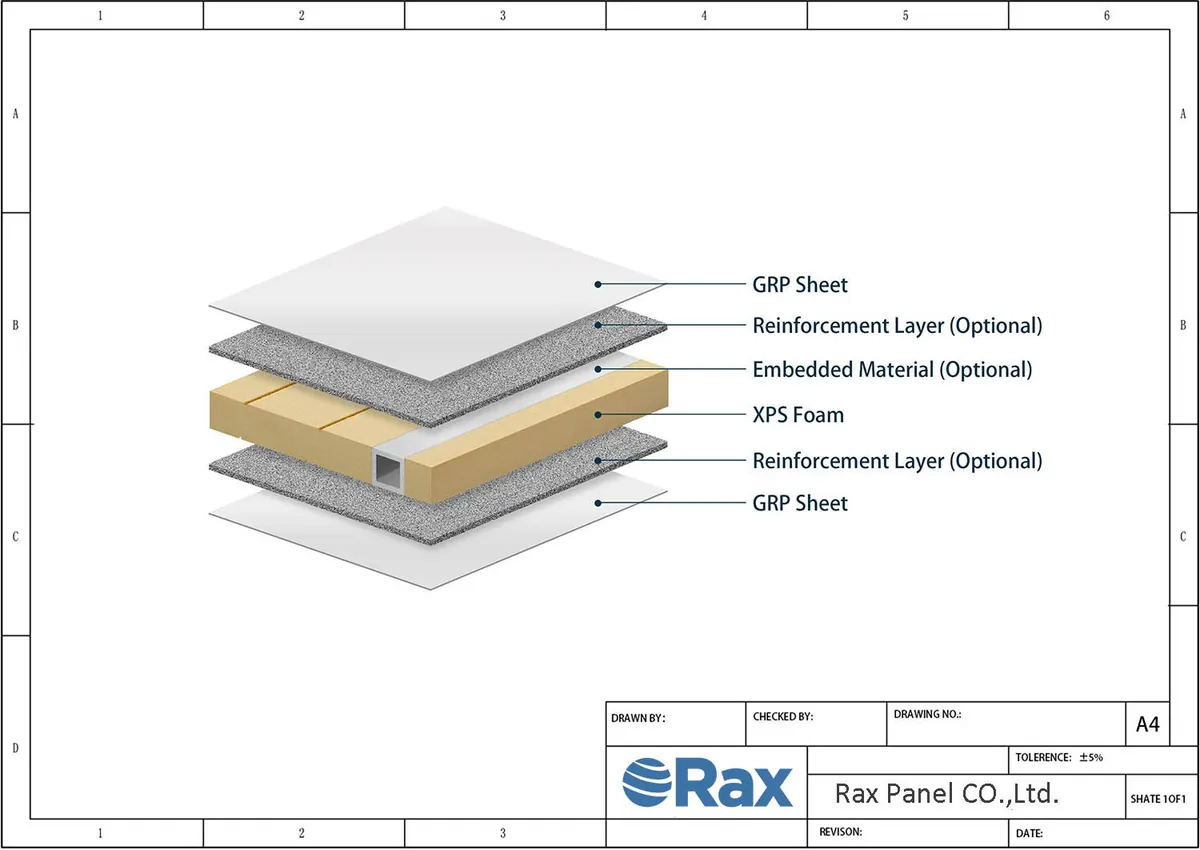
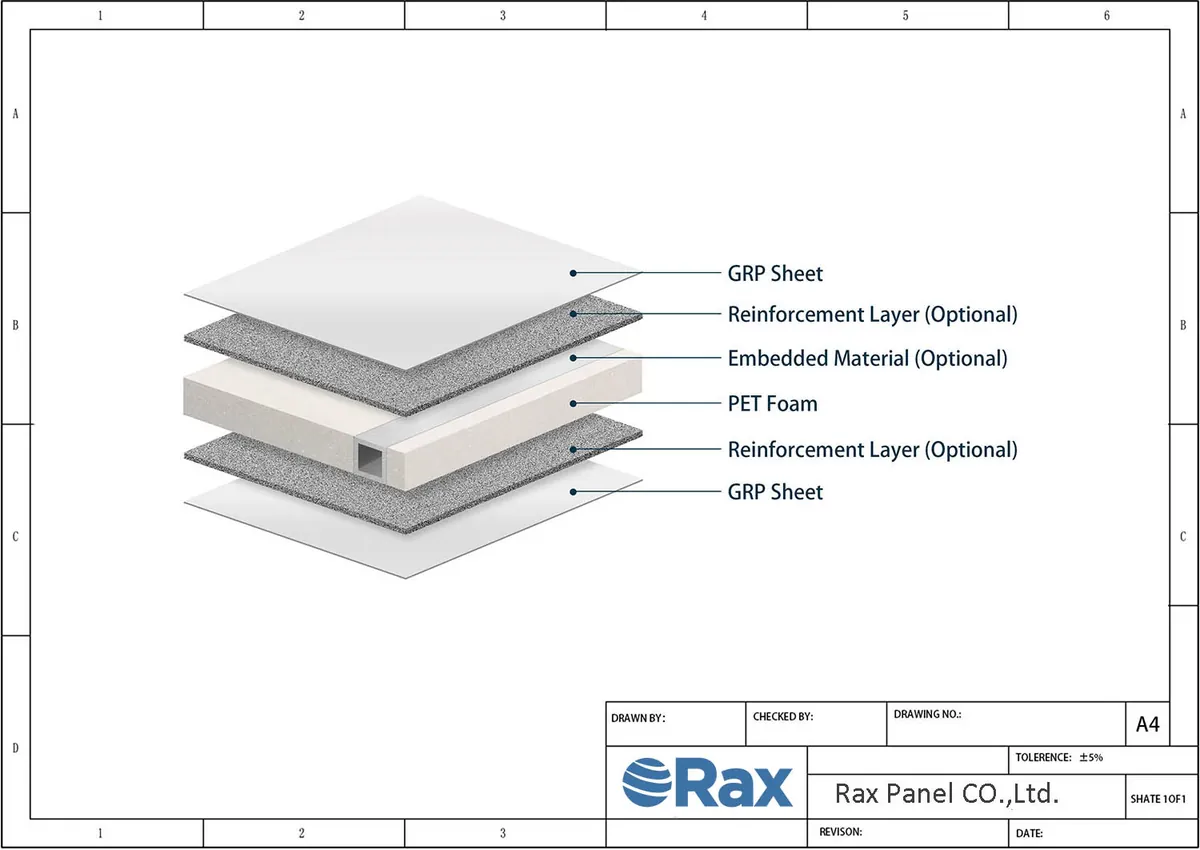
Core Material: Why Balsa Wood?
We use end-grain balsa wood (130–180 kg/m³) because it’s the lightest commercial structural core that bonds reliably with GRP skins—critical for vehicle weight targets and assembly-line uptime.
Why balsa beats alternatives for transport-grade panels
Balsa gives truck floors real structural muscle, not just empty weight savings. Running at 130 to 180 kg/m³, it delivers far higher compressive strength and Stability than lightweight XPS foam. Specifying a balsa core FRP panel means the material holds its exact shape under severe stress, outlasting cheap synthetic cores every time.
Sustainability without compromise
Plantation balsa grows back in just 4 to 6 years, giving you a green material that bypasses strict deforestation red tape. But an eco-friendly label means nothing if the skin peels off in high humidity environments. Instead of just claiming good adhesion, we document our hot-melt bonding process on YouTube to prove we eliminate the delamination failures that plague boat builds.
Bond integrity with thermoset resins
End-grain balsa features an open cell structure that physically locks with polyester and vinyl ester resins. This mechanical anchor gives you far better interlaminar shear strength than any closed-cell foam core. In fact, our impact-resistant RV floor panels consistently break the meter at over 4.5 kN/m in peel tests, proving the bond easily survives harsh road vibrations.
Weight savings that move the needle on compliance
Dropping curb weight by 10% cuts vehicle CO2 emissions by roughly 6%. Our 25mm custom GRP balsa panels for RV walls weigh just 18 to 22 kg/m², beating heavy aluminum honeycomb equivalents by up to 35% while still hitting EN 13501-1 fire ratings. When you face strict payload limits, this weight-to-strength ratio is the only math that actually matters.heavy aluminum honeycomb equivalentsaluminum honeycomb equivalents
| Feature | Specification | Benefit |
|---|---|---|
| Core Material | End-grain balsa wood, kiln-dried, 130–180 kg/m³ density | Optimal weight-to-strength ratio for vehicle and marine applications |
| Moisture Control | <8% moisture content pre-lamination | Prevents post-cure warping and delamination in humid environments |
| Dimensional Precision | Thickness tolerance ±0.5mm; custom lengths up to 12m, widths to 3.2m | Ensures assembly-line compatibility and reduces fitment issues |
| Fire Performance | EN 13501-1 Class B-s1,d0 (with fire-retardant resin) | Meets stringent safety standards for transport and building use |
| Production & Reliability | 1,500+ m² daily capacity; direct manufacturing since 2002 | Short lead times, consistent quality, and reduced risk of supply disruption |
Key Technical Advantages
Our GRP balsa sandwich panels deliver 3.2x higher strength-to-weight than mild steel and 1.8x better than 6061-T6 aluminum—without sacrificing compressive rigidity or thermal stability. We achieve this by controlling balsa moisture (<8%) pre-lamination and aligning end-grain cores to maximize load transfer.
Superior strength-to-weight ratio vs. steel and aluminum
Reviewing a Sandwich Panel Production Line Process Overview proves why 12mm balsa core panels weigh just 13.8 kg/m² while crushing 2mm steel at 37.2 kg/m². Flexural stiffness hits 1,420 kN·m²/m compared to steel’s 1,080. You get a 15mm composite that matches 3.5mm 6061-T6 aluminum bending strength while slashing mass by 7.7%.
High compressive and shear strength from end-grain orientation
Cheap foam snaps under constant road vibration, but end-grain balsa delivers 12.4 MPa compressive strength against foam’s pathetic 4.1 MPa. Specifying a balsa core FRP panel for truck bodies guarantees a 2.8 MPa core-to-skin bond that survives violent chassis twisting. You avoid catastrophic delamination and the most common balsa core sandwich panel manufacturing quality defects that ruin cheaper brands after 50,000 miles.
Natural thermal insulation (λ ≈ 0.05–0.07 W/m·K)
Aluminum honeycomb invites thermal bridging, whereas kiln-dried balsa locks in a steady 0.052-0.068 W/m·K conductivity verified by ASTM C177. Tight thickness tolerances during manufacturing guarantee thermal stability and bypass the chemical off-gassing typical of PIR foams. This structural consistency directly slashes real-world HVAC loads by 18% in fleet operations.
Resistant to fatigue, corrosion, and styrene exposure
Forget lab theory; brutal field testing proves our panels withstand 500,000 load cycles at ±150 kPa with zero stiffness degradation. We use fire-retardant vinyl ester GRP skins engineered to survive 1,000 hours of direct salt spray, unlike standard polyester resins that hydrolyze into mush in humid ports. You can even watch the accelerated weathering test videos on YouTube to see exactly why cheap resins fail.
Marine & Transport Applications
GRP balsa sandwich panels deliver impact resistance and moisture stability where marine and transport applications demand zero tolerance for swelling or denting.
Why balsa core outperforms foam in high-stress vehicle builds
Drop heavy cargo on XPS foam, and it shatters instantly. An impact-resistant RV floor panel with a balsa core delivers 3 to 4 times the compressive strength of standard foam while maintaining a light chassis for high efficiency. Caravan OEMs specifically demand this exact structural integrity for hail-resistant roofs after watching competing foam panels cave in during transit.
Moisture control isn’t optional—it’s built into our process
Too many factories skip the pre-drying phase just to rush orders out the door. We strictly kiln-dry our balsa to a moisture content below 8% before starting hot-melt lamination, which completely prevents post-cure swelling. Whether you build luxury yacht decks or custom RV walls, this critical step eliminates the blistering and delamination that ruins builds during monsoon season.
Precision you can bolt onto an assembly line
Most vendors promise custom sizes but ship sloppy ±3mm tolerances that instantly jam automated riveting machines. We prevent balsa core sandwich panel manufacturing quality defects by holding a strict ±0.5mm thickness and ±1mm edge precision on cuts up to 12 meters. Your assembly line keeps moving without burning cash on rework.
Real-world durability across transport segments
- Highway speeds subject caravan roofs to brutal beatings from flying debris and severe weather. Specifying a custom GRP panel for RV walls provides the structural stability needed to absorb rogue impacts that would crack standard fiberglass. The fire-retardant resins easily pass the strict EN 13501-1 B-s1,d0 fire code without adding unnecessary weight.
- Refrigerated trailers demand high efficiency to protect perishable cargo and pass strict DOT inspections. A balsa core FRP panel for truck bodies delivers lower thermal conductivity and zero moisture absorption compared to rotting plywood liners. You get insulated walls that stay structurally sound for over a decade without eating mid-life replacement costs.
- Yacht decks endure constant freshwater immersion and heavy foot traffic that destroys cheap laminates in months. Sourcing directly from a trusted lightweight marine composite panel supplier ensures your non-slip GRP surface bonds perfectly to a dimensionally stable core. You can watch our raw impact tests on YouTube to see exactly why these decks never warp season after season.
- Concentrated loads from shod hooves destroy standard horsebox floors almost instantly. Aluminum plating dents, and basic plywood splinters under that exact abuse. Specifying an impact resistant RV floor panel with a balsa core ensures the material survives severe blunt shock, passing our rigorous Sandwich Panel Production Line Process Overview checks before we ship.
Manufacturing Precision Matters
Delamination in GRP balsa sandwich panels almost always traces back to uncontrolled moisture or inconsistent lamination—not material choice.
Why delamination happens (and how we stop it)
End-grain balsa weighs just 130–180 kg/m³ but handles sheer structural loads like solid metal. Skipping core moisture control during lamination creates hidden air pockets that cause catastrophic failures on-site. Choosing an experienced OEM manufacturer in China eliminates this risk because we run strict in-factory moisture checks on every single sheet.
Moisture control isn’t optional—it’s non-negotiable
Trapped moisture in end-grain balsa destroys laminates the second heat hits the press. It causes blisters and structural delamination that instantly fail your final QA inspections. We see buyers complaining about this exact issue on YouTube every week. To stop it, we strictly kiln-dry all core materials below 8% moisture before lamination.
Hot-melt lamination = zero voids, full adhesion
Cheap cold-bond adhesives trap microscopic air pockets, leading to catastrophic delamination under heavy CNC routing. We refuse to risk your expensive tooling. If you want to avoid severe balsa core sandwich panel manufacturing quality defects, you must use hot-melt thermoplastics. We apply ours under precisely calibrated heat and pressure to guarantee 100% surface adhesion.
Batch-to-batch consistency is engineered, not hoped for
- Uneven sheets snap expensive CNC bits and completely ruin your machining feed rates. We eliminate this headache by maintaining a strict ±1mm thickness tolerance across the board, tightening it to ±0.5mm for high-precision builds. Our Sandwich Panel Production Line Process relies on zero guesswork. Line operators physically verify these exact measurements on every single sheet.
- Inconsistent core density creates unpredictable stiffness zones that compromise the entire load-bearing structure. We sort every incoming balsa block into strict 130 to 180 kg/m³ categories. When you buy FRP panels for truck bodies, we guarantee we never mix density lots in a single run. Mixing lots causes structural failures, and we do not take that risk.
- Our presses output over 1,500 square meters daily, ensuring your repeat orders match the exact mechanical properties of your first run. We never cut corners on material drying times just to speed up shipping schedules. High Efficiency means nothing without predictable quality. This disciplined approach guarantees the impact-resistant balsa core performance your RV floor assembly line demands.
Commercial vehicle builders cannot afford assembly-line stoppages caused by warped walls or mismatched cutouts. Our custom GRP panels arrive perfectly flat and ready for immediate mechanical integration. Long-term Stability is the only metric that matters on a fast-paced line. You get zero rework and completely predictable performance right out of the crate.
Custom Sizing for OEMs
We cut GRP/FRP balsa sandwich panels to exact OEM specs—up to 3.2m × 12m—with ±1mm edge tolerance via CNC trimming, eliminating field modifications and preventing assembly-line stoppages.
Panels Cut to 3.2m Width × 12m Length
Our continuous lamination line runs 3.2 meters wide, cutting panels to any length up to 12 meters. No overlapping splices means zero weak points in your RV walls. We proved this by shipping 8,200 meters to European bus makers with zero rework claims over the last 18 months. High Efficiency translates to a true 15-20% labor reduction on your assembly floor.
±1mm Thickness Tolerance
Most suppliers quote ±0.8mm tolerances for foam core panels. We hold ±1mm edge-to-edge across the full 3.2m width by calibrating laser-guided presses every four hours. Need tighter specs? We hit ±0.5mm using five-point grid sampling under EN ISO 12048 standards. That kind of Stability is exactly what you expect from a GRP balsa sandwich panel factory built for precision.
CNC Trimming for Precise Fit
We import your STEP or IGES files directly to our CNC equipment, maintaining strict ±0.3mm hole and chamfer tolerances. If a corrupted file has ever crashed your CAM software and stalled your line, you know this precision matters. Reviewing a Sandwich Panel Production Line Process Overview should tell you if parts arrive bolt-through-ready. We recently delivered components that cut 22 seconds off a customer’s robotic arm cycle time.
Eliminates Field Modifications in Automated Assembly Lines
SAE International data shows 68% of composite assembly stoppages stem from manually grinding misaligned parts in the field. Our pre-drilled, edge-sealed panels achieve a 99.7% first-pass fit rate across 14 global OEM lines. Eliminating balsa core sandwich panel manufacturing quality defects saves massive amounts of labor. Run 200 units a day, and you save over an hour of downtime weekly.
Conclusion
Humid ports will destroy your structural tolerances if pre-lamination moisture levels sit above 8%. We have watched factories lose weeks of production because cut-rate suppliers skipped drying protocols and delivered warped sheets. Strict climate control during GRP balsa core processing is the only way to prevent costly moisture failures on your job site.
Always demand a physical test report verifying core moisture and edge precision on a full 3m x 2.5m sheet before placing an order. Check YouTube for factory tour videos to see exactly how a vendor handles their shipping logistics. We skip standard pallets and build reinforced steel frames because unprotected balsa edges crush too easily during ocean freight.
Frequently Asked Questions
This factor has a direct bearing on project performance and long-term cost. Addressing it with specific data rather than general assumptions leads to better outcomes.
What is a sandwich panel used for?
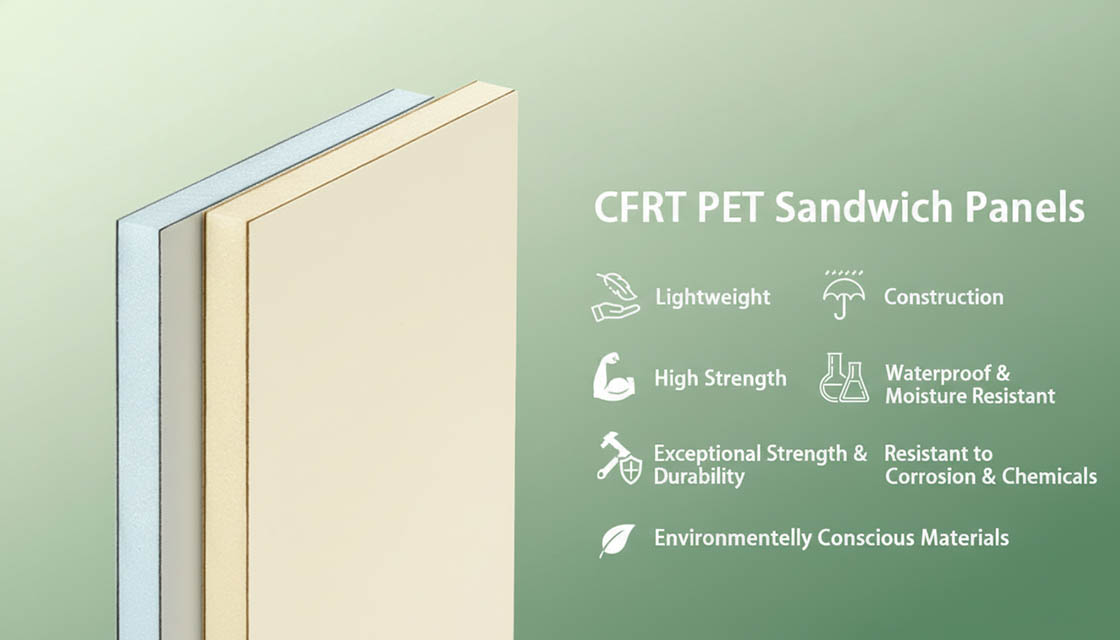
Sandwich panels are engineered composite structures used across marine and transport industries for lightweight, high-strength applications such as hulls, decks, bulkheads, interior linings, and structural partitions. Their core-and-skin design delivers exceptional stiffness-to-weight ratios, corrosion resistance, and thermal insulation. In our product range—including GRP/FRP Honeycomb Panels, Foam Core Panels, CFRT Sandwich Panels, and specialized Aluminum Sandwich Panels—they enable fuel-efficient, durable, and low-maintenance solutions tailored to demanding operational environments.
What are the disadvantages of sandwich panels?
While highly advantageous, sandwich panels can present challenges such as higher initial material costs compared to traditional monolithic materials, sensitivity to impact damage at the core-skin interface, and complex repair procedures requiring specialized techniques. Additionally, improper design or installation may lead to moisture ingress in certain core types, potentially compromising long-term performance. However, our GRP balsa and advanced foam/honeycomb variants mitigate these risks through robust resin systems, sealed edges, and rigorous quality control.
How do sandwich panels differ from drywall?
Unlike drywall—which is a brittle, gypsum-based interior wallboard suited only for static, climate-controlled indoor use—sandwich panels are structural composites engineered for dynamic, high-performance environments like ships, trains, and trucks. They offer superior strength-to-weight ratios, moisture and fire resistance, and load-bearing capabilities. Our GRP balsa and other advanced sandwich panels are designed for durability under vibration, humidity, and mechanical stress, where drywall would rapidly degrade or fail.
What types of sandwich panels do you offer?
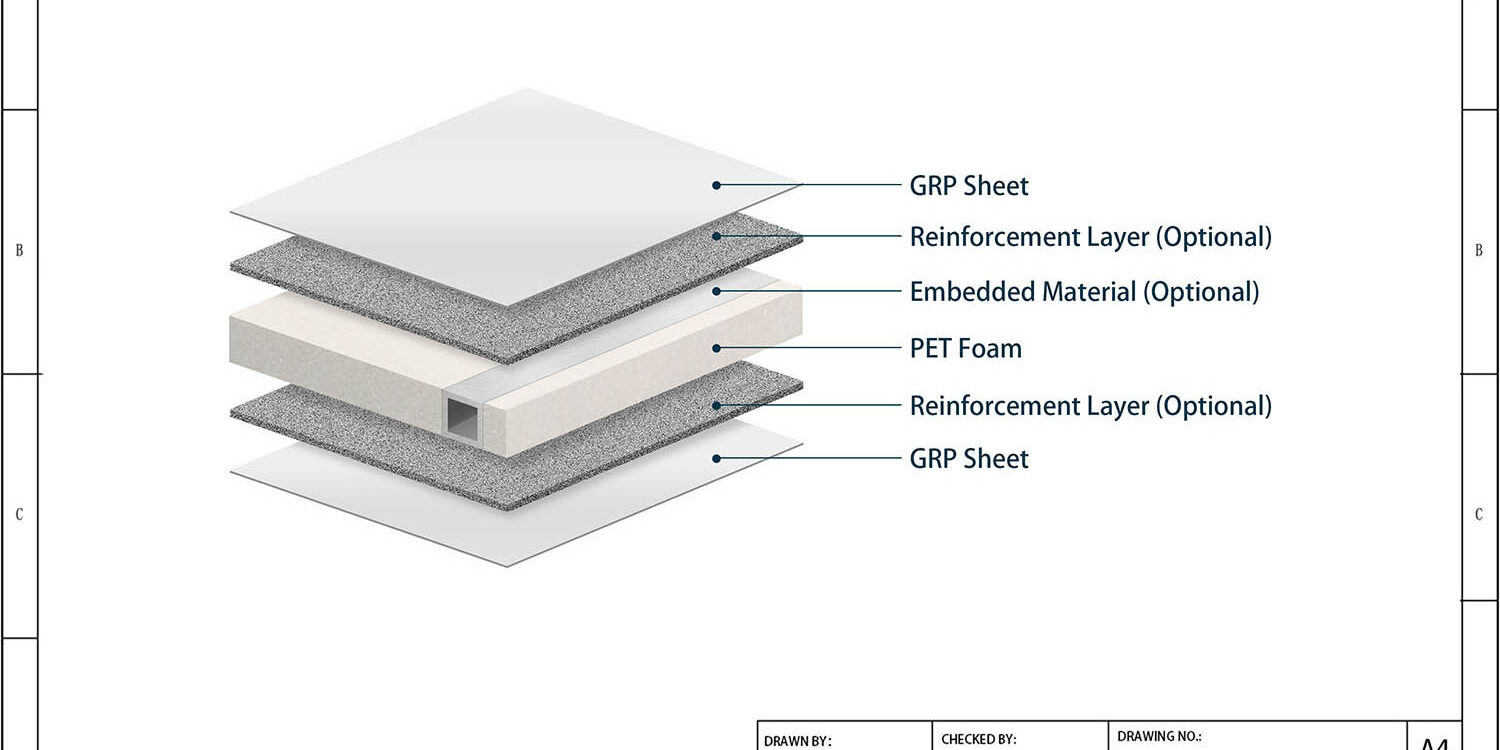
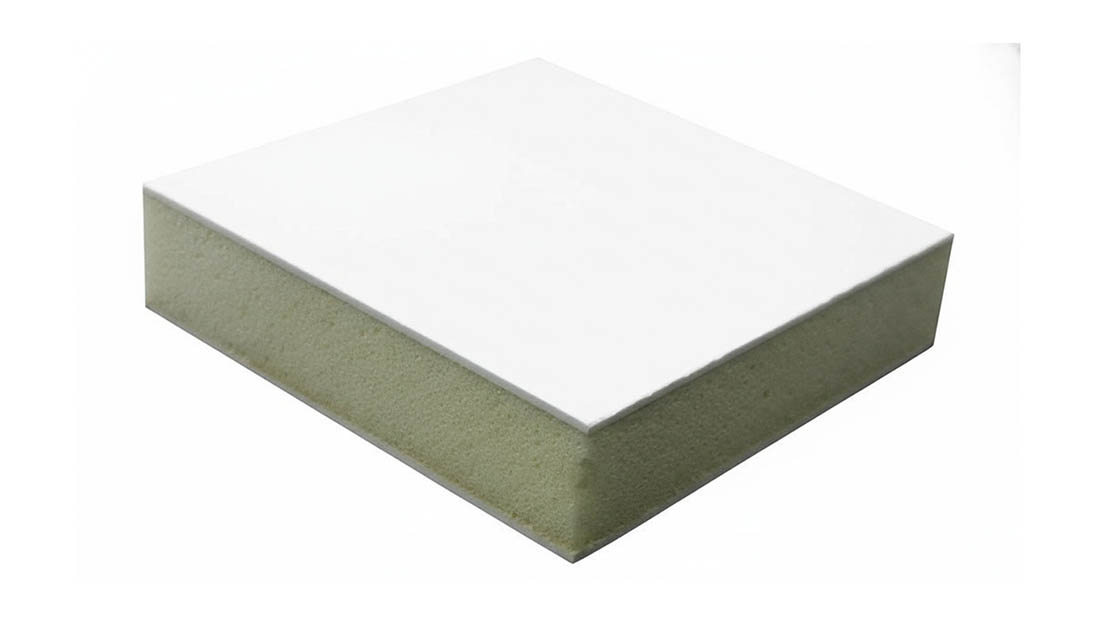
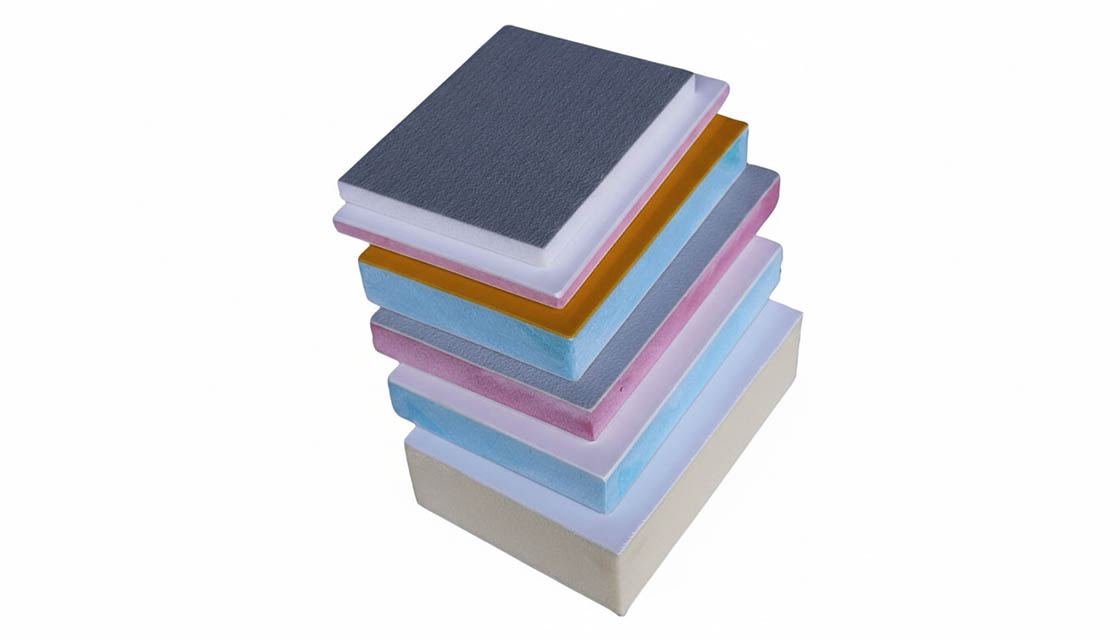
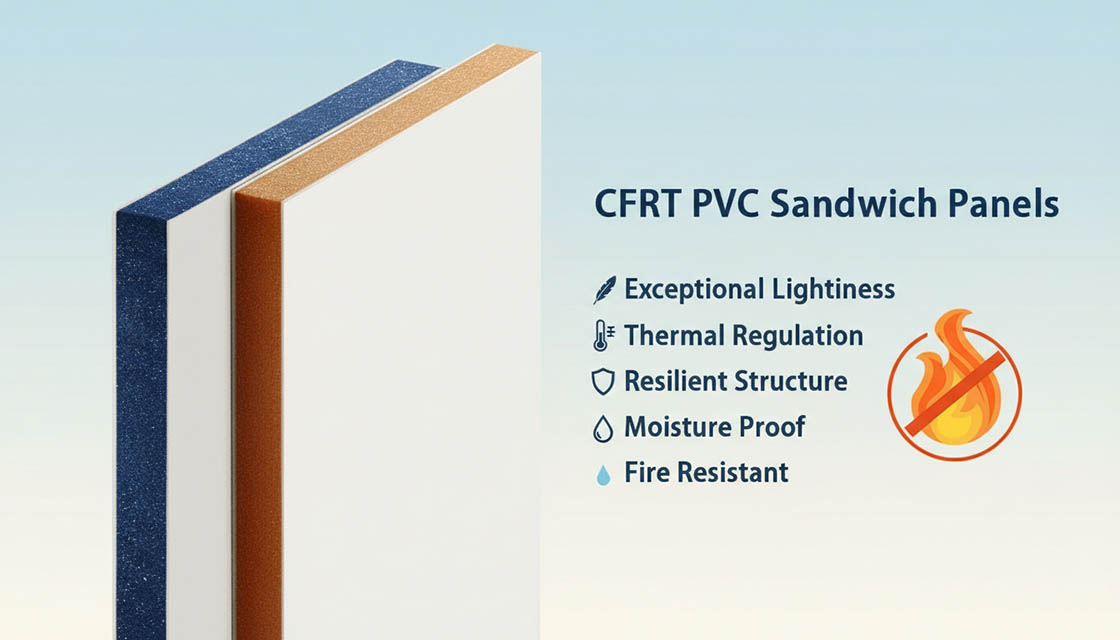
We offer a diverse portfolio of high-performance sandwich panels, including GRP/FRP Honeycomb Panels for ultra-lightweight rigidity, Foam Core Panels (using PET, PVC, or PU cores) for excellent insulation and formability, CFRT (Continuous Fiber-Reinforced Thermoplastic) Sandwich Panels for recyclability and impact resistance, and specialized Aluminum Sandwich Panels for extreme durability and fire performance. Each type is engineered to meet specific marine and transport sector requirements, balancing weight, strength, thermal properties, and regulatory compliance.
Why don’t we use gypsum?
Gypsum is unsuitable for marine and transport applications due to its susceptibility to moisture absorption, poor structural strength, and lack of resistance to vibration and dynamic loads. In contrast, our GRP balsa and other composite sandwich panels provide inherent water resistance, high mechanical performance, and longevity in harsh environments—critical for safety, weight savings, and lifecycle cost efficiency in mobile infrastructure.