
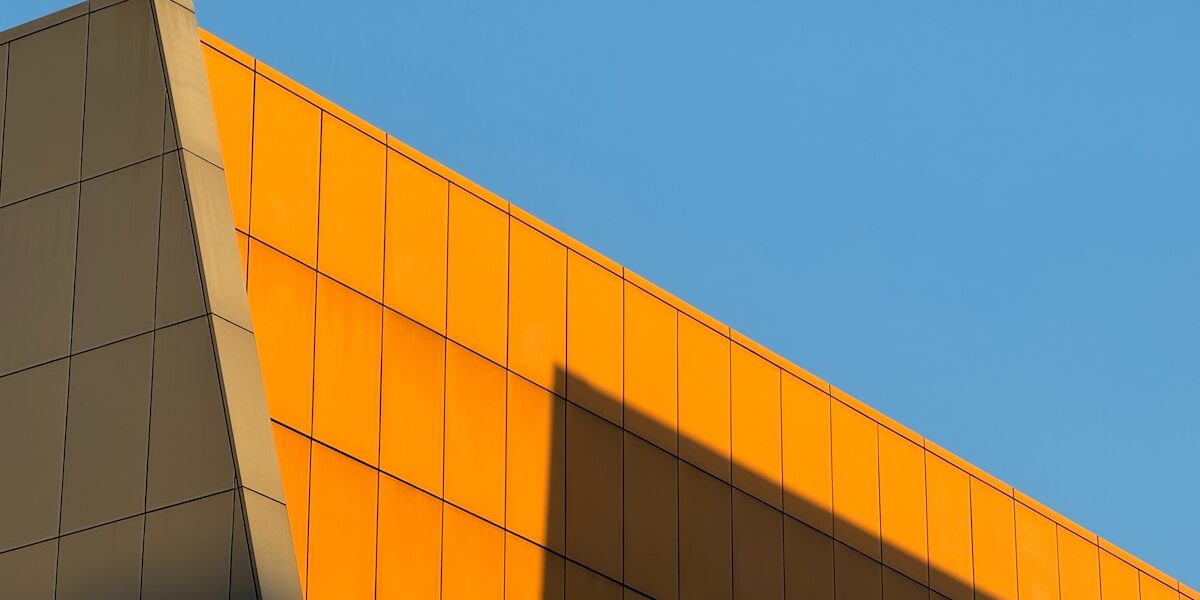
Aluminium composite cladding (ACP cladding) is one of the most widely specified facade materials in commercial construction, and for good reason: it is flat, light, weather-resistant and relatively affordable. But no cladding material is right for every project. If you only read the brochures, you will only hear the advantages. This article looks at the other side — the real disadvantages of ACP cladding — and, more importantly, what a buyer or specifier can do about each one.
At RaxPanel we manufacture composite panels every day, and we would rather lose an order than see a customer install the wrong panel. Below are the six drawbacks that matter most in practice, with the mitigation we recommend for each.
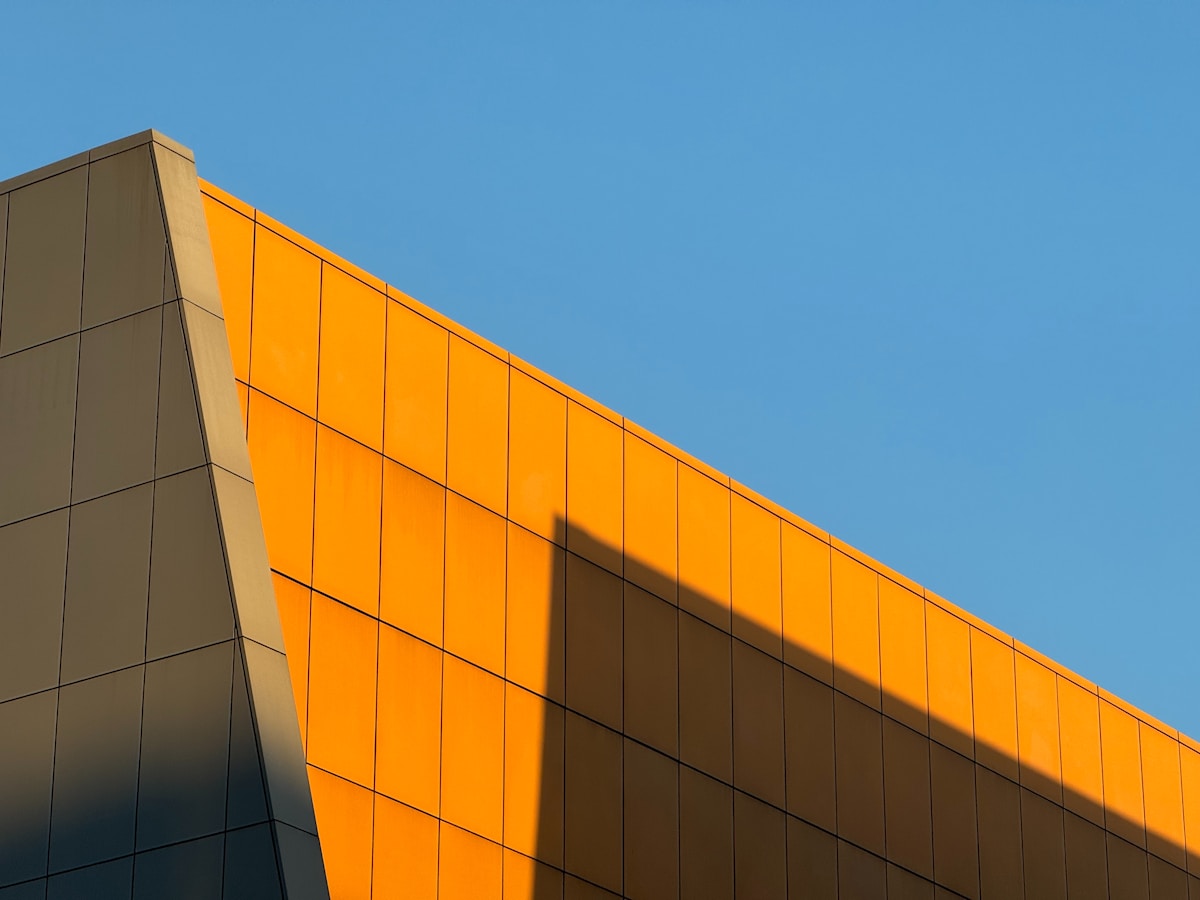
1. Fire performance depends entirely on the core
The aluminum skins of an ACP sheet are not the concern — the core between them is. Traditional polyethylene (PE) cores can ignite and spread flame up the facade, which is exactly what happened in several well-documented high-rise fires around the world. After those incidents, many countries tightened their building codes, and PE-core cladding is now banned from high-rise facades in a growing list of markets.
How to mitigate it: for any facade above ground-floor signage height, specify a flame-retardant (FR) mineral-filled core rather than pure PE. Ask the supplier for the core material composition in writing, and match the panel classification to your local code. If you are exporting or building across markets, our guide to EN 13501-1 vs GB 8624 fire standards explains how the two major classification systems differ.
2. Edge sealing and installation quality decide the outcome
ACP cladding is a system, not just a sheet. The same panel can perform beautifully for twenty years or fail within two, depending on how edges are sealed, how the subframe is spaced, and whether thermal movement was accounted for. Most water ingress and edge delamination complaints trace back to installation shortcuts, not the panel itself.
How to mitigate it: insist on fabrication and routing data from the supplier, use compatible sealants, and follow the recommended joint widths. If your crew is installing panels for the first time, request an installation guide and follow-up support as part of the purchase — a manufacturer that cannot explain its own fixing details is a warning sign.
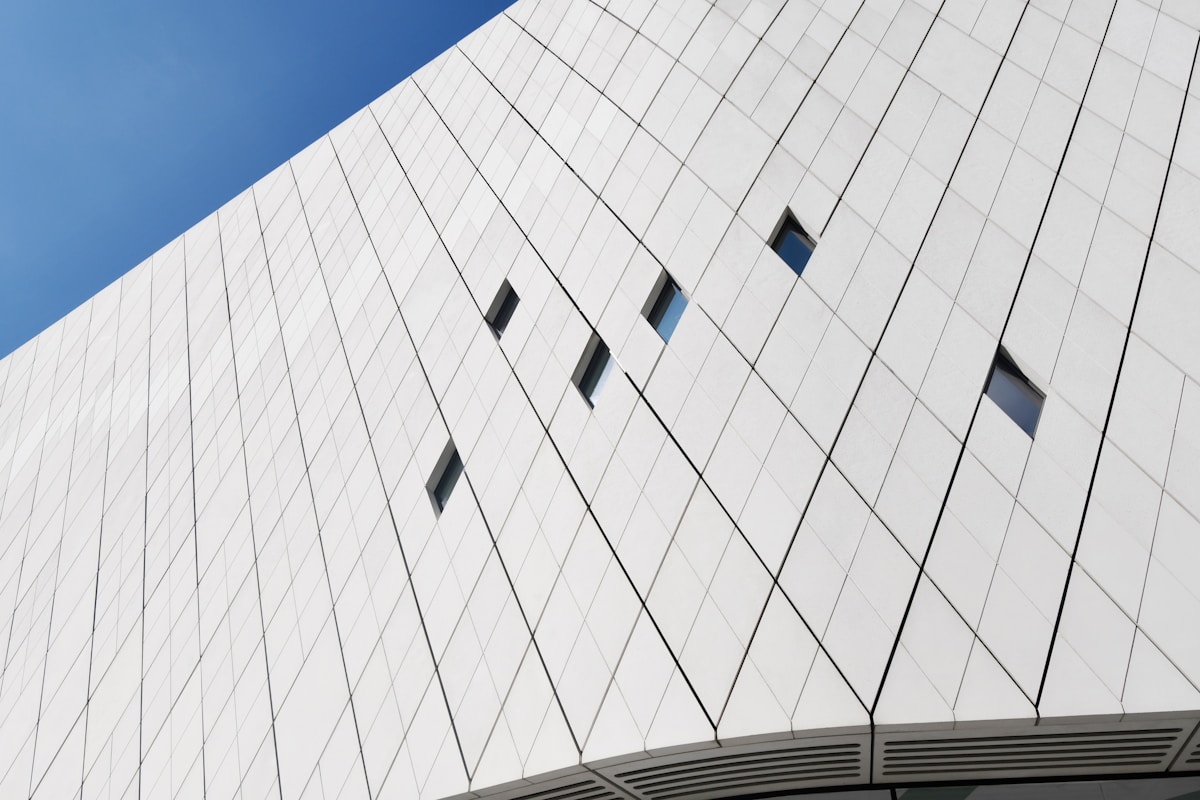
3. Thermal expansion needs room to move
Aluminum expands and contracts with temperature swings. A 4-meter panel on a dark-colored facade can change dimension measurably between a summer afternoon and a winter night. Rigid fixing without movement joints leads to buckling, oil-canning (visible waviness), and stress at the rivets.
How to mitigate it: use the recommended panel thickness for the span — thicker skins resist oil-canning better — and design fixings that allow the panel to float. On large facade projects, ask for a project-specific fixing layout rather than reusing a standard detail from a previous job.
4. Denting on thin skins
Budget ACP sheets often use very thin aluminum skins to hit a low price point. The panel may look identical in a photo, but thin skins dent during handling, hail, and cleaning. Once a panel is dented on a facade, the only repair is replacement.
How to mitigate it: compare skin thickness explicitly when comparing quotes, not just total panel thickness. Two 4mm panels can carry very different aluminum content. For high-traffic or ground-level areas, step up one skin grade — the cost difference per square meter is small compared with a facade replacement.
5. Not all coatings age the same way
The finish on ACP cladding ranges from basic polyester paint to high-durability PVDF and FEVE coatings. A cheap coating can chalk and fade within a few years, especially in strong-UV or coastal environments, turning an initially uniform facade patchy and streaked.
How to mitigate it: for exterior facades, specify PVDF-class coating as a baseline and ask what warranty the coating carries against fading and chalking. Interior applications can safely use lower-cost finishes, which is a common place to save budget without risk.
6. Market confusion between PE and FR products
Because both PE-core and FR-core panels are sold side by side — sometimes by the same supplier under similar names — buyers who do not ask the core question directly can end up with the wrong product delivered to site. Retroactive replacement is dramatically more expensive than specifying correctly the first time.
How to mitigate it: put the core type, skin thickness, coating type and panel dimensions in the purchase contract, and require test documentation with the shipment. If you want a neutral checklist, our comparison of aluminum composite and phenolic panels shows how different core chemistries change fire behavior and cost.
The honest summary
None of these disadvantages is a reason to avoid ACP cladding. They are reasons to buy it with your eyes open: the right core for the building height, adequate skin thickness, a coating matched to the environment, and an installer who follows the system details. Projects that do these four things get the flat, clean, lightweight facade that made ACP popular in the first place.
If you are weighing ACP against other facade options for an upcoming project, send us your building height, location and design intent — our engineers will tell you honestly whether ACP is the right fit, and which core and skin combination matches your code requirements. RaxPanel provides 24-hour one-to-one support from specification through shipment.