
Procurement officers choosing between aluminum composite and phenolic panels face a binary decision: prioritize initial budget or lock in lifecycle compliance. The core difference isn’t just material weight. It is fire safety rating and structural resilience. I have spent watching projects stall because teams assumed standard aluminum composite met modern fire codes, or selected phenolic panels without verifying load-bearing constraints.
Rax Panel produces high-performance composite panels daily, giving us direct insight into where material failures typically occur. We see aluminum composite panels struggle with moisture absorption in humid climates, causing core swelling and delamination. Phenolic panels resist this entirely but demand precise handling during installation to avoid edge damage. The trade-off is clear.
We break down the technical differences in core composition, fire ratings, and lifecycle costs. You will learn exactly which material minimizes risk for your specific building height and climate zone. The goal is to stop guessing and start specifying with certainty.
Core Material Composition and Classifications
Material selection at this point sets the thermal efficiency, fire rating, and weight of the finished assembly. Balance R-value requirements against span capability and code-mandated fire performance.
Distinguishing ACM Core Types: PE vs. FR vs. Mineral-Filled
The defining characteristic of Aluminum Composite Material (ACM) is not the outer skin—it is the core. For procurement managers evaluating cladding systems, understanding the core chemistry is the primary determinant of structural safety and fire compliance.
- Polyethylene (PE): This is the industry workhorse for standard architectural signage and low-to-medium-rise curtain walls. PE cores offer excellent formability and impact resistance at a competitive price point. However, because they are thermoplastics, they lack inherent fire-retardant qualities. In a high-rise scenario, a PE core poses a significant vertical fire spread risk unless heavily treated with additives.
- Fire-Retardant (FR): To meet modern fire codes (such as NFPA 285 or local high-rise mandates), manufacturers inject intumescent mineral salts into the PE matrix. This transforms the core, causing it to char and expand when exposed to extreme heat, effectively stifling flame propagation. While FR cores prevent vertical fire spread, they remain organic-based and can still emit toxic smoke if ignited.
- Mineral-Filled (Non-Combustible): At the premium end of the spectrum, mineral-filled cores utilize a high percentage of non-combustible minerals rather than organic polymers. These panels achieve the highest possible fire ratings (Class A1/A2 equivalents depending on facing thickness) and are entirely non-toxic upon combustion. The trade-off is rigidity: mineral cores are significantly heavier and less pliable, restricting their use primarily to flat facade applications where complex bending is unnecessary.
Phenolic Panel Density and Thermosetting Resin Structure
Unlike the laminated, glued-together nature of ACM, phenolic panels represent a monolithic structural evolution. They are manufactured using High-Pressure Laminate (HPL) technology, where layers of kraft paper are saturated with phenolic resin and cured under intense heat and pressure.
The manufacturing process yields a specific density range of 1,400 to 1,600 kg/m³, a figure that distinguishes phenolic panels from standard ACMs. This compression eliminates internal voids, creating a material that acts less like a composite cladding and more like a solid architectural plastic.
Because phenolic resins are thermosets, the material undergoes a chemical cross-linking process that cannot be reversed. Once cured, the panel will not melt; it will only degrade at temperatures exceeding 200°C. This makes phenolic cladding inherently immune to the thermal warping issues frequently encountered with PE-based ACMs during summer solar gain events.
How Core Composition Dictates Fundamental Material Behavior
When selecting between aluminum composite and phenolic systems, the decision ultimately hinges on how the core material interacts with environmental stressors and structural loads.
For ACM, the core functions as a spacer and stabilizer. Its organic nature allows for incredible lightweight performance, which drastically reduces the dead load on a building’s substructure. This enables architects to create complex, curved geometries that would snap a dense phenolic panel.
Conversely, in heavy traffic or high-risk urban zones, the dense, unified molecular structure of phenolic panels provides superior vandalism resistance and impact absorption. Furthermore, phenolics exhibit exceptional dimensional stability and moisture impermeability, making them the preferred choice for aggressive environments like swimming pool enclosures or food processing facilities where standard PE cores might eventually suffer from delamination.
| Material Type | Specific Variants | Key Properties | Compatible Facings | Primary Application |
|---|---|---|---|---|
| Polymer Foams | XPS, PET, PU, PVC, PMI, EPP, MPP | Thermal Insulation, Waterproof, Lightweight | GRP/FRP, CFRT, Aluminum, Steel, ACP, PVC, Plywood, Stainless Steel, Aluzinc | General Sandwich Panels |
| Honeycomb Cores | PP, Fiberglass, GRP, Thermoplastic, Carbon Fiber, Aramid, PC | High Strength-to-Weight Ratio, Anti-Skid Options | Fiberglass Sheet, GRP, Carbon Fiber | Lightweight Structural Panels |
| Specialized Cores | Rockwool, PUR, Compact Laminate (HPL) | Fire Resistance, High Pressure Durability, Acoustic Insulation | Aluminum, Steel, GRP | Building Cladding & Safety Panels |
Fire Safety Ratings and Code Compliance
Requirements vary by jurisdiction and end use. Confirming applicable standards before finalizing specifications avoids redesign cycles after production tooling is already committed.
The Critical Distinction Between Combustible and Non-Combustible Cores
In the current regulatory environment, particularly for high-rise construction and public transit, the difference between “fire-resistant” and “non-combustible” is the single most critical factor in material selection. Standard Polyethylene (PE) core Aluminum Composite Materials (ACM) pose significant risks due to their high fuel load and potential for rapid fire spread.
To mitigate this, the industry has shifted toward two distinct tiers of safety: Fire-Retardant (FR) mineral-filled cores and Non-Combustible cores. While ACM panels can be manufactured with fire-resistant cores to enhance safety, the only way to guarantee absolute compliance in the strictest jurisdictions is to use materials that achieve Euroclass A1 or A2 ratings.
| Material Type | Typical Fire Rating | Smoke/Toxicity | Best Application |
|---|---|---|---|
| Standard PE Core ACM | Class C / Class D | High smoke, dense drip | Low-rise signage, interior decoration |
| Mineral Core / FR ACM | Class B (Limited Combustibility) | Low smoke | Mid-rise commercial, fascia |
| Rockwool Core Panel | Class A1 (Non-combustible) | Zero smoke, no drip | High-rise exterior, tunnels, offshore |
| Compact Laminate HPL | Class B / Class A2 | Very Low | Hygienic cladding, interior partitions |
Beyond standard phenolic cores, specialized non-combustible alternatives like Rockwool and PIR sandwich panels offer targeted fire safety solutions. Rockwool cores are fundamentally non-combustible, achieving the highest Euroclass A1 rating, which ensures the panel acts as a fire barrier rather than a fuel source. Additionally, our PIR (Polyisocyanurate) formulations offer a distinct advantage over traditional PUR (Polyurethane) by chemically modifying the polymer structure to significantly increase ignition resistance and reduce flame spread.
Compliance is rarely about passing a single test; it is about matching the specific performance criteria of the local building code, such as ASTM E84 in the US or EN 13501-1 in Europe. For applications in vessel solutions or industrial equipment, where escape routes are limited, low smoke and toxicity (LST) production is often weighted as heavily as flame spread.
When specifying for marine or mass transit projects, verify not just the “Fire Rating” but the “Smoke Density” and “Toxicity Index.” Phenolic cores and mineral wool cores excel here, whereas standard fire-retardant ACMs may pass flame spread tests but fail smoke density requirements.
Generic compliance data often fails to capture the nuanced requirements of specialized architectural and industrial projects. To address this, we conduct experimental testing to develop composite products that meet precise data standards, whether configuring a specific density of PET foam for thermal insulation or verifying the structural integrity of a GRP honeycomb panel under extreme heat.
Our Compact Laminate HPL panels exemplify this approach; they are engineered to meet rigorous fire safety standards while maintaining high impact resistance, serving as a superior choice for both interior and exterior cladding where safety cannot be compromised. By offering a diverse range of cores—from PP honeycomb to stainless steel-faced mineral panels—we ensure that distributors and contractors can specify the exact code-compliant solution required without over-engineering the project cost.

Material Cost vs. Lifecycle Analysis
Upfront material pricing masks total ownership costs. High-performance composites like CFRT or Honeycomb cores reduce lifecycle expenses by minimizing structural load and eliminating maintenance.
The Hidden Costs of Acquiring Cheap Panels
Most procurement teams fall into the trap of comparing unit prices per square meter without accounting for the downstream financial impacts of material weight and thermal inefficiency. A cheaper Aluminum Composite Panel (ACP) with a polyethylene (PE) core might seem attractive initially, but it carries significant hidden liabilities over a 10 to 20-year operational cycle.
- Structural Loading and Foundation Costs: Heavier materials require thicker framing, heavier-duty anchors, and more durable building foundations. Every kilogram added to the facade or vehicle body increases the steel or aluminum substructure required to support it.
- Thermal Bridging and Energy Consumption: Standard PE-core ACM panels lack inherent thermal insulation, often requiring separate, bulky insulation layers. This adds to the overall build depth and cost.
- Maintenance and Replacement Frequency: Cheaper panels degrade faster in harsh UV or high-moisture environments. Frequent repainting or panel replacement introduces massive labor and downtime costs.
When evaluating quotes, always ask for the panel’s specific gravity (density). A lower density directly translates to lighter framing requirements and potential fuel savings for mobile applications like trucks and RVs.
Longevity Drivers in Advanced Composite Cores
To achieve a positive return on investment (ROI), the lifecycle analysis must focus on materials engineered for endurance. We have observed that switching from traditional metal-only facings to composite solutions with advanced cores drastically extends the service life of both buildings and vehicles.
CFRT (Continuous Fiber Reinforced Thermoplastics)
CFRT panels represent a framework shift in lifecycle economics. Unlike brittle thermosets, CFRT is highly resilient, absorbing impact rather than cracking. For transport applications like refrigerated trucks or RVs, this means the panels withstand road vibrations and minor collisions without needing repairs.
- Impact Resistance: CFRT offers superior toughness compared to standard aluminum skins, reducing the frequency of dent repairs and cosmetic replacements.
- Repairability: Thermoplastic skins can often be welded or repaired in the field, saving the cost of replacing the entire panel section.
High-Performance Foam Cores (PET, PMI, XPS)
The core material is the engine of lifecycle efficiency. Traditional PVC foams are being replaced by PET and PMI foams in premium applications because of their closed-cell structures which provide absolute moisture barriers.
- Waterproofing and Decay Prevention: Materials like PET foam completely resist water absorption. This eliminates the risk of core rot, delamination, and moisture-induced mold growth inside walls—a massive liability in humid climates or marine vessels.
- Thermal Efficiency (R-Value): High-density foams like PMI and PET act as excellent thermal insulators. For a refrigerated truck or cold-storage building, this directly lowers the electricity bill required to maintain temperature, paying for the material upgrade within a few years of operation.
Aluminum Honeycomb vs. Solid ACP
When comparing ACP Honeycomb panels against standard solid-face ACP panels, the lifecycle advantage lies in the stiffness-to-weight ratio. Aluminum honeycomb cores provide immense structural rigidity while weighing almost nothing.
- Fabric Fatigue Reduction: The honeycomb structure distributes loads evenly across the facade or body. This reduces stress on mounting brackets and seals over decades of thermal expansion and contraction.
- Fire Safety and Insurance: Aluminum honeycomb is inherently non-combustible. Choosing fire-rated honeycomb cores over flammable plastic cores can significantly reduce insurance premiums for large commercial structures.
Real-World Financial Modeling
Lifecycle cost analysis reveals that upfront material savings can be offset by increased structural support requirements. In a 5,000-square-meter commercial building project, while standard ACP might save money upfront on material purchasing, the heavier weight necessitates a more expensive steel substructure. By contrast, specifying GRP/FRP Sandwich Panels with a PET foam core provides a much lighter surface. The savings on the steel framework and anchor bolts easily offset the higher per-square-foot price of the composite panel.
Modern composite facades further enhance lifecycle value through near-zero maintenance requirements and long-term aesthetic retention. Unlike painted steel facades that require complete repaint cycles every 10 to —costing tens of thousands of dollars and causing significant business disruption—gel-coated FRP or fluorocarbon-painted aluminum panels resist rust and fading for 20 years or more. This durability ensures consistent aesthetic quality and protective performance while minimizing operational costs and maintaining business continuity.
Do not blindly choose the lightest material. Extremely thin facings (under 0.4mm) can compromise the panel’s rigidity, leading to oil-canning (visible waviness) on large facade surfaces. Always match the facing thickness to the core density for optimal structural integrity.
Impact Resistance and Weathering Performance
This factor has a direct bearing on project performance and long-term cost. Addressing it with specific data rather than general assumptions leads to better outcomes.
Mechanisms of Structural Impact Resistance
In demanding sectors such as refrigerated logistics, marine transport, and modular construction, the primary adversary to material longevity is often kinetic energy. Unlike solid monolithic materials that may deform permanently upon impact, advanced sandwich panels use a composite action where the facings and the core act synergistically.
When a high-velocity impact occurs—such as debris striking a truck body or equipment hitting an interior wall—the rigid facings, such as Aluminum, HPL, or GRP, bear the bending stresses. Simultaneously, the core material, whether it be XPS, PET, or PU foam, provides shear resistance, absorbing and dissipating the energy throughout the panel structure to prevent localized puncture or delamination.
For buyers, the critical metric here is not just “hardness,” but the energy absorption capacity of the laminate. A common failure mode in lower-quality panels is core crushing, which leads to skin buckling. At Rax Panel, our engineering approach focuses on optimizing the density gradient of the core to match the specific impact load requirements of the application, ensuring that the panel returns to its original form without sustaining structural damage that could compromise thermal insulation or aesthetics.
Long-Term Weathering and UV Resilience
Weathering performance extends far beyond simple water resistance; it is a battle against UV radiation degradation, thermal cycling, and hydrolysis. In exterior applications, prolonged exposure to ultraviolet light breaks down polymer chains in resin systems, leading to chalking, fiber bloom, and loss of mechanical strength.
This is particularly critical for thermoset composites like GRP. To mitigate this, the surface treatment must be more than just a layer of paint; it requires a UV-stable barrier, such as a high-quality gel coat or a co-extruded cap layer, that acts as a sacrificial shield for the structural laminate.
Interlaminar stress from thermal cycling poses a significant risk to cladding integrity when material coefficients are mismatched. When the coefficient of thermal expansion (CTE) between the skin and the core differs significantly, or if the adhesive bond is insufficient, these differential movements generate shear forces that can lead to delamination and bond failure.
To guarantee long-term durability, our R&D team subjects every panel to rigorous accelerated aging tests that simulate decades of extreme temperature fluctuations. These validations confirm that the bond line remains structurally sound under thermal stress, ensuring the cladding maintains its aesthetic and functional performance throughout its service life.
Critical Installation Protocols to Preserve Durability
Even the highest specification panels will fail if installed incorrectly. There are two engineering non-negotiables that procurement managers must enforce on-site to protect their investment and ensure the warranted lifespan of the cladding.
- Anchor Strategy & Core Engagement: A pervasive misconception in the field is that fasteners can merely “bite” into the core material for security. This is a critical failure point. In sandwich panel construction, the core material (foam or honeycomb) typically lacks the pull-out strength to sustain mechanical loads from fasteners over time. Fasteners must penetrate through the skin and engage directly with the structural subframe or utilize specialized expanding sleeves/backing plates. Relying on the shear strength of the foam alone for load-bearing tension will inevitably result in fastener withdrawal and panel detachment under vibration or wind load.
- Galvanic Corrosion Isolation: When specifying Aluminum-faced panels or Aluminum Composite Panels (ACP), installers frequently overlook the electrochemical potential difference between the aluminum skin and steel substructures or carbon steel fasteners. Without proper isolation, direct contact triggers galvanic corrosion, rapidly oxidizing the aluminum. We always recommend the use of isolation tapes, neoprene washers, or compatible stainless steel fasteners to sever the electrical path between dissimilar metals. Non-conductive facings like GRP or CFRT offer a natural advantage here, inherently eliminating this risk in corrosive marine or industrial environments.
Validating impact resistance in high-risk zones requires empirical testing of elastic recovery properties. Premium composites such as our CFRT or GRP sandwich panels demonstrate immediate elastic recovery under localized load, unlike lower-density foams that may retain depressions. This verification confirms the material’s durability against hail and handling abuse.
| Feature | Specification | Advantage |
|---|---|---|
| Weather Resistance | UV-stable coatings and waterproof cores (XPS, PET, PU, PVC) | Ensures long-term durability against harsh environmental elements |
| Structural Integrity | High-strength facings (Aluminum, HPL) bonded to rigid foams | Provides superior impact resistance and load-bearing capacity |
| Thermal Stability | Insulated cores (PIR, Rockwool, PMI) with fire-retardant properties | Maintains performance under extreme temperature fluctuations |
| Corrosion Protection | Aluminum facings and compact laminate HPL surfaces | Prevents degradation in marine and humid industrial settings |
| Custom Engineering | Tailored material combinations based on specific project data standards | Optimizes balance between lightweight design and maximum resilience |
Aesthetic Versatility and Finishing Options
Each option differs in material composition, thermal resistance, and load-bearing capacity. The right choice depends on your climate zone, building use, and whether the priority is energy efficiency or structural span.
Surface Facings and Visual Impact
In the sector, the visual fidelity of a panel is as critical as its structural integrity. The primary aesthetic limitation of traditional construction materials is often a lack of surface versatility. For buyers outfitting RV fleets, marine vessels, or commercial cladding, the skin of the panel dictates the market appeal.
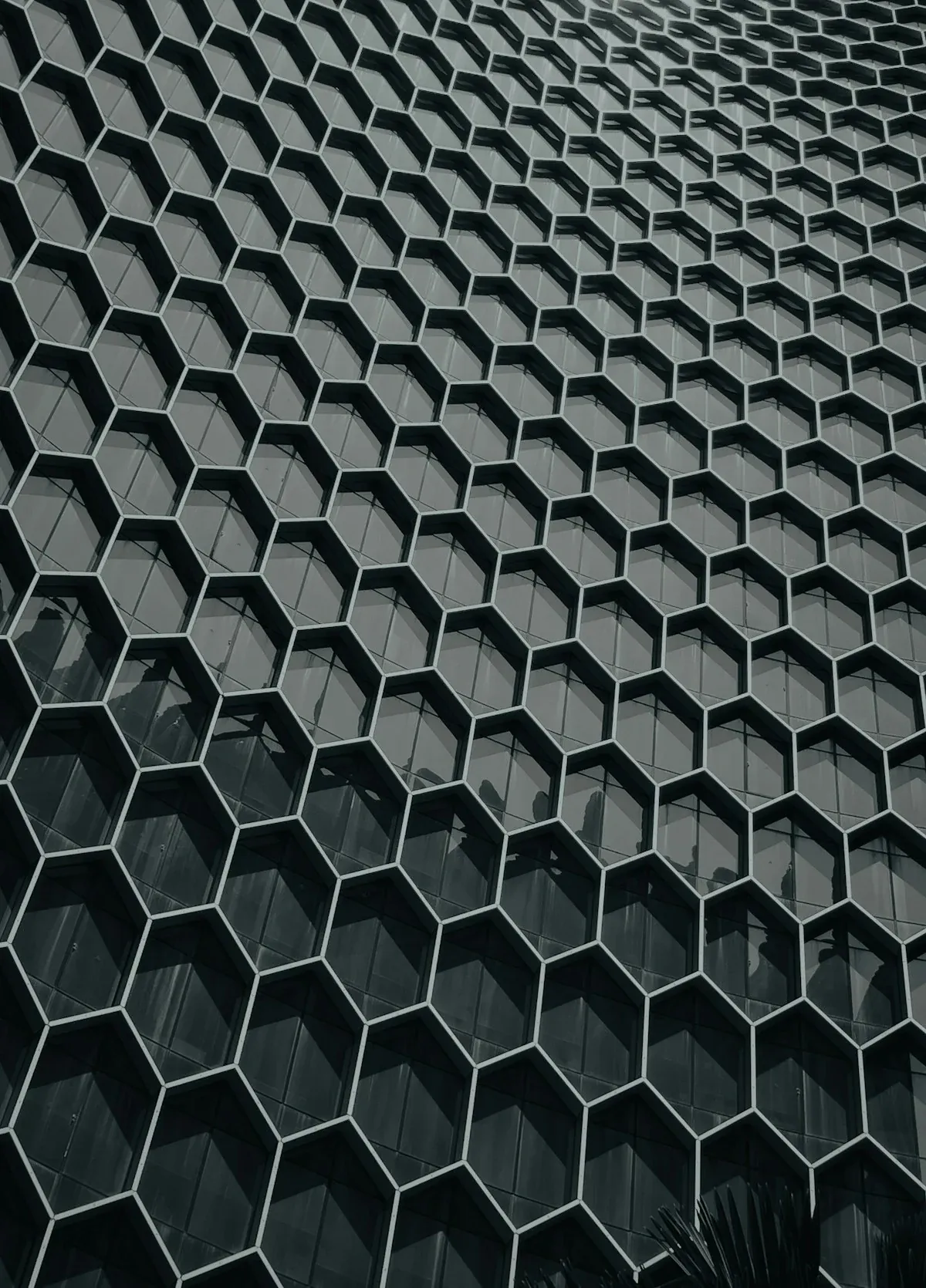
At Rax Panel, we address this by offering a broad spectrum of facings, including GRP (Glass Reinforced Plastic), Aluminum, Stainless Steel, Aluzinc, Plywood, and ACP. This diversity allows manufacturers to move beyond standard industrial looks, selecting finishes that range from the sleek metallic sheen of aluminum to the organic warmth of wood-grain plywood textures.
We also understand that different applications demand different surface behaviors. For example, our GRP Sheets can be manufactured with or without gelcoat depending on the required gloss level and environmental exposure. By separating the aesthetic layer from the structural core, we provide designers with the freedom to prioritize visual identity without compromising on weight or strength.
Advanced Finishing Technologies
The distinction between a “good” panel and a “premium” panel often lies in the finishing technology. We utilize specialized surface treatments to enhance both visual fidelity and functional longevity. Our standard gelcoat finishes on FRP sheets provide a waterproof, insulating, flat, and smooth surface that is essential for high-end RV solutions and vessel exteriors where a polished appearance is non-negotiable.
we have innovated beyond traditional thermosets. Our new FRP sheets are made of continuous fiberglass reinforced thermoplastic. In our production experience, these materials allow for a thinner profile while maintaining high resilience. This technological advancement enables cleaner lines and more modern architectural forms, particularly useful in public transit and industrial equipment design where bulk is a liability.
Customization and Design Consistency
Global distributors frequently encounter challenges with batch-to-batch color and texture consistency in large-scale projects. Rax Panel overcomes this by maintaining aesthetic uniformity across daily production volumes exceeding 1,700 square meters. Our rigorous engineering controls verify that surface finishes adhere to project data standards, ensuring that color stability and texture quality meet stringent expectations.
We treat aesthetics as an engineering parameter. Whether clients require the deep, decorative textures of Compact Laminate HPL panels for exterior wall cladding or the specific non-slip surfaces required for fiberglass honeycomb flooring, our customization capabilities are designed to solve complex visual challenges. We do not just supply panels; we supply the specific aesthetic outcome required by the project’s architectural vision.
Aesthetic Specification Data
How to Choose the correct facing material is the first step in defining the project’s visual identity. The following table outlines the aesthetic characteristics of our primary facing options.
| Facing Material | Aesthetic Quality | Typical Applications | Key Surface Properties |
|---|---|---|---|
| GRP with Gelcoat | High Gloss / Smooth | RV Exteriors, Vessels, Truck Bodies | Waterproof, Insulating, Color Stable |
| Aluminum / ACP | Metallic / Modern | Commercial Cladding, Industrial Equipment | Sleek, Corrosion Resistant, Cleanable |
| Compact Laminate (HPL) | Deep Textures / Solid Colors | Exterior Wall Cladding, High-traffic Areas | Impact Resistant, Weatherproof, Decorative |
| Plywood Facing | Natural Wood Grain | Mobile Homes, Furniture Panels, Flooring | Warmth, Classic Finish, Structural |
| Stainless Steel | Industrial / Hygienic | Industrial Equipment, Medical Facilities | Sterile, Heavy-duty, Clean |
Installation Weight and Structural Requirements
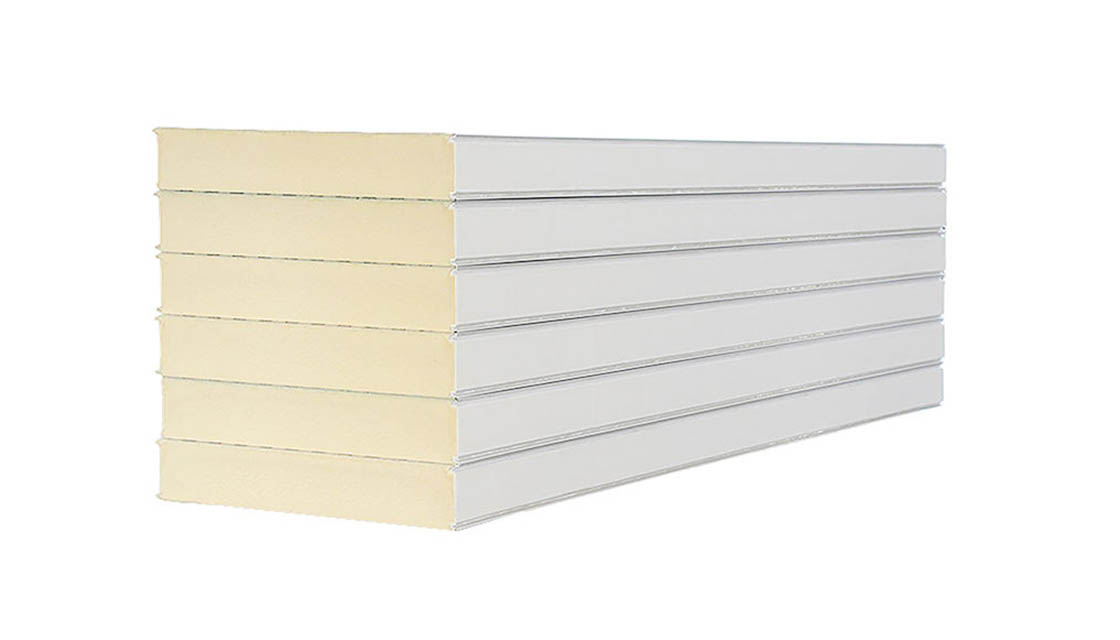
Advanced foam core and honeycomb composites significantly reduce the structural demands placed on building frameworks. These materials drastically lower total installed costs by minimizing the need for heavy-load foundations and extensive steel substructures.
The most critical operational advantage of Rax Panel’s composite solutions is their extreme strength-to-weight ratio. Unlike traditional solid metal or concrete cladding, our foam-core and honeycomb panels drastically reduce the dead load placed on a building’s skeleton or a vehicle’s chassis. This structural lightness allows contractors to utilize significantly fewer supports, simpler mounting systems, and lighter-duty lifting equipment during installation.
Reduced Dead Load on Structural Frameworks
When evaluating facade or vehicle body installations, the weight of the facing material dictates the underlying structural framework. Heavy aluminum or steel panels require expensive, thick-gauge sub-structures to prevent sagging and maintain rigidity. By using Rax Panel’s lightweight foam cores—such as PVC, XPS, or PMI—or thermoplastic honeycomb cores, the overall panel weight is minimized without sacrificing tensile strength.
For architects and procurement managers, this reduction translates directly into massive cost savings on the back-end of the build. Because the panels are so lightweight, you can specify thinner, lighter, and cheaper support rails and brackets. Furthermore, the structural demands on the roof trusses or vehicle frame are reduced, allowing for further material optimizations elsewhere in the project.
Simplified Logistics and On-Site Handling
Weight impacts not just the permanent structure, but the temporary logistics of the job site. Heavy panels require larger cranes, heavier forklifts, and more personnel to maneuver safely into place. Our lightweight composite panels—ranging from standard ACP foam cores to high-density GRP honeycombs—can often be handled manually or with smaller, more agile machinery. This simplifies on-site logistics, accelerates the installation schedule, and reduces the insurance and equipment rental costs associated with heavy lifting.
- Structural Support Reduction: Lighter panels allow for the use of fewer and thinner sub-frame supports, lowering the overall material cost of the building’s skeleton.
- Faster Installation Cycles: Reduced panel mass means faster manual handling and positioning by smaller crews, directly decreasing total labor hours on site.
- Lower Transport Costs: Lightweight, high-density panels maximize payload efficiency, meaning fewer truckloads are required to deliver the same square footage compared to solid metal alternatives.
Engineered Customization for Specific Loads
Lightweight composite panels do not compromise structural integrity; rather, they optimize it through high-density cores and strong skins. Rigorous engineering testing ensures these composites withstand specific shear forces, impact loads, and wind pressures, guaranteeing full compliance with local building codes and project requirements.
Whether you are installing exterior wall cladding on a high-rise, fitting out a refrigerated truck body, or constructing a marine vessel, our team works directly with your specifications. We adjust the core materials—using options like high-strength PMI foam, aramid honeycomb, or specialized GRP layers—to guarantee the panel meets the necessary deflection limits and safety standards for your specific structural application.
Project-Specific Selection Criteria
Three criteria drive the decision: thermal or structural performance for your specific use case, total project budget across the asset lifecycle, and the technical support your supplier provides after delivery.
Evaluating Building Height and Local Fire Code Restrictions
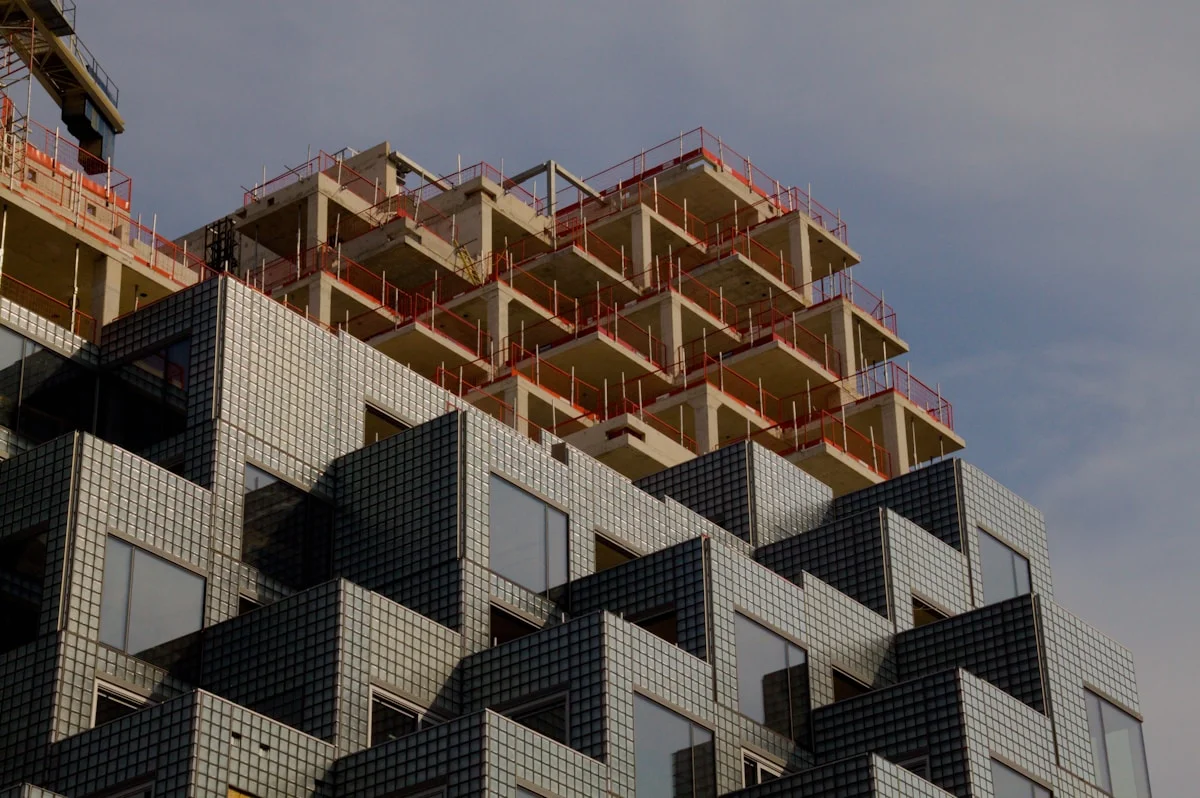
For projects exceeding three stories, standard polyethylene (PE) aluminum composite panels are universally prohibited by modern building codes due to their combustible nature. The regulatory threshold typically shifts toward mineral-filled or fire-retardant (FR) cores for mid-rises, while high-rise applications demand non-combustible, inorganic fillers. Our engineering team has observed that in strict jurisdictions, specifying panels with fire-retardant cores is the baseline minimum for safety, but higher fire ratings—such as A2 or fully non-combustible classifications—may be required for high-rise structures.
High-rise developments impose stringent wind load requirements that necessitate rigorous testing of composite cladding solutions. Our R&D department subjects these materials to extreme pressure differential simulations to verify they resist delamination and excessive flexing under severe stress conditions. By specifying certified high-density cores, you guarantee facade stability and ensure full compliance with international safety standards for tall structures.
Balancing Upfront Budget Constraints Against Long-Term Durability Needs
How to Choose composite panels requires navigating the trade-off between initial capital expenditure (CapEx) and long-term operational costs (OpEx). While entry-level PE-core ACM is cheaper upfront, it often incurs high replacement and maintenance costs within a decade, particularly in harsh environments. Conversely, investing in phenolic or A2-rated fire-retardant panels increases initial material costs but drastically reduces lifecycle expenses by eliminating frequent repainting and premature cladding replacement.
- Initial Cost Savings: Opt for standard PE-core ACM for temporary structures, low-rise commercial sheds, or interior partitions where extreme longevity is not a priority.
- Long-Term Asset Value: Invest in advanced ACP or phenolic systems for high-traffic commercial buildings and multi-story residential complexes. These materials resist UV degradation and physical impact far better, preserving the asset’s aesthetic and structural integrity for 20+ years.
Assessing Climate Exposure and Maintenance Accessibility
Extreme climates dictate the necessary physical properties of your facade. In coastal regions with high salinity, standard aluminum facings can suffer from galvanic corrosion. We strongly recommend using marine-grade, anti-corrosion coated materials or hybrid composites like Glass Reinforced Plastic (GRP) to prevent premature panel failure.
consider the physical accessibility of the building for future maintenance. For ultra-tall skyscrapers or complex geometric facades, installing heavy stone or glass cladding is logistically impossible and prohibitively expensive. Lightweight composite panels significantly reduce dead loads on the building structure, allowing for easier retrofitting, cleaning, and localized part replacements over the decades-long lifespan of the facility.
Key Takeaways
For high-rise projects requiring strict A2 fire compliance and weight reduction, phenolic or specialized non-combustible cores are the optimal choice. While aluminum composite materials (ACM) are common, they often fail to meet stringent A2 fire ratings without significant modifications, whereas phenolic panels offer superior impact resistance and inherent fire safety. You aren’t just buying a facade; you are securing a code-approved building envelope that survives the local climate.
Specifying the wrong core creates long-term liability, often eroding any initial savings on material costs. We utilize over fifteen years of R&D experience to customize specifications for every order. Send us your project dimensions and climate data so our engineering team can run a technical feasibility review before you commit to the bid.
Frequently Asked Questions
This factor has a direct bearing on project performance and long-term cost. Addressing it with specific data rather than general assumptions leads to better outcomes.
What are the key differences in installation complexity between aluminum composite and phenolic panels?
Aluminum composite panels are generally easier to cut and shape on-site due to their softer core material. In contrast, phenolic panels require specialized tools and techniques to avoid chipping or damaging their rigid core, which can lead to higher installation labor costs.
How do customization limits compare between the two materials?
Aluminum composite panels offer greater flexibility for custom shapes and sizes, making them more adaptable to complex architectural forms. Phenolic panels are often produced in standard dimensions due to manufacturing constraints, limiting their use in projects requiring unique geometries.
Which material offers better resistance to staining and chemical damage?
Phenolic panels generally resist staining and chemical damage better than aluminum composite panels. While both are low maintenance, aluminum composite surfaces may show scratches more easily, whereas phenolic surfaces maintain their appearance with less intensive cleaning efforts over time.
What are the environmental impacts and sustainability considerations for each panel type?
Phenolic panels are often considered more sustainable due to their non-toxic composition and recyclability. Aluminum composite panels contain plastic cores, which pose significant recycling challenges, though industry leaders are developing eco-friendly alternatives to address these concerns.
How do maintenance needs differ between aluminum composite and phenolic panels?
Both materials are relatively low maintenance but require regular cleaning to preserve their appearance. However, because phenolic panels offer superior resistance to stains and chemicals, they typically reduce long-term cleaning efforts compared to aluminum composite panels, which are more prone to visible scratching.