
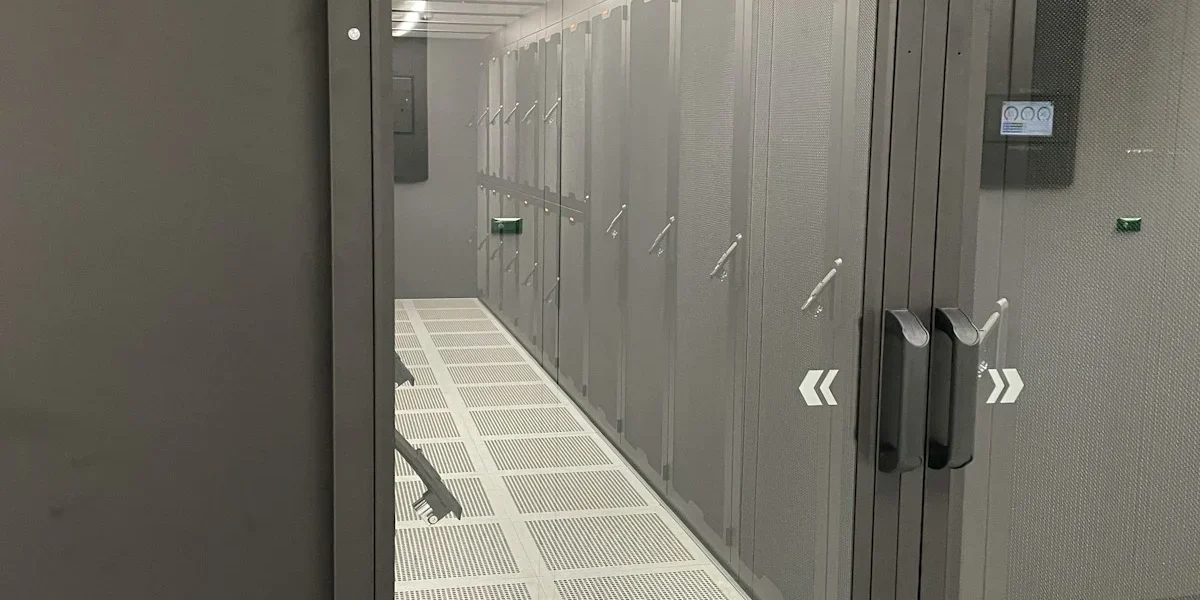
Wall seams create the single largest particle entry point in a controlled environment, yet most procurement teams prioritize visual finish over joint sealing integrity during panel selection. Cleanroom Wall Systems must maintain pressure differentials while resisting microbial growth through non-porous surfaces that meet ISO 14644-1 classification requirements without compromising structural load capacity. Our manufacturing experience with modular panel systems shows that mechanical fasteners and adhesive failures account for 40% of post-installation contamination events in pharmaceutical suites.
The industry standard requires cold-welded seams achieving surface roughness (Ra) under 32 microinches per EU Annex 1 guidelines, but many suppliers deliver panels with thermally broken aluminum profiles that develop micro-cracks within 18 months of installation. This guide covers core material specifications including EPS, rock wool, and PU thermal conductivity values alongside surface finish treatments that resist quaternary disinfectants used in FDA cGMP audits.
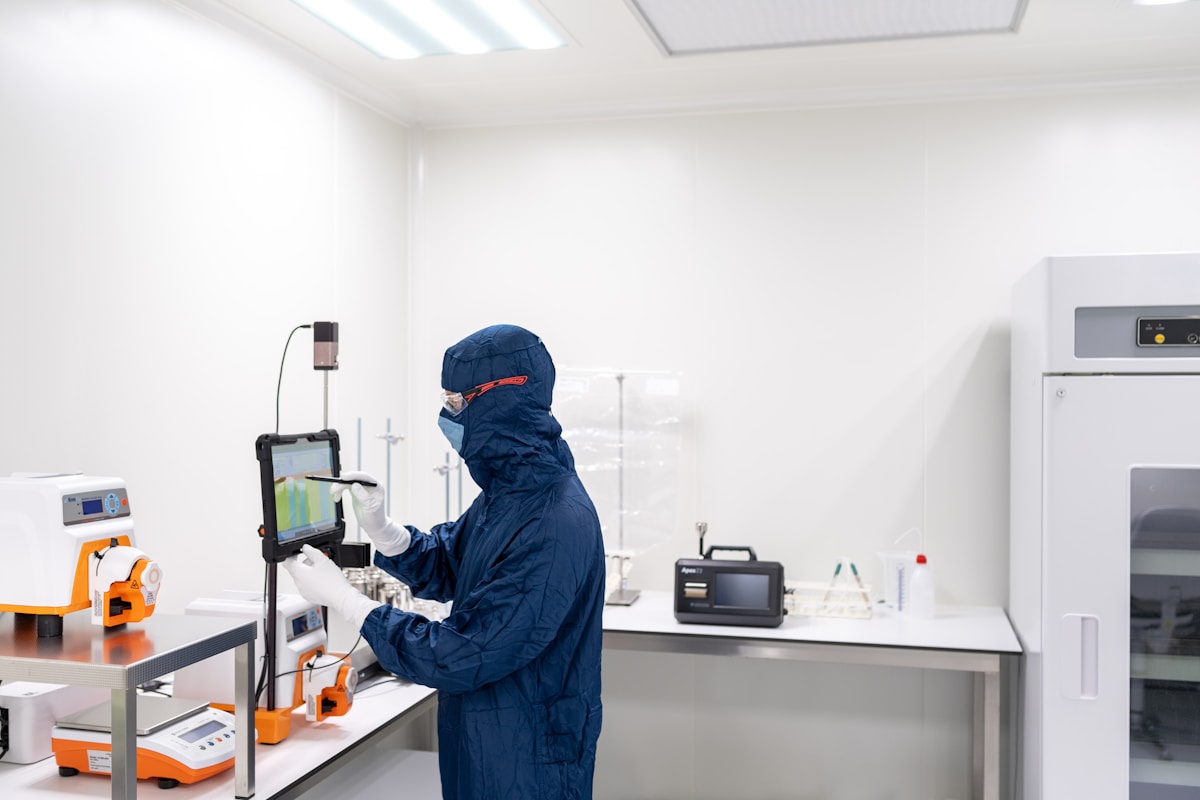
What Are Cleanroom Wall Systems?
Cleanroom wall systems are engineered, modular barriers designed to establish a controlled environment by minimizing airborne particles, contaminants, and microorganisms. Unlike traditional drywall construction, these systems function as an integrated “airtight envelope” that creates a critical separation between the controlled internal space and the external environment.
The core purpose of these walls is not structural support for a building, but rather the structural support for air purity standards. They act as the physical canvas upon which environmental control systems operate, ensuring that the air inside remains classified to specific cleanliness levels regardless of external conditions.
Modular Sealed Partition Design Principles
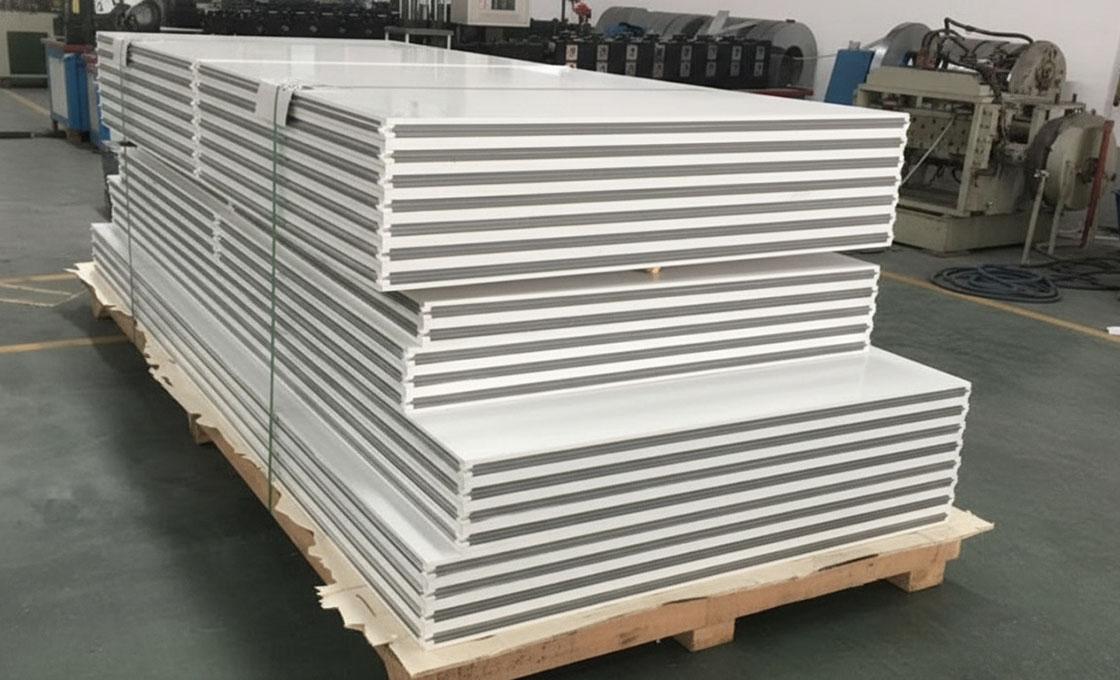
The architecture of a cleanroom wall relies on a “box-within-a-box” philosophy. These partitions are typically constructed using non-porous, composite panels locked together with extruded aluminum or steel profiles. The design principle prioritizes continuous surface integrity; there are no crevices, screws, or rough joints where dust can accumulate.
Modular systems are prefabricated to exact dimensions, allowing for rapid assembly that generates significantly less construction dust than on-site building methods. This modularity also offers flexibility—if the facility layout changes, the walls can be dismantled and relocated, preserving the initial investment.
Achieving a true seal requires more than just tight tolerances; it requires precision engineering. In our manufacturing process, we maintain a ±0.5mm precision cutting tolerance on all panel dimensions. This level of accuracy is critical because even microscopic gaps between panels can compromise pressure differentials. We engineer our panels to fit seamlessly with specialized cam-locks or gasketed profiles, ensuring that the physical barrier against contamination is absolute from day one.
- Prefabricated Modules: Panels are produced off-site to ensure consistent quality and flatness, reducing on-site labor and contamination risk.
- Non-Progressive Construction: Walls do not rely on the building’s ceiling or floor for structural integrity, allowing independent vibration isolation.
- Integrated Utility Channels: Design principles often include built-in raceways for electrical and piping to maintain the smooth wall surface.
- Airtight Sealing: Utilization of gaskets, mechanical cam-locks, and sealants to eliminate bypass leakage.
Air Quality Maintenance Through Wall Systems
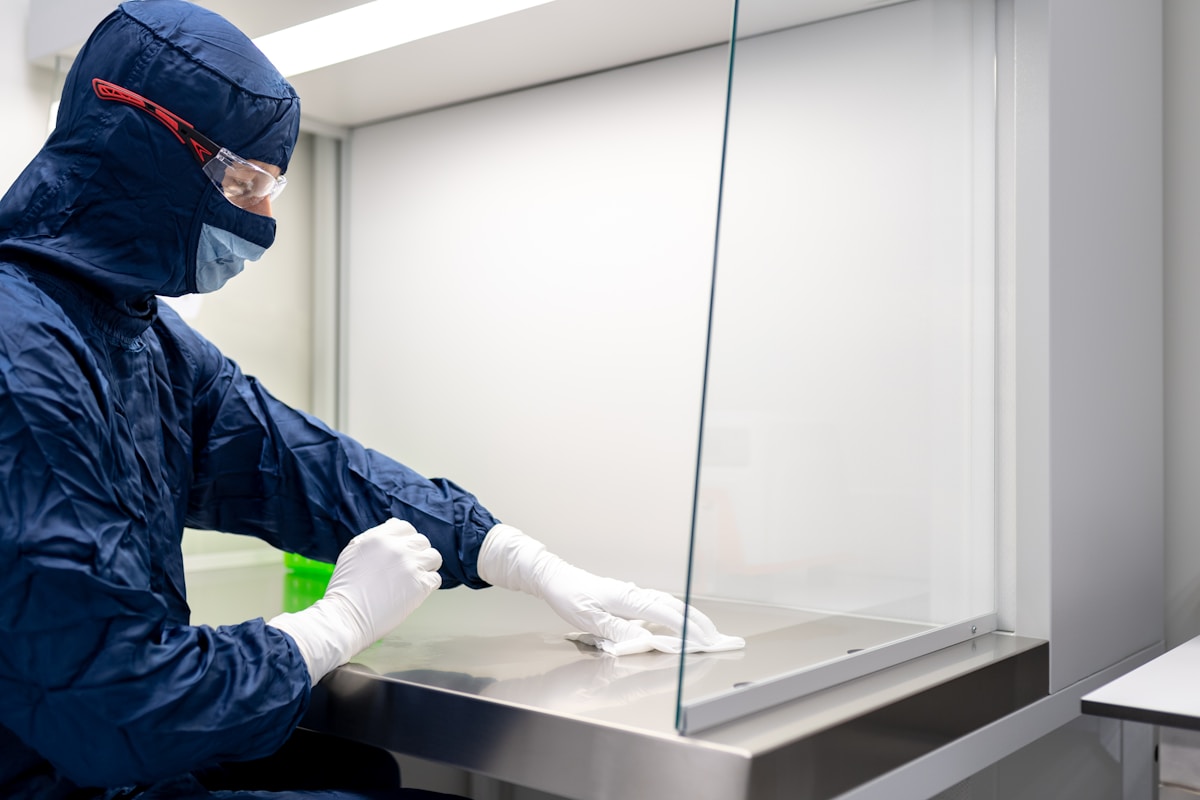
The wall system is the primary defender in maintaining air quality, functioning not just as a barrier but as a surface that must not generate or trap particles. Standard construction materials like painted drywall are unacceptable because they shed fibers, chip easily, and are difficult to sanitize effectively. Cleanroom walls must be non-porous, non-shedding, and chemically resistant to withstand rigorous cleaning protocols involving aggressive agents like hydrogen peroxide or isopropyl alcohol.
Surface smoothness is quantified by surface roughness (Ra) values; the lower the Ra, the easier it is to clean and the fewer particles adhere to the surface. To meet these demands, we use GRP (Glass Reinforced Plastic) sheets with a specialized gelcoat finish.
This material choice provides a waterproof, flat, and smooth surface that is inherently resistant to microbial growth. Unlike standard metal surfaces that may corrode or pit over time after repeated exposure to harsh cleaning agents, our composite facings maintain their integrity, ensuring the wall system continues to support air quality standards throughout its lifecycle.
When assessing air quality maintenance, look beyond the initial shine. Ask for the chemical resistance data of the facing material. A wall that looks clean but microscopically degrades under chemical cleaning will eventually become a source of contamination itself.
Cleanroom Classification and Wall Requirements
The required wall specification is directly dictated by the ISO classification of the room. A lower ISO class (e.g., ISO 5) indicates a cleaner environment and demands exponentially more rigorous wall standards than a higher class (e.g., ISO 8). While a medical device packaging room (ISO 8) might tolerate standard modular panels with simple aluminum profiles, a semiconductor lithography room (ISO 5) requires seamless, flush surfaces with continuous gasketing to prevent turbulence and particle traps.
We engineer composite solutions that scale with these requirements. For lower classifications, our standard foam core panels offer excellent insulation and cost-efficiency. However, as the classification demands tighten, we can supply advanced CFRT (Continuous Fiber Reinforced Thermoplastic) or Honeycomb panels.
These materials provide superior stiffness and dimensional stability, preventing wall bowing or flexing that could break seals in highly sensitive environments. The selection of the core material—whether it be PIR for fire safety or PET for thermal stability—is always tailored to the specific compliance demands of the target cleanroom class.
| Feature | ISO 8 (Class 100,000) | ISO 5 (Class 100) |
|---|---|---|
| Wall Joint Type | Mechanical Cam-Lock with Gasket | Flush, Seamless, or Continuous Gasket |
| Surface Roughness (Ra) | Standard Smooth (0.8 – 1.6 µm) | High Gloss / Mirror Finish (< 0.4 µm) |
| Corner Detail | Standard Aluminum Radius Profile | Coved or Seamless Integral Corners |
| Primary Material | Steel/Aluminum faced with Painted Finish | GRP/FRP Gelcoat or Stainless Steel |
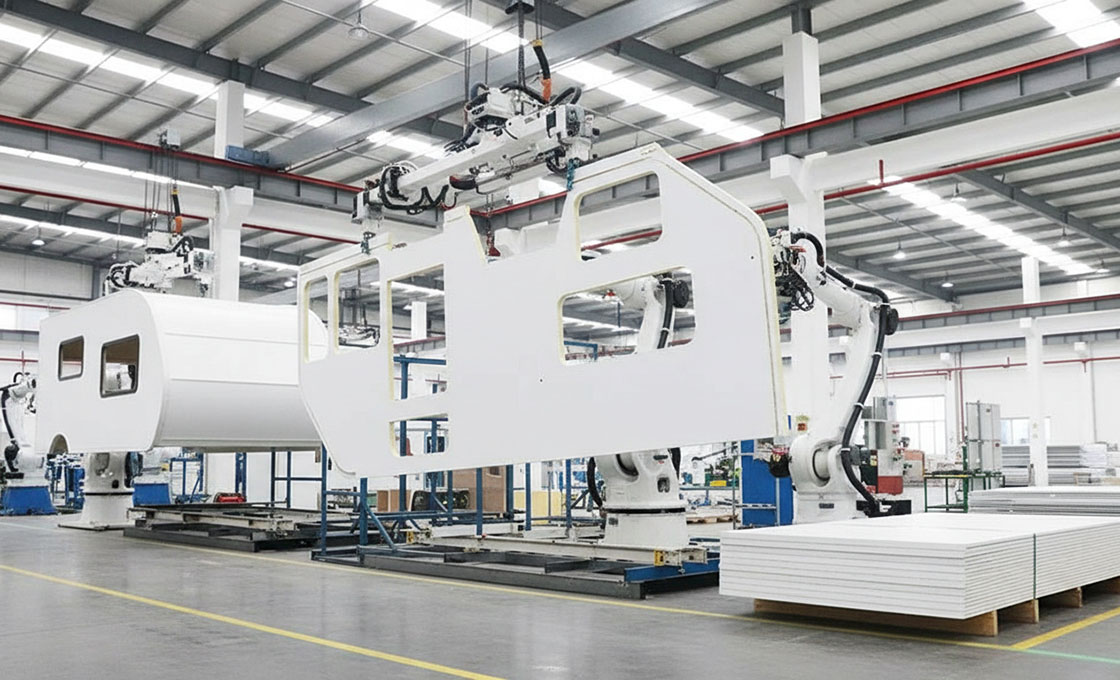
Selecting Panel Cores and Surface Finishes
The performance of a composite panel relies on the synergy between the internal core’s structural integrity and the external surface’s resistance to environmental stressors.
Analyzing Core Material Performance
Selecting the appropriate core material requires evaluating the specific balance between thermal insulation, structural rigidity, and total weight. Foam cores, such as XPS, PET, and PU, are frequently utilized in applications demanding high thermal efficiency.
These closed-cell structures prevent moisture ingress, making them suitable for refrigerated transport and climate-controlled modular buildings. In scenarios where structural stiffness is the priority over insulation, honeycomb cores made from PP or fiberglass provide an exceptional strength-to-weight ratio, supporting heavy loads like truck floors or aircraft interiors without adding unnecessary mass.
Fire safety regulations often dictate the choice of core material in industrial and public construction projects. Rock wool cores offer non-combustible properties with excellent sound absorption, serving as a critical barrier in exterior wall cladding and high-temperature industrial zones. Unlike plastic-based foams, rock wool maintains its structural integrity during fire exposure, ensuring compliance with strict building codes while providing acoustic dampening.
Evaluating Surface Facings for Cleanability
The surface finish acts as the primary defense against physical wear, chemical corrosion, and contamination. In environments where hygiene is paramount, such as pharmaceutical cleanrooms or food processing facilities, the surface must be non-porous and easy to sanitize. GRP/FRP panels with a gelcoat finish create a smooth, impervious layer that withstands harsh disinfectants and prevents bacterial growth. The gelcoat surface also eliminates the risk of fiber shedding, a crucial factor for maintaining air quality standards.
For settings subject to heavy physical impact or frequent high-pressure washing, metal facings are the preferred solution. Stainless steel and aluminum surfaces provide hard-wearing durability that resists dents and scratches. These metals tolerate high temperatures and abrasive cleaning agents better than composite skins, making them ideal for industrial kitchens and sterile operating rooms. While heavier than synthetic options, metal facings ensure long-term longevity where mechanical stress is high.
Balancing Structural Weight and Durability
Optimizing a composite panel involves matching the core density to the skin thickness to achieve desired performance metrics without over-engineering. For instance, pairing a lightweight CFRT skin with a foam core maximizes fuel efficiency in high-performance vehicles, while a plywood facing on a foam core offers a cost-effective solution for dry freight truck bodies. Engineers must ensure the adhesive bonding between the core and the facing can withstand shear forces and thermal expansion to prevent delamination over the panel’s lifespan.
📋 Selection Protocol
- Evaluate the operating environment for chemical exposure, moisture levels, and physical impact risks.
- Establish thermal requirements to determine if foam cores (XPS, PET) or fire-rated materials (Rock Wool) are necessary.
- Determine load-bearing needs by comparing compressive strength of foam against stiffness of honeycomb structures. Step 3: Calculate load-bearing needs to decide between the compressive strength of foam or the stiffness of honeycomb structures.
- Select surface finish according to hygiene standards, choosing gelcoat FRP for sterility or metal for impact resistance.
| Category | Material Type | Technical Characteristics | Recommended Environment | Selection Advantage |
|---|---|---|---|---|
| Surface Finish | CFRT (Thermoplastic) | 2x tensile strength of aluminum, 60% lighter weight, high impact resistance | High-performance vehicles, new energy applications, weight-sensitive structures | Maximizes structural integrity while significantly reducing fuel consumption and payload weight |
| Surface Finish | GRP/FRP with Gelcoat | Waterproof, insulating, non-porous smooth surface, chemically inert | Cleanrooms (ISO 5-8), marine vessels, chemical laboratories | Provides airtight seals and withstands harsh disinfectants and corrosive chemical spills |
| Surface Finish | Stainless Steel / Aluminum | Hard wearing, flat surface, ±0.5mm precision tolerance, high temperature tolerance | Industrial kitchens, sterile operating rooms, heavy-duty industrial facilities | Endures frequent high-pressure washing and abrasive cleaning without degrading |
| Core Material | Foam Cores (GPS, XPS, PET, PU) | Closed-cell structure, high thermal insulation (R-value), waterproof | Refrigerated truck bodies, RV walls, climate-controlled modular buildings | GPS cores boost thermal efficiency by 20% over EPS, reducing HVAC operational costs |
| Core Material | Honeycomb (PP, Fiberglass) | Extremely high stiffness-to-weight ratio, sandwich structure stability | Truck floors, aircraft interiors, lightweight furniture, industrial equipment | Delivers superior rigidity for structural applications without adding mass |
| Core Material | Rock Wool | Non-combustible (A1 fire rating), excellent sound absorption, dense fiber structure | Exterior wall cladding, fire barriers, high-temperature industrial zones | Ensures compliance with strict fire safety codes while providing acoustic dampening |
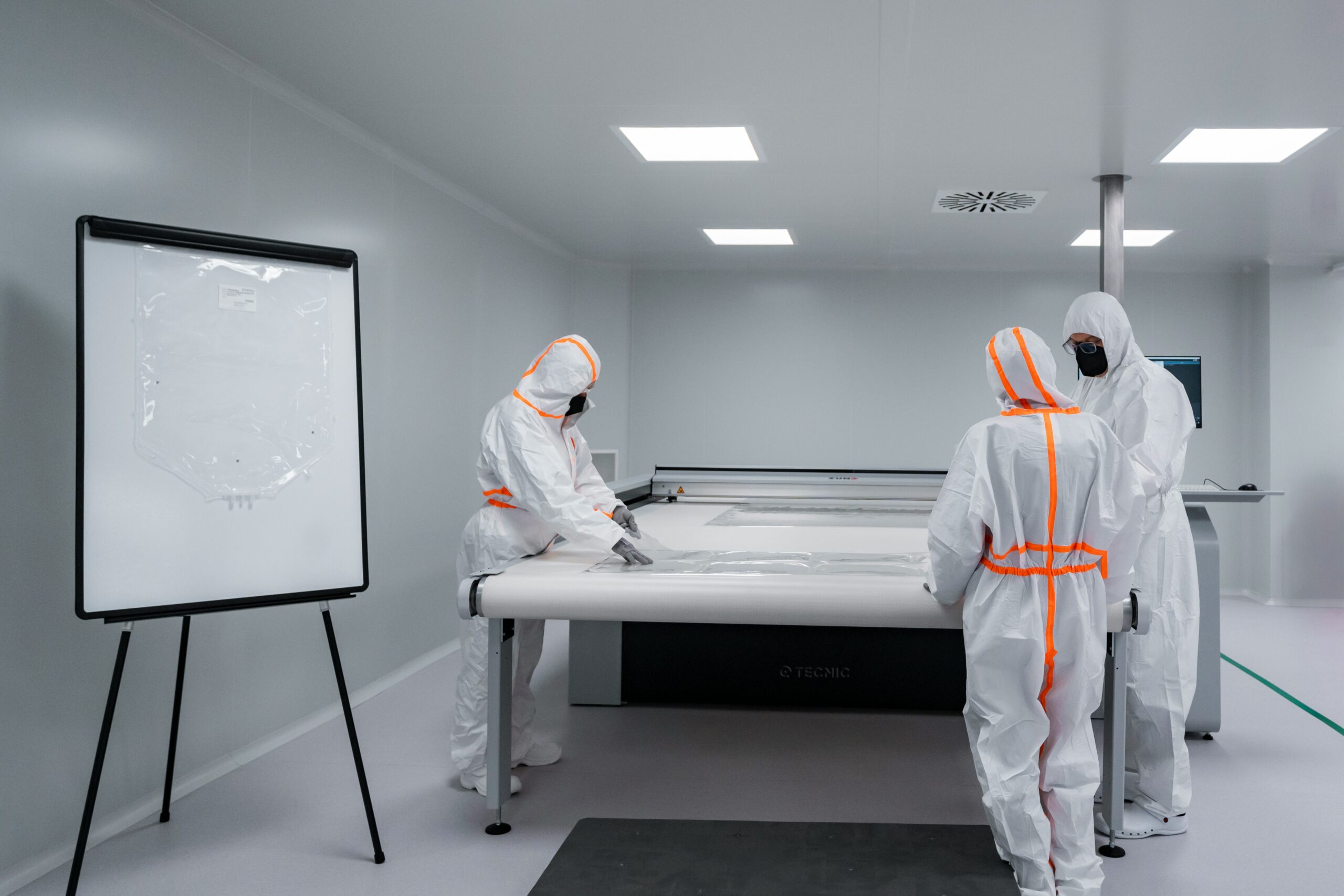
How Cleanroom Walls Work and Where to Use Them
A short quarterly inspection catches most problems early. Check sealant joints, fastener tightness, and surface condition—small fixes now prevent panel replacement later.
Airflow Containment and Pressure Differential Maintenance
Cleanroom walls serve as the primary physical barrier preventing uncontrolled air exchange between controlled environments and external spaces. These walls maintain precise pressure differentials—typically positive pressure in cleanrooms relative to adjacent areas—to ensure that airflow direction remains inward during door openings or panel seams. This containment strategy prevents contaminated air from infiltrating sterile zones, a requirement critical for ISO Class 5 through 8 environments where particulate counts must remain below strict thresholds.
The structural integrity of wall assemblies directly impacts pressure retention rates. Composite panel systems utilizing rigid cores such as PMI foam or honeycomb materials minimize flex under differential pressure loads, reducing micro-leakage risks at connection points. For pharmaceutical applications requiring continuous disinfection with harsh chemicals, surface finishes like stainless steel or gel-coated GRP provide chemical resistance without compromising dimensional stability over repeated cleaning cycles.
Seamless Joint Sealing Technologies
Joint sealing represents the most vulnerable point in cleanroom wall continuity. Modern installations employ compression gaskets made from silicone or EPDM rubber that create hermetic seals when panels are bolted together using concealed fasteners. These gaskets accommodate thermal expansion and contraction while maintaining airtightness across temperature fluctuations common in manufacturing facilities.
Panel-to-panel transitions require specialized cove base designs that eliminate crevices where dust could accumulate. For high-sensitivity environments like semiconductor fabrication, welded thermoplastic edges offer superior particle-shedding resistance compared to mechanical joints. Surface roughness measurements on interior wall finishes typically need to stay below Ra 0.8 µm to prevent microbial adhesion in GMP-compliant facilities.
Integration with HVAC and Filtration Systems
Cleanroom walls function as integral components of the overall HVAC architecture rather than isolated partitions. Wall assemblies incorporate pre-engineered duct penetrations for supply and return air plenums, ensuring laminar flow patterns align with ceiling-mounted HEPA/ULTA filtration units. These penetrations use flexible bellows connections to absorb building settlement without creating leakage paths.
Pressure monitoring sensors are often embedded within wall control panels to provide real-time feedback to building management systems. When combined with variable air volume (VAV) boxes, these sensors automatically adjust fan speeds to maintain setpoint pressures despite occupancy changes. For mobile cleanroom applications like RV or vessel integration, walls include dedicated filter access ports allowing on-site HEPA replacement without compromising structural integrity.
Meeting ISO and GMP Standards
Requirements vary by jurisdiction and end use. Confirming applicable standards before finalizing specifications avoids redesign cycles after production tooling is already committed.
ISO 14644-1 Classification Relevance
ISO 14644-1 serves as the global benchmark for classifying air cleanliness in controlled environments, categorizing cleanrooms from ISO Class 1 (the cleanest) to ISO Class 9 based on the concentration of airborne particles. For wall systems, this standard dictates the allowable particle limits—typically measured at particle sizes of ≥0.5µm and ≥5.0µm per cubic meter. The relevance to construction materials is direct: the wall and ceiling systems form the “envelope” that must be airtight and non-shedding.
If a wall panel emits microscopic fibers or allows air leakage through joints, the room will fail to maintain its designated ISO classification regardless of the HVAC filtration power. Therefore, the design of the wall system must ensure that the room maintains a specific pressure differential (relative to adjacent areas) to prevent contamination ingress, which is a fundamental requirement for meeting ISO 14644-1 operational standards.
EU Annex 1 Compliance Requirements
EU GMP Annex 1 (specifically the 2022 revision) sets stringent requirements for sterile medicinal product manufacturing, placing a heavy emphasis on a “Contamination Control Strategy” (CCS). For wall panel systems, this moves beyond simple particle counting to include material durability and chemical resistance. Panels must be constructed from materials that can withstand repeated contact with potent disinfectants and cleaning agents (such as sporicidal agents) without degrading, swelling, or delaminating.
Annex 1 requires that surfaces are smooth, impervious, and free from crevices to prevent microbial accumulation. A critical compliance factor is the visual inspection of the cleanroom envelope; walls must be crack-free and seamlessly joined (typically using coved profiles or continuous welding) so that no joints or edges can trap dust or microbes, ensuring the facility passes the rigorous qualification audits required for pharmaceutical licensure in the European market.
FDA cGMP Surface Roughness Specifications
In the United States, the FDA’s Current Good Manufacturing Practice (cGMP) regulations focus heavily on equipment and facility design to prevent cross-contamination. A critical, yet often overlooked, specification for wall panels is surface roughness, quantified as the Roughness Average (Ra). Rough surfaces provide microscopic valleys where bacteria and biofilms can shield themselves from cleaning agents.
To meet cGMP expectations for high-risk areas (like aseptic processing zones), wall surfaces typically require a Ra value of less than 0.8 micrometers (µm), with some critical zones demanding even smoother finishes (0.4 µm or lower). Achieving this requires specialized manufacturing processes, such as the use of high-gloss gelcoats or smooth stainless steel facings, that eliminate texture. This specification ensures that the surfaces are “cleanable to a microbiological level,” allowing sanitization protocols to be effective rather than just superficial.
Top Use Cases by Industry
Suitability depends on environmental exposure, hygiene requirements, and structural loading. Matching the panel specification to these three factors prevents premature degradation in service.
Pharmaceutical Production Suites
In pharmaceutical production, maintaining a contamination-free environment is critical to ensuring the safety and efficacy of drug manufacturing processes. Cleanroom wall systems in these facilities must meet strict requirements regarding surface smoothness, chemical resistance, and microbial barrier properties. Materials like GRP/FRP sandwich panels with smooth gel-coat finishes are particularly well-suited for this application due to their non-porous nature that prevents microbial harborage.
The wall construction needs to support controlled pressure differentials while allowing for rigorous cleaning protocols using various disinfectants without degradation of the panel surfaces. Special attention is given to seam treatments and joint sealing techniques that maintain ISO classification integrity while accommodating necessary penetrations for utilities and equipment access points.
Biotechnology Laboratory Environments
Biotechnology laboratories require cleanroom environments that protect both sensitive biological samples from external contamination and researchers from potential biohazards within the workspace. Wall systems in these settings need excellent chemical resistance capabilities to withstand exposure to various solvents, acids, and bases commonly used in laboratory operations while maintaining structural integrity over time.
Special consideration is given to anti-static properties of wall materials to prevent electrostatic discharge that could compromise sensitive electronic equipment or affect certain experimental conditions. The seamless integration of wall systems with ventilation and filtration units creates continuous airflow patterns essential for maintaining appropriate air quality classifications across different laboratory zones.
Semiconductor Fabrication Facilities
Semiconductor manufacturing represents one of the most demanding cleanroom applications where particle control at microscopic levels determines product yield and quality. Cleanroom wall systems in semiconductor fabs must minimize particulate generation through specialized material formulations and precise installation techniques that eliminate crevices where contaminants could accumulate.
The dimensional stability of wall panels under varying temperature and humidity conditions is critical since even minute deformations could disrupt the tight tolerances required in lithography processes. Advanced composite constructions combining lightweight cores with high-strength facings provide the necessary structural rigidity while minimizing vibration transmission that could interfere with precision manufacturing equipment.
Medical Device Assembly Zones
Medical device assembly areas require controlled environments that balance contamination prevention with operational efficiency for complex manufacturing processes involving small components and delicate assembly operations. Wall systems in these zones need to facilitate easy visual inspection while maintaining appropriate cleanliness levels throughout production cycles.
Material selection considerations include compatibility with sterilization procedures that may be performed on finished devices as well as resistance to common cleaning agents used during routine maintenance. The design often incorporates modular configurations that allow for rapid reconfiguration of assembly layouts when introducing new products or adjusting to regulatory changes in medical device manufacturing standards.
| Target Industry | Use Case Scenario | Panel Type | Technical Parameters | Outcome Advantage |
|---|---|---|---|---|
| Pharmaceutical & Medical | Cleanroom Wall Enclosures | GRP/FRP Sandwich Panels | ±0.5mm tolerance, chemical resistant surfaces | GMP sterility compliance, seamless flush integration |
| Commercial Transportation | RV Bodies & Refrigerated Trucks | CFRT & XPS/PET Core Panels | 60% weight reduction vs aluminum, 2x tensile strength | Maximized fuel economy, enhanced payload capacity |
| Construction & Infrastructure | Energy-Efficient Building Facades | Aluminum & Insulated Sandwich Panels | 20% higher R-value than EPS, SIP structural integrity | Reduced HVAC energy consumption, thermal stability |
| Marine & Offshore | Vessel Interiors & Hull Components | Fiberglass & Balsa Core Panels | Waterproof, high corrosion resistance | Long-term durability in harsh environments, low maintenance |
| Industrial & New Energy | Equipment Housings & Special Vehicles | Honeycomb & Foam Core Panels | High stiffness-to-weight ratio, customizable density | Vibration dampening, weight-sensitive structural support |
Conclusion
Cleanroom wall systems must maintain strict environmental controls to meet ISO and GMP standards, ensuring consistent air quality and pressure differentials critical for pharmaceutical, biotech, and semiconductor manufacturing. The choice of panel core and surface finish directly impacts thermal performance, ease of cleaning, and long-term durability under cyclic stress. Our engineering team has validated that modular sealed partitions with seamless joint sealing outperform traditional field-erected solutions in contamination-sensitive zones.
- Verify R-value per inch for insulation cores before finalizing specifications
- Confirm surface roughness compliance with FDA cGMP requirements during design phase
- Request technical documentation on airflow containment from our engineering group for early-stage validation
Frequently Asked Questions
This factor has a direct bearing on project performance and long-term cost. Addressing it with specific data rather than general assumptions leads to better outcomes.
What are the common types of cleanroom wall panels and how are they installed?
Common panels include sandwich-type composites with foam cores and metal or polymer facings. Installation involves aligning panels on a structural frame, sealing joints with gaskets or sealants, and ensuring continuity of vapor barriers and fire ratings per local codes.
Can cleanroom wall systems be customized per project?
Absolutely. Cleanroom wall systems can be tailored to specific dimensions, load-bearing requirements, insulation needs, and surface finish specifications. Customization supports unique spatial layouts and compliance with regional or industry-specific regulations.
Do cleanroom walls resist moisture and chemicals?
High-performance cleanroom walls are typically constructed from non-porous materials like FRP, stainless steel, or coated composites that resist moisture absorption and chemical degradation. This ensures durability in humid or corrosive operational environments.
Do cleanroom panels allow internal electrical installations?
Many cleanroom panel designs incorporate pre-formed channels or access points for wiring and conduit integration. This allows seamless incorporation of lighting, sensors, and power systems without compromising the integrity of the cleanroom seal.
Are modular cleanroom walls faster to install?
Yes, modular cleanroom walls significantly reduce installation time compared to traditional construction. Prefabricated panels allow quick assembly with minimal on-site labor, enabling faster commissioning and reduced project downtime.