

Sourcing an aluminum sandwich panel manufacturer often feels less like standard procurement and more like a high-stakes gamble with your production schedule. One misinterpreted spec can halt an assembly line for weeks. You need a way to verify that the factory floor matches the sales pitch before the first container ships.
A Class A1 fire rating versus a Class A2 rating determines whether a vehicle passes safety inspection or fails on the loading dock, yet these distinct engineering requirements are frequently confused during the quoting phase. We cover validating raw material density, verifying ISO 9001 compliance against actual factory audits, and testing sample consistency before mass production begins. This checklist shifts the power dynamic, giving you the specific questions to expose weak links in a supplier’s chain before they become your warranty claim.
Verify ISO and Quality Compliance
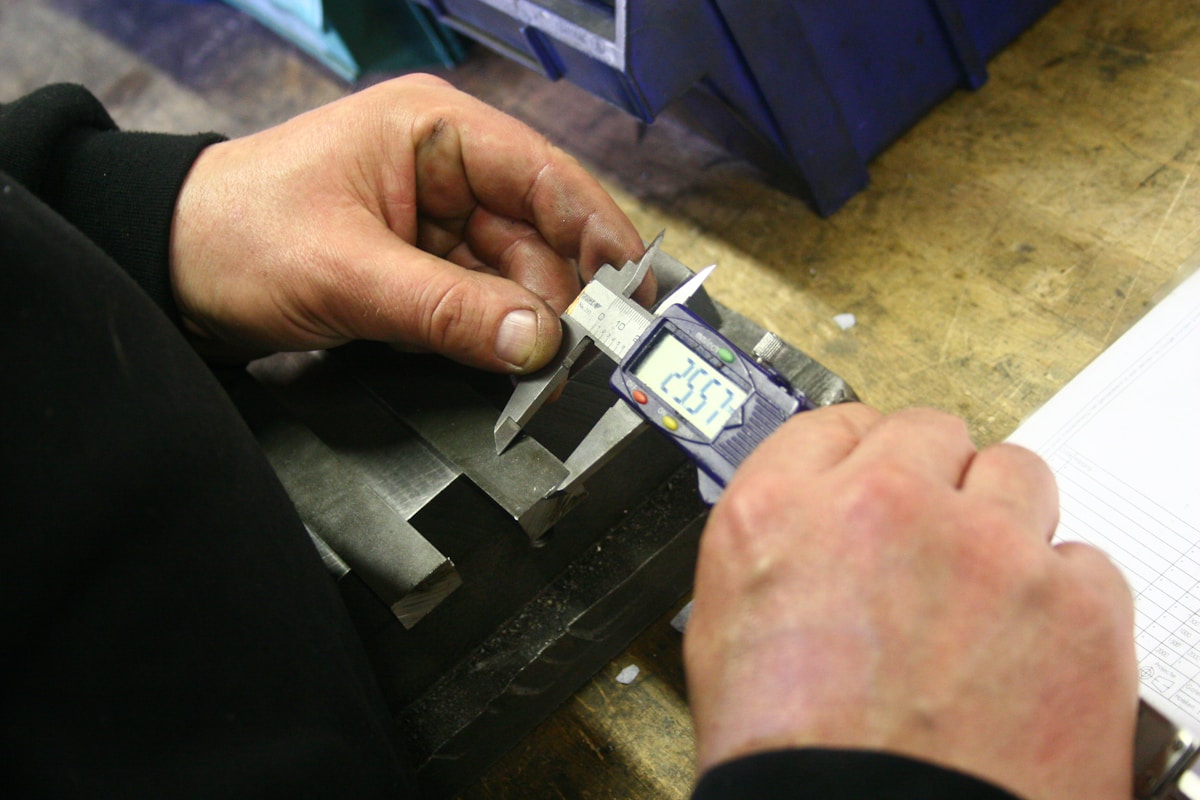
EXECUTIVE SUMMARY: Compliance verification requires more than checking a certificate PDF; it demands verifying the scope of the certification and confirming that test reports correspond to the specific composite core and facing thicknesses being procured.
ISO 9001 and ISO 14001 Certification Requirements
ISO 9001 certification confirms that a manufacturer operates under a documented quality management system covering everything from raw material incoming inspection to final product release. ISO 14001, conversely, validates environmental management practices, including waste handling, energy monitoring, and emission controls during panel production. Both certifications are now baseline expectations for serious aluminum sandwich panel suppliers, particularly when supplying to regulated construction or transportation sectors.
The critical pitfall most procurement teams encounter is certificate scope mismatch. A supplier may hold a valid ISO 9001 certificate, but the certified scope might only cover trading activities, not actual manufacturing. Always request the full certificate document and cross-reference the scope statement against the factory address and production lines listed on the certificate. If the scope says “trading” or “distribution” and you are buying direct from a factory, the certification is functionally irrelevant to your quality assurance needs.
- Certificate scope verification: Confirm the ISO certificate scope explicitly includes manufacturing of aluminum composite panels, not just trading or sales.
- Issuing body accreditation: Ensure the certification body is accredited by a member of the International Accreditation Forum (IAF), which enables mutual recognition across borders.
- Certificate validity: Check the issue date and expiry date; request the most recent surveillance audit certificate, not just the initial registration document.
- Factory address match: The production facility address on the certificate must match the actual factory you are visiting or ordering from.
Many suppliers present ISO certificates that have expired or belong to a different legal entity. Always verify the certificate number directly on the certification body’s official website before relying on it for procurement decisions.
Factory Audit and Quality Management System Verification
A certificate on paper is only the starting point. Real quality assurance requires understanding whether the factory’s quality management system is actively enforced on the production floor. Third-party factory audits, conducted by recognized inspection agencies such as SGS, Bureau Veritas, or TÜV, provide an independent assessment of whether documented procedures match actual practice.
During a factory audit, the most revealing checkpoints are the incoming material inspection records, in-process quality control stations, and the final inspection and testing area. A well-run facility will maintain traceability logs that link each production batch to its raw material certificates, core density test results, and adhesion strength measurements. If a supplier cannot produce these records on demand, the quality management system is likely theoretical rather than operational.
- Incoming material inspection: Verify that aluminum coils and core materials are inspected against specified grades and thickness tolerances before entering production.
- In-process QC checkpoints: Look for documented checks at critical stages such as lamination pressure calibration, curing temperature monitoring, and panel dimension verification.
- Final testing laboratory: A competent facility maintains an on-site lab capable of performing core shear strength, peel adhesion, and fire resistance tests without relying entirely on external labs.
- Non-conformance handling: Check whether the factory has a documented process for segregating and disposing of non-conforming panels, preventing them from accidentally entering shipment.
Product Testing Standards and Compliance Documentation
Aluminum sandwich panels are subject to a range of testing standards depending on their end application. The European standard EN 13501-1 governs fire classification, while EN 1450 series standards apply specifically to structural sandwich panels used in building envelopes. For transportation applications, additional standards such as ASTM E84 for surface burning characteristics may apply.
The fire rating distinction between EN 13501-1 Class A1 and A2 is one of the most commonly misunderstood areas in sandwich panel procurement. Class A1 denotes non-combustible materials, typically achieved with rockwool or mineral wool cores. Class A2 indicates limited combustibility, which certain foam cores can achieve under specific thickness and density configurations. PIR and PU foam cores generally fall into Class B or C classifications under EN 13501-1, which may not satisfy stringent building code requirements in certain jurisdictions. Buyers must ensure the test report explicitly states the core material type, panel thickness, and facing specification that were tested, as fire performance varies significantly across these variables.
- Fire test reports: Request EN 13501-1 test reports that match your specified core material, panel thickness, and facing gauge. A report for a different configuration is not valid for your compliance documentation.
- Core shear strength testing: Verify that core shear values meet the structural requirements for your application, particularly for large-span facade or roof installations.
- Peel adhesion testing: Confirm that face-to-core adhesion strength meets the minimum thresholds specified in EN 1450 or relevant product standards.
- Thickness and density verification: Ensure test reports include measured density values for the core material, as nominal specifications often differ from actual production values.
- CE marking documentation: For European market deliveries, verify that the Declaration of Performance (DoP) and CE marking are issued under the relevant harmonized standard and cover the exact product configuration.
When evaluating fire-rated aluminum honeycomb panels for RV or truck applications, ask suppliers to provide test reports from both EN 13501-1 and ASTM E84. Different markets accept different standards, and having both reports simplifies cross-border compliance verification.
Cross-border compliance adds another layer of complexity. Building codes and fire safety regulations vary significantly between markets. The Middle East often requires specific fire classification thresholds, while North American projects may demand compliance with NFPA standards in addition to ASTM classifications. European projects require CE marking under the Construction Products Regulation (CPR). Buyers must confirm with their local authority having jurisdiction (AHJ) which standards and test reports are acceptable before placing the order, as non-compliant documentation discovered at customs or during site inspections can cause costly delays and mandatory rework.
The most reliable approach is to treat compliance verification as a pre-order requirement, not a post-delivery afterthought. Request all relevant certificates, test reports, and audit summaries during the supplier evaluation phase. Cross-check every document for scope validity, certificate expiry, and configuration matching. This upfront diligence prevents the most common and expensive compliance failures in international sandwich panel procurement.
Check Volume and Lead Times
Evaluate supplier daily output, standard/custom lead times, and scheduling transparency to avoid project delays and ensure reliable bulk delivery.
Daily Production Capacity and Output Capabilities
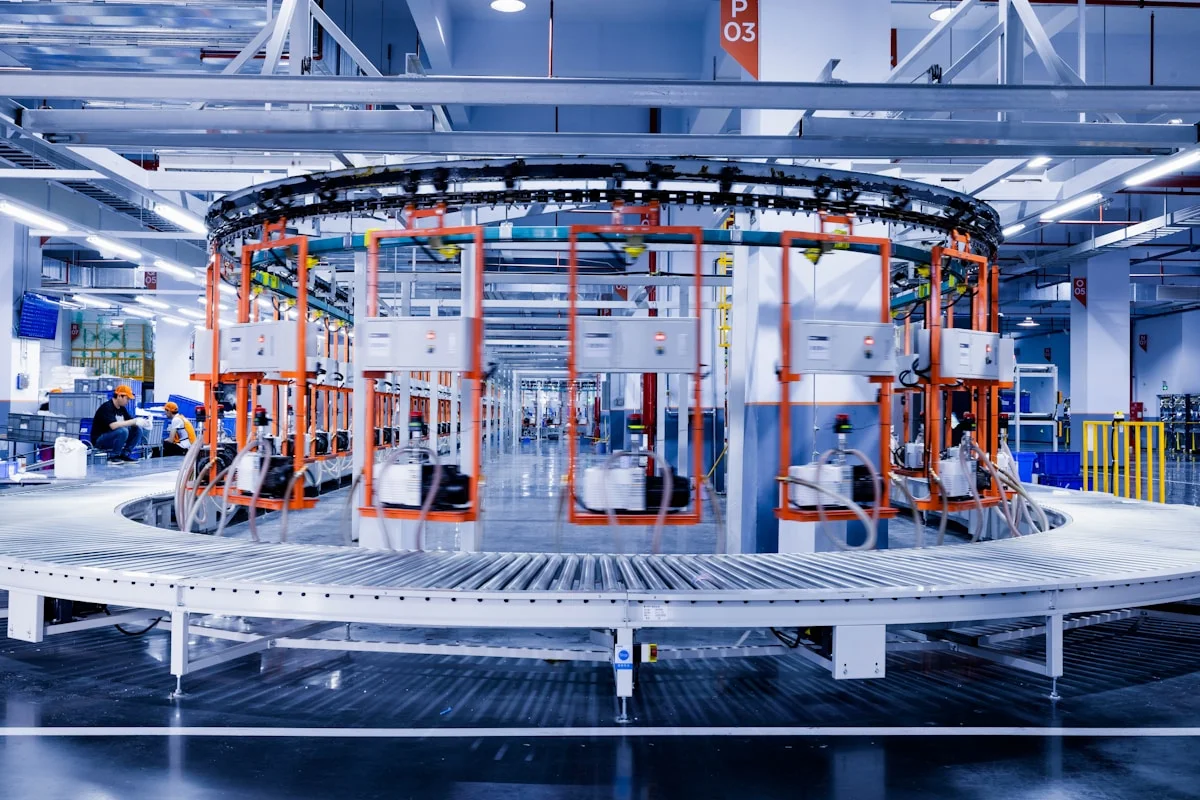
For high‑volume applications such as RV manufacturing or truck body fabrication, a supplier’s daily output is the first indicator of whether they can meet project deadlines. A mature aluminum sandwich panel manufacturer typically runs continuous production lines that can output between 5,000 and 15,000 square meters per day for standard panel configurations. This range assumes consistent raw‑material supply and minimal changeovers.
Custom orders—those requiring non‑standard thicknesses, specialized cores, or unique dimensions—generally reduce line throughput because they demand setup adjustments and smaller batch runs. Buyers should ask for the factory’s rated daily capacity for both standard and custom runs, and request recent production logs to verify that claimed numbers are not inflated during peak seasons.
Supply‑chain volatility in recent years has made many suppliers underestimate lead times. A reliable manufacturer will disclose current line utilization rates and any buffer‑stock policies for core materials like aluminum honeycomb or polymer cores. Understanding these details helps you gauge whether a supplier can commit to a realistic delivery schedule.
Standard and Custom Order Lead Time Benchmarks
Lead‑time benchmarks vary by order type and specification complexity. Standard aluminum sandwich panels, produced from in‑stock raw materials, typically move from order confirmation to shipment within 7–14 days. This assumes a straightforward size and thickness request that matches existing production profiles.
Custom orders—such as fire‑rated panels with specific core densities, unusual face‑sheet gauges, or non‑standard dimensions—require engineering review, material procurement, and often a pre‑production sample approval. These orders commonly carry lead times of 15–30 days, with longer timelines for projects that involve new tooling or certification testing.
The conflict between minimum order quantity (MOQ) and customization is a frequent pain point. Many suppliers set MOQ thresholds for custom runs to cover setup costs, which can force buyers to either order more volume than needed or compromise on engineering specifications. When evaluating suppliers, ask about their flexibility on MOQ for custom thicknesses or sizes, and clarify whether premium pricing applies to smaller custom batches.
Production Scheduling and Order Prioritization Policies
Transparent production scheduling is a hallmark of a dependable manufacturer. Reputable suppliers maintain a digital scheduling system that allows buyers to track order status, expected start dates, and estimated completion. This visibility helps project managers coordinate logistics and avoid cascade delays.
Order prioritization policies differ across factories. Some operate on a first‑come, first‑served basis, while others give priority to large‑volume contracts, long‑term partners, or projects with expedited timelines. Before placing an order, ask how the supplier ranks jobs and whether you can secure a production slot through advance payment or a scheduled commitment.
To mitigate delivery‑date uncertainty, request a written schedule that includes key milestones: raw‑material receipt, production start, quality‑control hold points, and shipping preparation. Suppliers that proactively share these details demonstrate a mature planning process and reduce the risk of last‑minute surprises.
When negotiating lead times, ask for a “rush‑order” clause that defines extra charges and realistic timelines for expedited production. This protects you from vague promises and ensures that both parties have a clear understanding of what is achievable.
Do not accept a supplier’s verbal assurance of fast lead times without written confirmation. Supply‑chain disruptions are common, and a documented schedule with milestone dates is your only recourse if delays occur.

Compare Supplier Quality, Volume, and Compliance
Evaluating suppliers requires distinguishing between raw material vertical integration, high-volume OEM capabilities, and specialized system compliance. Procurement must prioritize verifiable fire performance and production consistency over basic unit price.
Chalco Aluminum: Raw Material Dominance
As a leading state-owned enterprise in the non-ferrous metal sector, Chalco Aluminum commands a significant advantage in upstream material control. For B2B buyers, this vertical integration offers a high degree of assurance regarding the consistency and grade of the aluminum alloy skins used in sandwich panels. Their deep involvement in the raw material supply chain allows for distinct traceability, which is critical for projects requiring certified material origin and long-term warranty support.
However, purchasers should evaluate whether their focus remains primarily on semi-finished raw materials or if they maintain advanced continuous lamination lines for finished composite panels. While their material quality is generally benchmark-standard, the lead times for customized panel specifications can be less flexible compared to agile private manufacturers who prioritize rapid prototyping and mixed batch production.
Jiangsu Hualu Aluminum: High-Volume Manufacturing Capacity
Jiangsu Hualu Aluminum typifies the high-capacity OEM manufacturer model, catering extensively to the transport and industrial construction sectors. Their production infrastructure is designed to maximize daily output, making them a suitable partner for large-scale projects such as RV fleets or modular building developments where volume consistency is paramount. The economies of scale achieved by such facilities often translate to competitive pricing tiers for standard panel configurations.
The critical trade-off with high-volume suppliers often lies in the rigidity of Minimum Order Quantities (MOQs) and customization limits. Buyers must verify if the supplier can adapt to non-standard thickness or specific core material requests without incurring significant setup costs. Effective due diligence should focus on their ability to maintain skin thickness consistency across large batches, as variances here can disrupt downstream automated assembly lines.
TOPOLOGROUP, ALCADEx, and AluWedo: Specialized Compliance and Systems
This group of manufacturers generally operates with a stronger emphasis on specialized engineering solutions and strict adherence to international building codes. Unlike pure volume producers, these companies often integrate the panel manufacturing process with broader system solutions, particularly for facade and marine applications. Their technical documentation tends to be more resilient, providing detailed data on structural load capacities and fire resistance classifications like EN 13501-1.
Sourcing from these specialized entities usually ensures higher compliance safety margins, reducing the risk of project rejections during customs or final inspections. However, this level of technical assurance often comes with a premium price point and potentially longer lead times for custom-engineered cores. Buyers should utilize their technical support teams early in the design phase to optimize panel specifications for cost-efficiency without compromising regulatory standards.
Quality Control and Technical Transparency
Across all supplier categories, the disparity between laboratory sample quality and mass production consistency remains a primary procurement risk. It is not sufficient to rely solely on generic ISO or CE certifications; buyers must demand evidence of specific vibration fatigue testing and core density verification. Suppliers who openly provide experimental data regarding material lifespan under dynamic loads demonstrate a commitment to application integrity that goes beyond standard compliance checkboxes.
- Certificate Validity: Verify that fire ratings (A1/A2) correspond to the specific core material (e.g., Mineral Wool vs. PU) used in your order, not just the supplier’s general brochure.
- Production Audit: Prioritize suppliers utilizing continuous lamination technology to ensure skin thickness uniformity, which is essential for robotic assembly in RV and transport manufacturing.
- Traceability: Ensure the supplier can provide batch-level traceability for both the aluminum alloy grade and the core material chemical composition to mitigate long-term performance liabilities.
| Evaluation_Criteria | Industry_Risk_Or_Competitor_Spec | Rax_Panel_Capability_Spec | Procurement_Advantage |
|---|---|---|---|
| Production Precision | Discontinuous lamination methods; skin thickness inconsistencies that disrupt robotic assembly. | Advanced continuous lamination technology; ISO-certified precise skin thickness consistency. | Ensures seamless automated manufacturing; reduces rework costs and assembly line downtime. |
| Fire & Safety Compliance | Ambiguous EN 13501-1 Class A1/A2 ratings; PE core fire spread risks; potential certificate fraud. | Up to 240 mins fire resistance with mineral wool cores; diverse core portfolio (PET, PU, XPS, aluminum honeycomb, ACP, GRP/FRP). | Guarantees project inspection approval; ensures safety compliance in RV, Marine, and Transport sectors. |
| Volume & Capacity | Limited daily output; unpredictable lead times causing project delays. | Daily production capacity exceeding 1,700 sqm; 15+ years of integrated R&D and manufacturing expertise. | Reliable supply chain scalability; adherence to strict global project schedules. |
| Technical Transparency | Concealed vibration fatigue data; lack of experimental proof for material lifespan. | Rigorous vibration fatigue testing with experimental data; open technical documentation provided. | Data-backed design decisions; proven material durability under demanding operational conditions. |
| Service & Customization | Generic support; rigid product offerings; communication delays. | 24-hour one-to-one multilingual service; custom engineering solutions from design to logistics. | Streamlines procurement process; delivers tailored solutions that outperform low-cost alternatives. |

Validate Raw Materials and Core Specs
Material failure is rarely an accident; it is a specification error. Validating the alloy grade and core density before production begins is the only way to prevent catastrophic structural delamination and thermal inefficiency in high-stakes applications.
Aluminum Facing Material Grade and Thickness Specifications
The structural integrity of any aluminum sandwich panel relies heavily on the quality of the skin. In the RV and transportation sectors, the industry standard predominantly utilizes Aluminum Alloy 3003 for its excellent formability and corrosion resistance, while Alloy 5052 is specified for applications requiring higher structural strength and fatigue resistance. Verifying the temper designation—typically H14 or H24—is equally critical, as this dictates the hardness and durability of the sheet. Buyers should be wary of suppliers who simply quote “aluminum skin” without specifying the alloy series, as using a non-structural grade (like 1000 series pure aluminum) can lead to oil-canning and surface waviness in large panels.
Thickness consistency is where manufacturing precision truly matters. While many manufacturers use manual lamination processes that result in thickness variances of up to ±10%, automated systems demand tighter tolerances. We utilize an advanced continuous lamination production line that ensures our aluminum facings maintain strict thickness consistency, which is a critical requirement for automated robotic assembly lines used by major vehicle manufacturers. Standard facing thicknesses typically range from 0.5mm to 1.5mm depending on the application, with exterior walls often requiring a minimum of 0.8mm to withstand impact and hail damage.
Core Material Options and Density Specifications
The core dictates the panel’s thermal performance, weight, and fire rating. For aluminum sandwich panels, the choice of core material is a trade-off between insulation value (R-value), structural stiffness, and cost. The most common cores include XPS (Extruded Polystyrene), PET (Polyethylene Terephthalate), PU (Polyurethane), and PP (Polypropylene) Honeycomb. Each material has a specific density range that must be strictly adhered to; a variance of just 5 kg/m³ can significantly affect the panel’s compressive strength.
- XPS Foam: Widely used for general insulation. We typically supply XPS cores with densities ranging from 35 to 45 kg/m³, offering a balance of moisture resistance and thermal efficiency suitable for truck bodies and container floors.
- PET Foam: A thermoplastic core known for high temperature resistance and recyclability. It generally requires a higher density specification, often between 80 and 120 kg/m³, to provide the necessary shear strength for structural flooring applications.
- PP Honeycomb: The premier choice for weight-critical applications like RV sidewalls. When composited with fiberglass or aluminum sheet, PP honeycomb cores offer an exceptional strength-to-weight ratio. Our specifications ensure the honeycomb cell structure is uniform to prevent core crushing during lamination.
- Mineral Wool: Essential for high fire resistance requirements. We utilize mineral wool cores capable of withstanding operational temperatures down to -30°C and providing up to 240 minutes of fire resistance, making them compliant with strict transport regulations.
Raw Material Sourcing and Supplier Traceability
For B2B buyers, especially those distributing in Europe or North America, supply chain transparency is non-negotiable. The inability to trace raw materials back to their source is a major liability, particularly when facing compliance audits for fire safety or environmental standards. A reliable manufacturer must have a documented quality management system that tracks every batch of aluminum coil and foam core from the moment it enters the factory to the final shipment.
Our ISO-certified manufacturing process enforces full traceability across our supply chain. We maintain long-term cooperation with verified raw material suppliers to ensure lot-to-lot consistency in alloy composition and foam expansion rates. In our experience, rigorous incoming material inspections—checking for surface defects, density calibration, and thickness tolerances—before production begins eliminate 90% of potential quality defects. When validating a supplier, demand to see their raw material inspection logs and ensure they can match the batch numbers on the finished panels back to the raw material certificates.
📋 Actionable Steps
- Step 1: Request the specific alloy grade (e.g., 3003-H14) and temper for all aluminum facings in the technical datasheet.
- Step 2: Demand density test reports (ASTM C1621/C3039) for foam cores to verify they meet the specified kg/m³ range.
- Step 3: Verify the supplier’s ability to provide Mill Test Reports (MTR) and batch codes for traceability audits.
Test Samples and Verify Quality
Requesting samples without defining destructive test parameters is a primary cause of project failure. To ensure mass production reliability, approval must be based on internal bond strength and structural integrity, not just surface aesthetics.
Sample Request Process and Evaluation Criteria
In the B2B procurement of composite panels, the sample request is your first line of defense against supply chain risks. A common industry pitfall is accepting a sample that looks visually perfect but utilizes a different bonding adhesive or core density than what will be shipped in bulk. When requesting samples, you must specify that the sample must be pulled from a standard production run, not a “lab-made” prototype. We advise clients to evaluate samples on three critical technical dimensions rather than cosmetic finish alone.
- Adhesion Strength (Peel Test): Do not rely solely on visual inspection. Perform a 90-degree or T-peel test to verify the bond between the skin and the core. Delamination is the number one failure mode in sandwich panels; if the core separates from the skin during the sample test, the panel is unfit for structural application.
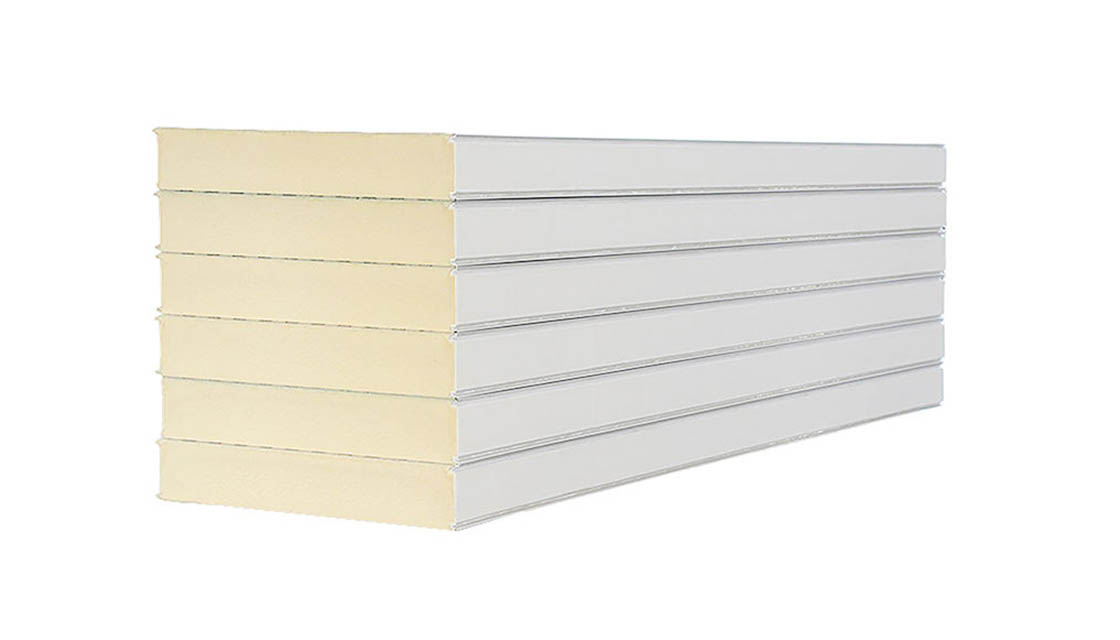
- Skin thickness variation is a silent defect that automated assembly lines will expose immediately. Skin Thickness Consistency: Measure the thickness of the aluminum or GRP facings at multiple points. Discontinuous production methods often result in “pooling” where the skin is thicker in some areas and thinner in others.
- Core Density Verification: Verify the density of the core material (kg/m³). A supplier may promise an XPS core with a density of 40kg/m³ but ship a 30kg/m³ variant to save costs. Weigh the sample and calculate the density against the volume to ensure it matches the technical data sheet.
Pre-production Sample Approval Workflow
Once the initial sample is reviewed, the pre-production phase establishes the “Golden Sample”—the definitive standard for mass production. This workflow moves beyond simple approval to active verification. Our engineering team engages in this phase to conduct experimental testing that meets specific data standards, ensuring the composite materials can perform under stringent conditions.
📋 Actionable Approval Steps
- Step 1: Define Tolerance Windows: Explicitly document acceptable variances for thickness (+/- 0.1mm), weight, and flatness. Vague tolerances give suppliers room to substitute lower-grade materials.
- Step 2: Destructive Testing: Require the supplier to perform destructive tests on a duplicate pre-production sample and provide video evidence or a third-party lab report. We distinguish ourselves by providing rigorous vibration fatigue testing data, a metric often concealed by competitors but critical for transportation applications.
- Step 3: Environmental Simulation: If the end-use involves extreme temperatures, test the sample’s thermal stability. Our panels are validated to withstand operational temperatures down to -30°C. Confirm the sample does not warp or become brittle under thermal cycling before signing off.
Mass Production Quality Consistency Verification
The highest risk in international procurement is the gap between the approved sample and the mass-produced cargo. A sample can be perfect, but the 500th panel produced in a rush often suffers from inconsistency. Consistency is a function of the manufacturing technology, not just the operator’s skill. Our facility utilizes an advanced continuous lamination line that monitors temperature and pressure curves in real-time, ensuring full adhesive wet-out across every square meter.
To verify quality during mass production, buyers should demand in-process photos or videos of the production line. With a daily production area exceeding 1,700 square meters, we maintain consistency through ISO-certified protocols rather than spot-checks. Buyers should also stipulate that a percentage of the mass production order—typically 5-10%—be subjected to the same peel strength and flatness tests applied to the pre-production sample. This statistical verification ensures that the structural integrity verified in the lab is present in every pallet delivered to your factory.
Analyze Incoterms, Pricing, and Logistics
Smart procurement requires shifting focus from FOB unit prices to Total Landed Cost (TLC), incorporating yield loss from dimensional variances and hidden freight expenses.
Decoding Incoterms: Risk Transfer vs. Cost Allocation
In the aluminum sandwich panel industry, the choice of Incoterms defines not just shipping costs, but the precise moment liability for damaged cargo shifts from the manufacturer to the buyer. While Ex-Works (EXW) might offer the lowest headline price, it transfers the burden of inland logistics, customs clearance, and export loading onto the buyer. This is often impractical for international buyers dealing with heavy, voluminous composite panels. Free on Board (FOB) is the industry standard for seafreight, separating manufacturing costs from logistics, but it leaves the buyer responsible for freight and insurance the moment the cargo passes the ship’s rail. Conversely, Delivered Duty Paid (DDP) simplifies the process by bundling all costs, including duties and taxes, but suppliers typically price in significant risk premiums to cover customs complexities. Buyers must calculate whether the convenience of DDP outweighs the 10-20% markup often added to cover administrative overhead and liquidity risks.
Beyond Unit Price: Volume Tiers and Structural Yield
Evaluating pricing structures requires looking past the invoice price per square meter to understand the impact of dimensional consistency on total project cost. Lower-tier suppliers may offer aggressive volume discounts, but these savings are frequently negated by yield loss. If panel thickness varies or cutting tolerances are loose, the usable area per panel drops, effectively inflating the cost per installed square meter. High-volume manufacturing leverages economies of scale to amortize fixed costs like mold setup and raw material procurement, but the real value lies in dimensional precision that ensures automated assembly lines can run without stoppages. Procurement managers should demand pricing that accounts for “net usable area” rather than just gross shipping volume, and negotiate tiered pricing that rewards predictability in order scheduling rather than just aggregate tonnage.
Assessing Logistics Reliability and Transit Risk
International logistics for composite panels involves specific vulnerabilities that standard freight audit often misses. The sheer size and brittleness of aluminum skins mean that improper handling during transshipment can cause micro-fractures or edge crushing that compromise the structural seal and lead to delamination or moisture ingress later in the product lifecycle. Reliable suppliers mitigate this through heavy-duty steel strapping and specialized edge protection, but buyers must verify that packaging specifications match the rigors of specific shipping routes. Furthermore, delivery timelines are frequently underestimated in proposals. Factors such as chemical curing times for the core bonding process cannot be rushed without compromising fire ratings or bond strength. When evaluating logistics, buyers must assess the supplier’s track record for “on-time in-full” (OTIF) delivery, specifically looking for evidence of how they handle port congestion and blank sailings without resorting to suboptimal air-freight solutions that destroy project margins.
| Category | Key Factor | Impact on Project | Mitigation Strategy | Rax Panel Advantage |
|---|---|---|---|---|
| Pricing Model | FOB vs Total Landed Cost (TLC) | FOB price obscures true cost; yield loss from dimensional variances reduces usable area and inflates effective cost per square meter. | Calculate TLC by adding freight, duties, insurance, yield loss, and amortized risk of production stoppages and material waste. | Continuous lamination ensures precise skin thickness consistency, minimizing yield loss and preventing assembly line shutdowns from fastener failures. |
| Packaging & Transit | Edge vulnerability during ocean freight | Crushed edges compromise structural seal, leading to delamination or moisture ingress later in product lifecycle. | Require heavy-duty steel strapping, specialized edge protection, and ISPM 15 compliant wood packaging to prevent customs quarantines. | 24-hour one-to-one logistics service ensures export packaging is tailored to panel weight and stacking characteristics for long-haul routes. |
| Delivery Timeline | Manufacturing lead time vs total transit time | Port congestion, blank sailings, and customs inspections can extend delivery by weeks, disrupting project schedules. | Evaluate shipping route reliability and frequency; account for chemical curing processes that cannot be rushed without compromising bond strength. | Daily production capacity exceeding 1,700 sqm with integrated R&D enables predictable manufacturing schedules; serves 50+ countries with proven logistics expertise. |
| Quality Assurance | Dimensional consistency and fire rating verification | Inconsistent thickness causes automated fastener failure; fire rating non-compliance leads to project rejection and costly rework. | Request rigorous vibration fatigue testing data, third-party test report interpretation, and verify ISO/CE/SGS certification scope covers specific products. | Technical transparency with experimental data; mineral wool cores offer up to 240 minutes fire resistance; operational temperatures down to -30°C ensure performance in demanding conditions. |
| Cost Transparency | Hidden costs beyond unit price | Budget erosion from yield loss, assembly line shutdowns, replacement material orders, and long-term maintenance. | Factor in amortized risk of production stoppages and material waste; negotiate MOQ and bulk pricing with clear quality guarantees. | Cost-effective manufacturing with data-backed quality ensures superior material lifespan, reducing total cost of ownership and long-term maintenance expenses. |
Conclusion
Securing reliable aluminum sandwich panels comes down to verifying ISO compliance and testing raw material grades, not just chasing the lowest unit price. You must confirm the core density and skin thickness match your specific load-bearing requirements, especially for high-stress RV or transport applications. Skipping the audit stage usually leads to structural failures mid-production. Focus on partners who transparently share their testing data and logistics breakdowns.
If you are unsure about the exact fire rating or honeycomb specifications needed for your next build, consult our engineering team. We use our manufacturing data to help you validate technical requirements before you commit to a bulk order. Let us review your design constraints to ensure your chosen composite panels perform exactly as expected.
Frequently Asked Questions
How do I ensure panels meet local building codes?
Identify the specific fire, structural, and thermal standards required in your market before sourcing. Ask the supplier to confirm compliance with those exact standards and provide certified test reports. Third-party inspection services in the sourcing country can also verify compliance before shipment.
A1 vs A2 fire ratings — which do I need?
Class A1 denotes non-combustible materials like mineral wool cores, required for high-rise and strict-fire-code projects. Class A2 allows limited combustible content and suits lower-risk applications. Always verify the exact class against your local building code before ordering.
How do I interpret a fire test report?
Look for the testing standard (EN 13501-1 or ASTM E84), the assigned class, and the laboratory accreditation. Reputable reports include full test conditions, specimen dimensions, and third-party certification marks. Request the original report, not just a summary, to verify authenticity.
How can I verify a supplier’s past project cases?
Request specific project references with verifiable details such as location, client name, panel specifications, and delivery dates. Ask for photos, installation records, or third-party inspection reports tied to those projects. Cross-check references independently through the client or local building authorities when possible.
Can I order custom thicknesses below the supplier’s MOQ?
Many manufacturers accommodate non-standard sizes, but this may affect pricing and lead times. Discuss your exact specifications early to determine feasibility. Some suppliers charge setup fees for custom cuts or may suggest standard sizes that closely match your requirements.
What after-sales support should I expect internationally?
A reliable supplier provides dedicated technical support, responsive communication channels, and clear warranty terms. Look for multilingual support teams and defined response time commitments. Confirm whether they offer ongoing spare parts supply and on-site troubleshooting assistance for the product lifecycle.