
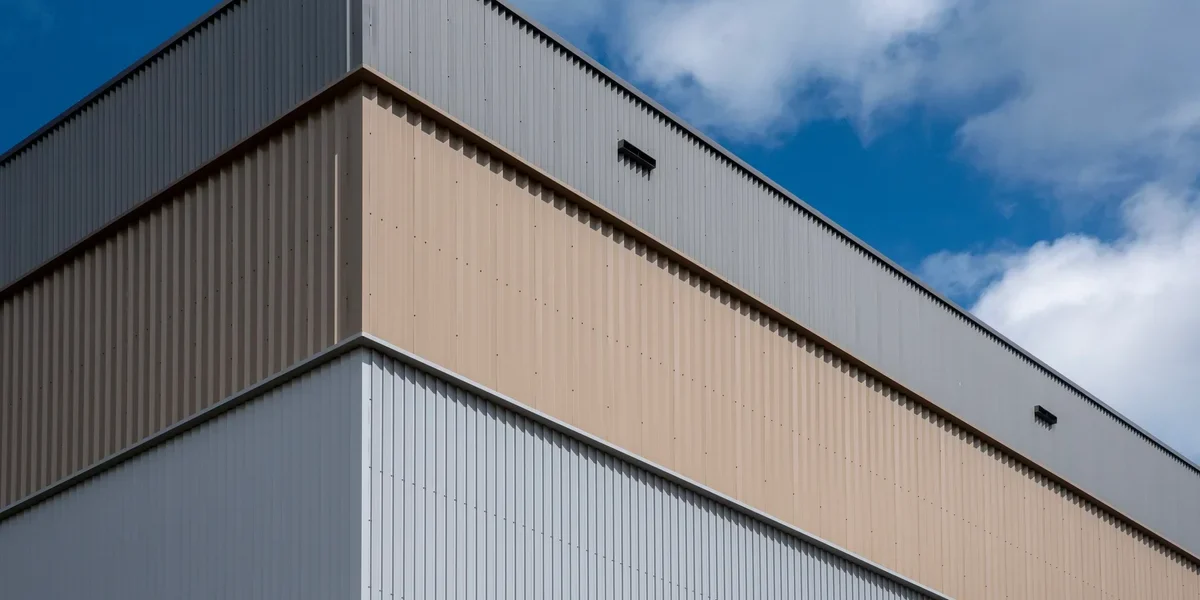
The same CNC router that folds a PE-core ACM sheet into a cassette turns a metal-core panel into scrap. Honeycomb and corrugated aluminum cores have no plastic yield to give at a fold line, so the wall crushes instead of bending. Crews who learn on plastic-core sheet discover this on the first panel, and the offcut pile records the lesson.
Installing an aluminum core composite panel therefore runs on indirect fixing. The panel stays flat, and the load travels through edge clips, bonded carrier frames or engineered fasteners into a subframe. RaxPanel laminates honeycomb-core panels up to 1,500 by 4,000 mm and supplies fixing drawings matched to the subframe, because the panel and its attachment are one engineering problem. This guide walks the routes in the order a site meets them.
Why Metal Cores Change the Installation
The core that gives a metal-core panel its stiffness is the same core that forbids the fold. PE-core sheet bends plastically at a routed groove and holds a crisp tray corner. A honeycomb core buckles locally instead, leaving a wrinkle nobody can press out, and a corrugated core simply collapses into an accordion. The physics is documented in the structure mechanics of honeycombs: thin walls brace elastically, not plastically.
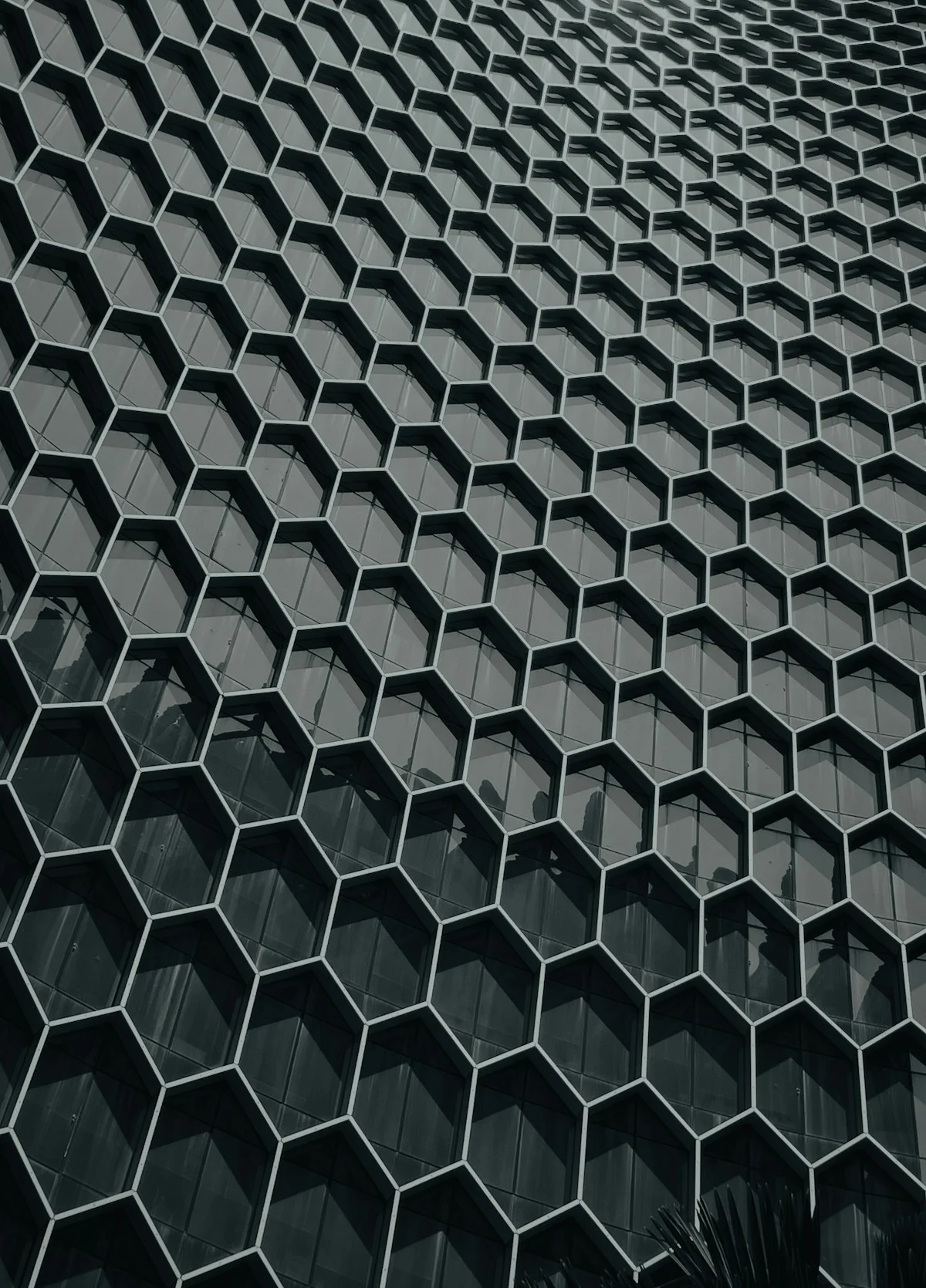
What replaces the fold is a set of three fixing routes, each carrying wind suction and dead load into the subframe without disturbing the core. The routes differ in labor, in tolerance demands and in the look of the finished joint. Most metal-core composite panels accept all three routes, so the choice usually belongs to the building and the crew rather than the material. Confirm it against the maker’s fixing drawing before the subframe is welded.
- Edge clip route – factory-slotted edges receive clips that hook the subframe.
- Bonded carrier route – an aluminum carrier frame bonds to the panel rear and fixes to the wall.
- Through-fastener route – visible fasteners pass skins and core into the structure.
If your project uses PE-core cassettes elsewhere, the step-by-step ACM installation guide covers that trade; the rest of this page stays on metal cores. And if the panel itself is still undecided, the selection guide comes first.
One more piece of vocabulary keeps drawings honest. Fabricators call the sheet a honeycomb panel when the core is hexagonal foil, and a corrugated panel when the core is fluted sheet. Both are metal-core composites and both install by the routes below. The routes were engineered for cores that carry load in shear, which is also why the panel feels remarkably light for its stiffness on the scaffold.
Start From the Subframe, Not the Sheet
Every fixing route leans on the same skeleton. Subframe spacing follows the panel’s thickness and the site’s wind pressure, tightened where suction concentrates – corners, parapets and the band above rooflines. Treat subframe centers as an output of the deflection calculation at the actual span and wind zone, not as a habit carried over from the last building. The thickness and cell size chosen at selection assume that spacing, so the drawing and the datasheet have to agree. An aluminum core composite panel rewards the crew that measures twice here, because every later step inherits the setting out.
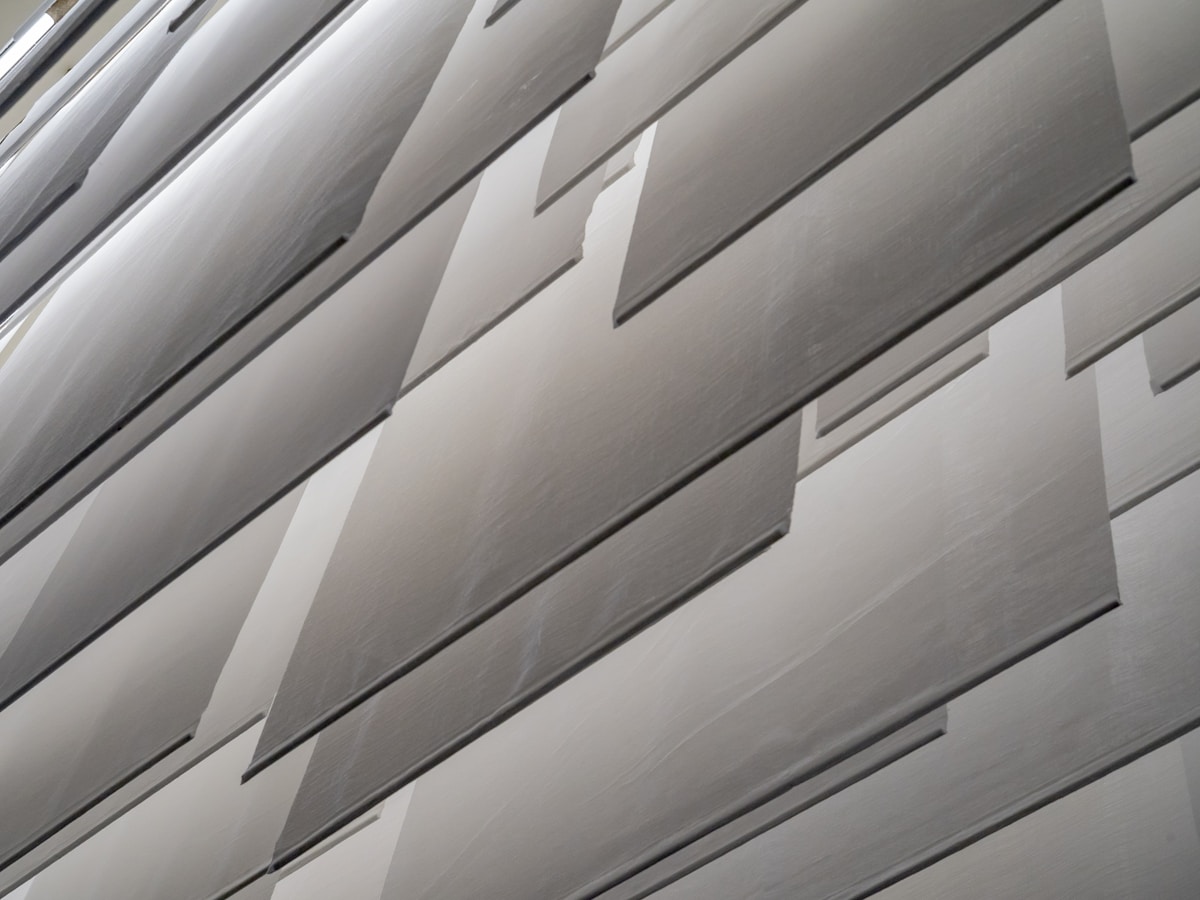
Two details save weeks of argument later. First, set out from a surveyed datum and check diagonals before the first panel climbs the wall. Clipping systems amplify framing error rather than hide it. Second, isolate aluminum from dissimilar metals with dielectric shims at every contact. The same published practice our ACM guide applies to thermal shims prevents the corrosion cell that ruins otherwise correct work.
Three Fixing Paths Replace the Folded Tray
Choose the route by building type and maintenance plan, not by habit. Crews inherit habits from the last job, and the last job was often plastic-core sheet with a folding brake. The table compresses the decision into the four columns that actually separate the routes on site.
| Fixing route | How it holds | Fits best | Watch for |
|---|---|---|---|
| Edge clips | Factory slots grip subframe clips | Rainscreens with hidden joints | Slot tolerance from the panel plant |
| Bonded carrier | Bonded frame transfers load | Oversized or curved panels | Bond quality, verified by peel tests |
| Through fasteners | Screws pass skins into structure | Industrial and interior work | Visible lines; pull-out at large cells |
Clip routes reward plants that hold slot tolerances, so ask how the slots are cut and gauged, and who inspects them when a batch changes. Bonded carriers put the load into an adhesive line, which makes peel strength a purchasing question rather than a site one. Values verified against the climbing drum method of ASTM D1781 belong in the order. Through fasteners are the simplest and the least forgiving of large cell sizes, because pull-out resistance lives in the cell walls the screw bears on. Whichever route wins, the aluminum core composite panel itself never carries a fold, so the fixing drawing is part of the product.
Handle Curves and Oversized Panels in the Plant
Curves and big formats are where metal-core panels beat plastic-core work, provided the bending happens before delivery. RaxPanel pre-curves panels in the plant and fabricates curved and perforated formats as published capability. Forcing a curve on site loads the core in exactly the way it cannot take. A column cover rolled in the plant arrives with its bond and geometry intact; the same cover forced cold on the scaffold arrives with a memory of the fight.
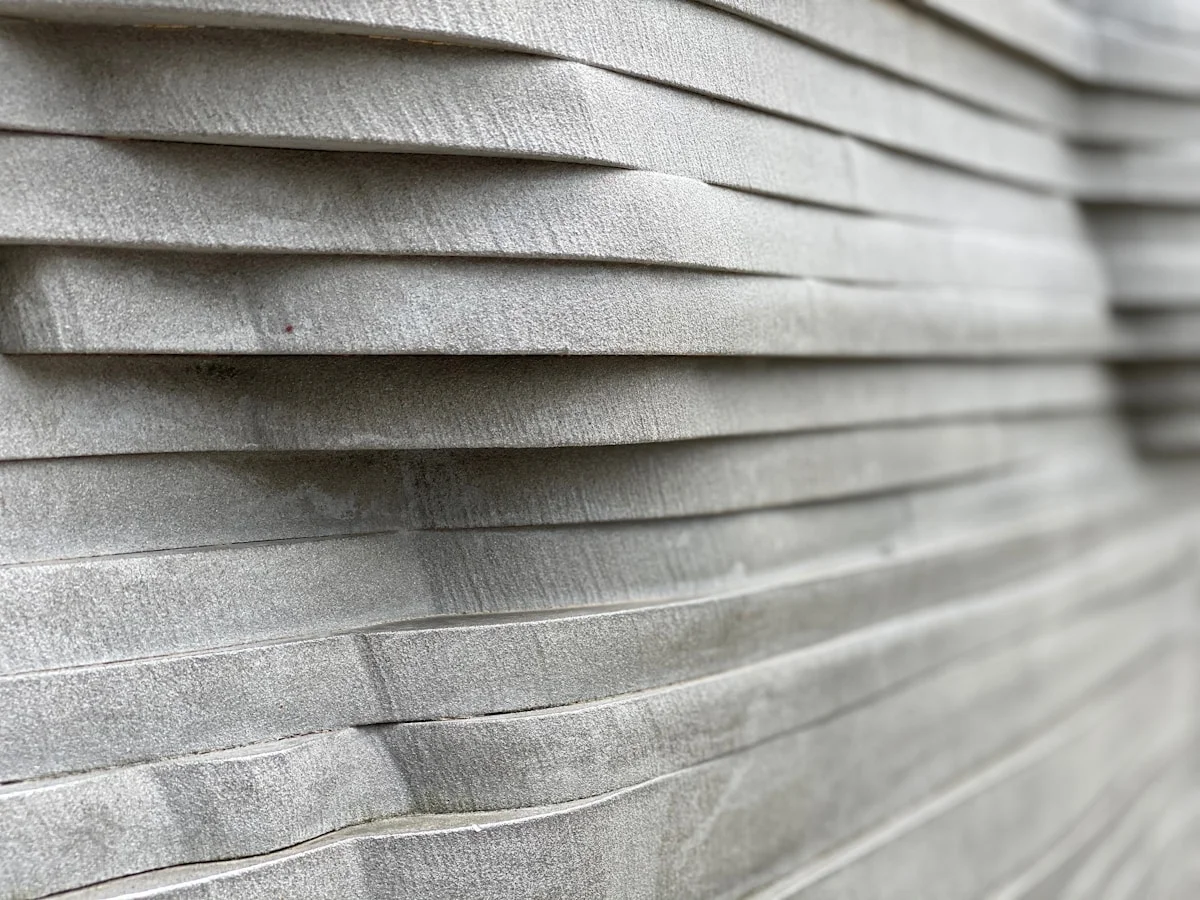
Oversize behaves the same way. An aluminum core composite panel up to 1,500 by 4,000 mm holds flat when it travels with edge protection and lift points at the quarter spans. Route cutouts and service penetrations through the plant drawing, where the core can be closed and sealed properly, instead of on the wall with a jigsaw. The plant can also bond carrier frames to oversize sheets, which turns a two-person awkward lift into a standard panel install.
Delivery is part of the installation, whatever the delivery note claims. A crane hook through a carrier frame, or a pallet strapped across the face, writes the first chapter of a warranty argument. Receive metal-core panels the way you would receive glass: edges protected, face covered, and time to inspect before the truck leaves.
Mind Thermal Movement and Sealing
An aluminum skin gains and loses length with every sunrise, and a metal-core panel cannot absorb that movement by flexing the way thin sheet does. The stiffness that earns its keep on the span is the same stiffness that fights the movement, so the fixing drawing has to give it somewhere to go. The published practice in our ACM guide applies here with more urgency. Engineered sliding holes let fasteners hold the panel while the metal breathes, and joint widths sized at installation temperature keep sealant out of permanent strain.
Sealants want neutral-cure chemistry on coated aluminum, and they want to bond only where movement is expected. Seal the joint, not the panel; a bead that bridges panel and subframe turns the whole assembly into a rigid triangle that tears something eventually. Where the facade hides the joint line, the temptation to seal everything disappears, and the fixing drawing should say so explicitly rather than trust the scaffold’s enthusiasm.
Warning: never rigid-fix two opposite edges of a metal-core panel. The skin will find its movement somewhere – usually as a bow that reads from across the street or as fatigue at the fastener line. One edge fixed, the opposite edge slotted, is the standing rule.
RaxPanel laminates aluminum honeycomb panels up to 1,500 by 4,000 mm, pre-curves panels in the plant and provides installation guides matched to your project, with 24-hour one-to-one engineer support. Send the elevation, the span and the wind zone, and the fixing details come back with the quote.
Three Failures That Trace Back to Fixing
Metal-core panels rarely fail in the middle; they fail at the points where the fixing system meets the core. Three signatures cover most site visits, and each one traces to a decision this guide has already touched. Learn the signatures once and the aluminum core composite panel becomes easy to defend on a walkthrough.
Oil-Canning Across the Face
A panel that pops in and out with temperature has too much span between supports or a fixing that locked movement on both edges. Check subframe centers against the thickness band and look for the missing slotted hole. The bow is the diagnosis, and the cure is almost never more screws.
Fastener Pull-Out at the Edge
A screw that pulls under suction was bearing on a core too coarse to hold it. Large cells and thin foil surrender fixings that small cells grip. Move fasteners to carriers or clips, or resupply with a cell size matched to the load map from the selection stage.
Debond Along the Carrier Frame
A bonded carrier that lets go at the edge tells you the adhesive line was starved, under-cured or asked to carry more than the peel test proved. Demand batch-tied peel records against the named standard, and treat any edge that lifts as a stop-work sign, not a touch-up. Re-bonding on the scaffold never recovers the plant’s cure control, and the record you need is a batch number, not an apology.
Sourcing Panel and System Together
The pattern behind every section above is one sentence: the panel and its fixing system are one product. A perfect honeycomb sheet with an attachment designed for plastic-core sheet is a failure already scheduled, and the reverse pairing wastes the core’s stiffness. Buy them as a set, with the fixing drawings stamped by whoever laminates the panel. The stamp matters because the plant knows the core’s shear path and the slot tolerances it can hold. That knowledge, plus the adhesive it certifies, is not something a separate supplier can recreate from a datasheet.
That is how RaxPanel quotes metal-core work – panel, route and movement details on one drawing set, matched to the subframe your crew already knows how to build. The aluminum honeycomb panel range shows the formats; the engineers behind it answer the five questions this guide raised. Settling the fixing route before the panels ship is what separates a calm site from a claim. Installers who treat the aluminum core composite panel as half of a pair, never the whole product, stop buying the same lesson twice.
Frequently Asked Questions About Metal Core Installation
Can you fold an aluminum honeycomb panel like ACM?
No. Honeycomb and corrugated cores crush at a fold line because they have no plastic yield. An aluminum core composite panel installs with edge clips, bonded carriers or through fasteners instead of folded trays.
Which fixing route suits a facade?
Hidden edge clips fit rainscreens with concealed joints, and bonded carriers suit oversized or curved panels. Through fasteners remain an interior and industrial answer.
How are curved metal-core panels made?
In the plant, by rolling before the skins and core are stressed on site. Forcing a curve cold on the scaffold loads the core in the direction it cannot take.
How does the panel handle thermal movement?
Through slotted fixing holes and joints sized at installation temperature. Rigid-fixing two opposite edges is the standing prohibition on metal-core work.
Why do fasteners pull out of some panels?
The screw bears on cell walls that are too coarse or too thin for the load. Matching cell size to the load map, or moving to clips and carriers, restores the grip.