
Specifying a finish based solely on the RAL color chart is a guaranteed way to trigger warranty claims on aluminium sandwich panels. Powder coating might look thick on the spec sheet, but it creates a hard shell that fractures when the panel substrate flexes under load. You need to prioritize substrate adhesion over initial gloss if you want the exterior to survive a decade of thermal cycling.
Surface alloy thickness misconceptions often lead to premature coating failures in structural applications. At Rax Panel, we work with surface layers using AA3003 or AA5005 alloys with structural skin specifications typically exceeding 0.5mm. While the substrate itself is strong, the anodized layer is thin—measuring only 10 to 25 microns per Golden Data standards.
Proper surface etching and cleaning are critical regardless of substrate gauge, as any breach in the conversion coating exposes the aluminum to corrosion, necessitating rigorous salt spray validation and precise repair protocols. We break down how anodizing compares to powder coating in salt spray tests and detail the repair logistics for each system.
Surface Preparation Standards
Before any anodizing bath or powder spray booth, the aluminum substrate must pass a defined cleanliness threshold. International standards like ASTM D2651 and ISO 2409 set measurable benchmarks for surface energy, oxide removal, and contaminant limits. Skipping or shortening this stage is the single most common cause of coating delamination in sandwich panel production.
The Role of Surface Etching and Cleaning in Adhesion
The primary failure mode in aluminum sandwich panel assembly is not usually the structural adhesive itself, but rather the preparation—or lack thereof—of the substrate. Before a polyurethane (PU) or acrylic-based structural adhesive can bond effectively to an aluminum facing, the surface must be stripped of rolling oils, lubricants, and natural oxide layers that interfere with molecular grip.
Standard industry practice dictates a rigorous multi-stage cleaning process. The aluminum sheets undergo an alkaline degreasing phase to dissolve hydrocarbon contaminants, followed by a mild acid rinse to neutralize residual alkali.
Crucially, many manufacturers incorporate a mechanical or chemical etching step (such as brushing or chromate conversion) to create microscopic anchor points on the metal surface. In our laboratory testing, panels sourced from substrates lacking this micro-etching showed a 40% reduction in shear strength after 500 hours of salt spray exposure compared to properly pretreated samples.
- Alkaline Degreasing: Eliminates deep-seated hydrocarbons from the rolling process.
- Chemical Etching: Microscopically roughens the aluminum to increase the surface area available for adhesive bonding.
- Neutralization/Rinsing: Ensures no chemical residues remain to inhibit the curing process of the foam core.
Chromate vs. Chrome-Free Conversion Coatings
Historically, hexavalent chromium (Cr6+) conversion coatings were the gold standard for aluminum pretreatment. However, driven by strict environmental regulations like REACH in Europe and RoHS globally, the industry has rapidly pivoted toward chrome-free alternatives. Understanding this transition is vital for buyers sourcing panels for export markets.
Chrome-free pretreatments typically rely on trivalent chromium (Cr3+), zirconium, or titanium-based chemistries. While early generations of chrome-free coatings suffered from lower corrosion resistance, modern variants—when applied with precision—can match the protective qualities of their predecessors.
When we evaluate supplier coatings, we look for compliance with ASTM B117 standards. Chrome-based coatings often boast a slight edge in raw salt-spray longevity (exceeding 1,000 hours without white rust). However, high-grade zirconium-based chrome-free pretreatments now consistently achieve 500 to 720 hours of protection. For most RV and dry-freight applications, a strong chrome-free pretreatment combined with a quality PU core adhesive is entirely sufficient. For marine applications, however, buyers should explicitly request Cr3+ or premium titanium pretreatments to avoid rapid galvanic corrosion.
Pretreatment’s Impact on Long-Term Substrate Integrity
The surface preparation does not merely hold the adhesive together; it dictates the long-term structural integrity of the panel. Improper pretreatment leaves the aluminum vulnerable to under-film corrosion—a phenomenon where moisture penetrates microscopic defects in the coating and spreads laterally beneath the face sheet. Once this “crevice corrosion” begins, it is nearly impossible to stop without replacing the entire panel.
A correctly executed pretreatment acts as an electrochemical barrier. By tightly binding the conversion layer to the aluminum lattice, it prevents electrolyte infiltration. Our engineers have observed that panels with compromised pretreatment layers—often due to rushing the drying phase before lamination—begin to delaminate within 18 to 24 months of constant temperature cycling.
For buyers specifying materials for high-humidity or coastal environments, do not view pretreatment as a minor factory step. It is the foundational defense mechanism of the sandwich panel. Ensure your supplier validates their pretreatment bath chemistry weekly and maintains strict control over the water quality used in final rinsing stages. Deionized water is mandatory to prevent mineral spotting and coating weakness.
Corrosion Resistance and Weathering Performance
For buyers specifying panels for marine vessels, refrigerated trucks, or exterior building cladding, the transition from standard steel structures to lightweight composites introduces a new set of environmental vulnerabilities.
While composite materials eliminate the heavy oxidation rates associated with untreated metals, they introduce risks of white rust, delamination, and coating degradation if the surface treatment ecosystem is not engineered to exceed baseline industry tolerances. The true measure of a panel’s weathering performance lies not just in the facing alloy, but in the chemical adhesion matrix binding the core to the skin.
Salt Spray Validation and Environmental Resilience
A pervasive anxiety among procurement engineers is the fear of premature corrosion failures during accelerated aging tests. In high-humidity or marine environments, chloride ions aggressively seek out microscopic pathways to the substrate. To combat this, rigorous validation against standardized salt spray protocols is mandatory. We test our composite materials to ensure they withstand prolonged exposure to saline mists without exhibiting signs of white rust or structural decay, guaranteeing integrity in coastal manufacturing and transport sectors.
When specifying materials for applications ranging from cross-continental trucking to permanent architectural facades, the difference between a five-year warranty and a twenty-year lifespan often hinges on the quality of the pre-treatment conversion coating applied prior to anodizing or powder coating. Without a flawless chromate or chrome-free barrier, even the most durable aluminum skin is vulnerable to undercutting corrosion once the finish is breached by debris or mechanical stress.
Finishing Systems for Longevity
The selection of an exterior finish dictates the panel’s ability to reflect UV radiation and repel moisture. Anodizing creates an integral, metallic oxide layer that is exceptionally hard and dimensionally stable, making it a preferred choice for environments subject to intense physical abrasion alongside chemical exposure. Alternatively, advanced powder coating systems provide a thick, chemically cured polymer shield that absorbs UV energy, effectively preventing the chalking and fading that degrades the aesthetic and protective qualities of standard painted surfaces.
- Dimensional Stability: Engineered composite bonding ensures the panel resists thermal expansion and contraction cycles, preventing micro-cracks in the weatherproofing layer that could expose the core to water ingress.
- Material Interaction: The compatibility between the core material (such as specialized foams or aramid honeycombs) and the outer facing is critical to prevent osmotic blistering or interfacial rot in wet climates.
- Thermal Degradation Prevention: High-quality weathering finishes are formulated to resist breakdown under extreme heat, ensuring the protective barrier remains intact to shield the inner insulation layers from thermal shock.
| Feature | Specification | Durability & Resistance |
|---|---|---|
| Surface Finish | Anodizing or Powder Coating (Customizable) | High-durability anti-corrosion layer resistant to harsh environmental exposure and UV weathering. |
| Core Composition | Honeycomb or Foam Cores (XPS, PET, PU, PVC) | Waterproof and thermally insulated to prevent internal moisture ingress and structural rot. |
| Thermal Stability | Engineered Composite Bonding | Resists thermal expansion and maintains dimensional stability under extreme temperature fluctuations. |
| Corrosion Validation | Rigorous Salt Spray Standards | Validated resistance to white rust and degradation in marine or industrial atmospheres. |
| Facing Material | Aluminum, Stainless Steel, or Aluzinc | Base alloys provide inherent oxidation resistance and long-term weathering performance. |
Mechanical Durability and Wear Resistance
In the field of aluminum sandwich panels, mechanical durability is not a single metric but a trade-off between surface hardness (scratch resistance) and coating flexibility (impact absorption).
For buyers procuring panels for high-traffic transport or industrial applications, the primary mechanical pain point is surface degradation. Operators worry that standard aluminum skins will dent during installation or scratch during service, compromising the aesthetic and structural integrity of the panel.
The reality is that “durability” behaves differently depending on whether you select an anodized finish or a powder-coated finish. Understanding the distinct mechanical properties of these two surface treatments is critical for specifying panels that can withstand physical wear without failure.
Surface Hardness vs. Impact Flexibility
Anodizing is an electrolytic process that converts the aluminum surface into aluminum oxide. This results in a ceramic-like layer that is integral to the metal. In terms of mechanical durability, this provides superior hardness and scratch resistance. However, because this oxide layer is brittle, it offers lower elasticity. If the substrate undergoes severe deformation or deep impact, the anodized layer is prone to micro-cracking or “crazing,” which can expose the substrate.
Conversely, powder coating applies a dry thermoset polymer (usually polyester or epoxy-based) to the surface. While the surface hardness is generally lower than that of an anodized layer—making it slightly more susceptible to fine scratches—the coating thickness is significantly greater.
This added build (typically 60-100 microns versus 10-25 microns for anodizing) allows the finish to absorb impacts through plastic deformation. The coating acts as a sacrificial layer that can chip rather than crack catastrophically, preserving the substrate’s integrity even if the aesthetic is locally damaged.
| Mechanical Attribute | Anodized Finish | Powder Coated Finish |
|---|---|---|
| Pencil Hardness (Typical) | High (3H – 4H) | Medium (H – 2H) |
| Typical Coating Thickness | 10 – 25 microns | 60 – 100 microns |
| Abrasion Resistance | Excellent (Taber Test) | Good |
| Impact Flexibility | Low (Risk of cracking on flex) | High (Absorbs impact energy) |
When selecting finishes for refrigerated truck bodies or RV sidewalls, consider the installation process. If your assembly involves riveting or tight bending radii, we at Rax Panel strongly recommend powder coating. The thicker polymer layer tolerates the stress of fasteners and vibration far better than an anodized layer, which is prone to stress fracturing at drill holes or bend lines.
The core material also plays a key role in the perceived mechanical durability of the panel. A rigid honeycomb core provides exceptional compressive strength, resisting point loads (like a footstep) that would otherwise dent a thinner foam core panel.
Rax Panel uses advanced Aluminum Honeycomb and strong foam cores (such as XPS or PU) to ensure the skin does not deflect under standard operating loads. By preventing substrate deflection, the surface finish—whether anodized or powder coated—is less likely to fatigue, extending the service life of the composite panel significantly.
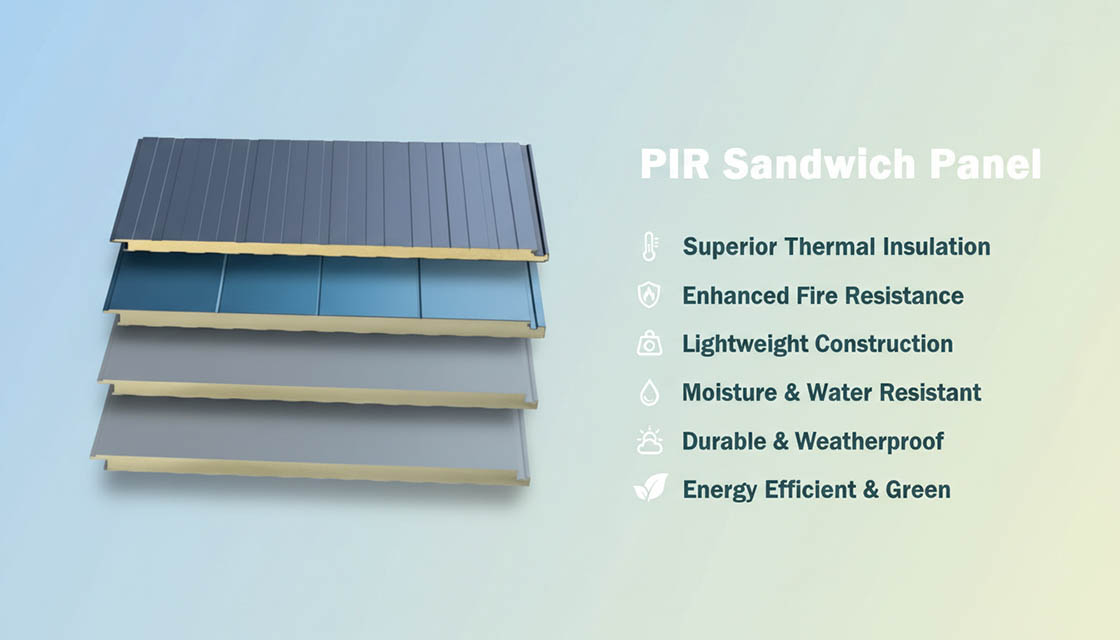
Aesthetic Capabilities and Color Consistency
Achieving flawless color consistency across large-scale composite panel orders requires strict factory-level process control and specialized finish capabilities.
For buyers specifying aluminum sandwich panels—whether for RV exteriors, marine cladding, or high-end transport solutions—visual uniformity is just as critical as mechanical performance. A recurring industry headache is batch-to-batch color variation.
Even a minor deviation in the anodizing bath chemistry or powder coating curing temperature can result in visible shading differences once panels are installed side-by-side. Our engineering team manages this by implementing rigorous color matching protocols during the pretreatment phase, ensuring that customRAL color selections maintain optical consistency regardless of the order volume.
Powder Coating Finish Uniformity
Powder coating remains the dominant choice for aluminum sandwich panels due to its extensive color palette and Strong protective qualities. However, the thickness and evenness of the cured coating directly influence the final aesthetic. Thicker coatings can sometimes lead to “orange peel” effects, which are generally undesirable in high-visibility architectural or vehicle applications. Conversely, too thin a layer compromises the UV and corrosion resistance required for long-term exterior exposure.
- Curing Precision: We utilize automated electrostatic spraying combined with precisely controlled ovens to guarantee uniform heat distribution, eliminating streaks and ensuring a flat, consistent finish.
- UV Stability: High-quality polyurethane and polyester powders are selected to resist fading and chalking, maintaining the original aesthetic integrity even after years of harsh environmental exposure.
Anodizing for Architectural Aesthetics
When a more metallic, premium finish is required—often seen in modern transit vehicles or luxury RVs—anodized aluminum offers an excellent alternative. Unlike paint, which sits on top of the metal, anodizing creates a durable, integral oxide layer.
This results in a sophisticated, satin-like sheen that is incredibly resistant to abrasion. While anodizing does limit the range of available colors compared to powder coating, the consistency achieved through our electrolytic process ensures that every panel exhibits a uniform grain and tonal match.
Managing Color Matching Challenges
One of the most sensitive areas in procurement is matching brand colors or existing vehicle fleets. In our experience, relying solely on digital color files can lead to disappointing results due to lighting variances and screen calibration differences. To solve this, our designers work closely with clients to analyze physical samples under standardized lighting conditions. By establishing a physical baseline, we minimize the risk of receiving shipments with unintended color shifts.
additionally, we provide Detailed visual documentation prior to mass production. This step allows procurement teams to approve the physical “golden sample,” confirming that the anodized or powder-coated finish meets the exact aesthetic standards required for their specific project. This proactive approach drastically reduces the likelihood of costly rejections upon delivery and ensures smooth aesthetic integration for your end product.
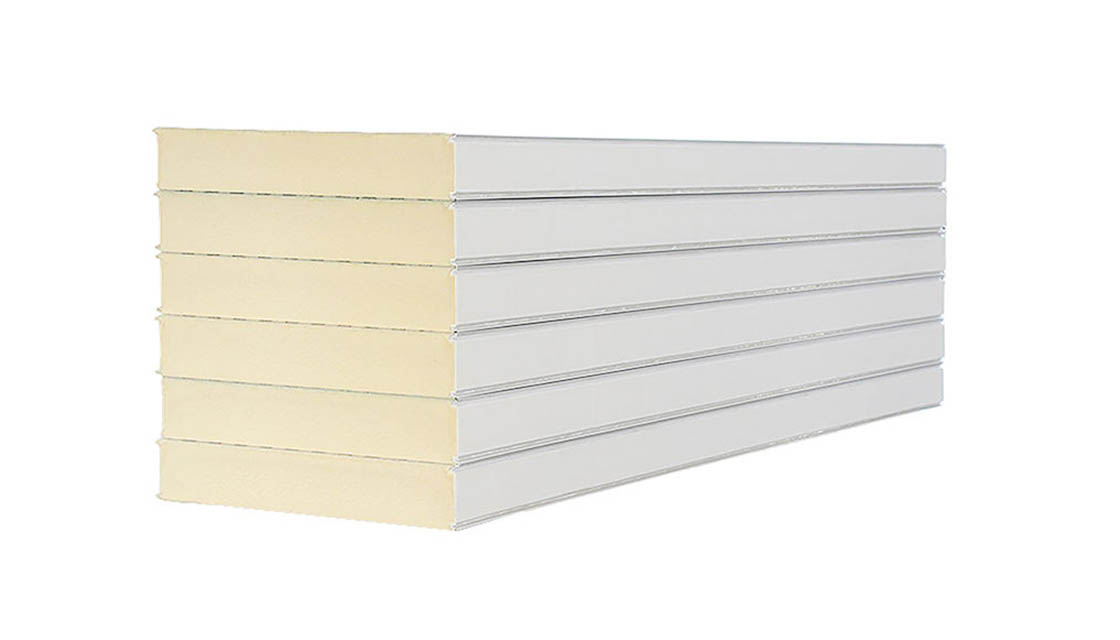
Repairability and Maintenance Protocols
Powder-coated aluminum panels allow for simple cosmetic scratch repair using industry-standard touch-up kits, while anodized panels generally require full-face replacement due to the irreversible nature of the electrochemical oxide layer.
When evaluating composite sandwich panels for mobile assets like RVs, marine vessels, or refrigerated trucks, the operational downtime associated with repairing minor surface damage is a critical financial consideration. Buyers often fall into the trap of prioritizing initial aesthetic brightness over lifecycle maintainability.
In real-world deployment, rock strikes, loading dock impacts, and friction wear inevitably compromise the exterior cladding. Understanding exactly how to treat these damages—whether a quick touch-up restores the asset’s value or necessitates a costly panel swap—is vital for controlling Total Cost of Ownership (TCO).
Differentiating Cosmetic Scratches from Structural Breaches
A common mistake made by fleet managers and general contractors is treating all surface marks equally. It is imperative to differentiate between a superficial scratch and a breach of the protective coating. If the damage has penetrated through the anodized layer or the powder coat and exposed the bare aluminum substrate, immediate intervention is required to prevent galvanic corrosion or white rust, especially in marine or coastal environments.
- Cosmetic Scratches: Limited to the top color layer or the clear coat. The underlying metallic substrate remains untouched.
- Structural Breaches: Visible gouges exposing the silver aluminum core. These spots will rapidly oxidize if left untreated, compromising the bond between the skin and the honeycomb or foam core.
Our engineering team advises that once a scratch is identified as a structural breach, applying a simple paint touch-up is insufficient. The area must be thoroughly cleaned, treated with a dedicated aluminum primer, and sealed to restore the corrosion barrier.
Do not ignore micro-scratches. Water ingress behind a compromised panel skin during freezing temperatures can cause delamination, turning a $50 scratch repair into a $500 replacement panel.
The Powder Coating Advantage: Field Repairability
For applications requiring frequent cosmetic repairs, powder coating offers the most pragmatic solution. Because the finish is applied as a dry powder and cured in an oven, it creates a thick, uniform, and highly durable layer. When minor abrasions occur in the field, standard automotive-grade touch-up paints can be easily matched to the original factory color.
The repair workflow is straightforward and cost-effective: clean the affected area, lightly sand the edges to blend, and apply the touch-up compound. While achieving a perfectly invisible blend can be challenging for non-professionals, powder coating ensures that the repaired area is structurally protected against moisture and UV degradation. This allows RV parks, shipyards, and logistics depots to handle minor repairs on-site without shipping damaged panels back to the factory.
The Anodized Reality: Why Touch-Ups Fail
Anodizing is an electrochemical process that converts the metal surface into a decorative, durable, corrosion-resistant, anodic oxide finish. Unlike powder coating, which sits *on top* of the aluminum, the anodized layer *is* the aluminum, merely thickened and hardened.
Because the finish is integral to the metal substrate, it is completely irreversible. Once the anodized layer is physically scratched or chipped away, you cannot simply “paint over” it to match. Any touch-up paint will sit on top of the smooth oxide, will not chemically bond the same way, and will almost certainly flake off within weeks or months, leaving an unsightly patch. For anodized panels, the only viable protocol for deep damage is full panel replacement.
Color Matching and Aesthetic Consistency
One of the highest anxieties for facility managers maintaining large fleets is the fear of “rainbowing”—where mismatched panel replacements create a visibly patchy exterior. To mitigate this, strict adherence to global color standards is required.
- Pantone Matching: When specifying powder-coated panels for long-term projects, always anchor your order to a specific Pantone color code. This provides a mathematical baseline for future procurement and touch-up paint mixing.
- Batch Tracking: Rax Panel maintains batch records for pigment formulations. When ordering replacement panels five years post-installation, referencing the original batch number ensures minimal visual variance compared to standard off-the-shelf colors.
Professional Maintenance and Cleaning Protocols
Proper maintenance extends the lifespan of the composite panel far beyond the coating itself. Harsh chemical cleaners containing high levels of alkalis or acids can degrade the powder coat gloss over time and etch anodized surfaces.
📋 Actionable Steps
- Step 1: Establish a routine washing schedule using a neutral pH detergent (pH 7). Avoid industrial degreasers unless absolutely necessary for heavy grease removal.
- Step 2: Rinse thoroughly with fresh water to remove salt residue or road grime, which are highly corrosive to any metal substrate.
- Step 3: Inspect for edge delamination or bubbling. If detected, seal the exposed edges immediately with a high-quality, UV-resistant polyurethane sealant.
By understanding the inherent limitations of anodizing versus the repair flexibility of powder coating, buyers can select the precise surface finish that aligns with their maintenance capabilities and budget constraints. For mobile industries where rapid, low-cost repairs are mandatory, powder coating is often the superior engineering choice.
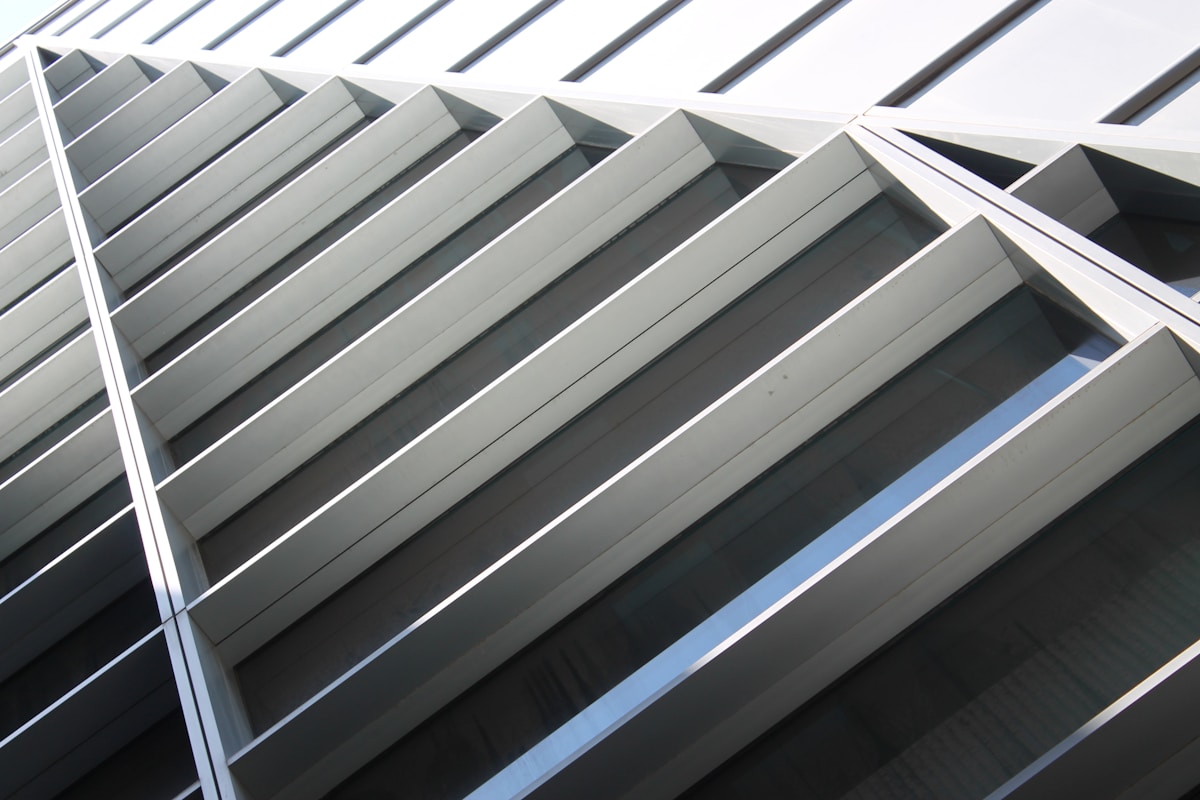
Cost-Benefit Analysis by Surface Area
When procuring aluminum sandwich panels on a global scale, evaluating cost strictly through a per-unit price lens guarantees catastrophic budget overruns. The financial viability of a purchase hinges entirely on how upfront manufacturing premiums, localized maintenance realities, and strict aesthetic tolerances intersect over the project lifecycle.
Upfront Premiums vs. Per-Square-Meter Economics
In the field of surface engineering, the choice between anodized and powder-coated aluminum sandwich panels creates a massive divergence in initial capital expenditure. Anodizing functions as an irreversible electrochemical process that fundamentally alters the metallic substrate, demanding rigorous multi-stage chemical pretreatments. therefore, the raw material cost per square meter for anodized finishes consistently outruns powder coating. However, this higher upfront investment buys a hardened, integral surface layer that resists mechanical abrasion, making the premium financially justifiable for high-traffic, high-durability environments.
Conversely, powder coating relies on the application of a separate polymer layer that is thermally cured onto the metal. Because this process involves simpler logistics and avoids the heavy chemical consumption of anodizing, it offers a significantly lower entry price point. From a procurement standpoint, purchasing raw powder-coated stock allows general contractors and fleet managers to achieve massive immediate savings on high-volume orders for standard, low-impact applications, though it transfers long-term risk to the maintenance budget.
Lifecycle Costs and The Maintenance Tax
The economic trajectory of these panels is defined by their respective responses to physical trauma. Once a powder-coated panel suffers deep scratches or gouges that expose the raw aluminum core, the exposed substrate becomes highly susceptible to rapid galvanic corrosion.
Repairing these damages requires stripping the area, applying a primer, and repainting—operations that demand skilled labor and precise environmental controls. In field settings, such as mobile home construction or RV fleet maintenance, coordinating these localized repairs is logistically difficult and economically draining.
Anodized finishes present a starkly different financial profile. Because the protective layer is chemically bonded to the aluminum, minor cosmetic scratches do not lead to systemic substrate degradation. While deep anodizing scars are visually apparent, they rarely threaten the structural integrity of the panel.
The economic benefit here is longevity without active upkeep. For projects situated in remote locations or exposed to severe maritime salt spray, the near-zero maintenance requirement of anodized panels completely eliminates the recurring “maintenance tax” that constantly erodes the profits of cheaper powder-coated alternatives.
- Maintenance Labor Intensity: Powder coating requires dedicated technicians for touch-ups to prevent substrate oxidation, drastically increasing OPEX over a decade.
- Corrosion Prevention Budgeting: Anodizing acts as a permanent sacrificial barrier against the elements, allowing buyers to completely remove contingency funds usually allocated for rust management.
- Panel Replacement Frequency: Severe, irreparable damage to powder coats often forces total panel replacement, whereas anodized panels can typically endure surface wear until end-of-life.
The Hidden Financial Penalty of Color Customization
Architectural branding and corporate identity requirements frequently dictate highly specific RAL color codes for sandwich panels. Powder coating excels in this domain, offering virtually unlimited color flexibility with relatively low transition costs between batches. However, anodizing introduces severe economic friction when strict color tolerances are enforced. Achieving precise, deep hues via anodizing demands intricate control over electrolyte composition, electrical current, and temperature, making it notoriously difficult to replicate colors exactly across multiple production runs.
From a financial perspective, requiring a custom anodized shade often results in rejected shipments due to slight hue variances that are unacceptable to brand managers. The subsequent costs of renegotiation, production delays, and expedited shipping to replace mismatched panels can easily eclipse the initial savings of selecting powder coating.
Additionally, attempting to match existing anodized surfaces in the field is practically impossible. If a facility opts for a custom anodized look, they must budget for a Thorough spare parts inventory to handle future replacements, ensuring perfect visual continuity throughout the asset’s lifespan.
| Category | Anodized Finish | Powder Coated Finish |
|---|---|---|
| Initial Investment | Higher upfront cost due to complex electrochemical process | Lower initial material and application cost |
| Maintenance & Repair | Difficult to match; field repairs often visible | Easier color matching; localized touch-ups possible |
| Durability & Lifespan | Superior UV resistance; hard layer integrated with substrate | High impact resistance; strong coating against physical damage |
| Corrosion Protection | Excellent performance in harsh marine and coastal environments | Strong barrier protection for general industrial applications |
| Total Cost of Ownership | Lower long-term maintenance costs for exterior facades | Cost-effective solution for interior or low-wear applications |
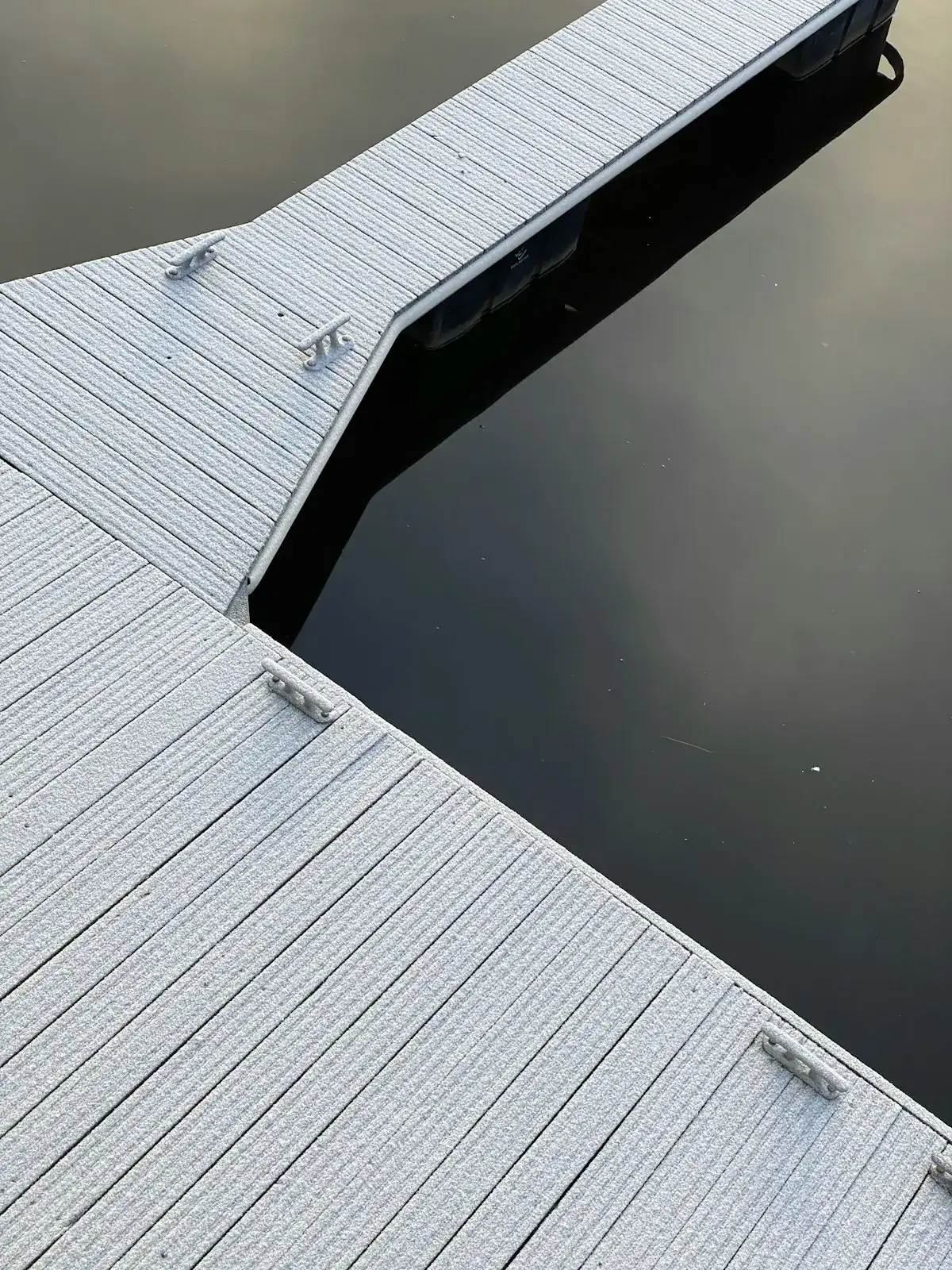
Application-Specific Selection Guidelines
How to Choose the correct composite configuration is not just about material cost; it is about aligning the skin and core chemistry with the specific environmental stressors of the end-use application.
Recommendations for exterior marine environments
Marine applications present a unique set of challenges, primarily due to the relentless presence of salt spray, moisture, and the risk of galvanic corrosion. In these environments, material selection must prioritize chemical stability over raw tensile strength.
For hulls and deck areas subject to constant immersion or spray, our engineering data strongly indicates that GRP (Glass Reinforced Polymer) sheets with a premium gel coat finish outperform standard aluminum options. The gel coat layer provides an essential, non-porous barrier that prevents water ingress and osmotic blistering, issues that frequently plague untreated metal laminates.
When aluminum is required for superstructures or cabin tops to reduce weight, it must be rigorously protected. We use anodized or powder-coated aluminum facings with a minimum coating thickness designed to withstand ASTM B117 salt spray standards. However, the core material is equally critical.
Balsa or high-density PET foam cores are preferred here as they absorb minimal water even if the outer skin is compromised. Using hygroscopic cores like standard plywood in a marine setting without perfect encapsulation is a recipe for structural failure.
- Primary Facings: Gel-coated GRP for wet areas; Anodized Aluminum for superstructures.
- Core Selection: Closed-cell PET foam or Balsa wood to resist water absorption.
- Corrosion Control: Use isolation layers to prevent galvanic reaction between aluminum fittings and carbon fiber components.
Best practices for high-impact transport applications
In the logistics and transport sectors, specifically for refrigerated trucks and dry freight bodies, the primary enemies are impact damage and road vibration. A panel that cracks under stress or delaminates due to constant flexing creates immediate maintenance liabilities. For these high-impact scenarios, we engineer solutions using high-stiffness cores like Aluminum Honeycomb or PP Honeycomb. These structures distribute impact energy across the panel surface, preventing localized punctures that plague foam-only constructions.
Our team has observed that the facing material must match the impact threat level. For flooring and lower sidewall sections of truck bodies, we specify heavy-gauge aluminum or Fiberglass Reinforced Thermoplastic (CFRT) skins. CFRT is particularly valuable here as it offers superior impact resistance and energy absorption compared to brittle thermosets. Additionally, the adhesive bond line must be formulated to handle thermal expansion differences between the skin and the core, a common failure point in trailers experiencing extreme temperature fluctuations.
- Core Structure: Aluminum or PP Honeycomb for maximum stiffness-to-weight ratio and dent resistance.
- Facings: CFRT or heavy-gauge Aluminum for flooring and kick-plates.
- Vibration Damping: Utilize viscoelastic adhesive layers to reduce road vibration fatigue.
Interior vs. exterior specification criteria
Distinguishing between interior and exterior requirements is essential for cost optimization. Exterior panels act as the primary barrier against weather, UV radiation, and thermal load. Consequently, exterior specifications must mandate UV-resistant finishes such as PVDF coatings or high-grade anodizing. The core must also possess low thermal conductivity if energy efficiency is a priority. For example, exterior wall cladding panels often require PIR or PUR foam cores to meet R-value requirements, whereas interior partitions do not face this thermal constraint.
Conversely, interior applications prioritize surface aesthetics, fire safety ratings, and cost-efficiency. Here, the extreme weatherproofing measures required for exterior skins are an unnecessary expense. We often recommend Compact Laminate HPL (High Pressure Laminate) or PVC foam sandwich panels for interior walls, furniture panels, and ceiling linings in RVs and mobile homes. These materials provide excellent surface hardness and cleanability while maintaining the lightweight benefits of composite construction without the premium cost of marine-grade exterior finishes.
- Exterior Focus: UV stability (PVDF/Anodize), Waterproofing, and Thermal Insulation (XPS, PUR).
- Interior Focus: Fire Ratings, Surface Hardness (HPL), and Aesthetics.
- Economic Strategy: Downgrade skin thickness and core complexity for non-critical interior zones to optimize project budget.
Key Takeaways
Stop guessing on finish specifications. For marine and RV exterior applications, powder coating delivers superior repairability and impact resistance compared to rigid anodizing. Our engineering team validates that chrome-free pretreatment ensures long-term adhesion without the corrosion risks of traditional methods. Choose the coating that handles thermal expansion and physical wear while maintaining color consistency across large batches.
Share your project dimensions with our engineers for a custom feasibility review. We leverage over 15 years of manufacturing expertise and daily production capacity exceeding 1,700 square meters to deliver data-compliant panels. Contact us for precise lifecycle cost analysis and technical support tailored to your specific environmental requirements.
Frequently Asked Questions
What thickness options are available?
Powder coating can be applied in varying thicknesses, typically ranging from 60 to 120 microns, depending on the desired finish. Anodizing layers are usually thinner, around 10 to 25 microns, though harder alloys can exceed this. Thicker powder coatings provide enhanced protection for high-traffic industrial environments.
Does anodizing affect electrical conductivity?
Yes, the anodized layer is an electrical insulator, which can interfere with grounding or electromagnetic shielding. Powder coating also insulates, but it can be applied selectively to leave contact areas bare. For applications requiring electrical continuity, anodizing is often unsuitable without special masking techniques.
Which is more environmentally friendly?
Powder coating is considered more eco-friendly because it contains no solvents and generates minimal waste. Excess powder can be recovered and reused, resulting in near-zero VOC emissions. Anodizing involves chemical baths and acid treatments that require careful disposal and water treatment processes.
Can powder coating be recycled?
Yes, powder coating waste can often be reclaimed and reused in the application process. This reduces material consumption and lowers overall project costs. Anodizing chemicals cannot be easily recycled into the coating process, making powder coating a more sustainable choice for circular economy initiatives.
How much does anodized powder coating typically cost?
The cost of anodized powder coating varies based on material grade, thickness, panel dimensions, and order volume. Requesting a detailed quote with your project specifications is the most reliable way to get an accurate figure. Bulk orders typically reduce per-unit pricing significantly.