
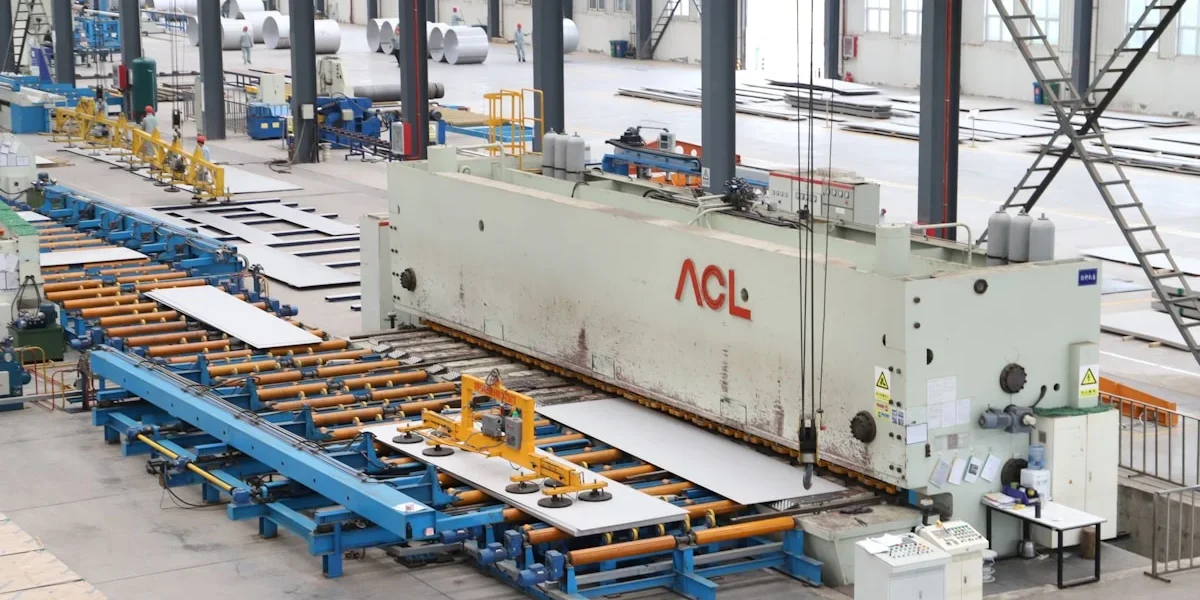
Most people who buy aluminium composite panels never see how they are made. That is a pity, because the production line explains almost everything about the product: why panels from two suppliers with identical thickness can behave differently, why core quality varies, and why price differences that look arbitrary usually are not. This guide walks through how ACP panels are produced, step by step, in plain language.
The basic sandwich: two skins and a core
An ACP panel is a three-layer laminate. Two thin aluminium coils form the top and bottom skins, and a thermoplastic or mineral-filled core sits between them. The aluminum provides weather resistance, formability and stiffness; the core provides thickness, rigidity and (depending on its chemistry) fire behavior. Standard panel thicknesses run from 3mm to 6mm, with skin thicknesses typically between 0.1mm and 0.5mm per side.
The skin that faces outward carries a factory-applied coating — usually PVDF-based for exterior use — while the inner skin carries a cheaper protective or primer finish.
Step 1: coil preparation and coating
Production starts with aluminium coils rather than flat sheets. The coils are uncoiled, chemically pre-treated to bond with paint, and then coated on a continuous coil-coating line. The coating is cured in an oven, which is what gives factory finishes their consistency compared with post-painting a finished panel.
This is also where color and finish quality are decided. A well-controlled coating line produces even film thickness and consistent gloss across the entire coil; a poorly controlled one produces the subtle color drift that becomes obvious once panels are mounted side by side on a facade.
Step 2: core extrusion or sheet supply
Meanwhile, the core material is prepared. Polyethylene-based cores are extruded into sheets of the required thickness. Flame-retardant cores mix mineral fillers into the polymer to change its fire behavior — the mixing quality here is critical, because an uneven mineral distribution creates weak spots in fire performance even when the panel specification sheet looks correct.
This is one of the quiet differentiators between suppliers. A manufacturer that formulates and tests its own core controls the outcome; one that buys generic core sheet on price does not.
Step 3: continuous bonding
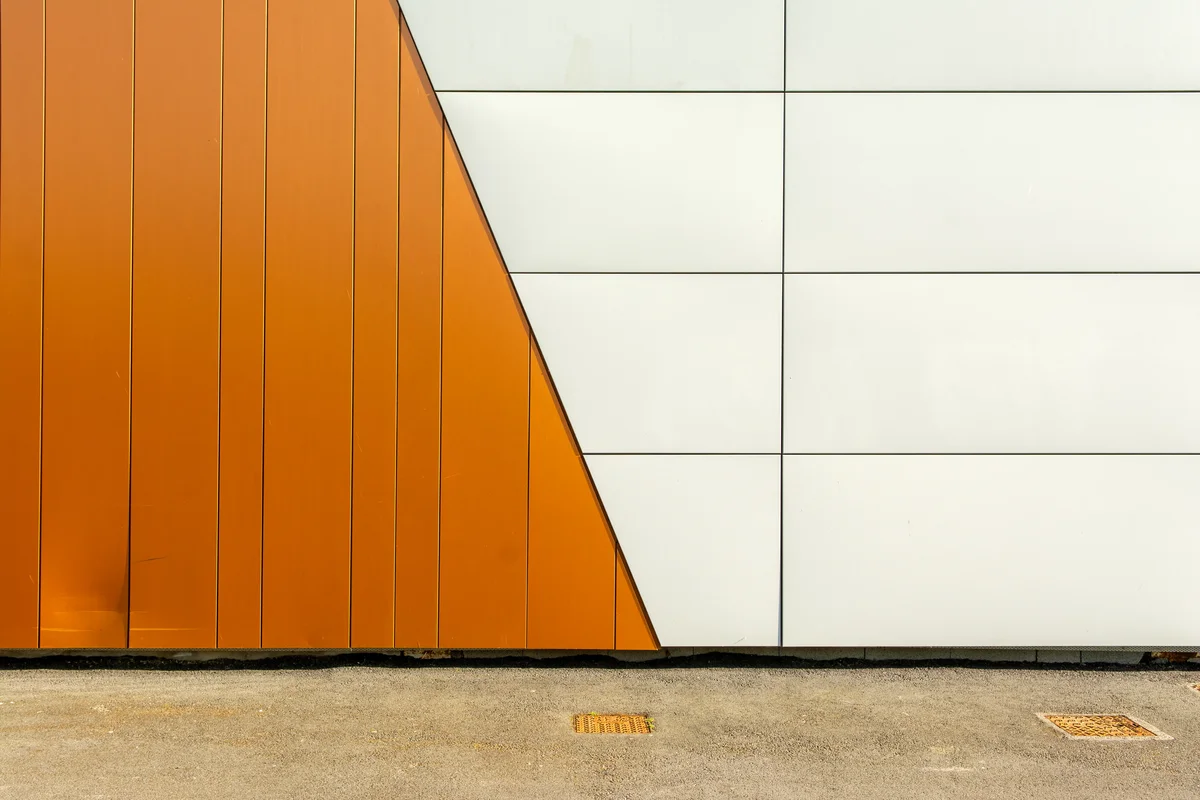
The sandwich is bonded on a continuous laminating line. The coated aluminum, adhesive film, core, adhesive film and back aluminum pass through heated rollers under pressure, bonding layer to layer in one pass. Line speed, temperature and roller pressure are the three variables that decide bond strength.
Under-curing the adhesive is the classic production mistake — the panel looks perfect and passes casual checks, but delaminates months later under thermal cycling. This is why buyers evaluating a supplier should ask about bond testing: a peel test report on finished panels tells you far more than a factory photo.
Step 4: cooling, cutting and protection
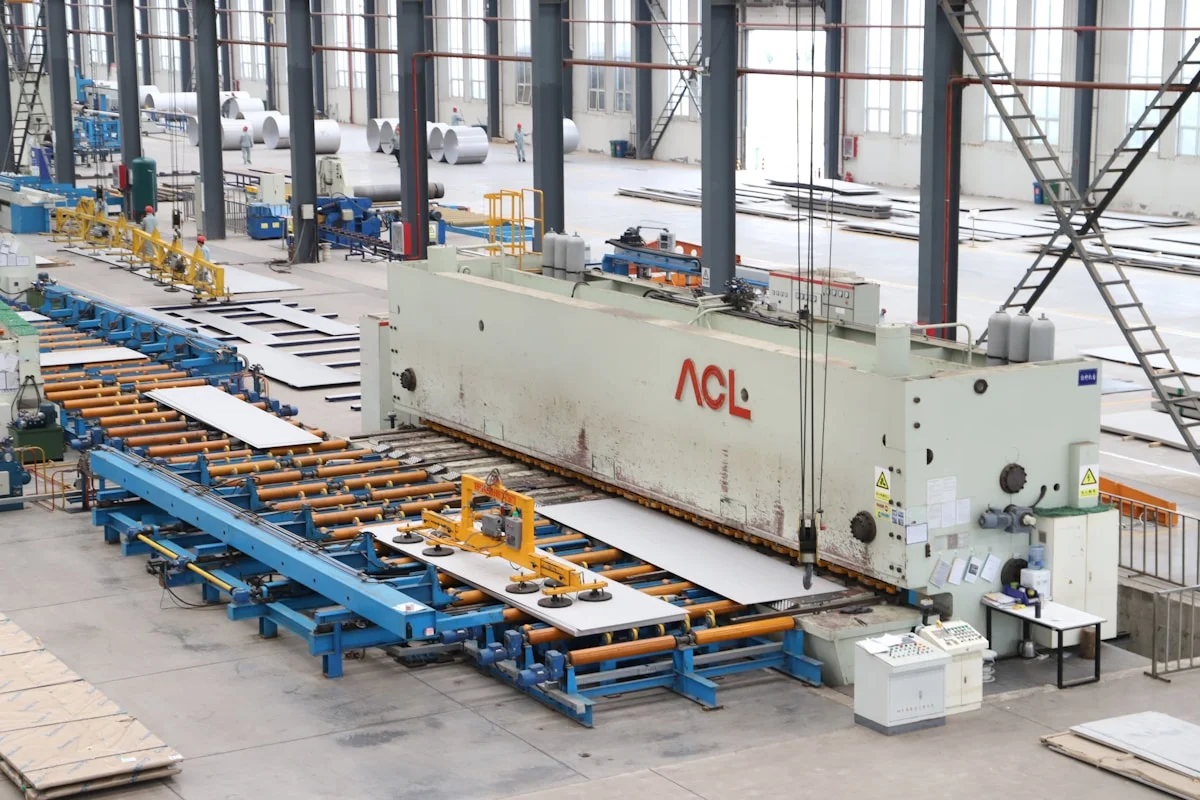
The bonded laminate passes through a cooling section so the adhesive sets fully before stress, then is cut to sheet sizes — commonly 1220×2440mm through 1570×3200mm and longer for facade projects. A protective film is applied to the finished face, and panels are stacked and packed for shipment.
What this means when you buy
Understanding the line changes the questions you ask. Instead of “what is your price per sheet,” you can ask:
- Is the coating done in-house on a coil-coating line, or sourced pre-coated?
- Is the core produced in-house with a controlled formulation?
- Can you provide a peel/bond test report for the actual batch?
- Which fire classification does this core carry, documented by whom?
A supplier who manufactures in-house — as we do at RaxPanel, where our production line outputs more than 1,700 square meters of composite panels daily — can answer all four with documents. A trading company reselling from various mills usually cannot, and that gap is where quality surprises come from.
If you are comparing ACP against other facade materials for a project, our team can walk you through the options based on your building type and market. We support buyers in 30+ countries with 24-hour one-to-one service, from panel specification to shipment.