
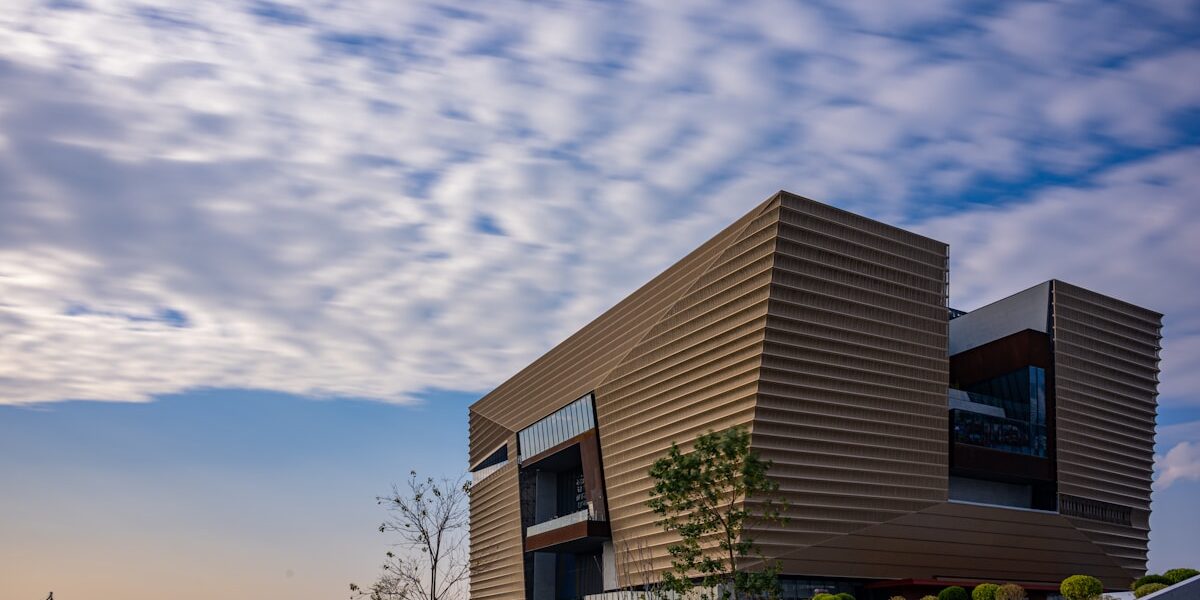
Selecting the right exterior wall cladding dictates whether a commercial project becomes a high-performance asset or a maintenance nightmare that bleeds budget. Many procurement teams fixate on upfront material costs without realizing that aluminum composite systems can reduce facade dead load by up to 60% compared to traditional stone. This structural efficiency does more than save on structural steel; it drastically shortens installation timelines and simplifies logistics for mid-rise projects.
We evaluate seven distinct facade options, ranging from the thermal efficiency of foam core sandwich panels to the specific fire-rating nuances of ACM systems and terracotta rainscreens. This analysis cuts through the marketing noise to focus on how materials like GRP composites actually perform under UV exposure and thermal cycling. You will gain the technical criteria needed to balance aesthetic requirements with long-term durability, ensuring your specification holds up against both the elements and strict commercial compliance standards.
How Cladding Defines Your Building’s Look
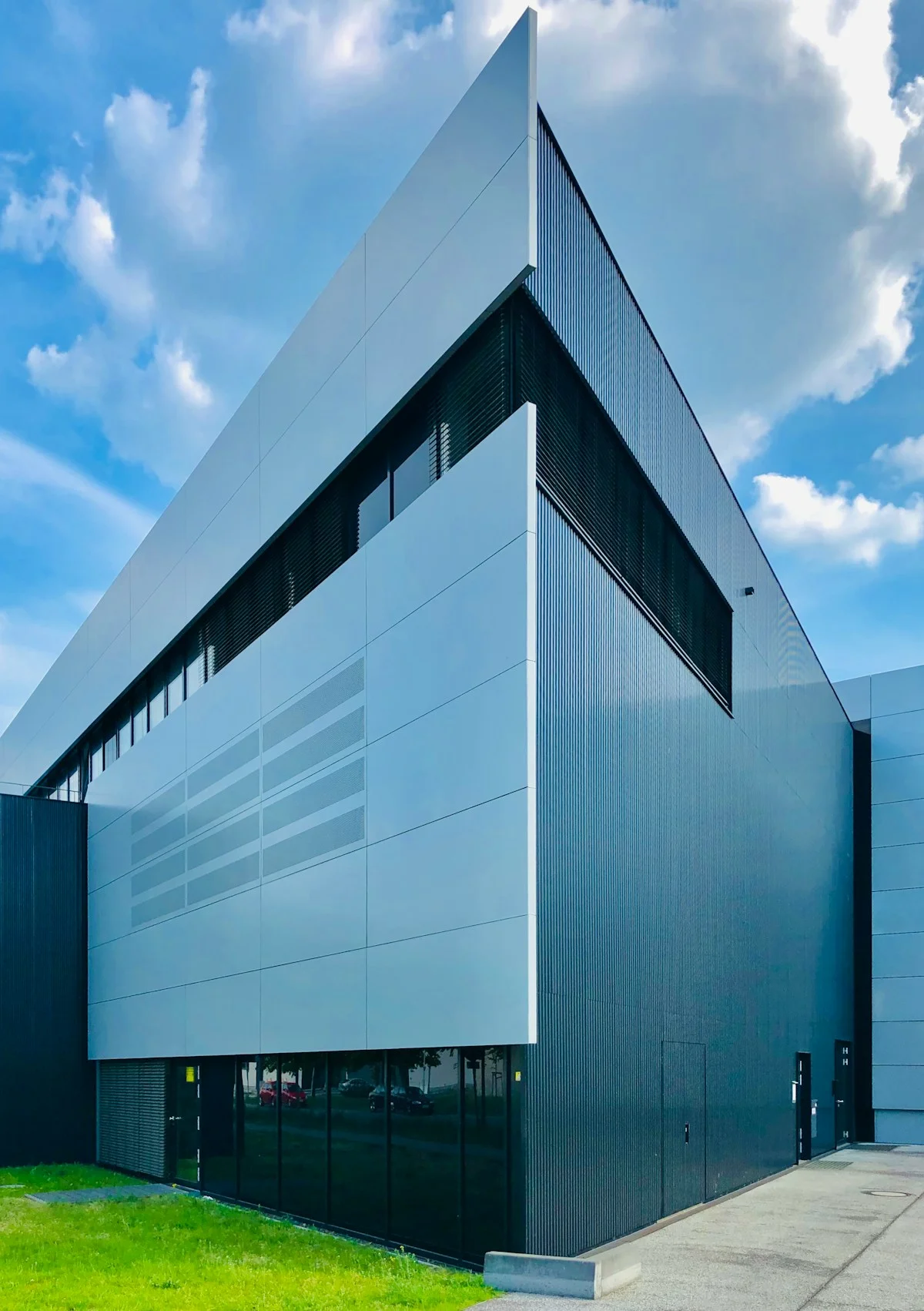
Exterior wall cladding acts as the building’s “skin,” instantly defining its architectural character and visual presence. The choice of material dictates whether a structure appears futuristic, industrial, or traditionally warm.
Visual Impact of Aluminum Sandwich Panel Facades
Aluminum sandwich panels are the go-to choice for architects seeking a crisp, high-tech aesthetic. These panels are renowned for their exceptional flatness, which allows them to create large, smooth surfaces that look rigid and precise. When sunlight hits an aluminum facade, the metallic sheen creates a dynamic visual effect that changes throughout the day. This material is particularly effective for modern corporate headquarters and airports, where the goal is to project an image of sleek efficiency and cutting-edge technology.
Aesthetic Versatility of GRP Composite Wall Cladding
Glass Reinforced Polymer (GRP) cladding offers a level of creative freedom that rigid metal panels cannot match. Because GRP is molded during manufacturing, it can be shaped into complex curves, waves, and intricate 3D textures. Beyond shape, GRP is highly versatile in its ability to mimic other materials. It can be cast with textures that perfectly replicate the grain of timber, the roughness of natural stone, or the weave of concrete. This allows architects to achieve the look of heavy traditional materials without the structural weight or installation complexity.
How Foam Core Panels Shape Modern Exterior Design
Foam core sandwich panels are instrumental in achieving the minimalist aesthetic popular in contemporary design. These panels consist of two rigid metal faces bonded to a thick insulating foam core, allowing them to span wide distances without support. The result is a “monolithic” look—a facade with very few visible joints or seams. This uninterrupted expanse of wall creates a clean, simple silhouette that is essential for modernist and industrial-style buildings. The thickness of the insulation also adds physical depth to the facade, creating crisp shadow lines at window openings and corners.
Color and Finish Options for Composite Cladding Systems
Advancements in coating technology have transformed composite cladding into a palette for artistic expression. No longer limited to standard industrial colors, modern systems offer a vast array of finishes to define a building’s mood:
- Solid Colors (RAL): Standard matte finishes that provide a consistent, non-reflective look. Matte finishes are particularly popular as they hide minor surface imperfections and fingerprints better than glossy options.
- Metallic Effects: Coats that contain fine metallic flakes, giving the panel a shimmering, sparkling appearance that emphasizes the material’s metallic nature.
- Pattern Prints: High-resolution digital printing or film lamination allows panels to mimic wood grain, marble, or abstract patterns, offering the warmth of natural materials with the durability of metal.
- Textured Finishes: Specialized coatings that add physical tactile feel to the surface, such as a wrinkled texture or a brushed metal feel, adding another layer of depth to the visual design.
Durability vs. Maintenance: What to Expect
The true measure of cladding durability is not just surviving weather, but resisting environmental degradation with minimal human intervention.
Weather Resistance of Aluminum and GRP Panels
When choosing between aluminum and Glass Reinforced Plastic (GRP), understanding how they react to climate cycles is critical. Aluminum is a metal, which means it naturally expands and contracts with temperature changes—a property known as thermal expansion. If the installation system does not account for this movement, the fasteners can stress over time. However, aluminum is non-porous, meaning it does not absorb water. Rain, snow, and humidity simply run off the surface, preventing the material from swelling or rotting.
GRP panels operate differently. As a composite material, they are chemically inert and highly resistant to the corrosive effects of salt air, making them an excellent choice for coastal projects. Unlike metals, GRP does not rust or corrode, even when scratched deeply, provided the protective gel coat remains intact. However, UV exposure can degrade the resin surface over decades if the formulation is not high-quality. While aluminum handles temperature swings through engineered movement, GRP handles chemical exposure through material stability.
Long-Term Durability of Foam Core Sandwich Panels
Foam core sandwich panels are engineered for rigidity and insulation, but their long-term durability relies heavily on the integrity of the bond between the outer skin and the inner core. The core material acts as the structural glue holding the two faces apart. If the adhesive bond fails—often due to prolonged moisture ingress or extreme thermal stress—the panel can suffer from delamination. This is where the concept of “warranty length” can be misleading for buyers. A lengthy warranty does not prevent physical delamination if the panel edges are not properly sealed during installation.
For novices, think of a foam core panel like a cardboard box: it is incredibly strong and lightweight as long as it stays dry. If water penetrates the seams and reaches the core, the material can lose its structural adhesion. Therefore, the lifespan of these panels is less about the foam itself and more about the quality of the joint detailing and the edge seals used during construction.
Maintenance Requirements for Composite Exterior Wall Systems
One of the biggest advantages of modern composite systems is the reduction in lifecycle costs. Unlike wood, which requires staining, or fiber cement, which may need periodic repainting, high-quality aluminum and composite facades require maintenance that is largely cosmetic. The primary task is cleaning to remove atmospheric pollution, dust, and mildew. Regular cleaning cycles prevent the buildup of corrosive elements that could etch the surface coating over decades.
- Cleaning Method: Use mild detergent and soft water. Avoid abrasive scrubbers or high-pressure washers used at close range, as these can damage the surface finish.
- Frequency: In urban or industrial areas with high pollution, cleaning is typically recommended annually. In cleaner rural environments, it may be required less frequently.
- Inspection: Periodic checks of sealant joints are more critical than the panels themselves. If the sealant fails, water gets behind the system, regardless of how durable the panel material is.
Corrosion and UV Performance of Aluminum Honeycomb Cladding
Aluminum honeycomb cladding represents the pinnacle of strength-to-weight ratio, but its performance against corrosion and UV radiation depends entirely on the surface treatment. The honeycomb structure inside the panel is usually protected from the elements, so corrosion is rarely an internal issue. The risk lies on the surface. If the panels are coated with a high-performance paint system, such as Polyvinylidene Fluoride (PVDF), they exhibit exceptional resistance to fading and chalking under UV exposure.
Corrosion becomes a concern only if the coating is compromised or if a lower-grade coating is used. In marine environments, salt spray can attack exposed aluminum edges. However, because honeycomb panels use less aluminum than solid sheets, the risk of surface “oil canning” or waviness is reduced, allowing for a flatter finish that maintains its appearance longer. The key takeaway for buyers is to verify the coating standard rather than just the base metal, as the coating is the only shield against the sun’s UV energy.
| Material | Lifespan | Maintenance | Fire & Compliance | Key Advantage |
|---|---|---|---|---|
| Rax Panel Aluminum Honeycomb / FRP Sandwich | 30–50+ years | Minimal — PVDF-coated surfaces resist fading, corrosion, and UV degradation; infrequent cleaning only | Class A / B1 fire resistance; NFPA 285-compliant assemblies available for buildings >40 ft | 30–50% lighter than traditional cladding, cutting structural load and installation time by 40%; fully customizable designs with global supply to 50+ countries |
| Fiber Cement | 50+ years | Moderate — requires repainting every 10–15 years | Class A; does not trigger NFPA 285 (non-combustible) | Low installed cost ($8–15/SF); ideal for bushfire-prone and budget-conscious applications |
| WPC (Wood-Plastic Composite) | 25–40 years | Very low — moisture and UV resistant; no painting or sealing required | Varies by formulation; combustible core may trigger NFPA 285 on tall buildings | Ideal for coastal and residential facades; mimics wood grain without rot, warping, or cracking |
| Natural Stone Veneer | 75–100+ years | Low — occasional repointing every 25–40 years | Class A; non-combustible, NFPA 285 exempt | Premium heritage and luxury aesthetics; unmatched permanence and thermal mass |
| Brick Veneer | 75–100+ years | Low — repointing every 25–40 years | Class A; non-combustible, NFPA 285 exempt | Lowest 50-year maintenance burden of all cladding types; timeless architectural appeal |
1. The Sleek Appeal of Composite Sandwich Panels
Composite sandwich panels deliver a seamless, modern facade with superior thermal insulation—ideal for contemporary commercial and residential buildings.
Why the Sleek Look Matters
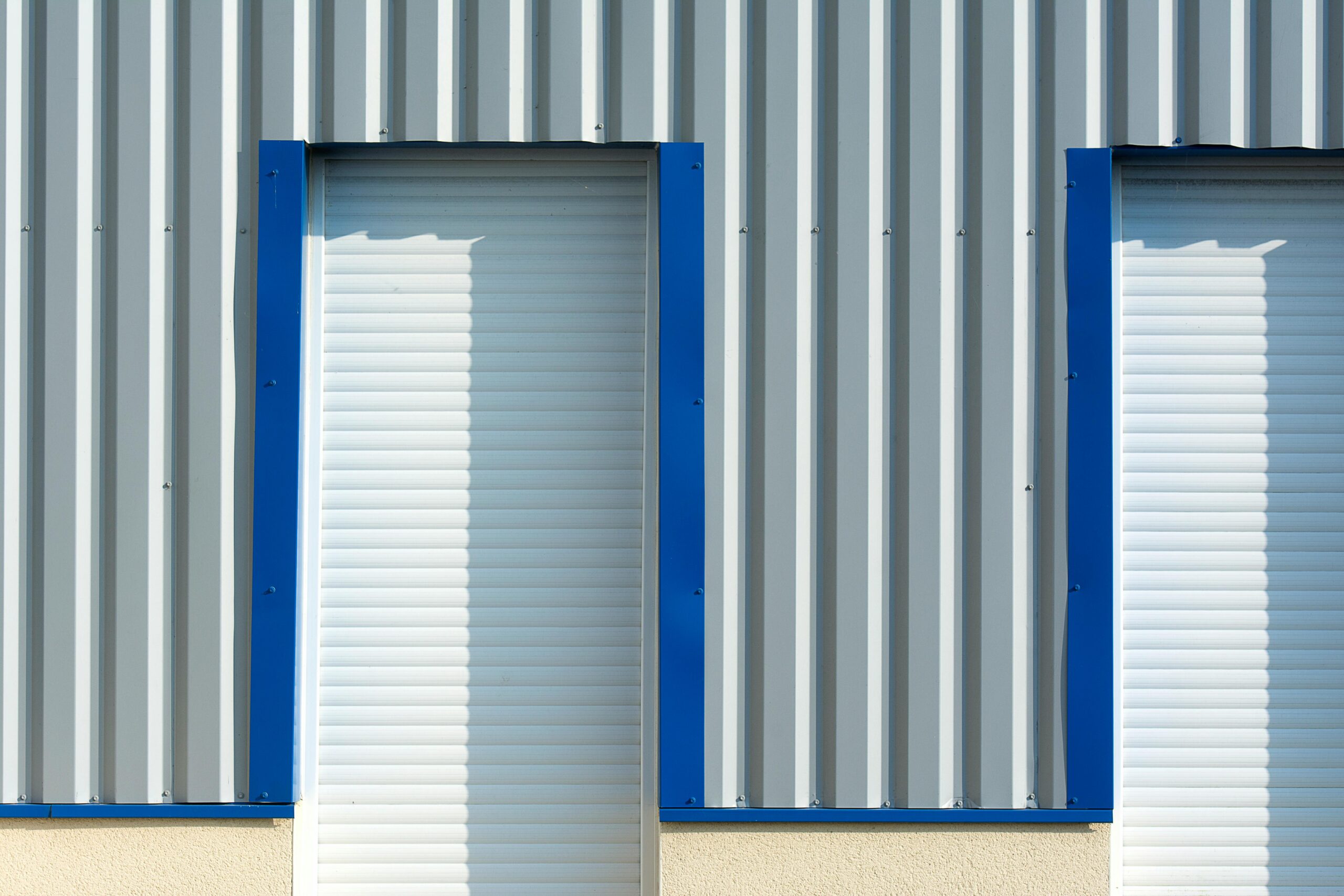
Composite sandwich panels are engineered to create smooth, uninterrupted exterior surfaces that define modern architecture. The sandwich structure—typically a foam core bonded between two facings—eliminates visible seams and joints that plague traditional cladding systems. Neutral tones like beige, cream, and taupe reflect light evenly, producing the clean aesthetic designers demand.
Thermal Performance at the Core
Beyond appearance, these panels excel in thermal insulation. Foam cores such as XPS, PET, PU, or PVC trap air in closed cells, dramatically reducing heat transfer. The result is a building envelope that maintains interior temperatures with less energy—directly cutting HVAC costs. This dual benefit of aesthetics and efficiency is what drives their adoption in commercial projects.
Addressing Quality Inconsistency Concerns
Buyers frequently report disappointment with composite cladding due to warping, fading, or structural failure. These issues typically stem from inferior core materials or poor adhesive bonding during manufacturing. Reputable suppliers use rigorous quality control, including core density testing and peel-strength validation, to prevent delamination. When sourcing, request third-party test reports for UV resistance and dimensional stability—these metrics separate reliable products from discount alternatives that degrade within years rather than decades.
[ { “type”: “concept_card”, “verdict”: “High-quality composite sandwich panels deliver seamless aesthetics with superior thermal insulation, reducing long-term energy costs.”, “desc”: “Composite sandwich panels combine a foam core (XPS, PET, PU, or PVC) between two facings to create smooth, seamless exterior surfaces with excellent thermal resistance.”, “category”: “Material Performance”, “metric”: “Closed-cell foam cores significantly reduce heat transfer compared to traditional cladding”, “pros”: [ “Seamless, modern aesthetic without visible joints”, “Superior thermal insulation reduces HVAC energy consumption”, “Lightweight construction simplifies installation” ], “cons”: [ “Quality varies significantly between manufacturers; inferior products may warp or fade” ] } ]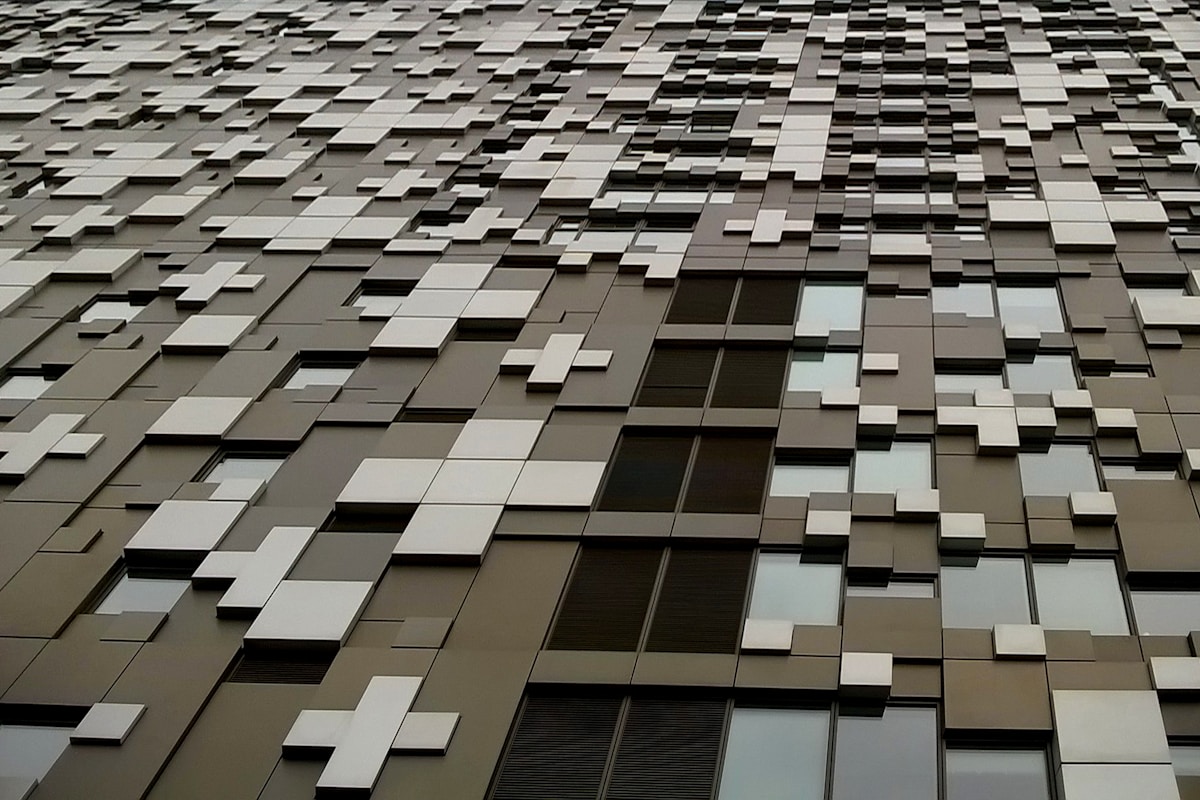
Why ACM Panels Work for Modern Facades
ACM panels deliver a crisp, flat metallic finish with engineered weather resistance, making them a reliable choice for contemporary commercial and residential facades.
The Signature Flat Metallic Look
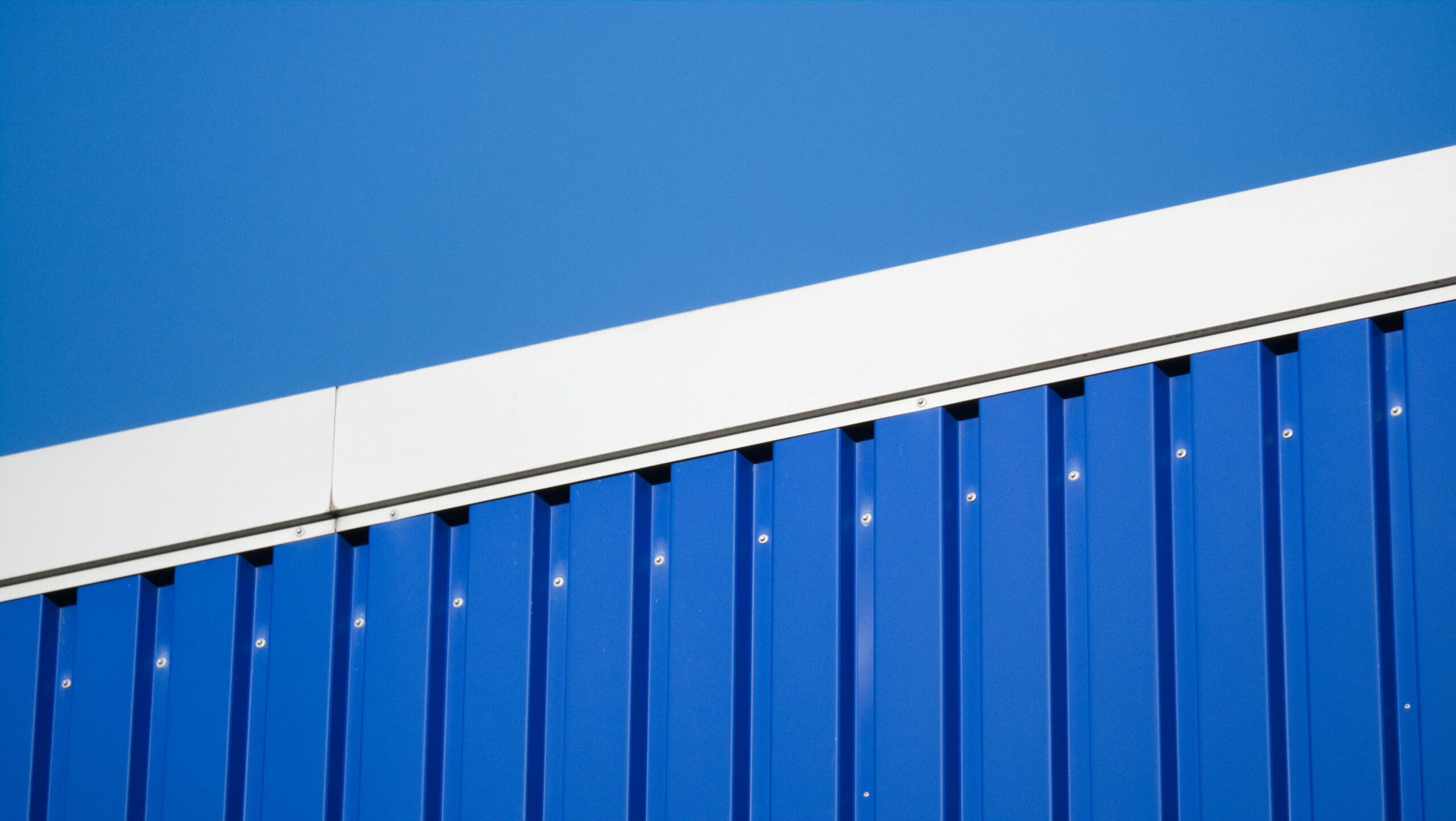
Aluminum Composite Material (ACM) panels consist of two thin aluminum skins bonded to a core material, creating an ultra-flat, seamless facade surface. This manufactured flatness is what distinguishes ACM from solid aluminum sheets, which can show subtle oil-canning under direct sunlight. The result is the clean, geometric aesthetic that defines contemporary architecture.
Design Versatility
ACM panels are available in a wide spectrum of colors, finishes, and profiles. Powder-coated and PVDF (polyvinylidene fluoride) finishes are standard, with PVDF coatings offering superior color retention and chalk resistance. Architects can specify matte, gloss, metallic, or even wood-grain printed finishes. Panels are easily cut, routed, and formed into corners, reveals, and three-dimensional geometries on-site.
- Panel thickness: Commonly 3mm to 6mm, with 4mm being the industry standard for exterior cladding.
- Aluminum skin gauge: Typically 0.5mm per side, providing rigidity without excessive weight.
- Core options: Polyethylene (PE) cores for standard applications; fire-rated cores (mineral-filled or A2-rated) for buildings with enhanced fire safety requirements.
- Finish lifespan: PVDF-coated ACM panels typically carry 20-to-30-year color and gloss retention warranties.
Weather and UV Resistance
The aluminum skins naturally form a protective oxide layer, and the applied coating adds a secondary barrier against moisture, UV radiation, and industrial pollutants. In coastal or high-UV environments, specifiers should prioritize PVDF finishes over standard polyester coatings, as PVDF resists fading and degradation significantly better. Properly specified and installed ACM facades maintain their appearance with minimal maintenance over decades of service.
The Strength and Style of Metal Cladding
Metal cladding combines rugged durability with a sleek industrial aesthetic, offering a lifespan that often exceeds 50 years.
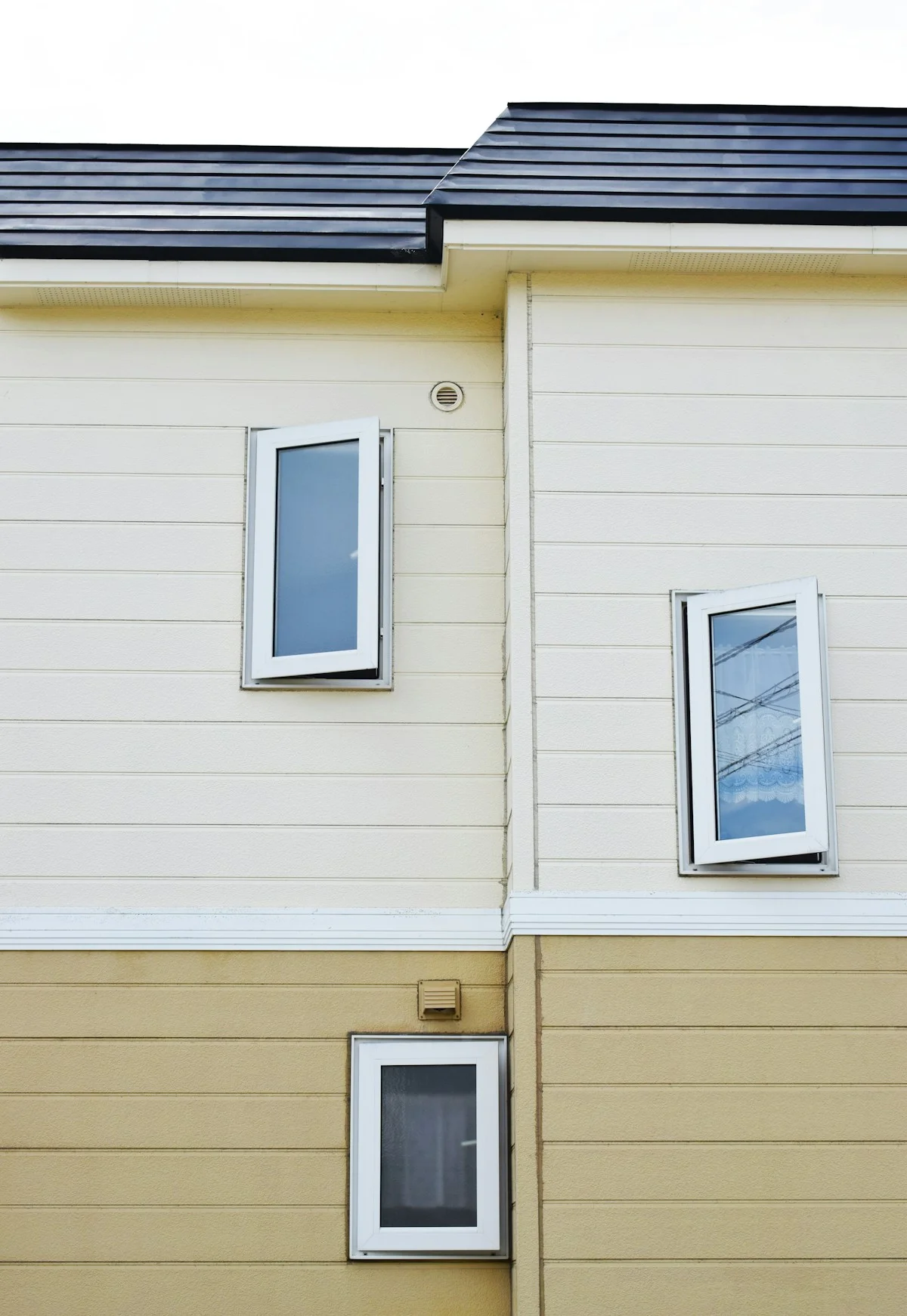
Metal cladding stands out as the heavyweight champion of exterior protection, offering a robust shield against the elements. Its primary advantage is extreme durability; unlike wood or fiber cement, metal does not rot, warp, or succumb to pest infestations. For commercial buildings, this material provides a non-combustible exterior that significantly enhances fire safety ratings. Whether using zinc, copper, or coated steel, the material withstands severe impacts and harsh weather cycles without compromising the building envelope.
Beyond strength, metal cladding defines architectural style through precision and clean lines. It creates a distinctively modern, industrial look that is difficult to replicate with other materials. Designers can choose from profiles ranging from flat-lock seams to standing seams, creating dynamic shadow lines across the facade.
- Longevity: Metals like zinc and copper can last over a century with minimal maintenance.
- Fire Resistance: Most metal cladding carries a Class A fire rating, adding structural safety.
- Sustainability: Metal is 100% recyclable at the end of its life, reducing environmental impact.
While the initial investment is higher, the low maintenance requirements and extensive lifespan make metal a cost-effective solution for long-term asset preservation.
4. Budget-Friendly uPVC and Vinyl Cladding
Cost-Effective Protection for Commercial and Residential Projects
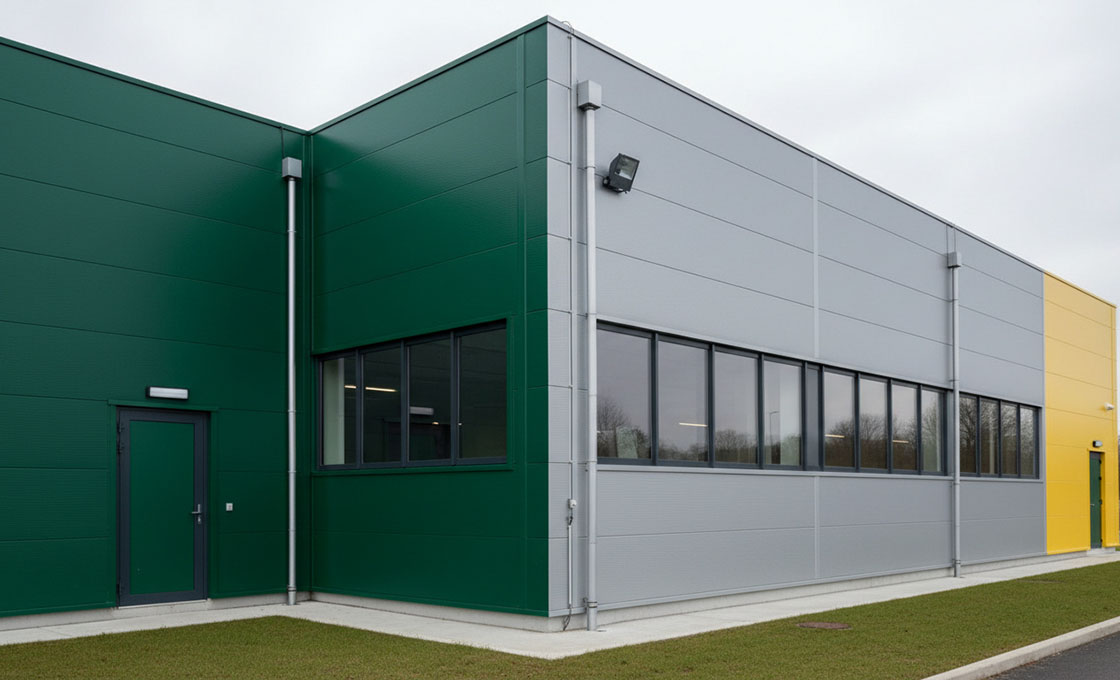
uPVC (unplasticized polyvinyl chloride) and vinyl cladding represent the most affordable entry point in exterior wall systems. These materials are injection-molded or extruded into rigid panels that deliver reliable weather protection at a fraction of the cost of metal or composite alternatives.
For project managers working within tight budgets, uPVC offers immediate appeal. The material is inherently moisture-resistant — it will not rot, warp, or corrode. Unlike wood, it requires no sealing, painting, or periodic treatment, which significantly reduces lifetime maintenance costs.
Manufacturers commonly offer wood-grain finishes and a wide range of solid colors, allowing architects to achieve a traditional aesthetic without the upkeep associated with genuine timber.
- Upfront cost advantage: uPVC panels typically cost 40–60% less than aluminum sandwich panels or GRP composite systems on a per-square-meter basis.
- Maintenance profile: Annual cleaning is usually sufficient; no repainting or coating renewal is required.
- Aesthetic flexibility: Wood-look textures and a broad color palette are available, though bold colors may experience fading under prolonged UV exposure.
- Limitation to consider: uPVC has lower structural rigidity than metal or honeycomb panels, making it better suited for low-rise or retrofit applications rather than high-wind or high-rise facades.
5. HPL Facades: Bold Colors and Wood Textures
High-Pressure Laminate (HPL) facades deliver vibrant, fade-resistant colors and realistic wood grains in a lightweight, impact-resistant panel ideal for expressive commercial and residential exteriors.
Architects and developers often struggle to balance bold aesthetic visions with long-term durability. HPL panels solve this by combining a dense, thermoset resin surface with a reinforced core, producing facades that withstand physical impacts, UV exposure, and weather cycles without significant color shift or surface degradation.
Color and Texture Range
HPL technology supports an extensive palette of solid, metallic, and pastel hues, alongside high-fidelity wood-grain finishes that replicate species such as oak, walnut, and teak. The surface is created through a lamination process that fuses multiple layers of decorative paper with resin under high heat and pressure, resulting in a hard, non-porous skin that resists staining and graffiti.
Impact Resistance and Design Flexibility
The laminate surface is notably tough, making HPL suitable for high-traffic urban environments where facade damage from accidental impacts is a concern. Panels can be fabricated into custom shapes, including curved corners and intricate profiles, allowing for dynamic, sculptural facades that maintain color consistency across large installations.
- Thickness Options: Typically available in 4mm to 13mm panels, with thinner gauges used for rainscreen applications and thicker variants for high-impact zones.
- Colorfastness: Premium HPL products often carry warranties against UV fading for 10–15 years, ensuring bold colors remain vibrant.
- Surface Finishes: Available in smooth, embossed, or textured grain patterns that mimic natural wood while offering superior moisture resistance.
When specifying HPL facades, verify that the supplier provides independent test data for impact resistance (e.g., ASTM E1697 or equivalent) and color retention (e.g., QUV accelerated weathering tests). This ensures the chosen product meets both aesthetic and performance requirements for the project’s climate and exposure conditions.
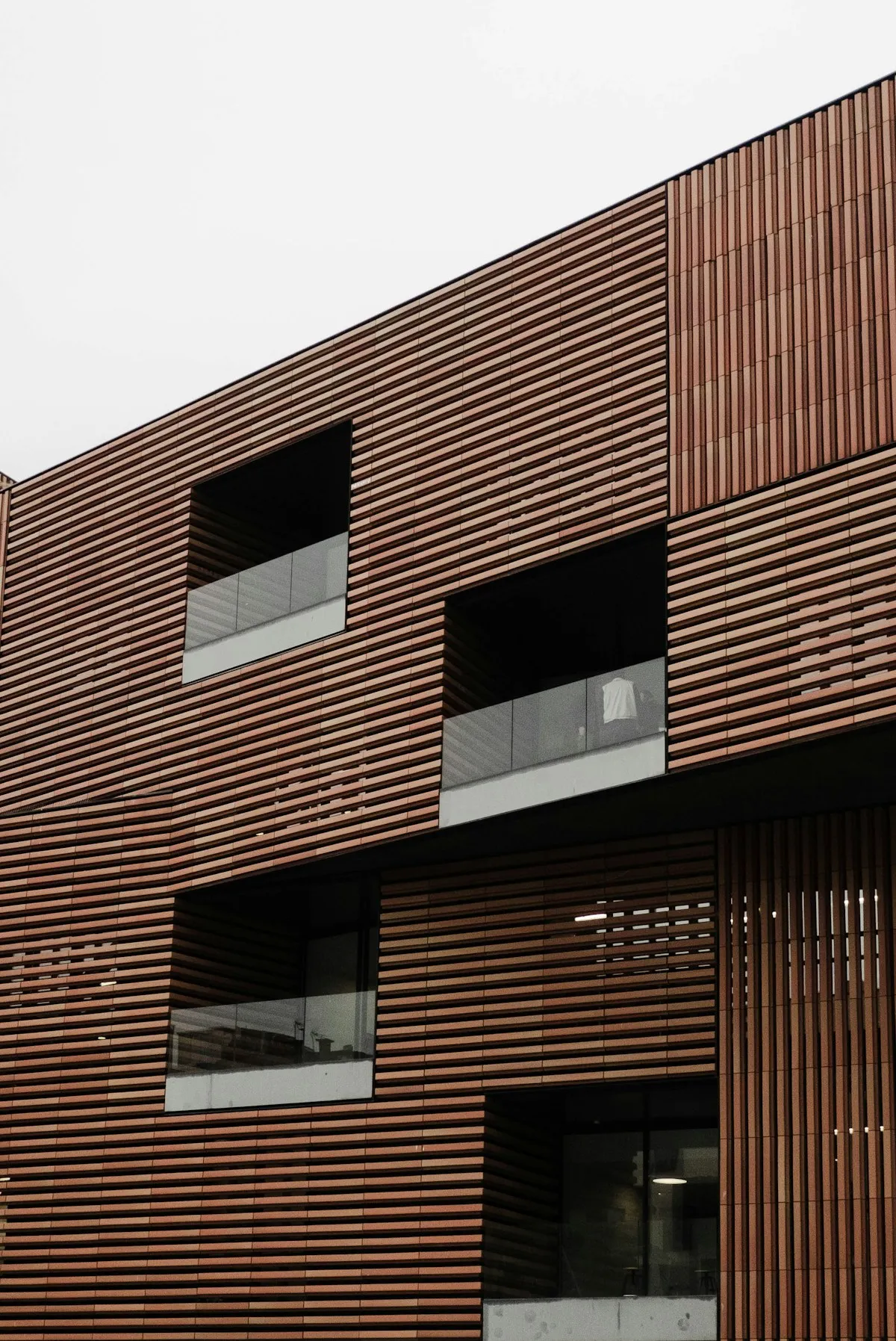
6. The Timeless Warmth of Terracotta Rainscreens
While rigorous testing ensures the reliability of engineered laminates, terracotta rainscreens offer a distinct, naturally enduring alternative.
Beyond verifying impact resistance and color retention standards, it is equally important to consider the material’s inherent durability—particularly when evaluating options where color is integral rather than applied. This distinction is where terracotta rainscreens distinguish themselves from coated alternatives.
While HPL requires rigorous testing to prove its durability, some materials achieve that same resilience through their inherent composition rather than surface treatments. This is where terracotta stands apart.
Terracotta rainscreens provide enduring aesthetic value by utilizing kiln-fired color that resists UV degradation, a distinct advantage over surface-coated materials.
Manufactured by firing natural clay at extreme temperatures, terracotta cladding results in a rigid ceramic panel with a distinctive ‘warm’ aesthetic. The defining technical advantage is color stability. Unlike metal or polymer composites that rely on surface coatings prone to chalking or peeling, terracotta’s color is integral to the material. This kiln-fired pigmentation ensures the facade resists UV degradation and weathering for decades. The material provides a natural, non-repetitive texture that adds depth to commercial exteriors, addressing the demand for high-end, low-maintenance aesthetics. It serves as a robust rainscreen, effectively managing moisture while offering a fire-resistant, inert exterior surface.
As a premier option within Ceramic Cladding Systems, terracotta rainscreens offer a fusion of ancient craftsmanship and modern engineering. The material is formed from naturally occurring clay and fired at temperatures exceeding 2,000°F, producing a dense, vitrified panel that resists moisture absorption, thermal shock, and UV degradation. This firing process locks pigments into the body of the material, eliminating the need for surface paints or coatings that can peel, crack, or fade over time. Architects and specifiers increasingly favor terracotta for its ability to maintain structural integrity and visual consistency across decades of exposure, making it a reliable choice for both high-rise commercial facades and residential applications seeking enduring aesthetic appeal.
Key performance metrics include integral color stability ensuring zero fade over a 50+ year service life.
Primary advantages of this system include:
Integral pigmentation ensures color does not fade over decades, unlike painted finishes.
Furthermore, it provides a high-end, natural aesthetic that significantly increases property value.
Conversely, consider the following limitations during specification:
Higher material density requires stronger structural support compared to lightweight composites.
These engineering constraints must be factored into the overall project scope. Addressing these limitations during the design phase ensures that terracotta rainscreens can be specified with confidence, balancing their aesthetic and performance benefits against practical installation and structural considerations.
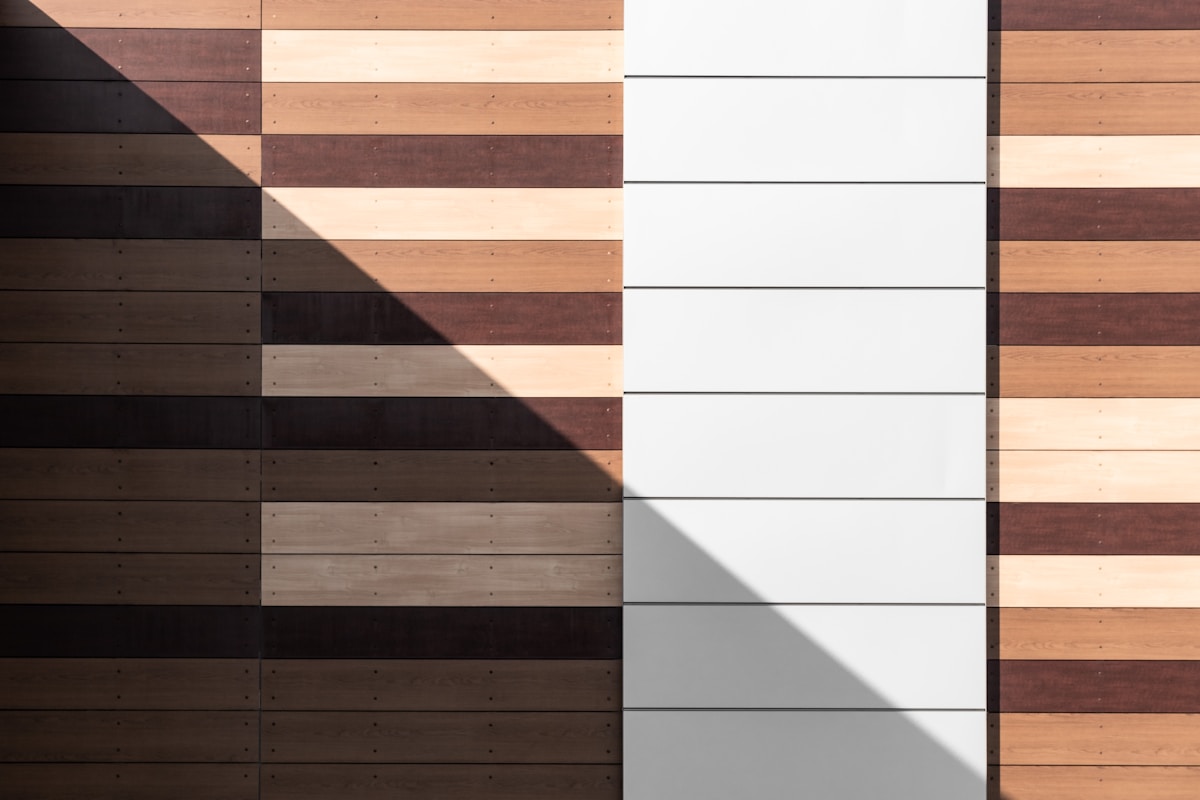
7. Ceramic Facades: Glossy, Stain-Resistant, and Custom
Ceramic facade panels deliver a high-gloss, vitrified surface that repels stains and permits full architectural customization in color, texture, and dimensions.
Glossy Finish and Visual Impact
Ceramic facades feature a glazed, vitrified surface producing a reflective, mirror-like finish. This glossy coating is fused during high-temperature firing, creating a non-porous layer that maintains its sheen for decades without yellowing.
Stain Resistance and Clean Appearance
The vitrified surface is inherently stain-resistant. Unlike porous materials such as natural stone, ceramic panels do not absorb oils, pollutants, or organic growth. Spilled substances sit on the surface and can be wiped away with mild detergent and water.
- Gloss levels: Available in high-gloss, semi-gloss, and matte finishes.
- Stain resistance: Non-porous surface prevents absorption of oil, dirt, and biological growth.
- Maintenance: Routine cleaning with water and neutral pH detergent is sufficient.
Architectural Customization
Ceramic facade panels offer extensive customization through digital glazing technology. Manufacturers can produce panels in virtually any color, with adjustable dimensions, thicknesses, and edge profiles. Custom patterns and graphic elements can be printed directly onto the glazed surface for distinctive building identities.
Which Cladding Type Is Right for You?
Selecting the right composite cladding is a calculation of structural weight versus thermal performance. For high-end facades requiring extreme rigidity and minimal load, Aluminum Honeycomb panels are the superior choice. For industrial or marine environments demanding corrosion resistance, GRP/FRP solutions offer the highest durability. If your project prioritizes energy efficiency and strict fire codes, Foam Core panels provide the necessary thermal insulation and fire ratings.
Optimizing cladding selection requires balancing specific performance metrics against project goals. For commercial projects and industrial applications, the choice usually hinges on three critical variables: weight reduction, thermal resistance (R-value), and environmental durability. Understanding the engineering differences between Aluminum, GRP/FRP, Foam Core, and Honeycomb composites ensures you do not over-engineer for unnecessary specs or under-perform on critical requirements.
Aluminum Sandwich Panel Specifications and Performance
Aluminum sandwich panels are engineered specifically to maximize stiffness while minimizing dead load. By bonding thin aluminum skins to a lightweight core—typically aluminum honeycomb or Polypropylene (PP) honeycomb—these panels achieve a structural rigidity that rivals solid steel while being 30-50% lighter than solid concrete or brick veneer alternatives. This makes them the preferred solution for high-rise curtain walling, transportation partitions, and applications where structural load penalties are costly.
From a technical standpoint, the performance is defined by the core density and skin thickness. A tighter honeycomb cell structure increases shear strength, allowing for larger unsupported spans without oil-canning (waviness). In our engineering division, we focus on optimizing the skin-to-core bond to ensure the panel acts as a unified structural unit rather than disjointed layers. Our Aluminum Honeycomb solutions are 30-50% lighter than traditional steel equivalents, allowing architects to design sleeker facades without requiring heavy structural reinforcement. For distributors, this translates to a product that commands a premium in markets focused on modernization and weight reduction.
GRP FRP Composite Cladding: Advantages and Limits
Glass Reinforced Polymer (GRP) or Fiber Reinforced Polymer (FRP) cladding is the “workhorse” of the composite world, prized for its exceptional resistance to corrosion, impact, and chemical exposure. Unlike metals, GRP does not rust, making it ideal for wastewater treatment plants, coastal infrastructure, and agricultural facilities where salt or chemicals would rapidly degrade steel or aluminum. The material’s performance relies heavily on the quality of the gelcoat finish, which serves as the first line of defense against UV degradation and moisture ingress.
However, there are limits to consider. While mechanically strong, GRP can be susceptible to “creep” (permanent deformation) under constant high loads if not properly supported. It is crucial to verify the tensile strength of the laminate; at Rax Panel, we strictly adhere to a tensile strength standard exceeding 40 MPa to ensure structural integrity under impact. We utilize a waterproof gelcoat finish that not only protects the fiberglass but also eliminates the need for frequent repainting. For B2B buyers, the advantage is clear: GRP offers a lower lifecycle cost in harsh environments, provided the initial manufacturing ensures a consistent fiber-resin ratio.
Foam Core Sandwich Panel Thermal and Structural Properties
When the primary project requirement is energy efficiency—such as in cold storage warehouses, refrigerated truck bodies, or exterior insulation systems (EIFS)—Foam Core Sandwich Panels are the industry standard. These panels sandwich a layer of insulating foam between two structural facings (which can be metal, fiberglass, or plywood). The choice of core material dictates the performance: Polyurethane (PU) and Polyisocyanurate (PIR) cores offer the highest thermal resistance, while PET and XPS foams provide a balance of insulation and rigidity.
The “secret” to foam core performance is the elimination of thermal bridging—the transfer of heat across the structural facings. Because the core material is continuous, heat transfer is significantly reduced compared to traditional stud construction. We engineer our PU foam core solutions to achieve superior thermal insulation rates, reaching up to R-6.5 per inch. Structurally, these panels are surprisingly rigid, capable of supporting significant loads when properly installed. However, the Achilles’ heel of foam cores is fire resistance. Unless specifically treated or combined with mineral wool (Rockwool) cores, standard foams can combust. This is why we supply Class A/B1 fire-rated variants to ensure compliance with strict building codes without compromising on thermal efficiency.
Honeycomb Composite Panel Strength-to-Weight Comparison
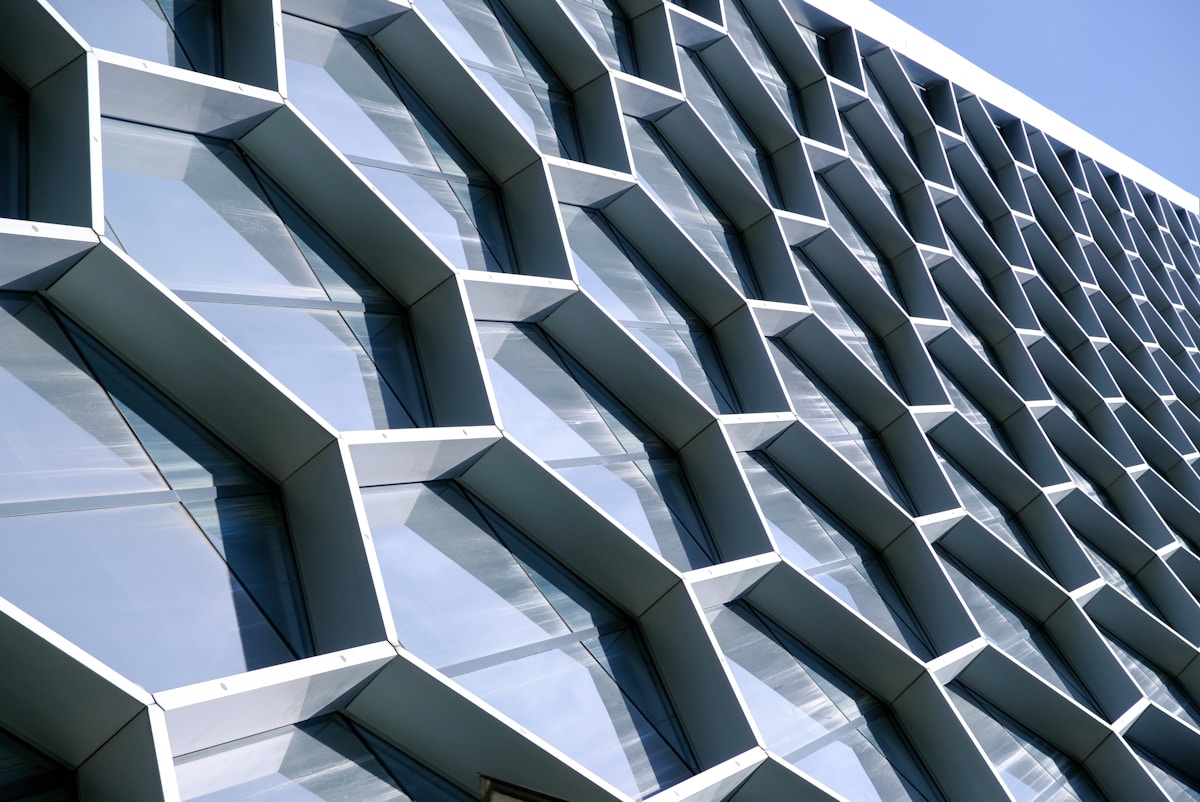
Honeycomb composite panels represent the pinnacle of biomimicry in engineering, utilizing a hexagonal cellular structure to achieve incredible strength with minimal material usage. Think of it like an egg carton: it is incredibly light yet can support significant weight when compressed. In composite panels, this core is sandwiched between high-performance skins like fiberglass, carbon fiber, or aluminum. The result is a panel with an unparalleled strength-to-weight ratio, making it essential for aerospace, high-end RV manufacturing, and modern architectural canopies.
The performance variance here is in the core material. An aluminum honeycomb core offers maximum shear strength for flatness, while a PP (Polypropylene) honeycomb core offers better impact absorption and is fully recyclable. We frequently utilize PP honeycomb cores composited with fiberglass sheets for RV and mobile home solutions, where the combination of “strong and light” is non-negotiable for fuel efficiency and durability on the road. Compared to solid foam cores, honeycomb panels use less material volume to achieve similar or greater stiffness, making them a technically superior choice when volume and thickness are restricted by design constraints.
When selecting a supplier for these composite solutions, do not rely solely on warranty length as a proxy for quality. Verify ISO 9001 certification for quality management systems and demand proof of fire ratings (such as EN 13501) for fire-sensitive applications. Extended warranty terms are often sales tactics; the true protection lies in the manufacturer’s adherence to strict material testing and production standards.
| Aluminum Sandwich Panels | Aluminum skins with honeycomb core | 30-50% lighter than solid concrete or brick veneer alternatives | Architectural facades and cladding | Superior strength-to-weight ratio |
|---|---|---|---|---|
| GRP/FRP Sandwich Panels | Fiberglass Reinforced Polymer (GRP) facings with XPS, PET, PU, or PVC foam cores | Fire Resistance Class A/B1, Tensile Strength >40 MPa, Waterproof gelcoat finish | Commercial facades, refrigerated truck bodies, and industrial infrastructure requiring corrosion resistance | Factory-assembled precision cuts reduce installation time by 40%; fully customizable for complex architectural curves |
| Aluminum Honeycomb Panels | Aluminum sheets composited with Aluminum or PP honeycomb cores | High stiffness-to-weight ratio, 30-50% lighter than steel, exceptional flatness | High-end exterior wall cladding, transportation partitions, and modern architectural aesthetics | Significantly reduces structural load costs; flexible MOQs available for global distributors |
| Foam Core Insulation Panels | Aluminum, Steel, or Plywood facings with PU, PIR, or Rockwool cores | Superior thermal insulation (R-6.5/inch for PU cores), soundproofing, fire-rated options | Exterior insulation systems, cold storage warehouses, and energy-efficient building envelopes | Engineered to minimize thermal bridging; managed supply chain prevents late procurement delays |
| Advanced CFRT Solutions | Continuous Fiber Reinforced Thermoplastic (CFRT) with lightweight foam cores | High impact resistance, thinner and lighter profiles, eco-friendly recyclable materials | RV exteriors, mobile homes, marine vessels, and specialized transport solutions | Full R&D customization from a dedicated engineering team; ensures compliance with stringent mobility standards |
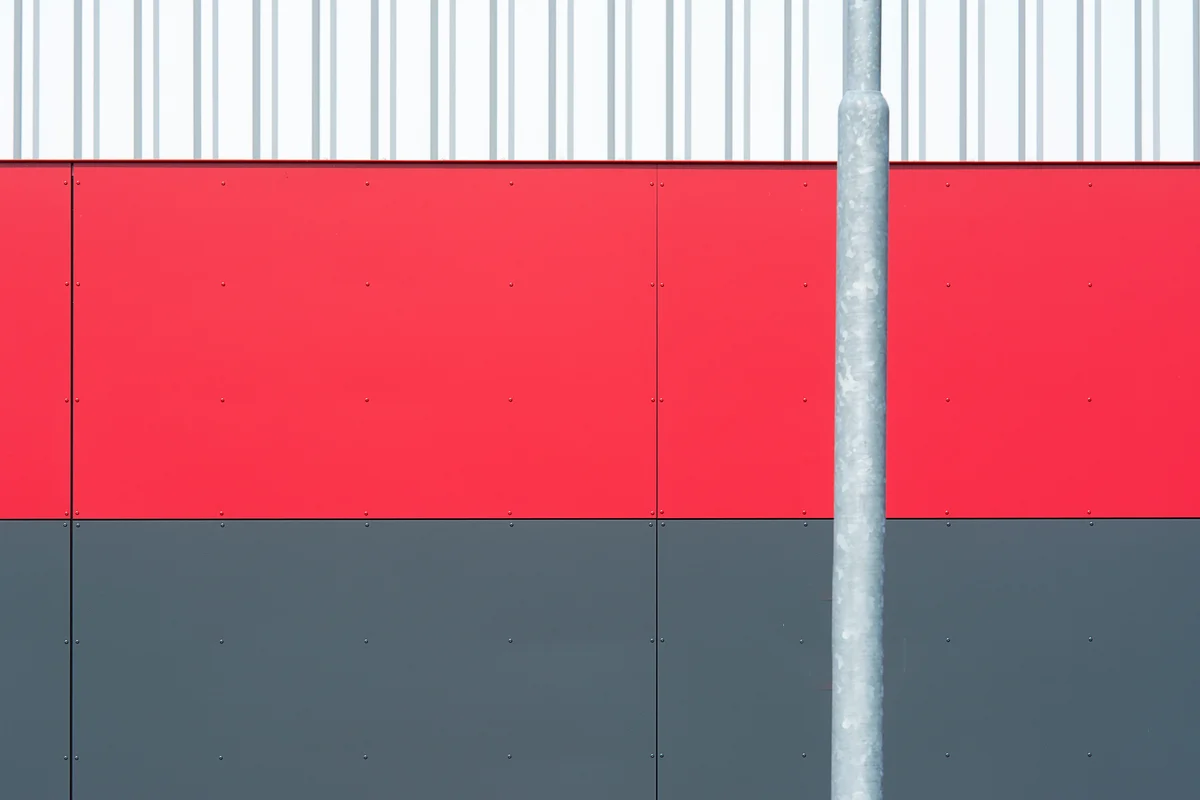
Matching Cladding to Your Building’s Style
Selecting the appropriate cladding material is essential for ensuring architectural coherence. Aluminum cladding complements the raw functionality of industrial structures, GRP panels effectively replicate classic textures for heritage aesthetics, foam core systems deliver the seamless insulation required for minimalist designs, and honeycomb composites provide the high strength-to-weight ratio needed for bold contemporary architecture.
Aluminum Cladding for Industrial and Commercial Buildings
Industrial and commercial architectural styles prioritize durability, cost-efficiency, and clean geometric lines over decorative ornamentation. Aluminum cladding, whether in solid plate or composite forms, is inherently suited for this environment due to its high corrosion resistance and ability to withstand significant physical impact. The material’s flat, metallic finish provides a sleek, “no-nonsense” aesthetic that aligns perfectly with the utilitarian nature of warehouses, factories, and logistics centers. Furthermore, its non-combustible nature (depending on the core material in composite versions) and low maintenance requirements make it a pragmatic choice for large-scale commercial projects where long-term lifecycle costs are a critical concern.
GRP Composite Panels for Classic Architectural Facades
Classic architectural styles often rely on texture, depth, and traditional materials like stone, brick, or wood to convey a sense of history and permanence. Glass Reinforced Polymer (GRP) composite panels are uniquely engineered to serve this niche by mimicking these heavy traditional finishes without imposing excessive structural load on the building. For retrofits or new builds designed to blend with historic districts, GRP allows architects to mold intricate cornices, quoins, and wall details that would be cost-prohibitive or structurally impossible using actual stone. This material bridges the gap between classical aesthetics and modern construction speed, offering the visual language of the past with the performance characteristics of modern composites.
Foam Core Panels for Minimalist Modern Exterior Design
Achieving the clean lines of minimalist modern design requires cladding that provides both monolithic visual continuity and integrated thermal performance. Picking the right cladding comes down to selecting a system that prioritizes thermal efficiency, making foam core sandwich panels a superior choice over aluminum sandwich panels. Typically consisting of a thermally insulating foam core sandwiched between two rigid metal facings, these panels are engineered with XPS to provide specific Golden Data R-values of approximately R-5 per inch. The manufacturing process allows these panels to be produced in large, flat formats that minimize visible joints, creating the monolithic “box” look favored in modernism. Additionally, because the insulation is integrated directly into the cladding panel, architects can maintain slender wall profiles without sacrificing thermal performance, preserving the crisp, thin lines essential to the minimalist style.
Honeycomb Composite Cladding for Contemporary Building Styles
Contemporary architecture frequently challenges gravity with large overhangs, sweeping curves, and expansive curtain walls that demand materials with exceptional strength-to-weight ratios. Aluminum honeycomb composite cladding meets this demand by utilizing a honeycomb structure sandwiched between aluminum skins, resulting in a panel that is incredibly rigid yet surprisingly lightweight. This structural integrity allows for the installation of very large facade panels without the deformation or “oil-canning” seen in thinner metals. Whether used for creating perfectly flat futuristic surfaces or complex curved geometries, honeycomb cladding provides the necessary performance backbone for high-end, visually striking contemporary projects.
Conclusion
Pick the right cladding comes down to one question: what does your building actually need to survive? Aluminum sandwich panels dominate for thermal efficiency and weight savings on tall facades. GRP composite cladding handles impact better in high-traffic zones. Honeycomb panels give you the highest strength-to-weight ratio when structural load is a constraint. Your project’s climate, fire rating, and design language will point to the winner — and guessing wrong means warranty headaches and premature replacements.
Our engineering team has spent years clarifying aluminum sandwich panel specifications, GRP panel performance limits, and foam core thermal properties for architects and specifiers at the design stage. If you’re weighing options and need a second set of technical eyes on your selection, reach out — we’ll walk through the specs with you before you commit to anything.
Frequently Asked Questions
What is NFPA 285 and when does it apply?
NFPA 285 is a fire safety standard that tests the fire propagation characteristics of exterior wall assemblies. It applies to buildings typically four or more stories tall, requiring composite cladding systems to pass rigorous fire testing. RaxPanel ensures its aluminum and foam core sandwich panels meet NFPA 285 compliance for international projects.
Can you mix different cladding materials on one facade?
Yes, mixing cladding materials is common in contemporary architecture to create visual contrast and functional zoning. However, different materials expand and contract at varying rates, so proper joint design and transition detailing are essential. RaxPanel’s engineering team can design compatible mixed-material facade systems that maintain weather tightness and aesthetic cohesion.
How do you verify a cladding supplier’s certifications?
Request third-party test reports for fire rating, tensile strength, and weather resistance from accredited laboratories. Verify ISO manufacturing certifications and check if the supplier has a documented quality management system. RaxPanel provides full technical documentation and compliance certificates for all exported composite panel products.
What warranty length indicates quality in cladding?
Long warranty periods alone do not guarantee quality — they often reflect supplier confidence in cash flow rather than product durability. Reputable manufacturers like RaxPanel offer warranties backed by documented performance data and independent test results. Always cross-reference warranty terms with actual material specifications and real-world project references.
How does composite cladding compare to stone in weight?
Composite sandwich panels are 30 to 50 percent lighter than natural stone cladding, significantly reducing structural load on the building frame. This weight advantage allows for simpler supporting structures and faster installation. RaxPanel’s lightweight GRP and aluminum honeycomb panels are ideal for retrofit and high-rise applications where load is a concern.
When should cladding be procured in a construction project?
Exterior cladding should be specified during the design phase, not treated as a late finish trade. Lead times for custom composite panels can extend several weeks, and late procurement often delays the entire facade schedule. Engaging manufacturers like RaxPanel early ensures design compatibility and timely delivery.