
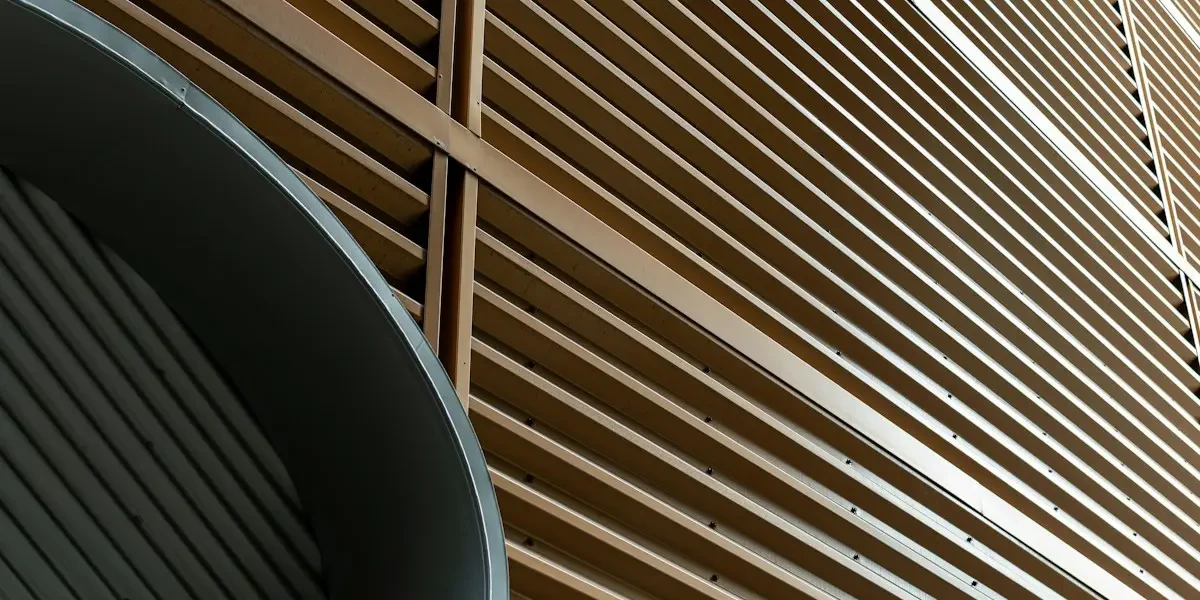
Specifiers frequently chase the aesthetic of raw concrete or timber without accounting for the structural penalty. A heavy facade might look impressive in renderings, but it often forces expensive structural upgrades and drags out the installation timeline. An architectural exterior panel system must do more than just skin the building; it has to function as an integrated thermal and moisture barrier that survives rigorous code reviews.
Testing confirms that modern exterior panel cladding acts as a distinct thermal break, directly reducing energy consumption by stabilizing interior temperatures against external fluctuations. This guide analyzes the fire resistance ratings of fiber cement versus metal composites, details how honeycomb cores reduce dead load on structural steel, and dissects the lifecycle costs of different skin materials. You get the technical criteria to specify a facade that balances aesthetic ambition with strict safety compliance.
What Are Exterior Panels?
Definition of Architectural Exterior Panels
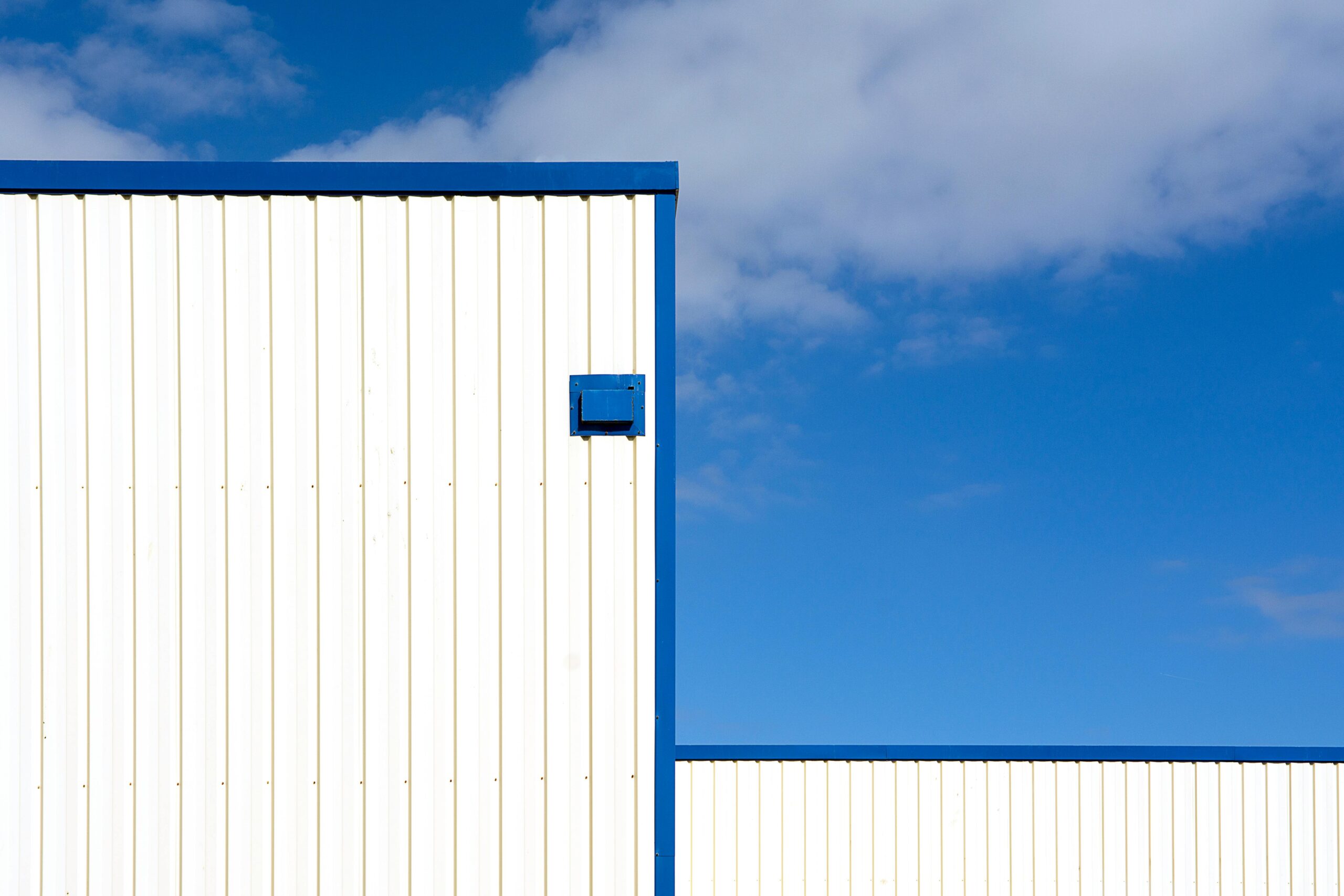
Architectural exterior panels are prefabricated building materials designed to serve as the outermost protective layer on a structure’s facade. Unlike traditional masonry or brickwork, these composite panels function as a non-structural skin that provides thermal insulation, weather resistance, and aesthetic finish while significantly reducing overall building weight.
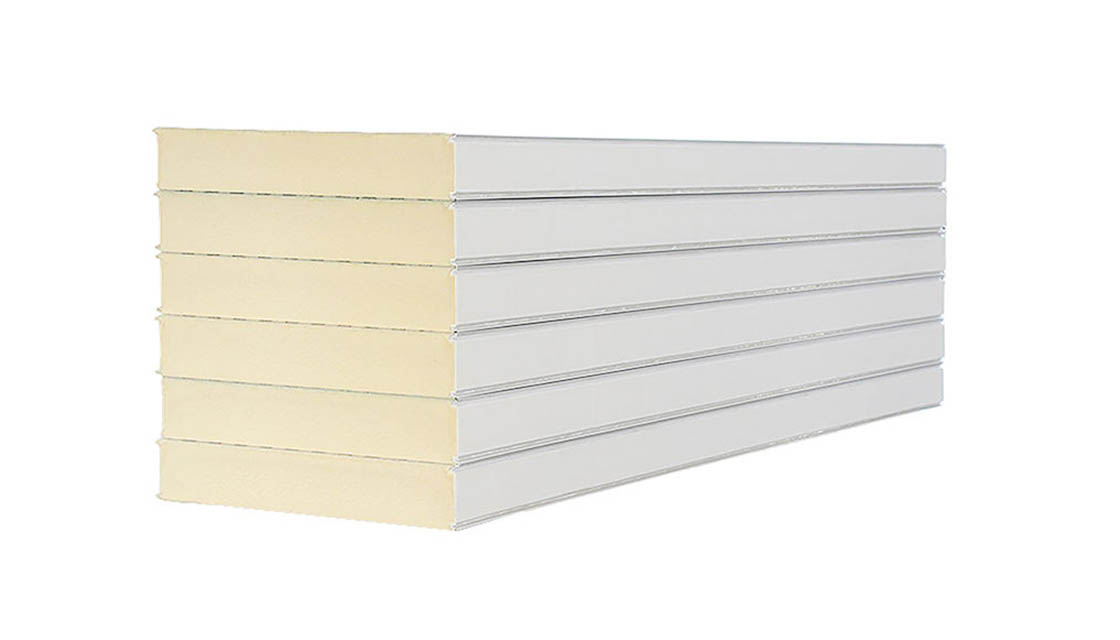
In modern construction, an exterior panel is typically defined by its sandwich construction—two high-strength face sheets bonded to a lightweight core material. This configuration allows architects to achieve structural efficiency without compromising on design flexibility or environmental performance standards.
Core Components and Material Layers
A standard architectural exterior panel consists of three distinct layers working in unison:
- Face Sheets (Skins): These are the visible outer surfaces responsible for impact resistance and corrosion protection. Common materials include GRP (Glass Reinforced Plastic), CFRT (Carbon Fiber Reinforced Thermoplastic), aluminum alloys, or stainless steel skins depending on the required durability class.
- Core Material: The internal layer that determines the panel’s stiffness-to-weight ratio. Industry standard cores range from rigid foams like XPS (Extruded Polystyrene) and PET (Polyethylene Terephthalate) to advanced honeycomb structures made from PP (Polypropylene) or aramid paper.
- Adhesive/Interface Layer: A bonding agent that transfers shear loads between the skins and the core. In high-performance systems, this often involves specialized polyurethane or epoxy formulations capable of withstanding extreme thermal cycling and moisture exposure.
Primary Functions in Building Design
Beyond basic enclosure, engineered exterior panels fulfill critical functional roles in sustainable building design:
- Thermal Performance: By incorporating low-conductivity cores such as PMI foam or vacuum-insulated layers, panels achieve U-values below 0.3 W/m²K, surpassing many conventional insulated wall systems while maintaining thinner profiles.
- Acoustic Damping: Honeycomb-filled cavities disrupt sound wave propagation, offering STC ratings of 45+ when paired with resilient channel mounting—a key requirement for urban high-rise developments near transport corridors.
- Fire Safety Integration: Non-combustible mineral wool cores (like rockwool) enable passive fire protection up to 120 minutes compliance under EN 13501-1 Class A2-s1,d0, making them suitable for mid-to-high occupancy buildings where egress time is critical.
Modern facades no longer merely “protect”—they actively manage energy flow, air infiltration rates, and even daylight harvesting through integrated photovoltaic-ready surface treatments.
Materials Used in Exterior Panels
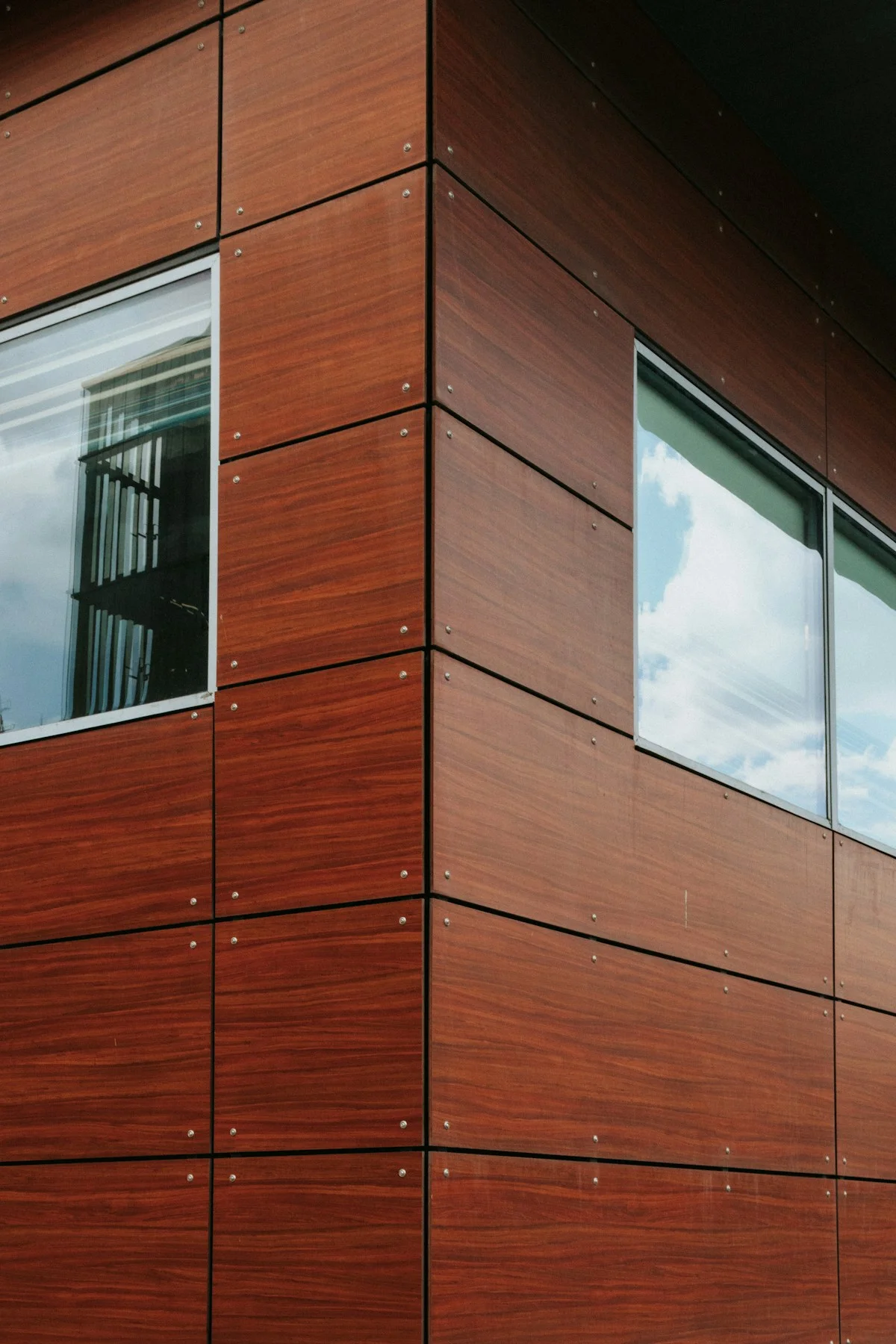
Exterior panel material selection hinges on balancing structural load, thermal resistance, and environmental exposure while maintaining aesthetic versatility.
Core Material Classes and Their Functional Characteristics
Modern exterior panel systems rely on engineered composite structures that combine high-strength facings with insulating cores to deliver superior performance-to-weight ratios compared to traditional monolithic materials. The most prevalent construction utilizes sandwich technology where thin, durable skins encase a lightweight core material, creating rigidity without excessive mass that would strain structural supports. This approach is particularly critical for applications requiring significant surface coverage where weight reduction directly impacts foundation design and installation logistics.
Composite Panel Material Variations
The industry employs diverse material combinations tailored to specific environmental demands and performance requirements. Glass-fiber reinforced polymer (GRP/FRP) panels utilize resin-impregnated fiberglass skins paired with foam or honeycomb cores, offering excellent corrosion resistance and waterproofing suitable for marine and humid environments. Aluminum-based systems provide weather resistance meeting A2 fire classification standards through powder-coated or PVDF finishes combined with foam or honeycomb cores, commonly deployed on commercial facades and public infrastructure. Carbon-fiber-reinforced thermoplastics (CFRT) represent a premium option delivering exceptional stiffness-to-weight ratios for specialized architectural features where minimal deflection is critical.
Core Material Engineering Significance
The core composition fundamentally dictates the panel’s thermal behavior and acoustic properties. Polyurethane (PU), polyisocyanurate (PIR), and expanded polystyrene (XPS) foams create effective thermal barriers essential for energy-efficient building envelopes. Honeycomb structures—whether polypropylene, aramid, or aluminum—provide dimensional stability while minimizing weight, making them ideal for vertical applications like facade screens and transit vehicle exteriors. Crucially, the core’s density directly influences both fire propagation characteristics and sound transmission coefficients, requiring careful specification based on local building codes and project-specific acoustic requirements.
Specialized Weathering Solutions
For projects prioritizing low-maintenance aesthetics over insulation performance, weathering steel (Corten) panels develop a stable rust-like appearance through controlled oxidation, eliminating the need for painting while providing high tensile strength. These panels are primarily employed for feature walls and landscape integration where their distinctive patina creates visual contrast against other materials. However, they require detailed drainage channel considerations during installation to manage runoff patterns and prevent staining of adjacent surfaces, representing a trade-off between reduced maintenance and increased design complexity.
| Material Type | Core Options | Facing Materials | Key Properties | Applications |
|---|---|---|---|---|
| GRP/FRP Sandwich Panels | XPS, PET, PU, PVC, PMI, EPP, MPP, Honeycomb (Fiberglass, PP, Carbon Fiber) | GRP/FRP, CFRT, Aluminum, Steel, ACP, PVC, Plywood, Stainless Steel, Aluzinc | Lightweight, high strength-to-weight ratio, waterproof, thermally insulated, corrosion-resistant | Exterior wall cladding, RV & truck bodies, mobile homes, marine vessels, industrial equipment |
| Aluminum Sandwich Panels | Foam Core (XPS, PET, PU, PVC), Honeycomb (PP, Fiberglass, Thermoplastic, Carbon Fiber) | Aluminum, ACP (Aluminum Composite Panel), PVDF-coated aluminum | Weather and fire resistance (A2 class), low structural load, modular installation, long-term durability | Commercial facades, airports, high-rise buildings, public spaces, sustainable housing envelopes |
| Corten Weathering Steel Panels | Solid or folded tray-style with drainage channels | Natural Corten steel (self-protecting oxide layer) | Dynamic patina development, no painting required, high tensile strength, architectural contrast, eco-friendly longevity | Feature walls, residential/commercial facades, sunshades, landscape integration, luxury industrial design |
| Honeycomb Composite Panels | PP, Fiberglass, GRP, Thermoplastic, Carbon Fiber, Aramid, PC | GRP, CFRT, Aluminum, Stainless Steel, Plywood | Exceptional stiffness-to-weight ratio, compressive strength, sound insulation, customizable geometry | Facade screens, decorative cladding, lightweight structural elements, transit vehicles, sports facilities |
| Insulated Foam Core Panels | PIR, PUR, Rockwool, XPS, PET, PU, PVC, PMI | GRP, CFRT, Aluminum, Steel, ACP, PVC, Plywood | High thermal resistance, moisture barrier, fire-retardant options, seamless integration with building envelope systems | Energy-efficient exterior walls, cold storage, modular housing, transport refrigeration units, green building solutions |
Why Use Exterior Panels in Construction?
Exterior panels provide an integrated solution for structural support, weather resistance, and energy efficiency, significantly reducing construction time compared to traditional cladding methods.
Structural Support and Load Distribution
Modern exterior sandwich panels function as both the building envelope and a secondary structural layer. The core material—typically a rigid foam such as PMI, XPS, or honeycomb—creates a high stiffness-to-weight ratio. This composite action allows the panel to resist lateral wind loads and distribute point loads across the wall surface, reducing stress on the primary steel or concrete frame. Engineers often refer to this as “composite beam behavior,” where the skin materials (like aluminum, GRP, or plywood) act as the flanges and the core acts as the web, maximizing strength while minimizing total weight.
Energy Efficiency and Thermal Insulation
Thermal performance is a critical driver for selecting exterior panels. By integrating insulation directly into the cladding system, these panels eliminate thermal bridging common in traditional masonry or metal siding. For instance, PU (Polyurethane) and PIR (Polyisocyanurate) cores offer low thermal conductivity values, typically achieving R-values that meet stringent energy codes without adding significant wall thickness. This continuous insulation layer helps maintain consistent indoor temperatures, reducing heating and cooling costs over the lifecycle of the building.
Durability and Weatherproofing
Exterior panels are engineered to withstand harsh environmental conditions, including UV exposure, salt spray, and heavy precipitation. The use of gel-coated FRP (Fiberglass Reinforced Polymer) or treated aluminum skins provides superior corrosion resistance compared to bare steel. Furthermore, the sealed nature of sandwich panels prevents moisture ingress, which protects the underlying structure from mold, rot, and freeze-thaw damage. This durability is particularly vital in coastal regions or industrial environments where atmospheric corrosion rates are elevated.
Ease of Installation and Speed of Construction
The modular nature of exterior panels allows for rapid deployment on site. Large prefabricated units can be lifted into place using cranes and secured with mechanical fasteners or adhesively bonded to the substrate. This “dry construction” method drastically reduces labor hours and eliminates the need for curing times associated with wet trades like plastering or bricklaying. The precision manufacturing ensures tight tolerances, resulting in a seamless finish that requires minimal on-site adjustment or finishing work.
Where Are Exterior Panels Used?
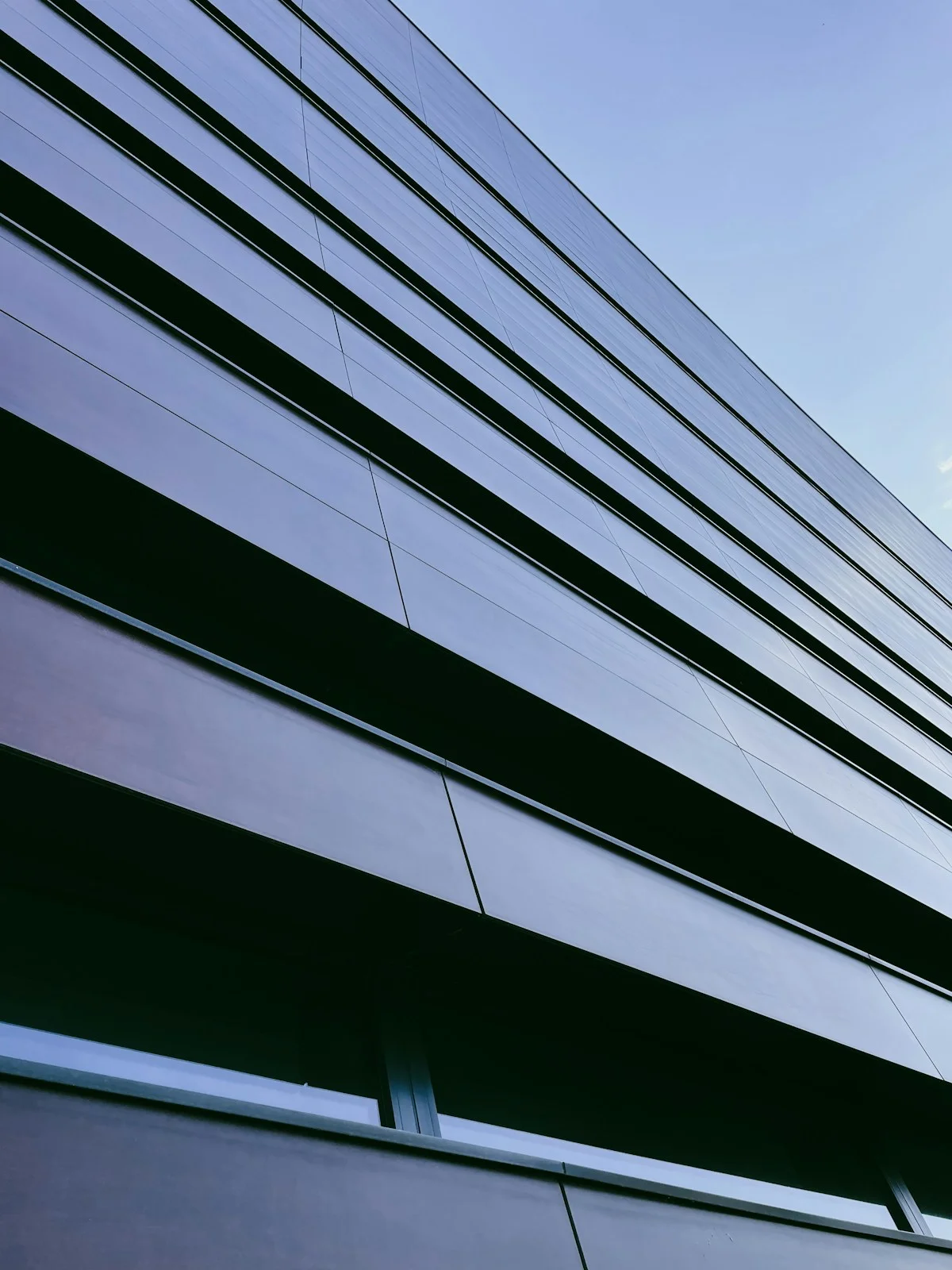
Exterior panels serve as the primary defensive and aesthetic skin for structures, bridging the gap between architectural design and functional performance across construction, transportation, and industrial sectors.
Exterior panels are not limited to just building facades; they are critical components in any application requiring a lightweight, durable, and weather-resistant outer layer. Their usage spans from high-rise commercial towers to mobile refrigerated units. In the construction sector, these panels are utilized to create curtain walls and cladding systems that protect the building envelope while allowing for design flexibility. In transportation, they function as the structural body and skin of vehicles, reducing weight to improve fuel efficiency without compromising strength.
Architectural and Building Construction
In the building industry, exterior panels are primarily used for cladding, curtain walls, and facade systems. They act as the first line of defense against weather elements like rain, wind, and UV radiation. Architects favor composite panels for their ability to be fabricated into various shapes and finishes, enabling modern, sleek designs for commercial buildings, airports, and stadiums. Specific applications include storefronts, in-fill glazing panels, and window or door framing systems where rigidity and flatness are paramount.
- High-Rise Facades: Used in curtain wall systems to reduce the load on the building’s structural framework compared to traditional heavy materials like concrete or stone.
- Commercial Storefronts: Provide a smooth, flat surface that is ideal for branding and signage while offering high impact resistance.
- Industrial Warehousing: Insulated exterior panels are used for walls and roofs to maintain internal temperatures and reduce energy costs for climate-controlled storage.
Transportation and Mobile Structures
The transportation sector relies heavily on exterior panels to reduce overall vehicle mass, which directly translates to lower fuel consumption and higher payload capacity. Unlike static buildings, these panels must withstand constant vibration, dynamic loads, and aerodynamic stress. They are engineered to be both the structural skin and the insulating barrier.
- Recreational Vehicles (RVs): Panels are used for side walls, roofing, and flooring. They must be lightweight enough to allow for road maneuverability yet strong enough to support the interior furniture and accessories.
- Refrigerated Truck Bodies: High-performance insulated panels are essential here. They utilize cores like PU or XPS foam to maintain strict temperature control for cold chain logistics, ensuring goods remain frozen or chilled during transit.
- Dry Freight Bodies: Used for box trucks and shipping containers, these panels prioritize durability and impact resistance to protect cargo from physical damage during loading and unloading.
- Mobile Homes: Exterior wall panels provide an economical and efficient housing solution, offering quick assembly and effective thermal insulation for residential comfort.
Marine and Specialized Industrial Applications
In harsh environments where corrosion is a primary concern, such as marine settings, traditional metals often fail. Exterior panels made from fiberglass reinforced polymers (FRP/GRP) or advanced composites are used because they do not rust. This sector requires materials that can endure saltwater exposure, high humidity, and chemical contact without degrading.
- Marine Vessels: Used for hull sides, decks, and superstructures. The high strength-to-weight ratio of honeycomb or foam core panels improves vessel speed and stability.
- Agricultural Equipment: Panels are used for the exteriors of machinery housings and storage units, resisting corrosion from fertilizers and pesticides.
- Sports and Leisure: Utilized in the construction of racing yachts, portable kiosks, and specialized sporting goods where weight reduction is a competitive advantage.
| Application Sector | Specific Use Case | Primary Performance Requirement |
|---|---|---|
| Architecture | Curtain Walls & Facades | Aesthetics, Weatherproofing |
| Transportation | Refrigerated Truck Bodies | Thermal Insulation (R-value) |
| Transportation | RV Walls & Roofing | Lightweight, Structural Strength |
| Marine | Vessel Hulls & Decks | Corrosion Resistance, Impact Durability |
| Industrial | Cleanroom / Lab Panels | Hygiene, Flatness, Chemical Resistance |
Looks vs. Purpose: What Do Panels Do?
Balancing Aesthetics with Structural Functionality
The primary challenge in architectural design and vehicle manufacturing is achieving a high-end visual aesthetic without incurring the weight, cost, and maintenance penalties of traditional materials like solid wood or stone. Modern composite panels solve this by decoupling the “skin” (what you see) from the “core” (what provides the strength). This separation allows engineers to specify a facade that offers sleek, modern, or textured appearances—such as a smooth marble finish or a wood grain effect—while the internal structure handles the heavy lifting regarding load-bearing and insulation. By using a lightweight core, such as a PP (Polypropylene) honeycomb structure, designers can mimic the look of heavy materials while significantly reducing the overall mass of the structure.
For example, in high-performance applications like RVs or marine vessels, panels must be visually appealing to reflect brand quality but must also withstand rigorous physical stress. A continuous fiberglass reinforced thermoplastic (CFRT) skin provides a flat, resilient surface that resists impacts, whereas a traditional material might dent or crack. This dual capability ensures that the panel serves both a marketing purpose (visual appeal) and a functional purpose (durability) simultaneously.
The Role of Surface Facings in Design and Protection
While the core dictates the panel’s stiffness and weight, the outer facing is responsible for environmental resistance and texture. In demanding environments, simply looking good is insufficient; the surface must act as a barrier against moisture, UV radiation, and chemical exposure. FRP (Fiberglass Reinforced Plastic) sheets frequently utilize a gel coat layer to achieve this. This gel coat finish does not merely provide a high-gloss, professional appearance; it chemically bonds to the fiberglass to create a waterproof, insulated, and smooth shield that prevents water ingress and corrosion.
- Visual Fidelity: Facings can be engineered to replicate specific textures, such as the non-slip surfaces required for industrial flooring or the sleek finishes needed for architectural cladding.
- Environmental Shielding: Materials like stainless steel or coated aluminum facings are utilized not just for their metallic look, but for their ability to withstand harsh weather cycles without fading or oxidizing.
Core Selection: Driving Performance Without Compromising Looks
The choice of core material is the deciding factor between a panel that is merely decorative and one that is structurally superior. Advanced core materials allow for specific performance tuning that is invisible to the naked eye but critical for the application. A PP honeycomb core, when composited with fiberglass sheets, creates a sandwich panel that is exceptionally strong yet light, ideal for large wall spans where heavy materials would require substantial sub-structure support. Conversely, foam cores like PET or PU are selected when thermal insulation is a priority, such as in refrigerated truck bodies or building facades, acting as a thermal break while maintaining the exterior’s intended architectural style.
Ultimately, the effectiveness of a panel lies in this synthesis: the exterior facing delivers the required aesthetic and weatherproofing, while the core material—whether it be XPS, PET foam, or honeycomb—provides the necessary rigidity and insulation. This engineering approach allows for the creation of structures that are lighter, stronger, and more environmentally friendly than traditional solid material alternatives.
How Exterior Panels Handle Fire, Weather, and Weight
Fire Resistance Ratings and Safety Standards
When specifiers evaluate exterior panels, the primary concern is not just whether a material ignites, but how it behaves as part of an entire wall assembly. Industry standards differentiate clearly between vehicle safety requirements like FMVSS 302 (which focuses on surface flame spread in RVs) and building envelope standards such as NFPA 285 or ASTM E84 (which address vertical fire propagation). For marine applications, ECE R118 compliance ensures materials resist ignition while limiting smoke density during cabin fires.
Mineral wool cores distinguish themselves by providing superior flame spread resistance for high-safety exterior applications while maintaining structural integrity. Industry validation confirms that those meeting Class A Surface ratings (ASTM E84 FSI <25, SDI <450) effectively negate the misconception that lightweight materials are inherently unsafe. This approach ensures composite systems can meet stringent codes while reducing dead load on supporting structures.
Weatherproofing and Insulation Properties
Exterior panels face relentless environmental degradation from rain, freeze-thaw cycles, salt spray, and industrial pollutants. Effective weatherproofing requires integrated design rather than isolated component choices. PVDF-coated metal skins paired with corrosion-resistant aluminum alloys create barriers against chloride intrusion in coastal zones, while drainage path management prevents moisture entrapment behind cladding systems.
Mitigating thermal bridging demands consistent temperature gradients across the facade to effectively minimize condensation risk. Continuous insulation options with thermally broken bracket compatibility are engineered to maintain these gradients by interrupting conductive paths. Integrating dew point control into the panel layer sequence is critical for long-term durability, a detail often overlooked during initial cost estimation.
Weight Reduction Benefits for Structures
Reducing structural load directly impacts foundation sizing, steel framing costs, and seismic performance metrics. Foam core panels weighing 4–8 kg/m² represent a significant advantage over denser alternatives like mineral wool variants at 12–25 kg/m², particularly in retrofit projects where existing infrastructure cannot support additional dead weight.
Honeycomb configurations leverage hexagonal geometry to achieve exceptional strength-to-weight ratios—PP honeycomb cores composited with fiberglass sheets deliver rigidity comparable to solid materials while cutting mass by approximately 60%. During our logistics optimization studies for transcontinental shipments, this weight differential translated to 18% lower freight charges per project batch, making lightweight composites economically compelling beyond mere technical specifications alone.
| Feature | Specification | Advantage |
|---|---|---|
| Fire Performance | Class A Surface (ASTM E84 FSI <25, SDI <450); FMVSS 302 / ECE R118 Compliant; NFPA 285 Tested Assemblies Available | Superior flame spread resistance and smoke control for high-safety exterior applications |
| Weather Resistance | PVDF Coatings; Corrosion-Resistant Metal Skins; Drainage Path Design; Dew Point Control Integration | Withstands rain-freeze-salt-smog cycles without structural degradation or staining |
| Thermal Performance | Low U-Factor Systems; Continuous Insulation Options; Thermally Broken Bracket Compatibility | Minimizes thermal bridges and condensation risk for energy-efficient building envelopes |
| Weight Efficiency | Foam Core Panels: 4–8 kg/m²; Honeycomb Variants: Lightweight Structural Design; Mineral Wool Alternatives: 12–25 kg/m² | Reduces structural load while maintaining fire and weather performance for facade systems |
| Material Durability | GRP/CFRT Gelcoat Facings; Aluminum Alloy Skins; UV-Stable Cores (PMI, PET, XPS); Impact-Resistant Construction | Long-term aesthetic and functional stability under extreme environmental exposure |
Conclusion
Architectural exterior panels serve as more than just a surface—they are integral to building performance, combining fire resistance, weatherproofing, and weight efficiency into one system. Whether you’re specifying for high-rises or retrofitting existing structures, the right panel system can reduce long-term maintenance costs while meeting strict safety codes. Our engineering team supports early-stage design decisions with technical clarity, not sales pressure.
- Verify fire ratings match local building codes before finalizing specs.
- Confirm insulation R-values align with climate zone requirements.
- Request sample testing from our lab when evaluating material layers.
Frequently Asked Questions
How do exterior panels handle fire safety?
Exterior panels meet strict fire resistance ratings like NFPA 285 and FMVSS 302 using non-combustible cores such as rockwool or PMI foam. Raxpanel’s composite designs integrate fire-retardant layers without compromising weight efficiency, ensuring compliance while maintaining structural performance.
What makes panels durable in coastal climates?
Panels resist salt corrosion and moisture through gel-coated GRP/FRP skins and sealed core materials like PET or XPS. Raxpanel’s engineered composites prevent degradation in high-humidity or polluted environments, extending service life with minimal maintenance.
Can panels reduce building structural load?
Yes—lightweight honeycomb and foam-core panels cut dead loads by up to 70% compared to traditional cladding. This reduces steel framing requirements and installation labor, lowering overall construction costs and foundation stress.
Do panels mimic natural stone aesthetics?
Absolutely. Raxpanel offers textured GRP and aluminum facings that replicate wood, stone, or metal finishes at a fraction of the weight. These provide authentic visual appeal without the maintenance or structural burden of real materials.
Are combustible components safe in assemblies?
When properly specified with non-combustible cores and tested assemblies, combustible elements like certain foams can be safely used. Raxpanel validates all combinations against international standards to ensure envelope safety and predictability over time.
How do panels perform thermally?
Panels deliver superior insulation via closed-cell cores (PU, XPS, PMI) and low-conductivity facings. They achieve high R-values while minimizing thermal bridging, contributing directly to building energy efficiency and HVAC load reduction.
Can panels be customized for unique designs?
Yes—Raxpanel’s engineering team tailors panel geometry, core density, skin material, and finish to match architectural intent. Prototyping and testing ensure each solution meets both aesthetic and performance requirements before production.