
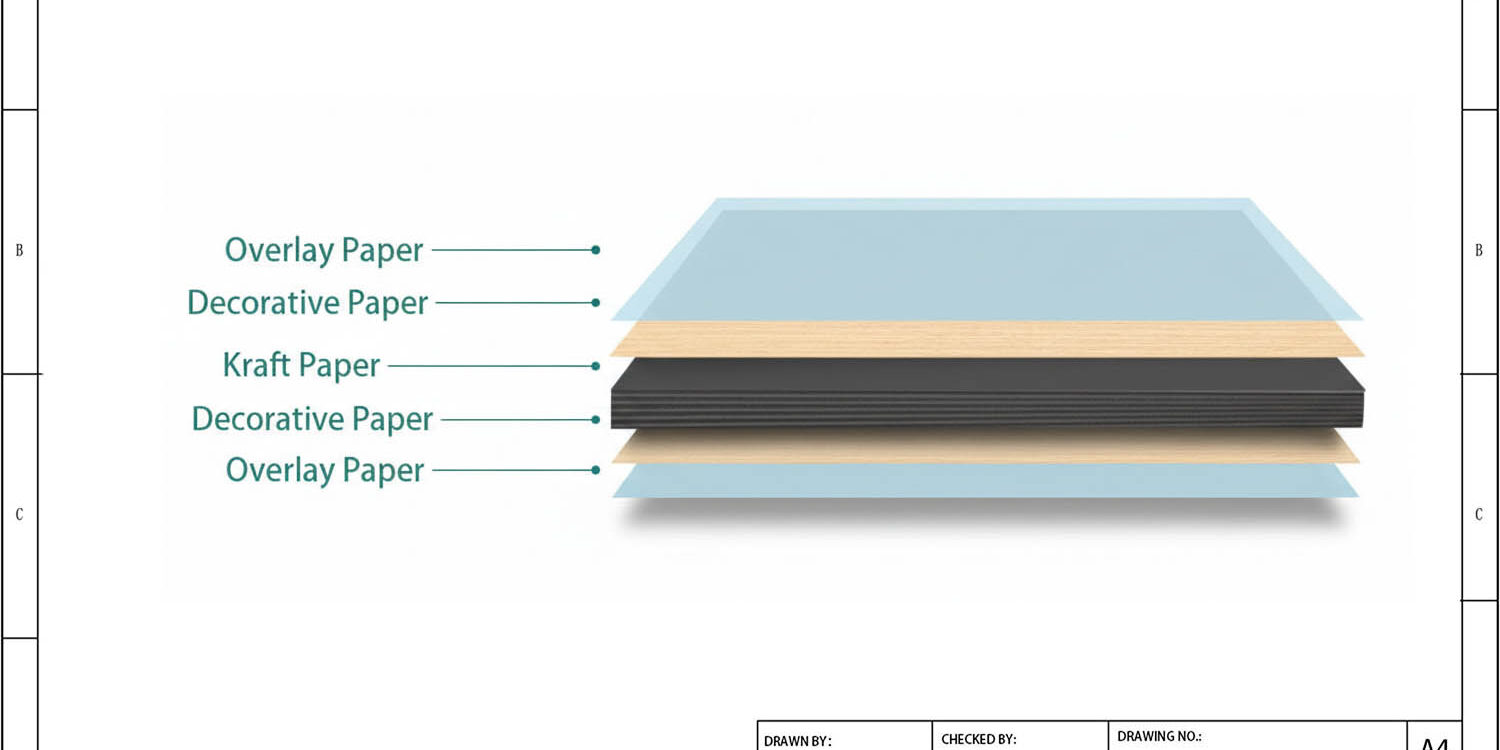
Specifying Aluminium Composite Panels for mobile platforms requires more than picking a color swatch. You are balancing regulatory fire codes, structural fatigue limits, and tight vehicle weight budgets. An ACM panel is a three-layer sandwich: two pre-finished aluminium skins bonded to a mineral or polyethylene core.
That core choice dictates everything from thermal break performance to crash certification. Most engineers assume standard PE cores pass highway safety tests. They do not. Switching to a mineral-filled or fire-retardant core adds weight but eliminates catastrophic delamination during a thermal event.
This breakdown covers the exact specifications you need to vet before signing off on a production run. We will walk through how fire safety classifications actually work on the shop floor, why standard foam cores fail RV wall stress tests, and which thickness tolerances keep oil-canning out of your finished fleet.
You will also see how honeycomb alternatives outperform standard sheets in high-load door frames and wheel wells. The goal here is straightforward. You will finish with a clear checklist that stops supply chain delays and keeps your vehicles road-legal from day one.
Correct core selection and strict thickness tolerances prevent regulatory failures and structural recalls in mobile applications.
What Is Modern Cladding Materials?
Material selection at this point sets the thermal efficiency, fire rating, and weight of the finished assembly. Balance R-value requirements against span capability and code-mandated fire performance.
Defining the Aluminium Composite Panel
Aluminium Composite Panel (ACP) is a flat, lightweight building material constructed by laminating two thin aluminium sheets to a non-aluminium core. Unlike solid aluminium cladding, which is prone to thermal expansion buckling, or heavy structural steel frames, ACP acts as a mid-weight bridge between visual appeal and functional support.
Think of it like a high-performance sandwich: the outer skins handle weather exposure and provide a smooth canvas for architectural detailing, while the internal core delivers rigidity without adding unnecessary dead weight to the substrate.
In professional procurement, distinguishing ACP from other systems is critical. It is not an Insulated Metal Panel (IMP) designed for complete wall envelope replacement, nor is it a structural load-bearing component. Instead, it serves primarily as a decorative and semi-protective cladding layer for facades, interiors, and mobile transport bodies. By selecting the correct core density and skin alloy, manufacturers can engineer panels that resist impact, reduce vibration fatigue, and simplify retrofitting projects where adding heavy framing is structurally prohibited.
The Structure of ACP Sandwich Panels
The engineering backbone of any quality ACP lies in its lamination chemistry and dimensional precision. The panel consists of a continuous bond between aluminium alloy facings and a central filler, cured under controlled heat and pressure. This tri-layer architecture ensures uniform stiffness across the entire sheet, preventing the surface waviness known as oil-canning that plagues thinner or poorly bonded alternatives. Each layer of that stack carries its own specification, which the ACP panel structure guide walks through in order.
- Skin Composition: High-grade aluminium alloys (typically 3003 or 5005 series) ranging from 0.2mm to 0.5mm thick for optimal foldability and corrosion resistance.
- Core Matrix: The internal filler dictates thermal and fire performance, ranging from thermoplastics to engineered mineral composites.
- Bonding Interface: Industrial adhesives applied via hot-melt lamination to guarantee zero voids between layers.
Fire safety classification entirely depends on that core matrix. While many budget suppliers default to standard Polyethylene (PE) cores for cost efficiency, engineering-grade projects require Flame Retardant (FR) blends that self-extinguish, or fully mineral-based A1 cores that achieve ASTM E84 Class A ratings.
When our engineers evaluate mobile transport applications like RV walls or refrigerated truck bodies, we specifically target higher-density cores that absorb road vibration without degrading. We run continuous peel-strength tests on our production lines to ensure the lamination survives extreme thermal cycling, guaranteeing the panel returns to its original flatness after installation.
Balancing Architectural Aesthetics with Function
Architects select ACP primarily for its versatility in shaping, coloring, and texturing. The material can be routed, bent around curves, perforated for acoustic control, and coated with advanced fluoropolymer finishes that resist UV degradation and chemical exposure. This aesthetic freedom allows for sharp geometric facades or smooth interior partitions, but visual customization must never override environmental compliance or mechanical durability.
Functional balance requires matching the finish chemistry to the operational climate. A matte or metallic PVDF coating may deliver the desired visual profile, but it must simultaneously provide salt-spray resistance for coastal deployments and thermal reflectivity for energy-efficient buildings. In the transportation sector, we prioritize lightweight formulations that directly improve payload capacity and fuel economy. By specifying precise thickness tolerances between 3mm and 25mm, we allow fleet operators to optimize structural weight while maintaining impact resistance against road debris.
Ultimately, successful deployment hinges on aligning the decorative specification with the structural mandate. We recommend conducting material compatibility checks before finalizing design assemblies, particularly when combining ACP with dissimilar metals that could trigger galvanic corrosion. When engineered correctly, these panels simplify installation timelines, reduce long-term maintenance cycles, and deliver the clean, modern aesthetic that defines contemporary commercial and mobile architecture.
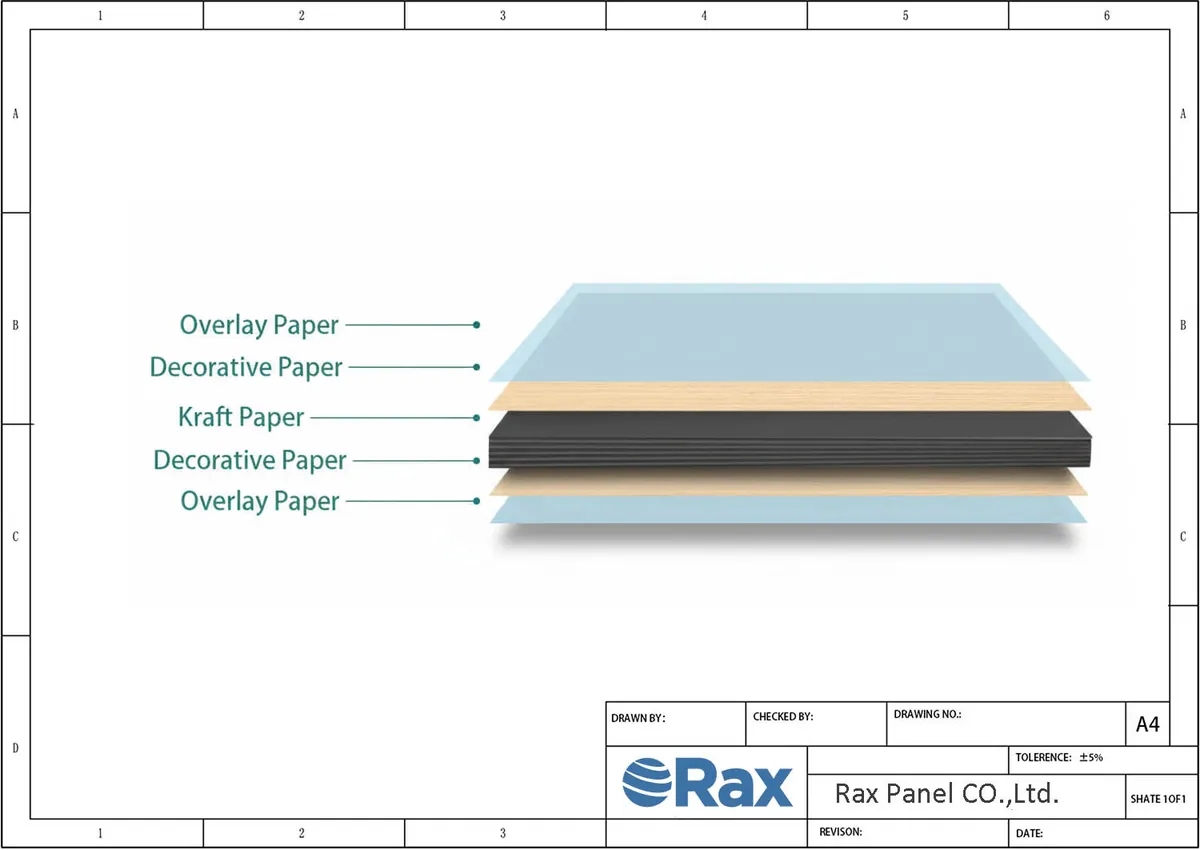
1: What Is the Basic ACP Structure?
At its most fundamental level, an Aluminum Composite Panel (ACP) is engineered as a three-layer “sandwich” system designed to optimize strength-to-weight ratios. This composite structure consists of two thin sheets of aluminum—typically ranging from 0.15mm to 0.5mm thick—bonded securely to a central core material. The core acts as the structural spine, dictating the panel’s rigidity, thermal insulation, and fire performance.
Two primary core types dominate the market: standard Polyethylene (PE) and mineral-filled cores. The PE core, while cost-effective and lightweight, is inherently combustible. In contrast, the mineral core, composed largely of non-combustible inorganic materials, significantly enhances fire resistance. These layers are fused using high-pressure lamination or continuous bonding processes. By isolating the aluminum skins with this internal core, manufacturers achieve a flatness and stiffness that solid aluminum plates of equal weight cannot match, making the material ideal for exterior cladding.
2: Where Are ACP Panels Commonly Used?
Aluminum composite panels dominate modern curtain walls and commercial signage because they deliver rapid installation cycles alongside consistent dimensional stability.
Building Envelopes & Signage
Specifiers select ACP sheets primarily for architectural cladding, renovation overlays, and freestanding brand displays. The material’s standard composite panel thickness tolerance generally remains within ±0.2mm, which prevents panel misalignment during rapid dry-fix installations. When projecting through high-rise fire zones, engineers specify mineral A1 cores or fire rated ACP core materials to satisfy building codes without compromising the desired flat aesthetic.
Transport & Modular Interiors
In the mobility sector, aluminum composite panel RV wall applications rely on standardized skin layers for quick modular assembly. However, procurement teams distinguish between decorative cladding and structural requirements. While standard ACP provides adequate ACP thermal insulation R-values when backed by polyisocyanurate boards, heavy-duty chassis and cargo floors increasingly substitute the laminate with a lightweight aluminum honeycomb panel. This shift maximizes payload capacity and impact resistance in high-vibration transit environments.
3: What Are the Key Performance Benefits?
Composite panels deliver excellent strength-to-weight ratios and design versatility, but optimal performance requires matching core chemistry to specific structural and thermal demands.
The primary advantage lies in exceptional rigidity without heavy dead loads. By sandwiching insulating cores between thin metal skins, engineers achieve high stiffness-to-weight metrics that reduce structural framing requirements significantly. Unlike solid aluminum sheets that flex under lateral pressure, or insulated metal panels focused solely on envelope sealing, composite systems prioritize architectural form and impact resistance.
Core Chemistry & Structural Trade-offs
Performance heavily depends on core selection. Polyethylene (PE) cores offer cost efficiency but lack fire ratings, making them unsuitable for strict commercial codes. Flame-retardant (FR) cores provide a balanced middle ground, while mineral or A1-grade cores deliver non-combustible safety at a premium. For high-stress zones like RV walls, manufacturers often bypass standard ACP in favor of honeycomb panels, which resist flexing and delamination under constant vibration.
- Thermal & Acoustic Insulation: Closed-cell cores significantly reduce heat transfer and dampen external noise.
- Aesthetic Flexibility: Uniform surfaces accept durable finishes for long-term color retention and consistent appearance.
4: Which Coatings and Finishes Are Available?
Coatings and finishes dictate long-term durability and aesthetics. Selecting the right surface treatment depends entirely on your exposure environment, structural stress requirements, and fire compliance targets.
Surface finish selection fundamentally dictates long-term weatherability and visual consistency across commercial facades. Polyester and polyurethane (PU) chemistries provide a cost-effective baseline for standard architectural cladding, delivering reliable color stability and basic scratch resistance under normal weather conditions. However, projects in high UV or coastal environments demand superior fluoropolymer options.
Premium polyvinylidene fluoride (PVDF) finishes create a molecular shield that resists fading, chalking, and chemical erosion for decades. Crucially, coating selection must align with core chemistry: standard PE cores pair with baseline laminates, while lightweight aluminum honeycomb cores or mineral-filled FR cores (meeting ASTM E84 Class A) require specialized topcoat adhesion protocols to prevent delamination under structural or thermal stress.
How to Choose for Specific Applications
When specifying panels for mobile applications like RV walls, standard PE finishes may struggle against constant vibration and road debris. In these high-stress zones, lightweight aluminum honeycomb cores paired with textured PVDF laminates offer superior impact resistance and dimensional stability.
Meanwhile, fire-rated assemblies require switching from standard plastic cores to mineral fillers to achieve strict safety classifications, which inherently alters the final topcoat adhesion profile. Always verify that your chosen finish is fully compatible with the panel’s core chemistry before procurement.
| Finish Category | Material Composition | Surface Property | Technical Standard | Engineering Benefit |
|---|---|---|---|---|
| Gelcoat | Unsaturated polyester resin with wax barrier | High-gloss, non-porous, flat | ASTM D969 Resin Standard | Superior waterproofing and UV resistance for FRP skins |
| ACP Topcoat | Fluoropolymer (PVDF) or polyurethane | Smooth, color-stable, weather-resistant | ISO 12944 C4 Corrosion Standard | Long-term aesthetic retention and chemical resistance for exterior cladding |
| Stainless Steel Skin | AISI 304 or 316 alloy sheet | Brushed or mirror metallic finish | AISI Industrial Grade Standard | Maximum structural rigidity and hygienic, low-maintenance surface |
| Aluzinc Coating | Aluminum-zinc alloy layer on steel substrate | Matte metallic, heat-reflective | Galvalume Coating Standard | Thermal reflection and lightweight corrosion resistance for transport bodies |
| PVC Lamination | Polyvinyl chloride decorative film | Textured or printed decorative finish | High-Adhesion Bonding Standard | Enhanced scratch resistance and customizable interior aesthetics for RVs |
| Wood/Plywood Facing | Hardwood veneer or marine-grade plywood | Natural grain, machinable texture | Marine-Grade Edge Standard | Improved thermal insulation and reliable fastening points for furniture panels |
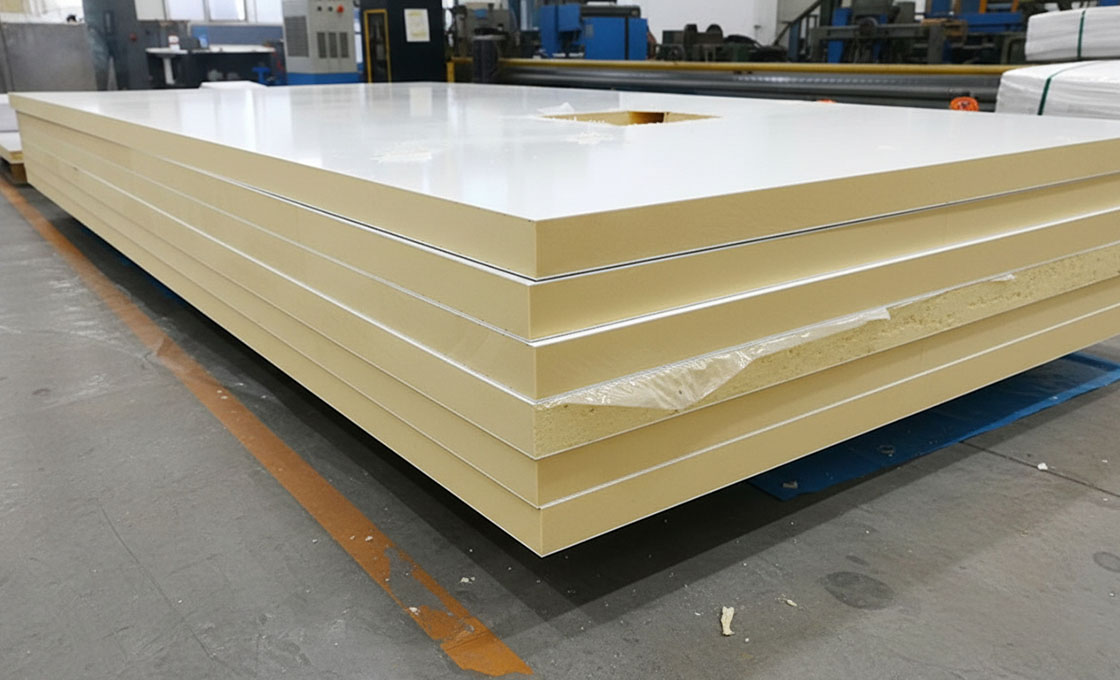
5: How Do Fire Safety Classifications Work?
This factor has a direct bearing on project performance and long-term cost. Addressing it with specific data rather than general assumptions leads to better outcomes.
The Role of Mineral Cores
For high-risk applications or strict building codes, Mineral-filled cores are the industry standard for safety. These consist of roughly 90% inorganic mineral fillers, behaving more like stone than plastic. They do not contribute to the fire load, often achieving the highest non-combustible ratings (Class A). Selecting the right core involves balancing initial cost against safety regulations; using standard PE in a high-rise setting is a critical safety violation, whereas mineral cores provide essential protection and compliance.
6: What Are Common Myths Versus Facts?
The comparison comes down to a few measurable properties: thermal conductivity, compressive strength, fire reaction class, and long-term dimensional stability under humidity cycling.
Myth: ACP Panels Replace Traditional Insulation
The aluminum skins provide virtually zero thermal resistance. Specifying ACP as a primary weather barrier without an underlying insulating layer leads to massive energy loss and condensation risks. In practice, architects laminate foam cores like XPS or PET directly behind the metal skins to achieve target R-values. For mobile applications like RV wall manufacturing, this sandwich approach keeps interior temperatures stable while maintaining strict weight limits.
7: How Do You Identify Quality Indicators?
Identify panel quality through surface flatness, coating adhesion, and core fire-rating verification before committing to bulk orders.
Surface Flatness and Finish Consistency
Inspect panels under raking light to detect subtle warping or oil-canning. Run a gloved hand across seams and edges; quality manufacturing maintains uniform thickness without sharp ridges or filler gaps. The coating layer should exhibit consistent gloss and color saturation without pinholes or orange-peel texture, which indicate rushed curing or poor primer application.
Core Integrity and Application Fit
Fire safety dictates core selection. Polyethylene (PE) cores offer cost efficiency but lack flame resistance, while Fire-Retardant (FR) blends provide balanced performance. For strict compliance, mineral or A1-class cores are required, despite higher costs. In mobile applications like RV walls, standard ACP suffices for low-stress areas, though engineered honeycomb structures remain the premium choice for high-vibration zones due to superior rigidity-to-weight ratios.
- Adhesion Test: Apply painter’s tape firmly and peel rapidly; a quality gelcoat or PVDF finish will not lift or delaminate.
- Edge Inspection: Cut profiles should reveal continuous bonding between skin and core, with no visible voids or moisture ingress points.
| Quality Indicator | Technical Specification | Performance Benefit | Verification Method |
|---|---|---|---|
| Fire Resistance Rating | ASTM E84 Class A compliant cores | Enhanced safety & regulatory compliance | Cone calorimeter & smoke density analysis |
| Dimensional Tolerance | ±0.2mm precision across 3mm–25mm range | Superior flatness & smooth installation | Digital caliper measurement & laser scanning |
| Mass Reduction Efficiency | Up to 60% lighter than conventional alternatives | Maximized payload capacity & fuel economy | Gravimetric comparison against baseline standards |
| Thermal Insulation Value | Low-K core materials (XPS, PET, PIR, PVC) | Reduced energy consumption & condensation prevention | Guarded hot plate method & R-value calculation |
| Structural Bond Integrity | Optimized skin-to-core adhesive interface | Eliminates delamination under mechanical stress | Peel strength testing & shear force analysis |
| Dynamic Load Resistance | Engineered for high-frequency vibration cycles | Maintains stability in RV, truck & transit applications | Accelerated cyclic loading & fatigue testing |
| Surface Coating Adhesion | Uniform industrial-grade or gelcoat finish | Long-term weather resistance & aesthetic retention | Cross-hatch adhesion test & gloss meter verification |
8: What Are the Next Steps for Buyers?
Transition from basic specifications to rigorous technical verification by demanding certified test data and production audits.
To mitigate supply chain risks, buyers must prioritize technical verification over unit price. Scrutinize the Technical Data Sheet (TDS) to confirm core material composition—distinguishing between Mineral-filled (A2) and Polyethylene (PE) cores for fire safety. For architectural cladding, require valid fire certification reports such as NFPA 285 or CAN/ULC-S134 to ensure compliance with building codes.
validate physical performance through third-party testing or sample evaluation. Verify peel strength adhesion values and check for coating uniformity under UV exposure. Ensure the manufacturer adheres to strict thickness tolerances and offers traceability for raw materials, guaranteeing the composite panels meet the structural and aesthetic demands of the project.
- Request Documentation: Demand fire rating certificates (e.g., ASTM E84, EN 13501-1) and wind load resistance calculations relevant to your region.
- Analyze Samples: Conduct visual inspections for flatness and perform adhesion peel tests on-site to verify bonding quality.
- Confirm Capacity: Validate that the supplier can maintain consistent quality tolerances across the required volume without delays.
Key Takeaways
ACP systems succeed when you match core chemistry to structural stress. PE cores drive down unit costs for low-rise facades, while mineral-fill variants eliminate compliance headaches on high-rises. Stop treating every cladding job like a standard retail wrap.
Heavy commercial projects demand honeycomb substrates to prevent panel sagging over decades. Our engineering team tracks fire-class certifications across every batch we ship. You verify thickness tolerances before they hit the site. Quality checks dictate long-term warranty claims. Match the spec to the load path.
- Confirm your architect’s fire-rating requirements before ordering bulk stock.
- Request sample cuts to test coating adhesion against local weather patterns.
- Treat our technical desk as a design backup for early-stage structural calculations.
Frequently Asked Questions
This factor has a direct bearing on project performance and long-term cost. Addressing it with specific data rather than general assumptions leads to better outcomes.
What causes core degradation in ACP?
Core degradation typically results from prolonged exposure to moisture, heat, or chemical agents if the panel edges are not properly sealed. Delamination can occur if the adhesive bond fails due to thermal stress or manufacturing defects in the lamination process. Using high-quality core materials and ensuring proper sealing during installation are vital to preventing long-term structural failure.
What causes oil-canning in panels?
Oil-canning, or visual waviness, is often caused by thermal expansion, compression stresses, or inadequate support spacing during installation. Manufacturing tolerances regarding core flatness and skin tension also play a critical role in the panel’s final dimensional stability. To mitigate this, specifiers must choose high-precision panels and ensure the substructure allows for proper thermal movement.
Can ACM panels be customized?
Yes, ACM panels are highly customizable in terms of thickness, core material, and surface finish to suit specific engineering requirements. Beyond standard colors, digital printing and specialized coatings allow for aesthetic replication of textures like wood, stone, or concrete. This versatility enables architects and engineers to meet both design visions and specific structural performance criteria.
How do ACPs benefit RV manufacturing?
ACPs provide a superior strength-to-weight ratio, allowing manufacturers to reduce vehicle mass without compromising structural wall rigidity. This weight reduction enhances fuel efficiency and payload capacity, which are critical factors in mobile vehicle design. Additionally, the composite material’s durability ensures it can withstand the constant vibration and dynamic loads of road travel.
How much does aluminium composite panels typically cost?
The cost of aluminium composite panels varies based on material grade, thickness, panel dimensions, and order volume. Requesting a detailed quote with your project specifications is the most reliable way to get an accurate figure. Bulk orders typically reduce per-unit pricing significantly.