
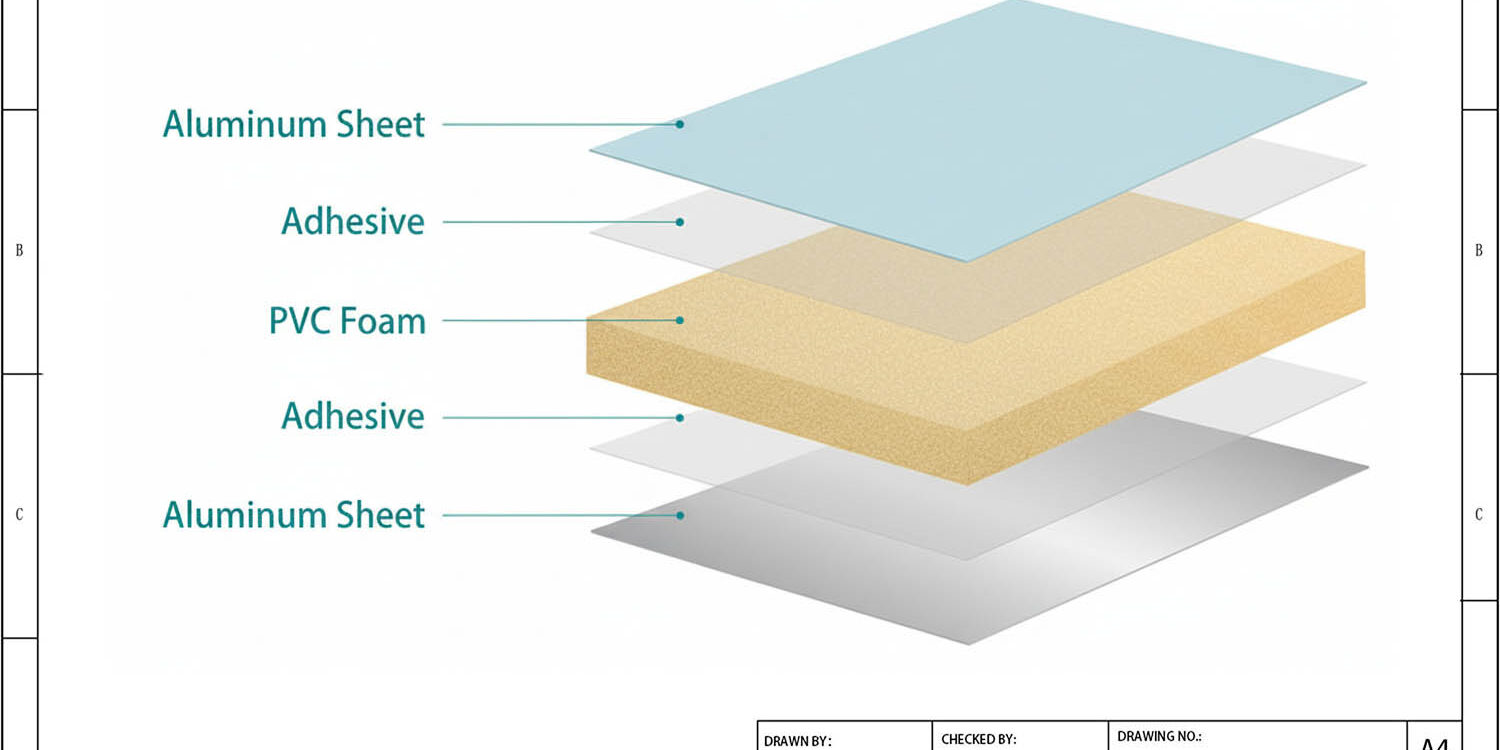
A truck body manufacturer in Texas committed to 1,200 square meters of custom 8mm aluminum honeycomb panels from a new supplier in 2025. First container passed incoming inspection with zero rejections. Second container arrived with face sheet thickness swings of 0.3mm between panels — three times the ±0.1mm tolerance their assembly fixtures required. The production line sat idle for six weeks. They scrambled
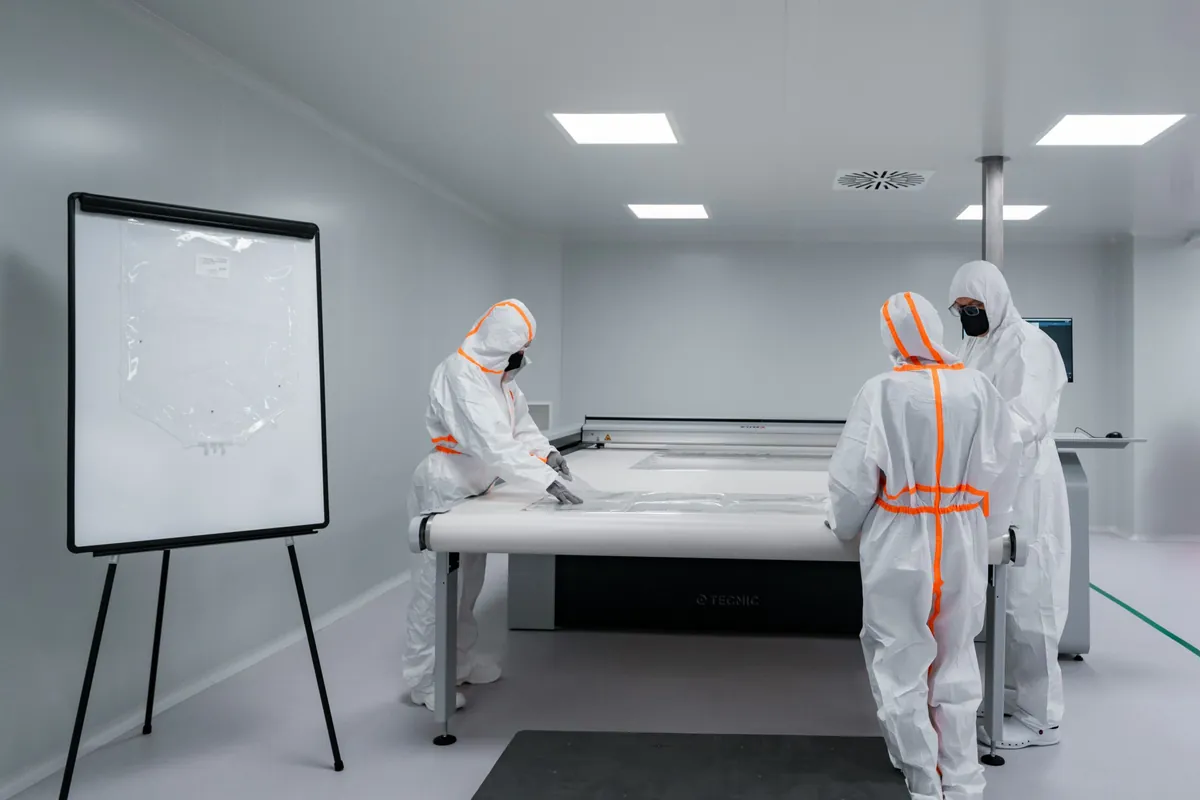
What MOQ Means for Aluminum Sandwich Panels
Standard MOQ for custom aluminum sandwich panels runs 200–500 sqm, while stock sizes drop to 50 sqm. The gap exists because custom runs consume dedicated raw material coils, full adhesive batches, and line changeover time that stock production absorbs across multiple buyers.
Definition of MOQ in Custom Panel Manufacturing
Minimum Order Quantity in aluminum sandwich panel production is the lowest panel area a factory will accept before a run becomes commercially unviable. Unlike commodity sheet goods where offcuts go back into inventory, a custom sandwich panel order ties up specific alloy coils, dedicated core material, and adhesive that cannot be easily reassigned to another buyer’s job.
For specialized vehicle manufacturers—RV builders, truck body fabricators, marine outfitting shops—MOQ directly impacts your prototyping budget and new model launch timeline. A low MOQ aluminum honeycomb panel order for a pilot run of 30 units sounds small, but if each vehicle consumes 15 sqm of custom-profile panel, you are already at 450 sqm. That sits squarely inside standard custom MOQ territory.
Why Factories Set MOQs: Raw Material Coils, Adhesive Batches, and Changeover Costs
Three hard cost drivers dictate where a factory draws the MOQ line. Understanding each one gives procurement engineers direct ammunition for negotiation.
- Raw material coil weight: Aluminum coil suppliers ship in minimum mill runs of 3–5 tons per alloy and thickness combination. If your custom order calls for 5052-H32 face sheets at 0.5mm and the factory has no active stock coil in that spec, they must commit the entire coil purchase to your project. At roughly 130 sqm per ton for 0.5mm sheet, a 3-ton coil covers 780 sqm of panel face material—already above typical custom MOQ.
- Adhesive batch minimums: Structural polyurethane and epoxy film adhesives used in aluminum honeycomb panel lamination come in batch-sized units. Mixing a partial batch creates off-ratio curing risks. Our engineering team runs adhesive peel strength tests at >4.0 N/mm per batch, and a standard batch yield maps to roughly 300–500 sqm of bonded panel area depending on core cell size and adhesive film thickness.
- Production line changeover costs: Switching a continuous laminating line from one panel configuration to another requires roller recalibration, temperature profile adjustments, and test pulls. That changeover consumes 2–4 hours of machine time. Factories amortize this fixed cost across your total order area. Below 200 sqm, the per-square-meter changeover cost can exceed the material cost itself.
When a supplier quotes you an MOQ of 500 sqm for a custom aluminum sandwich panel, they are not being arbitrary. They are protecting against a scenario where 60% of a purchased coil sits in their warehouse for nine months tying up capital.
Stock vs. Custom: MOQ Requirements Compared
The single biggest factor in your MOQ negotiation is whether your specification matches an active production item in the factory’s catalog. Stock panels share raw material costs across multiple buyers and run on standing production schedules. Custom panels do not.
- Stock catalog panels: MOQ as low as 50 sqm. Factory already holds coil inventory, adhesive is batched for recurring runs, and your order piggybacks on scheduled line time. Lead times typically run 10–15 working days.
- Custom orders (standard alloys): MOQ generally 200–500 sqm. Factory may have compatible coil stock in 3003 or 5052 alloy, but your specific core thickness, cell size, or surface finish requires dedicated line setup and adhesive batching.
- Custom orders (non-standard alloy or surface): MOQ can climb above 500 sqm. Unique coil procurement triggers mill minimums, and surface treatments like anodizing or PVDF coating carry their own batch minimums at the finishing subcontractor.
For vehicle OEM procurement teams running prototype batches or launching a new model line, the practical path is a two-stage approach. Start with a sample order at $50–200 per panel to verify thickness tolerance (±0.1mm is critical for assembly line consistency), adhesive bond integrity, and surface finish. Then negotiate a trial production run at reduced MOQ—many factories, including ours, will accept 100–200 sqm for a first run if there is a documented plan for follow-on volume within 90 days.

MOQ Thresholds by Panel Core Type
Competitors enforce a rigid 500kg baseline. We drop minimums to 200 sqm for custom orders and as low as 50 sqm for stock sizes, protecting your capital during trial runs.
The 500kg Baseline: Competitor Analysis vs. Our Thresholds
When evaluating aluminum sandwich suppliers, specialized vehicle manufacturers frequently hit a wall at the 500kg minimum order quantity. This industry standard exists because most factories optimize for massive architectural runs, not the agile batch sizes required for RV manufacturing or truck body prototyping. Committing to 500kg of untested custom aluminum honeycomb panels puts your production line at risk and ties up critical cash flow.
Our engineers recognize this procurement bottleneck. We bypass the standard 500kg barrier by right-sizing the minimum order to the specific core manufacturing yield. For custom orders, our baseline sits between 200 sqm and 500 sqm, depending on the core complexity and adhesive lamination setup required.
Minimum Order Breakdown by Core Type
Not all composite sandwich panels require the same production setup. We adjust the MOQ based on the manufacturing overhead of the specific core structure. Here is the direct comparison data for our core types versus typical order thresholds and volume discount triggers.
- Aluminum Honeycomb Core: Custom vehicle-specific sizes require an MOQ of 300 sqm to justify the precise core expansion process. Stock standard sizes drop as low as 50 sqm. At 1000 sqm, bulk pricing reflects a 10-15% discount.
- Corrugated Aluminum Core: Due to higher stamping throughput, custom corrugated panels start at an MOQ of 200 sqm. Ordering 500 sqm unlocks a 5-8% reduction, scaling to standard bulk tiers beyond that.
- Foam Core (XPS/PET/PU): Continuous foam production lines allow for highly flexible minimums. Custom orders start at 200 sqm, with stock catalog panels accessible in low 50 sqm batches for initial prototyping.
- Solid Composite Core (CFRT/GRP): Given the intense curing and pressing cycles, custom solid composite panels usually carry a 500 sqm minimum. However, consolidated sample orders from existing production runs are available.
Unit Price Ranges and Sample Verification
Unit pricing scales directly with core density, alloy choice (such as 3003 versus 5052 face sheets), and order volume. For a standard custom aluminum honeycomb panel, pricing typically falls between $15 and $35 per square meter at the 200 sqm tier. When you push volume past 2000 sqm, the cost per square meter drops into the lowest tier, yielding a 15-20% discount against baseline pricing.
Before committing to a full 200 sqm custom production run, we recommend verifying assembly line consistency through a sample order. Sample panels cost between $50 and $200 depending on core complexity, with a lead time of 7 to 14 days. This ensures the thickness tolerance of ±0.1mm meets your OEM production requirements without risking capital on unverified batches.
| Core Type | Stock MOQ | Custom MOQ | Sample Cost | Sample Lead Time |
|---|---|---|---|---|
| Aluminum Honeycomb | 50 sqm | 200–500 sqm | $100–200 | 7–14 days |
| Foam (PET / PU / PIR) | 50 sqm | 200–500 sqm | $50–150 | 7–14 days |
| Thermoplastic / CFRT | 50 sqm | 300–500 sqm | $100–200 | 10–14 days |
| FRP / GRP Honeycomb | 50 sqm | 300–500 sqm | $80–180 | 10–14 days |
| Balsa Wood Core | 50 sqm | 200–500 sqm | $75–150 | 10–14 days |
Custom Size Orders: MOQ Impact on Pricing
Custom aluminum sandwich panel orders carry an MOQ of 200–500 sqm, while stock sizes start at 50 sqm. The cost delta comes down to line changeover time, raw material yield loss, and tooling amortization spread across your order volume.
How Non-Standard Widths and Thicknesses Increase MOQ Requirements
When you order a standard catalog panel—say, a 4mm aluminum honeycomb panel in 1220mm width—our production line runs it alongside other orders using existing tooling. No changeover, no wasted adhesive, no recalibration of the roller press. That efficiency lets us drop the MOQ to 50 sqm because the setup cost is near zero.
Non-standard dimensions break that model. A custom width of 1350mm or a vehicle-specific thickness of 17.5mm requires a dedicated production run. The continuous sandwich panel line must be reconfigured: roller gaps reset, adhesive metering recalibrated, and cutting blades swapped. During that changeover, the line produces scrap. Our engineers estimate 8–12 sqm of material waste per non-standard setup on average. That lost material, plus the labor hours for recalibration, gets folded into your order. This is why custom orders carry an MOQ of 200–500 sqm—the volume must absorb the setup cost to keep your per-square-meter price viable.
Thickness tolerance compounds this further. Vehicle OEM assembly lines demand ±0.1mm consistency. Tighter tolerances mean slower line speeds and more frequent quality checkpoints during the run. A small batch under 200 sqm simply does not give us enough continuous runtime to stabilize the process and deliver that tolerance reliably across the entire order.
Tooling and Mold Fees: Amortization Over Volume
Custom panel profiles sometimes require dedicated tooling. A unique edge fold, a specific corner extrusion interface, or a non-standard core density may need a new mold or jig. Tooling fees for aluminum sandwich panel production typically range from $800 to $3,500 depending on complexity. This is a one-time charge, but it hits hard on small orders.
Consider a practical example. If a specialized vehicle manufacturer needs a panel with a custom edge profile for a new RV model launch, the tooling might cost $2,000. On a 100 sqm order, that adds $20 per sqm just in tooling. On a 1,000 sqm order, it drops to $2 per sqm. This math is the core reason we encourage buyers to consolidate trial runs and initial production batches where possible.
We apply a straightforward rule in our quoting process. If your order exceeds 2,000 sqm of the same custom specification, we absorb the tooling fee entirely. Below that threshold, the fee is itemized on your quote so you see exactly where the cost originates. No hidden markup buried in the unit price.
Cost-Per-Unit: Standard vs. Custom at Key Volume Tiers
Below is a realistic cost comparison based on our current pricing structure for aluminum honeycomb panels with 3003 alloy face sheets. These figures reflect FOB pricing and include standard reinforced crate packaging. Custom orders assume one non-standard dimension (width or thickness) with no recurring tooling fee.
- 100 sqm order: Standard catalog panel runs approximately $28–35 per sqm. A custom panel at this volume jumps to $42–55 per sqm, factoring in dedicated line time and setup waste. This is the least economical tier for custom work.
- 500 sqm order: Standard pricing drops 5–8% to roughly $26–32 per sqm. Custom pricing narrows the gap significantly, landing around $34–42 per sqm. Setup costs are now distributed across a meaningful production run.
- 1,000 sqm order: Standard panels hit the 10–15% discount tier, bringing the range to $24–30 per sqm. Custom panels fall to $30–36 per sqm. At this volume, the premium for going custom shrinks to roughly 20–25% over catalog pricing, which most vehicle OEM procurement budgets can absorb.
The takeaway for procurement engineers is direct. If your vehicle program needs a non-standard panel, target a minimum 500 sqm initial order to make the economics work. Use that first order to verify batch consistency, thickness tolerance, and adhesive peel strength before committing to a 2,000+ sqm production contract that unlocks our best tier pricing and eliminates tooling fees.
| Order Tier | Quantity Range | Price Adjustment | Lead Time | Key Considerations |
|---|---|---|---|---|
| Sample / Trial Order | 1–50 panels | $50–200 per panel (core dependent) | 7–14 days | Verification batch; ISO 9001 test reports included |
| Stock Size Order | 50+ sqm | Standard catalog pricing | 14–21 days | Fixed dimensions only; no custom cuts |
| Custom Size — Low Volume | 200–500 sqm | Base custom price (no discount tier) | 21–30 days | ±0.1mm thickness tolerance for OEM assembly lines |
| Custom Size — Mid Volume | 500–1,000 sqm | 5–8% volume discount | 21–30 days | Optimal tier for new vehicle model launch trial runs |
| Custom Size — High Volume | 1,000–2,000 sqm | 10–15% volume discount | 25–35 days | Full batch-to-batch consistency testing included |
| Custom Size — Bulk OEM | 2,000+ sqm | 15–20% volume discount | 30–45 days | Priority production scheduling; dedicated QA line |
| Reinforced Crate Packaging (Add-On) | All order tiers | +3–5% to total order cost | N/A (applied at dispatch) | Reduces ocean freight damage claims by >90% |
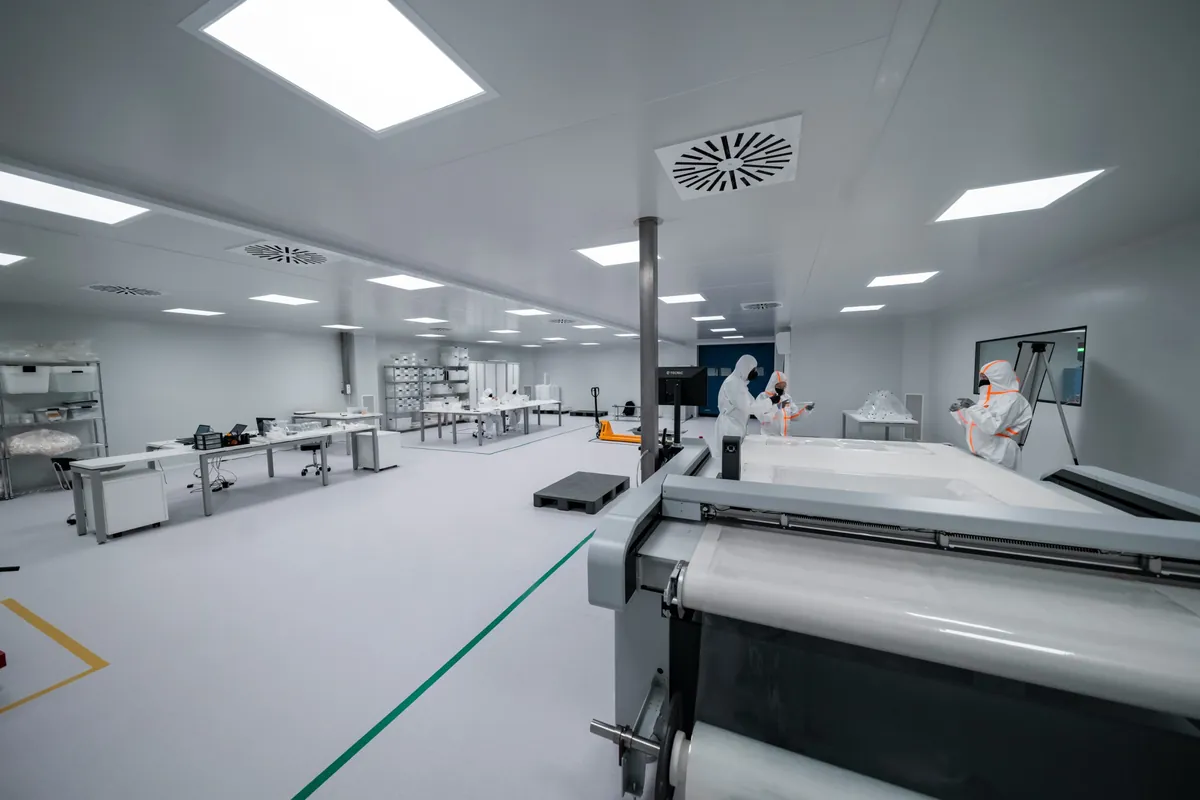
How to Verify a Real Aluminum Sandwich Factory
Committing large MOQs to an unverified aluminum sandwich panel supplier risks your entire vehicle production line. Demand hard documentation before signing any contract.
Step-by-Step Verification Checklist
Never accept a supplier’s word at face value. When we audit an aluminum sandwich panel factory, we demand third-party test reports immediately. If a supplier cannot produce a recent ISO 9001:2015 certificate, remove them from your shortlist. For specialized vehicle manufacturing, compliance is non-negotiable.
Require exact documentation for the following critical metrics:
- Fire Ratings: Mandatory EN 13501-1 Class A2 certification for public transport vehicles, or ASTM E84 Class A for overlanding and RV applications.
- Mechanical Strength: Tensile strength data must exceed 100 MPa for aluminum face sheets (3003/5052 alloys).
- Bonding Integrity: Adhesive peel strength must surpass 4.0 N/mm to prevent delamination during vibration.
- Dimensional Tolerances: Verify thickness tolerance of ±0.1mm and panel flatness tolerance ≤0.5mm/m for OEM assembly line consistency.
Reviewing Factory Audit Photos and Videos
Standard sales brochures show pristine, empty warehouses. You need to see the actual composite sandwich panel production floor in action. Ask for unedited video walkthroughs of the continuous lamination line and the aluminum honeycomb core expansion area.
Look closely at the background of their media. Do you see raw 3003 or 5052 aluminum coils stacked near the production line? Is there a dedicated quality control lab with calibrated micrometers checking panel thickness? A real manufacturer will proudly show you their reinforced wooden crate packaging area, which reduces freight damage claims by over 90%. If the photos look heavily edited or only show generic office buildings, proceed with extreme caution.
Identifying and Avoiding Fake Trading Companies Posing as Manufacturers
Trading companies often masquerade as direct aluminum sandwich suppliers to capture margin. This creates massive risk for your production schedule because they cannot control batch-to-batch consistency or thickness tolerances. If a supplier lacks ISO 9001:2015 certification specific to manufacturing, or if their business license lists “trading” or “import/export” as the primary scope, they do not own the production line.
To eliminate middlemen, ask them to film a live video call directly from the factory floor while showing a newly produced custom batch. A legitimate manufacturer can immediately answer technical questions about their adhesive peel strength or core complexity, whereas a trader will need to “check with the engineer.” Insist on dealing directly with the source to guarantee pricing transparency and strict defect rate control below 1%.
Shipping Protection: Preventing Panel Damage
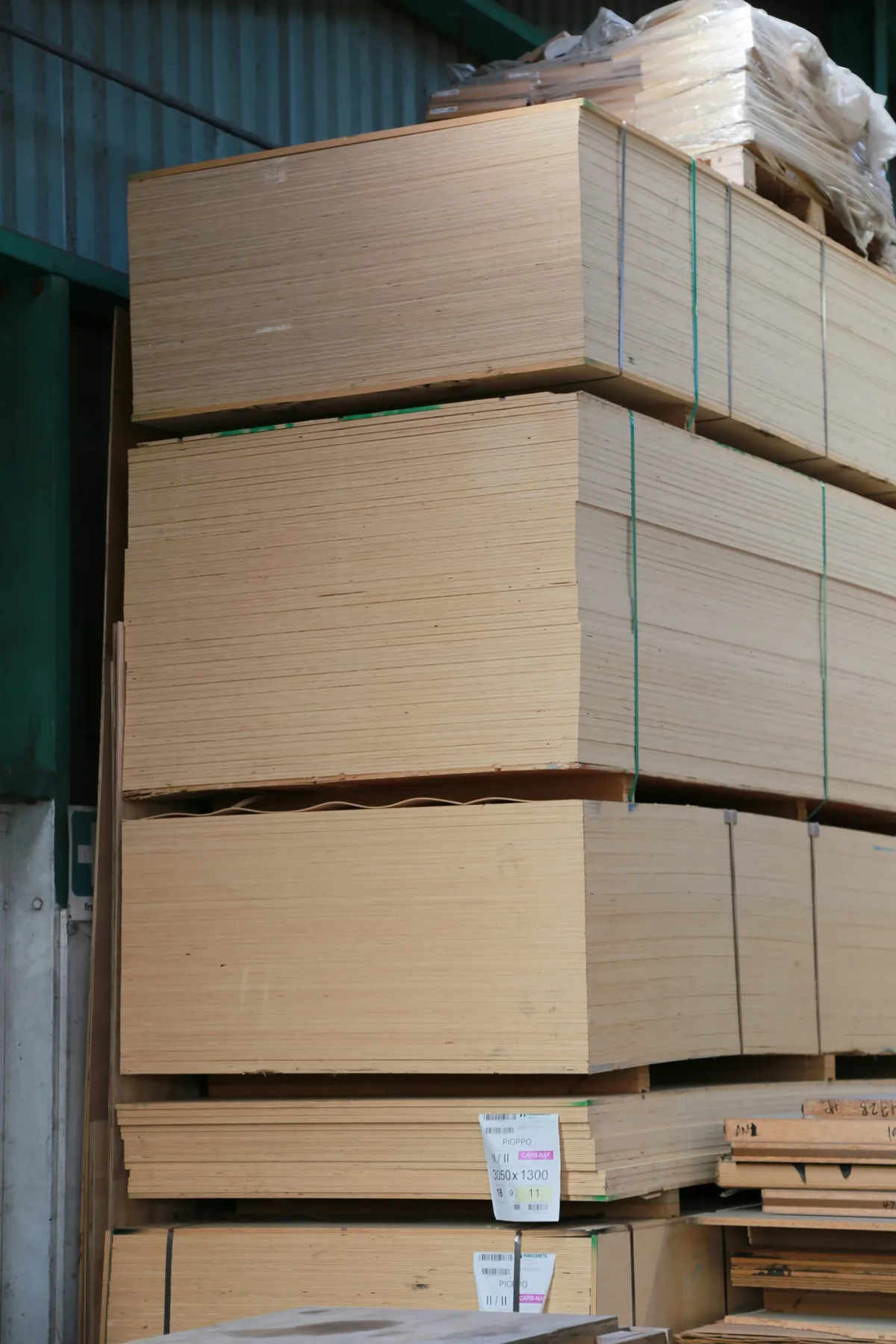
Reinforced crate packaging adds 3-5% to your total landed cost but reduces freight damage claims by over 90%. For vehicle OEMs running tight assembly schedules, that marginal upfront cost prevents production line stoppages caused by waiting on replacement panels.
Mitigating Edge Bending and Surface Scratching During Transit
Ocean freight vibrations and shifting cargo are the primary enemies of aluminum sandwich panels with ±0.1mm thickness tolerances. Even minor edge bending ruins a panel for CNC routing and subsequent assembly line fitment. We mitigate this risk by applying heavy-duty PVC corner protectors and PE edge banding to every stack before it leaves the factory floor.
Surface scratching is another major issue, particularly on bare 3003/5052 alloy face sheets meant for specialized vehicle exteriors. We apply a cross-linked polyethylene (PE) protective film rated for 180-day UV exposure. This ensures the adhesive does not leave a residue on the panel surface during extended sea transits or while sitting in customs yards.
Reinforced Wooden Crate vs. Steel Frame Packaging
Choosing between wooden and steel framing depends entirely on your panel thickness, stack weight, and unloading equipment at your facility. Both methods secure the payload, but they serve different operational realities in vehicle manufacturing logistics. We outline the exact trade-offs below.
- Reinforced Wooden Crate: The standard for standard thicknesses (3mm-15mm). Heat-treated (ISPM 15 compliant), fully enclosed, and excellent for preventing edge compression. It adds 3-5% to the total cost but handles rough container loading best.
- Steel Frame Packaging: Required for heavy-gauge bulk orders or oversized panels (25mm+). Uses steel straps over a metal skid. It offers a lower material cost but requires overhead cranes or forklifts with specific lifting capacities for safe unloading.
Container Loading Plan Specifications
Optimizing a 20ft or 40ft HQ container is not just about fitting as many square meters as possible; it is about maintaining panel flatness (≤0.5mm/m) upon arrival. A poor loading plan leads to load shifting, void spaces, and catastrophic edge damage during 30+ days at sea.
We enforce strict loading protocols. Panels are stacked horizontally on flat dunnage, spaced no more than 600mm apart to prevent the material from sagging under its own weight. We use inflatable dunnage bags to fill void spaces between the panel stacks and the container walls, locking the payload in place.
- 20ft GP Container: Maximum payload capacity of roughly 2,400 sqm for 3mm panels, ensuring floor weight limits are strictly observed.
- 40ft HQ Container: Ideal for maximizing volume for thicker core panels (10mm-25mm), requiring precise weight distribution calculations to meet road transport regulations at the destination port.
Payment Terms Negotiation for Bulk Orders
Payment terms for bulk aluminum sandwich panel orders typically follow a 30/70 structure, but orders exceeding 1,000 sqm open the door to Letters of Credit and tiered pricing that shift bargaining power toward the buyer.
Standard Payment Terms vs. Letter of Credit
For most B2B transactions involving aluminum sandwich panels, our standard payment terms require a 30% deposit upfront. The remaining 70% is due against a copy of the Bill of Lading (BL) before the original documents are released. This structure provides security for both parties.
For larger, high-value bulk orders, particularly those from international specialized vehicle manufacturers, we frequently work with Letters of Credit (LC). An LC offers enhanced security, as a bank guarantees payment once the agreed-upon conditions, such as proof of shipment and quality inspection certificates, are met. This is often preferred by buyers concerned about committing capital to unverified overseas suppliers.
How MOQ Size Affects Negotiating Leverage
Minimum Order Quantity (MOQ) directly influences your negotiating leverage. Our standard aluminum sandwich panel MOQ is 200-500 sqm for custom orders, which includes specific thicknesses, alloys, and finishes. For stock sizes, the MOQ can be as low as 50 sqm, catering to smaller trial runs or urgent prototyping needs.
Buyers placing orders significantly above the standard MOQ, especially those exceeding 1,000 sqm, gain substantial leverage. This allows for more flexible payment terms, deeper volume discounts, and priority in production scheduling. We recognize the importance of consistent batches for assembly lines, and larger commitments help us optimize our production runs, passing savings onto you.
Volume Discount Tiers Based on Order Size
We offer tiered volume discounts to specialized vehicle manufacturers based on the total square meters ordered. These breakpoints are designed to reward larger commitments and reduce your overall cost per square meter, directly impacting your project’s profitability.
| Order Size (sqm) | Discount Tier |
|---|---|
| 50-499 | Base list price |
| 500-999 | 5-8% discount |
| 1000-1999 | 10-15% discount |
| 2000+ | 15-20% discount |
These discounts are applied to the unit price of the aluminum sandwich panels. For specific custom panel configurations, our sales team will provide a detailed quotation reflecting these volume tiers, ensuring transparent pricing for your procurement planning.
Sample Orders vs Production MOQ
Validating a $50 to $200 sample before committing to a 200-500 sqm custom production MOQ prevents assembly line stoppages caused by dimensional variances.
Production MOQs for custom aluminum sandwich panels typically range from 200 to 500 square meters. For standard stock sizes, we can support trial orders as low as 50 square meters. Do not assume a supplier’s catalog MOQ applies universally to custom vehicle-specific dimensions. When specifying a unique core thickness or a non-standard alloy like 5052 face sheets for a truck body, explicitly ask if the MOQ shifts into a higher tier. If you are prototyping a new RV model, negotiate a lower MOQ for the initial production run to avoid locking capital into unverified inventory.
Sample Costs and Lead Times
Expect to pay $50 to $200 per panel for engineering samples, with the exact cost dictated by core complexity and surface finish requirements. Standard off-the-shelf samples fall on the lower end, while custom honeycomb or specialized foam core prototypes requiring new tooling will hit the upper limit. Sample lead times generally span 7 to 14 days. If an overseas supplier promises a 3-day turnaround on a highly customized composite panel, verify whether they are shipping your exact specification or a generic substitute.
Incoming QC: Testing Criteria for Your Sample
When the sample arrives, evaluate it against the exact parameters your production line demands. Visual inspection is insufficient. Measure these critical data points to verify the supplier’s manufacturing capability:
- Thickness Consistency: Use digital calipers at multiple points across the panel. For vehicle OEM assembly lines, tolerance must strictly hit ±0.1mm to prevent structural misalignment.
- Adhesive Bond Strength: Request the actual tensile test report for the batch. Adhesive peel strength must exceed 4.0 N/mm to guarantee structural integrity under dynamic road stresses.
- Surface Flatness: Pull a certified straight edge across the face sheet. Panel flatness tolerance should measure ≤0.5mm/m to ensure proper sealing and mounting.
If the sample fails any of these metrics by even a marginal amount, reject it. A variance in a single sample indicates systemic issues that will compound across a 500 sqm production batch.

Warranty and Defect Claim Protocols
For specialized vehicle manufacturers, a strictly defined warranty is your primary financial shield against production line stoppages caused by batch inconsistencies or material failure.
Warranty Clause Expectations: Delamination, Tolerances, and Timelines
When you integrate custom aluminum sandwich panels into an RV or truck body, a warranty claim does not just cost you the panel price; it costs you line downtime. Your supplier agreement must explicitly cover adhesive peel strength failures, guaranteeing a minimum threshold of >4.0 N/mm. If delamination occurs under specified load and temperature conditions within the warranty period, the supplier must cover the replacement cost and the freight.
Thickness tolerance is equally critical for vehicle OEMs. We guarantee a panel thickness tolerance of ±0.1mm. If panels arrive outside this spec, they jam automated assembly jigs or create uneven stress points in the vehicle frame. Ensure your contract specifies this exact tolerance and outlines the measurement protocol using digital calipers at defined points across the panel surface.
Finally, demand a rapid replacement timeline. Standard 30 to 45-day ocean freight is unacceptable for a line-down emergency. We negotiate specific Service Level Agreements (SLAs) with our vehicle OEM partners to expedite replacement panels via air freight within 7 to 10 days for verified defect claims.
Identifying Red Flags in Supplier Warranty Language
Our procurement clients often share warranty documents from competing aluminum sandwich suppliers that are filled with escape hatches. If a supplier relies on subjective language, they are preparing to reject your future claims. You need to strip that ambiguity out of the contract before committing to a large MOQ. Look out for these specific red flags:
- Blame-shifting to storage conditions: If the warranty heavily emphasizes “improper storage” as a catch-all for delamination or surface oxidation without defining exact temperature or humidity metrics, walk away.
- Exclusion of freight damage: If the supplier arranges the ocean freight and packing but refuses liability for edge damage until the panels leave the port, you are absorbing massive risk.
- Undefined claim resolution periods: A warranty that does not commit to a specific number of business days to resolve a defect claim allows the supplier to stall indefinitely while your production line sits idle.
- Lack of batch traceability: If the supplier cannot trace a defective panel back to a specific adhesive batch or aluminum coil lot via ISO 9001:2015 documentation, they cannot prove they have fixed the root cause.
We enforce strict ISO 9001:2015 standards to ensure every lot of our 3003/5052 alloy panels is fully traceable. When you negotiate your next bulk order for vehicle bodies, force the supplier to put measurable defect rate thresholds (<1%) and exact replacement timelines into the final contract.
Conclusion
If you’re running a vehicle assembly line, stick to suppliers who guarantee ±0.1mm thickness tolerance. Saving 5% on material costs means nothing if a bad batch halts your production for three days.
Ask the manufacturer to send you a corner crush test report along with your sample order. You need to verify that the adhesive peel strength exceeds 4.0 N/mm before you commit to a 500 sqm run.
Frequently Asked Questions
This factor has a direct bearing on project performance and long-term cost. Addressing it with specific data rather than general assumptions leads to better outcomes.
What is the MOQ?
Our standard minimum order quantity for specialized aluminum sandwich panels typically ranges from 100 to 500 square meters, depending on the specific core material and surface finish requirements. For our CFRT and GRP/FRP honeycomb panels, the MOQ may vary slightly due to the complexity of the composite lamination process. This baseline ensures optimal production efficiency while maintaining the strict structural tolerances required for high-end architectural and industrial applications. However, we are always open to discussing your specific project scale to find a mutually beneficial solution.
How do I verify your factory?
You can thoroughly verify our manufacturing capabilities by reviewing our ISO certifications and requesting a comprehensive virtual factory tour of our advanced composite production lines. We proudly maintain transparent supply chain practices and readily provide independent material test reports for our foam core, honeycomb, and aluminum products. Furthermore, we actively encourage third-party pre-shipment inspections from globally recognized agencies like SGS or TÜV at any stage of the manufacturing process. Our extensive track record in engineering high-performance CFRT and FRP panels demonstrates our strict adherence to international quality standards.
What payment terms do you accept?
For standard bulk orders of aluminum sandwich panels and foam core panels, we typically require a 30% advance payment via Telegraphic Transfer (T/T), with the remaining 70% balance due against the copy of the bill of lading. For established corporate clients engaging in large-scale infrastructure projects, we also accept confirmed, irrevocable Letters of Credit (L/C) to ensure mutual financial security. These structured terms guarantee that your procurement process remains highly secure from initial production to final shipping. Our finance department is also flexible enough to discuss customized payment schedules for long-term supply agreements.
How are the panels packaged?
We utilize heavy-duty, export-standard wooden crates and reinforced pallets to ensure our aluminum sandwich panels arrive in flawless condition, completely protected from transit damage. Each individual panel is meticulously interleaved with protective PE films and fitted with thick edge protectors to prevent surface scratches and corner dents. For our specialized GRP/FRP honeycomb panels and foam core products, we apply heavy-duty steel strapping to secure the stacks tightly to the pallet base. This highly robust packaging methodology guarantees the structural integrity and aesthetic quality of your cargo upon delivery to any global destination.
Can I order custom sizes below the MOQ?
We understand that prototyping and specialized architectural projects often require precise dimensions before committing to a full-scale production run. While standard MOQs generally apply to bulk manufacturing, we frequently accommodate custom-sized sample orders of our aluminum sandwich panels well below the standard thresholds. This allows your engineering team to physically evaluate the mechanical properties and compatibility of our CFRT or FRP panels in real-world conditions. We are highly flexible and eager to discuss tailored trial options that align perfectly with your specific project requirements.