

The same elevation drawing regularly collects two quotations: one on conventional aluminum composite sheet, one on aluminum honeycomb panels. They look like competitors. They are actually different tools, and choosing between them wrongly costs either money on the facade or panels on the floor.
This guide compares the two the way a specifier should – by structure, thickness, weight, stiffness, fabrication and fire behavior – and then issues verdicts per project type. RaxPanel laminates both families on its own lines, so the comparison below is written from the pressing table, not from a catalog. The aluminum honeycomb vs aluminum composite panels question has a real answer, but the answer depends on the job.
Two Panels, Two Different Jobs
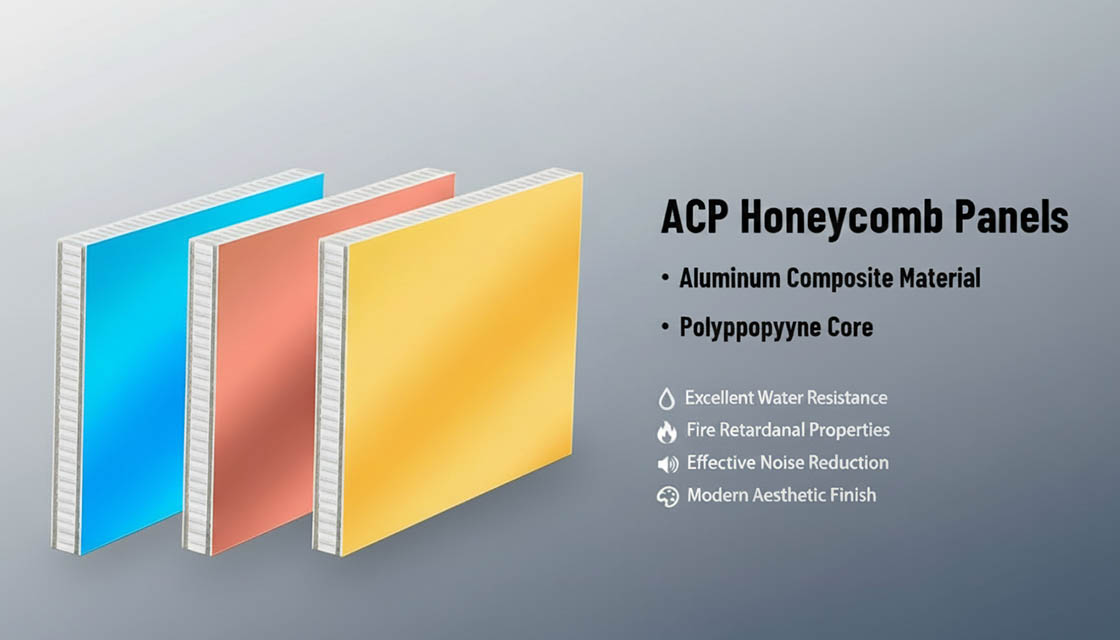
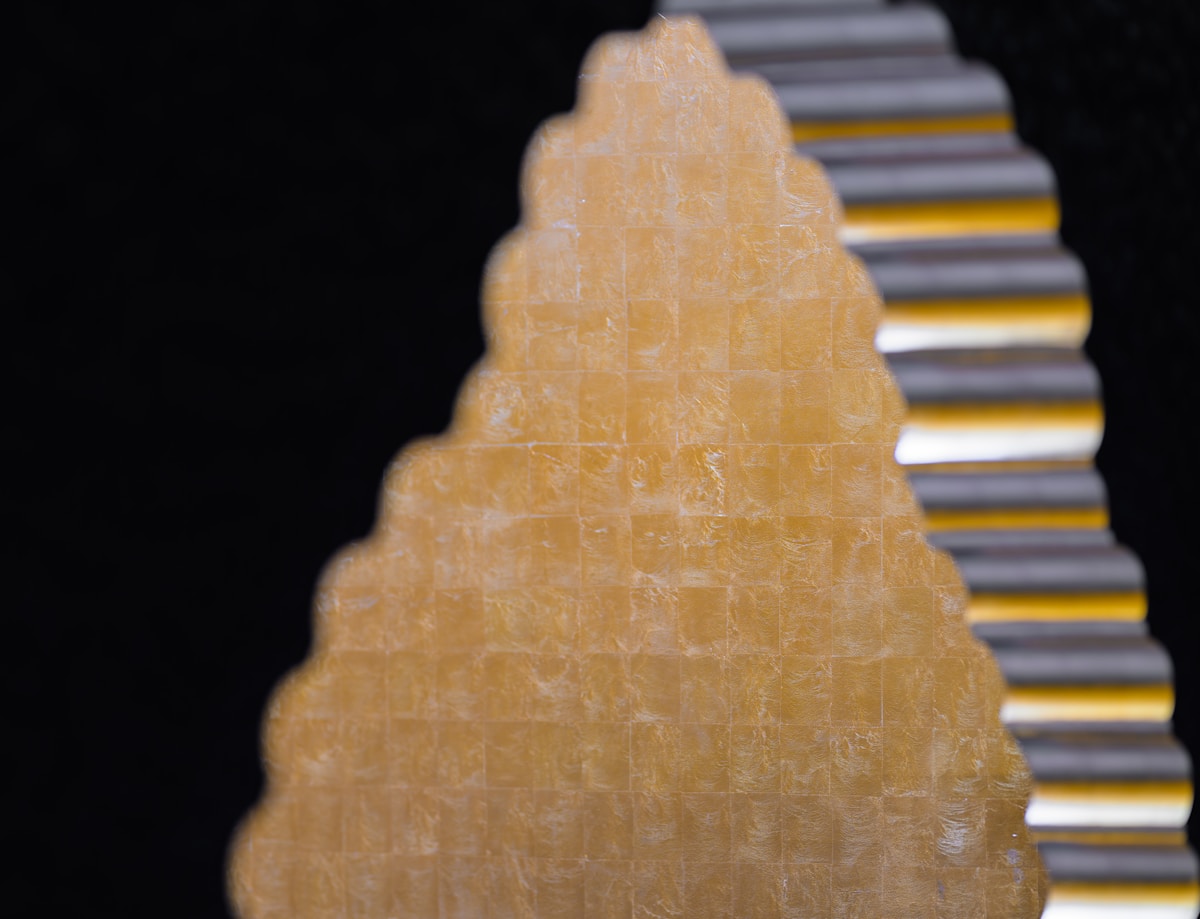
Conventional ACP is a thin sandwich: two coil-coated aluminum skins over a polyethylene or mineral core, typically 3 to 6 mm overall. It is a finish skin with modest structure – routable, foldable, affordable, and rightly popular for exactly those reasons. An aluminum honeycomb panel bonds its skins to a deep hexagonal core, typically 10 to 50 mm overall, and exists to carry load across a span.
Hold that role split and the whole comparison becomes simple. One panel decorates and encloses; the other spans and stiffens. Overlaps exist, and the table below maps them honestly. That is also why the aluminum honeycomb vs aluminum composite panels debate produces heat instead of verdicts – the jobs differ before the prices do.
Part of the confusion is historical. For years the market said composite panel and meant one product, so buying habits still treat panel families as interchangeable line items. A specifier who names the job first – span or skin – buys faster and argues less.
The Spec Table That Settles It
| Spec line | Conventional ACP | Aluminum honeycomb panel |
|---|---|---|
| Structure | Skins over PE or mineral core | Skins over hexagonal metal core |
| Typical thickness | 3-6 mm | 10-50 mm |
| Bending stiffness | Moderate for its weight | Very high – cube-law sandwich action |
| Fabrication | Route and fold cassettes | Clip, carrier or fastener fixing |
| Fire narrative | Depends on core class | All-metal, no polymer core |
| Cost per square meter | Lower | Higher, offset by structure it replaces |
Thickness entries in the table are trade-typical ranges, quoted per project on request by the factory. Read the six rows as the whole aluminum honeycomb vs aluminum composite panels argument in miniature. Note that the two rows deciding most projects are fabrication and fire, so each gets its own section below.
Fabrication: Foldable Sheets vs Fixed Cores
PE-core ACP bends plastically at a routed groove, which is what lets fabricators fold closed cassettes with a CNC router. The fold line is where the two families diverge in the shop, and it is worth reading twice before any detail is drawn. A honeycomb core has no plastic yield to give, so folding it produces a crushed line instead of a corner. Our metal-core installation guide details the alternatives: edge clips, bonded carrier frames and engineered fasteners.
Warning: never specify honeycomb panels into a detail that assumes folded trays. The cassette method belongs to PE-core sheet; metal cores install by indirect fixing or not at all.
Fixed cores bring their own advantage: large panels stay flat without folded edges, and factories deliver finished dimensions straight to the hanging system. Fabrication cost follows the same split – folding work prices into ACP jobs, while honeycomb jobs price fixing hardware and engineering time instead. Crews also learn different disciplines, so the fabricator choice is part of the installer choice. The fabrication choice is therefore not a ranking – it is a compatibility check against the fixing design.
Fire Behavior: Where Cores Decide
Fire codes wrote this row after 2017. PE-core cladding was implicated in the Grenfell Tower fire, and industry guidance now caps PE-core sheet near ten metres. FR cores with at most 30% polyethylene reach roughly thirty metres, and A2 mineral cores take everything taller. Conventional ACP therefore changes character with height.
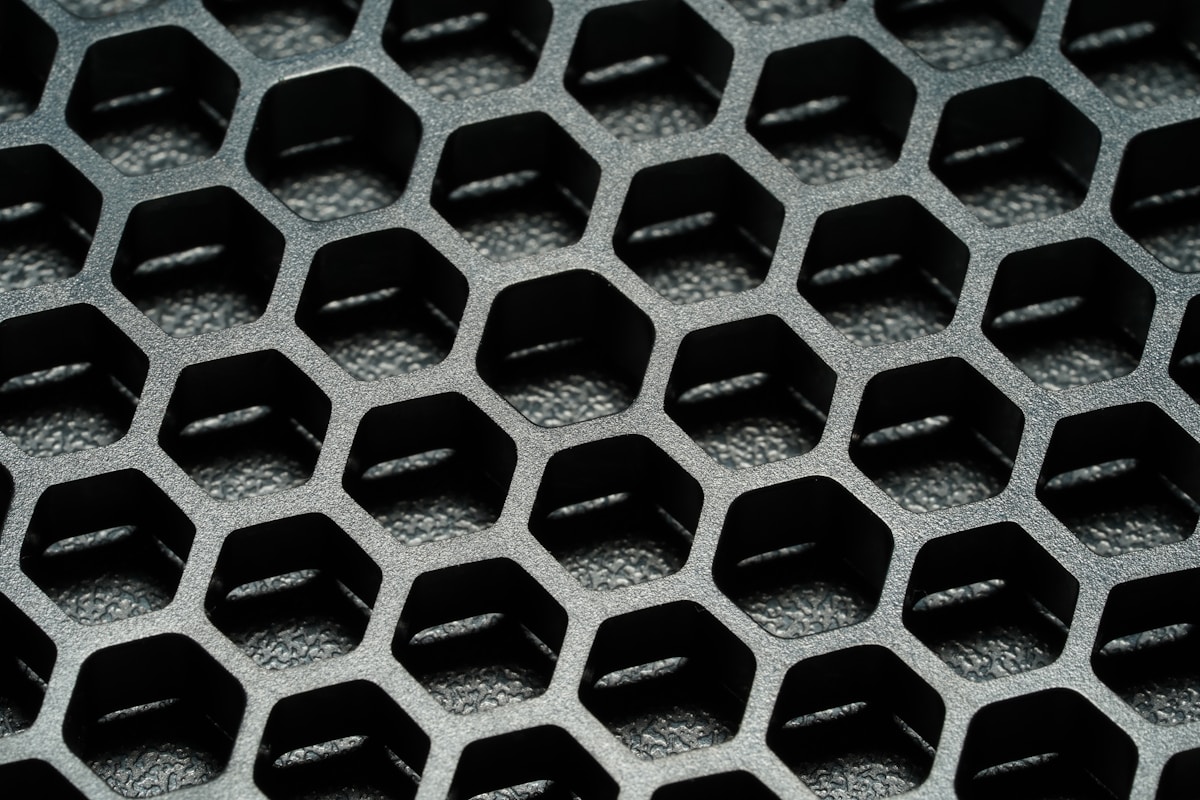
The aluminum honeycomb panel sidesteps the ladder: skins and core are metal, so no polymer core enters the wall. Height bands and local codes still rule the project, but the material argument starts from a different place – absence, not classification. For mixed developments with complicated elevation rules, that absence often shortens the approval conversation more than any datasheet line.
Which Panel Fits Which Project
Verdicts by job, not by family loyalty. Four project types cover most of the market, and each points at a different panel – check the row that matches your drawing before the quotes go out to suppliers.
| Project | Better fit | Why | Watch for |
|---|---|---|---|
| Oversized facade panels | Honeycomb | Flatness and span at low weight | Indirect fixing design |
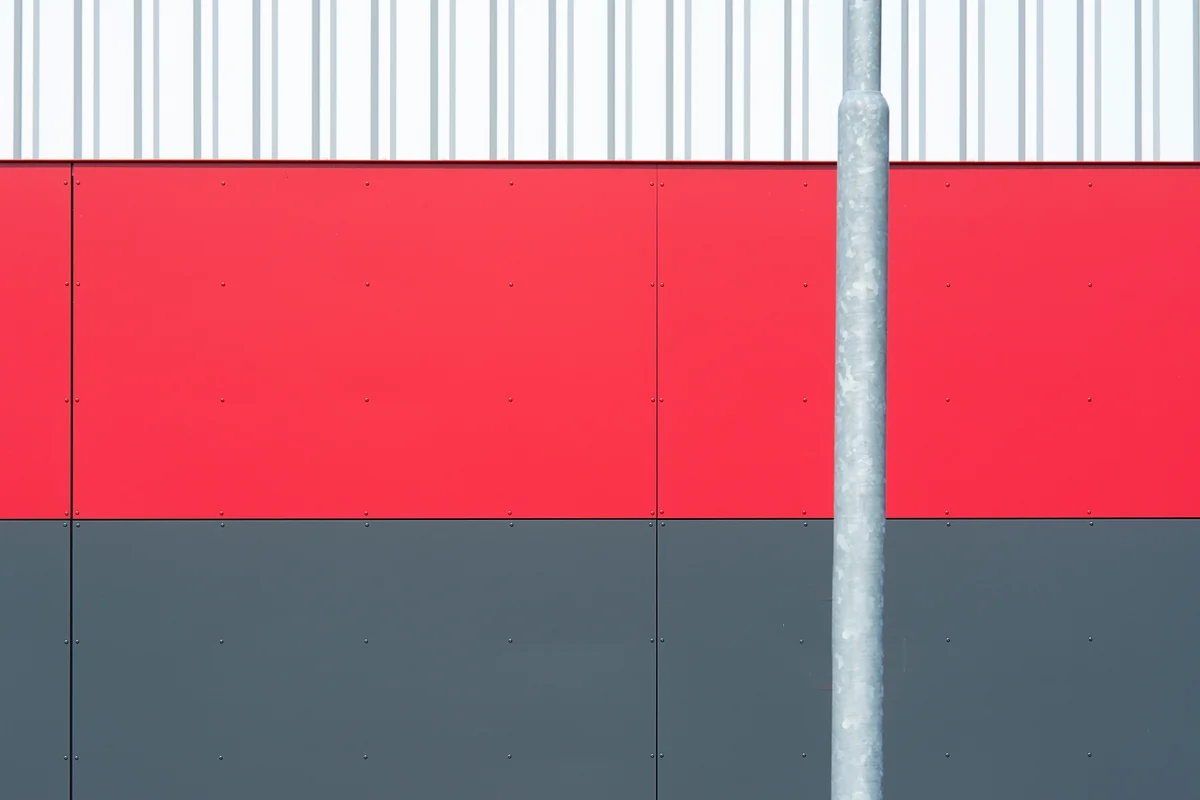
| Signage and canopies | ACP | Foldable, cheap, easy routing | Height limits outdoors |
| Transport decks and bodies | Honeycomb | Stiffness converts to payload | Cell size for fasteners |
| Interior wall finishes | ACP | Thin, light, finish-rich | FR core where code says |
Use the aluminum honeycomb panel range page when the rows point at honeycomb, and the selection guide to turn the row into a specification.
RaxPanel laminates both aluminum honeycomb panels and ACP-family skins on its own lines, and engineers answer span, fire code and fabrication questions with a written verdict. Send the drawing and get a panel recommendation within 24 hours, one to one.
Cost Honestly: Sticker vs System
Per square meter, conventional ACP wins the sticker comparison, and no honest guide pretends otherwise. Honeycomb earns its premium elsewhere: the structure it replaces, the freight its lightness saves, and the flatness it keeps after installation. An all-metal build also ends its life in a separation-free recycling stream.
The fair comparison is therefore system against system over the project life, not panel against panel per meter. That is the honest version of the aluminum honeycomb vs aluminum composite panels cost question. On long spans and big facades the honeycomb system frequently wins; on short, folded, price-driven work ACP usually should.
The Verdict in One Paragraph
Specifying between aluminum honeycomb vs aluminum composite panels is a role question: ACP folds and finishes, honeycomb spans and carries. Facades with span, size or fire chapters belong to honeycomb; short, folded, price-led work belongs to ACP. Projects that straddle the line should ask the fixing designer first, because fabrication decides feasibility before price decides the rest.
- Match the panel to the job using the six-row table, then verify with the verdict table.
- Never mix fixing systems: cassettes for PE-core sheet, clips and carriers for metal cores.
- Price systems, not square meters – the structure behind the panel is part of the panel.
Frequently Asked Questions About Honeycomb vs ACP
Which is stronger, honeycomb panel or ACP?
On bending across a span, the honeycomb panel by a wide margin – sandwich geometry works where thin sheet cannot. For local impact at small scale, thickness matters more than family.
Can you bend aluminum honeycomb panels like ACP?
No. The metal core crushes at a fold line because it has no plastic yield. Honeycomb installs with edge clips, bonded carriers or through fasteners instead.
Which panel is the fire-safe choice?
Both families offer compliant routes: FR and A2 cores for ACP by height band, and an all-metal build for honeycomb. The project fire specification is the referee.
Is honeycomb worth the higher cost per square meter?
On long spans and large flat panels, yes – it replaces stiffeners and deeper subframes while holding flat. On short folded work, ACP is the honest answer.
Can both panels mix in one facade?
Yes, and many do: honeycomb on the spanning field, ACP on soffits, canopies and detail zones – each where its fabrication fits.