

Aluminum foams run 0.4 to 0.9 grams per cubic centimetre – light enough to tempt every body engineer who has ever priced a kilogram of stamping. Bond that foam between two aluminum skins and you get an aluminum foam sandwich. The panel carries bending through sandwich action, drinks crash energy in a flat plateau, and quiets a cabin better than a hollow box. The research literature loves it. Production programs, so far, mostly watch.
The gap between the two is not the material. It is joining, validation cycles and end-of-life – three questions any body shop can ask in an afternoon. RaxPanel laminates foam-core sandwich panels on its own line for truck and RV bodies, and the same three questions decide which core goes into every quotation we issue. This article walks the decision layer that the papers skip.
What a Foam Sandwich Replaces in a Body
Bodies gain stiffness the boring way: ribs, doublers, beads and bond lines stacked onto thin sheet until a floor pan stops drumming. Each layer adds mass and a process step, and neither survives a redesign without tooling. A foam sandwich collapses that stack into one part. Two skins do tension and compression while a foam core holds them apart, so bending stiffness comes from geometry instead of from reinforcement.
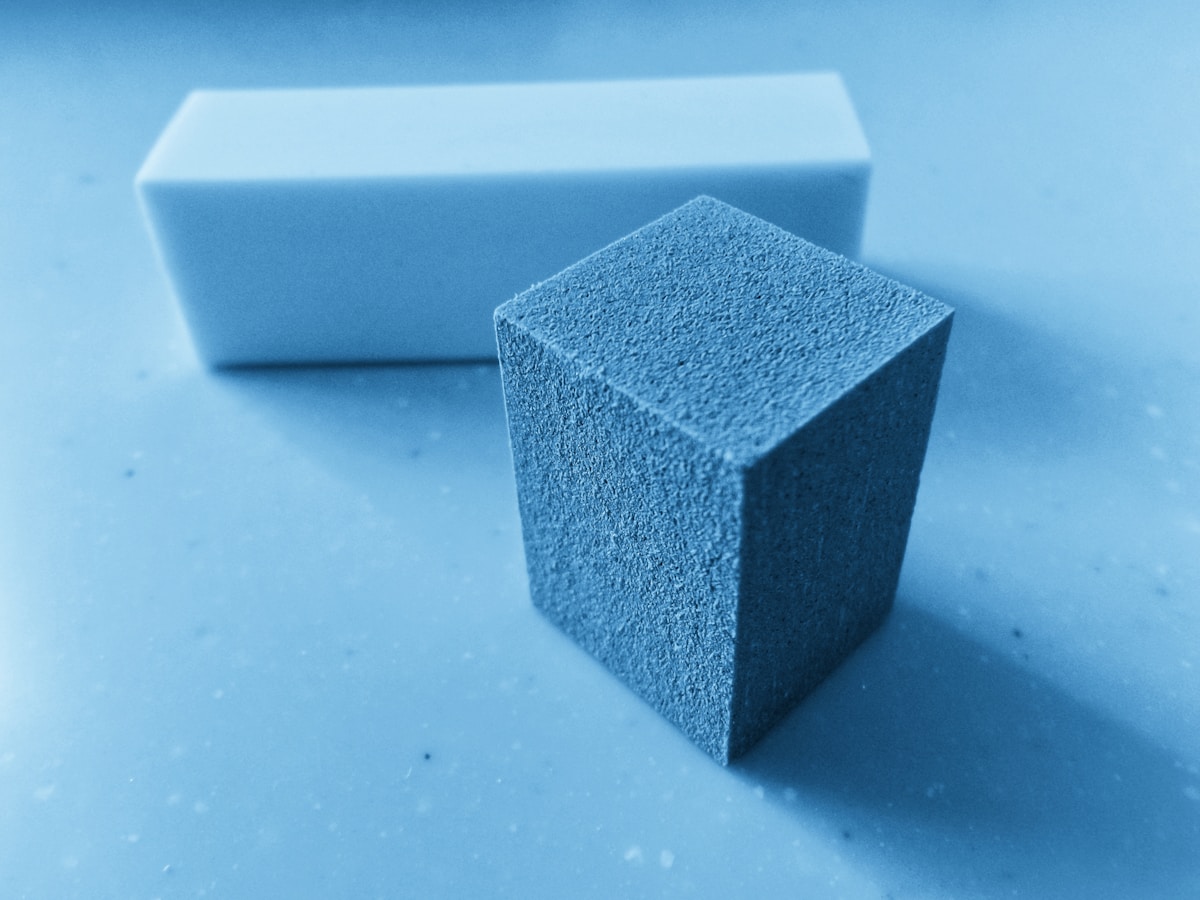
That is the honest statement of the pitch. The sandwich mechanics are the same ones that make honeycomb panels stiff: separate the skins and the section modulus does the work. What aluminum foam adds is a core that also absorbs energy and damps noise, which is why the same panel can carry a floor load and hush a cabin. The word to hold onto is one part. Body shops price processes as much as materials, and every layer deleted from the stack is a fixture, a handling step and a quality check that never has to happen.
Three Properties the Panels Are Bought For
Three properties carry the business case, and each one has a number behind it.
- Bending stiffness per gram – the sandwich distance action puts stiff skins far from the neutral axis at foam-weight cost.
- Energy absorption – foams hold a plateau of stress, nearly constant, through as much as 80% of the crushing distance.
- Sound damping – aluminum foam outperforms hollow sections as a noise treatment.
The absorption number deserves a second read. A constant plateau means the panel keeps absorbing at nearly the same force level from first contact to deep crush, which is exactly what a crash channel wants. The catch sits in the same sentence of the physics: metal foams stay deformed after impact. A crushed section is a spent section, so energy-management parts are consumables with an inspection plan, not trim pieces.
For scale, closed-cell foams typically run at 10 to 25% of the density of the parent alloy. Automotive aluminum foams sit in the 0.4 to 0.9 g/cm3 window the same source reports. Two ways of saying one thing: mass kept out of the cells, structure kept in the metal. It also supports the damping: vibration spends itself bending millions of thin cell walls instead of passing straight through to the cabin. The physics does three jobs without asking for three materials.
Where AFS Wins Today and Where It Waits

The research literature and the application lists built from it agree on where aluminum foam sandwich lands first: parts that want stiffness, energy and quiet at once. The table sorts the honest scoreboard.
| Application | Why AFS fits | Status | What decides it |
|---|---|---|---|
| Rear walls, parcel shelves | Stiffness plus damping | First candidates | Joining cycle time |
| Floor pans, load floors | Bending at foam weight | Low-volume wins | Cost vs stamped sheet |
| Trunk and frunk lids | Flat panels, acoustic gain | Program-dependent | Paint and repair routes |
| Anti-intrusion fills | 80% crush plateau | Proven in tubes | Single-use inspection plan |
Where it waits is equally clear: high-volume stamping substitution. A stamping press feeds a weld line in seconds, and a foam sandwich asks for adhesive, curing and handling. The material wins the physics; the takt time wins the purchase order. Low-volume programs read that sentence the other way, which is exactly why specialty vehicles and premium builds show up first in every foam-sandwich story. When the calendar is measured in weeks rather than minutes, the panel line competes evenly.
The Joining Problem Decides the Business Case
Nobody spot-welds through a foam core. The core that absorbs energy also cannot survive a spot weld. There is no solid faying surface to fuse, and the heat of the electrode would crush the cells it touches. AFS bodies therefore join through their skins: adhesive bond lines, flanged mechanical joints or hybrid riveted-bonded seams. Each answer adds a process a stamping plant never needed, and each adds inspection work, because a bond line’s strength is a batch property, not a given.
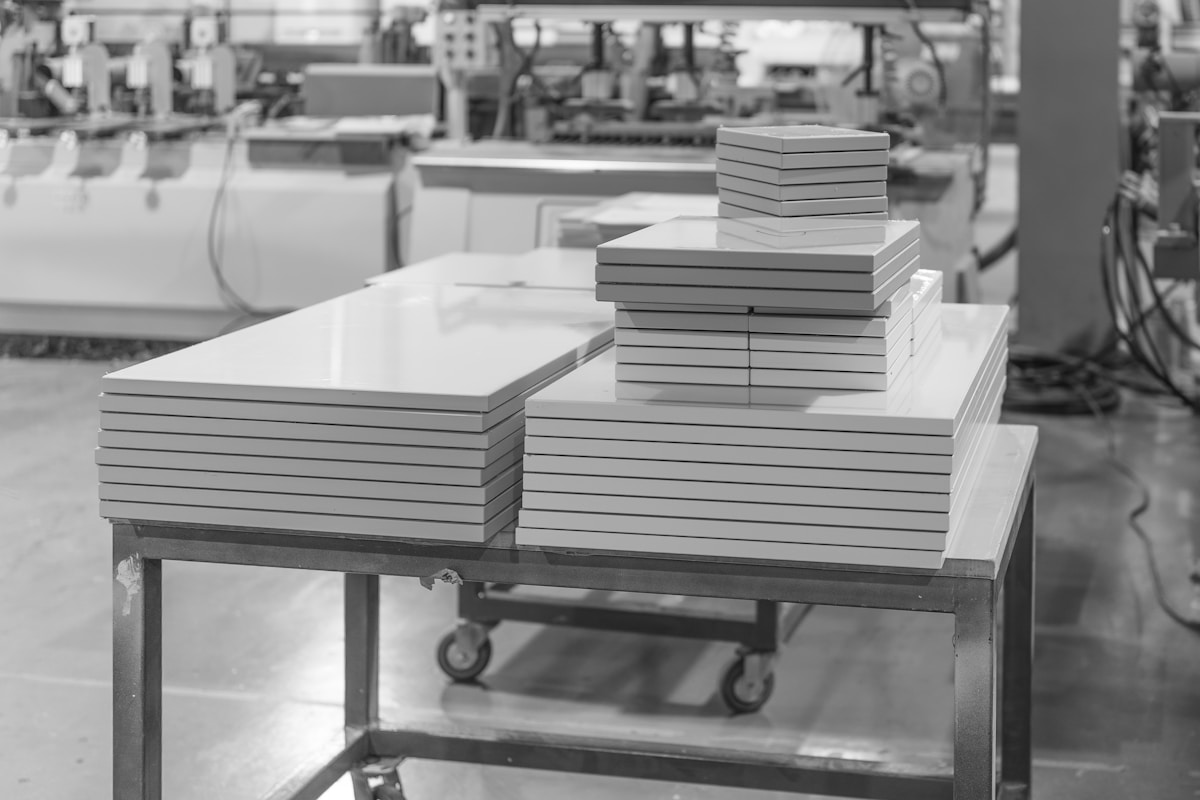
End-of-life rides along the same seams. Shredding and sorting streams handle aluminum sheet happily; a bonded aluminum-foam-aluminum stack asks for delamination or acceptance as a mixed fraction. None of it is fatal, and all of it is cheaper to decide at the drawing stage than at the recycler. Regulations keep pushing this question earlier in the program, and suppliers who can name their recycling route in the datasheet are finding doors open faster.
Warning: treat every crush-managed foam part as single-use. The plateau that absorbs the crash does not rebound, so a struck component keeps its shape while holding none of its reserve. Inspection after any impact is part of the design, not an option.
Why Production Programs Have Waited
Body programs buy certainty. A new core means new CAE cards, new joining windows, new supplier audits and a validation calendar measured in seasons. Aluminum foam’s benefits – stiffness, energy, damping – have to beat a stamping baseline that got cheap decades ago. The literature’s verdict on the trade is blunt: metallic foams are stiffer and stronger than the polymer foams cars already use, but heavier, more expensive and non-insulating. Every one of those three words is a program meeting.
None of this kills the material; it files it. Aluminum foam sandwich earns its way in first on parts where its three properties are simultaneous requirements, not nice-to-haves. Where stiffness alone decides, cheaper cores wait on the shelf. Where crash energy decides, the plateau wins arguments. The engineers who ask “which property is the program actually buying” place AFS honestly – and that question, not the density number, is where the search should start.
RaxPanel laminates foam-core sandwich panels with aluminum or GRP skins over XPS, PET, PU and PVC cores for truck and RV body programs. Engineers test to the data standard each project agrees on, and the international sales desk answers every load-path question within 24 hours, one to one.
The Polymer-Core Route Engineers Ship Today
While the metallic-foam business case matures, its sibling already runs in production. Panels with aluminum or GRP skins over XPS, PET, PU and PVC cores carry refrigerated truck bodies, dry-freight boxes and RV walls today. The sandwich logic is identical: stiff skins held apart, foam in between. The trade is the one the metal-foam literature states in reverse. Polymer cores give up some stiffness and strength, and gain light weight, cost, insulation and joining habits that adhesive lines already trust.

For a truck or RV engineer, that makes the decision concrete instead of academic. The aluminum foam core panel range shows the aluminum-skin versions; the GRP-skin and composite variants cover the programs that need insulation, chemical resistance or a paint-free surface. The core family spans XPS, PET, PU, PVC and PMI, and our PMI core guide covers the high-temperature end of it. A fleet that ships today beats a material that ships someday. The same load-path logic runs through the CFRT versus FRP comparison if your program is weighing skins instead of cores.
A Filter for Your Next Lightweighting Review
Four questions separate the parts where foam sandwich belongs from the parts where it decorates a slide. Ask them in order and the answer arrives before the quotation does. The order matters, because each question prunes the candidate list for the next one: a part with no energy load path never reaches the joining discussion. Engineers who run the filter honestly usually find one or two programs where the aluminum foam conversation was right all along.
- Load path – is the part stiffness-driven, energy-driven or both? Both is where foam sandwich shines.
- Volume – can a panel line feed the annual volume, or does the takt demand stamping?
- Joining – does the plant already run adhesive, and who inspects the bond line?
- End-of-life – which recycling stream receives the panel, and does the bond line accept that?
The pattern behind the four questions is simple: foam sandwich is a system purchase, not a material swap. Buyers who answer all four before the first RFQ get the physics they were promised. Buyers who skip the third question usually rediscover it at the pilot line. Keep the answers in the program file, because the same four questions return at every design freeze with new numbers attached. A supplier who fills them without blinking is telling you the panel line has seen this before.
If a program sits between the metallic and polymer answers, send the load path and the duty cycle to RaxPanel’s engineers. A core recommendation with test data attached is the fastest way to end the debate – and the fastest way to find out the debate was never about the foam.
Frequently Asked Questions About Foam Sandwich Bodies
What is an aluminum foam sandwich panel?
Two aluminum skins bonded over a foamed aluminum core, typically 0.4-0.9 g/cm3. The skins carry bending, the foam holds them apart, absorbs energy and damps noise.
Why do production cars rarely use aluminum foam sandwich?
Joining, validation cycles and end-of-life, not the physics. Stampings feed a weld line in seconds; foam sandwich asks for adhesive lines and batch-tested bonds.
How does aluminum foam absorb crash energy?
Through a stress plateau that stays nearly constant across as much as 80% of the crushing distance. The part deforms once and is then inspected or replaced.
Metallic or polymer foam core – which ships today?
Polymer-core panels with aluminum or GRP skins over XPS, PET, PU and PVC cores run in production truck and RV bodies now. Metallic foam waits on volume and joining economics.
Where should a first foam sandwich trial start?
On a stiffness-and-noise part with modest volumes, a plant that runs adhesive, and a named recycling route. Answer the four questions, then request test data.