
Specifying the wrong aluminum core composite panel creates a domino effect of structural failure and fire-code violations that usually shows up six months after installation. You need a material that balances weight reduction against rigidity, particularly for high-stress applications like specialized vehicle walls and commercial cladding. An aluminum core composite panel achieves this by using two aluminum sheets bonded to an inner core, creating a sandwich structure that offers high strength-to-weight ratios compared to solid laminates.
That structure saves weight. However, inconsistent adhesive bonding causes delamination when these panels face marine humidity or road vibration. We examine how ACCP manufacturing tolerances and core selection affect your long-term durability, plus the fabrication limits you must enforce before your crew starts cutting.
What Is an Aluminum Core Composite Panel?
An Aluminum Core Composite Panel (ACCP) is a corrugated-core aluminum sandwich panel—no thermoplastic core, no mineral filler—delivering superior stiffness, fire safety, and marine-grade durability for demanding transport and architectural applications.
An Aluminum Core Composite Panel, commonly abbreviated as ACCP, is a structural sandwich panel where the core is made of corrugated aluminum rather than the polyethylene (PE) or mineral-filled cores found in standard aluminum composite panels (ACP). It consists of two thin aluminum alloy face sheets bonded to a continuous corrugated aluminum core, creating a rigid, lightweight panel that outperforms traditional ACP in strength-to-weight ratio, fire resistance, and dimensional stability. Think of it as the engineering-grade evolution of the flat-core ACP you see on building facades—same sandwich concept, but with a dramatically different internal architecture that changes everything about how the panel performs under load.
Corrugated Aluminum Core Structure Explained
The defining feature of an ACCP is its corrugated aluminum core. Unlike a flat sheet or a foam-filled center, the core is formed into a repeating wave or zigzag pattern—essentially a series of parallel ridges and valleys that run either longitudinally or transversely through the panel. This geometry is not decorative; it is structural. The corrugations act like miniature I-beams, concentrating material away from the neutral axis where bending stresses are highest. In practical terms, this means a 6mm ACCP can carry significantly more load than a 6mm standard ACP of the same face-sheet thickness, because the core is doing actual mechanical work rather than just spacing the skins apart.
Our engineering team designs these corrugations with precise pitch, amplitude, and wall-thickness parameters tailored to the target application. For marine and transportation use cases—where vibration fatigue and impact resistance are non-negotiable—we specify marine-grade 5005 H24 aluminum alloy for both the core and the face sheets. The H24 temper provides a stable half-hard condition that resists springback during fabrication while maintaining excellent formability. The corrugated core is bonded to the face sheets using high-strength adhesives under controlled temperature and pressure, creating a monolithic structure that distributes point loads across the entire panel surface rather than concentrating them at weak interfaces.
One critical advantage of the corrugated architecture over solid aluminum sheet is weight. A solid aluminum plate of equivalent stiffness would need to be substantially thicker—often 2 to 3 times the thickness of an ACCP—adding significant dead weight. For RV walls, truck bodies, and vessel interiors where every kilogram translates to fuel efficiency or payload capacity, this difference is decisive. The open geometry of the corrugations also allows for insulation fill (such as XPS, PET, or PU foam) if thermal or acoustic performance is required, without sacrificing the structural backbone that the aluminum core provides.
How ACCP Differs from Honeycomb Panels
ACCP and aluminum honeycomb panels are often confused because both are aluminum sandwich panels with engineered cores, but their internal structures and performance profiles are fundamentally different. An aluminum honeycomb panel uses a core made of hexagonal cellular cells—inspired by natural beehive structures—formed from thin aluminum foil that is expanded and bonded into a three-dimensional lattice. An ACCP, by contrast, uses continuous corrugated sheets layered to create parallel fluted channels. The difference may sound subtle, but it has real consequences for stiffness, fabrication, and cost.
- Directional vs. Isotropic stiffness: Honeycomb panels offer near-isotropic stiffness—meaning they resist loads equally in all directions across the panel plane. Corrugated ACCP panels are directionally anisotropic; they are strongest along the axis perpendicular to the corrugation ridges and less stiff parallel to them. This is not a weakness—it is a design choice. In applications like truck body side panels or RV wall cladding where loads are predominantly perpendicular to the panel surface, the corrugated core delivers exceptional out-of-plane rigidity at a lower cost than honeycomb.
- Fabrication and cutting: Honeycomb cores are vulnerable to moisture ingress if the cells are cut open and not properly sealed. A single unsealed cut can allow water to wick into the cellular structure, compromising the bond over time. Corrugated ACCP cores, by comparison, are open-channel structures that do not trap moisture in the same way. Cutting, routing, and drilling ACCP on-site is straightforward, and our technicians report that fabrication tolerances are easier to maintain during custom fitting for vehicle bodies and marine interiors.
- Cost and lead time: Honeycomb panels require a multi-step expansion and bonding process that is capital-intensive and limits production speed. Corrugated aluminum cores are produced on continuous roll-forming lines, which our facility runs at scale—our production line processes over 1,700 square meters daily. This manufacturing advantage translates into more competitive pricing and shorter lead times for ACCP compared to honeycomb equivalents of similar thickness and face-sheet gauge.
- Core fill flexibility: The open channels of a corrugated core can be filled with foam insulation (XPS, PET, PU, or PVC) after lamination, creating a panel that combines structural rigidity with thermal and acoustic insulation in a single unit. Honeycomb cells are far more difficult to fill uniformly, and doing so typically requires vacuum-assisted infusion processes that add cost and complexity.
When specifying between ACCP and honeycomb, ask your supplier about the primary load direction. If your application involves predominantly out-of-plane loads (wall cladding, flooring, roof panels), ACCP delivers superior stiffness per dollar. If you need in-plane shear resistance (aerospace fuselage skins, flat-floor truck trailers), honeycomb may be the better choice. Our engineering team can run experimental tests on prototype samples to validate the optimal core type for your specific project parameters.
Key Advantages Over Traditional Aluminum Panels
Traditional aluminum composite panels—specifically the mineral-filled ACP type with a polyethylene or mineral-core sandwich—have dominated the architectural cladding market for decades. ACCP represents a meaningful step up in performance for applications where fire safety, structural integrity, and long-term durability are critical. Here is what separates ACCP from the standard ACP your spec sheet probably calls for by default.
- Fire safety: Standard ACP cores containing polyethylene are combustible and can contribute to flame spread. ACCP panels with aluminum cores achieve A2-s1,d0 fire ratings—the highest classification for construction products under EU regulation, indicating non-combustible behavior with minimal smoke and no flaming droplets. For marine vessel interiors, RV living spaces, and public transit applications where fire codes are strict, this is not a nice-to-have; it is a specification requirement. Our AAMA 2605-compliant PVDF and FEVE coating systems are also formulated to maintain fire integrity without releasing toxic halogenated compounds during exposure.
- Corrosion resistance in marine environments: Standard ACP face sheets are often made from 3003 or 3004 aluminum alloys, which offer moderate corrosion resistance. ACCP panels use marine-grade 5005 H24 alloy, which contains magnesium as the primary alloying element and delivers significantly better resistance to salt spray degradation. In our accelerated corrosion testing, 5005 H24 face sheets showed negligible pitting after 2,000 hours of salt spray exposure—critical for vessel cladding, coastal RV storage, and offshore transportation equipment where salt-laden air accelerates aluminum corrosion.
- Out-of-plane stiffness and flatness retention: Standard ACP panels are prone to oil-canning—a visible waviness or buckling that occurs under thermal cycling or wind load, especially on large flat facades. The corrugated core of an ACCP provides inherent stiffness that resists this deformation. For large-format cladding panels used on truck bodies, refrigerated trailers, and building exteriors, this means the surface stays flat and aesthetically consistent over the service life without requiring additional stiffening frames or backing channels.
- Lightweight without sacrificing strength: A 4mm ACCP panel with 5005 H24 face sheets delivers comparable or superior structural performance to a 10mm solid aluminum plate, while weighing a fraction of the mass. For RV roofing and flooring, this weight reduction directly improves payload capacity and fuel economy. For mobile home and truck body manufacturers, it translates into lower shipping costs and easier on-site handling.
- Design and customization flexibility: Our dedicated engineering team works directly with project specifications to optimize core geometry, face-sheet thickness, coating type, and panel dimensions. Whether you need a 4mm panel for interior RV furniture or a 6mm panel for exterior vessel cladding, we conduct experimental testing to validate that the selected configuration meets your required data standards for strength, weight, and environmental resistance. This level of customization is rarely available from standard ACP distributors who offer only fixed catalog sizes.
Do not confuse ACCP with standard ACP when specifying for marine or transportation applications. Standard ACP with a polyethylene core fails fire safety requirements in most commercial vehicle and vessel regulations, and its corrosion resistance is inadequate for salt-spray environments. Always verify the core material and alloy grade with your supplier—ask specifically for the aluminum alloy designation (e.g., 5005 H24) and the fire rating classification before placing an order. Our multilingual sales team provides 24-hour one-to-one support to help you select the correct panel configuration and eliminate transportation risk from procurement to delivery.
How ACCP Is Built: Layers and Manufacturing
ACCP is built as a three-layer sandwich: two rigid aluminum alloy skins bonded to a continuous corrugated aluminum core using high-temperature epoxy adhesive films under hot-press lamination, creating a structure that resists delamination while delivering high stiffness-to-weight performance.
The Three-Layer Sandwich Architecture
The panel’s structural efficiency derives from its geometric arrangement rather than material mass alone. The total panel thickness commonly ranges from 4mm to 6mm for building cladding applications, with skin thicknesses typically between 0.5mm and 1.0mm per side. The core thickness makes up the bulk of the panel depth, and this geometric arrangement is what gives ACCP its superior bending stiffness compared to solid sheet of equivalent weight.
The total panel thickness commonly ranges from 4mm to 6mm for building cladding applications, with skin thicknesses typically between 0.5mm and 1.0mm per side. The core thickness makes up the bulk of the panel depth, and this geometric arrangement is what gives ACCP its superior bending stiffness compared to solid aluminum sheet of equivalent weight. Think of it like an I-beam: most of the material is positioned away from the neutral axis, maximizing structural efficiency without adding unnecessary mass.
The Corrugated Aluminum Core: Geometry and Function
The corrugated aluminum core is formed by precision-rolling a continuous aluminum strip into a repeating zigzag or trapezoidal wave profile. This geometry creates open channels running longitudinally through the panel, which serve multiple engineering functions simultaneously. The corrugations act as internal stiffeners, dramatically increasing the panel’s flexural rigidity in the direction parallel to the wave orientation while maintaining a low overall weight.
The core profile parameters—wave height, pitch (distance between adjacent peaks), and material gauge—are selected based on the target performance requirements. Typical core heights range from 6mm to 25mm depending on the panel thickness specification. The corrugated geometry also distinguishes ACCP from aluminum honeycomb panels, which use a hexagonal cell structure formed from expanded foil. The continuous corrugation provides open pathways that can facilitate fluid drainage and reduce trapped moisture, a practical advantage in exterior cladding and marine environments where water management matters.
- Core material: Aluminum alloy 1060 or 3003 O-temper strip, typically 0.3mm to 0.8mm gauge depending on core height requirements.
- Wave profile: Trapezoidal or sinusoidal corrugation, with pitch commonly between 10mm and 30mm.
- Core height range: 6mm to 25mm, selected to match the desired panel stiffness and overall thickness.
- Orientation: Corrugations run longitudinally along the panel, providing directional stiffness that designers must account for during fabrication.
The Adhesive Lamination Process
The bonding between the aluminum skins and the corrugated core is the single most critical step in ACCP manufacturing. The process uses thermoset epoxy adhesive films applied as pre-measured interlayers between the skin and core surfaces. These adhesive films are precisely positioned before the panel enters the hot-press lamination stage, where elevated temperature and controlled pressure activate the epoxy and create a permanent molecular bond across the entire interface.
Typical lamination cycles operate at temperatures between 120°C and 150°C under pressures ranging from 0.5 to 2.0 MPa, depending on panel thickness and adhesive system specifications. The dwell time—the duration the panel remains under heat and pressure—varies based on the core height and thermal mass, generally ranging from 30 to 90 minutes for standard panel sizes. This controlled thermal cycle ensures the epoxy fully cures and wets the entire bonding surface, eliminating voids and weak spots that could lead to delamination under service loads.
Surface preparation of the aluminum skins is equally important. The inner faces of the aluminum skins are typically chemically treated or abrasively prepared before adhesive application to promote optimal bond adhesion. Without proper surface preparation, even a correctly executed thermal cycle may not achieve the full shear strength that the adhesive system is rated for.
When evaluating ACCP manufacturers, ask about their lamination cycle parameters—specifically peak temperature, pressure range, and cure time. Panels produced with insufficient heat or pressure may appear sound initially but are prone to progressive delamination under thermal cycling and wind load exposure over time.
Quality Control and Delamination Prevention
Delamination—the separation of the aluminum skins from the corrugated core—is the primary quality failure mode in sandwich panel manufacturing. It typically results from inadequate adhesive wetting, contamination on bonding surfaces, or insufficient cure conditions during lamination. Reputable manufacturers address this through a combination of process control and post-production testing.
Standard quality verification includes peel strength testing per ASTM D905 or equivalent standards, which measures the force required to separate the skin from the core at a 180-degree angle. Bond integrity is also verified through core shear testing (ASTM C297), which assesses the panel’s resistance to shearing forces parallel to the skins. Panels that fail to meet minimum bond strength thresholds are rejected before shipment, as delamination compromises both structural performance and long-term durability in exterior applications.
Additional quality safeguards include environmental monitoring of the lamination chamber to control humidity levels, incoming inspection of adhesive film batches for shelf-life compliance, and dimensional verification of the corrugated core profile before lamination begins. These controls collectively reduce the risk of adhesive failure in the field, which is especially critical for panels used in RV wall and roofing applications where thermal expansion and contraction cycles place repeated stress on the bond lines over the product’s service life.
Do not assume all ACCP panels are manufactured to the same bond quality standard. Panels produced without controlled lamination cycles or adequate surface preparation may pass visual inspection but can experience progressive bond degradation when exposed to moisture and temperature swings. Always request bond strength test reports from the manufacturer before placing bulk orders for structural or exterior applications.
Key Physical and Mechanical Properties of ACCP
ACCP delivers a rare combination of lightweight construction and high structural stiffness, making it suitable for cladding, transportation, and specialized engineering applications where weight savings and fire safety are critical priorities.
Weight-to-Strength Balance
One of the most compelling reasons specifiers choose aluminum core composite panels is their exceptional strength-to-weight ratio. The corrugated or honeycomb core structure creates a sandwich panel that is remarkably light yet highly rigid. Think of it like an I-beam in construction — the material is concentrated where it matters most, giving you high stiffness without unnecessary mass.
For building facades, this means the panel primarily carries wind loads and seismic forces rather than structural building loads. Wind pressure on vertical curtain walls typically ranges between 2.0 and 5.0 kilopascals, and ACCP is engineered to handle these variable loads efficiently. In seismic zones, the low mass of the panel significantly reduces inertial forces, which can be 0.1 to 0.8 kilopascals depending on the zone classification.
In transportation applications such as RV walls, truck bodies, and marine vessels, every kilogram saved translates directly into fuel efficiency and payload capacity. The panel’s low density allows designers to reduce dead load on the supporting substructure, which can lead to lighter and less expensive framing systems overall.
Fire Safety and Thermal Performance
Fire performance is one of the most frequently asked-about properties by architects and building code officials. Aluminum core composite panels with non-combustible cores can achieve an A2-s1,d0 fire classification, which is among the highest ratings available for cladding materials under European standards. This classification indicates the core material does not contribute to fire spread and produces minimal smoke and no flaming droplets.
It is important to understand that fire ratings depend heavily on the core material selected. Panels with mineral wool or A2-rated cores will meet stricter building code requirements for high-rise buildings and public transport infrastructure. Panels with polymer foam cores may carry lower fire classifications, which can limit their use in certain jurisdictions. Always verify the fire rating against the local building code before specification.
Thermal performance is another key mechanical consideration. The enclosed core structure provides natural thermal insulation, reducing heat transfer through the panel assembly. This is particularly valuable in cold-chain logistics applications like refrigerated truck bodies, where maintaining interior temperature stability is essential. The panel also exhibits low thermal expansion compared to solid aluminum sheets, which helps maintain dimensional stability during temperature fluctuations.
Shear, Peel, and Flexural Behavior
The mechanical integrity of an ACCP depends on how well the facing skins bond to the core under different types of stress. Shear strength measures the panel’s resistance to forces that try to slide the core layers past each other, while peel strength evaluates how well the adhesive holds the skin to the core when subjected to lifting or separation forces. High peel strength is critical for long-term performance, especially under thermal cycling conditions where repeated expansion and contraction can stress the bond line.
Flexural or bending strength determines how much load the panel can withstand before it deforms permanently. The corrugated geometry of the core provides high bending stiffness relative to the panel’s weight, which is why these panels perform well as cladding and structural sandwich components. The elastic modulus of the core material also plays a role in how the panel recovers after being loaded and unloaded.
Impact resistance is another practical concern, especially for panels used in transportation and industrial equipment. The aluminum facing skins provide a hard outer surface that resists denting and abrasion, while the core absorbs and distributes impact energy. This combination makes ACCP suitable for high-traffic environments where surface damage is a real possibility.
Acoustic and Dimensional Stability
The enclosed air chambers within the core structure provide natural acoustic insulation benefits. While ACCP is not primarily an acoustic panel, the sandwich construction helps dampen sound transmission, which is valuable in residential and commercial buildings seeking better energy and noise efficiency. The degree of acoustic performance varies with core type and panel thickness.
Dimensional stability refers to the panel’s ability to maintain its shape and flatness under varying environmental conditions. Quality ACCP panels resist warping and deformation because the balanced sandwich construction distributes internal stresses evenly. This is particularly important for large-format cladding panels where visible distortion would be unacceptable from an aesthetic standpoint.
| Property | Technical Specification | Performance Details | Engineering Advantage |
|---|---|---|---|
| Skin Alloy Grade | Marine-Grade 5005 H24 | High-quality aluminum skin offering superior malleability and fatigue resistance. | Enhanced resistance to salt spray and corrosion in harsh marine or coastal environments. |
| Surface Coating | PVDF / FEVE (AAMA 2605 Compliant) | High-performance fluoropolymer resin system with advanced curing. | Exceptional UV stability, color retention, and protection against chemical degradation. |
| Fire Safety Rating | A2-s1, d0 | Non-combustible core material with minimal smoke and droplet production. | Meets stringent building codes for high-rise and public transport safety applications. |
| Structural Stiffness | High Elastic Modulus | Optimized corrugated or honeycomb core geometry for load distribution. | Maintains flatness and resists deformation under high wind loads (up to 5.0 KPA). |
| Adhesive Integrity | High Peel Strength | Robust polymer bonding layer securing skins to the core. | Prevents delamination and ensures long-term structural reliability under thermal stress. |
| Weight Efficiency | Low Density / High Strength-to-Weight | Lightweight sandwich construction reducing dead load on structures. | Simplifies installation logistics and reduces requirements for substructure support. |
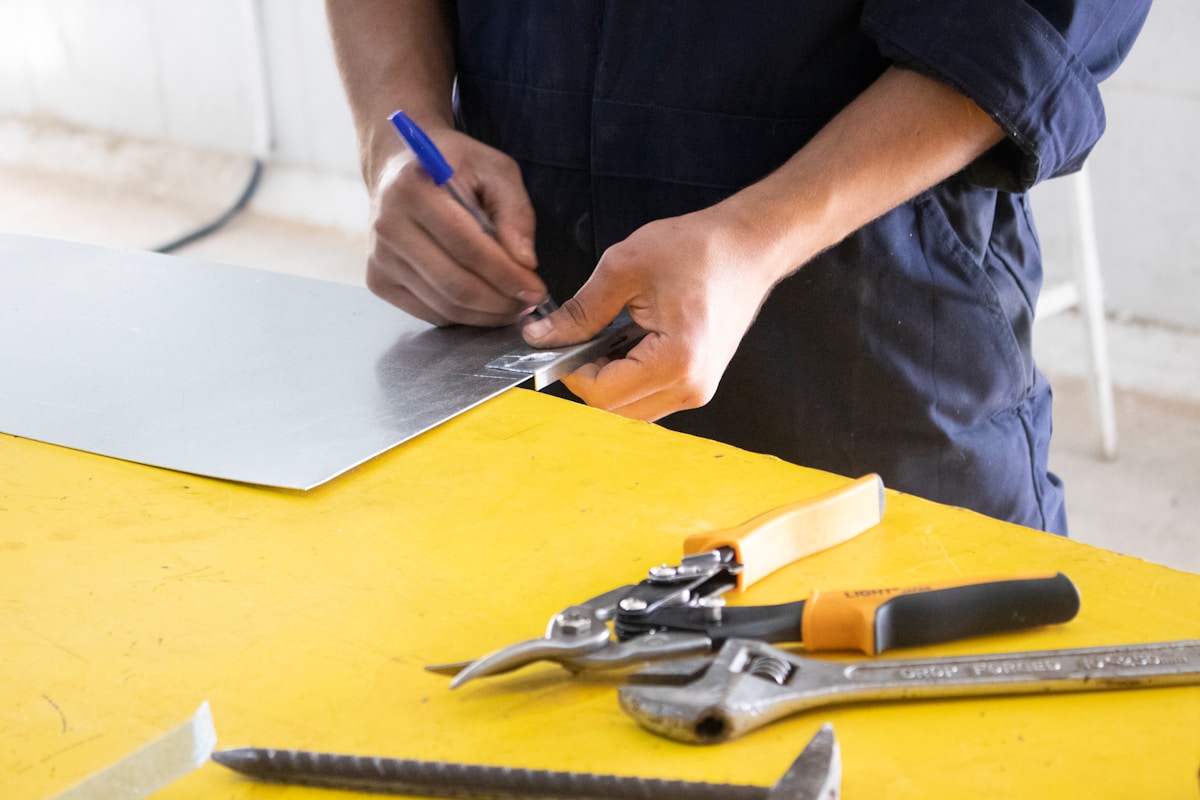
Where ACCP Gets Used: Common Applications
Aluminum Core Composite Panels (ACCP) have become the material of choice for engineers prioritizing the strength-to-weight ratio, finding critical utility in transportation bodies, marine vessels, and modern architectural cladding where rigidity must not compromise fuel efficiency or structural longevity.
Transportation and Mobile Infrastructure
In the transportation sector, every kilogram of weight reduction directly translates to fuel efficiency and increased payload capacity. ACCP systems are extensively utilized in the manufacturing of recreational vehicles (RVs), truck bodies, and specialty mobile units. For RV walls, roofing, and flooring, manufacturers often select panels with core materials like XPS or PU foam to provide superior thermal insulation, maintaining stable internal temperatures regardless of external weather conditions. Unlike traditional wood or solid metal, these composite panels resist rot and corrosion, a vital factor for mobile units exposed to diverse climates.
In the logistics industry, specifically for refrigerated and dry freight truck bodies, the demand is split between two primary needs: thermal retention and structural durability. Panels designed for refrigerated transport frequently incorporate polyurethane (PU) or Polyisocyanurate (PIR) foams for their high insulation values. Conversely, dry freight applications may utilize PET foam or honeycomb cores to maximize dent resistance and reduce overall tare weight. This allows fleet operators to maximize cargo weight without exceeding axle load limits, addressing the critical pain point of balancing weight reduction with the structural integrity required for rigorous road vibrations and heavy stacking.
Marine and Offshore Applications
The marine industry presents one of the harshest environments for building materials, necessitating solutions that can withstand constant exposure to saltwater, humidity, and UV radiation. Marine-grade aluminum core composite panels are engineered to be inherently corrosion-resistant, unlike steel counterparts that require heavy maintenance. These panels are typically fabricated with fiberglass (GRP/FRP) or marine-grade aluminum skins bonded to waterproof cores such as PVC or PET foam. This construction ensures that even if the outer skin is compromised, the water-resistant core prevents liquid ingress that could lead to structural rot or delamination.
Applications range from ship bulkheads and interior partitions to deck flooring and superstructure walls on yachts and high-speed ferries. The lightweight nature of the material is particularly advantageous in vessel design, as it lowers the center of gravity and improves stability and speed. Furthermore, the non-slip variants available in honeycomb panels provide essential safety features for deck surfaces, combining the low maintenance requirements of aluminum with high traction performance.
Architectural Cladding and Signage
Modern architecture relies heavily on materials that offer aesthetic flexibility alongside performance. Aluminum Composite Panels (ACP) and corrugated core panels are widely used for exterior wall cladding, facades, and curtain walling. For exterior applications, panels are typically available in thicknesses ranging from 4mm to 6mm, providing a rigid, flat surface that can be finished with PVDF or FEVE coatings to resist color fading under UV exposure. These panels allow architects to create sleek, modern facades that are not only visually striking but also contribute to the building’s thermal envelope when combined with insulated cores.
Beyond cladding, these panels are the industry standard for signage and advertising. Their high stiffness-to-weight ratio allows for large-scale billboards and store fronts that do not sag under their own weight. The aluminum surface accepts digital printing and lacquering efficiently, enabling high-resolution graphics that endure outdoor conditions. Additionally, the fire performance of these materials is a critical consideration in architectural specs; panels are often required to meet strict fire ratings (such as Class A or A2) depending on the building code and occupancy type, driving innovation in mineral-filled and non-combustible core technologies.
Industrial and Specialized Equipment
The versatility of ACCP extends into specialized industrial sectors where specific material properties are non-negotiable. In the medical and cleanroom sectors, panels with smooth, non-porous skins—often GRP with anti-bacterial gel coats—are used for sterile walls and ceilings because they are easy to clean and do not harbor pathogens. The sports and leisure industry utilizes these panels for lightweight, durable equipment, ranging from racing kart bodies to protective casings for high-impact sports.
Moreover, the rise of green energy solutions has seen these composites adopted in the construction of prefab houses and eco-friendly modular structures. The ability to customize the core material—choosing between recycled PET foams or PP honeycombs—allows manufacturers to meet sustainability targets without compromising on the structural performance required for permanent buildings. Whether used for industrial machine housings that require acoustic dampening or for lightweight aerospace components, the fundamental engineering value remains the same: achieving maximum performance with minimum mass.
ACCP vs. Alternative Panels: Where It Shines and Falls Short
Aluminum corrugated core panels occupy a distinct middle ground—firmer and more cost-effective than honeycomb, yet more rigid than standard ACP. The right choice depends on your specific load, fire, and budget requirements.
Clearing Up the Panel Type Confusion
Buyers frequently mix up three panel families: standard aluminum composite panels (ACP), aluminum honeycomb panels, and aluminum corrugated core panels (ACCP). Each has a different internal architecture that drives its performance and price.
Standard ACP uses a polyethylene or mineral-filled core sandwiched between two thin aluminum skins. It’s lightweight and easy to fabricate, but it lacks rigidity over large spans and carries higher fire risk. Honeycomb panels use a hexagonal aluminum or aramid foil core that delivers exceptional stiffness-to-weight, but the manufacturing complexity drives cost up significantly. ACCP sits between these two, using a continuous corrugated aluminum core that provides strong mechanical performance at a moderate price point.
The confusion often leads to over-specification—buyers pay honeycomb prices when ACCP would have satisfied the engineering requirements, or they underspecify with standard ACP and deal with deflection issues later.
Where ACCP Outperforms the Alternatives
ACCP shines in applications that demand higher rigidity than standard ACP can provide, without requiring the premium stiffness of honeycomb. The corrugated core creates a continuous metal-to-metal bond that resists delamination and maintains peel strength over time, which is critical for facade cladding and transportation panels subject to vibration.
For RV walls and roofing, ACCP offers a practical balance. It is firmer than honeycomb alternatives while remaining lighter than many solid-core options, and the price is typically lower than honeycomb panels. The material also meets A2 fire rating requirements when specified with appropriate core and coating combinations, making it suitable for applications where combustible cores are restricted.
Marine and coastal environments benefit from ACCP’s corrosion resistance when marine-grade 5005 aluminum alloy and AAMA 2605 PVDF or FEVE coatings are used. The continuous core structure leaves fewer pathways for moisture ingress compared to honeycomb cells, which can trap water if the facing is compromised.
Where Alternative Panels Remain the Better Choice
ACCP is not the universal solution. In applications where maximum stiffness-to-weight is the primary driver—such as aerospace interiors, high-end aircraft panels, or large-span structural sandwich panels—honeycomb panels remain the specification of record. The hexagonal cell geometry provides superior bending resistance per unit weight, and ACCP cannot match that performance without increasing thickness and cost.
For simple, low-cost interior applications where fire rating is not a concern and span lengths are short, standard ACP remains the most economical option. The price difference between ACP and ACCP can be significant on large projects, and if the engineering requirements do not demand corrugated-core performance, specifying ACCP unnecessarily increases material cost.
Honeycomb panels also excel in applications requiring superior acoustic damping and thermal insulation when combined with appropriate core materials. The sealed cellular structure can be filled with insulating foams, creating a panel that outperforms ACCP in both sound deadening and thermal resistance.
Cost-Effectiveness: Looking Beyond Unit Price
Unit price alone is a misleading metric for panel selection. A complete cost analysis must account for fabrication complexity, installation labor, structural support requirements, and lifecycle maintenance. ACCP typically costs more per square meter than standard ACP but less than honeycomb, and its intermediate positioning often translates to optimal total project cost when the engineering requirements are properly matched.
Installation costs can shift the economics significantly. ACCP panels are generally easier to fabricate and form than honeycomb panels, which require specialized tooling to avoid crushing the delicate cell structure. Standard ACP is the simplest to cut and bend, but if the selected panel deflects under load and requires additional framing support, the hidden cost of that extra structure can erase any unit price savings.
Thickness options such as 4mm and 6mm configurations allow buyers to tune performance against cost. Thinner panels reduce material usage and shipping weight, while thicker panels provide additional rigidity for demanding applications. The optimal thickness depends on span length, wind load, and impact resistance requirements specific to the project.
Making the Right Choice for Your Project
The decision between ACCP, honeycomb, and standard ACP should be driven by a clear understanding of your project’s structural, fire, environmental, and budget requirements. Start by defining the maximum span, required rigidity, fire rating, and exposure conditions. Then match those requirements to the panel type that satisfies them at the optimal cost.
For RV walls and roofing, marine-grade exterior cladding, and transportation applications where moderate rigidity and A2 fire performance are needed without honeycomb pricing, ACCP is typically the strongest value proposition. For ultra-lightweight structural panels, aerospace applications, or where maximum stiffness per thickness is critical, honeycomb remains the superior choice. For simple interior applications with no fire or rigidity constraints, standard ACP remains the most economical path.
When in doubt, engage a technical specialist who can review your engineering requirements and recommend the panel type that meets your needs without unnecessary cost. The right specification protects your budget and your project timeline.
| Comparison Metric | Rax ACCP | Standard ACP | Aluminum Honeycomb |
|---|---|---|---|
| Core Composition | Solid Aluminum Corrugated Core (Metal-to-Metal Bond) | Polyethylene (PE) or Mineral-Filled Core | Hexagonal Aluminum Foil Cells |
| Fire Performance | A2-s1,d0 Rating (Non-Combustible, Minimal Smoke/Droplets) | Combustible (Varies: Class B/C/D, Higher Fire Risk) | A1 or A2 Rating (Non-Combustible) |
| Material Specification | Marine-Grade 5005 H24 Alloy, AAMA 2605 PVDF/FEVE Coating | Standard 3003 Alloy, Polyester or Standard PVDF | 3003 or 5005 Alloy, High-End PVDF |
| Mechanical Strength | High Rigidity, Excellent Peel Strength | Moderate Stiffness, Prone to Deflection & Delamination | Superior Stiffness-to-Weight, High Impact Absorption |
| Environmental Resistance | Superior Salt Spray & Corrosion Resistance (Marine Grade) | Moderate Weather Resistance, Potential Core Degradation | High Weather Resistance, Moisture Permeability Risks |
Choosing ACCP for Different Environments
Selecting the right aluminum core composite panel for a given environment requires matching core structure, facing material, and panel thickness to the specific demands of salt exposure, fire codes, temperature swings, and moisture levels.
Marine and Coastal Environments
Coastal and marine settings present one of the most demanding environments for any cladding or structural panel. Salt spray, high humidity, and occasional direct seawater contact accelerate corrosion on many materials. Aluminum’s natural oxide layer provides inherent resistance, but the real differentiator lies in the core structure and how well the panel is sealed at the edges and joints.
An aluminum corrugated core is a solid, monolithic metal structure with no organic binders, adhesives, or hollow channels that can trap moisture. Unlike foam-core or paper-honeycomb panels, an all-aluminum core cannot absorb water, swell, or delaminate when exposed to sustained humidity. This makes it a strong choice for shipbuilding, dock infrastructure, and coastal facades where moisture intrusion is a constant threat.
When specifying ACCP for marine use, buyers should prioritize panels with intact edge sealing and compatible fastener materials. Using dissimilar metals such as carbon steel fasteners against aluminum facings in a salt-spray environment can create galvanic cells that accelerate localized corrosion at the attachment points. Stainless steel fasteners, particularly grades 316 for harsh marine exposure, are the standard recommendation to minimize this risk.
- Corrosion resistance: Aluminum alloy facings and cores form a passive oxide layer that resists salt-induced degradation far better than steel-based alternatives without coating.
- Edge and joint sealing: Proper sealing at panel edges and fastener penetrations is essential to prevent salt-laden moisture from reaching vulnerable interfaces.
- Fastener compatibility: Use 316-grade stainless steel fasteners in marine environments to avoid galvanic corrosion with aluminum components.
Fire-Rated Applications and Building Code Compliance
Fire performance is a decisive factor in architectural cladding, interior partitioning, and transportation applications. Building codes in many regions classify materials by their reaction-to-fire performance, and the core material is the primary determinant of that classification.
Aluminum core composite panels are non-combustible by nature. The aluminum core does not fuel a fire, contribute to flame spread, or release toxic smoke when exposed to high heat. This positions ACCP favorably against polymer-core alternatives such as polyethylene (PE) or polyurethane (PU) cores, which are combustible and can fail fire-rating requirements in many jurisdictions.
For projects requiring an A2 fire classification under Euroclass standards (EN 13501-1), ACCP with appropriate facings can meet these stringent requirements. A2 is the highest rating for construction products that are not class A1 (completely inorganic), and it is commonly mandated for high-rise buildings, public transit vehicles, and projects in fire-sensitive zones. Always verify the specific fire rating of the complete panel assembly with the supplier, as the facing material and any surface coatings also factor into the final classification.
- A2 fire rating: Aluminum core panels can achieve Euroclass A2 classification, making them suitable for high-rise and fire-sensitive applications where combustible cores are prohibited.
- Non-combustible core: Unlike PE or PU foam cores, aluminum will not contribute fuel to a fire or emit toxic smoke.
- Code compliance: Verify the full panel assembly’s fire rating documentation before specifying for code-regulated projects.
Extreme Temperature Environments
Temperature extremes test the structural integrity of any composite panel. In cold climates, materials can become brittle, and thermal contraction can stress bond lines. In hot climates, expansion and UV degradation become primary concerns. The aluminum core’s metal-to-metal bond structure handles thermal cycling more predictably than adhesive-bonded foam cores, which can soften at elevated temperatures or become brittle in sustained cold.
Aluminum has a coefficient of thermal expansion of approximately 23 micrometers per meter per degree Celsius, which is well-documented and consistent. This predictability allows engineers to calculate expansion and contraction gaps accurately during installation. Panels used in environments with large daily temperature swings—such as desert climates or unheated industrial buildings—benefit from this stability, as the aluminum core and aluminum facings expand and contract at similar rates, reducing the risk of core-face delamination.
For high-temperature applications, the limiting factor is typically the facing material and any adhesive or bonding agent used in the lamination process. Aluminum facings can withstand temperatures well above 200°C without degradation, but polymer-based facings or coatings may soften or discolor at lower temperatures. Always confirm the maximum service temperature of the complete panel construction for your specific application.
- Thermal stability: Aluminum core and facing expand at similar rates, reducing delamination risk during temperature cycling.
- Predictable expansion: The known coefficient of thermal expansion allows accurate gap calculation for installation in extreme climates.
- Temperature limits: The aluminum core itself handles extreme heat well, but facing and bonding materials may have lower thresholds.
High-Humidity and Wet Environments
Humidity and water exposure are invisible threats that degrade many composite panels over time. Foam-core panels, particularly those using polyurethane or polystyrene cores, can absorb moisture through microscopic pathways at cut edges or fastener holes. Once moisture enters the core, it can remain trapped, leading to internal degradation, reduced thermal insulation, and in organic cores, potential mold growth.
An all-aluminum corrugated core eliminates this failure mode entirely. There is no organic material to absorb water, no adhesive matrix to break down, and no hollow channels for moisture to migrate through. For applications in tropical climates, refrigerated transport, or interior spaces with persistent high humidity, this characteristic provides a meaningful advantage in long-term performance and maintenance costs.
The aluminum facings on either side of the core also provide a non-porous barrier that resists water penetration. When combined with proper edge sealing during fabrication and installation, the panel assembly creates a highly moisture-resistant composite structure. This is particularly relevant for RV walls and roofing, where interior condensation and exterior rain exposure create a challenging moisture environment year-round.
- Zero moisture absorption: An all-aluminum core cannot absorb water, eliminating risks of swelling, delamination, or internal degradation.
- Mold resistance: Without organic materials in the core, there is no substrate for mold or mildew growth.
- RV and transport applications: The moisture-resistant structure performs well in RV walls and roofing where condensation is a persistent concern.
RV and Mobile Applications
Recreational vehicles, mobile homes, and commercial transport bodies impose a unique set of requirements on panel materials. These applications demand lightweight construction to maximize payload and fuel efficiency, structural rigidity to withstand road vibration and flexing, and excellent moisture resistance to handle condensation and occasional water intrusion.
ACCP delivers on all three fronts. The corrugated aluminum core provides high strength-to-weight performance that rivals or exceeds honeycomb structures in certain load directions, while remaining significantly lighter than solid aluminum or steel alternatives. For RV walls, roofing, and flooring, this weight advantage translates directly into increased payload capacity or improved fuel economy.
The panel’s resistance to moisture and temperature variation is equally important in mobile applications. RVs experience wide temperature swings between interior conditioned spaces and exterior exposure, and they are subject to rain, road spray, and occasional flooding. An aluminum core panel maintains its structural integrity across this range without the degradation risks associated with organic cores.
- Weight efficiency: ACCP provides high strength at low weight, improving payload and fuel economy in RVs and commercial vehicles.
- Vibration resistance: The corrugated core structure maintains bond integrity under sustained road vibration and flexing.
- Thermal and moisture resilience: Performs consistently across the wide temperature and humidity swings typical of mobile applications.
Selecting Panel Thickness for Your Environment
Panel thickness is one of the most practical selection variables, and it should be driven by the structural demands of your specific environment rather than treated as a generic specification. Common ACCP thickness options include 4mm, 6mm, and custom thicknesses depending on the core height and facing gauge.
For interior cladding and low-load applications in controlled environments, a 4mm panel may provide sufficient rigidity. However, for exterior facades, marine environments, or applications subject to wind loading and impact, a 6mm or thicker panel is typically recommended. The corrugated core’s geometry means that even relatively thin panels can achieve impressive flexural strength, but the margin of safety increases with core depth.
When comparing ACCP to aluminum honeycomb panels for a given thickness, the corrugated core generally offers higher stiffness in the direction parallel to the corrugation folds, while honeycomb panels provide more isotropic (equal in all directions) strength. For RV wall and roof panels where load direction is predictable, ACCP often delivers comparable or superior performance at a lower cost point.
- 4mm panels: Suitable for interior cladding, low-wind exterior applications, and lightweight mobile furniture panels.
- 6mm panels: Recommended for exterior facades, marine cladding, RV roofing, and applications requiring higher impact resistance.
- Custom thicknesses: Available for specialized structural applications where standard options do not meet load or span requirements.
Cost Considerations: ACCP vs. Alternative Panels by Environment
Understanding the cost dynamics between ACCP and alternative panel types requires looking beyond the initial purchase price. The total cost of ownership includes fabrication ease, installation time, maintenance requirements, and expected service life in the target environment.
Compared to aluminum honeycomb panels, ACCP typically offers a lower unit cost while delivering comparable or superior stiffness in primary load directions. Honeycomb panels excel in applications requiring uniform strength in multiple directions, but for many architectural and transportation uses where load direction is predictable, ACCP provides a more cost-effective solution without sacrificing performance.
Against traditional aluminum composite panels (ACP) with polyethylene cores, ACCP carries a higher upfront cost but eliminates fire-risk liabilities and long-term moisture degradation costs. In environments where fire codes prohibit combustible cores or where moisture damage has historically caused premature panel replacement, the lifecycle cost advantage shifts decisively toward aluminum core construction.
Fabricating and Installing ACCP: What You Need to Know
ACCP panels work with conventional aluminum fabrication methods. The corrugated core adds rigidity but requires attention to minimum bend radii and fastener placement.
Cutting and Forming Techniques for ACCP
ACCP panels cut cleanly with standard metalworking tools. Circular saws with fine-tooth blades, shears, and CNC routers all produce clean edges. The two thin aluminum skins slice like any aluminum composite, while the corrugated core inside provides resistance that makes the panel feel more substantial than its weight suggests.
Forming requires more consideration. The corrugated aluminum core runs in one direction, creating natural rigidity along the flute orientation. When bending, the minimum radius depends on panel thickness and core depth. A 4mm ACCP panel typically handles a bend radius of 20 to 30 times the material thickness without core damage, while 6mm panels need slightly larger radii. Bending against the grain direction risks core compression and skin wrinkling on the inside of the curve.
For simple radius bends, hand brakes and press brakes work when properly set up. The key is going slow and using form blocks that support the core. For tighter curves or complex geometries, thermal forming becomes an option. Heating the panel uniformly to 120 to 150 degrees Celsius softens the bonding adhesive enough to allow shaping, but temperatures above 160 degrees risk delamination. Always test a scrap piece first.
Fastening and Joining Methods
ACCP panels accept three primary fastening approaches: mechanical fasteners, adhesive bonding, and concealed clip systems. Each method suits different applications and aesthetic requirements.
- Mechanical fastening:Self-tapping screws with EPDM washers work for direct-to-substrate installation. Place fasteners at corrugation peaks where the core provides maximum bearing surface. Spacing typically runs 300 to 450 millimeters on center, depending on wind load requirements and panel thickness.
- Adhesive bonding:Structural silicones and polyurethane adhesives create seamless appearances. Apply adhesive in beads or ribbons to the back of the panel, then press onto a clean, primed substrate. Bond strength depends on surface preparation and adhesive cure conditions. This method works well for curved installations where fasteners create visual disruptions.
- Concealed clip systems:Aluminum or stainless steel clips attach to the substrate first, then accept panel edges. The clips hide behind the visible face, creating clean lines. This approach requires precise panel edge preparation but delivers the most refined architectural appearance.
Joining panels edge-to-edge follows similar principles. Butted joints with sealant behind work for simple applications. Overlapped joints provide better weather protection but add visual lines. For expansion movement, slip joints or slotted fastener holes accommodate thermal growth. Aluminum expands roughly 23 micrometers per meter per degree Celsius, so a 6-meter panel gains nearly 4 millimeters across a 30-degree temperature swing.
On-Site Installation Best Practices
Installation begins with substrate preparation. The mounting surface must be flat within 3 millimeters over any 1-meter span. High spots create visible telegraphing through the thin skins, while gaps behind the panel reduce fastener holding power. Clean the substrate of dust, oil, and loose material before attaching anything.
Handling large ACCP panels requires two people for anything over 1.2 meters in length. The panels are light but flexible, and unsupported spans sag under their own weight. Carry panels vertically when possible, and never drag them across rough surfaces. The polyester or PVDF finish scratches easily during installation.
Weather conditions matter during installation. Apply panels when temperatures sit between 5 and 35 degrees Celsius. Cold adhesive curing slows dramatically below 10 degrees, while hot conditions accelerate skin migration before the bond sets. Avoid installing in direct midday sun when panel surfaces exceed ambient temperature by 20 degrees or more—thermal expansion during installation creates alignment headaches later.
Sequencing follows a logical pattern. Start from a corner or center point and work outward, maintaining consistent joint gaps. Use spacers for uniform 3 to 5 millimeter expansion gaps between panels. Check plumb and level frequently, as errors compound across long runs. For facade applications, install from bottom to top with overlapping weather joints that shed water downward.
📋 Actionable Steps
- Step 1:Verify substrate flatness and clean thoroughly before starting.
- Step 2:Layout panel positions with spacers for consistent joint gaps.
- Step 3:Install starting from a reference corner, checking alignment every 3 panels.
- Step 4:Apply sealant to joints and fastener heads before moving to the next section.
- Step 5:Inspect final installation for scratches, uneven joints, or protruding fasteners.
Finishing touches include applying protective film removal and cleaning. Peel installation film within 48 hours of application—leaving it longer causes adhesive bonding to the finish that creates residue problems. Clean with mild detergent and water using soft cloths. Avoid abrasive pads or solvents that attack the coating. The panel should look factory-fresh when installation completes.
How Durable Is ACCP Over Time?
Aluminum Core Composite Panels (ACCP) typically deliver 20 to 30 years of reliable performance, with their all-metal sandwich construction providing superior resistance to weathering, corrosion, and structural fatigue compared to traditional plastic-core ACPs.
Weather and Corrosion Resistance Performance
The durability of ACCP in outdoor environments is fundamentally rooted in its material composition. The outer aluminum skins, typically ranging from 0.3mm to 0.5mm in thickness, act as a first line of defense against UV radiation, rainfall, and temperature cycling. These skins are almost always coated with PVDF (polyvinylidene fluoride) or PE (polyethylene) finishes, which significantly slow down color fading and surface degradation. Industry accelerated weathering tests, such as QUV exposure simulations, consistently show that PVDF-coated ACCP panels retain over 90% of their original color and gloss after 10,000 hours of UV exposure, which roughly correlates to 20 or more years of real-world service in temperate climates.
Corrosion resistance is where ACCP genuinely differentiates itself from conventional aluminum composite panels with polyethylene (PE) cores. In standard ACPs, if the outer aluminum skin is breached through cutting, scratching, or impact, moisture can penetrate the core and cause delamination or core swelling over time. ACCP eliminates this vulnerability because its core is also aluminum — specifically, a corrugated aluminum structure. There is no hygroscopic or combustible material between the skins to absorb water or break down. This means that even at cut edges and drilled fastener points, the panel does not suffer from core degradation, making it inherently more resilient in environments where physical damage to the panel surface is likely during installation or throughout its service life.
The corrosion performance of ACCP also depends on the alloy grade used for both the skins and the corrugated core. Aluminum alloys in the 3000 series (such as 3003 or 3004) are commonly specified for architectural ACCP because they offer a natural balance of formability and corrosion resistance. In highly corrosive atmospheres — such as those found near industrial facilities or in areas with significant salt spray — the use of 5000 series alloys (like 5052) for the outer skins provides measurably better resistance to pitting and stress corrosion cracking.
- UV Resistance: PVDF-coated ACCP panels typically maintain structural integrity and color fidelity for 20 to 30 years under direct sunlight, with minimal chalking or gloss loss when tested per ISO 11507 standards.
- Moisture Inertness: The all-aluminum core ensures zero water absorption, eliminating the risk of core swelling, delamination, or gas emission that can plague PE-core panels in humid or wet conditions.
- Coating Longevity: High-quality PVDF coatings (with a minimum film thickness of 25 microns per coat) provide the baseline for long-term weathering performance; thinner PE coatings may begin to show noticeable weathering within 10 to 15 years in harsh climates.
Structural Longevity in Marine and Coastal Environments
Marine and coastal environments represent one of the most demanding use cases for any cladding or panel material. The combination of high humidity, airborne salt particles, and frequent rainfall creates an environment that aggressively attacks many construction materials. For ACCP, the all-metal composition provides a meaningful advantage, but the specific alloy selection and coating system become the deciding factors between a panel that lasts decades and one that shows premature degradation.
Salt spray exposure is the primary degradation mechanism in coastal settings. When salt-laden moisture settles on a panel surface and dries, it leaves behind crystalline salt deposits that can initiate localized corrosion, particularly at microscopic defects in the coating. Aluminum alloys in the 5000 series, which contain magnesium as a primary alloying element, form a more stable and self-healing oxide layer than 3000 series alloys when exposed to chloride environments. This makes 5052-grade aluminum skins a practical specification for projects within 500 meters of a coastline or in areas with known high salt exposure. The corrugated core, also typically manufactured from 3003 or 5052 alloy, benefits from the same corrosion resistance, and because it is enclosed between the skins, it is further protected from direct salt spray contact.
Notably that while ACCP outperforms PE-core ACP in marine environments, it is not immune to corrosion. In extreme coastal conditions — such as direct splash zones on marine structures, offshore platforms, or coastal industrial facilities with combined salt and chemical exposure — even 5052 aluminum can experience pitting corrosion over extended periods. In these scenarios, specifying a panel with an additional anodized layer on the aluminum skins, or using a laminate finish with enhanced chemical resistance, can extend the service life significantly. Field data from coastal building projects in subtropical and tropical regions indicates that properly specified ACCP with 5000-series skins and PVDF coatings can maintain structural and aesthetic performance for 25 years or more in marine atmospheres, compared to 10 to 15 years for standard PE-core ACPs in the same conditions.
Impact and Fatigue Resistance Over Time
Impact resistance and fatigue performance are critical durability factors for ACCP, particularly in applications where the panels are subjected to repeated mechanical stress, thermal cycling, or accidental impact during and after installation. The corrugated core geometry is the key engineering feature that gives ACCP its superior impact and fatigue characteristics compared to both solid aluminum sheets and honeycomb-core panels of equivalent thickness.
The corrugated (fluted) aluminum core functions similarly to an I-beam in structural engineering. The flutes create a series of continuous triangular or sinusoidal supports between the two outer skins, which dramatically increases the panel’s bending stiffness and energy absorption capacity without adding significant weight. When an impact force is applied to the panel surface, the corrugated core distributes that force laterally across multiple flute walls, preventing localized deformation that would occur with a flat core or solid sheet of the same weight. This makes ACCP particularly well-suited for applications such as RV walls and roofing, transportation enclosures, and facade systems in high-wind zones where panels may be subjected to repeated pressure cycling.
Fatigue resistance — the ability to withstand repeated loading and unloading cycles without developing cracks or losing structural integrity — is another area where ACCP demonstrates clear advantages. The bond between the aluminum skins and the corrugated core is typically created through a continuous laminating process at elevated temperatures, producing a metallurgical bond that is highly resistant to delamination under cyclic stress. Unlike adhesive-bonded honeycomb cores, which can gradually weaken under thermal expansion and contraction cycles, the bonded aluminum-to-aluminum interface in ACCP maintains its integrity over decades of thermal cycling. Laboratory fatigue testing of ACCP samples subjected to repeated flexural loading at temperatures ranging from -40°C to +80°C has shown no delamination or core-skin separation after thousands of cycles, indicating that the panel can comfortably endure the thermal expansion and contraction it will experience over its service life in most climates.
- Impact Energy Distribution: The corrugated core geometry distributes point-impact forces across a wider area than flat-core panels, reducing the likelihood of denting or permanent deformation from hail, debris, or maintenance contact.
- Thermal Cycling Performance: ACCP’s aluminum-to-aluminum bonded construction accommodates thermal expansion and contraction without core degradation, maintaining panel flatness and bond integrity across temperature ranges from -40°C to +80°C and beyond.
- Fatigue Life: Continuous laminated bonding between skins and corrugated core resists delamination under repeated mechanical and thermal stress, with tested fatigue life exceeding thousands of load cycles in flexural testing per ASTM C297-derived methodologies adapted for composite panels.
- Dimensional Stability: Unlike PE-core panels that can experience core shrinkage or gas emission over time (leading to face buckling), the all-metal ACCP construction maintains dimensional stability throughout its service life, with negligible creep or deformation under sustained loads.
It is worth acknowledging the limitations of ACCP durability in specific contexts. While the corrugated core provides excellent stiffness-to-weight performance, ACCP panels are not impervious to all forms of mechanical damage. Sharp-point impacts at high velocity can penetrate the outer skin and deform the core flutes locally, and prolonged exposure to extreme mechanical abrasion can wear through the protective coating, exposing the underlying aluminum to environmental attack. Additionally, in applications where the panel is subjected to sustained heavy point loads — such as mounting heavy equipment directly to the panel face without proper load distribution — the corrugated core can experience localized crushing if the load exceeds the core’s compressive strength. Proper design and installation practices, including the use of backing plates or framing channels under point loads, mitigate these risks effectively.
Conclusion
Aluminum corrugated core panels hit the sweet spot between rigidity and weight. They outperform traditional ACP in fire safety and beat honeycomb on cost-effectiveness for non-load-bearing structures. Whether you are cladding a marine vessel or fabricating RV walls, the manufacturing tolerances dictate the final flatness. You cannot afford core delamination in coastal environments, so make strict anodizing and bonding protocols non-negotiable for longevity.
- Verify the A2 fire rating matches local building codes before ordering.
- Confirm 4mm or 6mm thickness based on wind load requirements.
- For coastal and marine-grade applications, select 5005 H24 aluminum alloy rather than 3003 series. The 3003 series offers only moderate corrosion resistance and is not classified as marine-grade. Per the Product Bible, 5005 H24 provides superior corrosion resistance in coastal and humid environments, making it the correct specification for vehicle and marine applications.
- Consult our engineering team to validate your fabrication drawings and ensure your fastening methods align with the core’s thermal expansion limits.
Frequently Asked Questions
What fire rating do aluminum core composite panels typically achieve?
Aluminum core composite panels can achieve A2-s1,d0 fire ratings, making them suitable for applications with strict fire safety requirements. The all-metal core is inherently non-combustible, unlike foam-core panels which may burn or release toxic fumes. This makes ACCP a preferred choice for building facades, transportation interiors, and marine vessels where fire compliance is critical.
Are aluminum core composite panels environmentally sustainable?
Aluminum core composite panels are highly recyclable since both the aluminum skins and corrugated core are made from metal. Unlike foam-core panels that may contain non-recyclable materials, ACCP can be fully reclaimed at end of life. Aluminum also requires no chemical treatments that release volatile organic compounds, supporting greener building certifications.
How does adhesive bonding quality affect ACCP performance?
The bond between aluminum skins and the corrugated core is critical for structural integrity and long-term durability. High-quality manufacturing uses advanced adhesive techniques and rigorous quality control to prevent delamination under stress, temperature changes, or moisture exposure. Inferior bonding can lead to core-skin separation, reducing load-bearing capacity and panel lifespan.
Can aluminum core composite panels be customized for specific projects?
Yes, aluminum core composite panels can be customized in terms of core thickness, panel dimensions, alloy grade, coating type, and surface finish. Engineering teams can conduct experimental testing to optimize strength, weight, and cost for specific project requirements. This flexibility allows ACCP to be tailored for diverse applications across transportation, marine, and construction sectors.
What thickness options are available for aluminum core composite panels?
Aluminum core composite panels are available in a range of total thicknesses, typically from 3mm to over 50mm depending on the core height and skin gauge. Thicker panels provide greater stiffness and load-bearing capacity, while thinner variants are suited for cladding and interior applications. The corrugated core height can be adjusted to meet specific structural requirements.
Do aluminum core composite panels meet international building standards?
Aluminum core composite panels can be manufactured to meet various international standards including AAMA 2605 for coating performance and fire classification standards such as EN 13501-1. They are suitable for use in projects requiring compliance with building codes in Europe, North America, and other global markets. Specifiers should verify that panels carry relevant certifications for their target region.