
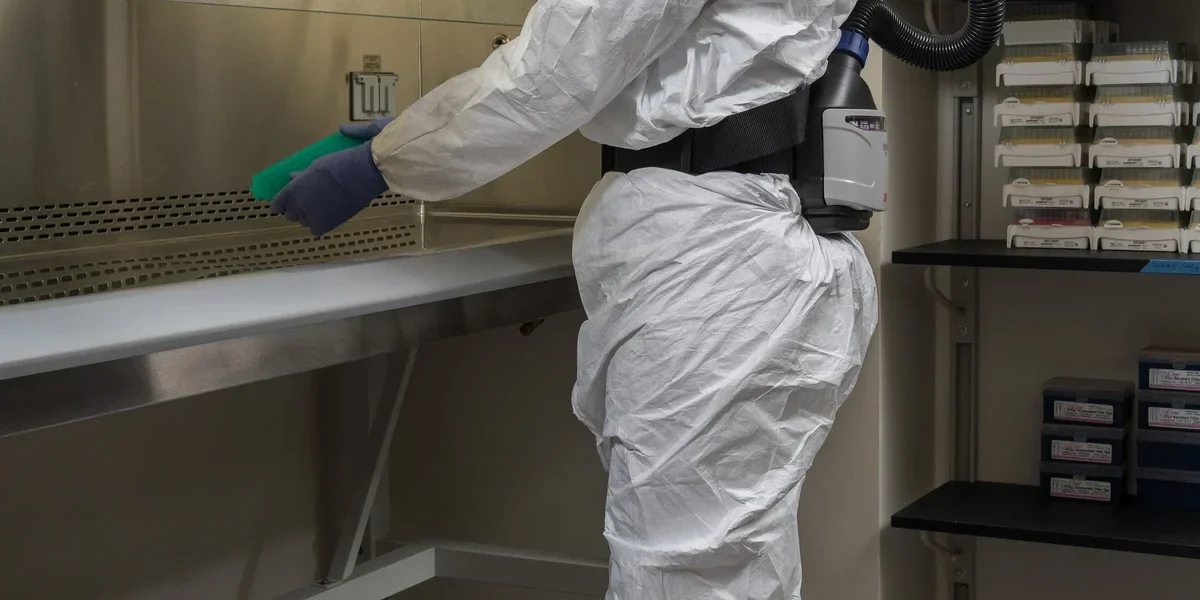
Semiconductor lithography and aseptic pharmaceutical processing rely entirely on Class 100 cleanrooms, which define the absolute ceiling for contamination control in high-stakes manufacturing. Despite this, many facility planners over-specify their environment or miss critical compliance triggers. To put this precision in perspective, an ISO 5 environment permits a maximum of 3,520 particles (≥0.5µm) per cubic meter, whereas typical urban air contains 35,000,000 particles in that same space.
At RaxPanel, we know that understanding the regulatory mandates behind these numbers is just as important as the filtration hardware itself. We examine the specific sectors that require this level of performance, distinguishing between necessity and wasted spend in modular construction. You will learn how to assess your facility’s needs against FDA, GMP, and semiconductor standards to ensure your design survives the first audit.
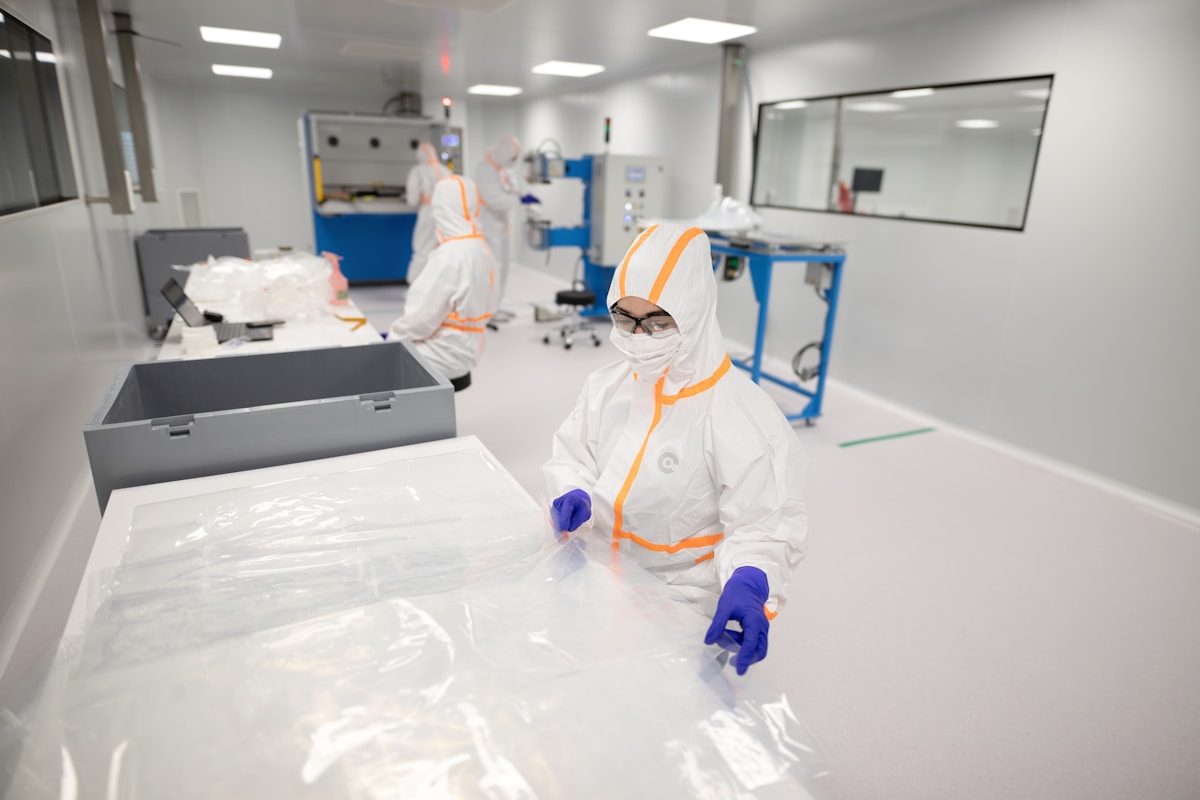
What Makes a Class 100 Cleanroom?
Class 100 cleanrooms, equivalent to ISO 5 under modern standards, require an environment with a maximum of 100 particles (≥0.5µm) per cubic foot of air. This demands unidirectional airflow and non-shedding, monolithic surfaces to prevent contamination.
Particle Count Thresholds and Airborne Contaminant Limits
A Class 100 cleanroom, historically defined by the Federal Standard 209E (FS209E) and now classified as ISO 5 under ISO 14644-1, represents a critical threshold in contamination control. The defining metric is the allowable concentration of airborne particles. To maintain certification, the environment must strictly limit the number of particles equal to or greater than 0.5 micrometers in size.
For facility planners, the implication is absolute: there is zero tolerance for particulate generation. Unlike lower-class cleanrooms where airflow turbulence can be managed with mixed-flow patterns, a Class 100 environment typically requires unidirectional (laminar) flow. This means air must move in a single direction at a consistent velocity, sweeping particles away from critical work zones rather than allowing them to settle. Any material introduced into this space—whether a tool, a garment, or a wall panel—must be verified as non-shedding to prevent compromising the particle count.
Key Components of a Class 100 Cleanroom Structure
The physical structure of a Class 100 cleanroom is not merely a partition; it is an active part of the filtration system. The envelope must be airtight to maintain positive pressure differentials, which prevent infiltration of contaminants from adjacent non-clean areas. This structural integrity relies heavily on the interplay between three subsystems: the ceiling grid with fan filter units (FFUs), the wall partitions, and the flooring system.
Gaps, cracks, or porous materials in any of these components become reservoirs for bacteria and particulates. Consequently, the industry standard has shifted towards modular systems where components are factory-fabricated to tight tolerances. On-site construction methods involving raw materials like drywall or wood, which generate dust and are difficult to seal effectively, are generally rejected for ISO 5 builds in favor of pre-engineered composite solutions.
Role of Composite Sandwich Panels in Cleanroom Construction
The choice of wall and ceiling material is the single most influential factor in achieving ISO 5 compliance. Traditional building materials fail because they shed fibers, corrode during washdowns, or trap moisture. Composite sandwich panels have become the industry standard solution because they create a monolithic surface that acts as a barrier against contamination.
The engineering logic here centers on the “skin-core-skin” construction. The facings—often Glass Reinforced Plastic (GRP) with a smooth gelcoat or aluminum—provide the non-porous, washable surface required for frequent sterilization with aggressive agents like IPA or VHP. Meanwhile, the core material dictates the panel’s thermal performance and fire safety. While standard foams offer insulation, specialized cores like PIR (Polyisocyanurate) are frequently specified in pharmaceutical settings to meet stringent fire safety ratings without sacrificing thermal resistance.
Airflow Design and Filtration Standards for ISO 5 Compliance
Achieving ISO 5 requires a specific regimen of air changes and velocity, typically characterized by unidirectional airflow. In this design, air is introduced through HEPA or ULPA filters covering a significant percentage of the ceiling or wall. The air moves in a parallel stream pattern, pushing contaminants vertically towards the floor return grilles. The physics of this system require that all internal surfaces—walls, ceilings, and equipment—are designed to minimize turbulence.
If the wall surfaces are rough or if the panel joints are uneven, the laminar flow breaks into turbulence, creating eddies where particles can accumulate. This is why the flatness and smoothness of composite panels are not merely aesthetic requirements but engineering necessities. A smooth surface minimizes the boundary layer friction, allowing air to sweep efficiently across the room. Proper airflow design ensures that the entire volume of air in the room is replaced hundreds of times per hour, diluting and removing any particles generated by the manufacturing process instantly.
| Defining Standard | Class 100 / ISO 5 Requirement | Rax Panel Material Solution | Engineering Benefit |
|---|---|---|---|
| Airborne Particle Limit | Max 100 particles/ft³ (≥0.5µm) or 3,520 particles/m³ | GRP/FRP Sandwich Panels with Smooth Gelcoat | Non-shedding, monolithic surface maintains ISO 5 particle count integrity |
| Airflow Velocity | 0.3–0.45 m/s (Unidirectional / Laminar Flow) | Aluminum & GRP Flat Ceiling/Wall Panels | Ultra-smooth facings minimize turbulence and optimize HVAC efficiency |
| Thermal & Condensation Control | Eliminate thermal bridging; maintain surface temp above dew point | PIR or XPS Foam Core Sandwich Panels | High thermal resistance (R-value) prevents moisture buildup and microbial growth |
| Chemical & Sterilization Resistance | Withstand frequent washdowns (IPA, VHP, strong disinfectants) | CFRT and Fiberglass Reinforced Sheets (Gelcoat finish) | Chemically inert surface prevents degradation and maintains cleanroom aesthetics |
| Fire Safety Compliance | ASTM E84 Class A or EN 13501-1 A1/A2 ratings | PIR Sandwich Panels (Specialized Core) | High fire rating ensures safety in pharmaceutical and high-tech facilities |
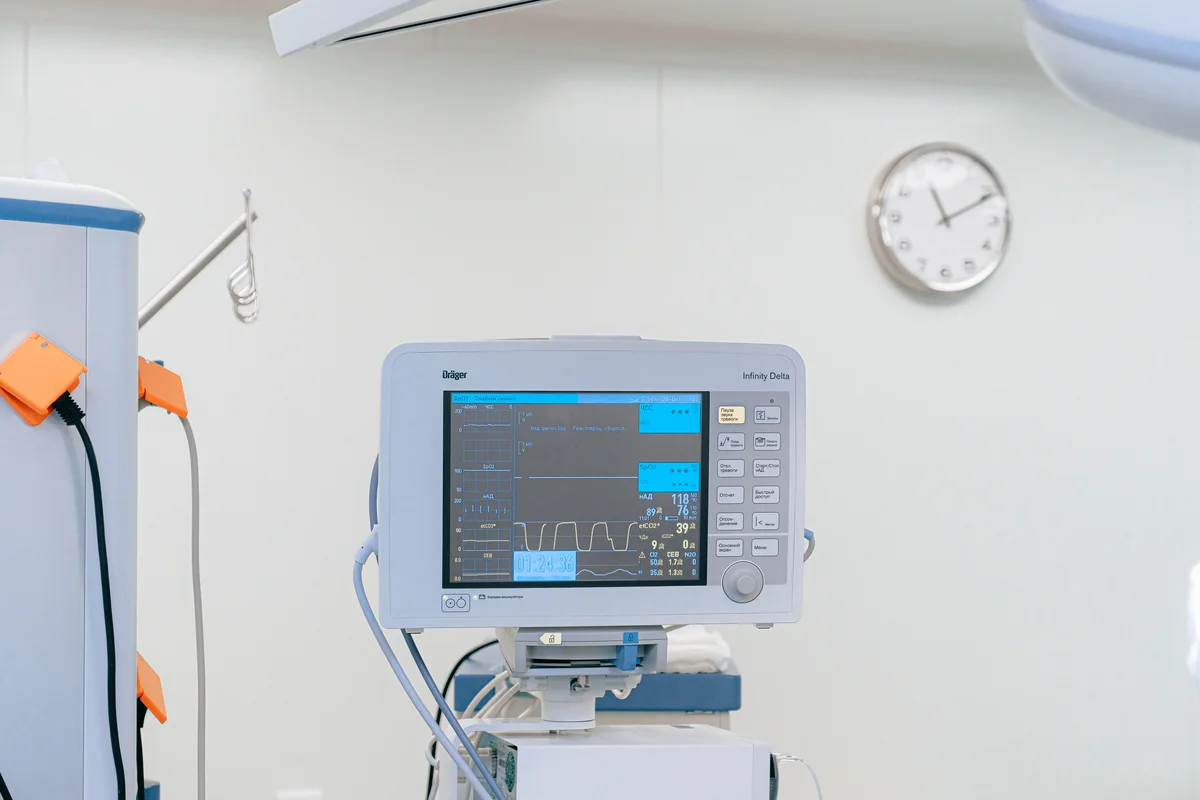
Why Pharma and Biotech Need Class 100
Class 100 (ISO 5) cleanrooms are non-negotiable in pharmaceutical and biotech operations where live biologics, sterile injectables, and aseptic fills are produced. A single particle breach can contaminate an entire batch — making contamination control a matter of patient safety, regulatory compliance, and financial survival.
The Stakes: Why Cleanroom Class Matters More in Pharma Than Any Other Industry
In pharmaceutical manufacturing and biotech production, the consequences of particulate contamination are measured in lives, not aesthetics. A single particle of 0.5 microns or larger can carry endotoxins, viable microorganisms, or pyrogenic substances directly into a sterile drug product. When that product is an injectable administered directly into a patient’s bloodstream, the margin for error is effectively zero.
Class 100 — also known as ISO 5 — represents one of the most stringent airborne cleanliness classifications available under the ISO 14644-1 standard. It permits no more than 3,520 particles per cubic meter that are 0.5 microns or larger. For context, this is roughly equivalent to having fewer than four dust mites floating freely in a volume of air the size of a standard office chair. The operational requirement for maintaining this environment drives massive capital investment in HVAC systems, filtration infrastructure, and facility construction — making the choice of cleanroom panel materials a critical cost and performance decision.
Sterile Filling and Aseptic Processing: The Core Class 100 Use Case
Sterile filling operations represent the single most demanding application for Class 100 environments in the pharmaceutical industry. This process involves transferring a sterilized drug product into a sterile primary container — typically a vial, ampoule, or syringe — in an environment where the risk of microbial or particulate contamination is minimized to the greatest extent physically achievable.
The filling zone itself must maintain ISO 5 conditions continuously during the entire operation. This means the air in the immediate vicinity of the open container must meet Class 100 particle limits at all times. Any deviation — whether from HVAC failure, improper panel sealing, or inadequate airflow patterns — can result in batch rejection, product recall, or worse, patient harm.
Aseptic processing extends beyond simple filling. It encompasses the entire chain of operations where sterile components are assembled, transferred, and closed in a controlled environment. This includes stopper bowl feeding, vial loading, lyophilizer (freeze-dryer) transfer, and final seal inspection. Each of these sub-processes requires Class 100 conditions at the critical exposure point, and the cleanroom structure must support uninterrupted airflow and filtration across all of them simultaneously.
- Sterile injectable manufacturing: The FDA and EMA both mandate ISO 5 conditions at the filling point for all aseptically processed products. This includes monoclonal antibodies, vaccines, and gene therapies.
- Biosimilar and biologic drug production: Living cell cultures used in biotech manufacturing are extraordinarily sensitive to contamination. A single airborne spore introduced during cell harvesting or bioreactor transfer can contaminate weeks of production worth of material valued at millions of dollars.
- Compounding and parenteral nutrition preparation: Hospital pharmacy compounding of sterile IV medications increasingly requires ISO 5 environments, driven by stricter USP <797> compliance expectations.
Regulatory and Quality Imperatives Driving Class 100 Adoption
The pharmaceutical and biotech industries operate under some of the most rigorous quality regulations on earth. Regulatory agencies worldwide — including the U.S. FDA, the European Medicines Agency (EMA), and China’s NMPA — require evidence that sterile products are manufactured in environments that actively prevent contamination. Class 100 cleanroom construction is not a recommendation; it is a regulatory expectation for any facility producing injectable or aseptically processed products.
Failure to maintain the required cleanliness classification during manufacturing triggers regulatory observations during facility inspections. These observations can escalate to warning letters, import alerts, consent decrees, or suspension of product approvals. The financial and reputational cost of such regulatory action far exceeds the investment in proper cleanroom construction, including high-quality composite sandwich panels designed specifically for pharmaceutical-grade environments.
Beyond regulatory compliance, Class 100 environments protect the manufacturer’s bottom line. A single contaminated batch of a biologic drug can represent losses exceeding $10 million in raw materials, processing time, and wasted capacity. The cost of constructing a Class 100 cleanroom with proper panel systems is therefore a risk mitigation investment, not merely a compliance expense.
Panel Material Requirements in Pharma and Biotech Class 100 Facilities
The cleanroom panels used in pharmaceutical and biotech Class 100 facilities face unique demands that go beyond basic structural performance. These panels must provide a seamless, non-shedding, chemically resistant surface that can withstand repeated exposure to aggressive disinfectants and sterilizing agents without degrading, outgassing, or harboring microbial growth in micro-cracks or joints.
Composite sandwich panels with GRP (glass-reinforced plastic) or CFRT (continuous fiber-reinforced thermoplastic) facings and closed-cell foam cores such as XPS, PET, or PVC are commonly specified for these applications. The closed-cell core structure prevents moisture ingress and microbial colonization within the panel itself, while the smooth gel-coated or smooth-surface facing provides a cleanable, non-porous barrier. Joint design and sealing integrity are equally critical — any gap or imperfect seal between panels becomes a potential contamination reservoir that UV irradiation and HEPA-filtered airflow cannot reach.
Fire safety is another non-negotiable consideration. Pharmaceutical facilities handling flammable solvents or operating with high-energy equipment require panels with verified fire ratings. PIR (polyisocyanurate) foam core panels and mineral wool core panels offer superior fire resistance compared to standard PU or XPS cores, and many Class 100 cleanroom specifications explicitly require fire-rated panel constructions to meet building code and insurance requirements.
Thermal and Humidity Control: The Hidden Class 100 Requirement
Pharmaceutical and biotech manufacturing processes often require precise temperature and humidity control alongside particle cleanliness. Many biologics and vaccines must be stored and processed within narrow environmental bands — typically 20-24°C and 40-60% relative humidity — to maintain product stability. The cleanroom envelope, including all wall and ceiling panels, must provide adequate thermal insulation to support HVAC system performance without creating condensation surfaces that could foster microbial growth.
Foam-core sandwich panels with PU, XPS, or PET cores provide the thermal insulation values necessary to maintain these conditions efficiently. Poor thermal performance in the cleanroom envelope forces HVAC systems to work harder, increasing energy costs and creating additional failure points where temperature or humidity control could be compromised — both of which directly threaten Class 100 compliance.
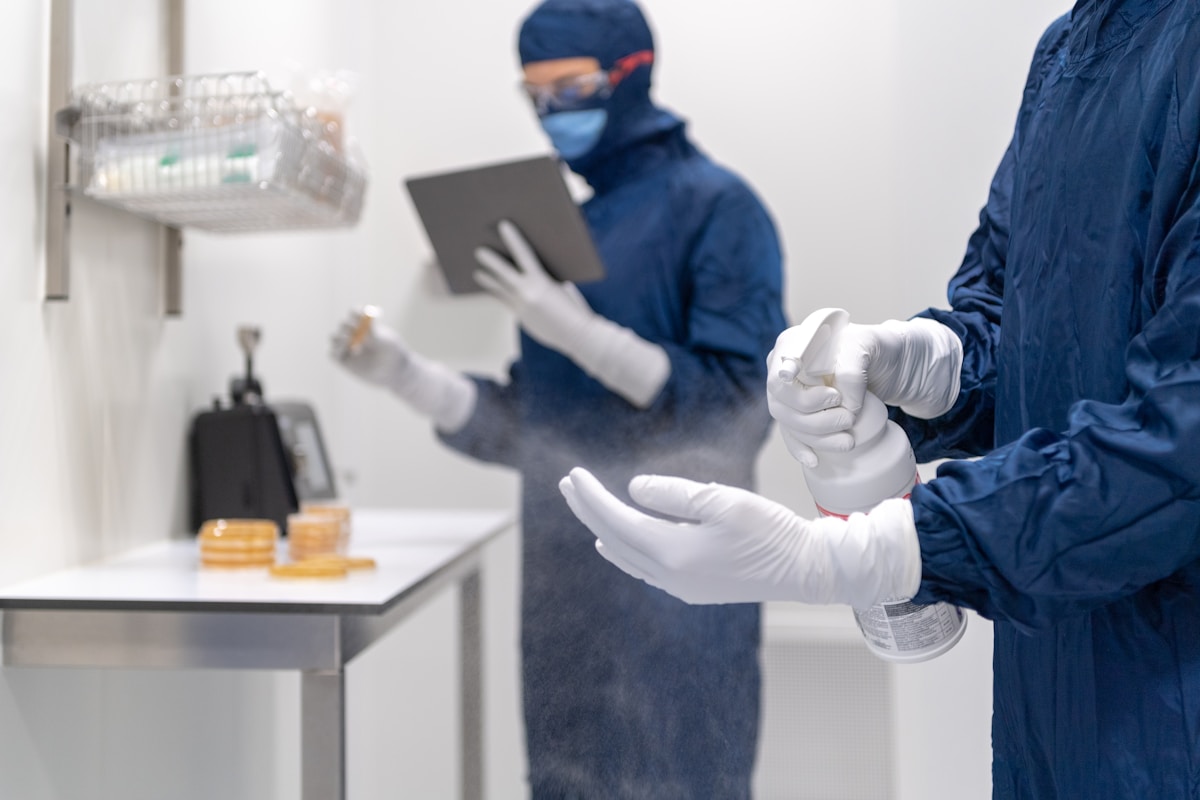
Medical Devices That Demand ISO 5 Spaces
Key Takeaway: Only medical devices that enter the bloodstream or are permanently implanted inside the body strictly require ISO 5 (Class 100) environments, as the human immune system cannot combat bacteria or particles trapped on these surfaces.
Medical devices that demand ISO 5 spaces are those with the highest risk to patient safety: specifically, implantable devices and components that come into direct contact with sterile internal tissues or the vascular system. Unlike general equipment manufacturing where minor dust might just affect aesthetics, in the medical device field, microscopic contaminants can cause life-threatening infections or device rejection. Because these devices are placed inside the body, the patient’s immune system cannot easily “wash away” bacteria or particles that might hitch a ride on the product’s surface.
Implantable Devices and Critical Components
The primary category requiring ISO 5 conditions includes any item intended to remain inside the body for an extended period. This category is sensitive because even a single viable microorganism or a tiny particulate shed from a machine can cause a biofilm to form on the implant. A biofilm is a shielded layer of bacteria that antibiotics often cannot penetrate, leading to severe complications.
- Orthopedic Implants: Joint replacements (hips, knees) and bone screws that must be entirely free of particulates to prevent inflammation and bone loss.
- Cardiovascular Devices: Pacemakers, stents, and heart valves. Since these interact directly with blood, any pyrogen (fever-causing substance) or particulate can cause clotting or systemic infection.
- Intraocular Lenses: Lenses used in eye surgery. The eye is extremely sensitive; even a microscopic particle can cause significant vision impairment or inflammation.
Aseptic Processing and The “Open Container” Rule
It is not just the manufacturing of the raw device that demands ISO 5; it is also the assembly and filling processes. According to industry standards like FDA 21 CFR Part 820, whenever a medical device is in an “open container” state—meaning the sterile barrier protecting the product has been breached but is not yet sealed—the environment must meet ISO 5 standards. Think of ISO 5 like an invisible “bubble” of ultra-clean air that surrounds the product while it is most vulnerable.
For example, if a surgical kit is being packed, the moment the tray is open on the conveyor belt, the air directly above it must be ISO 5. Similarly, for devices filled with liquid (like prefilled syringes), the critical zone where the needle meets the barrel or where the fluid is exposed to the air must be ISO 5. While the surrounding room might only be an ISO 7 (which allows up to 352,000 particles per cubic meter), the immediate critical zone must be significantly cleaner to ensure sterility.
Why Lower Classifications (ISO 7/8) Are Not Enough
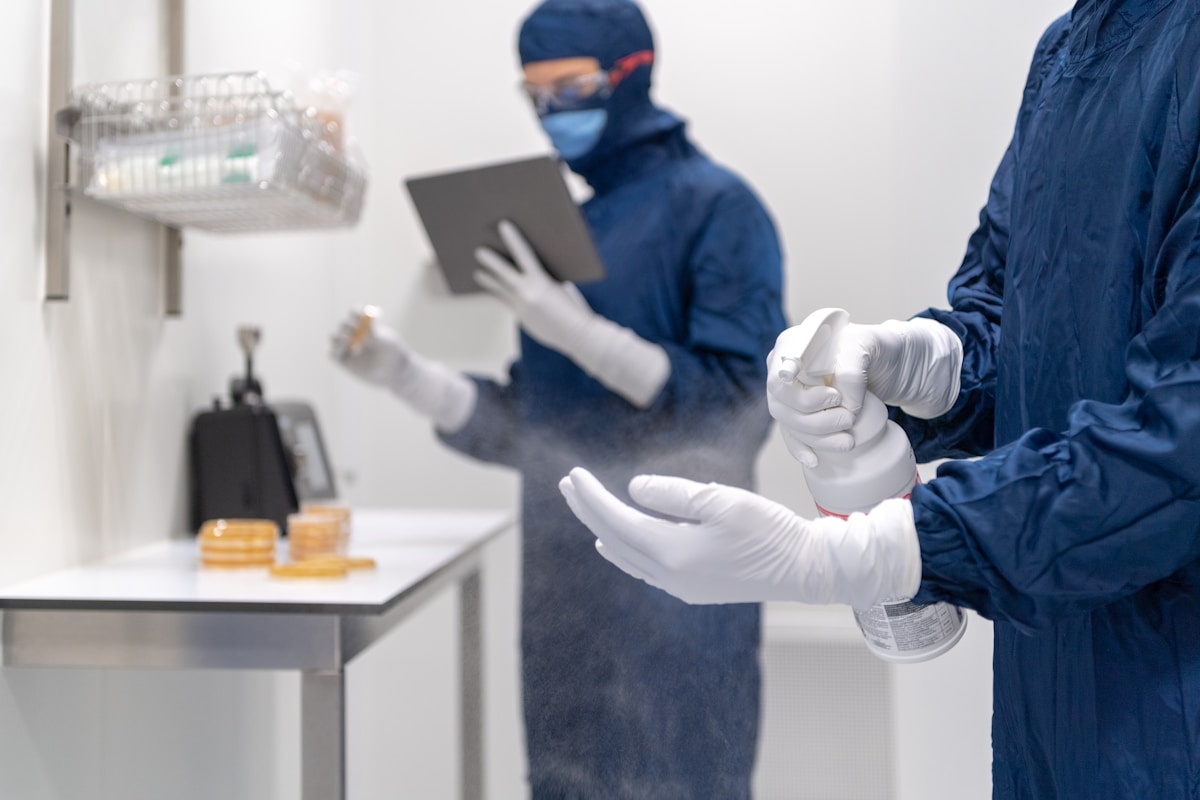
Many non-implantable devices, such as external hearing aids or cast materials, can be manufactured in ISO 7 or ISO 8 environments because they touch intact skin, which acts as a natural barrier. However, for the high-risk devices mentioned above, an ISO 7 environment is too “dirty.” ISO 7 allows roughly 100 times more particles than ISO 5. To put it in perspective: in an ISO 5 room, you are limited to a maximum of 3,520 particles (0.5 microns or larger) per cubic meter. Allowing a higher count creates an unacceptable statistical probability that a contaminant will land on an implant and harm a patient.
Aerospace and Semiconductor Sensitivity to Particles
In aerospace and semiconductor manufacturing, particle sensitivity is not just about cleanliness—it is a geometric certainty where a microscopic speck can destroy a multi-million dollar asset.
The sensitivity to particulate contamination in the aerospace and semiconductor sectors is defined by the scale of the components being manufactured or assembled. Unlike general industrial environments where dust is a nuisance, here it is a lethal defect agent. The primary pain point for facility engineers and procurement officers is the zero-margin for error: a single particle of the wrong size landing in a critical location during fabrication can render an entire wafer useless or compromise a satellite’s optical system.
Semiconductor Wafer Fabrication Sensitivity
Semiconductor manufacturing operates at the nanometer scale, where the features on a chip are smaller than viruses. To understand the sensitivity, consider that a human hair is approximately 50-70 micrometers (μm) in diameter. Modern transistors, particularly in advanced nodes, can be as small as 5 nanometers (nm)—that is 10,000 times smaller than the width of a hair.
The industry standard for “killer particles”—particles large enough to short-circuit a transistor or block an etch process—has historically been considered particles larger than half the critical dimension of the device. However, as logic gates shrink, even particles smaller than 0.1 μm can cause yield-killing defects. In an ISO 5 (Class 100) cleanroom, the environment is controlled to limit particles ≥ 0.5 μm to 100 per cubic foot, but for critical lithography steps, the requirement often shifts to controlling particles down to 0.1 μm or smaller.
- Pattern Defects: If a conductive particle lands on a wafer during the photolithography process, it can block the UV light, causing a open circuit in the final metal layer.
- Pinholes and Shorts: Particles trapped between thin film layers can create pinholes in insulation layers, leading to electrical shorts that cause the device to fail immediately or degrade over time.
- Yield Loss: A single 300mm silicon wafer contains hundreds of chips. One particle can kill one die; a localized contamination event can scrap the entire $10,000+ wafer.
Aerospace and Optical System Sensitivity
While semiconductor manufacturing is concerned with microscopic electrical functionality, the aerospace sector focuses on mechanical precision and optical clarity. The sensitivity here is driven by the extreme conditions hardware faces in orbit or at high velocities. A particle that would be benign on Earth can become a catastrophic failure point in space due to vacuum welding or optical distortion.
For aerospace optics, such as telescope mirrors or satellite sensors, the pain point is “light scattering.” A microscopic dust speck on a lens or mirror surface can scatter incoming light, creating artifacts or reducing the resolution of the image. This is unacceptable for reconnaissance or earth-observation satellites where clarity equals intelligence.
- Moving Mechanism Failure: In gyroscopes, reaction wheels, and attitude control systems, particles can cause friction or jamming. In the vacuum of space, lubricants behave differently, and hard particles can grind precision surfaces.
- Thermal Control Degradation: Aerospace hardware relies on thermal radiators and coatings to manage extreme temperature swings. Particulate contamination changes the emissivity and absorptivity of these surfaces, potentially causing the spacecraft to overheat or freeze.
- Strict Adherence to Standards: Compliance with standards like NASA-STD-8739 and MIL-STD-883 is non-negotiable. These dictate not just the cleanliness of the room, but the cleanliness of the hardware assembly processes, including outgassing limits for materials used inside the cleanroom.
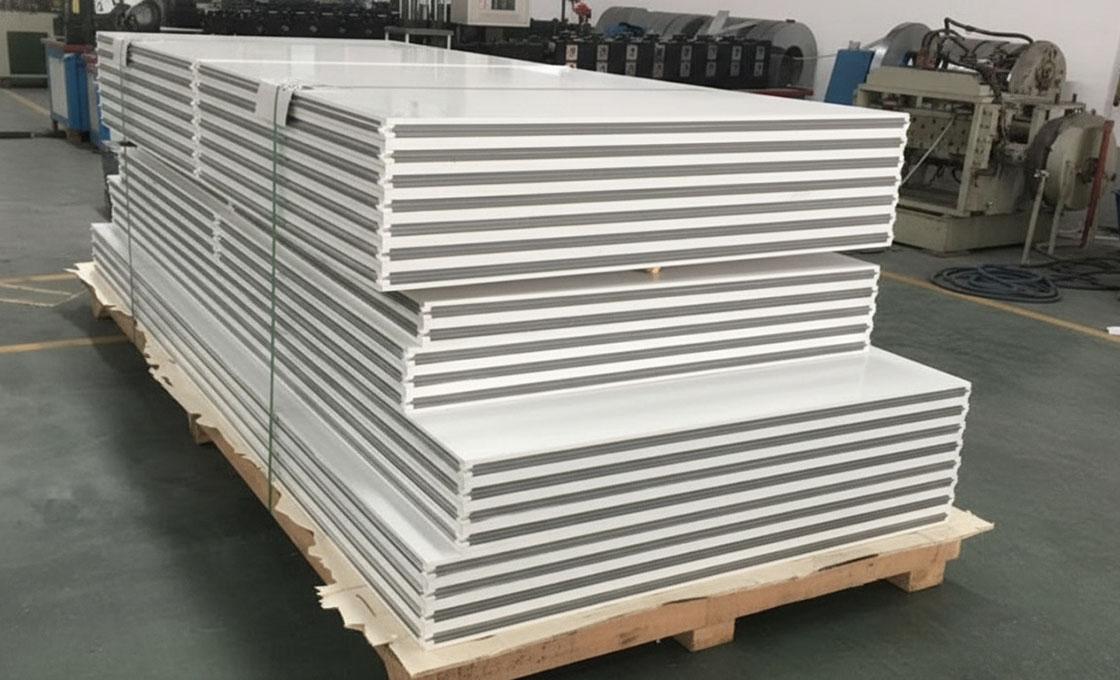
When selecting cleanroom panels for these sectors, verify the panel’s “outgassing” properties. In semiconductor and aerospace vacuums, volatile organic compounds (VOCs) emitted from standard panel cores can re-condense on optics or wafers. Look for low-outgassing, non-particulating core materials like aluminum honeycomb or specialized clean-grade foams.
Other Sectors That Require Class 100
Beyond pharma, semiconductors, and aerospace, several high-precision sectors demand ISO 5 (Class 100) environments to protect processes where sub-micron contamination causes immediate, catastrophic failure.
The Hidden High-Precision Sectors
Class 100 cleanrooms are not exclusive to the headline industries. A number of specialized sectors operate at the edge of manufacturable precision, where a single particle can scrap an entire batch. These facilities often fly under the radar but carry some of the highest cost-of-failure stakes in industrial production.
Nanotechnology Research and Development
Nanotech labs work with structures measured in nanometers—where a single 0.5-micron particle can be 500 times larger than the feature being manipulated. Contamination doesn’t just affect yield; it invalidates experimental data entirely. Class 100 environments are standard for nanofabrication lines, atomic layer deposition (ALD) chambers, and nano-characterization suites.
The pain point here is dual: operators need particle control at the ISO 5 level, but they also require panels and closures that do not outgas volatile organic compounds (VOCs). Standard construction materials can off-gas in controlled environments, introducing invisible chemical contamination that compromises nanoscale experiments. This is why cleanroom-rated composite sandwich panels with certified low-outgassing cores and sealed gelcoat facings are non-negotiable in nanotech facilities.
Precision Optics and Laser Manufacturing
Optical lens grinding, mirror coating, and laser assembly demand Class 100 conditions because even a microscopic dust speck on a reflective surface scatters light and ruins calibration. Precision optics manufacturers often process substrates with surface roughness tolerances below 1 nanometer—dust particles are orders of magnitude larger than the acceptable surface defect.
The operational challenge is that optics cleanrooms frequently require frequent sanitization with aggressive chemical agents, including isopropyl alcohol and specialized plasma cleaners. Wall and ceiling panels must resist chemical degradation over repeated exposure cycles while maintaining a seamless, non-porous surface. Composite sandwich panels with GRP/FRP facings and chemically resistant gelcoat finishes are specifically suited to this environment, offering both particle control and long-term chemical durability without the cracking or delamination seen in lesser materials.
Micro-Electromechanical Systems (MEMS) Fabrication
MEMS devices—tiny mechanical systems integrated onto silicon chips—bridge the gap between electronics and mechanics at the microscale. Sensors, accelerometers, micro-mirrors, and fluidic chips all fall into this category. The fabrication process involves photolithography, etching, and deposition steps that are equally vulnerable to particle contamination as semiconductor manufacturing.
What distinguishes MEMS cleanrooms is the hybrid nature of the process: unlike pure semiconductor fabs that run at ISO 3 or better, MEMS lines often operate at ISO 5 because the devices themselves are slightly larger than integrated circuits but still require tight particulate control. The pain point for buyers is cost efficiency—building a full ISO 3 facility for MEMS is over-specification and unnecessarily expensive. Class 100 represents the precise threshold where quality and cost align, making panel selection and modular construction speed critical procurement factors.
Display Technology Manufacturing (OLED and Micro-LED)
OLED and Micro-LED display production is one of the fastest-growing segments requiring Class 100 environments. During organic layer deposition and pixel patterning, a single particle creates a dead pixel that can render an entire display panel unsellable. For large-format OLED panels used in television and automotive displays, the yield impact of contamination is measured in thousands of dollars per defect.
These facilities also face a unique thermal management challenge. Deposition tools generate significant heat, and cleanroom panels must maintain dimensional stability under thermal cycling without warping or developing micro-gaps that become particle entry points. Foam-core sandwich panels with closed-cell structures (XPS, PET, or PMI cores) provide the thermal stability and structural rigidity needed to maintain seal integrity over years of operation in thermally dynamic environments.
Advanced Materials and Additive Manufacturing
Metal 3D printing (additive manufacturing) of titanium, inconel, and aluminum components for medical implants and aerospace parts requires Class 100 conditions in the printing and post-processing zones. Powder metallurgy processes are inherently particle-generous, and ambient contamination can fuse into the printed part during the laser melting phase, creating internal defects that are invisible until destructive testing.
The buyer pain point is particularly acute here because additive manufacturing cleanrooms are often retrofitted into existing facilities rather than built from scratch. Modular composite panel systems allow rapid deployment and reconfiguration without the lead times associated with traditional cleanroom construction. This flexibility is essential for companies scaling from prototype to production, where cleanroom class requirements may shift as processes mature.
High-Precision Metrology and Calibration Laboratories
National and private metrology labs that calibrate precision measurement instruments operate in Class 100 environments because the calibration standards themselves—gauge blocks, interferometers, CMM artifacts—are vulnerable to environmental contamination. A particle settling on a reference standard introduces measurement bias that propagates through every instrument calibrated against it.
These facilities have an additional requirement that many buyers overlook: electromagnetic interference (EMI) shielding. Some calibration work involves sensitive electronic measurement equipment that can be disrupted by external RF noise. GRP/FRP composite panels can be manufactured with conductive facings or integrated shielding layers, providing both particle control and EMI protection in a single building component—a dual benefit that reduces the need for additional shielding infrastructure.
Quantum Computing Research Facilities
Quantum computing is an emerging sector where Class 100 cleanrooms are becoming standard for qubit fabrication and characterization. Quantum devices operate at temperatures near absolute zero, and any particulate contamination on the chip surface can disrupt superconducting pathways or introduce decoherence pathways that destroy quantum states. The stakes are extreme: a single contaminated wafer can represent months of research investment.
The cleanroom requirements for quantum facilities are exceptionally stringent because these labs often combine ISO 5 particle control with ultra-low vibration thresholds and specialized thermal management. Composite sandwich panels with honeycomb cores (fiberglass or PP) offer superior stiffness-to-weight ratios and damping characteristics compared to solid-core alternatives, making them ideal for installations where floor-borne vibration transmission must be minimized alongside particle control.
- Nanotechnology: Sub-micron particles exceed feature sizes by 500×, invalidating experimental data
- Precision Optics: Surface roughness tolerances below 1 nm make dust particles catastrophic defects
- MEMS Fabrication: ISO 5 is the cost-optimal threshold between semiconductor-grade over-specification and insufficient control
- OLED/Micro-LED Displays: Single-particle defects create dead pixels with thousands-dollar yield loss per unit
- Additive Manufacturing: Retrofittable modular panels enable rapid scale-up from prototype to production
- Metrology Labs: Reference standards require ISO 5 protection plus optional EMI shielding integration
- Quantum Computing: Honeycomb-core panels provide vibration damping alongside particle control for ultra-sensitive qubit fabrication
Procurement Considerations for Non-Traditional Class 100 Buyers
Buyers from these less-common sectors face a specific procurement challenge: most cleanroom panel suppliers design their standard product lines around pharma and semiconductor requirements. The performance parameters that matter in those industries—such as antibacterial surface treatments or extreme chemical resistance—may be irrelevant or even counterproductive in nanotech or optics applications.
The key differentiator is whether a supplier can provide technically appropriate panel configurations without forcing a one-size-fits-all specification. This includes offering core material options (XPS, PET, PMI, honeycomb) matched to the specific thermal, mechanical, and outgassing requirements of the application, as well as facing materials (GRP, aluminum, stainless steel) selected for the chemical and cleanliness environment. Suppliers with in-house engineering teams that conduct experimental testing against customer-specific data standards are better positioned to deliver solutions that actually perform under the unique demands of these specialized sectors.
When evaluating panel suppliers for non-traditional Class 100 applications, request outgassing test data (ASTM E595 or equivalent) and EMI shielding specifications in addition to standard particle count certifications. These parameters are often the deciding factor between a panel that performs in the lab and one that fails under real operating conditions.
What Regulations Drive These Mandates?
ISO 14644-1 Classification and Global Compliance Requirements
The ISO 14644 series acts as the foundational “constitution” for cleanroom construction worldwide. While many jurisdictions adopt these standards into local law, the core mandate comes from ISO 14644-1, which defines the permissible airborne particle concentrations for each classification level. For a facility targeting ISO 5 (the metric equivalent to the legacy Class 100), the regulatory burden is not just about air filtration but about the integral performance of the enclosure itself.
The regulation drives specific construction mandates that directly impact panel selection. For instance, the standard requires that cleanroom surfaces be smooth, impervious, and free of cracks where particles can accumulate. This is why modular sandwich panels with sealed joints are the industry default over drywall or painted concrete. The regulations also dictate pressure cascades—maintaining higher pressure in cleaner zones to prevent contamination ingress—which requires panels to be structurally rigid enough to withstand differential air pressure without deforming or leaking at the seams.
Additionally, ISO 14644-2 and -3 impose ongoing compliance obligations. These parts mandate routine monitoring, alarm thresholds, and requalification schedules. If your wall or ceiling panels shed particles or degrade over time due to poor adhesion or core instability, you will fail these recurring audits. The regulation effectively forces buyers to prioritize long-term durability and low-emission materials over initial cost savings, as non-compliant panels become a recurring liability in your certification maintenance.
FDA and GMP Regulations for Pharmaceutical Cleanrooms
In the pharmaceutical and biotech sectors, regulations go beyond particle counts to focus on product sterility and patient safety. The FDA’s 21 CFR Part 211 and the EU’s GMP Annex 1 (2022 Revision) are the primary drivers. These regulations mandate that cleanroom environments, particularly ISO 5 aseptic filling zones, must be constructed using materials that are smooth, non-shedding, and easily cleanable with harsh disinfectants without degrading.
A critical regulatory outcome here is the requirement for fire safety. Pharmaceutical facilities often house volatile solvents and high-value biologics, making fire risk a paramount concern. Regulations such as ASTM E84 (Surface Burning Characteristics) and UL 94 (Flammability of Plastic Materials) are frequently mandated by local fire codes and insurance providers (e.g., FM 4880). These standards require Class A fire ratings for wall and ceiling panels, which directly influences the choice of panel core materials. For example, honeycomb cores (often aluminum or paper-based) and foam cores (like PIR or polyurethane) must meet specific flame spread and smoke development indices to pass inspection.
The 2022 revision of EU GMP Annex 1 has further tightened these requirements, explicitly calling for RABS (Restricted Access Barrier Systems) or isolators in critical zones. This drives the demand for modular panel systems that can integrate smoothly with these barrier technologies, requiring precise tolerances and airtight seals that standard construction methods cannot achieve. Non-compliance here risks FDA 483 observations, import alerts, and potential product recalls, making regulatory-driven material selection a non-negotiable aspect of facility design.
Semiconductor Industry Standards and Contamination Control Mandates
For semiconductor and microelectronics manufacturing, the regulatory environment is driven by yield protection rather than just sterility. While ISO 14644 standards still apply, the industry often enforces internal standards that are significantly more stringent than the baseline ISO classifications. The primary mandate is the control of particulate and chemical contamination, which can cause immediate defects in microfabrication processes.
This drives specific requirements for panel surface finish and outgassing. Cleanroom panels used in semiconductor fabs must have ultra-smooth, non-porous surfaces that resist particle adhesion and do not emit volatile organic compounds (VOCs) that could contaminate wafers. The SEMI standards (Semiconductor Equipment and Materials International) often guide these specifications, requiring panels to meet strict cleanliness protocols during manufacturing and installation.
Additionally, semiconductor facilities often require specialized utility integration. Panels must accommodate dense networks of process gases, chemicals, and power, which mandates strong structural integrity and precise penetrations. The regulatory focus on contamination control during construction also means that panel systems must be designed for modular, low-waste installation, minimizing the generation of debris during setup. This is why prefabricated modular panels are preferred over on-site construction, as they offer controlled manufacturing environments that reduce contamination risk during the build phase.
Regional Certification Requirements Across Europe, North America, and Asia
While ISO standards provide a global baseline, regional certifications introduce specific legal and safety frameworks that vary by jurisdiction. In Europe, the EN 13501-1 standard for fire classification of construction products is critical. It mandates minimum fire performance levels (e.g., A2-s1,d0) for pharmaceutical cleanrooms, which can restrict the use of certain combustible core materials and drive the selection of non-combustible honeycomb cores or fire-rated foam cores.
In North America, compliance is often a mix of international standards (ISO, ASTM, UL) and local building codes. The FM 4880 standard, used by Factory Mutual insurance, imposes rigorous requirements on fire-resistant panel construction, joint sealing, and ceiling systems. Failure to meet FM 4880 can result in insurance voidance and elevated premiums, making it a de facto regulatory requirement for many facilities. Additionally, OSHA regulations may impose safety standards for cleanroom construction and operation that intersect with ISO requirements.
In Asia, countries like Japan and China have their own national standards (e.g., JIS B 9920 in Japan, GB standards in China) that may differ slightly from ISO in terms of testing methods or classification nuances. When operating in multiple regions, manufacturers must ensure that their cleanroom panels and systems comply with all applicable local regulations, which can add complexity to the procurement and certification process. This often requires third-party testing and certification from recognized bodies in each target market to demonstrate compliance with regional fire, structural, and cleanliness standards.
| Regulation / Standard | Scope | Key Mandate | Compliance Risk if Ignored |
|---|---|---|---|
| ISO 14644-1 | Air cleanliness classification by particle concentration | Defines ISO Class 1–9; ISO 5 (Class 100) limits ≥0.5µm particles to 3,520/m³ | Failed ISO certification; invalid GMP audit results |
| ISO 14644-2 | Monitoring and maintaining air cleanliness | Requires routine testing, alarm thresholds, trending analysis, and requalification schedules | Undetected contamination drift; loss of certified status between audits |
| ISO 14644-3 | Testing methods for airflow, pressure, and filters | Mandates pressure differential verification, HEPA leak testing, and airflow visualization | Pressure cascade failure; cross-contamination between classified zones |
| ISO 14644-4 | Design and construction of cleanrooms | Specifies layout planning, HVAC design, surface material selection, and pressure cascade architecture | Thermal bridging at joints; condensation; non-compliant panel material choices |
| ISO 14644-5 | Operational contamination control | Defines personnel gowning protocols, cleaning procedures, and behavior standards during active manufacturing | Human-derived particulate contamination; failed process validation |
| ISO 14644-6 | Terminology for cleanrooms | Standardizes definitions for pressure differential, airlock, gowning, and classification terms used in specifications and contracts | Ambiguous RFP language; supplier misinterpretation; specification gaps |
| EU GMP Annex 1 (2022 Revision) | Manufacture of sterile medicinal products | Requires ISO 5 conditions for aseptic filling zones; mandates RABS/isolator use and continuous monitoring | FDA 483 observations; import alerts; product recall risk |
| FDA 21 CFR Part 211 | Current Good Manufacturing Practice for pharmaceuticals | Requires controlled environmental conditions; surface materials must be smooth, non-shedding, and cleanable | Warning letters; consent decrees; inability to market product in the US |
| ASTM E84 (UL 723) | Surface burning characteristics of building materials | Class A fire rating (Flame Spread Index ≤25) required for cleanroom wall and ceiling panels in most jurisdictions | Fire code violation; failed building inspection; insurance non-compliance |
| UL 94 | Flammability of plastic materials | V-0 rating required for PIR foam core panels used in cleanroom sandwich panels | Panel material rejection; project delay during re-qualification |
| EN 13501-1 | European fire classification of construction products | A2-s1,d0 or higher minimum for pharmaceutical cleanrooms; restricts combustible core materials | Non-compliance in EU/UK markets; inability to pass local authority inspections |
| FM 4880 | Loss prevention data sheet for cleanrooms | Specifies fire-resistant panel construction, joint sealing, and ceiling system requirements for insured facilities | Insurance voidance; elevated premiums; failed FM audit |
Do You Really Need Class 100?
Class 100 is not universally required. Most manufacturing processes only need Class 10,000 or lower. The right classification depends on whether particle contamination directly causes product failure.
Industries Requiring Class 100: Pharmaceuticals and Biotech
Not every pharmaceutical operation demands ISO 5 conditions. Sterile drug manufacturing—injectables, vaccines, and cell and gene therapies—is where Class 100 becomes non-negotiable. These processes involve open vial filling, aseptic processing, and biological product handling where a single particle or microbial contaminant can destroy an entire batch worth millions.
However, downstream pharmaceutical operations such as tablet coating, packaging, and non-sterile formulation often operate successfully at Class 100,000 or even General Purpose conditions. The distinction matters because Class 100 construction and operational costs are significantly higher than lower classifications. A facility designed for tablet manufacturing that specifies Class 100 is over-engineered and wastes capital.
Biotech facilities present a similar tiered requirement. Monoclonal antibody upstream processing and viral vector production typically require ISO 5 environments, while downstream purification and formulation may only need ISO 7 or ISO 8. The contamination risk profile of each unit operation determines the classification, not the facility’s overall product type.
Industries Requiring Class 100: Semiconductor and Microelectronics Manufacturing
Semiconductor manufacturing is perhaps the most demanding application for Class 100 cleanrooms. Advanced node fabrication—7 nanometer processes and below—operates in ISO 5 environments where particle counts must remain extremely low. A single particle larger than the process node can create a defect that renders a wafer unusable, costing tens of thousands of dollars per incident.
The critical threshold in semiconductor manufacturing is whether the process step involves photolithography, thin-film deposition, or etching. These steps are highly sensitive to airborne particulates. Wafer packaging and final testing, by contrast, typically operate at Class 100,000 or lower because the wafers are already enclosed and protected.
Microelectronics assembly presents a middle ground. Semiconductor device packaging and certain sensor manufacturing may require Class 1,000 conditions rather than full Class 100. The particle size threshold for these processes is larger, meaning fewer HEPA filter stages and lower airflow requirements are sufficient to maintain product quality.
Industries Requiring Class 100: Aerospace and Medical Device Production
Aerospace manufacturing has selective Class 100 requirements. Critical components such as fuel system parts, hydraulic actuators, and navigation sensors undergo assembly and testing in ISO 5 environments when particle contamination could cause in-flight failures. Structural assembly of aircraft fuselages and wings, however, typically operates in Class 100,000 or controlled general environments where particle counts are far less critical.
Medical device production follows a similar pattern of tiered classification. Implantable devices such as pacemakers, stents, and orthopedic implants require ISO 5 assembly environments because biocompatibility and long-term reliability depend on contamination control. Surgical instruments and diagnostic equipment that do not contact internal body systems often meet quality standards at Class 10,000.
The common thread across all three sectors is the consequence of contamination. Class 100 is justified when a single particle or microorganism can cause catastrophic product failure, patient harm, or regulatory rejection. When the consequence is cosmetic or functional only, a lower classification is sufficient and more economical.
Assessing Your Facility: When Class 100 Is Necessary Versus a Lower Classification
Determining the correct cleanroom classification requires a systematic evaluation of contamination risk and product sensitivity. The assessment begins with identifying the critical quality attributes of the product and tracing which process steps directly affect those attributes.
📋 Assessment Framework
- Step 1: Identify critical contamination sources. Determine what particles or microorganisms could contact the product during manufacturing. List the size range and concentration of each contaminant.
- Step 2: Evaluate the failure consequence. Assess whether a single particle of the identified size range would cause product rejection, patient harm, or regulatory non-compliance. If the answer is no, Class 100 is likely unnecessary.
- Step 3: Map process steps to classification zones. Not every area within a facility requires the same classification. Open processing areas may need ISO 5 while packaging and storage areas operate at ISO 8. Zone the facility based on contamination exposure risk.
- Step 4: Calculate the cost differential. Class 100 construction costs including HEPA filtration, airflow systems, and panel specifications are substantially higher than Class 10,000. Class 10,000 operational costs including energy consumption and filter replacement are also significantly lower. Quantify the total cost of ownership for each classification option.
- Step 5: Validate against regulatory requirements. Confirm that the selected classification meets all applicable regulatory standards. ISO 14644-1 provides the classification framework, but specific regulations from the FDA, EMA, or semiconductor industry bodies may mandate minimum classifications for certain processes.
A practical rule of thumb is that Class 100 is required only when the process involves open handling of sterile products, sub-micron feature fabrication, or components where contamination directly affects patient safety. For closed-system manufacturing, packaging operations, and products where contamination affects only cosmetic appearance, Class 100,000 or Class 10,000 provides adequate contamination control at a fraction of the cost.
The decision between Class 100 and a lower classification is not hypothetical—it has direct financial implications. Over-specifying cleanroom classification wastes capital on unnecessary filtration, airflow, and panel specifications. Under-specifying risks product contamination, regulatory action, and patient harm. A disciplined assessment based on contamination risk and failure consequence ensures the classification matches the actual process requirements.
Conclusion
Class 100 cleanrooms aren’t a one-size-fits-all solution. Pharmaceutical and biotech facilities mandate them for aseptic processing. Semiconductor fabs need them to protect microchips. Aerospace and medical device manufacturers rely on them for precision assembly. The deciding factor always comes down to your particle count requirements and regulatory obligations. If your process involves open vials, sterile compounding, or sub-micron components, ISO 5 is non-negotiable. Lower classifications won’t hold up during an FDA audit or a semiconductor yield investigation.
- Verify your facility’s actual particle thresholds before committing to Class 100 specifications
- Confirm fire-rated panel certifications match your regional building codes
- Our engineering team is available to review your cleanroom design parameters and answer technical questions about panel construction, airflow integration, or compliance documentation — no purchase required
Frequently Asked Questions
What makes modular panels different from permanent construction?
Modular cleanroom panels use interlocking edge profiles that enable rapid assembly and future reconfiguration without structural demolition. Permanent construction relies on fixed drywall or concrete assemblies that cannot be modified without significant renovation. Modular panels typically achieve ISO 5 classification within 40 to 60 percent of the timeline required for permanent builds. RaxPanel supplies modular GRP and aluminum sandwich panels designed for repeated disassembly and reinstallation while maintaining seal integrity.
Honeycomb or foam core for cleanrooms?
Honeycomb cores provide superior compressive strength at 600 to 1200 kPa compared to foam cores at 150 to 300 kPa. Fiberglass honeycomb panels excel in medical device assembly areas requiring heavy equipment mounting. Foam core panels offer better thermal insulation and are preferred for pharmaceutical storage and processing zones. PP honeycomb cores deliver the lightest weight option at approximately 8 to 12 kg per square meter.
How do panel joints affect pressure differentials?
Joint design directly impacts your ability to maintain ISO 5 pressure differentials. Gapped or poorly sealed panel edges allow air leakage that disrupts laminar airflow patterns. RaxPanel engineers recommend continuous sealant channels at all panel intersections to prevent pressure loss. Even a 2mm gap can reduce differential stability by up to 15 percent in Class 100 environments.
How do thermal bridges form at panel joints?
Thermal bridges occur when conductive materials like metal fasteners or unbroken core material create direct heat transfer paths across the panel assembly. In ISO 5 cleanrooms, thermal bridging causes localized surface temperature drops that trigger condensation and microbial growth. RaxPanel designs panel edge profiles with thermal break channels to interrupt conductive pathways. Proper joint sealing with low-conductivity gaskets further reduces thermal bridge formation at all panel intersections.
How does gelcoat finish reduce particle generation?
A smooth gelcoat surface on GRP cleanroom panels eliminates microscopic surface pores where particles accumulate. Standard gelcoat finishes achieve surface roughness values below Ra 0.4 micrometers, which significantly reduces particle adhesion during cleaning cycles. RaxPanel applies gelcoat to all GRP/FRP cleanroom panel facings as a standard process. This finish also provides chemical resistance against common cleanroom disinfectants without surface degradation.
What documentation do GMP auditors require for panels?
GMP inspectors require material safety data sheets, fire rating certifications, and particle emission test reports for all cleanroom panel materials. Suppliers must provide ISO 14644-1 compliance declarations and thermal conductivity test certificates. RaxPanel maintains documentation packages for every panel configuration including compressive strength, flame spread, and outgassing test results. Auditors also verify that panel adhesives and sealants meet the same contamination control standards as the panels themselves.
How do you calculate cleanroom panel lifecycle cost?
Lifecycle cost includes initial panel price plus installation, maintenance, energy consumption, and replacement over a 10 to 15 year period. PIR core panels typically reduce annual HVAC costs by 18 to 25 percent compared to XPS alternatives. Gelcoat-finished GRP panels require re-finishing every 7 to 10 years while aluminum-faced panels may last the full facility lifecycle. RaxPanel engineering teams provide lifecycle cost models during the specification phase for project-specific comparisons.