
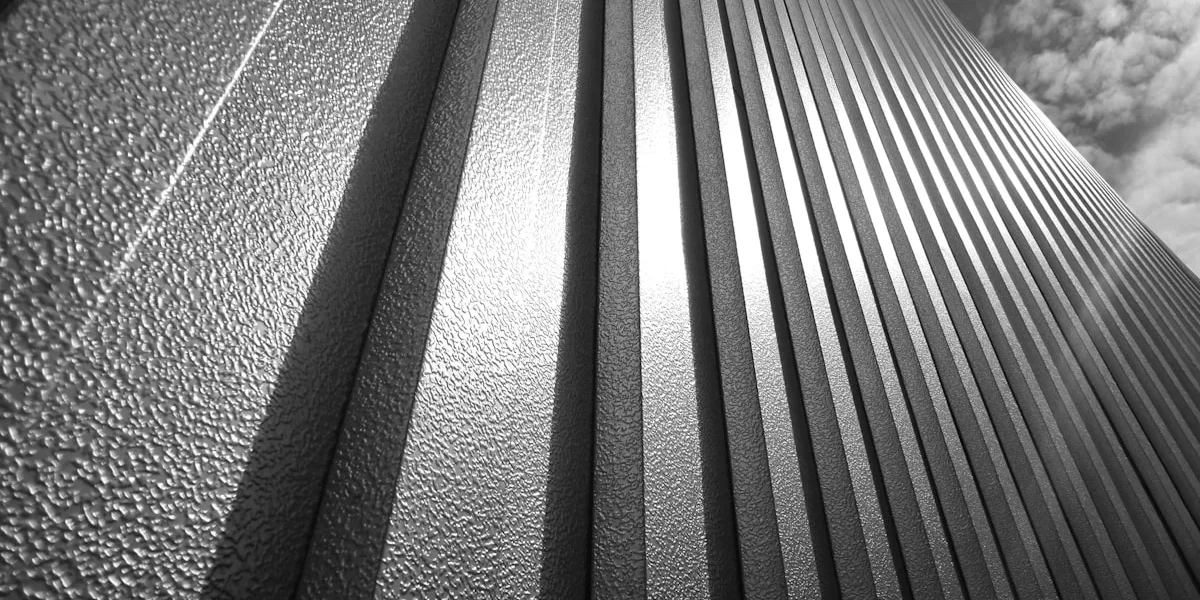
Selecting an insulated metal panel manufacturer for marine or agricultural projects requires looking past the standard commercial catalog. Standard galvanized steel corrodes fast in salt spray. It fails even faster under the constant ammonia vapors found in livestock confinement. You need a supplier who validates materials against these specific chemical stressors, not just generic wind loads.
At RaxPanel, we recognize that high concentrations of ammonia vapor in agricultural facilities aggressively attack standard metal panels, causing degradation that standard warranties often exclude. We analyze facing material compatibility, humidity management within the core, and the marine classification certifications that separate engineered durability from off-the-shelf inventory.
Understanding these specific requirements prevents thermal bridging. It ensures the building envelope survives harsh environments without a costly retrofit.
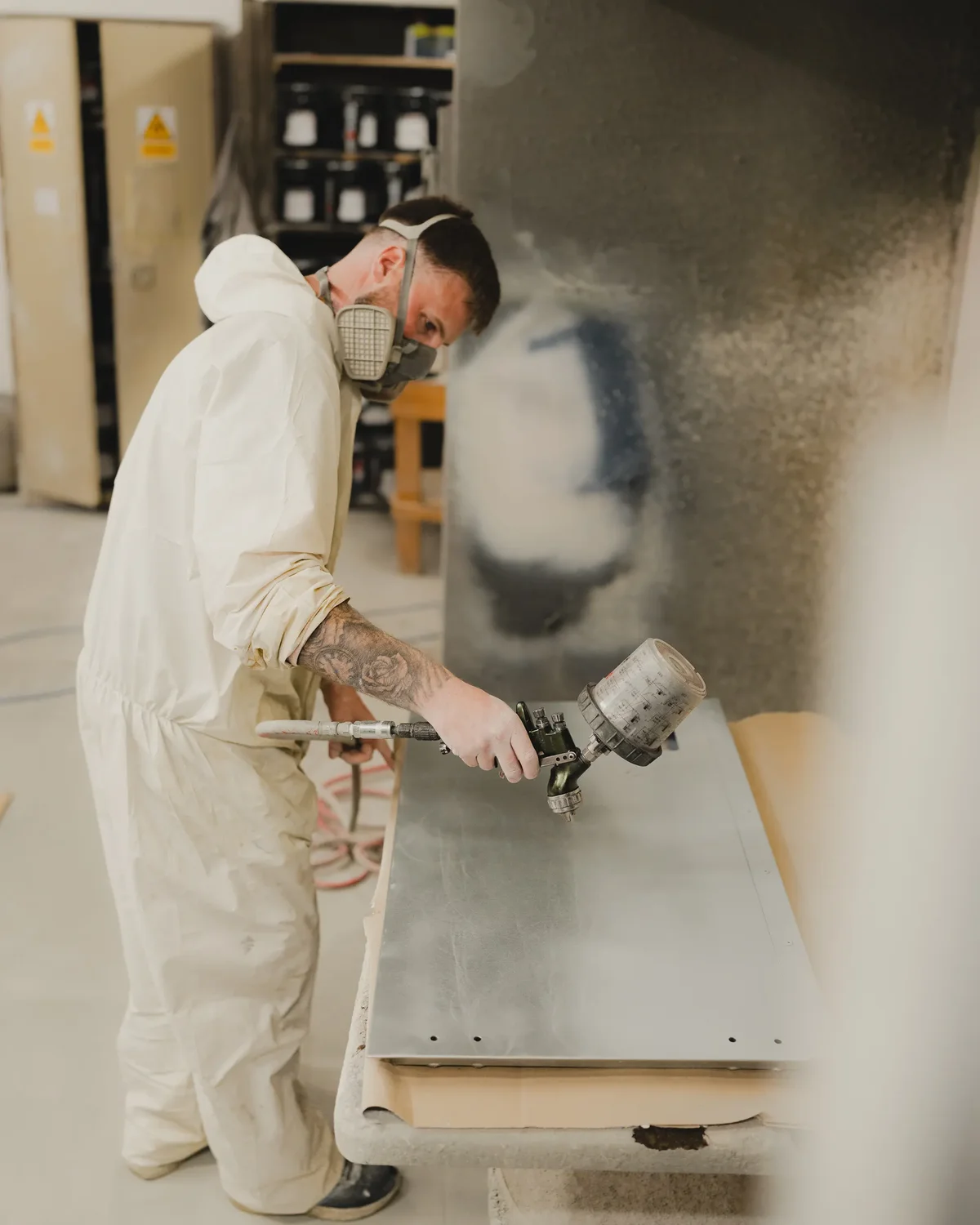
Why Ag and Marine Projects Need Specialized IMP Manufacturers
Generic insulated metal panels fail prematurely in agricultural and marine environments because they are engineered for standard construction conditions—not for sustained chemical exposure, salt spray, or dynamic structural loads. Specialist manufacturers invest in application-specific testing and material science that generalists skip.
Environmental Stressors That Separate Agricultural and Marine Sites from Standard Construction
Agricultural and marine environments impose stressors that most standard IMP manufacturers do not design for. In livestock facilities, ammonia concentrations from waste management can reach levels that aggressively attack standard aluminum facings and degrade conventional foam cores over time. The combination of ammonia, humidity, and temperature cycling creates a corrosive atmosphere that accelerates joint failure, fastener corrosion, and insulation performance loss.
Marine environments present an entirely different but equally punishing profile. Salt spray penetrates microscopic surface defects in standard panel facings, leading to underfilm corrosion that spreads invisibly before any visible degradation appears. Beyond corrosion, marine structures face UV degradation, wave-induced vibration, and constant moisture exposure that generic panels are not rated to withstand. A panel rated for a temperate inland warehouse will not survive a coastal or offshore installation without targeted engineering.
- Agricultural ammonia exposure: Livestock operations generate sustained ammonia atmospheres that attack metal facings and compromise core integrity in standard panels, leading to premature envelope failure.
- Marine salt spray penetration: Chloride ions from salt spray infiltrate panel seams and surface micro-defects, initiating corrosion that spreads beneath facings where it cannot be visually detected.
- Thermal cycling and condensation: Both environments experience wide temperature swings that cause repeated expansion and contraction, stressing joints and fastener points far beyond what standard panels are engineered to handle.
- UV and chemical degradation: Marine UV exposure degrades unprotected polymer surfaces, while agricultural settings expose panels to acidic and alkaline residues from fertilizers, cleaning agents, and animal waste.
Engineering Capabilities Required for Harsh-Condition Performance
Specialized IMP manufacturers approach these environments with a fundamentally different engineering mindset. Rather than offering a standard catalog and hoping it fits, they start by understanding the specific stress profile of the application and then select or develop materials that can survive it. This means matching facing materials to the dominant corrosive agent, choosing core types that resist moisture uptake under the expected humidity conditions, and engineering joint systems that accommodate the thermal movement patterns of the installation environment.
The critical engineering distinction lies in material selection philosophy. A generic manufacturer might default to aluminum facing with standard PU foam because it is the cheapest combination that meets basic structural requirements. A specialist evaluates whether the facing material will survive the specific chemical environment over the full design life. In ammonia-heavy livestock facilities, for instance, aluminum is a poor choice because it corrodes under sustained ammonia exposure. Fiberglass-reinforced polymer facings, by contrast, are inherently resistant to ammonia and salt spray, making them a more appropriate choice even though the upfront cost is higher.
We have seen too many projects where the panel itself was fine, but the engineering around it was not. The difference between a specialist and a generalist often comes down to whether the manufacturer considers the full system—the facing, the core, the joint profile, the fastener strategy, and the sealant compatibility—as an integrated solution rather than a collection of off-the-shelf components. In our experience, the failures we investigate most often trace back to system-level mismatches rather than a single material defect.
Testing and Validation Standards That Separate Specialists from Generalists
Testing is where the gap between specialist and generalist manufacturers becomes impossible to ignore. A manufacturer that only tests to basic structural and fire standards is not equipped to guarantee performance in harsh environments. The tests that matter for agricultural and marine applications go well beyond standard building code requirements and require both the laboratory infrastructure and the engineering expertise to interpret the results correctly.
Salt spray testing is the most widely recognized validation method for marine-grade performance, but the depth of testing varies enormously between manufacturers. A generalist may run a brief salt spray test to claim a basic corrosion rating. A specialist subjects panels to extended salt spray cycles and then evaluates not just surface appearance but also core integrity, adhesion retention, and fastener hole corrosion—because the real failure mode in marine environments is often hidden degradation beneath the surface.
For agricultural applications, ammonia resistance testing is equally critical but far less commonly performed. Panels exposed to livestock ammonia require validation that both the facing and the core materials resist chemical degradation over time. Manufacturers who invest in this testing can provide data that proves their panels will maintain structural integrity and insulation performance in high-ammonia environments. Those who do not simply cannot make that claim with any credibility.
- Extended salt spray validation: Specialists run salt spray tests long enough to evaluate hidden degradation modes—not just surface appearance but also core adhesion loss and fastener zone corrosion that determines real-world service life.
- Ammonia resistance testing: Agricultural-specific validation confirms that both facing and core materials resist chemical degradation under sustained ammonia exposure, a test most generalist manufacturers do not perform.
- Moisture absorption characterization: Core materials are evaluated for water absorption under saturated conditions, because panels that absorb moisture lose insulation value and can suffer structural delamination over time.
- Thermal cycling and condensation resistance: Specialists validate panel performance through repeated thermal cycles that simulate real-world temperature swings, ensuring that joints, seals, and fastener points remain intact under movement stress.
Many manufacturers quote salt spray test results without specifying the test duration or the evaluation criteria. A 500-hour salt spray test with only surface appearance inspection is not comparable to a 2,000-hour test that includes core adhesion and fastener zone evaluation. Always request the full test protocol and raw data, not just a pass/fail certificate.
Performance Gaps When Using Generic IMPs in Demanding Applications
The performance gaps between generic and specialized panels become dramatically clear in harsh environments, and they manifest in three primary failure modes: accelerated corrosion, core degradation, and thermal bridging-induced energy loss. Each of these failure modes compounds over time, meaning that the initial cost savings of a generic panel are quickly offset by increased maintenance, premature replacement, and operational inefficiency.
Accelerated corrosion is the most visible failure mode. Generic aluminum-faced panels in marine environments often show surface pitting within the first few years, but the more serious issue is underfilm corrosion—salt spray penetrates through fastener holes and panel seams, corroding the facing from the inside out. This hidden corrosion is far more dangerous because it compromises structural integrity without obvious external warning signs. By the time the degradation is visible, significant replacement is usually required rather than simple repair.
Core degradation presents a different but equally costly problem. Standard polyurethane foam cores are susceptible to moisture absorption when the panel envelope is compromised, even slightly. In high-humidity agricultural environments or marine installations, moisture ingress through micro-fractures in seals or fastener points leads to core wetting, which reduces insulation performance and can cause the core to shrink or delaminate from the facing over time. Once the core is compromised, the panel cannot be restored—it must be replaced entirely.
Thermal bridging is the silent cost driver that project owners frequently underestimate. Generic IMPs often use aluminum bridging elements or insufficient thermal breaks in their panel profiles, creating conductive pathways that bypass the insulation layer. In refrigerated agricultural storage or climate-controlled marine facilities, these thermal bridges can account for a significant portion of the total heat transfer. The energy cost difference between a well-engineered panel with proper thermal break design and a generic panel is substantial over the life of the building, often exceeding the initial material cost difference multiple times over.
- Underfilm corrosion in marine settings: Salt spray penetrates through fastener holes and seams in generic panels, causing hidden structural corrosion that only becomes apparent when replacement is urgently needed.
- Core moisture degradation: Standard foam cores absorb moisture through minor envelope breaches, leading to reduced R-value, core shrinkage, and delamination that requires full panel replacement.
- Thermal bridging energy losses: Generic panel designs often lack adequate thermal breaks, allowing conductive heat transfer that significantly increases operational energy costs in refrigerated and climate-controlled applications.
- Joint and sealant failure: Standard panel profiles and sealant recommendations are not optimized for the expansion rates and chemical exposure of ag and marine environments, leading to premature joint failures and water intrusion.
The cumulative effect of these performance gaps means that generic IMPs in demanding environments often have a service life that is a fraction of what the project was designed for. A building envelope specified for a 20-year service life may require major component replacement within five to seven years when generic panels are used in agricultural or marine applications. This is not a matter of occasional quality variation—it is a systemic issue rooted in the fact that generic manufacturers do not engineer their products for these specific environmental stressors in the first place.
When evaluating manufacturers for ag or marine projects, ask specifically about their testing protocols for the dominant environmental stressor in your application. A manufacturer that can provide detailed test data for ammonia resistance or extended salt spray exposure is demonstrating investment that generalists have not made. Request the actual test reports, not just a statement that testing was performed.
| Engineering Challenge | Rax Panel Specification | Operational Benefit | Relevant Standard |
|---|---|---|---|
| Salt & Chemical Corrosion | ASTM B117 Salt Spray Testing; Ammonia-Resistant PVC Cores | Prevents rapid structural degradation in marine and high-ammonia livestock environments | ASTM B117, ASTM D1308 |
| Verifying core moisture resistance requires referencing the correct test standards—ISO 11507 governs paint and varnish weathering, not insulation core absorption. Moisture Intrusion & Delamination | XPS Cores with <1% Water Absorption Rate | Guarantees long-term insulation efficiency and prevents core swelling | ASTM C272 |
| Weight vs. Rigidity | Advanced GRP/FRP Honeycomb Core; 40-60% Lighter than Aluminum | Significant weight reduction versus aluminum without sacrificing structural rigidity | ASTM C297, EN 1252 |
| Thermal Bridging & Efficiency | Customizable Panel Thickness (50mm–300mm); Low Thermal Conductivity Cores | Optimized R-values to eliminate energy loss in refrigerated transport and buildings | ASTM C518, EN 12667 |
| Safety & Liability | Class A Fire Rating; Low Smoke Zero Halogen (LSZH) Materials | Ensures insurability and meets strict international regulatory requirements | UL 94 V-0, FM 4880, EN 13501-1 |
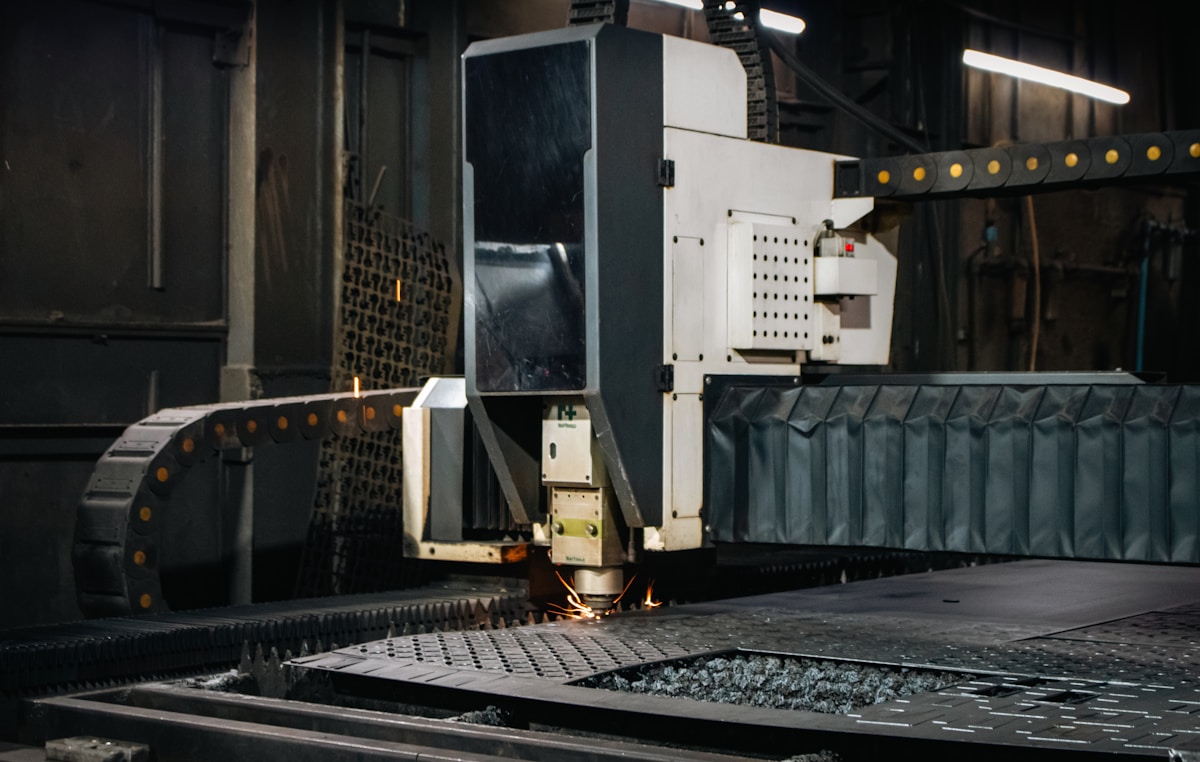
Choosing the Right Facing Material for Your Environment
Selecting the wrong facing material in corrosive environments is the primary cause of premature panel failure. For agricultural applications with high ammonia concentrations, GRP/FRP facings with gelcoat offer superior chemical inertness, while marine projects demand a strict balance between salt spray resistance and impact durability, often favoring thicker Plastisol or high-grade PVDF coatings over standard painted aluminum.
The Ammonia Challenge in Agricultural Environments
In livestock barns and poultry housing, the combination of animal waste, high humidity, and ventilation creates an atmosphere saturated with ammonia (NH3). Ammonia is chemically aggressive to many metals, particularly aluminum, which is often used for its lightweight properties. When ammonia accumulates, it reacts with the aluminum oxide layer, leading to stress corrosion cracking and pitting.
While pre-painted aluminum with Polyvinylidene Fluoride (PVDF) resists general weathering, it often fails at cut edges and fastener points where the raw metal is exposed in agricultural settings. Conversely, Glass Reinforced Polymer (GRP) or Fiberglass Reinforced Polymer (FRP) facings, particularly those utilizing a gelcoat finish, are inherently inert to ammonia. The gelcoat provides a non-porous, waterproof barrier that prevents chemical penetration, ensuring the structural integrity of the sandwich panel remains intact even in highly acidic or basic micro-climates.
When specifying for swine or dairy facilities, verify the gelcoat thickness. A minimum thickness of 300-400 microns is typically recommended to withstand the abrasive cleaning chemicals often used alongside ammonia exposure without chalking or fading.
Marine Environments: Salt Spray and UV Exposure
Marine decking and coastal structures face a dual threat: chloride-induced corrosion from salt spray and intense UV degradation. Standard aluminum coil-coated facings usually rely on a PVDF resin (typically 70% Kynar 500 content), which offers excellent color retention and UV resistance. However, in high-traffic marine areas, the impact resistance of thin aluminum coatings can be a liability.
Plastisol (PVC plastisol) facings offer a distinct advantage here. With a film thickness often exceeding 200 microns, Plastisol acts as a heavy-duty “sacrificial” layer that absorbs impact from cargo handling and equipment, protecting the underlying metal substrate from salt-induced corrosion. However, Plastisol can be susceptible to fading under extreme UV and lacks the fire performance of mineral-based materials. Alternatively, composite panels using FRP facings with a UV-stabilized gelcoat provide a rigid solution that does not corrode, rust, or delaminate in salt spray conditions, performing exceptionally well in ISO 9227 salt spray tests.
Material Comparison: Aluminum vs. GRP/FRP
The choice between metal facings and composite facings dictates not only durability but also the engineering of the panel system. The following table contrasts the performance characteristics of common facing materials in harsh environments.
| Facing Material | Ammonia Resistance | Salt Spray Performance | Impact & Durability |
|---|---|---|---|
| Aluminum (PVDF) | Poor to Moderate; prone to pitting at cut edges. | Excellent, provided the coating remains intact. | Moderate; susceptible to dents and scratches. |
| Aluminum (Plastisol) | Better than bare aluminum, but edge corrosion remains a risk. | Very Good; thick PVC layer protects the metal. | High; soft surface absorbs impact effectively. |
| GRP/FRP (Gelcoat) | Excellent; chemically inert to gases and liquids. | Superior; no metal to corrode, high chloride resistance. | High; high tensile strength and stiffness (Class 1 fire rating available). |
Structural Compatibility and Core Integration
The facing material must bond seamlessly with the insulation core to prevent delamination—a common failure point in humid climates. While aluminum adheres well to Polyurethane (PUR) or Polyisocyanurate (PIR) foams via foamed-in-place processes, composite facings like GRP are frequently paired with lightweight core materials such as XPS, PET, or honeycomb structures for applications like truck bodies or marine decks.
For marine applications, honeycomb cores (PP or fiberglass) composited with GRP facings offer a significant weight reduction compared to solid foam cores, while maintaining high rigidity. This combination is particularly effective for vessel flooring where dead weight must be minimized without sacrificing load-bearing capacity. When selecting these materials, specifiers must ensure the adhesive or lamination process is rated for the thermal expansion coefficients of both the skin and core, especially given the extreme temperature fluctuations found in both marine and agricultural environments.
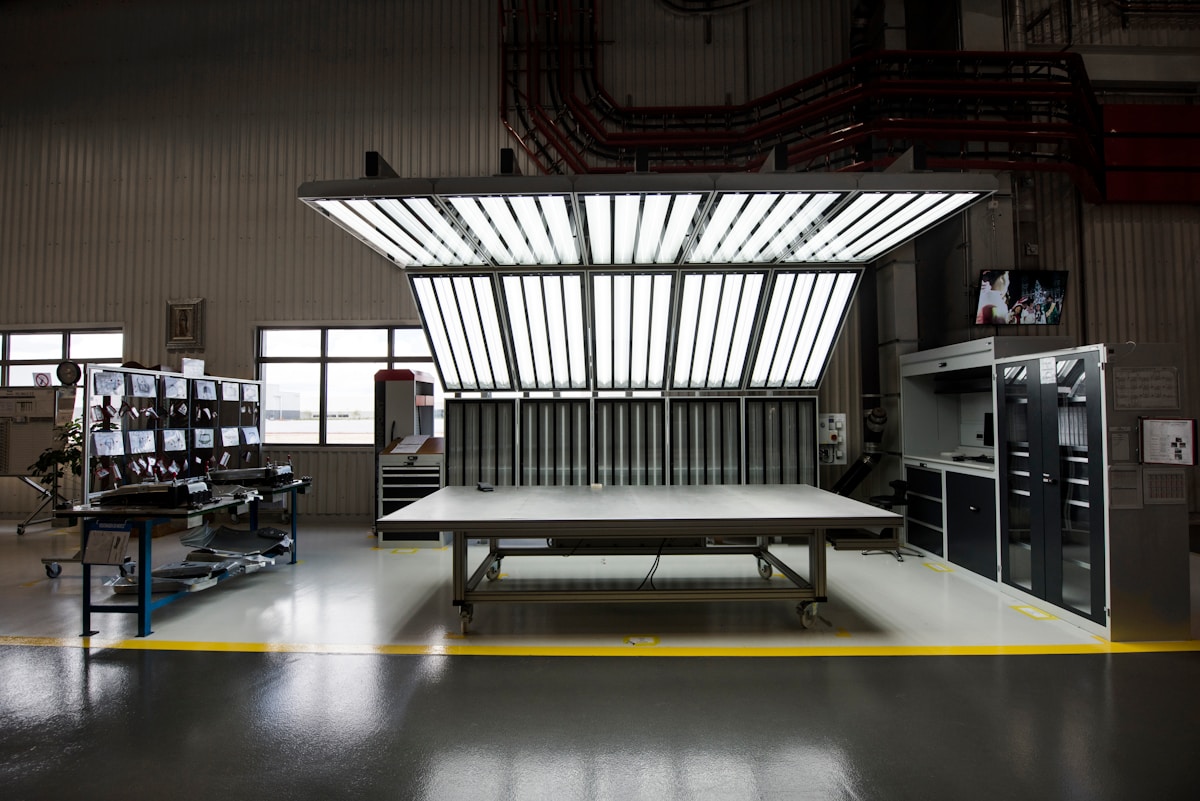
How Well Does Core Insulation Handle Humidity?
Moisture Absorption and Thermal Resistance
In environments characterized by high humidity—such as livestock barns or marine vessels—the primary enemy of thermal efficiency is water. Because water has a thermal conductivity approximately 25 times higher than still air, even minimal moisture intrusion into an insulation core can drastically accelerate heat transfer. When a panel absorbs humidity, the trapped water displaces the insulating gases within the foam’s cell structure, leading to a precipitous drop in R-value (thermal resistance). For B2B buyers, the critical metric is not just the initial R-value, but the “retained R-value” over time under saturated conditions.
Water’s thermal conductivity is roughly 25 times that of still air, so even trace moisture intrusion into an IMP core can dramatically accelerate heat transfer and erode long-term energy efficiency. Cores with moisture absorption rates below 1%—such as XPS—preserve their thermal performance over time, while higher-absorption materials like PU foam, which can absorb 3–5% moisture by volume, suffer measurable R-value decline of 15–20% over a decade in humid environments.
Core Material Performance Analysis
Not all insulation cores react to humidity the same way. The chemical structure and cell openness determine whether a core resists water or acts like a sponge. Below is a breakdown of how common core materials handle humidity and thermal cycling.
- Polyurethane (PU) and Polyisocyanurate (PIR): These closed-cell foams offer the highest initial R-values (often reaching R-8 per inch). However, if the facing material is compromised or the foam is not fully cured during manufacturing, they can absorb moisture over long-term exposure to condensation. PIR generally offers better thermal stability at high temperatures compared to standard PU, making it a preferable choice for environments with extreme temperature cycling.
- Extruded Polystyrene (XPS): XPS is manufactured through an extrusion process that creates a tightly closed-cell structure with excellent moisture resistance. It typically absorbs significantly less water than expanded polystyrene (EPS). In applications where intermittent wetting is a risk, XPS maintains its R-value more effectively than many other foam options, though it has a lower initial R-value per inch compared to PU.
- Polyethylene Terephthalate (PET): Known for high mechanical strength and dimensional stability, PET foam cores are resistant to moisture absorption and many chemicals. They do not degrade when exposed to humidity, making them a robust choice for structural panels where thermal retention is secondary to stiffness, though they generally provide lower R-values than PU.
- Polyvinyl Chloride (PVC): PVC foam is widely used in marine applications due to its extremely low water absorption rates and resistance to rot and fungi. It provides a reliable balance of thermal insulation and buoyancy, maintaining performance even when submerged or exposed to constant salt spray.
- Honeycomb (PP, Fiberglass, Aramid): Honeycomb cores are primarily structural and are generally not considered thermal insulators on their own. In high-humidity environments, honeycomb structures pose a significant risk: if the panel seal fails, water can flow freely through the core, leading to “water logging” which adds weight and compromises the panel’s integrity without providing thermal benefit. They are often best utilized when foam-filled or with a strict vapor barrier system.
Impact of Temperature Cycling on Humidity Control
Temperature cycling—the repeated heating and cooling of a panel—exacerbates humidity issues through the “breathing” effect. As temperatures rise, air inside the panel expands; as it cools, it contracts, creating a pressure differential that can actively suck humid air into the panel edges if the sealant bond is weak. Cores with higher dimensional stability, such as PET and high-density XPS, resist the micro-cracking that can occur during these cycles, thereby preserving the seal against moisture ingress. Conversely, lower-density foams may shrink slightly over time with thermal cycling, breaking the adhesive bond with the metal or composite skins and creating a pathway for water vapor.
The Role of Facings in Humidity Management
While the core dictates thermal retention, the facing material is the first line of defense against humidity ingress. In corrosive environments like livestock barns (ammonia) or marine applications (salt spray), the facing must be impervious to vapor and chemically resistant.
- GRP/FRP Facings: Glass Reinforced Plastic (GRP) or Fiberglass Reinforced Polymer (FRP) facings are inherently non-corrosive. When manufactured with a gel coat finish, these skins provide a virtually waterproof barrier that does not rust or oxidize when exposed to ammonia or salt. This makes them superior to metal skins in maintaining the integrity of the seal against moisture.
- Metal Facings (Steel/Aluminum): While durable, metal facings rely heavily on the integrity of their protective coatings (galvanization or paint). In high-humidity, high-ammonia environments, microscopic corrosion on steel edges can compromise the joint seal, eventually allowing moisture to penetrate the core.
For marine or agricultural cold storage, specify a “fracture-critical” joint design. Ensure the sealant used is compatible with both the core foam and the facing material—for instance, MS polymers or specific marine-grade polyurethanes that remain flexible despite thermal expansion, preventing the seal from cracking and letting moisture in.
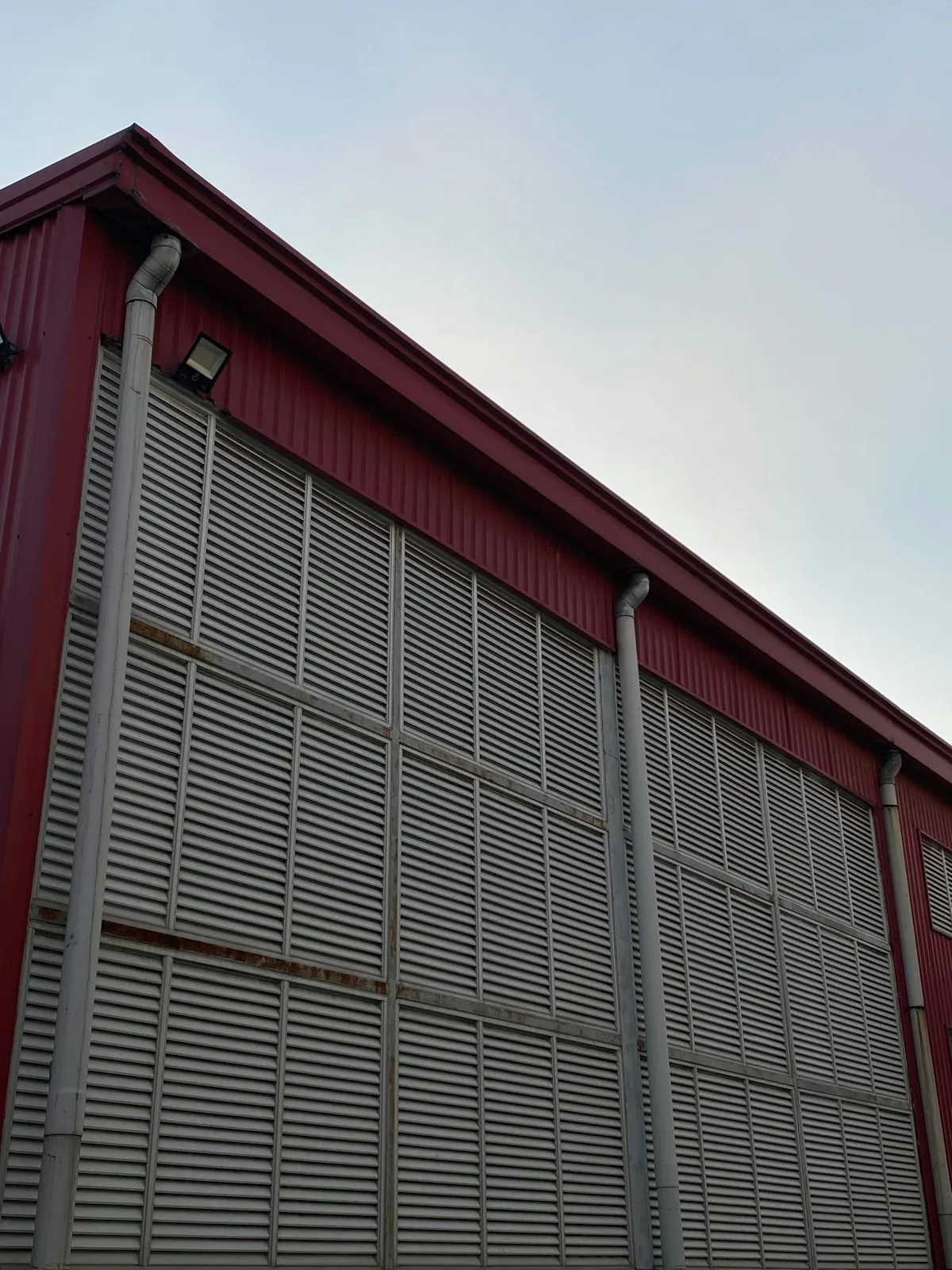
Does the Manufacturer Test for Harsh Conditions?
Verification of specific environmental stress testing—salt spray, ammonia vapor, and thermal cycling—is the only reliable method to validate panel performance in marine and agricultural applications. General weatherproofing warranties are insufficient for these chemically aggressive environments.
Salt Spray Testing for Marine Environments
Salt spray testing is the industry-standard method for evaluating corrosion resistance in panels destined for marine applications. The most widely referenced protocol is ASTM B117, which exposes test specimens to a controlled salt fog chamber at 35°C with a 5% sodium chloride solution. Testing durations typically range from 500 to 2,000 hours, depending on the required performance tier.
For GRP/FRP sandwich panels used in marine decking and vessel construction, manufacturers should be able to provide salt spray test reports showing no delamination, blistering, or facings degradation after the specified exposure period. CFRT sandwich panels with appropriate resin systems can achieve significantly longer exposure ratings compared to standard polyester-based GRP alternatives.
When evaluating a manufacturer’s testing capability, look for documented results from accredited laboratories. Manufacturers who can provide traceable test certificates with specific hour ratings and failure mode analysis are demonstrating a level of quality assurance that general-purpose panel producers cannot match.
Ammonia Resistance Testing for Agricultural Applications
Agricultural environments, particularly livestock barns and poultry housing, present one of the most chemically aggressive conditions for building materials. Ammonia vapor concentrations in these facilities can reach 50 to 200 ppm, which degrades standard facings and adhesives over time.
Reputable manufacturers conduct ammonia resistance testing by exposing panel samples to controlled ammonia atmospheres at elevated temperatures and monitoring for weight loss, surface degradation, and adhesive bond failure. Testing protocols typically follow modified versions of ISO 11507 or proprietary accelerated aging methods that simulate 5 to 10 years of exposure in a compressed timeframe.
- Face sheet compatibility: GRP sheets with gelcoat provide superior ammonia resistance compared to bare aluminum facings, which can suffer from stress corrosion cracking in high-ammonia environments.
- Core material selection: Closed-cell foams such as XPS, PET, and PVC demonstrate excellent resistance to ammonia permeation, while open-cell materials are unsuitable for these applications.
- Adhesive performance: The bond between facing and core must be validated under ammonia exposure, as adhesive degradation leads to delamination and loss of structural integrity.
When requesting ammonia resistance data, ask the manufacturer for the specific test protocol and concentration levels used. Panels rated for standard agricultural use may not withstand intensive livestock operations without proper validation.
Thermal Cycling and UV Exposure Testing
Thermal cycling testing evaluates how panels respond to repeated temperature fluctuations, which is critical for both marine and agricultural installations. Temperature swings between -30°C and +80°C can induce differential expansion between facing and core materials, leading to internal stress, micro-cracking, and eventual failure.
Professional manufacturers perform thermal cycling tests that expose panels to at least 50 complete cycles between extreme temperature endpoints. The test measures dimensional stability, bond integrity, and surface appearance after each cycle. Panels that pass these tests typically show less than 0.5% dimensional change and no visible delamination or cracking.
UV resistance testing is equally important for exterior applications. ISO 4892-2 and ASTM G154 protocols use xenon arc or UV fluorescent lamps to simulate long-term solar exposure. Manufacturers should provide UV test data showing color retention and surface integrity after equivalent years of outdoor exposure.
Testing Standards and Certification Verification
The presence of formal testing certifications is a strong indicator of manufacturer competence in harsh-condition applications. Key certifications and test standards to request include:
- Marine classification society approvals: Certifications from bodies such as DNV, Lloyd’s Register, or ABS validate that panels meet specific marine environment requirements.
- Fire performance ratings: IMO FTP Code Part 5 testing for fire resistance is mandatory for marine applications, while agricultural buildings may require ASTM E84 or BS 476 surface spread of flame ratings.
- Thermal performance documentation: ISO 8302 or ASTM C518 test reports confirm U-values and thermal resistance claims.
- Structural load testing: Proof of compliance with relevant structural standards for wind, snow, and seismic loads in the intended application region.
Do not accept generic weatherproofing or waterproofing claims without specific test data. A manufacturer who cannot produce documented salt spray or ammonia resistance test results is likely producing panels designed for standard indoor or mild outdoor use, not the demanding conditions of marine or agricultural applications.
Evaluating Manufacturer Testing Capabilities
When vetting potential suppliers for harsh-condition projects, assess their testing infrastructure and track record. Manufacturers with in-house testing laboratories can provide faster turnaround on custom material validations and are more likely to conduct rigorous pre-production testing on every batch.
The most reliable manufacturers will proactively share their test reports, including raw data, failure analysis, and comparative performance against industry benchmarks. This transparency distinguishes specialist producers from generalist manufacturers who may rely on generic product specifications without environment-specific validation.
📋 Actionable Steps
- Salt spray certification is the baseline proof that a panel’s facing can withstand prolonged chloride exposure without corrosion-induced failure. Step 1: Request salt spray test certificates (ASTM B117) with minimum 1,000-hour exposure data for marine-grade panels, as shorter durations do not adequately simulate real-world chloride exposure.
- Step 2: Ask for ammonia resistance test reports specific to livestock or poultry housing applications.
- Step 3: Verify thermal cycling test results showing dimensional stability after 50+ cycles.
- Step 4: Confirm marine classification society approvals or equivalent third-party certifications for your target application.
- Step 5: Cross-reference all test data with the specific core and facing material combination specified for your project.
Can They Handle Your Project Scale and Custom Needs?
The right manufacturer combines scalable production capacity with deep engineering flexibility — capable of delivering both standardized high-volume runs and bespoke panel configurations for demanding agricultural and marine environments.
Production Capacity and Project Volume
Large-scale infrastructure projects — whether a multi-tenant cold storage complex or a fleet of refrigerated truck bodies — demand a manufacturer that can sustain consistent output without compromising quality. A capable production facility should maintain a daily output exceeding 1,700 square meters of composite panel area, ensuring that even aggressive construction schedules remain achievable.
When evaluating production capacity, it is important to distinguish between nominal line speed and actual deliverable volume. Some manufacturers advertise high daily throughput on standard products but experience significant delays when order complexity increases. Ask for documented lead time data across different panel configurations, and request references from recent projects in your size range. A manufacturer that can reliably deliver 10,000 square meters within a defined window is operating at a different tier than one that struggles with 2,000 square meters.
Custom Panel Profiles and Engineering Support
Off-the-shelf panels rarely fit specialized applications. Agricultural and marine projects frequently require non-standard dimensions, unique facing materials, or integrated design features that generic catalogs cannot address. A manufacturer with an in-house engineering team can evaluate project-specific requirements and develop solutions — from non-slip marine decking profiles to ventilation-compatible livestock barn panel designs.
Customization typically involves selecting from a range of core materials and facing combinations. Foam core options include XPS, PET, PU, PVC, PMI, EPP, and MPP, each offering different thermal, moisture, and structural properties. Facing materials span GRP/FRP, CFRT, aluminum, steel, ACP, PVC, plywood, stainless steel, and aluzinc. The right combination depends entirely on the project’s environmental exposure, load requirements, and code obligations.
- Non-slip marine decking: Requires textured or patterned facing surfaces — often achieved through fiberglass-reinforced thermoplastic (CFRT) sheets or specially profiled GRP facings — combined with a structural core such as PP honeycomb or fiberglass foam that maintains stiffness while reducing weight.
- Livestock barn ventilation-compatible panels: May incorporate integrated channel designs or pre-engineered ventilation openings that maintain thermal continuity while accommodating airflow requirements without additional field modification.
- Refrigerated truck bodies: Demand panels with tight dimensional tolerances, high compressive strength cores, and facings resistant to cyclic thermal stress and moisture ingress over the vehicle’s service life.
Testing and Validation for Specialized Requirements
Custom solutions must be validated before production commitment. Reputable manufacturers conduct experimental testing to verify that their composite products meet the data standards required by the application — whether that involves salt spray corrosion testing for marine environments, ammonia resistance validation for agricultural use, or structural load testing for transport applications.
The testing process should not be an afterthought. Manufacturers with mature R&D capabilities integrate validation into the development cycle, meaning custom panel configurations are engineering-tested before they reach the production line. This approach reduces the risk of field failures and ensures that specialized requirements — such as corrosion resistance in salt spray environments or thermal performance in cold storage — are met consistently across the entire order.
Global Supply Chain and Lead Time Reliability
Project scale is not only about production volume — it is also about supply chain reliability. Manufacturers serving global markets typically maintain established logistics partnerships and multilingual sales support teams, ensuring that international projects receive consistent communication from design through delivery. For B2B buyers managing multiple projects across regions, this operational maturity reduces coordination risk and simplifies procurement.
The most reliable manufacturers provide transparent production scheduling, real-time progress updates, and dedicated account management for large orders. This level of service is particularly critical for projects with tight installation windows, where a delay in panel delivery can cascade into costly schedule overruns across multiple trades.
📋 Actionable Steps
- Step 1: Define your project’s panel specifications — dimensions, core type, facing material, and any custom features — before contacting manufacturers.
- Step 2: Request production capacity data and documented lead times for orders in your size range, not just marketing estimates.
- Step 3: Ask for engineering support details — including testing capabilities and previous project examples — for your specific application type.
- Step 4: Verify supply chain reliability through customer references and, if possible, a facility audit or virtual production walkthrough.
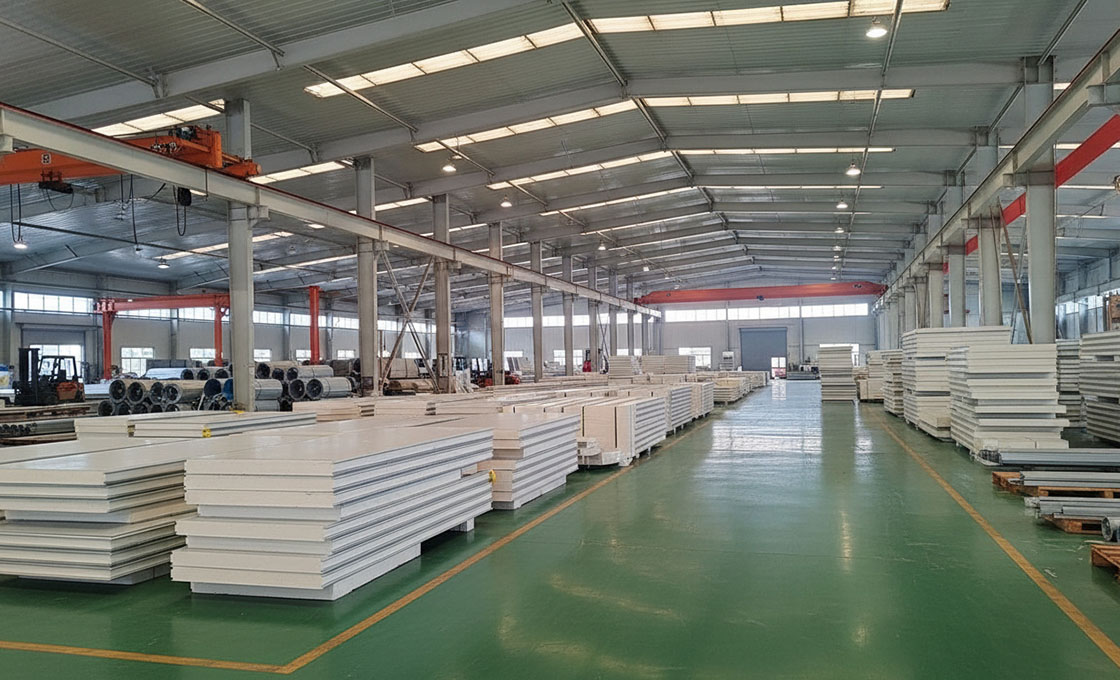
How Do Lead Times and Production Capacity Compare?
Production capacity directly determines whether a manufacturer can fulfill large-scale agricultural or marine projects on schedule. Lead times vary significantly between standard configurations and custom-engineered panels, with capacity ranging from under 500 to over 1,700 square meters per day across facilities.
Standard vs. Custom Configuration Lead Times
Lead time for insulated metal panels depends heavily on whether you’re ordering off-the-shelf configurations or custom-engineered solutions. Standard panels with common core materials like XPS, PET, or PU foam typically move through production faster because they follow established manufacturing runs. These configurations often ship within 2 to 4 weeks from order confirmation, assuming raw material inventory is available.
Custom configurations introduce additional variables. When a project requires specific facing materials such as GRP with gelcoat for marine salt-spray environments, or specialized cores like PMI foam for high thermal resistance, the manufacturer must source or prepare those materials first. This can extend lead times to 6 to 10 weeks or longer, depending on material availability and engineering validation requirements.
Production Capacity Benchmarks Across Facilities
Not all manufacturers operate at the same production scale. Facilities with advanced composite panel production lines can exceed 1,700 square meters of output per day, which translates to roughly 18,700 square meters per month under continuous operation. This level of capacity is critical for large agricultural cold-storage projects or multi-vessel marine orders that require consistent, high-volume delivery.
Smaller operations may produce between 300 and 800 square meters daily. While these facilities can handle smaller orders, they become a bottleneck on projects requiring thousands of square meters within tight windows. A procurement team evaluating a 15,000-square-meter order for a refrigerated truck fleet or a cold-storage warehouse should verify daily output capacity before committing.
- Standard foam-core panels: 2 to 4 weeks lead time at facilities with 1,000+ square meters daily capacity
- Custom GRP or honeycomb configurations: 6 to 10+ weeks depending on material sourcing and engineering validation
- High-volume capacity threshold: 1,700+ square meters per day supports large agricultural and marine projects without scheduling delays
- Material lead time variance: PMI foam and aramid honeycomb cores often require longer procurement than XPS or PET
Matching Production Capacity to Project Scale
A 50,000-square-meter agricultural cold-storage facility or a fleet conversion program for refrigerated trucks requires more than just a manufacturer that can produce panels—it needs one that can sustain output over the project duration without rerouting capacity to other clients. Production scheduling conflicts are a common source of delayed deliveries, especially when a facility is running multiple large orders simultaneously.
The most reliable approach is to request a production timeline commitment during the procurement phase, including a written schedule that breaks down when materials will be sourced, when panels enter production, and estimated shipment dates. Facilities with dedicated lines for composite panels and sandwich structures typically offer more predictable scheduling than generalist manufacturers who share equipment across product categories.
When comparing manufacturers, ask for their current order queue status and average lead time by product type. A facility that can show real-time production data and consistent on-time delivery records is more likely to meet your project timeline than one that provides generic lead time estimates.
How Product Variety Impacts Scheduling
Manufacturers offering a broad product range—from GRP sandwich panels and foam-core panels to honeycomb structures and aluminum composite variants—often face more complex scheduling. Each product type may require different production lines, curing conditions, and quality control protocols. A facility specializing in a narrower range of panels can often achieve faster turnaround through streamlined workflows and dedicated equipment.
However, a broader portfolio can be advantageous when a single supplier needs to fulfill mixed orders. A project requiring both marine-grade GRP panels and agricultural foam-core wall panels benefits from a manufacturer that can produce both without splitting the order across multiple vendors, which reduces coordination risk and can simplify logistics.
Capacity Verification During Vendor Evaluation
Verifying production capacity goes beyond asking a single number. A credible manufacturer should provide documentation or facility walkthroughs that demonstrate their daily output capability. This includes information about production line configuration, shift patterns, and raw material inventory management. Facilities that can share photos, videos, or conduct virtual audits demonstrate transparency that correlates with reliable delivery performance.
For B2B buyers, the most practical evaluation metric is the manufacturer’s ability to handle your specific order size within your required timeframe. A facility producing 1,700 square meters daily can fulfill a 20,000-square-meter order in approximately two weeks of production time, excluding material procurement and shipping. A facility producing 500 square meters daily would require four weeks of dedicated line time for the same order, making it a less viable option for time-sensitive projects.
Do not accept a lead time estimate without understanding the underlying production capacity. A quoted 3-week lead time may seem reasonable until you discover the facility can only produce 300 square meters per day, making your 10,000-square-meter order impossible to fulfill within that window without overlapping with other customer orders.
Global Supply Chain Considerations
For international projects, lead times must account for shipping logistics, not just manufacturing duration. Manufacturers serving global markets across Europe, North America, Southeast Asia, and the Middle East typically structure their production schedules to accommodate different shipping routes and transit times. A facility with established international supply chain partnerships can provide more accurate total delivery timelines that include ocean freight or air freight options.
Some manufacturers offer expedited production slots for urgent orders, though this typically carries a premium. Understanding whether a facility has the flexibility to accelerate production on demand is valuable for projects with hard completion deadlines, such as agricultural harvest-season construction or vessel turnaround schedules in maritime operations.
Key Takeaway for Procurement Teams
Lead time and production capacity are not interchangeable metrics. A manufacturer may quote fast lead times but lack the daily output volume to sustain a large order, or they may have high capacity but limited flexibility for custom configurations. The most reliable evaluation combines three data points: verified daily production capacity in square meters, documented lead time ranges by product type, and evidence of consistent on-time delivery performance on comparable project scales.
What Certifications Do Ag and Marine Panels Need?
The right certifications separate panels built for harsh environments from those that fail prematurely. We’ve seen projects compromised by missing documentation—here’s how to verify what matters.
Marine Classification Society Certifications and Requirements
Marine environments demand more than basic corrosion resistance. Classification societies like ABS, Lloyd’s Register, and DNV set structural and safety benchmarks that vessel operators must meet for insurance and regulatory compliance. These standards govern everything from panel load-bearing capacity to fire performance under emergency conditions.
When specifying panels for marine decking or hull applications, you’ll need documentation proving the sandwich construction meets impact resistance, buoyancy retention, and flame spread limits. General-purpose panels often fall short here because they haven’t undergone the cyclic loading tests that simulate real vessel movement.
- Structural integrity verification: Panels must demonstrate allowable deflection limits under distributed loads, with test reports showing performance at critical span lengths.
- Fire rating documentation: Marine spaces require specific flame spread indices and smoke development ratings that align with SOLAS conventions.
- Material traceability: Certification bodies require proof that core materials and facings meet specified chemical compositions—no substitutions without re-approval.
Agricultural Compliance Standards and Food-Grade Certifications
Agricultural buildings face unique chemical exposure from ammonia, disinfectants, and acidic environments. Livestock facilities generate ammonia concentrations that degrade standard metal facings within years, not decades. Food-grade certifications ensure panel surfaces won’t leach contaminants into product zones.
We’ve evaluated projects where livestock barn interiors used standard aluminum-faced panels. Within 18 months, ammonia corrosion compromised the facing-core bond, leading to insulation saturation and structural weakening. The fix required replacing panels with GRP facings specifically formulated for chemical resistance.
- Ammonia resistance validation: Core materials and adhesives must withstand prolonged exposure without degradation—chemical resistance testing should be documented, not assumed.
- Food-contact surface compliance: Panels in processing or storage areas need certifications confirming no harmful substance migration under cleaning protocols.
- Hygiene-friendly surface finishes: Smooth, non-porous facings resist bacterial accumulation and allow effective sanitation without surface deterioration.
Fire Safety Ratings and Building Code Approvals for IMPs
Insulated metal panels must satisfy fire codes that vary by region and occupancy type. Agricultural storage buildings and marine vessels have different requirements—agricultural structures prioritize structural stability during fire, while marine applications demand low smoke toxicity and flame spread control.
European markets typically reference EN 13501-1 classification systems, while North American projects often require UL or FM listings. These aren’t interchangeable—each certifying body has distinct testing methodologies and performance thresholds. A panel rated for one market may not automatically comply with another.
- European fire classification: Euroclass ratings range from A2-s1,d0 (highest fire performance) to F class, with specific requirements for smoke production and flaming droplets.
- North American safety listings: UL and FM certifications verify thermal insulation performance and fire-rated core material behavior under standardized test conditions.
- Local code adoption: Building officials may require additional testing beyond international standards—verify regional amendments before procurement.
Verifying Manufacturer Certification Documentation and Traceability
Possessing certifications is one thing—verifying they’re current, applicable, and traceable to your specific order is another. We’ve encountered cases where manufacturers presented valid certificates for one product line while supplying different panels from another line. Documentation should match your exact specification.
📋 Actionable Steps
- Step 1: Request certificates directly from the certifying body, not just from the manufacturer—verify they’re current and not expired.
- Step 2: Confirm the certificate scope covers your exact panel configuration: facing material, core type, thickness, and density range.
- Step 3: Ask for batch-specific test reports for your order—certificates prove capability, test reports prove your panels meet the standard.
- Step 4: Verify traceability from raw material lots through finished panels—reputable manufacturers maintain this documentation for audit purposes.
At Rax Panel, our engineering team maintains complete traceability from core material batches to finished panels. When we deliver certifications, you receive documentation tied to your specific order—including test reports from independent laboratories for fire performance, corrosion resistance, and structural capacity. This level of documentation transparency saves weeks of verification time during project approvals.
Certificates without test reports are just marketing materials. Always request the underlying laboratory data showing actual performance values—not just pass/fail statements. This is where manufacturers sometimes struggle, and it’s your strongest verification tool.
| Certification/Standard | Scope | Applicable To | Key Requirement |
|---|---|---|---|
| ISO 9001 | Quality Management System | Agriculture & Marine Panels | Documented QC processes for consistent panel manufacturing |
| CE Marking | EU Conformity (EN 14509) | Marine & Agricultural Panels | Mechanical performance, fire resistance, and durability compliance |
| FM Approvals | Fire & Structural Safety | Agricultural & Industrial Panels | Fire classification, structural load ratings, and flame spread limits |
| UL Listed | North American Safety Standards | Refrigerated & Agricultural Panels | Thermal insulation performance and fire-rated core materials |
| ASTM B117 | Salt Spray Corrosion Testing | Marine Panels | Minimum 1,000-hour salt spray resistance for marine-grade facings |
| ASTM D1308 | Ammonia Chemical Resistance Testing | Agricultural Panels | PVC-core panels tested for ammonia exposure without degradation |
| ABS / Lloyd’s / DNV | Marine Classification Society Standards | Marine Decking & Hull Panels | Structural integrity, fire rating, and buoyancy compliance for vessel use |
| EN 13501-1 | Euroclass Fire Classification | Agriculture & Marine Panels | Fire performance classification (A2-s1,d0 to F class) for panel facings and cores |
Warning Signs to Watch For When Vetting Manufacturers
Generic IMP suppliers often lack the specialized testing, customization, engineering support, and verified track record that agricultural and marine projects demand. Spotting these gaps early prevents costly field failures.
Lack of Sector-Specific Testing and Performance Data
A manufacturer that cannot produce concrete test results for salt spray resistance, ammonia exposure, or high-humidity cycling is operating outside its depth. Agricultural barns generate ammonia concentrations that degrade standard aluminum facings and compromise core adhesion over time. Marine environments demand verified salt spray performance — typically 2,000 to 3,000 hours under ASTM B117 — before a panel can be considered suitable for coastal or offshore use.
Red flags include vague answers like “our panels are corrosion resistant” without test reports, or the inability to distinguish between general-purpose panels and those rated for aggressive chemical or saline exposure. Buyers should expect documented results from recognized testing laboratories, not internal marketing claims.
- Missing ASTM B117 salt spray reports: Panels claimed for marine use must have verifiable corrosion testing data.
- No ammonia exposure data: Livestock facility panels require documented resistance to ammonia degradation of facings and core materials.
- Absence of condensation or humidity cycling tests: Cold storage and high-humidity applications need proof that the core does not absorb moisture or lose R-value over time.
Limited Customization Options and Rigid Product Catalogs
Agricultural and marine projects rarely fit neatly into a standard catalog. Barns require specific panel thicknesses, facing materials, and fire ratings tailored to livestock housing codes. Marine decking demands GRP or FRP facings with particular surface textures and structural loads. When a manufacturer offers only a fixed range of stock panels with no flexibility in facing material, core type, thickness, or dimensional tolerance, the project will likely encounter costly field modifications or performance compromises.
Beware of suppliers who respond to custom requests with “that is not in our catalog” or who push standard products regardless of application mismatch. A capable manufacturer will discuss facing alternatives — such as GRP for marine salt exposure or coated steel for ammonia resistance — and core options like polyurethane foam versus honeycomb structures based on the project’s weight, insulation, and durability requirements.
- Inflexible facing choices: Only offering aluminum when GRP, FRP, or CFRT may be more appropriate for the environment.
- Fixed thickness ranges: No ability to produce panels outside a narrow standard range, forcing design compromises.
- No core material discussion: Failing to differentiate between foam core and honeycomb core performance for weight-sensitive marine decking applications.
Absence of Engineering Support and Project Consultation
Specialized IMP projects involve thermal bridging calculations, structural load assessments, and detailing for expansion and contraction in extreme temperature swings. A manufacturer that simply takes orders without offering engineering consultation is leaving the buyer exposed to design errors that manifest as air leaks, condensation, or panel failure in the field.
Agricultural buildings in particular require guidance on thermal bridging at connections and fastening points, where heat loss can significantly impact energy efficiency in cold storage operations. Marine installations need support on deck load ratings, joint detailing for water tightness, and compatibility with existing vessel or offshore structure specifications. Buyers should look for manufacturers who provide technical drawings, thermal performance data, and structural calculations as part of the quoting process — not as an afterthought.
- No thermal bridging analysis: Failure to address how panel connections and fasteners affect overall U-value performance.
- No structural load guidance: Absence of support for load-bearing requirements specific to marine decking or agricultural flooring.
- Order-only interaction: The manufacturer treats every inquiry as a standard quote with no technical discussion or application review.
No Verifiable Track Record in Agricultural or Marine Projects
A manufacturer may produce excellent generic panels, but if they have no documented history of supplying agricultural or marine projects, the risk multiplier increases significantly. These environments impose stressors — ammonia, salt, UV exposure, thermal cycling, and structural vibration — that general-purpose panels are not designed to withstand. Past project references serve as the most reliable indicator of a manufacturer’s capability to deliver panels that perform in demanding conditions over their intended service life.
When vetting suppliers, request specific project case studies with location, environment type, panel specifications, and installation date. Vague references or an inability to point to completed agricultural barns, cold storage facilities, or marine vessels is a strong signal that the manufacturer lacks the experience required. Third-party certification bodies and classification societies also maintain lists of approved panel suppliers — verifying membership or approval status adds another layer of credibility.
- No project references: Inability to provide completed installations in agricultural or marine settings.
- No classification society approvals: Absence of certifications from bodies such as ABS, DNV, or Lloyd’s Register for marine applications.
- No food-grade or agricultural compliance records: Lack of documentation showing panels meet USDA or equivalent standards for livestock and food processing environments.
Conclusion
The manufacturers who separate themselves in ag and marine projects are the ones who test for the conditions your building will actually face — not the ones who can quote from a generic catalog. Ammonia exposure, salt spray, thermal bridging, humidity cycling — these aren’t theoretical concerns. They dictate whether your panels last 15 years or fail in three. Our engineering team has spent years validating GRP sandwich panels, foam-core panels, and honeycomb structures under these exact conditions, and the performance gaps between tested and untested products are measurable and costly.
- Ask manufacturers for their sector-specific test reports, not just generic certifications.
- Verify that their engineering team can advise on facing materials and core selection for your exact environment before you commit to an order.
- If you’re in the early design phase and want a second technical opinion on panel specifications, our engineers are available to review your project parameters at no obligation.
Frequently Asked Questions
Are composite panels lighter than steel?
Yes, composite sandwich panels offer significant weight reduction while maintaining superior rigidity. Honeycomb cores provide high strength-to-weight ratios essential for vessel efficiency and transport. This lighter payload translates to fuel savings and increased load capacity. It also simplifies the structural support required for installations.
How do panels stop thermal bridging?
The foam or honeycomb core creates a continuous barrier between interior and exterior facings. This design stops heat transfer through the structural studs common in traditional construction. By eliminating thermal bridges, the risk of condensation is significantly lowered. This results in consistent temperature control and higher energy efficiency.
Do panel joints prevent water ingress?
Precision-engineered joint systems create tight seals between panels to prevent water penetration. This design eliminates gaps that allow water vapor to enter the building envelope. Properly sealed joints are the primary defense against mold and condensation issues. Manufacturers provide detailed installation guides to ensure these seals perform correctly.
Can damaged panels be repaired easily?
Unlike rigid metal sheets that often require full replacement, composite panels can often be repaired in situ. Patch kits allow for quick fixes of minor impacts or abrasions without compromising insulation properties. This capability is vital for remote agricultural sites or marine vessels. It minimizes downtime and maintenance expenses over the structure’s life.
What maintenance do marine panels require?
GRP facings require minimal maintenance compared to traditional wood or metal. Regular cleaning with mild detergents removes salt buildup without risking corrosion. Unlike steel, they do not require repainting, significantly reducing lifecycle costs. This ensures the structural integrity remains intact over decades of exposure.
Can panels withstand agricultural chemicals?
Specialized FRP facings are engineered to resist ammonia and acidic cleaning agents common in livestock facilities. Standard metal panels often corrode quickly under these conditions, leading to structural failure. Rax Panel’s chemical-resistant composites ensure long-term hygiene and structural durability. This resistance is critical for meeting strict sanitary standards in food production environments.
Are panel surfaces easy to sanitize?
Smooth gel-coated FRP surfaces provide a non-porous finish that resists bacterial growth. This allows for high-pressure washing and harsh chemical cleaning without surface damage. Maintaining a sanitary environment is effortless compared to porous materials like wood. This feature is indispensable for modern agricultural hygiene protocols.