
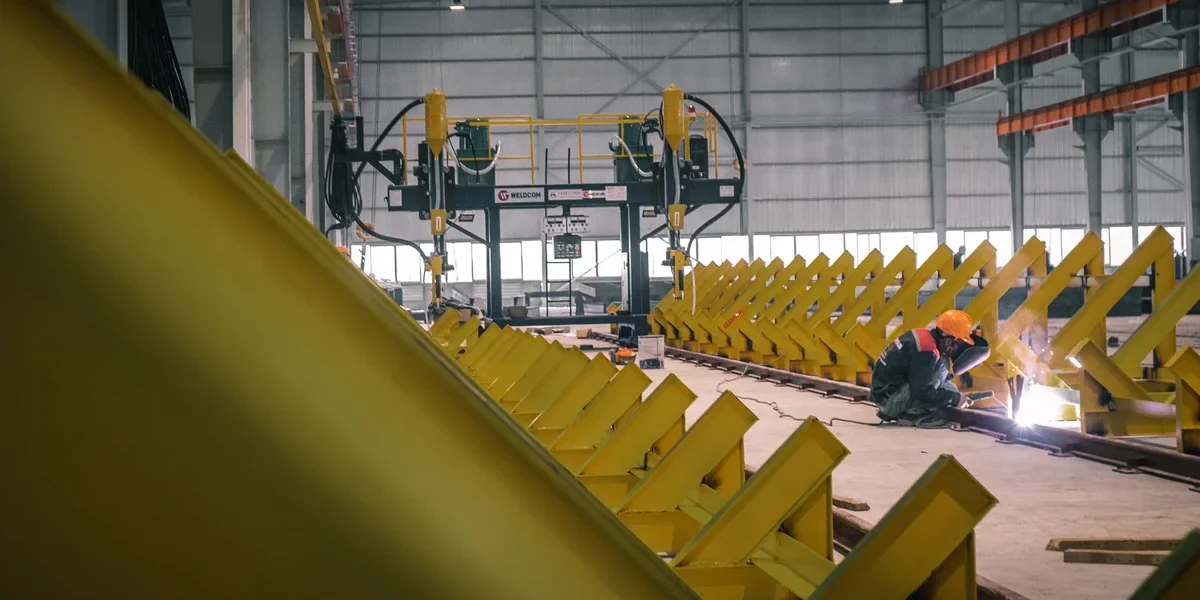
Most buyers budget for the container house unit price and assume the rest falls into place. It doesn’t. Crane rental for precise placement runs $500 to $4,000 per unit. That’s before you account for site prep, structural reinforcement, or the fact that many “factory-priced” suppliers are trading companies three layers removed from production. At RaxPanel, we manufacture these units. We’ve seen this pattern destroy project margins repeatedly. The cheapest unit price rarely produces the cheapest finished project.
This guide walks through the supply chain mechanics that separate reliable sourcing from costly mistakes. We cover panel material selection, fire rating compliance, and factory audit protocols. Logistics planning matters too — so does calculating true landed cost. The goal is straightforward: give you the operational knowledge to price projects accurately and avoid the hidden costs that turn profitable deals into losses.
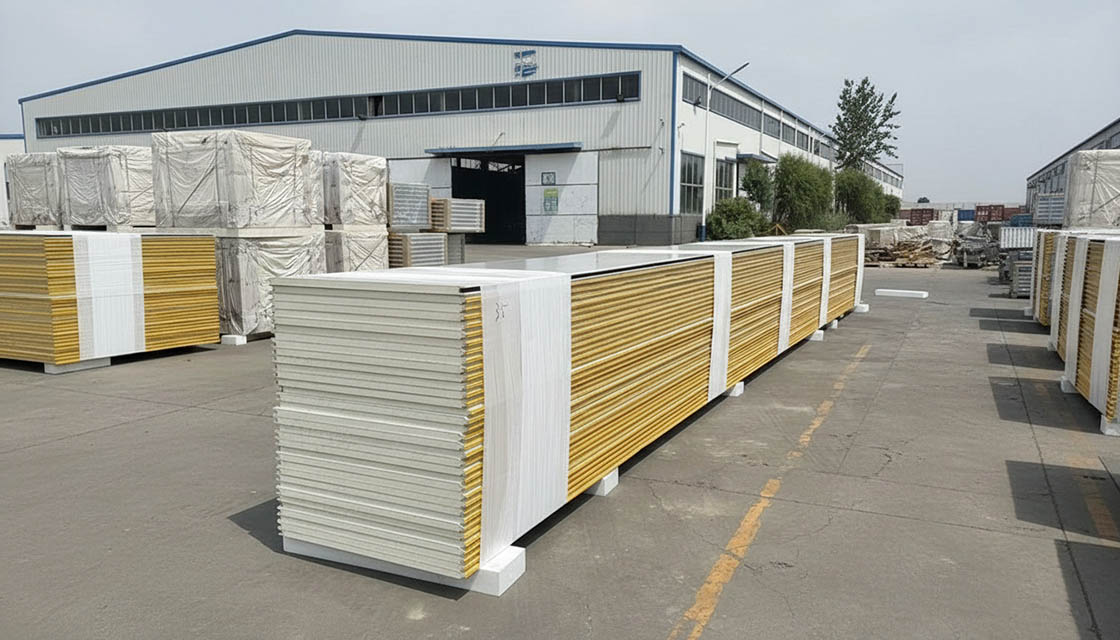
Select the Best Panel Facing and Core
Selecting the optimal composite panel is a precise engineering marriage between the external skin’s durability and the core’s structural density.
Matching Facing Materials to Environmental Conditions
The choice of facing material is the primary determinant of a panel’s longevity in specific environments. For standard modular housing and dry freight, Aluminum or Steel facings offer a cost-effective balance of strength and cosmetic finish. However, in corrosive environments—such as coastal marine applications or industrial zones with high chemical exposure—Stainless Steel or Gelcoat FRP (Fiberglass Reinforced Plastic) is essential. These materials provide superior resistance to rust and salt spray degradation that would quickly compromise standard steel or aluminum skins.
We have observed that panels using Gelcoat FRP facings significantly outperform traditional metals in high-humidity zones, eliminating the need for frequent repainting and reducing maintenance overhead. Furthermore, for applications requiring high-impact resistance, such as industrial flooring or exterior cladding in high-traffic areas, GRP facings provide a harder surface that absorbs energy without denting, ensuring the structural envelope remains intact even under physical stress.
Comparing Foam Core Options for Insulation and Weight
The core material dictates the thermal performance and weight profile of the panel. XPS (Extruded Polystyrene) is widely used for general container housing due to its excellent moisture resistance and high compressive strength, making it ideal for flooring and foundational applications. However, when thermal efficiency is the priority, such as in refrigerated transport or climate-controlled modular units, PU (Polyurethane) foam offers a lower thermal conductivity, providing superior insulation values with a thinner profile.
For projects targeting higher sustainability standards, PET (Polyethylene Terephthalate) foam cores are increasingly preferred. PET cores are lightweight, 100% recyclable, and possess excellent mechanical properties that resist crushing. In our R&D lab, we rigorously test the adhesion between these foam cores and the facing materials to prevent delamination; a common failure point in lower-quality panels occurs when the adhesive bond fails under thermal expansion.
Selecting Honeycomb Cores for Structural Strength
When the application demands maximum rigidity with minimal weight—such as in RV interiors, furniture, or partition walls—honeycomb cores are the superior engineering choice. Unlike continuous foam cores, honeycomb structures (typically PP or Aramid) provide a high strength-to-weight ratio by distributing loads across the honeycomb cells. This creates a panel that is incredibly stiff yet light enough to reduce the overall tare weight of the vehicle or structure.
A critical distinction must be made regarding the facing material used with honeycomb cores. To achieve full structural potential, honeycomb cores are best composited with rigid skins like fiberglass or CFRT (Continuous Fiber Reinforced Thermoplastic). We utilize specialized fiberglass sheets composited with PP honeycomb cores for our lightweight solutions, creating a panel that resists buckling under point loads far better than traditional balsa or plywood cores.
Aligning Panel Configurations with Project Load Requirements
Finalizing the panel configuration requires aligning the physical specifications with the project’s structural load requirements. This goes beyond simply choosing a material; it involves defining the precise thickness and span capabilities. For roofing or long-span applications, thicknesses ranging from 50mm to 100mm are often necessary to prevent deflection under snow or wind loads. Conversely, interior partition walls may function efficiently with thinner, lighter profiles.
Our manufacturing capabilities allow us to produce continuous lengths up to 13 meters, which is crucial for minimizing seams in large container house walls. However, with these extended lengths comes the necessity of precise load calculations. We provide engineer-led design consultations to determine the optimal core density and skin thickness, ensuring that the panel meets specific safety factors without over-engineering the material cost. For B2B buyers, this customization prevents the budget inflation that occurs when “off-the-shelf” panels are used inappropriately for heavy-duty structural roles.
| Facing Material | Core Material | Performance Specs | Best Application | Rax Advantage |
|---|---|---|---|---|
| GRP/FRP & Steel | PIR / Rockwool | Fire rating specifications must align precisely with certified test data to avoid compliance risks. Class B-s1-d0 per EN 13501; Thermal Lambda 0.022 W/m·K; Thickness 10-100mm | Modular Housing, Public Transit, High-Safety Zones | ISO 9001 & SGS Certified; Factory-Direct Quality Assurance |
| Aluminum / Steel / ACP | XPS / EPS / PU / PET | Waterproof & Thermally Insulated; High Structural Strength; Length up to 13m | Container Homes, Roofing, Dry Freight Bodies | Massive Production Capacity (1,700+ m²/day); Rapid Turnaround for Large Projects |
| Fiberglass / CFRT | PP Honeycomb / Aramid Honeycomb | Extreme Strength-to-Weight Ratio; Resilient & Lightweight Structure; Thickness 10-100mm | RV Interiors, Furniture, Flooring, Sports Equipment | Custom R&D Solutions; Engineer-Led Design for Specific Project Needs |
| Stainless Steel / Gelcoat FRP | PVC Foam / Balsa / Marine Ply | Corrosion Resistant; Waterproof; High Humidity Tolerance; Length up to 13m | Marine Vessels, Coastal Cladding, Industrial Equipment | Global Supply Chain Network; 24-Hour Multilingual Support |
Match Fire Ratings to Market Codes
Fire compliance is binary: either the container house passes the inspection or it does not. Understanding the distinction between PIR, PUR, and Rockwool cores—and how they map to specific regional codes like ASTM E84 or EN 13501-1—is the primary barrier preventing costly project shutdowns.
Understanding PIR and PUR Core Fire Rating Classifications
While both Polyisocyanurate (PIR) and Polyurethane (PUR) are thermoset plastics used extensively in sandwich panels, their fire performance diverges significantly due to chemical structure. PIR contains a higher ratio of isocyanurate rings, which enhances thermal stability and creates a protective char layer when exposed to flame. In contrast, standard PUR formulations typically soften and melt, potentially contributing to fire spread. Consequently, PIR cores generally achieve superior fire ratings compared to PUR.
In our 15 years of manufacturing composite panels, we have observed that clients often confuse these two materials assuming they offer identical safety profiles. To ensure safety and compliance, we strictly utilize high-density PIR formulations for our insulated panel lines. These panels typically achieve a Class B1 fire rating (Chinese Standard GB 8624) or a Class 1 rating (ASTM E84), whereas standard PUR is often limited to Class B2 or Class 2. It is critical to check the material data sheet (MDS) specifically for “Polyisocyanurate” rather than generic “Polyurethane” when verifying fire safety claims.
Matching Fire Certifications to Regional Building Codes
A fire rating certificate issued in China does not automatically validate a panel for use in Europe or North America. Building codes are jurisdiction-specific, and importing non-compliant panels is a common failure point in container housing projects. Manufacturers must provide third-party testing data that aligns with the destination country’s specific standard.
Below is a reference guide for matching core materials to common regional standards:
| Region | Standard | Target Rating | Best Core Match |
|---|---|---|---|
| USA / Canada | ASTM E84 / CAN/ULC-S102 | Class A (Smoke Developed < 450) | PIR (Mineral Faced), Rockwool |
| European Union | EN 13501-1 | Class B (s3,d0) or Class A2 | PIR (with facers), Rockwool (A1) |
| China | GB 8624-2012 | Class A / Class B1 | PIR, Rockwool |
| Australia | AS 1530.3 | Group 1, 2, or 3 | Rockwool (Group 1), PIR (Group 2-3) |
Evaluating Rockwool Core Fire Performance for Container Houses
For applications where fire safety is the absolute priority—such as high-rise modular constructions or camps in high-risk bushfire zones—Rockwool (stone wool) cores are the industry benchmark. Unlike organic foams (PIR/PUR), Rockwool is an inorganic mineral fiber that is inherently non-combustible. It does not contribute to fire load and does not produce toxic smoke when exposed to extreme heat. In the Euroclass system, Rockwool typically achieves a Class A1 rating, the highest possible level of fire reaction.
However, buyers must weigh fire performance against structural weight. Rockwool cores are significantly denser than foam cores, which impacts the structural load of the container house and the logistics cost of shipping. We engineer our Rockwool Sandwich Panels with high-density facing materials (GRP or Stainless Steel) to offset the core’s weight and maintain superior structural integrity. When evaluating Rockwool, verify the fiber density and binder content; higher density fibers (typically >100 kg/m³) offer better acoustic insulation and fire resistance compared to low-density variants.
Verifying Certification Documentation for International Markets
Documentation fraud is a persistent issue in international B2B procurement. Relying on a manufacturer’s self-declaration without third-party verification is a significant liability. To mitigate this, buyers must audit the certification package against the specific shipment batch.
📋 Actionable Steps
- Step 1: Validate the Testing Authority. Ensure the fire test report is issued by a recognized, independent laboratory such as SGS, Intertek, TÜV, or Chiltern International Fire. Internal “lab reports” are not acceptable for code compliance.
- Step 2: Cross-Reference Product Specifications. Verify that the density, thickness, and facing material listed on the fire certificate match exactly with the commercial invoice and packing list. Variations in facings (e.g., switching from galvanized steel to aluminum) can alter fire performance.
- Step 3: Confirm Batch Traceability. At Rax Panel, we enforce batch-level traceability. Request that the manufacturer stamps the production date and batch code on the panel itself, which must correspond to the quality assurance records.
- Step 4: Check ISO 9001 Scope. Verify the factory’s ISO 9001 certification specifically covers the production of “Sandwich Panels” or “Composite Materials.” Generic certificates for “Metal Processing” do not demonstrate quality control over lamination and foaming processes.

How to Vet and Audit Manufacturers
A structured vetting framework separates reliable manufacturers from traders and exposes supplier risk before capital is committed — the difference between a clean delivery and a costly remediation chain.
Factory vs. Trader Identification
Distinguishing a direct manufacturing facility from a trading company is the first gate in supplier qualification. Traders often present polished websites and competitive pricing, but they act as intermediaries with no direct accountability for production quality, material sourcing, or delivery timelines. For container house panel supply, this distinction is critical because composite panel performance — from CFRT facing adhesion to PVC foam core density — depends entirely on process control at the production line, not on middleman coordination.
The most reliable identification method combines three verification layers: production facility access, equipment documentation, and export record analysis. A legitimate manufacturer will provide verifiable evidence across all three. A trader will typically offer generic company profiles, third-party photos, or vague descriptions of “partner factories” that cannot be independently confirmed.
- Production facility tour (live or verified video): Request a real-time walkthrough — not a pre-recorded highlight reel. Look for active production lines, raw material storage areas, in-process quality stations, and finished goods staging. Pay attention to whether the facility matches the company’s registered business address and scale claims.
- Equipment inventory verification: A sandwich panel manufacturer must own or lease continuous production lines, cutting equipment, pressing machines, and testing apparatus. Request model numbers, purchase dates, and capacity ratings. Trading companies cannot produce this level of equipment detail because they do not operate the machinery.
- Export documentation audit: Review actual customs shipment records, bills of lading, and commercial invoices from the past 12–24 months. These documents reveal the true export volume, destination markets, and product descriptions declared to customs. Inconsistent or absent export records strongly indicate a trading operation.
On-Site Audit Protocols
An on-site audit evaluates four operational dimensions that directly affect panel quality and delivery reliability: production line capacity, raw material sourcing, worker skill levels, and quality control checkpoints. Each dimension requires a structured evaluation protocol rather than a general facility walkthrough.
Production line capacity assessment determines whether the manufacturer can meet project scale without outsourcing to unverified third-party lines. Request current daily output rates, line configuration details, and scheduled maintenance records. A facility claiming 5,000 square meters per day but operating only two incomplete lines with frequent downtime is a mismatch that will surface during peak order periods.
- Raw material sourcing traceability: Verify that core materials (PIR foam, PVC foam, rockwool, honeycomb cores) and facing materials (CFRT, GRP, steel sheets) are sourced from documented suppliers with material test certificates. Request supplier qualification records and incoming material inspection logs. Manufacturers who cannot trace material origins are operating with unverified inputs that may fail certification requirements.
- Worker skill level assessment: Observe operators at welding stations, panel assembly points, and quality inspection positions. Skilled workers demonstrate consistent technique, follow documented procedures, and use measurement tools correctly. High turnover rates, minimal training documentation, and reliance on untrained temporary labor indicate process instability that affects weld quality, panel alignment, and dimensional tolerance.
- Quality control checkpoint mapping: Identify every inspection stage from raw material receipt through finished goods dispatch. A complete QC system includes incoming material verification, in-process dimensional checks, bond strength testing, fire rating sample retention, and pre-shipment final inspection. Manufacturers without documented QC checkpoints at each stage lack the control necessary to prevent defect propagation.
📋 Actionable Steps
- Step 1: Request the manufacturer’s quality manual and ISO 9001 certification scope before scheduling a visit.
- Step 2: Prepare a written audit checklist covering material traceability, equipment calibration records, operator certifications, and inspection log completeness.
- Step 3: Conduct the audit with a technical representative who can interpret process deviations and ask follow-up questions on the spot.
- Step 4: Document findings with timestamped photographs and request corrective action timelines for any identified non-conformities before proceeding to commercial negotiations.
Payment Term Risk Assessment
Payment structure is the primary financial safeguard against manufacturing defects, delivery delays, and quality non-compliance. International container house panel orders involve significant capital outlay, and the payment terms negotiated before production begins determine the buyer’s leverage throughout the supply chain.
A balanced payment structure allocates risk across three phases: the deposit phase, the production milestone phase, and the delivery acceptance phase. Each phase should correspond to a verifiable event that the buyer can confirm before releasing funds.
- Deposit structure: Initial deposits should not exceed 30% of the total order value. A deposit above this threshold gives the manufacturer disproportionate leverage before any production commitment has been verified. The deposit should be refundable if the manufacturer fails to commence production within the agreed timeline or cannot provide acceptable proof of raw material procurement.
- Milestone payments: Tie intermediate payments to specific production milestones that can be independently verified — such as raw material arrival confirmation, in-process inspection sign-off, or pre-shipment sample approval. Each milestone payment should represent no more than 25–30% of the total contract value and should require documented evidence before release.
- Retention clauses: Maintain a retention hold of 10–15% of the total contract value until after delivery acceptance and any required third-party inspection clearance. This retention provides financial leverage to address defects discovered during uncrating, installation, or certification submission. Without a retention clause, the buyer has limited recourse once full payment has been released.
Warranty and After-Sales Support Evaluation
Warranty terms and after-sales support structures define the manufacturer’s commitment to product performance after delivery. For container house panels, warranty coverage must address the specific failure modes relevant to composite panel construction — delamination, core degradation, facing detachment, and fire rating non-compliance — rather than generic product guarantees that lack enforceability.
The scope of warranty coverage should be explicitly defined in writing before order placement. Standard industry practice for container house sandwich panels ranges from 10 to 20 years depending on core material and facing specification. Shorter warranty periods (under 10 years) for structural panels indicate either limited product confidence or a trading operation that cannot sustain long-term support obligations.
- Warranty scope clarity: The warranty document must specify exactly which failure modes are covered, which are excluded, and what remediation process applies. A valid warranty covers manufacturing defects including delamination, core density failure, facing bond separation, and fire rating deviation from certified specifications. It should not exclude defects that result from proper installation and handling.
- Warranty duration by component: Different panel components may carry different warranty periods based on material performance characteristics. PIR foam core panels typically carry longer structural warranties than PUR core variants due to superior long-term stability. CFRT facings should carry separate warranty terms from the core material. Request component-specific warranty schedules rather than a single blanket period.
- International enforceability: Warranty enforceability across jurisdictions depends on the manufacturer’s legal structure, international service agreements, and claims processing capability. Verify whether the manufacturer maintains overseas service representatives, authorized inspection partners, or documented claims procedures for the buyer’s target market. A warranty that exists only on paper and lacks an international claims pathway provides no practical protection.
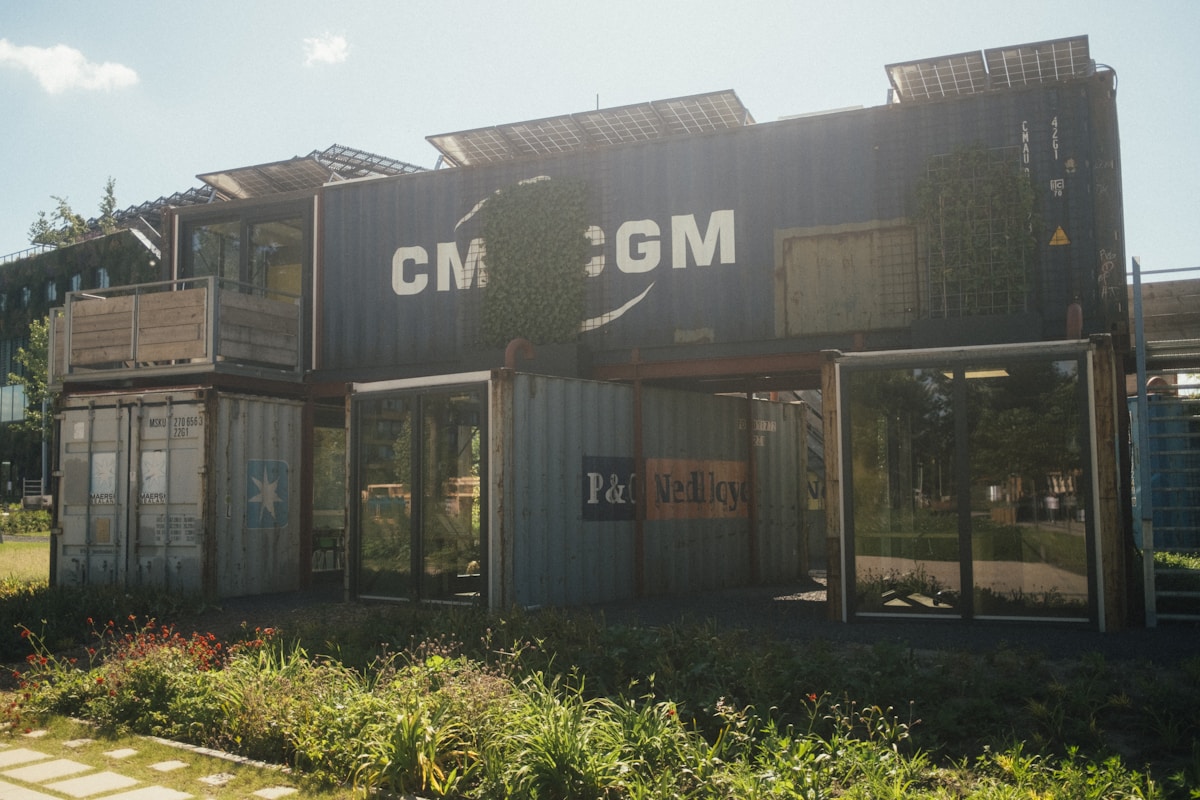
Comparing Sourcing Regions: Cost and Speed
Selecting a sourcing region is not merely about finding the lowest unit price; it is a trade-off between manufacturing scale and logistical friction. The “cheapest” factory price often evaporates once extended lead times, tariff liabilities, and compliance risks are factored into the total project cost.
China Sourcing Hubs: Manufacturing Density and Specialization
China remains the dominant global supplier due to an unrivaled ecosystem of raw material processing and heavy fabrication. However, not all regions are identical. Understanding the specialization of the major manufacturing clusters is critical for aligning factory capabilities with project requirements.
- Guangdong (Pearl River Delta): This region typically excels in high-precision fabrication and interior fit-outs. With access to advanced electronics and high-end finishing suppliers, factories here often specialize in premium or “smart” container housing solutions where internal fit-out complexity is as critical as the shell structure.
- Zhejiang & Jiangsu (Yangtze River Delta): Known for a massive density of general manufacturing, these provinces offer strong capabilities in standard flat-pack and modular container production. The supply chain for standard steel profiles and composite panels is highly concentrated here, often resulting in faster turnover for standard designs.
- Shandong Province: As a heavy industry base, Shandong is frequently the hub for large-scale, structural steel-intensive projects. Factories here often have superior capabilities in handling multi-story steel frame structures and heavy-duty modular units intended for permanent or high-load applications.
The primary advantage of these clusters is not just lower labor rates, but the proximity of sub-suppliers. A factory can source steel, insulation, paint, and hardware within a 50-mile radius, reducing internal logistics costs and enabling rapid production scaling. However, buyers must account for the longest supply chains, where production lead times are often dwarfed by ocean freight durations.
European Manufacturing Alternatives: Compliance and Proximity
Sourcing from Europe presents a fundamentally different value proposition. The significantly higher labor costs and energy prices are offset by proximity to project sites and adherence to rigorous regulatory frameworks. For projects within the EU, Western manufacturers eliminate the volatility of trans-oceanic shipping and the complexity of customs clearance.
European manufacturers operate under stricter environmental regulations, which often standardizes the use of low-VOC coatings and sustainably sourced materials. This region is particularly advantageous for projects requiring immediate deployment or strict compliance with local building codes without the need for third-party verification of foreign certifications. While the production line may not be as fast as a high-volume Chinese plant, the total lead time to site can be competitive due to the elimination of 30+ day ocean transit and port congestion delays.
North American and Regional Suppliers: Tariffs and Content Rules
In North America, the decision to source locally is frequently driven by regulatory and financial structures rather than pure manufacturing capacity. Anti-dumping duties and Section 301 tariffs on Chinese steel and prefab structures can instantly erode the unit cost advantage of imports. For government-funded projects, “Buy America” or domestic content requirements—such as the Buy American Act (BAA) or Build America, Buy America Act (BABAA)—often mandate a minimum percentage of domestic manufacturing and sourcing, effectively disqualifying foreign options regardless of price.
Regional suppliers in North America generally offer shorter delivery windows for domestic clients but face higher per-unit production costs due to lower economies of scale compared to Asian mega-factories. The trade-off here is predictability: domestic pricing is insulated from currency fluctuations and international shipping rate spikes, providing budget stability for long-term infrastructure projects.
Regional Supplier Performance Comparison
When evaluating hubs, buyers must distinguish between “production speed” and “delivery reliability.” High-volume Asian hubs can manufacture units rapidly once production begins, but they are subject to minimum order quantities (MOQs) that fill entire shipping containers. In contrast, local or regional manufacturers often accommodate lower MOQs or single-unit orders, making them viable for small-scale pilots or decentralized projects.
- Lead Time Composition: In China, the lead time is bifurcated: weeks in production, followed by weeks in transit. European or North American sourcing consolidates this into a single, shorter logistics window, allowing for just-in-time delivery that reduces on-site storage requirements.
- Customization Flexibility: High-volume hubs generally offer rigid customization to maintain line speed. Deviating from standard dimensions or core materials can trigger stoppages and cost penalties. Regional manufacturers, while more expensive, often possess greater agility to modify structural specifications or composite panel configurations mid-project without re-tooling an entire factory line.
| Sourcing Region | Unit Cost Range | Lead Time | Key Advantages | Key Risks & Considerations |
|---|---|---|---|---|
| China (Direct Factory) | $1,500–$5,000 (raw container); $60,000–$120,000+ (custom 2-story expandable) | 15–45 days production + 30–60 days ocean freight | Lowest global pricing; 1,700+ sqm/day capacity; ISO 9001 & SGS certified; 50+ countries served; 90% factory prefabrication; climate-controlled shipping for sensitive cores | Hidden reinforcement/insulation costs ($6,000–$27,000+); 30% deposit/70% post-production payment risk; quality requires third-party inspection; requires strict verification to avoid trader confusion |
| China (Trading Company) | 10–20% markup over direct factory pricing | 15–45 days production + 30–60 days ocean freight | Easier English communication; faster quotation response; lower MOQ flexibility for small orders | No direct manufacturing accountability; weaker quality control; hidden markups; limited technical support; difficult to verify factory audits; less transparent lead time tracking |
| Turkey / Middle East | 20–40% premium over Chinese direct factory pricing | 30–60 days production + 15–30 days regional freight | Proximity to European & Middle Eastern markets; faster shipping to EU; moderate quality standards; simpler import regulations for nearby regions | Higher per-unit cost than China; limited large-scale production capacity; fewer certified panel manufacturers; narrower material specification options |
| Europe / Western Manufacturers | 2–3× Chinese factory pricing; $15,000–$35,000+ per container unit | 30–90 days production + 7–14 days domestic freight | Strict CE & local building code compliance; no international shipping risk; on-site support & warranty; premium finish quality; Class A fire-rated materials standard | Significantly higher total project cost; limited customization flexibility; longer lead times for non-standard orders; reduced margin for budget-conscious buyers |
| Local / Regional Manufacturers (Non-China, Non-EU) | 30–60% premium over Chinese factory direct pricing | 30–60 days production + minimal freight | No cross-border logistics; local after-sales support; simplified permitting & compliance; faster project turnaround | Limited expertise in container housing; higher per-unit cost due to lower economies of scale; fewer certified composite panel suppliers; inconsistent quality standards |
Manage Production Timelines and Lead Times
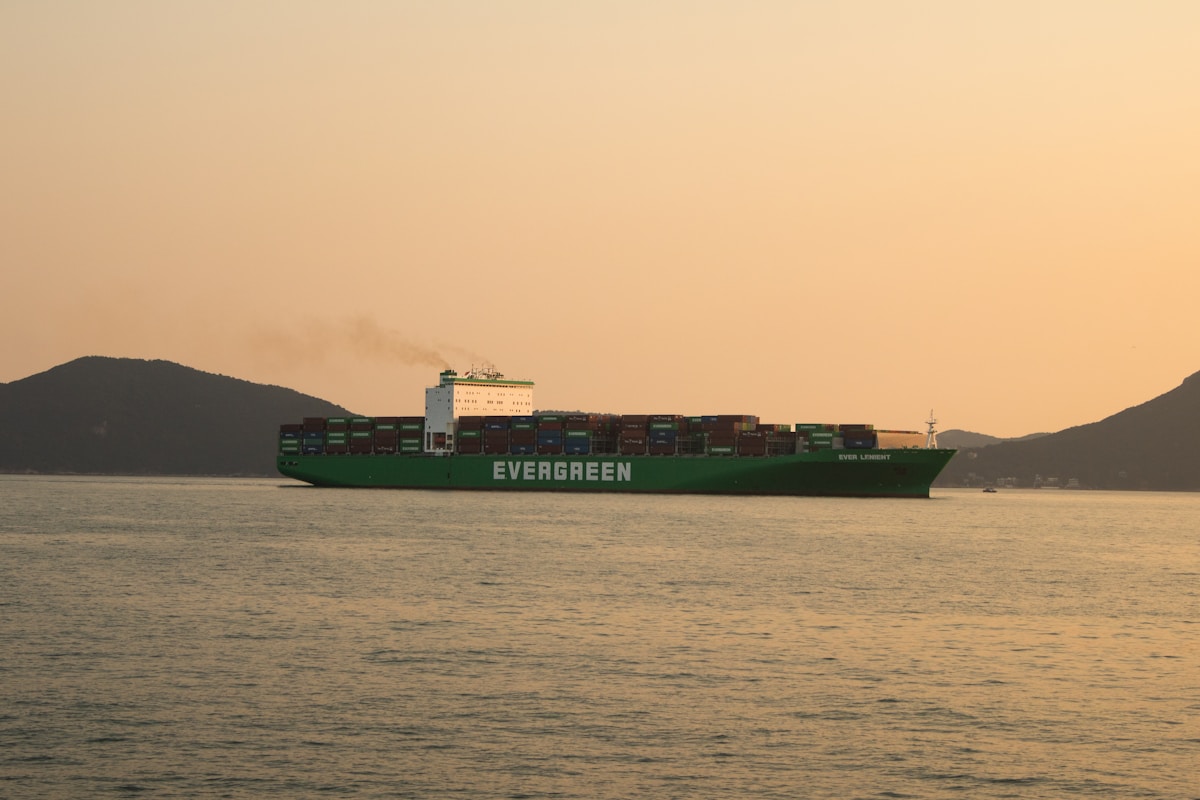
Order Lead Time Versus Production Lead Time Versus Shipping Lead Time
A container house project schedule depends on three separate lead-time windows that are frequently conflated by buyers. Order lead time is the administrative period from purchase order confirmation to production release. Production lead time is the actual manufacturing cycle required to fabricate, cure, and quality-check the composite panels. Shipping lead time is the transit duration from the factory dock to the destination port or job site. Each phase carries its own risk profile, and project delays almost always originate from treating them as a single figure.
When a supplier quotes a single 45-day delivery window, it typically bundles all three phases together. The critical distinction matters because site preparation, foundation work, and crane scheduling cannot be compressed to match a miscalculated timeline. A realistic breakdown for standard container house sandwich panels from an Asian manufacturing hub is approximately 7 to 10 days for order processing, 21 to 28 days for production, and 28 to 35 days for ocean freight, depending on the destination port. Custom dimensions or fire-rated variants can extend the production window by 5 to 10 additional days.
Standard Versus Custom Panel Dimensions
Standard panel widths and lengths align with existing production line tooling and cutting patterns, which allows factories to run continuous batches with minimal changeover downtime. Non-standard dimensions require setup adjustments, separate tooling, and often a dedicated production run, all of which extend the manufacturing schedule. Width deviations above or below the standard 1,195 millimeter or 1,220 millimeter module typically add 3 to 5 days to the production cycle. Length customizations beyond standard 2,440 millimeter or 3,000 millimeter panels can add 2 to 4 days depending on available raw sheet stock.
Panel thickness is another scheduling variable. Standard thicknesses such as 50 mm, 75 mm, 100 mm, and 150 mm are held in raw material inventory and move through production at line speed. Requesting a non-standard thickness like 60 mm or 120 mm may require sourcing specific foam core or honeycomb substrate, which introduces a procurement lead time of 5 to 10 additional days before production even begins. The same principle applies to specialty facing materials such as CFRT or GRP when they fall outside the factory standard offering.
The scheduling impact of custom dimensions compounds when multiple panel configurations are mixed in a single order. Every unique size and thickness combination reduces line efficiency and increases the probability of production bottlenecks. Buyers who consolidate their order around standard dimensions wherever structurally acceptable gain a measurable lead-time advantage without compromising project requirements.
Staggered Production Scheduling for Large Container House Projects
Large container house developments with 50 or more units benefit from staggered production scheduling that sequences panel deliveries to match on-site assembly progress. Instead of receiving the entire order as a single shipment, the manufacturing schedule is divided into production batches that correspond to construction phases. Batch one delivers wall panels for the foundation stage, batch two delivers roof and secondary wall panels for structural enclosure, and batch three delivers interior finish panels for fit-out work.
This approach reduces on-site storage requirements, minimizes the risk of panel damage from prolonged field exposure, and aligns cash flow with construction milestones. It also provides a buffer against production delays because a shortfall in one batch does not halt the entire project. The factory can prioritize the critical-path batch while subsequent batches continue normal production flow.
- Batch sequencing: Align each production batch with the site assembly sequence to ensure panels arrive before the corresponding construction phase requires them.
- Capacity reservation: Secure production line slots for each batch at least 4 to 6 weeks in advance for standard orders and 8 to 10 weeks for custom configurations.
- Shipping coordination: Schedule ocean freight departures to match batch readiness, preventing panels from waiting at port while site work is idle or waiting for storage space.
- Milestone communication: Establish biweekly status calls with the manufacturer during the production window to track batch completion and adjust shipping dates if site conditions change.
Mitigating Delay Risks
Delay risk in the composite panel supply chain falls into three categories: manufacturing delays, logistics delays, and documentation delays. Manufacturing delays typically stem from raw material shortages, equipment maintenance shutdowns, or quality rework. Logistics delays are most often caused by container availability, port congestion, or routing changes. Documentation delays arise from incomplete or incorrect commercial invoices, certificates of origin, or fire-rating test reports required for customs clearance.
A structured buffer plan is the most effective mitigation strategy. Buyers should build a 10 to 15 percent time buffer into the production schedule and a separate 7 to 10 day buffer into the logistics timeline. This buffer absorbs minor disruptions without cascading into project-level delays. For time-critical projects, expediting options such as air freight for urgent replacement panels or priority container booking can be activated when a delay is identified early.
Communication protocols with overseas manufacturers must be formalized before the purchase order is placed. A written communication plan should specify the primary contact on each side, the reporting frequency, the escalation path when delays occur, and the format for weekly production status reports. Status reports should include batch completion percentages, expected ship dates, and any flagged risks. Manufacturers that respond to status requests within 24 hours on business days demonstrate a level of operational discipline that correlates with fewer surprises.
Request a detailed production Gantt chart from the manufacturer before signing the contract. A supplier willing to share a week-by-week production schedule demonstrates transparency and gives the buyer an early warning system for potential delays.
Do not accept a single aggregate lead-time figure from a supplier without a phase-by-phase breakdown. A quoted 40-day delivery may hide a 25-day production window with no buffer for custom dimensions, quality rework, or port congestion. Always insist on a written schedule that separates order processing, production, and shipping into distinct milestones.
How to Verify Manufacturing Quality
ISO 9001 and Quality Management Systems
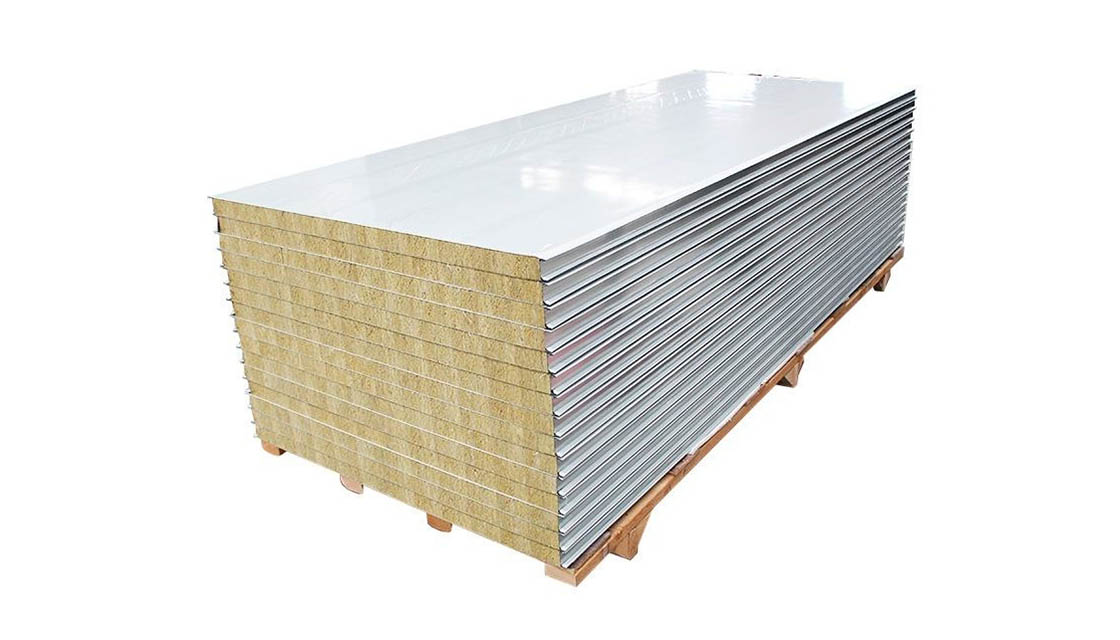
Verifying a manufacturer’s Quality Management System (QMS) is the first line of defense against production inconsistencies. Buyers should not merely accept a generic ISO 9001 certificate displayed on a website; they must verify the scope of certification. A valid QMS for container house manufacturing must explicitly cover “design and manufacture of prefabricated buildings” or “composite panel production.” Certificates limited to “general trading” or “metal fabrication” do not guarantee the specific process controls required for sandwich panel lamination or structural welding.
When auditing the ISO 9001 implementation, look for evidence of internal audits and management reviews. The system must demonstrate traceability. For every batch of panels produced, the factory should be able to retrieve the specific raw material lot numbers (steel coils, foam core chemicals, adhesive batches) used in production. Without this traceability, isolating the root cause of a failure—such as delamination in a PVC foam core panel or insufficient fire retardancy in PIR foam—is impossible.
Third-Party Inspection Support
Relying solely on the factory’s internal quality control is a significant risk. Professional buyers mandate Pre-Shipment Inspection (PSI) by independent agencies to act as a neutral gatekeeper before goods leave the factory floor. Leading agencies such as SGS, Bureau Veritas (BV), and Intertek provide standardized inspection protocols that adhere to ISO 2859-1 (AQL) sampling standards.
When contracting a third-party inspector, the instruction letter must be specific. Do not request a “general quality check.” Instead, require verification of specific compliance points: dimensional tolerances (length/width/flatness), material thickness (micrometer checks of steel skins and core depth), and cosmetic standards (surface scratches, dent depth). The inspector’s report should include photographic evidence of defects and random sampling data, not just a pass/fail stamp.
Batch-Specific Test Certificates
For container house composite panels, generic data sheets are insufficient. Buyers must demand Mill Test Certificates (MTC) or third-party lab reports specific to the production batch being shipped. These documents verify that the physical properties of the materials meet the project’s engineering specifications.
- Tensile Strength & Bonding: Verification of the tensile strength of the facing material (e.g., Galvalume steel, FRP, or Aluminum) and, critically, the bond strength between the skin and the core. This ensures the sandwich panel acts as a composite structural unit rather than separate layers.
- Fire Resistance: Certificates must match the core material used. If PIR or PUR foam is specified, the report must indicate the fire rating (e.g., Class B1, Class A) based on standards such as ASTM E84 or EN 13501-1. Do not accept certificates for “Rockwool” cores if the shipment contains foam cores.
- Thermal Conductivity: Documentation of the Lambda (λ) value or R-value. Verify that the thermal conductivity matches the calculation used for the building’s energy model. Discrepancies here can lead to regulatory failures in the destination market.
- Delamination Resistance: Specifically for CFRT (Continuous Fiber Reinforced Thermoplastic) or GRP (Glass Reinforced Plastic) panels, request peel adhesion test results. This confirms the lamination process has achieved the necessary cure time and pressure to prevent layer separation during thermal cycling.
On-Site Audit Protocols and Checklists
A physical factory audit is the ultimate verification tool. Unlike a commercial visit focused on pricing, a quality audit focuses on the production line and the “shipping floor” where finished goods are staged. The objective is to catch defects before they are loaded into containers.
📋 On-Site Inspection Checklist
- Visual Inspection: Check for surface flatness on sandwich panels. A 2-meter straightedge should reveal gaps of less than 1mm. Inspect weld seams on container frames for uniformity, slag inclusion, and penetration depth (not just surface beads).
- Sampling Procedures: Do not let the factory select the samples for review. Use the Random Sampling method (e.g., every 10th unit in a row) or select units from the most difficult corners of the warehouse to access.
- Defect Acceptance Criteria: Establish clear “Reject” thresholds before the visit. For example, “Any dent deeper than 0.5mm on the exposed face is a defect,” or “Any gap in the foam core filling exceeding 5cm is a rejectable defect.” Without predefined criteria, the factory will often argue that “minor” defects are within tolerance.
- Raw Material Verification: Walk to the raw material storage area. Check the batch codes on the steel coils and foam drums. Do the dates match the production schedule for your order? Using expired or near-expiry polyurethane chemicals is a common cause of brittle foaming and poor insulation performance.
Auditing the Quality Control (QC) Station is equally important. Observe if the QC team has the tools to measure thickness accurately (ultrasonic thickness gauges) and if they are recording data. If the QC station is merely visual without measurement logs, the factory lacks statistical control over its output.

Logistics: Shipping and Incoterms Explained
Incoterms Comparison — FOB, CIF, CFR, and DDP Implications
Incoterms determine where cost, risk, and customs responsibility shift from seller to buyer. For container house panel shipments, this distinction directly impacts your landed cost and project timeline.
FOB (Free On Board) places the seller’s obligation at the port of origin. Once panels are loaded onto the vessel, all transit risk and freight costs transfer to the buyer. This structure gives buyers control over freight selection and insurance, but requires active logistics management.
CIF (Cost, Insurance, and Freight) and CFR (Cost and Freight) both require the seller to pay ocean freight to the destination port. The critical difference is insurance: CIF includes coverage during transit, while CFR leaves insurance as the buyer’s responsibility. Under both terms, risk still transfers to the buyer once goods are loaded on the vessel — the seller simply covers transportation costs.
DDP (Delivered Duty Paid) represents the maximum seller responsibility. The supplier handles freight, import customs clearance, duties, and delivery to the final site. This option eliminates most logistics uncertainty but typically carries a 12 to 20 percent premium built into the unit price. Buyers should verify that DDP pricing includes all local port charges and inland transport fees.
Reinforced Wooden Crate Packaging and Container Loading Optimization
Container house sandwich panels are vulnerable to edge damage and panel bending during ocean freight. Reinforced wooden crate packaging is the industry standard for protecting composite panels with PMI, PIR foam, or rockwool cores during transit.
Standard packaging uses 18mm marine-grade plywood crates with steel corner posts and banding. Each crate typically holds between 30 and 60 square meters of panels, depending on thickness and weight. The crates are designed to distribute load evenly across the panel surface, preventing flex-induced delamination during vessel movement.
Container loading optimization directly affects shipping cost per unit. A standard 40-foot container can hold approximately 600 to 800 square meters of 50mm panels when loaded with proper interlayer spacing. Thicker panels at 100mm reduce capacity to roughly 300 to 400 square meters per container. Efficient stacking patterns and crate orientation can improve loading density by up to 12 percent compared to standard loading practices.
- Edge protection:Steel edge guards on all crate sides prevent corner impact damage during handling and transit.
- Moisture barrier:Waterproof polyethylene sheeting between crates and panels prevents condensation damage in humid ocean transit conditions.
- Load securing:Industrial strapping at 4 points per crate and dunnage bags between rows prevent crate shifting during vessel rolling.
- Container utilization:Optimized crate dimensions maximize container volume, reducing the total number of containers required per order.
Climate-Controlled Shipping for Sensitive Core Materials
PMI and PIR foam core panels require special attention during tropical transit routes where container temperatures can exceed 60 degrees Celsius. Without climate control, PIR foam cores can experience thermal degradation, leading to reduced fire performance and dimensional instability.
Standard container shipping on routes through Southeast Asia, the Middle East, and tropical Pacific corridors exposes panels to extreme temperature and humidity fluctuations. Condensation inside containers — known as container rain — can damage panel surfaces and compromise adhesive bonds between facing materials and foam cores.
Climate-controlled shipping options include ventilated containers with desiccant systems and refrigerated containers for sensitive shipments. These solutions typically add 15 to 25 percent to freight costs but provide essential protection for high-performance core materials during extended tropical transit periods.
- PIR foam sensitivity: Thermal performance thresholds vary significantly between core materials and must be stated accurately. PMI cores maintain structural integrity at temperatures well above 100°C, while PIR foam softening points range from approximately 70°C to 90°C depending on formulation.
- Humidity control:Desiccant bags placed at multiple points within each crate absorb moisture during transit, preventing condensation damage to panel surfaces.
- Ventilated containers:Passive ventilation containers allow air circulation without temperature control, suitable for moderate climate routes but insufficient for tropical crossings.
- Reefer containers:Actively temperature-controlled containers maintain consistent conditions between 15 and 25 degrees Celsius, providing maximum protection for sensitive core materials.
Crane and Delivery Logistics — Port Handling and Inland Transportation
Unloading container house panels at the destination port requires specialized crane equipment and precise placement planning. Port handling costs typically range from $500 to $1,500 per container for crane rental and stevedoring services.
Inland transportation from port to project site adds significant cost variation. Flatbed truck transport for a single 40-foot container typically costs $200 to $800 domestically, depending on distance. Long-haul shipments exceeding 500 kilometers can reach $1,500 to $2,500 per container.
Precise placement equipment costs depend on site conditions. Sites with established road access and level ground require only standard crane operations. Difficult terrain, elevated platforms, or confined urban sites may need mobile crane rentals ranging from $800 to $2,500 per day, plus rigging and signaling personnel costs.
- Port crane costs:Container crane operations at port range from $500 to $1,500 per container, including lifting, unloading, and temporary storage at the quayside.
- Flatbed transport:Standard inland trucking for one container costs $200 to $800 for distances up to 200 kilometers from port to site.
- Specialized equipment:Sites requiring precise panel placement or difficult access may need crane rentals from $800 to $2,500 per day beyond standard logistics costs.
- Total delivery range:Complete door-to-door logistics from factory to project site typically adds $500 to $4,000 per container beyond the panel product cost.
Calculate the True Total Landed Cost
The quoted price per square meter is a vanity metric. The true cost of a container housing project is determined by the Total Landed Cost, which frequently exceeds the initial manufacturing quote by 25% to 40% once logistics, duties, and site ancillaries are factored in.
Accounting for Import Tariffs and Customs Duties
Import tariffs and customs duties represent one of the most volatile cost variables in container house panel procurement. Tariff rates are not uniform — they depend on the Harmonized System (HS) code assigned to the product, the country of origin, and any applicable trade agreements or sanctions in place at the time of import.
Correct HS code classification is the foundation of accurate tariff calculation for sandwich panel imports. Foam core sandwich panels typically fall under Chapter 39 (plastics-based panels, e.g., HS 3926.90) or Chapter 73/76 (metal-faced panels, e.g., HS 7308.90 or 7610.90), depending on the facing material. Each classification carries a different duty rate, and misclassification can result in customs holds, fines, or retroactive duty assessments that erode project margins. Buyers should consult a licensed customs broker to confirm the proper classification before shipment.
Buyers must investigate the specific tariff structure of their destination port before committing to a supplier. The United States, for example, has imposed Section 201 and Section 301 tariffs on certain Chinese-origin steel and aluminum products, which can directly impact container house panels with metal facings. The European Union applies the Common External Tariff, but preferential rates may be available under bilateral trade agreements. Buyers should consult a licensed customs broker or trade compliance specialist to verify the correct HS code and duty rate before placing a purchase order.
Value Added Tax (VAT) or Goods and Services Tax (GST) is calculated on the CIF (Cost, Insurance, and Freight) value plus the duty itself, compounding the cost. A panel order with a $15,000 CIF value and a 12% duty rate will incur $1,800 in duty, and the VAT will then be calculated on $16,800 — not $15,000. This cascading effect can add another 10% to 25% to the base cost depending on the jurisdiction.
Estimating Ocean Freight and Container Loading Costs
Ocean freight costs are among the most unpredictable line items in the Total Landed Cost calculation. Freight rates fluctuate based on fuel prices, container availability, route congestion, and global supply chain conditions. A rate that is competitive at the time of quoting can shift significantly by the time the cargo is ready for shipment.
The first step in estimating freight is determining how many panels fit per container. Standard 20-foot and 40-foot high-cube containers are the most common shipping modes. A 20-foot container has an internal volume of approximately 33 cubic meters, while a 40-foot high-cube container provides roughly 76 cubic meters. Panel thickness, packaging density, and stacking method all affect how many square meters can be loaded per container.
Container house sandwich panels are typically packed in reinforced wooden crates to prevent bending and edge damage during transit. These crates add volume and weight, reducing the effective loading capacity. A well-optimized load plan can maximize container utilization, but buyers should confirm the exact cubic meter per container figure with their supplier rather than relying on theoretical maximums.
Freight cost per container varies by trade lane. Trans-Pacific routes from China to the West Coast of North America have different rate structures than intra-Asia routes or Europe-Mediterranean corridors. Buyers should obtain current freight quotes from at least three forwarders and treat the freight cost as a variable line item in their budget, not a fixed cost.
Identifying Hidden Charges in Panel Supply Chain Logistics
Beyond the obvious costs of product price, freight, and duties, the panel supply chain contains many hidden charges that buyers frequently overlook. These charges can add thousands of dollars to a single shipment if they are not identified and budgeted for upfront.
- Documentation fees: Bill of lading issuance, certificate of origin processing, and customs declaration preparation can carry per-document charges of $50 to $200 each.
- Terminal handling charges (THC): Both origin and destination ports levy THC fees for loading, unloading, and container movement within the terminal. These can total $200 to $600 per container.
- Seaway bill and insurance premiums: Insurance premium calculations require precise terminology to avoid coverage gaps. Cargo insurance is typically 0.3% to 0.5% of the insured value, but buyers should verify whether the supplier’s coverage is sufficient or if additional All risk insurance is needed.
- Demurrage and detention: If the container sits at the port beyond the allowed free time — typically 5 to 7 days for demurrage and 7 to 14 days for detention — daily charges can range from $75 to $200 per day per container.
- Inland transportation: Moving the container from the port to the final site involves trucking or rail freight, which can cost $500 to $4,000 depending on distance and accessibility.
Calculating Total Landed Cost with Ancillary Expenses
Ancillary expenses beyond product price, freight, and duties often go unbudgeted until they erode project margins. Hidden charges such as customs brokerage, port fees, and inland transportation can add thousands per shipment. For example, moving the container from the port to the final site involves trucking or rail freight, which can cost $500 to $4,000 depending on distance and accessibility. Structural reinforcement is one of the most significant ancillary costs. Shipping container panels often require additional steel framing, edge stiffeners, and connection hardware to meet local structural load requirements. This can add $6,000 to $27,000 or more per container unit when accounting for engineering, materials, and labor.
Structural reinforcement is one of the most significant ancillary costs. Shipping container panels often require additional steel framing, edge stiffeners, and connection hardware to meet local structural load requirements. This can add $6,000 to $27,000 or more per container unit when accounting for materials, fabrication, and on-site welding.
Site preparation and foundation costs are another major category that buyers underestimate. Grading, drainage installation, and foundation work — whether concrete slab, pier-and-beam, or helical pile systems — can range from $1,000 to $10,000 or more per unit, depending on terrain conditions and local building code requirements. These costs are entirely independent of the panel supplier and must be budgeted separately.
Crane and delivery logistics represent a third critical expense. Placing container house panels or units in their final position requires specialized equipment — typically a mobile crane with a capacity rated for the panel or unit weight. Crane rental costs range from $500 to $4,000 per container, depending on lift height, radius, and site accessibility. These costs are often omitted from initial project budgets because buyers focus on the product price rather than the installation sequence.
A complete Total Landed Cost model should include the following line items:
- Product cost: Panel price per square meter, multiplied by total order quantity.
- Packaging and crating: Reinforced wooden crate costs, typically included in the product price but should be verified.
- Ocean freight: Per-container freight rate multiplied by the number of containers required.
- Import duties and tariffs: Calculated on the CIF value based on the correct HS code classification.
- VAT/GST: Applied to the sum of CIF value and duty.
- Port and terminal fees: THC, documentation fees, and customs broker charges.
- Inland transportation: Trucking or rail from port to project site.
- Crane and placement equipment: Crane rental for unloading and positioning panels or units.
- Structural reinforcement: Additional steel framing, welding, and connection hardware.
- Site preparation and foundation: Grading, drainage, and foundation work.
Conclusion
You cannot chase the lowest price on composite panels without rigorously checking the fire ratings and structural load. A cheap foam core saves money upfront but often fails strict compliance in Europe or North America. You must verify the manufacturer’s ISO 9001 systems and calculate the total landed cost, including shipping and tariffs, to protect your margins long-term.
Start your next project by auditing the supplier’s production line directly, not just chatting with a sales rep. If you need clarity on load requirements or material specifications, treat our engineering team as a technical resource. We provide technical support for your design phase to ensure your container house units meet regional codes before you place a single order.
Frequently Asked Questions
Are specialized foundations required for installation?
While container structures are versatile, proper foundations are essential to distribute weight and prevent settling. Concrete slabs, strip footings, or screw piles are common solutions depending on soil conditions. Adequate site preparation and drainage are necessary to protect the composite panels from ground moisture and corrosion.
Can the structure be easily relocated?
Container houses are designed for modularity, allowing for disassembly and relocation to new sites with minimal waste. The use of lightweight composite panels simplifies this process compared to traditional concrete structures. However, buyers must budget for local transport logistics and re-assembly labor when planning a relocation.
Are composite panels environmentally friendly?
Many composite panels utilize cores made from recycled materials, such as PET foam, contributing to sustainability goals. Their high thermal insulation properties significantly lower energy consumption for heating and cooling over the building’s lifespan. Additionally, the lightweight nature of these panels reduces the carbon footprint associated with transportation and heavy machinery use.
How to prevent thermal bridging?
Thermal bridging often occurs at joints where steel framing connects directly to the exterior panel surface. Using thermal break pads or specialized isolation fasters between the frame and panels significantly reduces heat transfer. Ensuring continuous insulation coverage over these connection points maintains the building’s overall energy efficiency.
Can panels be modified on-site?
Yes, panels can be cut or drilled on-site to accommodate utilities, windows, or specific design changes. However, modifications require appropriate tools to maintain the structural integrity and seal of the core material. Any cuts must be immediately resealed or treated with compatible coatings to prevent water ingress and thermal loss.
What is the required maintenance schedule?
Composite facings like GRP or aluminum generally require minimal maintenance compared to traditional building materials. Routine visual inspections should focus on checking sealants around windows and doors for degradation. Periodic cleaning with mild detergent is sufficient to maintain the aesthetic appearance and UV resistance of the panels.