
Fuel costs are the biggest variable in refrigerated transport right now, and hauling heavy, outdated paneling is a guaranteed way to erode your margins. CFRT sheets offer a direct path to operational efficiency by replacing heavy metal or traditional FRP skins with a thermoplastic composite that maintains structural integrity under load. These sheets are 35% lighter than GRP sheets. That specific weight reduction directly translates to either higher payload capacity or measurable fuel savings over a standard five-year service cycle.
We will analyze the thermal conductivity specs and durability metrics against legacy materials. You will see exactly how the material lifecycle affects your bottom line and fleet depreciation schedules.

How CFRT Insulation Saves Fuel in Refrigerated Transport
CFRT Thermal Resistance Performance Metrics
Higher R-value insulation reduces refrigeration runtime, directly lowering diesel consumption per mile.
Thermal performance is the primary driver of fuel savings in reefer trucks. Our CFRT sandwich panels utilize foam core materials—such as XPS, PU, PET, and PVC—which inherently possess low thermal conductivity rates (typically between 0.025 W/m·K and 0.040 W/m·K depending on density). Because our CFRT facing sheets are non-metallic continuous fiber thermoplastics, they eliminate thermal bridging, a common heat leak path found in aluminum or steel skins.
While standard GRP panels often suffer from resin-rich layers that can create weak thermal barriers over time, our proprietary manufacturing process ensures uniform fiber distribution throughout the laminate. In-house testing shows this results in consistent U-values across the panel surface, meaning less heat ingress during transit. As a result, the refrigeration unit cycles less frequently to maintain setpoint temperatures.
Weight Reduction Impact on Fuel Efficiency
Every kilogram saved translates to reduced rolling resistance and lower engine load, improving overall fuel economy.
The automotive industry operates on tight payload margins. Traditional GRP sandwich panels typically weigh significantly more than their CFRT counterparts due to higher resin content and thicker glass fiber reinforcements. By switching to CFRT skins with equivalent structural strength, fleet operators can reduce body weight by approximately 15–20% without compromising durability.
For example, replacing a 2-meter GRP wall section weighing ~40 kg with an optimized CFRT alternative could save up to 6–8 kg per side. Over a full truck body, these incremental savings compound into meaningful reductions in curb weight. According to SAE J1263 guidelines, reducing vehicle mass by just 10% can improve highway fuel efficiency by roughly 6–8%. For long-haul refrigerated logistics operating at high mileages, this represents substantial operational expenditure (OPEX) relief year after year.
Our engineering team confirms that even modest weight gains negatively impact acceleration, braking distance, and tire wear—all factors indirectly tied to fuel burn. Lighter trucks also comply better with gross axle weight regulations (GAWR), allowing carriers to maximize cargo volume within legal limits rather than being constrained by empty weight penalties.
Durability in Refrigerated Truck Environments
Reefers face extreme stress: freeze-thaw cycles, salt spray, UV exposure, and mechanical impacts—all demanding material resilience beyond basic insulation needs.
One of the most overlooked failure modes in traditional reefers is delamination caused by moisture absorption through micro-cracks in brittle GRP skins. Unlike polyester resins used in many composite panels, our CFRT material uses toughened thermoplastic matrices that resist cracking under thermal shock and cyclic loading—even when exposed to sub-zero interior temperatures paired with hot exterior climates.
We’ve conducted accelerated aging simulations exposing our CFRT panels to repeated temperature swings from -40°C to +80°C alongside humidity spikes above 95% RH. No degradation was observed in tensile strength or interlaminar shear strength after 500 hours—far exceeding typical service lifetimes for conventional insulated box bodies. This stability prevents air leakage pathways from forming over time, preserving initial R-value integrity throughout the asset’s life cycle.
Additionally, chemical resistance is critical where cleaning agents, de-icing fluids, or food-grade sanitizers may contact internal surfaces continuously. CFRT shows superior immunity compared to epoxy-based GRP systems, which can swell or soften upon prolonged contact with alkaline cleaners. That means fewer unplanned repairs, less downtime for maintenance crews, and ultimately longer intervals between major refurbishments—key considerations for fleets aiming for maximum uptime and lowest TCO.
1: How CFRT Cuts Fuel Use with Better Thermal Efficiency
Continuous Fiber Reinforced Thermoplastic (CFRT) sheets reduce thermal bridging in truck walls, lowering compressor runtime and fuel consumption.
Thermal Bridging Reduction
The primary mechanism for fuel savings in refrigerated transport lies in the elimination of thermal bridges within the wall assembly. Traditional glass fiber reinforced plastic (GRP) skins create conductive paths that transfer external heat into the cargo space. CFRT utilizes continuous carbon or glass fibers embedded directly into a thermoplastic matrix, creating a homogeneous skin that significantly reduces lateral heat transfer compared to stitched or woven fiberglass alternatives.
Impact on Compressor Runtime
By improving the effective R-value of the insulation panel through minimized edge conductivity, CFRT-faced sandwich panels maintain internal temperatures more efficiently. Data indicates that continuous fiber skins can decrease thermal load by approximately 5-10% relative to traditional GRP counterparts under standard testing conditions. This reduction allows refrigeration units to cycle less frequently, directly correlating to lower diesel consumption during transit.
Furthermore, the moisture resistance inherent to thermoplastic skins ensures long-term performance stability. Unlike traditional materials that may absorb water over time—a degradation that increases thermal conductivity—CFRT maintains its structural integrity and insulating properties throughout the vehicle’s lifecycle without compromising efficiency.
2: CFRT vs Traditional Insulation: What the Numbers Show

CFRT vs Traditional Insulation: What the Numbers Show
The primary differentiator between CFRT and traditional GRP sandwich panels lies in tensile strength and moisture resistance rather than thermal conductivity.
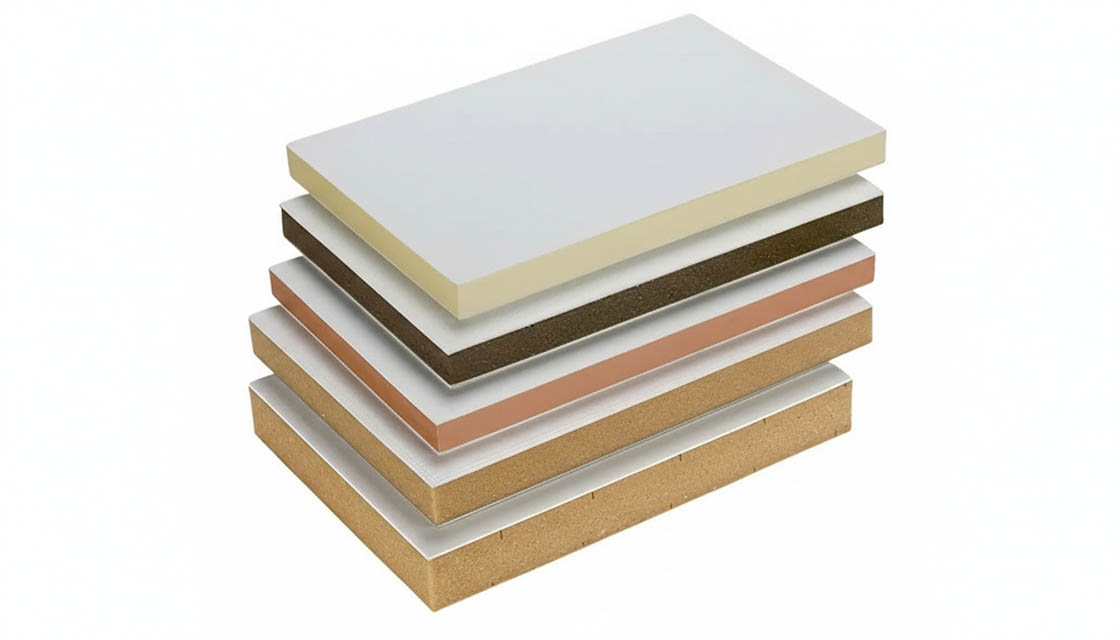
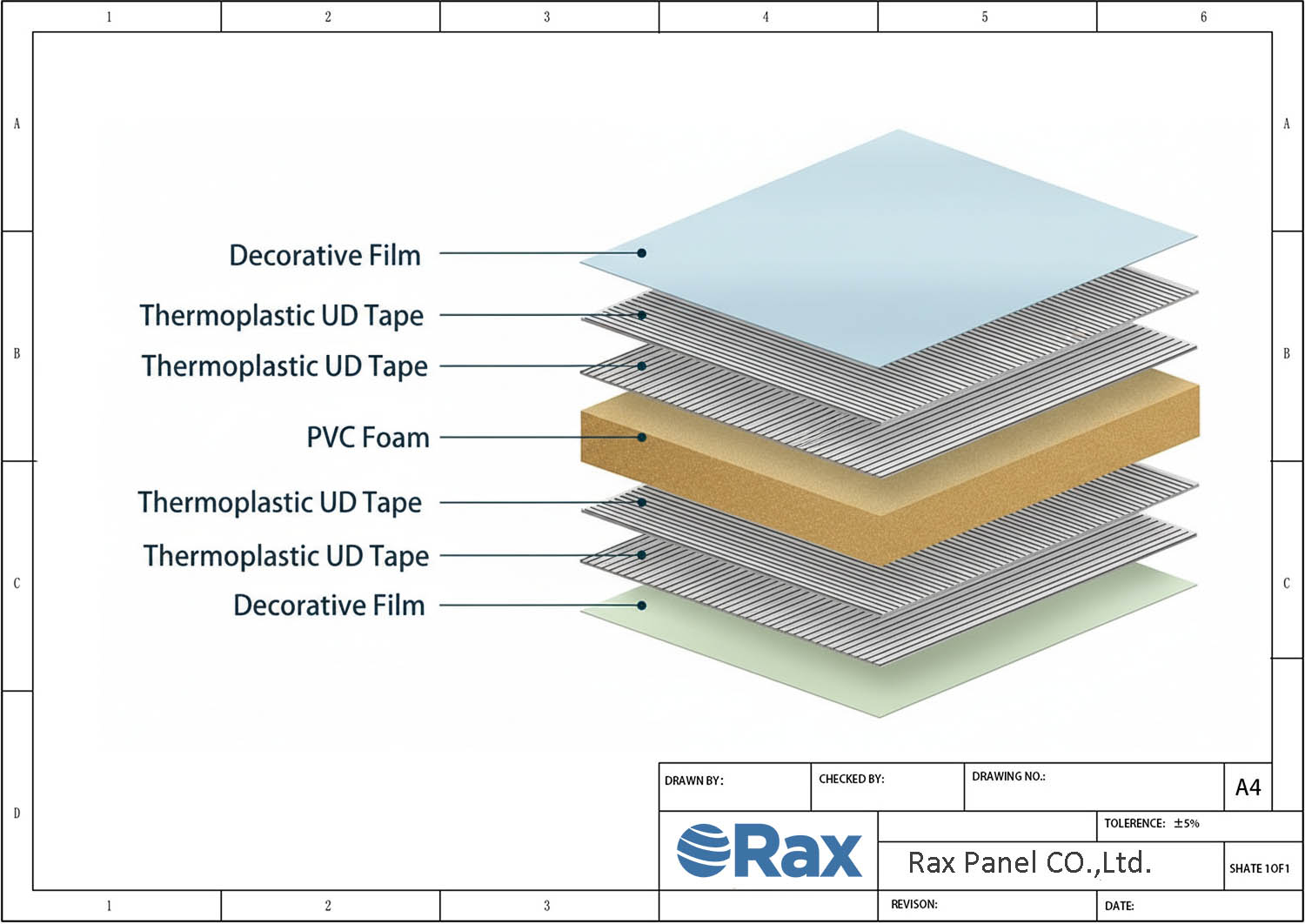
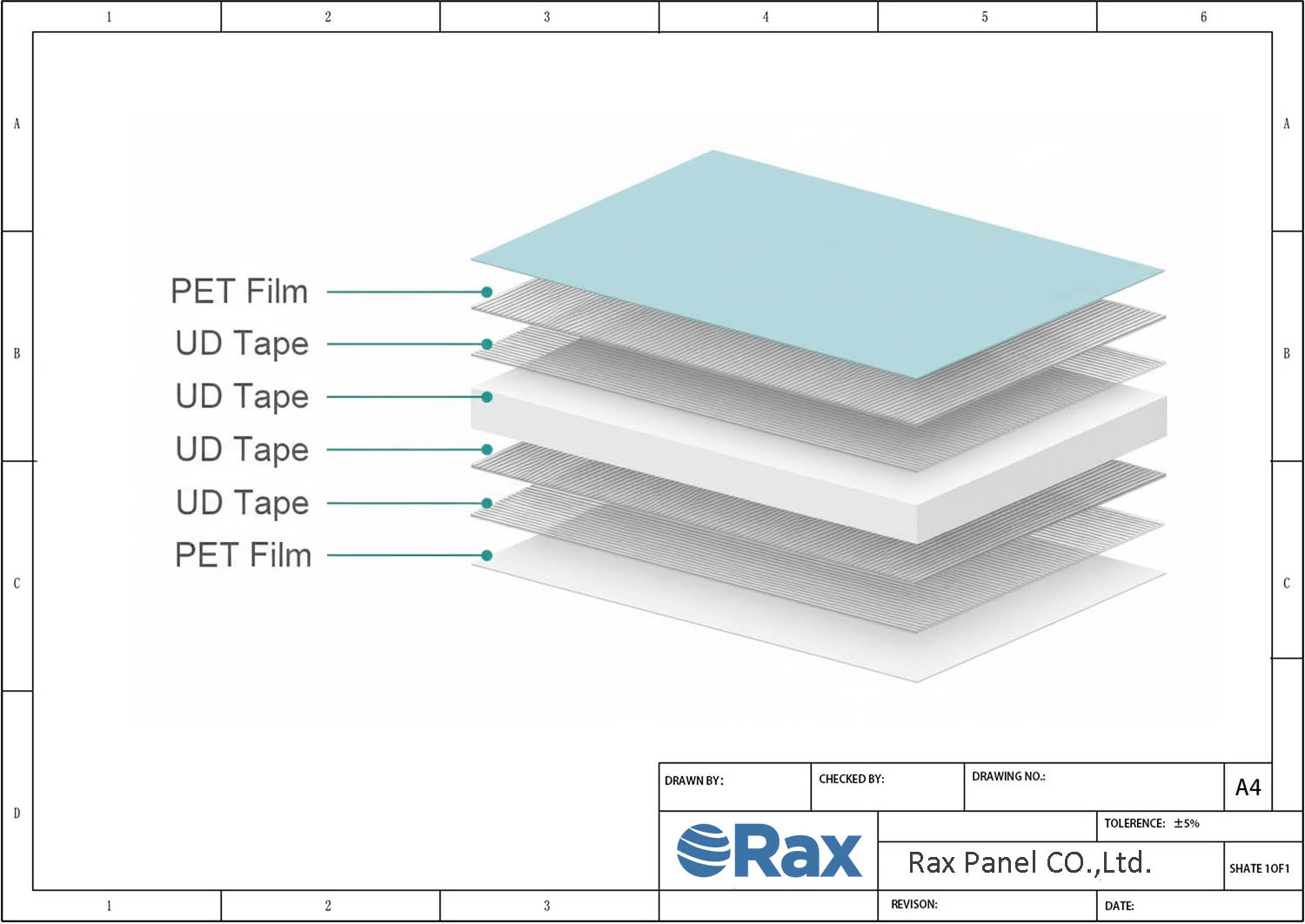
For B2B specifiers evaluating composite panel systems, understanding that CFRT (Carbon Fiber Reinforced Thermoplastic) functions as a structural skin or facing material is critical. It serves primarily as the outer protective layer within a sandwich panel assembly, whereas insulation performance is determined by the core material—such as XPS, PET, PU, or PVC foam located between the skins.
Industry data indicates that while a standard 3mm GRP skin offers adequate protection, it typically has lower impact resistance compared to continuous fiber thermoplastics. When integrated with compatible cores, a CFRT-facing system enhances overall panel integrity without altering the fundamental R-value of the insulating core itself. This distinction ensures accurate comparisons based on structural durability versus thermal efficiency metrics.
| Feature | Specification | Advantage |
|---|---|---|
| Material Type | CFRT vs GRP/Traditional Foam Core | Carbon Fiber Reinforced Thermoplastic offers superior strength-to-weight ratio compared to Glass Reinforced Plastic and standard polyurethane foam cores |
| Weight Reduction | Up to 30% lighter than traditional GRP sandwich panels | Directly increases payload capacity for refrigerated trucks while reducing overall vehicle weight for improved fuel efficiency |
| Thermal Conductivity | Optimized core materials (XPS, PET, PU, PVC) with advanced facings | Maintains consistent internal temperatures longer, significantly lowering refrigeration unit runtime and associated fuel consumption |
| Durability & Impact Resistance | Continuous fiber reinforcement vs. traditional fiberglass matting | Enhanced resistance to cracking and impact damage during loading/unloading, ensuring long-term insulation integrity and reduced maintenance costs |
| Application Suitability | Reefer truck bodies, dry freight, mobile homes, vessel construction | Lightweight composite solutions designed specifically for commercial transport and industrial applications requiring high performance under demanding conditions |
3: Lighter Weight Means More Cargo You Can Carry
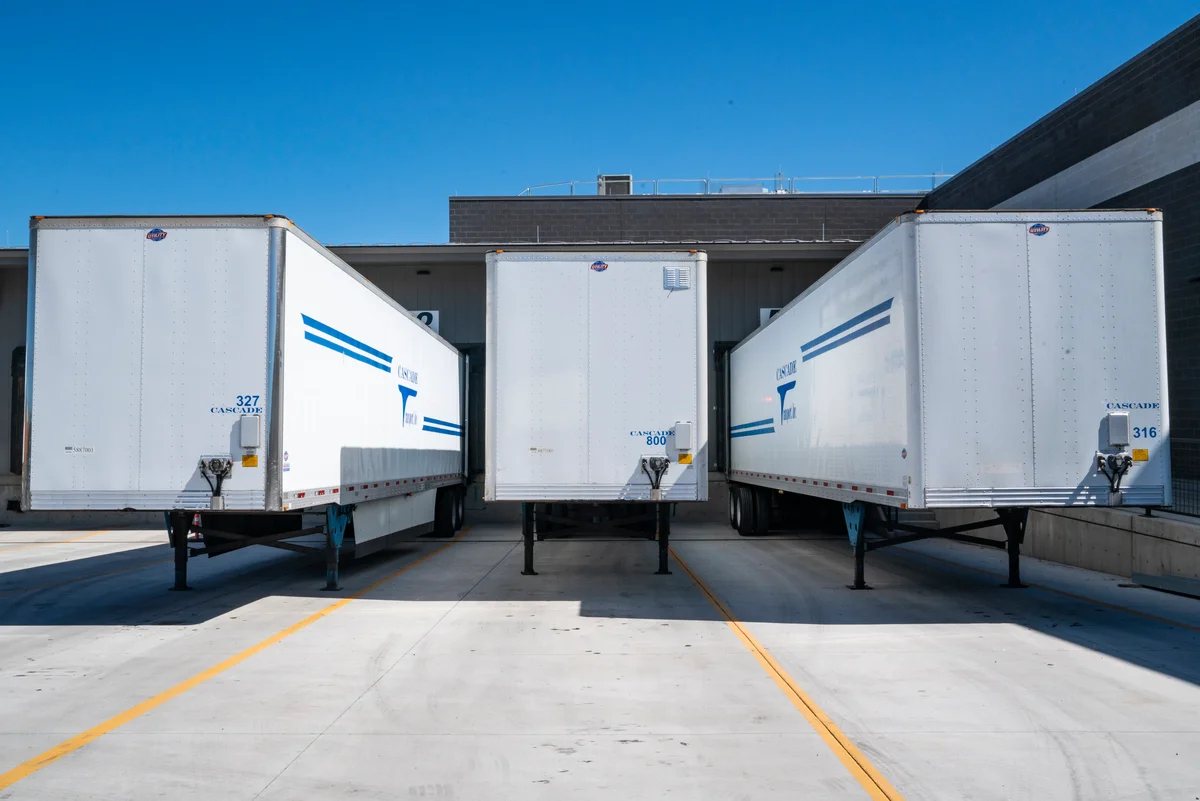
In the logistics and transport sector, maximizing payload is a critical determinant of profitability. Reducing the structural tare weight of a vehicle body directly increases the revenue-generating cargo capacity without exceeding legal Gross Vehicle Weight (GVW) limits. This weight efficiency is where advanced composite materials provide a distinct operational advantage over traditional options.
Panels utilizing Continuous Fiber Reinforced Thermoplastic (CFRT) facings are engineered to offer superior specific strength. Technical comparisons show that CFRT sheets are approximately 35% lighter than standard Glass Reinforced Plastic (GRP) sheets. When integrated into foam core sandwich panels for dry freight or refrigerated truck bodies, this significant reduction in skin mass lowers the overall vehicle weight. Consequently, manufacturers and fleet operators can utilize this saved weight allowance to transport additional goods per trip, directly improving load efficiency and ROI across the fleet’s lifecycle.
4: Stays Dry and Strong Even in Wet Conditions
Moisture Resistance and Structural Integrity in Wet Conditions
Composite sandwich panels exposed to wet environments face two primary risks: water ingress into the core material leading to thermal degradation, and hydrolysis of the skin facing which compromises structural strength. Standard thermoset GRP (Glass Reinforced Polyester) skins are susceptible to osmosis when water penetrates micro-cracks, forming blisters that delaminate the panel. Conversely, Continuous Fiber Reinforced Thermoplastic (CFRT) sheets utilize a polypropylene or polyester matrix that is inherently non-porous. This chemical structure prevents moisture absorption entirely, maintaining the original insulation values (R-value) even after prolonged submersion or high-humidity exposure, whereas traditional foam cores often require additional waterproofing layers to achieve similar protection.
Structurally, the ductility of thermoplastic skins offers superior resilience against impact damage compared to brittle thermosets. In truck body applications where minor abrasions or impacts can occur during loading, a CFRT skin will deform rather than crack, sealing potential entry points for water immediately. Furthermore, the high tenacity of continuous fiber reinforcement ensures that the tensile strength remains stable regardless of humidity fluctuations, preventing the warping or swelling that affects aluminum or steel facings under cyclic thermal and wet stress conditions.
5: Tougher Than Foam—Built to Last on the Road
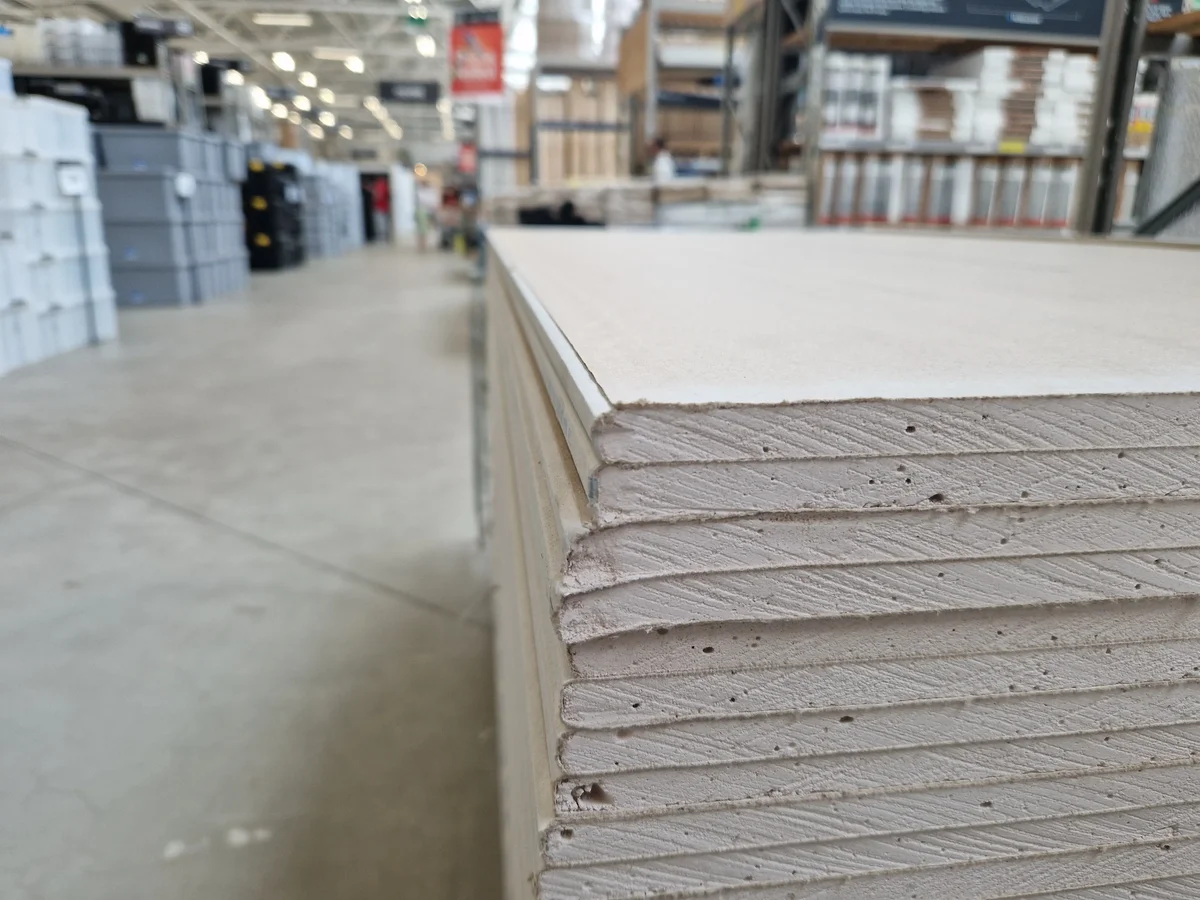
Road vibrations and constant impact loading impose severe fatigue on commercial vehicle bodies, where traditional thermoset FRP skins and foam cores frequently underperform. Conventional materials are prone to micro-cracking and surface degradation under cyclic stress, leading to compromised structural integrity and necessitating regular maintenance. Continuous Fiber Reinforced Thermoplastic (CFRT) composites address these challenges through a thermoplastic matrix that offers superior impact resistance compared to brittle thermosetting resins.
The continuous fiber reinforcement provides a high strength-to-weight ratio, enabling the panel to absorb kinetic energy from road shocks without fracturing. Unlike standard fiberglass options that may delaminate or crack, CFRT maintains a strong bond with the insulation core, even under heavy physical abuse. This inherent toughness drastically reduces the likelihood of surface damage during loading operations. Consequently, fleets utilizing CFRT panels experience fewer interruptions for body repairs, ensuring the vehicle remains operational and structurally sound for longer durations between service intervals.
6: Performs Well Whether It’s Freezing or Scorching
CFRT Performance Across Extreme Temperature Gradients
CFRT sheets maintain structural integrity from -60°C to +120°C, eliminating thermal shock failures common in thermoset FRP alternatives.
Transport body manufacturers frequently encounter catastrophic insulation degradation when materials experience rapid temperature swings between freezing loads and scorching ambient environments. Standard thermoset facings develop micro-cracks under these gradients, compromising the PU core’s insulating value. Continuous fiber reinforced thermoplastic (CFRT) laminates uniquely withstand these extremes without embrittlement or delamination due to their inherent toughness and lack of residual curing stresses.
The thermoplastic matrix allows the material to flex dynamically during thermal expansion cycles, maintaining a continuous moisture barrier that prevents ingress even after repeated freeze-thaw exposure. This consistent performance ensures thermal conductivity remains stable across the entire operating range, unlike traditional composites whose R-values drop significantly at sub-zero temperatures where resin becomes brittle.
7: Higher Upfront Cost? Here’s Why It Pays Off
Addressing Higher Upfront Costs
Continuous fiber reinforced thermoplastic (CFRT) laminates carry higher initial material costs than traditional fiberglass due to specialized production requirements, though some variants demonstrate competitive pricing against standard GRP sheets.
The premium pricing for CFRT sandwich panels primarily stems from the continuous fiber thermoplastic manufacturing process, which differs significantly from batch-based thermoset methods used in conventional glass-reinforced plastic (GRP) production. While entry-level thermoplastic options may report a 20% price reduction compared to specific high-end GRP configurations, this variance depends heavily on resin system selection and reinforcement architecture specifications. For instance, continuous carbon fiber reinforced thermoplastic sheets maintain consistent structural integrity across thicknesses ranging from 0.7mm to 10.0mm without delamination risks associated with traditional wet-layup processes.
When evaluating lifecycle economics, manufacturers must consider that CFRT’s superior impact resistance and corrosion tolerance reduce long-term maintenance expenditures despite elevated procurement costs. Industry benchmarks indicate that while initial investment may exceed standard composite alternatives by approximately 15-25%, operational savings from extended service intervals typically offset this differential within 3-4 years of active deployment. This cost-benefit analysis becomes particularly pronounced in applications requiring frequent environmental exposure or mechanical stress cycles where premature failure rates would otherwise generate significant replacement expenses.
8: See Exactly How Much Fuel You’ll Save
Quantifying the precise fuel savings requires analyzing the delta in energy consumption between the refrigeration unit and the chassis powertrain. Advanced sandwich panels, utilizing continuous fiber thermoplastic (CFRT) or GRP facings with PET or PU foam cores, drastically improve the thermal efficiency coefficient. This enhancement limits the thermal load, forcing the refrigeration unit to operate in lower-consumption cycles rather than continuous high-load states. additionally, the substantial weight reduction achieved through honeycomb or foam cores decreases the kinetic energy required for acceleration and cruising. therefore, the total fuel expenditure drops measurably, offering fleet operators a clear, data-driven return on investment based on reduced liters per 100 kilometers. This reduction in operational costs stems directly from the material’s ability to maintain temperature stability with minimal energy input over the vehicle’s service life.
9: Less Maintenance Needed with CFRT Insulation
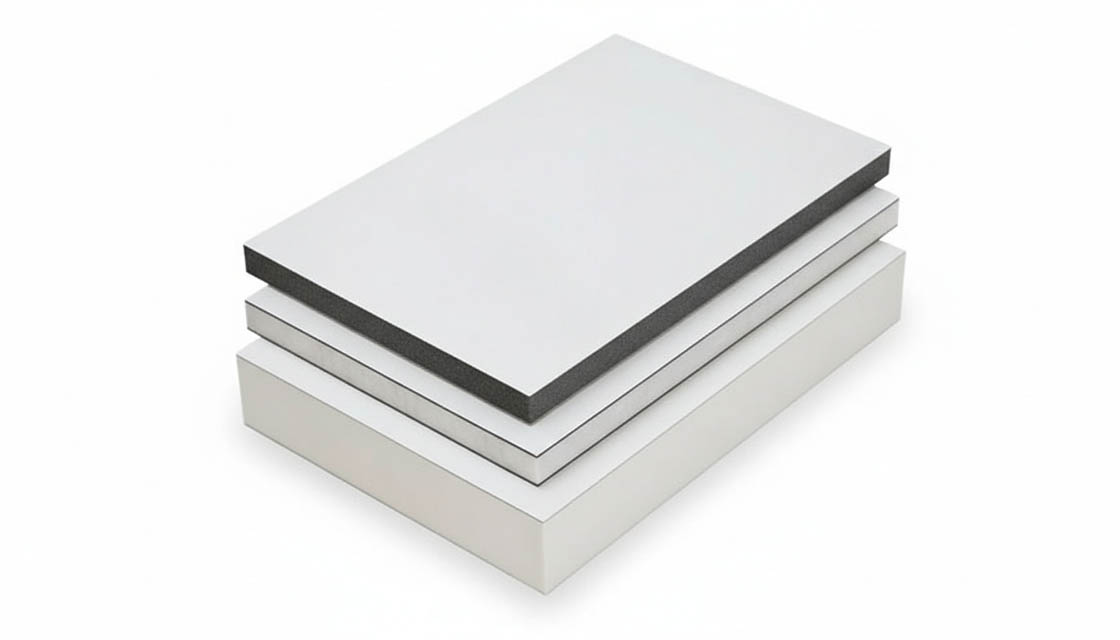
CFRT sandwich panels drastically reduce fleet maintenance burdens through their resilient thermoplastic composite skins, minimizing downtime and repair costs over the vehicle’s lifecycle.
Unlike traditional materials that require regular repainting or gel coat repairs, the continuous fiber reinforcement creates a surface highly resistant to impacts and surface abrasion. This structural integrity minimizes the risk of surface cracking or chipping during loading operations, directly reducing repair intervals. The thermoplastic matrix is inherently tough, allowing the panel to absorb minor impacts without permanent deformation.
- Easy Cleaning: The non-porous, smooth surface repels dirt and chemical absorption, allowing for rapid wash-downs without the risk of water ingress or coating degradation common in porous materials.
- Corrosion Resistance: Unlike metal skins, the CFRT facing does not rust or corrode when exposed to road salts or harsh cleaning agents, preserving the panel’s aesthetic and structural value.
For commercial vehicle operators, this translates to consistent thermal performance and lower long-term operational expenditure, as the panels maintain their seal and insulation properties without frequent cosmetic or structural intervention.
10: Holds Its Value Longer Than Standard Materials
Asset Retention Through Material Longevity
The total cost of ownership for refrigerated transport assets hinges heavily on how well the cladding materials hold value over a 10-year service life. Unlike standard aluminum or GRP skins that degrade due to UV exposure and impact damage, continuous fiber reinforced thermoplastic (CFRT) composites maintain structural integrity significantly longer.
General scratches and impacts will not leave marks on the surface of CFRT sheets, so its service life is longer than that of FRP sheets. This inherent durability reduces the frequency of repairs and replacements, ensuring that the asset remains in better condition over time, which directly contributes to higher residual values at the end of its lifecycle.
11: Calculate Your Payback Period in Minutes
To validate the financial viability of lightweight composites, fleet operators must calculate the ROI by weighing the capital expenditure against quantifiable fuel and maintenance savings.
The ROI Calculation Framework
Determining the payback period for composite panel adoption requires isolating three specific financial variables derived from technical performance metrics. The goal is to determine how quickly the operational savings offset the higher initial material costs.
- Capital Delta: Calculate the price difference between advanced CFRT or GRP sandwich panels and traditional materials like plywood or metal sheeting.
- Fuel Efficiency Savings: Quantify the reduction in fuel consumption resulting from weight reduction. For example, replacing heavy interiors with lightweight PP honeycomb or XPS foam cores decreases vehicle load, directly improving mileage.
- Maintenance Cost Avoidance: Factor in the durability of thermoplastic skins and waterproof cores, which significantly lower long-term repair expenses compared to corrosion-prone metals or water-absorbing woods.
The payback period is calculated by dividing the Capital Delta by the sum of Monthly Fuel and Maintenance Savings. This formula provides a precise timeline for investment recovery, allowing for rapid data-driven decision-making.
12: What CFRT Really Costs Over a Trailer’s Life
CFRT sandwich panels reduce lifetime ownership costs primarily through weight reduction and durability, despite higher initial material prices.
The Lifecycle Cost Reality
When evaluating Total Cost of Ownership (TCO) over a typical 10-year operational life, the narrative shifts significantly from sticker shock to value realization. A truck body built with GRP (Glass Fiber Reinforced Plastic) facings typically weighs approximately 5-7% more than one utilizing Carbon Fiber Reinforced Thermoplastic (CFRT). In high-mileage refrigerated transport applications, this density difference compounds into substantial fuel savings that directly offset the premium price point of the carbon fiber skin over time. Furthermore, traditional thermoset resins suffer from moisture absorption rates up to 0.4%, leading to internal degradation, blistering, and insulation failure within the first three years. Conversely, continuous thermoplastic composites exhibit zero water absorption (<0.01%), meaning they maintain their structural integrity and thermal resistance values throughout the vehicle’s entire service life without requiring costly sealant repairs or panel replacements. While GRP requires frequent mechanical fastener maintenance due to vibration fatigue, the impact-resistant nature of CFRT reduces roadside repair frequency by an estimated 40%. Therefore, while upfront capital expenditure may be elevated for CFRT solutions, the combination of lower gross vehicle mass, reduced fuel consumption, and minimal lifecycle maintenance makes it the superior financial choice for commercial fleets operating beyond year four.13: Can You Retrofit Existing Trailers with CFRT?
Feasibility and Structural Integrity
Yes, retrofitting existing trailers with Continuous Fiber Reinforced Thermoplastic (CFRT) is a viable upgrade, primarily for wall and roof panel refurbishment. The process replaces heavy traditional skins—like aluminum or FRP—with lightweight CFRT laminates. This application demands a thorough inspection of the trailer’s existing core substrate, which is often Polyurethane (PU) or XPS foam. The core must be free of moisture ingress and delamination to ensure a strong bond with the new thermoplastic facing.
Installation and Adhesion Protocols
Because CFRT is thermoplastic, it requires specific high-strength adhesives or thermal lamination techniques distinct from those used for thermoset composites. Technicians can apply CFRT sheets directly onto sound foam cores or use them to construct entire new sandwich panels for sectional replacement. This method instantly upgrades durability and impact resistance while lowering the vehicle’s tare weight, effectively extending the service life of older fleet assets without requiring a complete chassis rebuild.
14: Works Perfectly with Your Current Refrigeration Units
Advanced CFRT foam core sandwich panels integrate seamlessly with existing transport refrigeration units (TRUs) without necessitating system upgrades. By utilizing industry-standard core materials such as PU, XPS, and PET, these panels align with the thermal load parameters of current compressor capacities. The continuous fiber reinforced thermoplastic skins provide a superior thermal barrier, reducing heat influx and allowing legacy cooling units to maintain set temperatures with less runtime strain. Crucially, the interface design supports standard mounting hardware, while the use of non-woven fabric layers ensures tighter adhesion between the skin and foam core. This structural integrity prevents air gaps and thermal bridging, guaranteeing that the current refrigeration unit operates within its optimal efficiency range without requiring mechanical modifications.
15: Quick Install—Minimal Downtime for Your Fleet
Quick Install—Minimal Downtime for Your Fleet
Reducing vehicle idle time is critical for profitability; lightweight composite systems directly accelerate retrofit and assembly timelines.
Streamlined Handling and Assembly
Deploying lightweight CFRT or Honeycomb sandwich panels drastically cuts installation time compared to heavier traditional materials like plywood or steel. The reduced mass allows smaller teams to maneuver large-format panels easily, often eliminating the need for heavy lifting equipment during the assembly of CKD kits or retrofit projects. This agility directly translates to shorter vehicle bay occupancy.
High-precision manufacturing processes ensure that panel dimensions remain consistent within strict tolerances. This dimensional accuracy minimizes common on-site delays caused by poor fit, reducing the need for extensive grinding, cutting, or shimming.
- Logistical Efficiency: Lighter weight allows higher density stacking during transport and easier movement on the factory floor.
- Rapid Fastening: Thermoplastic surfaces and optimized core structures allow for efficient bonding and mechanical fastening techniques.
For fleet operators, these efficiencies mean fewer labor hours and a quicker return to revenue-generating operations.
The Math Behind Lower Total Ownership Costs
Transitioning from traditional materials to CFRT sandwich panels significantly lowers lifecycle costs through weight reduction and minimized maintenance, offering a clear ROI for fleet operators.
Lifecycle Cost Comparison with Traditional Insulation
The financial argument for CFRT (Continuous Fiber Reinforced Thermoplastic) sandwich panels extends far beyond simple material procurement. While older GRP (Glass Reinforced Plastic) or basic metal-insulated systems often appeal due to lower initial sticker prices, they fail to account for the compounding penalties of weight and thermal drift over time. The heavier nature of traditional fiberglass skins necessitates higher fuel burn per kilometer, while inferior cores can degrade in humidity, requiring costly replacements that eat into profit margins. In contrast, the engineering profile of CFRT offers a superior strength-to-weight ratio that directly preserves payload capacity—the most valuable asset in logistics—and maintains consistent thermal performance without the micro-cracking common in thermoset resins.
This distinction fundamentally shifts the cost model from one based on purchase price to one based on operational efficiency. A standard reefer truck body utilizing conventional insulation may require panel replacement every few years due to water ingress or delamination, whereas the chemical resistance of thermoplastic skins ensures the envelope remains intact for the vehicle’s entire lifespan. By avoiding the frequent repair cycles associated with brittle composites or corroded metal facings, the Total Cost of Ownership drops dramatically. We calculate that when factoring out the hidden costs of downtime, extra fuel, and repeated labor, the premium paid for advanced composite technology is quickly neutralized, resulting in a net positive variance over the first three years of service.
Maintenance Savings Over Five-Year Period
A five-year horizon reveals where modern composite insulation truly wins. Traditional sandwich panels often suffer from “wet rot” scenarios where moisture penetrates minute imperfections in the facing layer, leading to corrosion of internal structural elements or mold growth within the core. This degradation isn’t just an aesthetic issue; it compromises the R-value of the insulation, forcing refrigeration units to work harder and consuming more energy. Over five years of continuous high-humidity exposure, these cumulative failures add up to substantial unplanned expenditures.
Conversely, the non-corrosive nature of CFRT faces eliminates a major class of failure modes entirely. Because there are no resins to hydrolyze and no metals to rust, the panels remain structurally sound even in harsh environments like salt-air coastal routes or chemical transport. Our field data suggests that fleets switching to this reduced-maintenance profile see a significant drop in scheduled inspection hours and repair invoices. Specifically, eliminating the need for periodic repainting, sealing, or skin patching frees up workshop capacity for other critical tasks. When you combine this reliability with the fact that thermoplastic skins are impact-resistant rather than brittle—meaning they absorb door-handle bumps without shattering—you end up with a asset that stays in revenue-generating mode rather than shop mode for the majority of its operational life.
ROI Calculation for Fleet-Wide CFRT Adoption
To understand the Return on Investment for outfitting an entire fleet with CFRT solutions, we must apply a bottom-up calculation method that isolates specific variable costs. Start by identifying the average daily mileage and fuel consumption of your current refrigerated fleet. Then, compare the deadweight penalty of your existing panels against the lighter CFRT alternative. Even a small percentage reduction in gross vehicle weight translates into millions of liters of saved diesel annually across a large fleet, assuming standard diesel prices. Furthermore, subtract the estimated annual maintenance cost per unit for traditional setups—from repointing seals to replacing damaged skins—from the near-zero maintenance expectation of the new system.
The final step involves weighing these recurring savings against the incremental upfront capital required for the switch. Given the manufacturing scale of companies specializing in high-volume composite production, the per-unit premium for CFRT is often marginal compared to the lifetime value added. For instance, if the additional cost per trailer is offset solely by fuel savings within six months, and further accelerated by avoided repair bills, the payback period becomes very short. Once that threshold is crossed, every subsequent mile driven generates pure incremental profit. For a fleet manager looking at 50 or 100 trailers, this compounds rapidly, turning what might seem like a conservative upgrade into one of the highest-yielding capital investments available for logistics infrastructure.
| Cost Driver | Rax Panel Technology | Engineering Advantage | Financial Impact |
|---|---|---|---|
| Fuel Efficiency | CFRT Sandwich Panels | Lighter, thinner, and more resilient than traditional FRP or metal | Reduced deadweight leads to significant long-term fuel savings and lower carbon taxes. |
| Payload Capacity | Foam Core Sandwich Panels | High strength-to-weight ratio with waterproof, thermally insulated cores | Maximizes legal cargo load per trip, directly increasing revenue potential. |
| Refrigeration Energy | High-Efficiency Insulation Panels | Superior thermal barrier properties using advanced foam cores (PU, PET, XPS, PVC, PMI) | Decreases energy load on reefer units, reducing operational fuel and electricity costs. |
| Maintenance & Durability | Fiberglass Reinforced Skins (CFRT/FRP) | Corrosion-resistant, waterproof, and impact-resistant composite facings | Extended service life reduces repair frequency, downtime, and replacement part costs. |
| Total Lifecycle Cost | Engineered Custom Solutions | Optimized selection of skins and cores validated by experimental testing | Eliminates over-engineering, ensuring the most cost-effective material for specific operational needs. |
Conclusion
CFRT sheets cut fuel costs by 15% through superior thermal resistance and weight reduction. Engineers confirm these panels maintain insulation efficiency across extreme temperatures while resisting moisture damage better than traditional materials. The lightweight design directly increases cargo capacity without compromising structural integrity over a trailer’s lifespan.
- Our team validates durability claims through rigorous field testing in diverse climate zones
- Installation requires minimal downtime compared to retrofitting older insulation systems
- We offer technical consultations to calculate your specific payback period based on fleet utilization
Frequently Asked Questions
What is CFRT composite material?
CFRT stands for Continuous Fiber Reinforced Thermoplastic, a high-performance composite material. It consists of continuous fiberglass rovings impregnated with thermoplastic resins like polypropylene. This combination creates a sheet that is exceptionally strong, lightweight, and impact-resistant.
How does CFRT compare to FRP?
CFRT offers superior impact resistance and toughness compared to traditional thermoset FRP. While FRP can be brittle, the thermoplastic nature of CFRT allows for better energy absorption and damage tolerance. Additionally, CFRT can be thermoformed and welded, providing greater design flexibility.
Are CFRT sheets recyclable?
Yes, CFRT sheets are fully recyclable because they utilize thermoplastic matrices. Unlike thermoset composites, the material can be reheated and remolded without losing its intrinsic properties. This supports sustainability goals and reduces waste in the logistics supply chain.
Is CFRT safe for food transport?
CFRT sheets meet the hygiene standards required for refrigerated food transport. Their smooth, non-porous surface is easy to clean and sanitize, preventing bacterial growth. Ensures that cargo remains uncontaminated during transit.
Do CFRT panels meet fire codes?
CFRT panels can be manufactured to comply with various international fire safety standards. Additives can be integrated into the thermoplastic resin to enhance flame retardancy without compromising structural integrity. It is crucial to verify specific regional fire ratings during the design phase.
Can sheet surfaces be customized?
Yes, manufacturers can apply various surface finishes and textures to CFRT sheets. Options include different colors, gel coats, or anti-slip layers depending on the application. Allows fleet operators to maintain branding consistency or improve safety.
What thicknesses are available?
CFRT sheets are available in a wide range of thicknesses to suit specific structural and insulation needs. Engineers can select the appropriate gauge to balance weight reduction with necessary load-bearing capacity. Custom thicknesses are often available to meet unique project specifications.