
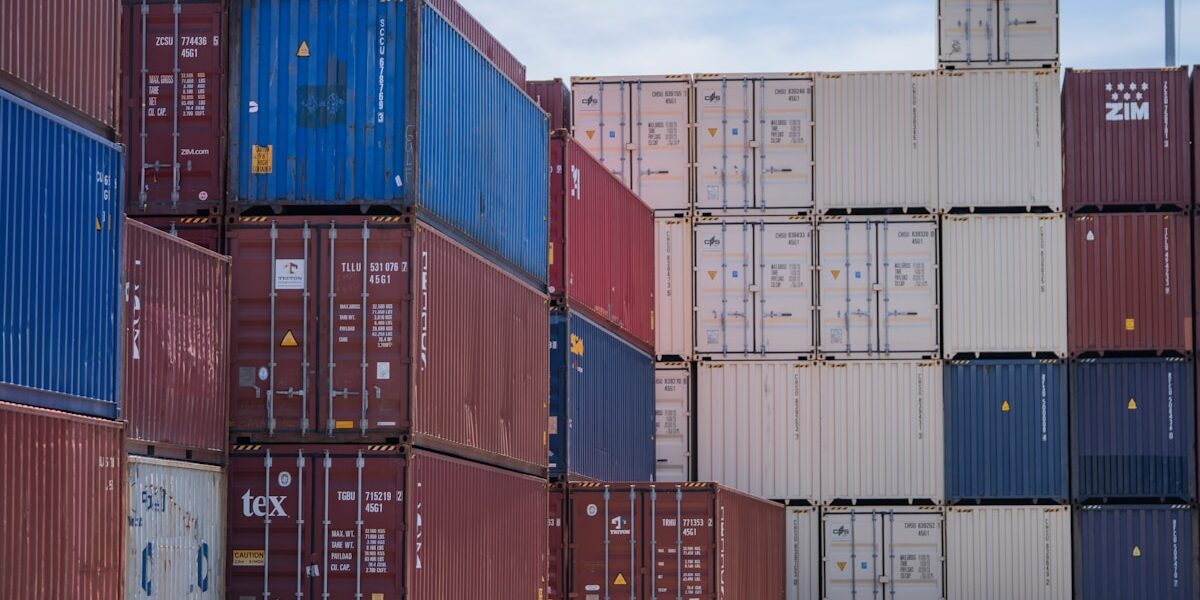
Thermal bridging creates hidden condensation pockets that rapidly corrode machinery in humid environments, turning a storage asset into a liability. To mitigate this risk, a refrigerated container must maintain a strict range, typically spanning from -40°C to +30°C, ensuring temperature stability within ±0.5°C for sensitive cargo. We walk through the critical differences in insulation materials and power requirements that dictate your long-term energy consumption. You will gain a technical framework for auditing supplier specifications and ensuring your facility passes compliance inspections on the first try.
Selecting the wrong unit impacts your lifecycle cost per year and risks spoilage during power fluctuations. This analysis covers the specific engineering data you need to request, from core material thermal performance to panel durability weight specifications. We also outline the precise questions to ask about warranty terms and after-sales support before you commit capital.
Summary: Learn to filter technical specs and select reefer containers that prevent thermal bridging and ensure compliance.
What Exactly Is a Refrigerated Container?
Core Components of a Refrigerated Container
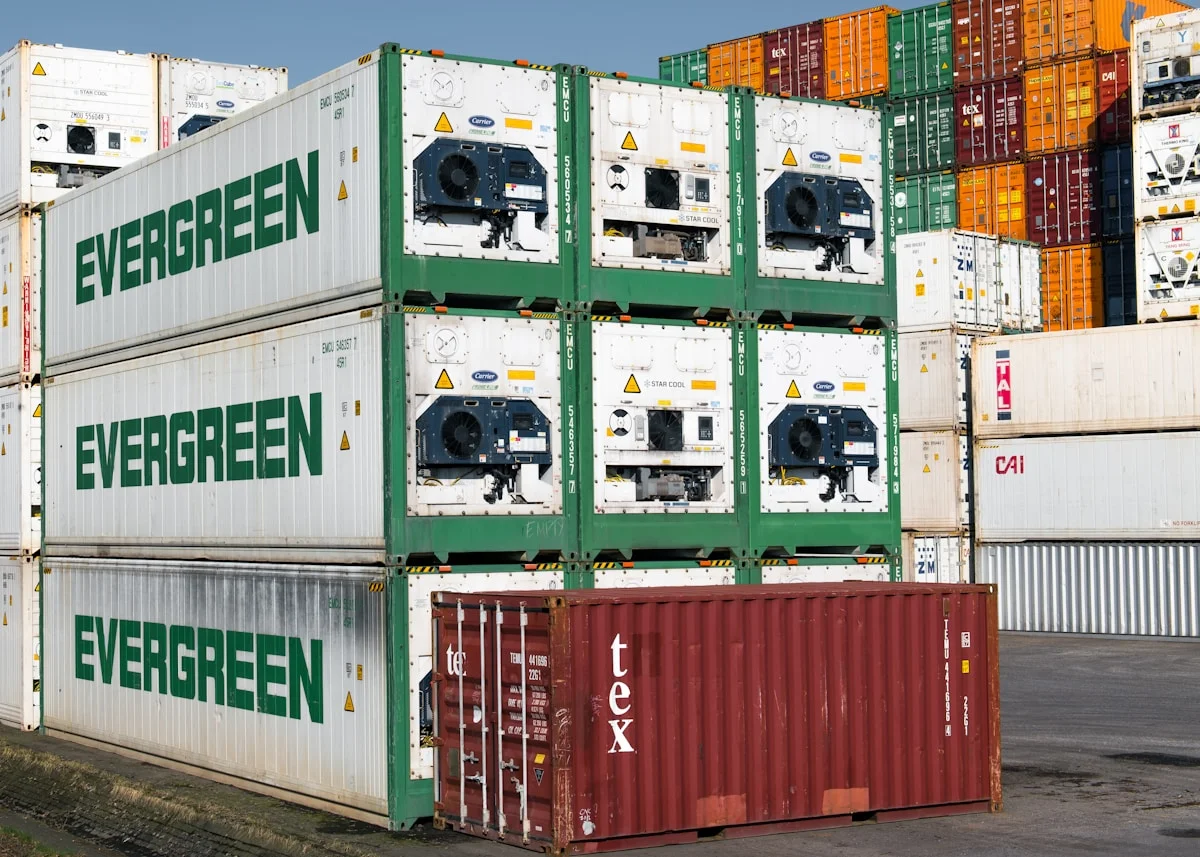
A refrigerated container, commonly known in the industry as a “reefer,” is not merely a standard steel box fitted with an air conditioner. It is a precision-engineered thermal enclosure designed to maintain a stable microclimate independent of external weather conditions. To function reliably, the unit integrates several distinct subsystems that work in unison to control temperature, humidity, and air circulation.
- Integrated Refrigeration Unit: Mounted on the front end of the container, this is the primary engine responsible for heat removal. It typically operates using a vapor-compression cycle and is powered by a 3-phase electrical supply or a clip-on generator set (genset).
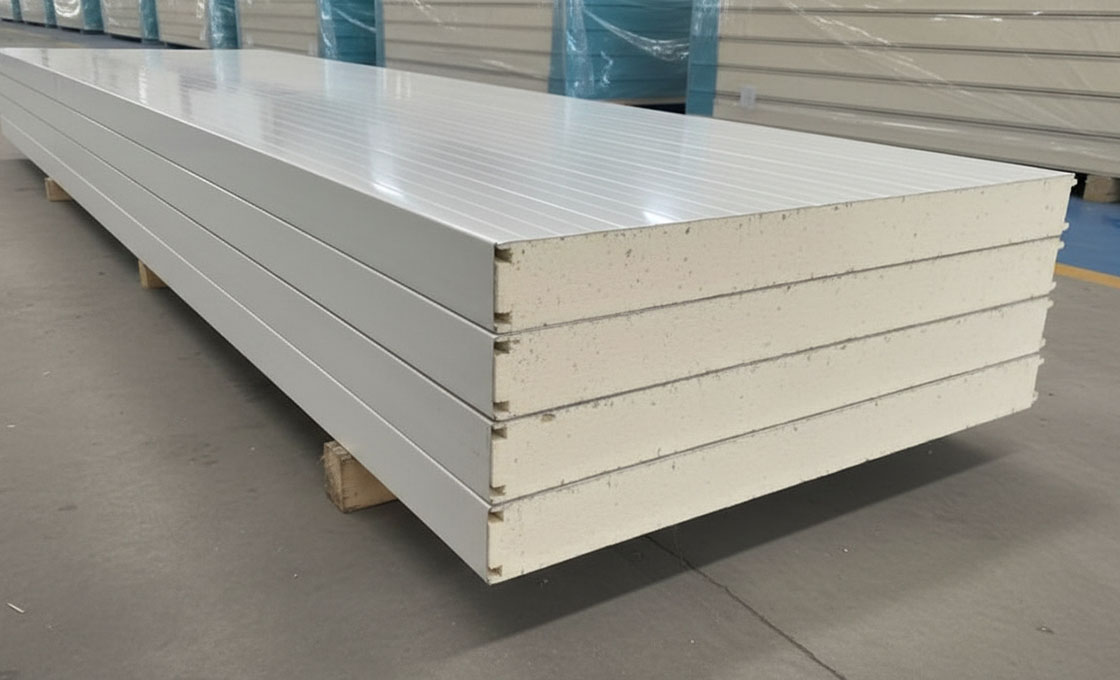
- Insulated Sandwich Panels: The walls, roof, and floor are constructed using composite panels—usually a core of high-density polyurethane foam (PU foam) bonded between stainless steel or painted steel sheets. This provides a high thermal resistance (R-value) to minimize heat transfer.
- T-Bar Aluminum Flooring: Unlike the flat steel or plywood floors of standard containers, reefers feature a specific “T-bar” or “corrugated” aluminum floor. This design creates a dedicated channel for airflow underneath the cargo, ensuring cold air circulates evenly rather than stagnating.
- Fresh Air Vent (CA Option): Many units include a ventilation system that allows for the intake of fresh air and the expulsion of CO2. This is critical for perishable produce that continues to respire (breathe) during transit.
How Reefer Cooling Systems Work
A refrigerated container does not simply “blow cold air”; it operates as a closed-loop heat exchange system that removes thermal energy from the cargo environment and expels it externally.
The cooling process relies on the principle of forced-air circulation. The refrigeration unit draws in warm air from the top return air duct of the container, passes it over cooling coils (evaporator) where the heat is absorbed by the refrigerant, and then pushes the cooled air down through the floor channel. This cold air flows horizontally across the bottom of the container, rises through the cargo (preventing hotspots), and is sucked back into the unit to repeat the cycle.
Modern reefers are equipped with advanced microprocessors that monitor and adjust the operation automatically. Instead of a simple thermostat, they control components like the compressor speed, fans, and heating elements (for frozen cargo that needs warming to prevent damage) to maintain the set-point within a margin of often just 0.2°C. This precise control allows operators to set specific parameters for “chill” (above freezing) or “freeze” (below freezing) modes, covering a standard range from -40°C to +30°C.
Key Differences Between Reefer and Standard Containers
While both adhere to ISO standard sizing (20ft and 40ft lengths) to fit seamlessly on ships, trains, and trucks, their internal construction and operational requirements differ fundamentally. Distinguishing between the two is vital for logistics planning to ensure cargo safety and equipment compatibility.
- Air-tightness and Vapor Barriers: Hermetic sealing represents a critical engineering divergence between weather-resistant dry vans and controlled-environment reefers. Standard containers utilize breather vents to allow atmospheric equilibrium, permitting air and moisture to pass freely in and out of the cargo space. Reefers, by contrast, employ multi-lip rubber gaskets and hydro-flush door mechanisms to create a vapor-tight seal that is essential for maintaining precise humidity levels and preventing condensation damage to temperature-sensitive cargo.
- Power Dependency: Standard containers are passive and require no power during transport. Reefers are active assets; they must be connected to a continuous power source (vessel power, terminal grid, or genset) from the moment they are packed until delivery to maintain the cold chain.
- Flooring Construction: Unlike the free-stow environment of dry vans, reefer operations mandate rigorous loading patterns to ensure proper thermal distribution. Cargo must be stacked with deliberate floor covering and vertical air channels to prevent short-cycling, where cooled air recirculates without reaching the full load. This structured stowage contrasts sharply with standard containers, where pallets can be loaded randomly without compromising cargo integrity.
- Load Capacity and Tare Weight: Due to the heavy insulation materials and the weight of the cooling machinery (often adding 1-2 tons), a refrigerated container has a slightly lower maximum payload (net weight) compared to a standard container of the same size.
Common Applications in Cold Chain Logistics
The versatility of reefer technology allows it to serve a wide spectrum of industries beyond just food transport. The ability to control temperatures with precision makes these containers indispensable for moving high-value or volatile goods across global supply chains.
- Deep Freeze Cargo (-20°C to -40°C): Used primarily for frozen meat, seafood, ice cream, and certain pharmaceuticals. These units maintain temperatures well below the freezing point to preserve product integrity over long transit durations.
- Chilled Cargo (0°C to +15°C): Essential for fresh produce like fruits, vegetables, dairy, and beverages. These units often utilize “fresh air management” to remove ethylene gas and ripen produce at a controlled rate, preventing premature spoilage.
- Pharmaceuticals and Chemicals: Used to transport vaccines, insulin, and sensitive chemicals that require strict temperature stability (often between +2°C and +8°C). These containers may be equipped with redundant cooling systems and advanced data logging for regulatory compliance.
- Temperature-Controlled Transport of Non-Food Items: Certain adhesives, resins, and film products can degrade in high heat or freeze in cold temperatures. Reefers provide a stable environment to prevent physical property changes in these industrial materials.
The Main Types of Refrigerated Containers
Refrigerated containers generally fall into four main categories: standard integrated reefers, insulated non-operating units, modified cold rooms, and portable units with gensets. Selecting the correct type depends on whether the unit is for intermodal transport, stationary storage, or off-grid usage.
Navigating the cold chain market often leads to confusion between various temperature-controlled assets. Buyers frequently struggle to distinguish between refrigerated containers, refrigerated truck trailers, and modular walk-in cold rooms. While truck trailers are designed for highway transport and walk-in coolers are fixed building structures, refrigerated containers (or reefers) are standardized, modular steel boxes engineered to withstand the rigors of ocean freight and stackability. Understanding the distinct technological differences between the main types of containers is critical for ensuring compatibility with your logistics infrastructure and cargo requirements.
Standard Integrated Refrigerated Containers
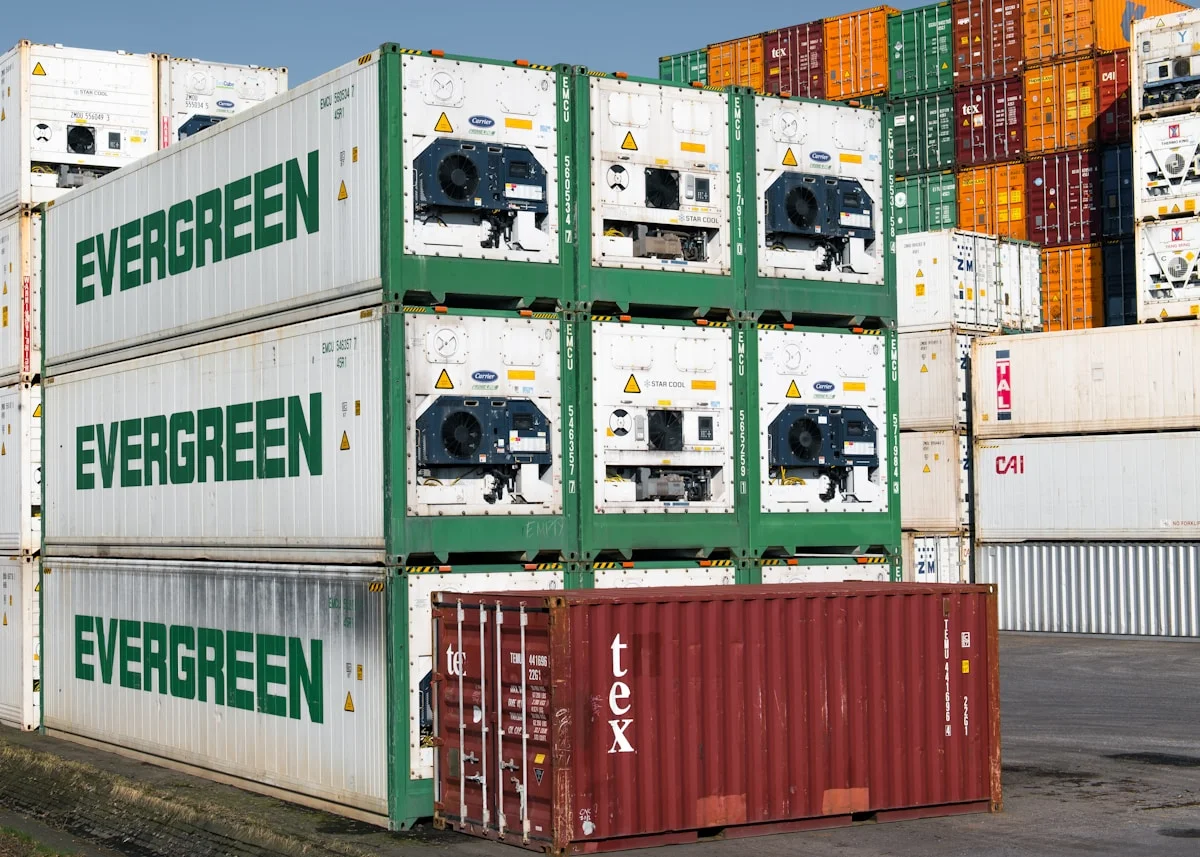
These are the most common units found in global shipping, often referred to simply as “reefers.” They feature a built-in refrigeration unit (integral machinery) mounted to the front of the container, allowing for fully autonomous temperature control without relying on external ship or shore power. This design makes them ideal for intermodal transport, as the unit remains powered throughout the journey via the vessel’s power supply or a generator.
- Temperature Range: Capable of maintaining a broad spectrum, typically from -40°C to +30°C, accommodating deep-frozen goods as well as temperature-sensitive pharmaceuticals or produce.
- Airflow System: Utilizes a “T-shaped” floor decking for bottom air delivery. Cool air is forced through the floor and rises through the cargo, ensuring a uniform temperature distribution.
- Insulation Construction: High-performance models utilize advanced composite panels with cores like PU (Polyurethane), XPS (Extruded Polystyrene), or PET (Polyethylene Terephthalate) to minimize thermal bridging and maximize energy efficiency.
Insulated Non-Operating Containers
Also known as “insulated” or “porthole” containers, these units lack an internal refrigeration engine. Instead, they rely on an external cold air supply, typically from a central refrigeration system on a ship or a shore-based facility. They are identified by two small openings (portholes) on the front wall where cold air hoses are connected. These are purely for transport on vessels equipped with “Conair” systems and are not suitable for standalone storage or trucking without an external cooler.
- Primary Application: Designed exclusively for use on large container ships with central cooling plants to reduce the weight and maintenance requirements of individual refrigeration units.
- Structural Integrity: Similar structural framing to integral reefers but devoid of the heavy machinery, offering slightly higher payload capacity for the same gross weight.
Modified Cold Room Containers
These are standard refrigerated containers that have been structurally and functionally altered for stationary storage rather than transport. Modifications can range from simple additions like side doors and personnel doors to complex retrofits such as specialized lighting, shelving systems, and strip curtains for frequent access. In these units, the insulation integrity is paramount; advanced manufacturers often replace standard metal interiors with GRP/FRP (Glass Fiber Reinforced Plastic) or aluminum composite panels to improve hygiene and corrosion resistance in wet environments.
- Customization: Often configured for specific industries, such as butcheries (with heavy-duty rails) or pharmaceuticals (with precise climate recorders).
- Material Upgrades: May utilize honeycomb panel cores or foam core sandwich panels with stainless steel facings for easy cleaning and compliance with food safety standards.
Portable Refrigerated Containers with Generator Sets
These units bridge the gap between static storage and mobile logistics. They are typically standard integral reefers paired with a “clip-on” or underslung generator set (genset). This configuration allows the container to operate independently of the grid or vehicle power, making them ideal for construction sites, disaster relief, or remote agricultural operations where power infrastructure is unreliable or non-existent.
- Power Source: Equipped with diesel-powered generators to supply electricity to the refrigeration unit.
- Versatility: Provides the flexibility of a stationary cold room with the mobility of a shipping container, capable of being relocated by truck or crane at a moment’s notice.
How Each Container Type Differs
Not all cold storage solutions are created equal. Choosing the wrong container type can compromise cargo integrity, inflate energy costs, and create compliance failures—especially in pharmaceutical or perishable food logistics.
Optimizing cold chain logistics requires moving beyond generic categorization to a precise matching of asset capabilities with cargo demands. The operational stakes of misalignment are severe, particularly as $260 billion in bio-pharma sales depend on precise temperature control. This reality demands a strategic focus on the specific engineering differences between active and passive systems to prevent costly product degradation.
Temperature Control: Active vs. Passive Systems
The most consequential difference between container types lies in how they manage thermal conditions. Refrigerated containers (reefers) employ active mechanical cooling systems capable of maintaining precise temperature ranges, typically from -30°C to +30°C, with some specialized units reaching -40°C for pharmaceutical applications. These systems require continuous power—either from onboard generators or external electrical connections—and consume significant energy, especially during extreme ambient conditions.
Insulated containers, by contrast, rely on passive thermal protection. They lack built-in refrigeration units and instead depend on high-performance insulation materials to maintain temperature for short-duration transport or storage. A pre-cooled cargo load entering an insulated container will gradually warm toward ambient temperature, making these units suitable only for brief transit windows or as secondary storage solutions. The thermal retention period depends heavily on insulation quality, cargo pre-cooling status, and external temperature differentials.
Dry containers provide zero temperature control. Their steel construction offers weatherproofing against rain and dust but delivers no thermal barrier. Some operators repurpose dry containers with internal GRP or FRP lining panels for corrosion resistance, but these modifications do not create cold chain capability—they merely protect against moisture-induced degradation.
Power Requirements and Energy Infrastructure
Power infrastructure represents a major hidden cost in container procurement. Reefers demand substantial electrical capacity, typically requiring 3-phase power connections at ports or vessel installations, with generator sets consuming 5 to 15 kW depending on unit size and ambient conditions. During long-haul shipping, reefers draw power from vessel-supplied electricity, while road transport units rely on truck-mounted generators or standalone diesel generators.
Insulated containers eliminate active power dependency entirely, making them attractive for operations without reliable electrical infrastructure or for short-haul routes where pre-cooled cargo reaches its destination before thermal drift becomes problematic. This power independence also reduces total cost of ownership, though it introduces risk if transit times exceed design parameters or if ambient temperatures spike unexpectedly.
Modular cold rooms present a third power category. These static installations connect to facility electrical systems and often incorporate backup generator integration for critical pharmaceutical or vaccine storage applications. Their power requirements scale with cooling capacity and ambient heat load, but they offer the advantage of permanent, high-capacity climate control without transportation constraints.
Mobility and Deployment Flexibility
Mobility considerations should drive container type selection alongside thermal performance. Standard refrigerated containers are designed for intermodal transport—moving smoothly between ships, trucks, and railcars without cargo transfer. This flexibility supports global supply chains but requires access to handling equipment and compatible transport infrastructure at every logistics node.
Insulated containers share this intermodal capability but with reduced thermal resilience during extended transit. Modular cold rooms are stationary by design, intended for permanent or semi-permanent installation at production facilities, distribution centers, or agricultural collection points. Their modular construction allows relocation, but disassembly and reassembly require technical expertise and can compromise insulation integrity if not performed correctly.
High-cube containers offer unique deployment advantages for operators needing additional vertical storage space. Their 9’6″ interior height—compared to the standard 8’6″ of regular containers—provides approximately 30% more cubic capacity, making them ideal for voluminous cargo or conversion into specialized structures where headroom matters.
Ideal Use Cases by Industry Application
Selecting the right container type requires matching thermal capability to cargo sensitivity and route characteristics. Pharmaceutical shippers transporting vaccines, biologics, or temperature-sensitive drugs typically require reefers with precise temperature monitoring, data logging, and redundancy systems to comply with GDP (Good Distribution Practice) regulations.
Food service and agricultural operators often benefit from insulated containers for short-distance distribution where pre-cooled products maintain acceptable temperatures without active refrigeration. Dry freight operators shipping non-perishable goods may convert standard containers with interior lining panels for corrosion protection when handling chemically aggressive cargo or items requiring moisture barriers.
Mobile food service operations, disaster relief organizations, and remote site contractors frequently deploy modular cold rooms for on-site storage where permanent infrastructure is unavailable. These installations provide commercial-grade refrigeration capacity in temporary or semi-permanent configurations.
Insulation Performance and Thermal Resilience
Insulation quality directly determines whether a container can maintain cargo temperature through power failures, extended transit, or extreme external conditions. High-performance PU (polyurethane) foam cores, XPS (extruded polystyrene), and PET (polyethylene terephthalate) foam variants offer varying R-values that dictate thermal resistance. The thicker and denser the insulation layer, the slower heat transfer occurs—and the longer passive containers can protect pre-cooled cargo.
Reefer containers combine active cooling with premium insulation to create redundant thermal protection. If the refrigeration unit fails, quality insulation buys critical time for recovery operations. This redundancy is particularly vital for pharmaceutical shipments where temperature excursions can render entire cargo loads unsellable and trigger regulatory violations.
Insulated containers depend entirely on insulation quality for thermal performance. Buyers should verify R-value specifications, panel thickness, and core material composition rather than accepting generic “high insulation” claims. Honeycomb core constructions offer excellent strength-to-weight ratios while maintaining thermal efficiency, making them suitable for applications where payload capacity directly impacts transportation economics.
Specialized Configurations for Demanding Applications
Certain cargo categories require container modifications beyond standard configurations. Control atmosphere reefers maintain specific oxygen and carbon dioxide levels alongside temperature control, essential for fresh produce shipping where controlled atmosphere extends shelf life during extended transit. These units require specialized certification and operational training.
Explosion-proof reefers serve chemical and pharmaceutical industries handling flammable materials. These containers incorporate ATEX-certified electrical components, static dissipation systems, and specialized ventilation to prevent ignition sources in hazardous environments. Compliance requirements drive significant cost premiums but are non-negotiable for certain cargo categories.
Custom interior configurations—including specialized shelving, humidity control systems, and pharmaceutical-grade sanitation surfaces—transform standard containers into purpose-built cold storage solutions. Buyers should evaluate whether off-the-shelf configurations meet their needs or if custom engineering delivers better operational outcomes over the asset lifecycle.
| Container Type | Core Function & Use Case | Technical Specifications | Rax Panel Advantage |
|---|---|---|---|
| Refrigerated Containers (Reefers) | Active temperature control for perishables, pharmaceuticals, and sensitive chemicals during transit. | Temp range: -30°C to +30°C; Capacities: 20′ (28.4 m³) and 40′ (67.0 m³). | Custom PU/PET/XPS Foam Core panels ensuring maximum thermal efficiency and hygiene compliance for cold chain integrity. |
| Insulated Containers | Passive thermal protection for short-term storage or transport of pre-cooled goods without active refrigeration. | High R-value barrier materials; Lightweight fuel-efficient design; Passive thermal stability. | Lightweight Honeycomb or PET Core solutions offering optimal structural integrity and thermal retention without excess weight. |
| Dry / Standard Containers | General transport for non-perishables like furniture, machinery, and packaged goods. | Weatherproof steel shell; No active cooling; Standard 20′ & 40′ sizing. | GRP/FRP lining panels providing superior corrosion resistance and interior durability for industrial cargo protection. |
| Modular Cold Rooms | Static on-site storage for food service, agriculture, or medical sectors requiring strict hygiene. | Custom modular assembly; Precision-fit paneling; Sanitation-grade construction. | Fully custom-engineered solutions with 24/1 service, utilizing specialized Foam Cores for medical-grade standards. |
| High Cube Containers | High-volume transport or conversion into structures requiring extra vertical space. | Height: 9’6″ (2.9m); ~30% more internal volume; Enhanced cubic capacity. | Engineered large-format composite panels maintaining flatness and structural strength across taller spans. |

What to Consider Before Buying
Purchasing a refrigerated container is a capital-intensive decision that requires balancing upfront acquisition costs with long-term operational efficiency. Before requesting quotes, you must clearly define your cargo’s thermal profile, your site’s power infrastructure, and the intended usage pattern—whether for stationary storage or intermodal transport.
Understanding Total Cost of Ownership (TCO)
The sticker price is often the least significant factor in the long-term economics of a refrigerated container. Buyers must evaluate the Total Cost of Ownership (TCO), which heavily favors energy-efficient units. While standard electric-powered units are highly cost-efficient for stationary use, older or poorly insulated units can consume excessive electricity, eroding margins quickly.
Maintenance is another critical budget variable. A reefer unit is a complex piece of machinery; purchasing a low-cost unit without a service history or warranty can lead to exorbitant repair costs for compressors and evaporators. additionally, consider the depreciation curve. If the unit is for long-term static storage, a high-quality used unit may offer a better ROI than a new one, provided the insulation integrity is verified.
Power Infrastructure and Operational Reality
One of the most common operational failures is assuming standard residential power is sufficient. Industrial-grade refrigerated containers typically require reliable electrical infrastructure. You must verify whether your site supports the necessary voltage—commonly 230V or 460V 3-phase power—and has the amperage capacity to handle the startup surge of the refrigeration unit.
Do not overlook power requirements during transit. If the container will move over the road, you must budget for and acquire a diesel-powered generator set (“gen set”) that attaches to the container. Without this, the cargo is exposed to ambient temperatures immediately upon disconnection from stationary power.
For operations located in remote areas or on vessels where power reliability is a concern, consider the feasibility of alternative cooling methods. For example, cryogenic cooling systems use liquid CO2 or nitrogen to maintain temperatures for up to 30 days without any external power supply, offering a valuable fail-safe for specific logistics chains.
Defining Thermal Requirements and Application
Not all refrigerated containers are built for the same thermal load. You must rigorously assess the temperature range required for your specific commodity. Standard high-cube reefers are capable of maintaining a constant internal temperature ranging from −65 °C (−85 °F) up to 40 °C (104 °F), but maintaining extreme deep-freeze temperatures requires a unit with a higher horsepower compressor and superior insulation.
The distinction between transport and storage is equally vital. Containers used for intermodal transport must prioritize structural durability to withstand stacking and torsion forces at sea. Conversely, containers intended for stationary “cold room” use can prioritize thicker insulation panels over high-tensile steel framing to maximize energy efficiency. Additionally, if you are transporting high-value pharmaceuticals or volatile goods, you may need to invest in advanced units with redundant refrigeration systems, where a secondary unit automatically activates if the primary fails.
Insulation Integrity and Floor Load Capacity
The efficiency of any reefer relies on the “sandwich panel” construction of its walls, roof, and floor. While you will verify specific core materials in the vetting phase, your initial consideration should focus on the age and condition of these panels. Any compromise in the insulation barrier—often caused by moisture ingress or physical impact—drastically increases the thermal load (kW/h) required to maintain temperature.
Finally, consider the floor loading. Refrigerated containers utilize a “T-floor” design to allow cold air to flow beneath the cargo. If you intend to store heavy, non-palletized goods, ensure the floor rating (typically rated for specific fork-lift axle weights) aligns with your handling equipment to prevent structural damage that can ruin the container’s airtight seal.
What to Ask Your Supplier Before Buying
A cold chain failure can cost you tens of thousands in spoiled cargo. Before committing to a supplier, verify their thermal engineering depth, customization track record, and post-sale support. Use the six questions below as your screening filter.
Refrigeration Unit Capacity and Temperature Range
The refrigeration unit is only as reliable as the thermal envelope it works against. Buyers often focus exclusively on the reefer unit’s BTU rating, but the real determinant of temperature stability is the panel assembly’s thermal resistance. A high-capacity refrigeration unit fighting poor insulation will cycle constantly, consume excess fuel, and create temperature drift that spoils sensitive cargo like vaccines or premium produce.
When evaluating a supplier, ask how they calculate the overall heat transfer coefficient for the complete body assembly—not just the panel core. Request their thermal modeling methodology and whether they run thermal imaging validation on finished units. A supplier who cannot demonstrate this integration between their panels and your chosen refrigeration unit is likely selling components, not systems.
Our engineers always cross-reference panel R-values with the specific refrigeration unit a buyer plans to install. We found that mismatches between unit capacity and insulation performance are the leading cause of cold chain breakdowns in the field. Ask your supplier to show you a complete thermal calculation, not just a datasheet for an individual panel.
Core Material and Thermal Insulation Performance
Not all insulating cores perform equally across temperature extremes. Expanded polystyrene (XPS), polyurethane (PU), and polyisocyanurate (PIR) foams each carry different thermal conductivity values, moisture resistance profiles, and fire behavior characteristics. The wrong core choice for your application can lead to condensation buildup, reduced R-value over time, or failure to meet fire safety codes.
Ask your supplier to specify the exact thermal conductivity (k-value) for each core option they offer, measured under standardized conditions. Request test reports from accredited laboratories, not manufacturer-generated marketing figures. For pharmaceutical cold chain applications, PMI foam and PIR panels typically deliver superior thermal stability compared to standard PU, though at a higher material cost.
In our testing, we consistently observe that buyers who select panels based solely on upfront material cost rather than lifecycle thermal performance end up spending significantly more on refrigeration energy and cargo loss. We always recommend running a total cost of ownership calculation that includes energy consumption over the expected service life of the body.
Panel Durability and Weight Specifications
Panel weight directly affects payload capacity and fuel efficiency, while durability determines how long the body maintains its thermal integrity under real-world operating conditions. A lighter panel that delaminates after three years of temperature cycling is more expensive than a heavier panel that lasts ten. The trade-off between weight savings and structural longevity is where most purchasing decisions go wrong.
Ask your supplier for flexural strength and compressive strength data at multiple core thicknesses. Request evidence of cyclic thermal testing—panels should be subjected to repeated freeze-thaw or heat-cool cycles without delamination, surface cracking, or core degradation. For fibreglass-reinforced thermoplastic (CFRT) facings, verify the resin system’s resistance to UV degradation and chemical exposure from cleaning agents.
Our production team has found that continuous glass fibre reinforcement in thermoplastic matrices provides noticeably better impact resistance and moisture barrier performance than traditional gel-coated GRP facings in high-humidity cold chain environments. When comparing suppliers, ask specifically about facing material composition and whether they offer CFRT or LWRT sheet options as an upgrade path.
Customization Options for Body and Interior Layout
Off-the-shelf panels rarely fit specialized applications without modification. A pharmaceutical distributor may need internal air-flow channels and precise mounting points for temperature loggers, while a fresh produce operator may require antimicrobial interior facings and heavy-duty floor reinforcements for palletized loads. The right supplier should treat customization as a standard engineering service, not a costly exception.
Ask whether the supplier employs in-house engineers who can develop custom panel configurations based on your interior layout requirements. Request examples of previous custom projects and understand their prototyping and testing process before full production. A supplier with genuine engineering capability will ask detailed questions about your cargo type, loading patterns, and interior equipment before recommending a panel specification.
We structure our entire product development process around customer-specific project data. Our engineers conduct experimental testing to validate thermal performance, structural integrity, and surface durability against your exact operational parameters before any production begins. This approach eliminates the risk of panels that look correct on paper but fail under your actual working conditions.
Certifications and Compliance Standards
Cold chain compliance is non-negotiable in food and pharmaceutical logistics. Regulatory bodies require documented proof that storage and transport equipment meets specific temperature control, hygiene, and safety standards. Shipping panels without verifiable certification exposes your business to audit failures, product recalls, and potential legal liability.
Ask your supplier to provide current certification documents for the specific panel products you are considering, including fire resistance ratings, food-contact safety declarations, and any pharma-grade compliance documentation. Verify that certifications come from recognized third-party testing organizations and are current—not expired or generic. For ATEX-certified environments involving explosive atmospheres, confirm that both the panel materials and the refrigeration unit integration meet the required zone classifications.
We maintain certification documentation for our core panel portfolios and provide updated test reports on request. Buyers working in regulated industries should treat certification verification as a mandatory step in their supplier evaluation, not an optional checklist item.
Warranty Terms and After-Sales Support
A warranty is only as meaningful as the support structure behind it. Suppliers who offer generous warranty terms but lack responsive technical support create false confidence. The critical distinction is whether the warranty covers material and manufacturing defects only, or whether it includes thermal performance guarantees and field support for installation issues.
Ask specific questions about warranty duration, what is and is not covered, response times for technical support inquiries, and whether the supplier provides installation guidance or on-site support. For international buyers, confirm whether the supplier maintains multilingual technical support teams and understands the logistics of shipping replacement panels or components across borders.
Our 24-hour one-to-one multilingual service model exists specifically to address the support gaps we see too often in this industry. Buyers in Europe, North America, and Asia have told us that the ability to reach a dedicated support contact in their time zone—regardless of whether the issue is a production delay, an installation question, or a warranty claim—was the deciding factor in their supplier selection. Do not accept a generic support email address as adequate after-sales coverage.
| Category | Key Question | Rax Panel Solution | Why It Matters |
|---|---|---|---|
| Engineering & R&D | Can you provide custom experimental testing for specific project data? | Dedicated engineers conduct experimental testing to meet precise hygiene, temperature retention, and corrosion resistance standards. | Guarantees performance under stringent cold chain and medical requirements. |
| Material Specs | What core and facing materials ensure optimal thermal insulation? | Diverse portfolio including Foam Core (XPS, PET, PU, PVC) with facings in GRP/FRP, aluminum, and steel. | Lightweight, waterproof, and thermally efficient solutions to prevent cargo spoilage. |
| Production Scale | What is your daily production capacity to meet strict deadlines? | State-of-the-art factory with a daily production area exceeding 1,700 square meters. | Large-scale capacity ensures on-time delivery and consistent supply chain stability. |
| Quality Control | How do you ensure consistent panel quality and surface flatness? | Continuous monitoring on the production line using high-quality raw materials ensures structural integrity and flatness. | Reduces risk of structural failure and ensures seamless installation for vehicle bodies. |
| Service & Cost | Do you offer direct factory sales with after-sales support? | Direct manufacturing capabilities with a 24-hour one-to-one multilingual service team and global logistics. | Eliminates middleman costs and provides dedicated support for transportation risks. |
Ready to Evaluate? Here’s What to Do Next
Moving from research to evaluation requires a structured approach. This section outlines four critical steps to confidently assess refrigerated container suppliers and make an informed procurement decision.
Requesting a Detailed Product Specification Sheet
A detailed specification sheet is the foundation of any serious procurement evaluation. It provides the technical parameters needed to verify whether a refrigerated container meets operational requirements before any financial commitment is made.What to Expect in a Comprehensive Specification Sheet
- Refrigeration Unit Performance: Cooling capacity in kilowatts (kW), temperature range specifications (typically -30°C to +25°C for standard units), and compressor type details.
- Insulation Specifications: Panel thickness in millimeters, core material composition (polyurethane foam density), and thermal transmittance (U-value) measurements.
- Structural Dimensions: External and internal dimensions, payload capacity in kilograms, and tare weight specifications.
- Electrical Requirements: Voltage specifications, power consumption rates, and phase requirements for the refrigeration unit.
- Certification Details: Relevant compliance certifications including ISO standards, CE marking, and any pharma-specific validations.
How to Request and Evaluate Specification Sheets
Request specification sheets from multiple suppliers simultaneously to enable direct comparison. A professional supplier will provide documentation within 24 to 48 hours for standard container configurations. When reviewing these documents, focus on whether all critical parameters are explicitly stated or if key specifications remain ambiguous. Vague descriptions such as “high-quality insulation” without numerical values indicate insufficient technical transparency.Comparing Multiple Supplier Quotations
Comparing quotations from multiple suppliers is essential for understanding market pricing and identifying value differences that go beyond the base price. A comprehensive quotation comparison should account for both direct costs and total cost of ownership factors.Key Quotation Comparison Dimensions
A thorough quotation analysis examines not just the unit price, but total landed cost including shipping, customization, warranty coverage, and after-sales support terms.
- Base Unit Pricing: Compare prices across suppliers for equivalent specifications. Significant price variations often indicate differences in material quality, manufacturing processes, or component sourcing.
- Customization Costs: Some suppliers include basic customization in the base price while others charge additional fees for interior modifications, ventilation configurations, or temperature range adjustments.
- Shipping and Logistics: Evaluate whether quotation prices include freight, customs clearance, or delivery to the destination port. These costs can significantly impact the total investment.
- Warranty and Support Terms: Warranty duration, coverage scope, and after-sales support availability should be factored into the total value assessment.
- Payment Terms: Standard B2B payment structures typically involve a deposit upon order confirmation with the balance due before shipment. Evaluate whether payment terms align with your cash flow requirements.
Red Flags in Quotation Comparisons
When comparing quotations, create a structured comparison matrix that includes all relevant cost components. This systematic approach prevents oversimplification and ensures that decisions are based on complete financial information rather than unit price alone.
Scheduling a Factory Visit or Virtual Tour
Assessing manufacturing capability directly, either through an on-site factory visit or a virtual tour, provides critical insights that documentation and quotations alone cannot reveal. This step helps evaluate production capacity, quality control processes, and overall operational professionalism.What to Observe During a Factory Visit
- Production Line Capability: Observe the manufacturing workflow from panel fabrication to final assembly. Modern facilities typically feature automated cutting, foam injection, and assembly processes that ensure consistency and precision.
- Quality Control Procedures: Look for dedicated quality inspection stations, testing equipment for refrigeration units, and documented quality control processes at each production stage.
- Raw Material Storage: Evaluate how raw materials such as steel coils, polyurethane foam components, and refrigeration units are stored and managed. Proper storage conditions directly impact product quality.
- Finished Goods Inventory: Assess the state of completed containers in the warehouse area. Organized inventory with proper protection indicates strong operational management.
- Workforce Expertise: The skill level and training of production staff are visible indicators of manufacturing capability. Experienced technicians typically produce more consistent results.
Virtual Tour Considerations
When an on-site visit is not feasible, a structured virtual tour can provide meaningful insights. Request a live video walkthrough rather than pre-recorded content, as this allows for real-time questions and demonstrates facility transparency. A competent supplier will accommodate virtual tour requests and provide comprehensive access to key production areas.
Reviewing Client References and Case Studies
Client references and case studies provide independent verification of a supplier’s reliability, product performance, and after-sales support quality. This step is particularly valuable for understanding how refrigerated containers perform in real-world operating conditions over extended periods.What to Request from Potential Suppliers
- Reference Contacts: Request contact information for at least three recent clients in similar industries or with comparable operational requirements. Prioritize references from clients who have operated the containers for 12 months or longer.
- Industry-Specific Case Studies: Ask for case studies that demonstrate performance in applications relevant to your operations, such as pharmaceutical cold chain, food distribution, or chemical transport.
- Performance Data: Request documented performance metrics including temperature stability records, maintenance frequency data, and any reliability statistics the supplier can provide.
- Problem Resolution Examples: Understand how the supplier handles warranty claims, technical issues, and after-sales support requests. Response time and resolution quality are critical indicators of long-term partnership viability.
Evaluating Reference Feedback
When contacting references, ask specific questions about temperature consistency, energy efficiency, maintenance requirements, and the supplier’s responsiveness to service needs. Pay attention to whether references mention any recurring issues or areas where the product fell short of expectations. Balanced feedback that includes both strengths and minor limitations is often more credible than uniformly positive responses.
📋 Actionable Steps
- Step 1: Request detailed specification sheets from at least three qualified suppliers within the same evaluation period.
- Step 2: Obtain and compare comprehensive quotations covering all cost components including customization, shipping, and warranty terms.
- Step 3: Schedule factory visits or virtual tours with shortlisted suppliers to verify manufacturing capability and quality control processes.
- Step 4: Contact client references and review case studies to validate supplier reliability and product performance in real-world conditions.
Conclusion
Specs matter more than the sticker price here. You need insulation that actually holds and a cooling unit that recovers fast, or your cargo spoils. Pharmaceuticals need stable 2-8°C ranges, while meat requires deep freeze power. Don’t guess on the temperature tolerance. A mismatch leads to total product loss and ruined client relationships. You must match the container’s technical capabilities to your specific cargo profile to ensure cold chain integrity throughout the entire logistics journey.
- Request the full specification sheet to verify insulation materials and cooling unit capacity.
- Contact our engineering team for a technical feasibility review to validate thermal performance.
- We treat this as a consultation to ensure specs match your reality.
Frequently Asked Questions
How do reefer containers handle power requirements?
Refrigerated containers can operate on multiple power sources, including shipboard electrical connections, generator sets, and standalone diesel-powered units. Some modern models also support external grid power for stationary or depot use. Understanding your power infrastructure is essential before deployment, as inadequate power supply can compromise temperature stability during transit.
Are refrigerated containers cheaper than permanent cold rooms?
Reefer containers often present a lower upfront cost compared to constructing permanent cold storage facilities. They eliminate the need for foundation work and permanent installation, offering a mobile and scalable alternative. However, long-term operational costs such as energy consumption and maintenance should be factored into your total cost analysis.
How quickly can a refrigerated container be deployed?
Deployment speed depends on whether you choose a standard or custom-configured unit. Standard refrigerated containers can often be delivered within weeks, while custom-engineered solutions may require additional lead time for design and manufacturing. RaxPanel supports expedited production timelines for time-sensitive logistics projects.
What insulation materials perform best in cold chain applications?
Foam core panels using XPS, PET, PU, and PVC offer excellent thermal insulation for refrigerated containers. These materials provide high R-values while remaining lightweight, which maximizes payload capacity. RaxPanel engineers conduct experimental testing to match insulation performance with specific temperature and humidity requirements.
Can refrigerated containers maintain temperature during power interruptions?
High-quality insulated panels can retain cold temperatures for a limited duration even when power is unavailable. The duration depends on insulation thickness, core material, ambient conditions, and how frequently the container is opened. For critical cargo, backup power systems and continuous monitoring are recommended to prevent spoilage.
What is the typical lifespan of a refrigerated container?
A well-maintained refrigerated container can last 10 to 15 years or more, depending on usage frequency and environmental conditions. The durability of the insulation core and panel facings plays a significant role in long-term performance. Regular maintenance of the refrigeration unit and inspection of panel seals are essential for maximizing service life.