
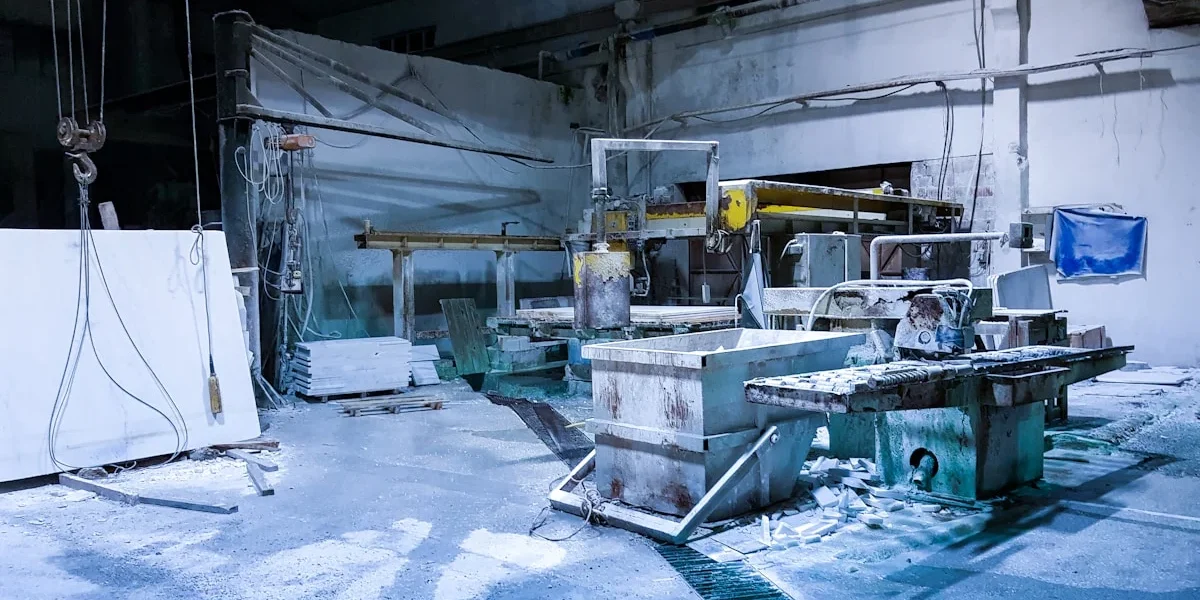
Building a block ice plant from scratch involves more than just buying a compressor. Most operators underestimate the civil engineering requirements, leading to structural failures from moisture infiltration or energy bills that destroy margins. The block ice plant setup is a complex integration of thermal physics, power infrastructure, and production logistics. At RaxPanel, we see this gap between machinery specs and site realities constantly, and it is where most new ventures stall before they start.
Thermal performance is the silent killer of profitability in cold storage. A standard PU sandwich panel for an ice factory needs to maintain a thermal conductivity of 0.022 W/mK to keep energy consumption in check. If your insulation drops to 0.030 W/mK, you are paying a premium on every kilowatt-hour to fight heat ingress. This single variable determines whether your operating costs stay competitive or spiral out of control.
We break down the critical path from demand assessment and site layout to the specifics of refrigeration cycles and power backup systems. This guide gives you the technical framework to avoid common installation pitfalls and build a facility that runs efficiently for years.
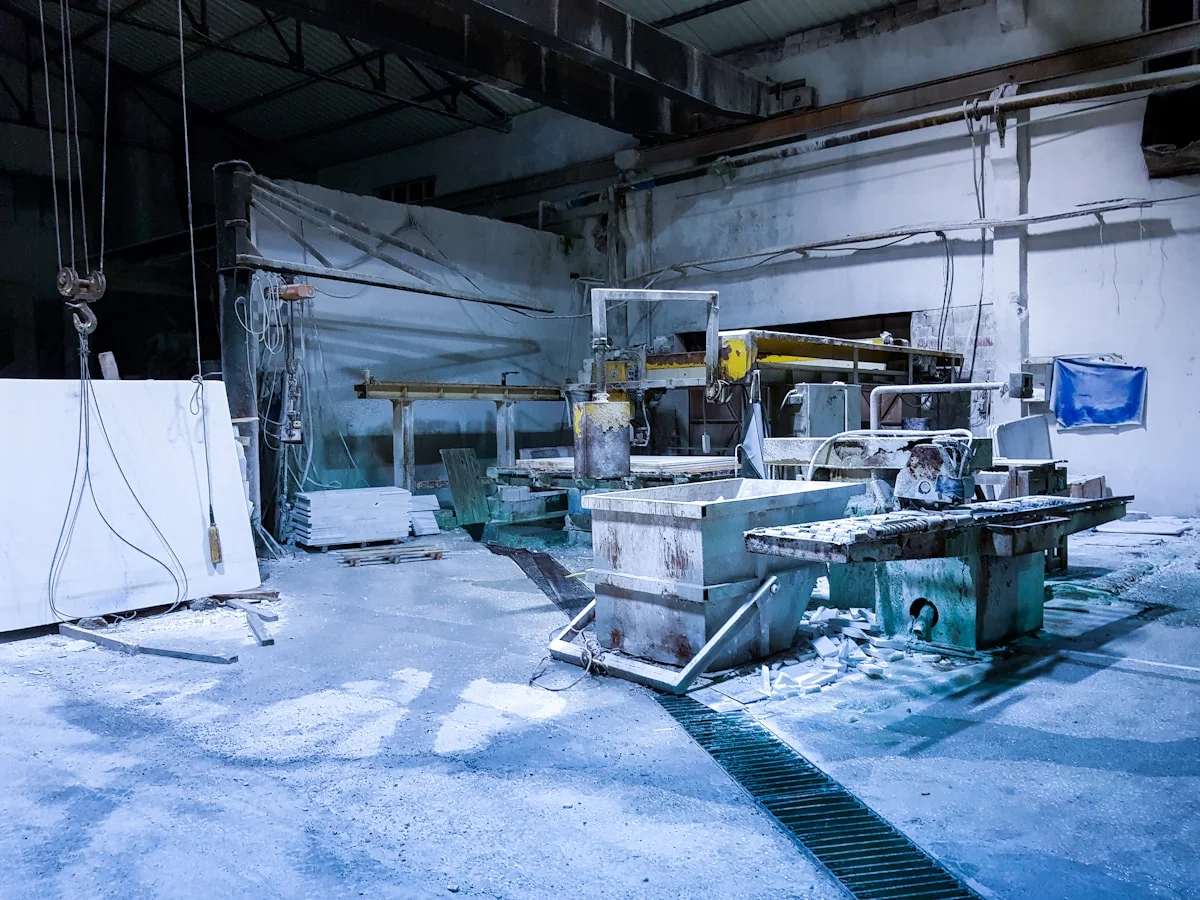
Is There Local Demand for Block Ice?
Before investing in machinery, you must mathematically model your local catchment area. Demand for block ice is not theoretical—it is a calculated volume of daily tonnage required by your specific regional infrastructure.
The biggest killer of new block ice plants is not technical failure; it is demand miscalculation. Unlike flake ice, which is niche, block ice is a heavy, transportable commodity. It is the standard for commercial seafood preservation, construction curing, and bulk cooling. If you cannot identify exactly who will buy your ice every single day, the plant will fail within the first year. You need to validate the market before you pour the foundation.
Identifying Key Block Ice Customer Segments
Block ice demand is driven by three primary pillars: fisheries, the hospitality sector, and construction. Understanding the consumption rate of these segments determines your required production capacity.
- Fisheries and Seafood Processors: This is the most reliable, high-volume segment. Commercial fishing vessels require massive blocks to preserve catch during transit. In coastal regions, this is often a 24/7 demand cycle. A single mid-sized processing plant can consume several tons of ice daily.
- Hotels, Restaurants, and Retail: These businesses use block ice primarily for beverage cooling and display. While the per-unit consumption is lower than fisheries, the consistency is higher. Hotels in tourist destinations often require pre-sawn ice or large blocks for walk-in coolers.
- Construction Industry: Concrete curing requires a steady supply of block ice to lower the mix temperature in hot climates. This is a seasonal but high-volume demand that can sustain a plant during peak summer months.
Assessing Regional Temperature and Storage Needs
Local climate dictates both the market size and your operational costs. In equatorial or desert regions, the demand for cooling is perpetual, driving a higher baseline consumption of ice. Conversely, in temperate zones, demand may spike seasonally, requiring you to diversify your customer base to survive off-peak months.
Storage density is a critical calculation. Block ice is dense and heavy. A standard block (approx. 300kg) requires significant floor space and structural support in your cold room. You must evaluate whether your local customers have the storage capacity to receive large blocks, or if there is a market demand for sawn ice cubes. If your customers lack cold storage infrastructure, your ability to sell in bulk is severely limited.
Evaluating Local Competition and Pricing Standards
Analyzing the competitive landscape requires a “penetration pricing” strategy. Identify every existing ice supplier in your target radius. Determine their selling price per kilogram or per block. Your production cost—including electricity, labor, and water—must be significantly lower than their price to allow for competitive retail pricing while maintaining margin.
If the market is already saturated with small, inefficient batch plants, your advantage lies in automation and consistency. Large-scale block ice plants can produce ice with lower energy consumption per ton, allowing you to undercut manual or semi-automatic competitors. However, if the market is underserved, your focus should be on supply reliability and rapid delivery logistics rather than price wars.
Ultimately, demand validation is a numbers game. Multiply the daily consumption of your top ten potential clients by the days in a month. If this figure does not meet 70% of your plant’s designed capacity, the market is too small for a new entry. You must secure offtake agreements or distribute over a wider geographic radius to ensure viability.
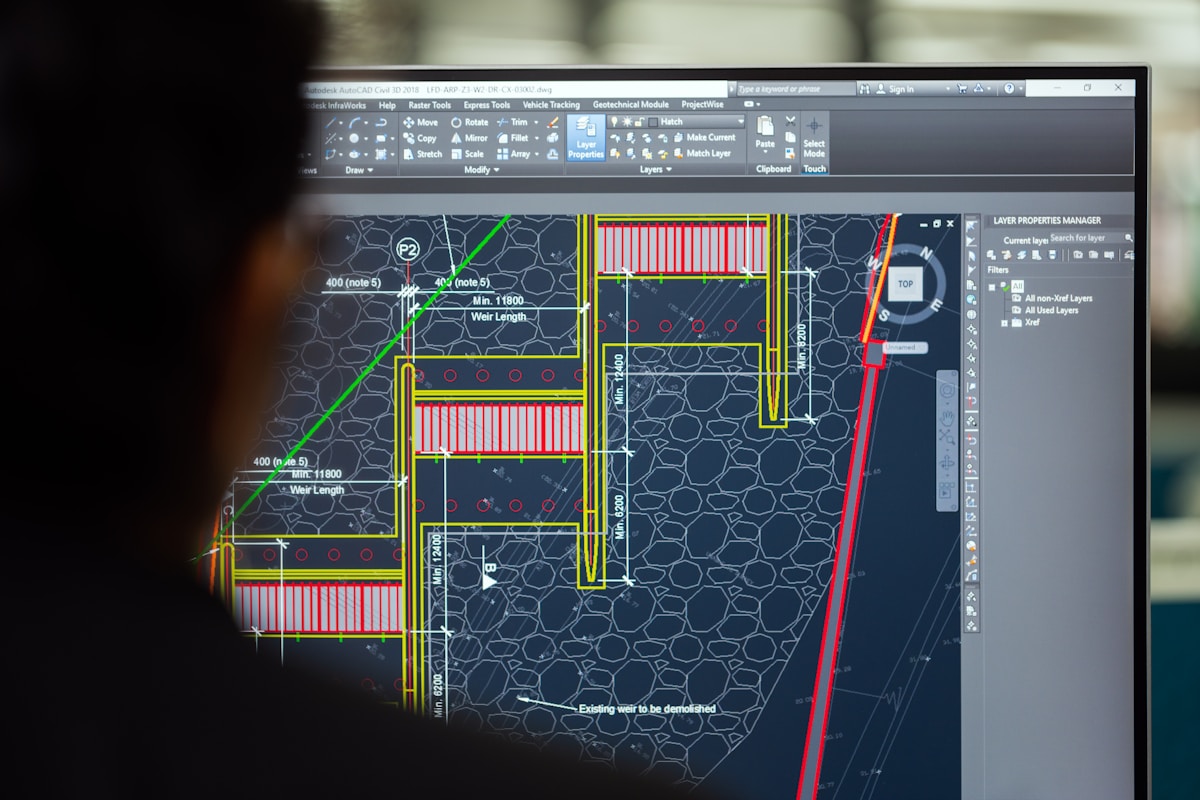
How Big Should Your Ice Plant Be?
Calculating Daily Production Capacity Requirements
Determining the correct plant size begins with a precise calculation of projected daily sales, not arbitrary guesses. Block ice is typically sold in specific weight increments, and the production cycle involves both freezing time and harvesting intervals. To avoid the common pitfall of selecting a machine that is either grossly undersized or financially burdensome due to over-specification, you must map your anticipated distribution volume against the specific output rate of standard commercial block ice machines.
A standard commercial block ice making machine often produces between 1,000 kg and 5,000 kg per 24-hour cycle, depending on the model and ambient temperature. If your target market requires 2 tons of ice daily, a single 2,000 kg unit is the baseline requirement. However, experienced facility planners always add a 15-20% capacity buffer. This reserve handles peak demand surges during heatwaves and accounts for routine maintenance downtime without disrupting supply.
Selecting Appropriate Mold Dimensions and Quantities
The physical dimensions of the ice molds directly influence your storage efficiency and target customer base. Molds vary significantly in size, commonly ranging from small 20 kg blocks for retail or medical use to large 500 kg to 1,000 kg blocks for industrial cooling or shipping containers. The choice of mold size should align with your logistics; larger blocks are cheaper to produce per kilogram but require heavy machinery for transport and handling.
When planning the quantity of molds, consider the harvesting mechanism. A machine with a larger mold count allows for staggered harvesting, meaning you can remove frozen blocks continuously while new water is added to other molds. For a high-throughput facility, a multi-circuit system ensures that a single mold failure does not halt the entire production line. Standard mold configurations are designed to maximize the footprint of the freezing tank while allowing adequate water circulation for uniform ice density.
Planning Warehouse Space for Ice Storage and Handling
The production floor is only one component of the spatial requirement; the cold storage warehouse is equally critical. Block ice has a high volume-to-weight ratio, meaning it consumes significant cubic space. You must calculate the storage volume needed to hold at least two to three days’ worth of production. This buffer protects your business against compressor failures or power outages, ensuring you do not lose inventory to melting.
Furthermore, the warehouse layout must accommodate handling equipment. Unlike crushed ice, block ice is solid and heavy. The floor must be designed to support the point-load pressure of forklifts or pallet jacks moving these dense blocks. Aisles should be wide enough for material handling equipment to turn without damaging the insulated composite panel walls or the stored ice itself. Proper spatial planning also includes a dedicated staging area for packaging and loading, preventing bottlenecks where finished ice accumulates before it can be dispatched.
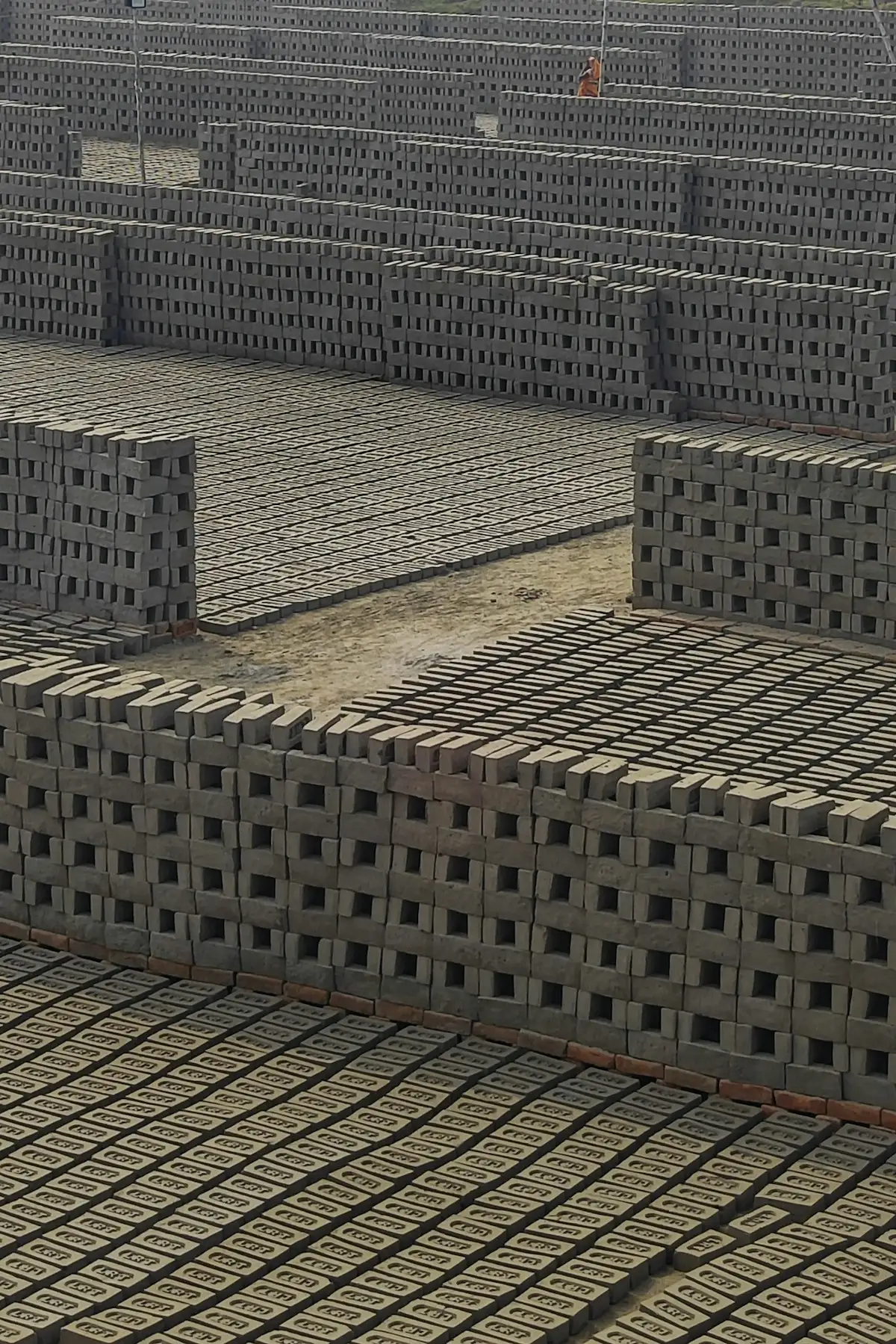
The Main Parts of an Ice Plant
An efficient ice plant relies on four critical subsystems: the refrigeration engine, the freezing tanks, the handling gear, and the insulated envelope. A failure in any single component disrupts the entire supply chain.
Understanding the Refrigeration Compressor Unit
Acting as the thermodynamic heart of the facility, the compressor unit drives the cycle that removes heat from the water. For commercial operations, you cannot afford to view this as a simple commodity; it is the primary determinant of your electrical efficiency. High-efficiency compressor blocks, often constructed from durable cast iron to withstand high pressure, are essential for achieving a high Energy Efficiency Ratio (EER). In regions with high ambient temperatures, we often see systems struggle if heat dissipation capacity is not properly calculated, leading to overloading and shutdown.
Reviewing the Water Distribution and Freezing System
This subsystem transforms water into solid blocks. In most modern block ice plants, this involves an ice canner or brine tank where a saltwater solution (brine) circulates at sub-zero temperatures. The choice of materials here is non-negotiable. The tanks and ice cans must be fabricated from Stainless Steel (AISI 304 or 316) to resist the aggressive corrosive nature of saltwater. If the thermal conductivity of the cans is poor, freezing cycles extend unnecessarily, eating into your daily production capacity. Agitation systems are also critical; they ensure uniform temperature distribution so that every block freezes at the same rate.
Inspecting the Harvesting and Packaging Mechanisms
Once the water is frozen, the speed of your harvest dictates your throughput. This typically involves a crane system to lift the ice cans from the brine tank and a thawing tank to loosen the ice. From a B2B perspective, look for lifting mechanisms that minimize manual labor, as safety liabilities increase with heavy loads. The packaging area should be integrated into the cold storage zone to prevent the ice from beginning to melt before it reaches the customer. A delay of just a few minutes in a hot ambient environment can cause surface melting, which degrades the block quality and weight value.
Considering Insulated Composite Panel Construction Materials
The envelope of your ice plant—the walls, ceiling, and floor—is not just construction; it is a revenue protection tool. Poor insulation forces your compressors to work overtime to combat thermal gain, directly attacking your profit margins. When selecting materials for sub-zero environments, the core material density and facing integrity are paramount.
With over 15 years of manufacturing experience, we have engineered our PU and PIR sandwich panels specifically for these high-load, low-temp conditions. Unlike generic building materials, our panels utilize a high-density foam core that achieves thermal conductivity below 0.022 W/m·K. This precision engineering minimizes energy loss, ensuring the cooling power generated by your compressor stays inside the room.
- Structural Integrity: Ice storage floors must withstand massive point loads from stacked blocks. We utilize foam cores with compressive strength exceeding 150kPa, often laminated with Fiberglass Reinforced Plastic (GRP) or Aluminum to prevent crushing or moisture ingress over time.
- Air Tightness: The greatest enemy of an ice plant is the air leak. We strictly employ a proprietary eccentric cam-lock mechanism with rubber gaskets for our panel connections. This system creates an airtight seal that prevents warm air infiltration and stops frost from forming in the joints, which is a common cause of structural degradation in poorly built plants.
- Safety Compliance: Given the confined nature of ice storage rooms, fire safety cannot be ignored. Our panels are manufactured to meet B1/B2 fire ratings, balancing thermal performance with necessary safety standards for industrial occupancy.
| Component | Primary Function | Technical Specifications | Material Composition | Engineering Criteria |
|---|---|---|---|---|
| Refrigeration Unit | Generates the cooling power required to freeze water into ice blocks and maintain low temperatures. | High-efficiency compressor capacity, variable speed drive compatibility, low noise operation. | Cast iron compressor blocks, steel frame, copper or aluminum piping. | Energy efficiency ratio (EER), heat dissipation capacity, operational stability in high ambient temps. |
| Ice Canner / Brine Tank | Holds the ice cans and brine solution to facilitate the heat exchange process for freezing. | Corrosion-resistant design, optimized thermal conductivity for rapid freezing cycles. | Stainless steel (AISI 304 or 316) for tank and ice cans. | Resistance to saltwater corrosion, structural integrity to withstand brine agitation. |
| Insulated Sandwich Panels | Provides thermal insulation for the ice storage room and structural enclosure to minimize energy loss. | Thermal conductivity < 0.022 W/m·K, compressive strength > 150kPa, B1/B2 fire rating. | PU/PIR Foam Core with GRP/FRP or Metal facings. | Water absorption < 1%, dimensional stability at sub-zero temperatures, airtight sealing. |
| Flooring System | Supports heavy loads of ice and machinery while providing a thermal break and hygienic surface. | High compressive load resistance, anti-slip surface texture. | XPS or PU Foam Core laminated with fiberglass reinforced plastic (GRP) or Aluminum. | Moisture resistance, thermal bridging prevention, durability under mechanical traffic. |
| Panel Connection System | Secures panels together to form an airtight structure and prevents thermal bridging. | Precise tongue-and-groove profile, eccentric locking action. | Galvanized steel or stainless steel cam-lock mechanisms with rubber gaskets. | Air tightness integrity, ease of assembly, frost prevention at joints. |
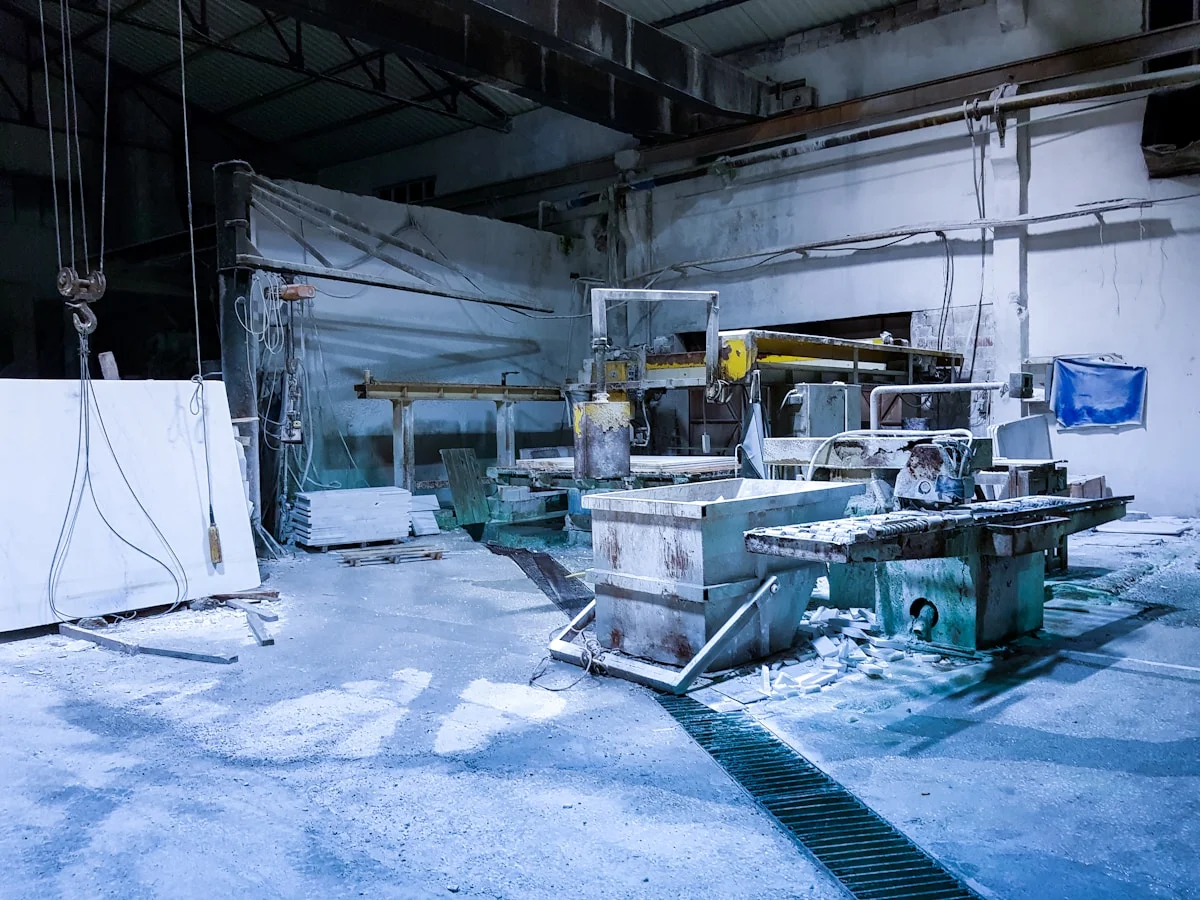
Picking the Right Site and Layout
Site Selection: Zoning and Climate Constraints
The foundation of a successful block ice operation begins long before the machinery is purchased. It starts with the land. The single biggest risk to your timeline is not equipment failure, but municipal non-compliance. Before signing a lease or purchasing a plot, you must confirm that the local zoning designation permits industrial food processing. Many viable locations—such as older warehouse districts—may allow storage but strictly prohibit the noise and heavy truck traffic associated with ice manufacturing.
Furthermore, climate dictates your operational efficiency. Block ice plants generate immense heat load via their condensers. In hot, arid climates, air-cooled condensers must work significantly harder than in temperate zones. If your target location averages summer temperatures above 35°C (95°F), you must budget for oversized condensing units and enhanced ventilation. A site with natural cross-ventilation or proximity to a cool water source (for evaporative cooling) can lower your baseline electricity costs by 10-15% annually.
Refrigeration Load and Condenser Placement
The layout of your refrigeration room is not a matter of preference; it is a matter of thermodynamics. The compressor and condenser units are the heart of the plant, and they generate substantial waste heat. Placing these units in a confined, unventilated space causes “heat recirculation,” where the condenser sucks in its own hot exhaust air. This drops the system’s efficiency (COP) and can trip high-pressure safety switches, shutting down your production line during peak demand.
Ensure your layout provides a clear, unobstructed path for hot air to exit. You should allocate a minimum of 1 meter (3 feet) of clearance around all condenser units. If your plant design requires the refrigeration room to be internal, you must install industrial exhaust fans to actively pull heat out of the building. This ventilation requirement should be factored into your initial civil engineering plans, not added as an afterthought.
Production Floor and Drainage Logistics
Block ice production is a wet process. Every cycle involves filling molds, defrosting them with warm water, and removing the ice blocks. Your floor layout must accommodate this water flow without creating safety hazards or freezing issues. The production area requires a sloped concrete floor with a heavy-duty drainage system. The slope should direct water toward channel drains, preventing standing water that can freeze in winter or promote bacterial growth.
Consider the workflow: water intake → mold filling → freezing → defrosting → demolding → stacking → packaging. This sequence should flow in a straight line to minimize manual handling. If your layout requires operators to carry heavy, wet ice blocks across the facility, you increase the risk of injury and product breakage. Position the demolding area directly adjacent to the curing and packaging zone to keep the ice moving efficiently.
Warehouse Proximity and Thermal Zoning
Your finished ice storage warehouse must be located as close to the production line as possible. Every minute ice spends in a warmer environment, the more surface melt occurs, leading to product loss and increased water usage. Ideally, the production floor should feed directly into the cold storage area through an insulated airlock or rapid-loading door.
It is critical to separate “warm” and “cold” zones. Offices, packaging areas, and loading docks should be thermally isolated from the freezing and storage rooms. If warm air from a loading dock leaks into the cold storage, it will frost up your evaporator coils, forcing the compressor to run longer cycles and increasing energy consumption. Use high-speed roll-up doors and insulated curtain partitions to maintain distinct temperature zones within your facility layout.
Power Infrastructure and Backup Access
A block ice plant is energy-intensive. Your site must support the electrical load of the main compressor, water pumps, and potentially backup generators. Verify that the local grid can provide the required voltage and amperage. If your site lacks sufficient capacity, the cost of upgrading the transformer and wiring can run into tens of thousands of dollars, potentially killing your project’s ROI.
Additionally, plan for backup power access. Diesel or gas generators are essential for continuity. Ensure your site layout includes a dedicated, ventilated area for generator placement, with easy access for fuel delivery and exhaust routing. This area should be separate from the main electrical room to prevent heat and fume interference with your sensitive control panels.
Water Supply and Waste Disposal
Ice is essentially frozen water. Your site must have a reliable, high-volume water supply. Calculate your daily water requirement based on your production capacity, including water lost to evaporation and drainage. A 10-ton per day plant can consume thousands of liters daily. Confirm that the local water utility can support this demand, especially in agricultural regions where water may be rationed during dry seasons.
Equally important is waste disposal. The defrosting process generates warm, slightly contaminated water. Check local environmental regulations regarding wastewater discharge. You may need to install a sediment filter or a cooling pond before discharging water into the municipal system. Failing to account for this infrastructure can lead to fines or shutdown orders.
Access for Heavy Logistics
Block ice is heavy and bulky. Your site must accommodate large delivery trucks for raw material intake (if any) and, more importantly, outbound distribution. Ensure that the access roads to your facility are wide enough and have a load-bearing capacity for semi-trailers. Narrow streets or low overhead bridges can prevent large trucks from reaching your loading dock, forcing you to use smaller vehicles and increasing your logistics costs.
The loading dock area should be level and equipped with dock levelers to facilitate the quick transfer of ice pallets. Consider the turning radius of your trucks; a tight site layout can make it impossible for large vehicles to maneuver safely, creating bottlenecks and increasing the risk of accidents.
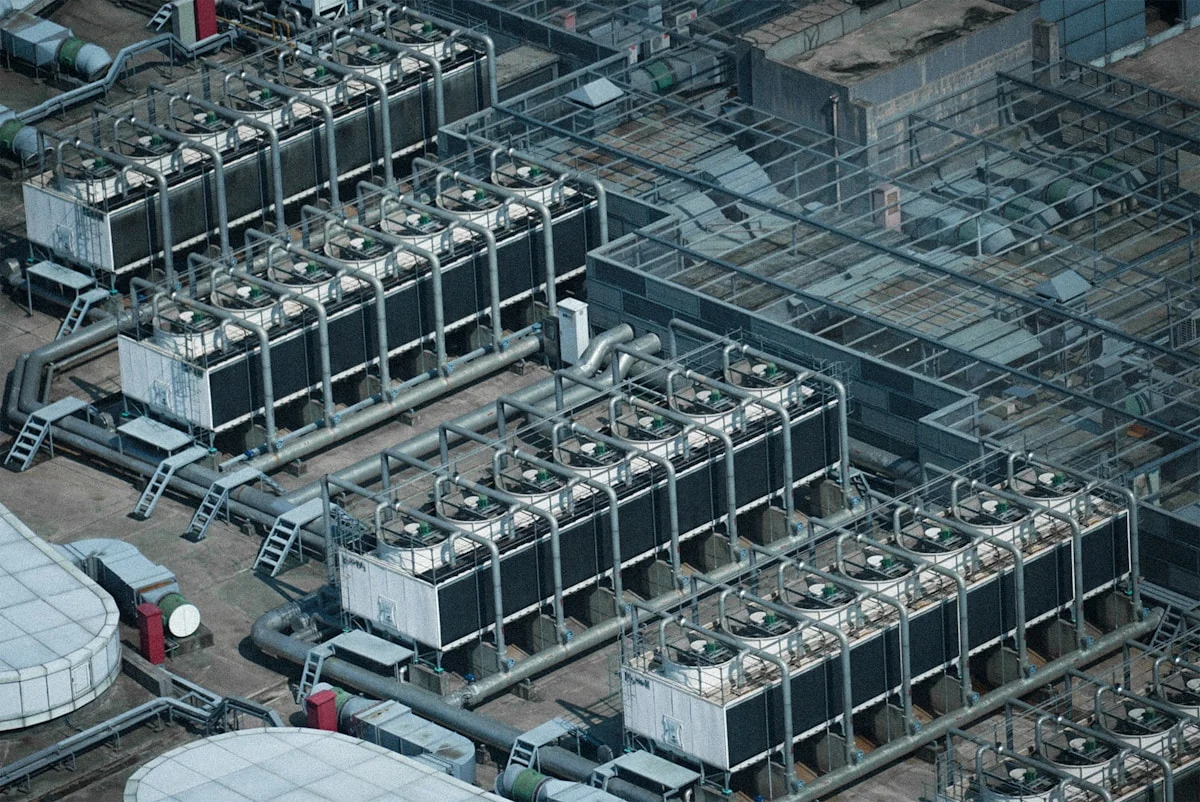
Building the Floor and Infrastructure
A block ice plant requires a specific triad of infrastructure: a reinforced concrete slab for machinery load-bearing, perimeter cold storage insulation (typically 100mm PU panels), and an epoxy finish to ensure hygiene and durability.
Structural Slab Requirements
The foundation of any block ice plant is its floor slab, which must support significantly heavier point loads than a standard warehouse floor. Unlike general cold storage where pallets are stationary, an ice plant involves continuous forklift traffic and the static weight of stacked ice blocks, which can reach extreme densities.
To address the fear of costly structural errors, you must engineer the slab to handle these concentrated loads. A standard 150mm reinforced concrete slab is often insufficient for high-capacity plants. Instead, the industry standard for a medium-to-large block ice facility is a minimum thickness of 200mm to 250mm, heavily reinforced with rebar mesh.
Furthermore, the floor must be sloped toward drainage channels. Block ice harvesting involves defrosting the molds with warm water; this meltwater must be removed instantly to prevent slippery hazards and structural waterlogging. A properly graded floor with industrial trench drains is non-negotiable for operational safety and longevity.
Wall Insulation for Sub-Zero Operations
The infrastructure surrounding your machinery—specifically the cold storage rooms—requires high-performance thermal insulation. The core challenge here is preventing heat ingress, which directly increases your refrigeration compressor load and energy bills.
For block ice storage and production areas, the standard specification is a 100mm Polyurethane (PU) sandwich panel. PU foam provides an exceptionally low thermal conductivity (k-value) compared to other insulations like polystyrene, making it the most efficient choice for maintaining temperatures well below zero degrees Celsius.
- Panel Thickness: 100mm is the standard for sub-zero ice plants; 50mm is insufficient and will cause excessive compressor cycling.
- Core Material: High-density Polyurethane (PU) foam, providing superior thermal resistance and structural rigidity.
While the core material ensures thermal efficiency, the surface finish is equally critical for maintaining a safe operating environment.
Hygiene and Durability Finishes
Beyond structural integrity, the finish of your infrastructure must address hygiene. Ice is a food product, and the environment is perpetually wet. Exposed concrete is porous, leading to bacterial growth and surface degradation over time.
Applying an industrial epoxy flooring coating is the standard solution. This creates a seamless, non-porous, and chemically resistant barrier that is easy to sanitize. It also protects the concrete slab from the freeze-thaw cycles inherent in an ice plant, preventing cracks that could compromise the foundation.
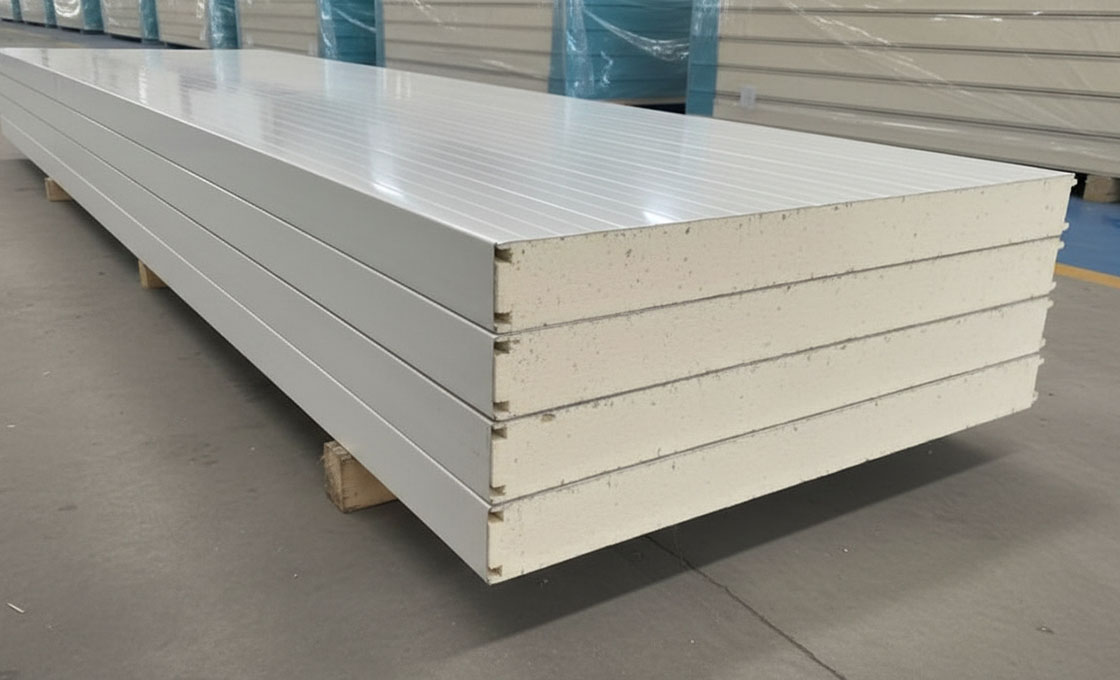
Power and Water Needs for Operation
Electrical Infrastructure and Load Management
Dominating the facility’s energy profile, the refrigeration system mandates a stable 3-phase industrial power supply rather than standard single-phase electricity. This requirement stems from the massive torque needed to compress refrigerant gas at the low temperatures necessary for freezing water, which is why most commercial block ice making machines and their associated screw or scroll compressors cannot operate on standard residential power.
The peak electrical load typically occurs during the initial cooling phase when the water is transitioning from ambient temperature to freezing. During this stage, the compressor runs at maximum duty cycle. If the local grid is unstable or if the electrical infrastructure is undersized, voltage drops can damage sensitive compressor controllers and shorten the lifespan of the machinery.
Operators often calculate the Total Connected Load (TCL) of the plant to determine the required transformer capacity. This includes not just the refrigeration unit, but also the water pumps, the automated harvesting mechanisms, and the packaging machinery. Failing to account for the startup current surge—often 6 to 8 times the running amperage—can lead to tripped breakers during peak production hours.
Water Quality and Volume Requirements
Water is the primary raw material, but its quality directly dictates the commercial value of the ice. For block ice, clarity and purity are paramount. Ice made from untreated well water often contains dissolved minerals like calcium and magnesium, which precipitate out during freezing. This results in cloudy, brittle ice blocks with internal fractures that weaken the structure and melt faster.
To produce crystal-clear, high-density ice, the water must undergo rigorous filtration and softening. A standard setup includes a multi-stage filtration system: first, a sediment filter to remove sand and rust; second, an activated carbon filter to remove chlorine and organic odors; and third, a water softener or reverse osmosis unit to remove hardness minerals.
- Source Water Stability: The plant must have a guaranteed water supply that matches the production capacity. For example, a plant producing 10 tons of ice per day may require 11 to 12 tons of raw water to account for evaporation, harvesting splash, and system losses.
- pH and Mineral Content: Ideal water for ice production has a neutral pH (around 7.0) and low total dissolved solids (TDS). High TDS levels lead to scaling inside the refrigeration pipes, which insulates the pipes and forces the compressor to work harder, increasing energy costs.
- Temperature of Supply Water: Colder incoming mains water reduces the thermal load on the refrigeration system. In hot climates, pre-cooling the water before it enters the ice molds can significantly cut down the freezing cycle time.
Mitigating Energy Costs and Grid Instability
Given that electricity can account for 60-70% of the operational costs in a block ice plant, efficiency is not just about comfort—it is about survival. Poor insulation in the cold room or inefficient refrigerant flow can silently erode profit margins. This is why the choice of cold storage materials is critical; high-density polyurethane (PU) sandwich panels with low thermal conductivity are standard because they maintain the sub-zero temperature with minimal compressor cycling.
Unreliable grid infrastructure necessitates a strategic investment in auxiliary power solutions to prevent inventory loss during outages. A diesel or gas generator is often essential to keep the ice from melting when the main power supply fails, ensuring continuous operation and protecting the plant’s output.
From Water to Ice: The Production Cycle
Operating as a continuous loop of water distribution, controlled freezing, and mechanical harvesting, the production cycle defines the plant’s throughput. For a block ice plant, efficiency is defined by the cycle time—typically 4 to 8 hours for a standard 50kg block.
Understanding the exact sequence from liquid water to solid ice is vital for sizing your refrigeration plant and managing energy costs. The process is not merely “freezing water”; it is a thermodynamic management task where heat is extracted from the water and transferred to the refrigerant. In a block ice machine, this happens inside a metal mold.
Phase 1: Water Distribution and Level Control
The cycle begins when the mold is sealed and filled with water. The volume of water is critical because it directly determines the final weight of the ice block. Operators use a water level controller—often a float valve or an electronic sensor—to ensure the mold is filled to the precise mark.
If the water level is too high, the block may be too heavy for standard handling or packaging. If it is too low, you lose revenue per block. Once the correct level is reached, the inlet valve closes, and the freezing phase commences. Cold brine (a saltwater solution cooled by the refrigeration unit) is then circulated through the walls of the mold.
Phase 2: The Freezing Process (Heat Extraction)
As the brine circulates, heat transfers from the water to the mold walls and then to the brine. This causes the water to freeze starting from the outer edges and moving inward. A key technical detail is that this process is not instantaneous. A standard 50kg block ice machine takes between 24 to 36 hours to fully freeze, depending on the ambient temperature and the efficiency of the compressor unit.
During this phase, the ice forms a clear outer shell while the center remains liquid. This is normal. The clarity of the ice is often a marker of quality; slow, controlled freezing produces clearer, harder ice that melts slower than ice frozen quickly, which can be cloudy and brittle.
Phase 3: Harvesting (Defrosting)
Once the freezing cycle is complete, the machine moves to the harvesting stage. This is where many new plant owners encounter operational challenges. To remove the ice block, the machine must briefly melt the outer layer of the ice so it releases from the mold walls.
- Warm Water Injection: Most modern block ice machines inject a small amount of warm water (from a built-in heater or mixed line) between the mold wall and the ice block. This creates a thin layer of meltwater, allowing the block to slide out easily.
- Gravity Release: The mold tilts or drops, and the solid block slides onto a conveyor belt or into a collection bin.
- Timing is Critical: If the defrosting time is too long, you lose significant ice mass to meltwater, reducing your yield. If it is too short, the block gets stuck, potentially damaging the mold or the machine’s tilting mechanism.
Phase 4: Discharge and Packaging
After discharge, the ice blocks are typically moved via conveyor to a packaging area. In automated lines, a block saw may cut the large block into smaller, standardized sizes (e.g., splitting a 50kg block into four 12.5kg pieces). The ice is then bagged or wrapped for storage in the cold room.
The cycle then repeats automatically. The mold drains any remaining water, refills, and begins freezing again. For a plant producing 5 tons per day, you need enough mold capacity to run multiple cycles simultaneously. For example, if each cycle produces 50kg and takes 30 hours, you need a significant number of molds to achieve continuous daily output.
Keeping Power Running During Outages
In the block ice business, power continuity is synonymous with inventory preservation. A reliable backup strategy combining generators, high-grade insulation, and water reserves ensures production survives grid fluctuations without financial loss.
Backup Generator Integration
For commercial block ice plants, the electrical grid is often the single point of failure. When the grid goes down, refrigeration compressors stop immediately, leading to a rapid rise in temperature and potential spoilage of both the ice in the molds and the stored inventory. To mitigate this, a standby diesel generator is the standard solution for maintaining critical loads. The system must be sized correctly, not just for the running amperage of the equipment, but specifically for the high “inrush” or starting current required by heavy industrial compressors. A generator that handles the running load but fails on the startup surge will stall the moment the power cuts out.
The critical component connecting the generator to the plant is the Automatic Transfer Switch (ATS). This device monitors the mains power supply; the moment it detects a voltage drop or outage, it signals the generator to start. Once the generator reaches stable speed and voltage, the ATS isolates the grid line and transfers the load to the generator automatically. This seamless transition—typically occurring within seconds—is vital. Manual switching is too slow and risks damaging the compressor if it attempts to restart against high head pressure.
Never size a generator based solely on the total running wattage of your ice plant. Industrial compressors can draw 5 to 7 times their running current during startup. Always consult an electrical engineer to calculate the “Locked Rotor Amperage” (LRA) to ensure the generator can handle the initial mechanical shock.
Thermal Insulation as a Safety Net
While generators keep the machinery running, the building envelope itself acts as a passive defense mechanism during power failures. High-quality insulated sandwich panels serve as a thermal barrier, significantly slowing down the rate at which heat penetrates the ice storage area. In the context of a block ice plant, the storage room functions like a massive thermal battery. If the power fails, the thick ice blocks themselves possess immense “thermal mass,” staying frozen for a long time provided the heat ingress from the outside environment is minimized.
The effectiveness of this barrier depends entirely on the insulation material and the integrity of the installation. Polyurethane (PU) or Polyisocyanurate (PIR) foam cores are industry standards due to their low thermal conductivity. However, even the best foam fails if air leaks around the panels. It is crucial to use cam-lock mechanisms and sealing tapes to ensure the room is airtight. Any gap allows warm, moist air to enter, leading to rapid ice melt and condensation buildup that can further degrade the insulation value over time. For operators in extreme climates, choosing PIR panels with enhanced fire-retardant properties offers a safety advantage, balancing thermal retention with building code compliance.
Emergency Water Reserves
Water supply is frequently overlooked in power outage planning, yet it is as critical as electricity. In many municipal setups, water towers rely on electric pumps to maintain pressure. A power outage often means a simultaneous loss of water pressure, halting the ice production cycle even if you have backup power. To solve this, a block ice plant requires an independent water buffer system.
- Overhead Gravity Tanks: Installing a water tank on a stand or the roof utilizes gravity to feed water into the ice cans. This is the most reliable method as it requires no electricity during the distribution phase.
- Ground-Level Reservoirs: If space is limited, a ground tank can be used, but it requires a secondary, smaller pressurization pump or a dedicated backup power circuit for the main feed pump.
- Capacity Calculation: The reserve volume should be sufficient to complete at least one full production cycle or fill the ice cans completely, ensuring the plant can finish a batch even if the municipal supply remains offline for days.
additionally, this water reserve must be kept clean and covered. Since this water will freeze directly into the block ice, any sediment or contamination in the reserve tank will end up frozen inside the product, affecting clarity and hygiene standards. Regular filtration and maintenance of this reserve line are essential operational practices.
| System Category | Primary Specification | Performance Metric | Operational Feature | Primary Benefit |
|---|---|---|---|---|
| Diesel Generator | 50kVA – 500kVA | 8-24 Hours (Fuel Tank) | < 10 Seconds (ATS) | Ensures continuous compressor operation during grid failure |
| Hybrid Inverter System | 10kW – 100kW | 4-8 Hours (Partial Load) | Lithium-ion / Lead-acid Storage | Reduces grid dependency and operational energy costs |
| PU/PIR Sandwich Panels | < 0.022 W/m·K Conductivity | B1 / B2 Fire Rating | Airtight Cam-lock Mechanism | Minimizes thermal loss and extends ice retention during outages |
| Thermal Mass Storage | 12-24 Hours (Insulated) | Maintains < -10°C Stability | > 150kPa Compressive Strength | Preserves existing stock quality without active power |
| PLC with Remote Monitoring | Real-time Temp & Power Logging | Automated Generator Start | SMS / Email Notifications | Enables rapid operator response and fault diagnosis |
Conclusion
Building a block ice plant is an exercise in balancing heat load against your power budget. The science is straightforward, but the engineering details dictate your profit margin. A small miscalculation in the compressor tonnage or the floor insulation thickness can double your electricity costs before you ever sell your first block. We have spent the last decade helping buyers avoid these costly geometry errors. You now have the blueprint to size your facility correctly and protect your inventory during power failures.
Do not finalize your drawings without a second opinion from a specialist. Our engineering team is ready to review your site layout and production targets. Treat them as your technical backup to validate your design choices before you pour the concrete. This is the safest way to ensure your infrastructure is built for long-term efficiency.
Frequently Asked Questions
How do composite panels improve ice plant energy efficiency?
High-performance PU or PIR sandwich panels provide superior thermal insulation with conductivity below 0.022 W/m·K. This minimizes heat transfer, allowing refrigeration compressors to run less frequently and reducing overall electricity consumption. RaxPanel’s cam-lock design ensures airtight seals that prevent frost buildup and further enhance energy savings in sub-zero environments.
Why is thermal insulation critical for block ice storage?
Effective insulation maintains consistent internal temperatures, preventing ice melt and reducing product loss during storage. Poor insulation forces compressors to work harder, leading to higher operational costs and potential equipment failure. RaxPanel’s lightweight composite solutions help preserve ice integrity while lowering the thermal load on your refrigeration system.
What insulation materials are best for block ice cold rooms?
PU and PIR sandwich panels are the industry standard for cold storage due to their excellent thermal resistance and structural strength. These materials offer water absorption under 1% and can withstand heavy loads with compressive strength exceeding 150kPa. They are also available with B1/B2 fire ratings, ensuring safety compliance for industrial freezing facilities.
Can composite panels withstand heavy forklift loads in ice plants?
Yes, RaxPanel’s sandwich panels are engineered for high compressive strength, exceeding 150kPa. This durability allows them to support heavy machinery and forklift traffic without structural deformation. The robust construction ensures long-term stability for flooring and wall applications in demanding industrial ice production environments.
How do sandwich panels prevent structural failure in cold environments?
The proprietary cam-lock mechanism creates airtight seals that prevent cold air leakage and moisture intrusion. This design stops frost accumulation within panel joints, which can otherwise lead to structural weakening over time. Using high-quality composite panels ensures the building envelope remains intact under repeated thermal cycling.
Are RaxPanel materials suitable for humid ice factory environments?
Absolutely. RaxPanel products feature water absorption rates under 1%, making them highly resistant to moisture damage. The materials are designed to maintain structural integrity and insulation performance even in high-humidity, sub-zero conditions. This durability is essential for preventing mold and degradation in ice production facilities.
How does panel thickness affect ice plant cooling costs?
Thicker insulation panels generally provide better thermal resistance, reducing the workload on refrigeration units. Selecting the appropriate thickness based on local climate and temperature requirements can significantly lower long-term energy bills. RaxPanel offers customized solutions to balance insulation performance with cost-effectiveness for your specific project.