
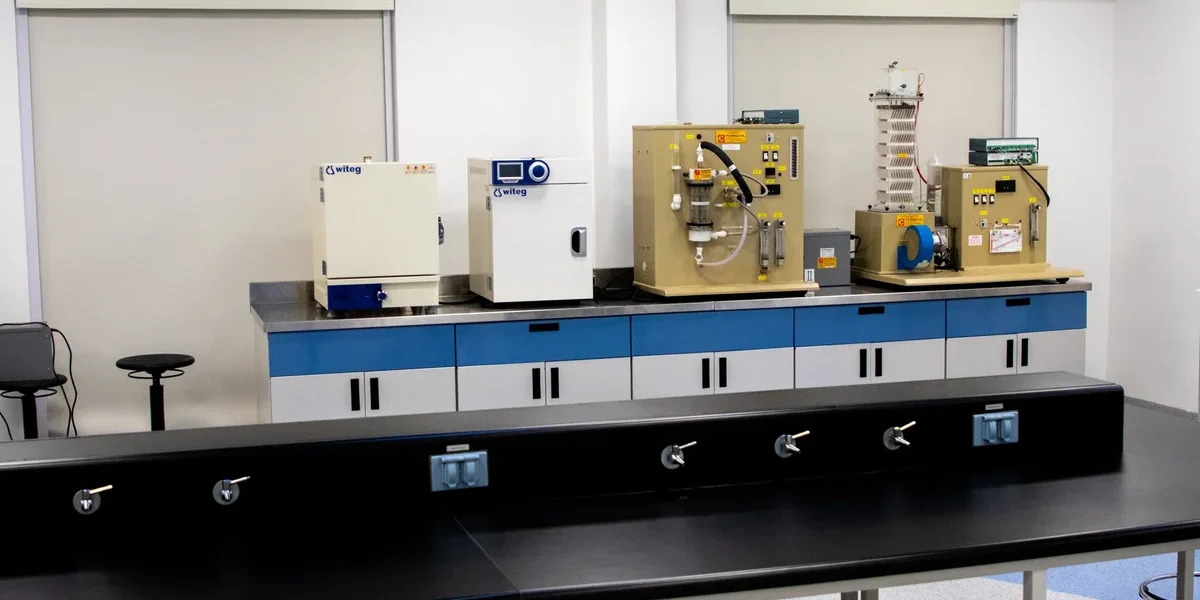
We’ve spent 15 years engineering cleanroom solutions for CBD extraction facilities, and the most common failure we see isn’t about HEPA filters — it’s about ISO classification missteps that lead to failed FDA audits. According to industry standards, a cleanroom must maintain a defined airborne particle concentration, yet many operators misclassify their ISO 5 through 8 zones, risking product recalls and compliance violations. This article breaks down the structural and regulatory essentials you need to build a facility that passes inspection and scales with growth.
We’ll walk through the critical design elements — from cleanroom panel materials like rock wool and PIR cores to HVACD strategies that manage positive and negative pressure zones — and explain how to avoid the fire safety versus sterilizability trade-off that catches most facilities off guard. You’ll also get practical guidance on future-proofing your layout for modular expansion and new extraction technology.
What Is a CBD Extraction Cleanroom?
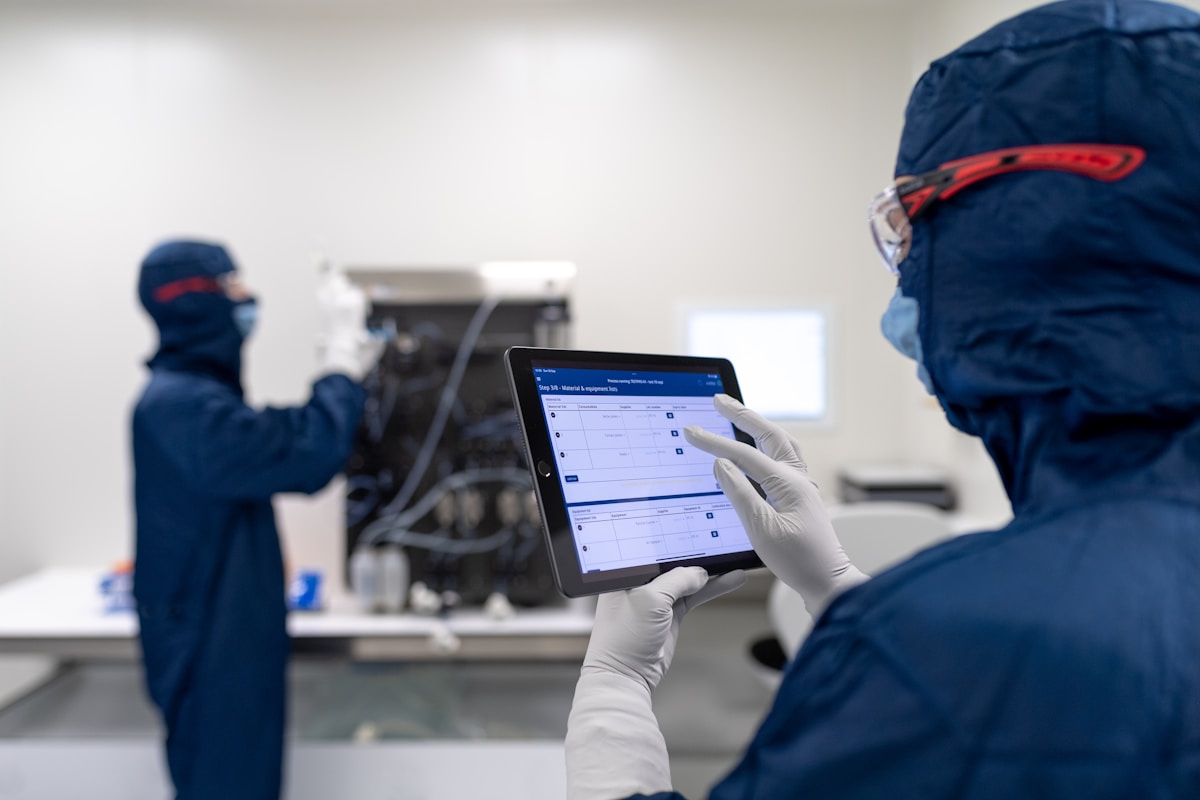
A CBD extraction cleanroom is a controlled environment that simultaneously manages airborne particles, volatile solvents, and GMP compliance standards—bridging the gap between food-grade processing and pharmaceutical-grade manufacturing.
Defining the CBD Extraction Cleanroom Purpose
A CBD extraction cleanroom is a specially engineered space where raw hemp biomass is converted into extractable oils using solvents such as ethanol or supercritical CO₂. Unlike a standard manufacturing environment, this room must perform three jobs at once: control airborne particulate, manage flammable solvent vapors, and maintain temperature and humidity within narrow bands that protect both product integrity and worker safety.
Think of it this way—a regular cleanroom keeps dust out. A CBD extraction cleanroom keeps dust out while also ensuring that solvent vapors never accumulate to dangerous concentrations, and that the final extract remains free from microbial and chemical contamination. The environment is closer to a pharmaceutical compounding suite than a typical processing warehouse.
The purpose extends beyond compliance. A properly designed cleanroom directly protects your bottom line by reducing batch rejection rates, minimizing cross-contamination between production runs, and providing the documented environmental controls that regulators and third-party labs expect to see during audits.
Key Components of a CBD Cleanroom
The architecture of a CBD cleanroom revolves around four interconnected systems. Each one serves a distinct function, and they must work in concert for the facility to perform reliably under production conditions.
Our engineering team regularly encounters operators who select cleanroom panels based on appearance or upfront cost alone, only to discover performance gaps during commissioning. The core issue is that cleanroom panels are not simply walls—they are engineered barrier systems with fire ratings, thermal properties, and surface finishes that must meet defined standards. A panel that looks suitable on a catalog may not survive repeated exposure to aggressive sanitization chemicals or the thermal cycling that occurs during solvent extraction processes.
The four key components break down as follows:
- Wall and ceiling envelope: Forms the primary contamination barrier. The surface must be non-porous and chemically resistant so that routine sanitization does not degrade the material over time.
- Flooring system: Creates a seamless, anti-static surface capable of withstanding frequent washdowns and chemical exposure without cracking or harboring microbial growth.
- Air handling and filtration: Continuously circulates and filters air to maintain particle counts and keep temperature and humidity within specified ranges.
- Access and containment infrastructure: Includes airlocks, pass-throughs, and sealed penetrations that prevent cross-contamination between zones operating at different cleanliness levels.
What often separates a well-performing cleanroom from one that struggles is how these components are integrated. A high-quality panel system paired with a poorly designed HVAC layout will underperform, just as an excellent air handling unit cannot compensate for leaky envelope joints. The systems must be specified together, not sequentially.
How Cleanrooms Support Volatile Solvent Processing
Volatile solvents like ethanol and hydrocarbon extracts introduce risks that most standard cleanroom designs were not built to handle. These substances can ignite at specific concentration thresholds, and they can also degrade common building materials through repeated exposure. A properly engineered cleanroom addresses both concerns through its construction philosophy.
The first line of defense is the panel envelope itself. Joints between panels must be fully sealed to prevent solvent vapors from migrating into wall cavities where they can accumulate unseen. In our experience working with retrofit projects, unsealed panel joints are one of the most common failure points we identify. When vapors enter a wall cavity, they cannot dissipate, creating both a safety hazard and a persistent contamination source that standard cleaning cannot reach.
The second consideration is surface chemistry. Many standard panel facings will swell, discolor, or lose structural integrity when exposed to repeated solvent contact. This is why the choice of facing material—whether gelcoat-finished GRP, continuous fiber reinforced thermoplastic, or aluminum—matters far beyond aesthetics. We have seen operators cut corners on facing selection and then spend significantly more on premature panel replacement than they would have on a properly specified system from the outset.
Temperature and humidity control also play a direct role in solvent safety. Proper HVAC design keeps the environment below flash point thresholds for common extraction solvents while preventing condensation that could compromise electrical equipment. The engineering integration between panel insulation properties and HVAC capacity is critical here—a well-insulated envelope reduces the thermal load on your HVAC system while maintaining the stability the extraction process requires.
Never assume standard industrial panels are suitable for solvent-exposed areas. Panels not rated for chemical resistance can degrade within months, compromising both containment and structural integrity. Always verify solvent compatibility with your panel supplier before procurement.
Cleanroom Class Ratings for CBD Facilities
Cleanroom classifications define how many airborne particles are permitted per cubic meter of air. The ISO numbering system runs from ISO-1, the cleanest, to ISO-9, the least clean, with each class specifying exact particle count limits at defined particle sizes. Understanding these ratings helps you match your facility design to your actual operational needs without over-specifying or under-specifying.
For CBD extraction, the industry standard is ISO-7. This classification sits between the cleanliness required for typical food processing and the stricter standards used in pharmaceutical aseptic processing. It is a practical middle ground—stringent enough to protect product purity and meet GMP-aligned expectations, without the prohibitive cost of ISO-5 or ISO-6 environments.
The rationale for ISO-7 in CBD extraction comes down to three factors:
- Particle control: Botanical material generates fine particulate during handling and processing. ISO-7 limits ensure these particles do not settle on open product or equipment surfaces at problematic levels.
- Microbial compliance: USP <797> and <800> standards, which govern pharmaceutical compounding, reference ISO-7 as the baseline for non-sterile compounding environments. CBD extraction facilities targeting pharmaceutical-grade quality align with these benchmarks.
- Cost efficiency: Achieving ISO-5 or ISO-6 would require significantly more HEPA filtration capacity, higher air change rates, and more expensive envelope materials. For most CBD operations, ISO-7 delivers compliance without over-engineering the facility.
Some operators consider ISO-8 for non-critical support areas such as packaging or warehousing. This is acceptable as long as the extraction and compounding zones themselves maintain ISO-7 or tighter. The key is proper zoning—maintaining pressure cascades that ensure air flows from cleaner spaces toward less clean ones, preventing cross-contamination between areas.
When evaluating cleanroom proposals, ask suppliers to specify the air change rate per hour at your target ISO class. A facility claiming ISO-7 compliance with only 15 air changes per hour is likely underspecified. Proper ISO-7 environments typically require 20 to 30 or more air changes per hour depending on occupancy and equipment heat loads.
| Cleanroom Parameter | Specification | Panel Material Options | Key Benefits | Compliance/Use Case |
|---|---|---|---|---|
| ISO Classification | ISO-7 (Class 10,000): ≤352,000 particles ≥0.5 µm/m³; 20 to 30 or more air changes per hour | PIR Sandwich Panels, Rockwool Sandwich Panels, GRP/FRP Foam Core Panels | Controls airborne contaminants, ensures batch-to-batch consistency, supports GMP compliance | USP797/800 compounding standards; pharmaceutical and nutraceutical manufacturing |
| Wall & Ceiling Panels | Non-porous, seamless, chemical-resistant surfaces; fire-rated cores | CFRT Sandwich Panels, GRP Honeycomb Panels, Aluminum Honeycomb Panels, ACP Foam Core Panels | Resists particle buildup, enables thorough sterilization, lightweight yet structurally robust | Hardwall and modular cleanroom construction for CBD extraction and processing areas |
| Flooring | Heat-welded vinyl or epoxy flooring; seamless, anti-static, chemical-resistant | HDPE Sheets, GRP/FRP Sheets with Gelcoat, CFRT Sheets | Easy to clean, resists microbial accumulation, withstands frequent sanitization | GMP-compliant flooring for extraction zones and post-harvest processing |
| HVAC & Air Filtration | HEPA fan filter units; positive pressure maintenance; temperature and humidity control | Foam Core Sandwich Panels (XPS, PET, PU, PVC, PMI cores) with GRP/Aluminum facings | Thermal insulation, energy efficiency, airtight panel joints prevent contaminant ingress | Climate-controlled extraction environments; mold and microbial prevention |
| Access & Containment | Airlocks, pass-throughs, sealed lighting, magnehelic pressure gauges; gowning areas | Modular GRP Sandwich Panels, PP Honeycomb Panels, Aluminum Composite Panels (ACP) | Pressure differential control, contamination barrier, rapid modular installation and reconfiguration | CBD facility zoning (positive/negative pressure zones); material transfer between clean zones |

Why Cleanliness Matters in CBD Production
CBD extraction is a precision process where airborne particles, microbial contamination, and environmental fluctuations can compromise product safety, regulatory compliance, and worker health in a single batch.
Contamination Risks in CBD Extraction
CBD extraction involves handling raw plant material, solvents, and concentrated oils in environments where contamination can enter at multiple stages. Unlike finished-product packaging, extraction takes place during the most vulnerable phase of manufacturing — when the material is open, exposed, and chemically active.
Airborne dust, microbial spores, and residual particulates from surrounding areas can settle directly into open vessels, transfer lines, and collection chambers. Even a single contaminated batch can result in product recalls, regulatory action, and significant financial loss.
- Airborne particulates: Dust, skin cells, and fiber fragments carry microbes and endotoxins that contaminate extract surfaces.
- Microbial growth: Uncontrolled humidity and temperature allow mold and bacteria to proliferate on plant material and in solvent lines.
- Cross-contamination: Solvent residues, cleaning agents, and previous batch materials can migrate between processing zones without proper airflow management.
Impact of Particles on Product Purity
Particle contamination in CBD extraction is not a cosmetic issue — it is a direct threat to product purity and consumer safety. Particulate matter introduced during extraction can include industrial fibers, metal shavings from equipment wear, plant debris, and airborne microorganisms. These contaminants are not always visible to the naked eye, which makes them especially dangerous.
HEPA filtration systems, which are standard in ISO 7 and ISO 8 cleanrooms, remove 99.97% of particles at 0.3 microns or larger. This level of filtration is critical because particles in this size range can carry bacterial spores and mold fragments that survive standard processing temperatures.
- Final product testing: Contaminants that bypass extraction filtration appear in third-party lab results as elevated particulate counts, microbial limits, or unexpected residues.
- Batch rejection rates: Facilities without controlled environments typically see higher rejection rates during quality assurance, directly reducing yield and profitability.
- Consumer health risk: Inhaled or ingested particulate contaminants can trigger allergic reactions, respiratory irritation, or other adverse health effects in end users.
Regulatory Compliance Through Cleanroom Standards
While the United States lacks comprehensive federal regulation specifically for CBD production, state-level agencies and third-party certification programs increasingly require documented cleanroom standards. Facilities that operate without controlled environments face growing regulatory risk, especially as market expectations shift toward pharmaceutical-grade manufacturing practices.
ISO 7 cleanroom classification is widely recognized in pharmaceutical and research settings as the minimum standard for processes involving open handling of sensitive materials. Achieving and maintaining ISO 7 classification requires controlled airflow, HEPA filtration, monitored temperature and humidity, and documented sanitation protocols.
- ISO classification: ISO 7 permits no more than 352,000 particles of 0.5 microns or larger per cubic meter of air, providing a measurable benchmark for facility compliance.
- State and local certification: Programs such as CDPHE certification and equivalent state-level requirements increasingly mandate documented environmental controls for CBD manufacturing.
- Third-party lab verification: Independent testing laboratories evaluate cleanliness, microbial counts, and particulate levels as part of batch release criteria, making cleanroom documentation essential for market access.
Protecting Worker Safety in Extraction Spaces
CBD extraction environments involve volatile solvents, pressurized equipment, and fine particulate matter that pose direct health risks to workers. A properly designed cleanroom does more than protect the product — it protects the people operating the equipment.
HEPA-filtered supply air reduces airborne solvent vapors and particulate concentrations below occupational exposure limits. Positive pressure differentials prevent contaminated air from adjacent areas from entering the extraction zone. Temperature and humidity control reduces thermal stress and prevents condensation on electrical and mechanical systems.
- Solvent vapor management: Controlled airflow and ventilation remove evaporated solvents before they reach dangerous concentration levels in the breathing zone.
- particulate inhalation risk: Fine plant dust and processing debris can cause respiratory irritation and long-term lung damage without adequate air filtration.
- Electrical and equipment safety: Humidity control prevents condensation on extraction equipment, reducing the risk of short circuits, equipment failure, and workplace accidents.
Essential Structural Components and Design
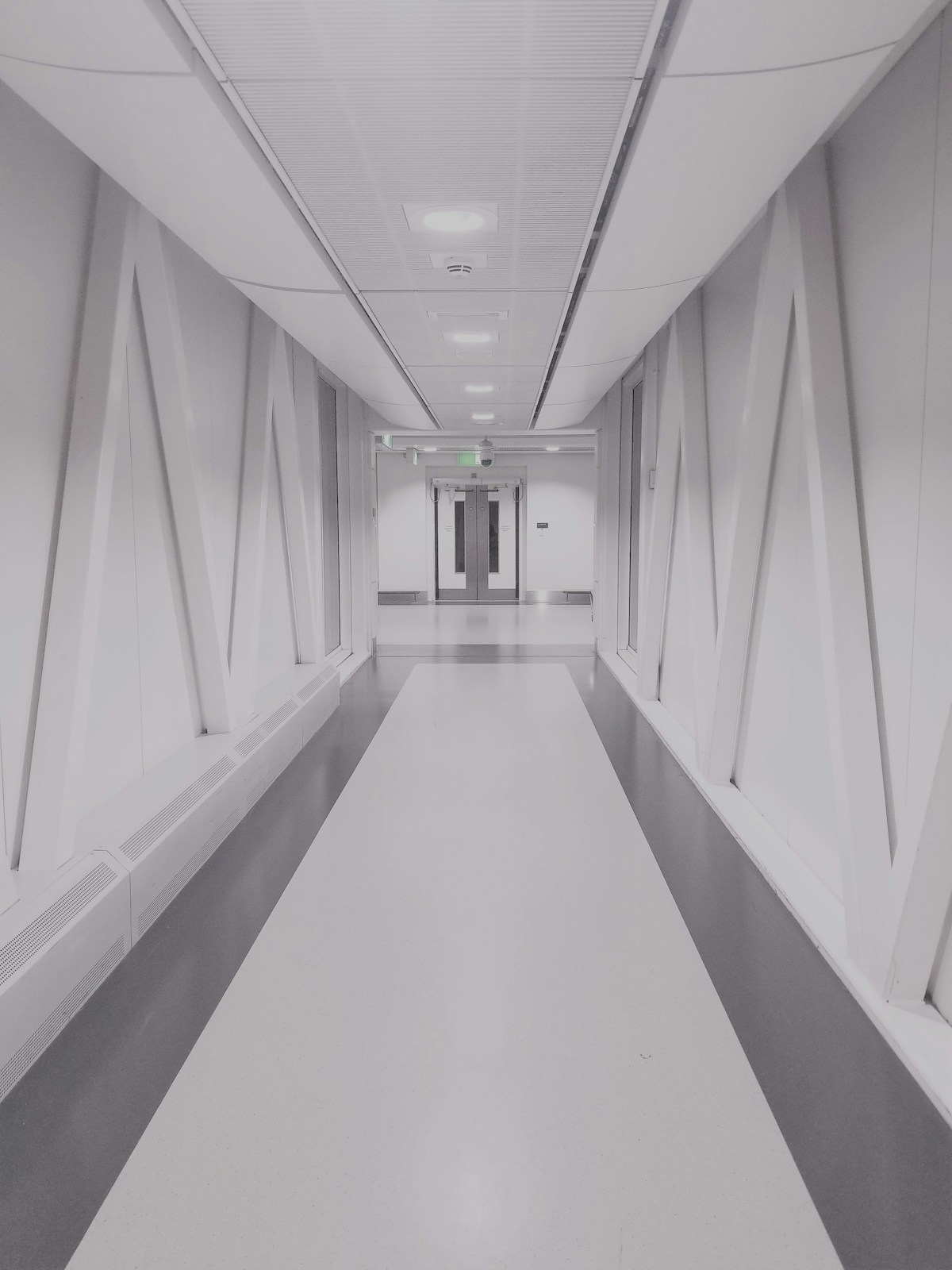
CBD extraction cleanrooms require a tightly integrated structural envelope — modular wall panels, seamless flooring, and engineered ceiling grids — all designed to resist solvents, minimize particle generation, and maintain ISO-class air quality under continuous thermal stress.
Modular Wall Systems and Core Material Selection
The wall structure is the primary barrier between the controlled environment and the outside world, and material choice here directly impacts safety, compliance, and long-term operational cost. In CBD extraction facilities, walls must simultaneously resist flammable solvent vapors, maintain thermal stability, and meet fire-rating requirements for ISO 7 classification.PIR vs. PU vs. Rockwool Cores: What Buyers Actually Need
The core material inside sandwich panels is where most specification decisions hinge. Polyisocyanurate (PIR) cores offer superior fire resistance compared to standard polyurethane (PU), typically achieving Class A or B1 fire ratings depending on facer material — a critical factor when the room handles ethanol or butane. PU cores provide excellent thermal insulation and moisture resistance at a lower cost point, making them suitable for non-high-heat zones. Rockwool (mineral wool) cores deliver the highest fire resistance of the three and are non-combustible, but they are heavier, absorb moisture if not properly sealed, and can degrade in performance when exposed to repeated solvent contact.
- PIR sandwich panels: Best balance of fire rating, thermal insulation, and weight. Ideal for extraction rooms where solvent vapor exposure is frequent.
- PU sandwich panels: Cost-effective with strong thermal performance. Suitable for packing and secondary processing areas where fire risk is lower.
- Rockwool sandwich panels: Highest fire resistance and acoustic dampening. Best for areas requiring strict fire code compliance, but heavier and more sensitive to moisture ingress.
For ISO 7 cleanroom panel fire rating requirements, PIR-faced steel panels are the most commonly specified solution in North American and European CBD extraction facilities. The steel facer provides the smooth, non-porous, non-shedding surface required for particle control, while the PIR core meets the fire-load restrictions imposed by IFC and NFPA 45 standards for facilities handling flammable solvents.
Seamless Flooring for Solvent-Heavy Environments
Flooring in a CBD extraction cleanroom faces a unique dual threat: it must withstand aggressive chemical disinfectants used for routine sanitation, and it must resist permeation by volatile organic compounds (VOCs) such as ethanol, hexane, and butane that are present in extraction areas. Standard epoxy coatings can crack or delaminate when exposed to repeated solvent pooling, which is why seamless vinyl and chemically resistant epoxy systems with anti-permeation layers are the preferred choice.
The cove base detail — where the floor curves upward to meet the wall — is not merely aesthetic. A properly executed cove radius (typically 50mm to 100mm) eliminates the 90-degree corner where contaminants and solvent residues accumulate. This is especially critical in extraction rooms where liquid solvent spills are a realistic operational event. The flooring system should integrate seamlessly with the wall panel coving to create a continuous sealed surface with no joints or seams at the base.
- Epoxy-coated flooring: High chemical resistance and abrasion durability. Requires professional installation to ensure seamless integration with wall coving.
- Seamless vinyl flooring: Faster installation, inherently solvent-resistant, and provides a smooth non-porous surface. Preferred in facilities prioritizing quick turnaround between production runs.
- Anti-static (dissipative) flooring: Required in areas where static discharge could ignite solvent vapor clouds. Look for surface resistance values between 10^6 and 10^9 ohms.
Ceiling Grids and Airflow Architecture
The ceiling in a cleanroom is far more than a decorative cover — it is the distribution layer for conditioned air and filtration. Ceiling plenums, the space between the structural deck and the ceiling panels, route supply air from the HVAC unit to HEPA or ULPA filter housings integrated into the ceiling grid. The design of this plenum directly affects airflow uniformity and pressure stability throughout the facility.
For unidirectional (laminar) airflow areas, ceiling panels must be flush-mounted with tear-drop profiles to minimize turbulence. For turbulent (non-laminar) airflow areas, which are more common in ISO 7 and ISO 8 spaces, standard flat-panel ceilings with properly sized filter drops are sufficient. The key design principle is that every ceiling penetration — for lighting, utilities, or sensor wiring — must be individually sealed to prevent air leakage that would disrupt the pressure cascade.
Pressure Cascades and Structural Sealing
Understanding pressure cascade logic is essential before specifying any structural component, because the wrong pressure direction can turn a cleanroom into a contamination vector. In a CBD extraction facility, the pressure hierarchy typically flows from the cleanest area to the least clean: packaging and final product handling areas maintain positive pressure relative to processing zones, while extraction rooms — where raw biomass and flammable solvents are present — operate under negative pressure relative to adjacent corridors and processing areas.
This means air flows from packaging areas → processing areas → extraction rooms → exhaust. The negative pressure in extraction rooms serves two purposes: it prevents solvent vapor from migrating into cleaner zones where it could accumulate to dangerous concentrations, and it ensures that any airborne particulate from biomass handling is contained and exhausted rather than circulating into product contact areas.
- Packaging/filling rooms: Positive pressure (+10 to +15 Pa relative to adjacent zones) to protect finished product from airborne contamination.
- Processing/extraction rooms: Negative pressure (-5 to -10 Pa relative to corridors) to contain solvent vapors and biomass particulates.
- Ante-rooms and airlocks: Intermediate pressure zones that create buffered transitions and allow pressure verification at each threshold.
Structural sealing quality determines whether the designed pressure cascade is achievable and maintainable. Every wall panel joint, every ceiling-to-wall interface, and every utility penetration must be airtight. A single unsealed gap of just 5mm along a wall panel seam can disrupt the entire pressure relationship, causing air to short-circuit from positive to negative zones and compromising both contamination control and solvent vapor containment. This is why modular panel systems with gasketed or sealed joint designs are strongly preferred over field-fabricated solutions for CBD extraction facilities.
Utility Penetrations and Structural Integrity
Every pipe, conduit, and cable that passes through a cleanroom wall or ceiling represents a potential leakage path. In extraction rooms specifically, utility penetrations must be sealed with materials compatible with both solvent exposure and the pressure differential across the barrier. Standard caulk or foam sealants are inadequate — they degrade under solvent contact and cannot maintain a permanent seal under cyclic pressure changes caused by HVAC cycling.
The structural design must also account for the dynamic loads imposed by extraction equipment. Large-scale ethanol recovery units, butane extraction towers, and rotary evaporators generate vibration that can loosen panel joints over time. Modular wall panel systems with vibration-dampening gaskets and reinforced corner coving provide the long-term stability needed to maintain seal integrity under continuous equipment operation. This is a factor often overlooked during the design phase but becomes a significant maintenance issue within the first 12 to 18 months of operation.
| Component | Material / Design | Technical Standard | Critical Role |
|---|---|---|---|
| Modular Wall Panels | Steel-coated sandwich panels (PU or PIR core) | Smooth, non-porous, non-shedding surfaces with baked finish | Prevents particle generation, ensures durability, and supports vibration resistance |
| Junctions & Corners | Flush coving and rounded corners | Continuous sealed surfaces using FDA-approved, anti-fungal silicone | Eliminates hard-to-clean ledges that harbor bacteria and contaminants |
| Ceiling & Filtration | Ceiling plenums with HEPA or ULPA filters | Unidirectional (laminar) or turbulent airflow patterns | Continuously removes airborne particles and maintains pressure cascades |
| Cleanroom Lighting | Sealed, flush-mounted, gasketed fixtures | Tear-drop profile for unidirectional flow areas; neoprene gaskets | Minimizes airflow turbulence and prevents internal contamination release |
| Flooring System | Epoxy-coated or seamless vinyl | Chemical resistance, abrasion resistance, and seamless integration | Withstands aggressive disinfectants and prevents microbial proliferation |
| Utility Penetrations | Sealed wall/ceiling pass-throughs | Minimized access points with airtight sealing mechanisms | Prevents air leakage and maintains strict environmental pressure stability |

Where the Cleanroom Fits in Production
The Cleanroom as the Critical Control Hub
In the context of CBD production, the cleanroom is not merely an isolated sterile box; it functions as the critical bridge that connects raw agricultural input with high-value pharmaceutical-grade output. Think of the production line as a river: the upstream section handles raw biomass, which is dirty and particulate-heavy, while the downstream section handles the finished pure oil. The cleanroom sits strictly in the middle, acting as a filter or a “secure valve” that ensures only refined materials pass through to the final stages. Physically, it is typically positioned immediately downstream of the initial grinding or preparation areas and upstream of the final packaging lines. This placement ensures that the most volatile and sensitive steps—extraction and purification—are hermetically sealed from the less controlled environments.
Isolating High-Solvent Zones from Dry Processing
A primary design challenge in CBD facility layout is the spatial segregation of “wet” extraction zones from “dry” processing areas. This is not just for purity; it is a matter of fundamental safety. High-solvent extraction zones utilize volatile compounds like ethanol or hydrocarbons which are highly flammable and potentially hazardous. Consequently, the cleanroom must be engineered as a containment vessel. By physically isolating these zones, facility managers prevent solvent vapors from migrating to areas with dry plant matter or electrical equipment that could trigger ignition. This separation usually dictates a specific wall construction within the cleanroom suite, utilizing fire-rated composite panels to create a blast-resistant or fire-rated barrier around the extraction vessels.
The Linear Workflow: From Extraction to Packaging
Within the cleanroom envelope, the layout follows a strict linear or unidirectional flow to prevent “cross-contamination”—where dirty air or materials flow back into clean areas. The cleanroom generally encompasses three distinct stages of production:
- Extraction Zone: The “heart” of the cleanroom where solvents interact with biomass. This area requires the highest level of ventilation and negative pressure to contain vapors.
- Purification & Distillation: Where solvents are removed and winterization occurs. The environment here must be particulate-free to ensure no re-contamination of the oil.
- Inspection & Packaging: The final stage where the product is moved into containers. This area functions as a “clean air bubble” ensuring the product remains sterile until it is sealed.
Proper integration requires positioning the cleanroom so that raw materials never cross paths with finished goods, often using airlocks and pass-through windows to maintain this strict separation without opening the main room to the outside environment.
Material Integration for Zone Isolation
To achieve this physical separation, the choice of wall cladding is dictated by the zone’s specific risk. For the high-solvent extraction rooms, the industry standard shifts towards specialized composite panels. PIR (Polyisocyanurate) sandwich panels are frequently specified for these internal partitions due to their superior fire resistance and low smoke emission properties compared to standard materials. In contrast, the dry packaging areas may utilize aluminum-faced panels with hygienic finishes that are easy to clean and resist microbial growth. By varying the core material and facing of the sandwich panels within the cleanroom structure, engineers create a single facility that manages different fire safety and cleanliness standards simultaneously without needing separate buildings.
Regulatory Standards You Must Follow
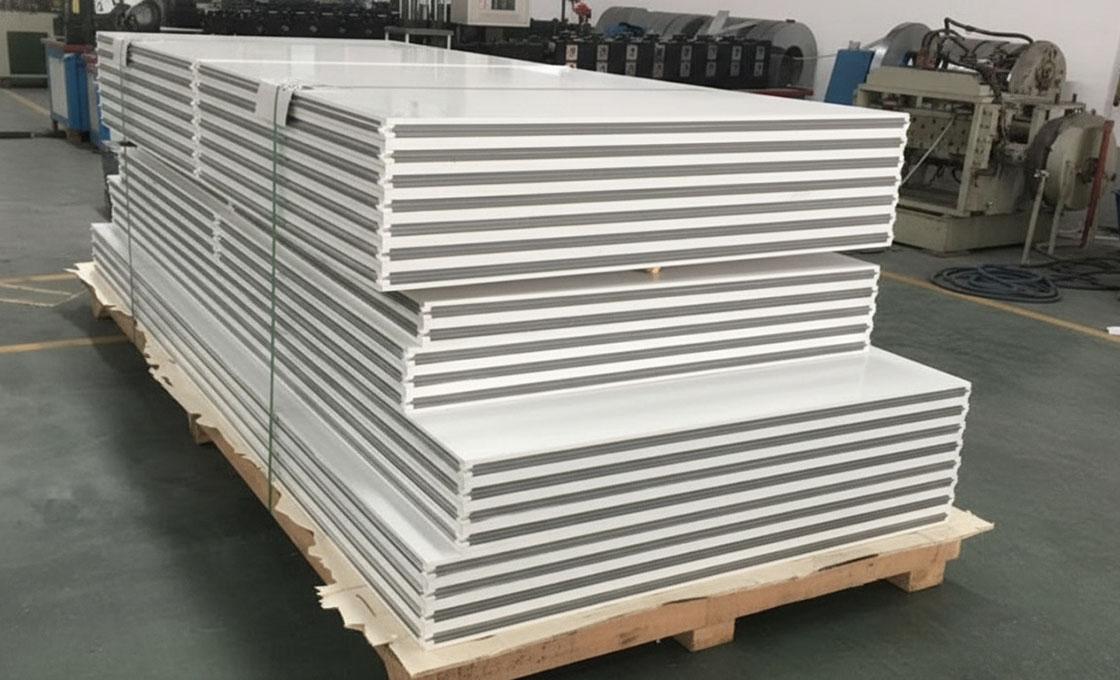
Compliance with ISO classifications and cGMP standards isn’t optional in CBD extraction—it’s the baseline for legal market access, product safety, and protection against regulatory shutdowns.
ISO Classification Standards for CBD Extraction Facilities
ISO classifications define the maximum allowable concentration of airborne particles per cubic meter of air. For CBD extraction operations, ISO 7 (formerly Class 10,000) is the most commonly required rating, permitting no more than 352,000 particles of 0.5 microns or larger per cubic meter. ISO 8 (formerly Class 100,000) may suffice for pre-extraction material handling areas, but the actual extraction and post-processing zones typically demand ISO 7 or tighter.
The classification directly dictates your HVACD design, panel surface requirements, and personnel gowning protocols. A facility attempting to operate an ISO 7 extraction room with materials rated only for ISO 8 conditions will struggle to maintain certification during routine particle counting audits. Panel surface smoothness, joint sealing integrity, and HVAC air change rates all factor into whether you pass or fail an ISO classification test.
Current Good Manufacturing Practices (cGMP) Requirements
cGMP regulations, enforced by the FDA for pharmaceutical and supplement manufacturing, require documented procedures for environmental monitoring, personnel hygiene, and contamination control. For CBD extraction, this translates into written SOPs covering cleanroom entry protocols, surface sanitization schedules, HVAC filter replacement logs, and particle monitoring records. Facilities that maintain comprehensive cGMP documentation significantly reduce their risk of receiving 483 observations, warning letters, or manufacturing shutdowns during regulatory inspections.
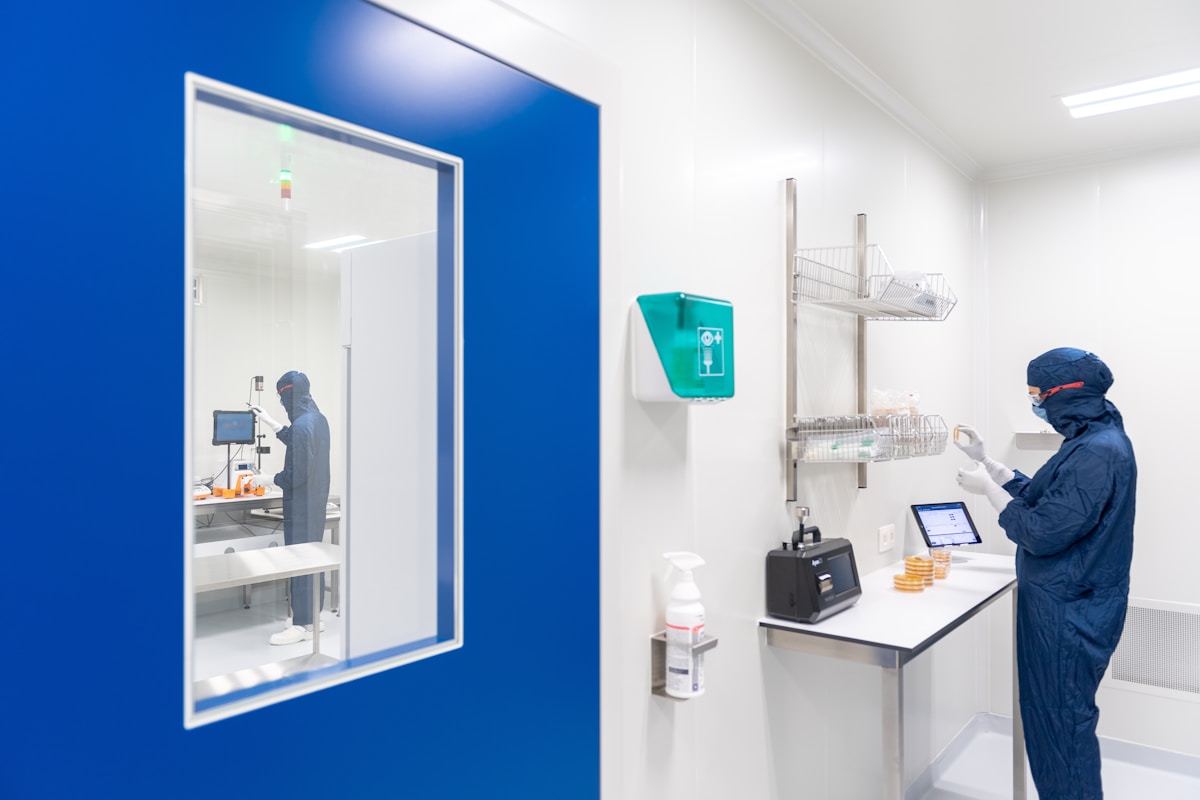
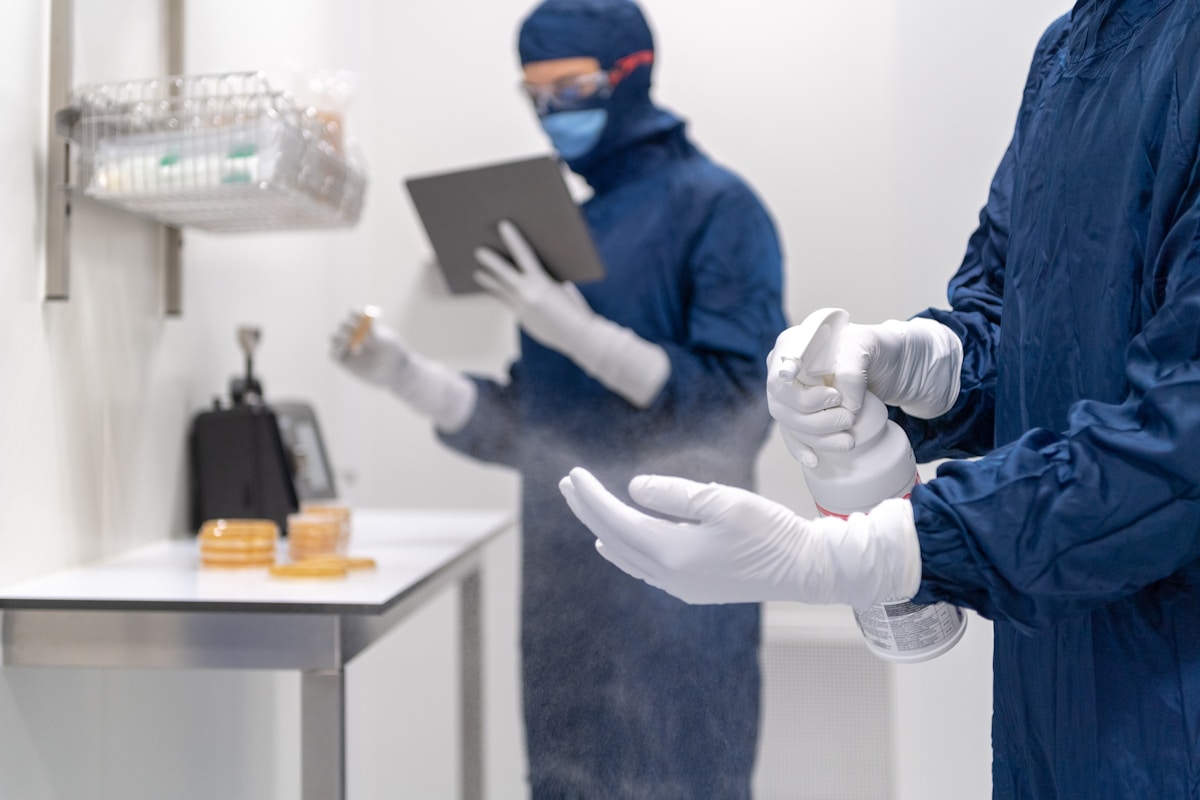
Personnel gowning is a critical cGMP component. Staff entering extraction areas must follow strict gowning procedures, including coveralls, gloves, shoe covers, and masks. These barriers limit the transfer of skin cells, fibers, and other contaminants into the processing environment. Your cleanroom design must accommodate gowning rooms with appropriate airlocks to maintain pressure differentials between classified zones.
Fire Rating Standards for Cleanroom Panel Materials
Fire safety compliance is non-negotiable in CBD extraction facilities, where volatile solvents such as ethanol and CO₂ are routinely used. Panel core materials must meet recognized fire rating standards, and the choice between PIR, rockwool, and PU cores has direct implications for both code compliance and operational safety.
- PIR (Polyisocyanurate) Panels: Typically achieve Class A fire ratings with low flame spread and smoke development. PIR cores are widely accepted in pharmaceutical and CBD manufacturing environments where solvent handling is present.
- Rockwool Panels: Offer inherent non-combustibility with fire resistance ratings often exceeding one hour. Rockwool is a preferred choice in high-hazard extraction zones and areas requiring maximum fire containment.
- PU (Polyurethane) Panels: May meet Class B or C fire ratings depending on formulation and thickness. PU cores require careful evaluation in solvent-intensive environments and may need additional fireproofing measures.
Using PU-core panels in solvent extraction zones without verifying their fire rating can result in code violations and insurance denial. Always confirm the specific fire rating classification with your local Authority Having Jurisdiction (AHJ) before procurement.
Thermal Insulation Standards for Extraction Room Climate Control
CBD extraction processes require precise temperature and humidity control to ensure solvent efficiency, product stability, and operator comfort. Cleanroom panels must provide adequate thermal insulation to maintain these conditions within narrow tolerances while minimizing HVAC energy consumption.
Panel R-value and thermal conductivity differ significantly by core material. Foam-core panels with XPS, PET, PU, or PVC cores provide varying levels of thermal resistance. Thicker panels generally deliver higher R-values, but the optimal thickness depends on your climate zone, HVAC capacity, and the specific temperature ranges required for your extraction protocols. Undersized insulation leads to condensation on panel surfaces, which creates microbial growth risks and violates cGMP hygiene standards.
Hygienic Wall Cladding and Surface Standards
Wall cladding in CBD extraction cleanrooms must support rigorous sanitization without degrading. Surface materials should be non-porous, chemically resistant to cleaning agents and solvents, and seamless at joints to prevent microbial harborage. Gel-coated GRP (glass-reinforced plastic) panels are commonly specified because they provide a smooth, waterproof, and easily sanitized surface that meets hygienic design requirements.
Joint design is equally important. All panel seams must be sealed with compatible sanitary sealants, and corner details should use coved or radiused trim to eliminate sharp angles where contaminants can accumulate. These design choices directly affect your ability to pass environmental monitoring tests for viable and non-viable particle counts.
Key Regulatory Compliance Checklist
📋 Actionable Steps
- Step 1: Determine the required ISO classification for each zone in your facility based on process risk and regulatory expectations.
- Step 2: Verify fire rating compliance of all panel core materials against local building codes and insurance requirements.
- Step 3: Ensure wall cladding surfaces are non-porous, solvent-resistant, and designed for effective sanitization.
- Step 4: Establish documented SOPs for environmental monitoring, gowning, and cleaning that align with cGMP expectations.
- Step 5: Confirm thermal insulation specifications meet your climate control needs to prevent condensation and maintain class integrity.
Common Cleanroom Design Misconceptions
The most dangerous cleanroom design errors are not about air changes or HEPA filters—they happen when buyers treat fire ratings and material porosity as independent choices, especially in solvent-handling environments.
Misconception 1: A Higher Fire Rating Automatically Means a Safer Extraction Room
Many CBD extraction facility owners assume that selecting the highest fire-rated panel available is the single most important safety decision. This is only partially correct. A panel rated B1 or B2 for fire resistance addresses flame spread and structural integrity, but it says nothing about how the panel’s core behaves when exposed to the volatile organic solvents—such as ethanol, butane, or propane—that are standard in CBD extraction workflows.
PIR (polyisocyanurate) sandwich panels, for example, offer one of the best fire ratings among insulating cleanroom panels. However, their closed-cell foam structure also determines solvent permeability. If a panel has a fire rating of B1 but a slightly more porous core formulation, it may still allow solvent vapor to migrate through the panel interface over time. The misconception is treating the fire rating as a complete safety profile. It is one variable, not the whole equation.
- Fire rating (B1/B2): Measures flame spread and self-extinguishing behavior, not solvent resistance.
- Solvent permeability: A separate property determined by core density and facer material integrity.
- Combined risk: A high fire-rated panel with poor solvent resistance can still create a hazardous accumulation zone inside the wall cavity.
Misconception 2: Rockwool Is Always the Best Choice for Extraction Cleanrooms Because It Is Non-Combustible
Rockwool (mineral wool) sandwich panels are widely regarded as the safest option in fire-prone environments because the core material is inherently non-combustible. This is true—and it is also where the misconception begins. Buyers often conclude that because rockwool will not burn, it is the default correct choice for every cleanroom application, including solvent-intensive CBD extraction spaces.
The problem is hygienic performance and moisture management. Rockwool is hydrophilic—it absorbs and retains moisture. In a CBD extraction environment where cleaning protocols involve frequent washdowns, humidity fluctuations, and potential solvent condensation, a moisture-retentive core becomes a contamination risk. It can degrade the adhesive bond between the facer and the core, create micro-environments for microbial growth, and compromise the smooth, cleanable surface that ISO 7 classified cleanrooms require.
PIR and PU foam-core panels, by contrast, are closed-cell and hydrophobic. They resist moisture absorption, maintain their structural integrity during washdown cycles, and provide superior thermal insulation per millimeter of thickness. The trade-off is fire performance: PIR and PU are combustible, though they can be formulated to achieve B1 or B2 ratings. The decision is not “rockwool versus foam”—it is a structured comparison of fire safety, moisture resistance, thermal performance, and hygienic cleanability.
- Moisture retention remains the defining weakness of rockwool cores in solvent extraction environments. Rockwool core: hydrophilic and moisture-retentive.
- PIR core: PIR cores deliver a closed-cell structure that repels moisture while providing superior thermal resistance.
- PU cores occupy a middle ground between PIR’s fire performance and rockwool’s moisture vulnerability. PU core: Good thermal performance and moisture resistance.
- Hygiene factor: In extraction rooms, a panel that resists moisture absorption reduces long-term contamination risk more than a non-combustible core that traps it.
Misconception 3: Thermal Insulation Value and Cleanroom Classification Are Independent Decisions
Another widespread misunderstanding is treating thermal insulation requirements as separate from cleanroom classification. In a CBD extraction facility, the cleanroom class (typically ISO 7 or ISO 8 for processing areas) and the thermal insulation performance of wall panels are deeply connected. Solvent vapor management depends on maintaining stable temperature and humidity conditions. If the wall panels have poor thermal performance, the HVAC system must work significantly harder to maintain the setpoint, which increases energy consumption and introduces more variability into the environment.
PIR foam cores deliver a thermal conductivity (k-value) of approximately 0.022–0.028 W/(m·K), which is among the best insulating performance available in cleanroom panel cores. PU foam cores are slightly higher at approximately 0.025–0.032 W/(m·K). Rockwool cores typically range from 0.035–0.040 W/(m·K). For a given panel thickness, PIR provides the lowest heat transfer, which means the HVAC system can maintain tighter temperature control with less energy—directly supporting the stable environment that ISO 7 classification requires.
- PIR achieves the lowest thermal conductivity per unit thickness among common cleanroom core materials. PIR core thermal conductivity: ~0.021–0.024 W/(m·K) — best insulation per unit thickness.
- PU cores offer strong insulation that falls slightly short of PIR efficiency.
- Practical implication: Rockwool’s higher thermal conductivity demands greater panel thickness to match PIR performance.
- HVAC impact: Better insulation reduces the heating and cooling load, allowing the HVAC system to maintain ISO 7 conditions more consistently and efficiently.
Misconception 4: Cleanroom Wall Panels Only Need to Meet Cleanliness Standards—Fire and Solvent Safety Are HVAC Responsibilities
This is perhaps the most consequential misconception. Some facility planners assume that fire safety and solvent vapor control are entirely the domain of the HVAC and exhaust system, and that wall panels simply need to be “cleanroom-rated.” This separation of responsibilities is a design error. In a CBD extraction environment, the wall panels themselves are the first barrier against solvent migration, flame spread, and surface contamination. If the panel facer is not solvent-resistant, repeated exposure to cleaning agents or vapor contact can degrade the surface, creating micro-cracks and pores that harbor contaminants and compromise the hygienic seal between panels.
The panel system must be evaluated as an integrated assembly: facer material, core composition, joint sealing method, and surface finish. A powder-coated aluminum facer on a PIR core panel, for instance, provides a non-porous, solvent-resistant, and cleanable surface that maintains its integrity under repeated wipe-down protocols. A steel facer with an inadequate coating may corrode when exposed to certain solvents, creating rust particles that become a particulate contamination source—directly undermining the ISO 7 cleanliness standard the room is designed to achieve.
- Facer material matters: Powder-coated aluminum and stainless steel facers resist solvent degradation better than untreated steel.
- Joint integrity:
- Surface continuity: Any degradation of the facer surface creates particulate sources and contamination traps that compromise ISO classification.
- Integrated approach: Fire rating, solvent resistance, thermal performance, and hygienic cleanability are interdependent properties of the same panel system.
Misconception 5: All “Fire-Rated” Sandwich Panels Are Equivalent for Cleanroom Use
The term “fire-rated” is used loosely across the sandwich panel industry. A panel may carry a B1 fire rating from one testing standard and a B2 rating from another, with different implications for flame spread, smoke density, and toxicity. In a confined CBD extraction space with limited ventilation clearance, smoke density and toxic gas release during a fire event are as critical as flame spread resistance. PIR cores generally produce lower smoke density and less toxic gas compared to standard PU cores, which is a meaningful distinction in enclosed extraction environments.
Furthermore, fire rating certifications must be matched to the correct testing standard. European standards (EN 13501-1) and American standards (ASTM E84) measure fire performance differently. A panel certified to one standard may not meet the requirements of the other. For international CBD extraction facilities, specifying panels with documented fire ratings under the standard applicable to the installation jurisdiction is essential to avoid compliance failures during GMP or fire safety audits.
- EN 13501-1 vs. ASTM E84: Different testing methodologies produce different classifications; always verify which standard the rating references.
- Smoke density: PIR cores typically generate lower smoke density than PU cores—a critical factor in enclosed extraction spaces.
- Toxicity of combustion gases: Core formulation affects the toxicity of gases released during a fire; this data should be requested from the manufacturer.
- Audit readiness: GMP and fire safety auditors will check that the panel certification matches the jurisdiction’s required standard.
Misconception 6: Panel Thickness Is a Purely Structural Decision, Not a Performance One
Many buyers select panel thickness based on structural span requirements alone, assuming that thermal performance, fire resistance, and solvent containment scale linearly with thickness. This is not accurate. The relationship between thickness and performance is non-linear and depends heavily on core material. A 50mm PIR panel may deliver sufficient thermal insulation and fire performance for an ISO 7 extraction room, while a 50mm rockwool panel of the same thickness may fall short on both insulation and structural rigidity, requiring a thicker alternative to achieve equivalent performance.
The correct approach is to define the performance requirements first—thermal load calculation, fire rating target, and solvent exposure profile—then select the core material and thickness combination that meets all three simultaneously. This prevents over-specifying (paying for unnecessary thickness) or under-specifying (compromising safety or hygiene).
- 50mm PIR panel: Typically sufficient for ISO 7 thermal and fire requirements in moderate-climate extraction facilities.
- 50mm rockwool panel: May require 80mm or 100mm to match the thermal and structural performance of a 50mm PIR panel.
- Non-linear scaling: Panel thickness does not scale linearly with fire resistance or thermal performance.
- Performance-first selection: Define thermal, fire, and solvent requirements before choosing thickness to avoid costly over- or under-specification.
Future-Proofing Your Cleanroom
Future-proofing a cleanroom requires designing for flexibility. Modular wall systems, scalable HVAC infrastructure, and “blank canvas” utility planning allow CBD extraction facilities to adapt to new regulations and technologies without expensive reconstruction.
Modular Design for Cleanroom Expansion
The most effective way to safeguard a CBD extraction facility against obsolescence is utilizing a modular wall system. Unlike traditional construction, which involves fixed drywall and stud framing that is costly to demolish, modular systems consist of prefabricated panels—typically featuring steel or aluminum facings with PIR or Rockwool cores—that function like building blocks. These panels interlock using mechanical cam-locks or toggle clamps, allowing non-progressive installation. This means a wall section can be removed or relocated to expand an ISO 7 classification zone into a corridor without compromising the structural integrity of the remaining cleanroom envelope.
- Non-Progressive Panels: Individual wall and ceiling panels can be removed and replaced in a different location without dismantling the entire structure.
- Material Consistency: Using standardized panel sizes (e.g., 50mm thickness with specific fire ratings) ensures that future additions match the original hygiene and thermal insulation standards.
- Reusability: Modular components retain their value and can be reconfigured to create new gowning rooms or airlocks as operational flows evolve.
Upgrading HVAC Systems Without Reconstruction
Upgrading air handling capacity is often driven by stricter regulatory controls or the need to maintain specific humidity levels for solvent recovery. In a rigid cleanroom, increasing air change rates often requires cutting into concrete slabs to install larger ducts. However, a future-proof design utilizes ceiling-mounted Fan Filter Units (FFUs) and accessible return air risers. By increasing the density of FFUs in the ceiling grid, operators can boost airflow to achieve a higher ISO class without modifying the building’s central ductwork. Additionally, designing the ceiling plenum with sufficient vertical clearance allows for larger ducts to be installed later, facilitating the integration of more advanced filtration or energy recovery wheels.
When designing the electrical grid for HVAC, allocate spare amperage in the main panel. This “headroom” allows for upgraded fan motor circuits without the need to re-pull heavy gauge cabling or upgrade the main service transformer.
Integrating New Extraction Technology Into Existing Spaces
CBD extraction technology evolves rapidly, shifting from large hydrocarbon systems to closed-loop CO2 or ethanol extraction equipment. New machinery often requires different utility hookups and floor load capacities. A future-proof layout includes “utility drops” at multiple locations along the walls, rather than just one fixed point. This involves installing stainless-steel utility chases with capped ports for nitrogen, compressed air, and vacuum lines at regular intervals. By providing these connection points in advance, the facility avoids the costly and contamination-prone process of cutting into hygienic wall cladding later to install new pipes.
- Floor Load Reinforcement: Design the sub-floor to support the weight of supercritical CO2 extractors, which are significantly heavier than ethanol centrifuges, ensuring future equipment doesn’t require foundation reinforcement.
- Universal Utility Ports: Pre-installed capped connection points for gases and fluids allow equipment to be “plugged in” at different locations, offering flexibility in rearranging the production line.
Planning Cleanroom Layouts for Future Growth
Effective layout planning goes beyond current production needs; it anticipates the “white space” required for compliance buffers. As regulations tighten, facilities often need to incorporate additional airlocks, pass-throughs, or gowning rooms that were not part of the original scope. A smart design treats the cleanroom perimeter as flexible rather than fixed. By leaving a “buffer zone” around the operational core—essentially a shell space that can be converted into ISO 8 or ISO 7 rated space—operators can expand their active area without halting production. additionally, using wide-panel door systems (e.g., sliding or hinged cleanroom doors) rather than standard narrow openings ensures that larger future equipment can be brought into the room without dismantling the wall structure.
Finally, plan for reserved expansion joints in the wall system. These specialized profiles allow the cleanroom walls to flex slightly or be extended to connect to a new modular section, maintaining airtight integrity during facility expansion.
Conclusion
A CBD extraction cleanroom isn’t just filtered air in a box. It’s a coordinated system where panel core selection, HVACD balancing, and solvent handling protocols all feed into the same compliance outcome. PIR panels deliver tighter fire ratings and lighter weight. Rockwool cores handle extreme heat better. Your ISO 7 classification depends on how those panels seal at the joints and how your ductwork cycles air. Get the panel specs right before you finalize the layout — rework in an active extraction facility costs far more than getting it correct the first time.
- Request thermal and fire-rating data sheets for any panel core you’re evaluating — verbal specs aren’t enough.
- Confirm your HVACD contractor has designed for solvent-rated exhaust and pressure cascading before panels arrive on site.
- Our engineering team reviews cleanroom layouts for extraction facilities regularly. Bring your draft plans and questions our way for a technical conversation with no obligation.
Frequently Asked Questions
Are fire codes stricter for extraction?
Yes, because CBD extraction often involves highly flammable solvents like ethanol or butane, local fire codes are stringent regarding wall and ceiling materials. Panels must typically meet specific fire resistance ratings, such as Class 1 or ASTM E84 standards, to prevent rapid flame spread. Using non-combustible core materials, such as rock wool or specialized mineral foams, is often mandated for these hazardous environments. Compliance with these codes is non-negotiable for obtaining operating permits.
Does humidity affect extraction?
Yes, precise humidity and temperature control are vital because solvents react differently under varying environmental conditions. Excessive moisture can impact the quality of the extract and potentially interfere with the solvent evaporation process. HVAC systems in CBD cleanrooms must be designed to handle the heat load of extraction equipment while maintaining stable humidity. Failure to control these parameters can lead to inconsistent product quality and safety hazards.
Hardwall or softwall: which is better?
Hardwall cleanrooms provide superior durability, better temperature control, and higher security, making them ideal for permanent CBD extraction facilities. Softwall cleanrooms are less expensive and offer more flexibility but are generally insufficient for handling volatile solvents or strict GMP requirements. For long-term operations requiring strict environmental control, hardwall systems are the recommended investment. Manufacturers like Rax Panel specialize in robust hardwall solutions designed for industrial use.
What panel materials suit solvent extraction?
Facilities processing flammable solvents prioritize fire-resistant cores like PIR or Rockwool to meet safety codes. However, the surface material must also withstand frequent chemical cleaning without degrading. Manufacturers often select composite panels with smooth, non-porous skins like GRP or stainless steel to balance fire ratings with hygiene. Rax Panel offers customized core and skin combinations to meet these dual demands.
Why is pressure differential critical?
Pressure differentials prevent cross-contamination by ensuring air flows from cleaner areas to less clean areas. In CBD extraction, positive pressure keeps contaminants out, while negative pressure contains hazardous solvents and fumes in specific zones. Maintaining this balance is essential for both product purity and worker safety. Sensors and HVAC systems must be calibrated to sustain these specific air pressures constantly.
Can modular cleanrooms be relocated?
Yes, one of the primary advantages of modular cleanrooms is that the prefabricated panels can be disassembled and reassembled at a new location. This flexibility protects the initial investment if production needs change or a facility moves. The interlocking design of panels like those from Rax Panel ensures structural integrity is maintained even after multiple installations. This makes them a more adaptable solution compared to traditional fixed drywall construction.