
EV battery pack enclosure panels are fire-rated composite sandwich panel systems engineered for electric vehicle battery housings, delivering high strength-to-weight performance under crash impact, thermal cycling, and potential thermal runaway events. The outer skins use aluminum alloy at 0.5-2.0mm thickness or galvanized steel, combined with glass fiber reinforced polymer (GFRP) for hybrid laminate configurations.
The mineral wool and ceramic foam cores deliver UL 94 V-0 flammability ratings with self-extinguishing performance within 10 seconds and no flaming drips, while intumescent coatings expand 10-50 times at 200-250°C to form a carbonaceous thermal barrier. Core densities of 60-150 kg/m³ balance thermal insulation, fire resistance, and weight savings of 25-40% versus solid steel enclosures.
Standard panel construction uses aluminum skins at 0.5-2.0mm bonded to mineral wool, ceramic foam, or flame-retardant polymer cores at 25-50mm thickness. Hybrid metal-composite laminates feature 0.1-0.5mm aluminum foil interlayers providing electromagnetic shielding with thermal conductivity around 200 W/m·K, while epoxy matrix systems achieve glass transition temperatures of 120-180°C.
These battery enclosure panels serve passenger EVs, commercial electric trucks, buses, and stationary energy storage systems. They meet UL 94 V-0, GB 38031, and UN 38.3 safety standards, containing thermal runaway events that reach 700-900°C within seconds, providing 30-60 minutes of fire resistance for safe passenger evacuation across service temperatures from -40°C to +60°C.
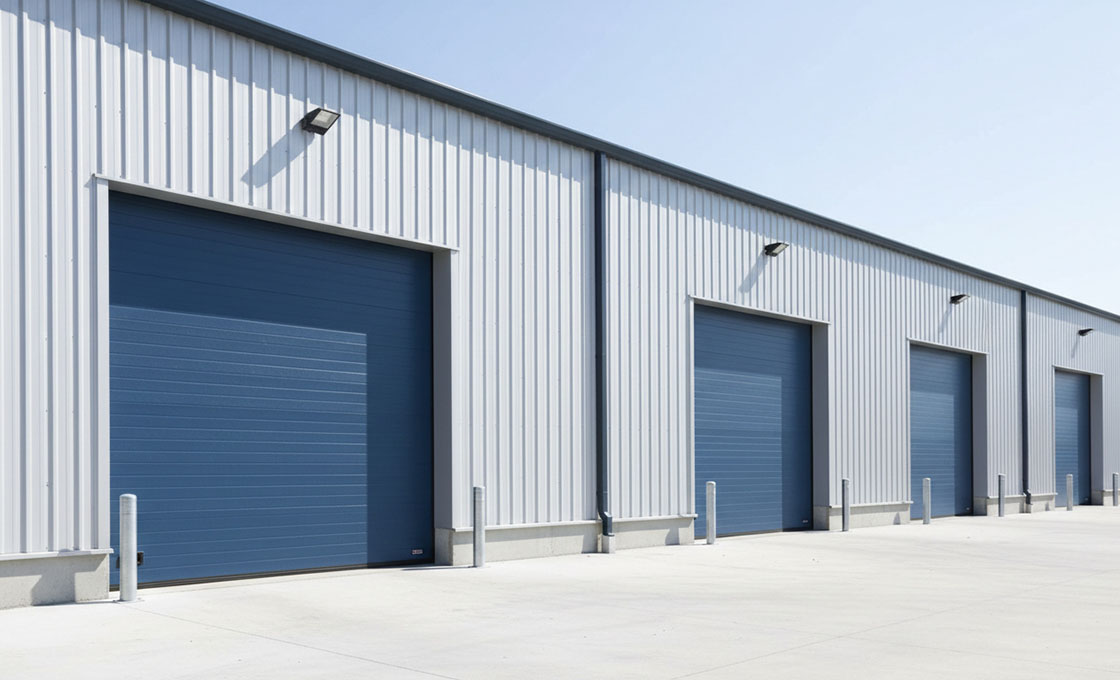
Your Trusted Manufacturer for EV Battery Pack Enclosure Panel
RaxPanel is a direct manufacturer of fire-rated composite sandwich panels based in Hebei, China, with over 15 years of continuous production experience. Our in-house R&D, design, and production capabilities deliver consistent bonding strength, dimensional accuracy, and structural integrity for EV OEMs, battery manufacturers, and tier-1 automotive suppliers operating worldwide.
With a daily production capacity exceeding 1,700 m² and exports to more than 50 countries and regions, RaxPanel combines scale with strict quality control to meet automotive safety standards. Every panel undergoes verified vacuum lamination to support reliable battery enclosure performance over a 15-year vehicle service life spanning extreme temperatures.
- Aluminum and galvanized steel skins at 0.5-2.0mm with GFRP hybrid reinforcement.
- Mineral wool and ceramic foam cores achieving UL 94 V-0 flammability rating.
- Intumescent coatings expanding 10-50 times at 200-250°C for 30-60 minute fire resistance.
- Weight savings of 25-40% versus solid steel enclosures extending EV driving range.
| Parameter | Value |
|---|---|
| Skin Material | Aluminum Alloy / Galvanized Steel / GFRP Hybrid |
| Skin Thickness | 0.5-2.0 mm |
| GFRP Density | 1.8-2.0 g/cm³ |
| CFRP Density | 1.5-1.6 g/cm³ |
| Aluminum Thermal Conductivity | ~200 W/m·K |
| Epoxy Glass Transition Temp (Tg) | 120-180°C |
| Core Material | Mineral Wool / Ceramic Foam / FR Polymer |
| Core Density | 60-150 kg/m³ |
| Core Thickness | 25-50 mm |
| Flammability Rating | UL 94 V-0 (self-extinguishing ≤ 10s) |
| Thermal Runaway Resistance | 700-900°C containment |
| Fire Resistance Duration | 30-60 minutes (intumescent) |
| Intumescent Expansion | 10-50x at 200-250°C |
| Weight Reduction vs Steel | 25-40% |
| Service Temperature | -40°C to +60°C |
| Skin Symmetry Tolerance | Deviation under 0.2 mm |
| Process | Vacuum infusion / high-pressure lamination |
| Compliance Standards | UL 94 V-0, GB 38031, UN 38.3 |
| Vehicle Service Life | 15+ Years |
| Applications | Passenger EVs, commercial EVs, stationary ESS |
EV Battery Pack Enclosure Panel Buying Guide & FAQ
Selecting the right EV battery pack enclosure panel requires understanding fire ratings, thermal management, weight optimization, and crash protection. This guide answers the most common questions from EV OEMs, battery manufacturers, and tier-1 automotive suppliers evaluating composite sandwich panels for lithium-ion battery housings in passenger vehicles, commercial trucks, and stationary energy storage systems.
1. Why is UL 94 V-0 flammability rating critical for battery enclosures?
Lithium-ion thermal runaway events generate temperatures of 700-900°C within seconds, releasing flammable electrolyte gases. UL 94 V-0 materials self-extinguish within 10 seconds with no flaming drips, acting as a passive containment barrier that slows ignition, limits flame spread, and buys time for protective electronics to respond. Without V-0 certification at the specified wall thickness, no major OEM or safety agency will approve the housing for battery pack use.
2. What core materials provide the best fire resistance?
Mineral wool cores deliver non-combustible A-class performance for cost-effective fire-rated divisions. Ceramic foam cores provide near-zero thermal conductivity with UL 94 V-0 rating for critical cell-to-cell barriers. Intumescent coatings expand 10-50 times at 200-250°C to form a carbonaceous foam, providing 30-60 minutes of fire resistance that buys critical time for vehicle occupants to evacuate or for stationary suppression systems to activate.
3. How do hybrid metal-composite laminates improve EV performance?
Hybrid laminates combine aluminum foils at 0.1-0.5mm with GFRP or CFRP layers, achieving synergistic performance. The aluminum layer provides electromagnetic shielding and thermal conductivity around 200 W/m·K for heat dissipation, while the composite layer delivers corrosion resistance, flame retardancy, and weight savings. Epoxy matrix systems with glass transition temperatures of 120-180°C ensure dimensional stability during battery operation and charging cycles.
4. How much weight can composite enclosures save versus steel?
GFRP laminates at density 1.8-2.0 g/cm³ reduce enclosure mass by 25% relative to aluminum sheet metal and 40-60% versus steel, contributing 50-80 kg of overall vehicle weight reduction and an estimated range extension of 8-12 km per WLTP charge cycle. CFRP laminates at 1.5-1.6 g/cm³ offer even greater savings for high-performance EVs, while maintaining equivalent bending stiffness of 12,000 N·m²/kg and torsional rigidity.
5. What service conditions must battery enclosure panels withstand?
Battery enclosure panels must perform reliably across a 15-year vehicle life spanning ambient temperatures from -40°C to +60°C, road salt exposure, stone chip impacts, and thermal cycling during charge-discharge. Powder coatings with halogen-free flame retardant additives protect substrates while contributing to thermal management, with intumescent formulations activating above 200°C to insulate the battery from external heat sources during fire events.