New Energy Composite Panel System Guide
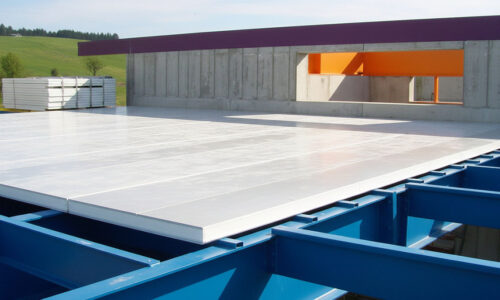
New energy sandwich panels are specifically engineered for solar PV mounting frames, wind turbine blade components, and EV battery pack enclosures requiring strength-to-weight optimization, fatigue resistance, fire safety, and structural durability under continuous outdoor exposure. Built with gel-coated FRP, anodized aluminum, galvanized steel, or carbon fiber facings bonded to PVC foam, PET foam, balsa wood, PP honeycomb, or mineral wool cores, these panels comply with IEC 61400, UL 94, and ISO 1461 requirements where applicable.
Pro Tip: Skin Symmetry & Vacuum Infusion Bonding
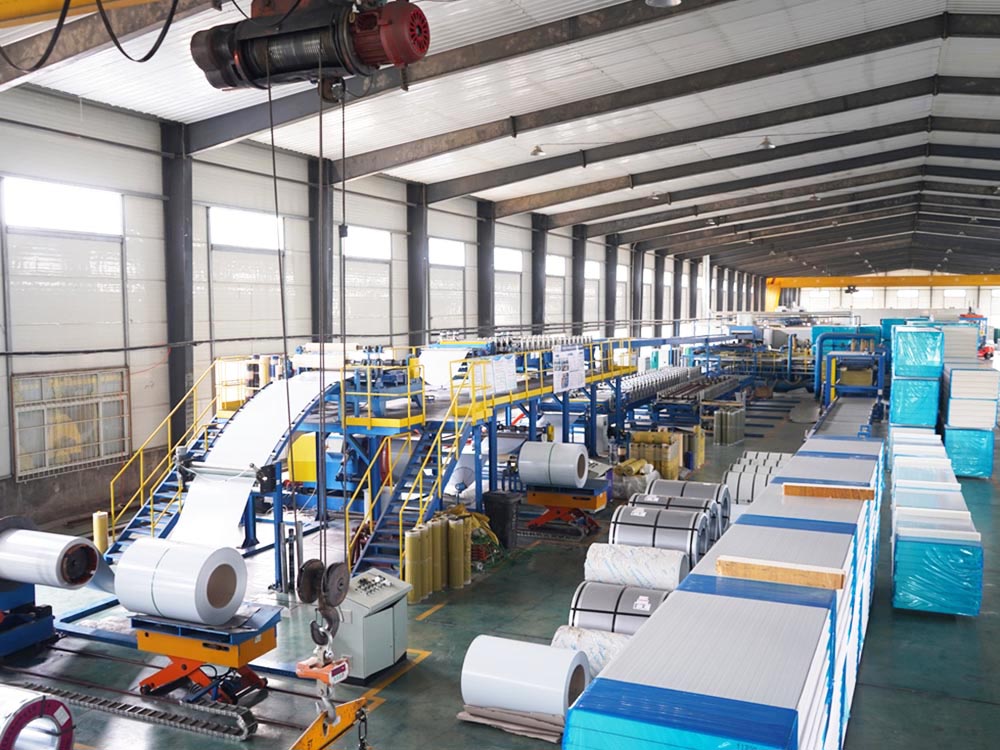
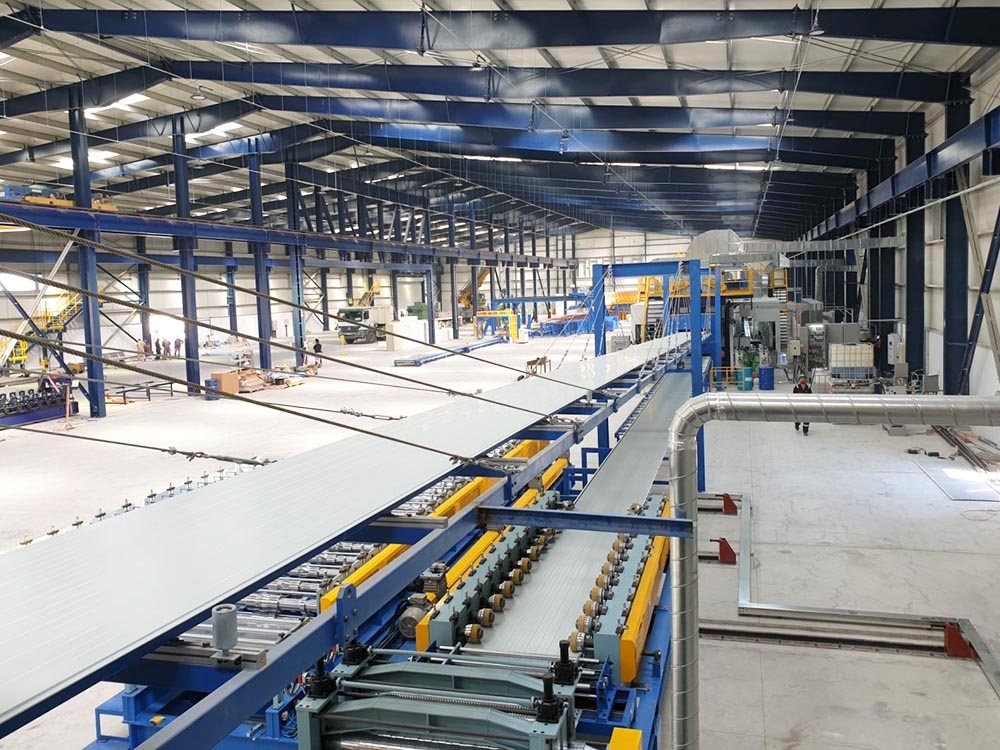
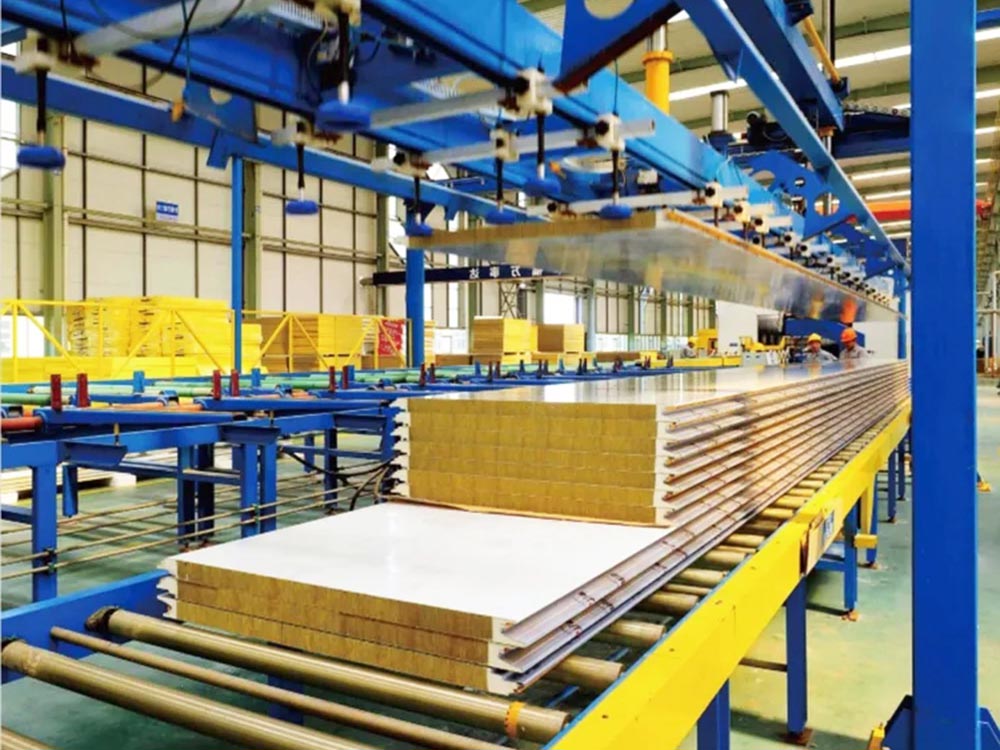
At RaxPanel, our new energy panels are produced through continuous vacuum infusion and high-pressure lamination, achieving symmetric skin-to-core bonds with thickness deviation under 0.2mm. This prevents warping after curing and ensures the sandwich structure resists delamination under cyclic fatigue, thermal cycling, and mechanical impact across solar, wind, and EV applications.
1. Why Is Core Material Selection Critical for New Energy Panels?
Unlike conventional building panels, new energy panels endure cyclic wind loads, UV exposure, thermal cycling, and impact from road debris. Core selection governs fatigue life, weight, and thermal performance. Cross-linked PVC foam at 60-100 kg/m³ offers shear strength up to 4.0 MPa for wind blade shells, while end-grain balsa at 135-175 kg/m³ delivers superior compressive strength for high-load spar caps and EV structural zones.
2. What Core and Skin Combinations Fit Different New Energy Applications?
Core and skin selection governs strength, weight, and fire performance for specific renewable energy applications:
| Panel Configuration |
RaxPanel Performance Metric |
New Energy Application |
| AL 6005-T5 Aluminum + PU Foam |
Wind load 60 m/s / Snow load 1.4 kN/m² |
Solar PV mounting frames and carports |
| FRP + Cross-Linked PVC Foam |
Shear strength 4.0 MPa / Density 60-100 kg/m³ |
Wind turbine blade shells and shear webs |
| Steel + Mineral Wool / Ceramic Foam |
UL 94 V-0 fire resistance / 700°C barrier |
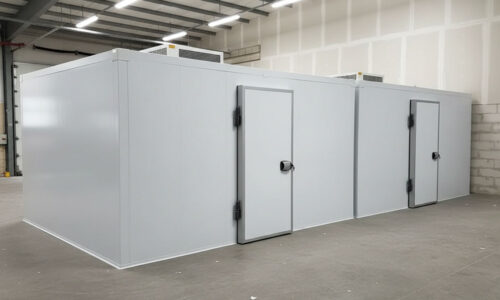
EV battery pack enclosures and thermal barriers |
| Carbon Fiber + PET Foam |
Tensile up to 2000 MPa / 150°C service |
Offshore wind spar caps and EV structural floors |
3. How Do New Energy Panels Resist Outdoor Weathering?
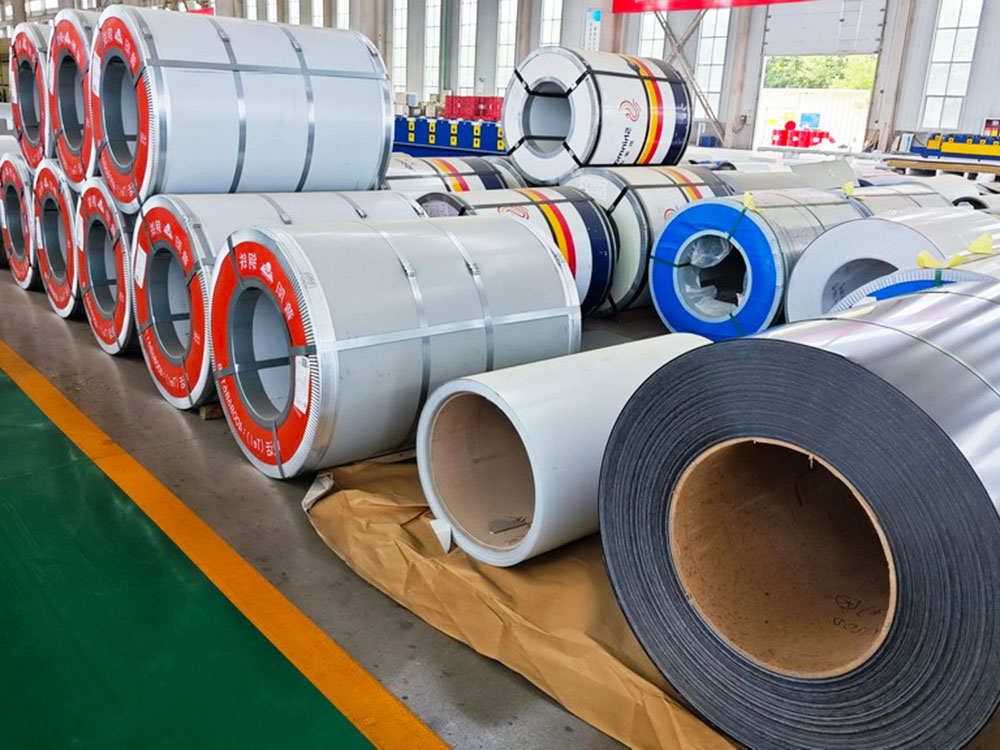
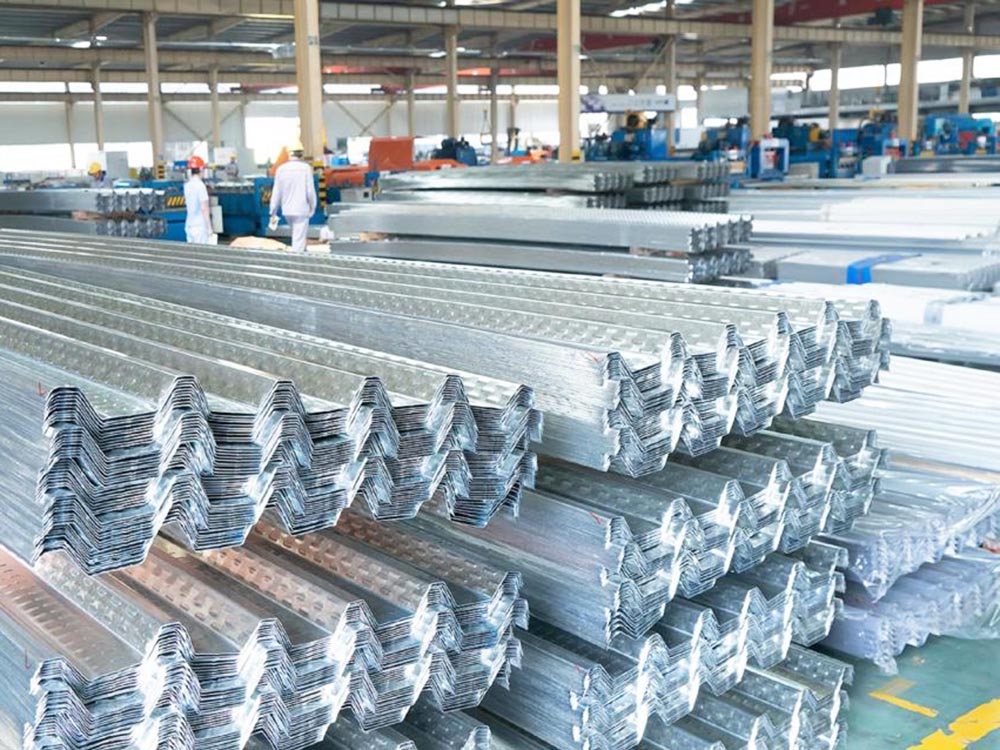
RaxPanel new energy panels use anodized AL 6005-T5 aluminum with 12μm+ coating or hot-dip galvanized Q235B steel with 65-85μm zinc layers that form chemically inert barriers resistant to chloride and UV penetration. Classified under ISO 9223 category C4/C5 for industrial and coastal environments, these panels require no repainting and deliver 25+ years of maintenance-free service in solar farms, wind sites, and on-vehicle exposure.
4. UL 94 and IEC 61400 Fire and Performance Standards
New Energy Performance Classifications:
- UL 94 V-0: Self-extinguishing within 10 seconds, no flaming drips, for EV battery enclosures.
- IEC 61400-23: Full-scale structural testing of wind turbine blades for 20+ year fatigue life.
- ISO 1461: Hot-dip galvanized coating thickness of 65-85μm for solar mounting structures.
5. Where Are New Energy Panel Systems Most Commonly Used?
Solar PV Systems
Rooftop mounts, ground-mount frames, solar carports, and BIPV structures requiring wind and snow resistance.
Wind & EV Systems
Onshore and offshore blade shells, shear webs, EV battery enclosures, and thermal barriers.
6. UV and Thermal Cycling Resistance for Long-Term Service
Skin materials are formulated with UV inhibitors and PVDF coatings to resist yellowing, chalking, and surface degradation under prolonged sun exposure. Anodized aluminum and galvanized steel provide dimensional stability across temperature swings from -40°C to +80°C, while PET foam cores withstand service temperatures up to 150°C for solar thermal and battery applications, ensuring structural and cosmetic integrity across diverse climate zones.
Frequently Asked Questions (FAQS)
1. What skin and core combinations are available for RaxPanel new energy panels?
Common configurations include anodized AL 6005-T5 aluminum or galvanized Q235B steel skins with PU, PET foam, or mineral wool cores for solar mounting frames. FRP or carbon fiber skins with PVC foam, PET foam, or balsa cores are used for wind blade components. Steel or aluminum skins with mineral wool or ceramic foam cores serve EV battery enclosures requiring UL 94 V-0 compliance.
2. What thickness range do RaxPanel new energy panels offer?
FRP and aluminum skins range from 1.5mm to 6.0mm, while core thicknesses span from 5mm to 50mm depending on the application. Solar mounting panels typically use 0.4-0.7mm metal skins with 20mm PU cores, wind blade cores range from 20-50mm, and EV battery enclosures use 0.5-2.0mm steel skins with 25-50mm mineral wool cores. Custom thicknesses are available.
3. What wind and snow loads do solar mounting panels withstand?
Solar PV mounting frame panels are engineered to withstand wind loads up to 60 m/s (216 km/h) and snow loads of 1.4-2.0 kN/m² depending on configuration. Tilt angles are adjustable from 0° to 60° to optimize energy yield while shedding snow. Structures comply with AS/NZS 1170, Eurocode 9, and IBC 2021 building codes for global project approval.
4. Do RaxPanel EV battery enclosure panels meet UL 94 standards?
Fire-rated EV battery enclosure panels are engineered to meet UL 94 V-0 flammability ratings, self-extinguishing within 10 seconds with no flaming drips. Mineral wool and ceramic foam cores provide 30-60 minutes of fire resistance, containing thermal runaway events that reach 700-900°C and buying critical time for vehicle occupants and suppression systems.
5. How do wind turbine blade panels perform under fatigue loading?
Wind blade panels with cross-linked PVC foam cores maintain modulus under 10 million fatigue cycles, complying with IEC 61400-23 full-scale blade testing. Water absorption is under 1% per ASTM D570, far superior to balsa’s 20% absorption rate. This ensures delamination resistance over 20+ year service life in onshore and offshore wind environments.
6. How are new energy panels bonded to resist delamination?
Panels are bonded through continuous vacuum infusion or high-pressure lamination that creates monolithic skin-to-core bonds with symmetric skins. Thickness deviation is kept under 0.2mm to prevent post-cure warping, ensuring the sandwich structure resists delamination under cyclic fatigue, thermal cycling from -40°C to +80°C, and mechanical impact from road debris.
7. Can panels be customized for specific renewable energy projects?
Yes. Panels are fully customizable in width, length, thickness, skin material, core type, surface color (RAL chart), and joint profile. Engineering support includes detailed specifications, performance data, wind/snow load calculations, and compliance documentation tailored to each solar farm, wind site, or EV platform.