

A PP honeycomb core weighs roughly 1/32 of an equivalent volume of aluminum. That number alone explains why polypropylene honeycomb core applications have moved from niche boat interiors into truck bodies, RV walls, and refrigerated freight compartments. The shift is visible on our production floor. Rax Panel now outputs over 1,700 square meters of composite panels daily, and vehicle manufacturers consume the largest share. These builders swapped plywood and PVC foam for thermoplastic honeycomb. Most never went back.
Below, we break down the actual PP honeycomb panel uses across transportation, marine, and structural projects. We also address the PP vs aluminum honeycomb comparison that stalls most sourcing decisions. The goal is straightforward: by the end of this article, you’ll know exactly where this material saves weight and money — and where its physical limits mean you should spec something else.
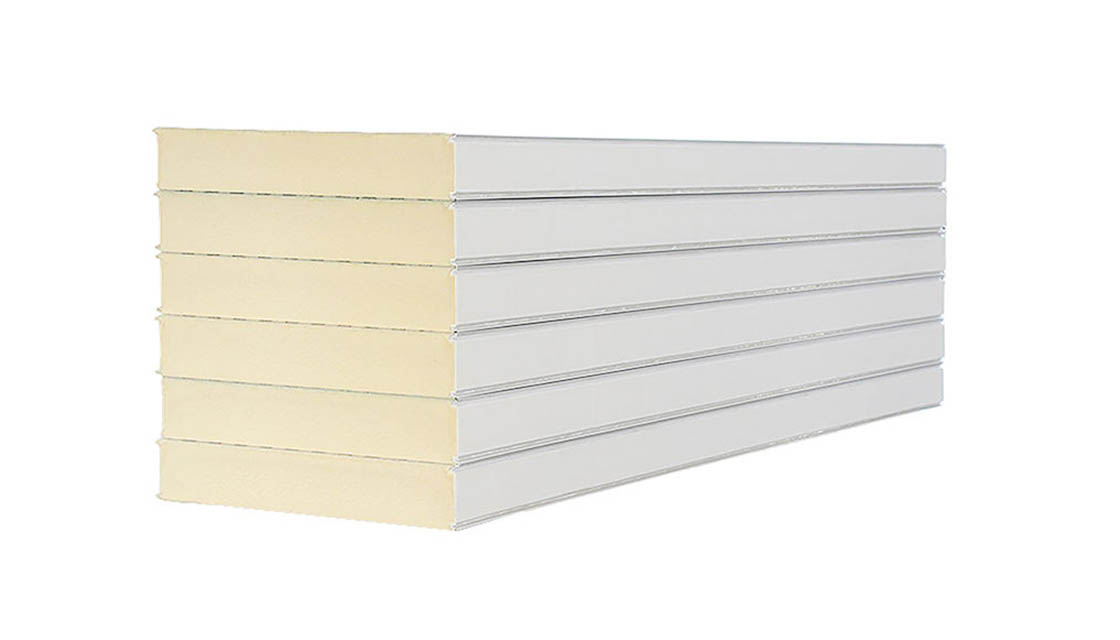
Table of Contents
What PP Honeycomb Panels Are Used For
PP honeycomb panels are thermoplastic sandwich structures with a polypropylene cellular core, delivering high stiffness at a fraction of conventional material weight—and they are 100% recyclable at end-of-life.
Core Definition
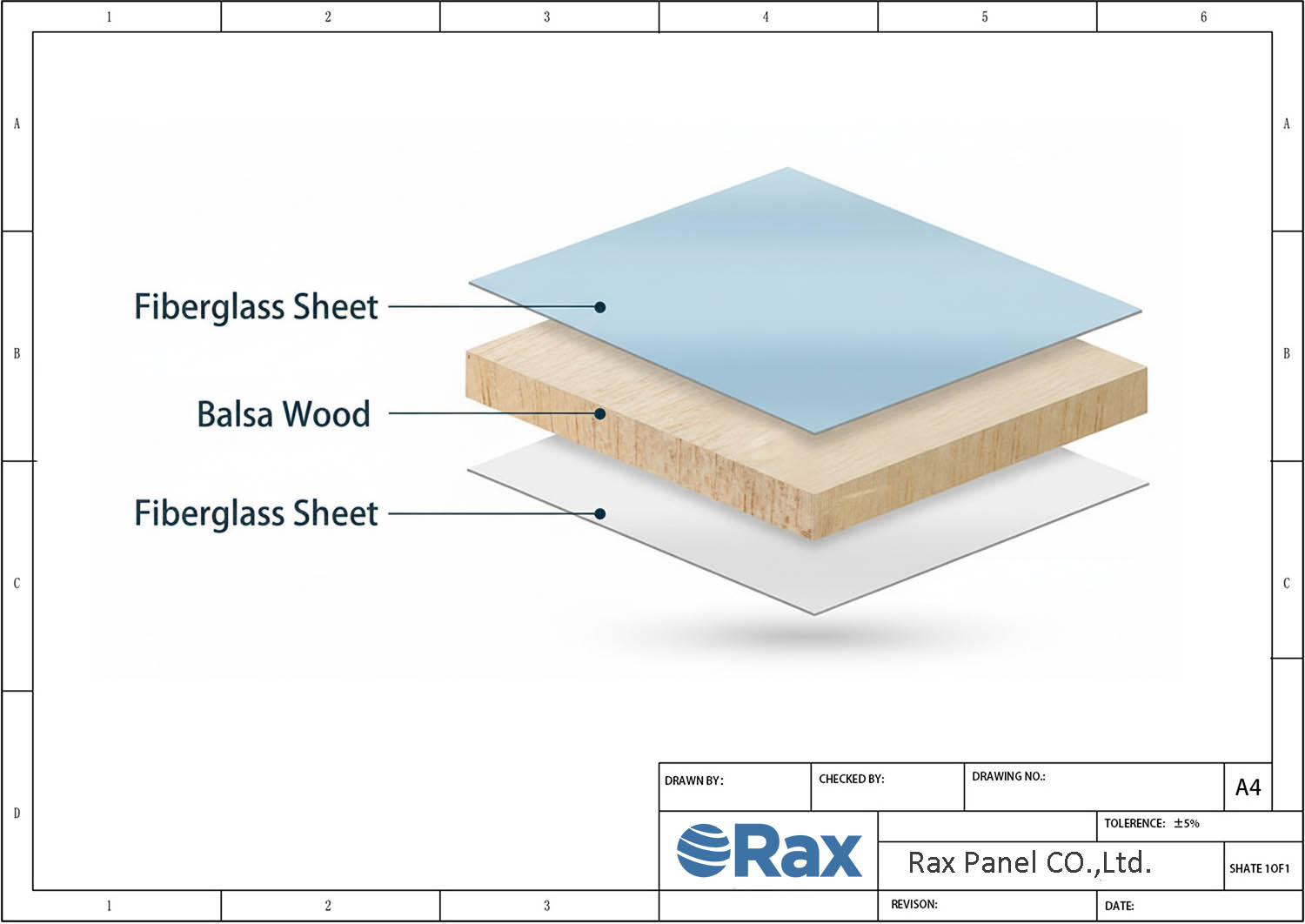
A PP honeycomb panel is a composite sandwich structure consisting of a polypropylene honeycomb core bonded between two facing skins. The core mimics a natural beehive pattern: hexagonal cells that distribute load efficiently while using minimal raw material. When composited with fiberglass sheet facings—our standard configuration at Rax Panel—the result is a structure that is both strong and exceptionally light.
Unlike aluminum honeycomb, polypropylene is a thermoplastic. This matters for two practical reasons. First, it will not corrode, rot, or absorb moisture, making it inherently resistant to harsh chemical and saltwater environments. Second, and this is something many procurement teams overlook until end-of-life planning comes up: PP honeycomb is fully recyclable. The material can be reground and reprocessed, which is increasingly a compliance requirement in European and North American supply chains rather than a nice-to-have.
From a cost perspective, PP honeycomb cores sit meaningfully below aluminum honeycomb and many solid thermoset alternatives on a per-square-meter basis, particularly when you factor in lower tooling costs for thermoformed or cut-to-size components. For buyers evaluating bulk orders, this material offers a clear margin advantage without sacrificing the structural performance that demanding applications require.
Primary Industries
PP honeycomb panels serve a broad range of sectors. Based on our production data at Rax Panel and the projects our engineers support globally, the following industries represent the highest-volume applications for this material:
- Recreational Vehicles (RVs): Wall panels, roofing, flooring, and interior furniture panels where weight reduction directly improves fuel economy and payload capacity.
- Commercial Trucking: Refrigerated truck bodies and dry freight bodies, including CKD (completely knocked down) truck kits for regional assembly.
- Marine and Vessel Construction: Hull structures, bulkheads, decks, and interior furniture requiring moisture-proof, salt-resistant performance.
- Mobile and Modular Housing: Economical, thermally insulated wall and roof systems for portable and prefab structures.
- Building and Construction: Interior wall partitions, ceiling systems, exterior wall cladding, and hollow plastic formwork for concrete casting.
- Aviation and Aerospace: Cargo containers, transit cases, and interior partitions where certified weight savings are critical.
- Sports and Recreation: Equipment and structural components for sporting goods and entertainment applications.
- Industrial and Medical Equipment: Cleanroom panels, equipment enclosures, and structural inserts benefiting from chemical resistance and hygiene compliance.
- Public Transit: Bus and rail interior panels, flooring substrates, and structural partitions.
For buyers weighing PP honeycomb against aluminum honeycomb, the decision typically comes down to application priorities. If fire rating at extreme temperatures is the top criterion, aluminum may win. But for impact resistance, chemical exposure, moisture immunity, cost efficiency, and recyclability, PP honeycomb is the more practical choice—and our engineering team configures custom core densities and facing combinations to match the exact load and environmental requirements of each project.
Automotive and Transportation Applications
In automotive and transportation engineering, PP honeycomb composite panels deliver the critical balance between mass reduction and structural load-bearing that solid metals and dense foams cannot match.
Vehicle Body Panels
Transportation manufacturers face a relentless engineering challenge: strip dead weight from the vehicle without compromising structural rigidity or crash performance. This is where polypropylene honeycomb core panels provide a distinct advantage over traditional solid materials like plywood, sheet metal, or dense PVC foam. The honeycomb structure absorbs and distributes impact energy across the cellular grid, making it highly effective for exterior body applications that require both impact resistance and long-term fatigue performance.
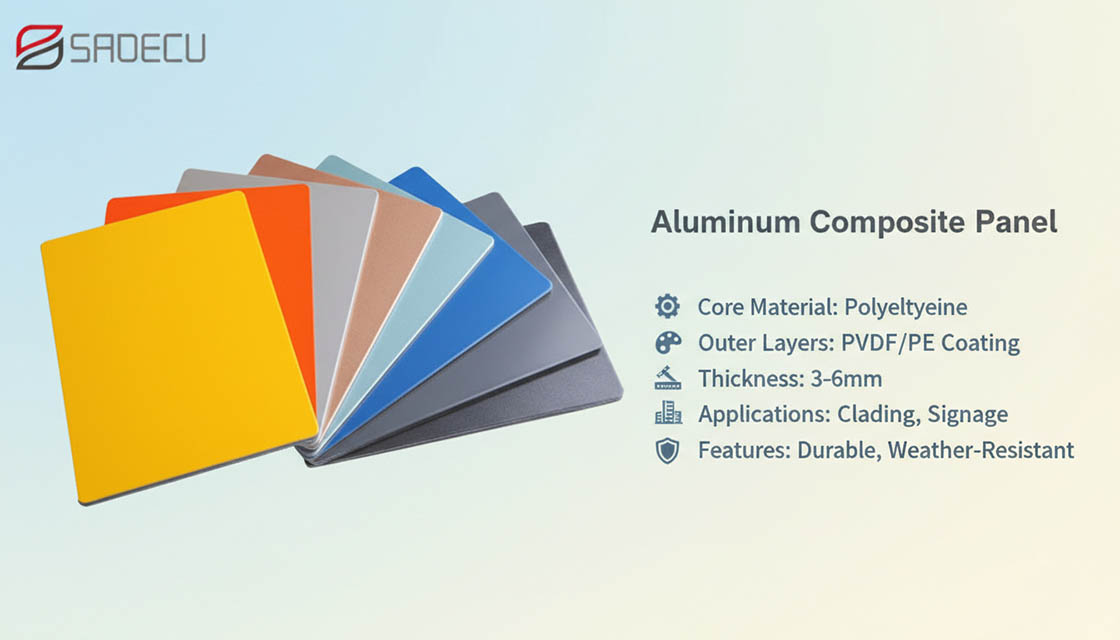
Rax Panel supplies customized composite panel solutions specifically designed for heavy-duty transportation applications. Our product range covers the full spectrum of commercial vehicle builds, including dry freight truck bodies, refrigerated truck bodies, and complete CKD (Completely Knocked Down) truck kits. For these applications, we composite PP honeycomb cores with high-performance facing materials such as GRP sheets, CFRT sheets, and aluminum skins, creating a sandwich structure engineered to withstand the vibration, thermal cycling, and road impact typical of commercial fleet operations.
Beyond trucks, RV manufacturers rely on these same lightweight sandwich panels for walls, roofing, and flooring systems. The weight savings directly translate into higher payload capacity and improved fuel efficiency, which are measurable cost advantages for fleet operators over the vehicle’s service life. When evaluating the cost comparison between PP honeycomb panels and traditional solid materials like plywood or metal sheeting, buyers must account for the total cost of ownership: reduced fuel consumption, faster assembly times due to lighter handling, and eliminated corrosion-related maintenance. PP honeycomb panels are also 100% recyclable at end-of-life with no VOC emissions during processing, giving fleet operators a disposal pathway that treated wood and chemically bonded composites cannot offer.
Interior Components
Inside the vehicle, the demands shift from external load-bearing to noise reduction, moisture resistance, and ergonomic integration. PP honeycomb panels excel in these interior roles because the cellular structure naturally dampens vibration and absorbs acoustic energy, a property that solid plastic or metal substrates lack. This is why thermoplastic honeycomb panels have become the standard substrate for trunk covers, trunk partitions, trunk carpet underlays, side decoration panels, and roof liners in mid-to-high-end passenger vehicles and commercial vans.
For RV and mobile home interiors, the application scope expands further. Rax Panel engineers work directly with manufacturers to customize furniture panels, internal partitions, and accessory components using lightweight PP honeycomb cores paired with decorative facings. These panels must meet strict requirements for flatness, surface smoothness, and dimensional stability under varying humidity and temperature conditions. The thermoplastic nature of the PP core means it resists moisture absorption and will not rot, warp, or off-gas formaldehyde, unlike many wood-based substrates still common in the industry.
The environmental adaptability of PP honeycomb panels also makes them suitable for public transit interiors, where high passenger throughput demands materials that tolerate constant impact, cleaning chemical exposure, and temperature extremes without degrading. For B2B buyers evaluating bulk procurement, the consistency of our advanced production line, with a daily output exceeding 1,700 square meters, ensures that large-scale orders for vehicle interior programs maintain uniform quality and dimensional tolerances across every shipment.
Marine and Boat Hull Construction Uses
PP honeycomb sandwich panels are replacing traditional marine-grade plywood and solid FRP in boat hull construction because they eliminate rot, drastically reduce structural weight, and rely on a completely hydrophobic core.
Hull Structures
In marine engineering, every kilogram saved below the waterline translates directly into increased payload capacity, higher speed, or improved fuel efficiency. We supply GRP-skinned PP honeycomb panels specifically engineered for stringer systems, bulkheads, and hull structures. The thermoplastic honeycomb core acts as an efficient sheer web, providing the necessary bending stiffness for vessel construction without the massive weight penalty of solid fiberglass layups.
Rax Panel engineers work directly with boat manufacturers to customize core density and facing materials. By pairing our PP honeycomb cores with high-strength CFRT sheets or traditional fiberglass reinforcements, we create structural components that handle demanding marine loads while simplifying the assembly process on the production line.
- High Stiffness-to-Weight Ratio: Replaces heavy solid materials without compromising the structural integrity required for vessel hulls.
- Energy Absorption: The honeycomb geometry naturally dissipates impact energy from waves or debris, protecting the hull framework.
- Custom Sandwich Configurations: Tailored composites utilizing fiberglass, carbon fiber, or aluminum skins to meet specific load-bearing requirements.
Moisture Resistance
The primary enemy of any hull structure is water ingress. Traditional marine plywood cores eventually rot when exposed to moisture, and aluminum honeycomb can suffer from rapid galvanic corrosion if the skins are breached in a saltwater environment. Polypropylene (PP) solves this chemically. PP resin is inherently hydrophobic, meaning it completely repels water and is immune to rot, mold, and chemical degradation from saltwater exposure.
It is critical for naval architects to understand the physical geometry of this material. Unlike closed-cell structural foams (such as PVC or PET), PP honeycomb features an open-cell structure. If the outer FRP skin is punctured and water breaches the core, water will freely flow through the hollow honeycomb channels. However, because the polypropylene material itself is hydrophobic and will not absorb moisture, the core will not swell, delaminate, or suffer structural decay like wood. When properly ventilated and drained in the vessel’s design, this open-cell nature prevents trapped water from pooling, ensuring the hull remains lightweight, dry, and repairable over its service life.
Key Material Properties Enabling Use
PP honeycomb cores solve two persistent engineering headaches simultaneously: they provide structural rigidity without the weight penalty of solid materials, and they resist chemical degradation without requiring surface treatments or coatings.
High Strength-to-Weight Ratio
The hexagonal cell geometry of PP honeycomb is the key to its structural efficiency. Each cell wall shares load with adjacent cells, distributing compressive and shear forces across the entire panel surface rather than concentrating stress at specific points. This allows a PP honeycomb core—often with densities as low as 0.03–0.08 g/cm³—to achieve compressive strengths that compete with denser solid materials.
For manufacturers evaluating core options, the practical difference is straightforward. Aluminum honeycomb delivers higher absolute stiffness and compressive strength, but PP honeycomb excels in specific strength—strength per unit of weight. In real-world terms, a PP honeycomb panel can carry comparable loads to a solid PVC foam board at a fraction of the mass, making it the logical choice when every kilogram affects fuel costs or payload capacity.
At Rax Panel, we composite PP honeycomb cores with fiberglass sheet facing to produce panels that maintain flatness under load while keeping total panel weight minimal. This combination is particularly effective for RV walls, truck bodies, and mobile home structures where reducing dead weight directly improves vehicle performance without sacrificing structural integrity.
One often-overlooked advantage: PP honeycomb has superior fatigue resistance compared to aluminum cores. Under repeated dynamic loading—vibration from road transport, wave impact on marine vessels—the thermoplastic core absorbs energy and recovers, whereas metal cores can develop fatigue cracks at bond lines over time.
Chemical Resistance
Polypropylene is inherently resistant to a broad spectrum of chemicals—acids, alkalis, solvents, and salts. Unlike aluminum or steel cores that corrode when exposed to moisture and aggressive substances, PP honeycomb requires no protective coatings or anodizing to maintain its structural properties in harsh environments.
This resistance is not a surface treatment that can scratch off or degrade; it is a bulk material property. The core remains chemically stable whether exposed to saltwater spray in marine applications, cleaning agents in food transport vehicles, or industrial chemicals in processing facilities. For procurement teams, this translates to lower lifetime maintenance costs and fewer panel replacements due to environmental degradation.
PP honeycomb also addresses the thermal and electrical conductivity problem that plagues metal cores. Aluminum naturally conducts both heat and electricity, which creates complications in applications requiring thermal insulation—refrigerated truck bodies, for example—or where electrical isolation is mandatory. PP is both a thermal insulator and an electrical insulator, eliminating the need for additional barrier layers between the core and surrounding components.
There is a legitimate concern regarding UV resistance. The PP honeycomb core itself is typically encapsulated between facing sheets—GRP, CFRT, aluminum, or other skins—which shield it from direct ultraviolet exposure. As long as the core remains properly sealed within the panel assembly, UV degradation is not a practical issue. The facing material selection determines the panel’s overall weathering performance, not the core.
From a sustainability standpoint, PP honeycomb is 100% recyclable. Unlike thermoset foam cores that cannot be remelted or reprocessed, polypropylene can be recovered and repurposed at end of service life. This is increasingly relevant as manufacturers face stricter environmental regulations and corporate sustainability mandates across European and North American markets.
| Property | Specification | Benefit |
|---|---|---|
| Ultra-Light Weight | ~1/12 water mass, ~1/32 aluminum mass; density as low as 0.3 g/cm³ | Maximizes fuel efficiency and payload; simplifies handling and installation |
| High Stiffness & Strength | Excellent compressive strength; good shear strength | Maintains structural integrity under heavy static and dynamic loads |
| Energy Absorption & Impact Resistance | Hexagonal honeycomb cells dissipate kinetic energy; copolymer PP improves toughness | Protects occupants and cargo; reduces damage in collision or drop events |
| Moisture & Water Resistance | Inherently low water absorption; no swelling or rotting | Ideal for marine hulls, decks, and high-humidity environments |
| Chemical & Corrosion Resistance | Resistant to acids, alkalis, salts, and common solvents | Long service life in chemical processing, coastal, and industrial settings |
| Thermal & Electrical Insulation | Non-conductive thermoplastic; low thermal conductivity | Prevents unwanted heat transfer and electrical short circuits |
| Sound & Vibration Damping | Cellular structure reduces damped vibration and absorbs noise | Enhances acoustic comfort in vehicles, vessels, and buildings |
| Temperature Adaptability | Homopolymer PP offers higher stiffness and heat resistance | Reliable performance across diverse climates and operating conditions |
| Sustainability & Recyclability | 100% recyclable; zero VOC, formaldehyde-free, odorless processing | Meets green building standards and end-of-life environmental regulations |
| Cost Efficiency | Lower raw material and processing cost vs. aluminum honeycomb | Reduces total project budget without compromising structural performance |
FRP vs Thermoplastic Panel Skins
The skin material you select dictates the panel’s surface durability, weight profile, and downstream processing costs. FRP and CFRT skins serve different engineering priorities—knowing where each excels prevents costly over-specification.
Fiberglass (FRP/GRP) Skins
Traditional FRP skins remain the workhorse facing material for sandwich panels across transportation, marine, and industrial applications. These sheets consist of continuous fiberglass reinforcement embedded in a thermoset resin matrix, typically polyester or vinyl ester. The result is a rigid, high-strength skin that bonds reliably to core materials like PP honeycomb, PET foam, and balsa.
From our production floor experience, GRP sheets are specified when the end-use demands proven impact resistance and dimensional stability under sustained load. They perform consistently in refrigerated truck bodies, RV wall assemblies, and vessel interiors where the facing must withstand mechanical stress without creeping or warping over time. The thermoset matrix cures irreversibly, which gives FRP skins their rigidity—but also means they cannot be remelted or thermally reformed after production.
This is the critical distinction buyers must weigh. FRP skins offer excellent mechanical properties at a competitive price point, but the thermoset chemistry limits end-of-life recyclability. For applications where sustainability targets or material recovery are contractual requirements, thermoplastic alternatives deserve serious evaluation.
Thermoplastic CFRT Skins
Continuous Fiberglass Reinforced Thermoplastic (CFRT) sheets represent the next generation of panel facing technology. Instead of a thermoset resin, CFRT uses a thermoplastic matrix—typically polypropylene—reinforced with continuous glass fibers. This fundamental shift in chemistry changes how the skin behaves in processing and in the field.
Our engineers regularly recommend CFRT sheets when weight reduction is the primary driver. Because the thermoplastic matrix is inherently lighter than thermoset resins, CFRT skins can be produced thinner and lighter while maintaining comparable tensile performance. For RV manufacturers and commercial vehicle builders counting every kilogram, that weight delta compounds across an entire vehicle body into meaningful payload and fuel savings.
The thermoplastic nature also enables thermal recyclability. CFRT off-cuts and end-of-life panels can be reprocessed, which aligns with the increasingly strict sustainability mandates European and North American regulators are imposing on vehicle and construction material supply chains. This is not a marginal consideration—it directly affects tender eligibility for government-funded and corporate-specified projects.
Surface Treatments and Gelcoat Options
Raw fiberglass skins, whether FRP or CFRT, require surface treatment to achieve the aesthetic and protective properties end-users expect. The treatment method you choose affects both production cost and in-field performance, so it warrants deliberate specification rather than default selection.
- Gelcoat Finishes: Applied to GRP sheets during layup, gelcoat creates a smooth, impervious surface that is waterproof, electrically insulating, and resistant to UV degradation. This is the standard specification for marine interiors, refrigerated truck panels, and any application where the facing is exposed to moisture or requires a cleanable, high-gloss finish.
- Bare Fiberglass (No Gelcoat): Specified when the skin will receive secondary finishing—painting, adhesive bonding, or lamination with decorative films—at the customer’s facility. Removing the gelcoat step reduces per-panel cost and provides a higher surface-energy substrate for downstream adhesive processes.
- Non-Woven Fabric Lamination: For PP honeycomb cores destined for lamination with composite skins, non-woven fabric layers are thermally bonded to the core surface. This fabric interlayer dramatically increases adhesive bond strength between the core and the facing, reducing delamination risk under shear and peel loads.
Surface energy optimization during core production is not an afterthought—it is a process-controlled variable. When PP honeycomb cores are manufactured at our facility, the lamination temperature and surface preparation are calibrated to match the specific skin material specified for the project. Skins bonded to improperly prepared surfaces will delaminate under thermal cycling. Our engineering team conducts experimental testing on each custom configuration to verify bond integrity before production begins.
The practical takeaway for procurement teams: specify your surface treatment requirements at the inquiry stage, not after production. Changing from a gelcoat finish to bare fiberglass (or vice versa) mid-production halts the line and wastes material. Lock the skin type, core material, and surface treatment specification early, and your panels will arrive ready for assembly without costly rework.
Manufacturing Process for Specific Uses
The lamination and core trimming stages are where dimensional tolerance and bond integrity are won or lost. Poor control at either step turns a high-spec sandwich panel into scrap.
Lamination Process
Lamination is the critical bonding phase where the PP honeycomb core is unified with its facing skins—whether that is GRP sheet, CFRT, aluminum, or plywood. At Rax Panel, we run a continuous composite panel production line with a daily output exceeding 1,700 square meters, and every square meter passes through tightly controlled temperature and pressure zones.
The process begins with surface energy optimization of the PP core. Polypropylene is inherently low-surface-energy plastic, meaning adhesives struggle to wet out and bond effectively. We address this by laminating non-woven fabric layers onto one or both sides of the honeycomb core prior to final skin bonding. This intermediate layer creates a mechanical key for the adhesive to grip, dramatically increasing peel strength without relying solely on chemical adhesion.
For thermal lamination, the operating temperature must be precisely calibrated to PP’s softening point—typically in the range of 150–160°C. Exceeding this threshold, even briefly, causes the honeycomb cell walls to begin deforming, which compromises compressive strength and creates visible surface defects on the finished panel. Our engineers set and verify thermal profiles for each specific skin-core combination during the experimental testing phase before full production begins.
Pressure application is equally unforgiving. Too little pressure leaves voids between the skin and core, creating delamination risk under shear loads. Too much pressure crushes the honeycomb cells, reducing the panel’s stiffness-to-weight ratio—the exact property the customer is paying for. The production line applies uniform roller pressure across the full panel width, and consistency is monitored throughout each run.
For panels requiring GRP or FRP skins with gelcoat, the lamination sequence shifts. The gelcoat is first applied to the mold surface, followed by the fiberglass reinforcement and resin layup, and then the PP honeycomb core is placed into the wet laminate. Curing occurs as a single integrated step, creating a monolithic bond between skin and core. This is the standard approach for our vessel and marine-grade panels where a smooth, waterproof surface finish is a hard requirement.
Core Trimming
Core trimming is the mechanical sizing step that directly determines whether a sandwich panel will fit its intended assembly. After the PP honeycomb block has been expanded and bonded into its cellular structure, it must be cut to the exact thickness and dimensions specified by the customer’s design. This sounds straightforward. It is not.
PP honeycomb is a compressible, flexible structure. If the cutting tool is dull or the feed rate is too aggressive, the cells compress ahead of the blade and spring back after the cut passes, resulting in a wavy, uneven surface. This creates inconsistent adhesive bond lines during lamination—thin spots that starve the joint and thick spots that leave weak, resin-rich zones. The panel may look acceptable visually but will fail under mechanical load testing.
We address this with sharp, precision-ground tooling and controlled cutting speeds that slice through the cell walls cleanly rather than crushing them. Tolerance targets are held to tight bands, typically within ±0.5 mm on thickness for standard panels, and tighter for applications like RV wall assemblies where multiple panels must align flush at join lines.
Trimming also covers edge profiling. Depending on the application—refrigerated truck bodies, for example—panels may require tongue-and-groove edges, straight butt joints, or beveled corners for adhesive bonding. These profiles are cut into the core before lamination or machined into the finished panel, depending on the construction method. For our CKD (completely knocked down) truck body kits, edge accuracy is critical because the end-user assembles the panels on-site, and there is no opportunity to trim panels to fit during installation.
Dimensional consistency across production batches is what separates a reliable supply partner from a liability. When a distributor orders 500 panels for an RV production run, every panel must be interchangeable. Our quality control checkpoints verify thickness, length, width, and edge squareness at defined intervals throughout each production day. Deviations are flagged and isolated before the panels move to packaging and shipping.
| Application | Panel Configuration | Manufacturing Process Highlights | Key Performance Traits |
|---|---|---|---|
| RV & Mobile Homes | PP Honeycomb Core + Fiberglass/GRP Skins | Flat-die extrusion of PP sheets → Honeycomb expansion → Thermal lamination with non-woven fabric → Composite skin bonding → Custom cutting for walls, roofing, flooring, and furniture panels | Lightweight, waterproof, thermally insulated, eco-friendly, 100% recyclable |
| Refrigerated & Dry Freight Trucks | PP Honeycomb Core + FRP/Aluminum Facings | Resin grade selection for thermal stability → Intermittent bonding line expansion → Lamination with moisture-resistant skins → Precision trimming for truck body panels | Moisture resistance, high stiffness-to-weight ratio, chemical resistance, cost-effective vs aluminum |
| Marine & Vessel Interiors | Open-Cell PP Honeycomb + Gelcoat FRP Skins | Copolymer PP selection for impact resistance → Open-cell core slicing → Gelcoat surface application for waterproofing → Thermal bonding with composite facings | Water/moisture resistance, corrosion-free, energy absorption, sound insulation, non-conductive |
| Aerospace & Aviation | PP Honeycomb Core + Lightweight CFRT or Fiberglass Skins | Homopolymer PP for higher stiffness → Precise cell wall thickness control → Lamination with reinforcement fabrics → Dimensional accuracy trimming for interior partitions and cargo containers | Ultra-lightweight (density as low as 0.3 g/cm³), high strength, fuel efficiency improvement, impact resistance |
| Automotive & Public Transit | PP Honeycomb Core + Thermoplastic UD Tape/GRP Skins | Compounding with coupling agents for skin adhesion → Extrusion with surface energy optimization → Continuous lamination → Custom profiling for door panels, trunk liners, and load floors | Energy absorption, crash impact resistance, noise dampening, weight reduction for fuel efficiency |
| Building & Construction | PP Honeycomb Core + ACP/Steel/Plywood Facings | Recycled PP blend option for sustainability → Block expansion and bonding → Hot-melt lamination with varied facings → Cutting for wall cladding, hollow formwork, and ceiling panels | VOC-free, formaldehyde-free, replaces PVC foam and wood, easy installation, reduces transport costs |
| Industrial & Cleanroom Equipment | PP Honeycomb Core + Stainless Steel/FRP Skins | Strict rheological control for uniform cell formation → Non-woven fabric lamination → Bonding with chemical-resistant skins → Precision sizing for equipment enclosures and partitions | Chemical resistance, moisture-proof, hygienic surfaces, dimensional stability under demanding conditions |
| Sports, Medical & Specialty Products | Custom PP Honeycomb Core + Varied Composite Skins | Engineer-led experimental testing for data standards → Tailored resin grade blending → Custom cell geometry → Application-specific skin lamination for sports goods, medical surfaces, and entertainment structures | High strength-to-weight ratio, design flexibility, recyclable, performs under stringent and demanding conditions |
Conclusion
Choose PP honeycomb when your project demands chemical resistance, impact absorption, and full recyclability at end of life. Aluminum only wins when fire codes mandate it or continuous temperatures exceed 120°C. For everything else — RV walls, truck bodies, marine interiors, building partitions — PP matches the structural specs at roughly half the material cost.
Most distributors overlook one critical number: aluminum panels in coastal or chemical environments start corroding within 5 years. That’s your warranty exposure talking. Salt spray, acidic runoff, alkaline cleaning agents — polypropylene sits inert through all of it, which is exactly why manufacturers across 50+ countries now source PP core from Rax Panel instead of metal alternatives.
Send your load requirements and environmental conditions to our engineering team. We’ll run the numbers and tell you precisely where PP saves money and where aluminum genuinely outperforms it — no filler, no generic recommendations.
Frequently Asked Questions
How does the weight compare to other materials?
PP honeycomb is approximately 1/12 the weight of water and 1/32 the weight of aluminum of the same volume, while maintaining excellent compressive and shear strength.
Are PP honeycomb panels recyclable?
Yes, PP honeycomb panels are 100% recyclable and environmentally friendly. They produce no VOCs during processing and contain no formaldehyde or odors.
What materials can PP honeycomb replace?
PP honeycomb panels can replace conventional PVC foam boards, building templates, wall decoration boards, and traditional wood materials in various applications.
Why use PP honeycomb for packaging?
The honeycomb structure absorbs and distributes impact forces effectively, making panels ideal for protective packaging inserts, crates, and transport containers for fragile items.
Do PP honeycomb panels provide sound insulation?
Yes, honeycomb panels effectively reduce damped vibration and absorb noise, providing excellent sound insulation performance for interior applications.