
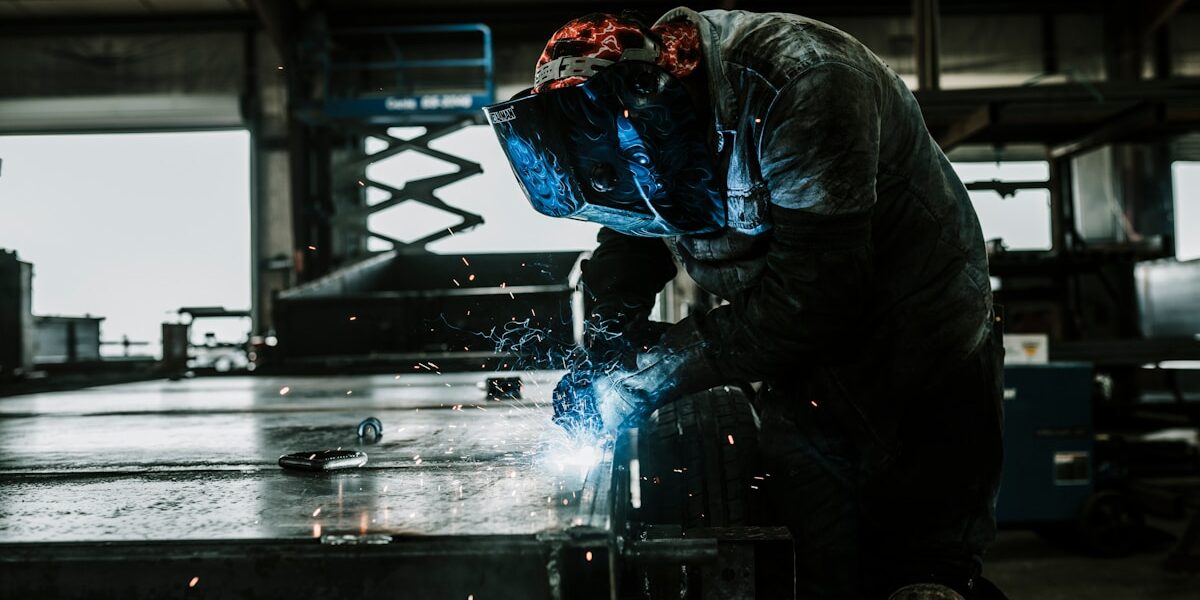
Most insulated metal panel manufacturer websites lead with heritage claims. What they skip is the detail that determines whether your project succeeds or fails — whether they can actually fabricate to your specs or just push standard panels. At RaxPanel, we’ve learned through years of custom work that an R-value per inch is only half the equation. The other half is tolerance control. Holding ±1/8 inch across a 40-foot run separates a panel that installs clean from one that requires field modifications — and eats your margin.
You’ll learn how to verify factory ownership versus trading company status and match core materials to your thermal and fire rating requirements. We also walk through real project examples — refrigerated truck bodies, marine vessel hulls, RV wall panels — showing the exact tolerances each one demanded.

Is Your Manufacturer Legit? Here’s How to Check
A legitimate manufacturer owns its production facility, can prove daily output with verifiable data, holds recognized third-party certifications, and provides full raw material traceability. Trading companies and middlemen typically cannot pass any of these checks.
Supplier verification anxiety is the single most common reason custom insulated panel projects stall. Buyers have been burned by trading companies posing as factories, panels that fail fire safety inspections, and core materials that don’t match what was specified on paper. The difference between a legitimate manufacturer and a reseller isn’t subtle—it’s visible in documents, facility access, and verifiable output numbers. Here is the exact framework we use to vet our own supply chain partners, and what you should demand before signing any fabrication contract.
Verify Factory Ownership Versus Trading Company Status
This is where most buyers make their first costly mistake. A trading company will look identical on a website. Same product photos, same professional copy, same fabricated testimonials. The only way to separate a real factory from a middleman is to ask three specific questions and then verify the answers independently.
- Request the business license and factory address: Ask for the exact registered address of the manufacturing facility, not a corporate office or warehouse. Cross-reference this address on Chinese business registration platforms like Qichacha or Tianyancha. A legitimate manufacturer will have a registered entity at a production address, not just a commercial trading license.
- Ask for a live video walkthrough, not pre-recorded footage: Pre-recorded factory tours are easy to stockpile. Request a live video call where the person walking you through the facility can respond to impromptu questions on the floor. If they deflect, reschedule repeatedly, or only offer recorded content, that is a red flag.
- Check whether they can name their equipment: A real manufacturer knows their production line specifications—the model of their foam injection equipment, their lamination press capacity, their curing oven dimensions. A trader will give vague answers or defer to “our engineering team.”
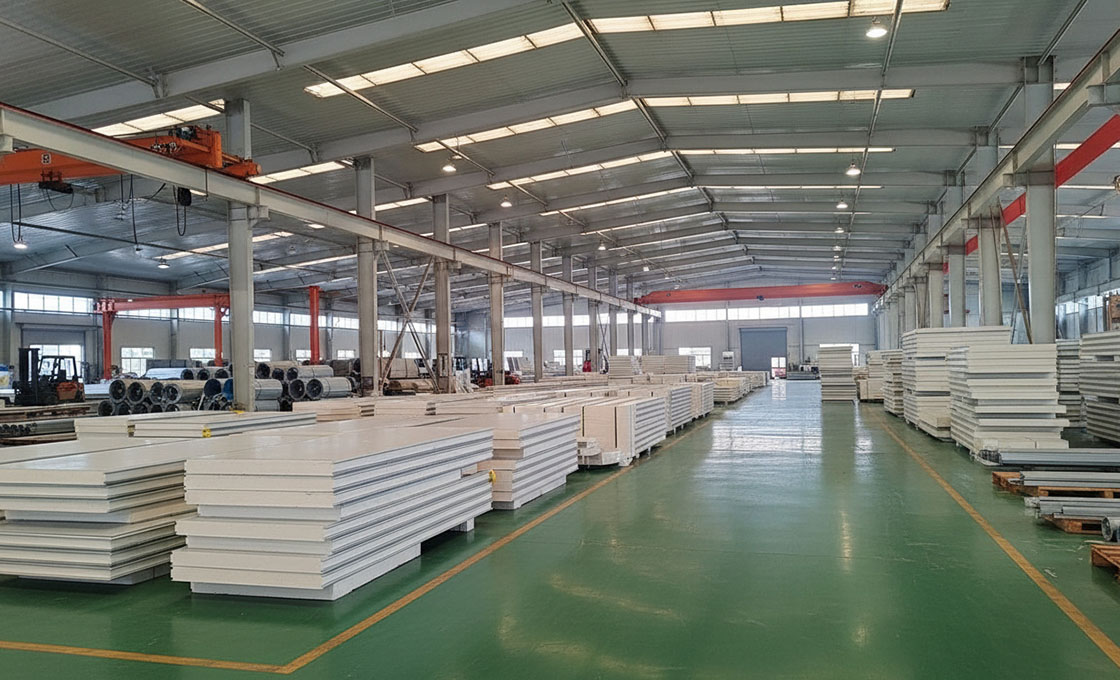
We operate an owned and operated factory facility with over 15 years of continuous production history. When prospects ask us to verify our manufacturing status, we provide our business license, invite live video walkthroughs of our production floor, and share specific equipment details including our advanced composite panel production line capable of exceeding 1,700 square meters of daily output. No middleman can produce that level of operational transparency.
Assess Production Capacity and Daily Output Metrics
Production capacity claims are one of the most frequently inflated metrics in the custom panel industry. A supplier might advertise “high volume output” while actually running a single small production line that can barely keep up with standard orders. For custom fabrication projects—especially those requiring complex features like transverse bends, trimless ends, or optimized double tongue-and-groove joint systems—daily output capacity directly determines whether your timeline is realistic or speculative.
When evaluating a manufacturer’s capacity, you need concrete numbers, not vague promises. Ask for their verified daily production area in square meters, their monthly output ceiling, and their typical lead time for custom orders. A facility with an advanced production line exceeding 1,700 square meters per day can handle large commercial and industrial orders without subcontracting to third-party workshops. That distinction matters enormously for quality consistency.
- Daily output in square meters: This is the most honest metric. It reveals whether a facility is scaled for commercial orders or limited to small batches. Anything under 500 square meters per day should raise questions for projects above 10,000 square meters.
- Custom order lead time: Standard panels and custom-fabricated panels are different beasts. Ask for their typical lead time on custom specifications including transverse bends, trimless ends, and specialized joint systems. A manufacturer that cannot give you a specific number has no custom fabrication capability.
- Equipment age and maintenance records: Older equipment with poor maintenance produces inconsistent panel quality. Ask how recently they have upgraded their production lines and whether they perform preventive maintenance on a scheduled basis.
Ask to see a recent production schedule or shipping log from the past 30 days. A legitimate manufacturer will have documented records of daily output, order tracking, and shipment dates. If they cannot produce even redacted examples, their capacity claims are likely inflated.
Check Quality Certifications and Testing Laboratory Access
Certifications are not decorative badges. For custom insulated metal panels, the right certifications are the difference between a project that passes inspection and one that requires costly redesign. NFPA 285 fire safety compliance, FM Global approval, GREENGUARD Gold for indoor air quality, ISO 9001 for quality management, and CE marking for international markets—each one represents a specific testing threshold that a manufacturer must independently pass.
The critical question is not whether a manufacturer claims to hold certifications, but whether they can produce the actual certificates and demonstrate testing laboratory access. Many suppliers list certifications on their website that are either expired, apply to different product categories, or were never verified by the issuing body. Always request the certificate number and cross-check it on the certifying organization’s official database.
- NFPA 285 compliance documentation: This is the gold standard for exterior wall assembly fire safety in North America. Verify that the certificate specifically covers the panel configuration you are ordering, not just a generic wall assembly test. A manufacturer that has passed NFPA 285 testing has demonstrated that their panel assembly will not contribute to fire spread.
- FM Global approval records: FM Approvals are among the most rigorous independent testing standards in the industry. Check that the approval covers your specific panel thickness and core material combination. Our technical team ensures every custom panel configuration is evaluated against FM Global requirements before production begins.
- ISO 9001 certification validity: This certifies that the manufacturer operates a documented quality management system. Verify the certificate is current and covers the specific manufacturing location you are ordering from, not a parent company or sister facility.
- In-house versus third-party testing: Manufacturers with their own testing laboratories can perform routine quality checks during production and catch defects before panels leave the facility. Those that rely entirely on third-party labs for every test introduce delays and potential quality gaps. Ask whether they conduct internal testing and what parameters they monitor during production.
Never accept a certificate number that you cannot independently verify. Some suppliers reuse expired certificates or provide documents from testing labs that have no affiliation with the certification body. Always cross-reference on the official website of NFPA, FM Global, ISO, or the relevant certifying organization before proceeding.
Request Raw Material Sourcing Documentation and Traceability
The quality of your finished panel is directly determined by the quality of its raw materials. A manufacturer using unverified or off-specification core foam, inferior metal facings, or uncertified adhesive systems may produce panels that look acceptable on delivery but fail prematurely in the field. Traceability is your primary tool for ensuring material integrity from the factory floor to your project site.
Every legitimate manufacturer should be able to provide documentation showing the origin, specifications, and test results of their core materials, metal facings, and adhesive systems. This includes material safety data sheets (MSDS), supplier certificates of conformity, and batch-specific test reports. When sourcing from China, this documentation is especially critical because supply chain complexity increases the risk of material substitution without notification.
- Core material certificates: For PU, PIR, XPS, and Rockwool core panels, request the manufacturer’s raw material supplier certificates and batch test reports. These documents should confirm thermal resistance values, fire performance classifications, and density specifications that match your project requirements.
- Metal facing specifications: Verify the grade, coating type, and thickness of your metal facings. Galvanized steel, aluminum, and stainless steel all have different corrosion resistance profiles. Ask for mill test reports that confirm the material specifications match your order.
- Adhesive and sealant documentation: The bonding system between the facing and core is often the weakest link in panel performance. Request technical data sheets for the adhesives used, including their cure conditions, shear strength ratings, and long-term durability testing results.
- Batch traceability system: A mature manufacturer assigns batch numbers to raw material lots and tracks them through production. This allows any quality issue to be traced back to its source material and, if necessary, contained to specific orders. Ask whether they maintain this level of traceability documentation.
We require full raw material traceability for every order we produce. Our engineering team verifies that each batch of core foam, metal facing, and adhesive meets our specifications before production begins, and we maintain complete documentation for every shipment. This system has allowed us to serve manufacturers and distributors across more than 50 countries with consistent quality and full compliance with international standards. When you request documentation from any manufacturer, treat their willingness and ability to provide it as a direct indicator of their operational maturity.
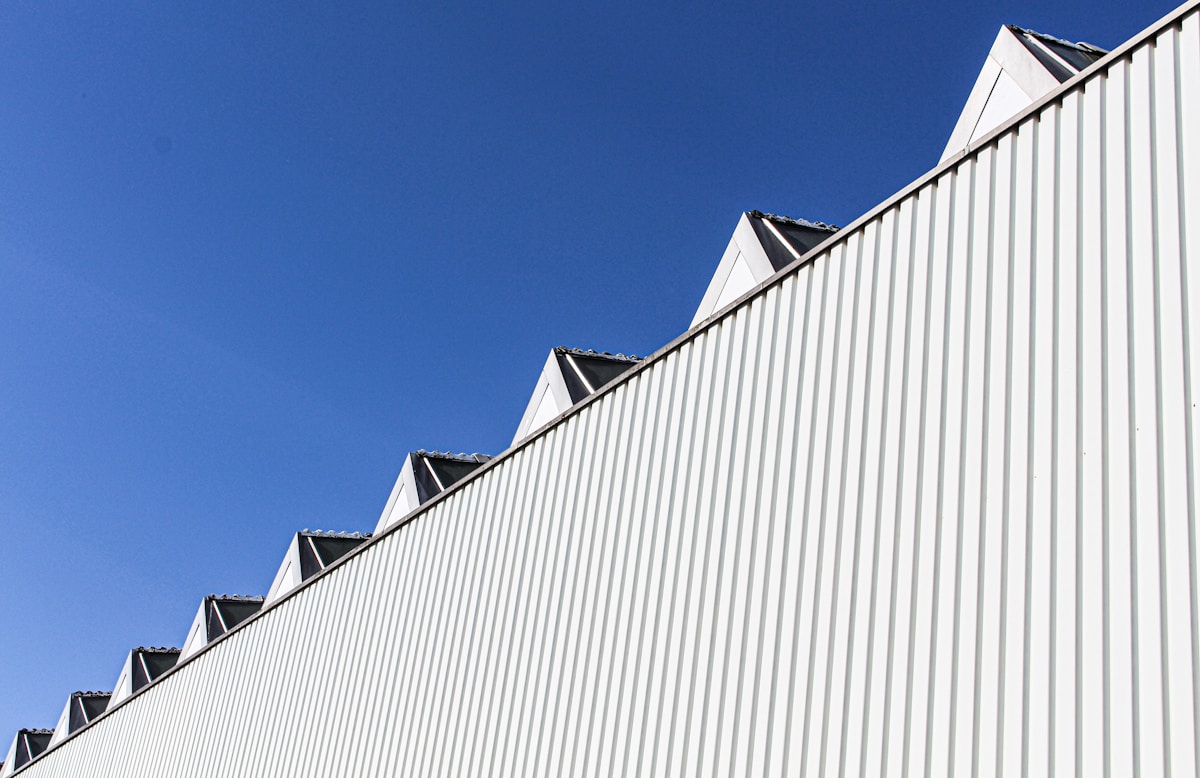
Which Core Material Fits Your Project?
Core Material Selection: A Decision Matrix
Once raw materials are verified and sourced, the next critical step is selecting the right core material to meet project-specific performance requirements.
Selecting the optimal core material for insulated metal panels (IMPs) requires navigating a complex trade-off between thermal efficiency, fire compliance, and physical durability. While R-value is often the primary metric, experienced project managers know that long-term thermal stability and moisture resistance are equally critical for lifecycle costs. The choice dictates not only the energy performance of the building envelope but also the speed of installation and the structural complexity of the supporting framework.
Comparing Thermal Efficiency and Stability
Thermal performance is not static; it evolves over the lifespan of the panel. Foam cores like PU (Polyurethane) and PIR (Polyisocyanurate) typically offer superior initial R-values per inch compared to mineral wool, allowing for thinner wall sections that maximize interior square footage—a crucial factor in cold storage facilities. However, these foam cores undergo thermal drift as the blowing gases diffuse out of the cells and are replaced by air.
In our experience with high-precision cold storage projects, we account for this “aged R-value” during the design phase to ensure the facility maintains operational efficiency years after installation. Conversely, Rockwool cores do not rely on trapped gases for insulation; their thermal resistance remains stable over time. However, to match the thermal performance of high-density foams, Rockwool panels often require increased thickness, which impacts structural detailing and transportation logistics.
Fire Rating and Code Compliance
Fire safety specifications frequently dictate material selection more than thermal preferences. While standard PU cores offer adequate fire resistance for many applications, PIR cores are engineered with a modified chemical structure that provides a higher limiting oxygen index and improved char formation during combustion. This makes PIR the industry standard for architectural wall and roofing projects where strict fire safety compliance is mandatory.
For projects with the most stringent fire codes—such as high-rise buildings, tunnels, or industrial facilities with high fire loads—Rockwool is often the only viable solution due to its non-combustible nature. We ensure that our PIR and Rockwool panels are rigorously tested to meet NFPA 285 standards and carry FM Global approvals. This verification is essential for passing inspections in jurisdictions that enforce strict exterior wall assembly fire testing.
Moisture Absorption and Vapor Resistance
Moisture intrusion is the silent killer of insulation performance. When a core absorbs water, its thermal conductivity spikes, effectively rendering the insulation useless and potentially leading to hidden corrosion of the metal facings. XPS (Extruded Polystyrene) excels in this environment due to its closed-cell structure and high moisture resistance, making it ideal for refrigerated truck bodies, flooring applications, or high-humidity climates where condensation risks are extreme.
While PU and PIR are also closed-cell foams, their long-term moisture performance relies heavily on the integrity of the joint seals and the vapor barrier quality during fabrication. We utilize specialized double tongue-and-groove joint systems to minimize thermal bridging and prevent vapor drive. However, in applications where the panel may be exposed to liquid water or direct saturation, XPS provides a distinct durability advantage that foam cores cannot match without significant waterproofing overtures.
Density, Compressive Strength, and Load Bearing
The physical density of the core material must align with the structural demands of the application. Standard wall applications prioritize lightweight ease of installation, allowing for lower density foams that maximize thermal performance without unnecessary weight. However, roofing and flooring scenarios demand high compressive strength to support foot traffic, equipment, or snow loads.
XPS typically offers higher compressive strength relative to its thickness compared to PU or PIR, making it the preferred choice for raised flooring or heavy-duty traffic areas. Rockwool, while denser and heavier, offers excellent rigidity which contributes to the overall stiffness of the panel assembly. Our engineering team routinely adjusts the core density specifications—ranging from standard 2-inch thicknesses to heavy-duty 8-inch configurations—to ensure the panel substrate can withstand the specific structural loads of the project without deflection.
| Core Material | Primary Characteristics | Best Application Scenario | Performance Advantage | Rax Specifications |
|---|---|---|---|---|
| PU (Polyurethane) | High-density thermoset foam providing excellent thermal efficiency and structural integrity. | Cold storage facilities, commercial buildings, and general industrial walls requiring cost-effective insulation. | Optimal balance of thermal performance and affordability; minimizes energy consumption. | Thickness range 2-8 inches; R-values of R-5.5 to R-6.5 per inch. |
| PIR (Polyisocyanurate) | Advanced thermoset foam with improved fire resistance compared to standard PU. | Architectural wall and roofing projects demanding strict fire safety compliance and high thermal stability. | Superior fire rating with maintained thermal efficiency; reduces long-term operational risks. | NFPA 285 compliant; FM Global approved options available. |
| XPS (Extruded Polystyrene) | Rigid closed-cell foam known for high compressive strength and moisture resistance. | Refrigerated truck bodies, areas with high humidity, and flooring applications requiring water protection. | Exceptional moisture control prevents condensation and ensures long-term durability in wet environments. | High compressive strength; moisture-resistant closed-cell structure. |
| Rockwool (Mineral Wool) | Non-combustible stone wool fiber with excellent sound absorption properties. | High-fire-risk zones, industrial facilities, and exterior wall cladding requiring maximum safety. | Non-combustible core provides highest fire safety and significantly reduces noise transmission. | Non-combustible core; GREENGUARD Gold certified. |
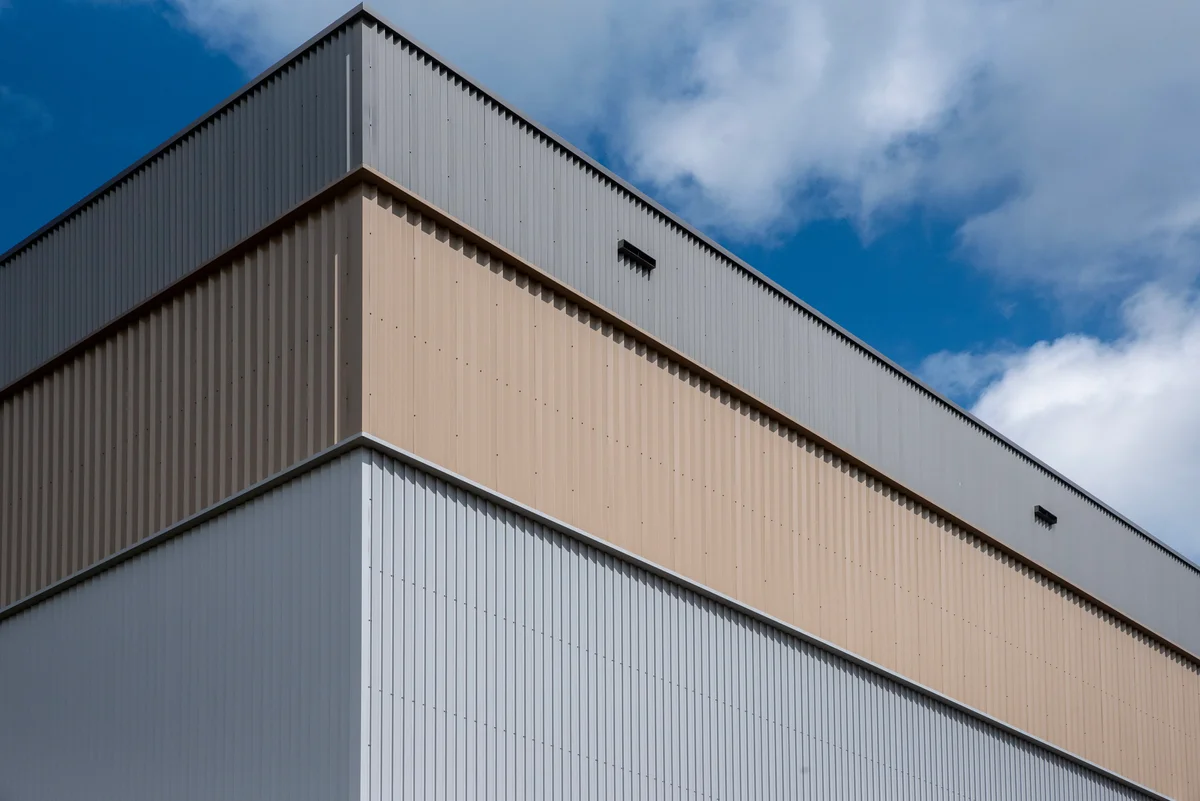
Fabrication Capabilities That Set Custom Manufacturers Apart
The distinction between a commodity supplier and a true custom manufacturer is defined by the ability to execute complex curvatures, maintain micron-level cutting tolerances, and integrate concealed jointing systems like block splines without compromising structural integrity.
Precision Cutting and Trimless Edge Fabrication
In high-performance cold storage and cleanroom applications, the edge condition of a panel is a critical failure point. Standard fabricators often rely on simple guillotine cuts or mechanical saws, which can compress the core material or leave ragged edges that compromise the seal. Specialized manufacturers utilize multi-axis Computer Numerical Control (CNC) routers to achieve trimless ends. This process machines the skins and core simultaneously, ensuring a square, smooth finish that allows for tight, gap-free installation.
The precision of the cut directly impacts the air tightness of the final structure. While standard tolerances in the industry may hover around ±2.0 mm, advanced fabrication lines consistently hold tolerances within ±0.5 mm. This level of precision is essential for proprietary jointing systems where a mismatch of even a millimeter can prevent the locking mechanisms from engaging, leading to thermal bridging and structural weakness.
Transverse Bending and Structural Curvature
One of the clearest indicators of advanced fabrication capability is the ability to perform transverse bending—curving the panel across its width rather than just its length. This requires a deep understanding of the composite interaction between the metal skins and the core material. When a panel is bent transversely, the outer skin stretches and the inner skin compresses, placing significant shear stress on the core.
Commodity producers often fail here because their adhesive formulas lack the elasticity to withstand this stress, resulting in delamination or surface waviness. Expert fabricators engineer specific bond lines and utilize high-density cores (such as specialized PU or modified PET foams) that can maintain shear strength during the curving process. This capability allows for the creation of arches, rounded corners, and aerodynamic vehicle contours without sacrificing the panel’s R-value or structural rigidity.
Advanced Joint Systems: Block Spline Integration
The complexity of a panel’s joint system often separates standard modular panels from engineered solutions. Block spline joints—where a separate composite or thermoplastic “key” is inserted into grooves on adjacent panels—offer superior thermal performance and structural alignment compared to simple tongue-and-groove or cam-lock systems. However, fabricating these joints requires exacting precision.
- Dimensional Stability: The groove depth and width must match the spline perfectly to avoid “play” in the system, which can cause panels to shift under thermal expansion.
- Thural Bridge Management: High-end fabricators machine the spline seat to minimize contact area between the interior and exterior skins, significantly reducing thermal bridging compared to standard metal-to-metal connections.
- Structural Load Transfer: The spline must be fabricated from materials with high compressive strength (such as rigid PVC or fiberglass-reinforced composites) to ensure the diaphragm load of the building envelope is effectively transferred across the joint.
Custom Roll-Forming and Profile Development
Beyond flat panels, the ability to create custom profiles is essential for specific architectural and industrial applications. This involves the roll-forming of metal sheets into specific rib configurations before they are bonded to the insulating core. A manufacturer with robust capabilities maintains a library of roll-forming tooling but also possesses the engineering expertise to develop new profiles from scratch.
This is particularly relevant for projects requiring specialized hidden fastener systems or unique aesthetic shadows. The fabrication process must ensure that the profile depth does not compromise the flatness of the panel or cause uneven foam distribution during the continuous lamination process. Leading manufacturers utilize laser alignment systems during roll-forming to ensure that when the profile is bonded to the core, the panel remains flat and structurally sound, avoiding the “oil-canning” effect seen in lower-quality fabrication.
Avoid fabricators that cannot provide certified tolerances for their custom profiles. Variations in rib depth or spacing can prevent proper gasket seating in refrigerated applications, leading to catastrophic moisture ingress and energy loss.
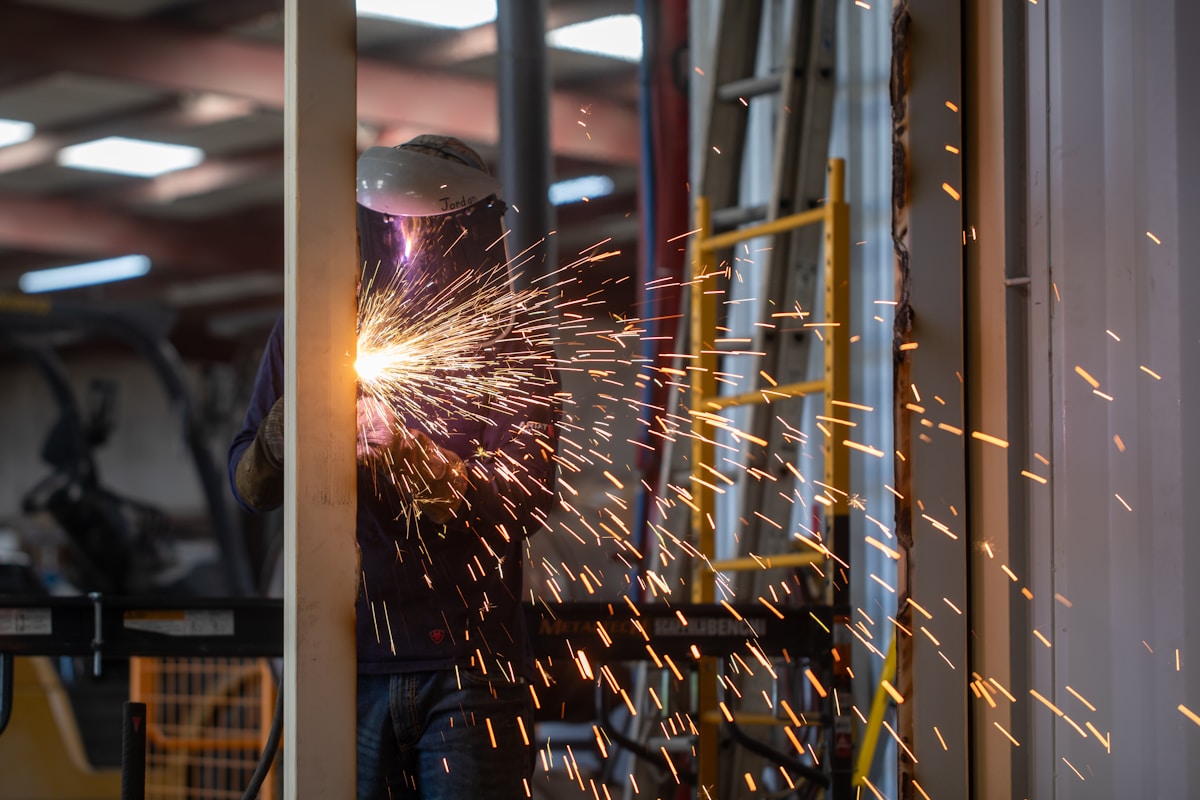
How Manufacturers Turn Custom Designs into Panels
Custom panel manufacturing is a translation process—converting architectural intent into structurally verified, code-compliant panel assemblies through CAD engineering, core processing, and precision fabrication.
When a buyer submits a custom design—whether for a refrigerated truck body, an RV wall system, or a marine vessel hull—the manufacturer’s first task is not cutting material but validating feasibility. The design must survive structural load analysis, thermal performance simulation, and fire compliance checks before any panel is produced. This is where most procurement delays occur, and understanding the workflow is critical for buyers who need their projects on schedule.
From CAD to Manufacturable Blueprint
Custom panel projects begin with a design file—typically a CAD drawing or a detailed specification sheet from the buyer’s engineering team. The manufacturer’s design engineers reverse-engineer this into a production-ready blueprint. They verify that every dimension, joint configuration, and profile radius falls within the capabilities of their composite panel production line. For projects requiring complex geometries—such as curved RV roofing panels or interlocking truck body profiles—engineers run finite element analysis (FEA) to confirm the panel will hold structural integrity under real-world stress conditions.
During this phase, material selection is finalized. A single custom project may specify multiple panel types: GRP sandwich panels with XPS core for thermal insulation, aluminum honeycomb panels for lightweight structural sections, and CFRT sandwich panels for high-impact zones. The design team matches each panel specification to the core and facing materials available on the production line, ensuring no custom requirement falls outside the manufacturer’s material portfolio—which includes PMI, PET, PU, PVC, and EPP foams, along with fibreglass, steel, stainless steel, and Aluzinc facings.
📋 Design-to-Production Workflow
- Step 1 — Design Review: Buyer submits CAD drawings, load requirements, thermal targets, and fire rating specifications. Engineers validate against manufacturing capabilities.
- Step 2 — Material Matching: Core and facing materials are selected from available options (XPS, PET, PU, PVC, PMI, PP honeycomb, aramid honeycomb, GRP, CFRT, aluminum, steel, stainless steel, Aluzinc).
- Step 3 — Structural Simulation: FEA and thermal modeling confirm the panel assembly meets load, R-value, and fire compliance targets.
- Step 4 — Prototype Sample: A sample panel is produced for buyer approval before full production runs.
- Step 5 — Production Sign-Off: Once the sample is approved, the manufacturing line is scheduled for bulk output.
Dimensional Tolerances in Custom Panel Production
Custom designs demand precision that standard off-the-shelf panels cannot deliver. Dimensional tolerance is the single most critical factor in ensuring panels fit together correctly on-site—especially for applications like refrigerated truck bodies and mobile home cladding where even a 2mm deviation across a 2,000mm panel can cause sealing failures and thermal bridging.
Professional manufacturers maintain tight tolerances across all custom panel dimensions. Typical tolerance bands for length and width are ±1.5mm per 1,000mm of panel length, while thickness tolerance is held within ±1mm. These tolerances are achieved through calibrated cutting equipment and post-cure machining processes, not by relying on the compression molding stage alone. For complex profile executions—such as interlocking edges, channel routing for wiring, or custom radius curves—the manufacturer uses CNC routing and profile cutting tools that operate within these same tolerance bands.
- Length tolerance: ±1.5mm per 1,000mm of panel length
- Width tolerance: ±1.5mm per 1,000mm of panel width
- Thickness tolerance: ±1mm across the full panel surface
- Surface flatness: Within 2mm over any 1,000mm span
- Core-to-skin bond strength: Minimum 0.3MPa shear adhesion, verified through peel testing
Complex Profile Execution
Not all custom panels are flat rectangles. Buyers frequently request profiles with integrated channels, step designs for overlapping seams, custom edge geometries for specific fastening systems, and curved sections for vessel or RV applications. Executing these profiles requires the manufacturer to combine multiple processes—compression molding for the base panel, followed by CNC routing for channels and cutouts, and in some cases, secondary forming for curved sections.
For example, a refrigerated truck body panel may require integrated vertical channels for structural reinforcement, horizontal grooves for sealing gasket placement, and precisely located fastener holes—all within the same panel assembly. The manufacturer’s engineering team designs the tooling and machining sequences to ensure every feature aligns correctly. This is where production experience matters: a facility with over 15 years of composite panel manufacturing will have established standard profile libraries and proven machining sequences that reduce lead time and defect rates.
When requesting a custom panel quote, provide your design files in native CAD format (DWG, STEP, or IGES), not just PDF images. CAD files allow the manufacturer’s engineers to extract exact dimensions, run simulations, and generate CNC toolpaths without manual measurement errors. This can reduce the design-validation phase from 5–7 days to 1–2 days.
Core Processing and Panel Assembly
Once the design is finalized and tooling is prepared, the manufacturing process moves to core processing and panel assembly. The core material—whether XPS, PET, PU, PVC, PMI, EPP, MPP, PP honeycomb, aramid honeycomb, or PC honeycomb—is cut to the exact panel dimensions specified in the production blueprint. For honeycomb cores, the cell orientation and face sheet bonding pattern are critical to ensuring the panel meets its specified compressive strength.
The facing materials are then laminated to the core. For GRP and CFRT sandwich panels, this involves placing the fibreglass or continuous fibreglass reinforced thermoplastic sheet over the core, applying resin or thermoplastic bonding agents, and curing the assembly under controlled temperature and pressure. For aluminum and steel-faced panels, the metal sheet is bonded to the core using adhesive films or direct lamination processes. The bond line must be consistent across the entire panel surface to prevent delamination—a common failure mode in poorly manufactured custom panels.
Advanced composite panel production lines achieve a daily output exceeding 1,700 square meters of panel area, which means the manufacturer can handle large custom orders without compromising the quality control required for each panel. Continuous monitoring of temperature, pressure, and cure time during lamination ensures that every panel—whether it’s a standard 2,440mm x 1,220mm sheet or a custom-cut panel for a marine hull—meets the same specification.
Quality Verification Before Shipment
Before custom panels leave the factory, they undergo a series of verification checks. Dimensional inspection confirms that every panel falls within the specified tolerance bands. Bond strength testing verifies that the core-to-skin adhesion meets the minimum shear requirements. For fire-rated panels, samples are subjected to NFPA 285 testing or equivalent fire performance standards to confirm compliance. Thermal resistance (R-value) is verified through laboratory testing, ensuring the panel delivers the insulation performance specified in the original design.
Never accept custom panels without a dimension verification report and a bond strength test certificate. Some manufacturers ship panels that look correct visually but have weak core-to-skin adhesion or thickness variations that cause installation failures on-site. Always request third-party test reports for fire ratings and thermal performance before placing a bulk order.
Design Validation Through Prototype Sampling
Reputable manufacturers produce a prototype sample before committing to full production. This sample allows the buyer to verify dimensional accuracy, surface finish, profile execution, and overall quality. For complex custom projects—such as a complete RV wall panel system or a refrigerated truck body kit—the prototype phase is where design flaws are identified and corrected before they become expensive production errors. The sample panel is typically produced on the same line and with the same materials as the full order, making it a reliable representation of what the buyer will receive.
The prototype review should include a hands-on fit check. Buyers should assemble the sample panels using their intended fastening and sealing methods to confirm that joints align correctly, channels match up, and the overall assembly behaves as expected. This step catches issues that CAD simulations cannot reveal—such as interference between adjacent panel profiles or difficulty installing seals in tight corners.
Certifications and Quality Standards to Look For
Third-party certified test reports are the only reliable proof of compliance. Self-certification carries significant risk for cold storage and commercial construction projects.
FM Global Approval: The Gold Standard for Fire Safety
FM Approvals (Factory Mutual) certification is the most rigorous independent fire safety validation in the insulated panel industry. For cold storage facilities, refrigerated trucks, and commercial buildings, FM approval signals that panels have undergone comprehensive fire testing beyond basic code requirements.
When evaluating manufacturers, request the specific FM approval number and verify it directly on the FM Global database. Panels with FM Class 1 or FM Approvals designation have demonstrated superior fire resistance, including flame spread ratings below 25 and smoke development ratings below 450.
- FM Global Database Verification: Cross-reference the approval number at fmglobal.com to confirm active status and scope coverage
- Fire Rating Classifications: FM-approved panels typically achieve 1-hour to 2-hour fire resistance ratings depending on core material and assembly thickness
- NFPA 285 Compliance: FM approval often exceeds NFPA 285 requirements for exterior wall fire testing
Third-Party Fire Rating Reports: Beyond Self-Certification
Independent laboratory testing provides objective fire performance data that self-certified claims cannot match. Reputable manufacturers submit panels to accredited testing facilities such as UL (Underwriters Laboratories), Intertek, or Warringtonfire for fire rating certification.
Key fire test standards to request include ASTM E84 (Surface Burning Characteristics), ASTM E2707 (Large-Scale Fire Test for Sandwich Panels), and EN 13501-1 (European fire classification). Each standard measures different aspects of fire performance, and reputable manufacturers will provide reports from multiple testing frameworks.
Do not accept manufacturer-generated fire test reports without verification. Independent testing from accredited laboratories (ISO/IEC 17025 accredited) is the only reliable proof of fire performance. Always request the testing laboratory’s accreditation number and verify it independently.
Thermal Conductivity Coefficients (k-value and λ-value)
Thermal performance verification requires third-party tested thermal conductivity data. The k-value (thermal conductivity coefficient) measures how well a material resists heat flow, expressed in W/(m·K) or BTU·in/(h·ft²·°F). Lower values indicate superior insulation performance.
For insulated metal panels, thermal conductivity must be tested at specific temperature conditions relevant to your application. Cold storage panels require testing at -40°C to 0°C, while exterior wall applications need testing at ambient conditions (23°C ± 2°C). Request test reports that specify the temperature conditions under which thermal conductivity was measured.
- PU (Polyurethane) Foam: Typical k-value range of 0.022–0.028 W/(m·K) at 23°C
- PIR (Polyisocyanurate) Foam: Typical k-value range of 0.020–0.025 W/(m·K) at 23°C
- XPS (Extruded Polystyrene): Typical k-value range of 0.029–0.035 W/(m·K) at 23°C
- PET (Polyester) Foam: Typical k-value range of 0.030–0.038 W/(m·K) at 23°C
Thermal resistance (R-value) is calculated from thermal conductivity and panel thickness. For example, a 50mm PIR core panel with a k-value of 0.022 W/(m·K) provides an R-value of approximately 2.27 m²·K/W (12.9 h·ft²·°F/BTU). Always request thermal performance calculations based on actual tested k-values, not manufacturer estimates.
Tensile Strength and Structural Performance Data
Structural integrity of insulated panels depends on core-to-skin bond strength and overall panel tensile performance. Third-party testing verifies that panels can withstand structural loads without delamination or core failure. Request tensile strength test reports following ASTM C297 (Standard Test Method for Flatwise Tensile Strength of Sandwich Constructions) or equivalent standards.
Key structural metrics include flatwise tensile strength (measured in psi or MPa), shear strength of the core material, and bond strength between facings and core. For cold storage applications, panels must maintain structural integrity at low temperatures where materials become more brittle.
- Flatwise Tensile Strength: Minimum requirement typically 15 psi (0.1 MPa) for structural panels, higher for heavy-duty applications
- Shear Strength: Core material shear strength typically ranges from 50–200 psi depending on density and material type
- Bond Strength: Core-to-skin adhesion strength should exceed 50 psi for reliable performance
ISO and CE Certification: Quality Management Verification
ISO 9001 certification demonstrates that a manufacturer operates under a certified quality management system. While ISO certification does not guarantee product performance, it indicates systematic processes for quality control, documentation, and continuous improvement. Look for ISO certificates issued by accredited certification bodies (not self-issued).
CE marking indicates conformity with European standards for construction products under the Construction Products Regulation (CPR) 305/2011. For insulated panels, CE certification requires assessment against harmonized standards such as EN 14509 (Self-supporting sandwich panels) or EN 13165 (Thermosetting plastic boards). CE marking includes a declaration of performance (DoP) specifying fire reaction, thermal resistance, and mechanical properties.
Request the full Declaration of Performance (DoP) for CE-marked panels. The DoP contains specific tested values for all declared properties, not just pass/fail statements. Verify that the notified body number on the CE mark corresponds to an actual notified body (not the manufacturer itself).
Moisture Resistance and Water Absorption Testing
Cold storage and exterior applications require panels with verified moisture resistance. Water absorption testing follows standards such as ASTM C272 (Water Absorption of Rigid Cellular Structural Core Materials) or EN 826 (Determination of water absorption). Low water absorption rates prevent core degradation, loss of thermal performance, and structural weakening over time.
Reputable manufacturers provide water absorption test results expressed as percentage by volume or weight. PIR and PU foams typically exhibit water absorption below 1.0% by volume, while XPS absorbs 0.1–0.3% and PET foam absorbs 0.2–0.5%. Higher absorption rates indicate potential long-term performance issues in humid or wet environments.
Verification Checklist for Serious Buyers
Before committing to a supplier, verify the following documentation exists and can be independently validated:
- Third-Party Fire Test Reports: From ISO/IEC 17025 accredited laboratories, specifying test standards and conditions
- Thermal Conductivity Test Reports: With k-values measured at application-relevant temperatures
- Structural Performance Data: Flatwise tensile, shear strength, and bond strength test results
- ISO 9001 Certificate: Issued by accredited certification body, not self-certified
- CE Declaration of Performance: Including notified body number and specific tested values
- Water Absorption Test Results: Expressed as percentage by volume or weight
- Material Safety Data Sheets (MSDS): For all core materials and adhesives used
Manufacturers who cannot provide independent, verifiable certification documentation should be considered high-risk suppliers. The cost of verifying certifications upfront is minimal compared to the risk of project delays, failed inspections, or premature panel failure in the field.
Can the Manufacturer Handle Your Timeline and Scale?
Assessing Production Throughput and Daily Capacity
Timeline reliability relies on daily output metrics, not just factory size. For commercial cold storage or large-scale construction, prioritize manufacturers capable of consistent daily production exceeding 1,500 square meters.
When evaluating a manufacturer for a large-scale project, vague assurances about “fast delivery” are a major red flag. In the insulated metal panel industry, a production bottleneck can halt an entire job site, costing thousands in daily overhead. Buyers must demand specific data regarding daily output rather than total facility size. A manufacturer operating an advanced composite panel production line with a daily production area exceeding 1,700 square meters demonstrates the necessary throughput to keep pace with aggressive commercial schedules.
It is critical to distinguish between theoretical capacity and actual operational availability. A facility might have the machinery to run 24/7, but if they lack the labor or material logistics to sustain it, lead times will balloon. Look for manufacturers with over 15 years of production experience. This longevity typically indicates a refined workflow where raw material intake, fabrication, and loading are synchronized to prevent downtime.
Supply Chain Verticality and Raw Material Availability
A manufacturer’s ability to scale is directly tied to their control over raw materials. Insulated panels require complex inputs—specific skins (steel, aluminum, GRP), adhesives, and core materials (PU, PIR, XPS, mineral wool). If a supplier relies solely on just-in-time deliveries for these components without significant on-site inventory, a single shipping delay from their vendor becomes your crisis.
Manufacturers with deep R&D integration and design solutions often maintain better stock levels of diverse core materials. This is essential for custom orders. If your project requires a specific fire-rated core or a specialized facing like fiberglass-reinforced polymer (FRP) to withstand marine environments, verify that the manufacturer stocks these materials regularly. High-volume suppliers typically manage a diverse inventory—including CFRT, PET foam, and PU cores—to ensure that switching from a standard product to a custom specification does not reset the production clock.
Quality Assurance Protocols at High Speed
Speed is irrelevant if the panels fail to meet FM approval or NFPA 285 compliance standards upon arrival. A common pitfall is that quality control degrades as production lines speed up to meet tight deadlines. Buyers must investigate how the manufacturer maintains consistency during high-output runs. This involves asking about the frequency of line audits and the calibration of automated laminating machinery.
- Automated Monitoring: Verify that the production line utilizes real-time sensors to monitor lamination pressure and temperature, ensuring adhesion integrity across every square meter produced.
- Batch Testing: Ensure that for every bulk order, destructive testing samples are pulled and retained for verification of thermal performance (R-value) and structural bond strength.
- Tolerance Checks: High-scale facilities must have automated gauging for panel thickness and flatness. Manual measurements are insufficient when producing thousands of square meters daily.
Logistics and Global Export Competence
Handling the scale is not just about fabrication; it is about getting the product to the site. For international buyers, the manufacturer’s experience with export logistics is as critical as their machinery. A supplier with a global footprint, serving over 50 countries and regions, will have the established protocols to handle complex documentation, customs clearance, and heavy-load freight optimization without causing delays.
Ask potential partners about their packaging efficiency for bulk orders. High-capacity manufacturers utilize specialized loading patterns that maximize container space while protecting panel edges. If a manufacturer cannot provide a detailed loading plan or timeline estimate for your specific volume, they likely lack the logistical maturity to handle your scale. Furthermore, ensure they offer 24-hour support during transit windows to resolve any customs or shipping anomalies immediately, preventing the cargo from sitting idle at a port.
📋 Due Diligence Checklist for Scale Assessment
- Step 1: Request the current active daily output in square meters, not theoretical maximum capacity.
- Step 2: Audit their raw material inventory logs to confirm they have the specific core and skin materials for your project in stock.
- Step 3: Ask for a copy of their QC checklist specifically for high-volume production shifts.
- Step 4: Verify their export logistics history with projects of similar tonnage and destination.
What Really Drives the Final Cost?
The lowest FOB price often masks the highest Total Landed Cost. Logistics efficiency, container utilization, and protective packaging frequently impact the final budget more than the raw material price per square meter.
When procuring insulated metal panels (IMPs) or composite sandwich panels internationally, the per-square-meter quote provided by the manufacturer is rarely the final figure. Experienced project managers know that the “FOB” (Free on Board) price is merely the starting line. The true financial impact is determined by the logistics chain and how well the product specification aligns with shipping efficiency. A cheaper panel that occupies excessive volume or requires reinforced crating can ultimately cost more than a premium product optimized for containerization.
Freight Logistics: Volumetric Weight vs. Actual Weight
In the composite panel industry, shipping costs are dictated by volume (CBM) rather than just weight. While lightweight cores like PET foam or PP honeycomb reduce the overall tonnage, they do not necessarily reduce the freight cost if the panel thickness or stacking height eats up container space. Ocean carriers charge based on the space a shipment occupies; therefore, high-density packing strategies are essential. For example, optimizing panel lengths to fit precisely into a 40-foot High Cube (40HQ) container—maximizing the roughly 76 cubic meters of usable space—is the single most effective way to drive down the cost per unit.
Container Loading Efficiency and Customization
Custom panel dimensions, while necessary for specific architectural designs, often carry hidden logistics penalties. Standard-sized panels allow for “interlocking” or tight stacking, minimizing wasted air space. Conversely, custom or irregular shapes require specialized loading plans, often leaving unusable voids in the container. This directly increases the landed cost per square meter. Furthermore, the choice of facing material influences loading density; slippery or smooth surfaces like Gel-coated FRP or Aluminum allow for tighter stacking compared to rougher textures, potentially allowing more material to be shipped in a single run.
Crating, Protection, and Damage Risk
The method of packaging represents a significant variable in final costs. While standard pallet wrapping is cheaper, it offers little protection against the rigors of transoceanic transport or rough handling at destination ports. High-value or fragile composite panels, such as those with delicate finishes or lightweight foam cores susceptible to crushing, often require reinforced timber crating. Although this adds to the initial weight and packaging expense, it is a critical insurance against the total loss of a shipment. Calculating the cost-benefit ratio of reinforced crating versus standard packaging is vital for risk management.
Hidden Administrative and Import Costs
Beyond the physical freight, administrative fees and import regulations frequently catch procurement teams off guard. These costs are rarely included in the initial manufacturing quote but are non-negotiable upon arrival. Understanding these line items is crucial for accurate budget forecasting.
- Import Duties and VAT: Tariffs vary significantly based on the Harmonized System (HS) code classification of the composite materials. For instance, structures containing specific foam cores may face different duty rates than pure metal cladding.
- Demurrage and Detention: These fees are charged by shipping lines when containers are not picked up or returned within the allotted free time. Customs clearance delays, often caused by incorrect documentation or missing compliance certificates, can rack up thousands of dollars in fees.
- Local Handling and Last-Mile Delivery: Once the container hits the ground, costs for offloading heavy panels via crane or forklift, as well as transportation to the final site, add up. Heavier, denser panels require higher-capacity lifting equipment, increasing site handling costs compared to lightweight alternatives like CFRT or honeycomb panels.
Real-World Examples of Custom Fabrication Projects
Custom fabrication allows insulated metal panels to transcend static architecture, providing lightweight, high-strength thermal envelopes for mobile and high-stress environments like transport and marine sectors.
Refrigerated Truck Body Custom Fabrication Case Study
Fabricating panels for refrigerated transport requires a distinct departure from static building standards. The primary challenge lies in balancing thermal efficiency with strict payload weight restrictions. Manufacturers often utilize high-density polyurethane (PUR) cores to achieve superior R-values without significantly increasing the gross vehicle weight. In a typical execution for a 53-foot trailer, fabrication focuses on minimizing thermal bridging at the joint connections.
Engineers prioritize the integration of cam-lock systems or tongue-and-groove joints that ensure an airtight seal during the constant vibration and flexing of transit. Precision engineering is critical here; even a millimeter of deviation in panel flatness can compromise the gasket seal, leading to cold chain failure and product spoilage.
- Precision Jointing: Panels are fabricated with interlocking mechanisms designed to sustain 80+ mph wind loads and road vibration.
- Surface Durability: Exterior skins are often specified with 0.8mm to 1.0mm aluminum or FRP (Fiber Reinforced Polymer) to resist impact from loading docks.
- Dimensional Tolerance: Length and width tolerances are kept within +/- 1.0mm to ensure seamless fitment on the truck chassis.
RV Wall and Roofing Panel Specification Execution
The recreational vehicle industry demands panels that offer residential insulation levels in a thin, lightweight profile. Custom fabrication for RV walls involves continuous lamination processes where the metal skins, foam core, and interior substrate are bonded simultaneously under high pressure. This workflow is essential for creating the smooth, flat exterior surfaces required for high-resolution graphic wraps, which are a key marketing aesthetic for modern RVs.
Roofing panels present a different set of fabrication requirements. They must be engineered to handle significant snow loads while maintaining a watertight seal. Manufacturers often utilize specialized automated cutting tables to create complex roof geometries, incorporating pre-cut openings for HVAC vents and skylights to prevent field errors that could compromise the waterproof membrane.
- Wall Thickness: Typically fabricated between 25mm to 50mm to maximize interior living space while maintaining R-12 to R-20 thermal performance.
- Radius Curving: Automated curving machines form the front and rear caps to smooth aerodynamic profiles, reducing drag during highway travel.
- Delamination Resistance: Adhesives are formulated to withstand extreme temperature cycling from -20°F to +120°F without bond failure.
Marine Vessel Hull Panel Customization Project
Applying insulated metal panel technology to marine environments, such as workboats or luxury yachts, demands aggressive corrosion protection. Standard galvanized steel is often rejected in favor of marine-grade aluminum alloys (such as 5052 or 5083) which offer high resistance to saltwater corrosion. Fabrication workflows for these projects often include extensive CNC machining to cut out complex portholes, hatches, and equipment mounting points prior to foaming.
A critical aspect of marine customization is the structural bonding of the panels to the vessel’s frame. Unlike buildings that rely on mechanical fasteners, marine fabrications often utilize hybrid structural adhesives combined with welding or riveting to ensure the hull remains monolithic and watertight under high-stress wave impacts. The surface finish is also a major consideration, often requiring specialized marine-grade paints that can withstand UV exposure and salt spray without chalking.
- Material Selection: Utilization of aluminum alloys with magnesium to prevent saltwater pitting and stress corrosion cracking.
- Coating Systems: Application of multi-stage epoxy and polyurethane coating systems exceeding 100 microns dry film thickness.
- Fire Safety: Core materials are selected to meet stringent IMO (International Maritime Organization) fire safety codes for low flame spread and smoke toxicity.
Mobile Home Exterior Cladding Fabrication Workflow
In the manufactured housing sector, the fabrication workflow is driven by speed of assembly and cost-efficiency without sacrificing weather protection. Custom fabrication here involves producing large-format panels that can cover significant exterior wall areas in a single lift, drastically reducing on-site labor hours. The workflow is highly automated, with coil lines feeding steel directly into the foaming line to produce continuous lengths that are then cut to specific architectural plans.
A key focus in this workflow is the integration of the “reveal” or shadow lines that give mobile homes a modern, architectural aesthetic rather than a utilitarian box look. Fabricators use specialized roll-forming tooling to create lap joints that shed water effectively while hiding fasteners. This ensures the exterior cladding maintains its integrity against high winds, a common requirement for housing units transported to zones susceptible to hurricanes.
- High-Volume Output: Continuous production lines capable of fabricating panels up to 60 feet in length for seamless wall runs.
- Interlocking Design: Factory-formed shiplap edges ensure water runs off the exterior face, preventing infiltration behind the cladding.
- Impact Resistance: Exterior skins are gauge-thick (often 26-28 gauge steel) to resist hail and impact damage during transport to the installation site.
| Project | Application | Custom Fabrication | Key Performance |
|---|---|---|---|
| VanDusen Botanical Garden Visitor Center — Vancouver, BC | Sustainable Cultural | Double-direction curved bending; 12,000 sf custom attachment system; plain mill aluminum finish | Energy-efficient; weather-resistant; lightweight; meets Living Building Challenge standards |
| Oakland Community College Addition — Southfield, MI | Commercial Institutional | Angular two-tone IMP façade; horizontal configuration in flat white and metallic; seamless large-format panels | High-tech aesthetic; fast installation; reduced thermal bridging with insulated core |
| Cold Storage & Food Processing Facility | Industrial Refrigeration | PU/PIR core panels 2–8 in thick; double tongue-and-groove joint; trimless ends for airtight seal | R-values up to R-8.0; superior vapor barrier integrity; prevents condensation and mold |
| NFPA 285-Compliant Multi-Story Assembly | Commercial Building Envelope | FM Global-approved panel assemblies; Rockwool and PIR core options; certified fire-rated configurations | Meets strict fire safety codes; avoids costly redesigns and inspection failures |
| Large-Span Industrial Warehouse — 60+ ft Panels | Manufacturing / Logistics | Extra-long single-piece panels up to 60 ft; transverse bends for custom flashings and transitions | Seamless appearance; fewer joints; faster install; lower long-term maintenance |
Conclusion
Verifying factory ownership and direct access to certified testing labs saves you from costly legal headaches down the road. Do not let a low unit price override essential safety specs. Selecting the correct core material based on fire rating compliance and specific R-value requirements ensures your facility stays operational and efficient for decades. Custom fabrication demands precision engineering, not just standard panel dimensions.
- Consult our engineering team about complex NFPA 285 compliance issues before you finalize your architectural drawings.
- Submit your custom fabrication specifications to us for a technical review to catch potential thermal bridge risks early.
- Send over your specific project timeline so we can verify if our daily output capacity aligns with your schedule.
Frequently Asked Questions
What is the difference between IMPs and traditional insulated panels?
IMPs are factory-engineered as complete assemblies with metal facings bonded to a foam core, delivering consistent thermal performance and a finished aesthetic. Traditional insulated panels often require on-site insulation installation, which can introduce gaps, thermal bridging, and quality variability. IMPs also offer faster installation and integrated weather barriers.
How do IMPs prevent condensation?
Quality IMPs use a closed-cell foam core combined with a continuous vapor barrier on the warm side of the panel. This prevents warm, moist air from reaching the dew point within the wall or roof assembly. RaxPanel panels feature optimized double tongue-and-groove joint systems that enhance airtightness and minimize condensation risk in humid or cold-storage environments.
Do IMPs meet modern energy codes?
Yes, IMPs with PU, PIR, or XPS cores can exceed current energy code requirements for thermal resistance in wall and roof assemblies. RaxPanel offers panels with R-values up to R-8.0, which support compliance with IECC, ASHRAE 90.1, and other regional energy standards. This makes them a strong choice for projects targeting energy efficiency certifications.
How long do insulated metal panels last?
High-quality IMPs with gelcoat-coated or coated metal facings can last 30 to 50 years with minimal maintenance. The closed-cell foam core resists moisture absorption and does not degrade over time, preserving thermal performance throughout the panel’s lifespan. Proper installation and joint sealing are critical to maximizing long-term durability.
Can IMPs handle extreme weather conditions?
IMP panels are engineered to withstand high winds, heavy snow loads, and temperature extremes when specified correctly. Metal facings such as galvanized steel, aluminum, or stainless steel provide additional corrosion and impact resistance. RaxPanel panels are tested and certified for demanding environments, including marine and industrial applications.
What panel thicknesses are commonly available?
Standard IMP thicknesses range from 2 inches to 8 inches, with corresponding R-values scaled to the core material and density. Thinner panels are commonly used for interior partitions and lightweight cladding, while thicker panels serve exterior walls and roofs in cold-climate or high-efficiency applications. Custom thicknesses can also be specified for unique project requirements.