
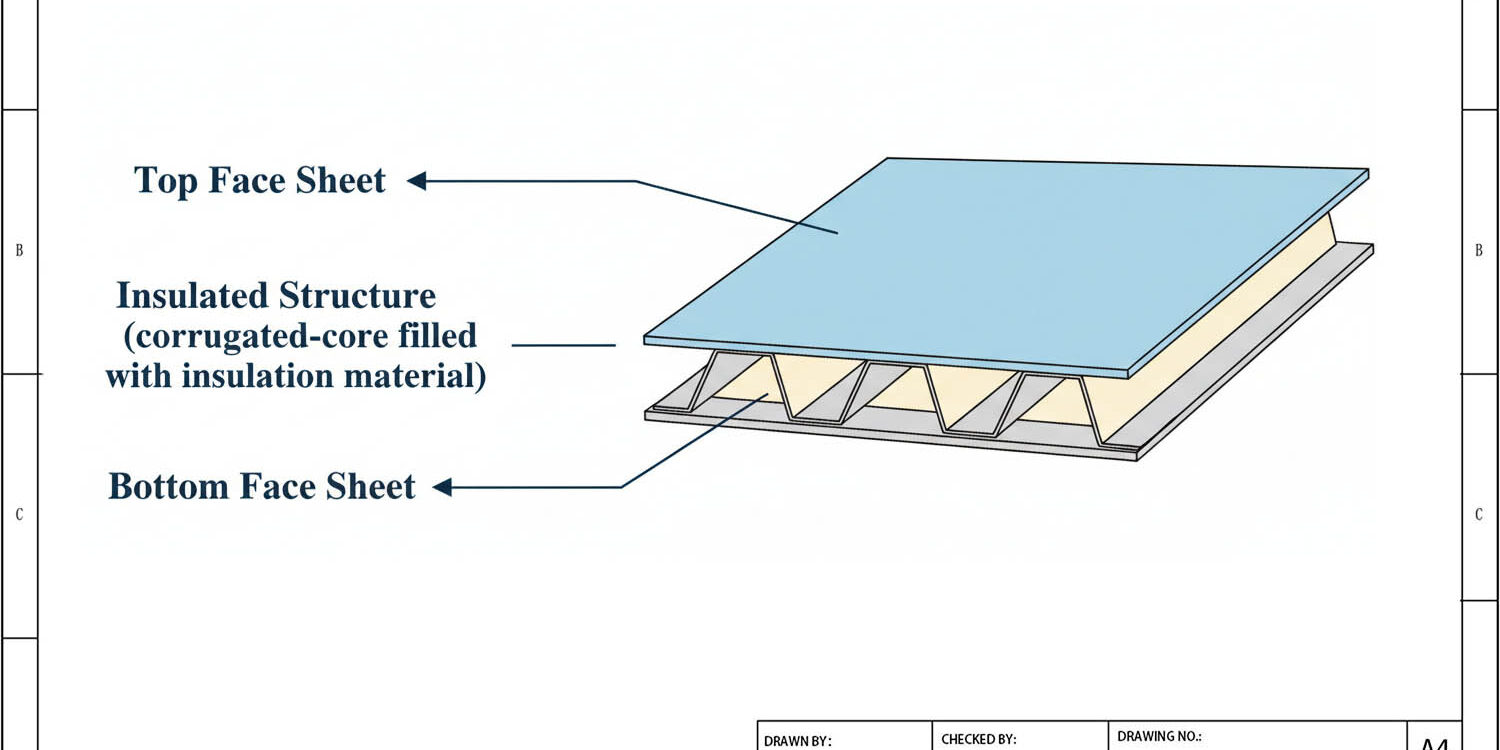
Selecting the correct crop storage panel thickness is the single most critical variable for long-term crop viability and energy efficiency in 2026. We see too many procurement engineers underspecify insulation for lateral bulk loads, leading to compressor overloads and rapid product spoilage. Rax Panel manufactures high-density composite panels with daily capacities exceeding 1,700 square meters, ensuring consistent thermal performance for even the largest agricultural facilities.
This guide moves past basic temperature charts to address the structural realities of storing grain, roots, and high-respiration produce. You will learn how to calculate the exact panel thickness required to prevent condensation and manage lateral wall pressure without overpaying for unnecessary material. The focus is on matching core density and facing gauge to your specific crop weight and climate zone.
We break down the engineering behind SIPs versus stick framing, thermal bridging elimination, and the performance gap between EPS and PIR cores. By the end, you will have a clear specification framework to ensure your construction stays on schedule and your energy ROI meets targets.
Crop Storage Panel Energy Efficiency
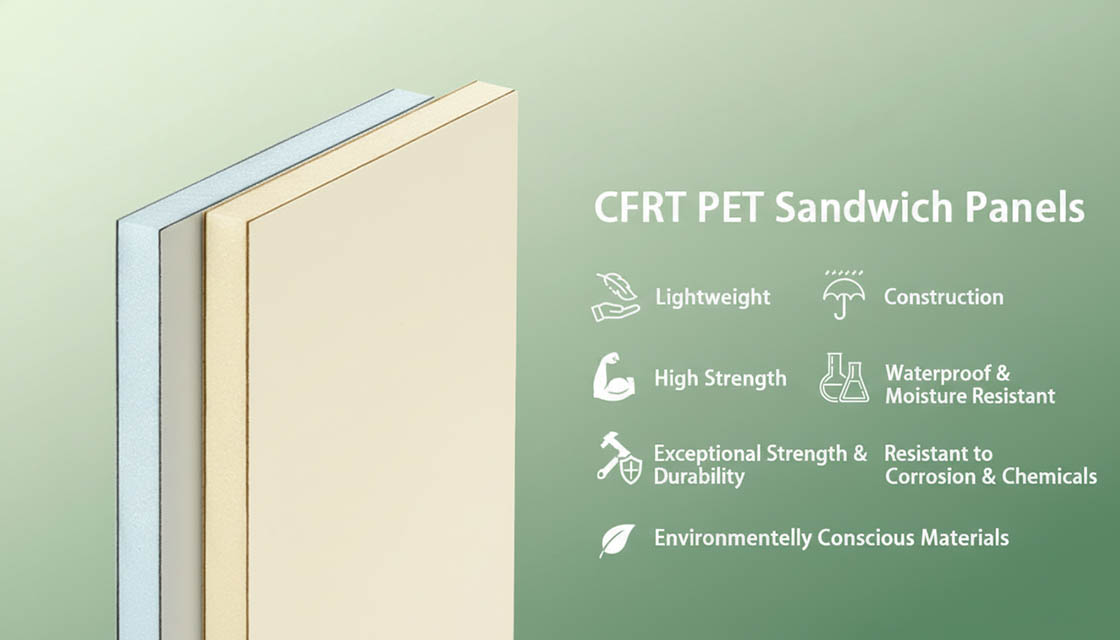
Composite sandwich panels outperform traditional stick framing by providing continuous, monolithic insulation that minimizes air leakage, drastically reducing energy consumption for temperature-controlled crop storage.
Continuous Insulation vs. Stick Framing Vulnerabilities
Traditional stick framing relies on structural members spaced at regular intervals with cavity insulation (like fiberglass or batt) stuffed between them. This methodology creates repetitive thermal bridges at every stud. In temperature-sensitive agricultural facilities, these bridges cause localized heat transfer, forcing refrigeration and climate control systems to overcompensate. Furthermore, stick framing is notoriously difficult to seal completely against vapor drive, leading to hidden moisture accumulation within the wall cavity.
Modern composite sandwich panels solve this by functioning as a monolithic structural insulated panel (SIP). By bonding rigid, closed-cell foam cores—such as PIR, PU, or XPS—directly to solid facings, the insulation remains unbroken across the entire wall expanse.
While mechanical fastening points at panel joints and building connections still require meticulous thermal detailing, the sheer ratio of continuous insulation to thermal breaks is vastly superior to stick framing. This drastically lowers the baseline energy load required to maintain strict temperature setpoints.
Condensation Control for High-Respiration Crops
Certain agricultural yields, such as fresh produce and root crops, are highly active even after harvest. They continuously respire, releasing both heat and moisture into the ambient air. If the storage envelope allows warm, moist air to meet cooler surfaces, condensation inevitably forms. Dripping water can ruin bulk crops, promote fungal growth, and compromise packaging.
Unlike porous cavity insulation used in traditional framing, closed-cell composite panels act as an absolute vapor barrier. GRP (fiberglass) or gel-coated facings combined with impermeable cores prevent interior moisture from penetrating the wall structure. This airtight envelope ensures that facility dehumidifiers can maintain precise relative humidity targets without fighting constant moisture ingress from outside or within the wall system itself.
Structural Integrity Under Bulk Crop Lateral Pressure
Energy efficiency means nothing if the storage envelope fails mechanically. Bulk crop storage—particularly grains, corn, and root vegetables—exerts immense lateral wall pressure when piled high against the facility walls. Standard stick framing or low-grade sheeting will buckle under these dynamic loads, compromising the building envelope and creating thermal leaks.
Our engineering team approaches crop storage as a heavy-duty structural challenge. We manufacture composite panels specifically designed to handle demanding agricultural loads. By utilizing high-density PU or XPS cores combined with robust facing options—ranging from heavy-gauge steel to rigid gel-coated fiberglass—we supply panels that transfer lateral piling pressures safely to the primary steel or concrete framework. This ensures the walls remain perfectly plumb and rigid, protecting the continuous thermal envelope over decades of seasonal loading and unloading cycles.
- Airtight Envelope: Prevents uncontrolled air and moisture exchange, reducing the energy burden on climate control systems.
- High Compressive Strength: Engineered cores absorb structural loads from bulk crop piling without compromising thermal values.
- Hygienic Surfaces: Smooth fiberglass or steel facings resist mold and are easily sanitized between harvest cycles.

Thermal Bridging Elimination
Continuous insulation eliminates thermal bridges, maintaining consistent internal temperatures and preventing structural condensation in high-humidity crop storage.
The Physics of Thermal Bridging in Cold Storage
Thermal bridging occurs when heat bypasses the insulation layer through more conductive materials, such as metal studs or uninsulated panel joints. In cold storage environments, this creates localized cold spots on interior surfaces. When warm, moisture-laden air contacts these cold spots, it drops below the dew point, leading to condensation and potential mold growth within the wall cavity.
For crop storage, this is particularly damaging. High-respiration crops release significant moisture. Without a continuous thermal barrier, this moisture can freeze against the bridging points, causing ice buildup that compromises structural integrity and air quality. Eliminating these bridges is not just about energy efficiency; it is about preserving the biological viability of the stored product.
Continuous Insulation Benefits
Implementing continuous insulation through high-performance sandwich panels provides a uniform thermal envelope around the entire storage facility. This approach ensures that the R-value is maintained consistently across walls and roofs, without interruption from framing members.
The benefits extend beyond simple temperature maintenance. By preventing the formation of thermal bridges, operators significantly reduce the risk of interstitial condensation. This keeps the insulation core dry and effective over the lifespan of the building. It also stabilizes the internal microclimate, which is critical for extending the shelf life of sensitive agricultural produce.
- Energy Efficiency: Superior airtightness and continuous insulation drive significant reductions in thermal transfer, outperforming traditional construction methods. SIP buildings can slash heating and cooling energy demands by at least 60%, significantly lowering compressor runtimes and electricity costs.
- Condensation Prevention: Eliminates cold spots where moisture condenses, protecting both the structure and the crop.
- Structural Longevity: Prevents freeze-thaw cycles and moisture damage within the wall assembly.
At Rax Panel, we engineer our composite sandwich panels to maximize this continuous insulation effect. Our factory utilizes advanced lamination techniques to ensure a perfect bond between the facing and the core, whether it is PIR, XPS, or PET foam. This seamless integration removes gaps and weak points that typically lead to thermal bridging in conventional construction methods.
Our engineering team conducts rigorous experimental testing to validate the thermal performance of each panel configuration. We understand that lateral wall pressure from bulk crop storage and structural load requirements for grain piling are critical factors. Therefore, our panels are designed to provide robust mechanical strength alongside superior thermal resistance. This dual capability ensures that the continuous insulation barrier remains intact and effective, even under the most demanding operational conditions.
Construction Speed and Cost
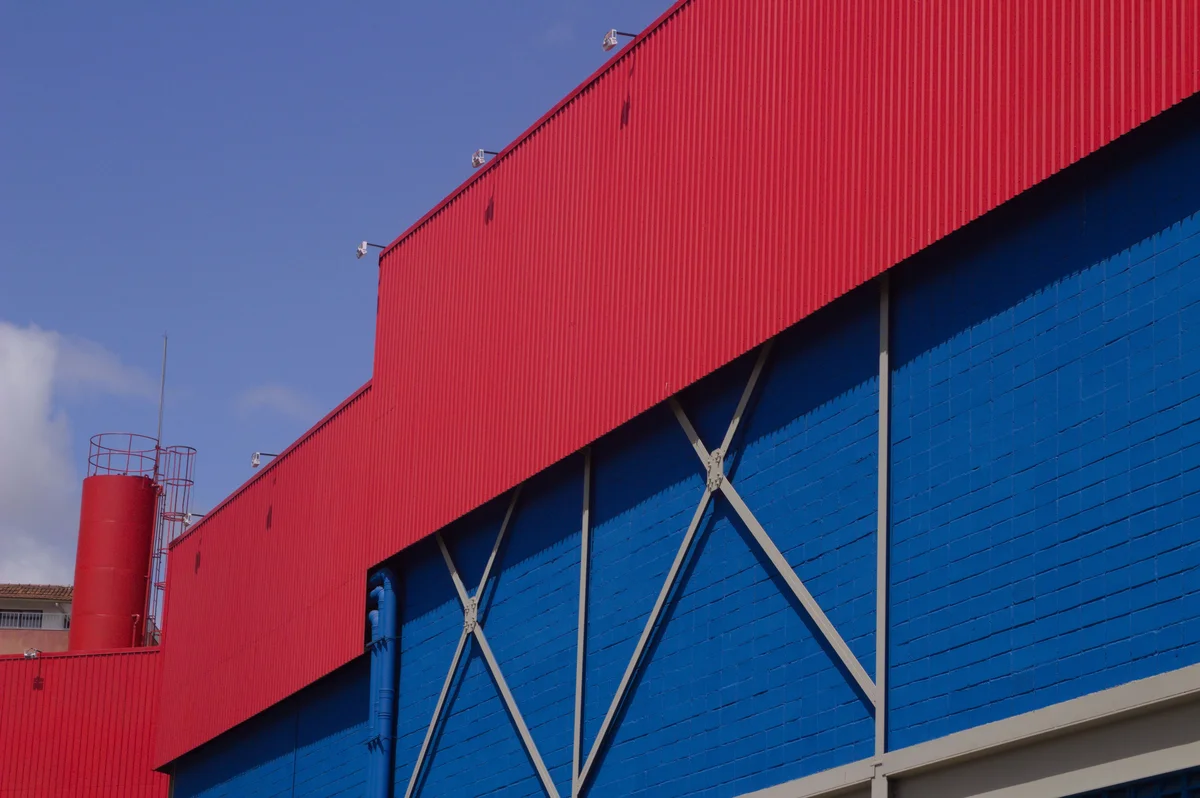
Prefabricated composite sandwich panels collapse multi-step field assembly into a single-installation operation, cutting on-site labor hours by up to 50% and reducing construction waste to near-zero compared to conventional stick-built cold storage envelopes.
Single-Step Envelope Installation vs. Multi-Layer Field Assembly
Traditional cold storage construction follows a sequential, labor-intensive workflow: erect structural framing, install vapor barriers, add insulation batts or boards, apply a second vapor barrier, then clad with protective sheeting. Each layer requires a separate crew, separate material handling, and separate quality inspection. For a 1,000-square-meter crop storage facility, this conventional approach can consume 25 to 35 working days with overlapping trade schedules.
Composite sandwich panels invert this equation. A PIR or PU foam core sandwich panel arrives on-site with structural facings, thermal insulation, and vapor control already integrated into a single factory-bonded unit. Installation crews mount panels directly onto primary framing using cam-locks or mechanical fasteners, eliminating the need for discrete insulation layers, separate vapor barriers, or secondary cladding passes. The same 1,000-square-meter envelope can typically be enclosed within 8 to 12 days with a smaller crew footprint.
Factory-Controlled Cutting and Material Yield Optimization
The most underreported cost driver in cold storage construction is field-cut waste. When insulation boards, vapor barriers, and metal sheets arrive in standard sizes and are cut on-site to fit wall penetrations, door openings, and corner details, material yield typically drops to 78–85%. The remaining 15–22% becomes scrap that contractors must either store, repurpose, or pay to haul away. In remote agricultural regions where waste disposal infrastructure is limited, this disposal cost can exceed the original material value.
Factory-engineered composite panels solve this problem at the source. Our engineering team processes project-specific architectural drawings and pre-cuts every panel to exact dimensional requirements before it leaves the production line. Window openings, door frames, corner pieces, and penetration cutouts are all programmed into the manufacturing sequence.
What arrives on-site is a kit of finished components with pre-routed joint profiles, ready for sequential assembly. Field cutting is reduced to minor trimming operations, and panel-to-panel waste drops below 3% on properly engineered projects.
Labor Skill Tiering and Crew Size Reduction
Multi-layer cold storage assembly demands a diversified labor pool: insulators, vapor barrier specialists, sheet metal mechanics, and finish carpenters. Coordinating these trades on a single site creates scheduling friction, increases supervision overhead, and exposes the project to trade availability bottlenecks that can stall progress for weeks.
Sandwich panel construction simplifies the labor profile dramatically. A typical installation crew consists of four to six semi-skilled technicians guided by one experienced panel-fitting supervisor. The cam-lock or tongue-and-groove joint systems used in modern foam core panels require no specialized welding, adhesive mixing, or multi-tool layering. This labor compression matters most in agricultural construction zones where skilled trade availability is already constrained by seasonal farming demand.
- Crew reduction: Panel installation typically requires 40–60% fewer total labor hours than equivalent multi-layer envelope construction.
- Trade consolidation: A single installation team replaces separate insulation, vapor barrier, and cladding crews.
- Supervision efficiency: One site supervisor can manage panel assembly across multiple wall zones simultaneously.
- Weather exposure window: Faster enclosure means interior systems can begin installation sooner, reducing weather-related delay risk.
Waste Disposal and Site Cleanup Cost Elimination
Beyond the visible material savings, reduced on-site waste translates directly into lower project overhead. Conventional cold storage construction generates significant debris streams: insulation offcuts, vapor barrier roll ends, fastener packaging, scrap sheet metal, and damaged board stock. Contractors must allocate dumpster rentals, labor hours for site cleanup, and in some jurisdictions, pay tipping fees at construction waste facilities. For large-scale agricultural storage projects, these soft costs can represent 4–7% of total envelope expenditure.
With precision-cut composite panels arriving as finished components, the waste stream shifts from the construction site to the factory floor, where offcuts are recovered and recycled under controlled conditions. On-site debris is limited to packaging materials and minimal trimming residue, reducing dumpster requirements and cleanup labor to negligible levels.
Scaling Impact for Multi-Unit Agricultural Projects
The labor and waste advantages compound when projects scale beyond a single cold room. Agricultural operators building multiple crop storage units across distributed sites benefit disproportionately from panel prefabrication because the engineering investment is amortized across repeated panel profiles. Once a wall configuration, door integration detail, and corner joint system are engineered for the first unit, subsequent units replicate the same cut programs, joint hardware, and installation sequence with minimal re-engineering cost.
In our experience supporting multi-site cold storage rollouts, production-line consistency is what separates a smooth deployment from a chaotic one. Our advanced composite panel production line maintains a daily output exceeding 1,700 square meters, which means we can supply phased panel deliveries aligned to a contractor’s installation schedule rather than forcing the site to accommodate a single bulk shipment.
This just-in-time delivery model keeps on-site material storage requirements low and prevents panel damage from prolonged exposure before installation, a failure mode that silently erodes both labor productivity and thermal performance.
For B2B buyers evaluating total project economics rather than unit material price alone, the construction speed and waste reduction profile of composite sandwich panels typically delivers a 20–30% reduction in installed envelope cost compared to conventional multi-layer construction methods, particularly on projects above 500 square meters where labor rate compression and waste elimination reach meaningful scale.
Core Material Selection
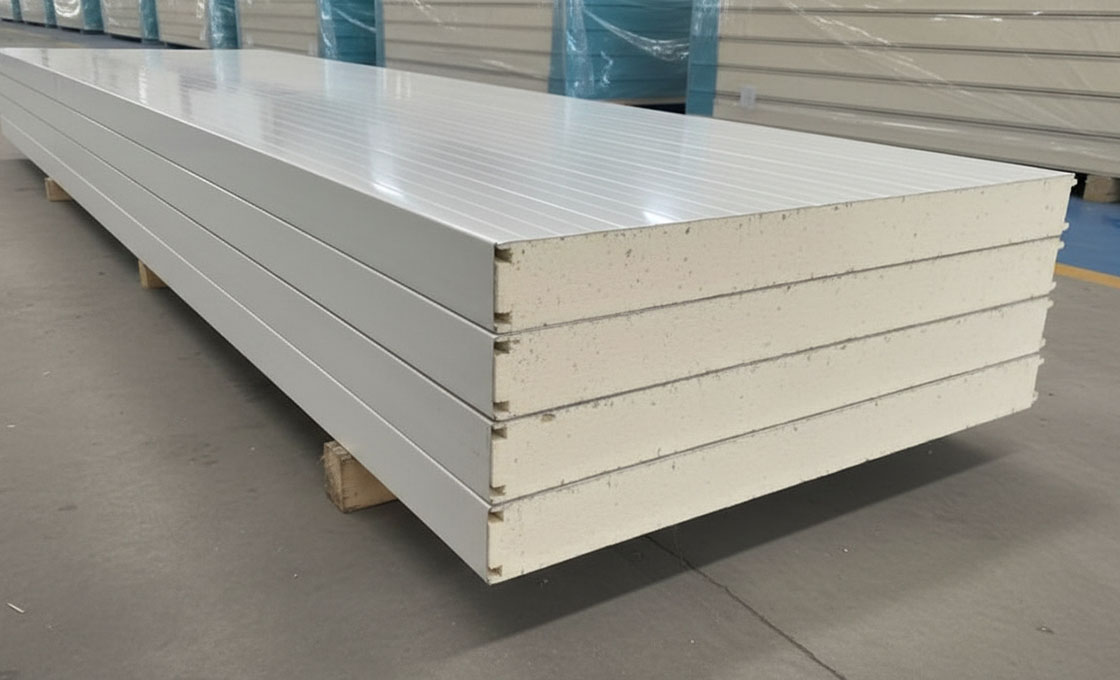
Material selection dictates long-term asset viability. We compare EPS and PIR to help you match thermal specs with budget realities.
Understanding EPS: The Cost-Effective Workhorse
Expanded Polystyrene (EPS) remains a dominant player in the composite panel market, particularly for large-scale agricultural storage and moderate-temperature cold rooms. Its primary appeal lies in its exceptional cost-efficiency and lightweight nature. For bulk grain storage where lateral pressure is the main concern rather than extreme thermal retention, EPS offers a pragmatic balance between structural integrity and budget constraints.
Contrary to common misconceptions, Expanded Polystyrene (EPS) utilizes a closed-cell structure that inherently resists moisture absorption. This inherent stability ensures that its thermal performance remains consistent over time, making it a reliable choice for moderate-temperature applications where long-term durability is key. By maintaining its structural integrity without the risk of degradation from humidity, EPS continues to offer the exceptional cost-efficiency and lightweight benefits that make it ideal for budget-conscious projects focused on dry goods and general-purpose warehousing.
When specifying EPS, we recommend evaluating the humidity profile of your storage facility. It is an excellent choice for dry goods, root cellars, and general-purpose warehousing where the temperature differential is minimal. Our engineering team frequently selects EPS for clients prioritizing upfront capital expenditure (CapEx) over long-term operational expenditure (OpEx).
The PIR Advantage: Precision Insulation for Demanding Environments
Polyisocyanurate (PIR) represents the premium tier of rigid foam cores, engineered specifically for high-performance thermal management. At Rax Panel, we utilize PIR for applications requiring strict temperature control, such as frozen food storage, pharmaceutical cold chains, and high-respiration crop facilities. The closed-cell structure of PIR is inherently hydrophobic, meaning it resists water absorption almost entirely, preserving its R-value even in saturated humidity conditions.
The thermal conductivity of PIR is significantly lower than that of EPS, allowing for thinner panel profiles to achieve the same insulation performance. This density advantage is critical in cold storage, where maximizing usable interior volume is paramount. Furthermore, PIR exhibits superior fire resistance compared to standard EPS, adding a layer of safety compliance for industrial facilities.
We often advise clients to run a lifecycle cost analysis. While the initial material cost of PIR is higher, the reduction in energy consumption and the elimination of moisture-related degradation typically result in a faster return on investment (ROI) for facilities operating below zero degrees Celsius or handling perishable goods.
Strategic Selection Criteria
- Thermal Requirement: Use PIR for sub-zero freezing or high-humidity environments; select EPS for ambient or moderate cooling.
- Space Efficiency: PIR provides higher R-value per inch, allowing for thinner walls and more storage volume.
- Budget Constraints: EPS offers the lowest upfront cost, ideal for temporary structures or low-margin bulk storage.
- Regulatory Compliance: PIR meets stricter fire safety standards required in many modern industrial zones.
Why Our Engineering Team Prefers Customization
At Rax Panel, we do not believe in a one-size-fits-all approach. Our 15 years of manufacturing experience have taught us that the best material is often a hybrid solution. For complex agricultural projects, we frequently combine PIR cores for the cooling zones with EPS for the dry storage wings, optimizing both performance and cost.
Our in-house laboratory conducts rigorous stress tests on each core material variant. We evaluate how the foam interacts with different facing materials—such as GRP, aluminum, or steel—to ensure there is no delamination under thermal cycling. This attention to detail ensures that your panel selection is not just about the core, but about the entire composite system’s longevity.
Whether you are building a massive grain silo or a precision-controlled pharmaceutical warehouse, our team is ready to provide a tailored specification that aligns with your operational goals. We leverage our advanced production lines to deliver panels that meet these exacting standards, ensuring your facility stands the test of time.
| Core Material | Key Specs | Best For | Benefit |
|---|---|---|---|
| XPS / EPS Foam | Closed-cell structure, High compressive strength | Bulk crop storage lateral pressure, Grain piling loads | Structural stability against heavy static loads |
| PIR / PUR Foam | R-6.5 to R-7.2 per inch, Low thermal conductivity | Cold storage, High-respiration crop humidity control | Superior insulation reduces condensation and energy costs |
| PET Foam | Recyclable, Closed-cell, Low water absorption | Eco-friendly facilities, Food-grade storage, Mobile structures | Sustainable choice with excellent moisture resistance |
| Honeycomb (PP / Fiberglass) | Ultra-lightweight, High strength-to-weight ratio | Truck bodies, Transport vessels, Aerospace components | Maximizes payload capacity while maintaining rigidity |
| PMI / Balsa Wood | High temperature resistance, Fatigue resistant | Marine applications, High-performance composites | Long-term durability in demanding, high-stress environments |
Custom Composite Solutions
We engineer panels with specific thickness and facing combinations to resist crop pressure and eliminate condensation.
Engineering for Lateral Loads and Condensation
Standard wall panels often fail in agricultural settings because they ignore the specific physics of bulk storage. When farmers stack potatoes, onions, or grains against a wall, the resulting lateral pressure can exceed 500 Pa. Generic sandwich panels lack the shear strength to handle this force, leading to bulging or catastrophic failure. Our engineering team calculates these loads during the design phase to ensure structural integrity.
Condensation is another silent killer of cold storage efficiency. It occurs when warm, moist air penetrates the panel joints or faces. We address this by specifying high-density PIR cores with closed-cell structures. Unlike open-cell foams, PIR absorbs virtually zero moisture. This keeps the thermal resistance stable even in high-humidity environments.
To stop condensation at the source, we integrate continuous vapor barriers. Our panels use gel-coated GRP facings or stainless steel skins that act as an impermeable layer. We seal every joint with specialized gaskets to prevent air leakage. This approach eliminates the “warm side” exposure that causes frost buildup inside the insulation.
Material Selection for Structural Demands
Choosing the right facing material depends on the crop type and handling equipment. For heavy machinery contact, we recommend stainless steel or thick aluminum facings. These materials resist impact damage from pallet forks and loaders. In contrast, gel-coated fiberglass offers superior chemical resistance for acidic fruits and vegetables.
- Lateral Load Capacity: We specify thicker cores or honeycomb structures to increase shear strength against bulk crop pressure.
- Vapor Barrier Integrity: Gel-coated GRP or stainless steel facings provide a continuous moisture shield.
- Impact Resistance: Aluminum and steel skins protect against mechanical damage from storage equipment.
Our factory produces panels with custom dimensions to match your building layout. We avoid standard sizes that force inefficient cutting and waste. Each panel is tested for load-bearing capacity before shipment. This ensures that your cold storage walls perform exactly as engineered under real-world conditions.
Conclusion
- Seal all panel joints tightly to prevent moist air ingress.
- Verify vapor barrier continuity at corners and floor transitions.
- Choose PIR over EPS for superior moisture resistance.
Frequently Asked Questions
This factor has a direct bearing on project performance and long-term cost. Addressing it with specific data rather than general assumptions leads to better outcomes.
What panel thickness is ideal for chilled crop storage?
For chilled storage maintaining temperatures between +2°C and +8°C, a panel thickness of 100mm is typically sufficient. This thickness provides adequate thermal resistance to prevent heat gain while keeping structural costs manageable. It balances insulation efficiency with space utilization for standard agricultural cooling rooms.
How thick should insulated panels be for deep freeze applications?
Deep freeze environments requiring temperatures from -18°C to -25°C generally necessitate panels between 150mm and 200mm thick. Thicker insulation reduces thermal bridging and minimizes the load on refrigeration units during frequent door openings. This range ensures stable internal temperatures despite external fluctuations.
What panel thickness is required for ultra-low temperature storage?
For ultra-low temperature storage below -25°C, panels should ideally exceed 200mm in thickness. This substantial insulation layer is critical to prevent condensation and frost buildup on the interior surfaces. It also protects the structural integrity of the building envelope from extreme thermal stress.
How does external climate impact insulated panel specifications?
External climate conditions significantly dictate required insulation thickness, especially in regions with high humidity or extreme temperature differentials. Hotter climates may require thicker barriers to reflect solar heat, while humid zones need enhanced vapor barriers to prevent moisture ingress. Proper specification prevents mold growth and material degradation over time.
What is the ideal K-value for polyurethane (PU) foam insulation?
A high-quality Polyurethane (PU) foam core should exhibit a thermal conductivity (K-value) of approximately 0.022 W/m·K or lower at 25°C. Lower K-values indicate superior insulating performance, allowing for thinner panels to achieve the same thermal resistance. This efficiency is crucial for maximizing storage volume in crop facilities.