
A fleet builder in Indiana called me last month after receiving a container of barn sandwich panels with dents across 40% of the sheets. The supplier had stacked them loose. No wooden crates, no corner protectors — just metal-on-metal friction for three weeks at sea.
That $28,000 order was scrap. The supplier stopped returning emails after the second wire transfer. If you’re sourcing composite panels for vehicle builds for the first time, this is the exact scenario keeping you up at night, and it happens more often than anyone in this industry wants to admit.
I went through our factory test data and shipping records from the last four years to give you what most suppliers won’t share — actual numbers. You’ll see weight-to-strength ratios for FRP foam core versus traditional steel skins. You’ll learn why panel thickness varies between factories by up to 15%.
I’ll show you the packaging methods that hold damage rates under 2% on ocean freight, and I’ll break down the red flags that signal a factory will disappear after you’ve paid. This is the information I wish someone had handed me fifteen years ago.
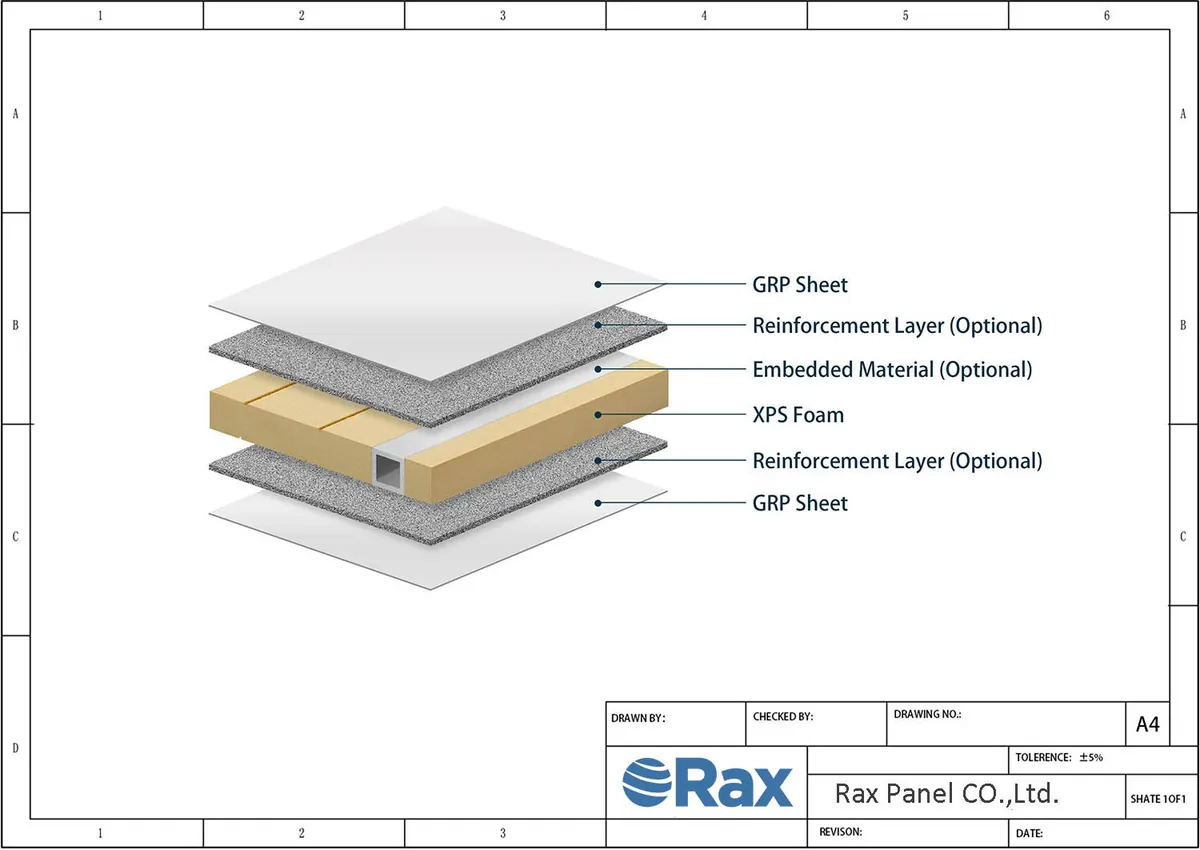
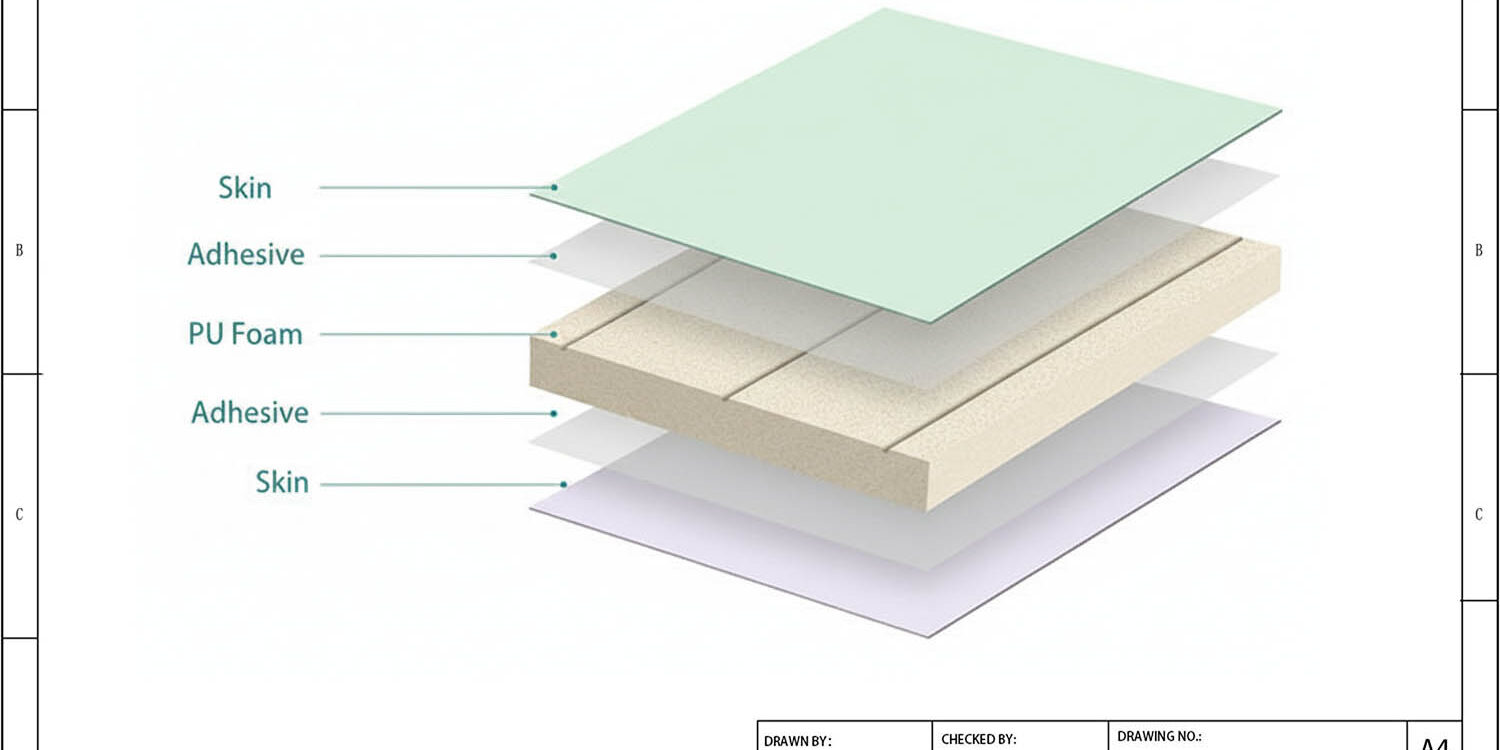
Barn Panels: Core Material Choices
Selecting the correct core material dictates your panel’s structural load, thermal efficiency, and fire rating. For vehicle OEMs, balancing weight reduction with safety compliance is the single most critical specification decision.
Foam Core Panel Benefits
Foam core panels—typically built with XPS (extruded polystyrene) or PIR (polyisocyanurate) cores sandwiched between FRP or steel skins—are the default choice for insulated panels for animal barns where thermal regulation is non-negotiable. These cores deliver exceptional thermal conductivity values ranging from 0.022 to 0.032 W/(m·K), translating to R-values up to R-40 depending on thickness. For a temperature-controlled livestock or dairy facility, that number directly determines your HVAC energy spend year over year.
From a vehicle OEM perspective, foam core panels offer a density profile of 30–45 kg/m³, keeping the overall composite weight dramatically lower than solid alternatives. When you are fabricating prefabricated barn wall systems that need to be transported, assembled, and potentially relocated, that weight differential compounds into real fuel and logistics savings. Our FRP-skinned foam core panels also provide 100% corrosion resistance against the high humidity, ammonia, and chemical exposure common in agricultural environments.
- Thermal Conductivity: 0.022–0.032 W/(m·K), achieving R-values up to R-40 for energy-efficient barn enclosures.
- Core Density: 30–45 kg/m³, enabling lightweight barn wall panels without sacrificing insulation performance.
- Fire Rating: PIR cores achieve B-s1, d0 classification under European standards—suitable for most agricultural applications where A-class is not mandated.
Honeycomb Panel Advantages
When the priority shifts to sheer structural rigidity at minimal weight, GRP/FRP honeycomb panels become the engineering answer. The polypropylene (PP) honeycomb core structure creates a geometric advantage—its hexagonal cell architecture distributes compressive and shear loads far more efficiently than a solid foam fill. This makes honeycomb panels the preferred choice for composite panels for farm structures that require wide spans, minimal framing, and high impact resistance from equipment or livestock contact.
For specialized vehicle manufacturers building mobile barn units or transport enclosures, the numbers are decisive. PP honeycomb cores deliver compression strength between 0.25 and 0.8 MPa with shear strength from 0.1 to 0.3 MPa.
Paired with FRP skins ranging from 0.8 mm to 2.5 mm in thickness (and a gel coat layer of 200–400 microns for surface durability), the result is a panel that handles structural abuse while keeping vehicle weight 30–50% lower than traditional steel or solid composite builds. That weight reduction flows directly into fuel efficiency and payload capacity.
- Compression Strength: 0.25–0.8 MPa, providing high structural rigidity for wide-span installations.
- Shear Strength: 0.1–0.3 MPa, resisting deformation under lateral loads and impact.
- FRP Skin Range: 0.8–2.5 mm with 200–400 micron gel coat, balancing surface hardness with flexural tolerance.
Mineral Wool: Fire Resistance
Not every agricultural or vehicle application can accept a B-class fire rating. When your build must comply with stricter codes—whether due to local building regulations, insurance requirements, or proximity to occupied structures—mineral wool core panels deliver A2-class fire resistance. This is the category you specify when fire-rated barn wall materials are a hard requirement, not a preference.
Mineral wool is inherently non-combustible. It does not melt, drip, or release toxic fumes under fire exposure, unlike some foam core alternatives. This makes it the correct specification for barns storing flammable feed, fuel, or chemicals, and for industrial facility planners who must pass rigorous fire inspections. The trade-off is weight: mineral wool cores are denser than foam or honeycomb, so the overall panel is heavier. But for projects where compliance is the gating factor, that trade-off is non-negotiable.
Our mineral wool sandwich panels can be specified with galvanized or pre-painted steel skins (26–20 gauge, yield strength 240–550 MPa) for maximum structural and fire performance. For vehicle OEMs concerned about consistent quality, every panel is produced under ISO 9001:2015 certified manufacturing processes, and tested to ASTM E84 Class A flame spread standards. Custom dimensions are cut to your exact specifications, then packaged in reinforced wooden crates to ensure damage-free delivery—because a fire-rated panel that arrives dented helps no one.
| Core Material | Density & Strength | Thermal & Fire Rating | Best For |
|---|---|---|---|
| Foam Core (XPS/PIR) | 30-45 kg/m³ | 0.022-0.032 W/(m·K); B-s1,d0 | Temperature-controlled barns, energy efficiency |
| PP Honeycomb | Compression: 0.25-0.8 MPa; Shear: 0.1-0.3 MPa | Lightweight structural core | Weight-sensitive vehicle OEMs, structural panels |
| Mineral Wool | High-density fire-resistant core | Fire Rating: A2 (Non-combustible) | Fire-rated barn wall materials, high-safety zones |
| FRP/GRP Skins | 0.8-2.5 mm thickness; Gel Coat: 200-400 microns | 100% corrosion resistant | Humid/chemical agricultural environments |
| Steel Skin (Galvanized) | 26-20 Ga; Yield: 240-550 MPa | ASTM E84 Class A compliant | Durable agricultural building panels, impact resistance |
| Aluminum Sandwich | Ultra-lightweight composite structure | Excellent strength-to-weight ratio | Prefabricated barn wall systems, fuel efficiency |
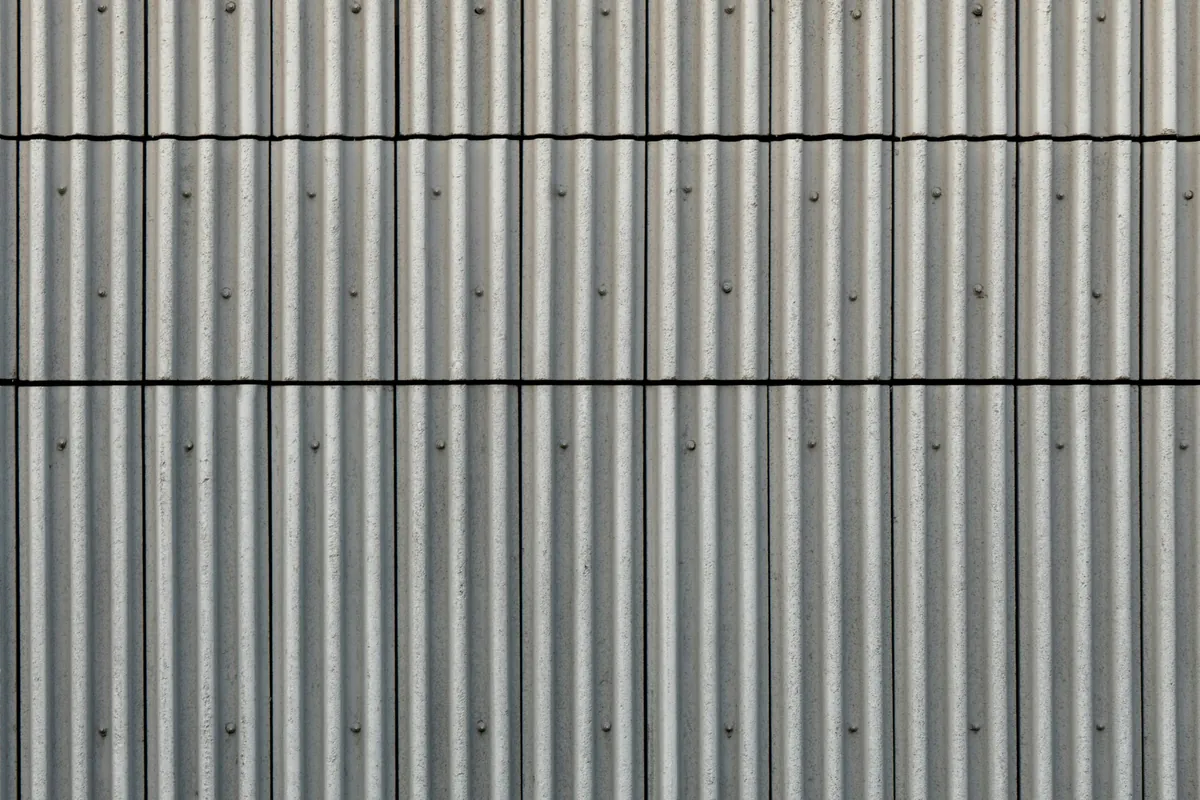
Face Material Options: Durability & Hygiene
Choosing the right face material for barn sandwich panels dictates the final assembly’s durability, hygiene standards, and total weight. For specialized vehicle manufacturers, the decision between FRP, Steel, and Aluminum directly impacts fuel efficiency and corrosion resistance.
FRP/GRP Skins for Barns
When building prefabricated barn wall systems or livestock transport vehicles, corrosion is your primary enemy. Fiberglass Reinforced Plastic (FRP) and Glass Reinforced Plastic (GRP) skins offer absolute moisture and chemical resistance. We specify these skins for agricultural environments where frequent, aggressive washdowns are standard, as the non-porous surface prevents bacterial growth and maintains strict hygiene protocols.
- Skin Thickness: 0.8 mm to 2.5 mm, tailored to specific structural load requirements.
- Gel Coat Layer: 200-400 microns for UV protection and high-impact scratch resistance.
- Hygiene Profile: 100% corrosion resistance against ammonia and aggressive agricultural cleaning agents.
Steel Face Sheets
While advanced composite panels can reduce vehicle weight by up to 30-50%, some structural builds still demand the rigid familiarity of steel. Galvanized or pre-painted steel face sheets provide massive impact resistance, making them suitable for high-traffic areas in industrial facilities or heavy-duty livestock barns where equipment contact is inevitable. Steel also easily achieves critical fire resistance thresholds, such as ASTM E84 Class A flame spread ratings, when paired with the right core materials.
- Gauge Range: 26 to 20 Ga for varying degrees of structural rigidity.
- Yield Strength: 240-550 MPa to withstand severe mechanical impacts.
- Fire Performance: Achieves up to A2 fire ratings when matched with mineral wool cores.
Aluminum Skins: Lightweight Choice
For specialized vehicle OEMs, every kilogram directly affects the bottom line. Aluminum sandwich panels offer an exceptional strength-to-weight ratio, translating to lower fuel consumption and higher payload capacities for transport vehicles. Our engineers frequently recommend aluminum skins for custom size barn panels OEM builds where maximizing internal volume without exceeding axle weight limits is the primary operational constraint.
Unlike basic single-skin metal panels that lack insulation value, our multi-layer aluminum composites integrate high-performance cores like XPS, PIR, or PP Honeycomb to guarantee both thermal efficiency and structural integrity. To protect these custom builds during transit, we utilize reinforced wooden crates to ensure less than 2% damage rates during international ocean freight, effectively eliminating the hidden costs of shipping damage.
| Face Material | Key Specifications | Durability Features | Hygiene & Maintenance |
|---|---|---|---|
| FRP / GRP Skins | Thickness: 0.8mm – 2.5mm Gel Coat: 200-400 microns |
100% corrosion resistance; UV-stable gel coat finish; impact resistant | Non-porous surface; easy to clean; resists mold/bacteria growth |
| Galvanized / Pre-Painted Steel | Gauge: 26-20 Ga Yield Strength: 240-550 MPa |
High structural strength; weather resistant; dent resistant | Smooth painted finish; washable; compliant with agricultural standards |
| CFRT (Continuous Fiber Reinforced Thermoplastic) | Custom thickness profiles High strength-to-weight ratio |
Lightweight yet extremely tough; fatigue resistant; dimensionally stable | Seamless surface options; chemical resistant; low maintenance |
| Aluminum Sheets | Alloy options available Precision-cut to OEM specs |
Naturally corrosion resistant; lightweight; fire resistant (A2 rating capable) | Non-toxic; non-sparking; easy sanitization for livestock areas |
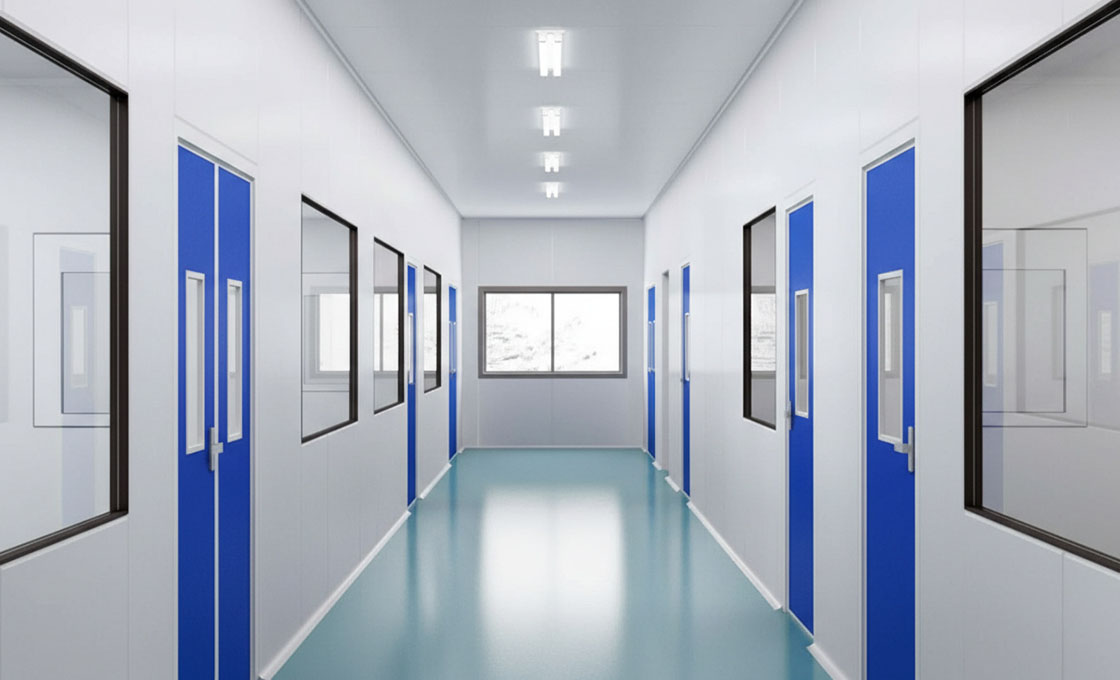
Panel Joining Systems: Seal & Strength
The joint system dictates both the thermal performance and structural lifespan of your panel assembly. A poorly matched connection method instantly nullifies the insulation value of even the highest-rated core material.
Tongue-and-Groove Joints
Tongue-and-groove is the most widely used mechanical joint in prefabricated barn wall systems and insulated panels for animal barns. One panel edge features a protruding “tongue” that slides directly into the recessed “groove” of the adjacent panel. This overlap creates a continuous thermal break, minimizing heat leakage at the seams.
For vehicle OEMs, the critical advantage here is speed. A well-machined tongue-and-groove profile allows assembly-line workers to lock panels into place without specialized tools. However, manufacturing tolerance is everything. If the groove is cut 0.5mm too wide, you get panel rattle and an air gap that invites condensation—exactly the failure mode that destroys foam cores over time in high-humidity agricultural environments.
We specify tongue-and-groove profiles based on the exact panel thickness and core material being used. FRP Foam Core Panels with XPS or PIR cores typically run a deeper profile engagement than lighter PP Honeycomb cores, simply because the foam core can bear more compressive load along the joint edge without deforming.
Cam Lock Panel Connections
Cam locks are the gold standard when you need an airtight, mechanically fastened joint that a single technician can assemble from one side of the panel. Each panel edge is factory-fitted with a steel hook and a matching receiver. You insert an Allen wrench into the access hole, turn 180 degrees, and the hook draws the two panels together under significant clamping force.
This method is standard in temperature-controlled barns and cold-chain vehicle bodies where thermal bridging is unacceptable. The clamping force compresses a factory-applied gasket between the panel faces, creating a seal that maintains its integrity through thermal cycling from -20°C to +80°C.
The trade-off is cost and lead time. Cam lock hardware must be embedded during the panel pressing stage, which adds labor and requires precise positioning. For custom size barn panels OEM orders, we pre-map the lock placement to your exact assembly sequence so every panel lands in the correct position on the factory floor. Our standard lead time for cam lock-equipped panels sits at 6-8 weeks, compared to 4-5 weeks for simple tongue-and-groove configurations.
Flashing and Sealant Methods
No joint system works without proper sealing. Flashing and sealants are the last line of defense against moisture ingress, air infiltration, and chemical exposure—especially critical in agricultural environments where ammonia and hydrogen sulfide accelerate corrosion on exposed metal edges.
- Butyl Tape: Applied along the tongue before engagement. Remains permanently elastic and fills micro-gaps between panel surfaces. Ideal for FRP-skinned panels where mechanical fasteners are not used.
- Polyurethane Sealant: Used at panel-to-structure transitions, corners, and flashing overlaps. Bonds to both GRP skins and galvanized steel frames without primer. Specified for fire-rated barn wall materials where silicone alternatives would fail flame spread requirements under ASTM E84 Class A testing.
- Aluminum Flashing: Installed at roof-to-wall junctions, door frames, and panel edges exposed to direct weather. Acts as a physical water barrier and protects the vulnerable panel edge where the core material is closest to the surface.
Flashing acts as the primary weather barrier at structural transitions, while sealants handle the micro-sealing at panel seams. Skip either one, and you will see moisture wicking into the core within the first year of service. For international shipments, we include detailed sealing schematics with every order so your assembly team knows exactly which sealant goes where—eliminating guesswork and reducing the risk of field failures that trace back to installation error rather than product quality.
Weight-to-Strength: Vehicle OEM Focus
Swapping traditional steel for advanced composite sandwich panels cuts vehicle mass by 30-50%, directly lowering fuel burn while increasing legal payload limits.
Reducing Vehicle Fuel Consumption
For specialized vehicle manufacturers, every unnecessary kilogram directly eats into your profit margins. Traditional 20 to 26 gauge galvanized steel skins add massive dead weight to transport and agricultural vehicles. By integrating FRP Foam Core or GRP Honeycomb Panels into your builds, you immediately drop the vehicle’s total mass. This weight reduction drastically improves fuel efficiency over the vehicle’s lifespan.
This drop in vehicle weight does not mean you sacrifice durability. Our composite panels for farm structures utilize FRP skins ranging from 0.8 mm to 2.5 mm thick, paired with high-strength cores like PP Honeycomb (offering 0.25-0.8 MPa compression strength). Because the FRP skins offer 100% corrosion resistance, they easily outlast exposed steel in high-humidity or chemically active environments, making them ideal for durable agricultural building panels and livestock transport.
- Weight Reduction: 30-50% lighter than traditional steel or aluminum siding.
- Fuel Savings: Lower gross vehicle weight translates to measurable drops in fuel consumption.
- Payload Increase: Lighter empty vehicle weight allows for higher legal cargo limits.
Production Line Panel Consistency
A major fear for OEMs shifting to new materials is the risk of inconsistent quality slowing down the assembly line. When you order custom size barn panels for an OEM run, even a few millimeters of variance in panel thickness or camber can halt production. We eliminate this bottleneck through strict ISO 9001:2015 certified manufacturing processes.
We control the variables tightly. Whether your specification requires XPS/PIR Foam Core with a precise density of 30-45 kg/m³ or a specific thermal conductivity rating of 0.022-0.032 W/(m·K), the panels arrive identical to your prototypes. We achieve this by using strict quality checkpoints before the panels ever hit the packaging phase.
Delivering that consistency safely is just as critical. We use professional-grade packaging, including reinforced wooden crates tailored to the specific loading plan, to ensure your prefabricated barn wall systems arrive with a damage rate of less than 2% during international ocean freight. Your production line gets exactly what it expects, on time, without hidden rework costs.
Shipping Protection: Preventing Damage
Properly packaged composite panels exhibit less than 2% damage rates during international ocean freight. The difference between a profitable delivery and a costly claim comes down to crate engineering and container loading discipline.
Reinforced Wooden Crates
Standard lead times for custom composite panel orders range from 4 to 8 weeks depending on complexity and volume. The last thing any vehicle OEM needs after that wait is a container full of cracked FRP skins or deformed foam cores. Generic pallet wrapping—the kind big-box retailers use for pre-cut steel siding—is completely inadequate for custom-sized composite panels shipping overseas.
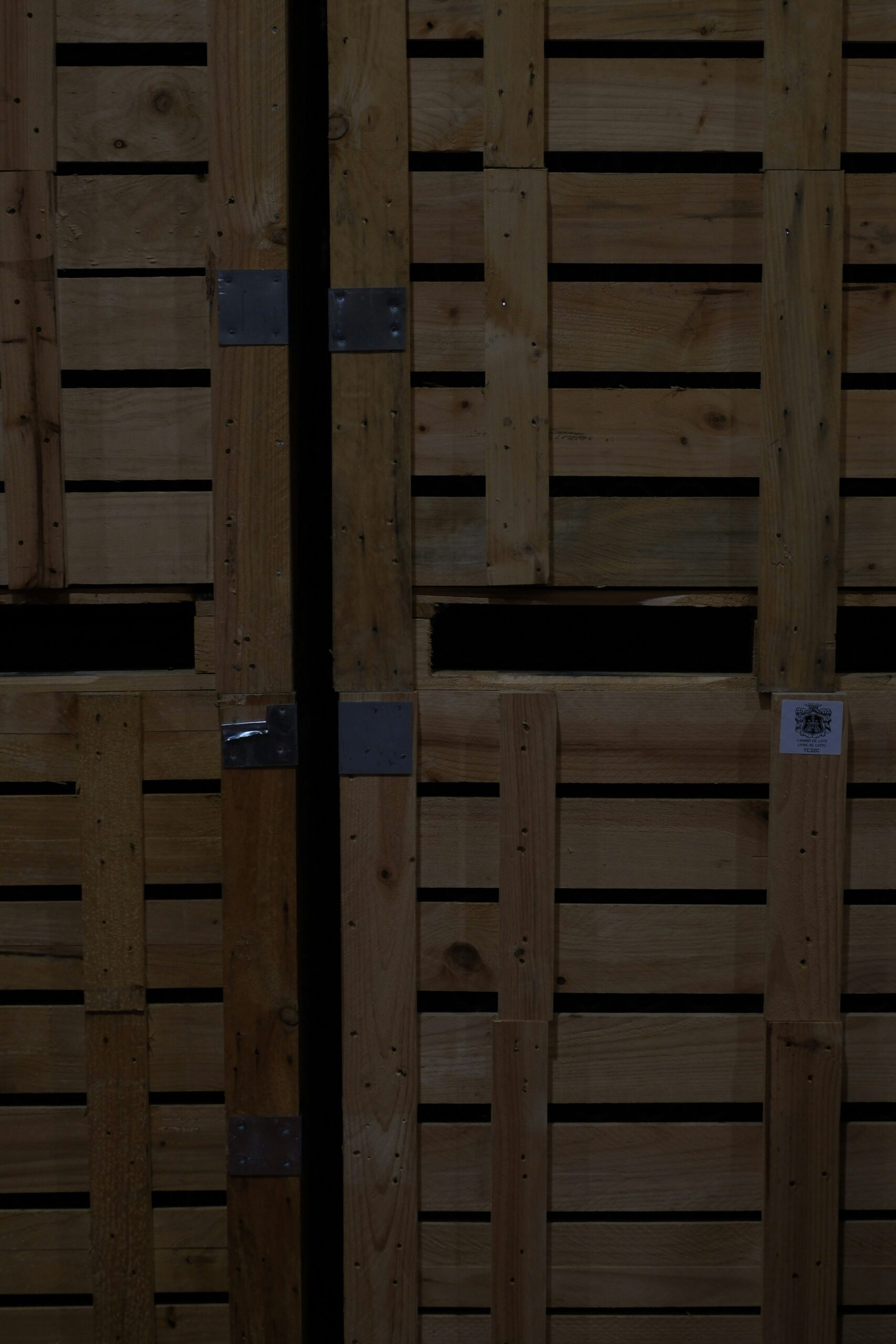
We ship every order in purpose-built reinforced wooden crates. These are not repurposed shipping crates. Each one is dimensioned to the exact panel specifications, eliminating void space where panels shift during roll and pitch at sea. The internal structure uses timber bracing at stress points, with corner protectors and edge guards preventing point-load damage from strapping tension.
For GRP/FRP Honeycomb Panels and Foam Core Panels with gel coat surfaces, we add a PE film layer between panels to prevent surface abrasion. This is a step most suppliers skip to cut costs, but it eliminates the cosmetic rejections that eat into your margins on arrival. Moisture barrier wrapping is also standard, preventing condensation buildup inside the crate during transit through different climate zones.
Container Loading Strategies
Crate design is only half the equation. How those crates sit inside a 20-foot or 40-foot container determines whether your panels arrive intact or as an insurance claim. Proper container loading is a structural engineering problem, not a logistics afterthought.
We secure every shipment using a combination of horizontal bracing, vertical dunnage, and pneumatic air bags to fill residual void space. Crates are loaded in a sequential pattern that distributes weight evenly across the container floor, preventing concentrated loads that can cause panel deformation inside the crate. Heavy gauge Aluminum Sandwich Panels are loaded low and braced against container sidewalls, while lighter CFRT panels are stacked above.
- Pre-loading inspection: Every container is photographed and documented before sealing, recording crate condition, bracing placement, and moisture indicator readings.
- Weight distribution maps: Loading plans are calculated to keep center of gravity within container specifications, critical for flat-rack or open-top containers used for oversized panels.
- Moisture control: Desiccant packs are placed at strategic locations inside the container to absorb humidity that accumulates during multi-week ocean transit, protecting FRP gel coat finishes from micro-blistering.
- Strapping restraints: Steel or polyester strapping secures crates to container anchor points, preventing lateral movement caused by ship rolling in heavy seas.
Before a container leaves our facility, you receive a complete loading report with photographic evidence of crate placement, bracing configuration, and seal numbers. This documentation serves two purposes: it gives your quality team confidence that protocols were followed, and it provides the evidence chain required if a freight insurance claim ever becomes necessary. Transparency at this stage is what separates a reliable long-term panel supplier from one that leaves you guessing until the container doors open at your facility.
Conclusion
Spec FRP foam core panels for your vehicle builds — no question. That 30-50% weight reduction translates to fuel savings your clients measure on day one, while the 100% corrosion resistance kills warranty claims dead in high-humidity agricultural environments. Single-skin steel rots in those same conditions within 36 months, and you eat the replacement cost.
Request a physical sample of our GRP honeycomb panel cut to your exact dimensions, plus the ASTM E84 Class A fire test report. Lay that sample next to the steel panel you’re currently quoting. The weight difference and edge finish quality will make your material decision for you.
Frequently Asked Questions
This factor has a direct bearing on project performance and long-term cost. Addressing it with specific data rather than general assumptions leads to better outcomes.
Metal sandwich panels for barn construction barn sandwich panels price?
The price of barn sandwich panels varies widely based on core material (foam, honeycomb, mineral wool), face material (FRP, steel, aluminum), thickness, and volume. Custom specifications and certifications also impact final cost. Vehicle OEMs should request detailed quotes based on their specific project requirements.
Metal sandwich panels for barn construction barn sandwich panels home?
While often used for agricultural and industrial applications, metal sandwich panels can be suitable for certain home extensions or outbuildings, particularly those requiring superior insulation, durability, or easy assembly. However, specific building codes and aesthetic preferences must be considered.
Pole barn metal siding near me?
ships globally, providing a direct supply chain for high-quality composite panels. While ‘near me’ typically refers to local distributors, our factory-direct model offers consistent quality and custom solutions often unavailable through regional outlets. Consider lead times for international freight.
Pole barn metal siding menards?
Menards primarily offers standard metal siding options for pole barns, which are typically single-skin steel panels. In contrast, specializes in advanced composite sandwich panels with diverse core and face materials, offering superior insulation, weight-to-strength ratios, and customization for specialized agricultural builds or vehicle components.
Pole barn metal panels?
Pole barn metal panels typically refer to single-layer corrugated or ribbed steel sheets used for siding and roofing. In contrast, barn sandwich panels are multi-layered composites featuring insulating cores (e.g., foam, honeycomb) sandwiched between durable skins (e.g., steel, FRP), offering significantly enhanced thermal performance, rigidity, and longevity compared to basic metal panels.