
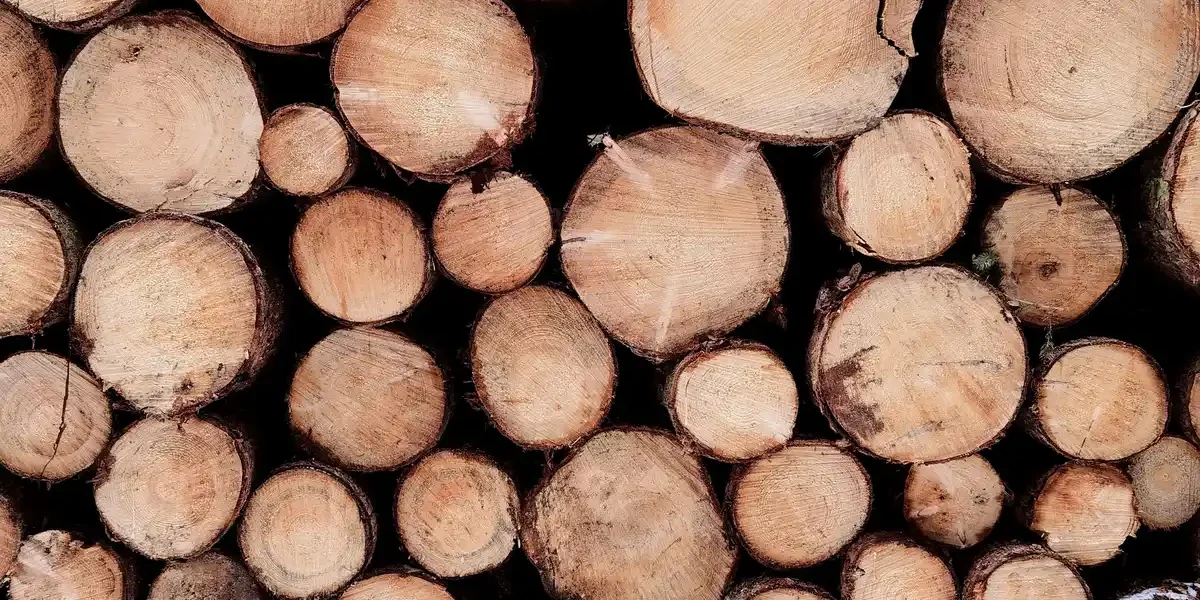
Balsa is the fastest-growing hardwood on the planet, but RV manufacturers care more about its structural physics than its biological growth rate. Balsa core sandwich panels offer a specific density range that synthetic foams often struggle to match without adding bulk or sacrificing rigidity. You get a wall structure that handles road vibration better than brittle alternatives while keeping the overall vehicle weight low enough to maximize fuel efficiency.
At RaxPanel, we manufacture end-grain balsa with a nominal density of 150kg/m³ to guarantee that stiffness-to-weight ratio across every batch. We break down the data comparing balsa against aluminum honeycomb and PET foam, focusing specifically on fire safety compliance and repair protocols for long-term lifecycle costs. This analysis helps you select a core material that passes the crush test on day one and resists moisture ingress five years down the road.
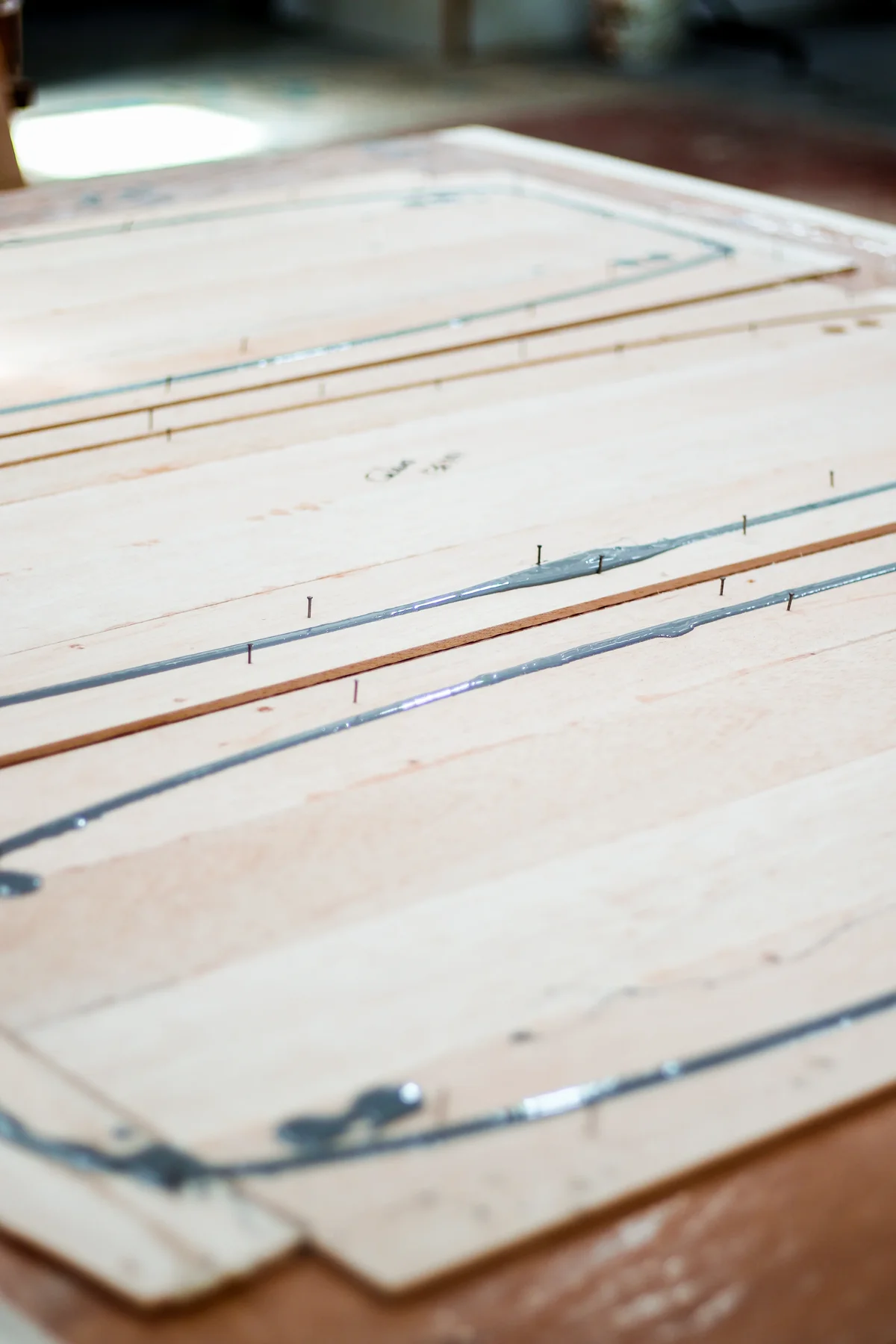
How Core Choice Affects RV Builds
Selecting a core material is not merely a purchasing decision; it is a structural commitment that defines the RV’s rigidity, insulation efficiency, and resistance to environmental decay over its lifespan.
Balancing Structural Stiffness with Weight Reduction
In RV construction, the core material acts as the vertical stabilizer between the inner and outer skins, determining the panel’s bending stiffness. While the industry often chases the lowest density, savvy builders know that stiffness-to-weight ratio is the true metric of performance. End-grain balsa, for instance, offers a distinct advantage here due to its high shear modulus relative to its weight. Unlike honeycomb cores that require significant potting or heavy reinforcement to prevent point-load crushing, a balsa core distributes stress evenly across the panel surface. This structural integrity allows engineers to reduce overall wall thickness while maintaining span strength, directly impacting the vehicle’s center of gravity and fuel efficiency. In our factory, we typically engineer balsa core panels with densities ranging from 130 to 180 kg/m³ to optimize this balance, ensuring the floor remains rigid under dynamic loads without adding unnecessary mass to the chassis.
Moisture Management and Environmental Durability
The durability of an RV is frequently tested by humidity cycles and unexpected water intrusion, making the core’s interaction with moisture a critical liability factor. There is a prevailing misconception that all organic cores are prone to rot, yet end-grain balsa possesses a unique structural geometry: the vertical grain channels run perpendicular to the skin. This orientation naturally limits lateral water migration; if the composite skins remain intact and the laminate is properly vacuum-bagged, the core effectively remains encapsulated and dry. Conversely, while closed-cell foams like PVC or PET offer absolute water resistance, they can be susceptible to hydrolysis or degradation at elevated temperatures over long periods. Our engineering team emphasizes that environmental durability relies less on the core material’s innate waterproofing and more on the quality of the skin-core bond. We prioritize a high fiber-volume ratio in our GRP skins to ensure a moisture-impermeable barrier, effectively neutralizing the environment before it reaches the core structure.
Thermal Performance vs. Wall Thickness Efficiency
Achieving high thermal efficiency (R-value) often conflicts with the desire for slim wall profiles that maximize interior living space. Pure insulation cores like PU, XPS, or PET foam generally offer lower thermal conductivity values compared to structural cores like balsa. However, relying solely on foam for insulation can be a mistake if it compromises structural requirements. Builders often face a choice: increase wall thickness with foam to meet R-value standards (which increases aerodynamic drag and exterior footprint) or use a thinner, stiffer structural core like balsa and supplement it with insulation layers. The most efficient builds utilize a hybrid approach, leveraging the balsa’s structural capability to support the vehicle while managing thermal bridging. By selecting a core that provides sufficient stiffness at a thinner gauge, you preserve valuable interior volume, which is often a higher priority for RV layouts than marginal gains in pure insulation efficiency.
Long-Term Maintenance and Lifecycle Costs
The initial purchase price of composite panels is only the down payment on the vehicle’s total cost of ownership. A core material’s ability to withstand road vibration and fatigue without delaminating dictates long-term maintenance schedules. We have observed through years of supply chain feedback that panels lacking core-skin adhesion consistency often develop “soft spots” or delamination within the first few years of service. Balsa core excels in fatigue resistance; its natural fibrous structure absorbs and dissipates vibrational energy better than brittle foams or hollow honeycombs, reducing the likelihood of stress cracks propagating through the fiberglass skins. This resilience translates directly to lower warranty claims and higher resale value. For fleet operators and high-end manufacturers, investing in a core with superior mechanical damping properties reduces the frequency of panel replacements and structural repairs, offering a clear financial advantage over the vehicle’s operational life.
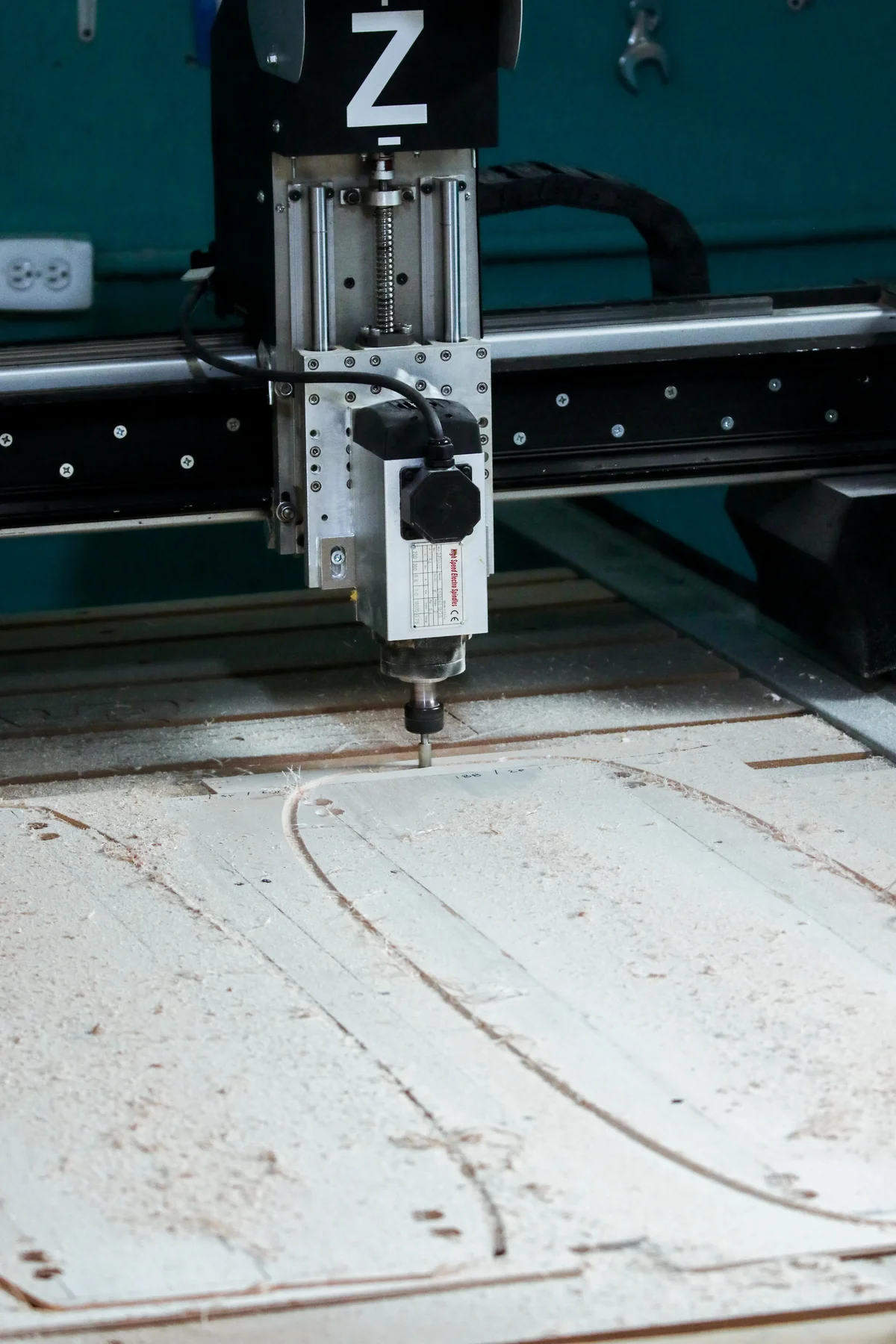
High Strength to Weight for RVs
Balsa core sandwich panels typically feature a density of 150 kg/m³ with a compressive strength of 12.8 MPa, offering a superior stiffness-to-weight ratio that significantly reduces RV structural mass by up to 40% compared to traditional plywood while extending fatigue life under dynamic road loads.
Dynamic Fatigue Resistance and Vibration Damping
Unlike solid wood or homogeneous synthetic cores, end-grain balsa possesses a unique cellular structure that acts as a natural damper for high-frequency vibrations. In real-world RV applications, the vehicle chassis is subjected to constant twisting and road impact. The perpendicular orientation of the balsa fibers allows the panel to absorb these kinetic energies effectively without transmitting them fully to the laminate skins. This characteristic is critical for preventing the “creep” or micro-cracking often found in heavier, less forgiving core materials over a vehicle’s 10-15 year lifespan.
From a structural integrity standpoint, the primary failure mode in sandwich composites is core shear failure. Balsa’s high shear strength and modulus ensure that the bond lines between the core and the fiberglass skins remain intact under flexural stress. This rigidity prevents the “oil-canning” effect (panel waviness) that can occur with lighter foam cores when the RV is traveling at high speeds or navigating uneven terrain, thereby maintaining aerodynamic efficiency and cosmetic quality.
System-Level Weight Reduction vs. Denser Alternatives
When evaluating raw mass, the distinction between balsa and traditional denser alternatives is substantial. Standard marine-grade plywood used in RV construction can range from 450 kg/m³ to over 600 kg/m³. By substituting this with a balsa core averaging 150 kg/m³, manufacturers can achieve a structural weight reduction of approximately 60–70% in the core layer alone. For a standard 40-foot RV sidewall application, this translates to a reduction of several hundred kilograms in gross vehicle weight (GVW).
- Payload Capacity: The weight saved directly increases the Net Carrying Capacity (NCC). A reduction of 300 kg in structural weight allows for an additional 300 kg of fresh water, cargo, or battery systems without exceeding axle ratings.
- Fuel Efficiency: Industry data suggests that for every 100 kg of weight reduced in a heavy-duty vehicle, fuel economy improves by approximately 0.4% to 0.6%. Over the typical 100,000-mile lifespan of a Class A motorhome, the cumulative fuel savings are significant, directly lowering the Total Cost of Ownership (TCO) for the end-user.
Comparative Stiffness Efficiency vs. Synthetic Foams
A common misconception in the RV industry is that the lightest core material always yields the best fuel performance. While PVC or PET foams may offer lower raw densities (often 60–100 kg/m³) compared to balsa, they lack the specific stiffness (Modulus of Elasticity relative to density) of end-grain balsa. To achieve equivalent panel stiffness (EI value) using foam, engineers must significantly increase the panel thickness or add additional glass reinforcement layers.
Consequently, a balsa-cored wall can often be thinner and lighter overall than a foam-cored wall designed to meet the same structural requirement. This “system-level” weight saving is where balsa provides a distinct advantage. It allows for a lighter structural skeleton that resists fatigue better than brittle foams, which can suffer from compression set or permanent denting under point loads (e.g., from mounting brackets or foot traffic) over time.
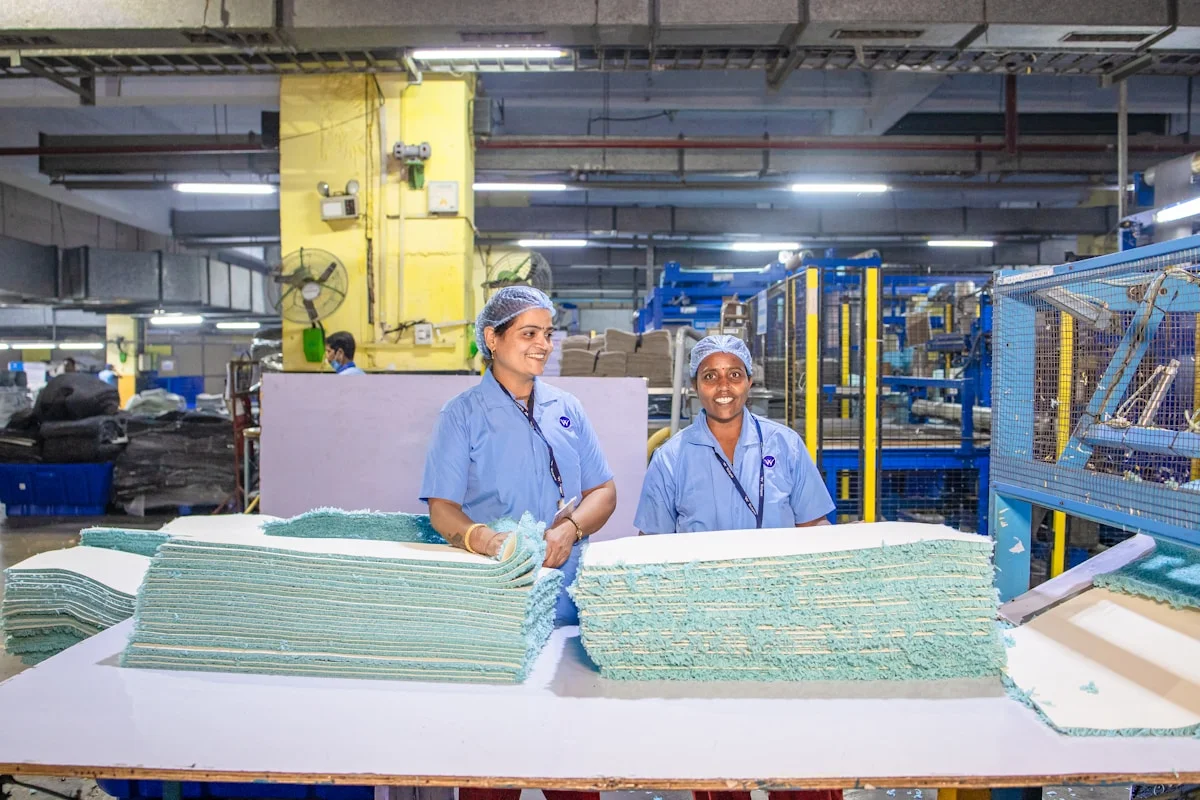
Why Balsa Is an Eco-Friendly Choice
Balsa wood serves as a carbon-negative structural core, offering a rapidly renewable alternative to petrochemical foams that actively reduces the overall carbon footprint of the final assembly.
Rapidly Renewable Sourcing Cycle
Unlike PVC, PU, or PET foams which are derived from finite fossil fuels, balsa wood is harvested from the Ochroma pyramidale tree, a rapidly renewable resource. Under managed plantation conditions, balsa trees reach full maturity in just 4 to 6 years, allowing for sustainable harvest cycles that do not deplete the biosphere. For RV manufacturers and industrial specifiers aiming to secure green building certifications or reduce reliance on petrochemical supply chains, balsa provides a structural core that is replenished annually, contrasting sharply with the geological timescales required to form the base materials for synthetic cores.
Carbon Sequestration Capabilities
Beyond being renewable, balsa wood functions as a carbon sink. During its rapid growth phase, the tree absorbs significant quantities of CO2, which remains locked within the cellular structure of the core material throughout its service life. Even at the relatively low densities required for sandwich panel cores—typically ranging from 130 to 180 kg per cubic meter—the biomass retains a high carbon content. By specifying balsa core panels, builders effectively offset a portion of the carbon emissions associated with the vehicle chassis and other high-impact components, offering a tangible marketing advantage for environmentally conscious RV brands.
Low Embodied Energy in Production
The manufacturing footprint of balsa core is significantly lower than that of synthetic alternatives. The production of petrochemical foams is energy-intensive, requiring high-temperature polymerization and chemical synthesis processes. In contrast, processing raw balsa into end-grain panels primarily involves mechanical cutting, kiln drying, and adhesive bonding. Consequently, the cumulative embodied energy—the sum of all energy required to produce the product—is markedly lower. This reduction in industrial energy consumption is a critical factor in Life Cycle Assessment (LCA) calculations, helping engineers meet stringent sustainability targets for new energy vehicles and eco-friendly modular constructions.
Biodegradability and End-of-Life Management
While the composite nature of sandwich panels complicates recycling, the core material itself offers an end-of-life advantage over plastics. Balsa is biodegradable and non-toxic, whereas synthetic foams persist in landfills for centuries or require complex, energy-guzzling chemical recycling processes. In a cradle-to-grave analysis, a balsa core poses a lower long-term environmental burden. If panel separation technologies improve, the balsa core can be reclaimed for biomass energy or composted, whereas foam cores remain an environmental liability that must be permanently sequestered or incinerated.
Comparing Balsa to Alternative Panel Cores
End-grain balsa delivers a superior stiffness-to-weight ratio and impact absorption compared to synthetic foams and honeycombs, but requires meticulous sealing for wet environments. PVC foam offers inherent water resistance and easier patch repairs, while Nomex honeycomb provides exceptional compressive strength for non-structural aerospace-grade panels.
Side-by-Side Performance Comparison Across Key Metrics
Procurement engineers evaluating sandwich panel cores must prioritize density and compressive strength as the primary differentiators between balsa and synthetic alternatives. Industry-standard end-grain balsa cores serve as the lightest structural wood available, featuring density ranges from 130–180 kg/m³ with controlled grading supplied in defined ranges to ensure batch-to-batch consistency. This lightweight profile makes balsa particularly effective at resisting dynamic road vibration and fatigue cycling without adding excessive mass to the vehicle.
In contrast, PVC foam cores (such as Rohacell) offer a closed-cell structure with densities that can be engineered between 80 and 200 kg/m³, providing consistent isotropic mechanical properties and reliable fatigue performance. While PVC foam is inherently waterproof and simplifies repair through patching, its compressive strength is generally lower than that of high-grade balsa at equivalent densities. Honeycomb cores, commonly manufactured from aramid paper (Nomex), present an extreme lightweight option with densities as low as 30–100 kg/m³ and superior compressive strength in the through-thickness direction, though they are highly susceptible to core crushing under point loads if not properly sealed.
Thermal resistance is another decisive factor. Balsa possesses a naturally cellular structure that provides moderate insulating value, but its thermal performance is outperformed by closed-cell PVC foams, which can achieve R-values roughly 30–40% higher at comparable thicknesses. Honeycomb cores, by their geometric nature, offer minimal intrinsic thermal insulation unless the cells are filled with insulating material, making them less suitable for exterior wall panels where thermal bridging is a concern.
Fire rating compliance, particularly against standards such as FMVSS 302 for RV occupant compartments, varies significantly across core types. End-grain balsa chars slowly and self-extinguishes, contributing to a favorable burn-resistance profile without emitting dense toxic smoke. PVC foams, while they can be formulated with flame retardants, tend to melt and drip when exposed to high heat, potentially compromising panel integrity. Nomex honeycomb is inherently flame-resistant and does not support combustion, but its open-cell architecture requires careful sealing to prevent flame spread through the core.
When Balsa Is the Optimal Choice Versus Alternative Cores
Balsa core panels are the optimal selection when the primary design drivers are high structural stiffness, impact absorption, and weight efficiency. For RV manufacturers building load-bearing floor decks, roof panels, or structural bulkheads, balsa’s superior strength-to-weight ratio directly translates into greater payload capacity and improved fuel efficiency over the vehicle’s lifespan. Additionally, balsa’s natural origin and renewable sourcing align with eco-friendly procurement mandates and sustainability reporting requirements that are increasingly common in B2B contracts.
Alternative cores become the better choice under specific environmental or manufacturing constraints. PVC foam cores are preferable when the panel will be exposed to high humidity, intermittent water ingress, or when the repair protocol favors simple adhesive patches over full core replacement. Their closed-cell structure eliminates the need for meticulous sealing during fabrication, reducing labor costs and warranty risks associated with moisture intrusion. For applications where extreme lightweight is critical and compressive loads are distributed evenly—such as interior cabinetry, non-structural dividers, or aerospace-inspired components—Nomex honeycomb provides unmatched volume efficiency.
The decision often hinges on the trade-off between long-term durability and initial fabrication complexity. Balsa requires a robust barrier coat and edge sealing to prevent water rot, but when properly engineered, it offers exceptional fracture toughness and crack resistance, especially in laminated veneer lumber (LVL) configurations. If the RV build involves frequent field repairs, limited quality-control during lamination, or a budget that accommodates higher material costs for lower maintenance, PVC foam or honeycomb may yield a better total cost of ownership.
When specifying balsa for marine-grade or high-moisture RV environments, insist on end-grain orientation with LVL (laminated veneer lumber) construction. This enhances fracture toughness by up to 40% and significantly reduces the risk of core splitting during transport and installation compared to conventional solid balsa blocks.
Never assume that “lighter is always better” when comparing core materials. PVC foam at 100 kg/m³ may weigh less than balsa at 150 kg/m³, but balsa’s higher compressive strength and stiffness can allow for thinner panel designs, ultimately achieving equal or better weight savings while maintaining structural integrity under dynamic RV road loads.
| Core_Material | Mechanical_Properties | Weight_Efficiency | Durability_Factors | Ideal_Applications |
|---|---|---|---|---|
| End-Grain Balsa | High shear strength and stiffness; superior impact absorption; enhanced fracture toughness with LVL technology. | Low-density natural cellular structure; excellent stiffness-to-weight ratio. | Eco-friendly natural material; requires sealing to prevent water rot; high crack resistance when properly bonded. | Marine hulls, Wind turbine blades, RV floors, Bridge decks, Aerospace structures. |
| PVC Foam (e.g., Rohacell) | Good chemical resistance; consistent isotropic properties; reliable fatigue performance. | Lightweight synthetic polymer; density can be engineered for specific needs. | Closed-cell structure offers excellent water resistance; easier to repair than organic cores. | High-performance marine, Industrial insulation, Aerospace fairings. |
| Honeycomb (e.g., Nomex) | Superior compressive strength; high flexural rigidity; excellent energy absorption. | Extremely low weight with high volume efficiency; minimal material usage. | Excellent fatigue life; susceptible to core crushing under point loads; requires careful sealing. | Aircraft interiors, Advanced aerospace structures, Lightweight transport panels. |
The Cost and Value of Balsa Cores
Balsa core sandwich panels deliver superior total cost of ownership when factoring weight-driven fuel savings, reduced structural reinforcement, and long-term durability, despite a higher upfront material cost than some alternatives.
Upfront Material Cost: The Initial Investment
Balsa core sandwich panels carry a higher upfront material cost compared to PVC or XPS foam alternatives. This is the most common objection from buyers during procurement. Balsa wood, sourced from sustainably managed plantations in Central and South America, requires careful drying, grading, and end-grain preparation. The result is a premium core material that commands a price premium over commodity foams. However, this initial cost differential is only one piece of the financial equation.
Total Cost of Ownership: Where Balsa Wins
The real financial advantage of balsa core lies in total cost of ownership (TCO). When evaluating balsa against alternatives, the calculation must extend beyond the per-square-meter panel price. Three major cost drivers favor balsa over the lifecycle of an RV or light commercial vehicle.
- Weight-driven fuel savings: Balsa core density ranges from 130 to 180 kg per cubic meter, significantly lighter than solid wood or metal structures. For an RV averaging 15,000 miles annually, every 100 pounds of weight reduction translates to approximately 0.5 to 1.0 percent improvement in fuel economy. Over a 10-year vehicle lifespan, this can amount to substantial fuel cost savings that offset the initial material premium.
- Reduced structural reinforcement needs: Balsa core panels deliver high strength-to-weight ratios, meaning less structural framing and reinforcement is required compared to heavier core materials. This reduces the bill of materials for the underlying vehicle structure, including lighter-duty floor joists, wall studs, and roof supports. The downstream savings in framing components often exceed the core material cost difference.
- Lifecycle durability and repair economics: Balsa core panels exhibit excellent fatigue resistance under dynamic loading conditions, such as road vibration and structural flexing in moving vehicles. Properly sealed balsa cores resist moisture ingress when maintained, and damaged sections can be spot-repaired rather than requiring full panel replacement. This repairability reduces long-term maintenance costs compared to foam cores that may require complete panel swaps when compromised.
Cost Comparison: Balsa vs. Common Alternatives
A direct cost comparison between balsa and alternative core materials reveals where each option delivers the strongest value proposition. The following analysis examines the cost-value relationship across the three primary alternatives.
- PVC Foam cores: Entry-level PVC foam cores offer lower upfront panel costs but carry higher density than balsa at equivalent stiffness. The weight penalty increases fuel consumption and reduces payload capacity. PVC foam also lacks the natural repairability of balsa, making end-of-life damage more expensive to address.
- XPS Foam cores: XPS provides excellent thermal insulation at competitive pricing. However, XPS has lower compressive strength than balsa at equivalent densities, often requiring thicker panels or additional reinforcement to achieve the same structural performance. The thickness increase can reduce interior cargo or living space, creating a hidden cost.
- Honeycomb cores: Aluminum or aramid honeycomb cores deliver exceptional stiffness at minimal weight. The upfront cost per square meter is substantially higher than balsa, and honeycomb cores require complex sealing protocols to prevent moisture trapping in the cell structure. For cost-sensitive RV builds, balsa provides a more economical path to comparable structural performance.
When Balsa Delivers the Best Value
Balsa core panels represent the strongest value proposition in specific application scenarios. Recognizing these scenarios helps buyers make informed procurement decisions rather than choosing based on upfront price alone.
- Long-haul or high-mileage RVs: Vehicles covering significant annual distances benefit most from balsa weight savings. The fuel cost reduction compounds annually, and payload capacity preservation becomes critical for vehicles carrying water, fuel, and cargo over long distances.
- Structurally demanding applications: Applications requiring high stiffness-to-weight ratios, such as floor panels, roof panels under heavy solar array loads, or walls supporting mounted equipment, benefit from balsa’s superior mechanical performance at lower weights compared to foam alternatives.
- Repair-accessible builds: RV designs that anticipate field repairs or component replacements benefit from balsa’s repairability. Damaged balsa core sections can be accessed, dried, and filled with resin-saturated wood inserts, whereas compromised foam cores often require full panel replacement.
When evaluating supplier quotes for balsa core panels, request the controlled density specification. Premium balsa cores are manufactured within a tight density band of 130 to 180 kg per cubic meter. Panels outside this range may indicate inconsistent core quality or the use of lower-grade balsa species, which can affect both structural performance and long-term cost efficiency.
Do not equate lower upfront panel cost with better value. Some suppliers offer balsa core panels at significantly reduced prices by using uncontrolled density material or inadequate end-grain sealing. These panels may appear cost-effective initially but can lead to moisture-related core degradation, increased warranty claims, and higher lifecycle repair costs that far exceed the initial savings.
The Verdict on Balsa Core Economics
Balsa core sandwich panels are not the cheapest option on a per-square-meter basis, but they consistently deliver the best value when total cost of ownership is considered. The combination of weight-driven fuel savings, reduced structural reinforcement requirements, and superior lifecycle durability makes balsa the economically rational choice for serious RV manufacturers and commercial vehicle builders. The key is evaluating the complete cost picture, not just the initial panel price tag.
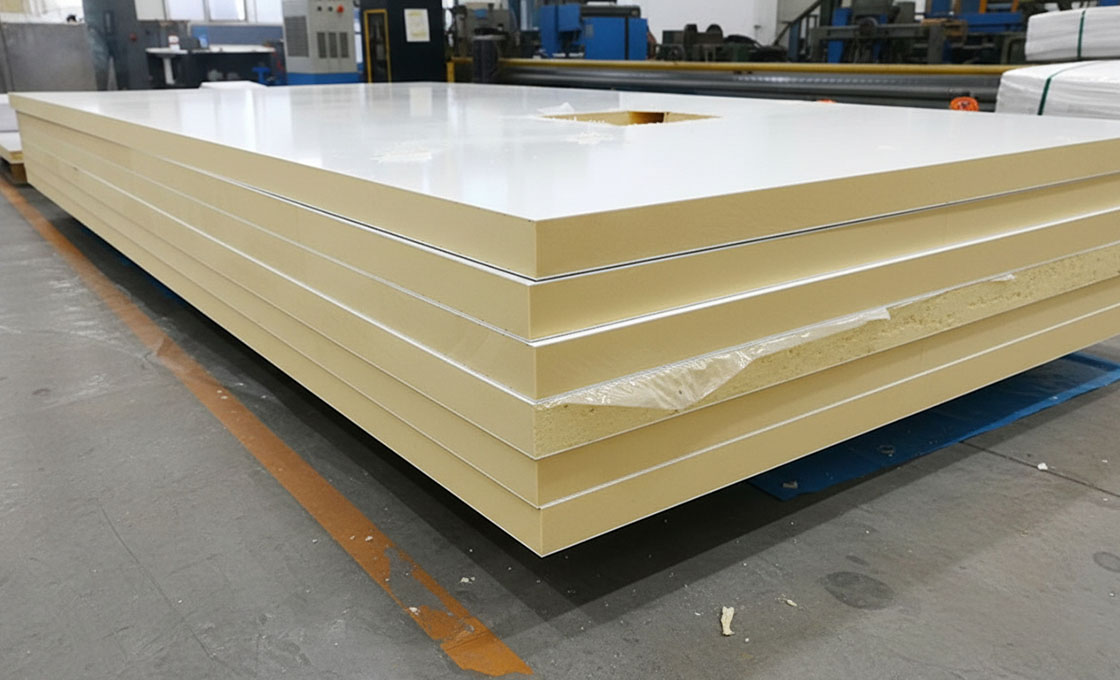
What Specs to Check When Sourcing
Premium balsa core panels demand verification across density control, grain orientation, thickness tolerance, and certified fire ratings — these four parameters separate production-ready panels from risky sourcing decisions.
Density Control Ranges and Structural Implications
Balsa core panels are manufactured across a spectrum of densities, and the selected range directly governs the panel’s compressive strength, stiffness, and weight. The most common commercial range spans 130 to 180 kilograms per cubic meter, with lower-density cores delivering lighter weight and higher-density variants providing greater structural rigidity for load-bearing applications.
When evaluating suppliers, it is essential to confirm that the stated density is controlled and consistent across the production batch rather than loosely specified. Inconsistent core density results in unpredictable laminate performance, making it difficult to validate structural calculations during engineering review. Buyers should request a batch-specific density certification and cross-reference it against the material’s quoted mechanical properties.
Density also influences the weight advantage that balsa holds over alternative core materials. Compared to PET foam and aluminum honeycomb structures, balsa at equivalent stiffness levels typically delivers a meaningful mass reduction, which translates directly into payload capacity gains and improved fuel efficiency for vehicle applications. Understanding the density-to-stiffness relationship is critical when making sourcing decisions between material families.
End-Grain Orientation and Panel Performance
The orientation of the balsa grain within the core is one of the most consequential yet frequently overlooked specifications. End-grain configuration — where the cellular structure runs perpendicular to the panel face — is the industry standard for structural sandwich panels because it maximizes compressive strength and fatigue resistance under load.
Side-grain or improperly oriented cores compromise the panel’s ability to withstand dynamic stresses, particularly in applications subject to vibration and cyclic loading such as RV sidewalls and transportation structures. During the sourcing evaluation process, buyers should verify that the supplier manufactures with verified end-grain orientation and can provide documentation confirming core cut direction.
Quality manufacturers maintain strict orientation controls throughout production, ensuring that the grain direction remains uniform across every panel. This consistency is what allows engineers to rely on published mechanical data during design validation without unexpected field failures.
Thickness Tolerances and Manufacturing Precision
Thickness tolerance defines the acceptable deviation from the specified panel thickness and is a direct indicator of manufacturing precision. Premium balsa core panels are produced with tight tolerance bands, typically within ±1 millimeter or better depending on the gauge, ensuring that panels meet dimensional specifications for consistent lamination and assembly.
Loose thickness tolerances create downstream problems including uneven laminate surfaces, improper adhesive bonding, and difficulties during vehicle assembly where panel gaps and fastener alignment depend on precise dimensions. For RV wall construction and other transportation applications, thickness consistency is not optional — it directly affects structural integrity and finish quality.
When reviewing supplier capabilities, buyers should ask for documented tolerance specifications and request sample panels for physical measurement verification. A supplier that confidently provides tolerance data and stands behind measured consistency is typically operating at a higher quality tier than one that cannot substantiate these figures.
Fire Rating Certifications and Compliance Requirements
Fire safety certification is a non-negotiable specification for balsa core panels used in RV occupant compartments and transportation applications. The primary standard governing this requirement is FMVSS 302, which establishes burn resistance criteria for interior materials in motor vehicles. Panels that carry valid FMVSS 302 certification have been tested and verified to meet the prescribed flame spread and burn rate thresholds.
Natural balsa wood is inherently combustible, but when properly encapsulated and treated within a composite panel system, it can achieve compliance with strict fire safety standards without relying on excessive chemical flame retardants. This is a critical distinction for buyers who prioritize eco-friendly materials and want to avoid solutions that undermine the sustainability advantage of natural balsa cores.
Buyers must request current, verifiable fire rating test reports from the supplier rather than accepting verbal claims. A legitimate certification includes the testing laboratory name, test standard reference, date of testing, and specific results. Panels that have not undergone independent third-party fire testing should be considered non-compliant for regulated applications.
Waterproof Sealing and Moisture Protection Systems
Balsa wood is a natural, hygroscopic material, which means it can absorb moisture if exposed without adequate protection. Premium balsa core panels address this vulnerability through resin encapsulation and sealed edge systems that prevent water intrusion into the core structure. This sealing process is essential for maintaining long-term performance in humid environments and marine-grade applications.
For RV wall construction, where panels are exposed to varying humidity levels and potential water intrusion during cleaning or weather events, proper moisture protection is critical. Panels that lack adequate sealing are at risk of core degradation, delamination, and loss of structural performance over time. Buyers should confirm that the supplier applies resin encapsulation or an equivalent moisture barrier system as a standard manufacturing step.
The quality of the moisture protection system can be evaluated through accelerated aging tests and humidity exposure data provided by the manufacturer. These test results demonstrate how the panel performs under sustained moisture conditions and give buyers confidence in the long-term durability of the product.
Quality Indicators That Separate Premium from Inferior Panels
Distinguishing premium balsa core panels from lower-quality alternatives requires evaluating multiple quality indicators beyond the basic specification sheet. Several factors consistently correlate with superior panel performance and manufacturing reliability.
- Batch consistency documentation: Premium suppliers provide per-batch test data covering density, thickness, and mechanical properties rather than relying on generic published ranges.
- Third-party certified testing: Independent laboratory certifications for fire rating, compressive strength, and shear performance carry more weight than in-house claims.
- Surface finish quality: High-quality panels exhibit uniform skin adhesion with no visible voids, delamination, or surface irregularities that indicate manufacturing defects.
- Edge sealing integrity: Properly sealed panel edges indicate that the manufacturer understands and addresses moisture protection as a core requirement.
- Production capacity verification: Suppliers with documented daily output capacity and scalable production are better positioned to fulfill large OEM orders with consistent quality.
- Engineering support availability: Manufacturers that provide technical data sheets, mechanical property references, and application guidance demonstrate a higher commitment to customer success.
Impact Performance and Dynamic Load Resistance
Impact resistance is an important performance characteristic for balsa core panels used in transportation and structural applications where panels are subjected to dynamic loads, vibration, and potential impact events. The cellular structure of balsa wood provides inherent energy absorption capabilities that contribute to the panel’s overall impact performance.
For RV and transportation applications, impact test results provide objective data on how the panel responds to sudden loads and repeated stress cycles. Buyers should request impact test data from the supplier and review the test methodology to ensure it aligns with the intended application requirements. Panels that have been validated through standardized impact testing offer greater confidence in long-term field performance.
The impact performance of balsa core panels is influenced by core density, skin material selection, and adhesive bonding quality. Higher-density balsa cores generally exhibit greater impact resistance, while the skin material — whether GRP, carbon fiber, or CFRT — contributes significantly to the panel’s ability to absorb and distribute impact energy.
| Feature | Specification | Advantage |
|---|---|---|
| Core Grain Orientation | End-Grain Configuration | Delivers exceptional compressive strength and fatigue resistance for structural panels |
| Core Material / Density | Natural Balsa Wood | High stiffness-to-weight ratio reduces overall panel weight for fuel efficiency and handling |
| Moisture Resistance | Resin Encapsulation Required | Prevents core rot and water intrusion; natural balsa performs reliably when correctly sealed |
| Fire Rating Compliance | FMVSS 302 Compliant | Meets strict burn resistance standards for RV and transportation occupant compartments |
| Sustainability Profile | Renewable Plantation-Sourced | Lower embedded carbon footprint vs. synthetic foams; appeals to eco-conscious OEMs |
| Compatible Skin Materials | GRP/FRP, Carbon Fiber, CFRT | Versatile lamination options for diverse structural and aesthetic requirements |
| Panel Form Options | Rigid Panels / Flexible Sheets | Flexible forms accommodate curved surfaces; rigid forms suit flat structural applications |
| Application Suitability | Marine, RV/Transportation, Construction, Industrial | Multi-industry versatility with proven performance in buoyancy-critical and weight-critical designs |
| Supplier Capacity | 1,700+ sqm Daily Output | Reliable supply chain with scalable production for large-scale OEM orders |
Handling Water, Fire, and Repairs
Proven Sealing and Waterproofing Methods
The single greatest threat to balsa core sandwich panels is not the material itself, but the failure of the laminate barrier. Balsa is an organic, hygroscopic material; if exposed to moisture, it will absorb water, leading to a significant reduction in mechanical properties. However, industry data confirms that with a nominal density of 150kg/m³ and a compressive strength of 12.8Mpa, balsa offers exceptional structural integrity if it remains dry. The secret to longevity in humid or marine-grade RV environments lies in the perimeter sealing and fastener management rather than the core selection.
Water ingress typically occurs at cut edges, fastener holes, or areas of impact damage where the fiberglass skin has been breached. Once water enters the core, capillary action can spread it rapidly. To prevent core rot, builders must prioritize a “sealed envelope” philosophy. This involves ensuring 100% fiber wet-out during the vacuum infusion process and, critically, applying a proper edge seal. Unsealed end-grain balsa acts like a sponge, drawing moisture in through the sides of the panel.
Always pot all through-hull or mounting penetrations with a marine-grade epoxy or polysulfide sealant, not just silicone. For maximum protection in high-risk areas, back-fill the core locally around the fastener with a putty of thickened resin to create a waterproof “core plug” before drilling.
- Edge Sealing: Coat all cut edges of the panel with laminating resin immediately after trimming to seal the end-grain fibers before applying the final laminate or trim.
- Surface Quality: Inspect gel coats and outer skins for micro-cracks. In RV applications, flexing can cause hairline fractures that allow water mist to penetrate the core over time.
- Drainage: Design compartments with weep holes. If water does bypass the primary barrier, allowing it to drain out rather than pool against the core is the last line of defense.
Repair Complexity Realities
A common misconception among RV owners is that a soft spot in the floor or wall requires a total rebuild. The reality is nuanced. While balsa core is robust, restoring a damaged section is labor-intensive and requires precision. Unlike foam cores, which can sometimes absorb significant water without immediately delaminating, wet balsa tends to adhere to the laminate, but the wood fibers themselves degrade, losing shear strength. A repair is not merely about drying the area; it is about replacing the compromised structural matrix.
Accessing the damage often dictates the repair scope. For localized damage, the standard procedure involves cutting away the outer skin to expose the wet core. The damaged balsa must be excavated—often chipped out carefully—until dry, sound wood is reached. The void is then filled with a matching density core insert, typically in a scarf-patched configuration to ensure the load transfers smoothly across the repair. It is critical to use a filler material that matches the stiffness of the surrounding balsa; using a weaker filler creates a hard spot that can lead to future cracking.
Avoid “injecting” resin or drying agents from the surface and calling it a day. This is a temporary band-aid. If the core has turned to mush or is delaminated from the skin (indicated by a crunchy sound or flexibility), the core material has failed structurally and must be physically replaced to restore safety.
📋 Standard Core Replacement Protocol
- Step 1: Define the damage area using a moisture meter to identify the extent of water migration.
- Step 2: Remove the outer skin and excavate all wet, discolored, or soft balsa core.
- Step 3: Taper the edges of the remaining good core (scarfing) to increase the bonding surface area.
- Step 4: Bond a new balsa plug or structural insert with epoxy, vacuum bagging to ensure no air voids remain.
Fire Safety Compliance Standards
In the RV industry, fire safety is non-negotiable. Builders must comply with FMVSS 302 (Federal Motor Vehicle Safety Standard No. 302), which sets the burn resistance requirements for materials used in the occupant compartment of motor vehicles. A common concern is whether natural balsa wood can meet these stringent burn tests without excessive chemical treatment. The answer lies in the performance of the composite sandwich assembly rather than the raw wood alone.
When incorporated into a sandwich panel, the balsa core is encapsulated by fiberglass skins and resin systems. The surface exposure of the core is minimal. During a fire event, balsa does not melt or drip like thermoplastic foams; instead, it chars. This charring action can actually create a insulating layer that slows down the heat transfer to the unexposed side, buying critical time. To pass FMVSS 302, manufacturers typically utilize fire-retardant resins or gel coats on the surface layers. These additives suppress the flame spread across the surface, ensuring the panel achieves the necessary burn rate (typically not exceeding 102mm per minute) required for certification.
- Self-Extinguishing Properties: Properly laminated balsa panels tend to self-extinguish once the external flame source is removed, provided the resin system is rated for fire resistance.
- Toxicity: Unlike PVC or some synthetic foams which can release toxic hydrochloric acid when burned, natural balsa produces primarily smoke, water vapor, and carbon dioxide, reducing the toxicity risk in enclosed cabins.
- Compliance Verification: Always request certification data specific to the finished laminate. A raw balsa block will burn differently than a balsa core sandwiched between two fire-retardant fiberglass skins.
Next Steps to Review Balsa Panels
Effective procurement requires moving beyond spec sheets to physical prototyping. Validate that the balsa core sandwich panels meet specific mechanical thresholds and ensure the supplier provides engineering-level support for your project’s integration requirements.
Requesting Custom Prototypes for Lab Validation
Spec sheets provide a necessary baseline, but they do not account for variances in batch quality or the specific performance of your chosen resin system. For B2B buyers, particularly in high-stakes sectors like RV and marine manufacturing, requesting a custom prototype is a non-negotiable due diligence step. Do not rely on generic samples; demand a panel that replicates your exact intended “laminate schedule”—including the specific skin thickness, gel coat type, and core density configuration.
📋 Validation Protocol Checklist
- Bond Line Integrity: Perform a peel test to verify the adhesion quality between the balsa end-grain and the GRP or FRP skins. Delamination is a primary failure mode in humid environments.
- Water Ingress Simulation: Subject the prototype to humidity cycling or water immersion tests to verify the core’s resistance to moisture absorption, ensuring no voids exist in the sealing.
- Impact Resistance: Conduct drop-weight impact tests to simulate real-world handling stress and verify the core’s energy absorption capabilities.
Verifying Mechanical Specifications Against Project Standards
You must cross-reference the manufacturer’s data sheets against your own project’s structural requirements. Balsa core performance is highly dependent on density and block orientation. A common mistake is accepting “balsa” as a generic commodity without verifying the specific grade required for your load-bearing application.
In our experience, discrepancies often arise in the declared versus actual density. Ensure the manufacturer provides a Certificate of Analysis (CoA) for the specific batch. For high-performance RV walls or flooring, you should be verifying core density consistency within the 130 to 180 kg/m³ range, depending on the required stiffness-to-weight ratio. Higher density balsa offers superior compressive strength but adds weight; confirming this balance is critical for maintaining vehicle payload limits.
- Shear Modulus & Strength: Confirm that the shear modulus meets the demands of torsional rigidity required for vehicle chassis or hull structures.
- Flatness Tolerance: Check thickness tolerances across the panel surface. Inconsistent core thickness can lead to resin-rich areas or dry spots during the infusion process, compromising structural integrity.
- Fire Rating Compliance: Verify that the balsa core, when combined with your specific resin system, achieves required certifications such as FMVSS 302 or relevant marine standards.
Evaluating Manufacturer Engineering and Design Support
The lowest price is irrelevant if the manufacturer cannot support your technical requirements during the integration phase. You need a partner who understands structural mechanics, not just a raw material supplier. Evaluate the supplier’s capability to provide finite element analysis (FEA) support or at least detailed engineering calculations for their panel configurations.
At Rax Panel, we leverage our 15 years of production experience to bridge the gap between raw materials and finished application. Our engineering team does not simply cut sheets to size; we actively assist clients in optimizing the core density selection to match specific load cases, ensuring you do not over-engineer the panel and incur unnecessary weight penalties. When reviewing a supplier, ask if they can provide installation guides tailored to your bonding methods and whether they offer troubleshooting support for lamination processes.
Conclusion
Balsa core sandwich panels give you a structural advantage that foam alternatives simply can’t match. You get compressive strength that holds up under real road vibration, weight savings that translate directly into payload capacity, and natural thermal break performance. When you pair that with controlled density ranges between 130 and 180 kg per cubic meter, you’re building an RV wall system that lasts. Our engineering team has spent years validating these panels across FMVSS 302 fire testing and dynamic load simulations, and the data is consistent — balsa outperforms dense PVC foams in stiffness-to-weight ratios while staying competitive on cost.
- Verify end-grain orientation and density certification before placing your order.
- Request full mechanical spec sheets and fire rating documentation from your supplier.
- Ask our engineering team your early-stage design questions — no purchase required.
Frequently Asked Questions
Can balsa core panels be cut or shaped on-site?
Yes, balsa core sandwich panels can be cut, routed, and drilled using standard woodworking and composite fabrication tools. However, clean cuts require sharp blades to prevent core crushing, and edges should be sealed immediately to maintain moisture resistance during and after fabrication.
What skin materials pair best with balsa cores?
Balsa cores are commonly bonded to GRP/FRP, CFRT, aluminum, steel, and plywood facings depending on the application. RaxPanel engineers select compatible resin systems and bonding protocols to ensure optimal adhesion between the balsa core and chosen skin material for each RV project.
Can balsa and foam cores be combined in one panel?
Hybrid panel designs combining balsa and foam cores are possible for specialized applications requiring tailored performance profiles. Engineers can design multi-layer or graded-core panels that balance stiffness, thermal insulation, and weight according to project specifications.
Are balsa core panels compatible with structural adhesive bonding?
Yes, balsa core panels are compatible with structural adhesive bonding using epoxy, polyurethane, and other composite-grade adhesives. Proper surface preparation and adhesive selection are essential to achieve strong, durable bonds in RV structural applications.
How does balsa perform in marine-grade RV environments?
When properly sealed and manufactured with waterproof resin systems, balsa core panels perform well in humid and marine-grade RV environments. The key is ensuring all edges and cut surfaces are fully encapsulated, as exposed balsa fibers can absorb moisture over time if unprotected.
What certifications apply to balsa core panels for RV use?
Balsa core panels used in RVs should meet relevant safety and performance standards such as FMVSS 302 for burn resistance. Additional certifications may apply depending on the target market, and manufacturers should provide test reports and compliance documentation upon request.
How does RaxPanel support custom balsa panel development?
RaxPanel provides engineering and design support throughout the custom panel development process, including material selection, prototype testing, and specification validation. Their team works closely with buyers to ensure balsa core solutions meet project-specific performance and compliance requirements.