
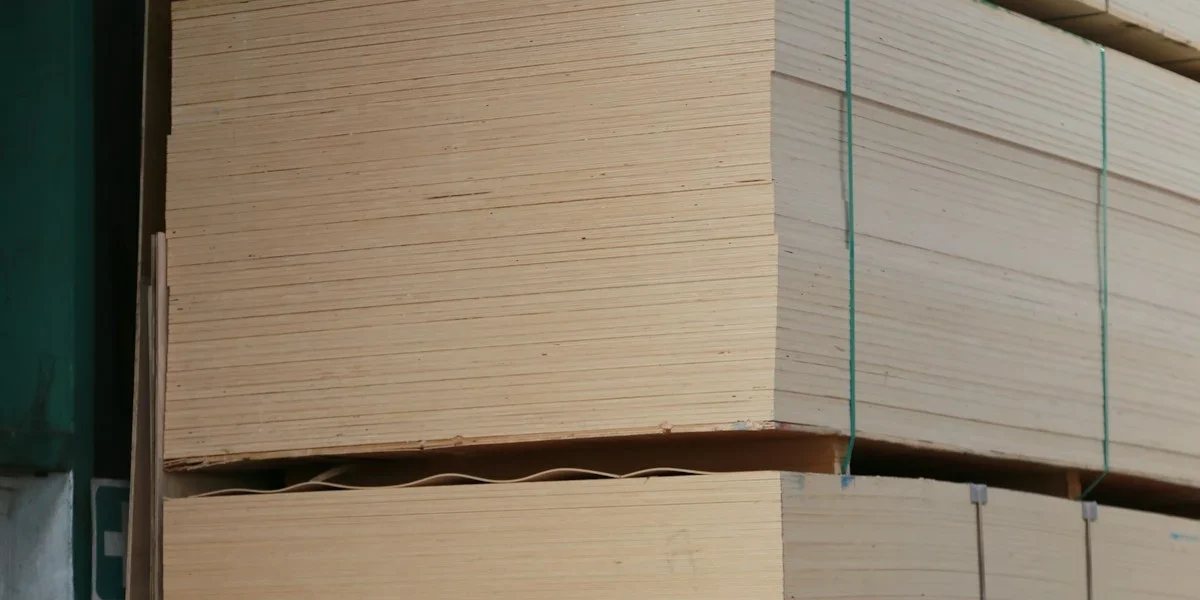
Selecting balsa core for high-stress applications like truck bodies or marine vessels involves a precise tradeoff between radical weight reduction and the risk of moisture ingress. Water intrusion is the primary failure mode in these systems; if the core is not perfectly sealed, rot spreads rapidly and compromises the structural laminate. As a composite panel solutions manufacturer, we know that the difference between a 10-year service life and a warranty claim in year two lies entirely in the grain orientation and moisture content control during production.
The performance data is impossible to ignore. High-grade balsa reduces structural weight by up to 80% compared to traditional plywood while maintaining superior flexural strength, but that advantage vanishes if the adhesive bond fails under thermal cycling. This guide breaks down the specific compressive strength metrics required for industrial use and compares them directly against foam and honeycomb alternatives to show exactly where balsa delivers the highest ROI.
You will learn to identify the quality standards that prevent delamination and master the repair procedures that restore panel integrity after impact damage.
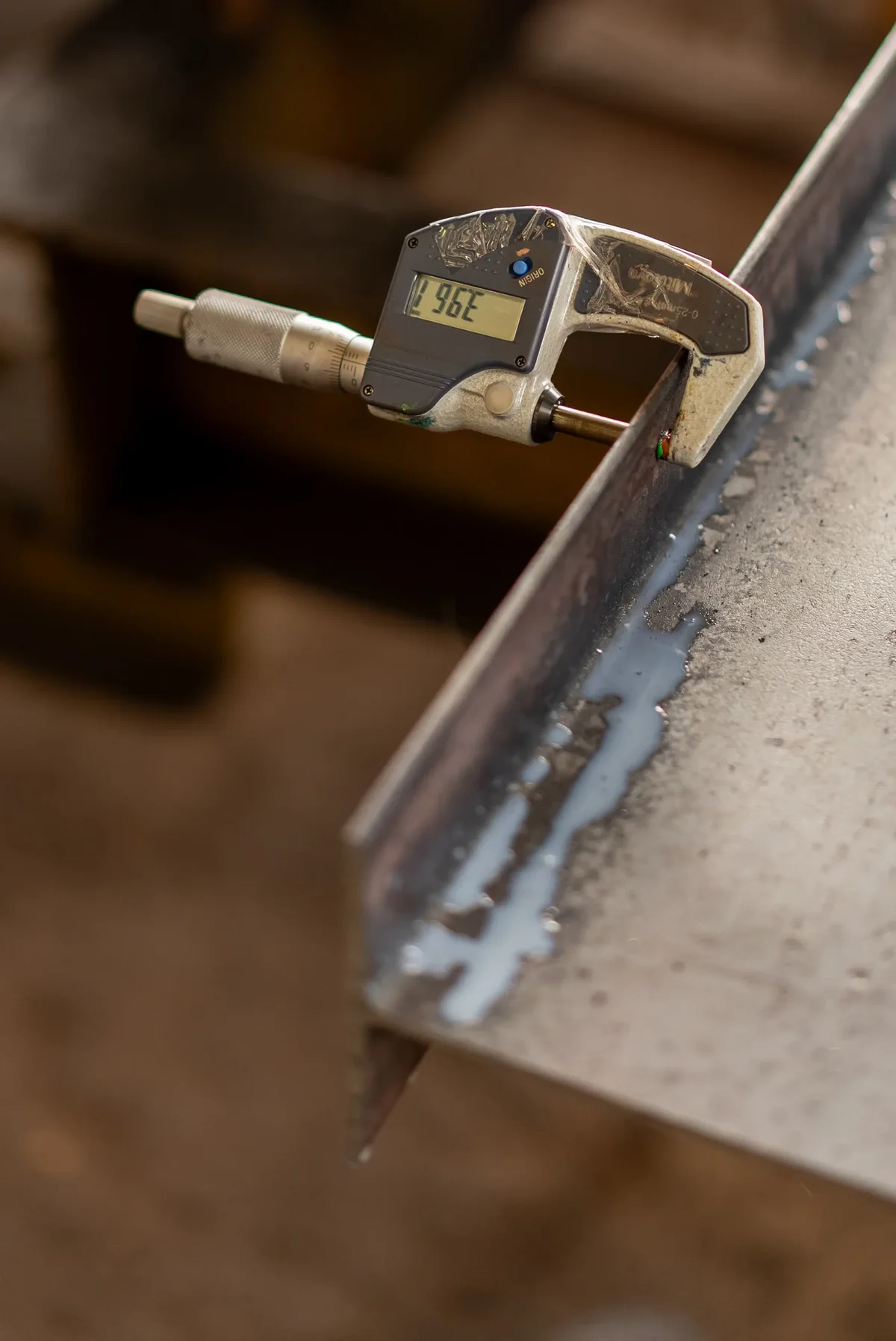
Key Structural Specs for Balsa Cores
Balsa core structural performance is governed by density grade selection, grain orientation, and panel thickness. End-grain balsa with GRP facings delivers industry-leading strength-to-weight ratios for marine, transport, and industrial applications.
Balsa Density Grades and Load Ratings
Balsa wood is commercially graded by density, and this classification directly dictates its load-bearing capacity. The primary grades encountered in sandwich panel manufacturing range from light (~130 kg/m³) to extra-hard (~280 kg/m³ and above). Lighter grades are suitable for non-structural or low-load applications such as interior RV furniture panels and aesthetic cladding. Heavier grades, particularly those exceeding 200 kg/m³, are specified for structural marine hulls, deck construction, and truck body panels where deflection resistance is critical.
Our engineering team selects density grades based on the specific load requirements of each project. In our experience, marine vessel builders typically specify mid-to-high density balsa (180–260 kg/m³ range) for hull and deck panels because these grades provide the compressive and shear resistance needed to withstand dynamic ocean loads without excessive panel thickness.
- Light grade (approximately 130 kg/m³): Suitable for interior non-structural panels, furniture, and low-load RV applications where weight savings are prioritized over mechanical strength.
- Medium grade (approximately 160–200 kg/m³): The most commonly specified range for general marine and transport sandwich panels, offering balanced strength and weight performance.
- High/extrahard grade (approximately 220–280+ kg/m³): Reserved for high-stress structural applications including hull bottoms, deck loads, and heavy-duty truck bodies where compressive and shear resistance are paramount.
Core Thickness Options and Weight-to-Strength Ratios
Balsa core panels are manufactured across a broad range of thicknesses, typically from 10 mm up to 150 mm or more, depending on the structural demands of the application. The weight-to-strength ratio of balsa cores is one of their defining engineering advantages. Because balsa is an end-grain natural material, increasing core thickness adds minimal weight while proportionally increasing flexural rigidity. This means a 50 mm balsa core panel can carry significantly higher bending loads than a foam-core panel of equivalent thickness, without a commensurate weight penalty.
For B2B buyers evaluating panel specifications, the key consideration is matching core thickness to span distance and expected load. Wider spans between structural supports require thicker cores to prevent deflection. Our engineers routinely specify 40–60 mm cores for RV wall and roof panels and 60–100 mm cores for marine deck and hull applications, adjusting based on support spacing and operational load profiles.
- Thin cores (10–30 mm): Used for flat panels, interior dividers, and low-span applications where bending loads are minimal.
- Medium cores (40–80 mm): The standard range for RV walls, truck body panels, and marine interior structures, providing optimal stiffness without excessive weight.
- Thick cores (100 mm+): Deployed in high-load marine decks, structural flooring, and heavy-duty transport applications requiring maximum bending resistance.
Shear Strength and Compressive Performance Metrics
Shear strength and compressive performance are the two most critical mechanical properties for balsa core sandwich panels, particularly in marine and transport environments. Balsa wood’s cellular structure, when cut and oriented as end-grain, provides exceptional resistance to both compressive forces acting perpendicular to the panel face and shear forces acting parallel to the core. This is fundamentally different from foam cores, which rely on closed-cell structure alone and generally exhibit lower compressive strength at equivalent densities.
Compressive strength in balsa cores scales directly with density. Our internal testing demonstrates that high-density end-grain balsa cores can sustain compressive loads well beyond what standard PVC or XPS foam cores can tolerate, making balsa the preferred choice for applications involving point loads, fitting mounts, and structural fastening. When we develop panels for marine hull applications, we specify balsa grades that meet or exceed the compressive performance thresholds required by classification societies such as ABS and DNV.
Shear strength is equally critical, as sandwich panels experience significant shear forces at support points and around cutouts. End-grain balsa provides superior shear resistance compared to side-grain orientations and foam alternatives. This is why proper core orientation during manufacturing is non-negotiable—our production team ensures all structural balsa cores are installed with the grain running vertically (end-grain up) to maximize both shear and compressive performance.
Using side-grain balsa or incorrect core orientation dramatically reduces shear and compressive performance. Always verify that your supplier specifies end-grain orientation for structural applications and confirms grain direction in their quality documentation.
Flexural Strength Specifications for Structural Viability
Flexural strength—the ability of a panel to resist bending under load—is the defining metric that determines whether a balsa core panel is structurally viable for a given application. Sandwich panel flexural performance depends on three factors: core shear modulus, facing material stiffness, and core-to-facing bond integrity. Balsa cores excel in all three areas when properly manufactured.
The GRP facing system bonded to balsa cores creates a composite action where the facings carry tensile and compressive stresses while the core resists shear. This synergistic effect means balsa-core GRP panels achieve flexural strengths that far exceed the sum of their individual components. For structural viability, panels must maintain deflection within acceptable limits under operational loads. Our engineering team uses flexural testing to validate panel specifications before production, ensuring each batch meets the performance thresholds required by the end application.
- Marine hull and deck panels: Require high flexural strength to withstand wave impact, grounding loads, and deck equipment weight. Medium-to-high density balsa cores with thick GRP facings are standard.
- RV and truck body panels: Demand consistent flexural performance across large panel spans with minimal deflection. Our standard specifications target flexural strengths suitable for wall, roof, and floor installations with support spacing up to 600 mm.
- Industrial and modular construction panels: Flexural requirements vary by load class. Balsa cores allow designers to achieve required stiffness with thinner, lighter panels compared to alternative core materials.
When evaluating balsa core panels for structural viability, buyers should request flexural test data from their manufacturer. Reputable suppliers will provide results from three-point bend testing conducted according to recognized standards, including modulus of rupture and modulus of elasticity values. At Rax Panel, we conduct flexural testing on every production batch to ensure consistent structural performance across all panels shipped to our global customers.
| Structural Component | Specification | Engineering Advantage | Application |
|---|---|---|---|
| Core Material | End-Grain Balsa Wood | High shear strength and isotropic load distribution | Marine Hulls & Decks |
| Facing System | GRP/FRP with Gelcoat Layer | Integrated air and water barrier; impact resistant | Marine Vessels & External Cladding |
| Weight Profile | High Strength-to-Weight Ratio | Optimized for fuel efficiency and payload capacity | Truck Bodies & RVs |
| Adhesion Quality | Factory Vacuum-Infused Bond | Eliminates delamination and core rot risks | High-Stress Structural Panels |
| Thermal Performance | Low Thermal Conductivity / Acoustic Dampening | Temperature stability and noise reduction | Industrial & Modular Housing |
Comparing Balsa to Foam and Honeycomb
Compressive Strength and Stiffness Comparison
When evaluating core materials for structural sandwich panels, compressive modulus and stiffness-to-weight ratios are the primary differentiators. Balsa wood naturally outperforms most foam cores in compressive strength due to its cellular grain structure, which provides directional load-bearing capacity. PVC foam and XPS foam cores offer moderate compressive resistance but typically require greater thickness to achieve equivalent stiffness, adding weight and bulk to the final panel.
Honeycomb cores, whether aluminum, PP, or aramid-based, deliver exceptional in-plane stiffness with minimal weight. However, their compressive performance is highly direction-dependent. Honeycomb excels under shear and bending loads but can crush under concentrated point loads unless properly face-sheet reinforced. Balsa, by contrast, handles multi-directional compressive forces more consistently without specialized engineering.
- Balsa Core: High compressive strength across grain and perpendicular directions; ideal for structural panels requiring uniform load distribution.
- PVC/XPS Foam Core: Moderate compressive resistance; cost-effective for non-structural or lightly loaded applications.
- Honeycomb Core (Aluminum/PP): Superior stiffness-to-weight ratio but vulnerable to point-load crushing without reinforced facings.
Impact Resistance and Damage Tolerance
Weight reduction is a primary driver for selecting balsa cores, with panels achieving up to 80% weight savings compared to traditional plywood and MDF. However, lightweight construction introduces a critical trade-off: impact resistance. Thin balsa-core panels may deflect rather than resist impact forces, raising vulnerability concerns in marine and mobile applications where grounding, collision, or handling damage is a real risk.
Foam cores, particularly closed-cell PVC and PET foams, offer better impact absorption than balsa. Their energy-dissipating cellular structure allows them to resist denting and surface damage more effectively under low-velocity impacts. This makes foam a practical choice for applications where panel surface integrity matters more than raw structural stiffness.
Honeycomb cores present a different impact profile. While extremely lightweight, the open-cell structure offers minimal resistance to puncture or penetration. A sharp impact can compromise individual cells, leading to localized failure that may not be visible on the surface but significantly reduces structural performance.
Cost and Availability Considerations
Cost is a decisive factor in core material selection, and the price gap between balsa, foam, and honeycomb can be significant. Balsa wood cores are generally positioned in the mid-range of core material costs. The price varies based on density grade, grain orientation quality, and whether the core is imported from South America or sourced from regional suppliers.
Foam cores, particularly XPS and standard PVC variants, are typically the most cost-effective option. These materials benefit from high-volume industrial production and consistent pricing. Premium foams like PET and PMI command higher prices but remain competitive against balsa for non-structural applications.
Honeycomb cores span a wide cost range. PP honeycomb is affordable and suitable for lightweight non-structural panels, while aluminum and aramid honeycomb are premium options reserved for aerospace and high-performance marine applications. For general commercial and industrial use, PP honeycomb offers the best value among honeycomb options.
- Balsa Core: Mid-range pricing; cost scales with density grade and grading certification level.
- Foam Core (XPS/PVC): Most economical option; consistent supply and predictable pricing for bulk orders.
- Honeycomb Core (PP): Moderate cost for light-duty applications; aluminum and aramid variants are premium-priced.
Weight-to-Performance Balance for Specific Applications
The optimal core selection depends on the application’s priority: maximum stiffness, maximum impact resistance, or minimum weight. Balsa cores deliver the best stiffness-to-weight ratio, making them the preferred choice for structural panels in marine vessels, RV walls and roofing, and truck bodies where weight savings directly translate to payload capacity and fuel efficiency.
Foam cores are better suited for applications where thermal insulation and moisture resistance are primary concerns. Their closed-cell structure provides inherent waterproofing, and they perform well in exterior wall cladding and cold storage applications where thermal performance matters more than structural load-bearing.
Honeycomb cores shine in ultra-lightweight structural applications where panel spans are long and deflection control is critical. Aircraft interiors, high-speed vessel decks, and precision industrial equipment benefit from honeycomb’s ability to maintain flatness and rigidity at minimal weight.
Selecting the optimal core requires balancing compressive modulus against impact tolerance; balsa offers superior stiffness-to-weight, while foams provide better damage absorption and honeycombs excel in shear-critical, ultra-lightweight applications.
Making the Right Choice: Decision Framework
For B2B buyers specifying core materials, the decision should follow a clear evaluation sequence. First, define the primary load type: compressive, shear, or impact. Second, establish the weight budget and allowable panel thickness. Third, assess the environmental exposure: marine saltwater, UV radiation, or temperature cycling.
📋 Actionable Steps
- Step 1: Identify whether structural stiffness, impact resistance, or thermal insulation is the primary requirement for your application.
- Step 2: Calculate the maximum allowable panel weight and determine if honeycomb’s ultra-light advantage is necessary.
- Step 3: For marine or mobile applications, prioritize balsa or foam cores with sealed barrier systems to manage impact and moisture risks.
- Step 4: Request core material test data from your supplier, including compressive strength, shear modulus, and moisture absorption rates per relevant ASTM or ISO standards.
Balsa Durability in Marine and Industrial Use
Moisture Resistance and the Risks of Core Rot
The primary durability concern for balsa core sandwich panels in marine and industrial environments is water intrusion. Balsa is a natural, hygroscopic material; if the protective GRP or FRP skin is compromised—whether by impact, drilling errors, or fatigue cracks—the core acts like a sponge, wicking moisture through capillary action along the end-grain fibers. Unlike closed-cell foams such as PVC or PET, which may allow moisture to drain or evaporate, trapped water in balsa creates a saturation point that leads to core rot, swelling, and a rapid breakdown of structural integrity. This degradation is insidious because it often spreads laterally from the point of entry far beyond the visible damage on the skin, compromising the panel’s shear strength long before the failure becomes visually obvious.
However, the industry has mitigated these risks through advanced sealing technologies. High-quality marine-grade panels utilize vacuum infusion to ensure a 100% bond between the laminate and the core, eliminating air voids where water can accumulate. Furthermore, the end-grain configuration itself—where the wood fibers are perpendicular to the skins—limits lateral water spread compared to flat-grain wood. In industrial applications where humidity or chemical splash is constant, the durability of the system relies entirely on the impermeability of the gel coat and the integrity of the edge seals. If the skin remains intact, the balsa core remains dry and stable for decades, effectively matching the service life of synthetic alternatives.
Fatigue Resistance and Impact Absorption
For vessels and recreational vehicles (RVs), durability is defined by the material’s ability to withstand cyclic loading and vibration. Balsa core excels in this domain due to its unique cellular structure, which provides superior stiffness-to-weight ratios and excellent energy absorption. When a vessel slams against waves or an RV travels over rough terrain, balsa dissipates impact energy effectively. Unlike some brittle polymer foams that may crack or crumble under repeated point loading, the lignin structure of balsa possesses a natural elasticity. This allows the panel to flex slightly under dynamic stress without permanent deformation, significantly enhancing fatigue resistance over the lifespan of the vehicle.
This mechanical resilience translates directly to long-term structural durability. In industrial flooring or ramp applications, balsa cores resist denting and crushing better than many honeycomb structures, which can localize damage and create “soft spots.” The isotropic nature of end-grain balsa ensures that impact forces are distributed evenly through the core thickness, maintaining the sandwich panel’s flexural rigidity even after substantial physical abuse. This makes it an ideal choice for high-wear areas where structural consistency is non-negotiable.
Fire Performance and Thermal Stability
Fire safety is a critical durability metric in both marine and industrial sectors, as exposure to high heat can compromise structural materials even without direct flame contact. Balsa wood offers a distinct advantage in this scenario compared to thermoplastic cores. When exposed to fire, balsa does not melt, drip, or release toxic smoke associated with some petrochemical-based foams. Instead, it carbonizes. This charring process creates a thermal barrier that slows down heat transfer to the unexposed side of the panel, preserving the core’s structural properties longer during a fire event.
To meet rigorous safety standards such as the IMO FTP Code or industrial fire ratings, balsa cores are often treated with fire-retardant salts that impede flame spread. This treatment ensures that the panel achieves the necessary fire classification for use in bulkheads, ceilings, and high-risk industrial zones. The ability of balsa to maintain its shape and bond integrity at elevated temperatures prevents the catastrophic delamination often seen in less stable core materials, ensuring that emergency egress routes remain structurally sound for as long as possible during an incident.
Controlling Damage with Sealed Barriers
Water infiltration remains the single greatest threat to balsa core longevity in service. In balsa core sandwich construction, water is the silent killer of structural integrity. Without sealed barriers, capillary action can spread moisture across meters of paneling, but effective compartmentalization limits damage to the immediate point of impact.
The Physics of Water Migration in End-Grain Balsa
End-grain balsa is renowned for its high strength-to-weight ratio and stiffness, but its biological structure makes it hygroscopic. Unlike closed-cell foams such as PVC or PU which trap air in isolated pockets, balsa consists of longitudinal vessels that naturally wick water. If a puncture occurs in a vessel’s hull or an RV roof, the lack of internal compartmentalization allows water to migrate rapidly away from the breach site. This migration is not merely superficial; it saturates the core, leading to core shear failure, bond line degradation, and eventual delamination of the GRP or aluminum facings.
For B2B buyers and engineers, the risk lies in the invisibility of this damage. As noted in facility maintenance guidelines, moisture intrusion often remains hidden behind the panels until structural performance drops significantly. By the time visible blisters appear on the surface, the core may already be compromised over a large area. Therefore, controlling damage is not just about patching holes; it is about designing a system that restricts water movement through the core itself.
Strategic Compartmentalization: The Bulkhead Method
To neutralize the wicking effect, engineers employ a “bulkhead” or “dam” strategy within the sandwich panel layup. This involves integrating sealed barriers at regular intervals or at critical structural transitions. These barriers effectively segment the core into isolated watertight cells. If a breach occurs in one zone, the ingress is contained locally, preventing the “whole-structure” failure often seen in unsealed balsa cores.
- Material Selection for Barriers: The most effective sealed barriers utilize closed-cell foam inserts. High-density PVC or PET foam blocks are machined to match the core thickness and bonded between sections of balsa. Because these foams are non-wicking, they act as an impermeable stopper against longitudinal water travel.
- Placement Logic: Barriers should be placed around high-risk penetrations such as chain plates, stanchion bases, and windows. Additionally, longitudinal barriers are recommended every 1 to 1.5 meters in large flat areas to limit the maximum potential spread of water.
- Integration Process: During lamination, the transition between balsa and the foam barrier must be filleted with resin to ensure there are no voids or capillary paths for water to bypass the seal.
Edge Sealing and the Critical Joint
While core compartmentalization handles internal migration, the panel edges remain the primary vulnerability for water ingress. Installation damage is a frequent cause of failure; poor handling can deform joints or crush the core edges, breaking the seal before the structure is even in service. A compromised edge joint creates a direct path for water to enter the core laminate.
To control damage at the boundaries, a multi-layered sealing approach is required. Simply butting panels together is insufficient. We recommend the use of structural sealants combined with mechanical fasteners designed to compress the gasket uniformly. Furthermore, the use of “tongue and groove” joint profiles with integrated sealant reservoirs provides a superior mechanical lock against moisture ingress compared to flat butt joints. This ensures that even if the exterior facing is abraided, the secondary seal prevents moisture from reaching the balsa core.
Hybrid Core Configurations for High-Risk Zones
For the ultimate damage control, specifiers are increasingly turning to hybrid core panels. Rather than using a uniform balsa core throughout the vessel or vehicle, high-risk areas—such as the bow of a boat or the wheel wells of an RV—are constructed entirely from closed-cell foams like XPS or PVC. These areas are then transitioned into balsa cores for the larger structural spans where stiffness and weight savings are paramount.
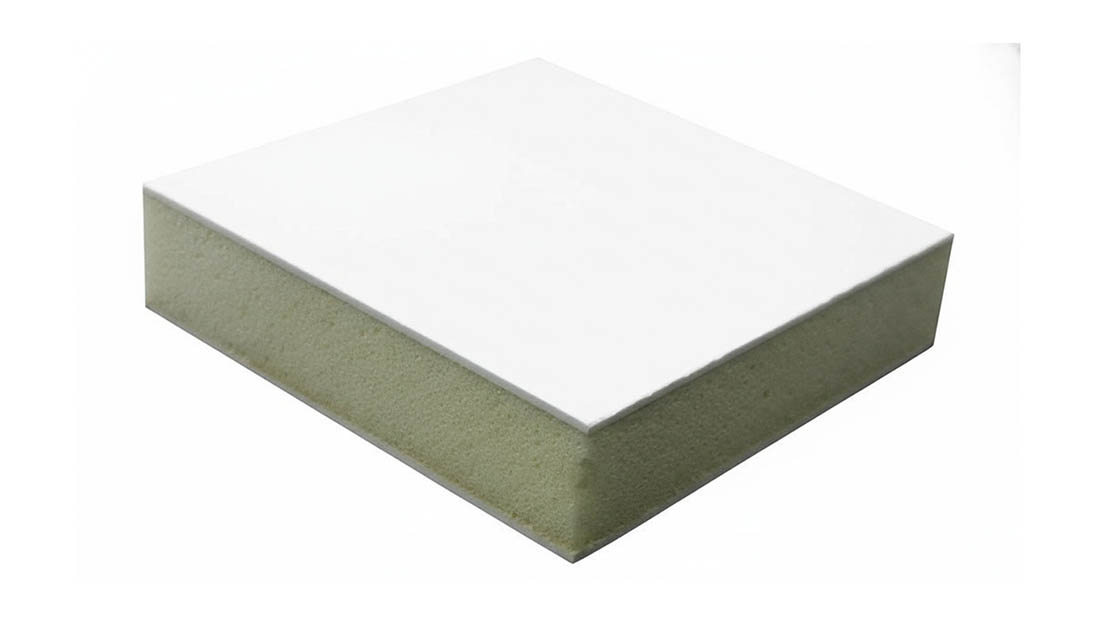
Quality Standards in Balsa Production
Achieving structural integrity in balsa core panels is not determined by the material alone, but by the rigorous control of grain orientation, moisture content, and adhesive interfaces during manufacturing. High-quality standards prevent the hidden internal failures that plague low-tier production.
Balsa Grain Orientation and Grading Protocols
The mechanical performance of a sandwich panel is dictated by the direction of the balsa wood fibers relative to the load. End-grain balsa, where the wood fibers run perpendicular to the facings, is the industry standard for high-stiffness applications because it utilizes the natural strength of the wood’s longitudinal grain to resist compression and shear. Side-grain configurations, while sometimes used for specific curvature requirements, generally offer lower shear strength and are prone to crushing under point loads.
Grading standards must go beyond simple visual inspection. While superficial defects like knots or discoloration are easy to spot, internal density variations are the real threat to consistency. In our production lines, we strictly categorize raw balsa blocks based on density uniformity before they even enter the cutting phase. We have found that mixing density blocks within a single panel creates stress concentration points that inevitably lead to failure. A rigorous grading protocol ensures that every square meter of the panel meets a consistent structural baseline.
Moisture Content Control and Kiln Drying
Water is the primary agent of degradation in balsa cores. If the wood is not properly dried before lamination, residual moisture will eventually migrate, causing core rot, swelling, and delamination of the skins. Standard industrial specifications typically require moisture content to be stabilized below 12% before processing, but for marine and high-humidity environments, this threshold is often pushed significantly lower.
Controlling moisture requires a monitored kiln-drying cycle, not just air drying. We utilize advanced drying chambers that carefully ramp down humidity levels to prevent case-hardening, where the outside dries too fast and traps moisture inside. Our technicians verify moisture levels at multiple points within each block to ensure equilibrium. By stabilizing the moisture content before the resin is applied, we eliminate the internal vapor pressure that causes blistering and bond failure post-production.
Adhesive Bonding Quality and Delamination Prevention
The weakest point in any composite structure is almost always the interface between the core and the skin. Achieving a void-free bond requires matching the viscosity of the adhesive to the cell structure of the balsa. If the resin is too thick, it cannot penetrate the fine end-grain cells; if it is too thin, it may drain away completely, starving the joint.
Delamination prevention is rooted in surface preparation and wetting agents. The core surface must be free of dust and loose fibers to allow the resin to mechanically key into the wood cells.
- Resin Viscosity Matching: We formulate specific resin blends tailored to the porosity of the balsa batch to ensure deep capillary action.
- Vacuum Integrity: During lamination, maintaining a consistent vacuum pressure is critical to draw the resin through the entire stack without collapsing the core cells.
- Cure Control: Rapid temperature spikes during curing can generate internal gases that push the skin away from the core. Our protocols strictly manage the exotherm to prevent this “blow-off” effect.
Factory Testing Protocols and Certification
Reliability is not assumed; it is verified through destructive and non-destructive testing. Manufacturers must employ a dual-layer testing strategy to guarantee performance. Flatwise tensile testing is the gold standard for measuring bond strength, as it pulls the skins directly away from the core to isolate the adhesive interface quality.
Beyond mechanical stress tests, we implement ultrasonic scanning and acoustic tap testing on our production lines to detect internal voids or areas of poor adhesion that are invisible to the naked eye. For compliance in global markets, factories must align their quality management systems with ISO 9001 standards. Furthermore, for specific marine or transportation applications, panels should be tested to meet relevant standards such as DNV or ABS for fire performance and structural integrity, ensuring the material behaves exactly as specified under load.
How to Repair and Restore Balsa Panels
Balsa core panels are repairable, but moisture intrusion demands immediate detection and systematic intervention. Delayed action turns a targeted patch repair into a full panel replacement, eroding ROI and extending downtime.
Detecting Moisture Intrusion in Balsa Core Panels
Balsa wood is hygroscopic by nature. Once the facing is compromised — whether from impact damage, sealant failure, or fastener breaches — moisture migrates into the core within hours. Early detection separates a viable repair from a full panel replacement. The cost of a moisture survey is negligible compared to the cost of replacing an entire sandwich panel.
Field detection relies on three primary methods, each suited to different stages of investigation. The first is visual inspection for discoloration, bubbling, or soft spots on the facing surface. Darkening of the panel edge or efflorescence near seams signals prolonged exposure. The second is tactile assessment — pressing firmly on suspect areas with a blunt probe to identify delamination or core softening.
The third and most reliable method is instrumental moisture measurement. Pin-type moisture meters calibrated for composite cores provide quantitative readings, while frequency-domain or impulse radar sensors map moisture distribution across larger areas non-destructively. For balsa core panels, moisture content above 12% by weight typically indicates active intrusion requiring intervention.
- Visual Signs: Darkening, blistering, or adhesive bleed at panel edges and fastener points indicates moisture ingress paths.
- Probe Testing: A hardened steel probe (2mm diameter) inserted at seams or damaged areas meets resistance when dry and sinks freely when core is saturated.
- Instrumental Mapping: Impulse radar or microwave moisture scanners detect subsurface saturation patterns before facing degradation becomes visible.
Core Section Replacement and Patch Repair Methods
When moisture has compromised a localized core section, full panel replacement is not always necessary. Core patch repair is a proven procedure for areas up to approximately 600mm x 600mm, provided the surrounding core remains structurally sound. The key to a successful patch is removing all compromised material and restoring core density to match the original specification.
The repair begins with cutting a clean rectangular or square access window through the facing, extending at least 50mm beyond the visible damage boundary into sound core material. This ensures the repair interface is anchored in dry, load-bearing balsa. The damaged core is then removed using a router or hand tools, taking care not to damage the opposite facing if the panel is installed in place.
📋 Actionable Steps
- Step 1: Cut the access window through the facing, extending 50mm past damage boundaries into sound core.
- Step 2: Remove all saturated or softened core material using a router or hand chisel until only dry, hard balsa remains.
- Step 3: Dry the exposed core cavity with a vacuum desiccation system for 24–48 hours until moisture content falls below 8%.
- Step 4: Cut a replacement balsa core plug from the same density grade, ensuring grain orientation matches the original panel.
- Step 5: Apply epoxy adhesive to the core plug and cavity, insert with slight overpressure, and cure under vacuum bag at 0.5–0.7 bar for the recommended duration.
- Step 6: Reinstall or bond the facing patch using the same adhesive system as the original panel construction.
Core plug material selection is critical. The replacement balsa must match the original density grade — typically 160–200 kg/m³ for structural panels — and grain orientation must align with the panel’s primary load direction. Cross-grain patches introduce weak planes that compromise shear performance under load. Pre-impregnating the replacement core with low-viscosity epoxy before insertion improves bond penetration and eliminates voids.
For panels installed in service where vacuum bagging is impractical, structural injection repair offers an alternative. Epoxy is injected under low pressure into the core cavity through drilled access ports, then allowed to cure in place. This method is less reliable than full core replacement for large damage areas but is effective for narrow or elongated saturation zones along panel edges and seams.
Restoring Panel Strength After Water Damage
Water damage to balsa core panels degrades structural performance through two mechanisms: direct loss of core material and chemical breakdown of the adhesive bond between core and facing. Even after visible moisture is removed, residual water trapped in the wood cellular structure continues to weaken the core over time. Full restoration requires both drying and structural re-bonding.
Vacuum desiccation is the standard drying method. A sealed plastic sheet is applied over the repair area, connected to a vacuum pump, with desiccant packs placed beneath the sheet. This system draws moisture out of the core over 24–72 hours depending on saturation level. Monitoring with a moisture meter at multiple points confirms when the core has reached an acceptable moisture content of 8% or below before any adhesive is applied.
- Core Strength Recovery: Balsa core that has been saturated above 20% moisture content typically retains only 60–70% of its original compressive strength even after drying. Panels with core moisture above this threshold should have the affected section replaced rather than patched.
- Adhesive Bond Restoration: Vacuum desiccation alone does not restore delaminated bonds. Re-bonding requires injecting epoxy into the core-to-facing interface under vacuum pressure to re-establish adhesion.
- Shear Performance Verification: Post-repair shear strength should be validated through core sampling or ultrasonic testing before returning the panel to structural service.
The decision to repair or replace a water-damaged panel depends on the extent of saturation and the panel’s structural role. For non-critical cladding or interior panels, patch repair is almost always cost-effective. For load-bearing structural panels in marine or aerospace applications, core saturation exceeding 15% across more than 25% of the panel area generally warrants full replacement rather than repair.
Facing Material Repair and Re-Lamination Procedures
The facing material — whether aluminum, GRP (glass-reinforced plastic), or steel — serves as the primary barrier against further moisture intrusion and carries tensile and compressive loads. Repairing facing damage requires matching the original material type, thickness, and surface treatment to maintain both structural performance and weather resistance.
For metal-faced panels, small punctures or cracks are repaired by cleaning the damaged area, applying a structural epoxy filler, and covering with a matching metal patch bonded using the same adhesive system as the original panel. Larger facing damage requires cutting out the compromised section and fabricating a replacement panel segment that matches the original thickness, alloy, and coating specification.
GRP-faced balsa core panels present a different repair challenge. Damaged gel coat and resin-rich layers must be ground back to sound laminate, followed by building up replacement laminate layers using the same resin system and fiber orientation as the original facing. Each layer is consolidated under vacuum to prevent void formation. The repaired area is then faired and recoated to restore the weather-resistant gel coat surface.
- Metal Facing Repair: Clean, deburr, and prime the damaged area. Bond a pre-finished metal patch using structural adhesive, ensuring edge overlap of at least 25mm onto sound facing. Seal all seams with compatible polyurethane sealant.
- GRP Facing Repair: Grind back to sound laminate, apply successive epoxy or vinyl ester laminate layers matching original fiber orientation, consolidate under vacuum, finish with gel coat matching the original surface texture and color.
- Seam and Joint Restoration: After any facing repair, all panel seams and fastener penetrations must be resealed with a compatible elastomeric sealant to prevent future moisture ingress through the same failure path.
Re-lamination of severely damaged facing sections follows the same principles as facing repair but involves replacing the entire facing panel segment rather than a localized patch. The replacement panel is bonded to the existing core using the original adhesive system, with vacuum assistance to ensure complete bond coverage. Joint seams between the new and original facing are sealed and finished to match the surrounding panel appearance.
After any facing repair, the restored panel should undergo a bond integrity test before returning to service. For structural applications, this typically means a pull-off adhesion test at a minimum of five points across the repair area. For non-structural cladding, a simple hammer tap test across the repaired surface is sufficient to confirm no residual delamination exists.
📋 Actionable Steps
- Step 1: Resolve all core moisture issues and confirm core moisture content is below 8% before any facing work begins.
- Step 2: Remove damaged facing material, grinding back to sound substrate with a minimum 25mm overlap into undamaged area.
- Step 3: Prepare replacement facing material to match original thickness, material type, and surface finish specification.
- Step 4: Apply adhesive to both core and facing replacement, assemble under vacuum bag at 0.5–0.7 bar for the manufacturer’s specified cure time.
- Step 5: Finish seams with compatible sealant, apply protective coating if required, and conduct bond integrity testing before returning panel to service.
Selecting the Right Balsa Manufacturer
The right balsa core manufacturer is distinguished not by claims but by verifiable capacity, documented testing, and a transparent quality trail. Buyers who audit these factors upfront avoid costly delamination, moisture intrusion, and supply disruption later.
Selecting a balsa core supplier is a procurement decision with long-term structural consequences. Balsa wood is a natural cellular material, and its performance in sandwich panels depends heavily on how consistently it is graded, dried, bonded, and tested. The misconceptions that balsa is inherently flawed usually trace back to poor manufacturing or inadequate sealing — not to the core material itself. A disciplined vendor evaluation neutralizes those risks before a purchase order is placed.
Assessing Manufacturer Production Capacity and Experience
Production capacity determines whether a supplier can meet project timelines without compromising quality. Request documented annual output figures and compare them against your order volume. A manufacturer with sufficient capacity will demonstrate consistent throughput across multiple shifts and have backup supply agreements for raw balsa logs.
Experience matters as much as volume. Longstanding manufacturers have accumulated data on how balsa cores behave under different resin systems, vacuum infusion cycles, and environmental exposures. Ask about their project history in marine, RV, and industrial sandwich panel applications. Vendors with deep experience can anticipate problems such as grain orientation issues, adhesive cure variations, or core compression during layup — and they build controls to prevent them.
Verify capacity and experience through three channels: facility tours (or video walkthroughs), references from recent B2B clients, and documentation of continuous production runs for orders similar in scale to yours. Be wary of suppliers who cannot produce traceable batch records or who deflect questions about their output history.
Evaluating Custom Engineering and Testing Capabilities
Standard balsa cores cover many applications, but marine-grade panels, lightweight RV wall and roofing cores, and high-load structural sandwiches often require custom configurations. A capable manufacturer offers engineering support for density selection, core thickness optimization, grain orientation tailoring, and facing material compatibility.
Testing capability is the true differentiator. In-house or partnered laboratories should perform and document compressive strength, shear strength, flexural strength, and moisture absorption tests according to recognized standards. Request sample test reports before committing to volume orders. A manufacturer that can show you actual data — not just certificate claims — demonstrates confidence in its process control.
Custom engineering also includes the ability to produce graded cores with specific density bands, provide edge-sealing recommendations, and advise on adhesive selection for vinyl ester, epoxy, or polyester resin systems. Suppliers that treat engineering as an afterthought often deliver inconsistent results, which is where the “balsa is flawed” reputation takes root.
Reviewing Quality Documentation and Certification Standards
Quality documentation is the paper trail that proves consistency. Every production batch should be traceable to its raw log source, moisture content at curing, density grade, and test results. Manufacturers that maintain this level of documentation make audits straightforward and reduce the risk of receiving off-spec material.
Certifications provide an additional layer of assurance. ISO 9001 certification confirms that a manufacturer operates under a documented quality management system. Industry-specific certifications or compliance with marine classification society requirements (such as ABS, DNV, or LR) signal that the supplier meets rigorous standards for structural sandwich components used in demanding environments.
Review the following documents during vendor evaluation:
- Mill Test Reports (MTRs): Batch-specific records showing density, moisture content, and mechanical test results for each production run.
- Quality Management Certification: ISO 9001 or equivalent, confirming systematic process control.
- Marine Classification Compliance: Documentation of adherence to classification society requirements when panels are specified for marine use.
- Material Safety Data Sheets (MSDS): Information on adhesives, resins, and treatments used in core preparation.
Do not accept vague promises of “high quality” or “marine-grade” without supporting documentation. In B2B procurement, the absence of verifiable records is itself a red flag.
Verifying Global Supply Chain Reliability and Support
Supply chain reliability separates dependable suppliers from risky ones. Balsa is a tropical hardwood, and its primary sources are Central and South America. Manufacturers with established sourcing relationships, diversified log supply, and inventory buffers are better positioned to handle seasonal fluctuations, export restrictions, or logistics disruptions.
Global supply chain assessment should include lead time consistency, on-time delivery records, and the ability to ship internationally with proper packaging and documentation. Request delivery performance data over the past 12 to 24 months. Manufacturers that can demonstrate a track record of reliable delivery give buyers confidence that project schedules will not be jeopardized.
Technical support after delivery is equally important. Responsive suppliers provide guidance on storage, handling, cutting, and sealing of balsa cores. They stand behind their product when questions arise during panel fabrication. A manufacturer that disappears after invoicing creates unnecessary risk, especially when moisture management and edge sealing are critical to long-term panel performance.
When evaluating manufacturers, treat capacity, engineering capability, quality documentation, and supply chain reliability as interdependent criteria. A supplier strong in one area but weak in another creates hidden risk. The manufacturers that earn long-term B2B partnerships are those that combine proven production scale with transparent quality systems, responsive engineering support, and dependable global logistics — because in sandwich panel construction, the core is only as reliable as the manufacturer behind it.
Conclusion
Balsa core panels earn their premium over foam or honeycomb in one place: long-term structural reliability in demanding environments. A properly oriented balsa core handles shear, compression, and flexural loads without the creep that plagues polymer foams over time. That’s why marine and RV applications consistently specify it — even though upfront costs run higher than alternative cores. The question isn’t whether balsa costs more. It’s whether your project can absorb replacement costs down the line.
- Request grain orientation documentation and density certifications before placing orders.
- Confirm core thickness tolerance ranges match your structural calculations.
- Ask our engineering team to review early design specs — we’ve spent years helping buyers avoid delamination and moisture intrusion failures.
Frequently Asked Questions
Is balsa a natural or engineered material?
Balsa is a natural wood core material harvested from balsa trees, not an engineered synthetic. This means natural variations in density and grain structure can occur between batches. Reputable manufacturers like RaxPanel grade and sort balsa cores by density and quality to ensure consistent performance across production runs.
Is balsa core naturally fire-resistant?
Balsa wood is a natural material and is not inherently fire-resistant. However, RaxPanel treats balsa cores with fire-retardant coatings and integrates them into panels with fire-rated facings to meet marine and RV safety standards. Buyers should request specific fire classification data from their manufacturer before specifying balsa core panels for regulated applications.
Can balsa core panels be used in cold climates?
Yes, balsa core panels perform reliably in cold environments when properly sealed. The balsa core itself is not affected by low temperatures, but condensation within the panel can occur if vapor barriers are improperly specified. RaxPanel engineers account for thermal expansion differences between the balsa core and fiberglass skins during design to prevent internal stress in extreme cold.
How does balsa compare to foam in impact resistance?
Balsa core panels generally offer superior impact resistance compared to foam-core panels of equivalent thickness. The natural cellular structure of balsa absorbs and distributes impact energy more effectively than rigid foam. This makes balsa a preferred choice for applications where structural resilience under dynamic loads is critical, such as marine decks and vehicle flooring.
Can balsa core panels be used for flooring applications?
Yes, balsa core panels are widely used for flooring in marine, RV, and transport applications due to their high strength-to-weight ratio. They provide excellent load distribution and resist deflection under point loads. RaxPanel offers anti-skid honeycomb and balsa core combinations specifically designed for high-traffic flooring surfaces.
What certifications should balsa core panels meet?
Balsa core panels for marine and transport use should meet certifications such as ISO 9001 for quality management, class society approvals like CCS or DNV for marine applications, and fire safety standards relevant to the target market. RaxPanel provides full quality documentation and testing reports to support compliance verification for international buyers.