
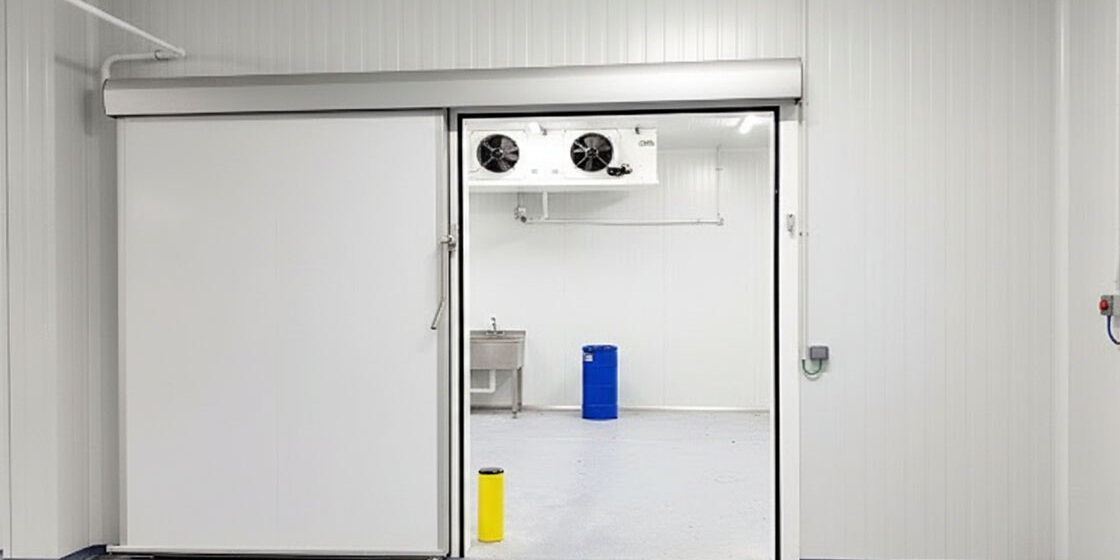
Reefer unit fuel consumption spikes when insulated metal panels fail to maintain thermal barriers, yet many logistics managers still spec panels based on price per square foot rather than long-term R-value stability. At RaxPanel, we focus on the reality that poor skin-to-core adhesion allows thermal bridging that ruins a cold chain long before the truck body looks worn out. The industry standard for panel thickness often ignores the specific frequency of vibration your fleet endures, leading to delamination and cold air leakage where it hurts the most.
When panel insulation is inadequate, the refrigeration unit must run continuously to maintain set temperatures, which significantly increases fuel consumption and causes premature unit failure. This guide walks through the specific metrics for verifying thermal performance and the critical compliance standards you need to demand from your supplier. You will learn how to audit manufacturer capabilities to ensure your panels actually deliver the R-value printed on the spec sheet.

How to Evaluate Manufacturers for Cold Chain
Evaluating a cold chain manufacturer requires auditing their ability to deliver consistent thermal performance and structural integrity under strict compliance, not just their lowest price point.
Thermal Performance Metrics and R-value Verification
When vetting manufacturers, you must look beyond the datasheet’s theoretical R-value. Suppliers often quote insulation values based on ideal laboratory conditions that rarely translate to the harsh reality of a loading dock or highway transit. A critical evaluation metric is the manufacturer’s protocol for thermal bridging prevention. High-quality panels minimize thermal breaks at joints and connection points, whereas lower-quality units suffer significant efficiency losses due to poor design continuity.
To verify performance, demand third-party validated test data for Lambda values (thermal conductivity) rather than relying solely on internal calculations. You should also require specific data on how the R-value holds up over time. Some foam materials degrade or off-gas, causing the insulation density to drop and thermal resistance to falter within the first few years. We conduct rigorous experimental testing in our own labs to simulate aging and thermal cycling, ensuring the panels you receive today will maintain their specifications five years down the road. Ask the manufacturer for their “aged R-value” projections, not just the initial fresh-from-the-mold numbers.
Core Material Selection for Cold Chain Temperature Ranges
The choice of core material must be dictated by the specific temperature range of the cargo, not by whatever foam the factory has in stock that week. For deep-freeze applications requiring sustained sub-zero temperatures, the core material must exhibit low water absorption and high compressive strength to prevent internal collapse or frost heave. Conversely, for chilled logistics or multi-temperature zones, materials with higher vapor permeability might be acceptable but require different skin bonding techniques.
Assess the manufacturer’s capability to engineer the core density to match your application. A generic “PU foam” panel is insufficient; you need to know if they are utilizing high-density formulations or advanced options like PET or XPS which offer superior dimensional stability. In our experience, clients often face payload penalties because manufacturers over-engineer the panel thickness to compensate for low-grade foam cores. A competent supplier will optimize the core chemistry and thickness to hit your thermal target without adding unnecessary weight, thereby maximizing your payload capacity. Ask to see their technical charts comparing thermal conductivity against density for the specific cores they propose.
Manufacturing Capacity and Production Consistency
In B2B procurement, the capability to produce one prototype is irrelevant; the capability to produce 500 truck bodies with identical tolerances is everything. Inconsistency in panel flatness or thickness leads to installation nightmares and air gaps on the assembly line, which are death sentences for thermal efficiency. When evaluating a factory, investigate their production line automation levels. Manual lamination processes are prone to human error, leading to uneven adhesive spread and subsequent delamination—a critical failure point in vibrating vehicle bodies.
Volume reliability is another non-negotiable factor. A manufacturer that can deliver 10 panels in a week but falters on an order of 1,000 is a supply chain risk. You need a partner with established daily output volume and buffer capacity to absorb raw material shortages without delaying your fleet rollout. Our advanced production lines and 15+ years of operational experience allow us to maintain high-volume output while strictly adhering to tolerances. Request a tour of their facility or a video audit to observe their continuous lamination process. If you see workers manually aligning skins or measuring foam thickness with rulers, walk away. You need automated precision for fleet-scale consistency.
Quality Certifications and Cold Chain Compliance
Certifications are your baseline filter for legitimacy, but they must be scrutinized for relevance. For vehicle manufacturers, ATP (Agreement on the International Carriage of Perishable Foodstuffs) compliance is often mandatory for cross-border transport. However, possessing a certificate is different from having a Quality Management System (QMS) that enforces it daily. Evaluate if the manufacturer’s ISO 9001 certification actually translates into a traceable workflow where every batch of panels can be tracked back to specific raw material lots and production shifts.
Beyond standard ISO marks, look for evidence of compliance with regional fire safety standards, such as FM Approval or specific European EN standards for smoke and toxicity. In the event of a fire incident, non-composite panels can emit toxic fumes that compromise the cargo and safety personnel. A transparent manufacturer will provide detailed documentation on the flame retardancy and smoke density ratings of both their core materials and surface skins. We ensure our materials meet rigorous international standards because a customs detention due to non-compliant paperwork is a cost no distributor wants to bear. Always verify the validity dates on these certificates and ensure they cover the specific configuration you are buying, not just a similar model.
| Evaluation Criterion | Critical Requirement | Rax Panel Capability | Operational Benefit |
|---|---|---|---|
| Insulation Core Versatility | Low thermal conductivity for temperature stability | XPS, PET, PU, PVC, PMI, EPP foam core options | Enables precise thermal performance tuning for specific cargo types |
| Skin Durability | Waterproof, smooth, and impact-resistant facings | GRP/FRP (with gelcoat), CFRT, Aluminum, Stainless Steel skins | Prevents panel delamination and maintains structural integrity in transit |
| Manufacturing Capacity | High-volume consistency and reliability | 15+ years experience; 1,700+ sqm daily production output | Ensures supply chain stability for large-scale fleet projects |
| Custom Engineering | Data-driven design and testing compliance | Dedicated engineering team for experimental testing and CKD solutions | Optimizes payload capacity while meeting stringent thermal standards |
| Lightweight Structure | High strength-to-weight ratio for efficiency | CFRT, Honeycomb (PP/Fiberglass), and GRP Sandwich Panels | Reduces vehicle weight for improved fuel economy and load capacity |
Top Factors for Choosing a Manufacturer
The right insulated panel manufacturer hinges on four non-negotiable factors: verified thermal performance data, proven cold chain specialization, manufacturing consistency at scale, and structural integrity under moisture and mechanical stress.
Weight vs. Insulation Performance Tradeoffs
Every insulated panel carries an inherent tension between thermal resistance and structural weight. Panel density directly dictates R-value per inch, and in cold chain applications, a 0.1 W/m·K difference in thermal conductivity can mean the difference between meeting spec and exceeding payload limits on the road.
XPS foam cores typically deliver R-values between 4.0 and 4.5 per inch at densities of 2.0 to 2.5 lb/ft³. PU cores range from R-4.5 to R-5.0 per inch at similar densities. PIR cores push higher, reaching R-5.0 to R-5.8 per inch at equivalent or slightly lower densities. These numbers are not marketing claims—they are measurable, testable values that must be backed by third-party lab reports.
For reefer truck bodies, the payload penalty of a heavier panel is real. A standard 40-foot reefer trailer carries roughly 1,500 to 2,000 square feet of insulated surface area. Switching from a 3-inch PU core to a 4-inch XPS core adds approximately 80 to 120 pounds of dead weight across the entire body. Over a fleet of 50 trucks, that is 4,000 to 6,000 pounds of lost payload capacity—direct revenue impact.
- Thermal conductivity target: Seek manufacturers who can provide thermal conductivity data at -20°C and 0°C, not just at 23°C. Cold chain panels operate in sub-zero environments, and conductivity values shift significantly with temperature.
- Density verification: A panel rated at R-5.0 per inch at 1.8 lb/ft³ density will underperform if the actual manufactured density drops to 1.5 lb/ft³. Request batch-level density test reports, not just nominal specifications.
- Core-to-skin bond strength: Weak adhesion between the foam core and metal or GRP skin creates thermal bridges and delamination pathways. Look for bond strength data exceeding 0.3 MPa under ASTM D429 or equivalent standards.
Insulation Integrity and Cargo Spoilage Prevention
Cargo spoilage from insulation failure is rarely sudden. It is a slow degradation process—thermal resistance drops, temperature fluctuations increase, and sensitive goods deteriorate over days or weeks before the problem becomes visible. The most common failure modes are moisture ingress into the foam core, core compression under structural load, and skin delamination creating thermal short circuits.
Closed-cell foam cores resist moisture absorption far better than open-cell alternatives. XPS typically absorbs less than 0.3% water by volume after 24-hour immersion, while PU can absorb 1.0% to 3.0% depending on formulation and manufacturing quality. Even small moisture uptake degrades thermal performance—each 1% increase in core moisture content can reduce R-value by 5% to 10% over the panel’s service life.
Manufacturers that design for cold chain applications incorporate moisture barriers at panel joints, use hydrophobic core formulations, and specify skin materials with low water vapor transmission rates. GRP skins with gelcoat finishes provide superior moisture resistance compared to bare aluminum, which is critical in environments with frequent washdown cycles and high humidity.
Structural Integrity Under Mechanical and Environmental Stress
Reefer truck panels endure repeated vibration, impact from loading operations, thermal cycling between -30°C and +50°C, and UV exposure on exterior surfaces. A manufacturer that understands these loads designs panels with appropriate core densities, skin thicknesses, and edge reinforcement systems.
For refrigerator truck body panels, the typical flexural strength requirement is 3.0 to 5.0 MPa for 25mm-thick panels and 5.0 to 8.0 MPa for 40mm-thick panels. Core shear strength should exceed 0.25 MPa to prevent core crushing under point loads from cargo stacking or lashing points. Panel manufacturers with cold chain experience engineer these values into their core density and skin material selections from the outset.
- Core density selection: Higher-density cores (2.5 to 3.0 lb/ft³ for PU, 2.5 to 3.5 lb/ft³ for XPS) provide better compressive strength but add weight. The optimal density balances structural requirements against payload constraints for the specific vehicle class.
- Skin material compatibility: GRP skins bonded to foam cores with compatible expansion coefficients reduce thermal stress cracking during temperature cycling. Aluminum skins require specialized primers and bonding agents to prevent galvanic corrosion at the core-skin interface.
- Edge sealing and joint design: Panel joints are the weakest points for both thermal performance and moisture intrusion. Manufacturers with cold chain expertise design interlocking joint profiles with integrated gasket channels and sealed edge treatments.
Manufacturing Consistency and Production Scale
A manufacturer’s ability to produce consistent panel quality at volume is often the most overlooked selection criterion. Inconsistent core density, variable skin thickness, or uneven adhesive application across production batches creates panels with wildly different thermal and structural performance—even when all panels carry the same nominal specification.
Continuous production lines with automated resin mixing, core foaming, and skin lamination systems produce panels with tighter tolerances than batch-process manufacturers. Production lines capable of daily output exceeding 1,500 square meters typically maintain consistent core cell structure, skin adhesion, and panel dimensional accuracy because process parameters are monitored and controlled in real time.
Quality control practices that separate serious manufacturers from commodity producers include incoming raw material inspection, in-process core density monitoring, final panel testing with statistical process control charts, and batch traceability systems. Manufacturers that can provide a quality management certificate and demonstrate documented testing procedures give buyers significantly more confidence in long-term supply consistency.
Cold Chain Specialization and Proven Track Record
General-purpose insulated panel manufacturers and cold chain specialists approach panel design from fundamentally different starting points. A generalist designs for thermal resistance and basic structural performance. A cold chain specialist designs for the full service environment: sub-zero temperature stability, frequent thermal cycling, moisture exposure from washdown and condensation, and the mechanical demands of truck body construction.
Manufacturers with demonstrated cold chain experience offer panel configurations specifically engineered for refrigerated truck bodies—different core densities for floor panels versus wall panels, optimized joint profiles for truck assembly, and skin material selections that account for the chemical exposure from cleaning agents and de-icing salts.
- Application-specific product lines: Manufacturers that maintain separate product lines for refrigerated transport, cold storage construction, and general industrial use typically have deeper expertise in each segment because their R&D is focused on distinct performance requirements.
- Reference installations: Ask for specific project references in the refrigerated truck or cold storage segment. A manufacturer with 15+ years of cold chain panel supply and verifiable installations across multiple continents has demonstrated reliability that no single test certificate can match.
- Technical support depth: Cold chain panel selection involves tradeoffs between thermal performance, weight, cost, and structural requirements. Manufacturers with dedicated engineering support teams that understand these tradeoffs add significant value beyond the product itself.
The most reliable indicator of a manufacturer’s cold chain capability is the breadth and depth of their installed base. A manufacturer supplying panels to refrigerated truck body builders across multiple regions demonstrates that their products meet the rigorous demands of real-world cold chain operations—not just laboratory test conditions.
Understanding R-Value and Thermal Performance
R-value quantifies thermal resistance—higher values mean less heat transfer. For refrigerated truck bodies, selecting the correct R-value per inch based on core material and panel thickness is critical to maintaining temperature integrity and minimizing refrigeration unit workload.
What R-Value Actually Measures in Cold Chain Panels
R-value measures a material’s thermal resistance to heat flow. The higher the R-value, the greater the insulation performance. In cold chain applications, this metric directly determines how effectively a panel maintains internal temperatures against external heat gain. Many fleet operators confuse R-value with K-value (thermal conductivity), which is an inverse measurement—lower K-value means better insulation. Understanding this distinction prevents specification errors that lead to inadequate thermal performance.
The R-value per inch varies significantly by core material. Polyurethane (PU) foam typically delivers approximately R-6 to R-7 per inch, while polyisocyanurate (PIR) foam ranges from R-6.5 to R-7.5 per inch. Extruded polystyrene (XPS) provides roughly R-5 per inch, and expanded polystyrene (EPS) sits around R-4 per inch. These values assume standard test conditions and full panel thickness without thermal bridging.
How Panel Thickness Translates to Real-World Thermal Resistance
Panel thickness directly correlates to total R-value, but the relationship is not always linear across all core materials. A 50mm PU panel typically achieves R-3.0 to R-3.5, while a 100mm PU panel reaches R-6.0 to R-7.0. For refrigerated truck bodies operating at -25°C to +5°C, industry best practice recommends minimum R-values of R-8 to R-12 for side and roof panels, and R-6 to R-8 for floor panels.
- PU Foam Core: R-6 to R-7 per inch; optimal for general refrigerated transport
- PIR Foam Core: R-6.5 to R-7.5 per inch; superior fire resistance and thermal performance
- XPS Foam Core: R-5 per inch; moisture-resistant, suitable for high-humidity environments
- EPP Foam Core: R-4 per inch; lightweight with excellent impact resistance
When evaluating specifications, ensure the quoted R-value accounts for the full panel assembly, not just the core material. Some manufacturers report core-only R-values, which overstates actual panel performance. Always request tested U-factor or whole-panel R-value data from independent laboratories to validate claims.
The Thermal Bridge Problem: Why Panel R-Value ≠ System R-Value
The joints between each and every insulated metal panel are thermal discontinuities, commonly called thermal bridges. These are locations where the R-value is not what you read in the manufacturer’s literature. Metal clips, fasteners, and structural attachments further reduce the effective R-value of the entire panel wall system. If you are designing a refrigerated truck body or cold storage wall system, do not specify the R-value of the panel and assume it is the R-value of the assembled system.
A panel rated at R-10 may deliver only R-7 to R-8 as a complete system due to thermal bridging at joints, corners, and attachment points. Always factor in a 15% to 25% derating when calculating system-level thermal performance for cold chain applications.
Proper joint design with continuous gaskets, thermally broken fasteners, and overlapping panel configurations can minimize thermal bridge effects. Systems using concealed clip attachments with thermal breaks typically retain 90% or more of the panel’s rated R-value, while exposed fastener systems may retain only 75% to 80%.
Impact on Refrigeration Unit Load and Operating Costs
When panel insulation is inadequate, the refrigeration unit must run continuously to maintain set temperatures. This increases fuel consumption, causes premature mechanical wear, and raises the risk of unit breakdowns during transit. Properly insulated panels reduce the thermal load on the refrigeration system, extending equipment life and lowering operational costs.
Studies indicate that a 10% reduction in thermal transmittance can yield up to a 7% decrease in refrigeration fuel consumption. For long-haul refrigerated truck operations covering 100,000 miles annually, upgrading from R-6 to R-8 panel systems can save approximately $800 to $1,200 per year in fuel costs alone, not including reduced maintenance and extended compressor lifespan.
Always request in-situ thermal imaging reports from manufacturers. Panel R-value certificates from laboratories are useful, but thermal imaging of assembled truck bodies reveals actual thermal bridge performance and installation quality that paper specifications cannot capture.
Essential Standards for Cold Storage
Cold storage procurement relies on verified test data, not marketing material. Compliance without third-party validation is a liability that can void insurance and violate food safety regulations.
Thermal Performance Test Methods
When procuring insulated metal panels for cold storage, the R-value must be derived from physical testing, not theoretical calculations based on material thickness. The industry accepts two primary ASTM standards for verifying thermal conductivity (k-value) and thermal resistance (R-value).
- ASTM C518 (Heat Flow Meter): This is the most widely used industry standard for quality control. It measures heat transfer through a specimen between a hot and cold plate. It is faster and generally more cost-effective than guarded hot plate methods.
- ASTM C177 (Guarded Hot Plate): Considered the primary reference standard. This method provides absolute measurements of steady-state heat flux and is used for high-precision research or when verifying the accuracy of other apparatuses.
- ISO 8301 & ISO 8302: These are the international equivalents to ASTM C177 and ASTM C518, respectively. For global supply chains, ensuring panels meet these ISO standards confirms interchangeability and compliance across borders.
B2B Procurement Tip: Require a “Certificate of Testing” from an ISO 17025 accredited laboratory. A calculated R-value based on foam core density alone is insufficient; it ignores thermal bridging at the joints and foam aging factors.
Fire Safety and Structural Integrity
Fire compliance is the most critical “deal-breaker” in cold storage construction, particularly for enclosed facilities with limited escape routes. Insulated panels must undergo rigorous testing to determine flame spread and smoke density.
- ASTM E84 / UL 723 (Surface Burning Characteristics): This is the standard tunnel test for building materials. It measures the Flame Spread Index (FSI) and Smoke Developed Index (SDI). For cold storage, an FSI below 25 and SDI below 450 are generally required for insurance approval in many jurisdictions.
- EN 13501-1 (Fire Classification of Construction Products): The European standard classifying materials from A1 (non-combustible) to F (easily flammable). Cold storage panels often target Class B or C, taking into account heat release and smoke production.
- FM 4880/4881 (Approval Standard for Sandwich Panels): If the facility requires Factory Mutual (FM) insurance approval, the panel assembly must meet these specific standards. This includes testing for fire resistance and structural performance under fire conditions.
Hygiene and Food Safety Compliance
For facilities storing perishable goods, the physical structure of the panel is just as important as its insulation value. Standards here focus on the panel’s ability to prevent bacterial growth and withstand harsh cleaning chemicals.
- ASTM D3359 (Cross-Hatch Adhesion Test): This test measures the adhesion strength of the painted metal or FRP coating to the substrate. Poor adhesion leads to peeling and chipping, creating crevices for bacteria to harbor. A rating of 5B is the industry benchmark for superior adhesion.
- FDA / USDA Compliance: While there isn’t a single “FDA panel test,” materials must comply with 21 CFR Part 110 (Current Good Manufacturing Practice). Panels must be non-toxic and capable of withstanding regular washdowns without degrading.
Transport and Logistics Standards (ATP)
For cold chain applications involving refrigerated trucks and transport vehicles, the ATP Agreement (Agreement on the International Carriage of Perishable Foodstuffs) is the governing standard.
- ATP K-Value Verification: Transport panels must meet a specific maximum heat transfer coefficient (K-value) relative to the ambient temperature. A certified ATP plate is affixed to the vehicle body, verifying the insulation performance under controlled test conditions.
- Load Testing: Panels used for truck flooring and walls must meet standards for dynamic load bearing, ensuring the sandwich structure does not delaminate under vibration and impact during transit.
When reviewing documentation, cross-reference the test date. PU (Polyurethane) foam gases can permeate over time, slightly reducing thermal efficiency. Ensure the thermal certificate is less than 5 years old or includes an “aged R-value” calculation.

How to Compare Manufacturer Capabilities
Buyers evaluating insulated metal panel suppliers for refrigerated truck bodies and cold storage projects face a consistent problem: two manufacturers may quote similar prices and claim comparable certifications, yet their actual capability to deliver on cold chain-specific requirements diverges sharply. The gap rarely shows up on a spec sheet. It surfaces during production, installation, and long-term field performance. A structured comparison framework prevents that gap from becoming a costly mistake.
Dimension 1: Cold Chain Technical Depth
Not all panel manufacturers understand cold chain as a system. They understand insulation as a material property. The distinction matters because cold chain panels operate under dynamic thermal cycling, constant vibration, and high humidity exposure — conditions that standard construction panel factories rarely simulate. When comparing manufacturers, look for evidence that their engineering team designs for the full cold chain environment, not just a single temperature rating.
- Core material range breadth: Manufacturers with access to XPS, PU, PET, PVC, PMI, EPP, and PP honeycomb cores can match specific temperature zones and weight targets. A supplier limited to one or two core types is structurally constrained in designing for reefer truck applications that demand different thermal profiles across wall, roof, and floor panels.
- Skin material options: GRP/FRP, CFRT, aluminum composite, and stainless steel facings each carry distinct trade-offs in impact resistance, weight, and corrosion performance. Evaluate whether the manufacturer can engineer skin-core combinations rather than offering a single standard configuration.
- Application-specific panel portfolios: Look for manufacturers that produce dedicated reefer truck body panels, RV wall and floor systems, and marine-grade sandwich panels. A company that only makes building cladding panels lacks the design iteration history required for vehicle-mounted cold chain structures.
Dimension 2: Production Scale and Lead-Time Reliability
Production capacity determines whether a manufacturer can fulfill large orders consistently and on schedule. But capacity alone is insufficient. The critical metric is consistent output quality at scale — panel density uniformity, dimensional stability across batches, and repeatable lamination integrity under high-volume conditions. A factory that produces well at low volume may struggle when ramping to full production runs.
- Daily output capacity: Manufacturers with advanced production lines capable of exceeding 1,700 square meters per day can support large reefer truck body builds and cold storage project timelines without becoming a supply chain bottleneck.
- Production experience depth: Over 15 years of continuous panel manufacturing indicates mature process control, established quality management systems, and institutional knowledge that reduces defect rates and delivery delays. Newer entrants lack this operational history.
- Lead-time transparency: A credible manufacturer provides realistic lead times during the inquiry stage, not after contract signing. Ask for current standard lead times and how they scale with order volume. Vague or evasive answers on this point signal potential scheduling risk.
Dimension 3: Customization and Engineering Support
Cold chain applications rarely fit off-the-shelf panel configurations. Reefer truck bodies require custom dimensions, specific core-skin combinations for different temperature zones, and integration points for flooring systems and interior fittings. The manufacturer’s ability to engineer solutions — not just cut panels to size — separates a commodity supplier from a technical partner.
- Engineering team depth: Evaluate whether the manufacturer employs dedicated composite material engineers who conduct experimental testing and validate designs against project-specific performance standards. A sales-driven company with no in-house engineering will offer limited customization.
- Material combination flexibility: The ability to pair different core materials (XPS, PU, PET, PVC, PMI, EPP) with various facing materials (GRP, CFRT, aluminum, steel, plywood, stainless steel) enables optimized solutions for weight, thermal performance, and structural requirements across wall, roof, and floor applications.
- Prototype and testing capability: Manufacturers that support prototype development and performance validation before full production reduce project risk significantly. Request evidence of past prototype-to-production workflows.
- Installation guidance provision: Quality panels installed incorrectly perform poorly. Check whether the manufacturer provides detailed installation guides, joint detailing recommendations, and technical support during the fitting phase.
Dimension 4: Global Supply Chain Maturity
For international buyers, supply chain maturity determines whether panels arrive on time, in specification, and with full documentation. A manufacturer’s export experience, multilingual support capability, and geographic customer base are practical indicators of supply chain reliability. These factors directly affect lead-time predictability, communication quality, and after-sales problem resolution.
- International market presence: Manufacturers with established supply relationships across 50 or more countries and regions demonstrate proven logistics capability, export documentation expertise, and experience handling diverse regulatory environments. A supplier with limited geographic reach may lack the operational infrastructure for reliable international delivery.
- Multilingual technical support: Professional sales and engineering teams fluent in English, French, Russian, Japanese, and Korean indicate an organization structured for global B2B operations. This directly impacts communication quality during specification, ordering, and post-delivery support phases.
- 24-hour service availability: Round-the-clock support for sales inquiries, production progress updates, cost optimization discussions, and transportation risk management is a practical requirement for buyers operating across time zones. Confirm this capability during initial conversations, not after the order is placed.
Practical Comparison Checklist
Apply this checklist when evaluating shortlisted manufacturers. Each item should be answered with specific evidence, not general claims.
📋 Actionable Steps
- Step 1: Request the manufacturer’s full core material portfolio and facing material options. Verify they cover XPS, PU, PET, PVC, PMI, EPP, and honeycomb cores with GRP, CFRT, aluminum, steel, and plywood facings.
- Step 2: Ask for daily production capacity figures and years of continuous manufacturing experience. Target manufacturers with 15+ years and 1,700+ square meters daily output for cold chain project reliability.
- Step 3: Evaluate customization engineering capability by requesting case studies of past reefer truck, RV, or mobile home panel projects with non-standard specifications.
- Step 4: Verify international supply chain maturity through geographic customer distribution, multilingual support availability, and response time commitments.
- Step 5: Confirm installation guidance and after-sales technical support are included in the standard offering, not available as a paid add-on.
| Evaluation Criteria | Technical Specifications | Quality Indicators | Risk of Non-Compliance |
|---|---|---|---|
| Core Material Portfolio | XPS, PU, PET, PVC, PMI, EPP, PP & Fiberglass Honeycomb | Optimized R-value & low thermal conductivity | Insulation failure leading to cargo spoilage |
| Structural Skin Durability | GRP/FRP, CFRT, Aluminum Composite, Stainless Steel | High tensile strength & impact resistance | Structural deformation & panel delamination |
| Lamination Integrity | Sandwich panel construction, core-skin bonding specifications | Resistance to thermal cycling & vibration | Skin-core separation & shortened lifespan |
| Production Capacity | 15+ Years Experience, >1700 sqm daily output | Consistent panel density & dimensional stability | Supply chain delays & variable quality |
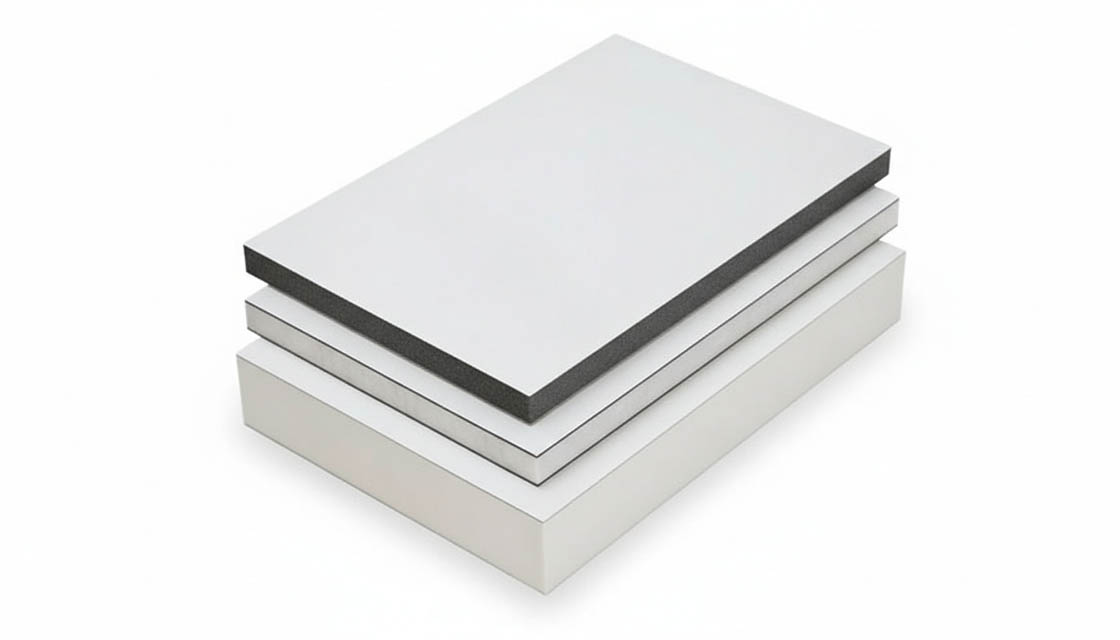
Avoid Common Mistakes When Selecting Suppliers
Selecting a supplier based solely on initial price-per-square-meter or static R-value is a guaranteed strategy for long-term failure. True value lies in structural integrity, joint engineering, and bond durability under thermal cycling.
Over-Reliance on Static R-Value Claims
The most pervasive mistake in the industry is treating R-value as the sole indicator of thermal efficiency. Buyers often demand a specific R-value (e.g., R-30) without interrogating the testing methodology or the density of the core material. A high R-value on paper means nothing if the core material compresses under load or if the panel joints allow significant air leakage. In cold storage and refrigerated transport, the system performance is dictated by the weakest link, which is rarely the center of the panel but rather the perimeter and connections.
Furthermore, confusion between R-value (thermal resistance) and K-value (thermal conductivity) frequently leads to specification errors. Suppliers who quote a blanket R-value without specifying the core density—whether using XPS, PU, or PET foam—are obscuring the reality of the insulation’s performance. Low-density cores may offer theoretical resistance but lack the structural stability to maintain that rating over a 10-year service life, leading to sagging and reduced thermal efficiency.
Ignoring Thermal Bridging at Panel Joints
Even with high-quality cores, a supplier’s engineering failure at the joint design can compromise the entire envelope. Standard tongue-and-groove systems are common, but inferior suppliers often neglect the precision required for alignment. If the structural ribs or the cam-locks are not perfectly toleranced, the panels will not pull together tightly. This misalignment creates gaps that break the vapor seal and induce thermal bridging, where heat bypasses the insulation through the connection point.
This issue is exacerbated in mobile applications like refrigerated truck bodies. Vibration from the road can loosen improperly fitted joints over time. A qualified supplier must provide data not just on the panel’s insulation value, but on the air-tightness rating of the joint system itself. Failure to account for this results in “phantom” energy loss where the refrigeration unit works overtime to compensate for heat gain at the seams.
Overlooking Delamination Risks in Thermal Cycling
A critical but frequently ignored failure mode is delamination caused by thermal expansion mismatch. Sandwich panels utilize diverse materials such as fiberglass (GRP/FRP), aluminum, or steel facings bonded to cores like PU, XPS, PET, or PP Honeycomb. Each material expands and contracts at a different rate when subjected to the temperature swings inherent in cold chain logistics (e.g., from 30°C ambient to -20°C cargo hold).
Buyers often fail to vet the supplier’s lamination process and adhesive chemistry. If the supplier uses a low-cost adhesive or insufficient surface preparation, the bond line will shear under stress during thermal cycling. Once delamination occurs, even slightly, the insulating air gaps destroy the thermal performance and trap moisture between the skins, leading to rapid corrosion and mold. You must demand evidence of accelerated aging tests and peel-strength data specific to the temperature range of your application.
Do not accept “standard industry glue” as a specification. Without knowing the specific adhesive type and its rated service temperature range, you are accepting a liability that will manifest as panel peeling within 2-3 years in high-thermal-stress environments.
Disregarding Dock Compatibility and Sealing
Finally, a common selection error is viewing the insulated panel in isolation from the operational ecosystem. Even perfectly manufactured panels fail if the supplier does not account for how the panels interface with dock levelers, door seals, and vehicle baffles. A frequent mistake is specifying panel thickness without considering the compression limits of the dock seal.
- Compression Failure: If the panel structure is too soft or the facing lacks impact resistance, the pressure from dock seals during loading can deform the panel edge, breaking the thermal seal permanently.
- Dimensional Tolerance: Suppliers with loose manufacturing tolerances (often exceeding ±1mm or ±2mm) make it impossible to achieve airtight seals with aftermarket gaskets, directly contributing to the cold chain breaches seen during loading operations.
Questions to Ask Before You Commit
These manufacturing shortcomings underscore why the initial selection of a supplier is so critical. The consequences of poor dimensional control extend far beyond installation headaches—they compromise the long-term integrity of the entire refrigeration system.
Procurement decisions for refrigerated truck bodies and cold storage panels are expensive and long-lasting. Once panels are installed, delamination, moisture intrusion, or thermal degradation cannot be fixed without costly replacements. The following question framework helps buyers separate marketing claims from verifiable performance before signing a purchase order.
What Questions Reveal True Thermal Performance?
Thermal performance is the single most critical factor for cold chain integrity, yet it is also the most frequently misrepresented in supplier specifications. Buyers should not accept a single R-value number without understanding the testing conditions behind it. Thermal conductivity varies significantly depending on core material, density, and operating temperature range.
Ask suppliers to provide thermal conductivity values (k-value or λ-value) measured at the specific temperature range your application requires. A PU foam panel rated at -25°C will perform differently than one rated at +20°C, and the difference matters for reefer truck bodies that cycle through extreme temperature gradients. Request test reports from independent laboratories following recognized standards such as ASTM C518 or ISO 8301.
- What is the k-value at my target operating temperature? A reliable supplier provides temperature-specific data, not a single generic number.
- Is the R-value per inch consistent across all core thicknesses? Some manufacturers’ thermal performance degrades disproportionately at thinner gauges due to edge effects and core density variations.
- What core material is used and what is its density? XPS, PU, PET, and PIR cores each deliver different thermal performance profiles. PU typically ranges from 0.022 to 0.028 W/(m·K), while XPS falls between 0.029 and 0.035 W/(m·K) at comparable densities.
What Questions Expose Delamination and Structural Risks?
Delamination—the separation of the skin from the core—is one of the most expensive failure modes in refrigerated truck panels. Unlike surface damage, delamination is often invisible until thermal performance has already degraded or structural integrity is compromised. The bond between GRP, CFRT, or aluminum skins and foam cores must withstand continuous thermal cycling, vibration, and mechanical impact throughout the vehicle’s operational life.
Buyers should ask about the manufacturing process used to create the skin-core bond. Panels produced through continuous lamination with controlled adhesive application and curing typically deliver more consistent bond strength than manually assembled alternatives. The curing cycle temperature and duration directly affect the final adhesive cross-linking and long-term bond durability.
- What bond strength test data is available? Ask for peel adhesion test results following ASTM D905 or equivalent standards. Minimum bond strength for reefer truck panels should exceed 0.3 N/mm for GRP-to-foam interfaces.
- How does the supplier validate thermal cycling resistance? Panels should undergo repeated freeze-thaw cycling tests (typically -40°C to +70°C ranges) without showing delamination or core degradation.
- What core density is specified and how is it controlled? Lower-density cores reduce weight but can compromise bond strength and structural rigidity. A consistent density range (typically ±5%) throughout the production batch indicates proper manufacturing control.
- Is there a history of field failures related to delamination? An experienced manufacturer will provide reference accounts and be transparent about any known failure modes and how they were addressed.
What Questions Address Water Leakage and Corrosion Resistance?
Moisture intrusion is a silent killer of insulated panel performance. Water penetrating through panel seams, joints, or compromised surfaces saturates the foam core, drastically reducing thermal resistance and accelerating corrosion of metal facings. In refrigerated truck bodies, this problem is compounded by constant exposure to high-humidity cargo environments and repeated wash-down cycles.
The choice of skin material significantly affects corrosion resistance. Aluminum skins offer natural oxide layer protection but can suffer from galvanic corrosion when in contact with certain core materials or fastener types. Steel skins with appropriate coating systems (such as prepainted or galvanized variants) provide different corrosion profiles. GRP and CFRT skins are inherently corrosion-resistant but require proper surface treatment at cut edges and joint interfaces.
- What water absorption rate does the core material exhibit? Closed-cell foam cores such as XPS and PU typically absorb less than 0.1% by volume after 24-hour immersion, while open-cell or partially open-cell structures can absorb significantly more.
- How are panel joints and seams designed to prevent water ingress? Ask for detailed joint profile drawings showing gasket placement, sealant channels, and drainage paths. Panels with simple butt joints and no dedicated sealing strategy are high-risk for leakage.
- What corrosion protection is applied to metal-facing edges? Cut edges and drilled holes expose bare metal to moisture. Proper edge sealing with compatible sealants or protective coatings is essential for long-term durability.
- Has the panel assembly undergone salt spray or humidity chamber testing? Accelerated corrosion testing (ASTM B117 for salt spray, ASTM D4585 for UV and moisture exposure) provides quantitative data on expected service life under harsh conditions.
What Questions Verify Long-Term Supply Reliability?
For fleet operators and cold storage builders, panel supply continuity is as important as panel performance. A supplier that cannot guarantee consistent production capacity, material availability, or quality consistency across multiple production batches creates operational risk that extends far beyond the initial purchase. Fleet expansion plans, vehicle replacement cycles, and spare parts requirements all depend on long-term supply stability.
Ask about the supplier’s production capacity, raw material sourcing strategy, and quality management systems. Manufacturers with dedicated production lines, in-house quality control laboratories, and established raw material supply agreements are better positioned to deliver consistent panel quality over multi-year contracts. Production consistency across batches is particularly important—panels manufactured six months apart should perform identically in thermal, structural, and moisture resistance tests.
- What is the monthly production capacity and current order backlog? Suppliers with insufficient capacity may delay deliveries or compromise on quality control to meet deadlines.
- How many years of raw material supply agreements are in place? Core foam materials and skin sheets should have secured supply contracts covering at least 2–3 years to ensure material consistency.
- What quality management certifications does the facility hold? ISO 9001 certification indicates a structured quality management system, while industry-specific certifications provide additional assurance for cold chain applications.
- Can the supplier provide reference accounts for similar cold chain projects? Direct conversations with existing customers about long-term panel performance and supplier responsiveness provide the most reliable validation.
What Questions Address the Weight-Insulation Tradeoff?
Reefer truck operators face a persistent tension between insulation effectiveness and payload capacity. Heavier panels with superior thermal performance reduce the available cargo weight, directly impacting revenue per trip. Conversely, ultra-lightweight panels may compromise thermal stability, leading to higher refrigeration unit energy consumption and temperature excursions that risk cargo spoilage. The optimal balance depends on route length, cargo value, and local weight regulations.
Ask suppliers for complete panel specifications including areal weight (kg/m² or lb/ft²), core density, skin material thickness, and thermal resistance per unit thickness. This data enables direct comparison between different core-skin combinations. CFRT sandwich panels with foam cores typically offer a favorable strength-to-weight ratio compared to traditional GRP constructions, while aluminum-faced panels provide different tradeoffs in weight, corrosion resistance, and cost.
- What is the areal weight for each panel configuration? Compare weight per square meter across different core materials and thicknesses to identify the most efficient insulation-to-weight ratio.
- What payload savings result from switching to a lighter panel system? For a standard reefer truck body, a 10% weight reduction in panel construction can translate to 200–400 kg of additional payload capacity.
- How does the lighter panel affect refrigeration unit sizing and fuel consumption? Reduced insulation performance from thinner or lighter panels may require a larger refrigeration unit, increasing both capital cost and ongoing fuel consumption.
📋 Actionable Steps
- Step 1: Request complete technical data sheets for all panel configurations under consideration, including thermal, structural, and moisture resistance specifications.
- Step 2: Ask for independent third-party test reports covering thermal conductivity, bond strength, water absorption, and accelerated aging performance.
- Step 3: Request reference accounts from customers operating similar cold chain applications and schedule direct conversations about long-term field performance.
- Step 4: Obtain physical samples for your own testing or third-party laboratory evaluation before committing to a production order.
- Step 5: Verify production capacity, quality management systems, and supply chain stability to ensure the supplier can fulfill long-term delivery commitments.
Final Steps to Secure Your Supplier
Factory Audit and Production Facility Verification
You cannot verify quality through a video call. A physical audit of the production facility is the only way to confirm that the supplier has the actual capacity to meet your volume requirements. When touring the factory, ignore the showroom and head straight to the workshop floor. Look for evidence of continuous production and adequate raw material inventory. For composite sandwich panels, the condition of the laminating line and the cleanliness of the foam storage areas are immediate indicators of final product consistency.
Specifically, check if they operate advanced continuous production lines capable of handling high-density foam cores like PU, PET, or XPS without deformation. In our experience working with global distributors, we have found that a factory’s ability to maintain a stable daily output exceeding 1,700 square meters is a strong baseline indicator of process maturity and supply chain reliability. Do not accept verbal claims about production speed; request to see the production logs from the previous quarter to verify consistency.
Never finalize a partnership without physically inspecting the raw material inventory. If they lack stock of key facings like GRP/FRP or specific foam cores, your lead times will explode the moment market demand spikes.
Sample Testing and Performance Validation Procedures
Approvals based on visual inspection alone are a liability in the cold chain logistics sector. You must implement destructive testing protocols for the provided samples. The most common failure point in refrigerated truck bodies is delamination—the separation of the outer skin (GRP, Aluminum, or Steel) from the core (PU, XPS, or PET). Request a peel adhesion test to verify the bond strength exceeds industry standards for thermal cycling applications.
Beyond bond strength, verify the density and uniformity of the core material. We subject our CFRT and foam core panels to rigorous thermal and stress testing in our internal lab before they ever leave the facility, but you should replicate a simplified version of this. Cut the sample cross-section to inspect for voids or gaps in the foam filling, particularly in the corners of honeycomb or sandwich panels. If the supplier resists sending material for third-party lab testing, treat it as a critical red flag.
Documentation and Compliance Certificate Review
Documentation is often where non-compliant manufacturers expose themselves. Scrutinize the dates and issuers on all ISO certifications and material safety data sheets (MSDS). It is not uncommon for trading companies to present expired or borrowed certificates. For specialized applications like marine or RV solutions, verify that the materials (such as the FRP/GRP gelcoat sheets) meet specific fire retardancy standards (like ASTM E84 or EN 13501-1) relevant to your destination market.
Ensure the technical datasheets match the physical samples. Discrepancies between the documented density of a PMI foam core and the actual weight of the sample are a leading indicator of future performance failures. Our engineering team insists on absolute alignment between our data specifications and the physical product, ensuring that what you see on paper is exactly what gets installed on the truck body.
Contract Terms and Supplier Onboarding Checklist
The final step is securing your commercial position through a robust contract. Avoid vague agreements; define clear tolerances for panel thickness, flatness, and surface finish. The contract must stipulate penalties for late delivery and a protocol for handling quality disputes, including who bears the cost of return shipping for defective panels.
📋 Final Supplier Onboarding Checklist
- Verification: Confirmed daily production capacity > 1,700 sqm via on-site log review.
- Testing: Completed third-party peel test and core density verification on batch samples.
- Compliance: Validated ISO, MSDS, and fire retardancy certificates with current dates.
- Contract: Defined tolerance limits (+/- mm) for panel thickness and core density.
- Logistics: Established Incoterms (e.g., FOB or CIF) and packaging specifications for export.
Conclusion
You now know how to separate a panel that holds temperature from one that just looks the part. R-value per inch, core material behavior across your target range, and verified thermal testing data are the real filters. Pick the manufacturer who backs their numbers with documentation.
When you’re ready to move past specs, bring your engineering team into the conversation. Our facility has spent years validating cold chain panel performance across temperature bands from deep freeze to controlled chill. Treat our engineers as your technical backup on early design questions.
- Request thermal performance data for your specific temperature range
- Ask about core material behavior under continuous cycling
- Verify certification documents match fleet standards
- Schedule a technical review with our engineering team
Frequently Asked Questions
What facing options are available?
Facings range from pre-painted steel and aluminum to GRP (fiberglass) and stainless steel for varied durability needs. GRP facings offer exceptional corrosion resistance and lighter weight, making them ideal for humid or corrosive environments. Selecting the right facing material protects the core and extends the service life of the panel.
Where is the vapor barrier placed?
The vapor barrier is typically positioned on the warm side of the panel to prevent condensation from forming within the core. Proper placement stops moisture accumulation, which significantly degrades insulation efficiency over time. Engineering teams ensure the barrier aligns with the specific climate conditions of the application.
How are panel seams sealed?
Effective sealing relies on precision-engineered cam-lock systems and high-grade EPDM gaskets to ensure airtight and watertight joints. Proper installation prevents moisture intrusion, which can compromise the core insulation and cause corrosion. Manufacturers should provide detailed guides to maintain the cold chain’s integrity at connection points.
Do panels withstand road vibration?
High-quality panels utilize specialized bonding techniques to resist delamination caused by constant thermal cycling and vibration. FRP or GRP facings offer superior resilience compared to traditional metals, effectively absorbing impact without denting. This structural integrity ensures the thermal barrier remains intact over the vehicle’s lifespan.
How does panel weight impact payload?
Lighter composite panels allow for increased payload capacity, directly improving profitability per trip for logistics fleets. Advanced cores like PET foam or PP honeycomb provide high thermal resistance with minimal density. Selecting materials with a superior strength-to-weight ratio is crucial for maximizing load efficiency.
Can damaged panels be repaired?
Yes, localized repairs are often possible without replacing entire sections, minimizing costly downtime for fleet operators. Professional manufacturers can supply repair kits or specific facings to restore thermal and structural properties. Immediate repair prevents minor damage from expanding into major thermal failures.